
Hairstyle Photo: Labeled Hairstyle Pictures for Men, Women, Boys and Girls (2026)
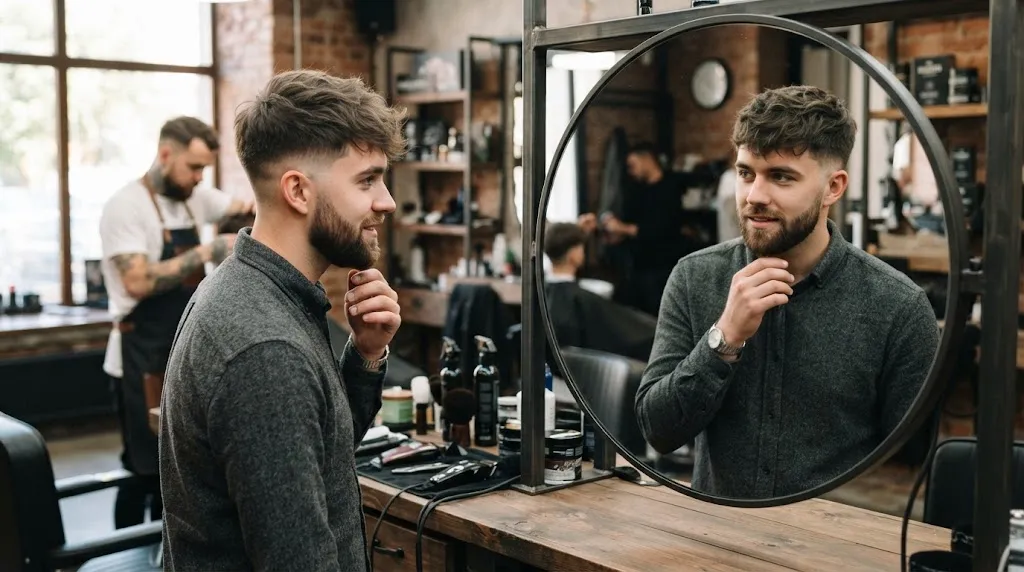
Every photo on this page comes with the style’s exact name, the hair types and face shapes it suits best, and step-by-step instructions to recreate it. To find a specific look, browse all our categories on HairStylesUSA or jump directly to the sections for men, women, boys, and girls below.
About this page
Written by our editorial team and reviewed by licensed professionals. Every photo is either original or licensed, and all cutting techniques are verified by working stylists. Learn more about our team on our meet our experts stylists page and read how we maintain accuracy on our editorial policy page.
How to Find a Hairstyle From a Photo
Finding a new haircut starts with a simple 3-step method: match your actual hair texture to the picture, learn the exact name of the cut, and save multiple angles before visiting a barber. To explore different categories of cuts by name, you can browse the hairstyles hub to see what fits your general length and category.
Start With Hair Type and Density, Not the Haircut
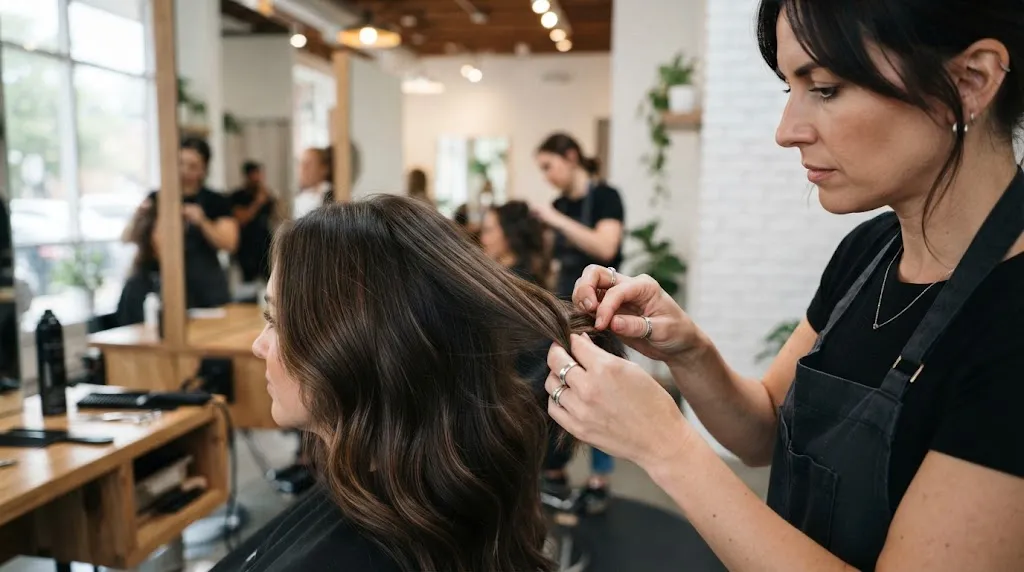
Picture this: the model in the photo has thick, pin-straight hair, but your own hair is fine and naturally wavy. If you try to force that exact cut, it will lay completely flat or puff out in the wrong places because hair density and growth patterns dictate how a style sits. Always check whether your natural hair texture can support the structure of the photo before falling in love with the final look.
Find the Style's Name and Tell Your Barber Exactly What You Want
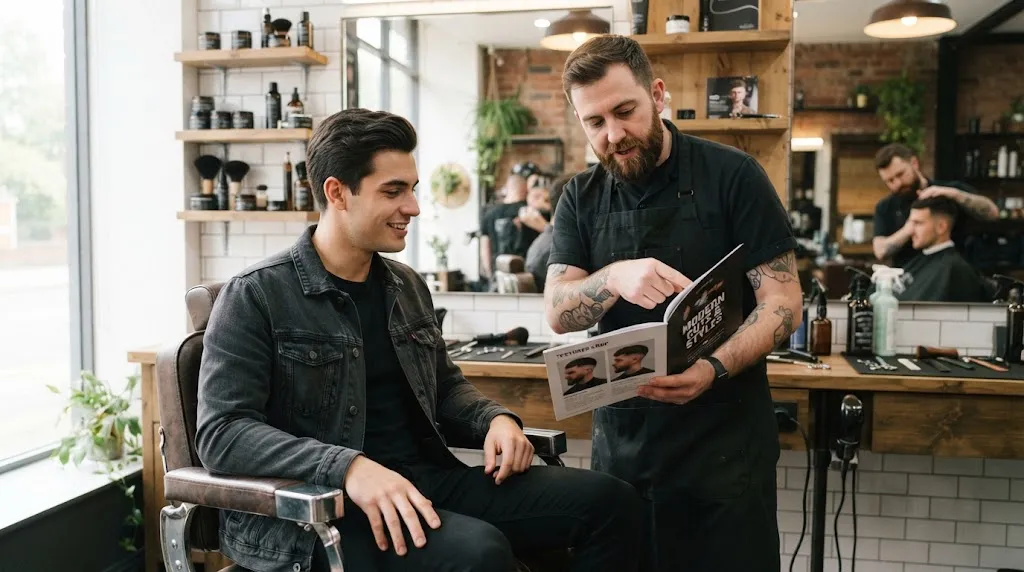
Do not rely on showing a photo alone and saying “make it look like this.” Run a reverse image search on the photo using a standard search tool or image app to discover the professional name of the cut. Once you have the name, use a direct script with your barber: “I want a medium-length taper fade on the sides, leaving about three inches on top with texture removed, styled with a light styling cream.” Giving both the technical term and the photo prevents guesswork in the chair.
Save Three Angles, Not One
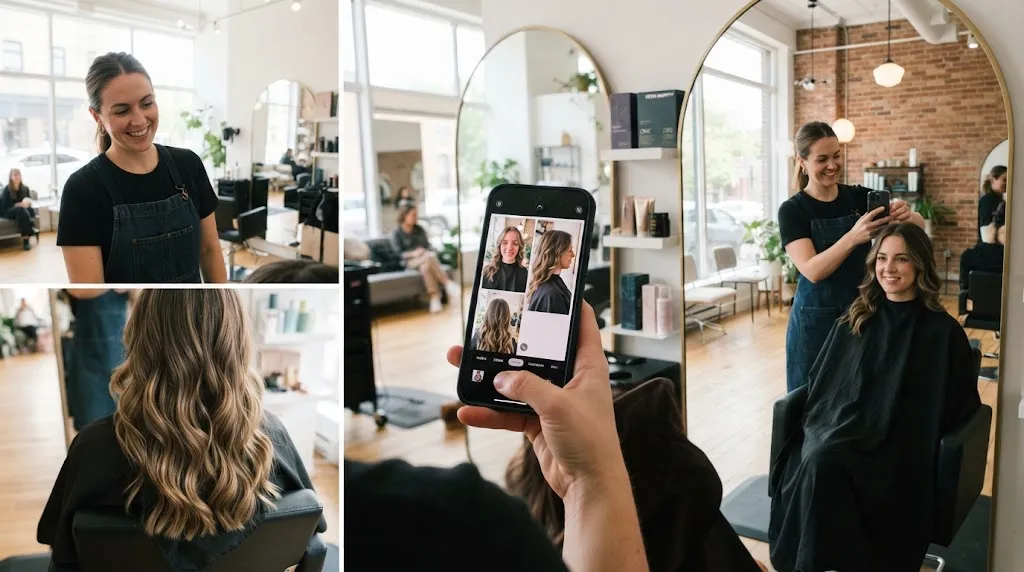
A single front-facing photo hides what is happening behind the ears and at the neckline, which often leads to a botched cut. Always save three distinct angles—front, side, and back—to give a complete blueprint of the taper, blend, and length. If you are unsure whether the silhouette flatters your bone structure, check the face-shape section below to verify which proportions match your jawline.
Try Hairstyles on Your Own Photo: Free Apps and AI Tools
Facial analysis software reads your face shape and proportions from an uploaded image to digitally overlay and preview different haircut options. Because algorithms cannot feel hair weight or spot hidden cowlicks, these virtual previews serve as a starting point rather than a final guarantee.
To test a new look effectively, follow this worked example:
Take a front-facing selfie in natural daylight with your hair pulled completely back off your face.
Upload the photo into the app so the tool can map your bone structure and label your face shape.
Test at least three different short and long styles to see how varying silhouettes frame your jawline.
Take a screenshot of the best preview angle to show your stylist, and confirm whether your hair density supports that cut in real life.
For complete setup instructions, check out the full try-on guide to prepare your photos correctly.
Can AI Pick a Hairstyle for You?
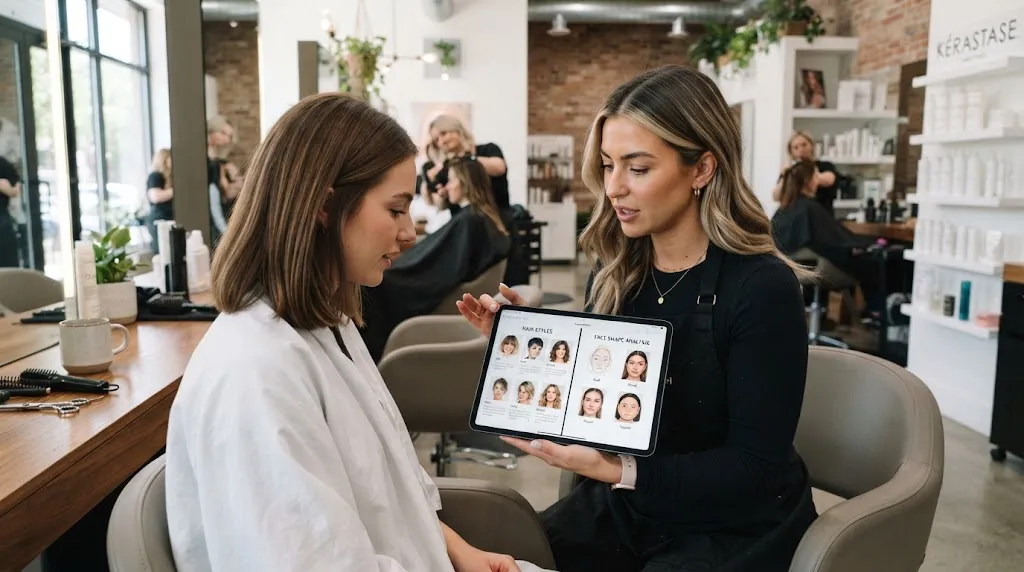
Can a computer algorithm truly choose the ideal haircut for your unique bone structure and lifestyle? Virtual styling tools match digital silhouettes to facial dimensions, but they miss crucial physical traits that dictate how a cut falls. Software cannot detect stubborn cowlicks, unusual hair growth patterns, or fine hair density. A digital preview shows what a shape looks like on a screen, yet an experienced barber must evaluate your hair texture in person to confirm if that cut will actually cooperate.
How to Upload Your Photo and Try Hairstyles Online, Step by Step

Select a clear, well-lit portrait photo taken straight-on against a neutral background.
Upload the image file into the web tool or mobile application upload window.
Adjust the alignment markers over your pupils, nose bridge, and chin to ensure accurate scale.
Browse the catalog of cuts and tap different styles to apply them instantly to your portrait.
Compare the preview results side-by-side by saving screenshots of your top two or three preferred options.
Free Hairstyle Apps for iPhone and Android: What to Check Before You Download

Evaluating virtual styling applications requires looking past marketing claims to examine specific functional limits [VERIFY]. Check whether the free tier restricts you to a tiny selection of basic cuts or locks the best styles behind a paid subscription. Look closely at output samples to see if the hair overlays look pasted on or blend realistically with your hairline. Inspect the app’s privacy policy to confirm how long your face photos remain stored on their servers after you finish editing.
How to Add Hair to a Picture Online for Free

Hair editors actively generate or extend strands onto a portrait, whereas hairstyle changers simply swap out pre-rendered haircut templates onto your existing head shape.
To use an online editor safely, follow these steps:
Open a web-based image modification tool that features hair generation tools.
Upload your source photo and use the brush tool to select the target area around your temples and crown.
Type a descriptive text prompt detailing the length and texture you want to generate.
Generate the preview, review the rendered result for realistic blending, and download the final image.
Men's Hairstyle Photos
Men’s hair style pics help you choose your next cut by showing exact lengths, fade lines, and textures before you visit the barbershop. Whether you want a sharp gents hair style image or a relaxed hair photo for men, comparing these cut types makes it easier to communicate with your barber. Browse more options on the men’s hairstyles hub.
Low Fade
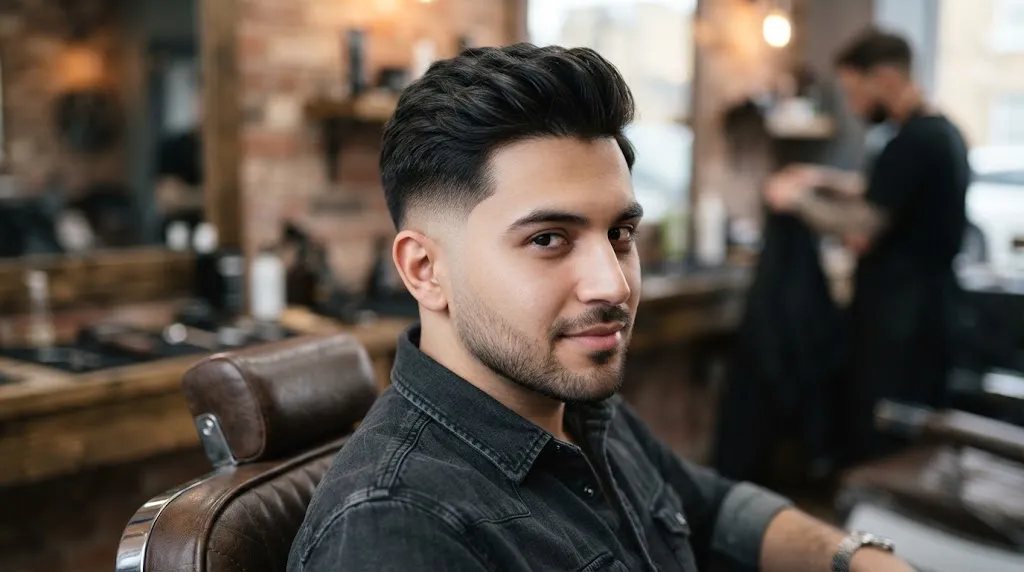
A low fade tapers the hair very close to the skin right above the ears and at the neckline, keeping more length on the sides and top. In photos, the height of the fade completely changes the overall silhouette; while a high fade creates a sharp contrast near the temples, a low fade offers a balanced, subtle transition.
This cut suits thick or medium hair types and works well for professional or casual settings because it looks neat without being overly aggressive. To recreate it, ask your barber for a low skin fade or drop fade, leaving at least two inches of length on top. It lasts about two to three weeks before the neckline and side taper start to blur out. Avoid asking for a low fade if your hair grows very patchy right above the ears, as the short skin exposure can highlight uneven growth.
Textured Crop

A textured crop features short hair on the sides with heavily layered, choppy strands on top that point forward toward the forehead. In photos, this style works well for fine hair because the choppy ends create shadow and thickness, hiding a thin scalp.
This cut suits straight or wavy hair types that tend to lay flat, and it is ideal for anyone wanting low-maintenance morning styling. For styling tips on managing different textures, check out straight hair men. Recreate it by applying a matte styling clay to damp hair, pushing the top forward, and pinching the front fringe into place. This look lasts about three to four weeks before the top gets too heavy and loses its choppy definition. Avoid heavy gel or greasy creams, which will weigh down fine strands and make the hair look clumped together in pictures.
Classic Side Part

A classic side part features neatly tapered sides and a longer top combed strictly to one side away from a defined part line. In photos, this cut projects a polished look suitable for office environments and job interviews.
It suits straight or slightly wavy hair of medium length, especially for men who need a dependable professional appearance. Learn more about managing hold and structure by visiting how to set hair. To recreate it, comb wet hair straight, find your natural growth direction to set the part line, blow-dry the hair sideways, and apply a medium-hold styling paste. The cut lasts three to four weeks, though the part line may need weekly clean-ups with a trimmer. Avoid cutting the part line too wide or carving it in with a razor if your scalp is sensitive, as harsh lines can look unnatural.
Slick Back
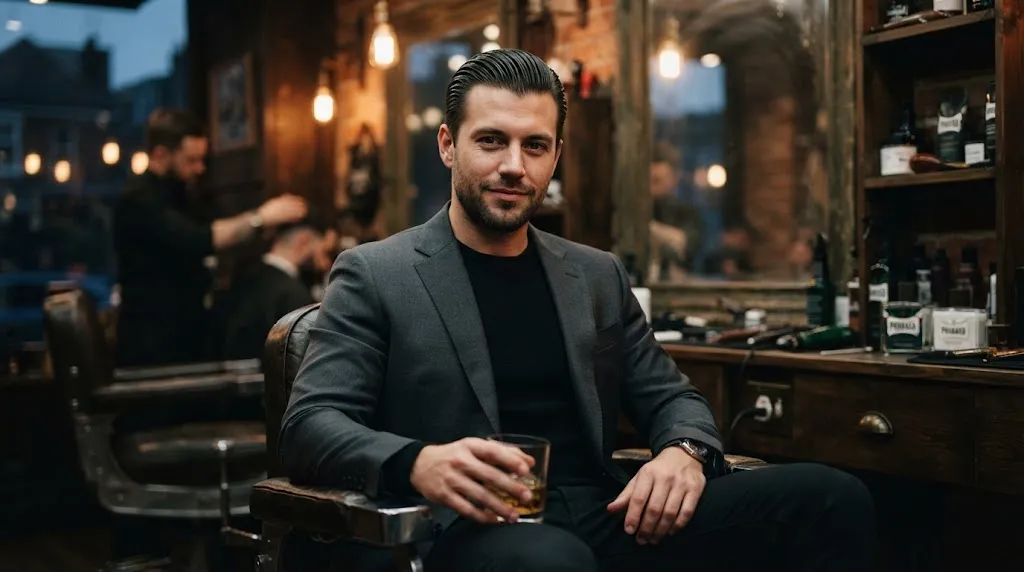
A slick back sweeps all the hair on top straight back from the forehead toward the crown, paired with short or faded sides. In photos, this style highlights your hairline, making it crucial to check whether your hairline is receding before committing.
This cut suits thick, straight, or wavy hair that is at least three to four inches long on top. Explore options for managing length at the back through back hair style. Recreate it by blow-drying damp hair backward, rubbing a small amount of water-based styling cream between your palms, and running your hands from front to back. A slick back lasts about four weeks before the top length starts falling into your eyes. Avoid using excessive amounts of heavy pomade, which causes the hair to clump and separates the strands unflatteringly in flash photography.
Quiff
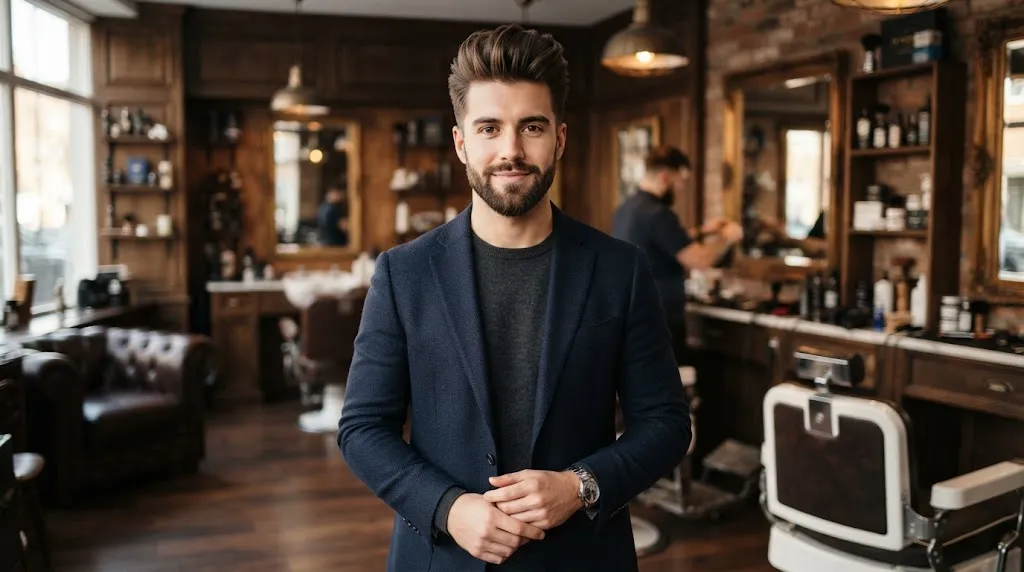
A quiff combines short sides with longer hair on top that is swept upward and backward away from the forehead to create volume. In photos, directing your blow-dryer upward from the roots is the main trick to building that signature front lift without the hair collapsing.
It suits thick or medium hair types and works best for oval or round face shapes because the vertical height elongates the face. For more volume ideas, see short pompadour. Recreate it by blow-drying damp hair straight up while brushing backward, rubbing a light styling paste into your hands, and lifting the front section. This cut lasts three weeks before the sides grow out and the top loses its lift. Avoid heavy, oil-based products that flatten the roots and ruin the airy volume needed for a proper quiff.
Buzz Cut
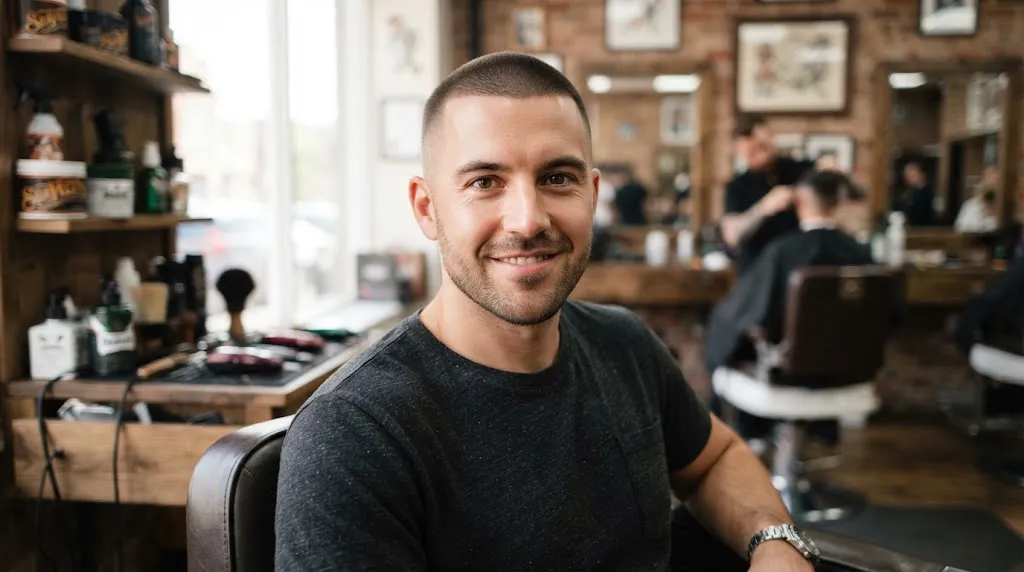
A buzz cut is a short, uniform haircut where the hair is clipped to the same short length all over the head using guard attachments. In photos, checking your head shape is essential because a buzz cut leaves no hair to hide bumps, scars, or an uneven skull structure.
This cut suits almost any hair type and is ideal for hot weather or minimal morning upkeep. Guard numbers typically range from a number one to a number four [VERIFY], where lower numbers cut closer to the scalp. For styling inspiration that pairs well with facial hair, view buzz cut with beard Indian. Recreate it by asking your barber for your preferred guard number all over, paired with a squared or rounded neckline. It lasts about two weeks before the uniform length turns fuzzy and uneven. Avoid getting a buzz cut if you have dry scalp flaking, as the very short length makes the skin highly visible.
Women's Hairstyle Photos
Finding the right women’s hair style image female starts with knowing how different cuts actually sit on the head and frame the face. If you are browsing hairstyle photos women for your next salon visit, looking at multiple angles helps you see how length and weight interact before you commit. For a broader overview of options, you can explore the main women’s hairstyles collection or browse more specific hair style pictures for women.
Long Layers
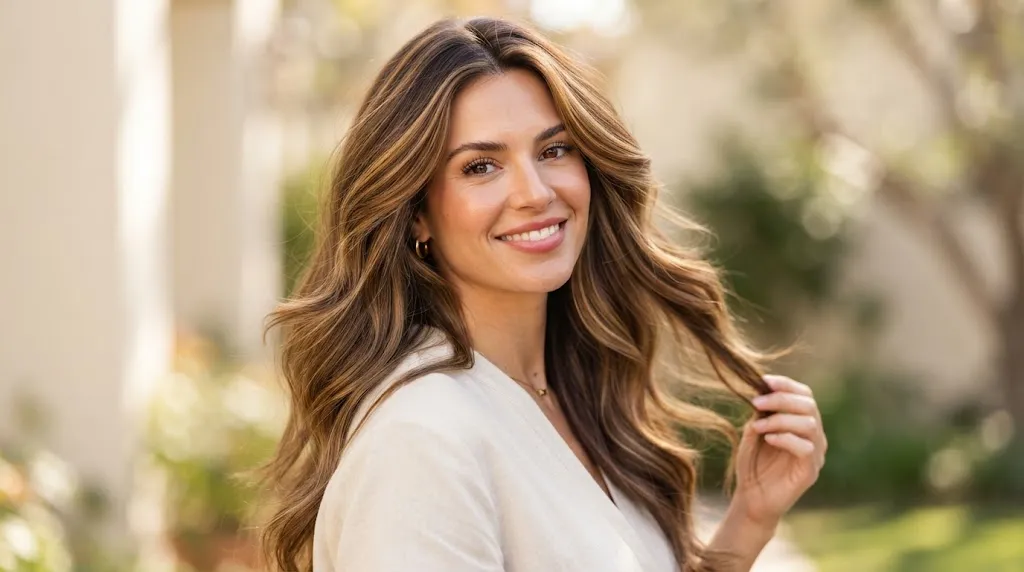
Long layers remove heavy weight from the mid-lengths and ends while keeping the overall length intact. When examining a photo to spot real layers, look for distinct steps or tapering along the back and sides rather than a solid, heavy bottom edge. This style suits thick or dense hair best, as it reduces bulk and adds natural movement.
Wash and condition hair, applying a light smoothing cream to damp strands.
Blow-dry using a round brush, rolling the ends inward or outward to define the layered edges.
Finish with a flexible-hold mist to keep the movement light.
The style typically lasts for three months before the layers lose their shape and require a trim. Avoid cutting the topmost layers too short if you have fine hair, as this can make the ends look stringy. To understand the foundational cutting techniques used for this look, check out the guide on layer cut pictures and the detailed breakdown for long hair step cuts.
Blunt Bob
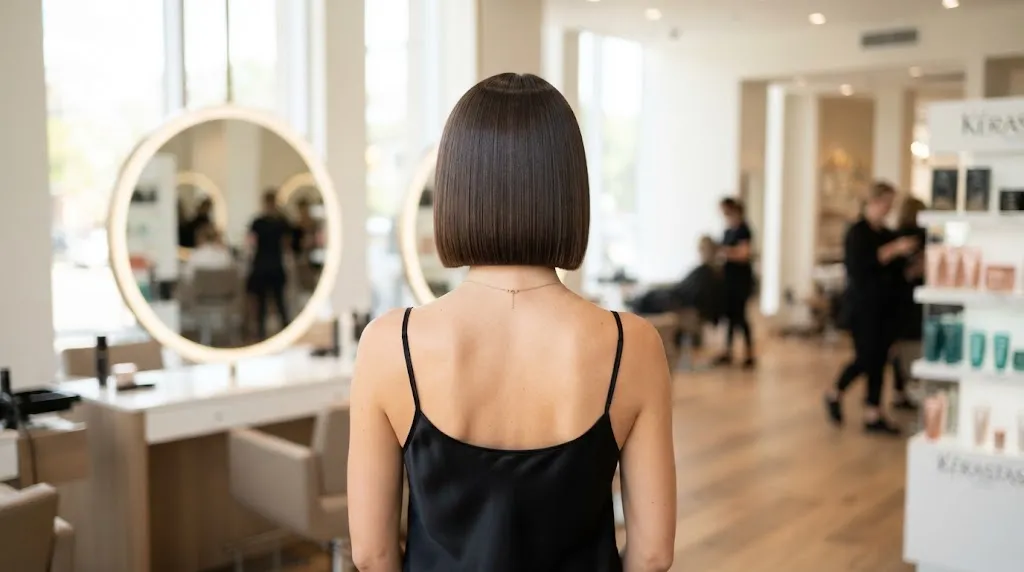
A blunt bob features a single, solid line cut entirely at one length with no internal layers. On thin hair, a blunt line creates the optical illusion of much thicker, denser ends because all the hair weight rests at the bottom edge. This cut suits fine to medium hair types and works well on oval or heart-shaped faces.
Apply a smoothing serum to wet hair to control frizz.
Blow-dry smooth using a flat paddle brush to keep the line straight.
Run a flat iron lightly over the ends to sharpen the perimeter.
This shape requires trimming every six to eight weeks to maintain the sharp baseline. Avoid this cut if your hair is extremely coarse or curly, as it can cause the hair to triangle out at the jawline. For more ideas on short and structured cuts, browse through the haircuts for women gallery.
Lob (Long Bob)

A lob, or long bob, is a versatile mid-length cut that rests anywhere between the collarbone and the top of the shoulders. It is the ideal transitional cut for anyone navigating the growing-out stage between a short bob and longer hair, offering plenty of styling flexibility without requiring heavy maintenance. This style suits nearly all face shapes and hair textures.
Apply a volumizing mousse to the roots of damp hair.
Blow-dry with a large round brush to lift the roots and curve the ends inward.
Wrap medium sections around a curling wand for a loose, lived-in wave if desired.
The cut holds its shape for about two months before the ends begin to flip out awkwardly on the shoulders. Avoid heavy styling oils that can weigh the medium length down. To find more inspiration for this length, visit the medium hair styles for women collection.
Pixie Cut

A pixie cut is a short crop where the back and sides are tapered close to the head while the top has slightly more length for texture. The neckline is the defining feature of a pixie, as a clean, closely clipped nape makes the neck look longer and highlights the jawline. This cut suits oval, round, and heart face shapes, especially on those with fine to medium hair density.
Work a small amount of matte styling paste into damp or dry hair.
Use your fingers to direct the top hair forward or to the side for texture.
Let the sides lay flat against the head naturally.
A pixie requires a cleanup trim every four to six weeks to keep the neckline and sideburns tidy. Avoid letting the sides grow out unchecked, as they lose their shape quickly.
Soft Waves
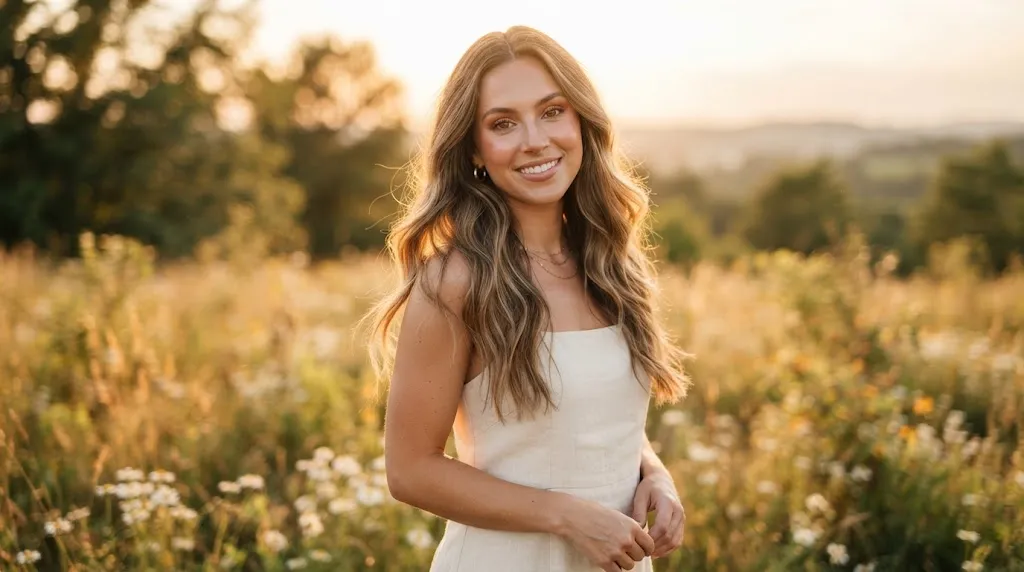
Soft waves feature relaxed, flowing bends rather than tight, formal curls for a natural, effortless finish. Instead of hot irons, you can achieve this look using a heatless method by braiding damp hair overnight or wrapping sections around soft foam rollers before bed. This style suits long or medium hair lengths and adds visual width to thin hair types.
Start with slightly damp hair and apply a light setting lotion.
Twist hair into loose buns or wrap around a heatless styling ribbon.
Leave in place until completely dry, then gently finger-comb the waves out.
The wave pattern usually holds for a full day, though it may relax into a straight texture by evening. Avoid using heavy gels that make the waves stiff instead of touchable. For more styling options involving textured movement, look over the light curly hairstyles guide.
Claw Clip Updo
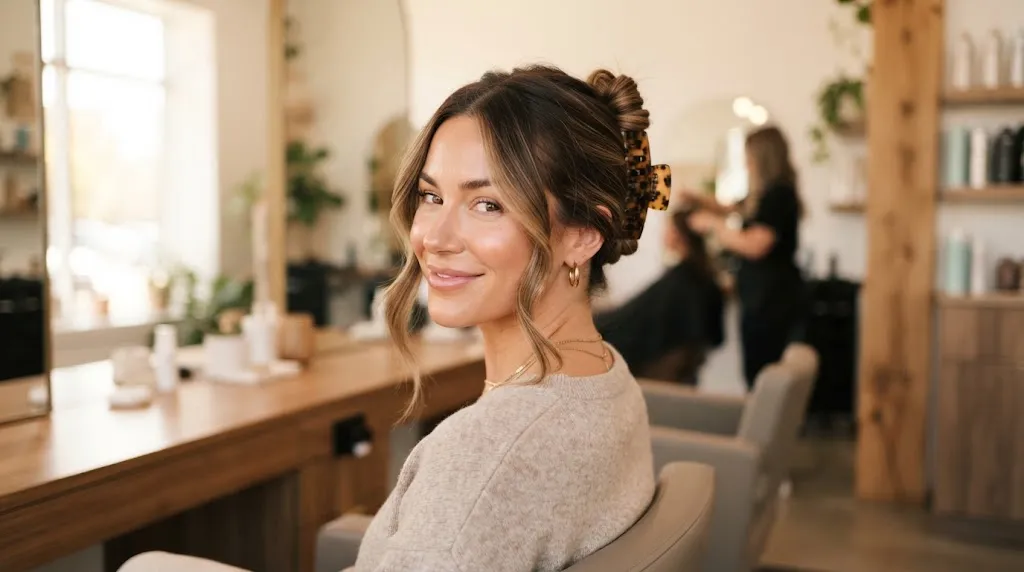
A claw clip updo gathers the hair into a vertical twist and holds it securely against the back of the head using a spring-loaded clamp. The secret to a successful updo is matching your clip size to your hair density; too small a clip will snap under heavy hair, while a massive clip will slide right out of fine hair. This style suits medium to long hair lengths for casual daily wear or quick styling.
Gather all hair into a low ponytail position with your hands.
Twist the ponytail upward tightly against the back of your head.
Open the claw clip and clamp it over the twisted section, letting the ends spill out the top.
The style holds securely all day as long as the hair is thick enough to fill the clip mechanism. Avoid using this style on freshly washed, ultra-slick hair without a texturizing spray, or the clip will slip out. For additional styling ideas suited for different events, take a look at the function hairstyle inspirations.
Boys' Hairstyle Photos
Boys’ hair cutting images and style guides help parents find clean, practical looks that fit school rules and everyday routines. This collection provides clear photo references and cutting details for five popular boys’ haircuts, designed to make your next barber visit straightforward.
Short Back and Sides
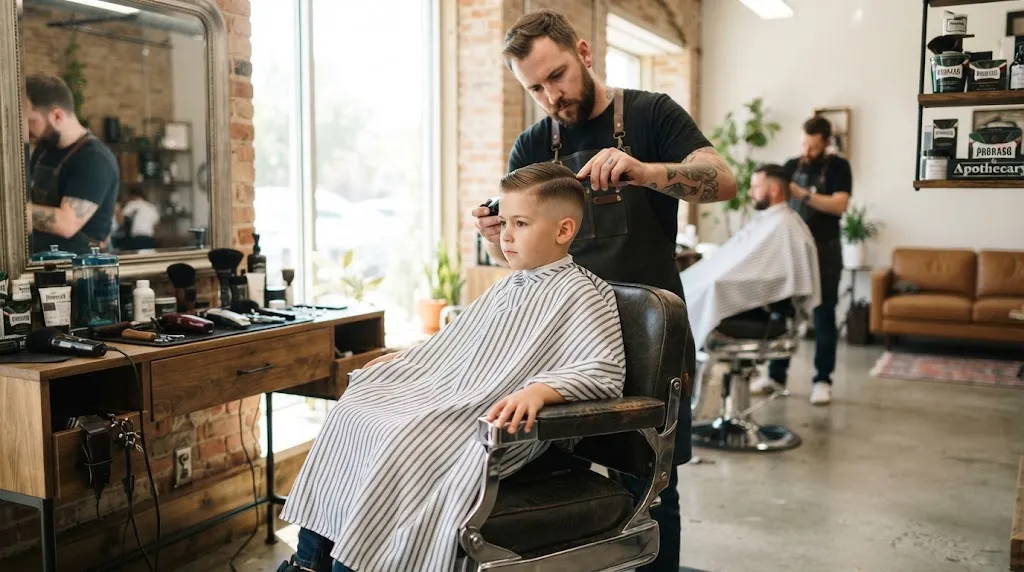
A short back and sides haircut features closely cropped hair around the nape and ears with slightly longer length left on top. Save a side-angle photo of this cut to show the barber exactly how high the taper should go above the ears.
This style suits straight or wavy hair of any length and fits easily into strict school uniform policies. It requires minimal daily effort, making it ideal for active boys who play sports.
To recreate it at home or ask your barber, request a clipper guard number two or three on the sides, blended neatly into a finger-length trim on top. A typical trim lasts about three to four weeks before the neckline starts to look heavy [VERIFY].
One common thing to avoid is a fade line that sits too high on the head, which can look unbalanced as the hair grows out. For more ideas, browse our main boys’ hairstyle gallery.
Textured Fringe
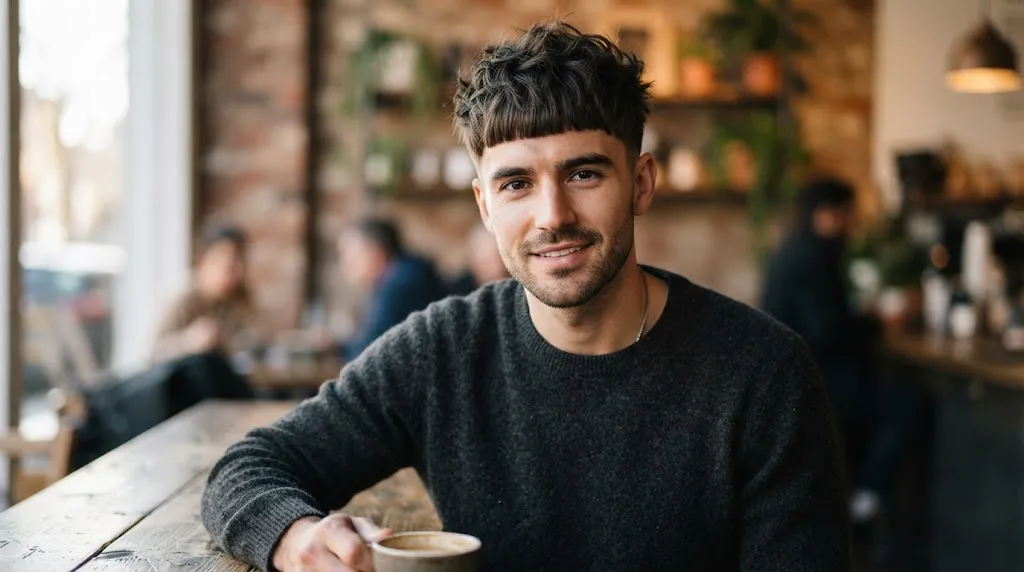
A textured fringe leaves weight and movement across the forehead while keeping the sides neat. Save a front-facing image showing how the ends are point-cut to avoid a blunt, heavy line.
This look works best for medium-thick hair types and boys who do not mind having hair near their eyes. It is particularly forgiving for cowlicks at the front because the textured ends help disguise stubborn hair growth patterns.
Ask your barber for point-cutting across the top to remove bulk and create piecey texture. Recreate the look daily by working a pea-sized amount of a light styling cream through damp hair, pushing the front forward and down.
A fresh cut keeps its shape for roughly four weeks [VERIFY]. Watch out for cutting the fringe too short while wet, as hair naturally springs up as it dries. For a retro reference, look at classic looks like those found in past trends such as hair style boys 2020.
Curly Top Cut
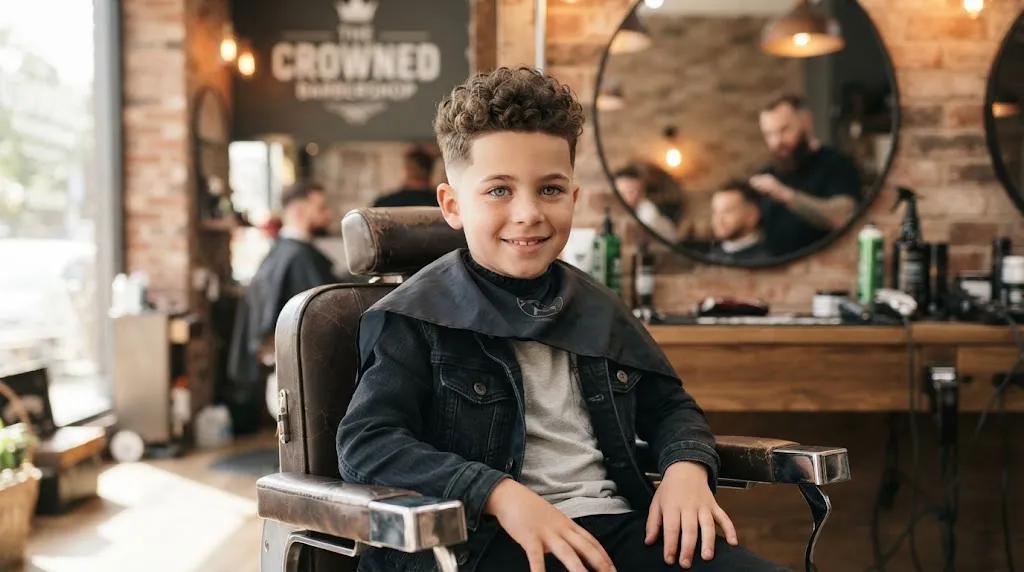
A curly top cut keeps natural ringlets or coils defined on top while keeping the sides and back short and tidy. Save a side-profile photo that clearly shows where the curls start and where the taper begins.
This style suits naturally curly or coily hair types best, allowing boys to embrace their natural texture without tangles getting out of hand. It is low-maintenance for daily wear since natural curls do much of the styling work on their own.
Ask your barber to use scissors rather than clippers on top to preserve the curl pattern and avoid frizz. To recreate it, apply a small amount of lightweight curl cream to towel-dried hair and scrunch gently.
This haircut lasts about three to six weeks depending on how fast the sides grow [VERIFY]. Avoid heavy gels that make curls crunchy or stiff. You can also explore specific variations like the box cut hairstyle for alternative ways to manage texture.
Spiky Hair
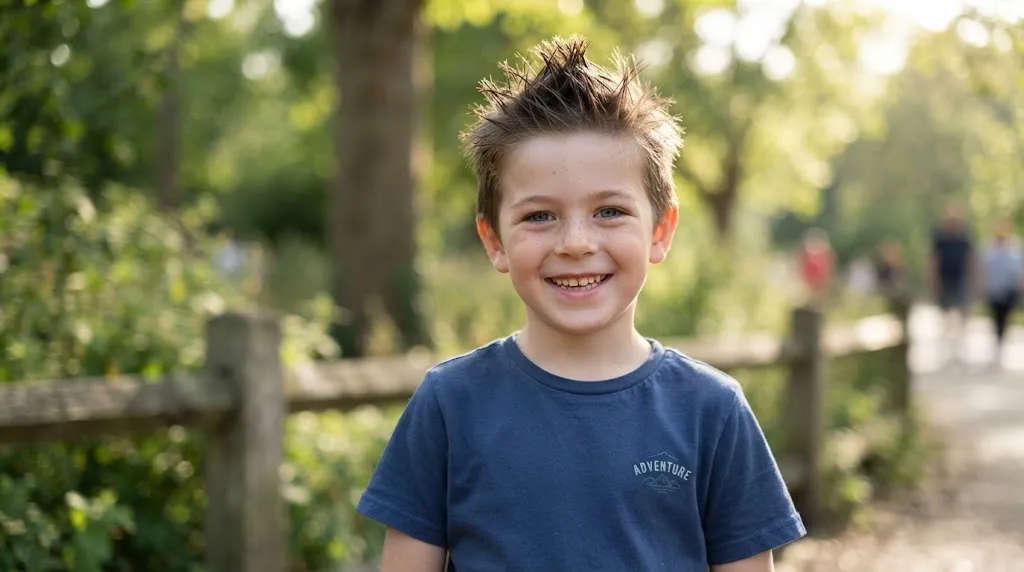
Spiky hair uses short layers swept upward and forward from the crown toward the forehead. Save a three-quarter angle photo that shows the height and direction of the spikes clearly.
This style suits straight, thick hair that naturally stands up on its own when cut short. It is a favorite for active school days because it stays out of the face during playground activities.
Request a short, uniform chop on top with tapered sides from your barber. To style at home, rub a tiny dab of matte paste between your palms, press it through dry hair, and pinch small sections upward.
A tidy up is usually needed every three weeks [VERIFY]. Avoid using too much product, which weighs the hair down and makes spikes clump together instead of looking clean and separated.
Two-Block Cut
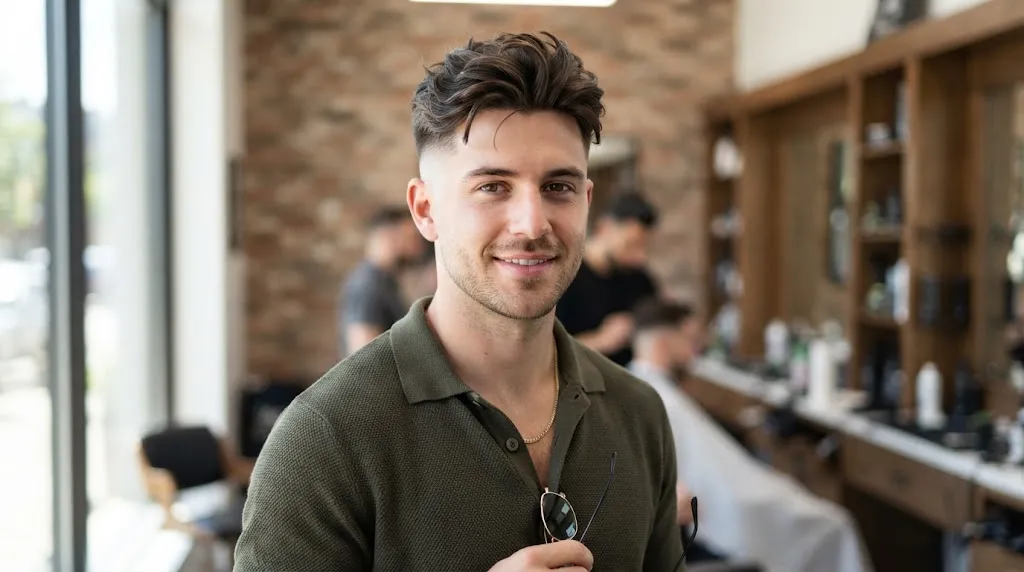
A two-block cut features a disconnected look with longer hair on top that falls over cleanly trimmed or shaved lower sections. Save a front-angle photo showing the distinct drop line between the top layer and the short sides.
This cut suits straight or slightly wavy hair and works well for medium face shapes. Regular upkeep is essential because the contrast relies on clean lines.
Ask your barber for a disconnected undercut where the top section hangs naturally over the shaved lower block. To style, blow-dry the hair straight down and apply a touch of light cream to keep flyaways in place.
Trims are required every three to four weeks [VERIFY] to maintain the sharp division. Avoid letting the lower block grow too long, or it loses the signature two-block shape. For inspiration on this specific look, check out the korean boy hairstyle guide.
Simple Hairstyle Photos for Girls
These simple hairstyle photos for girls show practical 5-10 minute styles that work well for school mornings, busy days, and everyday wear. If you want more inspiration, check out these cool hairstyles for girls for modern cuts, explore cute open hairstyles for flowing looks, or browse long hairstyles for girls for ways to manage extra length.
Low Ponytail

A low ponytail is a classic, sleek everyday look where hair gathers neatly at the base of the neck. Save this side profile photo to show a stylist or use at home for a clean, uniform finish.
This style suits medium to long hair of any texture, whether straight, wavy, or curly. It works especially well for school because it stays out of the face all day.
Brush hair smooth to remove any knots.
Gather the hair together right at the nape of the neck.
Secure the base using a snag-free fabric band instead of a rubber elastic to prevent hair breakage.
Wrap a small strand of hair around the band to hide it, tucking the end underneath.
To prevent elastic damage, avoid pulling the hair tie too tightly and never use rubber bands that grip and snap the hair strands. This style holds well for 4 to 8 hours depending on activity level [VERIFY]. One common precaution is to skip metal-clasped elastics, which fray the hair cuticle over time.
Loose Bun
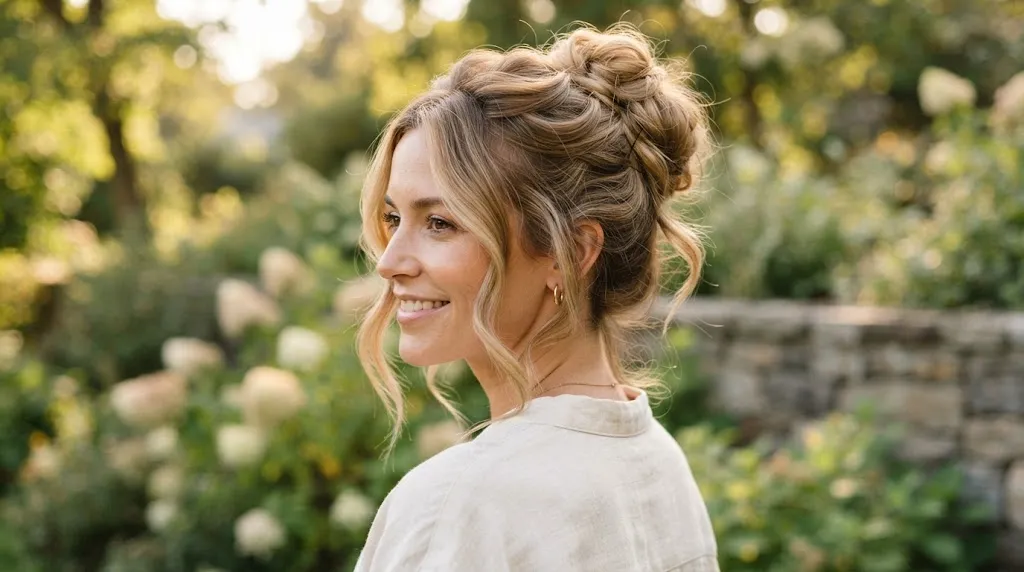
A loose bun is a relaxed, gathered coil of hair pinned casually at the crown or back of the head. Save this back-angle photo to help you recreate the exact balance between a neat school look and a playful party style.
It suits medium to long hair that has enough length to wrap around itself. It is ideal when transitioning straight from a daytime classroom setting to an evening gathering without starting over.
Gather all the hair loosely toward the desired height on the head.
Twist the hair length gently into a loose coil.
Wrap the coil around its base to form a circular bun shape.
Secure the style in place using a few soft bobby pins while letting a few strands stay soft.
Switching between school and party settings takes seconds: tighten the pins and smooth stray edges for a formal classroom look, then pull out a few soft pieces near the ears for a relaxed evening feel. This style holds for about 3 to 6 hours before needing a quick repin [VERIFY]. Avoid twisting the hair too tightly into a hard knot, as this creates scalp tension and creases
Half-Up Half-Down
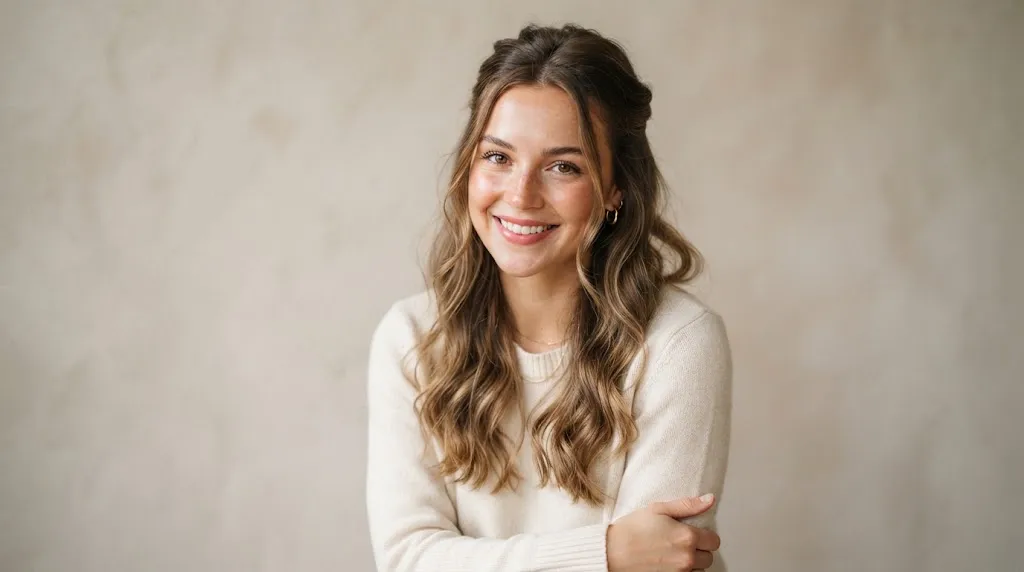
The half-up half-down style splits the hair horizontally, pulling the top portion away from the face while leaving the bottom half hanging loose. Save this front angle to show how high the top section should be sectioned relative to the eyebrows.
This look works best on medium to long hair lengths, specifically when hair falls past the shoulders. Short chin-length hair lacks enough length in the lower section to sit correctly, while extremely long hair can sometimes weigh down the top anchor.
Partition the hair horizontally from the outer corner of one eyebrow to the other.
Gather this top section securely at the back of the head.
Fasten the section using a small clip or a soft fabric elastic.
Gently tease or lift the crown section slightly to add natural volume.
This style generally holds for 4 to 6 hours [VERIFY]. One precaution to keep in mind is avoiding heavy styling clips that pull on the crown and cause headaches by the end of the day.
Dutch Braid
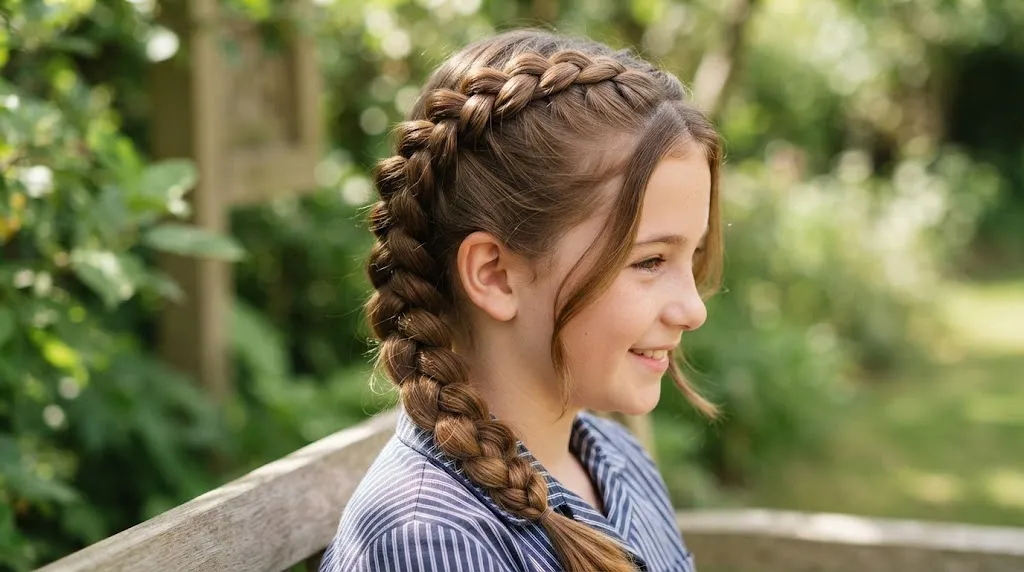
A Dutch braid is a three-strand inverted braid where sections cross under one another instead of over, creating a raised, 3-D effect on the scalp. Save this side angle to track how hair feeds into the braid from the hairline.
It suits medium and long hair of straight or wavy textures. It works great for sports and active days because it locks loose strands securely against the head.
Part the hair down the middle or leave it in a single section.
Take a small section at the hairline and divide it into three equal pieces.
Cross the right strand under the middle strand, then the left strand under the new middle strand.
Add a small piece of loose hair to each strand before crossing it under, repeating down the head.
Secure the bottom end with a soft band.
A common beginner mistake is crossing strands over instead of under, which turns the Dutch braid into a standard French braid. This style lasts all day, holding up to 8 hours or more [VERIFY]. Avoid pulling the side sections too aggressively while braiding, as tight tension can pull painfully on the scalp.
Side Braid
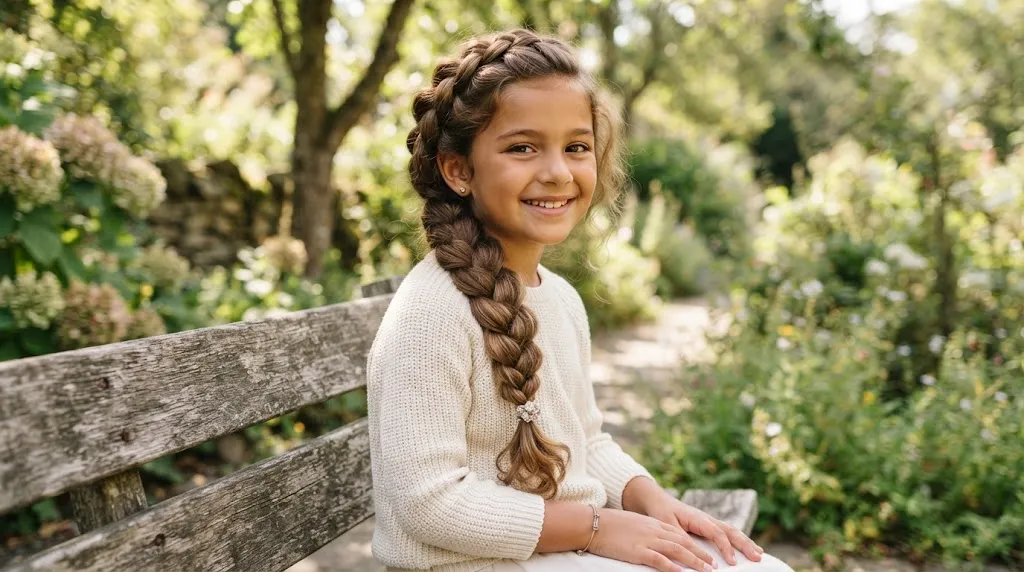
A side braid gathers all the hair to one shoulder before weaving it into a single downward braid. Save this shoulder-angle photo to see how the braid curves naturally around the neck.
This style suits medium to long hair. It is especially helpful for thin hair because pulling gently at the outer loops of the braid creates the illusion of thicker, fuller strands.
Sweep all the hair gently over to either the left or right shoulder.
Divide the gathered hair into three even vertical sections.
Weave the hair downward by crossing the outer strands over the center strand.
Secure the bottom tip firmly with a soft elastic band.
Tug lightly on the outer edges of the braid loops to fan them out for extra width.
This look holds for about 4 to 6 hours before starting to loosen [VERIFY]. One thing to avoid is braiding too loosely from the very top, which causes the hair to sag and fall out near the ear.
Bubble Ponytail
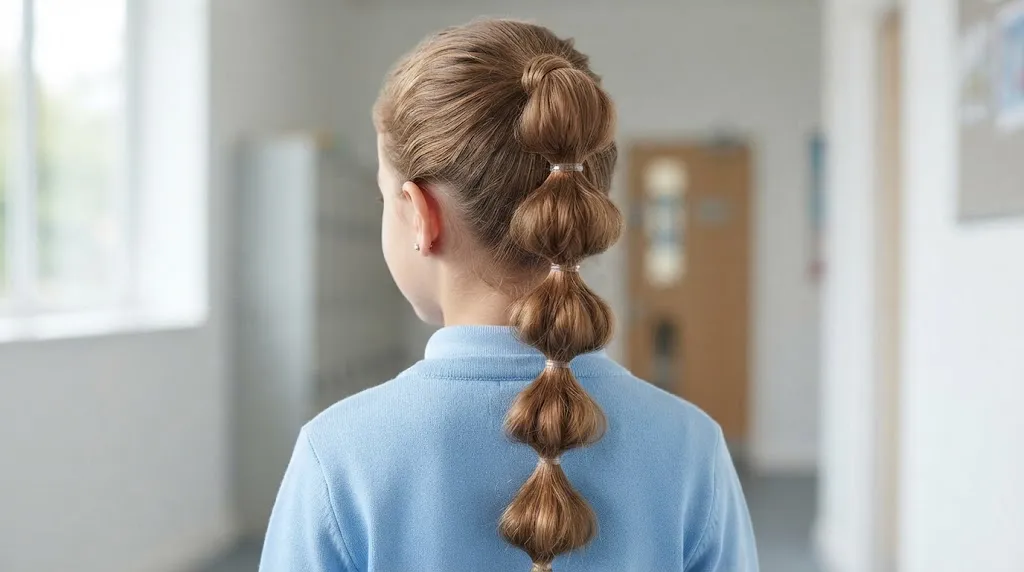
A bubble ponytail is a standard high or low ponytail segmented into rounded, puffed sections using multiple hair elastics. Save this back-angle photo to check the exact spacing between each elastic band.
It suits medium to long hair and works well on straight or slightly wavy textures. It is a quick alternative for those who struggle with complex braiding techniques.
Tie the hair into a standard ponytail at the desired height.
Place a second hair elastic a few inches down the length of the tail.
Gently pull outward on the hair between the two elastics to puff it into a rounded bubble shape.
Repeat this spacing and pulling process down the rest of the tail.
This style typically holds for 4 to 5 hours before the puffed sections begin to flatten [VERIFY]. The number of elastics depends entirely on hair length, usually requiring 3 to 5 bands total. Avoid placing the elastics too far apart, as this prevents the hair from holding its rounded bubble shape.
Flags:
[VERIFY]: holds well for 4 to 8 hours (Low Ponytail)
[VERIFY]: holds for about 3 to 6 hours before needing a quick repin (Loose Bun)
[VERIFY]: style generally holds for 4 to 6 hours (Half-Up Half-Down)
[VERIFY]: style lasts all day, holding up to 8 hours or more (Dutch Braid)
[VERIFY]: look holds for about 4 to 6 hours before starting to loosen (Side Braid)
[VERIFY]: style typically holds for 4 to 5 hours before the puffed sections begin to flatten (Bubble Ponytail)
Hairstyle Photos for Over 50
Hair texture and density shift as people age, making specific cuts more flattering than others because they add natural movement and frame the face effectively.
What Actually Makes a Hairstyle Look Younger
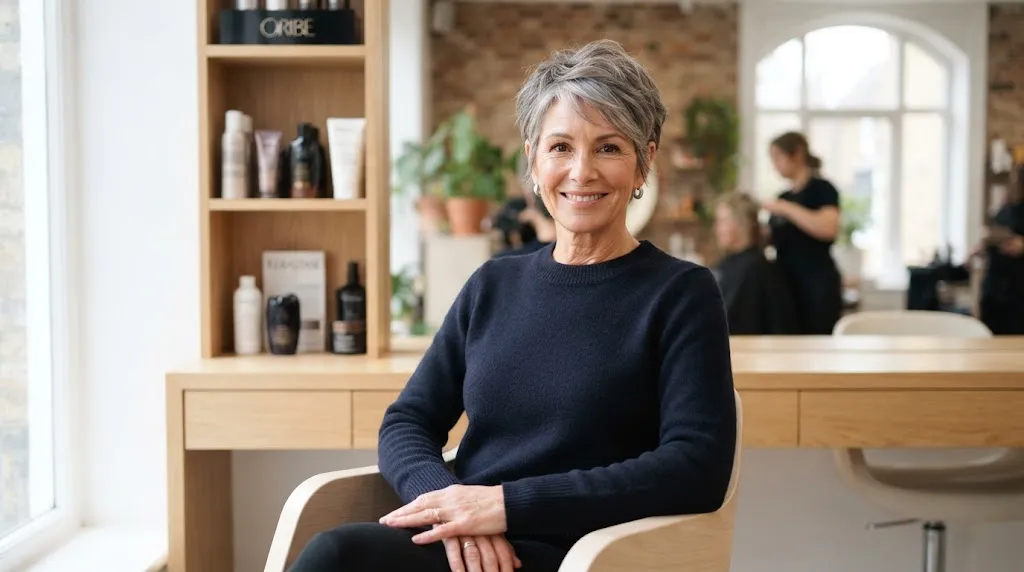
Many people believe that cutting hair very short is the only option after age fifty, but reality shows that harsh, uniform lengths often weigh features down. Instead, soft movement, lightweight texture around the jawline, and natural volume at the crown create a lifted, energetic appearance. Heavy, blunt lines can accentuate fine lines, whereas airy layers diffuse shadows and soften facial features.
Graduated Bob

The graduated bob features shorter, stacked layers at the nape of the neck that gently angle down toward longer pieces near the chin. Save this side profile view to show your stylist the precise stacking angle. This style suits straight to wavy hair types because the built-in graduation creates instant volume at the crown, which reads youthful by lifting the overall silhouette away from the neck.
To recreate it, apply a lightweight volumizing mousse to damp roots, blow-dry using a round brush to pull the crown upward, and smooth the ends slightly inward. The cut generally lasts six to eight weeks before the back shape loses its clean stacking line. Avoid using heavy pomades that flatten the crown volume.
Cropped Shag
The cropped shag relies on choppy, disconnected layers distributed throughout the top and sides, paired with a soft, piece-y fringe. Save this front-angle view to illustrate the desired texture density around the forehead and temples. It suits fine or thinning hair exceptionally well because the shattered cutting technique creates the illusion of thickness and hides scalp visibility.
To recreate it, work a texturizing paste through dry hair, scrunching the ends upward to separate the layers, and finish with a flexible-hold hairspray. This look maintains its shape for about [VERIFY: 5 to 6 weeks] before the layers require reshaping. Avoid over-smoothing with a flat iron, as stiffness ruins the relaxed, youthful movement.
Soft Layered Shoulder-Length Cut
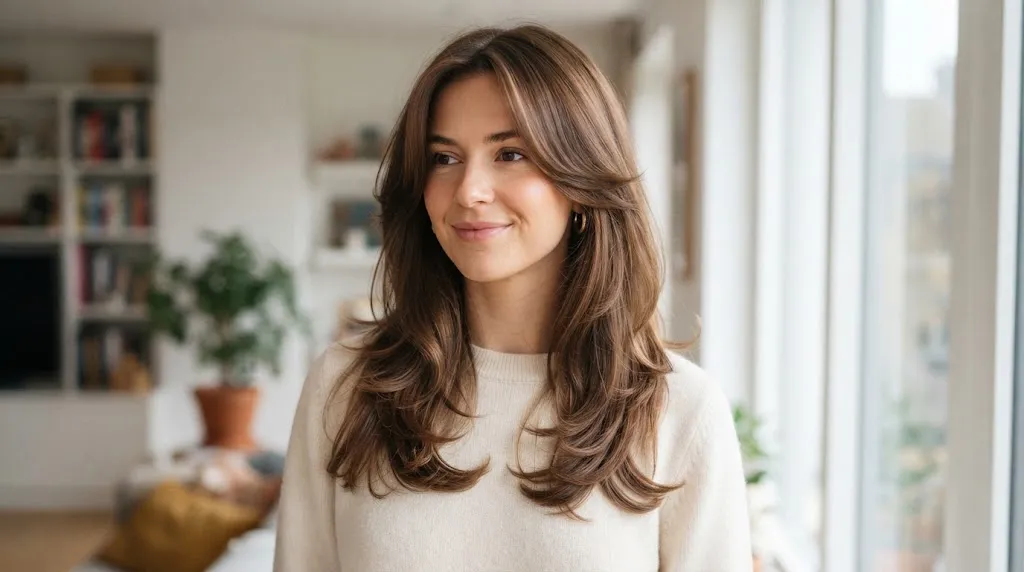
The soft layered shoulder-length cut incorporates long, cascading layers that begin below the chin to maintain weight while removing bulk. Save this front view to show the exact starting point of the face-framing layers. It suits medium-to-thick hair types and works well for those who prefer wearing their hair tied back or loose, offering versatility while keeping the face open.
To recreate it, blow-dry sections smooth using a large paddle brush, then wrap the front pieces backward away from the face with a large curling iron for a gentle bend. The cut holds its form for roughly eight weeks. Avoid cutting short layers too high near the crown, which can create unwanted width on the sides of the face.
Men Over 50: What Changes
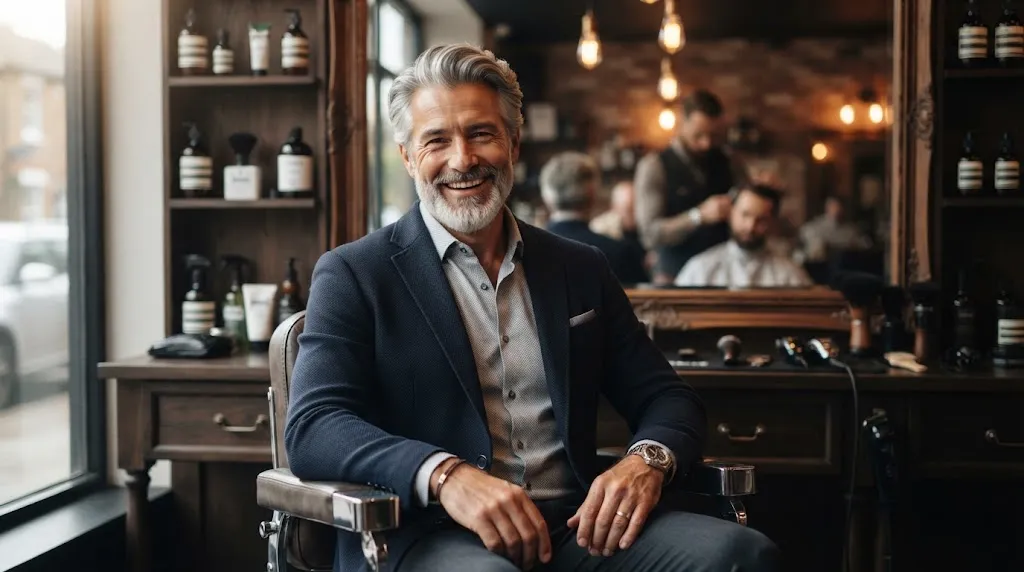
Hair texture for men often becomes coarser or finer around the temples, requiring cuts that manage changing density without looking forced. A short taper on the back and sides combined with a slightly longer, textured top allows natural thinning areas to blend seamlessly. For more specific inspiration and visual examples, view the men’s older hairstyles guide.
Hairstyle Photos by Face Shape
Matching a haircut to your bone structure changes how balanced your features look in a photograph. A well-chosen style highlights your best angles, while a poor match distorts proportions on camera. Use this quick comparison table to find which categories suit your face shape before browsing individual photo galleries.
| Face Shape | Key Proportions | Best Suited Styles |
|---|---|---|
| Oval Face | Balanced forehead, cheekbones, and jaw. | Textured Crop, Long Layered Cut |
| Round Face | Equal width and length with soft curves. | Pompadour, Long Shag |
| Square Face | Strong, angular jaw and wide forehead. | Side Part, Textured Bob |
| Heart Face | Wide forehead and high cheekbones tapering to a narrow chin. | Chin-Length Bob, Side-Swept Pixie |
| Long (Oblong) Face | Face length is visibly greater than its width. | Crew Cut, Mid-Length Waves |
Oval Face

An oval face shape has the widest flexibility because balanced proportions can carry almost any cut without altering visual width. For a masculine option, a textured crop works well by keeping volume on top while tight sides frame the natural symmetry. For a feminine example, a long layered cut adds soft movement that complements evenly spaced features without overwhelming them.
Round Face

Round faces benefit from cuts that add height on top and keep the sides close to create an elongating illusion. Men can check out short haircuts for round face shapes to see examples of styles that build vertical lift. Women exploring options to sharpen soft curves can review haircut ideas for round face shapes or look into long layered haircuts for fuller faces for inspiration on drawing the eye downward.
Square Face
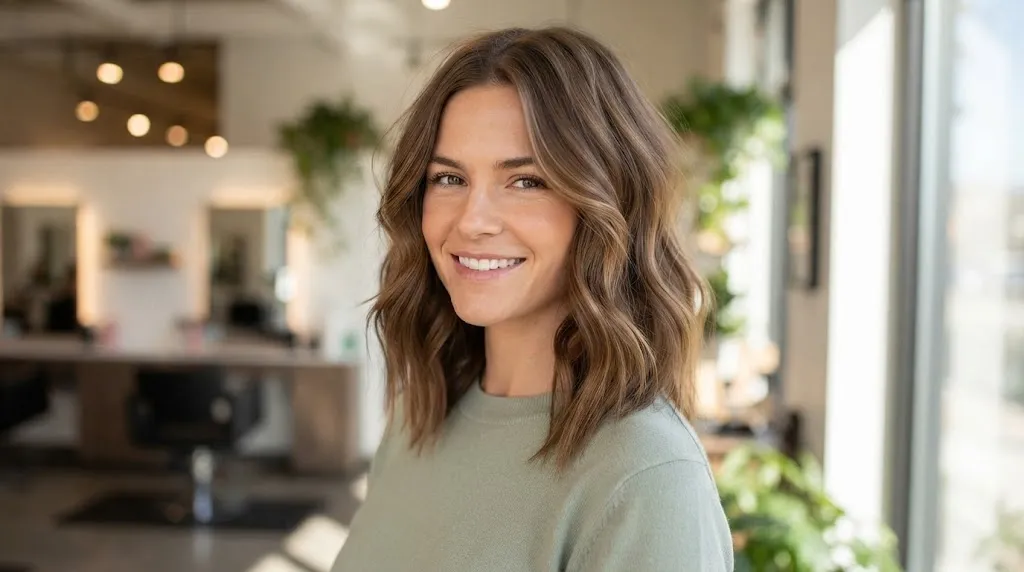
Square faces feature a sharp, angular jawline that benefits from styles softening the strong lines around the temples and chin. Men looking to balance strong bone structure can browse haircut options for square faces to see how side-swept volume or textured fades diffuse harsh angles.
Heart Face

Heart-shaped faces typically feature a broader forehead that narrows sharply down to a delicate chin. Women wanting to balance a wide upper face can read about best hairstyles to minimize a wide forehead to find cuts that add fullness around the jawline instead of the crown.
Long (Oblong) Face

Long face shapes need width at the sides to prevent the head from appearing stretched out in photos. Men can examine hairstyles designed for long male faces for ideas on adding horizontal volume. Women seeking to shorten a vertically long profile can review haircuts that flatter slim faces to see how fringe and side volume create balance.
What's Trending: The Hottest Hairstyles Right Now
The most sought-after haircut for 2026 is the textured wolf cut, closely followed by the collarbone-skimming Italian bob. These cuts dominate current salon requests because they balance low-maintenance upkeep with sharp, modern shape. Detailed trend specifics can be found in our guide on cool hairstyles for girls, which breaks down seasonal adjustments and length choices.
Are Hairstyle Photos From 2022 Still Relevant?
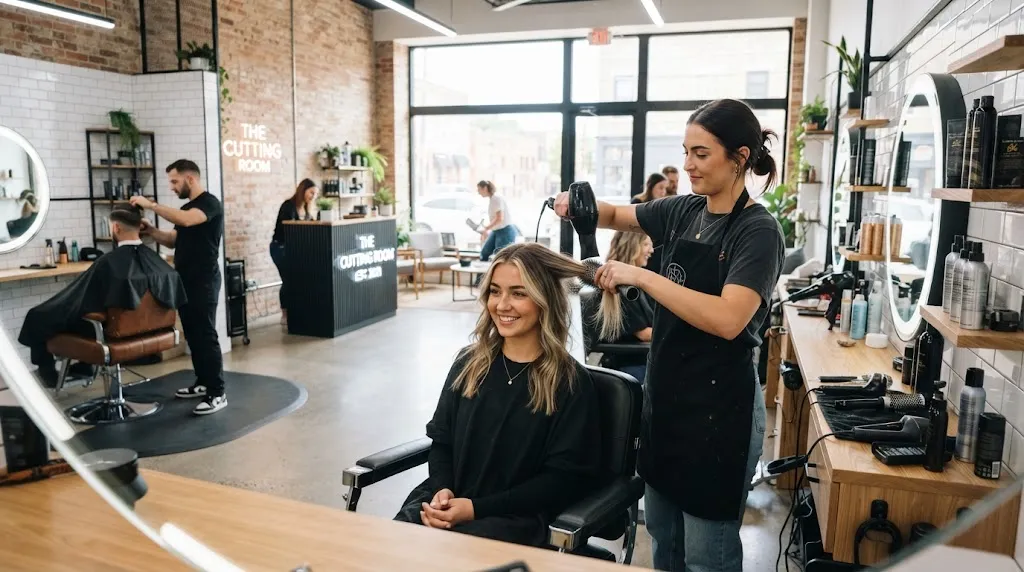
Haircut photos from 2022 can still serve as useful reference points if the cut relies on classic geometry rather than short-lived internet fads. Traditional shapes like a blunt jaw-length bob or a standard long-layered cut maintain timeless structure across years. However, styling finishes have shifted significantly. While 2022 trends often favored heavy texturizing sprays, matte clays, and ultra-flat straightening irons, current standards emphasize high-gloss, reflective finishes and air-dried natural movement. If you bring an older photograph to a barber or stylist, expect them to update the look by softening heavy weight lines or adjusting the layering technique to match modern, lighter styling preferences.
Before and After Haircut Photos
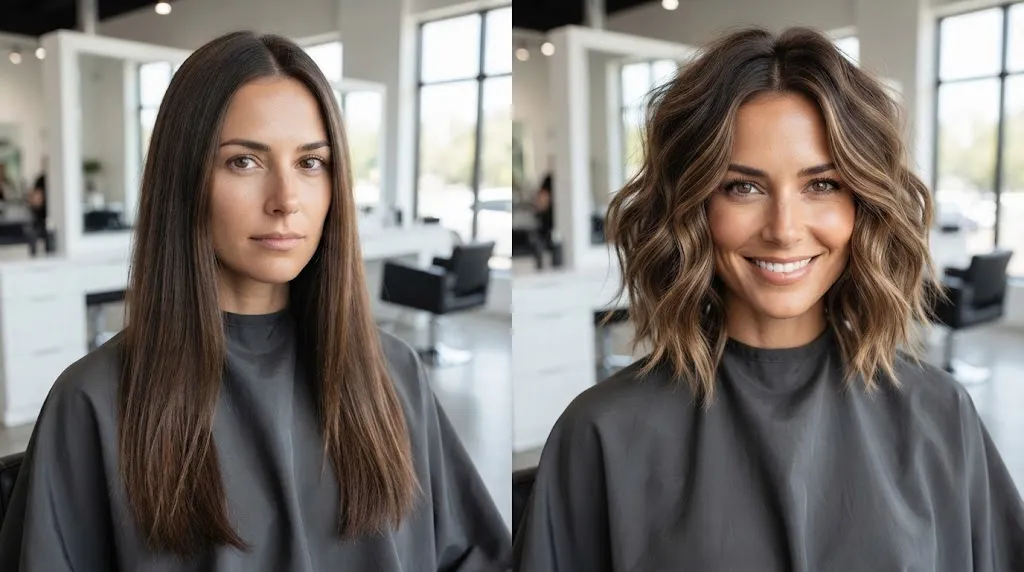
Before-and-after hair look photo comparisons show exact shifts in shape, weight distribution, and silhouette when a person switches styles. These side-by-side or front-and-back image sets let viewers evaluate how a cut alters the facial frame without relying on guesswork.
Long-to-Short Transformations
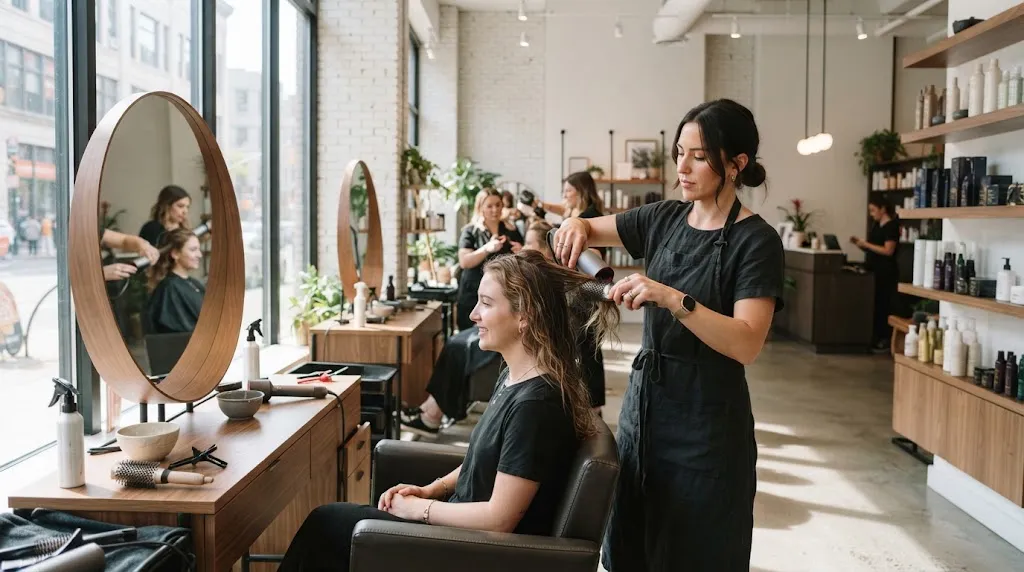
Moving from long hair to a short crop fundamentally changes the silhouette, weight line, and neckline exposure while leaving the underlying head shape and facial bone structure unchanged. The primary shift is the immediate removal of bulk from the shoulders, which makes the neck look longer and draws visual focus upward toward the jawline and cheekbones. Hair texture can also appear completely different because shorter strands hold less downward weight, often revealing natural waves or volume that long hair previously flattened out.
What stays the same is the natural hair growth pattern, scalp characteristics, and overall hair density across the head. A transformation photo highlights how a stylist cuts into the interior to control how the remaining hair falls. When viewing these photos, check the ear placement and the nape cleanup to see how the barber or stylist customized the transition from the sides to the back.
Adding Layers and Face-Framing
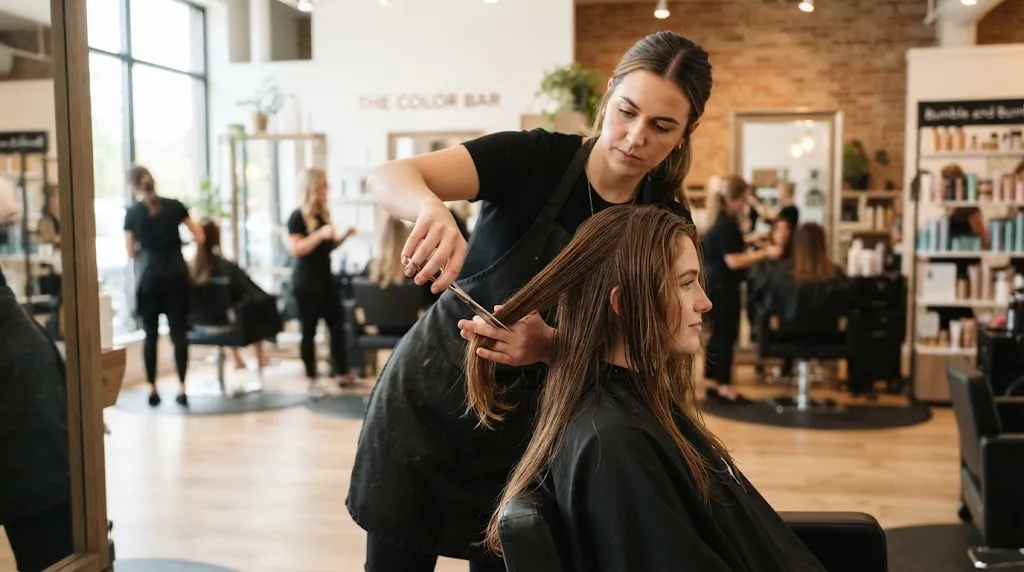
Introducing layers and face-framing pieces to a mid-length or long cut alters how light and shadow hit the face by softening hard jawlines and creating diagonal movement around the cheekbones. The weight shifts from a heavy bottom line to a stacked or graduated structure, which adds bounce and lift at the crown.
The overall length of the hair can remain identical in a before-and-after photo, but the internal texture changes completely. Shorter perimeter pieces around the face create a curtain effect that narrows a wide forehead or balances a round face shape. The underlying hair density, color, and natural curl pattern remain exactly the same. When reviewing these specific photos, look at the ends of the hair to see how point-cutting was used to remove bluntness and create a softer, piece-y finish instead of a solid block of weight.
Which Images Here Can You Download and Use?
You can freely download and save the hairstyle pictures featured on this site for personal reference or inspiration. Every image found throughout our galleries, such as the visual selections on our boy hairstyle image download page, is cleared for personal offline viewing and mood boarding. This means you can save them to your device camera roll or pin them to digital boards to show your stylist later.
Commercial use, redistribution on other photo galleries, or publishing these pictures on external websites without explicit written permission is strictly prohibited. When you download a picture, ensure it remains on your personal device or gets printed out solely for your next salon or barbershop appointment.
How to Save HD Photos and Set a Hairstyle Wallpaper
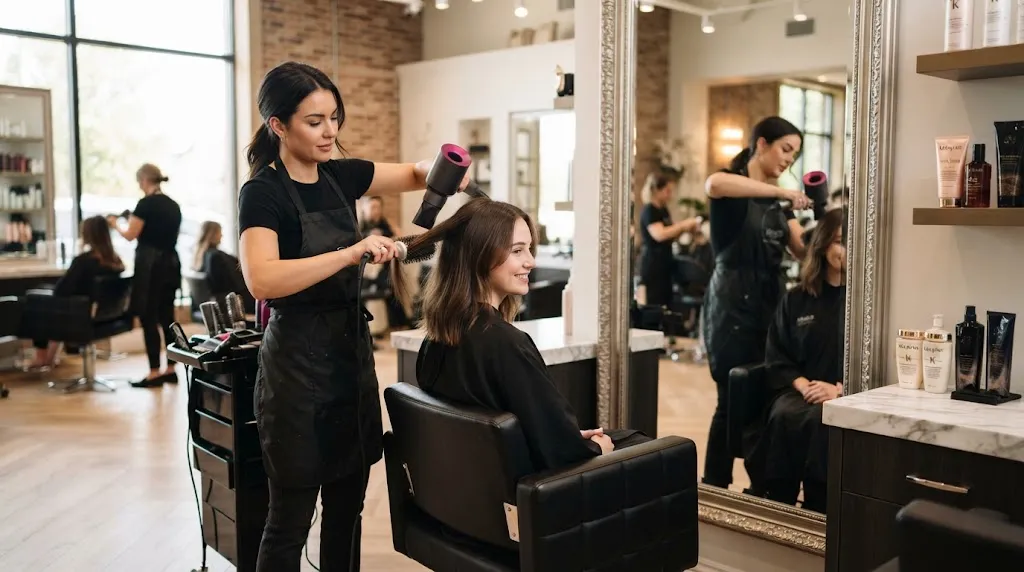
Saving a high-definition hair picture and turning it into a phone or desktop background takes just a few taps. On an iPhone or Android device, tap and hold the desired photo until a menu pops up, then select “Save to Photos” or “Download Image.” On a desktop computer, right-click the image file and choose “Save Image As” to store it in your downloads folder.
A good wallpaper image differs significantly from a proper barber reference photo. A wallpaper usually features a clean background, artistic lighting, and a wide aspect ratio that fits your home screen without cutting off the subject’s face. Conversely, a barber reference photo prioritizes clear visibility of the hairline, side taper, and crown length over aesthetic framing. Always save a multi-angle photo if you want your barber to replicate the exact fade and texture rather than just an artistic portrait.
Hairstyle Photo vs Real Life: Common Problems and Fixes
The Barber Cut It Shorter Than the Photo
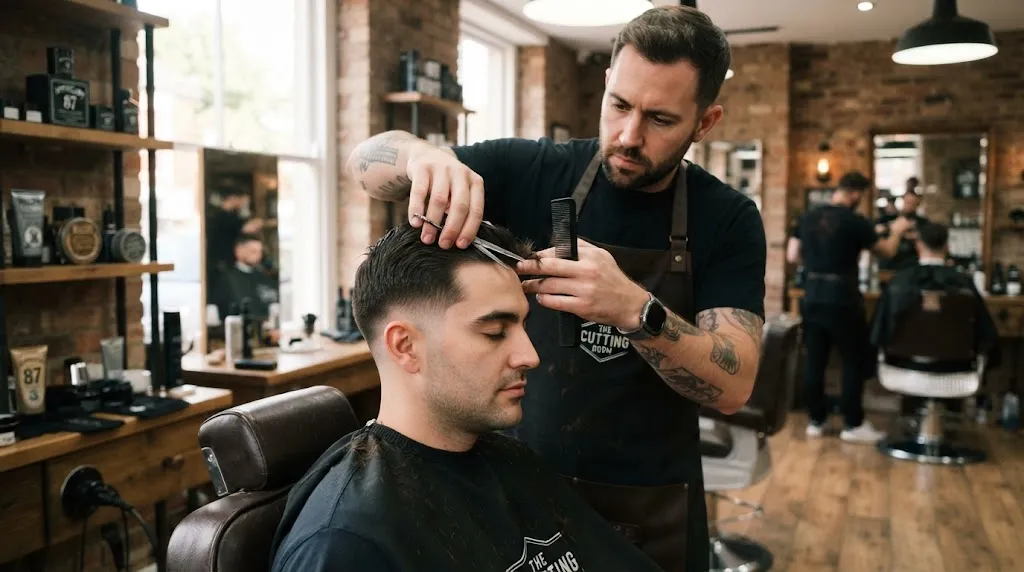
Barbers often cut hair shorter than expected because wet hair stretches and springs up significantly when dried. To fix an overly short cut, focus on styling products that add texture and volume rather than weight, such as a matte styling paste or sea salt spray, and wait two to three weeks for natural growth before attempting the style again. Show your barber a dry hair photo next time and explicitly ask them to leave extra length on top.
It Looked Perfect in the Salon, Flat by Morning

Salon blowouts use professional round brushes, high-powered airflow, and specialized heat protectants that lock in lift at the root, which standard home routines often miss. To replicate the hold at home, finish your blow-drying routine with a blast of cool air to set the cuticle, and apply a lightweight volumizing mousse to damp roots before drying upside down.
A Cowlick Is Ruining the Style
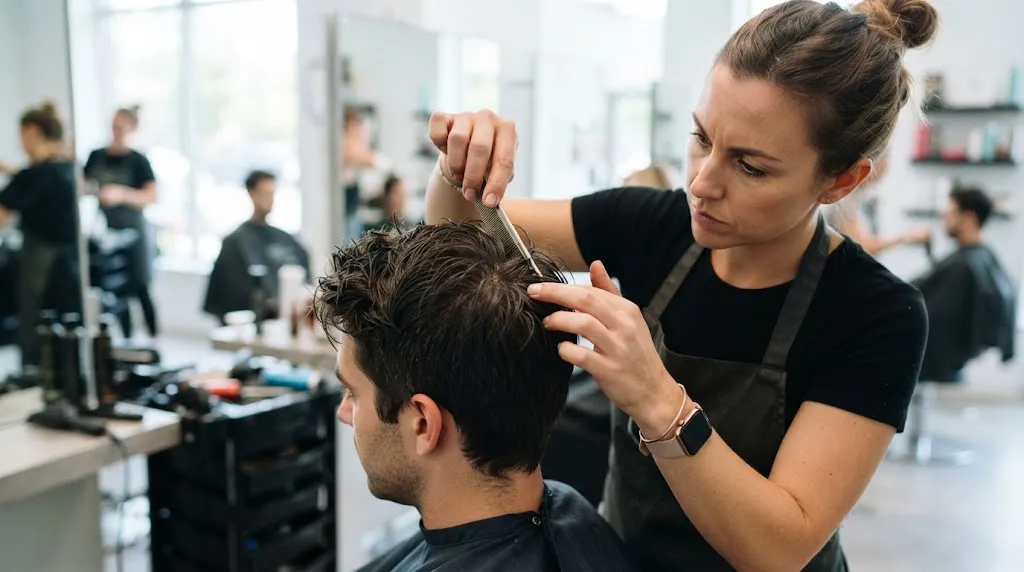
Cowlicks feature hair growth patterns that defy standard directional flow due to strong follicle angles. To correct a stubborn cowlick, wet the area completely, apply a strong-hold styling cream, and direct a blow dryer at the root while moving it left and right to disrupt the natural growth direction before the hair sets.
How to Grow Out a Cut You Regret
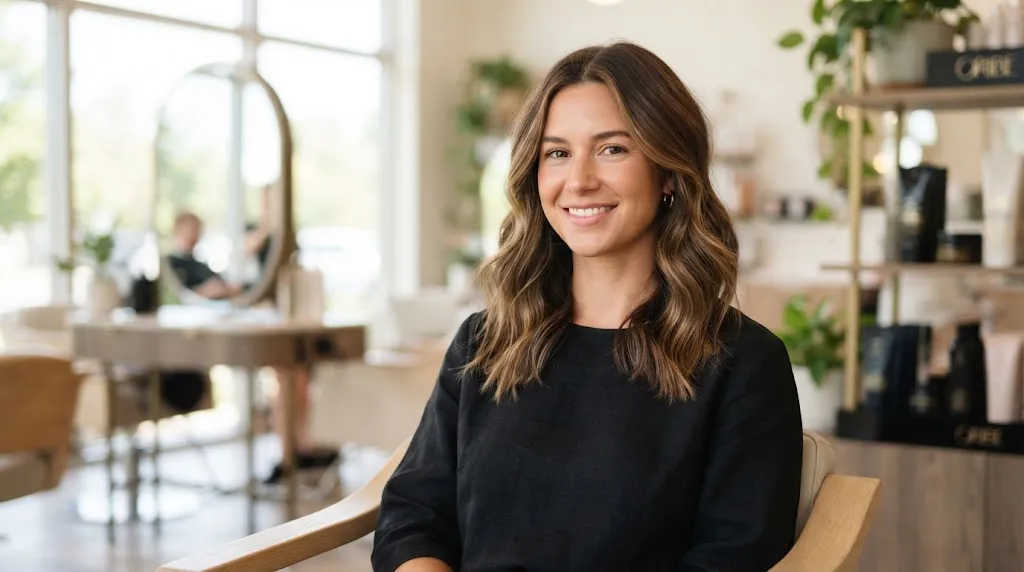
Growing out an uneven or overly short haircut requires managing awkward transition lengths by trimming the neckline and sides every four weeks while leaving the top alone to catch up. Incorporate accessories like hats or headbands, or switch to a textured messy look using a dry styling clay to disguise uneven lengths.
Photos That Mislead: Wigs, Filters and Studio Lighting
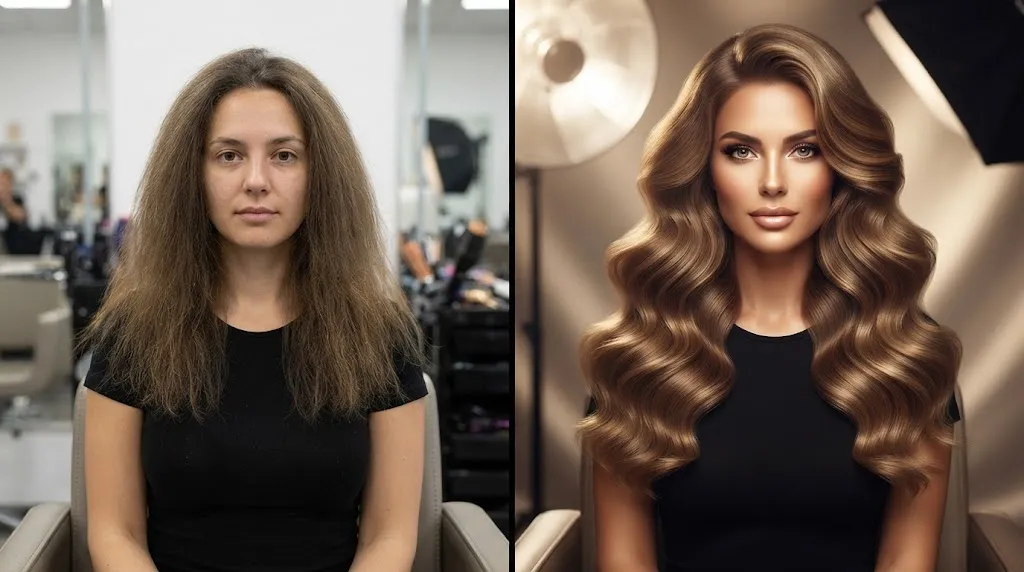
Many online hairstyle photos rely on professional studio lighting, digital smoothing filters, hair extensions, or hidden hairpins that make styles look much thicker and shinier than they appear in daylight. Always look for multiple angles or video clips of a haircut rather than relying on a single heavily edited promotional image.
FAQS
How to find a hairstyle by photo?
Start by comparing the hair in the photo with your own: is it thick or fine, straight or curly? Then find the style's name, since a reverse image search can often point you to it, and save front, side and back views. Showing your barber those three angles along with the name gets you much closer to the result you saw.
What hairstyle makes an older woman look younger?
Soft cuts with movement usually look younger than heavy, one-length or stiffly set styles. Face-framing layers and a healthy, shiny finish tend to help most. The cut should also suit your hair type, so a style that needs thick hair will not flatter fine hair.
What is the hottest hairstyle right now?
For fall 2026, stylists are pointing to shags, long layers, soft bobs and lobs, and face-framing layers, all worn with natural texture rather than a stiff, overstyled finish. Grown-out pixie and bixie cuts and softer bangs also keep coming up. Trends change by season, so treat these as ideas and pick what suits your hair.
Can I upload my photo to try hairstyles?
Yes. Many online tools and apps let you upload a clear, front-facing photo and preview different styles on it. Read the privacy terms before uploading a face photo, and treat the result as a preview only, since it cannot show how your real hair will behave.
Is there a free app for hairstyles with your picture?
Yes, several exist, but free versions often limit how many styles you can try, add watermarks, or lock the more realistic results behind a paid plan. Check what the free tier actually lets you save before you spend time on it.
How can I add hair to a picture online for free?
Use an online hair editor or hairstyle changer: upload a clear photo, choose a style or describe the look you want, adjust it, and save the result. Some free tools limit the resolution or the number of tries, so check that before you start.
What is the best free hairstyle app for iPhone?
There is no single best one, because results depend on your photo and the tool. Look for a realistic preview, a free tier that lets you save your results, and a clear privacy policy. Try the same photo in two options and compare them side by side.
Can AI pick a hairstyle for me?
Yes. AI tools can read your face shape and proportions from a photo, suggest cuts, and show a preview on your picture. They cannot see your cowlicks, growth pattern or hair density, so use the suggestion as a starting point and confirm it with your barber before you cut.
Explore More Hairstyles
Browse by category
- All HairstylesStart here for every category and guide on the site.
- Men's HairstylesCuts, fades and styling guides for men.
- Women's HairstylesCuts, layers and everyday styles for women.
- Boys' HairstylesHaircuts and style ideas for boys.
- Hair GuidesGuides that go beyond a single hairstyle.
Related guides
- Hair Style ImagesTry styles on your own photo and match a cut to your face.
- Hair Cutting Style PhotoA closer look at haircut styles through photos.
- Hair ModelHair model references for styling ideas.
- Girl Hairstyle Cutting PhotoCutting styles for girls, shown in photos.
- Elegant HairstylesPolished styles for formal and special occasions.
- Celebrity Hairstyles for MenMen's looks inspired by well-known names.
- Long Wavy Hairstyles for MenLonger cuts with natural waves, and how to style them.
- Pomade Hairstyles for Short HairShort cuts styled with pomade.