
Hairstyles for Older Men: Best Haircuts and Hairstyles for 2026
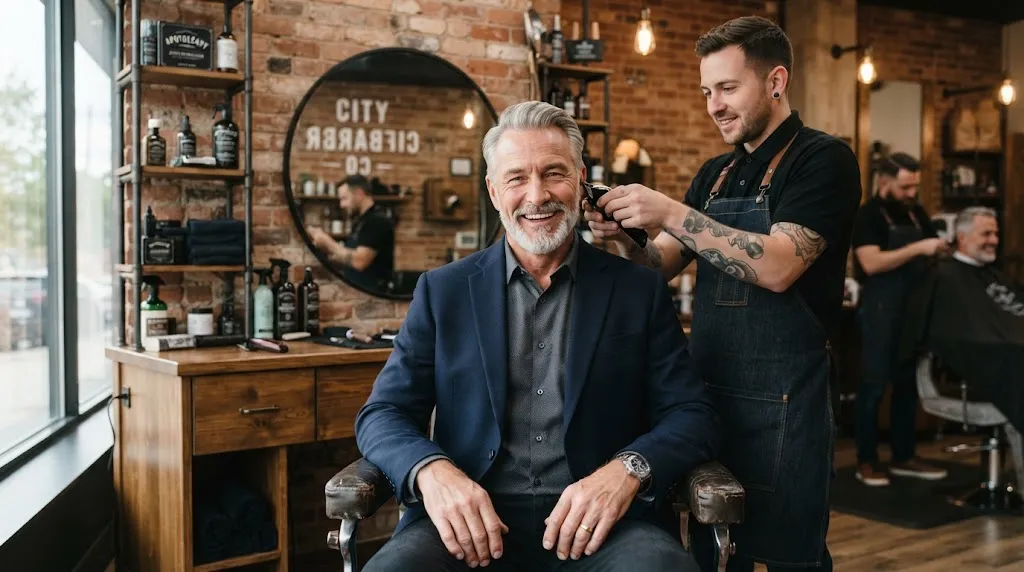
If you’re looking for the best hairstyles for older men, there isn’t one haircut that works for everyone. The right style depends on your hair density, hairline, texture, preferred length, and how much time you want to spend styling it.
Whether you have grey hair, thinning hair, a receding hairline, or simply want a modern low-maintenance look, the best haircut is one that works with your natural hair and fits your everyday routine. If you’re exploring more hairstyle ideas, you can also visit HairstylesUSA for additional haircut and hairstyle inspiration. Below, you’ll find practical hairstyle options for older men, along with guidance to help you choose a style that suits you.
What Is the Best Hairstyle for Older Men?
The best hairstyle for an older man is usually one that works with his natural hair rather than trying to hide it. Short cuts such as a crew cut, buzz cut, side part, taper, or textured crop are easy to maintain, while medium and longer styles can work well when the hair is thick enough to support them.
If your hair is thinning or your hairline is receding, a shorter, textured cut can often make the hair look more balanced. If you have healthy grey, thick, wavy, or curly hair, you have more flexibility with length and styling.
Best Hairstyles at a Glance
| Hairstyle | Best For | Maintenance | Length |
|---|---|---|---|
| Side Part | Classic, professional look | Low–Moderate | Short–Medium |
| Crew Cut | Thinning hair, easy upkeep | Low | Short |
| Buzz Cut | Receding hairline, very low maintenance | Very Low | Very Short |
| Textured Crop | Fine or thinning hair | Low | Short |
| Taper Haircut | Modern, versatile look | Moderate | Short–Medium |
| Comb Over | Receding hairline or thinning areas | Moderate | Short–Medium |
| Short Quiff | Adding the appearance of volume | Moderate | Short–Medium |
| Swept-Back Hairstyle | Thicker or longer hair | Moderate | Medium–Long |
How to Choose the Right One
If your hair is thinning:
Look for shorter cuts with texture and controlled volume. Keeping the sides neat can make the remaining hair look fuller and more balanced.
If your hairline is receding:
A buzz cut, crew cut, textured crop, or carefully shaped shorter style can work better than trying to cover the hairline with excessive length.
If you have grey hair:
Grey or silver hair can work with almost any suitable haircut. The important consideration is your hair’s texture and condition, especially if it has become coarse or dry.
If you have thick, wavy, or curly hair:
You can generally experiment with more length and texture. Medium or longer styles can work particularly well when the hair has enough density to hold its shape.
If you want longer hair:
Choose the length based on your hair density and texture rather than age. Longer hair can look excellent when it is healthy and full, but may make significant thinning more noticeable.
If you want minimal styling:
Short cuts such as a buzz cut, crew cut, or simple taper require less daily work than styles that depend on volume, brushing, or styling products.
Bottom line: choose the hairstyle that works with your hair density, hairline, texture, preferred length, and maintenance routine—not simply the number of candles on your birthday
Best Hairstyles for Older Men
If you want a haircut that looks polished without feeling dated, these styles offer a good starting point. The right choice depends on your natural hair, hairline, texture and how much styling you want to do each day.
Side Part
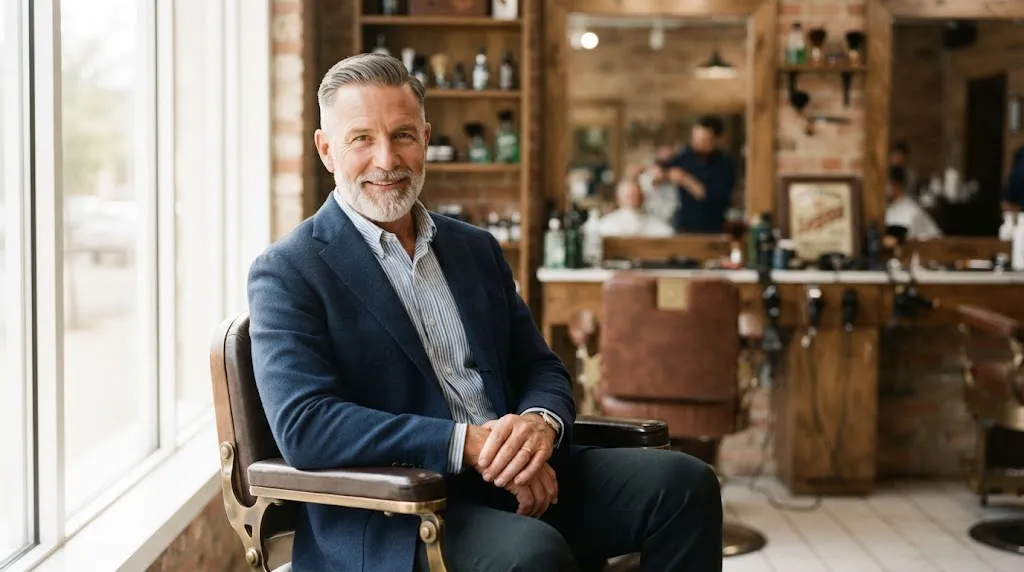
Why it works: A side part gives the hair a clean shape while keeping the overall look timeless and adaptable. It works particularly well with short-to-medium hair.
Maintenance: Low to moderate
Styling: Comb the top to one side and use light styling product if extra hold is needed.
Tell your barber: Ask for a neat side part with enough length on top to create the part naturally.
Ivy League

Best for: Men who want a polished short-to-medium style
Why it works: The Ivy League keeps the clean structure of a short haircut while leaving enough length on top for different styling options.
Maintenance: Moderate
Styling: Brush or lightly sweep the top into shape.
Tell your barber: Ask for a tapered cut with enough length on top to style neatly.
Crew Cut
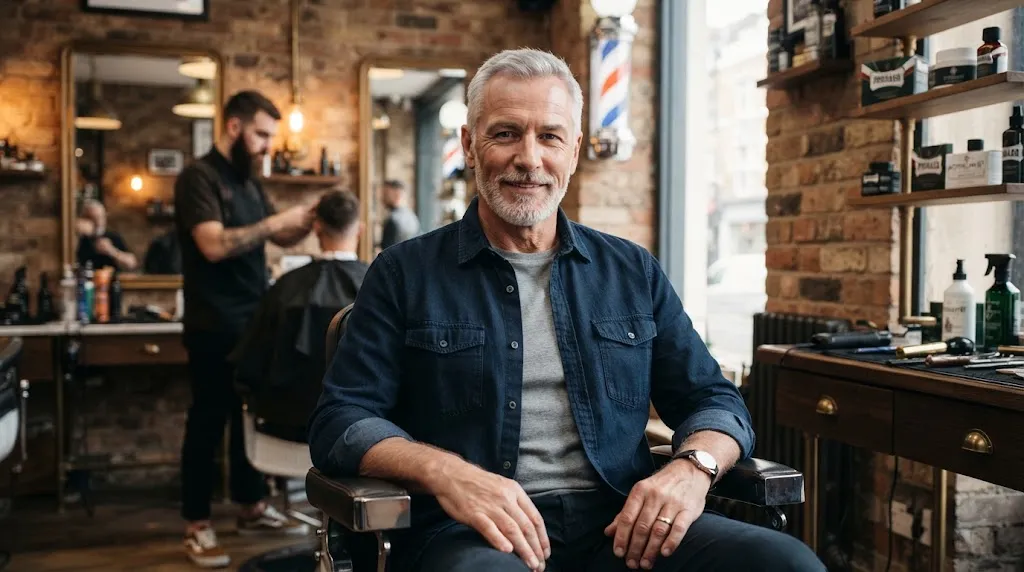
Best for: A simple, neat and low-maintenance look
Why it works: The crew cut keeps the sides short and the top slightly longer, giving you a structured style without requiring much daily styling.
Maintenance: Low
Styling: Usually needs little more than a quick brush or optional light product.
Tell your barber: Ask for short tapered sides with a slightly longer top that follows the shape of your head.
Buzz Cut
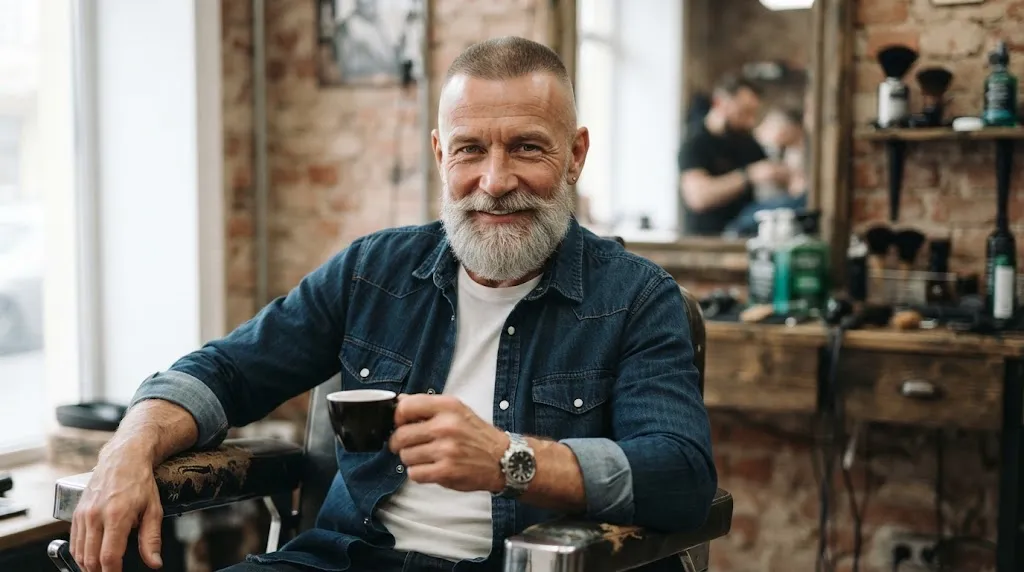
Best for: Very low-maintenance styling
Why it works: A buzz cut creates an even, clean appearance and removes the need for daily shaping or complicated styling.
Maintenance: Very low
Styling: Little to none.
Tell your barber: Ask for an even clipper cut or a slightly graduated version if you want more definition.
Caesar Cut
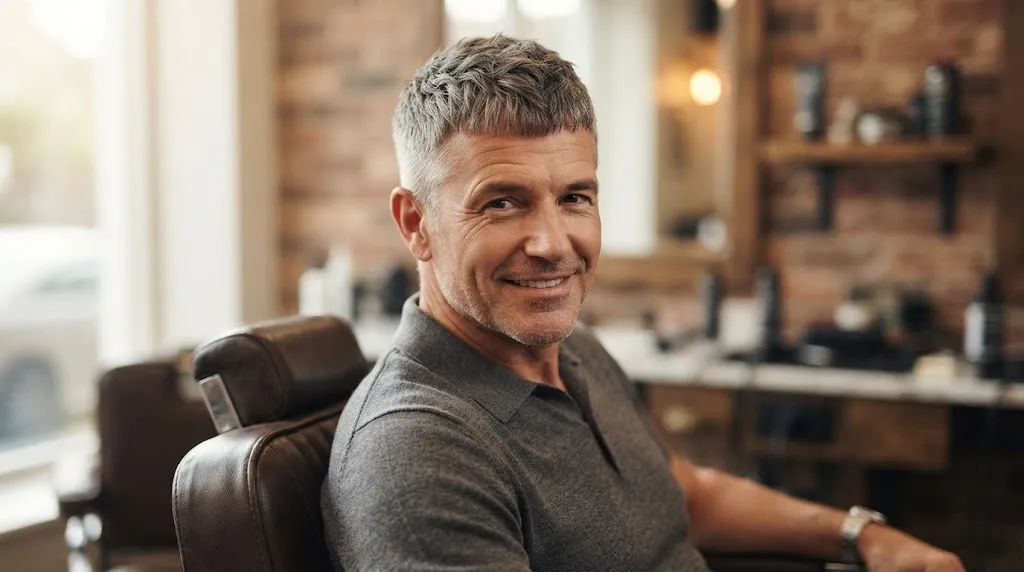
Best for: A short hairstyle with a defined front
Why it works: The Caesar keeps the hair short while leaving a small forward fringe that gives the haircut a distinct shape.
Maintenance: Low
Styling: Brush the top forward and keep the fringe neatly shaped.
Tell your barber: Ask for short, textured hair on top with a short forward fringe.
Textured Crop

Best for: A modern, natural-looking finish
Why it works: Texture gives a short haircut movement and prevents it from looking overly flat or uniform.
Maintenance: Low to moderate
Styling: Work a small amount of matte product through the top and shape with your fingers.
Tell your barber: Ask for a textured top with short, blended sides.
Comb Over

Best for: A traditional style with controlled top length
Why it works: The comb over creates a defined direction through the hair and can be styled in several ways depending on the amount of length available.
Maintenance: Moderate
Styling: Comb the top into position and use light hold where necessary.
Tell your barber: Ask for enough length on top to create a natural side-swept shape rather than an exaggerated part.
Short Quiff
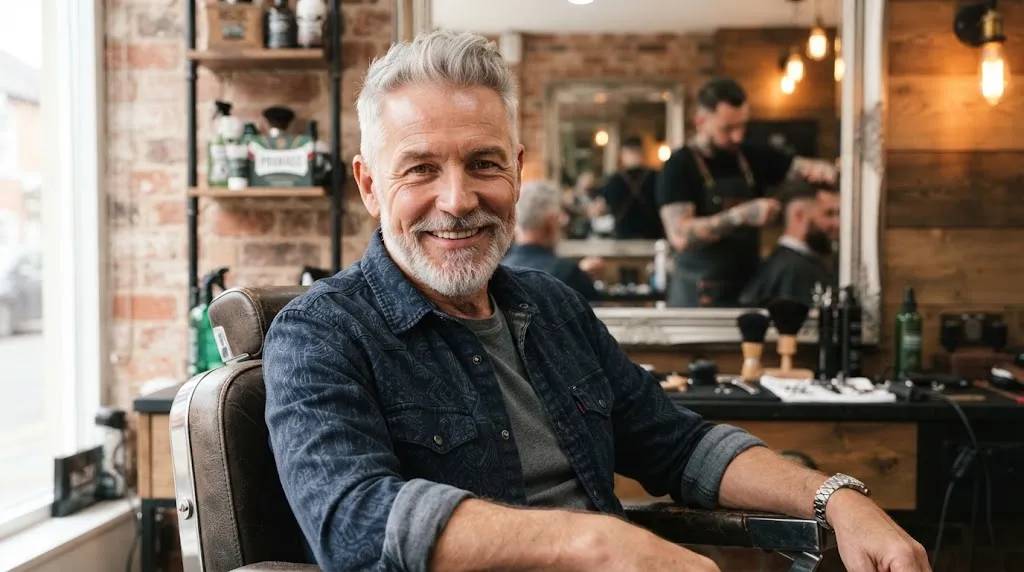
Best for: Adding height and a more styled appearance
Why it works: A short quiff gives the top some lift while keeping the sides relatively neat and controlled.
Maintenance: Moderate
Styling: Blow-dry or brush the top upward and back, then use a small amount of styling product.
Tell your barber: Ask for a longer, textured top with shorter tapered sides.
Taper Haircut
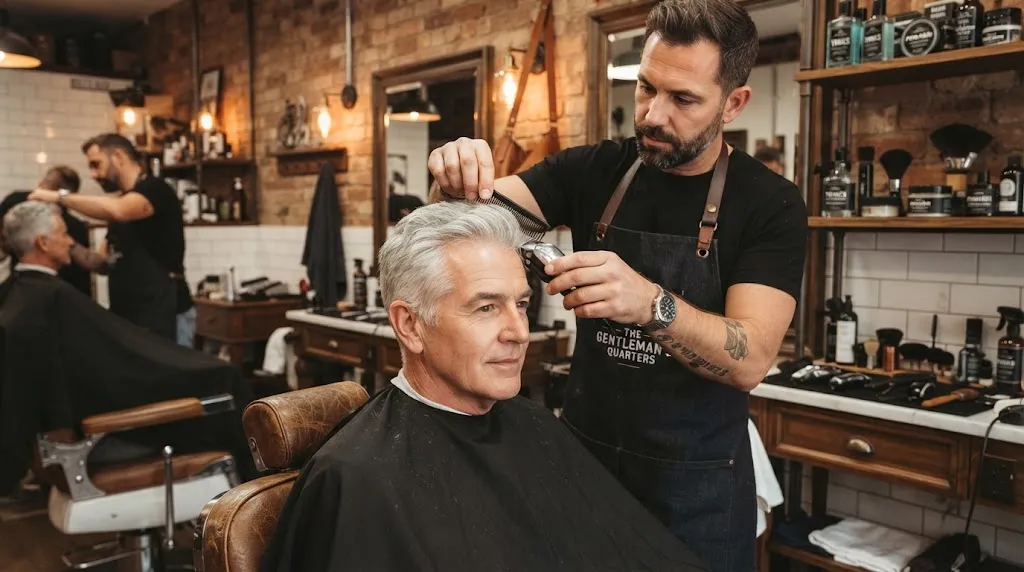
Best for: A versatile modern haircut
Why it works: A taper gradually reduces the hair around the sides and neckline while keeping the overall transition softer than an aggressive skin fade.
Maintenance: Moderate
Styling: The top can be parted, textured, swept back or styled naturally.
Tell your barber: Ask for a gradual taper around the sides and neckline while keeping your preferred length on top.
Swept-Back Hairstyle

Best for: Medium-to-long hair with enough length and density
Why it works: Sweeping the hair backward creates a clean, relaxed shape without requiring a sharply defined part.
Maintenance: Moderate
Styling: Brush or blow-dry the hair backward and use light product for control.
Tell your barber: Ask to keep enough length on top and around the sides to sweep the hair naturally backward.
Slicked-Back Hairstyle
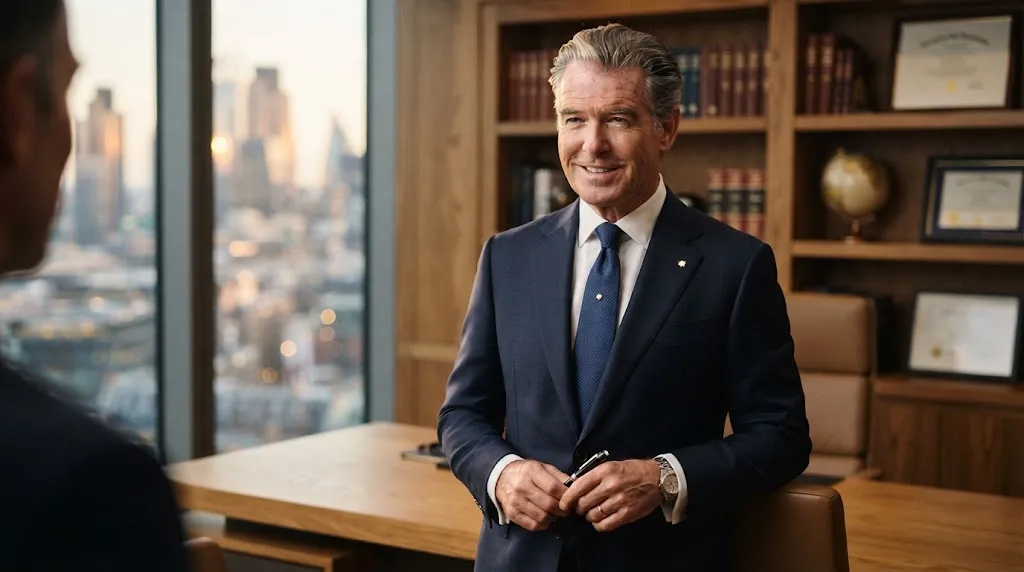
Best for: A more polished and deliberate look
Why it works: Slicking the hair backward creates a structured finish that can work especially well for men who prefer a groomed appearance.
Maintenance: Moderate
Styling: Comb the hair backward with a suitable styling product and adjust the amount of hold according to your hair texture.
Tell your barber: Ask for enough length on top to comb completely backward while keeping the sides controlled
Textured Fringe

Best for: A modern short style with movement at the front
Why it works: A textured fringe gives the front of the haircut definition while allowing the rest of the hair to remain relatively short and easy to manage.
Maintenance: Low to moderate
Styling: Push or shape the fringe forward with your fingers and use a small amount of matte product if needed.
Tell your barber: Ask for a textured top with a natural-looking fringe and clean, blended sides.
Which Style Should You Consider First?
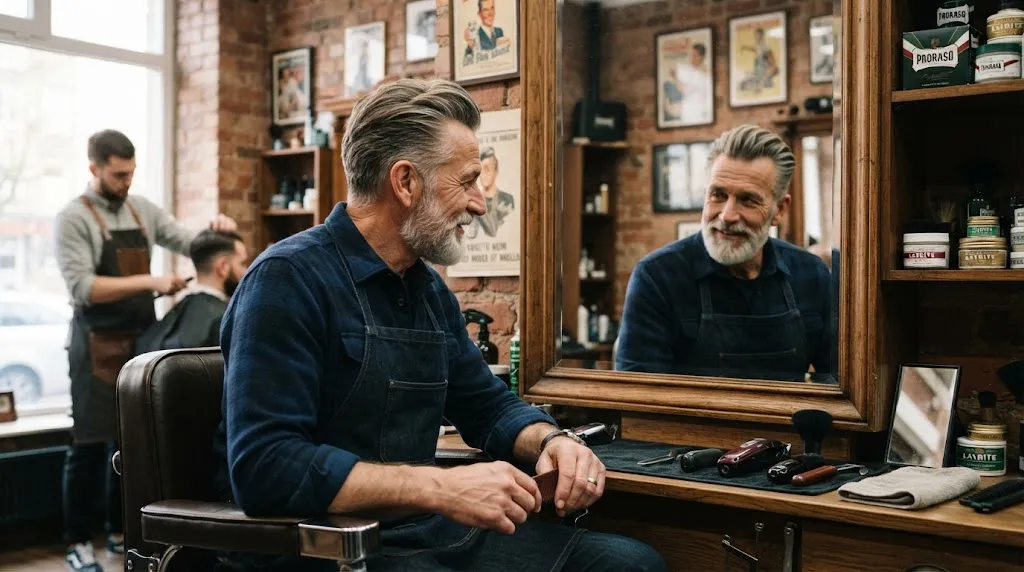
If you want the least maintenance, start with a buzz cut or crew cut. For a classic professional look, a side part or Ivy League is a strong option. If you prefer something more modern and textured, consider a textured crop, taper or short quiff. And if you have enough length and density for it, a swept-back or slicked-back style can create a more distinctive look.
Short Hairstyles for Older Men
Short haircuts are often a practical choice for older men because they are easier to maintain and can be adapted to different hairlines, hair densities and textures. The best short cut is the one that works with your natural hair rather than trying to force it into a particular shape.
Best Short Haircuts for Thinning Hair
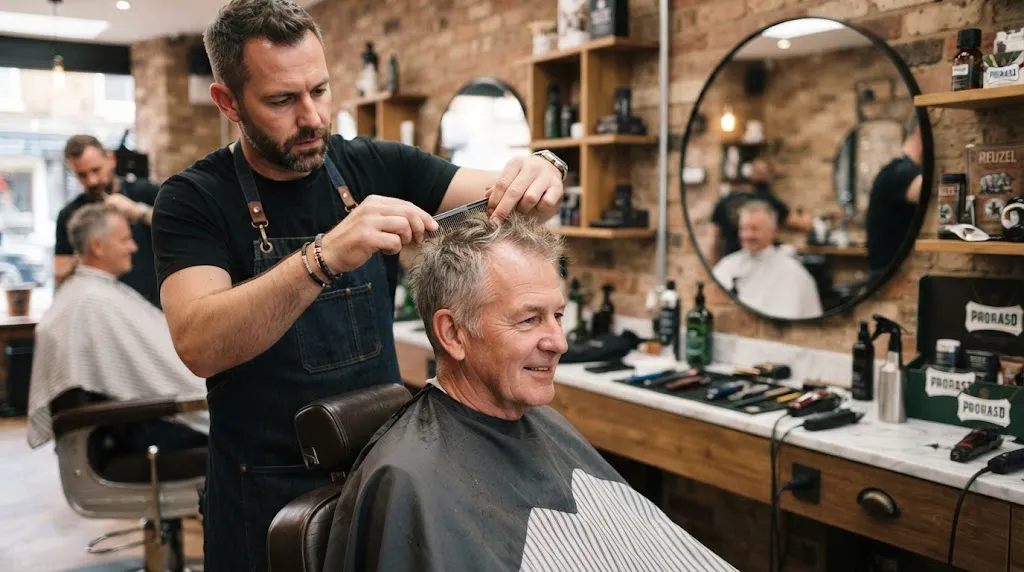
For thinning hair, shorter styles can make the overall shape look cleaner and more balanced. A crew cut, buzz cut, textured crop or short taper can work well because they avoid relying on a large amount of length for coverage.
Texture can also help prevent fine hair from looking flat. Instead of keeping the top excessively long, ask your barber to create a shape that works with the amount of hair you naturally have.
Best Short Haircuts for Grey Hair

Grey hair can look particularly sharp with a clean short cut. A side part, crew cut, taper, textured crop or buzz cut can all complement grey or salt-and-pepper hair.
The main consideration is texture. If your grey hair has become coarse or wiry, a well-shaped cut can make it easier to manage without requiring complicated styling.
Best Short Haircuts for a Receding Hairline

A receding hairline does not mean you have to hide your hairline. Shorter styles such as a buzz cut, crew cut or textured crop can create a more intentional appearance.
A short textured fringe can also work when you want some coverage at the front, but avoid forcing too much hair forward simply to conceal the hairline.
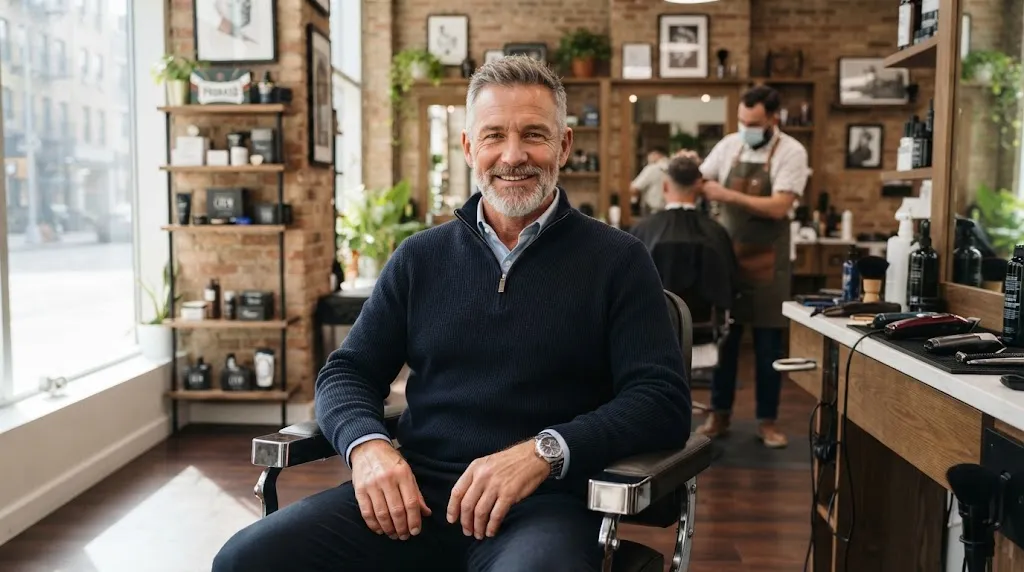
Best Short Haircuts for Low Maintenance
| Style | Best For | Daily Styling | Overall Maintenance |
|---|---|---|---|
| Buzz Cut | Very low maintenance, receding hairline | Very little | Very Low |
| Crew Cut | Simple, structured look | Little | Low |
| Textured Crop | Fine or thinning hair | Little | Low |
| Short Taper | Versatile everyday style | Low | Low–Moderate |
| Side Part | Classic appearance | Moderate | Moderate |
Medium-Length Hairstyles for Older Men
Medium-length hair gives you more styling flexibility than a very short cut without requiring the commitment of long hair. It can be a good middle ground if you want movement and styling options while keeping the overall shape manageable.
Medium-Length Side Part
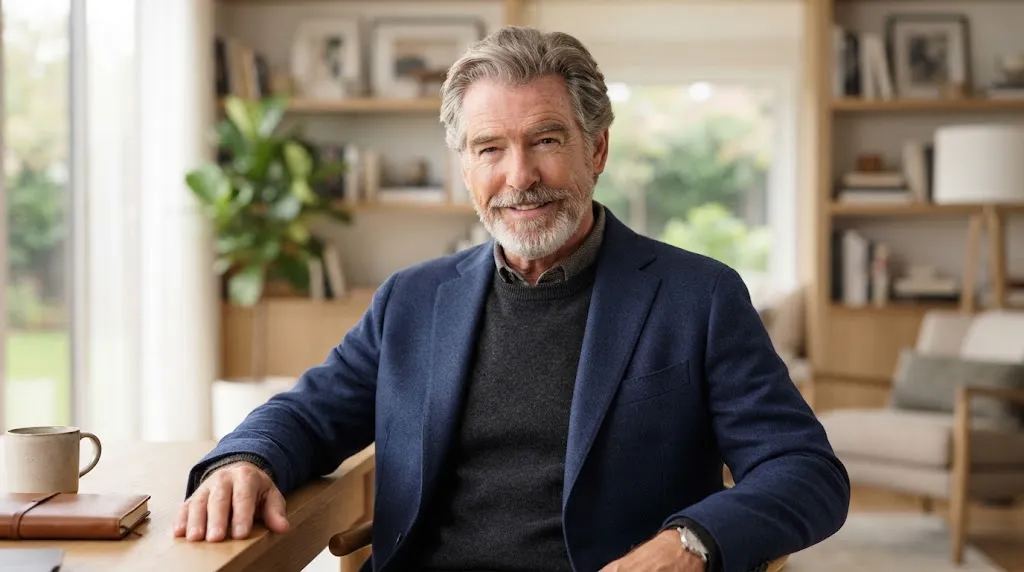
A medium-length side part gives a classic haircut more room on top, allowing you to create a softer and more natural shape than with a very short version.
Medium-Length Textured Hair

Adding texture prevents medium-length hair from looking heavy or flat. This works particularly well when you want a relaxed, modern appearance rather than a highly structured style.
Medium-Length Swept-Back Hair

Sweeping medium-length hair backward creates a clean shape while retaining some natural movement. It works best when your hair has enough length and density to stay in place.
Layered Medium-Length Hair

Layers can remove excess weight and give medium-length hair more movement. They are especially useful when your hair has natural wave or texture.
Medium-Length Grey Hair

Medium-length grey hair can create a distinctive look when the hair has enough density to support the extra length. Keep the shape intentional and avoid allowing the hair to become bulky or uneven
Long Hairstyles for Older Men
Long hair can work for older men when the hair has enough density, the texture suits the style, and you are comfortable with the additional maintenance. Age itself should not determine whether you keep your hair long.
Shoulder-Length Hair

Shoulder-length hair offers a noticeable change from traditional short men’s cuts while remaining easier to manage than very long hair. It works best when the hair has sufficient density and a texture that holds its shape.
Long Layered Hair

Layers can make long hair easier to shape by reducing excess weight and adding movement. This is particularly useful for thicker or naturally textured hair.
Long Grey Hair
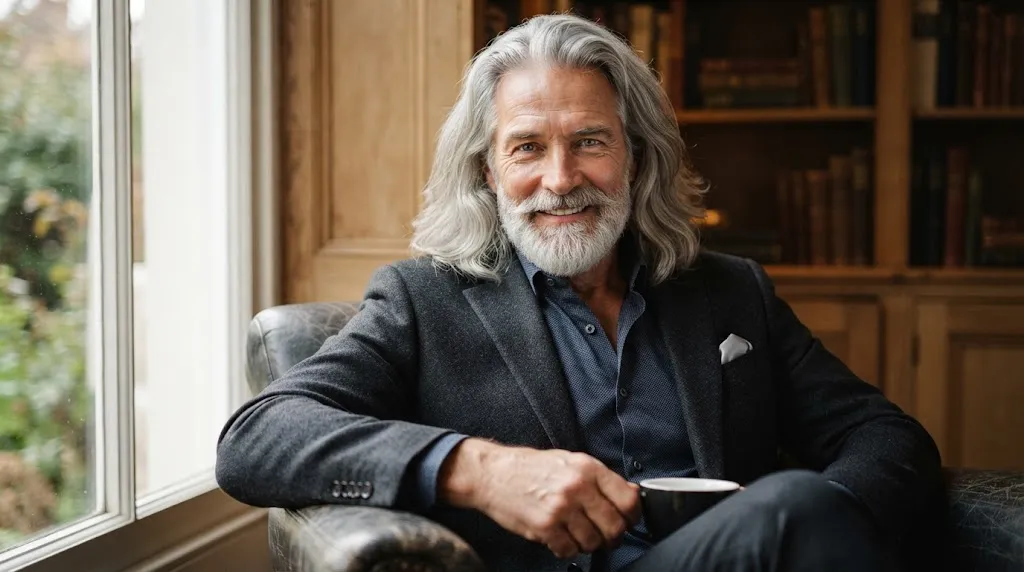
Long grey hair can look distinctive when it is healthy and deliberately maintained. The key is keeping the length and shape controlled rather than simply allowing the hair to grow without structure.
Long Wavy Hair
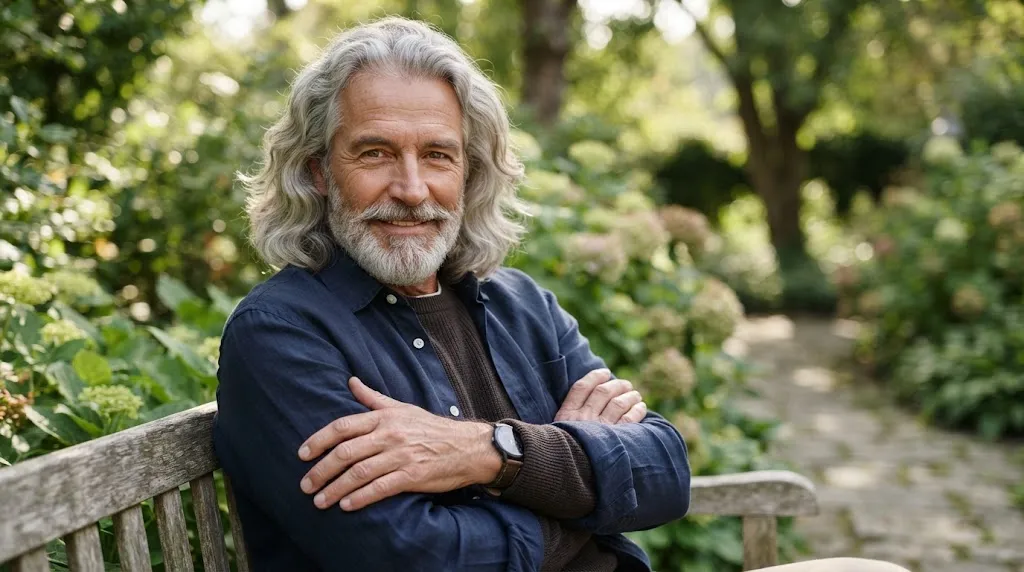
Natural waves can make longer hair look fuller and more dynamic. Layers can help control excess bulk while allowing the natural wave pattern to remain visible.
Ponytail

A ponytail provides a simple way to control long hair when you want it away from your face. It is most practical when your hair is long enough to gather comfortably and has enough density to create a balanced shape.
When Long Hair Works for Older Men

Long hair is generally easier to carry when:
- Your hair has enough density: Very long hair can make significant thinning more noticeable.
- Your hair texture suits the length: Straight, wavy and curly hair can all work, but each behaves differently as it grows.
- You are comfortable with maintenance: Longer hair usually needs more attention to shape, condition and daily management.
- The length complements your overall look: The goal is a deliberate hairstyle, not simply maximum length.
Simple rule: If your hair is healthy and has enough density, you can choose short, medium or long hair based largely on your personal style and maintenance preference. If thinning is significant, choosing the right length and shape becomes more important than simply growing the hair longer.
Grey and Silver Hairstyles for Older Men
Grey hair does not require a specific “older man” haircut. The better approach is to choose a shape that works with your hair’s current density and texture, then let the natural grey or silver color become part of the look.
Short Grey Haircuts

Short hair can make grey and silver hair look clean and intentional, especially when the haircut has a clear shape. Choose the length according to your hair density and texture rather than trying to hide the grey
Salt-and-Pepper Hairstyles

Salt-and-pepper hair gives you a natural mix of darker and grey strands. Keeping the haircut well-shaped can make the contrast look deliberate while still allowing your natural color to show through.
Silver and White Hair

Silver or white hair can look striking at short, medium or longer lengths. The most important consideration is keeping the shape controlled and working with the natural texture of the hair.
Medium and Long Grey Hairstyles
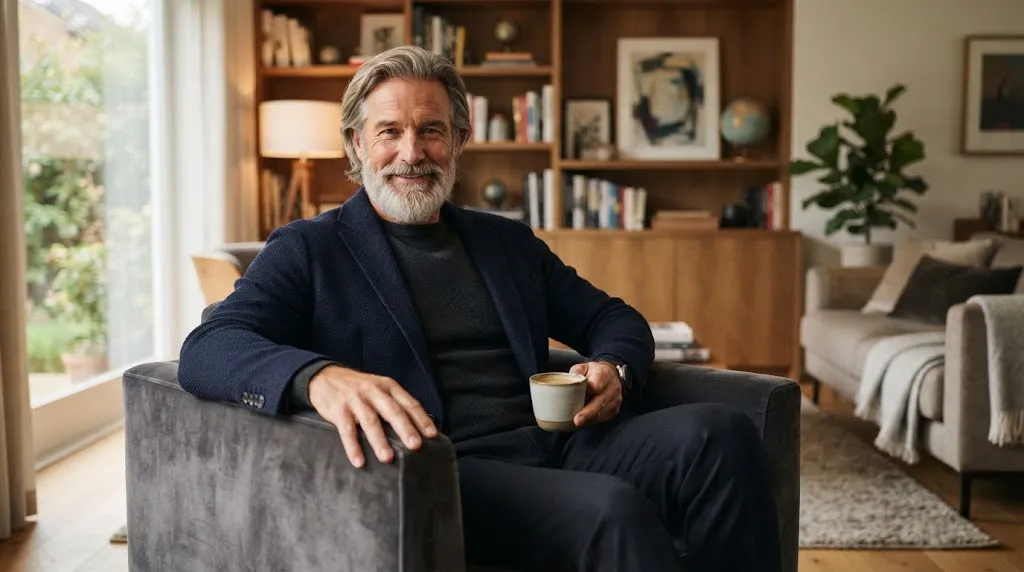
If your grey hair has enough density, medium and longer lengths can create a distinctive look. Layers or controlled shaping can help prevent thicker grey hair from becoming overly bulky.
How to Keep Grey Hair Looking Healthy
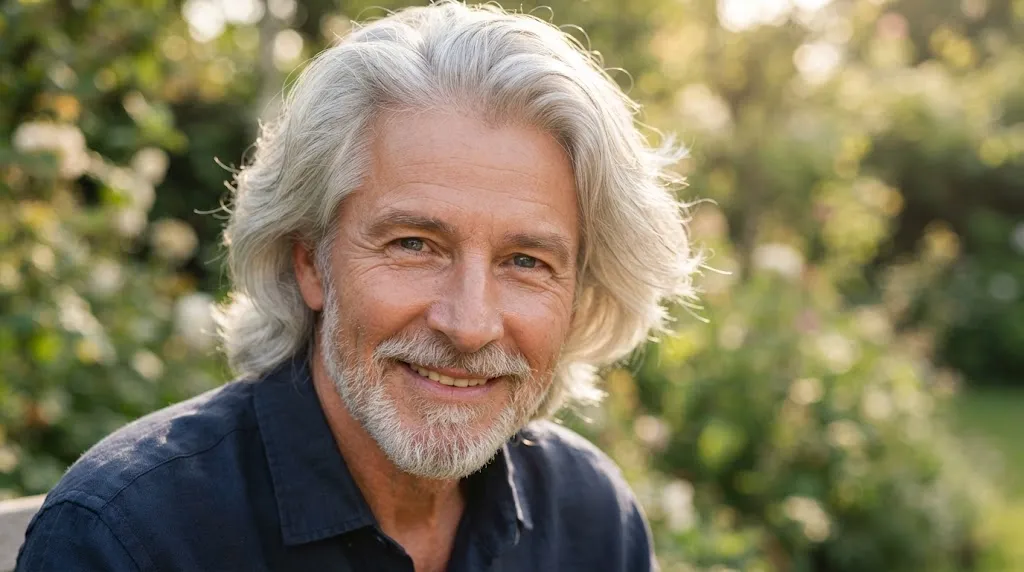
Grey hair can sometimes feel drier, rougher or more wiry than it did earlier in life. Keep the hair conditioned, avoid excessive heat styling, and maintain regular trims so the hairstyle continues to look intentional.
Hairstyles for Older Men With Thin or Thinning Hair
Thinning hair changes how a haircut behaves, so the goal is not simply to find a style that “covers” it. A good cut should work with your current density and create a balanced shape without relying on excessive length.
Best Short Options for Thinning Hair

Shorter cuts with some texture are often easier to manage when hair is becoming finer. Keeping the sides controlled and avoiding unnecessary weight on top can help the overall hairstyle look cleaner.
How to Make Thinning Hair Look Fuller

A few simple choices can make a difference:
- Keep the haircut appropriately shaped rather than growing excessive length.
- Add natural texture instead of flattening the hair.
- Avoid heavy products that weigh fine hair down.
- Use the direction of your natural growth pattern when styling.
- Ask your barber to work with your actual density rather than trying to create artificial coverage.
Should Thinning Hair Be Kept Short or Long?

There is no universal rule, but shorter or moderate lengths are often easier to balance when thinning is noticeable. Longer hair can still work when density is good, but excessive length may make sparse areas more obvious.
The right decision depends on where the thinning occurs, how much density remains, and the texture of your hair.
Styles That Can Emphasize Thin Hair
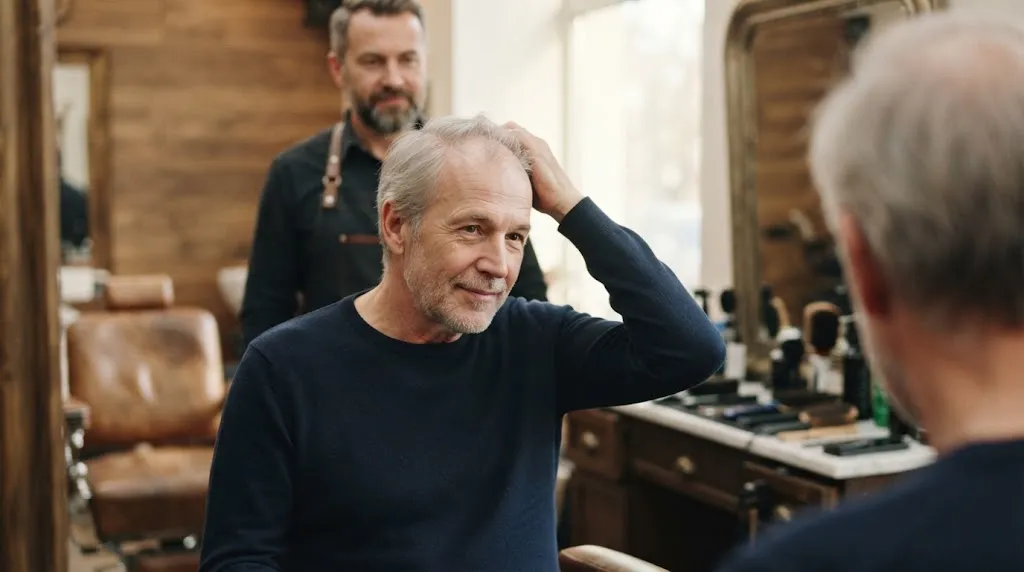
Very long, heavy or overly flat styling can sometimes make thinning areas more noticeable. An exaggerated comb-over can also draw attention to the area it is trying to conceal.
Instead, aim for a haircut with natural proportions, controlled length and enough texture to prevent the hair from looking flat.
Hairstyles for Older Men With a Receding Hairline
A receding hairline does not automatically determine your hairstyle. The key is deciding whether you want to work with the new hairline or use some length at the front to soften its appearance.
Best Haircuts for a Receding Hairline

Shorter structured cuts are often a straightforward option because they create a deliberate overall shape instead of depending on the front hairline for coverage.
Your choice should also consider the amount of hair remaining at the temples and front.
Textured Fringe

A textured fringe can soften the appearance of the forehead by bringing some movement toward the front. Keep it natural rather than creating a heavy block of hair designed solely to conceal the hairline.
Crew Cut and Buzz Cut
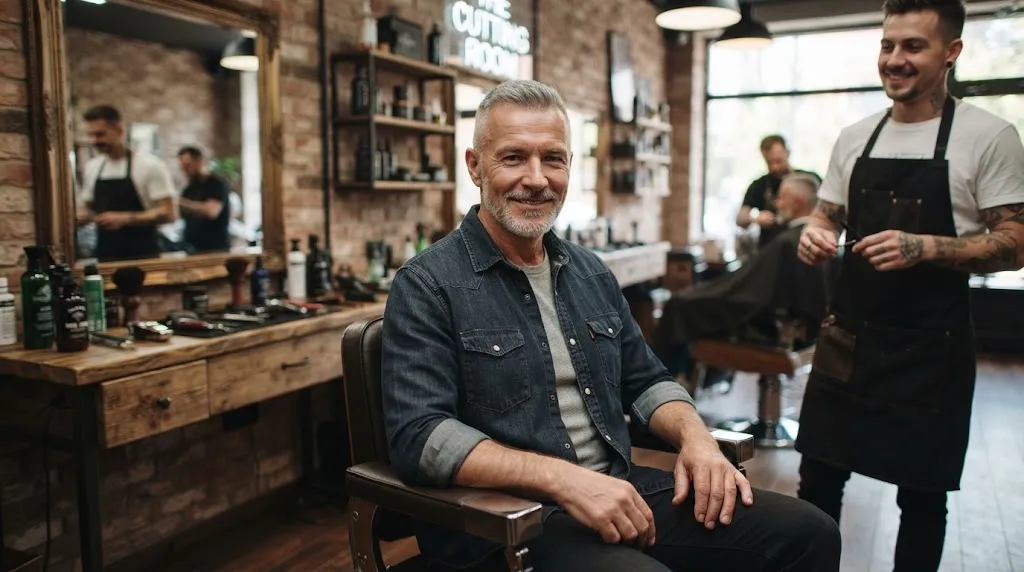
These cuts can work well when you prefer to make the receding hairline part of the overall haircut. Their short, consistent shape reduces the contrast between areas with different levels of density.
Comb Over: When It Works and When It Doesn't

A comb over can work when there is enough hair density and length to create a natural direction. It becomes less effective when large amounts of hair have to be pulled across sparse areas, because the styling can look forced.
Hide or Embrace a Receding Hairline?

Both approaches can work. If you want some coverage, choose a style with controlled front length and natural texture. If you prefer simplicity, a shorter haircut can make the hairline look intentional rather than something you need to disguise.
Best Hairstyles by Hair Type
Your hair type affects how much volume, movement and styling a haircut will naturally have. Choose the haircut first according to your hair’s behavior—not simply the style you see in a photograph.
Straight Hair
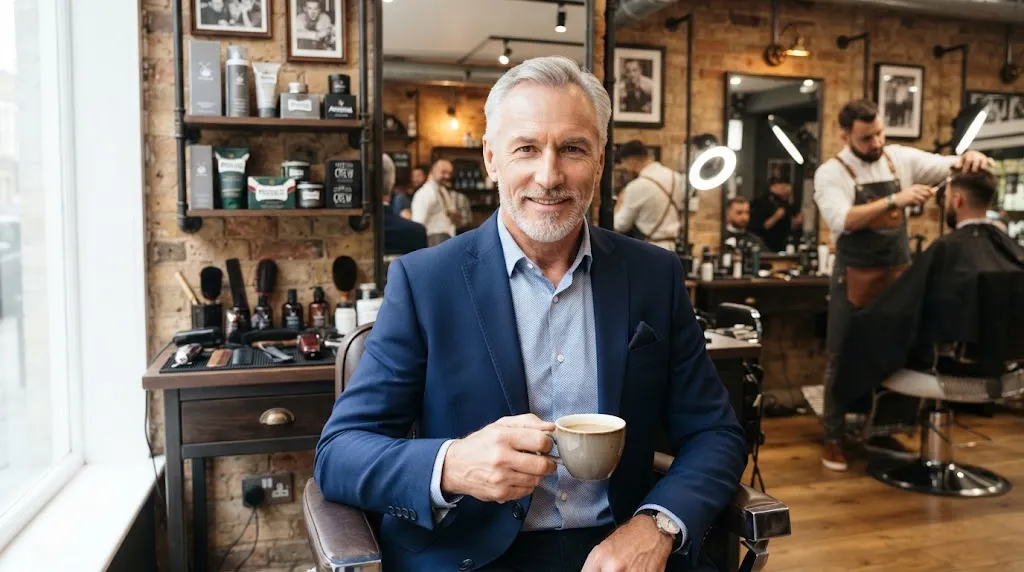
Straight hair usually gives you a clean base for structured styles and clear parting. Medium lengths can also work when you want a softer, more relaxed shape.
Wavy Hair

Wavy hair naturally provides movement and texture. Rather than fighting the wave pattern, choose a cut that allows the natural movement to remain visible.
Curly Hair

Curly hair can carry more volume and texture, so the shape and distribution of length are particularly important. A good haircut should work with the curl pattern instead of flattening it.
Thick Hair
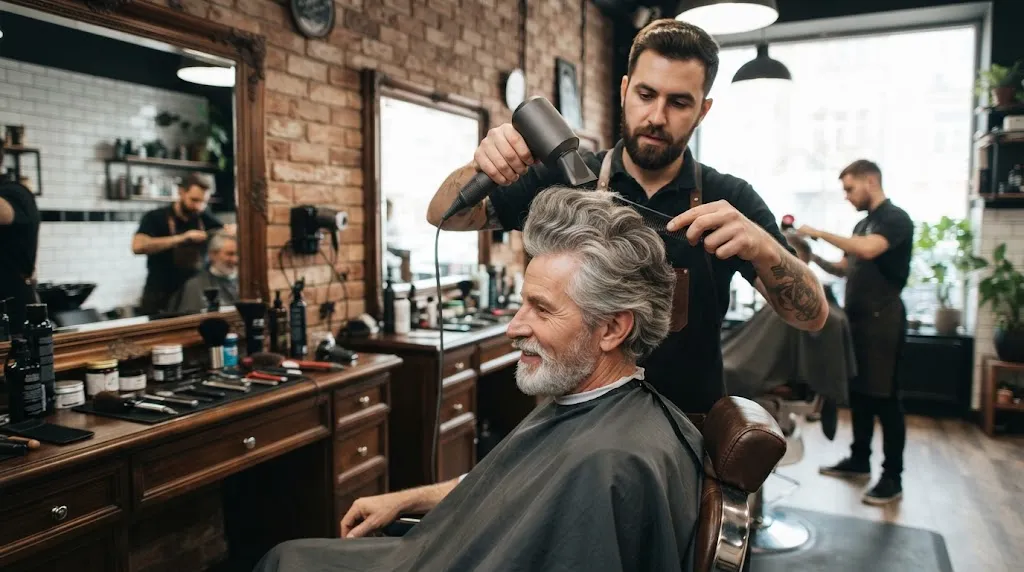
Thick hair gives you more flexibility with length, but excess bulk can make a style look heavy. Controlled layering or tapering can help maintain the shape.
Fine Hair
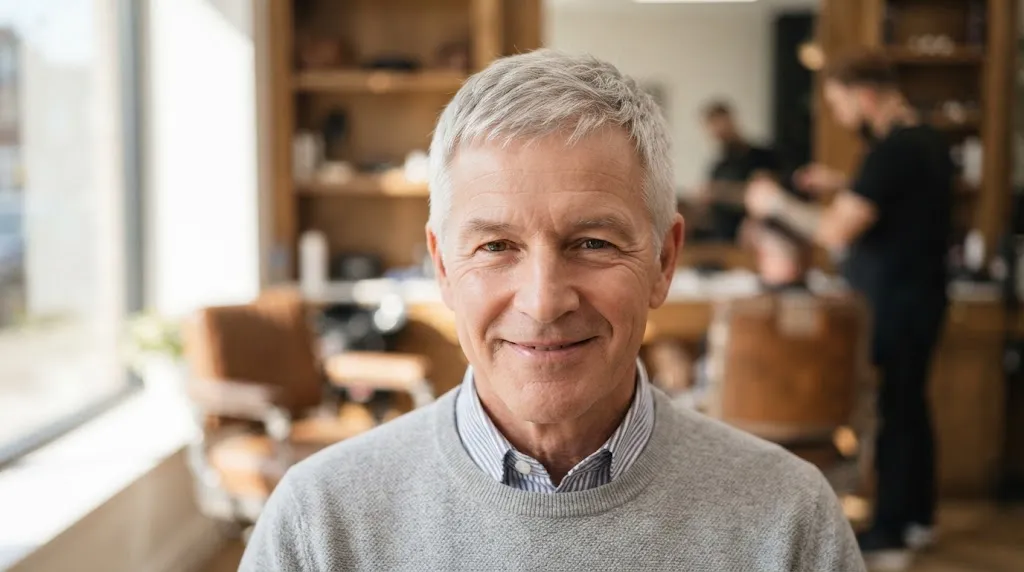
Fine hair benefits from appropriate length and lightweight styling. Excessive product or overly long hair can weigh it down and reduce the appearance of volume.
Coarse or Wiry Grey Hair

Coarse grey hair may need more attention to moisture and shape. A controlled haircut combined with regular conditioning can make wiry texture easier to manage without trying to completely change its natural character.
Best Hairstyles by Face Shape
Face shape can help you choose the proportions of a haircut, but it should not be the only deciding factor. Your hair density, hairline, texture and preferred maintenance level matter just as much.
Oval Face

An oval face is naturally balanced, so you have plenty of flexibility. Short, medium and longer hairstyles can all work when the proportions of the haircut suit your hair type.
Round Face

For a round face, hairstyles that add some height or keep the sides more controlled can create a more balanced appearance. Avoid unnecessary bulk around the sides if you want the face to appear more defined.
Square Face
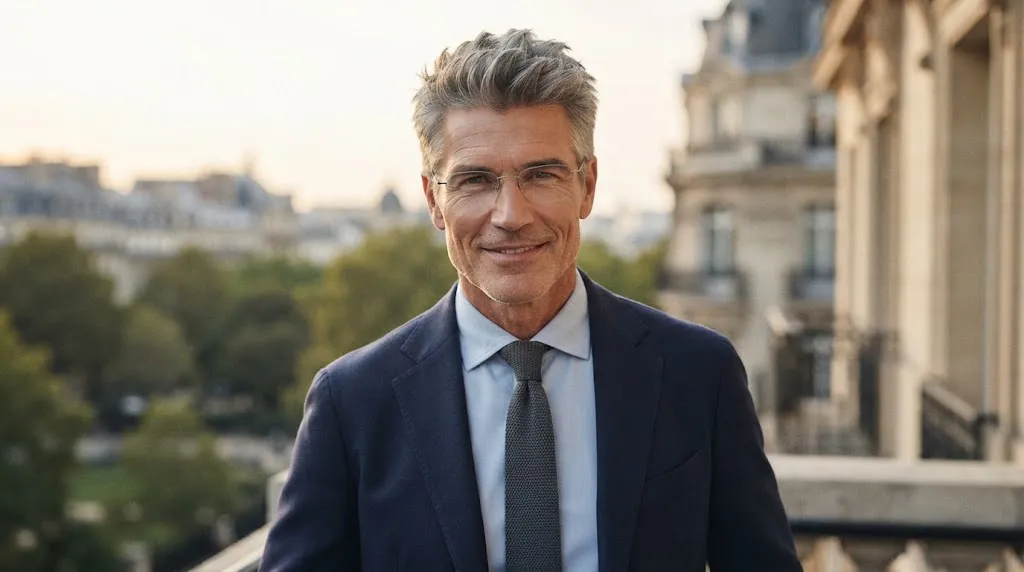
A square face already has strong angles, so both structured and textured haircuts can work well. Choose the amount of length and texture based on whether you want to emphasize or soften those natural features.
Long or Oblong Face

If your face is long or oblong, excessive height on top can make the face appear longer. A little more width or movement around the sides can create better overall proportions.
Don't Know Your Face Shape?
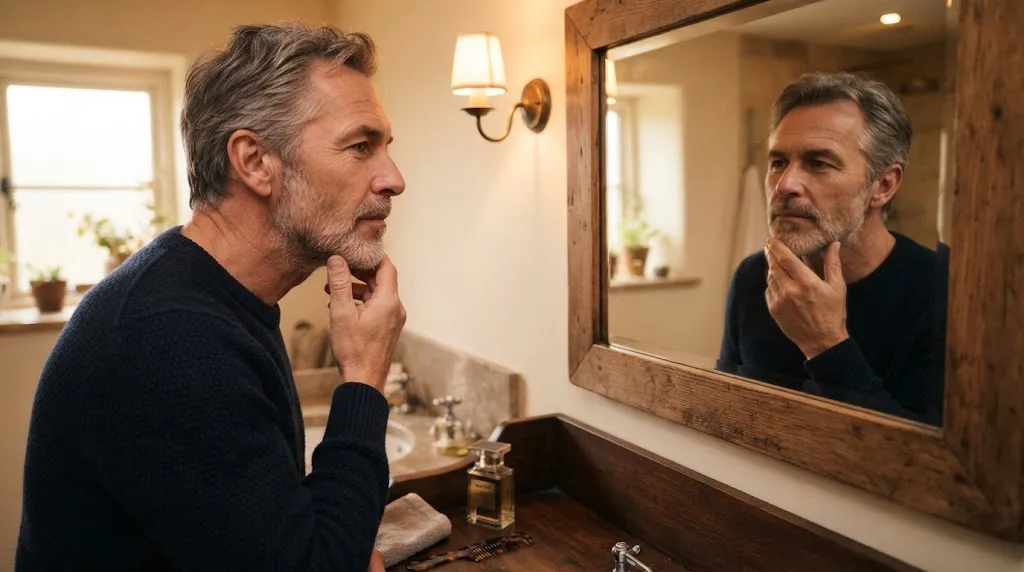
Look at your forehead, cheekbones, jawline and overall face length in a mirror or clear photo. If your face length is noticeably greater than its width, you may have a long or oblong shape; if the width and length are similar with softer angles, it may be round. A strong, defined jawline often points toward a square shape.
Low-Maintenance Haircuts for Older Men
If your priority is spending less time on your hair, choose a cut that works with your natural growth pattern and does not depend on daily styling.
Lowest-Maintenance Haircuts

Buzz cuts and very short crew cuts generally require the least daily styling. Short tapers can also be easy to manage while giving you more flexibility on top.
Low-Maintenance Styles That Still Look Modern
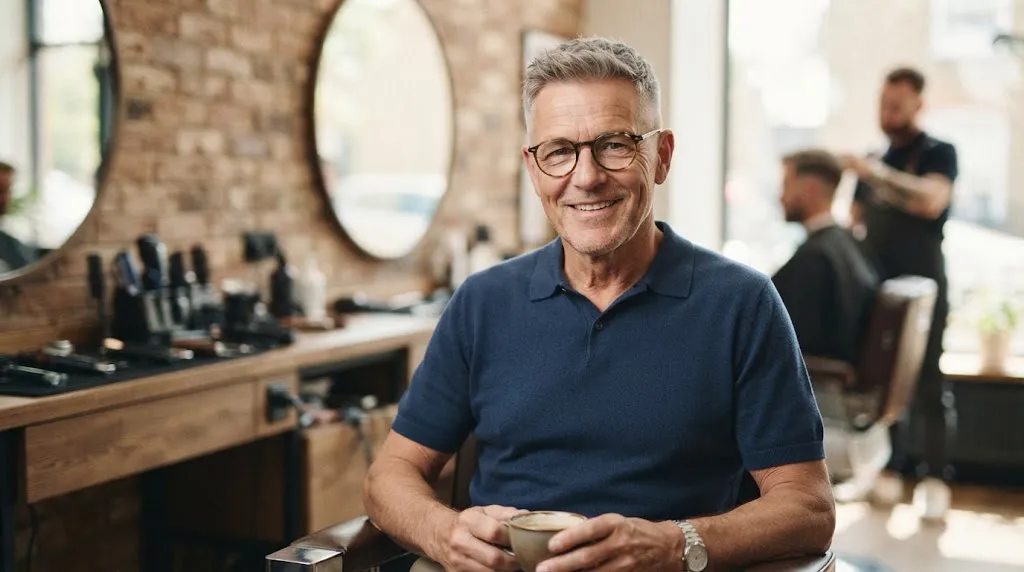
A short taper, textured crop or simple crew cut can give you a modern appearance without requiring a complicated morning routine. The key is choosing a shape that still looks good with minimal product.
How Often Should You Get a Trim?
| Style | Daily Styling | Trim Frequency | Maintenance |
|---|---|---|---|
| Buzz Cut | Very little | Frequent | Very Low |
| Crew Cut | Little | Moderate | Low |
| Short Taper | Low | Moderate | Low–Moderate |
| Textured Crop | Low | Moderate | Low–Moderate |
| Medium-Length Style | Moderate | Less frequent | Moderate |
Hairstyles for Older Men Over 60 and 70
Your age does not automatically determine which hairstyle you should wear. The better choice depends on your hair density, hairline, texture, face shape and how much maintenance you want.
Best Hairstyles for Men Over 60
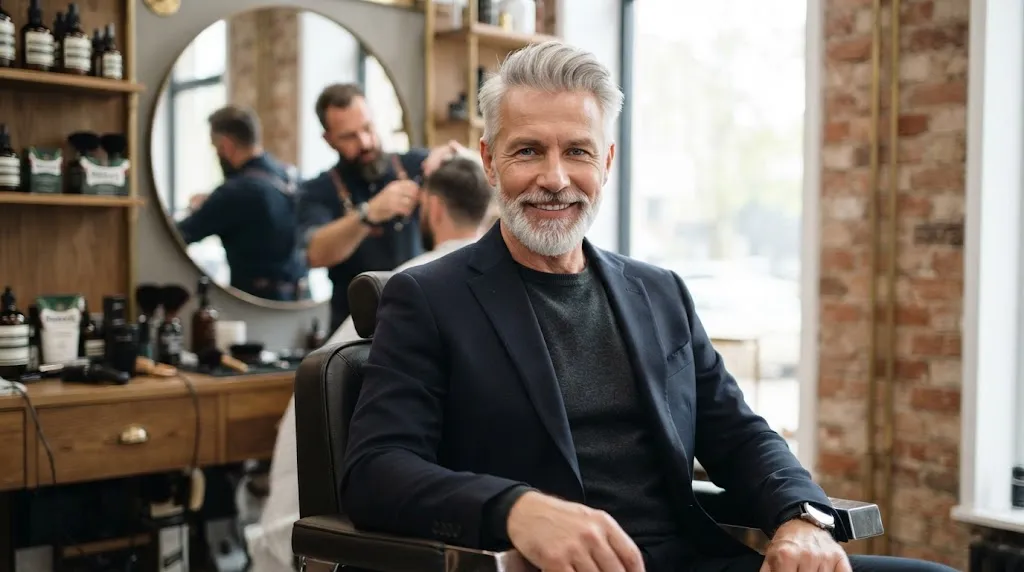
Men over 60 can wear everything from very short cuts to medium or longer hairstyles. Choose based on the condition and density of your hair rather than assuming you need a traditionally “older” haircut.
Best Hairstyles for Men Over 70

For men over 70, low-maintenance short styles can be practical, particularly when hair has become finer or more difficult to manage. However, medium or longer hair can still work when the hair remains sufficiently dense and healthy.
Does Age Alone Determine the Right Hairstyle?

No. Age is only one factor. Hair density, hairline, texture, face shape, personal style and maintenance preferences are more useful when deciding whether a particular haircut will work for you.
Hairstyles for Older Men With Glasses
Glasses add another visual element around the face, so consider how your haircut balances the frames rather than choosing a hairstyle based on glasses alone.
Short Hairstyles With Glasses

Short hairstyles keep the face and frames clearly visible and can create a neat, structured appearance. They work especially well when you want your glasses to remain a noticeable part of your look.
Medium Hairstyles With Glasses

Medium-length hair gives you more room to balance the proportions of your frames. A side part, textured style or swept-back shape can work depending on your hair type and face shape.
Long Hairstyles With Glasses

Long hair can create more visual weight around the face, which may complement larger frames but can also become visually heavy. Keep the overall shape intentional and consider your face proportions.
Matching Hair, Glasses and Face Shape

Think about the three elements together: hair shape, glasses frame and face shape. If your frames are visually strong, a cleaner hairstyle may create better balance. If your frames are subtle, you have more freedom to use texture or length in the hairstyle.
Real Hair Problems Older Men Face—and What to Do

Getting older can change how your hair behaves. It may become thinner, drier, coarser, or harder to style, but that does not mean you have to settle for a dated haircut. The best approach is to adapt the haircut and styling routine to the hair you have now.
My Hair Is Thinner Than It Used to Be
Don’t automatically grow your hair longer to compensate for thinning. A controlled length with some natural texture can create a cleaner, fuller-looking shape. Ask your barber to work with your actual density rather than trying to create excessive coverage.
My Hairline Is Receding
You have two practical choices: soften the hairline with a suitable amount of front length and texture, or choose a shorter cut that makes the receding hairline part of the overall shape. Avoid forcing a large amount of hair across sparse areas.
My Grey Hair Is Dry or Wiry
Grey hair can feel rougher or drier, so focus on moisture and gentle care. Use conditioner regularly, avoid excessive heat, and keep the haircut shaped so coarse strands are easier to control.
I Want Long Hair but My Hair Is Thinning
Long hair is possible, but check your density first. If the thinning is concentrated around the crown, temples or part, extra length may make those areas more noticeable. A medium length or carefully layered style can provide a better balance.
I Don’t Want a Typical Older-Man Haircut
You don’t need to choose a haircut simply because it is traditionally associated with older men. Start with your hair density, texture, hairline and preferred length, then choose a modern version of a cut that suits those characteristics.
I Don’t Want to Style My Hair Every Morning
Choose a haircut that already follows your natural hair pattern. Short cuts and simple textured styles generally require less daily work than hairstyles that depend on significant volume, precise parting or heavy product.
I Don’t Know What to Tell My Barber
Don’t just show your barber a photo and say, “I want this.” Tell them what you need the haircut to do: how much length you want to keep, where your hair is thinning, how your hairline behaves, how much styling you are willing to do, and whether you want the result to look natural or highly polished.
How to Choose the Right Hairstyle
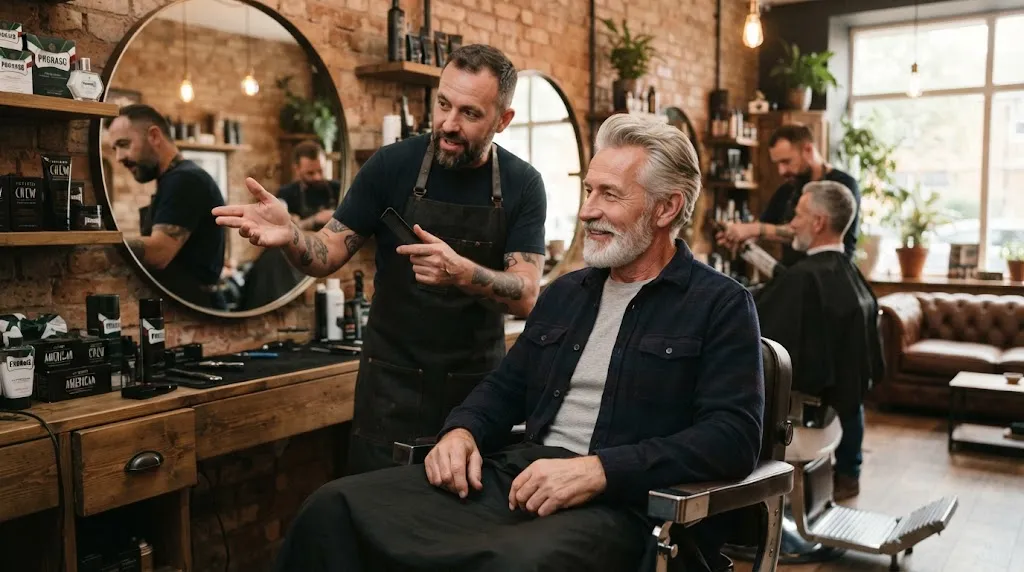
Before choosing a haircut, look at your hair as it is now—not how it looked 10 or 20 years ago. These six factors will narrow down the styles that are most likely to work for you.
Check Your Hair Density
Look at how much hair you have across the top, crown and sides. If density is lower, avoid choosing a style that depends on substantial length or volume.
Check Your Hairline
Notice whether your hairline is stable, receding at the temples, thinning across the front, or becoming less dense around the crown. This can influence how much length you should keep at the front.
Identify Your Hair Texture
Straight, wavy, curly, fine, thick and coarse hair behave differently. Choose a style that works with your natural texture instead of requiring constant correction.
Choose Your Hair Length
Decide whether you want short, medium or long hair based on density, texture and your willingness to maintain it. Your age alone does not determine the appropriate length.
Consider Your Face Shape
Face shape can help you adjust proportions—for example, how much volume or width you want—but it should be considered alongside your hair type and hairline.
Decide Your Maintenance Level
Be realistic about your routine. If you want to spend only a few minutes on your hair each morning, avoid a cut that needs extensive blow-drying, brushing or styling product.
Match Your Hair to the Style
| What describes your hair or preference | Suitable hairstyle categories |
|---|
| Thinning hair | Short, textured, controlled styles |
| Receding hairline | Short structured cuts or natural textured front styles |
| Thick hair | Short, medium or layered styles |
| Fine hair | Short-to-medium textured styles |
| Straight hair | Structured, parted or swept styles |
| Wavy or curly hair | Textured, medium or layered styles |
| Want very low maintenance | Very short or simple short cuts |
| Want to keep length | Medium-to-long styles if density allows |
| Want a modern look | Textured, tapered or contemporary versions of classic cuts |
What to Tell Your Barber

A good barber consultation is more useful when you explain your hair problem and daily routine, not just the name of a haircut.
If Your Hair Is Thinning
Say: “My hair is getting thinner here. I want a cut that works with the density I have rather than trying to cover it with too much length.”
If Your Hairline Is Receding
Say: “My hairline is receding at the front/temples. I want the haircut to look natural and balanced rather than forcing the hair forward.”
If You Want a Low-Maintenance Cut
Say: “I want something that looks good with very little daily styling. Keep the shape simple and easy to maintain.”
If You Want to Keep Your Hair Long
Say: “I want to keep the length, but I don’t want the haircut to make my thinning areas more noticeable. Shape it around my current density and texture.”
If You Want a Modern Version of a Classic Cut
Say: “I like this classic style, but I want a cleaner, more modern version that suits my current hairline and texture.”
Hairstyles Older Men May Want to Avoid
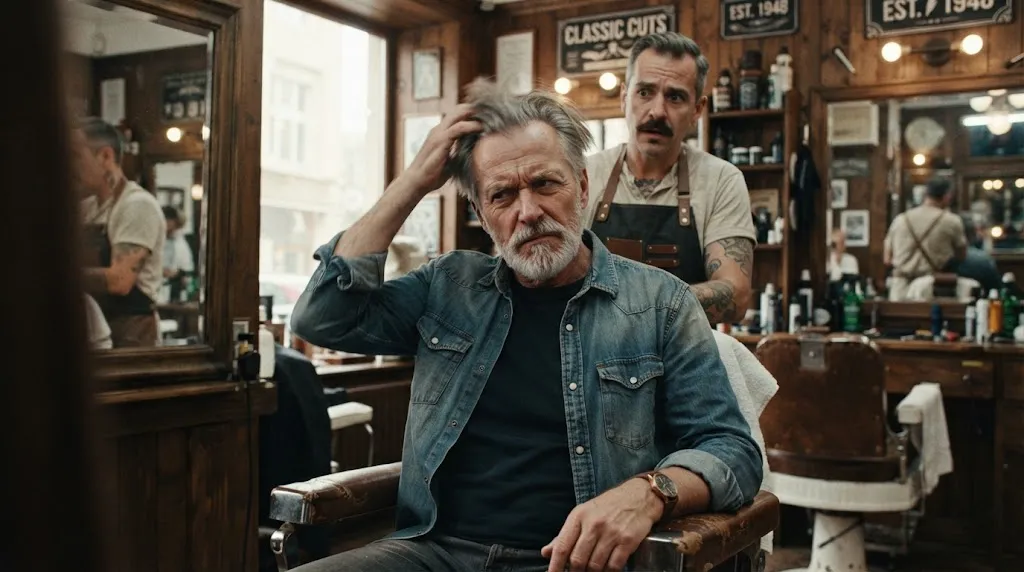
Extra length does not automatically make thinning hair look fuller. When density is low, excessive length can separate and expose sparse areas.
A comb-over can work when there is enough density to create a natural direction. Pulling large amounts of hair across a sparse area can instead make the thinning more obvious.
Heavy products can weigh fine hair down and make it appear flatter. Lightweight styling and natural texture are often a better approach.
A very tight fade can create a strong contrast between the sides and the hair on top. If the top is already significantly thin, that contrast may draw more attention to the difference in density.
If you don't enjoy daily styling, avoid choosing a haircut that depends on constant blow-drying, precise shaping, or substantial product just to look presentable.
Simple Hair Maintenance for Older Men

You don’t need a complicated routine to keep an older man’s hairstyle looking good. Consistent basic care and a haircut suited to your hair’s current condition are usually more useful than excessive styling.
Matching Hair, Glasses and Face Shape

Keeping Grey Hair Looking Healthy
Condition grey hair regularly and avoid unnecessary heat or harsh styling. If your hair feels dry, focus on keeping it moisturized rather than trying to change its natural grey color or texture.
Managing Dry or Wiry Hair
Use conditioner and avoid washing or heat-styling more aggressively than necessary. A suitable haircut can also remove unwanted bulk and make coarse strands easier to control.
Maintaining Your Haircut
Keep the neckline, sides and overall shape tidy according to the style you’ve chosen. Shorter cuts generally need more frequent reshaping, while longer styles can usually tolerate more growth between trims.
Keeping Daily Styling Simple
Use only enough product to control the hair. Start with a small amount, work it through the hair, and add more only if necessary. Your haircut should do most of the work.
Frequently Asked Questions
Explore More Hairstyles and Haircuts
If you want to explore more haircut ideas, visit the Hairstyles & Haircuts Directory to browse different styles and find more options based on hair length, texture and overall look.