
Back Hair Style — Complete Guide for Men, Women & Boys (2026)
What Is a Back Hairstyle?
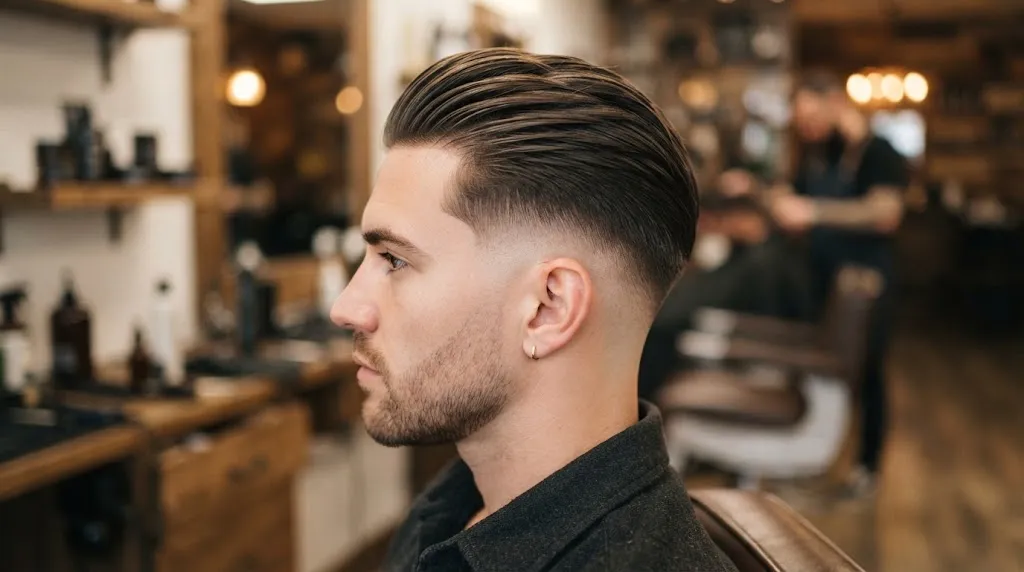
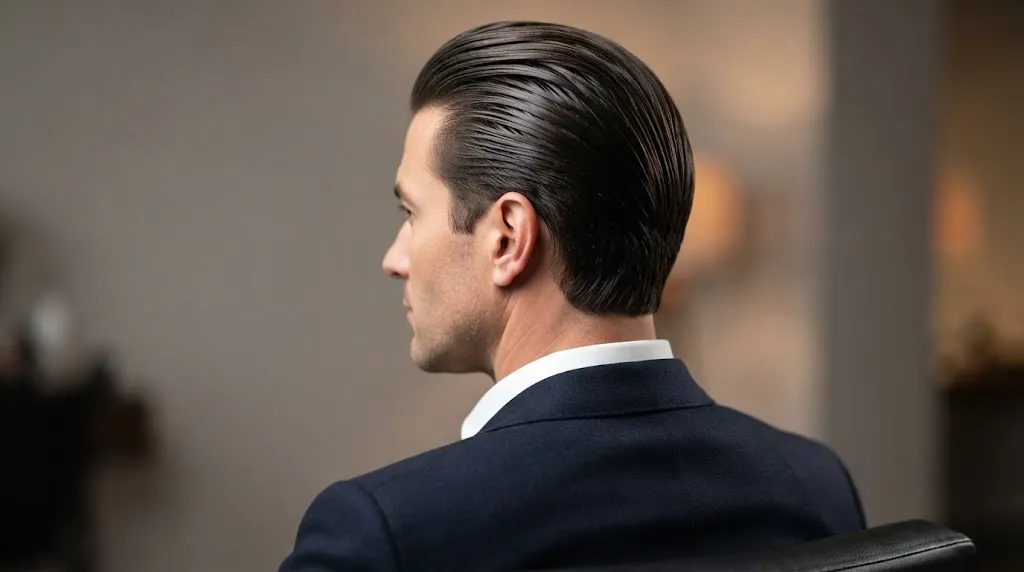
A back hairstyle refers to any cut or styling approach designed explicitly around how the hair flows, lays, and transitions across the crown, occipital bone, and nape. While most clients focus exclusively on what they see straight-on in the mirror, a back hairstyle prioritizes directional flow away from the face—whether that means a sharp, high-shine slick back, a relaxed swept-back flow, or a textured pompadour that tapers neatly down the neck.
Behind the chair, stylists evaluate a back hairstyle through three core structural zones:
Directional Flow: Hair is trained, blow-dried, or combed backward from the front hairline toward the crown, keeping the face clear while building natural height or a flat, control-driven finish.
Crown Integration: The top length must blend smoothly into the crown (the vertex) without creating awkward splits or stick-outs, particularly around natural cowlicks.
Nape Transition: The hair tapering or length strategy at the bottom determines the silhouette—ranging from a crisp skin fade or clean neck outline to a soft, natural taper or a longer shoulder-skimming flow.
The distinction between a standard haircut and a true back hairstyle comes down to technical intent. In a basic cut, the back is often treated as secondary cleanup. In a deliberate back hairstyle, length on top—typically needing at least 4 to 6 inches for proper weight and leverage—is cut and blown out specifically to sweep toward the nape without collapsing sideways or blowing out into wings at the temples.
To explore how these back transitions pair with various front cuts, lengths, and overall aesthetics, check out our primary hairstyles & haircuts directory.
All Back vs Slick Back vs Pushback vs Full Back — What's the Difference?
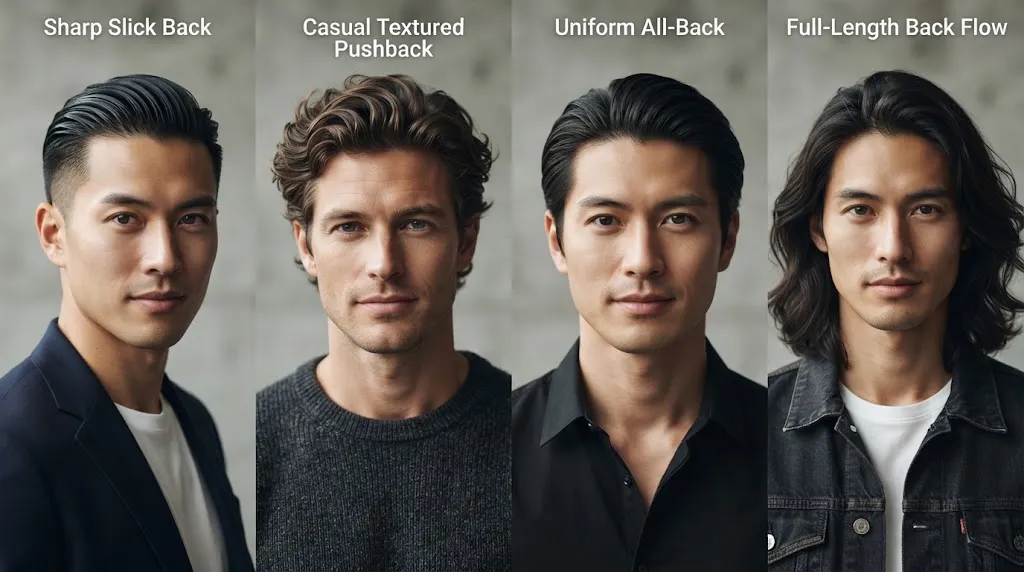
Clients often use these terms interchangeably in the consultation chair, but they describe very different technical cuts, product choices, and finished silhouettes. Knowing the distinctions prevents you from walking out with a flat, greasy look when you actually wanted loose, natural volume.
| Hairstyle Term | Core Definition & Finish | Styling Product & Hold | Best Length Range |
|---|---|---|---|
| Slick Back | Flat, high-control directional hold set tightly against the scalp. High shine or matte. | Water-based pomade or firm gel applied to damp hair. | 4 to 6 inches |
| Pushback | Casual, medium-volume sweep pushed back and slightly to the side. Natural texture. | Matte clay, paste, or sea salt spray worked through dry hair. | 3 to 5 inches |
| All Back | Umbrellas all swept-back styles, but technically refers to uniform hair directed straight back with zero parting. | Flexible cream, light pomade, or natural oils. | 5+ inches |
| Full Back | Maximum length sweep that covers the crown and extends completely down to or past the nape/shoulders. | Leave-in conditioner, styling cream, or light grooming tonic. | 6 to 12+ inches |
Slick Back
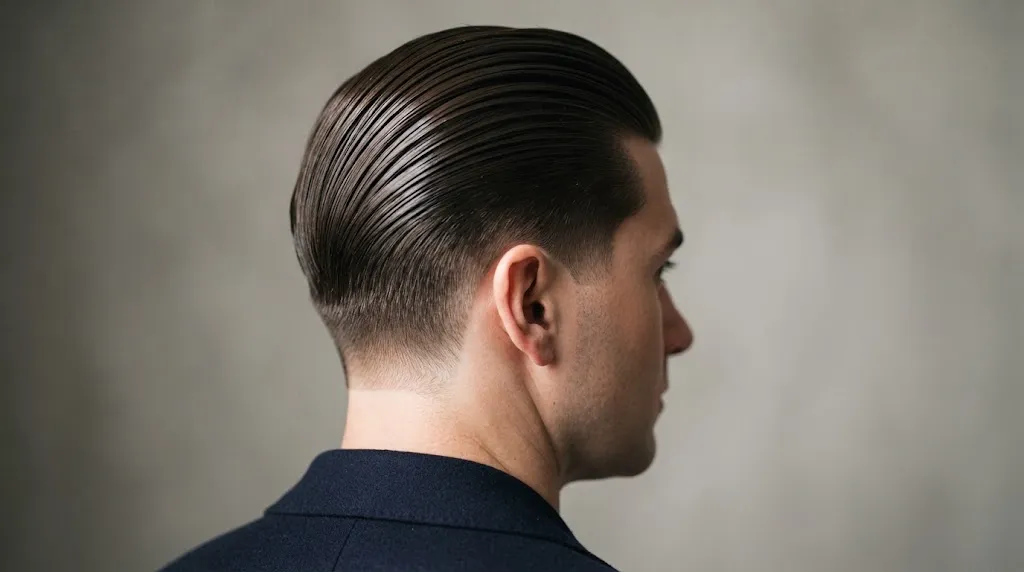
The slick back is the most structured option. The goal here is complete control and minimal volume. Hair is combed flat from the front hairline straight over the crown, locking down the sides so the head shape appears streamlined.
Technique: Apply product to damp hair, blow-dry backward with a fine-tooth comb using high tension, and seal with a firm-hold pomade.
Barber Note: Works best when the sides are faded or undercut short, eliminating bulk around the parietal ridge.
Pushback
Unlike the slick back, a pushback relies on movement, root lift, and finger styling rather than hard comb lines. Hair is pushed up and back—often drifting slightly off-center—to create a relaxed, touchable shape that doesn’t feel stiff.
Technique: Pre-style with sea salt spray or a light mousse, blow-dry upward and backward using your fingers or a vent brush for volume, then lock in texture with a dime-sized amount of matte clay.
Barber Note: Ideal for guys transitioning from shorter hair who don’t have enough length yet to lay hair completely flat.
All Back
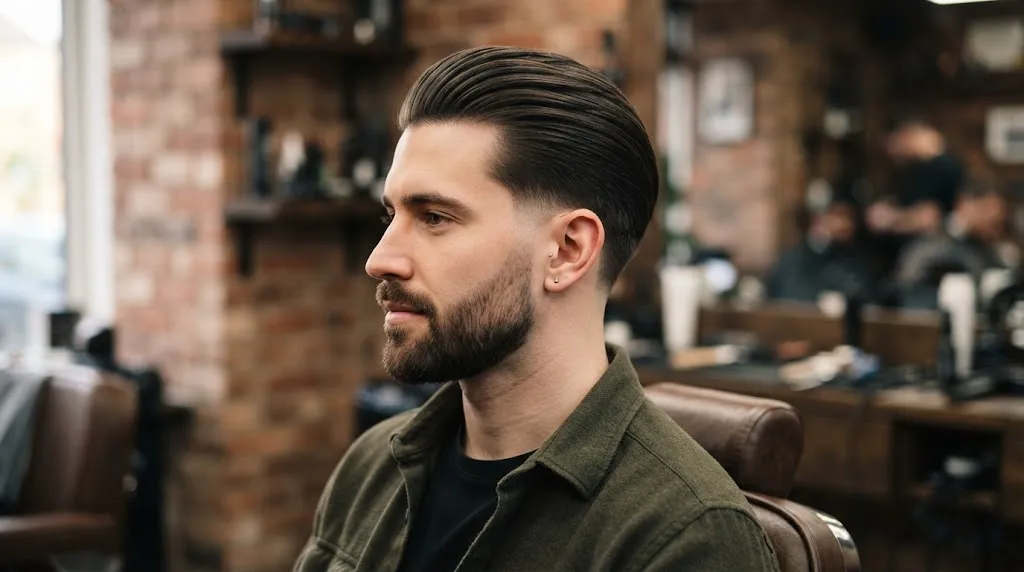
In technical terms, “all back” describes any style where every section of hair—top, temple areas, and upper sides—is combed toward the rear with zero visible parting line.
Technique: Focuses on sweeping the perimeter hair backwards alongside the top section, unifying the profile.
Barber Note: This answers the common client question, “What is an all-back hairstyle called?” In a shop, it’s simply referred to as a swept-back style or full directional slick/flow, depending on whether it’s styled tight or loose.
Full Back
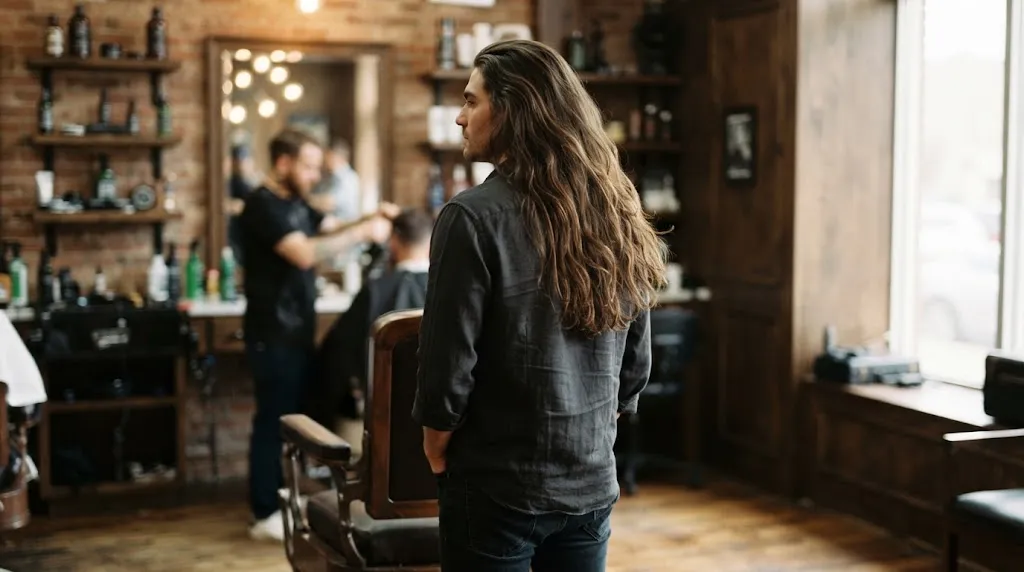
A full back hairstyle incorporates significant length, allowing the hair to flow completely over the crown and down the neck without being cut short at the nape.
Technique: Relies on natural hair weight rather than heavy holding products. Light grooming creams keep flyaways down while letting long strands cascade naturally over the occipital bone.
Barber Note: In terminology queries asking “What is the back hair called?”, barbers specifically divide this area into the crown (vertex) at the top curve, the occipital bone (the mid-back bump), and the nape (the lowest hair line at the neck). A full back style maintains weight across all three zones.
Types of Back Hairstyles
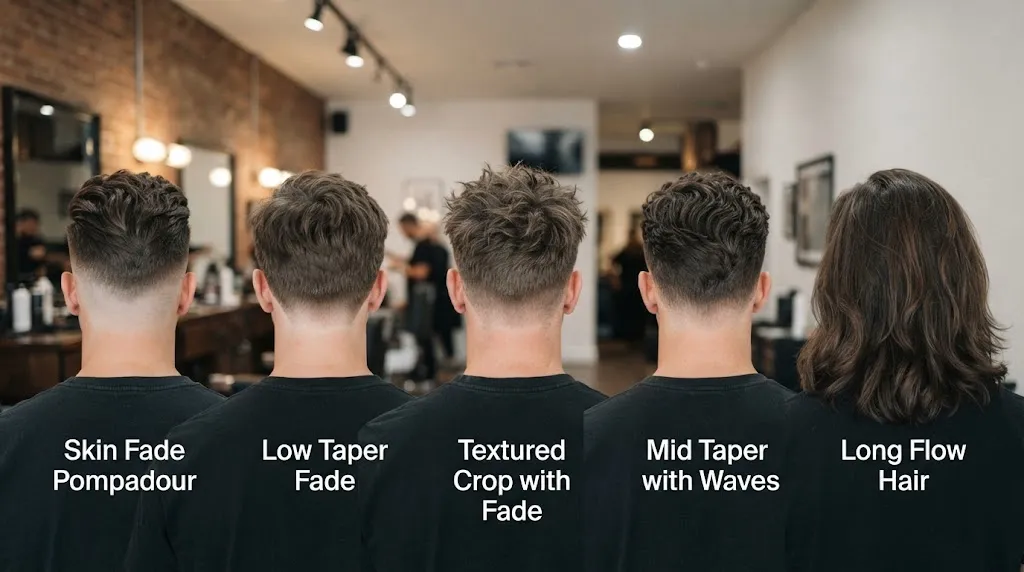
When clients ask, “What are the different types of back hair?”, they are usually asking about the structural framework—how the bulk, length, and hair distribution behind the ears are cut and tapered to match their head shape. While the front of a cut dictates your face-framing look, the construction at the back determines the overall silhouette, maintenance level, and how clean the style stays as it grows out.
From a technical standpoint, back hairstyles are categorized into four distinct structural families based on how the hair transitions down the occipital bone to the neck line.
Different Types of Back Hair Explained
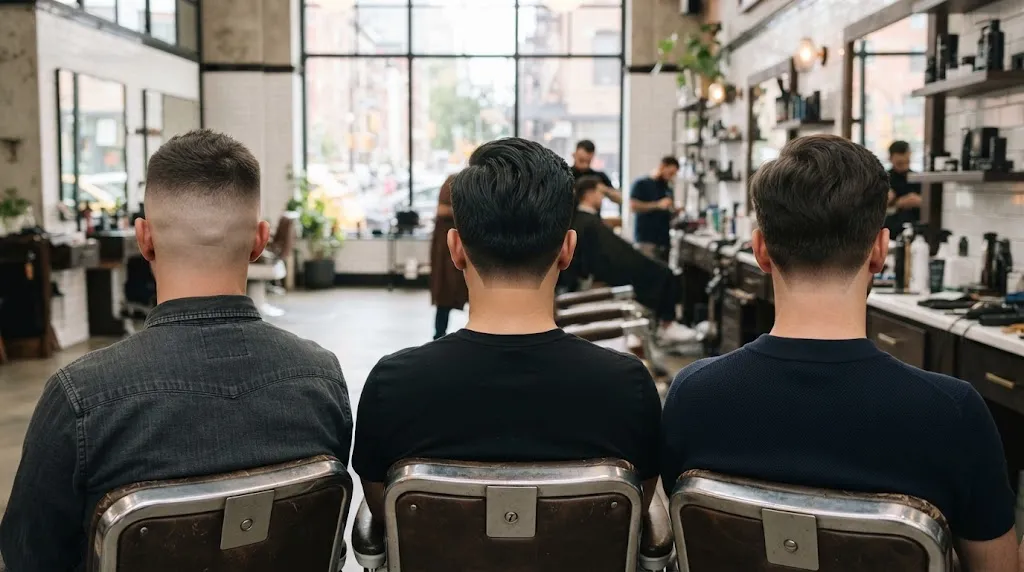
1. Faded & Tapered Backs
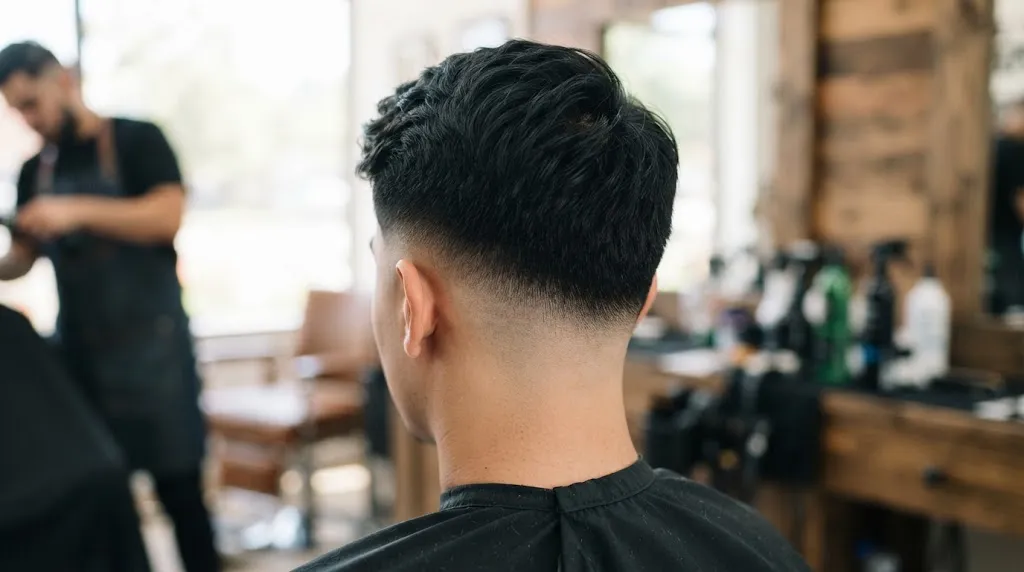
This structure relies on precise clipper work to blend the hair continuously shorter toward the hairline, creating a high-contrast, ultra-clean finish.
Taper Back: Blends out only at the temple points and the bottom corners of the nape, leaving the hair over the occipital bone full. It keeps the hairline ultra-sharp while preserving maximum weight on top.
Drop / Low / Mid / High Fade Back: The blend extends around the entire back perimeter. A low fade curves below the occipital bone; a mid fade hits directly at the bone; a high fade takes the short blend up toward the crown.
Burst / Drop Fade: The fade drops behind the ear, hugging the head’s natural curve to leave extra length down the center of the nape (ideal for modern mullets and crest cuts).
2. Blocked & Outlined Backs
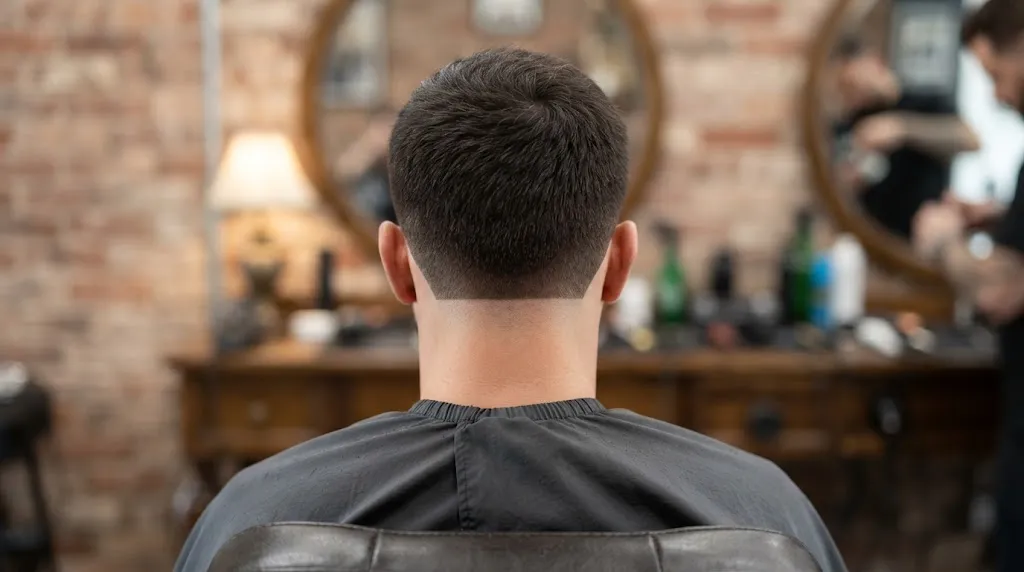
Instead of fading into bare skin, these options retain weight right down to the neck edge and feature sharp, hard perimeter lines.
Blocked (Square) Back: Cut straight across the nape with clippers to form a sharp 90-degree corner on each side. It visually widens a thin neck, though it requires frequent line-ups as stubble grows back.
Rounded Back: Cleaned up with clippers into a smooth, curved arch across the nape. It softens a wide neck and grows out far more naturally than a sharp square block.
3. Flow & Length-Focused Backs

These styles keep significant hair length through the crown and nape, relying on scissor work and weight distribution rather than close clippers.
Full Flow / Bro Flow: The hair top-to-bottom is left long enough (typically 5 to 8+ inches) to comb straight back over the ears and sweep freely down the neck without tight skin lines.
Ducktail (V-Back / DA): Scissor-cut so the sides are combed backward to meet in a distinct, styled ridge or “V” point down the center seam of the occipital bone and nape.
Modern Mullet & Shag Back: Keeps tight or faded sides while preserving extreme length through the back, allowing hair to flare outward over the collar.
4. Disconnected & Undercut Backs
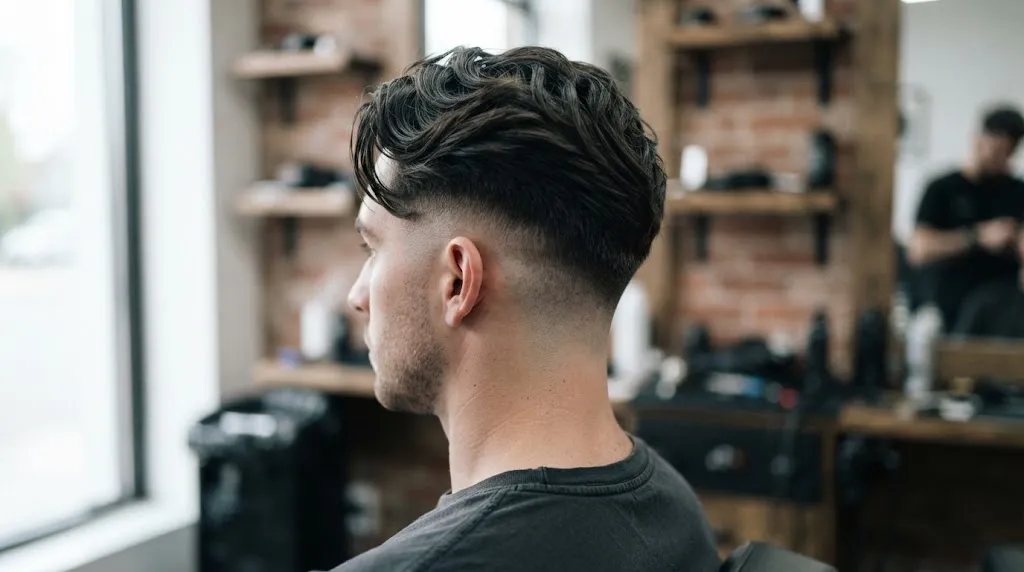
Disconnected constructions create a sharp contrast between long hair on top and short hair underneath.
Classic Undercut Back: The entire back and sides are buzzed to a uniform short length (e.g., a #1 or #2 guard) straight up to the crown boundary, with the long top hair falling directly over the shaved line with no blended transition.
Best Back Hairstyles for Men
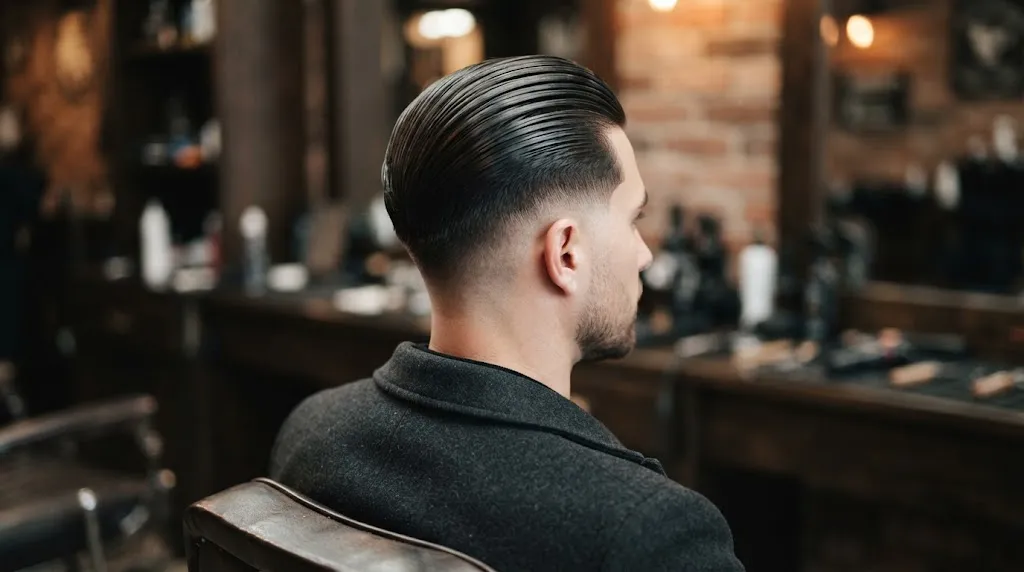
Choosing the right back hairstyle comes down to how much maintenance you are willing to put into styling, your natural hair density, and how sharp you want the perimeter to look. Below are the definitive, time-tested variations barbers execute behind the chair every day.
Slick Back Fade
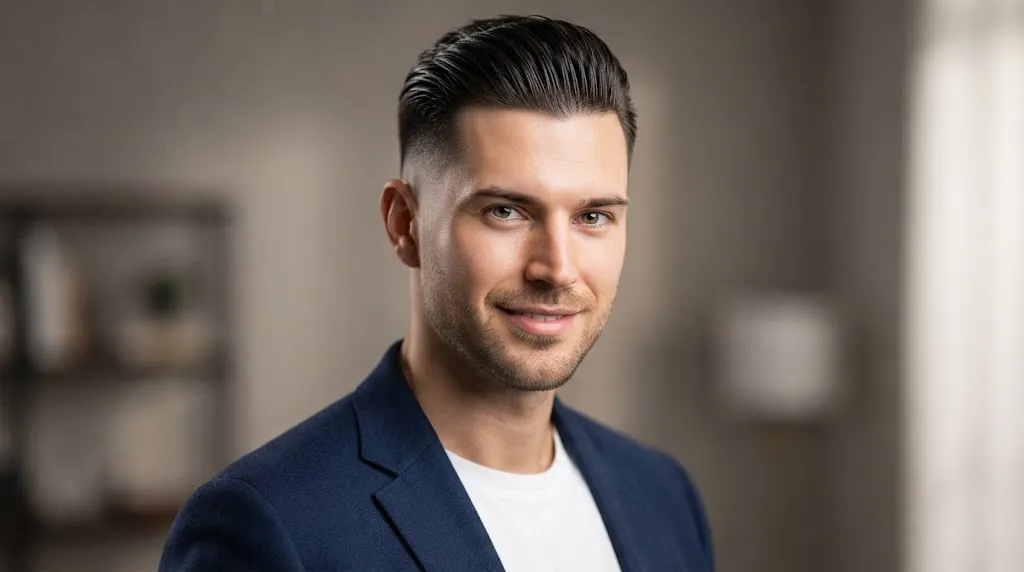
The slick back fade pairs disciplined directional slicking on top with a gradual, high-contrast blend around the back and sides. Because the sides are faded down to skin or a low guard, the bulk around the parietal ridge is removed, ensuring the top hair lays completely flat without puffing out at the temples.
Ideal Hair Type: Straight or slightly wavy hair with medium-to-thick density.
Barber Setup: Ask for a mid skin fade or low drop fade that wraps smoothly around the occipital bone, keeping 4 to 6 inches of length on top.
Styling Tip: Towel-dry hair until slightly damp. Apply a strong-hold, water-based pomade from roots to ends, then use a medium-tooth comb to pull the hair straight back over the crown.
Slick Back Taper
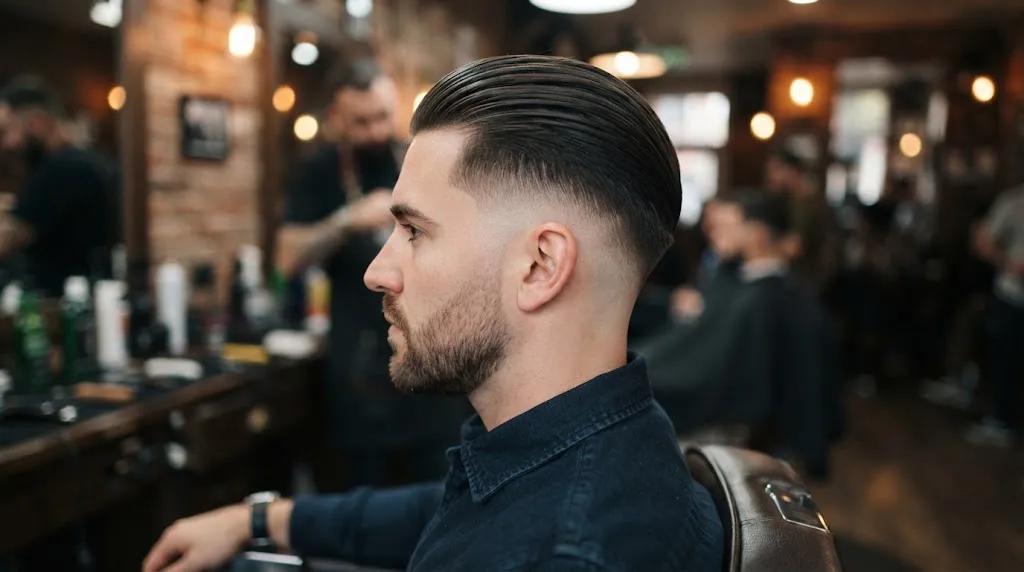
Unlike a full fade that takes the sides down short all the way around, a slick back taper only blends out the hair at two specific points: the sideburns/temples and the lowest edge of the nape. The hair directly behind the ears retains its natural length, creating a softer, more classic executive silhouette.
Ideal Hair Type: Men with round or oval face shapes who need structural weight on the sides to balance their proportions.
Barber Setup: Request a low neck taper. Ensure your barber leaves enough weight over the occipital bone to blend seamlessly into the top.
Styling Tip: Blow-dry backward using a round brush to build subtle elevation at the hairline before sealing with a low-shine styling paste.
Slick Back Undercut
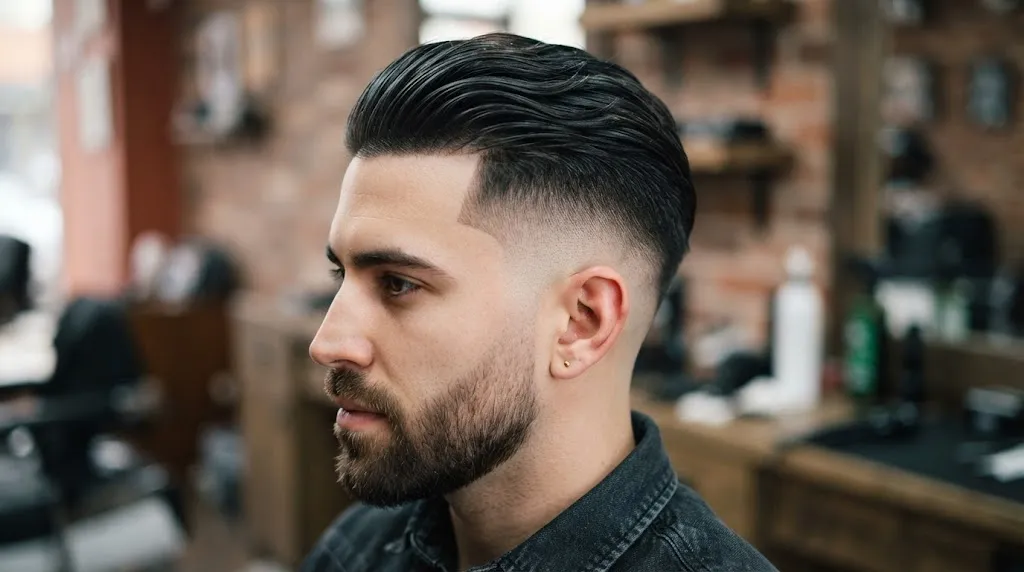
The slick back undercut features a stark, zero-blend transition between the long top and the buzzed back and sides. Because there is no gradual taper, the top hair overhangs the shaved boundary, giving it an aggressive, sharp contrast that looks striking from both side and rear angles.
Ideal Hair Type: Extremely thick, coarse hair that is difficult to blend down with standard scissor work.
Barber Setup: Ask for a disconnected undercut buzzed to a #1 or #2 guard straight up to the crown perimeter, keeping a minimum of 5 inches on top so the hair has enough weight to lay backward without standing upright.
Styling Tip: High-tension blow-drying is non-negotiable here. Use a narrow concentrator nozzle on your blow-dryer to direct heat straight back over the crown, locking it down with a heavy-duty pomade.
Full Back Hairstyle
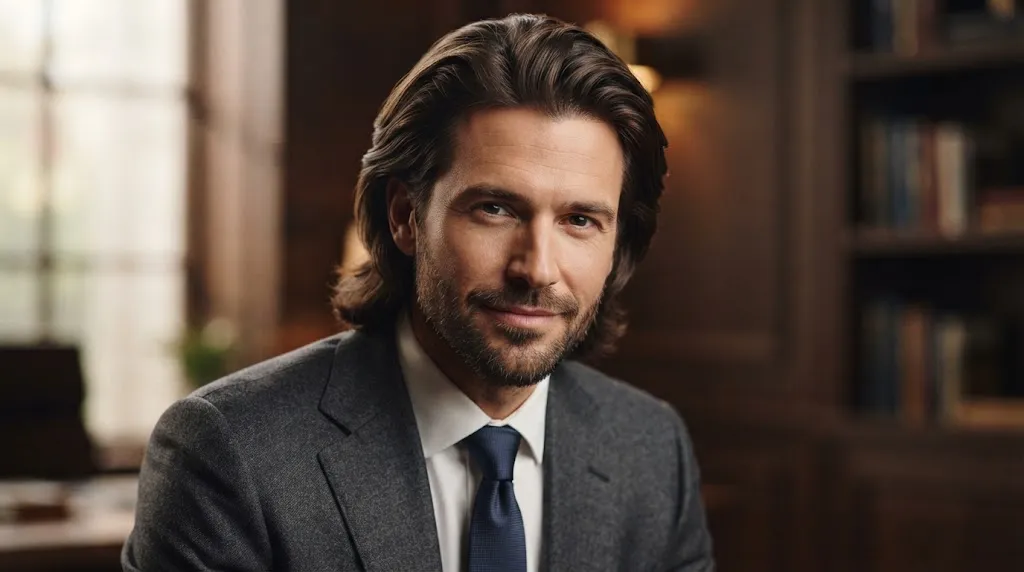
A full back hairstyle maintains uniform weight and length across the top, crown, and nape—without short clipper work underneath. It relies entirely on scissor precision and natural hair flow to wrap around the head shape, offering a mature, timeless aesthetic often favored in professional environments.
Ideal Hair Type: Fine-to-medium hair density with natural straight or gentle wave patterns.
Barber Setup: Ask for a scissor-only classic sweep with soft perimeter outlining along the natural neck growth.
Styling Tip: Work a light grooming cream through damp hair, push it straight back with your fingers, and allow it to air-dry naturally to preserve natural movement without stiffness.
Pushback Hairstyle
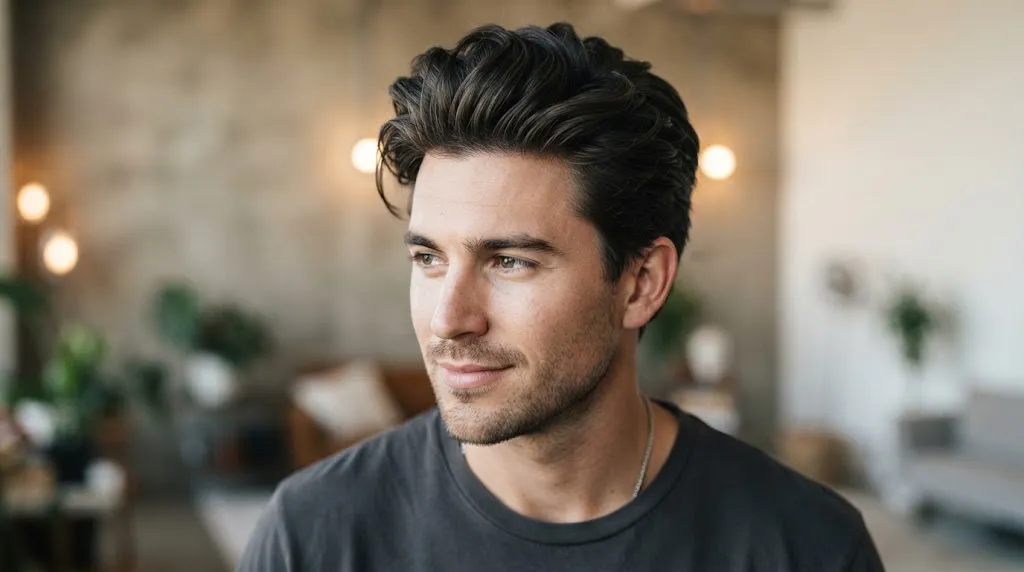
The pushback is the casual, low-maintenance cousin of the slick back. Instead of locking hair flat against the scalp with heavy product and hard comb lines, a pushback uses lightweight texturizers to sweep the hair upward and backward with plenty of root volume and natural movement.
Ideal Hair Type: Wavy, fine, or thinning hair that looks flat or sparse when slicked down tightly.
Barber Setup: Request a textured top with soft scissor-tapered sides, leaving 3 to 5 inches on top.
Styling Tip: Apply sea salt spray to wet hair, blow-dry upside down or backward using your fingers to lift the roots, and finish with a nickel-sized dab of matte clay worked through the tips.
Long Back Hairstyle for Long Hair
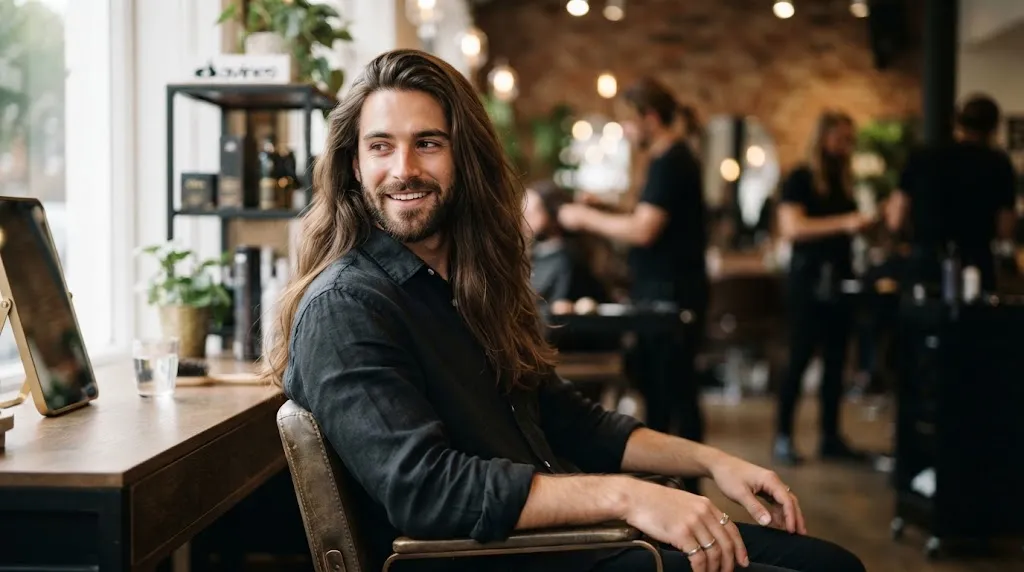
Long back styles sweep past the nape and drop toward the shoulders or upper back. This aesthetic—often celebrated for its effortless, highly attractive flow—relies on healthy weight distribution so long strands cascade neatly over the back of the neck without clumping into stringy sections or flaring out awkwardly at the shoulders.
Ideal Hair Type: Long straight, wavy, or curly hair spanning 6 to 12+ inches.
Barber/Stylist Setup: Request long subtle layers cut through the interior to remove excess weight, combined with point-cutting at the ends so the hair sweeps fluidly backward behind the shoulders.
Styling Tip: Apply a hydrating leave-in conditioner or light hair oil through mid-lengths to ends while damp. Wide-tooth comb everything backward behind your ears, letting your natural texture settle as it air-dries.
Wet Look Back Hairstyle
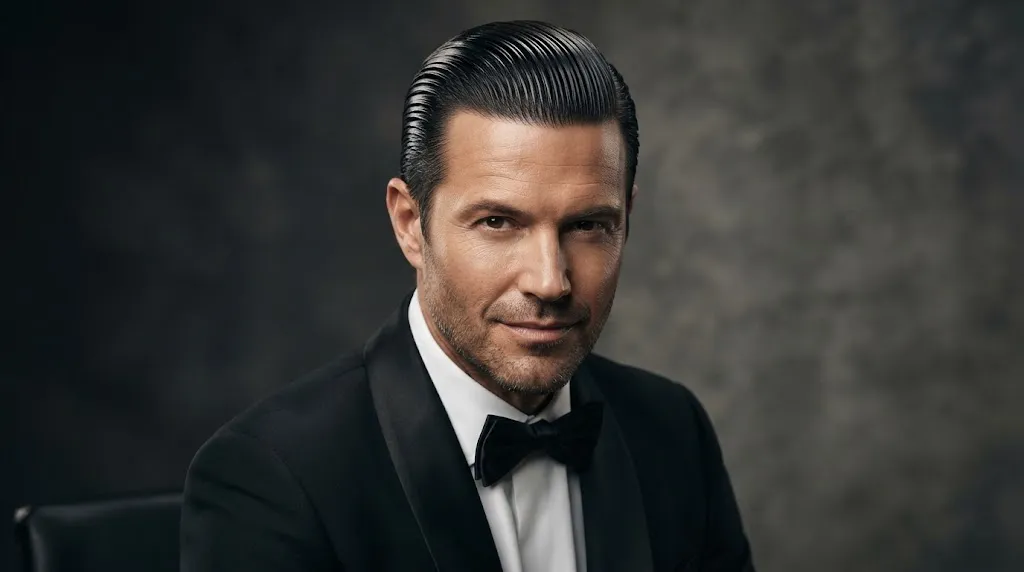
The wet look back style creates a glossy, high-shine finish that looks fresh out of the water all day long. It emphasizes deep comb ridges and crisp directional lines, making it a popular high-fashion and formal evening choice.
Ideal Hair Type: Medium to thick hair that can hold heavy, moisture-rich styling formulas.
Barber Setup: Works with any mid-length top (4+ inches) paired with a clean taper, fade, or traditional scissor-cut side.
Styling Tip: Do not blow-dry hair completely dry. Apply a generous amount of high-shine, water-based gel or traditional grease-based pomade while hair is roughly 30% damp. Work it thoroughly from roots to ends, then run a wide-tooth comb straight back from the hairline to establish clean, polished tracks.
Slick Back Haircut with Fade — Styling Breakdown
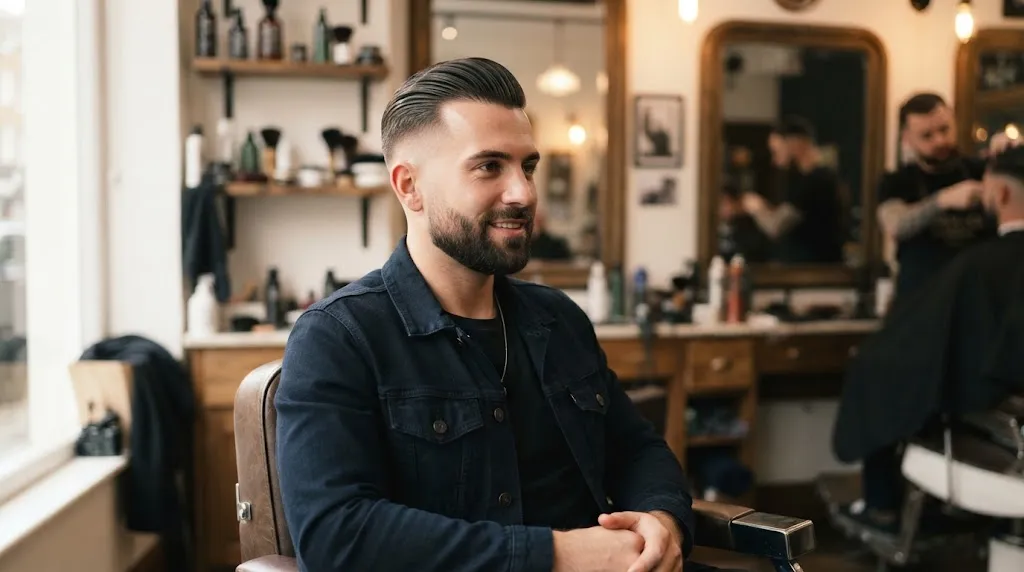
Executing a sharp slick back with a fade isn’t just about slapping product on wet hair and combing it toward the nape. Getting that clean, modern finish—where the top maintains structural hold without looking greasy or separating into spiky chunks—requires proper blow-drying technique, precise product application, and tension control.
The Step-by-Step Barber Method
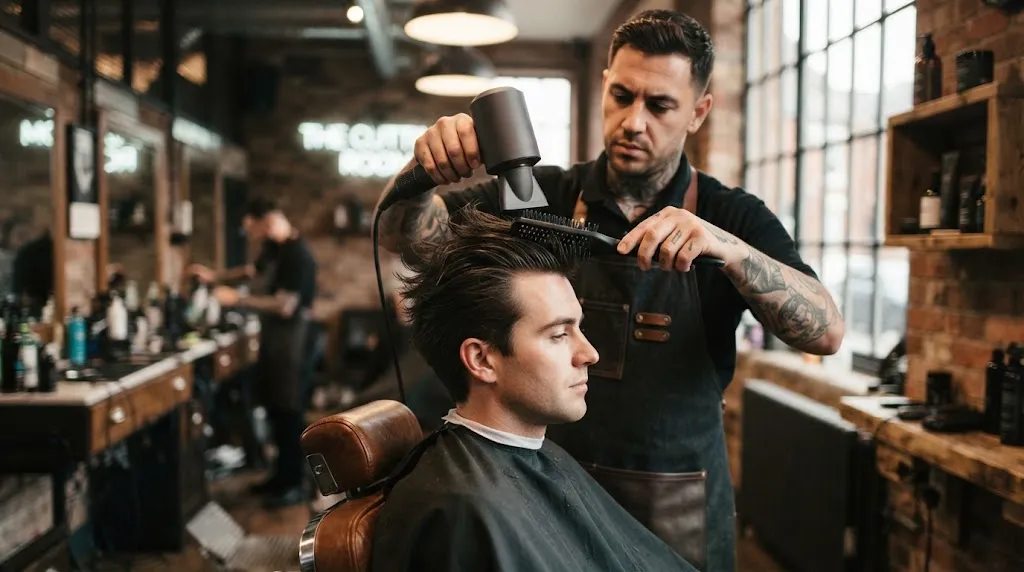
Never apply styling products or heat to bone-dry hair. Starting with damp hair opens up the hydrogen bonds, allowing you to re-shape the natural growth direction as you dry.
Work a nickel-sized amount of sea salt spray, grooming tonic, or light mousse evenly from roots to ends. This acts as a foundation, giving slick back hair styles in men the internal grip and heat resistance needed to stay up and back all day.
Place a vent brush or classic comb at your front hairline, pull the hair upward and backward, and follow the brush directly with your blow-dryer nozzle.
Focus Area: Keep continuous backward tension over the crown (vertex) so the top length lays flush over the faded perimeter instead of puffing outward.
Pro Tip: Once the shape is fully dry, blast the style with the dryer’s cool shot button for 10 to 15 seconds to freeze the memory of the wave in place.
Scoop a small portion of your primary product (a water-based pomade for shine, or a matte clay for a modern, textured finish) and scoop it thoroughly between your palms until fully emulsified. Coat the underside and roots first near the crown, then smooth your hands over the front hairline, combing your fingers all the way back to the nape.
Use a medium or wide-tooth comb to establish smooth, uniform lines from the forehead straight over the occipital bone. For a natural look, use your fingers to rake through the top line; for a sharp executive look, press the comb teeth firmly against the scalp to create flush, uniform tracks.
3 Common Styling Mistakes & Practical Fixes
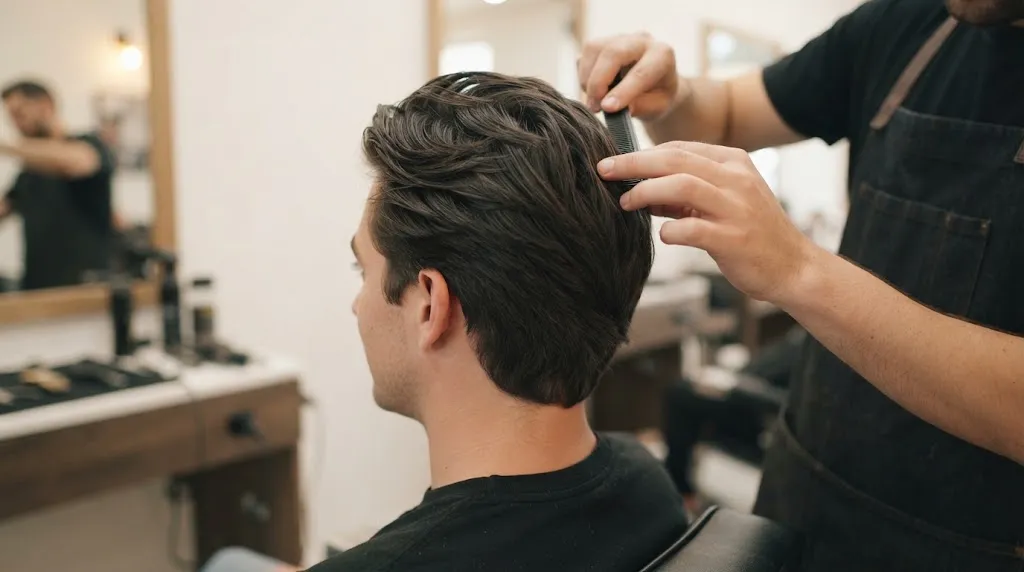
Mistake 1: Hair splits down the middle or forms a cowlick gap at the crown.
The Fix: You aren’t locking in the crown section during the blow-dry phase. Use a round brush or vent brush to sweep hair from the opposite side across the cowlick before directing it straight back. The weight of the length must anchor the swirl.
Mistake 2: The sides “wing out” over the fade line.
The Fix: The top length isn’t long enough yet, or you applied product only to the top surface. Ensure you have at least 4 to 5 inches of length, and comb product firmly downwards along the upper parietal ridge where the long hair meets the short fade boundary.
Mistake 3: The style collapses flat within two hours.
The Fix: Applying heavy pomade to soaking wet hair weighs down the roots. Ensure you blow-dry 100% of the moisture out before applying your finishing product, or switch from a heavy gel to a lightweight styling paste.
How Much Hair Length Do You Need for a Back Hairstyle?
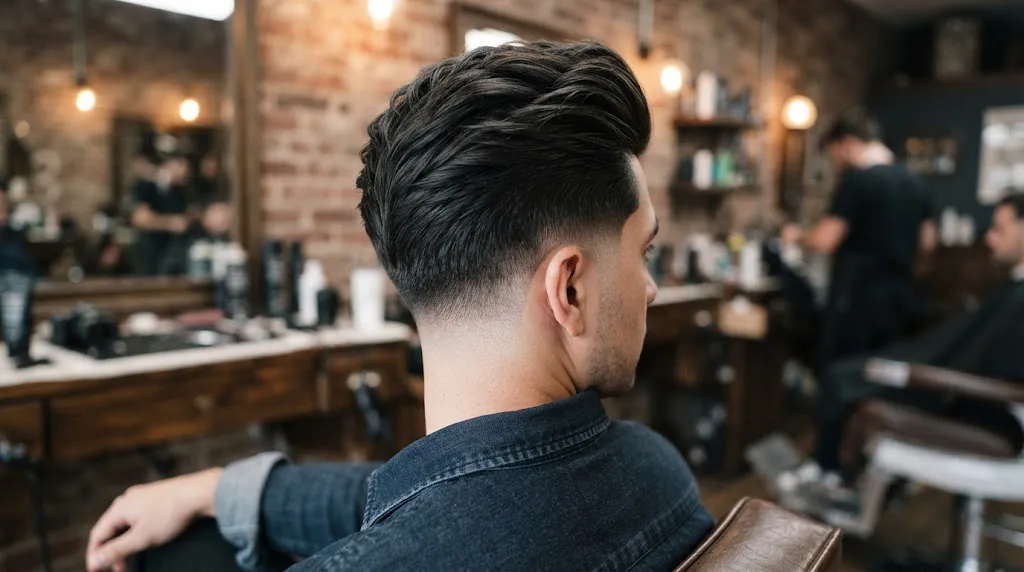
The single biggest reason a swept-back style collapses or flares outward into unwanted side wings is insufficient length. For hair to lay flat and flow directionally from the front hairline over the crown, it needs enough physical length—and corresponding weight—to overcome its natural vertical growth angle and lay flush against the scalp.
While the exact length required depends on your hair texture and density, the baseline rule behind the chair is that 3 inches is the absolute minimum for a loose pushback, while a classic slick back requires at least 4 to 6 inches on top.
6 Inches of Hair — What You Can Style With It
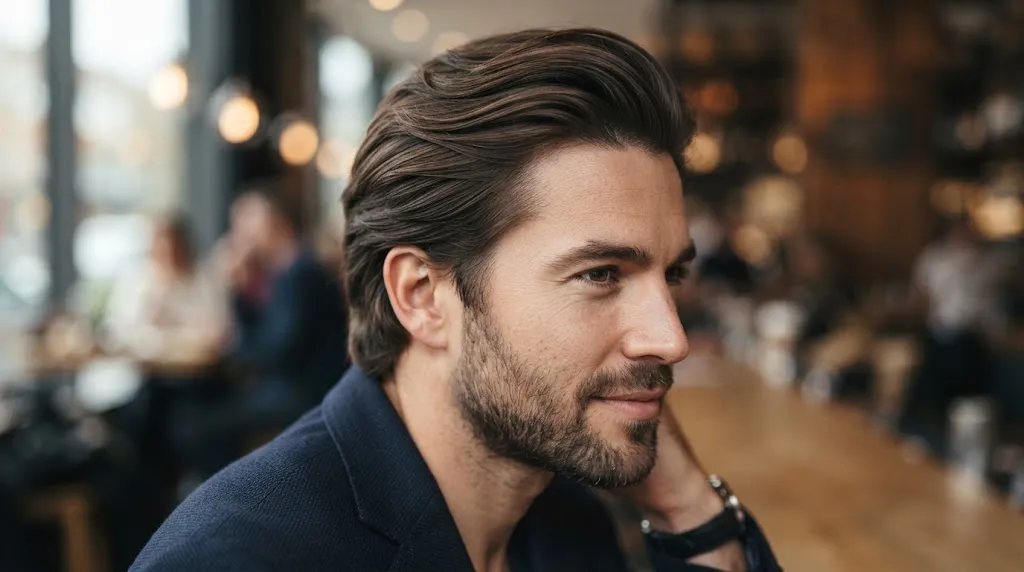
Hitting the 6-inch mark (which typically takes around 12 months of growth from a short crop, assuming the average growth rate of 0.5 inches per month) is the ultimate sweet spot for men’s back hairstyles. At 6 inches, the hair on top has enough mass to anchor itself over the occipital bone without requiring concrete-hold gel.
With 6 inches of top length, you can comfortably execute:
A Classic High-Volume Slick Back: The front strands are long enough to reach all the way past the crown (vertex), locking down natural cowlicks under the top hair’s combined weight.
An Undercut or Fade Disconnect: 6 inches provides enough coverage to drape completely over high skin fades or shaved undercuts without sticking straight up or fanning out at the parietal ridge.
A Natural Swept Flow: You gain enough length to tuck the hair neatly behind your upper ears without it popping forward throughout the day.
Wavy & Curly Back Sweeps: Wavy hair loses roughly 1 to 2 inches of visible length due to its spring factor; at 6 inches extended, wavy hair relaxes into a loose, textured sweep across the back of the head
Short vs Medium vs Long Hair Back Styles
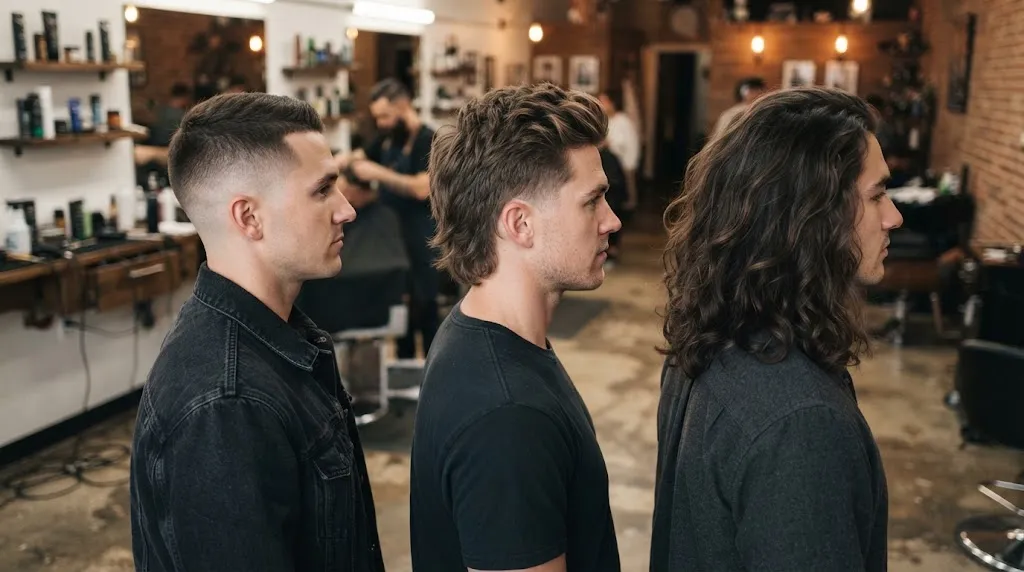
How your hair behaves when brushed backward changes dramatically across different length brackets:
| Length Tier | Measurement | Styling Behavior & Realistic Possibilities | Best Styles & Clipper Pairings |
|---|---|---|---|
| Short | 2 to 3 Inches | Hair resists laying flat. Roots fight directional styling, requiring high-heat blow-drying and firm products to force hair backward. | Short pushbacks, crop-to-back transitions, crew-cut sweeps. Pair with high fades or tight undercuts to keep sides clean. |
| Medium | 4 to 6 Inches | The ideal balance. Hair has natural gravity and weight, laying flush over the crown while remaining easy to manipulate with medium-hold pomades or clays. | Executive slick backs, classic pompadours, slick back fades, and mid-length pushbacks. Works with any taper or fade. |
| Long | 7 to 12+ Inches | Hair moves past the crown and extends down the neck/nape. Gravity does most of the work, but managing bulk along the sides becomes essential. | Full back flow, swept-back shoulder-length hair, half-up man buns, and long layered back styles. Best paired with soft scissor tapers or full natural perimeter cuts. |
How to Style Long Layered Hair at Home
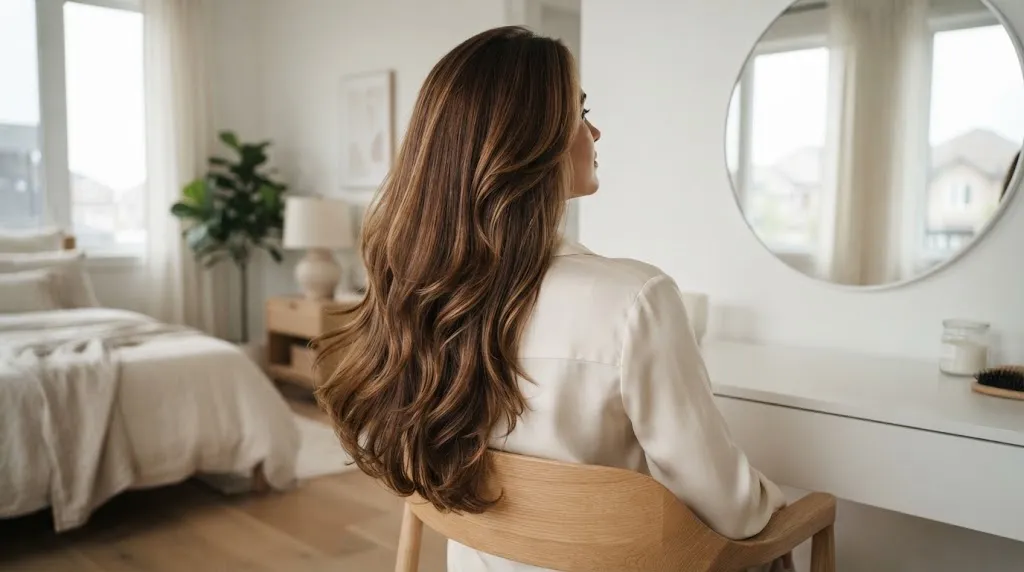
Lorem ipsum dolor sit amet, consectetur adipiscing elit. Ut elit tellus, luctus nec ullamcorper mattis, pulvinar dapibus leo.
Back Hairstyles for Men with Straight Hair
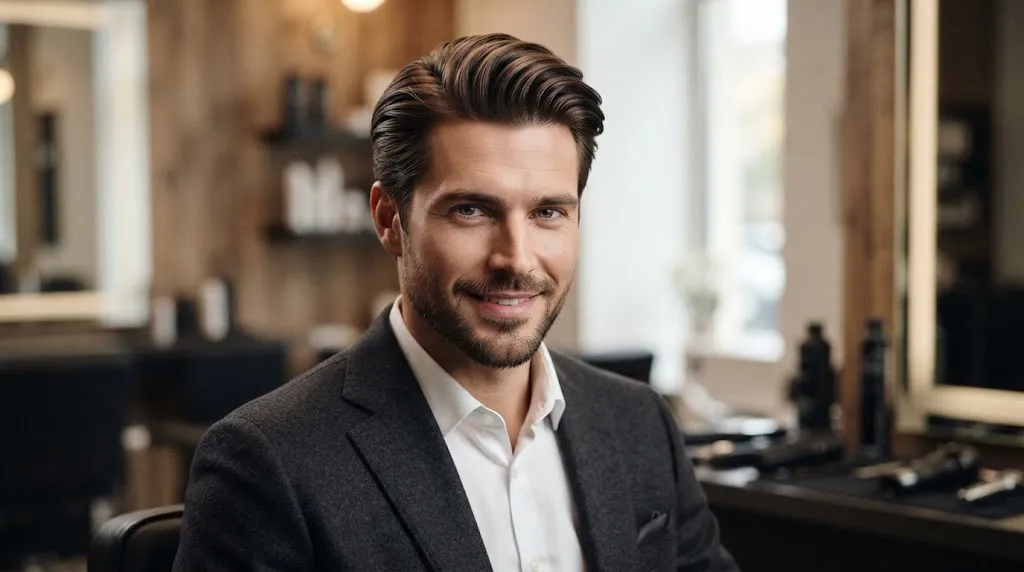
Straight hair offers the cleanest directional lines for back hairstyles, but it comes with a distinct physical challenge: a total lack of natural curl or wave memory. Without the natural bend of wavy hair to anchor the shape, men’s long straight hairstyles tend to fall flat against the crown or fan outward into stiff, uncontrolled “wings” at the sides if the cut and styling foundation aren’t precise.
To master a back style on pin-straight hair, barbers focus on three core technical adjustments:
Interior Weight Removal: Straight, dense hair gets heavy quickly. Having your barber point-cut or use thinning shears through the interior mid-lengths creates subtle variance in strand length, allowing the top hair to rest smoothly over the crown without building a bulky, boxy ridge.
Layering the Perimeter: Avoid blunt-cut ends at all costs. Blunt edges on straight hair stick out like broom bristles when combed backward. Subtle, long layers allow the ends to nestle neatly over the nape.
Blow-Dry Control Over Heavy Gels: High-shine gels on straight hair can quickly look greasy and separate the top into visible scalp-exposing gaps. Instead, build structural volume by blow-drying straight hair backward with a vent brush using a lightweight matte paste or sea salt pre-styler.
Back Hairstyle for Indian Men

When crafting a back hairstyle specifically tailored to the hair genetics common among Indian men—typically high strand density, thick shaft diameter, and strong natural growth directions—the primary challenge is managing extreme volume and stubborn roots along the crown and parietal ridge.
Because dense Indian hair naturally wants to grow straight up or out before falling, pulling it straight back requires tailored scissor work and product weight to prevent the back profile from looking overly wide.
Tailoring the Cut & Styling for Indian Hair Textures
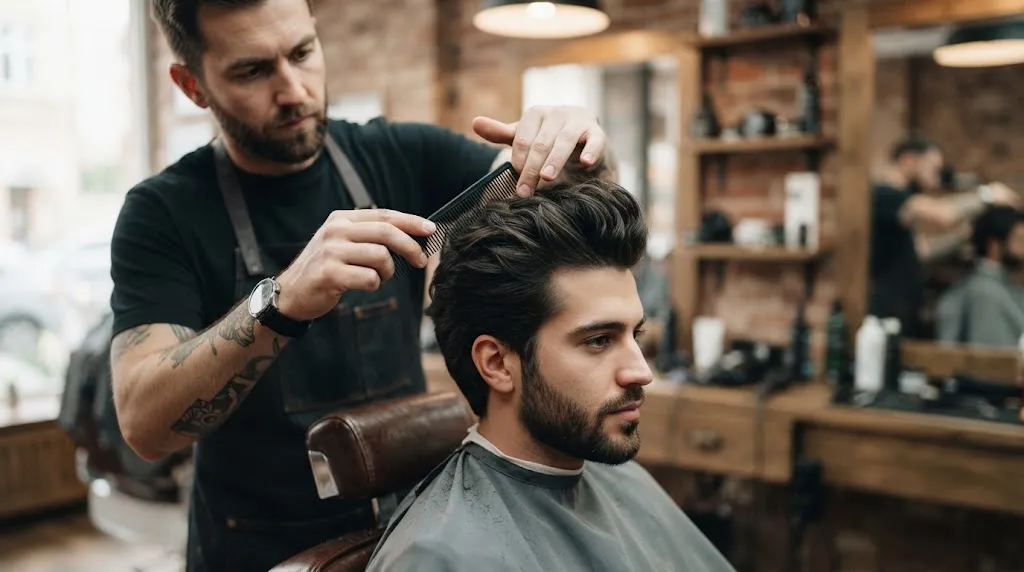
Opt for Low Tapers or Mid Fades: To balance the thick density on top, request a clean low-to-mid taper around the ears and nape. Removing bulk along the lower perimeter narrows the back silhouette and prevents the head shape from looking round or bottom-heavy.
Incorporate Texture to Fight Stiff Roots: Dense, thick hair shafts resist bending. Ask your barber for slide-cutting or deep point-cutting on top—this breaks up the solid wall of hair so strands slide over each other smoothly when swept toward the nape.
Use High-Hold, Water-Based Pomades: Lightweight creams and light sprays are often overwhelmed by thick Indian hair. A firm-hold, water-based pomade or a heavy-duty styling clay provides the necessary control to lock down rebellious cowlicks at the vertex.
Seamless Beard Integration: For men who wear full beards, ensure the taper at the nape and sideburns creates a clean, intentional bridge between the swept-back top hair and the beard line, keeping the rear profile crisp from ear to ear.
Back Hairstyles for Women
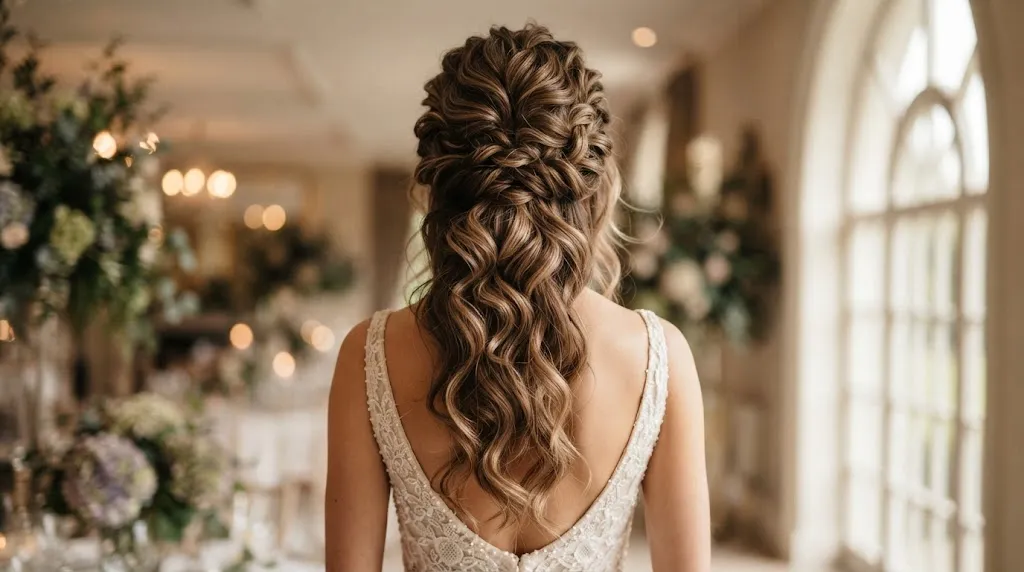
Back hairstyles for women focus on how length, layering, and texture drape across the upper back, crown, and shoulders. Whether working with loose cascading waves or structured up-dos, the back design dictates how movement is distributed, preventing hair from looking heavy, flat, or triangular from behind.
Back Hair Style for Girls
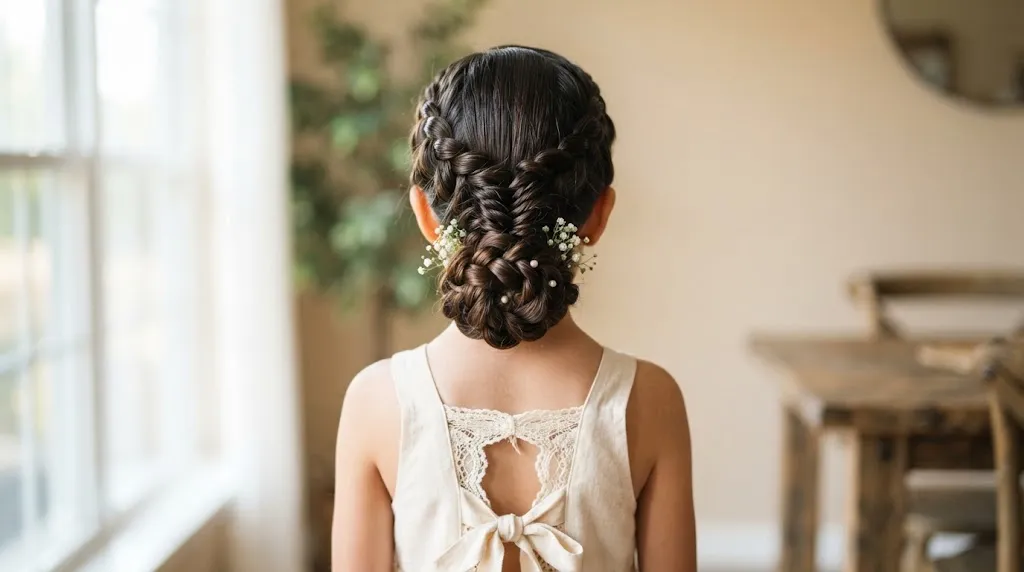
When styling back hairstyles for young girls and teens, the priority shifts toward durable, low-tension styles that manage bulk while keeping hair secure through school, sports, and daily activities. Young hair tends to be finer around the hairline but dense at the nape, making structured back styles ideal for preventing tangles.
Half-Up French or Dutch Braids: Braiding the top section from the forehead toward the crown and securing it at the occipital bone keeps hair out of the face while allowing the length to flow neatly down the back.
Bubble Ponytails: A classic high or mid-height ponytail split into sectioned “bubbles” using small elastic bands down the length. This stops long back hair from tangling during active play.
Layered Butterfly Cut Sweeps: For girls who prefer wearing their hair down, a butterfly cut featuring face-framing layers that sweep backward around the shoulders ensures the back profile looks voluminous rather than flat.
Sleek Back Styles That Make You Look Younger

As hair naturally ages, it tends to lose elasticity, volume, and moisture, which can cause flat back profiles that draw the face downward. Modern sleek back styles reverse this effect by creating upward visual lines, lifting the facial features, and adding healthy, light-reflecting shine across the crown.
The Soft Brushed-Back Slick (Medium-to-Long Hair): Instead of pinning hair flat against the scalp with heavy gels, blow-dry the front and top sections upward and backward using a round brush. Sweeping the hair off the face and letting it fall smoothly down the back opens up the jawline and eye area, creating an immediate lifting effect.
The Low Swept Chignon with Crown Lift: Pulling hair into a sleek nape knot or chignon works best when you gently tease or lift the crown area first. A smooth, rounded crown profile behind the ears counteracts thinning and creates an elegant, ageless silhouette.
Textured Swept Pixie or Bixie: For shorter lengths, brushing a pixie or bixie cut backward with a lightweight styling cream adds soft texture over the crown while exposing the neck, which elongates the posture and gives a fresh, youthful energy.
Pro-Shine Finish: Older hair reflects less natural light. Finishing any sleek back style with a light mist of gloss spray or a drop of hair oil worked over the top layer adds a youthful, hydrated glow without weighing the hair down.
Back Hairstyles for Boys
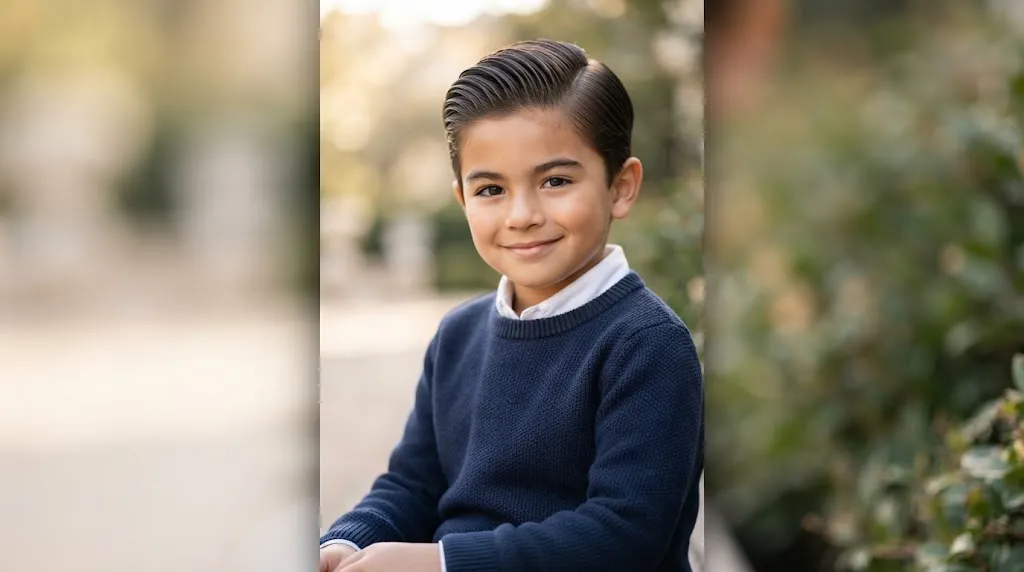
Back hairstyles for boys need to balance sharp visuals with everyday practicality. Young hair grows quickly and often features strong cowlicks around the crown (vertex), so the cut at the back needs to manage natural growth patterns while standing up to school, sports, and low-maintenance routines.
Back Side Hairstyle for Boys — Short & Long
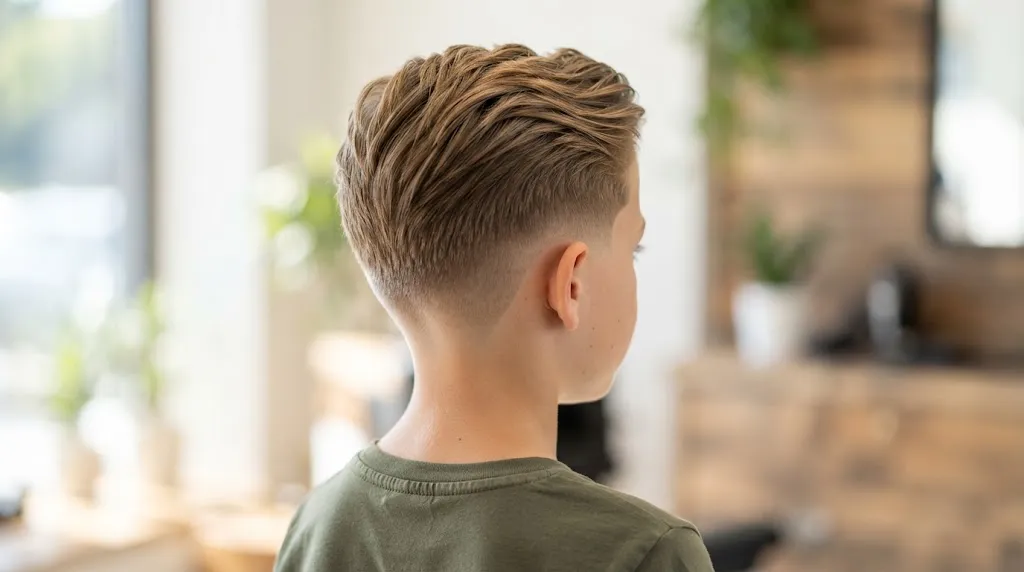
Short Back Side Styles
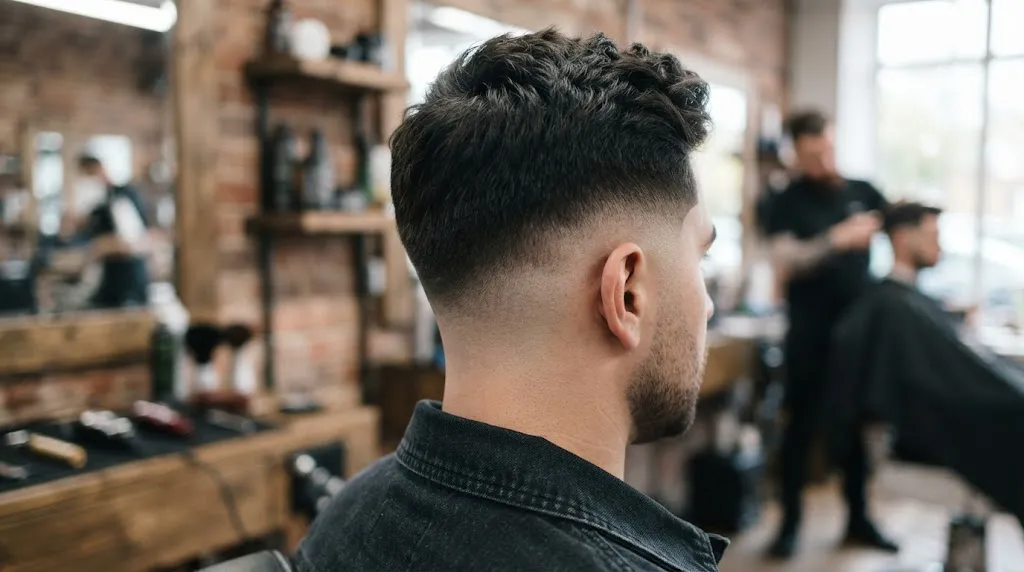
Short back profiles focus on durability and clean outlines that look fresh for weeks between salon or barber visits.
Taper Fade Nape: Instead of a harsh block cut that grows out into stubble within days, a low or mid taper fade blends the hair down to skin at the lowest points of the neck. This allows the back to grow out naturally without looking unkempt.
Textured Crop Swept Back: The back and sides are kept short (around a #2 or #3 guard), while the 2-to-3-inch top length is textured and pushed backward toward the crown using a light touch of matte paste.
Rounded Nape Finish: For boys who prefer classic scissor cuts over skin fades, shaping the neck into a soft, rounded arch softens a narrow neck and preserves a natural look as it grows in.
Long Back Side Styles
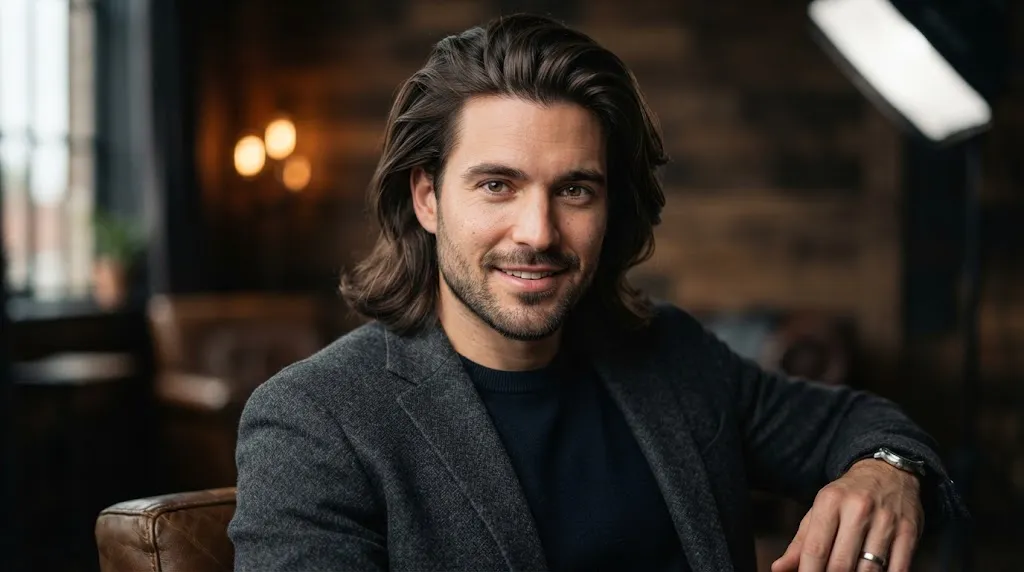
Longer back styles are increasingly popular for boys, offering movement and natural flow while keeping length controlled across the neck and shoulders.
Modern Boy’s Mullet Flow: Keeps the back and sides around the ears clean or soft-tapered, while allowing the back length to extend down past the nape (typically 4 to 6 inches). Point-cutting through the back layers creates a loose, natural flare over the shirt collar without looking messy.
Surfer Flow / Bro Flow: The hair top-to-bottom is kept long enough (5+ inches) to sweep behind the ears and cascade smoothly over the upper back. This relies on natural hair weight rather than product hold—making it ideal for active boys.
Long Swept Undercut: The hair beneath the parietal ridge is cut short to eliminate heat and bulk, while long top strands (6+ inches) sweep straight back over the crown, covering the short back underneath.
How to Style Back Hair (Step-by-Step)
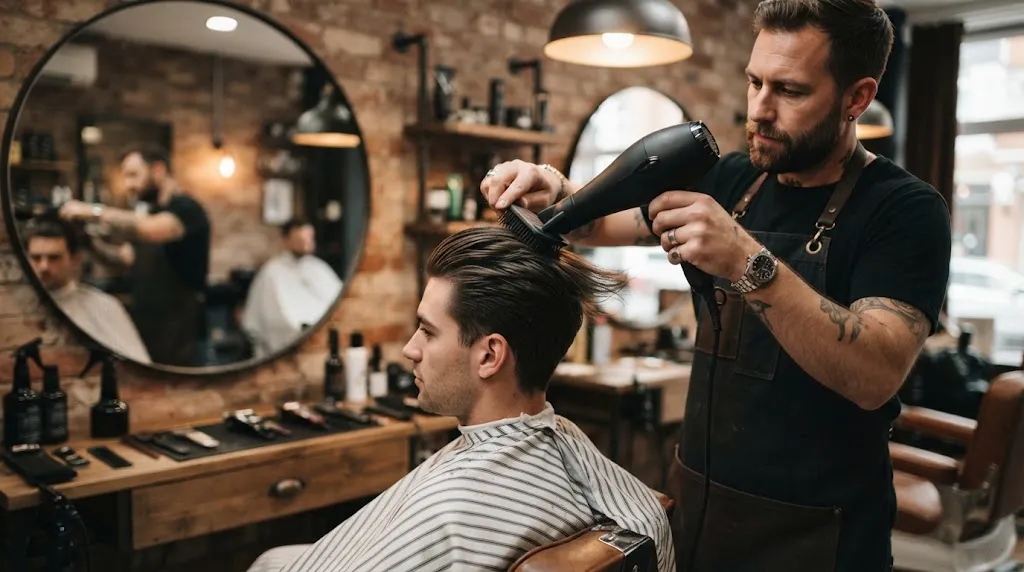
Styling a back hairstyle is fundamentally about building a structural base while the hair is damp, setting directional memory with heat, and sealing the shape with the right product. Skipping the blow-dry phase or applying product directly to dry, unshaped hair is the primary reason back styles collapse or flare out at the sides within a few hours.
Follow this barber-tested routine to ensure your back style stays secure, high-volume, and locked down all day.
Prep
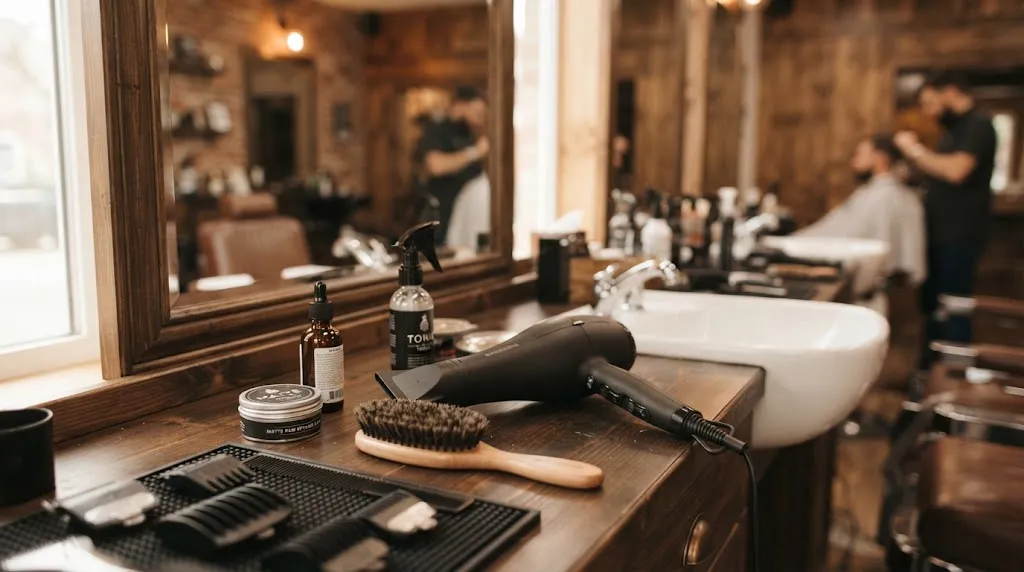
Proper prep ensures your hair is pliable and protected against heat damage before you introduce directional styling tools.
Start with Clean, Damp Hair: Wash your hair with a lightweight shampoo to remove residual oil and product buildup. Towel-dry until the hair is about 50% to 70% damp—never bone dry, and never dripping wet.
Apply a Pre-Styler: Work a nickel-sized amount of sea salt spray, grooming tonic, or lightweight styling mousse evenly from the roots to the ends.
Distribute Evenly: Run a wide-tooth comb from your front hairline straight back over the crown to spread the pre-styler thoroughly. This step gives the hair internal grip and heat protection.
Blow-Dry for Volume
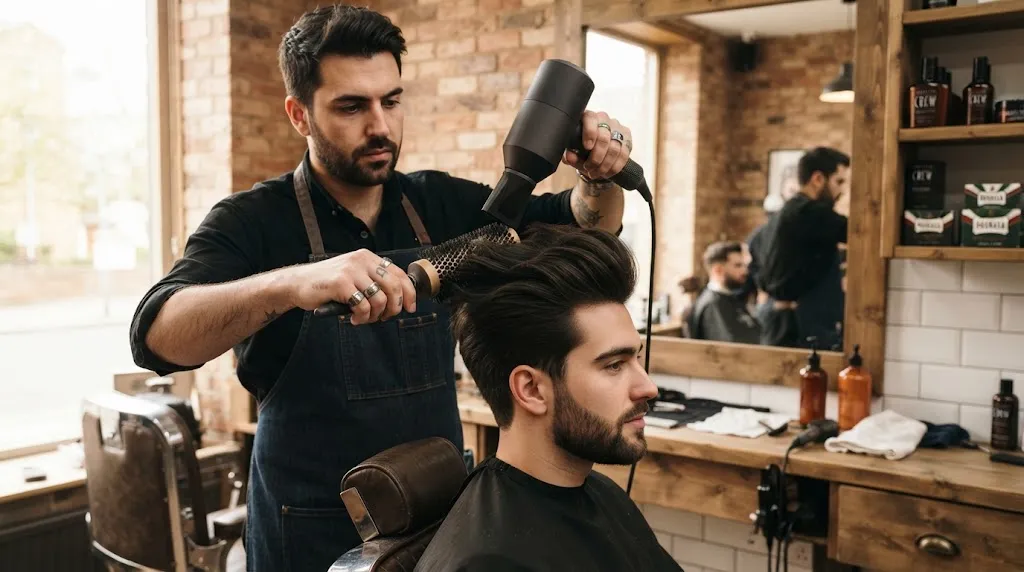
The blow-dry phase is where 80% of the style’s structure is created. Heat breaks down the hydrogen bonds in the hair, allowing you to re-set its directional memory as it dries.
Attach a Concentrator Nozzle: Always use a concentrator attachment on your blow-dryer. This focuses the airflow, preventing stray hair and flyaways along the parietal ridge.
Set Heat and Speed: Use medium-to-high heat combined with medium airflow to maintain control without burning the scalp.
Work from Front to Crown: Place a vent brush or round brush at the front hairline, lift the roots upward for elevation, and pull the brush backward toward the crown. Follow the brush closely with the dryer nozzle pointed in the same direction.
Anchor the Vertex: Pay special attention to the crown (vertex). Blow-dry the hair at the top-back section flat against the head or slightly across any natural cowlicks to anchor the weight over the nape.
Lock in with Cold Air: Once the hair is 100% dry and shaped, hit the cool shot button on your dryer for 15 seconds while holding the hair in place with your brush. Cold air sets the hydrogen bonds and locks in the volume.
Setting the Style
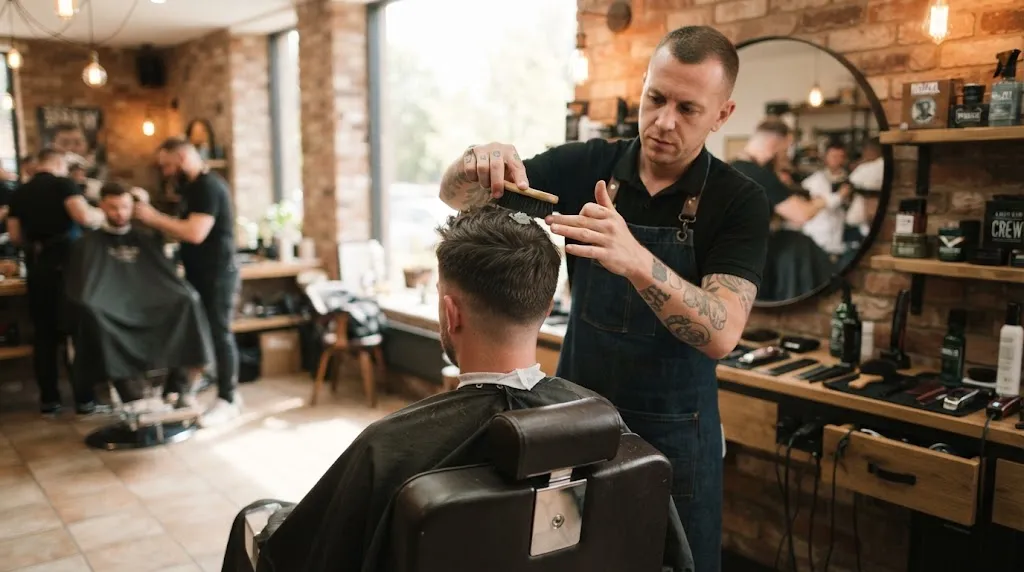
The finishing phase seals the style, adds the desired shine or matte finish, and prevents environmental humidity from ruining the shape.
Scoop out a dime-to-nickel-sized amount of your chosen finishing product—water-based pomade for high-shine control, or matte clay/paste for natural texture. Rub it vigorously between your palms and fingers until it warms up and disappears completely.
Start by applying the product to the roots and mid-lengths at the back of the head and crown. Coat the underside of the hair first, then work your hands forward toward the front hairline. This prevents the front from becoming weighed down and greasy.
For a Sleek, Classic Finish: Run a fine or medium-tooth comb straight back from the forehead over the occipital bone, pressing lightly against the scalp to create clean, uniform comb tracks.
For a Modern, Textured Finish: Rake your fingers through the top section, pushing the hair up and back to maintain separation and natural root volume.
Finish by pressing your palms down along the upper sides and nape transition to lock down any stray hairs or wings, ensuring a clean, streamlined silhouette from every angle.
Common Back Hairstyle Problems & Real Fixes
Even with the right haircut and styling steps, running into structural hiccups behind the chair is common. Most back styling failures aren’t caused by bad luck or “uncooperative hair”—they stem from specific mechanical errors in heat application, product choice, or length distribution.
Here are the most common real-world back hairstyle problems clients face, along with direct practitioner fixes to solve them.
Hair Won't Stay Back
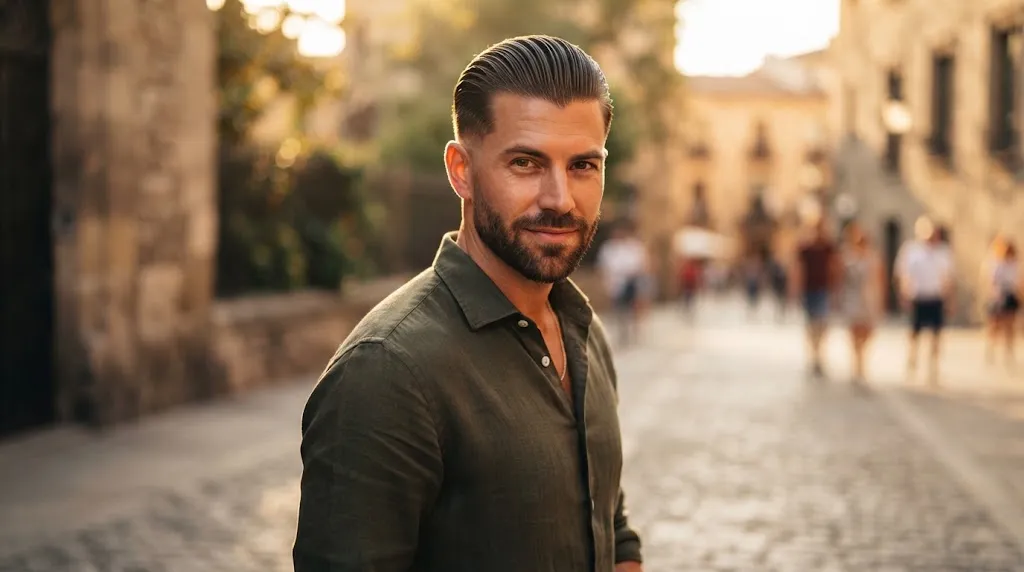
The Cause: Your hair lacks sufficient length (weight) to lay flat, or you are trying to force your hair straight backward against a strong forward-growing cowlick without setting thermal memory first.
The Fix: You need at least 4 inches on top for gravity to work in your favor. If you have the length, the issue is your dry technique. Apply a sea salt spray to damp hair, blow-dry on high heat while combing backward with firm tension, and set it with the cool shot button before applying any product. Heat changes the direction; product merely holds the result.
Looks Greasy Instead of Sleek
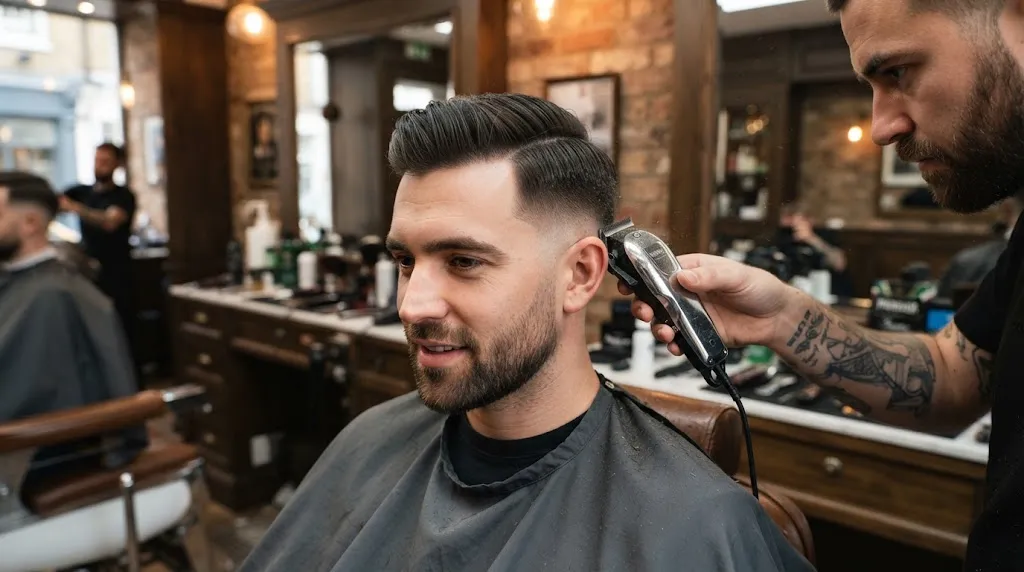
The Cause: You are applying heavy oil-based pomades or high-shine gels directly to bone-dry hair, or overloading the front hairline with too much product at once.
The Fix: Switch from an oil-based formula to a water-based pomade or a low-shine styling paste. Always emulsify the product completely in your palms until it warms up, then apply it from back to front—coating the crown and mid-lengths first—so the front hairline receives only the lightweight residual product left on your hands.
Flat/No Volume at Crown
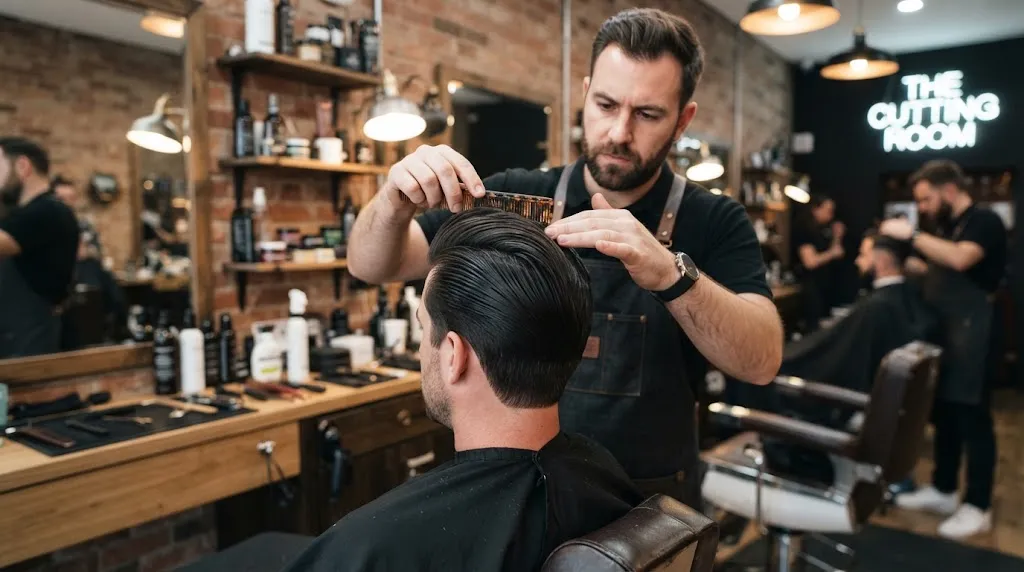
The Cause: Pulling the hair back too tightly against the scalp during the comb-through phase, or using heavy products that weigh down fine hair roots at the vertex.
The Fix: Build internal structural lift during the blow-dry phase using a round brush. Lift the roots at a 90-degree angle off the scalp while directing hot air underneath the section before sweeping it back. Swap heavy waxes for a lightweight styling powder or matte clay worked directly into the crown roots.
Doesn't Suit My Hairline/Face
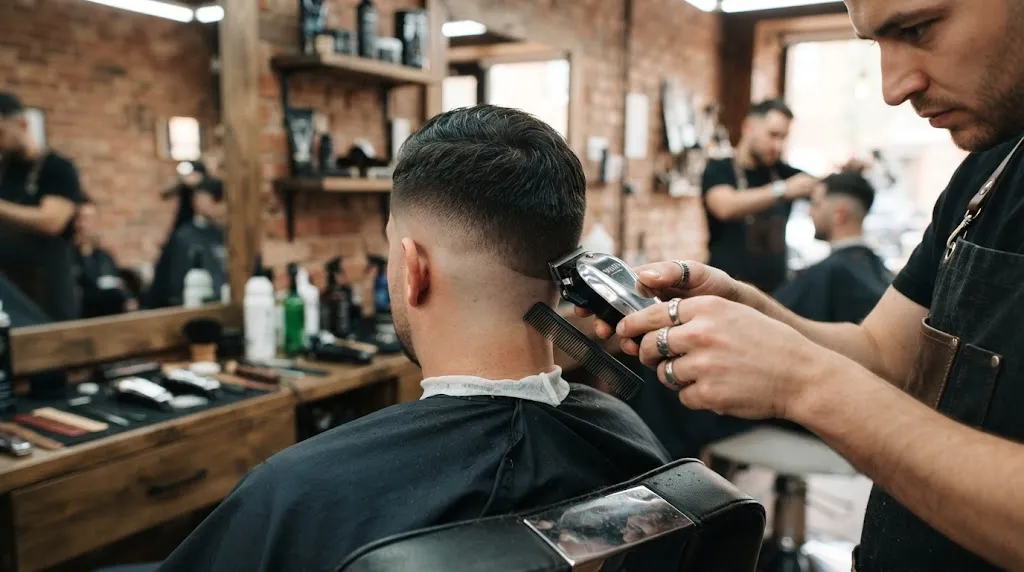
The Cause: A bone-straight, high-shine slick back exposes a high forehead, receding temples, or a long face shape by stripping away all face-framing width.
The Fix: Transition from a tight slick back to a textured pushback or a slight side-swept flow. Instead of pulling hair straight over the top, brush the front hairline slightly off-center at a 45-degree angle. This softens harsh temple angles while maintaining a clean, backward directional flow.
Style Falls Apart by Midday

The Cause: Skipping the pre-styling foundation or relying entirely on a weak post-styler. Humidity and natural scalp oils break down surface products if the hair roots haven’t been sealed.
The Fix: Layer your styling products. Never rely on a single paste. Use a firm-holding pre-styler (grooming tonic or mousse) on damp hair before blow-drying, set the shape with a strong-hold pomade, and lock the finished style in place with a light, fast-drying hairspray held 10 inches away from the head.
Is Slick Back Hair Attractive?
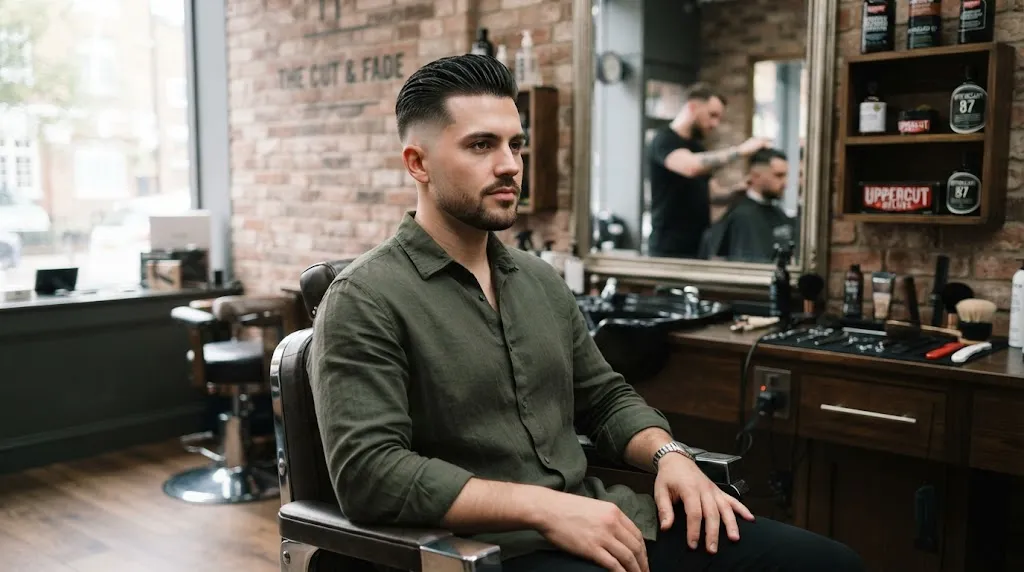
Slick back hair is widely considered one of the most classic, confident, and versatile styles in men’s grooming. Its attractiveness comes down to structural alignment: pulling the hair off the forehead highlights strong facial features, sharpens the jawline, and creates clean visual lines from the front to the nape.
Whether a slick back looks attractive or out of place depends entirely on how the style is adapted to individual head shapes and hair textures:
When It Works Best: A slick back looks high-end and intentional when paired with healthy hair density, tailored side boundaries (like a clean taper or mid fade), and balanced volume. A natural, touchable finish—achieved with matte clays or medium-shine pomades—reads as modern and effortless.
When It Struggles: A flat, plaster-tight slick back using heavy, greasy gels can expose receding temples, elongate narrow face shapes unnaturally, or make fine hair look sparse.
The Modern Shift: Today’s most attractive variations lean away from stiff, wall-street grease and toward textured pushbacks or relaxed slick backs with root volume—offering direction and control without losing natural movement.
What Is a Fat Back Haircut?
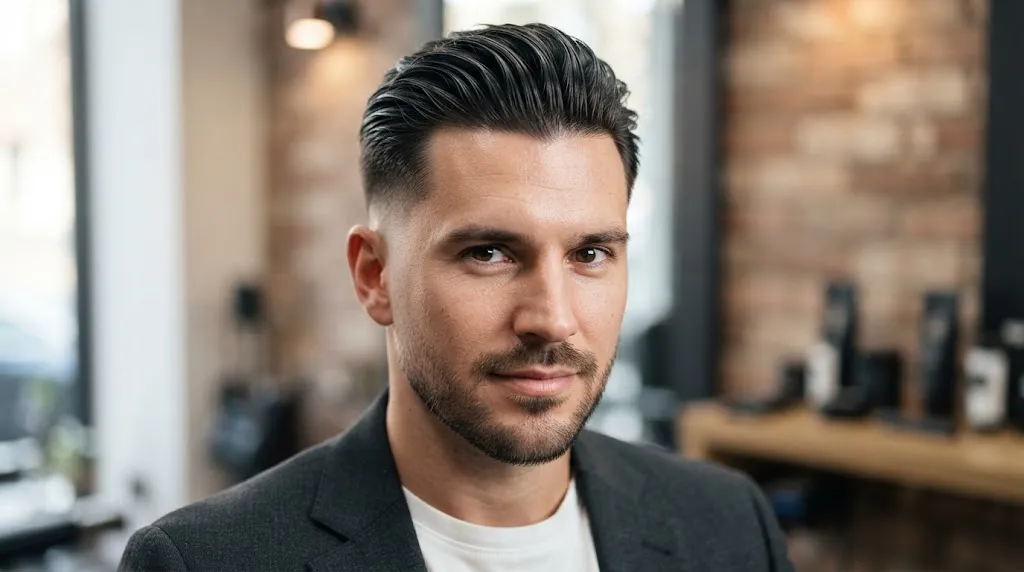
In barber shop culture, a “fat back” haircut refers to a style where extra density, weight, and volume are intentionally preserved over the occipital bone and crown, rather than being faded short or sheared thin.
Instead of tapering tightly up the back of the head, the barber leaves significant interior bulk behind the ears, creating a rounded, full profile from the side and rear views.
Key characteristics of a fat back cut include:
Preserved Occipital Weight: The hair over the mid-to-lower back of the head is cut with low tension, allowing it to sit heavy and thick rather than hugging the skull shape tightly.
Low Perimeter Blends: If a fade or taper is used, it stays strictly below the nape line (a low neck taper) so the upper and mid-back sections retain maximum fullness.
Balance for Flat Head Shapes: Barbers frequently use a fat back technique for clients with flatter occipital bones. Retaining hair weight in this zone visually rounds out the silhouette, creating the illusion of a more balanced head shape.
Common Style Pairings: Fat back structures are foundational for classic pompadours, traditional executive contours, modern low-taper flows, and mullet variations that require heavy rear volume to anchor the style.
Choosing the Right Back Hairstyle for Your Face Shape
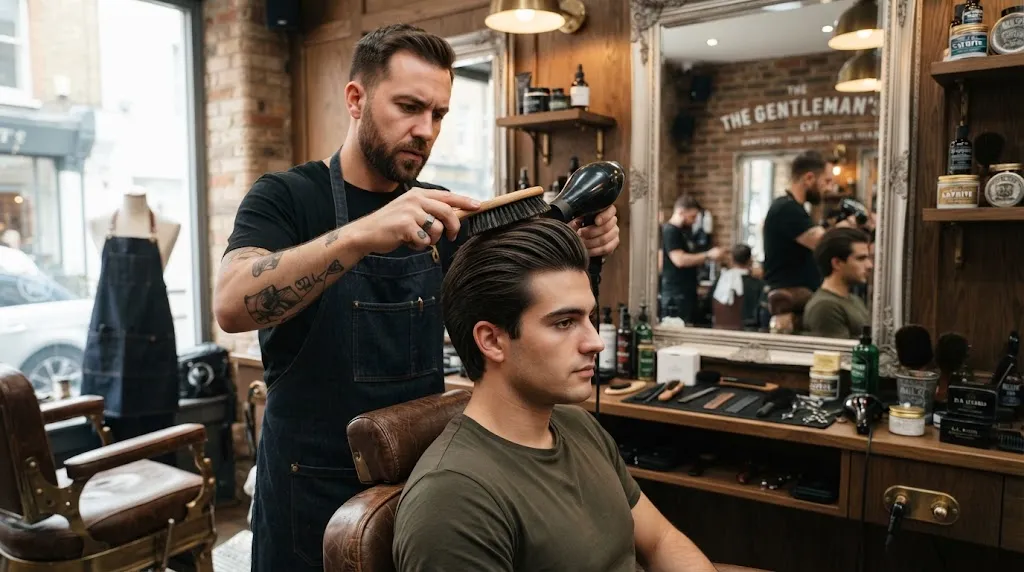
A back hairstyle alters your head silhouette from every angle. Choosing the right variation depends heavily on balancing your facial proportions and jawline against the weight and volume you keep over the crown and nape.
| Face Shape | Key Goal | Recommended Back Style | What to Avoid |
|---|---|---|---|
| Oval | Maintain natural balance | Almost any variation works—classic slick back, low taper flow, or textured pushback. | Adding extreme top height that unnecessarily elongates the face. |
| Round | Create vertical length and slim the sides | High-volume pompadour slick back paired with mid or high skin fades. | Low tapers with heavy bulk around the ears, which accentuates face width. |
| Square | Complement a strong jawline | Clean slick back taper or soft scissor-cut full back that frames the head shape evenly. | Harsh, boxy squared nape cuts that make the neck look excessively wide. |
| Heart / Diamond | Balance a narrow chin and wider cheekbones | Low-tapered pushback or medium flow that retains subtle length at the nape. | High skin fades that strip away side width and make the chin appear sharper. |
| Long / Oblong | Soften vertical length | Low-profile pushback or relaxed swept flow with soft side length. | High-volume slick backs combed straight up, which pull the face downward. |
Back Hairstyle Maintenance Tips
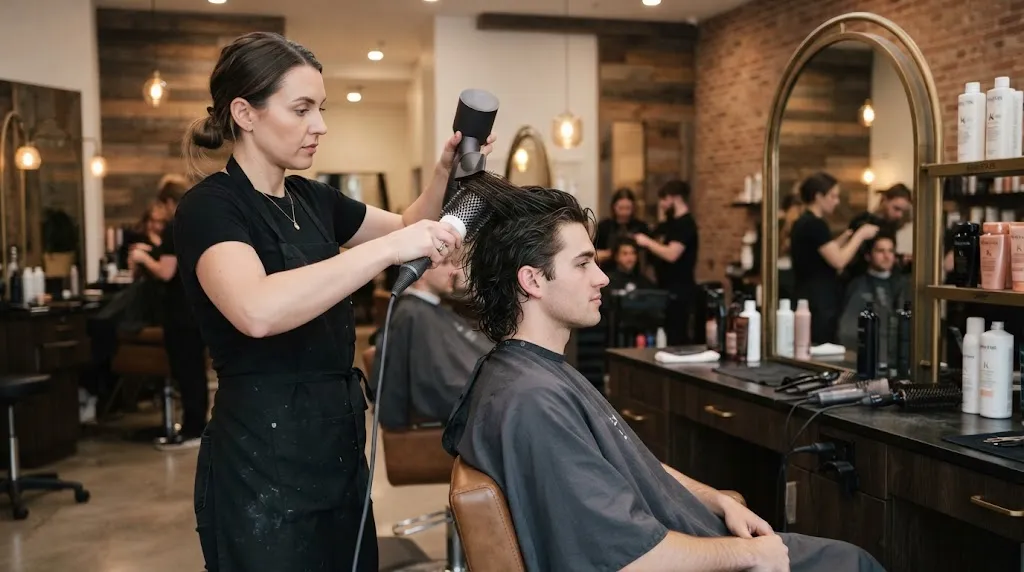
Keeping a back hairstyle sharp requires consistent maintenance both at home and in the barber chair. Because hair grows at different rates across different zones of the head, back styles can quickly lose their intentional shape without proper upkeep.
Barber Visit Frequency:
Fades & Tapers: Schedule a lineup or perimeter cleanup every 2 to 3 weeks to keep the nape and ear outlines crisp.
Scissor Cuts & Full Flow: Visit your stylist every 5 to 7 weeks for interior weight removal and split-end maintenance while preserving overall length.
Manage Cowlicks at the Crown: Cowlicks at the vertex naturally fight directional combing. Always apply heat to the crown first during your blow-dry routine, sweeping the hair across the natural swirl before directing it straight back.
Prevent Product Buildup at the Nape: Because product tends to accumulate near the scalp when combing backward, use a clarifying shampoo once a week to clear away stubborn pomades and clays.
Protect Your Night Routine: Long back hair and full-flow styles suffer from friction against pillowcases, causing morning frizz and breakage along the nape. Switching to a satin or silk pillowcase helps long strands slide smoothly without tangling overnight.