
Haircuts for Women: The Complete Guide to Choosing, Naming, and Maintaining Your Perfect Cut
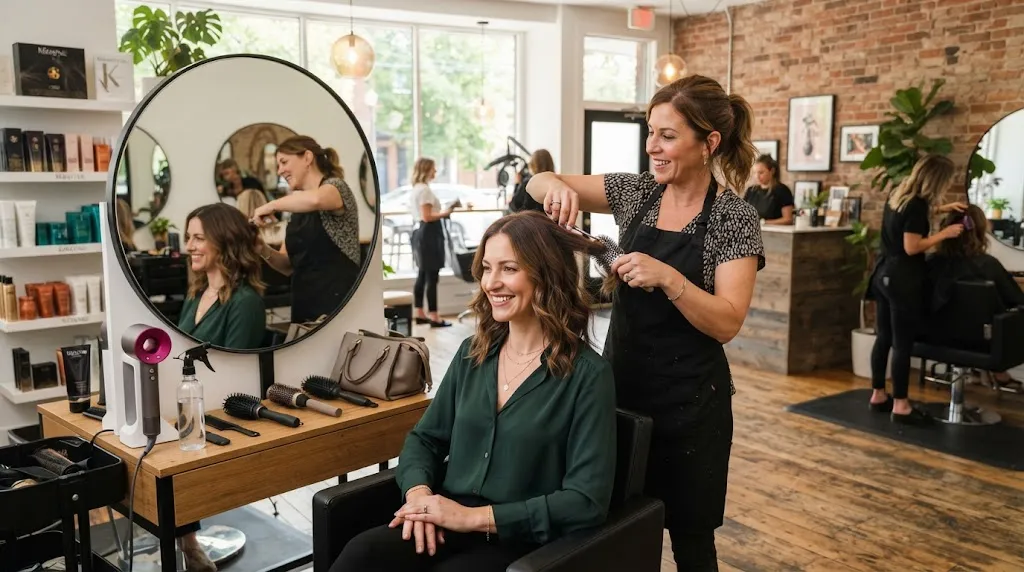
Choosing the right haircut comes down to matching your hair’s natural texture and growth patterns with a shape that works for your daily routine, rather than just copying a trending style. Popular cuts like the classic bob, the collarbone-skimming lob, the heavily layered butterfly cut, and the short bixie all dominate current styling trends because they offer distinct advantages for specific hair types and face shapes.
When you sit down in a salon chair, the goal is finding a style that feels like an upgrade rather than a daily high-maintenance chore. If you have fine hair, blunt perimeter cuts add the illusion of thickness, while textured layers remove bulk from thick or dense hair types.
At hairstylesusa, we have spent years cataloguing how different cuts behave on real hair over time, tracking everything from the initial salon finish to the awkward four-week grow-out phase. A good cut should look intentional at every stage, giving you flexibility without requiring a complete professional blowout every morning.
The Most Popular Haircuts for Women Right Now
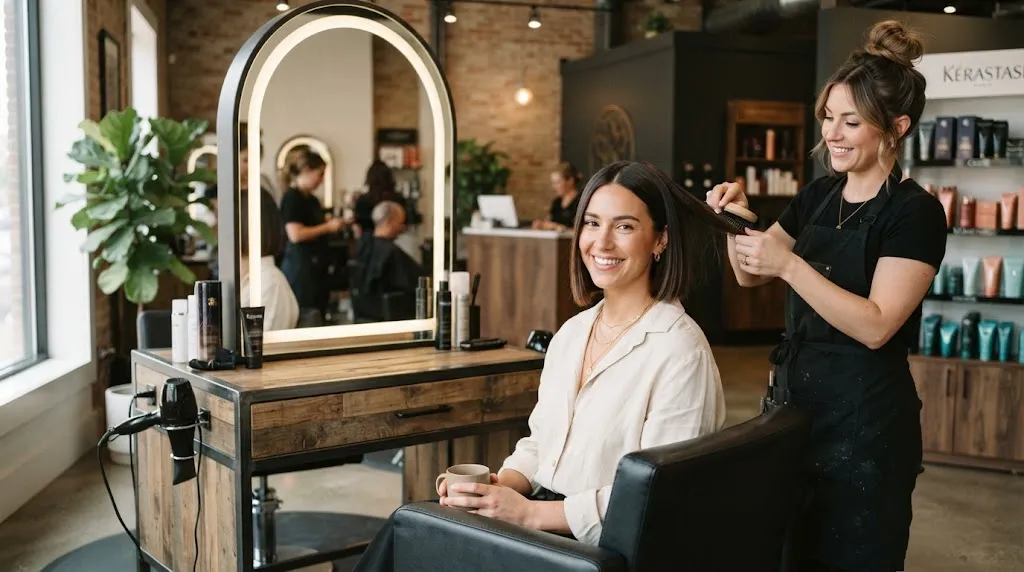
The blunt bob anchors current mainstream trends, moving away from ultra-layered styles toward heavier, solid perimeter lines that sit right at the chin or slightly below. This cut works best on fine-to-medium straight or wavy hair because the blunt ends immediately create the visual illusion of thickness, though curly textures require a slight internal weight removal to avoid a triangle shape. Stylists achieve this using precision shears with zero elevation, cutting straight across while the hair falls in its natural state. Expect to visit the salon every six to eight weeks to maintain that razor-sharp baseline. A common mistake here is cutting a blunt bob too short on round face shapes without adding slight face-framing length in the front, which can overly accentuate fullness.
The butterfly cut solves the dilemma of wanting long hair with serious volume without sacrificing length. It relies on a combination of very short face-framing layers starting around the cheekbones and longer cascading layers underneath, creating the look of a blowout even when air-dried. Thick, dense hair that feels too heavy when kept one-length benefits most from this style, whereas very fine or thin hair will lose too much density at the ends. Stylists cut this using a two-tier technique, effectively separating the top section from the bottom to build maximum internal movement. Maintenance requires a trim every ten to twelve weeks, and the main hazard is letting the top layers grow out too much, which turns the intentional separation into an awkward, disconnected shelf.
The bixie bridges the gap between a traditional pixie and a short bob, offering extreme versatility for those transitioning from long hair or wanting low-maintenance styling without losing all their framing. It fits oval and heart-shaped faces particularly well, paired with fine-to-medium textures that can hold natural piecey texture. The cut is achieved through scissor-over-comb techniques around the nape and ears, leaving longer, textured lengths through the crown and fringe. Because of the shorter perimeter, you will need a cleanup every four to six weeks to keep it looking intentional rather than overgrown. The biggest pitfall with a bixie is ignoring cowlicks during the initial cut, which can cause the front pieces to stick straight out if not texturized in the correct growth direction.
Top 10 Haircuts for Women at a Glance
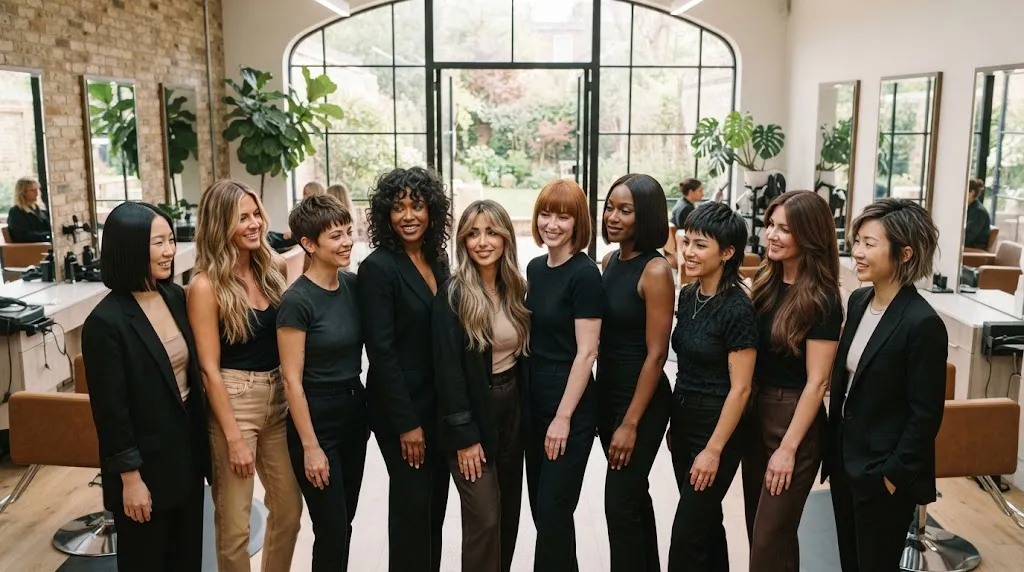
A blunt bob provides a clean, sharp perimeter that instantly adds density to fine hair and requires trimming every six weeks to maintain its edge.
A long bob, or lob, hits right at the collarbone and offers the styling versatility of length without the heavy weight, making it a reliable middle ground for oval and round face shapes.
The classic pixie cut removes all length from the sides and back while leaving texture on top, though it demands a four-to-five-week salon schedule to keep the shape from growing out.
Shags bring heavy internal layering and face-framing pieces to wavy or curly textures, though straight hair types will find themselves spending extra time daily with a curling iron to mimic that natural bend.
Curtain bangs split down the middle and sweep outward toward the cheekbones, working best as an easy add-on to long layers if you want to soften a strong jawline without committing to a full fringe.
Blunt bangs sit straight across the brow to draw total focus to the eyes, but they require a flat iron and frequent trims if your hair has a stubborn cowlick or natural curl pattern.
Long layers remove bulk from thick hair and prevent a heavy triangle shape, though they can make very thin hair look stringy if the bottom ends are over-thinned.
The modern mullet keeps length in the back while heavily texturing the top and sides, making it a high-maintenance choice for styling but a low-stress option for growing out.
The clavicut sits right at the collarbone with minimal layering, acting as a foolproof transition length for anyone currently growing out a shorter crop.
A asymmetrical cut features one side visibly longer than the other to create instant visual interest, though it requires precise cutting every few weeks to prevent the angles from looking accidental.
For a broader breakdown of these looks and visual references, browse our full hairstyles collection for more inspiration.
How to Choose the Right Haircut for Your Face Shape
You sit in the salon chair, point to a photo of a celebrity, and wonder why the exact same cut looks completely different when you walk out. The mismatch almost always comes down to geometry. Bone structure dictates how hair falls, where weight sits, and which features get amplified.
Oval Face

An oval face features balanced proportions with a forehead that is slightly wider than the chin and rounded jawlines. This shape can carry almost any cut because the natural symmetry does not need visual correction. Blunt bobs, shoulder-length lobs, and waist-skimming layers all work seamlessly. The main trap with an oval face is accidentally elongating it further with excessive height at the crown combined with flat, limp sides. Keep volume distributed evenly around the sides to maintain that natural balance.
Round Face

A round face features equal width and length with soft curves at the jawline and cheekbones, meaning the goal is to add vertical lines rather than horizontal width. Chin-length blunt cuts stop right at the widest part of the cheeks, which only broadens the face visually. Instead, cuts that fall a few inches below the collarbone draw the eye downward, instantly creating the illusion of length. Long layers starting below the chin take away bulk at the sides, while a deep side part breaks up symmetry and adds asymmetry that slims the cheeks.
Square Face

A square face has a strong, angular jawline and a forehead of a similar width, so the primary objective is softening those sharp corners rather than emphasizing them. Blunt, jaw-length cuts box the face in and exaggerate the angles of the jaw. Textured lobs with soft, piece-y ends diffuse the strong lines of the lower face. Side-swept bangs or curtain bangs that curve inward around the cheekbones distract from a prominent jaw while keeping the overall structure looking balanced.
Heart-Shaped Face

A heart-shaped face features a wider forehead and prominent cheekbones that taper down to a sharp, delicate chin. Heavy, straight-across bangs can crowd the upper face and make the lower half look too narrow by comparison. Side-swept bangs soften the width of the forehead, while chin-length bobs or lobs with flipped-out ends add much-needed volume around the narrow jawline to create visual equilibrium.
Long/Rectangular Face

A long, rectangular face has a forehead and jawline of similar width with an elongated vertical distance between the hairline and the chin. Long, straight hair with zero layers drags this face shape down and makes it look even more stretched out. Shags, shoulder-grazing cuts with plenty of internal volume, and chin-length bobs add horizontal width at the sides. Full bangs or thick brow-grazing fringe shorten the face visually by cutting off the expanse of the forehead.
Diamond Face

A diamond face features wide, high cheekbones paired with a narrow forehead and a pointed chin, making width at the temples and jaw the main areas to adjust. Short, geometric cuts that sit right at the cheekbones will overemphasize the widest part of the face. Soft, layered cuts that fall around the chin fill in the narrow space of the lower jaw, while side parts and wispy fringe balance out the narrow forehead without hiding the cheekbones completely.
Haircuts for Women by Hair Type and Texture
Best Haircuts for Straight Hair

Straight hair lacks natural volume, which means precision cutting matters more than anything else. A blunt, one-length bob relies on a sharp cutting angle to create the illusion of density at the ends, preventing fine straight hair from looking stringy. Stylists use slide cutting to soften the perimeter so the hair does not appear overly rigid or boxy. If you have fine straight hair, heavy layers will only expose the scalp and strip away the weight you need; stick to subtle, long internal layers instead. Plan on visiting the salon every six to eight weeks to keep a blunt line looking razor-sharp. One common mistake is adding too much texturizing at the crown, which creates unwanted frizz and flyaways on pin-straight strands.
If you want more styling inspiration for this texture, check out our guide on hairstyles-for-straight-hair.
Best Haircuts for Wavy Hair

Wavy hair thrives on movement and needs cuts that encourage natural bends without expanding into a triangle shape. A medium-length shag relies heavily on razor cutting to remove bulk and encourage the natural wave pattern to layer on top of itself. Stylists will point-cut the ends so the hair bends organically rather than ending in a heavy, blunt line. This cut usually holds up well for about ten to twelve weeks before the weight drags the waves down. The main trap to avoid with wavy hair is cutting bangs too short; a short fringe on a wave pattern will often spring up unpredictably and refuse to lay flat.
Best Haircuts for Curly Hair

Type 3 curls (ranging from 3A loose loops to 3C tight corkscrews) require dry-cutting techniques because wet hair stretches and masks how high the curls will actually bounce up once they dry. A layered cut shaped in a rounded silhouette distributes the volume evenly around the head rather than letting all the bulk sit at the jawline. Stylists use a carving technique—cutting individual curls at an angle—to prevent the shelf-like ledges that happen with standard blunt shears. You can usually stretch curly cuts to ten or twelve weeks since curl shrinkage hides minor growth. A frequent misstep is thinning out curly hair with razor blades or thinning shears, which instantly ruins the curl integrity and triggers severe frizz.
Best Haircuts for Thick Hair

Thick hair needs aggressive weight reduction to keep it from feeling like a heavy helmet, but it requires strategic placement so it never turns frizzy. An undercut or hidden internal texturizing removes bulk from the interior while leaving the top layer smooth and manageable. Stylists rely on channel cutting—sliding the shears partially open down the hair shaft—to hollow out dense areas without creating choppy broken ends. Thick cuts generally need a refresh every six to eight weeks to manage the sheer volume and keep the shape from expanding. The biggest error stylists make with thick hair is cutting blunt horizontal layers straight across, which creates distinct, bulky shelves of hair.
Best Haircuts for Fine or Thin Hair

Fine or thin hair needs clever geometry to create the optical illusion of fullness and body. A blunt, collarbone-length lob removes the weak, see-through ends that happen when fine hair grows too long, making the overall perimeter look thick and healthy. Stylists use point-cutting strictly on the very tips to create soft movement without sacrificing any of the precious density at the baseline. This style requires maintenance every six weeks to keep the bottom line crisp and thick. One major pitfall is over-layering fine hair, which reduces the total surface area and makes the hair look noticeably sparse.
Best Haircuts for Coily/4C Hair (Box Braids, Twists, Bantu Knots)

Type 4C coily hair possesses tight, sharp zig-zag patterns that demand structural cuts focused on moisture retention and scalp health. Rounded, tapered shapes allow shrinkage to work in your favor, creating a halo of dense, even volume that highlights facial features. Stylists use precision shaping on stretched or dry hair to ensure the crown and sides blend seamlessly without creating flat spots. Protective styles like box braids, twists, and bantu knots serve as structural options that protect the ends from friction while giving the hair a break from daily manipulation. Coily cuts usually require a trim every eight to twelve weeks to snip away fairy knots and split ends before they travel up the hair shaft. A common hazard with coily hair is braiding or twisting the hair too tightly at the scalp, which leads to traction alopecia and severe breakage.
Short Haircuts for Women
The pixie cut strips hair down to the scalp around the sides and back while leaving slightly more length on top. It solves the daily problem of high-maintenance styling by offering a wash-and-go silhouette that highlights cheekbones and jawlines. It works best on straight to slightly wavy hair types and oval or heart-shaped faces, especially when starting from a shoulder-length or shorter cut.
Your stylist achieves this by using texturizing shears and a razor on the top sections to remove bulk, while tapering the sides and nape closely with clippers or scissors. You will need a trim every four to six weeks to keep the shape from looking overgrown. The most common pitfall is cutting the crown too short on round face shapes, which can make the head look disproportionately wide.
Bixie (Bob-Pixie Hybrid)

The bixie bridges the gap for anyone who wants the lightness of a pixie without committing to an ultra-short nape. It satisfies the need for fullness around the temples and crown while keeping weight off the neck. Fine to medium hair types with natural movement respond best to this cut, particularly when transitioning from a grown-out crop.
To create this look, a stylist cuts a perimeter similar to a very short bob around the jaw, then heavily layers the crown and interior to mimic pixie-like texture. Maintenance requires a trim every six weeks to preserve the delicate balance between a bob and a crop. If you have extremely thick or coarse hair, skipping texturization can result in a bulky, helmet-like shape. For those with curly hair, keeping the layers slightly longer prevents the cut from springing up into an unwanted round puff.
Buzz Cut
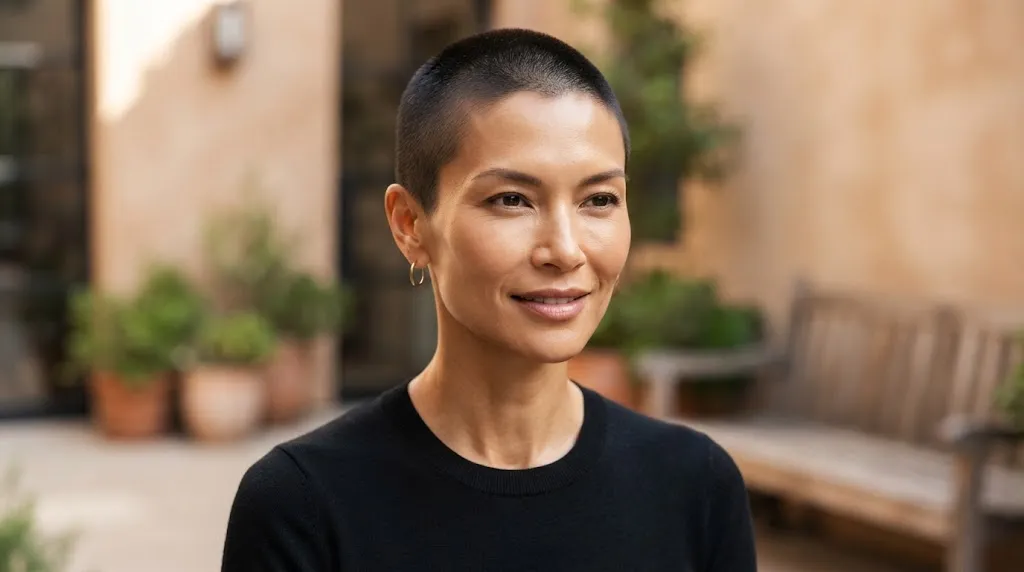
The buzz cut uses clippers to shave the entire head to a single, very short grade. It answers the desire for total styling freedom and zero morning maintenance. This look demands a well-defined skull shape and works on all hair textures, though it is easiest to manage on naturally straight or tightly coiled hair.
The technique involves running guard clippers uniformly across the scalp, sometimes tapering the sides shorter for contrast. You will need a clipper touch-up every two to three weeks if you want to maintain an ultra-clean, uniform length. The primary caveat is that any scalp irregularities or cowlicks will be completely exposed, and growing a buzz cut out requires patience through several awkward transitional lengths.
Classic Bob

A classic bob sits in a solid, unlayered line right at the jaw or chin. It delivers a sharp, polished appearance that adds instant visual weight to fine or thin hair. Straight or slightly wavy hair textures achieve the cleanest result, starting from anything from mid-back length down to the shoulders.
Stylists cut this shape with blunt shears while the hair is held with zero elevation to ensure a crisp, straight-across baseline. Plan on visiting the salon every six to eight weeks to keep the ends sharp and off your shoulders. A common mistake is cutting a straight bob on hair with severe, unpredictable cowlicks at the nape, which can cause the back hemline to flip upward unevenly.
Inverted Bob
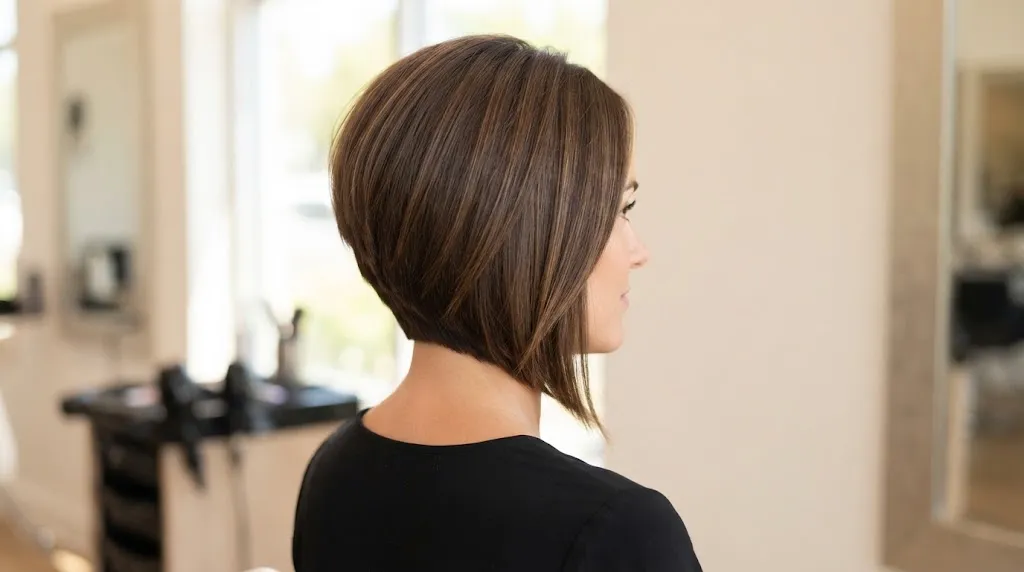
The inverted bob features a sharply stacked, shorter back that angles down into longer pieces framing the collarbones. It solves the problem of flat hair by building natural volume at the crown through graduated layers. Medium-density straight or wavy hair types carry this geometry best.
The cutting process requires sectioning the back into tight, elevated horizontal layers that graduate downward, blending into longer diagonal sections toward the face. Expect to trim this style every six weeks, as the stacked neckline loses its sharp angle quickly as it grows out. If the back is stacked too high or too abruptly, it can easily slide out of style and resemble outdated 2000s trends.
Textured Crop

A textured crop leaves the hair short around the sides with heavily shattered, piece-y fringe across the forehead. It addresses the need for a modern, edgy shape that hides a high forehead or softens strong facial features. Thick or straight hair types that tend to stick straight out can be tamed well with this cut.
Your stylist will point-cut heavily into the top and fringe using razor techniques to create varied lengths and built-in separation. Maintenance involves a cleanup every four to five weeks to keep the fringe out of your eyes and the sides tight. The main risk with this cut is over-thinning, which can leave the ends looking frizzy and sparse rather than intentionally piece-y.
Medium-Length Haircuts for Women
Lob (Long Bob)

The lob is the default answer when you want your hair off your neck but aren’t ready to commit to a true short crop. It typically lands right around the collarbone, giving you enough length to pull back into a quick ponytail while staying short enough to air-dry without getting tangled in your jacket.
Stylists usually recommend a lob if you have fine to medium hair and want the illusion of a heavier, thicker perimeter line without dealing with high-maintenance upkeep. It is achieved by cutting the hair at a blunt or slightly angled line straight across, keeping the ends crisp rather than heavily feathered.
You will need a trim every 8 to 10 weeks to keep the bottom edge looking sharp. The main trap with a lob is the dreaded “triangle head” effect—if your hair is naturally thick or very curly and cut entirely blunt at one length, it will puff out at the bottom unless your stylist carves out interior weight.
Wolf Cut

The wolf cut is a hybrid of a traditional shag and a modern mullet, built entirely around heavy crown volume and heavily texturized, wispy ends. It is designed for anyone wanting an undone, rock-and-roll texture that looks deliberate rather than messy by accident.
It works best on natural waves, medium-to-thick densities, and face shapes like oval or heart that can handle short layers sitting right around the cheekbones. A stylist achieves this by point-cutting heavily into the crown and establishing distinct separation between the top sections and the longer back lengths.
Expect to visit the salon every 6 to 8 weeks, because as soon as those short crown layers grow out by an inch, the entire structural silhouette collapses. If you have pin-straight, ultra-fine hair, skip this cut; it requires constant daily styling with texturizing sprays to avoid looking flat and stringy.
Butterfly Cut

The butterfly cut uses two distinct tiers of layers to create massive bounce and movement, framing the face with shorter pieces while keeping longer lengths cascading down the back. It solves the problem of wanting heavy, dramatic volume without actually having to sacrifice your overall hair length.
This cut thrives on thick or dense hair that holds a blowout well, particularly on oval or round face shapes where curved layers can soften the jawline. The technique involves separating the hair into upper and lower sections, cutting the top portion shorter to mimic face-framing fringe while blending the bottom loosely.
Maintenance is required every 6 to 8 weeks to keep the layering zones distinct. The primary drawback is that it demands active styling; if you prefer a wash-and-go routine, the shorter top layers will air-dry in random directions and lose their signature winged shape.
Shag / Shaggy Layers

A modern shag brings broken-up texture, choppy ends, and built-in movement to medium lengths without the aggressive crown height of a wolf cut. It is built for anyone whose hair feels heavy, lifeless, or resistant to holding a natural wave.
It works exceptionally well on medium to thick hair types with a natural bend or curl pattern. The stylist uses razor-cutting or deep point-cutting techniques throughout the interior to remove bulk and create random, piece-y ends that fall into place on their own.
You can stretch this cut to about 8 weeks between trims because the whole point of a shag is an organic, lived-in grow-out phase. However, if your hair is extremely fine, heavy layering can make the ends look sparse and unhealthy rather than intentionally textured.
Mullet (Modern Mullet)

The modern mullet keeps short, choppy texture through the top and sides while leaving length cascading down the back, offering an aggressive, high-fashion edge. It solves the urge for a dramatic style change without losing all the length at your nape.
It is best suited for people with strong bone structure, natural texture, and a high-tolerance for bold silhouettes. The cut is achieved by disconnecting the top and side sections from the longer back section entirely, creating an intentional contrast in lengths.
This style requires strict maintenance every 4 to 6 weeks, because the short sides and top lose their shape rapidly. The most common pitfall is ending up with an awkward grow-out phase where the disconnected layers refuse to blend back into a standard medium shape.
Curtain Bangs with Medium Layers

Curtain bangs paired with medium layers create a soft, sweeping frame that draws attention to the eyes and cheekbones while keeping the rest of the hair mobile. It is ideal if you want to alter your face shape or test out a fringe without committing to a blunt, heavy forehead-hiding bang.
This style flatters almost all face shapes, particularly square or round faces where diagonal lines break up width. A stylist achieves this by parting the hair down the center and cutting the front pieces to angle downward from the bridge of the nose toward the jaw, blending them into longer layers through the back.
Trims are needed every 4 to 6 weeks just to keep the bangs out of your eyes. The catch is that curtain bangs require daily styling with a round brush or rollers; they will stubbornly cowlick or split down the middle if left to air-dry naturally.
Long Haircuts for Women
Long Layers
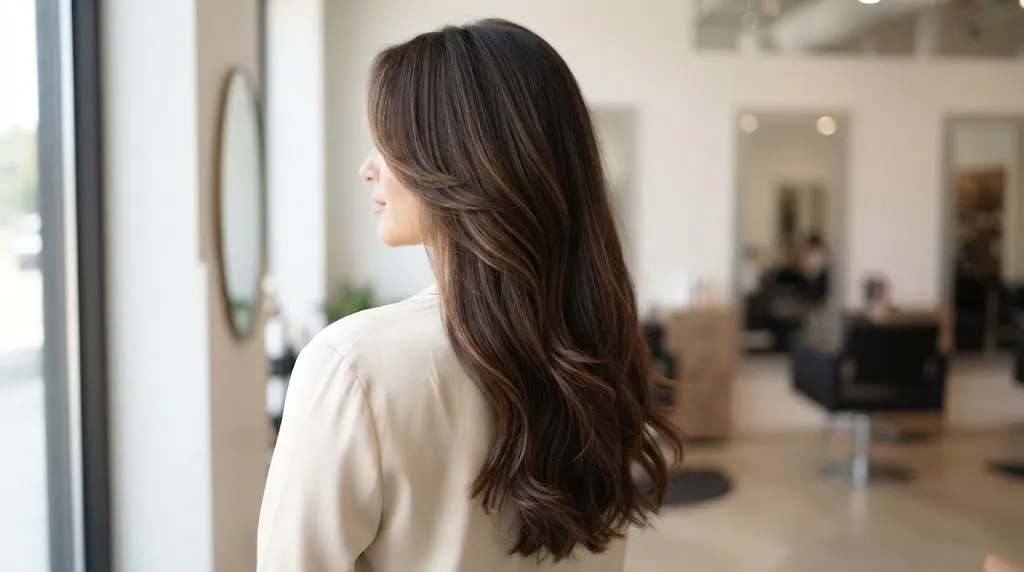
layers without taking the weight off the bottom perimeter. This cut solves the triangle-head problem that happens when thick hair grows out one single length. It works best on medium to thick hair types that already have some natural wave or are regularly blown out straight, especially on oval, round, and heart face shapes.
A stylist achieves this by pulling sections up and away from the head at elevated angles, slide-cutting or point-cutting to build movement so the ends don’t clump together. You will need a trim every eight to twelve weeks to keep the ends from looking wispy or split. The biggest caveat here is that if your hair is naturally very fine or thin, too many layers will make the bottom look stringy rather than voluminous.
U-Cut

A U-cut curves gently upward at the sides, creating a soft, rounded horseshoe shape at the back that prevents long hair from looking completely blunt and heavy. It suits straight, wavy, and curly textures alike, particularly for anyone wanting a softer hemline without sacrificing the drama of long hair.
The stylist cuts the hair by pulling sections back and curving the guideline upward toward the shoulders, leaving the center length at the back as the longest point. Expect to visit the salon every ten to twelve weeks just to dust the ends and maintain that distinct curve. One common mistake is cutting the corners too high too fast, which accidentally turns a soft U into a harsh V shape.
V-Cut
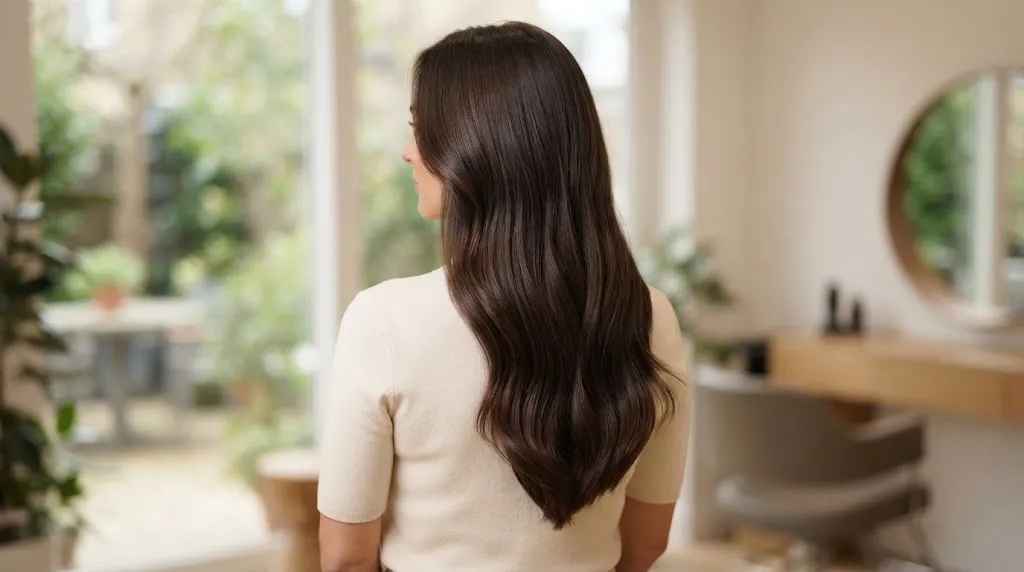
A V-cut tapers sharply inward from the shoulders down to a distinct point at the center of the back, creating maximum movement and a dramatic silhouette. This style fits thick, straight, or slightly wavy hair types best, as fine hair often lacks enough density to pull off the sharp point without looking sparse.
The stylist pulls the hair backward and cuts it at a steep diagonal angle, tapering the sides significantly shorter than the center spine. Maintenance is required every eight weeks because the tapered point grows out unevenly and can quickly look untidy if neglected. The main drawback is that styling this cut in a ponytail leaves the shorter side layers pulling loose and falling out constantly.
Feather Cut
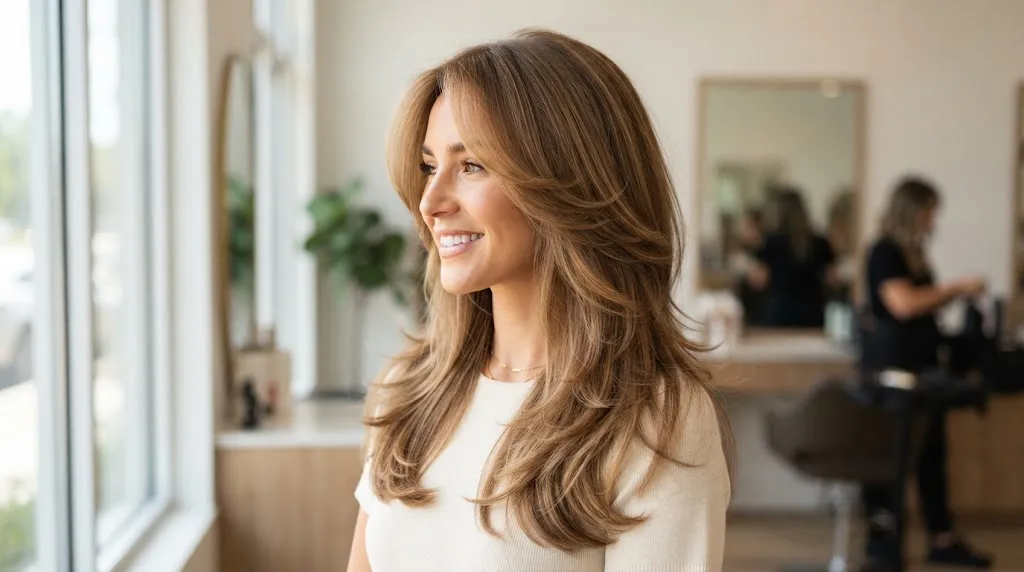
A feather cut uses heavy texturizing and razored ends to create stacked, wing-like pieces that flip outward, channeling a soft, airy texture throughout long lengths. It works exceptionally well on thick, straight hair that needs help breaking up heavy blocks of weight.
To achieve this, the stylist uses a razor or texturizing shears to slice downward into the hair shaft, creating graduated, feathered ends that feather away from the face. This cut demands frequent trims every six to eight weeks to prevent the feathered texture from turning frizzy or dry at the tips. If your hair is prone to severe frizz or coarse curls, the razor technique can fray the cuticle and make the texture unmanageable.
Curtain Fringe on Long Hair

Unlike shorter fringe styles that sit high on the forehead, long-hair curtain bangs start lower around the cheekbones or jawline, sweeping outward to blend seamlessly into the rest of the length. This style solves the issue of long hair weighing down the face, offering instant softness and framing without a high-commitment micro-bang. It flatters square, round, and oval face shapes by drawing the eye inward and vertically down the face.
The stylist parts the hair down the middle and cuts diagonal sections that start shorter near the bridge of the nose and graduate longer toward the shoulders. Because these sit close to the eyes, they require regular trims every four to six weeks to stay out of your line of sight. A major pitfall is cowlicks—if your hair has a stubborn growth pattern at the parting, these bangs will refuse to split symmetrically without daily heat styling.
Indian Haircuts for Women: Popular Names and Styles
Step Cut

The step cut relies on distinct, visible tiers falling one below the other, creating a structured cascading effect that removes heavy bulk from thick hair. Stylists achieve this by elevating sections at precise angles and cutting them sharply to ensure each layer remains distinctly separated rather than blended away. It works exceptionally well on long, heavy hair that needs movement, particularly for those with dense or coarse textures who want to prevent their hair from looking like a solid curtain.
Expect to visit the salon every 6 to 8 weeks to keep those sharp lines crisp, because as the tiers grow out, the distinct step effect softens and can begin to look uneven. One common way this cut goes wrong is over-texturizing the ends on fine hair, which leaves the lower steps looking thin and stringy instead of full and defined.
Choosing Between U-Cut, V-Cut, and Step Cut for Thick Indian Hair Textures
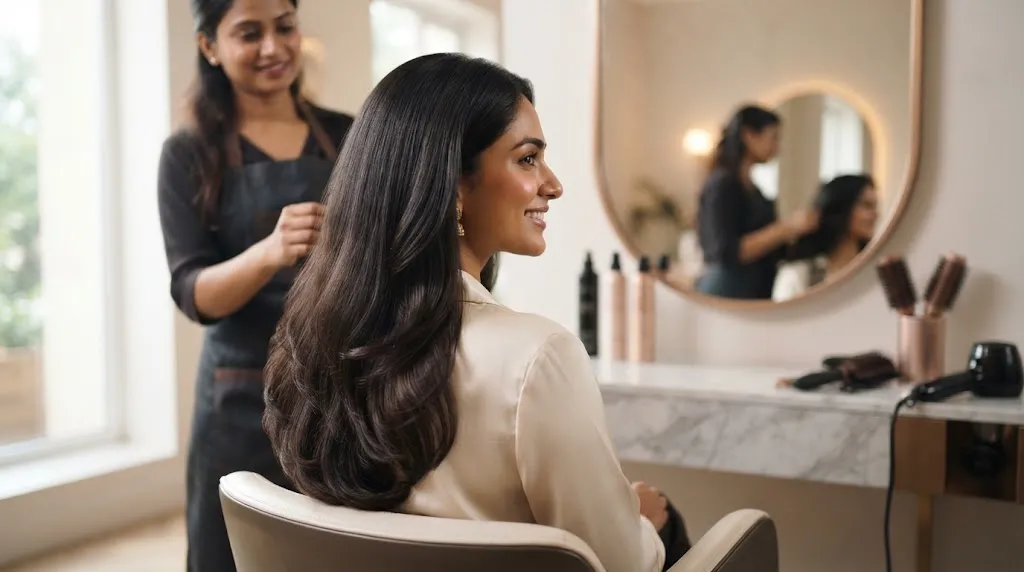
Managing very thick, dense hair requires choosing the right perimeter shape to control volume without sacrificing length. The U-cut rounds off the bottom corners gently, creating a soft, curved hemline that keeps thick hair looking thick while removing blocky weight at the bottom.
The V-cut tapers much more aggressively toward the center, forming a sharp point in the back that slims down dense hair significantly and creates a dramatic silhouette on very long lengths.
Building on those foundational shapes, the step cut takes a different approach by breaking the hair into distinct stacked levels rather than relying purely on the outer perimeter. While a U-cut or V-cut distributes weight through the ends, a step cut redistributes weight higher up the head, making it the superior choice if your hair feels heavy and unmanageable at the crown and mid-lengths.
Traditional vs Modern Styling Choices for Indian Hair

Traditional styling for Indian cuts typically favors a polished, centered finish with smoothed-out lengths and neatly curved ends created using a round brush and a blow-dryer. This approach emphasizes the natural shine and health of dark, dense hair, often paired with a clean center part.
Modern styling shifts toward a more relaxed, lived-in texture, incorporating loose bends from a styling iron and a slightly off-center part to break up symmetry. Instead of aiming for absolute smoothness, contemporary styling embraces the natural wave or bounce of the hair, keeping the roots voluminous while letting the ends fall with a softer, less rigid movement.
Haircuts for Women Over 50
Best Low-Maintenance Cuts After 50

Stylists typically recommend leaning into cuts that work with your natural texture rather than fighting it every morning. As hair changes texture and density over time, a high-fuss blowout stops being practical. A textured bob or a soft, layered crop cuts styling time down to minutes while keeping the shape intact.
The textured bob: Hits right around the jawline or collarbone, featuring internal layering that removes heavy bulk. It works exceptionally well on straight to slightly wavy hair, giving fine strands a thicker appearance without requiring heavy product.
The soft pixie: A closely cropped back and sides paired with longer, piecey layers on top. It suits oval and heart-shaped faces best, thriving on naturally straight or fine hair types.
The maintenance reality: Expect a salon visit every six to eight weeks to keep these shapes clean. If you stretch it to ten weeks, the back weight lines drop and the cut loses its structure.
The common mistake: Going too blunt with the ends. Heavy, blunt lines on mature hair can drag the face down and emphasize thinning areas around the neck.
Adding Volume to Thinning Hair With the Right Cut

Fine or thinning hair responds best to strategic layering that removes weight from the crown, allowing the remaining strands to lift naturally. Stylists achieve this using point-cutting and razor techniques rather than traditional heavy thinning shears, which can make fine hair look frizzy.
The layered shoulder-length cut: Incorporates subtle, graduated layers starting around the chin to create natural bounce. It pairs best with fine or medium hair densities and round or square face shapes.
The shag adaptation: Softer face-framing layers that add movement around the cheekbones and crown. It breathes new life into straight hair that usually falls flat against the scalp.
The maintenance reality: Finer hair shows split ends faster, meaning trims every six weeks are non-negotiable if you want the volume to look healthy rather than frayed.
The common mistake: Over-layering the ends. Too many short layers on thinning hair can make the bottom look wispy and sparse instead of full.
Haircuts That Make You Look Younger
Cuts and Lengths That Take Years Off

Forget rigid age rules. Hair cuts years off when it restores movement, volume, and frames the face with intention. A collarbone-length lob with soft, graduated layers lifts the entire facial structure by drawing the eye downward past the jawline. If you prefer shorter hair, a textured, ear-length crop with broken ends avoids the stiff, helmet-like look of blunt older cuts. Stylists achieve this by using point-cutting techniques to remove weight at the ends, allowing the hair to curve naturally around the face rather than sitting flat.
Fine, straight hair benefits immensely from blunt ends at the chin, which creates the illusion of thicker density. Coarse or curly textures thrive with long, internal layering that prevents a triangular, weighed-down silhouette. Maintenance for these anti-aging cuts usually requires a trim every six to eight weeks to keep the ends crisp. The main trap to avoid is going too short without texture; a uniform, tightly cropped style without variation in length can harden facial features instead of softening them.
Styling Choices That Can Age You

The way you style your hair matters just as much as the cut itself. Flat, iron-straight hair parted strictly down the center drags features downward and emphasizes fine lines around the mouth and eyes. Heavy, lacquer-stiff hairspray from the 1990s instantly dates your look because it strips hair of natural reflection and movement.
Opt instead for a deep side part to instantly create natural volume at the crown and break up facial symmetry. Blow-drying with a round brush to turn the ends slightly inward softens the jawline. When using heat tools, keep waves loose and undone rather than setting them into rigid, uniform ringlets that look overly calculated.
Is There Really a "3-Hair Rule"?
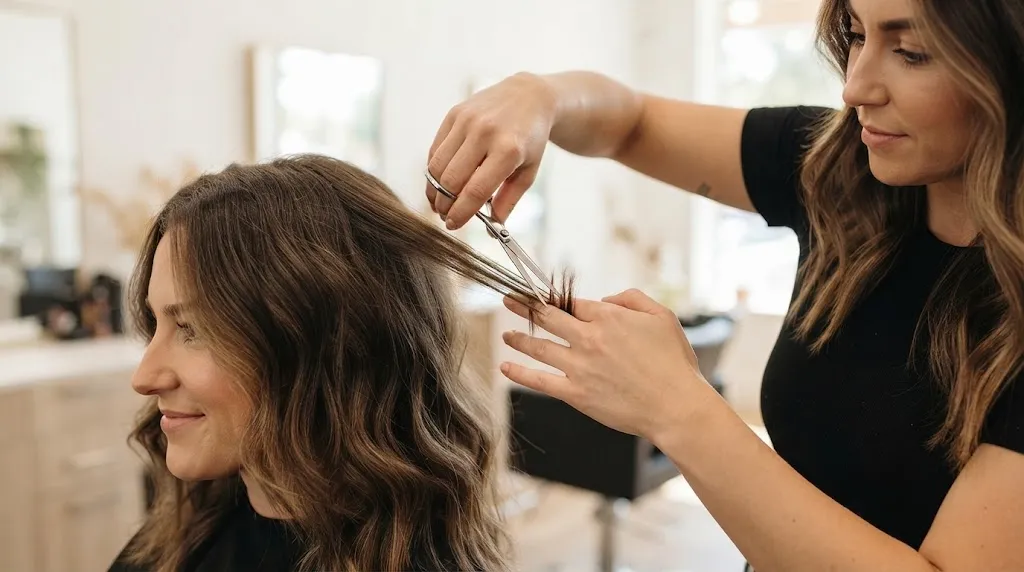
The viral “three-inch rule”—or the idea that women over a certain age must strictly wear short hair—is entirely a myth with no basis in modern hairstyling. Hair length has zero correlation with biological age and everything to do with hair density, elasticity, and personal lifestyle.
A woman in her sixties with thick, healthy, waist-length hair looks phenomenal if she maintains the ends and keeps it conditioned. Conversely, a twenty-year-old can carry a severe pixie cut just as easily as an eighty-year-old. The only rule that actually matters is matching your cut to your hair’s current behavior and your willingness to style it daily.
Low-Maintenance Haircuts for Busy Women
Wash-and-Go Cuts by Hair Type

Low-maintenance does not mean zero effort; it means a cut that works with your natural texture instead of fighting it every morning. If you have straight hair, a blunt one-length bob hitting right at the collarbone air-dries into a sleek finish because gravity keeps the ends weighted down. Wavy hair thrives on a textured shag with strategic long layers that encourage natural bends to stack properly without expanding into a triangle shape. Curly hair needs internal shaping and graduated layers to let individual ringlets spring up and lock together cleanly without creating frizz at the crown.
Stylists typically approach these cuts by assessing your hair’s wet state to see how it naturally falls before taking off length. The biggest trap with a wash-and-go cut is ignoring your cowlicks; if a stylist cuts straight across a stubborn hairline growth pattern, your hair will stick straight up the moment it air-dries.
How Often You'll Actually Need a Trim (By Cut Type)

Blunt bobs and precision cuts require a sharp perimeter to look intentional, meaning you will be back in the chair every six to eight weeks to dust the ends. Textured shags and layered cuts are much more forgiving, letting you stretch appointments out to ten or twelve weeks because the broken lines disguise split ends as they develop. Pixie cuts demand the most frequent upkeep—usually every four to five weeks—to keep the neckline and sideburns from looking shaggy.
Growing out a shorter low-maintenance cut requires patience around the four-month mark when bobs hit an awkward shoulder-flipping stage, which is best managed by adding soft layers or wearing half-up styles until the length clears the shoulders.
Occasion-Based Haircuts: Traditional, Party, and Office
Best Cuts for Traditional and Festive Styling

Traditional and festive events demand a cut that holds its shape against heavy pins, dupattas, or traditional headpieces while still looking intentional when worn open. A collarbone-length cut with long, invisible layers is the safest baseline here because it gives you enough length to twist into a heavy braid or traditional bun without the shorter pieces slipping out and fraying at the nape.
Stylists achieve this by working with internal texturizing shears rather than heavy exterior chopping, which keeps the ends dense enough to look neat under traditional styling. It works best on straight to medium-wave hair with medium-to-thick density. If your hair is fine, these cuts can look sparse once pinned, so a blunt baseline just below the shoulders is usually a safer bet.
The main caveat is that traditional updos require a specific type of layering; if your layers start too high up near the crown, every single pin job will start migrating and poking out within two hours of sitting through a ceremony.
Party-Ready Cuts and Styling

Party cuts need to look dynamic under harsh lighting and survive a long evening without collapsing into limp strands. A shoulder-grazing angled bob or a textured shag with face-framing fringe fits this brief because it creates natural movement that catches light and doesn’t require a stiff helmet of hairspray to stay put.
This style relies on point-cutting at the ends to remove weight, allowing the hair to bounce back when you move. It thrives on thick or naturally wavy textures that hold a loose bend from an iron.
If your hair is pin-straight and fine, a party cut like a heavy shag can fall flat quickly unless you commit to daily texturizing products and curling routines. You will need a trim every six weeks to keep the sharp perimeter or the fringe from eating into your eyes on the dance floor.
Low-Maintenance Office-Friendly Cuts

Office environments call for a cut that air-dries into a professional shape without requiring a 40-minute blowout every single morning before a commute. A one-length lob (long bob) sitting right at the collarbone is the gold standard for corporate settings because it can be worn completely straight, tucked behind the ears, or tied into a clean low ponytail in under thirty seconds.
The stylist cuts a blunt perimeter using slide-cutting techniques to debulk the ends so the hair naturally falls inward toward the shoulders rather than flaring out awkwardly against jacket collars. This cut is remarkably forgiving and works across almost all hair types, though ultra-coily textures may require regular smoothing treatments to maintain the sleek office silhouette.
The primary trade-off is the grow-out phase: once a blunt lob drops an inch past the collarbone, it hits your shoulders at a strange angle and starts flipping outward on its own, meaning you are locked into a strict eight-week trim schedule to keep it looking sharp.
How to Communicate With Your Stylist
Words to Use When Describing What You Want

Vague adjectives like “short,” “layered,” or “trimmed” mean different things to every person with a pair of shears. Walk into a salon armed with structural language instead. Describe where you want the weight to sit, where the ends should live relative to your collarbone or jaw, and what kind of density you are trying to remove or build up. Say “I want the baseline sitting right at my collarbone with internal texture removed to cut down bulk” instead of “I want a medium-length layered cut.” Show reference photos that match your actual hair texture, not just your dream aesthetic. If you have fine, straight hair, a photo of thick, wavy hair styled with hot tools will only set you up for disappointment.
What to Ask Before You Sit in the Chair

Stop letting the cape go on before you discuss the realistic upkeep of what is about to happen to your head. Ask your stylist how the cut will behave on day two when you wash it yourself without a professional blowout. Ask how often you will need to return for maintenance to keep the shape from collapsing. If you are considering a dramatic change, ask for a frank assessment of how many months it will take to grow out if you end up hating it. A good professional will tell you if your daily styling habits or natural hair texture will fight the cut every single morning.
Finding the Right Stylist for Your Chosen Cut

Do not book a precision bob specialist if you want a lived-in, razor-cut shag, and do not trust a heavy color specialist with a complex curly crop. Salons often market themselves as generalists, but individual stylists almost always have distinct strengths. Look at their portfolio specifically for hair that matches your texture and the style family you want. If every photo on their grid is long balayage waves and you want a pixie, keep looking. Book a standalone consultation first if you are nervous; ten minutes of face-to-face conversation tells you whether you and the stylist speak the same language before anyone touches your hair.
What to Do If the Haircut Isn't What You Expected

Panic and politeness often mix in the salon mirror, leading people to smile and say they love a cut they actually hate. If the finished result is shorter or shaped differently than you discussed, address it immediately while you are still in the chair. Stylists prefer constructive feedback right away rather than finding out through a bad online review or a frustrated phone call later that day.
Explain precisely what feels off using the same technical language you established during the consultation. If the weight line is too heavy or the fringe sits too low, minor adjustments can often fix the issue before you leave. If the cut is simply much shorter than intended, do not let anyone attempt to fix it with an aggressive thinning shear or a desperate rescue style. Give the hair a few days to settle into your natural washing routine, and schedule a follow-up consultation to plan a corrective path forward once you have processed the change.
Common Mistakes Women Make When Choosing a Haircut
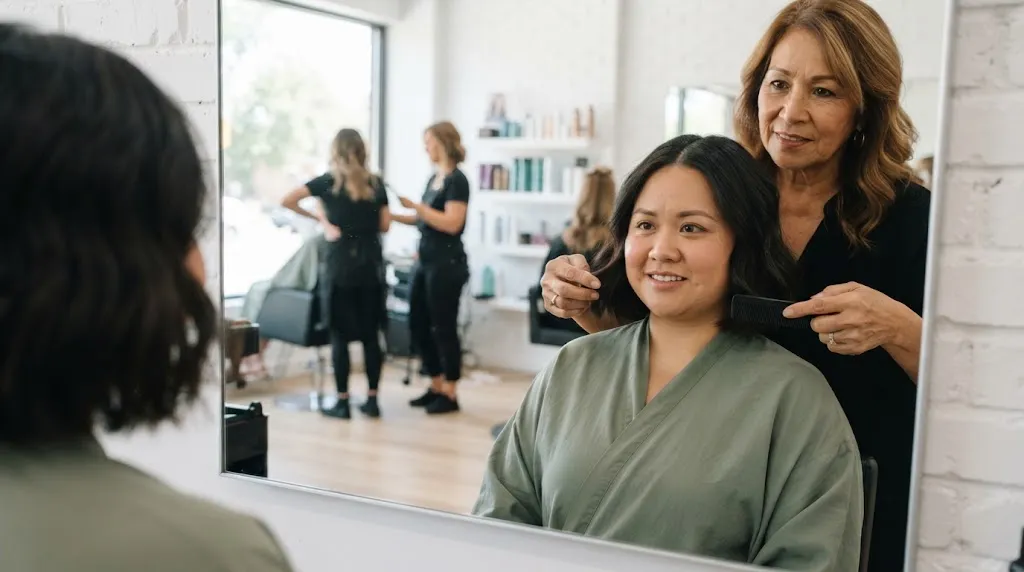
Bringing a photo of a celebrity to your stylist is easy. Assuming it will look identical on you without checking your hair density, natural growth patterns, and texture is where things usually go wrong.
Texture is the biggest dealbreaker. If your hair is fine and straight, asking for the heavy, textured volume of a heavily layered shag cut usually leads to disappointment. The finished result looks stringy rather than piecey because fine strands lack the density to support that much internal thinning. Stylists have to rebuild that shape with heavy styling products every single day just to keep it from collapsing.
Ignoring your natural cowlicks and hairline can ruin an otherwise great shape overnight. A fringe or a short perimeter cut that fights a strong crown cowlick will stick straight up or split open no matter how much you try to flatten it with a round brush. Cutting against your natural growth pattern means committing to daily heat styling just to make the haircut lie flat.
Underestimating the maintenance timeline catches many people off guard. A sharp, blunt bob or a tight pixie looks incredible fresh out of the chair, but both require precise trimming every four to six weeks to keep those clean lines intact. If your budget or schedule only allows for a salon visit twice a year, choosing a high-maintenance shape means you will spend most of your grow-out phase fighting awkward proportions.
Frequently Asked Questions
There is no single best cut, but soft layered bobs and textured lobs that hit right around the collarbone tend to work best. They add natural movement and volume where hair often thins out, without requiring aggressive daily styling.
The modern textured bob and collarbone-length cuts with soft face-framing layers currently dominate requests in salons. People want lower-maintenance shapes that still feel styled and intentional right out of bed.
Industry standards consistently revolve around the classic bob, long layers, pixie cut, lob, shag, curtain bangs, blunt cut, butterfly cut, textured crop, and soft blunt ends. Each serves a different balance of texture, face shape, and maintenance commitment.
Cuts that incorporate gentle movement, face-framing layers, or soft fringe tend to soften facial features and add a lifting effect. Heavy, one-length geometric cuts can drag the face down and emphasize sharp angles.
Softer, multidimensional shades with warm undertones—like soft honey highlights or rich caramels—add warmth back to the skin and mimic natural youthfulness. Flat, solid jet blacks or harsh ash tones can wash out complexion and emphasize shadows.
Current trends focus heavily on lived-in textures, collarbone lobs, and low-commitment bangs that grow out gracefully. High-shine, effortless air-dried finishes are replacing ultra-sleek, heavily heat-styled looks.
A collarbone-grazing cut with soft, graduated layers around the cheekbones opens up the face and creates an instant lifting illusion. Avoiding overly severe lines keeps the overall look fresh and approachable.
Not automatically, as length is less important than shape, health, and how the cut interacts with your face. While a well-tailored crop can feel chic and energetic, an outdated or stiff short cut can have the opposite effect.
Overly severe, pin-straight hair with a harsh middle part or heavy, flat single-tone dark colors can age the face by drawing all lines downward. Stiff, heavily lacquered styles also add years by looking rigid rather than natural.
Healthy, glossy hair with soft movement and a flattering cut that frames your best facial features does more for perceived age than any specific length. Keeping ends trimmed and free of breakage keeps the overall appearance vibrant.
A textured, collarbone-length cut or a soft, piecey pixie allows for easy volume and movement while keeping the neck and jawline framed nicely. The key is avoiding stiff structures in favor of lightweight, touchable layers.
The rule suggests that your hair color should not be more than three shades lighter or darker than your natural base to maintain harmony with your skin tone. Straying too far from this window often creates harsh contrast that washes out the complexion.
Related Haircut Guides
More styles, cuts, and inspiration to help you find the look that fits your hair type, face shape, and occasion.