
Short Pompadour Hairstyle: Complete Cutting, Styling & Fixing Guide
What Is a Short Pompadour?
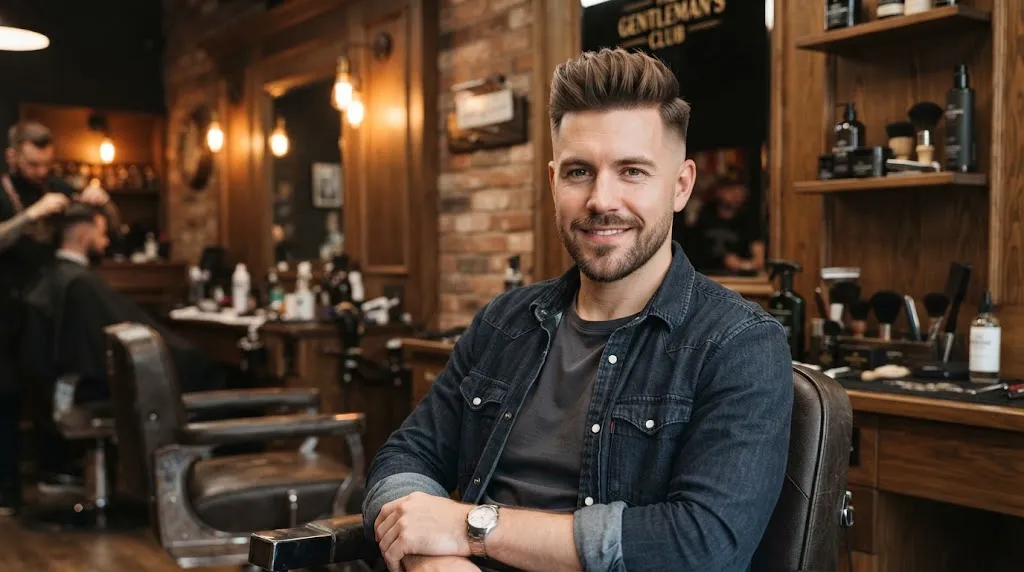
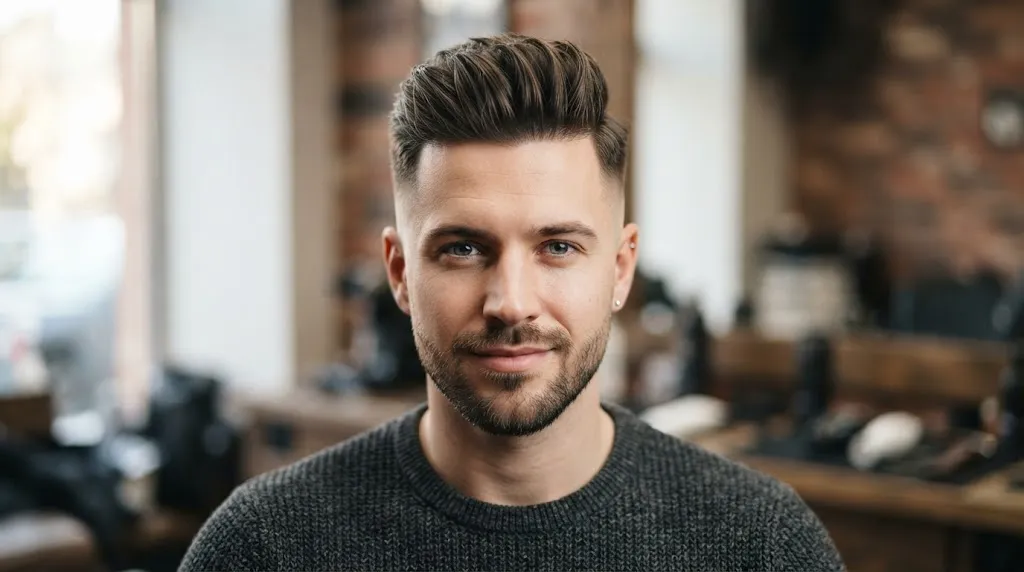
A short pompadour is a clean, modern variation of the classic pomp that features closely clipped sides paired with just enough length on top to sweep upward and back. Ye guide hairstylesusa.com ki men’s hairstyle series ka hissa ha, jahan aap hairstyles ki poori range explore kr saktay hain. Daily styling takes significantly less time and product than a traditional long pompadour hairstyle, making it a practical choice for everyday wear.
Top length range: 2 to 4 inches on top, which provides enough lift without requiring heavy daily upkeep.
Fade type options: Mid skin fades, low tapers, or high drop fades work best to keep the sides sharp and contrast the top.
Maintenance cycle: A fresh trim every 2 to 3 weeks keeps the sides and neckline looking sharp.
Best-suited hair/face type: Ideal for oval, round, or square face shapes and straight to wavy hair textures that hold volume well.
Short Pompadour vs Classic vs Long Pompadour
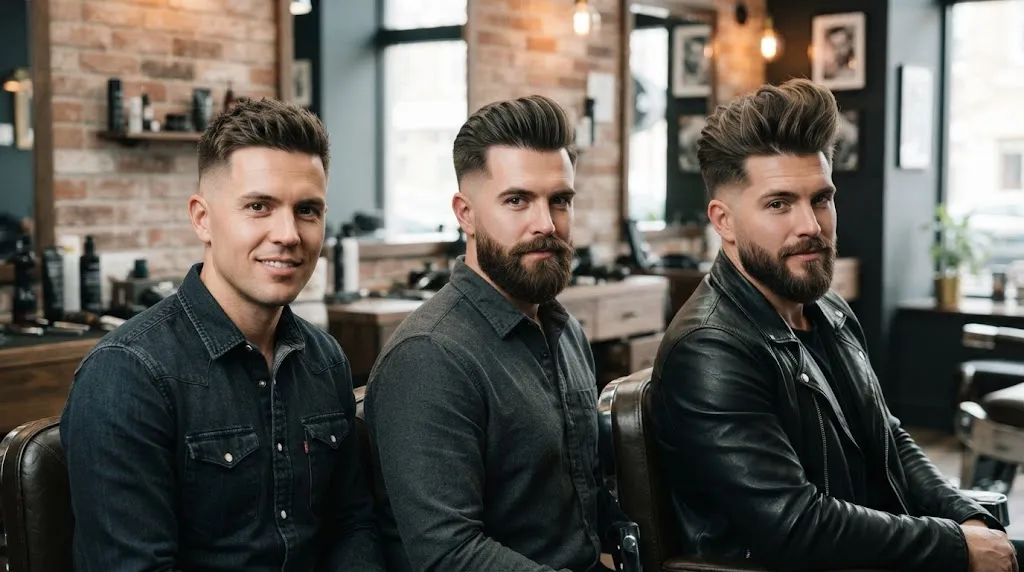
Choosing the right variation comes down to matching your daily maintenance routine and hair density with the specific silhouette you want to wear. A short pompadour hairstyle keeps the top around 2 to 3 inches with tight sides, whereas a traditional long pompadour hairstyle requires 4 to 6 inches of length on top for that sweeping, retro volume.
The main differences between these variations impact your morning styling time and how often you need to visit the barbershop.
- Maintenance & Upkeep: The short variation demands a barber visit every 2 to 3 weeks to keep the fade sharp, while longer versions tolerate longer intervals between cuts.
- Styling Time: Shorter hair takes under 5 minutes with a matte paste; longer styles need 10 to 15 minutes of blow-drying and high-hold pomade to fight gravity.
- Hair Texture Compatibility: Fine hair excels in a cropped cut because shorter strands naturally hold volume better without collapsing under heavy product weight.
| Pompadour Variation | Top Length | Sides & Back | Maintenance Interval | Best For |
|---|---|---|---|---|
| Short Pompadour | 2 - 3 inches | Skin fade or taper | 2 - 3 weeks | Low effort, fine or thinning hair |
| Classic Pompadour | 3 - 4 inches | Scissor-cut or medium taper | 3 - 4 weeks | Traditional look, medium density |
| Long Pompadour | 4 - 6+ inches | Undercut or classic taper | 4 - 6 weeks | Thick hair, maximum sweeping volume |
Short Pompadour vs Quiff — What's the Difference?
The main difference between a short pompadour and a quiff comes down to the direction the hair flows and how the front volume is built. While both styles feature cropped sides and textured height on top, a pompadour sweeps straight back away from the forehead with a tight, rounded shape, whereas a quiff brushes the front hair upward and slightly forward into a looser, more relaxed wave.
Here is how the two cuts compare in daily styling, structure, and upkeep:
| Feature | Short Pompadour | Quiff |
|---|---|---|
| Front Volume Direction | Swept straight back | Swept upward and forward |
| Overall Finish | Sleek, structured, and polished | Textured, messy, and relaxed |
| Best Hair Product | High-hold pomade or strong styling clay | Matte paste, sea salt spray, or lightweight fiber |
| Maintenance Level | Requires daily blow-drying and firm control | More forgiving; easy to finger-style on the go |
In the chair, clients often ask for a quiff when they actually want the cleaner, more disciplined silhouette of a short pompadour hairstyle. If your hair grain naturally resists going straight back, a quiff will give you less resistance during your morning routine. Choosing between them depends entirely on whether you want a sharp, classic sweep or a casual, tousled texture.
How to Cut a Short Pompadour (Barber Technique)
Cutting the Sides & Back
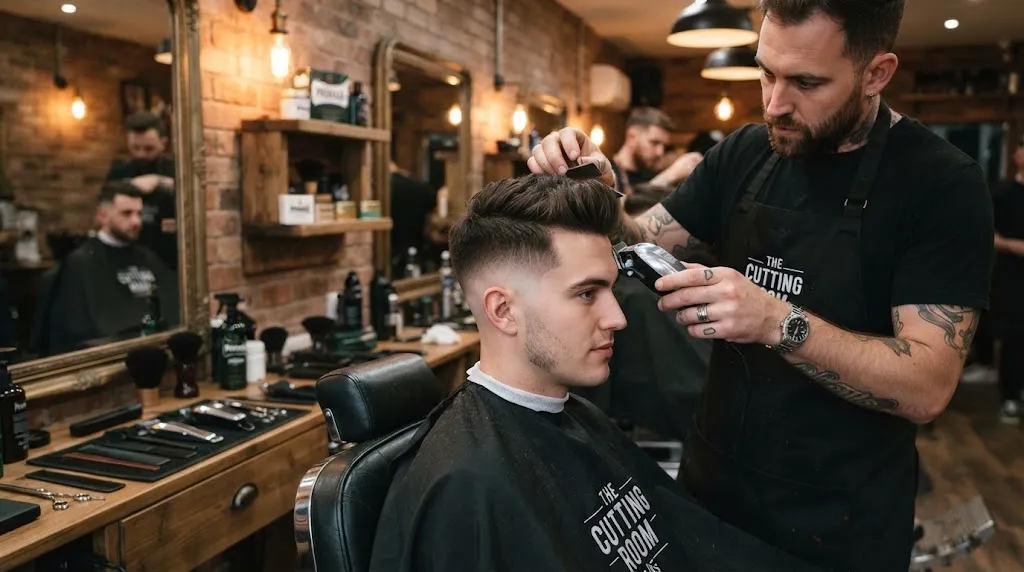
A short pompadour relies on a clean, tight foundation on the sides and back to create heavy contrast against the height on top. Start by establishing your baseline and fade technique, whether your client wants a high skin fade, a mid drop fade, or a classic taper.
Set your guideline: Use a trimmer to clear out the bulk below your intended fade line, then go in with an open lever on your clippers to carve out the first 1-inch transition zone.
Work the guard progression: Blend upward systematically using half-guards and whole guards (typically numbers 1 through 3), flicking the clippers outward at the edge of the parietal ridge to avoid harsh lines.
Detail the weight line: Pay close attention to the occipital bone; leaving too much weight here flattens the head shape, while taking it too high ruins the classic pompadour silhouette.
Clean the edges: Finish the neckline and sideburns with a foil shaver or detail trimmer for a razor-sharp finish that accentuates the clean sides of the short pompadour hairstyle.
Cutting the Top Section
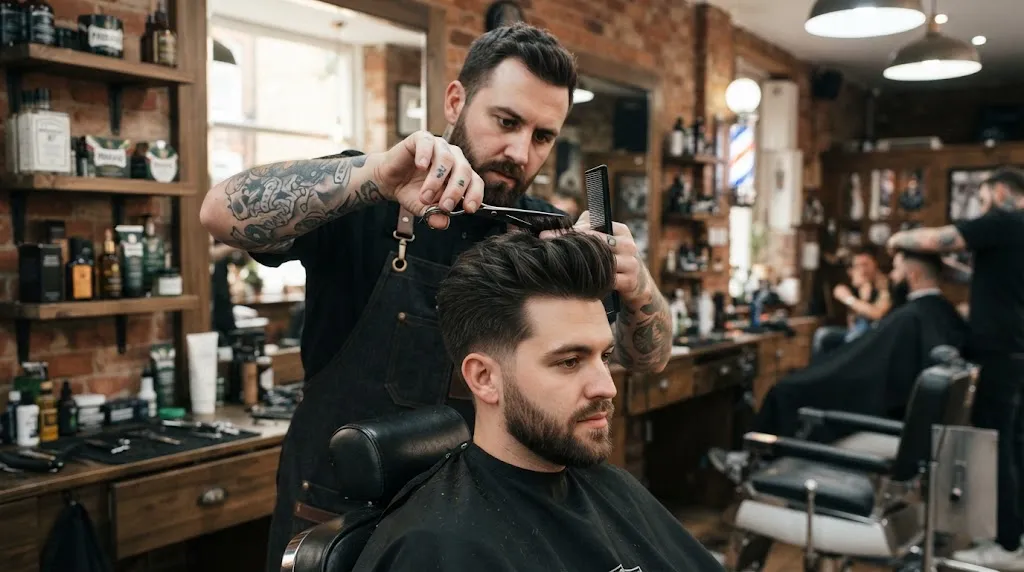
The top requires precise length control to ensure the hair rolls backward smoothly without collapsing under its own weight. Leave the front fringe between 2 to 3 inches long, tapering down gradually to about 1 to 1.5 inches as you move toward the crown.
Establish the central guideline: Take a vertical parting straight down the middle from the front hairline to the crown, pull the hair straight up at a 90-degree angle from the head, and cut your desired length.
Cross-check with travel guides: Use the central strip to cut side sections using a stationary or traveling guideline, keeping the tension consistent to avoid uneven chunks.
Texturize for movement: Use point-cutting or texturizing shears through the interior of the top section to eliminate bulk, ensuring the hair responds easily to blow-drying and styling products.
Blend the drop zone: Connect the shorter top length seamlessly into the sides and back, checking the transition zone to make sure there is no shelf or abrupt ledge between the clipper work and scissor work.
How to Style a Short Pompadour at Home
Mastering your daily routine for a short pompadour comes down to controlling moisture and directing airflow correctly from the start. Nail these steps, and you can recreate a clean finish without sitting in a chair every morning.
Prep the Hair
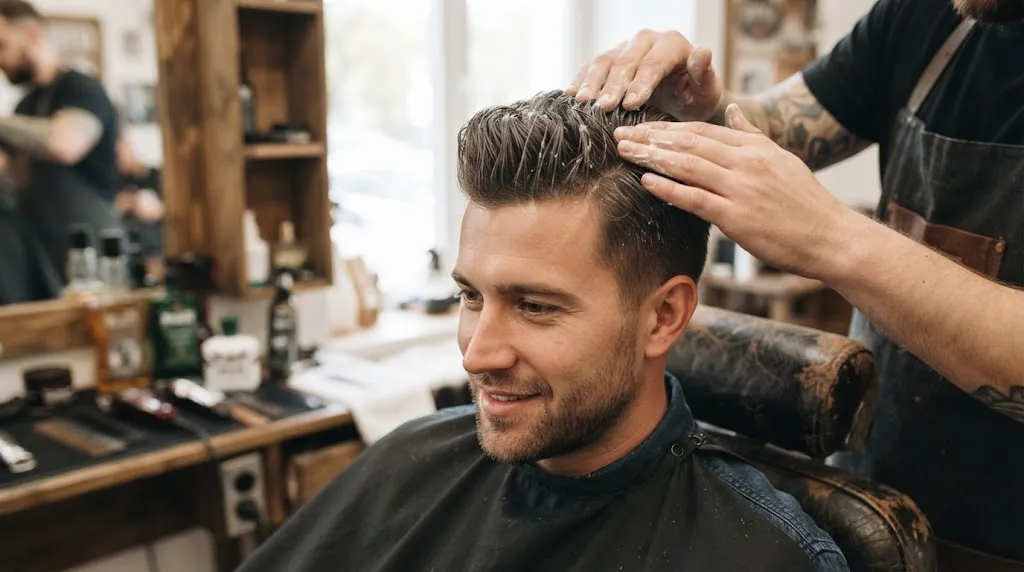
Start with freshly washed towel-dried hair so your strands are pliable and free of product buildup from yesterday. Work a dime-sized amount of a lightweight pre-styler or sea salt spray evenly from roots to ends to build natural grip and thermal protection.
Blow-Dry for Volume
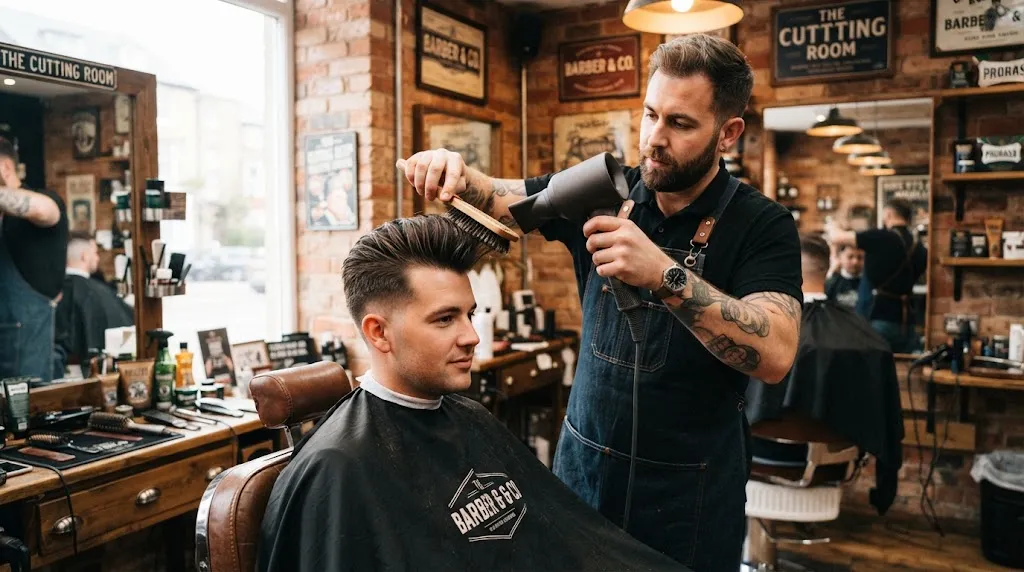
Direct your blow-dryer on medium heat straight up and back from the forehead to establish the signature height of a short pompadour hairstyle. Use a vented brush to pull the hair backward while following it closely with the nozzle to lock the lift in place before applying finishing products.
Apply Product & Lock the Style
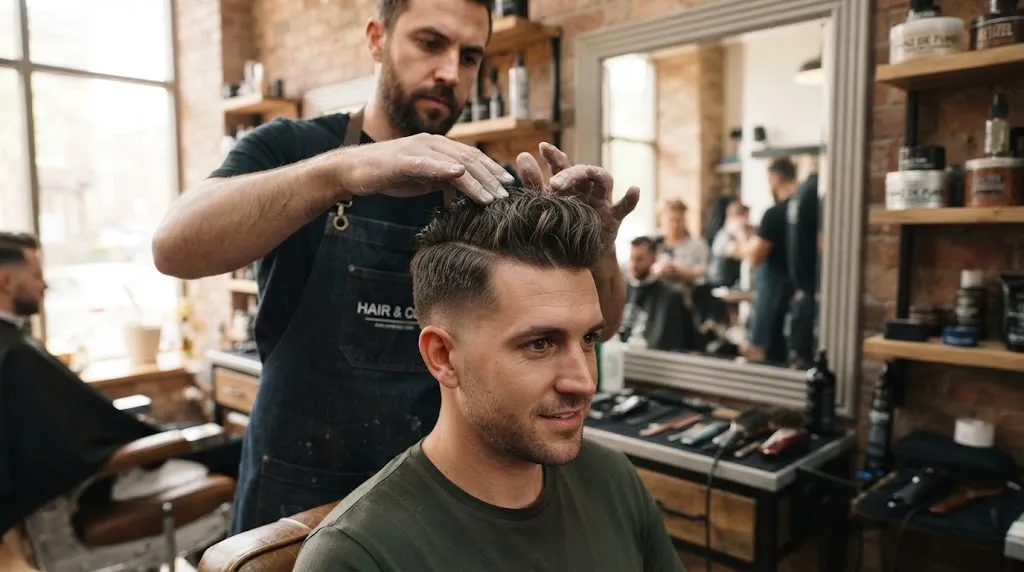
Scoop a nickel-sized amount of matte clay or medium-hold pomade and rub it thoroughly between your palms until it disappears.
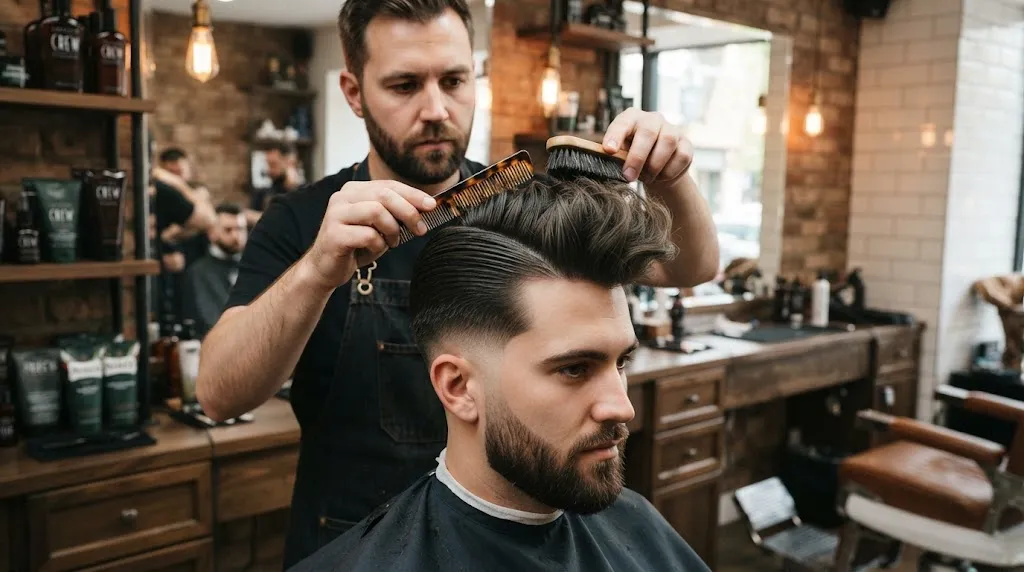
Work the product starting from the back and sides first, then sweep your hands upward and backward through the top to avoid heavy clumping at the front.
Use your fingers or a wide-tooth comb to refine the shape, lifting the front quiff upward while pinching the sides tight for a clean contrast.
Finish with a light mist of flexible-hold hairspray if your hair tends to drop by midday, keeping the finish touchable rather than stiff.
Best Short Pompadour Styles by Face Shape & Hair Type
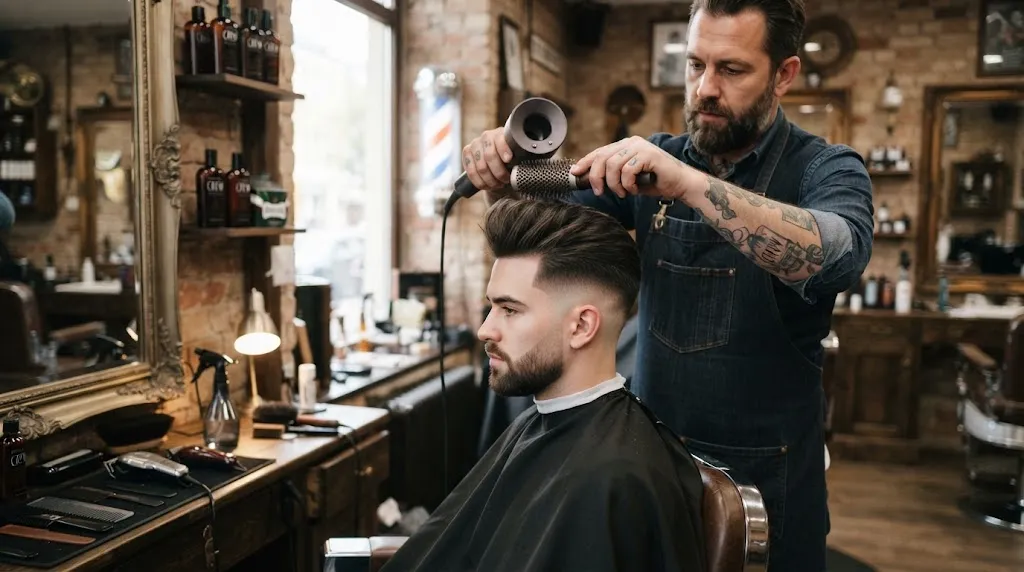
Choosing the right short pompadour hairstyle depends entirely on balancing your facial structure with your natural hair texture. A tailored approach ensures the cut enhances your features rather than fighting against them.
Face Shape Guide (Round / Square / Oval / Long)
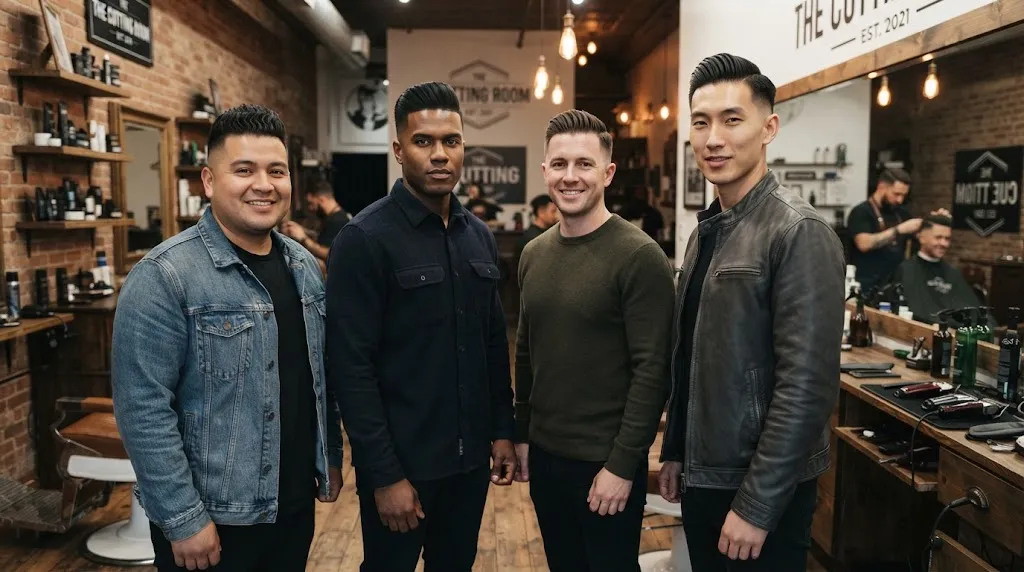
Your face shape dictates how much height and side volume you need to create proper visual balance.
Round Face: Keep the sides tight—a sharp skin fade works best—and build maximum height on top to elongate your face. Avoid heavy side-volume, which only accentuates roundness.
Square Face: Soften a strong jawline by keeping the top structured but slightly textured rather than slicked into a rigid wall. A medium fade on the sides complements strong angles without exaggerating them.
Oval Face: This is the most versatile shape for a pompadour hairstyle male, allowing you to experiment with almost any fade height and top volume. Keep proportions balanced by matching moderate height on top with a clean taper.
Long Face: Avoid excessive height on top, as it stretches the face further. Instead, wear a flatter, more relaxed version of the short pompadour with fuller sides to add width.
Hair Type Guide (Straight / Wavy / Curly)
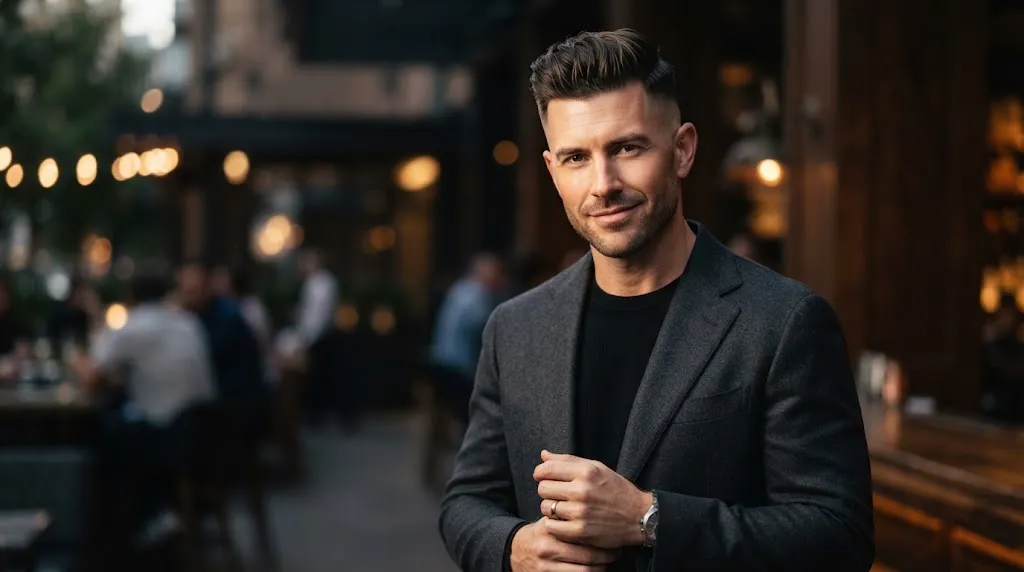
Hair texture determines which styling products and drying techniques will hold your shape all day.
Straight Hair: Naturally obedient, straight hair easily takes to a high-shine pomade and a round brush during blow-drying. The main challenge is preventing it from lying too flat against the scalp.
Wavy Hair: Wavy textures naturally build incredible volume and movement into a long pompadour hairstyle or shorter variants without needing heavy product. Use a lightweight styling cream to control frizz while letting the natural wave pattern create texture.
Curly Hair: Tight curls require strong-hold styling products and a diffuser attachment to stretch the hair upward before styling. Relaxing the roots slightly with tension during blow-drying makes molding the front quiff much easier.
| Face Shape | Ideal Fade Style | Recommended Top Volume | Best Styling Product |
|---|---|---|---|
| Round | High Skin Fade | Maximum height | High-hold matte clay |
| Square | Mid Taper Fade | Medium height with texture | Medium-hold pomade |
| Oval | Low Taper or Drop Fade | Balanced / Moderate | Styling cream or paste |
| Long | Scissor Crop or Low Fade | Low profile / Flatter | Light-hold styling foam |
Popular Short Pompadour Variations
A short pompadour hairstyle adapts easily to different cuts and facial structures by pairing the classic top volume with distinct back and sides. Choosing the right variation depends entirely on your maintenance routine and natural hair growth patterns.
Short Pompadour Undercut
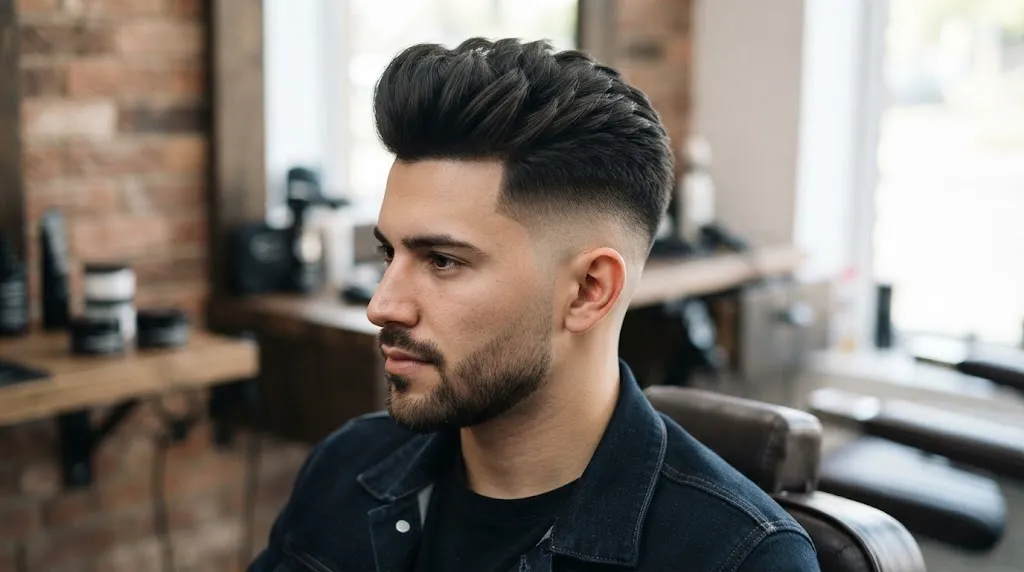
The short pompadour undercut creates a sharp, high-contrast look by disconnecting the longer top completely from shaved or tightly clipped sides. This specific variation requires a trim every 2 to 3 weeks to keep the transition line crisp and prevent the sides from looking fuzzy.
Short Pompadour Fade (Low / Mid / High / Taper)
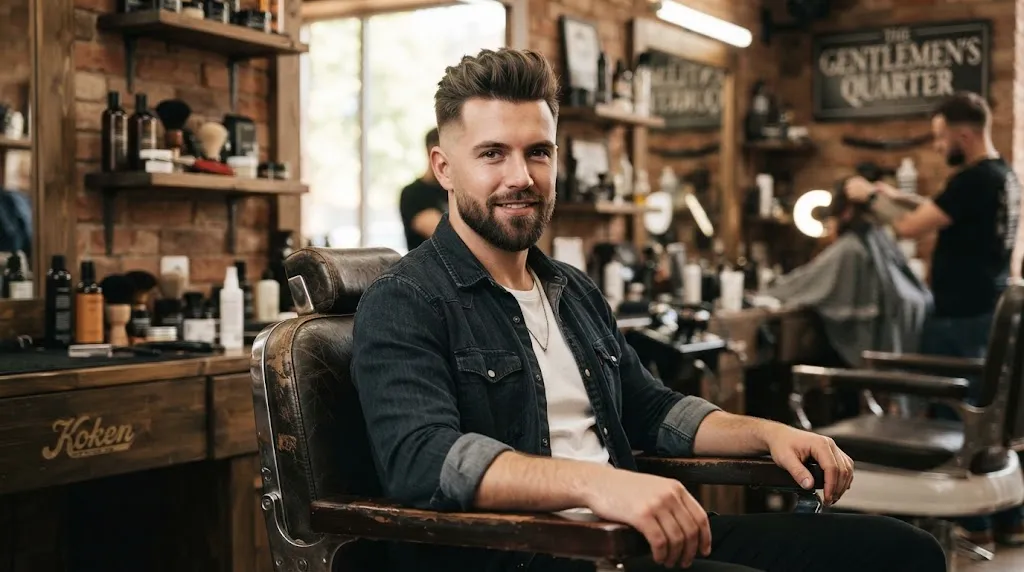
A short pompadour fade blends the sides smoothly into the skin, with low, mid, high, and taper options offering different levels of boldness. Low and taper fades keep things conservative for professional settings, while mid and high fades remove weight aggressively for a sharper silhouette.
Short Pompadour with Beard
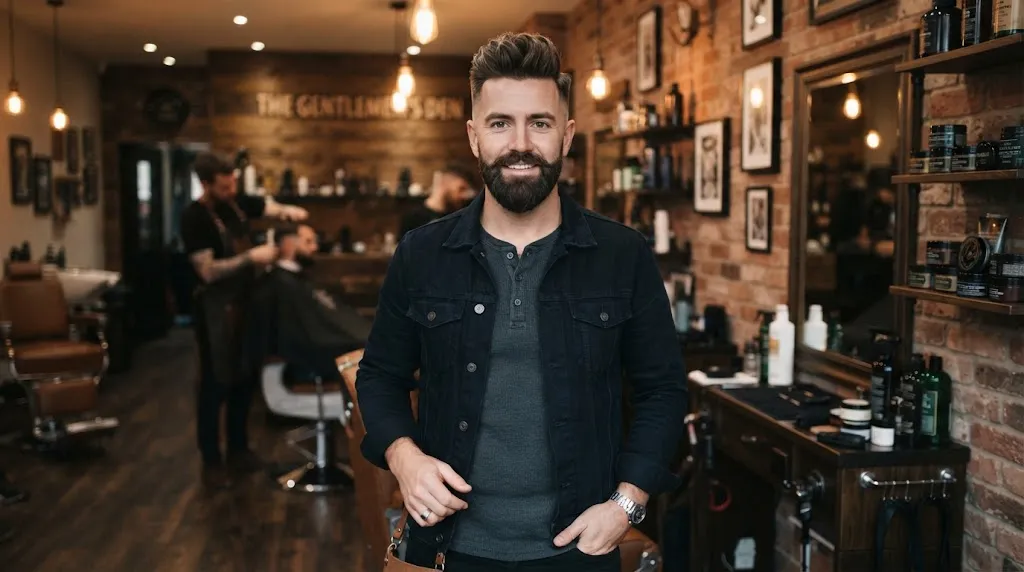
Pairing a short pompadour with a beard anchors the vertical height on top by adding heavy masculinity to the lower half of the face. Running a barber’s comb through both the beard and the front quiff helps visually connect the lines so the styling looks intentional rather than mismatched.
Fixing Common Short Pompadour Problems
Every short pompadour hairstyle hits a few predictable roadblocks in the chair, from flat volume to styling confusion. Fixing these specific issues requires targeted adjustments rather than starting over from scratch.
Pompadour vs Slick Back — How to Tell the Difference
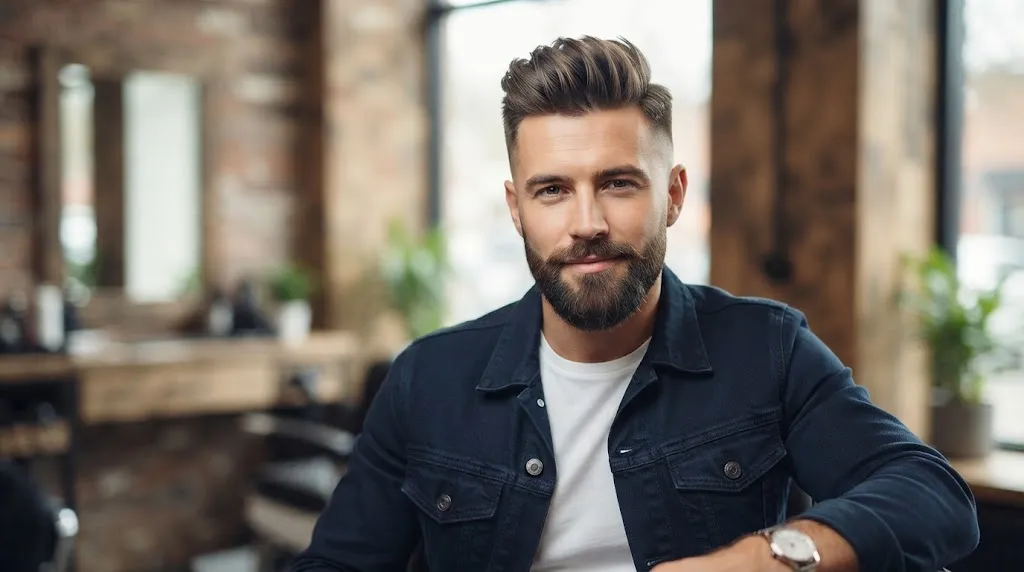
The core difference between a short pompadour hairstyle and a traditional slick back is the directional flow and elevation at the front hairline. A pompadour forces hair upward and back to create a distinct pocket of volume above the forehead, whereas a slick back lies flat against the scalp, sweeping straight back without vertical lift.
The Pompadour Profile: Features a rounded bump or volume wall directly over the forehead, requiring a blow dryer and round brush to build structure.
The Slick Back Profile: Follows the exact contours of the head shape with zero lift at the root, usually styled straight from wet hair using a fine-tooth comb and heavy pomade.
The Cut Structure: Both styles often pair with a faded or tapered side, but a long pompadour hairstyle or short version needs slightly more length on top to support that front arch.
Flat Top / No Volume — How to Fix It
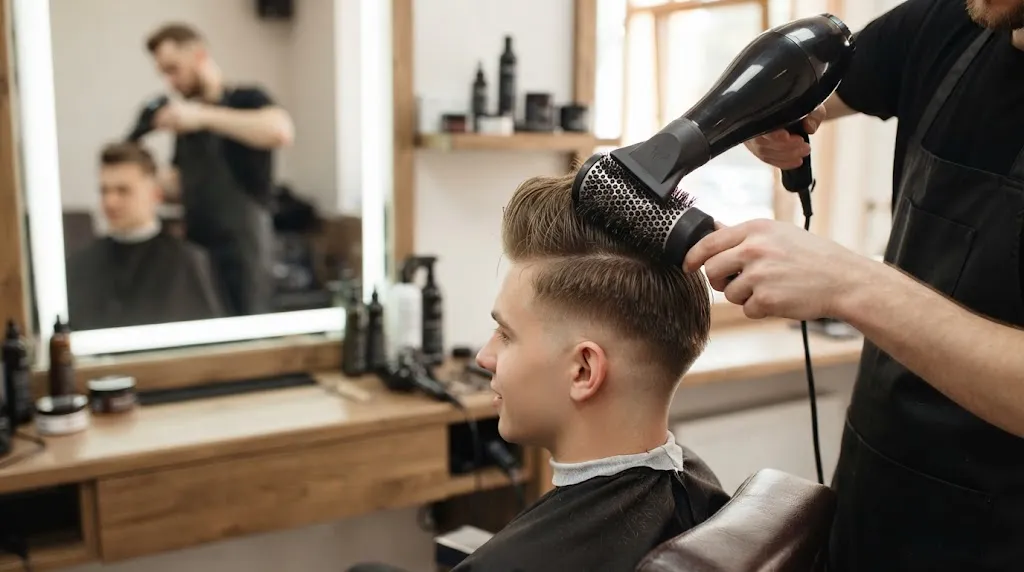
A flat, lifeless front means the hair is drying downward instead of training against its natural growth pattern. Correcting this requires tackling the foundation while the hair is damp, long before any styling product touches the strands.
Blast the Roots First: Direct a concentrated nozzle downward and upward at the front hairline on medium heat to force the roots to stand straight up.
Switch the Product Application: Work a lightweight styling mousse or sea salt spray into damp roots, as heavy waxes weigh fine hair down instantly.
Cool Shot Finish: Lock the newly formed volume in place for 30 seconds using the cool air button on the blow dryer before touching it with pomade.
Choosing the Right Finish (Matte vs Shiny Hold)
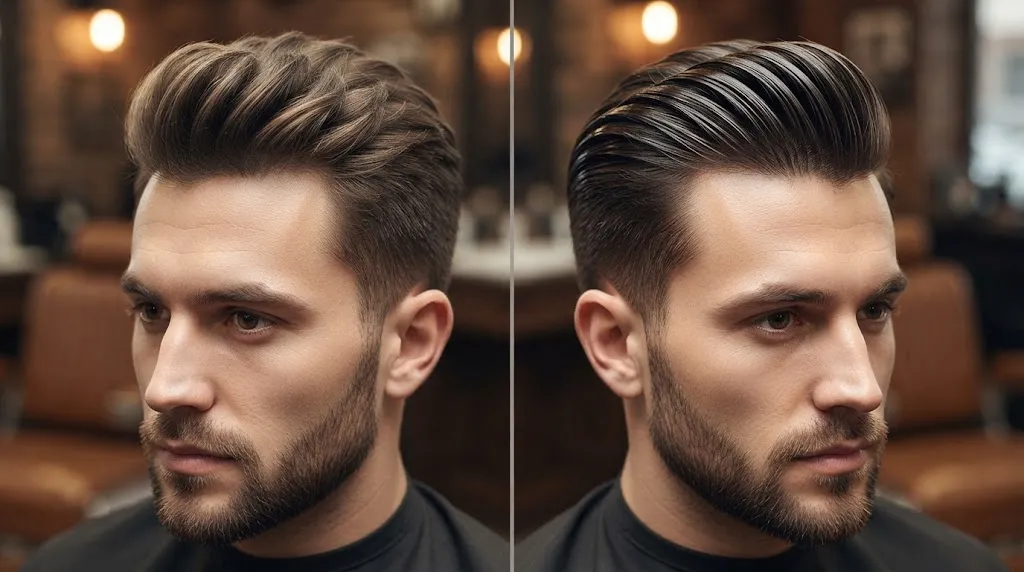
Selecting the wrong product finish ruins the desired aesthetic of a pompadour hairstyle male clients request, turning a sharp cut into a greasy or dry mess. Matching the finish to the hair density and texture guarantees a clean result that holds up through the day.
| Finish Type | Best Hair Texture | Ideal Look | Common Mistake to Avoid |
|---|---|---|---|
| High Shine | Thick, coarse, or straight hair | Classic, retro, polished | Using too much product, which creates a wet, stringy look |
| Matte / Natural | Fine, thinning, or wavy hair | Modern, textured, casual | Applying on completely wet hair, which kills the natural grip |
| Medium Sheen | Medium-density, normal hair | Balanced, versatile shine | Layering oil-based products over water-based formulas |
Maintaining a Short Pompadour
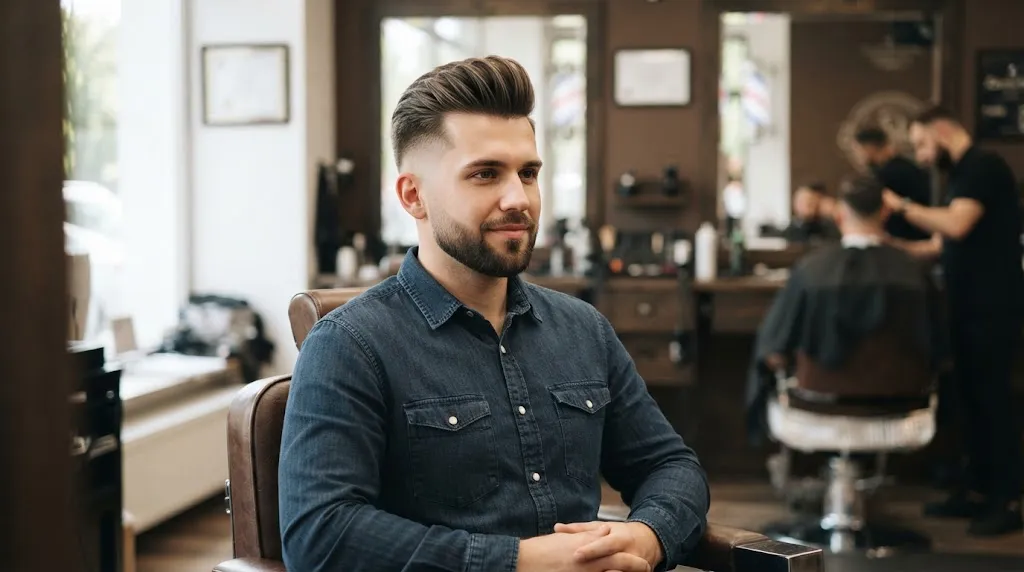
Keeping a short pompadour looking sharp requires a predictable maintenance schedule and a few daily habits. When you master the upkeep, your cut stays clean without needing constant adjustments.
Trim Frequency: Visit your barber every 3 to 4 weeks to keep the sides tight and the top at the ideal length. If you rock a skin fade on the sides, you will likely need a cleanup closer to the 2-week mark.
Daily Upkeep Routine: Wash and condition your hair, then apply a matte clay or pomade to damp hair while blow-drying it upward and backward. Finish with a blast of cool air from your dryer to lock the volume and shape in place all day.
Overnight Care: Sleep on a satin or silk pillowcase to reduce friction that ruins your height and causes frizz. Alternatively, tie a satin bonnet or scarf over your hair to keep the pompadour from flattening while you sleep.
Short Pompadour vs Long Pompadour — Quick Comparison
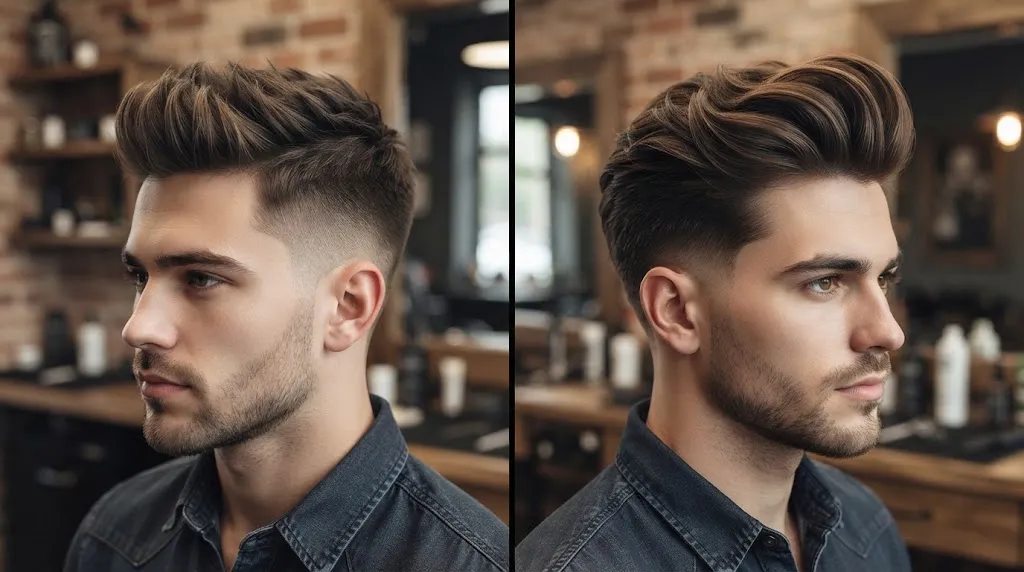
A short pompadour relies on tight, controlled proportions that take half the effort to maintain compared to a sweeping, traditional long pompadour hairstyle. Choosing between the two comes down to your daily routine, hair density, and how often you want to sit in the barber chair.
| Aspect | Short Pompadour | Long Pompadour |
|---|---|---|
| Maintenance | 2 to 3 weeks between barber visits to keep the sides sharp and clean. | 4 to 6 weeks between cuts, but requires daily root training to manage weight. |
| Styling Time | 3 to 5 minutes using a quick blow-dry and a pea-sized amount of matte paste. | 10 to 15 minutes of heavy blow-drying, round brushing, and strong-hold pomade. |
| Best For | Fine or thinning hair, active lifestyles, and professional settings. | Thick, coarse, or wavy hair that holds natural volume easily. |
When clients sit in my chair torn between these two options, I always look at their crown growth pattern and morning routine. The short pompadour hairstyle gives you that iconic retro silhouette without the midday slump that heavy, long strands often suffer from. If you want the classic pompadour hairstyle male aesthetic minus the high-maintenance upkeep, keep the top under 3 inches and let clean skin fades do the heavy lifting.
Frequently Asked Questions
Explore More Hairstyles
Finding the right cut goes beyond just picking a single look, so browsing related options helps you dial in your next visit to the chair. If you want to compare variations of this cut, our guide on pomade hairstyles for short hair breaks down different styling finishes you can achieve with shorter lengths.
When your styling goals shift or you want to understand how different cuts balance your structure, building out your look depends heavily on your facial proportions.