
Boys Hairstyles 2026: Best Cuts by Age, Face Shape, and Hair Type (2020–2026 Trend Guide)
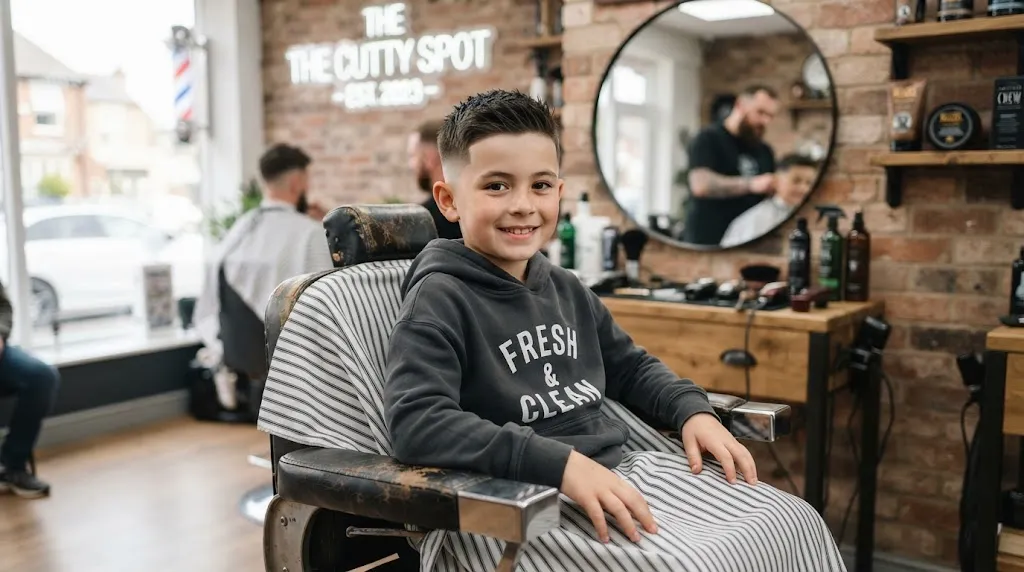
Choosing the right haircut for a boy comes down to matching hair texture, daily maintenance reality, and face shape rather than just copying a trending photo. Styles have evolved significantly since the early 2020 era of heavy, high-contrast skin fades toward more balanced, lower-maintenance shapes that grow out cleanly.
The Best Boys Hairstyles Right Now
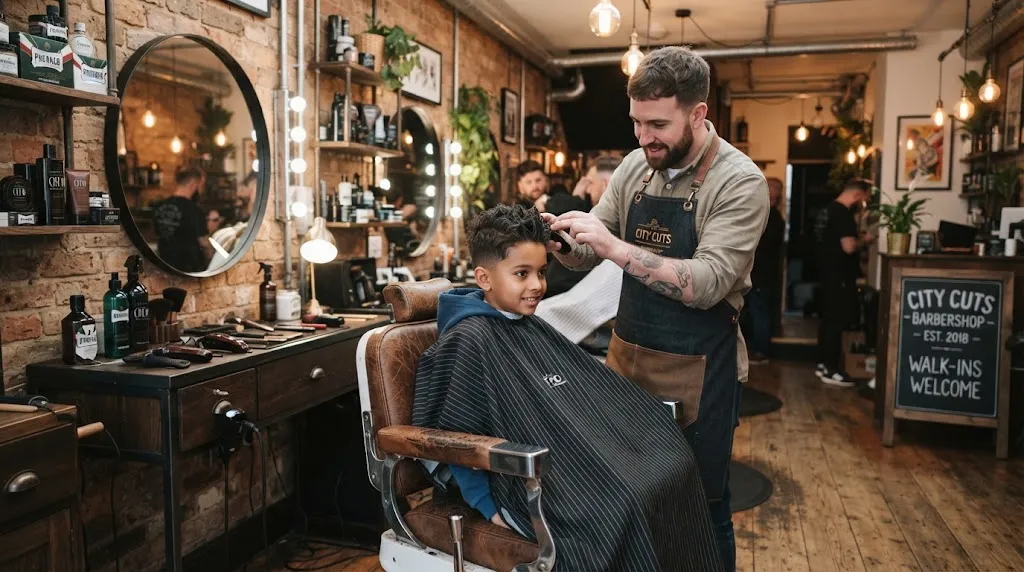
The most requested cuts in modern barbershops center around low-maintenance texture, clean fades, and natural movement. As highlighted throughout the comprehensive style directories here at HairstylesUSA, finding the right look comes down to matching daily routine with hair type.
To address the top trending hairstyles for boys directly, the most popular options break down into this concise list:
The Textured Crop: Features a choppy, forward-falling fringe paired with tight, faded sides for effortless everyday wear.
Forte SeriesThe Low Taper Fade: Keeps length around the crown while softly blending the neckline and sideburns down toward the skin.
Forte SeriesThe Modern Mullet: Blends short, tapered sides with a longer, flowing back section for a bold, expressive silhouette.
Forte SeriesThe Classic Crew Cut: A uniform, low-fuss short cut that works universally across almost every hair type.
Robbies Chop ShopThe Curly Fringe: Embraces natural coils and waves by letting volume stack up front while keeping the sides neat.
Forte SeriesThe Undercut: Delivers a sharp, disconnected contrast between a long top and severely short sides.
The Quiff: Sweeps medium-length hair upward and slightly backward from the forehead for structured height.
The Messy Shag: Relies on longer, layered cuts to create a relaxed, skater-inspired look with natural volume.
Barbers TakeThe Buzz Cut with Line-Up: An ultra-short, zero-maintenance option defined by razor-sharp edge precision.
The Side-Part Comb-Over: A timeless, clean-cut choice tailored for school uniforms and formal occasions.
Latest-Hairstyles.com
How These Hairstyles Were Selected
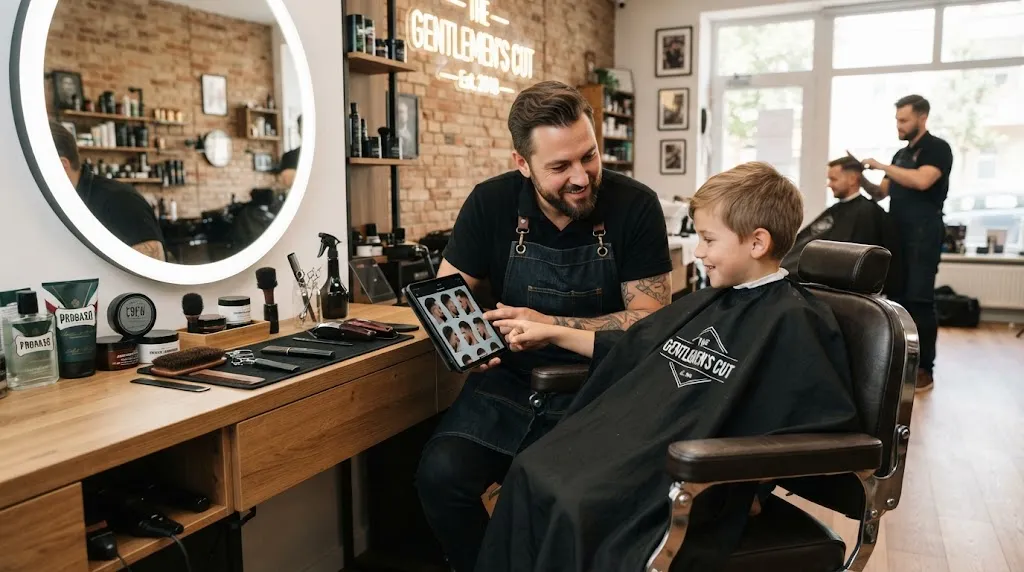
Selecting practical haircuts for boys requires balancing everyday manageability with current trends, ensuring each cut fits the wearer’s daily routine. Every style featured meets five strict criteria: age-appropriateness, face-shape compatibility, hair-type suitability, school-dress-code safety, and modern styling relevance. These benchmarks filter out high-maintenance extremes to focus exclusively on looks that survive gym class, require minimal morning styling, and complement round, square, or oval face structures without constant upkeep.
How Boys Hairstyles Evolved: 2020 to 2026
2020 Trends: Where It Started
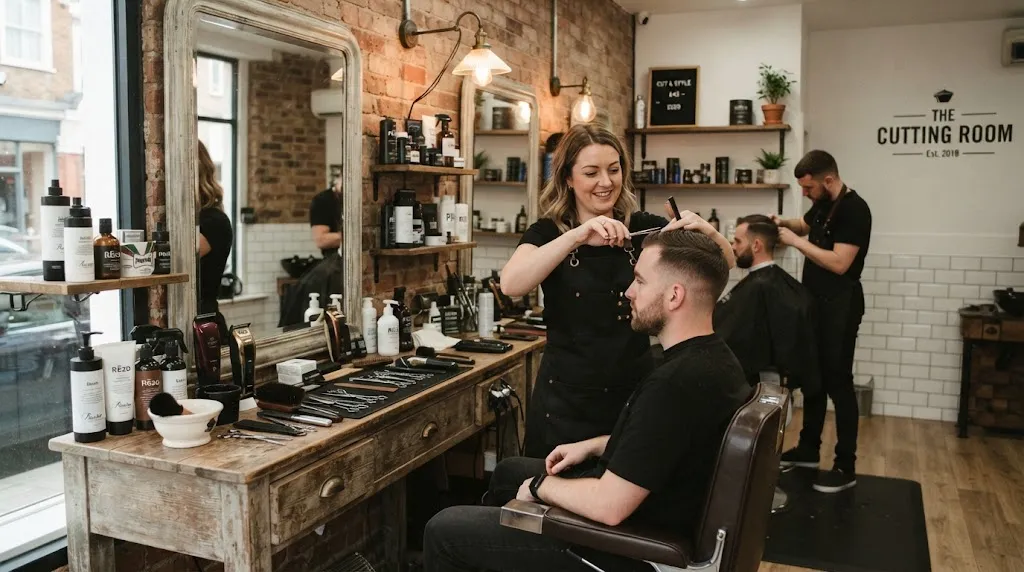
Back in 2020, boys’ and men’s grooming moved away from hyper-structured pompadours and harsh razor parts in favor of relaxed, lower-maintenance shapes. Barbers leaned heavily into textured scissor cuts, natural grown-out lengths, and short buzz cuts that required minimal daily styling.
To see what dominated visual searches during this period, check out the full 2019–2020 photo gallery.
2024 Shift: What Changed
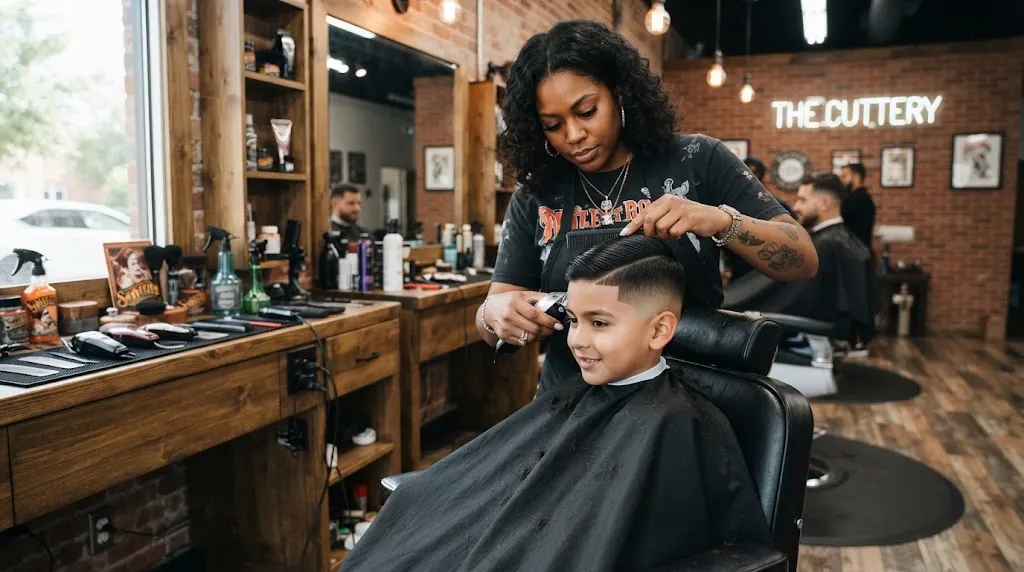
Mid-decade grooming moved toward sharper geometry and cleaner transitions. The shift favored mid and low taper fades paired with more controlled, directional movement on top, moving past the completely undone look of the early pandemic years.
2026 Trends: What's Popular Now
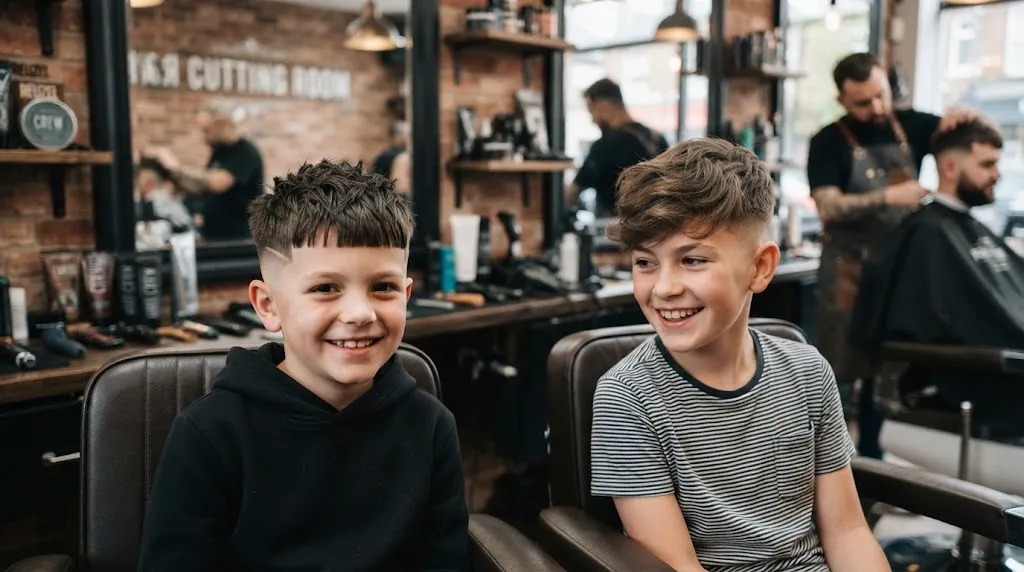
Modern Skin Fades: Favored for clean lines and a seamless gradient that keeps hair off the neck and ears.
Textured French Crops: Defined by a blunt or broken-up forward fringe paired with short, faded sides to hide cowlicks and add volume.
Curly Temple Fades: Built to highlight natural coils and waves while keeping the perimeters razor-sharp.
Soft Flow Medium Lengths: Embraced for a relaxed, natural movement that requires minimal product and leans on everyday texture.
Choosing a Hairstyle by Age
Finding the right cut depends entirely on the developmental stage, daily routine, and sensory comfort of the wearer.
Toddlers (2–5 Years)

Low-fuss, soft-blended crops and short scissor cuts work best for young children because they tolerate wiggly scissors over buzzing clippers and require zero styling products. Soft graduation at the nape eliminates harsh lines, meaning the cut grows out gracefully over eight to ten weeks without looking unkempt. Barbers recommend keeping length uniform on top so fine, wispy strands lay naturally without needing gel or paste that can irritate sensitive skin.
Kids (6–9 Years)

School-ready maintenance means choosing a style that survives physical education, playground running, and hat-wearing without collapsing into a mess. A classic low taper with a short, textured top keeps hair out of the eyes during classroom hours while staying within standard school dress codes. Morning upkeep requires nothing more than a quick dampening and a finger-combed sweep, saving parents precious minutes before the morning rush.
10-Year-Old Boys (2026 Picks)
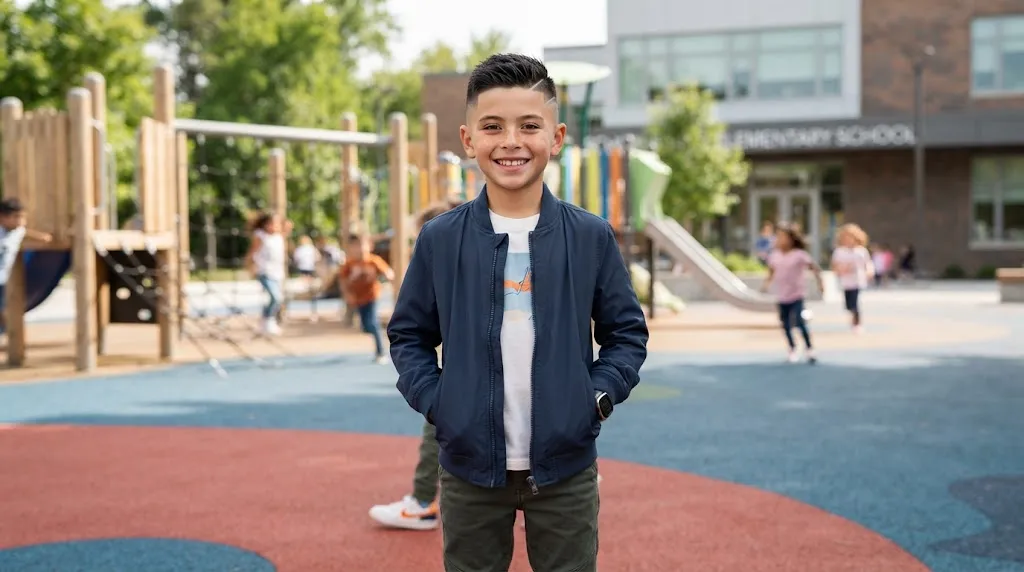
Ten-year-olds look for a balance between playful youth and a slightly more grown-up aesthetic, making textured crops with mid fades the standout choice. This look relies on point-cutting the top layers to create natural movement and volume, pairing cleanly with skin fades or skin drop fades that taper smoothly above the ears. Maintenance involves working a tiny pea-sized amount of a matte paste through damp hair to lock in definition that holds up through sports practice.
12-Year-Old Boys
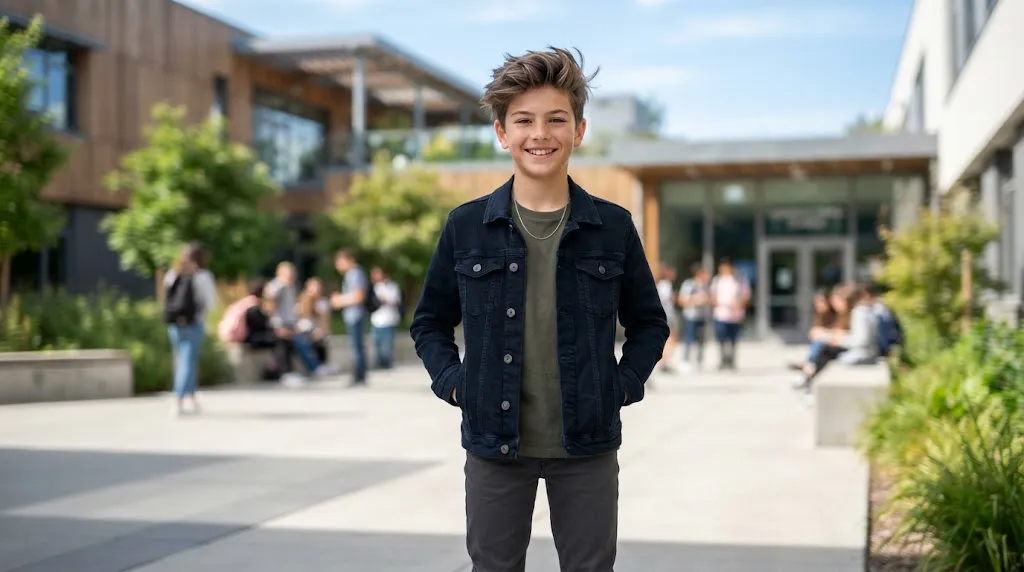
Medium-length layered flow cuts and textured quiffs dominate this age bracket, offering a versatile foundation that adapts easily to changing personal preferences. Active boys who spend hours on soccer fields or basketball courts lean toward a tight mid-skin-fade combined with a short, swept-up top, which stays completely out of the face during intense physical exertion. Alternatively, boys who prefer minimal styling choose a natural, ear-length layered cut that air-dries into effortless waves with zero daily product required.
Teenagers & Gen Z Boys (13–18)
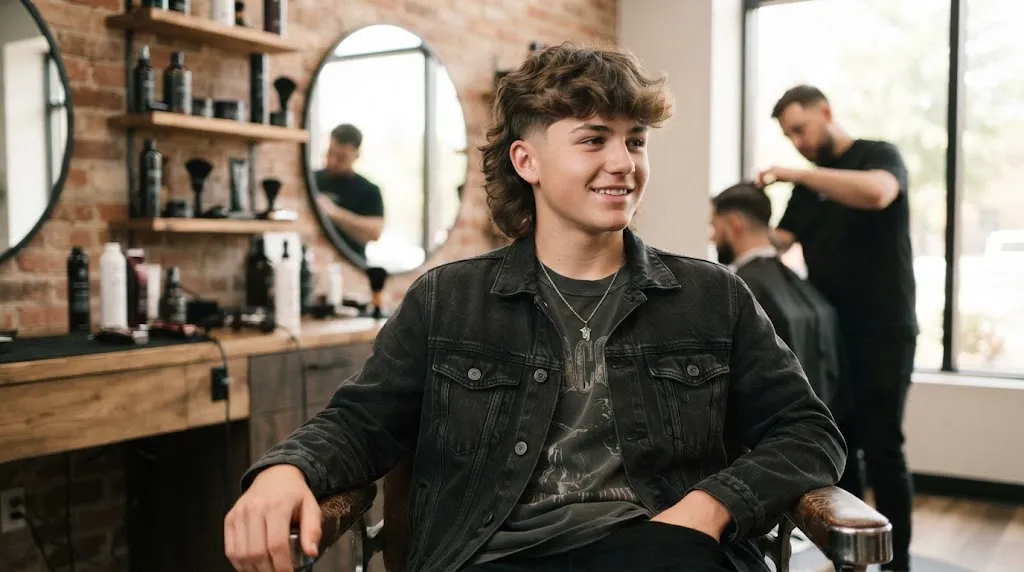
High-texture styles like modern mullets, layered wolf cuts, and clean two-block cuts define current teenage preferences, prioritizing personal expression and distinct silhouettes. These cuts rely heavily on heavy layering, razor texturizing, and distinct length contrasts between the crown and sides rather than traditional blending. Because these looks require intentional daily styling using sea salt sprays and lightweight clays, they suit teens ready to take charge of their own grooming routine.
Matching Hairstyle to Face Shape
Balancing proportions starts with identifying bone structure before looking at trends. A cut that slims cheeks on a round face will look entirely different from one that softens a heavy jawline or adds width to narrow temples.
Round Face

Shorter sides paired with height on top create the illusion of length for fuller cheeks and soft jawlines. Mid fades or high skin fades keep the sides tight, while textured crops, faux hawks, or brushed-up quiffs draw the eye upward instead of outward. Avoid heavy, blunt bangs or full volume directly above the ears, which only widen a circular profile.
Square Face
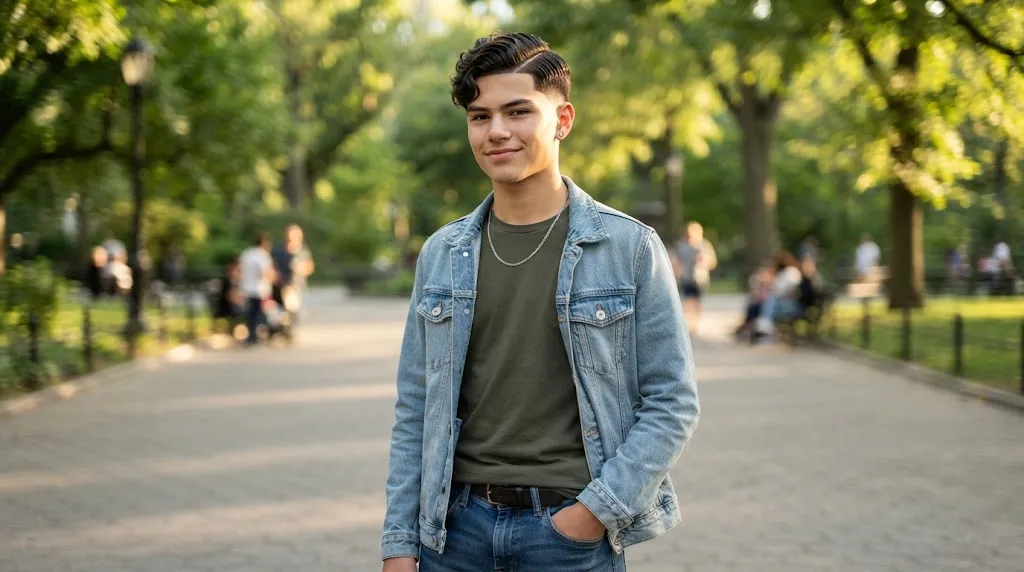
Strong, angular jawlines and broad foreheads handle virtually any classic cut, but look best with styles that maintain clean structure without squaring off the top further. Low fades, side parts, and textured slick-backs highlight sharp features naturally. Keeping the sides neat while leaving a couple of inches of flow on top avoids making the head look like a box.
Oval & Heart-Shaped Face
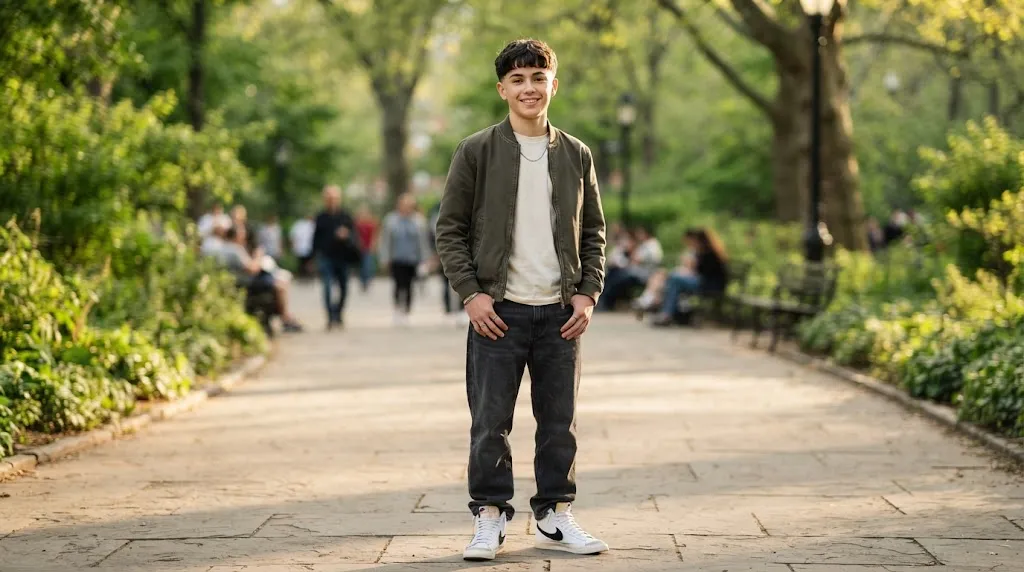
Balanced proportions give oval and heart shapes the rare freedom to wear almost any style, from a classic crew cut to medium-length shags. Heart-shaped faces—characterized by wider brows and narrower chins—benefit from a bit of fringe or side-swept bangs to soften the forehead. Avoid excessive height on top if the chin is particularly pointy, as it can throw off natural symmetry.
Long/Rectangular Face
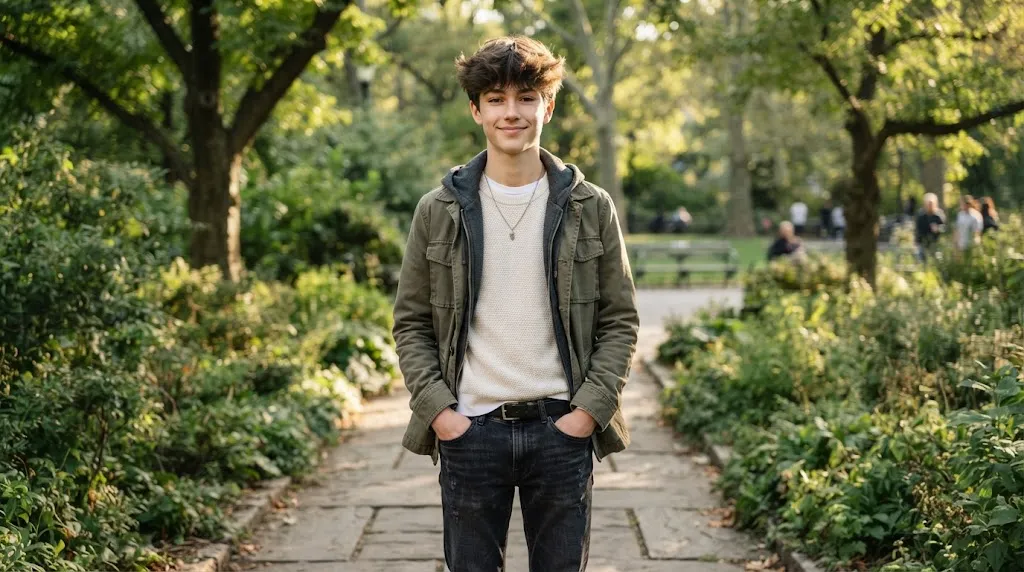
Adding volume on the sides and keeping the top relatively flat prevents a long face from looking stretched out. Textured crops with fringe, side-swept styles, or classic medium-length layers break up vertical lines effectively. High skin fades and towering pompadours should be avoided since they add unwanted length.
Small Face

Compact bone structures get easily overwhelmed by heavy, high-volume cuts or dense, shaggy manes that swallow up the features. Lightweight textured crops, short crew cuts, and soft side-swept styles keep the focus on the eyes and smile. Clean, tight fades around the temples and ears create necessary breathing room without exposing too much scalp.
Matching Hairstyle to Hair Type
Getting a great haircut starts with understanding how a specific texture behaves naturally rather than fighting it with heavy styling products. Different hair structures respond entirely differently to weight, length, and cutting techniques, making texture the single most important factor in choosing a cut that stays neat between barber visits.
Straight Hair
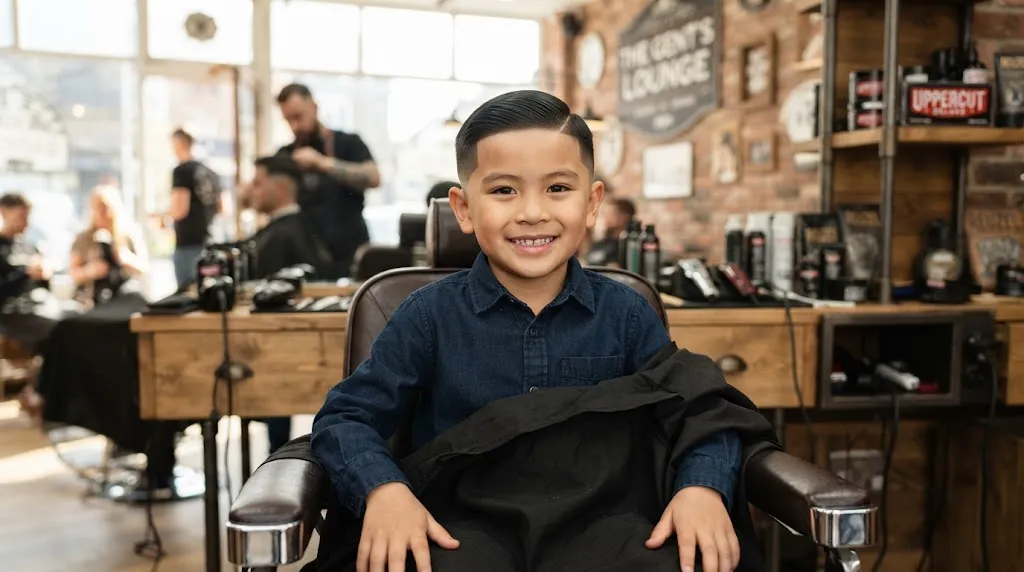
Straight hair tends to show weight lines, cowlicks, and growth directions clearly, meaning precision cutting matters more than texture work. Classic low fades paired with a textured crop or a neat side part work exceptionally well because straight strands naturally lay flat and hold clean edges. Keeping the top textured with point-cutting or thinning shears breaks up the heaviness, preventing the hair from splitting apart or looking limp as it grows out. Styling requires minimal effort, usually just a lightweight styling cream or a low-shine clay to direct the hair forward or to the side without weighing it down.
Wavy Hair

Wavy hair sits in a middle ground that offers natural volume and movement, making it ideal for medium-length styles like a modern quiff or a textured fringe. Because waves expand as they dry, the sides are usually kept shorter with a taper or fade to keep the overall silhouette balanced and prevent a bulky look. Cutting technique needs to incorporate subtle layer removal to manage thickness while keeping the natural wave pattern intact. A lightweight matte paste or sea salt spray helps define the individual bends in the hair without turning them stiff or crunchy.
Curly Hair
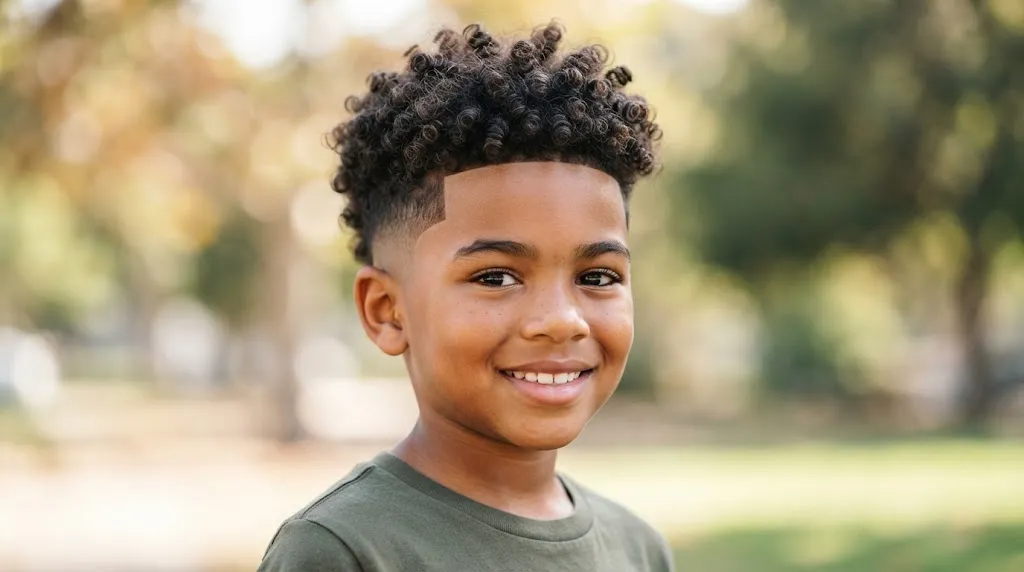
Curls bring built-in volume and personality, but they also require enough length on top to let the ringlets form properly rather than sticking straight up. Mid-length curls paired with a clean skin fade or drop fade create a sharp contrast that keeps the sides looking neat while letting the natural texture take center stage on top. Removing bulk from the interior of the hair prevents the dreaded triangle shape, ensuring the curls fall outward rather than stacking up. Applying a curl-defining cream to damp hair locks in moisture and controls frizz as it dries.
Type 4 (Coily) Hair
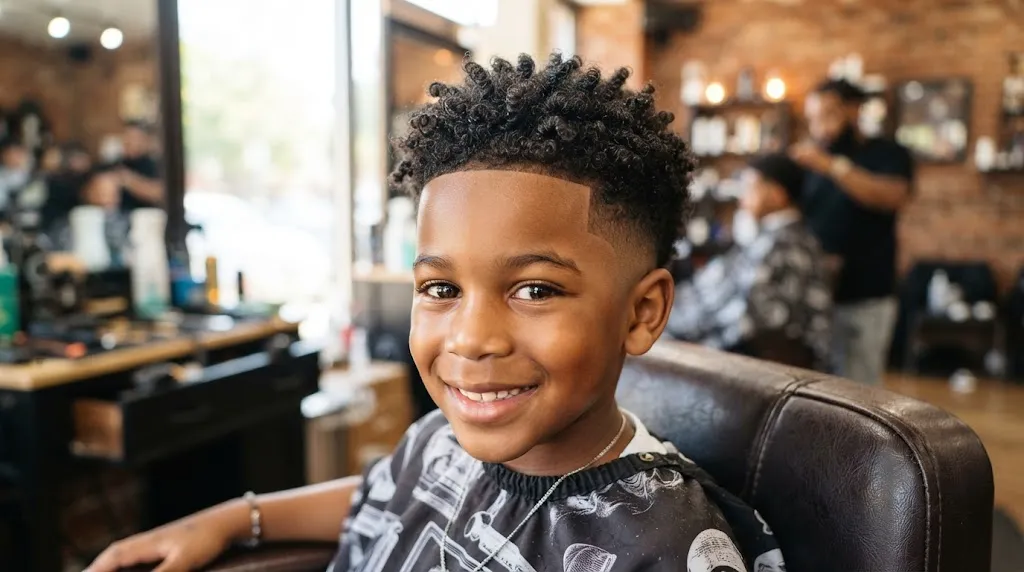
Type 4 hair features tight, densely packed coils or zig-zag patterns that grow close to the scalp and possess plenty of natural volume while remaining prone to dryness. Keeping coily hair healthy requires low-tension cuts, such as a short clean sponge twist, a neat wave brush cut, or a defined box fade with precise line-ups. Because tight coils shrink significantly when dry, cutting needs to account for texture memory and shrinkage rather than wet length alone. Moisturizing creams and light oils applied regularly keep the hair pliable, making it much easier to shape and maintain clean edges around the neckline and temples.
Boys Hairstyles by Length
Organizing cuts by length makes choosing the right option straightforward, especially when matching maintenance routines to daily school schedules. Hair grows roughly half an inch each month, meaning the choice between a cropped finish or flowing locks dictates how often chair time at the barber is required.
Short Hairstyles for Boys

Low-maintenance crops and tight fades demand minimal daily styling while keeping hair entirely out of the eyes during class and sports. A classic buzz cut or a short-back-and-sides textured crop works exceptionally well for fine or straight hair types that lose shape quickly under hats or hoodies. Barber visits every three to four weeks are necessary to keep the edges sharp. Working a pea-sized amount of a matte pomade through damp hair adds subtle separation without weighing the crown down.
Medium-Length Hairstyles for Boys

Fringe-heavy cuts and layered flows strike a practical middle ground between neatness and expressive movement. Thick or wavy textures thrive at this length because the natural weight helps pull curls downward rather than puffing outward. Styling involves towel-drying damp strands and distributing a light-hold texture clay to encourage directional flow without stiffness. Trims every six weeks prevent split ends from forming around the collar and ears.
Long Hairstyles for Boys

Shoulder-grazing layers, surfer cuts, and natural curls require patience and a reliable detangling routine to prevent knots during active days. Fine hair can look stringy at this length, making blunt ends or layered cuts crucial for maintaining visual density. Regular conditioning keeps the strands manageable, while a lightweight styling cream controls stray frizz without greasy buildup. Maintenance shifts from frequent barber visits to occasional shaping trims every two to three months.
Simple, Low-Maintenance Styles for Busy Mornings
Mornings often mean rushing out the door with five minutes to spare, leaving zero room for complicated hair routines. Finding a style that survives a chaotic breakfast table and a full day of classes without needing a mid-day fix comes down to choosing cuts built for natural efficiency.
The textured crop remains a top choice for simple hair style boys 2020 era trends that still hold strong utility today. By keeping the back and sides closely clipped or faded while leaving just a couple of inches of choppy length on top, the hair falls naturally into place without requiring precise parting. A quick run of damp fingers through the front is often all it takes.
For straight or slightly wavy hair types, a classic crew cut paired with a low taper offers an effortless solution. Because the overall length is short and uniform, it eliminates the need for blow-drying or heavy styling products. Running a tiny dab of matte pomade or styling cream through the top gives it a finished look that stays put through school hallways and sports practice.
Wavy and curly hair textures benefit immensely from a minimal-effort drop fade. This cut leaves enough volume on top to let natural curls form their own pattern, while the faded sides keep the edges looking sharp for weeks between barber visits. A small spray of water or a lightweight texturizing spray reactivates the curls instantly, making zero-fuss morning styling a reality.
Popular Hairstyles for Indian & South Asian School Boys

Navigating school dress codes while keeping hair looking sharp calls for cuts that respect strict uniformity rules without turning flat or lifeless. Dense, coarse, or naturally dark wavy hair typical of South Asian textures responds best to structures that manage volume on top while keeping the sides clean and tightly managed.
The classic low taper fade paired with a side-swept top remains a staple across metropolitan schools from Mumbai to Bengaluru. This cut works because it leaves enough length on top to brush over or style loosely with a pea-sized amount of a matte styling paste, while the neckline and sideburns stay sharp enough to pass weekly uniform inspections.
For boys blessed with thick, straight hair, a textured crop with a blunt, micro-fringe offers a modern alternative that requires minimal morning maintenance. Scissors-only graduation on the back and sides avoids the harshness of high-contrast skin fades which many institutional dress codes prohibit, staying safely within conservative guidelines while maintaining a clean shape.
Managing dense volume without excessive product requires weight-removal techniques like point-cutting and texturizing shears during the barber visit. Heavy, blocky mops tend to puff out by midday heat, so thinning out the bulk prevents the hair from expanding into an unkempt shape during outdoor sports or long classroom hours.
Readers looking to explore grooming options beyond kids’ cuts can browse broader categories and styling trends over at the Hairstyles Hub.
Complete Style-by-Style Hairstyle Guide
Textured Crop
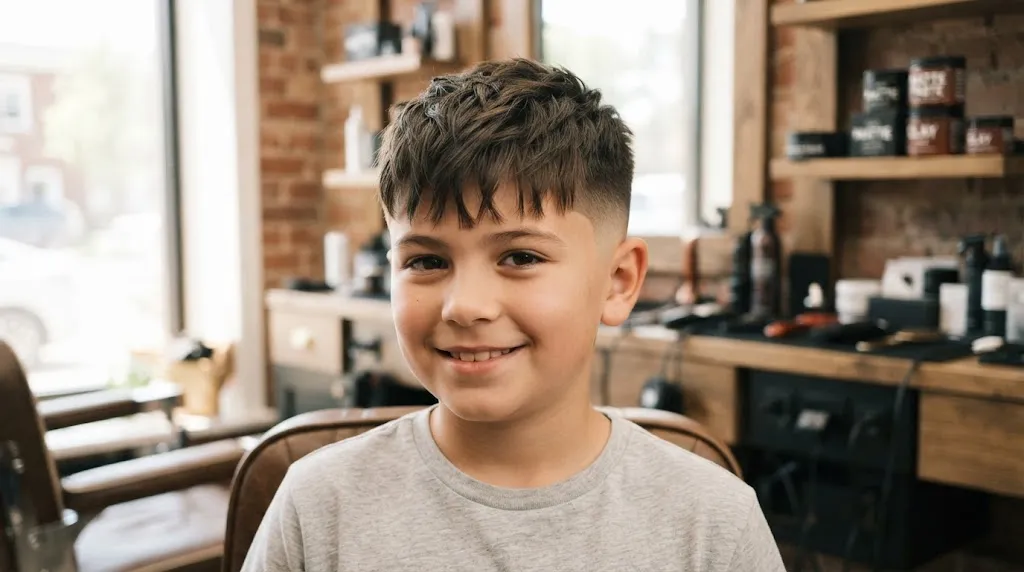
The textured crop features short, clipped sides paired with a choppy, forward-directed top that creates natural movement without needing heavy pomades. This shape flatters round and oval face shapes by adding vertical illusion through height on top while keeping the sides visually slim. It works exceptionally well for school settings because the fringe stays controlled and requires minimal morning adjustment.
Straight, wavy, or slightly coarse hair types measuring two to three inches on top hit the sweet spot for this cut. It performs reliably for active kids involved in sports since sweat-resistant matte styling products keep the top locked in place through physical activity.
Ask the barber for a blunt or point-cut fringe across the brow line, short tapered sides, and plenty of texture sliced into the crown using thinning shears or a razor.
Plan on scheduling a maintenance trim every three to four weeks to keep the side fades clean and the front fringe from dipping past the eyebrows.
Avoid heavy, high-shine gels that weigh down the choppy layers and cause the fringe to clump together flat against the forehead.
Low Taper Fade
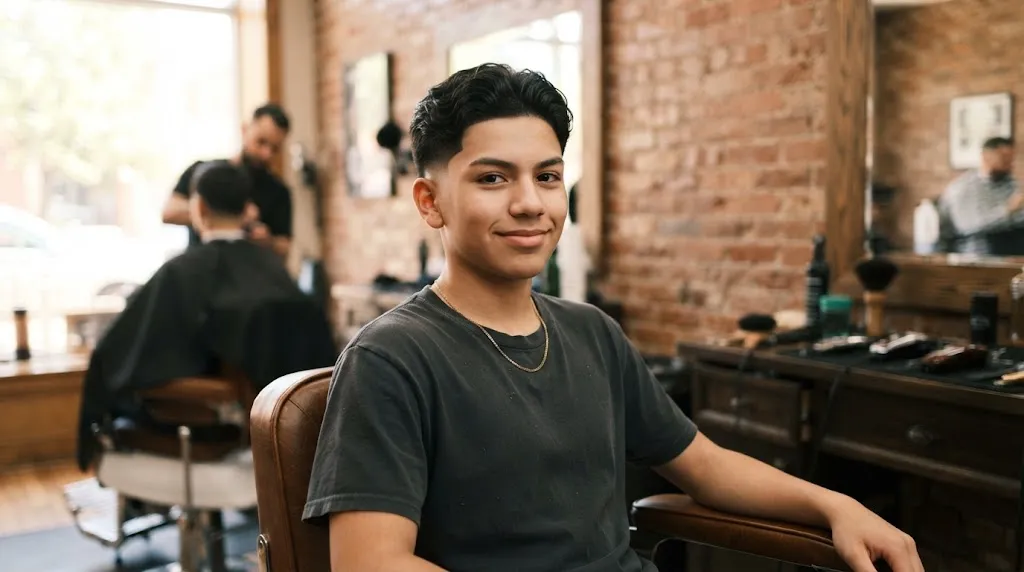
A low taper fade keeps length on top while gradually shortening the hair line around the sideburns and nape, stopping just above the ears for a clean, understated finish. Square and heart-shaped faces benefit most from this cut because the gradual fade softens sharp jawlines while maintaining structured volume on top.
Medium-length hair—ranging from three to five inches—offers enough versatility to slick back, part, or let fall naturally while showing off the precision of the tapered edges.
Request a low clipper guard that blends smoothly into the natural hairline, explicitly instructing the barber to leave the weight around the temples intact to maintain a balanced silhouette.
Refresh the neckline and sideburn areas every two weeks to maintain the sharp contrast of the taper between full haircuts.
Avoid taking the fade too high up the head on younger boys, as an aggressive high fade can throw off facial proportions and grow out awkwardly.
Buzz Cut
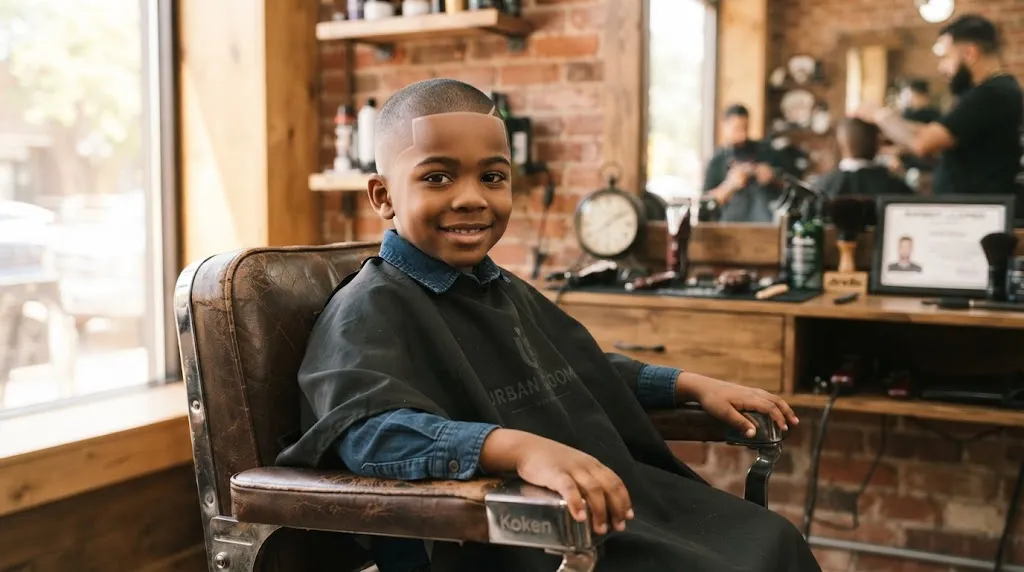
The buzz cut relies on an all-over uniform length clipped close to the scalp, offering maximum breathability and zero daily styling requirements. Oval and diamond face shapes pair best with this cut since balanced facial structures handle exposed skin and close crops without needing hair to frame the features.
Fine, thick, or straight hair types all adapt effortlessly to this low-maintenance style, making it a favorite for hot summer months or swimming season.
Specify the desired clipper guard number—such as a number two on top with a number one on the sides for a slight contrast—and insist on crisp, clean edge-ups around the ears and neck.
Expect to visit the barber every two to three weeks to keep the hairline sharp and prevent the uniform length from looking fuzzy as it grows out.
Avoid attempting a DIY buzz cut without the proper guard attachments or a steady hand around the ears, as uneven patches require shaving down much shorter to fix.
French Crop
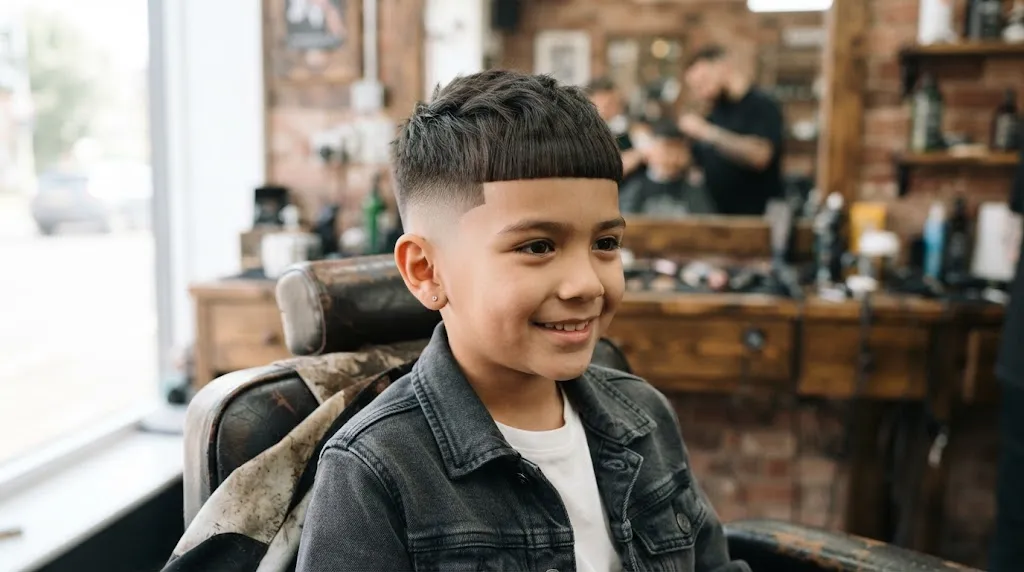
The French crop resembles a standard crop but distinguishes itself with a sharply defined, horizontal blunt fringe paired with tight, short sides. Rectangular and oblong face shapes find great balance here because the straight-across fringe visually shortens a longer forehead.
Straight and slightly wavy hair types measuring about two inches on top provide the ideal density to hold that signature blunt line without splitting apart.
Instruct the barber to clip the sides short with a consistent fade and cut the top straight across the forehead using point-cutting techniques to remove bulk while keeping the edge sharp.
Schedule upkeep visits every three weeks to prevent the blunt fringe from growing down past the lash line and losing its architectural shape.
Avoid using oily pomades that cause the structured front line to separate and look greasy rather than matte and clean.
Curly Crop (Curly Top with Faded Sides)
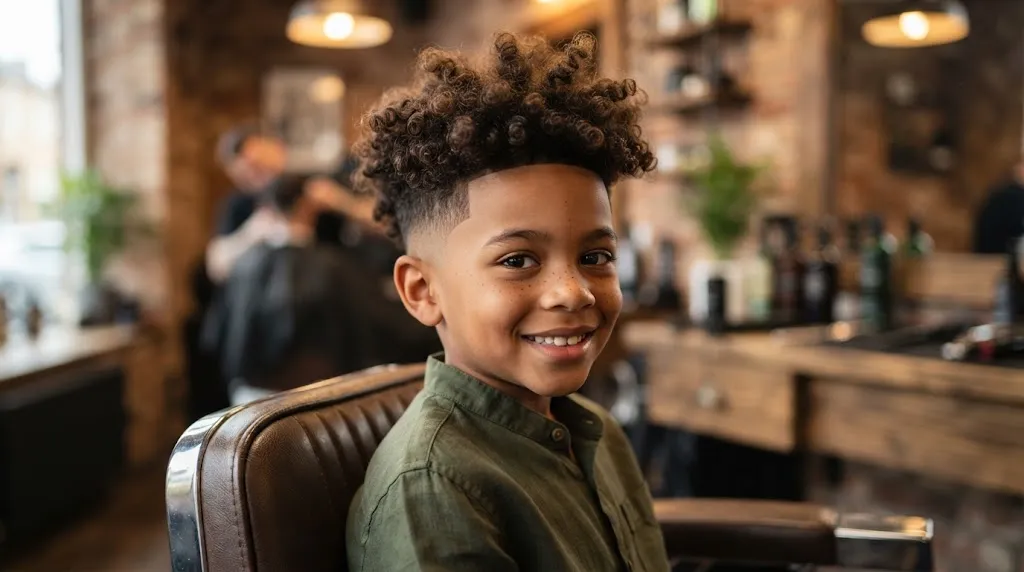
The curly crop harnesses natural coils by keeping volume and bounce concentrated on the crown while keeping the sides and back cleanly faded. Round and diamond face shapes look fantastic with this cut because the height from natural curls adds vertical length while the tight sides slim the cheeks.
Naturally curly or coily hair types ranging from type 3A to 4C thrive under this style, transforming unruly morning tangles into a deliberate, stylish shape.
Ask the barber to shape the curls into a rounded silhouette on top and drop the fade low around the occipital bone to complement the natural curve of the head.
Book a cleanup every three to four weeks to preserve the contrast between the springy curls and the faded skin below.
Avoid dry brushing curly hair when styling, as this creates unwanted frizz; instead, define the shape with a lightweight curl cream while damp.
Modern Mullet

The modern mullet balances short, textured layers on top and sides with a tapered, flowing length at the back that avoids the extreme contrast of vintage styles. Heart and oval face shapes wear this look well because the tapered length at the nape softens a narrow chin while keeping the temples neat.
Wavy or straight hair with medium density provides the best foundation, allowing the back section to flow naturally without sticking straight out.
Request a textured, choppy top that blends into mid-length sides, leaving the back section thinned out and tapered rather than bulky or square.
Trim the edges and clean up the neckline every four weeks to keep the style looking intentional rather than accidentally overgrown.
Avoid neglecting the back section; letting the nape hair grow unchecked leads to heavy weight buildup that ruins the modern tapered silhouette.
Undercut
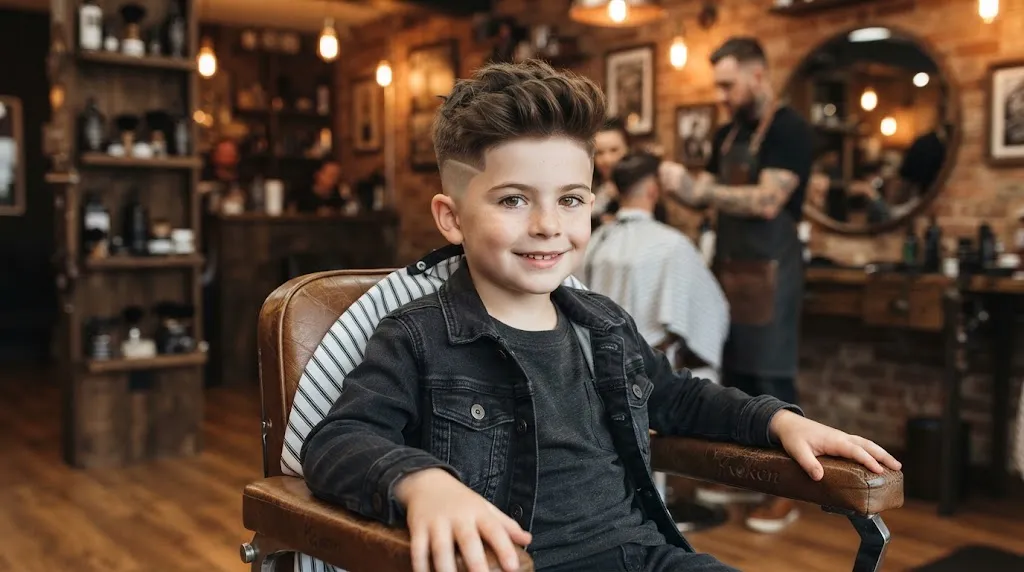
The undercut creates a dramatic contrast by leaving the top section long while shaving or clipping the sides and back extremely short without a gradient fade. Square and round face shapes benefit from the sharp vertical lift on top, which draws the eye upward and slims the overall head shape.
Straight or slightly wavy hair measuring at least four inches on top is necessary to achieve the sweeping or slicked-back look required for this cut.
Instruct the barber to create a hard disconnection line where the long top meets the shaved sides, keeping the transition sharp rather than blended.
Maintain the shaved sides every two weeks to prevent fuzzy hair growth from softening the intended high-contrast look.
Avoid leaving the top too heavy without adequate layering, as unsupported weight will cause the hair to collapse sideways instead of holding its shape.
Classic Side Part

The classic side part relies on a clean parting line that sweeps hair neatly to one side, offering a timeless, formal appearance suitable for school pictures or special events. Oval and square face shapes match exceptionally well with this structured style because the clean side sweep complements natural bone symmetry.
Straight, fine, or medium hair types between three and four inches long provide the necessary tractability to lie flat without stubborn cowlicks fighting the part.
Ask the barber for a traditional scissor cut on top with tapered sides, requesting a defined part line etched in only if an easier morning routine is desired.
Schedule trims every four weeks to keep the clean perimeter around the ears and neck looking sharp.
Avoid heavy, stiff gels that freeze the hair into a helmet-like shell, which strips away the natural movement that makes this cut look modern.
Two Block
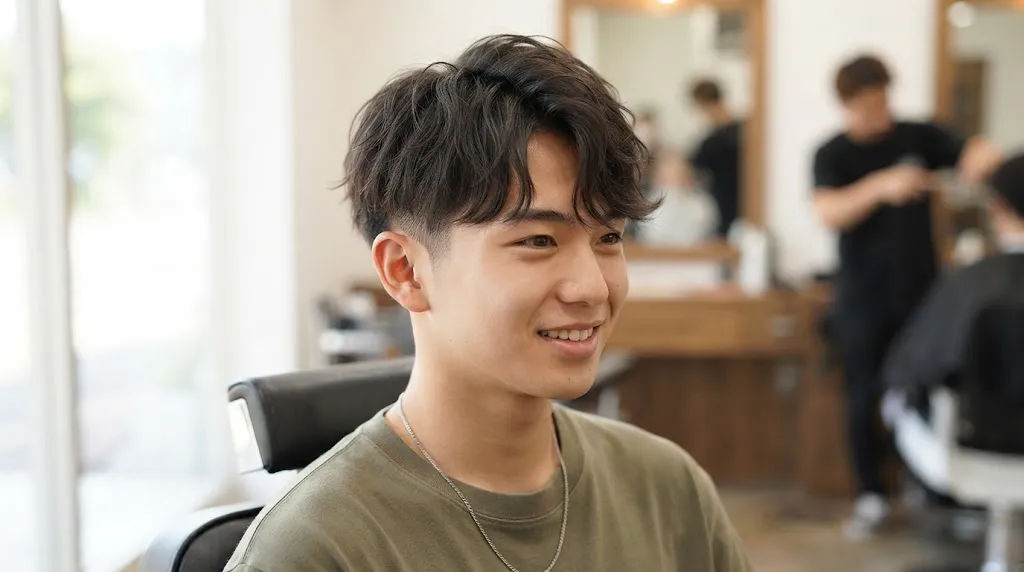
The two block haircut features disconnected, trimmed lower sections beneath a fuller, layered upper section that falls naturally around the ears and brow. Round and heart-shaped faces look well-proportioned with this cut because the layered top softens sharp angles while the neat lower blocks keep the sides compact.
Straight or slightly wavy hair types with medium thickness provide the ideal weight and fall for this Korean-inspired aesthetic. For deeper Korean-style inspiration, check out this guide on Korean boy hairstyles.
Instruct the barber to clip the lower back and sides short while keeping the upper section heavy, layered, and free of harsh thinning shears.
Plan for a maintenance cut every three to four weeks to keep the lower block from growing out over the ears and destroying the disconnected structure.
Avoid cutting the top layer too short; the entire style relies on the upper section having enough length to drape softly over the shorter lower base.
Box Cut
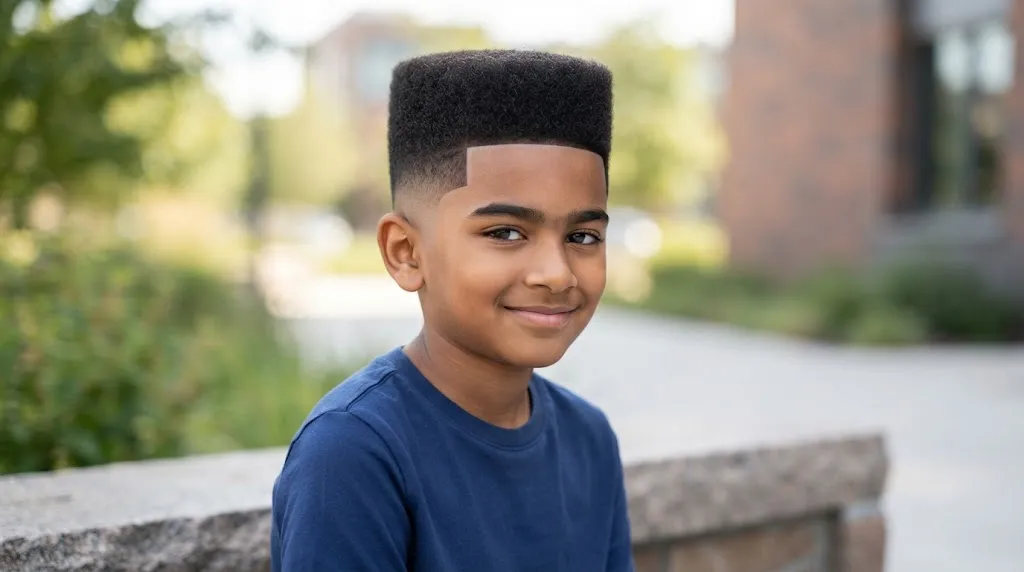
The box cut structures coily or tightly textured hair into a distinct, flat-topped geometric shape with sharply defined vertical corners above tapered or faded sides. Oval and round face shapes wear this style exceptionally well, as the vertical height and flat top create striking structural balance.
Tightly coiled or afro-textured hair types work best here, as this hair texture possesses the natural structural density required to stand upright without collapsing. For a full dedicated breakdown, take a look at the details in this box cut hairstyle guide.
Ask the barber for precise structural work on the flat top, ensuring the corners are squared evenly before blending the lower sides into a clean taper or skin fade.
Schedule maintenance visits every two to three weeks to keep the flat top level and the corner edges razor-sharp.
Avoid using weak-hold styling sprays that fail to support the vertical weight, which causes the flat top to lean or lose its crisp geometric shape.
Faux Hawk
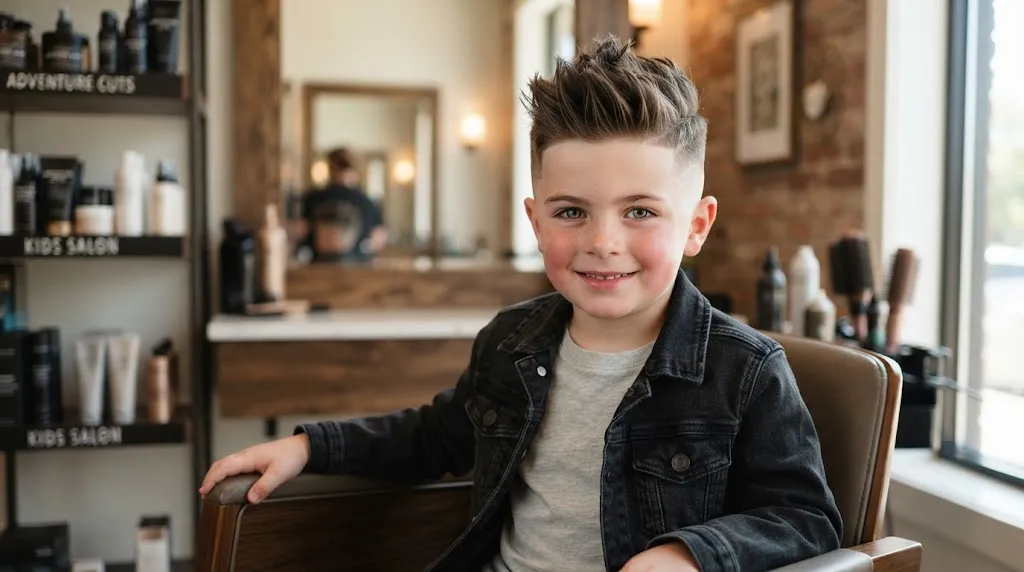
The faux hawk emulates the edgy look of a traditional mohawk by pushing the center section of hair upward into a ridge while keeping the sides neatly tapered rather than shaved bare. Round and square face shapes benefit from this style because the central height draws focus upward, elongating the face.
Straight, wavy, or thick hair types measuring two to four inches on top provide enough stiffness and body to hold the center ridge upright.
Request a short taper on the sides and back, leaving a longer strip of textured hair down the center of the head from the forehead to the crown.
Plan on a trim every three to four weeks to maintain the neatness of the side taper so the faux hawk does not blur into an overgrown mess.
Avoid using excessive amounts of sticky wax, which can cause the center strip to clump into stiff spikes reminiscent of older trends rather than a smooth, modern ridge.
Man Bun for Boys (Long-Hair Option)

The man bun for boys gathers all long hair into a single secured knot at the crown or back of the head, keeping long locks manageable during active days. Oval and heart face shapes suit this style well, as pulling the hair back highlights strong cheekbones and jawlines.
Straight, wavy, or curly hair types that have grown to a length of at least six inches provide enough slack to gather comfortably into a tie without pulling tightly on the scalp.
Ask the stylist or barber to clean up split ends regularly and taper the neckline slightly if a semi-undercut variation is desired to keep the nape cool.
Visit the salon or barber every six to eight weeks for light dusting of the ends to prevent breakage and split ends from traveling up the hair shaft.
Avoid tying the bun too tightly with tight rubber bands, which causes tension breakage along the hairline and can lead to discomfort over long periods of wear.
School vs. Special Occasion: Choosing by Situation
Balancing a daily classroom routine with weekend celebrations requires a flexible approach to grooming. Everyday cuts demand low maintenance and clean lines that survive backpacks, sports, and early mornings. Weekend styles lean into sharper finishes and more defined shapes that call for extra minutes in front of the mirror.
Best School-Appropriate Styles
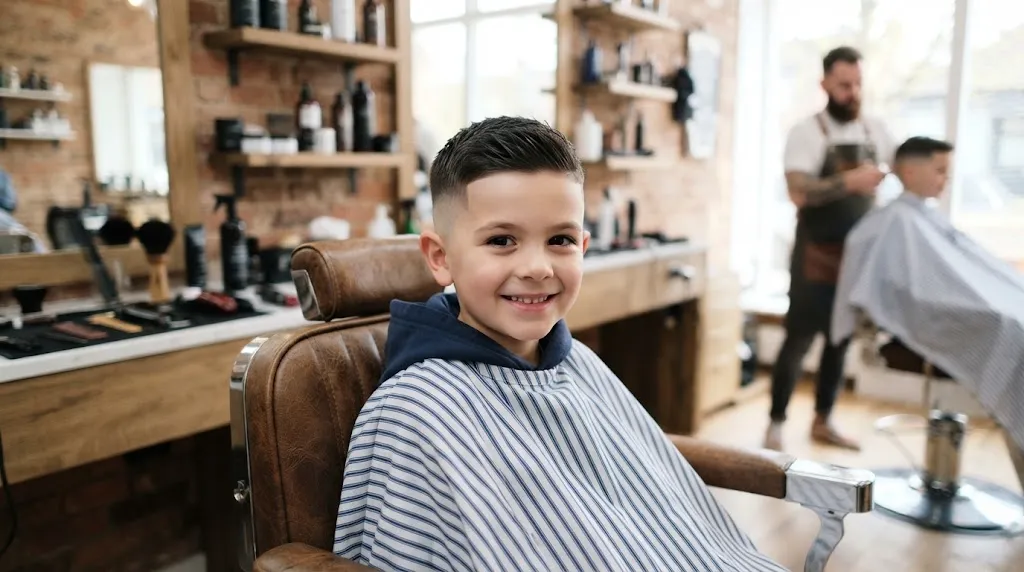
Low-fade crops and classic side parts stand out as the most reliable choices for daily classroom wear. These cuts keep the sides and back tidy, minimizing distractions and meeting standard dress codes while requiring minimal morning effort. A textured crop relies on short, choppy layers on top that fall naturally forward, needing only a dime-sized amount of a matte paste to look put-together before the school bell rings. Side parts offer a neat, structured silhouette that stays secure throughout active school days without requiring heavy gels or stiff lacquers.
Best Styles for Parties & Special Events

Special occasions and family milestones open the door to sharper, more polished looks like structured slick-backs or modern quiffs. These options use natural volume and defined direction to create a striking contrast that looks great in photographs. Achieving this finish typically involves a blow-dryer to direct the hair into place, followed by a medium-hold styling clay or a lightweight pomade to lock the shape without weighing the strands down. While these cuts need more upkeep and precise styling, they elevate a standard outfit instantly for weddings, holidays, or formal gatherings.
Hair Care Routine for Boys
Washing & Conditioning Frequency

Keeping a boy’s hair healthy starts with striking the right balance between cleanliness and natural oil retention, which varies significantly by hair texture and daily activity level. Straight or fine hair typically needs washing three to four times a week to manage scalp sebum without stripping it completely, whereas thick, coarse, or curly hair benefits from washing just once or twice a week to prevent severe dryness and frizz. On non-washing days, a thorough rinse with plain water helps clear away sweat and light dust from school or sports without disrupting moisture balance. Conditioning should follow most wash days for medium-to-long styles or curly textures to maintain softness and manageability, while very short buzz cuts often require little to no conditioner since natural oils reach the scalp and ends easily.
Styling Products by Hair Type

Selecting the correct styling product depends entirely on how a specific hair type naturally behaves, ensuring hold without weighing the strands down or causing buildup.
Straight and fine hair: A lightweight styling paste or low-hold texturizing cream works best to add natural movement and subtle control without making fine strands look greasy or flat.
Thick and straight hair: A medium-to-firm hold matte clay or pomade provides the necessary structure to keep stubborn cowlicks or volume-heavy cuts in place throughout a long school day.
Wavy and curly hair: A hydrating curl cream or a light-hold styling foam defines natural wave patterns and tames frizz while maintaining flexibility and bounce.
Coarse or tightly coiled hair: A rich leave-in conditioner paired with a small amount of nourishing styling butter keeps the hair moisturized and makes detangling much smoother.
How Often to Get a Trim
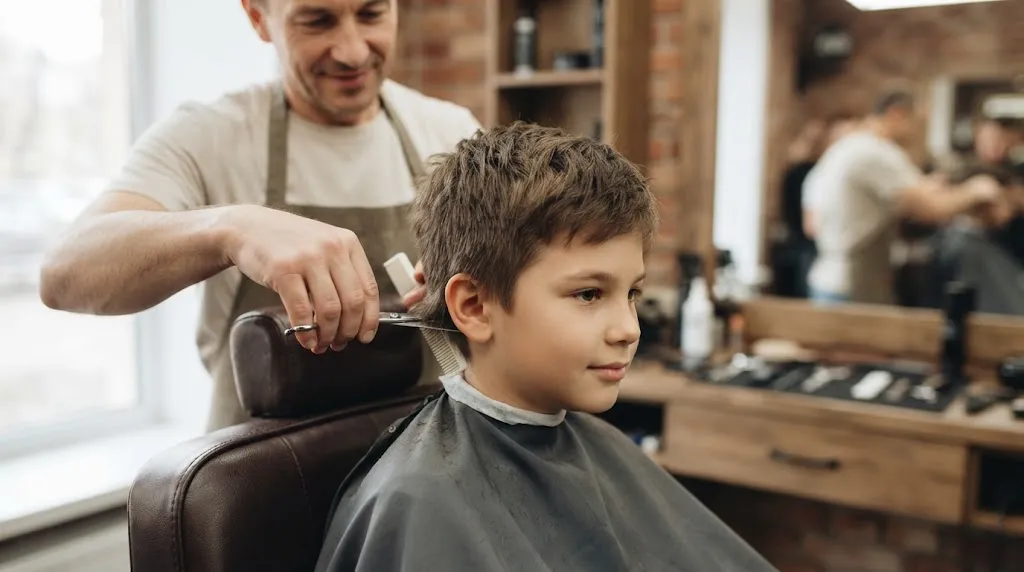
Maintaining a clean, intentional shape requires scheduling a professional haircut every three to four weeks for short styles like fades, tapers, and buzz cuts. Medium-length cuts, such as textured crops or layered styles, can typically stretch to six or eight weeks between visits because minor growth does not alter the overall silhouette as rapidly. Bangs or fringes usually need a quick cleanup right around the four-week mark to keep hair out of the eyes during classroom work and sports activities. Regular maintenance trims also split ends off before they travel further up the hair shaft, keeping the hair looking healthy and neat with minimal daily effort.
Common Parent Concerns & Practical Fixes
My Son Refuses to Change His Hairstyle — What Now?
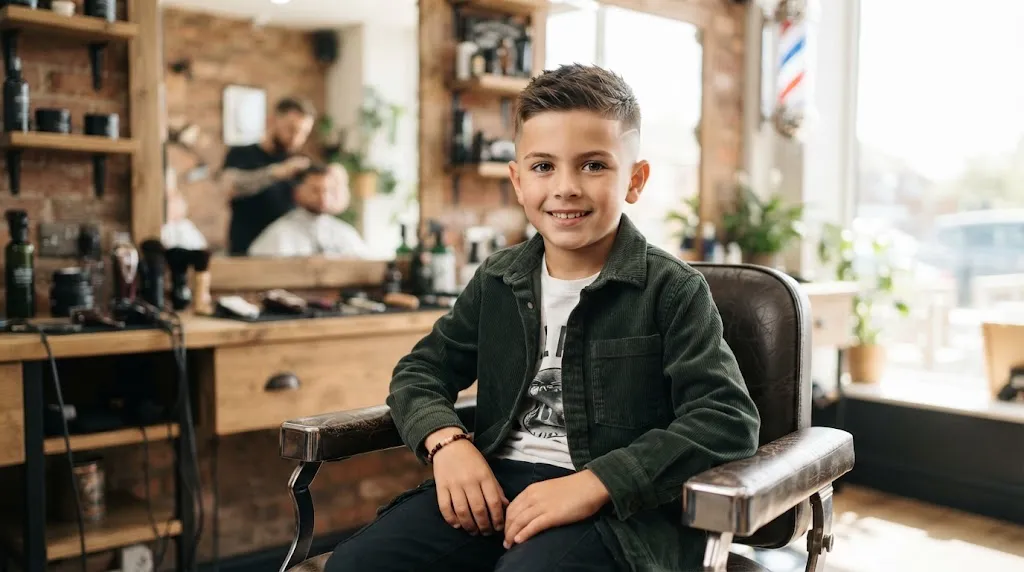
Getting pushback on a haircut usually happens when a boy feels like he has zero say over his own appearance. Instead of turning a trip to the barbershop into a battle of wills, look at a few pictures together beforehand and let him pick between two options you both approve of. Giving him control over a specific detail—like keeping a little extra length on top or choosing how the sides are faded—turns a frustrating conflict into a cooperative decision.
Managing Haircut Anxiety in Younger Boys
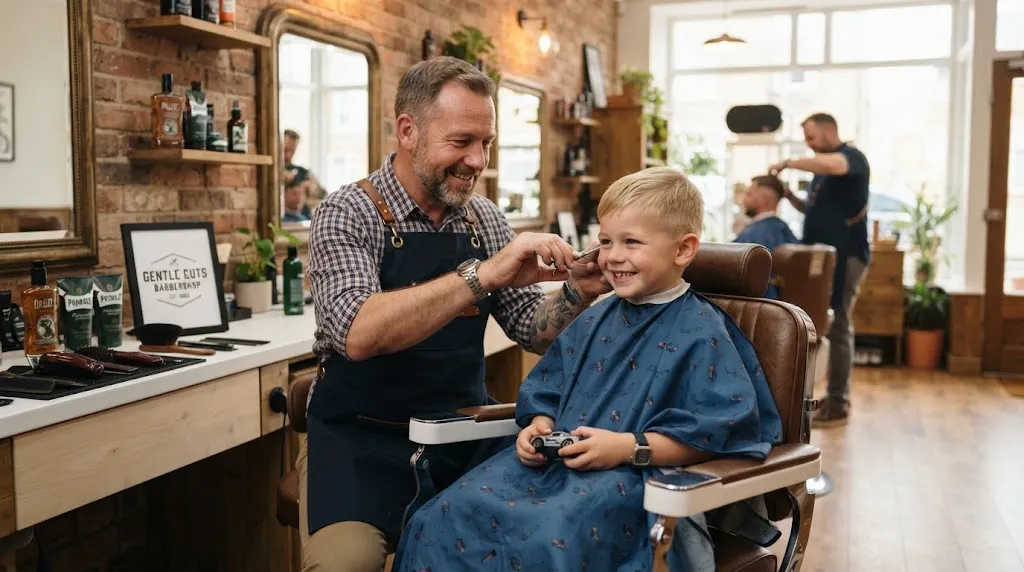
Clippers buzzing near the ears and unfamiliar environments can easily overwhelm younger kids. Booking appointments during slower hours helps cut down on the noise and frantic pace of a busy weekend shop. Asking the barber to use scissors instead of loud electric clippers for the first few passes also makes the experience much calmer. Bringing a favorite tablet or handheld game gives him something steady to focus on while the work gets done.
Touch-Up Tips Between Barber Visits
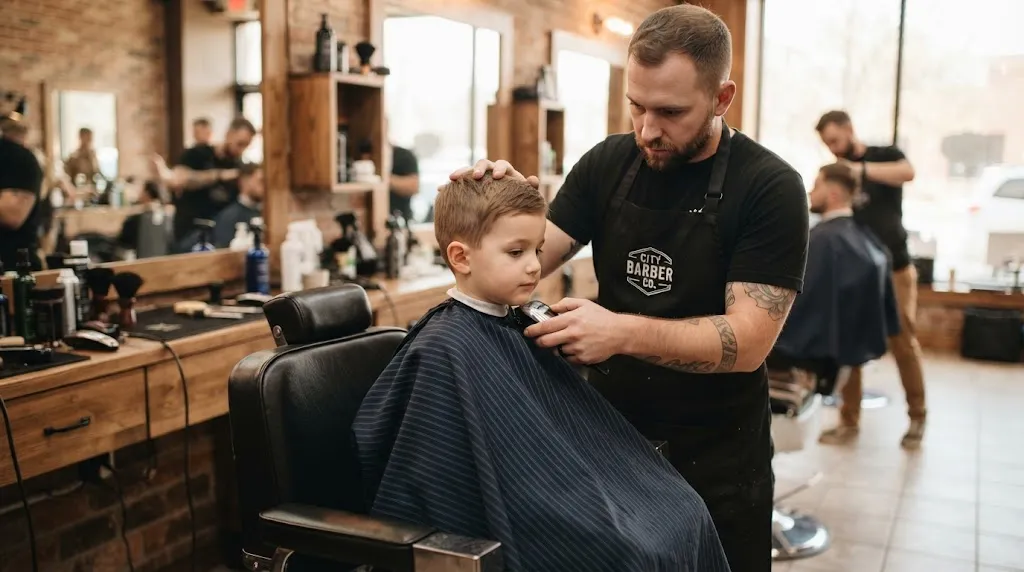
Hair grows unevenly around the neck and ears long before a full haircut is actually due. A quick clean-up with a fine-toothed comb and small grooming scissors can easily stretch the time between professional visits by a couple of weeks. Focus solely on stray hairs below the hairline on the neck rather than trying to fix the shape around the ears at home, which is much harder to balance evenly.
Hairstyles That Work for Both School and Sports

Active boys need cuts that stay out of their eyes during practice and still look neat for the classroom the next morning. A textured crop or a short, low-maintenance side part handles sweat and helmets easily without requiring heavy styling products. A quick rinse with water and a tiny dab of matte clay resets the shape after soccer or basketball practice, keeping mornings simple and stress-free.
Why This Guide Is Different
Most haircut guides for boys rely on vague generalizations, recycling the same five generic styles without acknowledging that a cut sitting right on a seven-year-old rarely translates well for a sixteen-year-old. This guide skips the generic filler to focus on structural breakdowns tailored across distinct age brackets, factoring in how changing routines and school dress codes actually impact daily maintenance.
Dual-Matching Face Shapes and Hair Textures
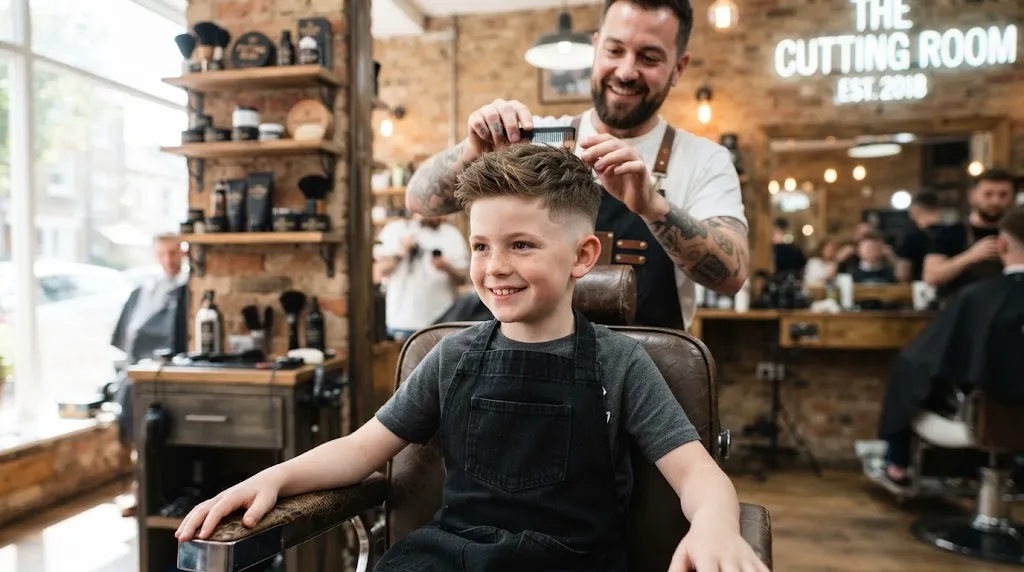
Hair styling fails most often when a cut ignores the interplay between natural hair growth patterns and bone structure. Round faces need height on top paired with tight sides to create an elongated silhouette, whereas angular square jaws benefit from softer texture through the fringe to balance sharp features. Fine, straight hair behaves entirely differently under product compared to thick, coarse, or tightly coiled curls, meaning a specific fade or crop requires precise adaptation to density and growth direction rather than a one-size-fits-all template.
Navigating Strict School Dress Codes
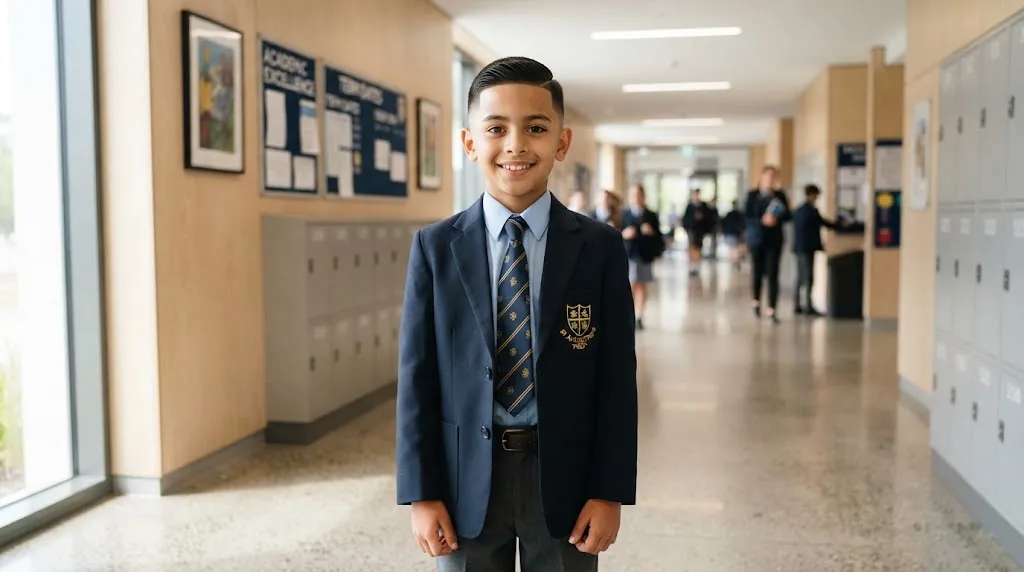
School policies introduce rigid constraints that rule out many trendy high-contrast fades or excessive length on top. Practical cuts must clear standard grooming regulations—such as keeping hair above the collar and off the ears—while still allowing enough versatility to look styled away from the classroom. Finding this balance prevents the frustration of investing in a fresh cut only to have a school administrator mandate a corrective trim the next morning.
Mastering Barber Communication
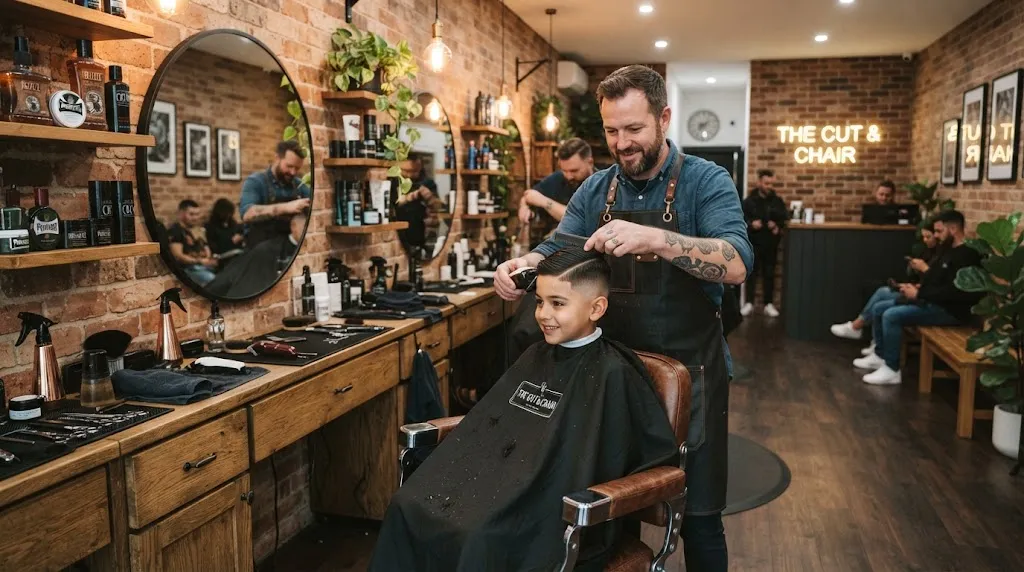
Vague requests like “a little off the sides” or showing a heavily filtered, heavily styled photo from social media often leave barbers guessing. Clear communication relies on specific terminology, such as requesting a specific clipper guard number, defining where the fade should drop or taper, and clarifying how much weight needs removal from the crown. Bringing clear reference points and knowing what questions to ask ensures the result in the chair matches the expectations at home.
The Evolution of Boys' Cuts
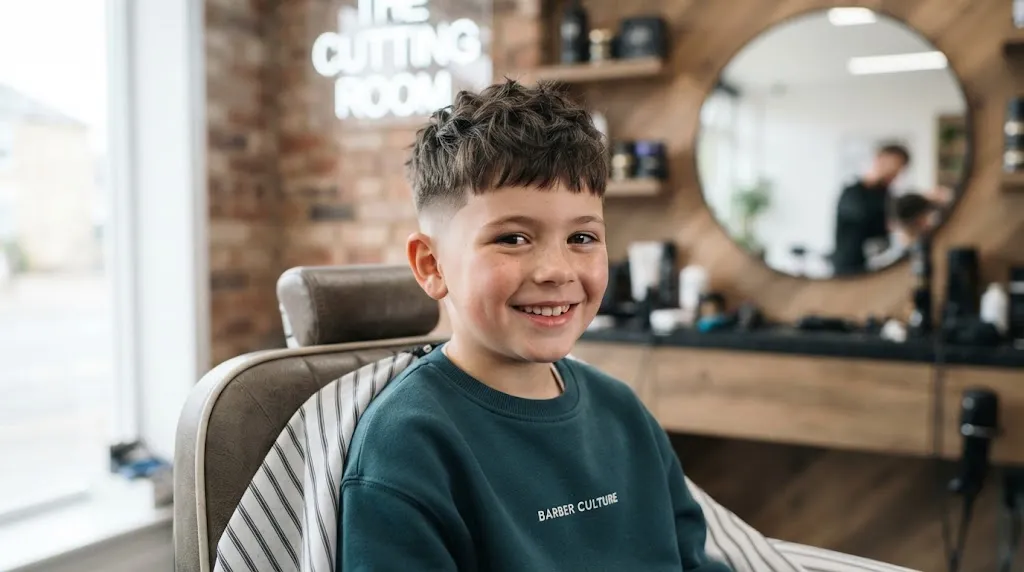
Trends have shifted noticeably away from rigid, high-shine pompadours and severe skin fades toward more relaxed, texture-forward shapes. Modern styling prioritizes natural movement, matte finishes, and low-maintenance upkeep that grows out cleanly over four to six weeks rather than requiring bi-weekly touch-ups to maintain its shape.
Frequently Asked Questions
What Hairstyles Were Popular in 2020?
Textured crops with high skin fades, classic side parts, and natural medium-length flows dominated the year 2020. Low-maintenance cuts that allowed natural movement took precedence over heavy, stiff pomade styling.
What Are the Top 10 Hairstyles for Boys?
Essential cuts include the low fade, textured crop, classic taper, slicked-back undercut, messy fringe, side part, buzz cut, curly top with faded sides, faux hawk, and natural medium flow. Selecting the right option depends heavily on individual hair density, wave patterns, and daily maintenance commitment.
What Are Some Popular Gen Z Hairstyles for Boys?
Curtained middle-part flows, messy textured fringes, and unstructured shaggy layers define modern Gen Z preferences. These styles lean away from rigid, high-maintenance structure in favor of a relaxed, effortless aesthetic.
What Are the Hottest Hair Trends for Boys in 2026?
Current trends emphasize vintage-inspired tapered fringes, soft textured layers, and low-maintenance mid-length movement that celebrates natural hair patterns. Heavy sculpting products have largely been replaced by lightweight texture clays and sea salt sprays.
What Are Some Cool Hairstyles for 10-Year-Old Boys in 2026?
Practical yet stylish choices for this age group include clean low tapers, textured mini-crews, and casual layered top cuts. These options easily survive school dress codes while requiring minimal morning upkeep.
What Is a Gen Z Haircut Called?
Frequently referred to as the middle part, curtain cut, or textured fringe, this style relies on loose, forward-falling layers or symmetrical face-framing sections. It channels a distinct 90s revival look updated with softer, blended sides.
What Is the Most Popular Teenage Boy Haircut Right Now?
Textured fringes paired with mid or low drop fades currently hold the top spot for teenagers. This cut provides a balanced contrast between clean, tight sides and a dynamic, touchable top.
What Is Type 4 Hair (Male)?
Type 4 hair features tightly coiled, highly textured strands that form distinct, sharp zigzag or corkscrew patterns. Because this hair texture naturally tends toward dryness, moisturizing leave-in conditioners and gentle detangling routines are essential for keeping it healthy.
What Are Some Good Haircuts for a 12-Year-Old Boy?
Classic taper fades, neat crew cuts, and short textured crops work exceptionally well for pre-teens balancing active lifestyles with school grooming standards. Each choice provides a sharp look that stays out of the eyes during sports and classroom activities.