
Medium Length Hairstyles for Men — Best Cuts, Styling & Barber Guide (2026)
What Is a Medium-Length Hairstyle for Men?
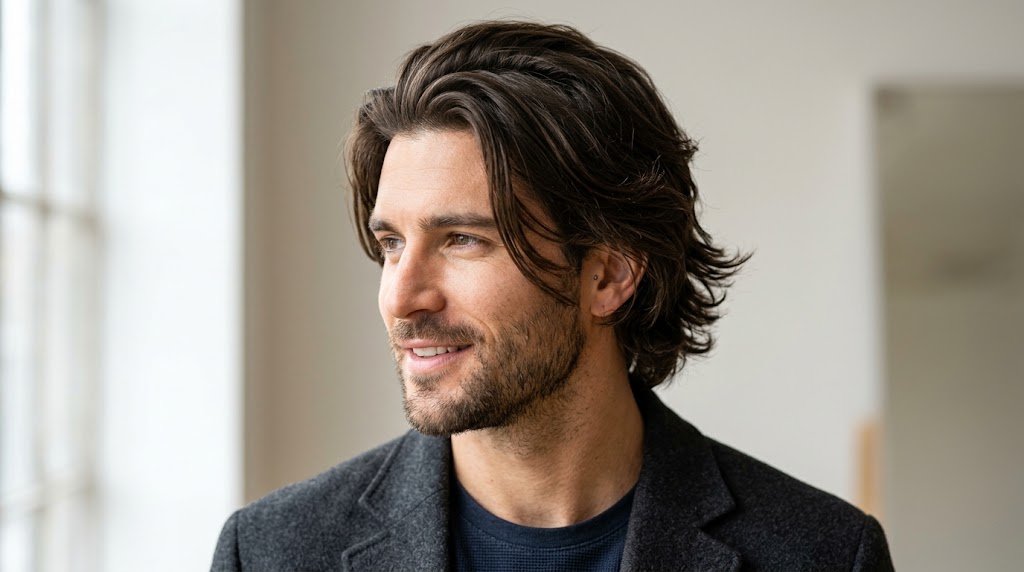
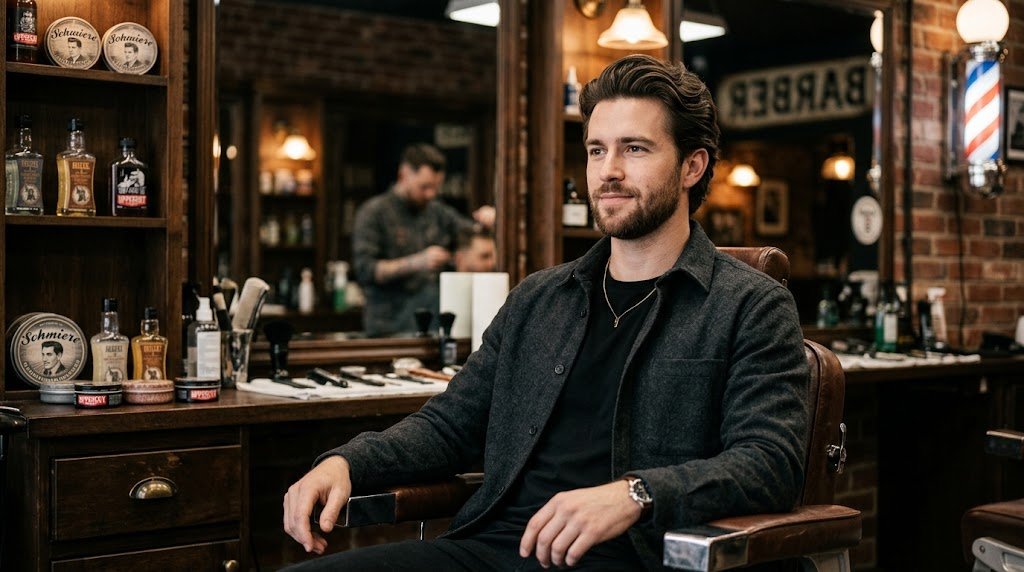
In practical barbering terms, medium length hairstyles for men sit in the sweet spot between 2 and 6 inches (5 to 15 cm) of hair on top.
If your hair barely covers your top scalp and needs no directional control, it’s short. Once hair reaches 2 inches, it gains weight and gravity takes over—requiring intent, product, or directional drying to control. Past 6 inches, hair hits the chin or shoulders, shifting into long-hair maintenance territory like tie-backs and split-end prevention.
Understanding where your hair falls on this spectrum dictates both your styling approach and your product selection:
2 to 3 Inches (Lower Medium): Highly responsive to lightweight clays or low-shine pastes. This length easily holds volume and structure without falling flat under its own weight. It works exceptionally well as low maintenance mens medium hairstyles or textured crops.
3 to 5 Inches (True Medium): The traditional range for classical slick-backs, textured quiffs, modern mullets, and side parts. At this length, hairstyles for men with thick hair start requiring a heavier blow-drying setup (like a pre-styler and vented brush) to train the direction before applying a finishing product.
5 to 6 Inches (Upper Medium): Reaching the bridge into medium long hair men territory. Hair at this length begins falling naturally past the eye line or tucking behind the ears. It demands higher-density hold or flexible sea salt sprays to keep thick straight hair men or medium length wavy hairstyles for men from looking unruly.
The true indicator of a medium haircut isn’t just a ruler measurement—it’s weight and movement. Short hair holds its own shape structurally. Medium hair requires you to manage its natural fall, density, and flow through proper haircutting techniques (like point-cutting to strip out weight) and targeted styling routines.
To explore options across all length categories and textures, check out our comprehensive hairstyles & haircuts directory.
How to Know If Medium Length Suits You
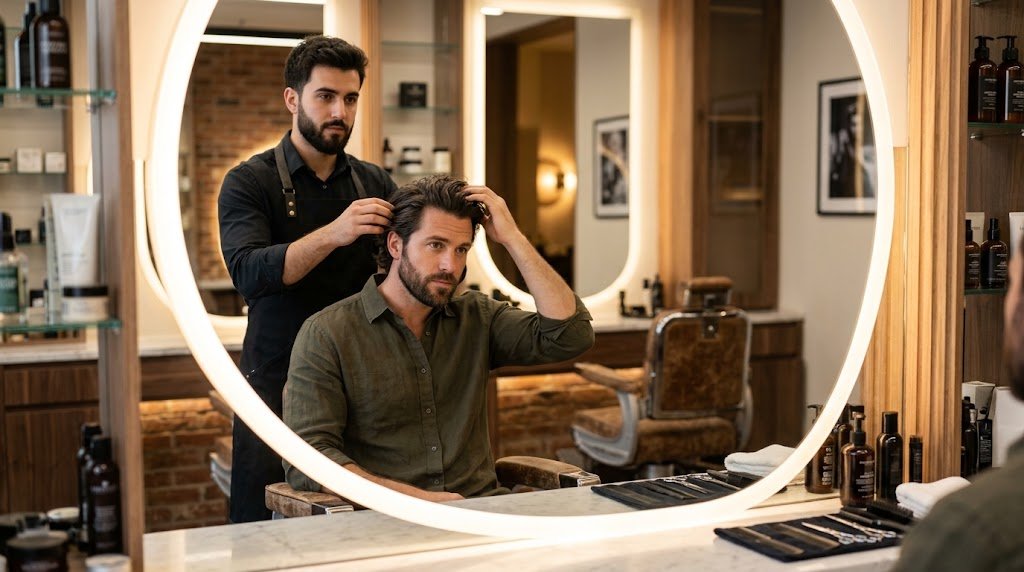
Medium-length hair acts as a frame for your entire head. Unlike ultra-short fades that focus purely on face shape, medium hair introduces bulk, texture, and movement—meaning your natural hair density and growth patterns play just as big a role as your bone structure.
By Hair Type

Straight Hair: Straight hair medium length haircuts rely on internal layering and weight removal. Without texture, straight hair falls flat under its own weight or sticks straight out on the sides if cut too short. If you’re managing thick straight hair men often struggle with a blocky, helmet-like look—your barber must use point-cutting or thinning shears through the interior to create sliceable separation.
Thick & Dense Hair: Hairstyles for men with thick hair benefit hugely from medium length because the weight actually works to control the hair once it passes 3 inches. However, density requires debulking. If your hair pushes clippers away or stays wet for hours, focus on styles that channel volume back and off the face rather than wide out to the sides.
Wavy Hair: Medium length wavy hairstyles for men are arguably the easiest to style. Waves natural bend gives built-in structure, volume, and movement that straight hair has to fake with blow-dryers. The key is keeping hair hydrated so the waves clump neatly instead of turning into frizzy bulk.
Curly Hair: Curly hair shrinks significantly as it dries—often by 30% to 50%. A 5-inch curl might sit at 2.5 inches visually. Medium length on curls requires cutting while dry to gauge actual length, keeping the weight heavy enough to pull curls downward into a controlled shape.
Fine or Thin Hair: Fine hair at medium lengths easily reveals the scalp if layered too aggressively. Keep the perimeter lines sharp and ask for light texturizing only on the tips. Lightweight products like sea salt spray or matte powders add visual diameter to each strand without weighing the root down.
By Face Shape
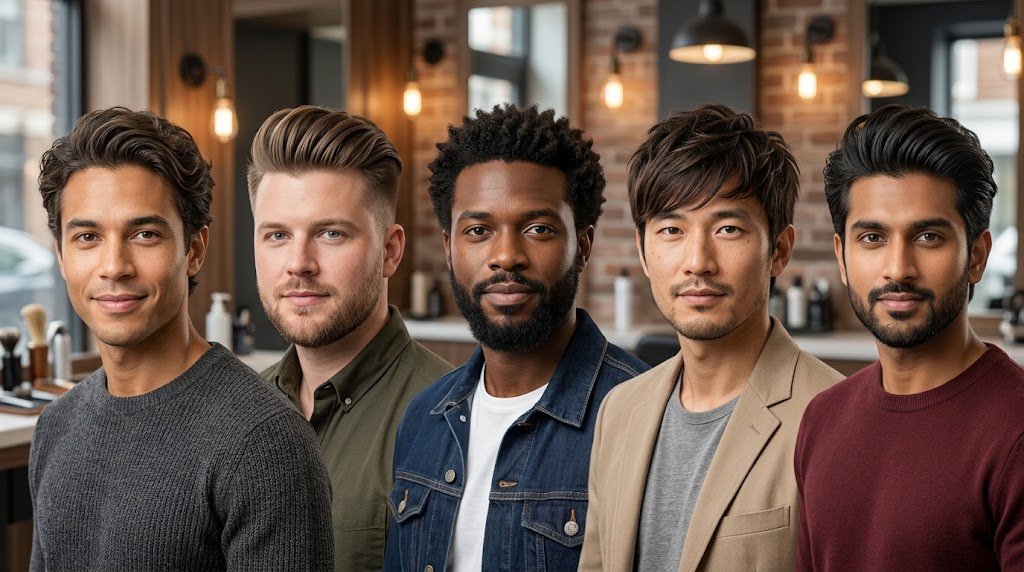
Oval: The most forgiving shape. Almost all medium length hairstyles men pick will work because your proportions are balanced. Watch out only for styles that pull too far forward and cover your forehead completely, which hides your facial symmetry.
Round: Your goal is to add vertical height while keeping the sides slim. Opt for high-volume quiffs, brush-backs, or pompadours. Avoid wide side-swept styles or chin-length cuts that add horizontal bulk near the cheeks.
Square: Strong jawlines pair effortlessly with medium hair. You can wear soft, messy textures to tone down harsh angles, or slicked-back styles to emphasize them. Keeping 3 to 4 inches on top with slightly tapered sides balances the natural width of your jaw.
Long / Oblong: Avoid excessive height on top, which stretches your head further. Instead, go for side parts, relaxed bro flows, or medium long hair men styles that allow hair to fall slightly over the forehead and sweep sideways, adding width across the temples.
Heart: Wider at the forehead and narrow at the chin. Choose styles with movement that fall past the cheekbones or a mid-length fringe that breaks up forehead width. Avoid high, tight slick-backs that expose the wider upper third of your face.
Quick Decision Table
| Hair Type | Face Shape | Best Medium Style | Why It Works |
|---|---|---|---|
| Thick / Straight | Round | Textured Quiff with Taper | Adds height to lengthen face; texturizing removes heavy bulk. |
| Wavy | Oval | Mid-Length Bro Flow | Complements natural movement without distorting proportions. |
| Fine / Straight | Square | Classic Side Part | Gives clean structure without exposing scalp; frames strong jaw. |
| Thick / Wavy | Heart | Messy Fringe / Curtain Hair | Softens forehead width and creates volume around cheek level. |
| Curly | Long | Low-Drop Taper + Curly Top | Keeps height low to avoid lengthening face; holds tight shape. |
Best Medium Length Hairstyles for Men

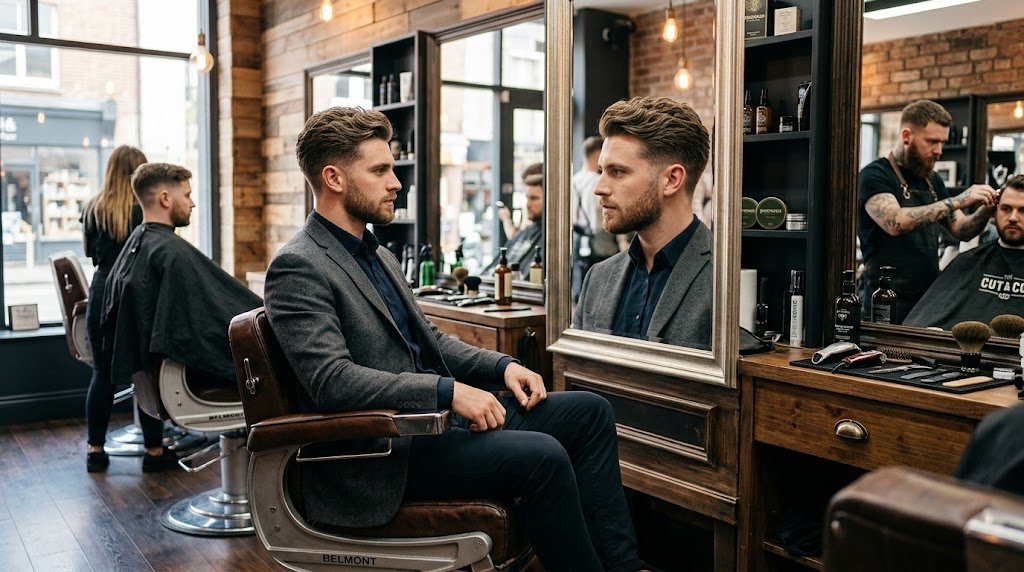
Medium length hair offers the ultimate balance between versatility and manageable maintenance. Here is a visual guide to the top medium hairstyles across every category, including who each cut suits best.
Classic Side Part

Low Maintenance (Every 12–16 Weeks): Long, soft “U-shape” or “V-shape” cuts with long, blended interior layers require minimal upkeep. Because the perimeter grows out evenly without losing shape, you only need routine dustings to clear out split ends.
Medium Maintenance (Every 8–10 Weeks): Long layered cuts featuring curtain bangs or soft face-framing sections require moderate upkeep. While the back length grows gracefully, the front framing needs occasional trims to stay at optimal cheekbone or jawline height.
High Maintenance (Every 6–8 Weeks): Long styles paired with full, blunt bangs, heavy face-framing layers, or highly sculpted internal texturizing require regular upkeep to keep fringe out of the eyes and maintain the precise silhouette.
Best Haircuts for Girls with Long Hair (2026 Edition)
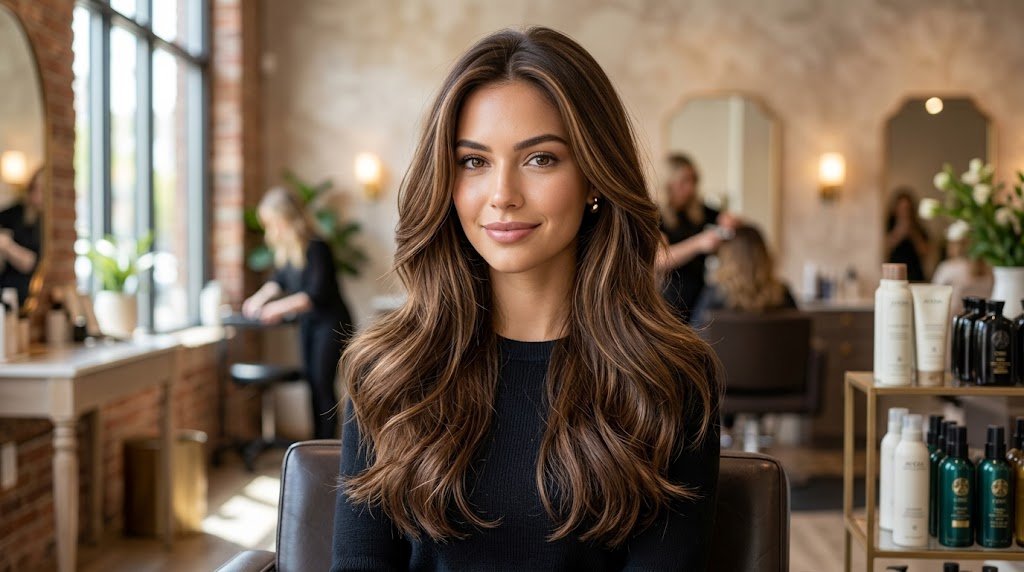
Finding the right long haircut comes down to balancing length with movement. Long hair can easily weigh itself down, resulting in flat roots and lifeless ends if it isn’t shaped with intent. The top trending long hairstyles focus on strategic layering, weight removal, and face-framing techniques that add dimension while keeping your length intact.
1. Classic Taper Fade
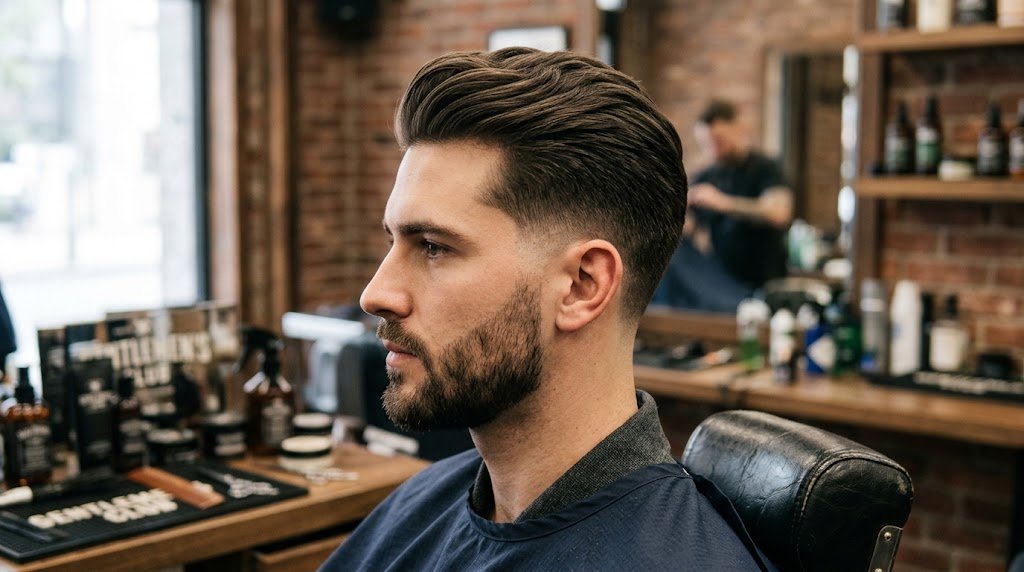
1. Classic Taper Fade A timeless staple featuring 2 to 4 inches of length on top that gradually transitions into shorter hair down the sides without exposing bare scalp. It provides a clean, executive line while preserving enough length up top for basic finger-styling or a quick side sweep.
Best for: Straight or wavy hair; round, oval, and square face shapes.
2. Modern Side Part
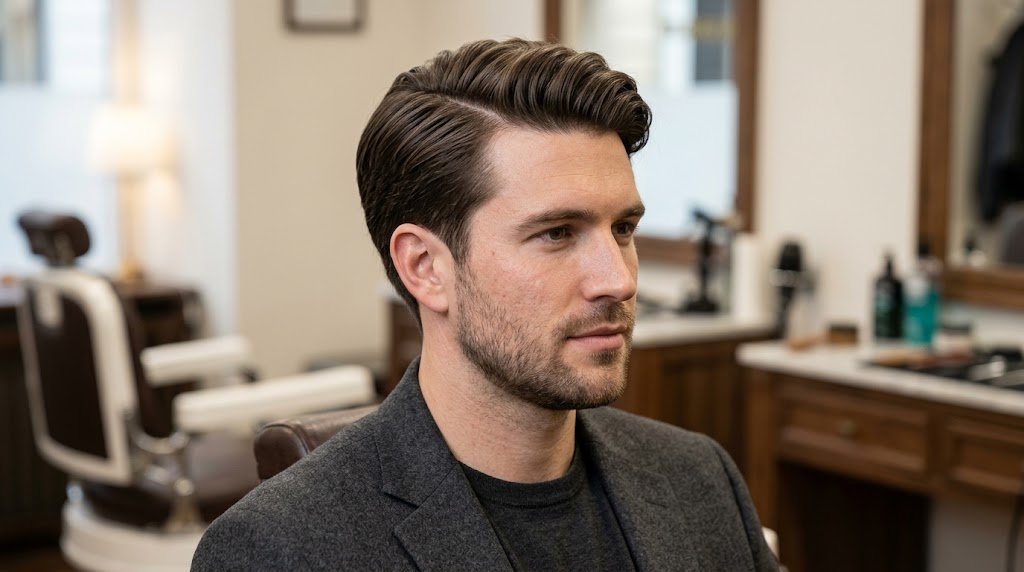
This variation relies on a clean scissor-cut perimeter and a natural part line dictated by your scalp’s growth pattern rather than a hard shaved line. It gives a sharp, structured silhouette that transitions effortlessly from corporate settings to casual weekends.
Best for: Thick straight hair men; oval and heart-shaped faces.
3. Natural Slick Back
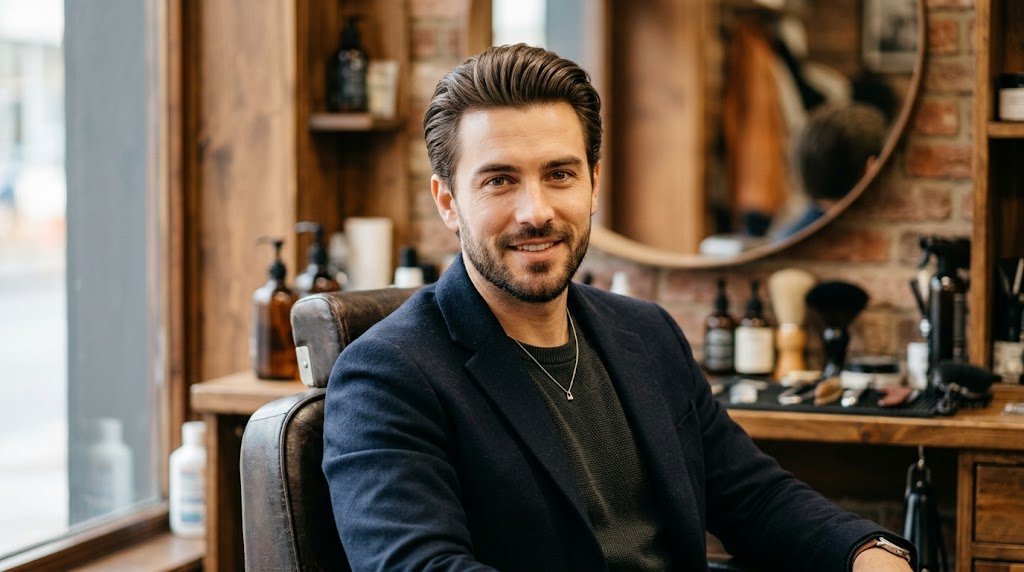
Unlike the rigid, wet-look greasy styles of past decades, the modern slick back uses 4 to 6 inches of top length combed straight back with flexible hold, allowing subtle movement and natural texture. It keeps hair off the face while showcasing hair density.
Best for: Straight hair medium length haircuts; rectangular and oval faces.
4. Low-Fade Comb Over
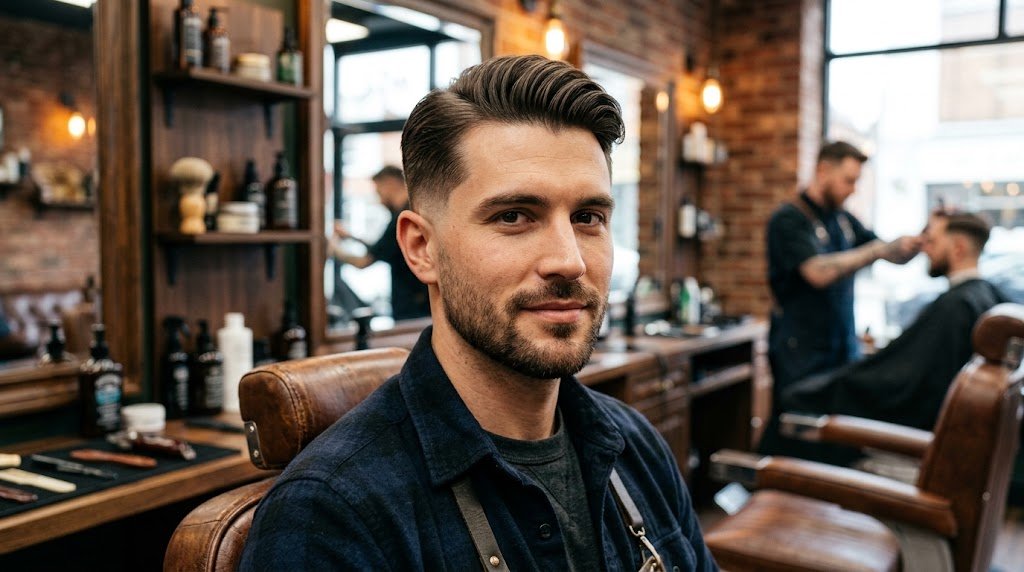
Featuring length swept diagonally across the crown, this cut uses a low taper to keep the sides controlled while maintaining density up top. It balances volume across the upper third of the head without creating harsh contrast.
Best for: Medium-density straight or slightly wavy hair; round and square face shapes.
5. Textured Quiff
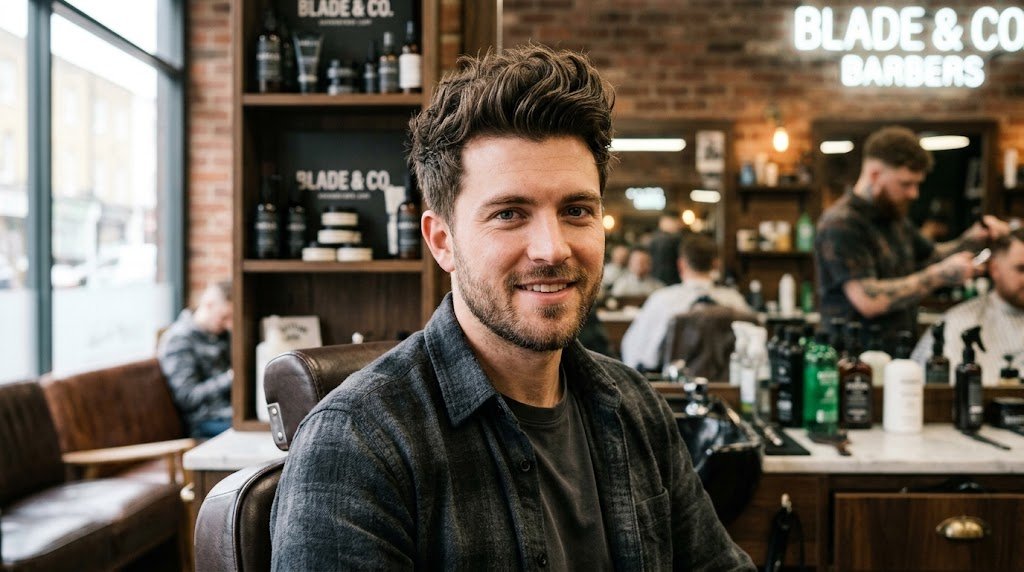
Brushed upward and slightly back from the forehead, the quiff thrives on 3 to 5 inches of top length that builds height over the brow. It relies on internal layering to hold structure throughout the day without falling flat.
Best for: Hairstyles for men with thick hair; oval and square faces needing vertical balance.
Textured Cuts
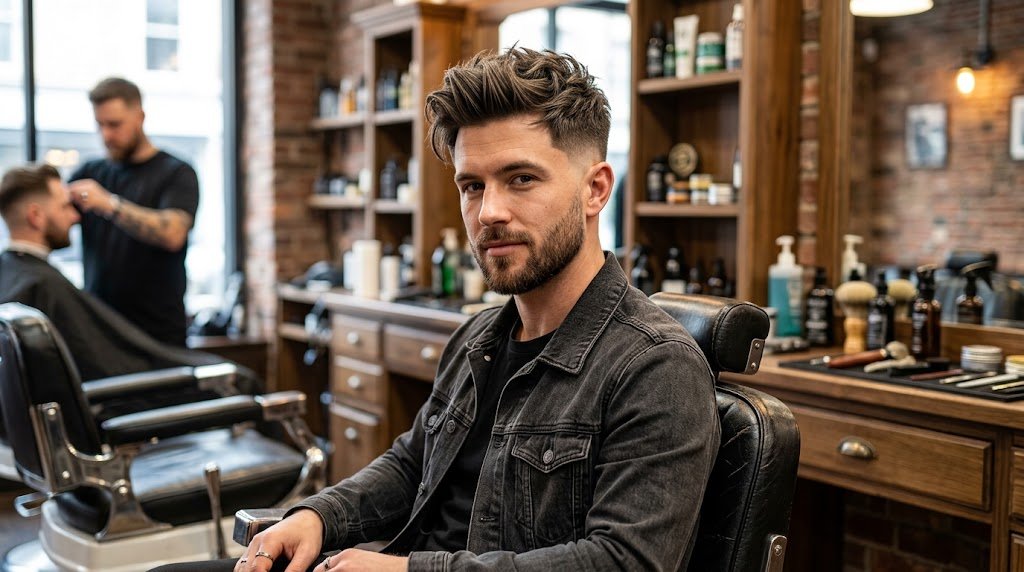
1. Extended French Crop
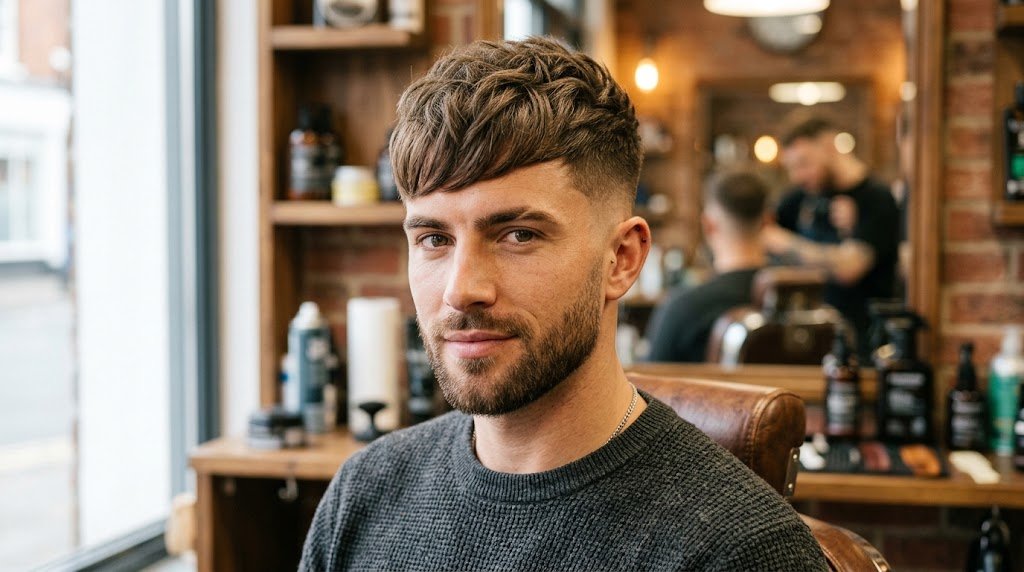
A modern take on the traditional short crop, leaving 3 to 4 inches of length on top with a heavy, textured fringe resting straight across or slightly piecey on the forehead. The sides remain neatly faded to emphasize top density.
Best for: Straight or wavy coarse hair; long, oval, and angular face shapes.
2. Textured Crop Drop
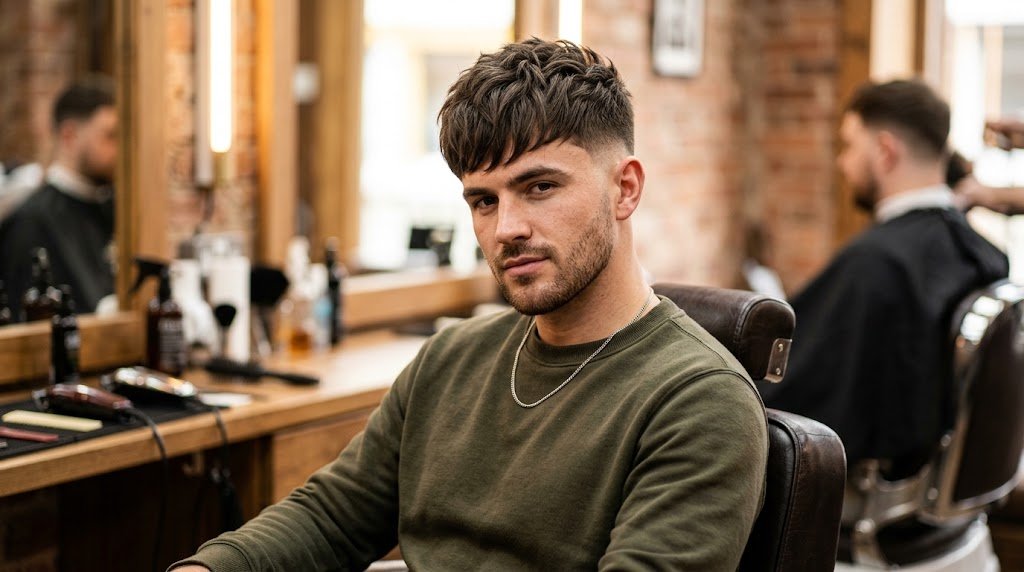
This style layers the top heavily using point-cutting techniques to create distinct, choppy separation that catches light and movement. The back drops low around the occipital bone to keep the crown full yet tidy.
Best for: Thick straight hair men; round and diamond faces.
3. Disconnected Undercut
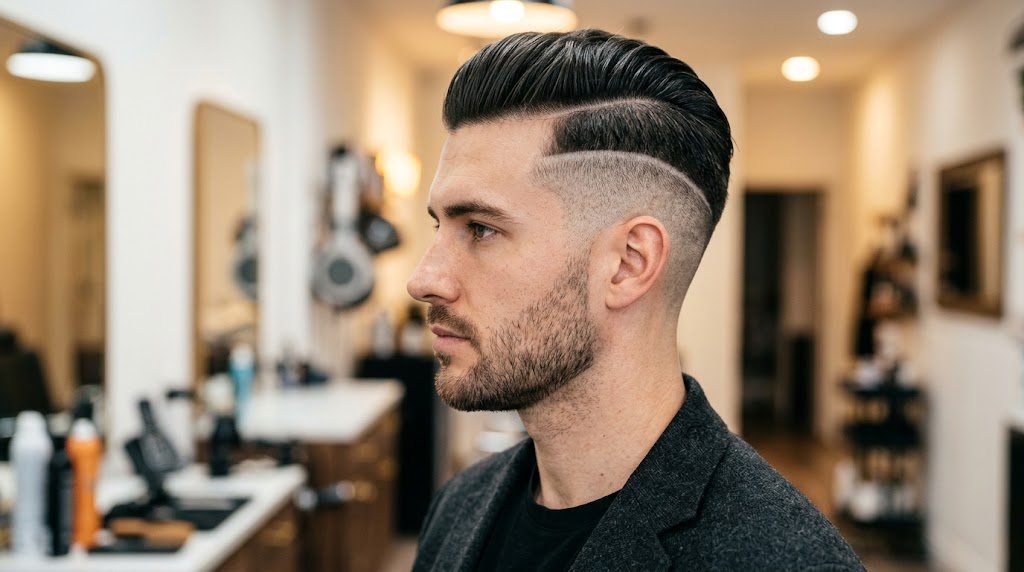
A stark contrast style where the medium top length (4+ inches) sits directly over closely buzzed sides with no gradual blend or taper. The top hangs freely, allowing versatile placement from side-swept to swept-back.
Best for: Medium to high-density straight hair; square and oval face shapes.
4. Medium Faux Hawk (FoHawk)
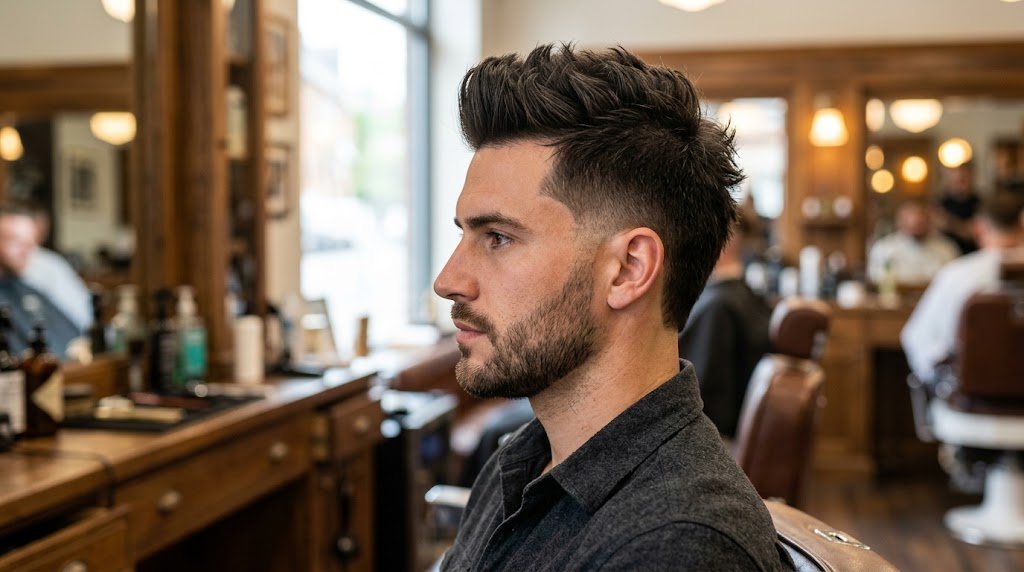
Designed with longer length concentrated down the central ridge of the scalp, this cut brings hair inward toward the center line without shaving the sides down to skin. It offers dynamic height and angular movement.
Best for: Straight and wavy hair types; round and oval face shapes.
5. Spiky Texture Cut
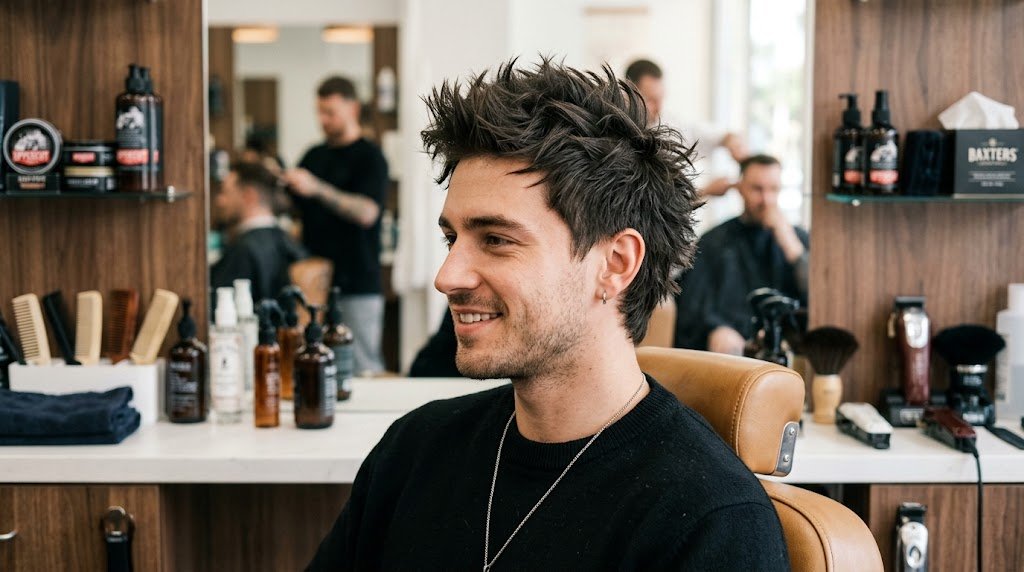
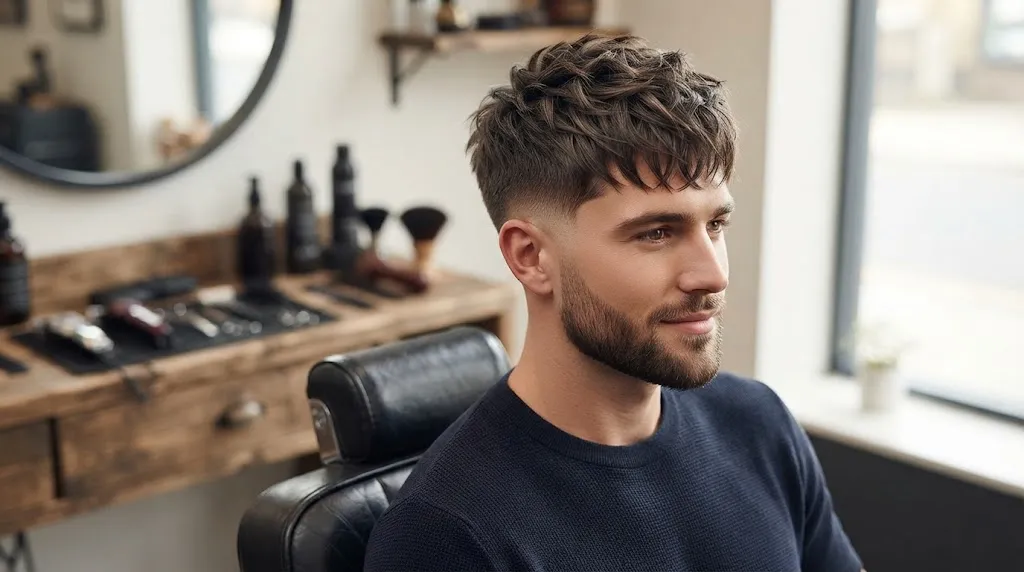
Moving away from stiff 90s points, this modern version uses soft, multi-directional clusters of hair (3 to 4 inches) aimed upwards and outwards. It creates casual, effortless volume that is easy to reshape.
Best for: Straight fine-to-medium density hair; heart and oval faces.
Wavy & Curly Styles


1. Modern Wolf Cut


A hybrid of the shag and mullet, this cut features heavy short layers around the crown for volume and wispy, tapered lengths cascading down the nape. It highlights natural movement while removing weight from dense zones.
Best for: Medium length wavy hairstyles for men and loose curls; oval and heart-shaped faces.
2. Hydrated Curly Fringe
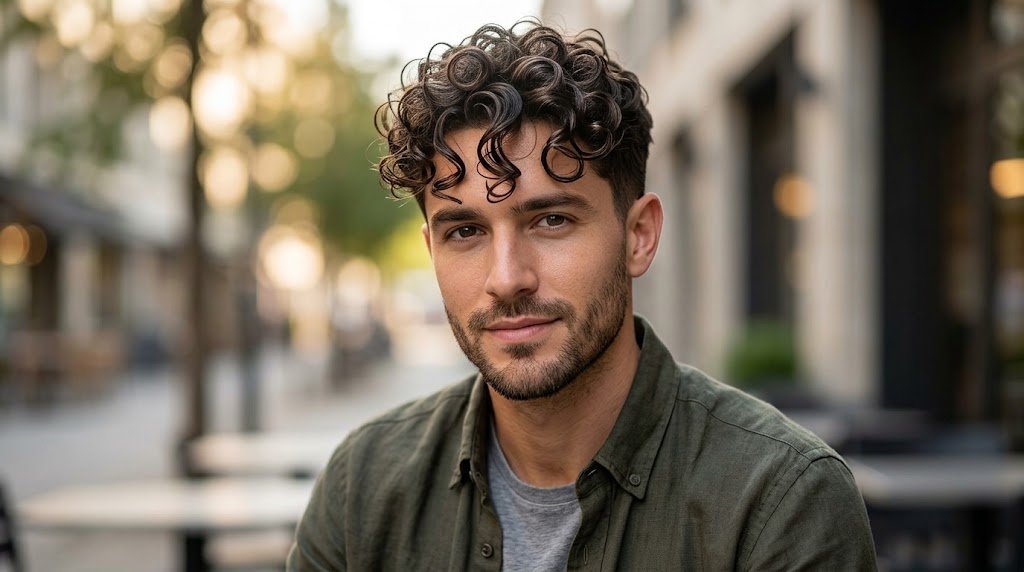
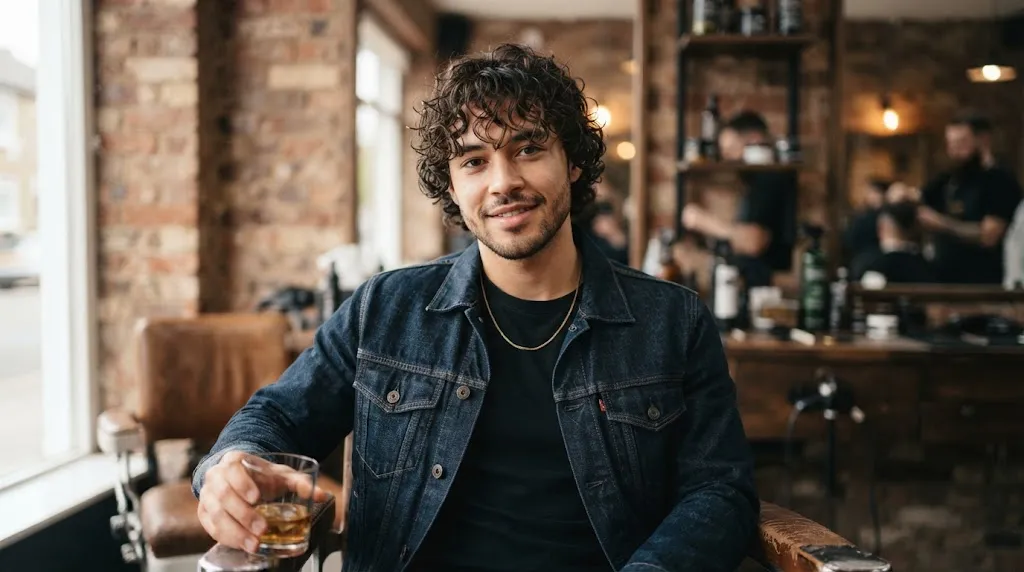
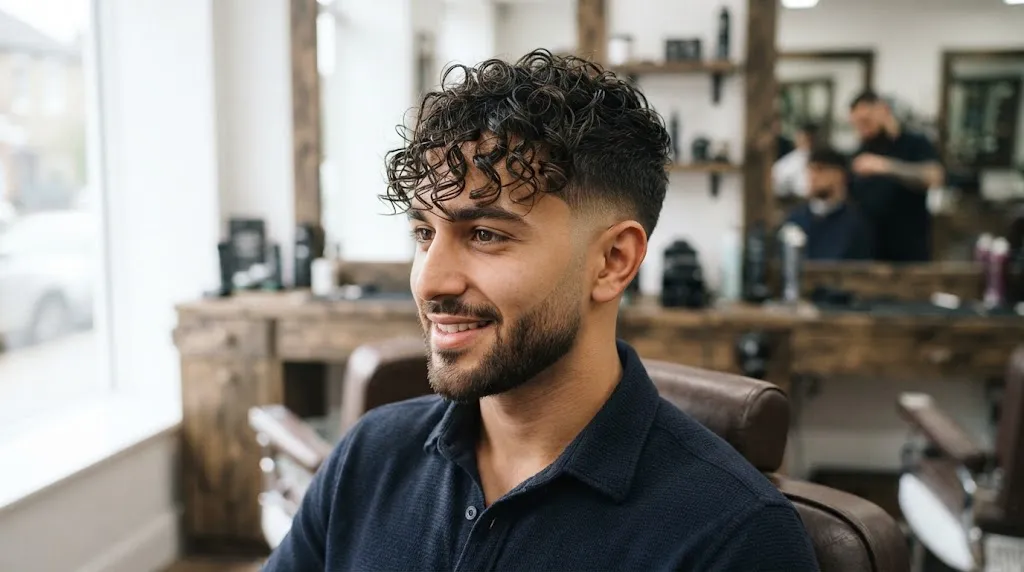
This cut lets natural curls fall forward over the forehead (3 to 5 inches) while keeping the temporal areas trimmed neat. It showcases natural ringlet pattern without letting the sides flare outwards uncontrollably.
Best for: Type 3A–3C curly hair; long, oval, and angular faces.
3. Korean Perm Flow
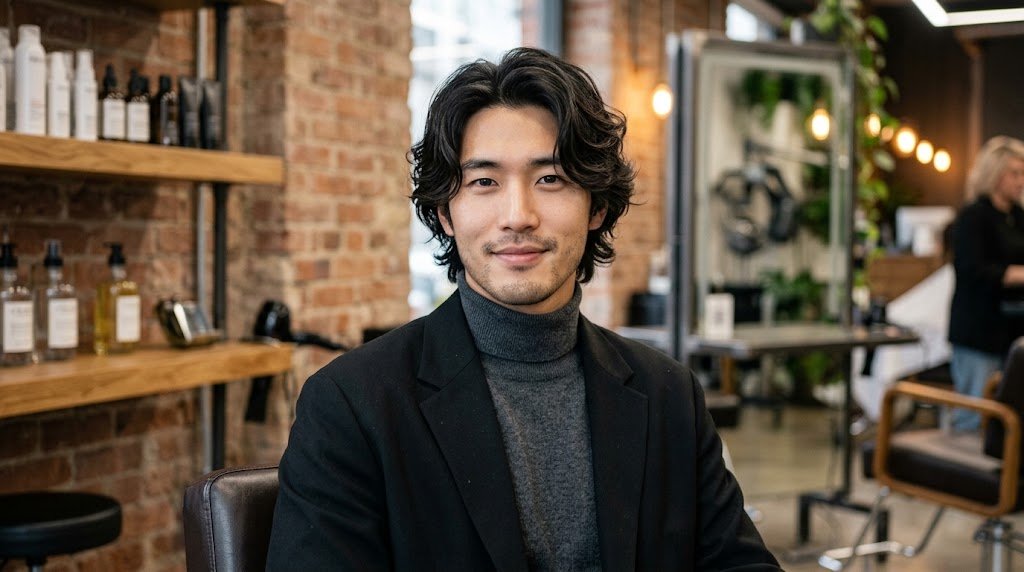

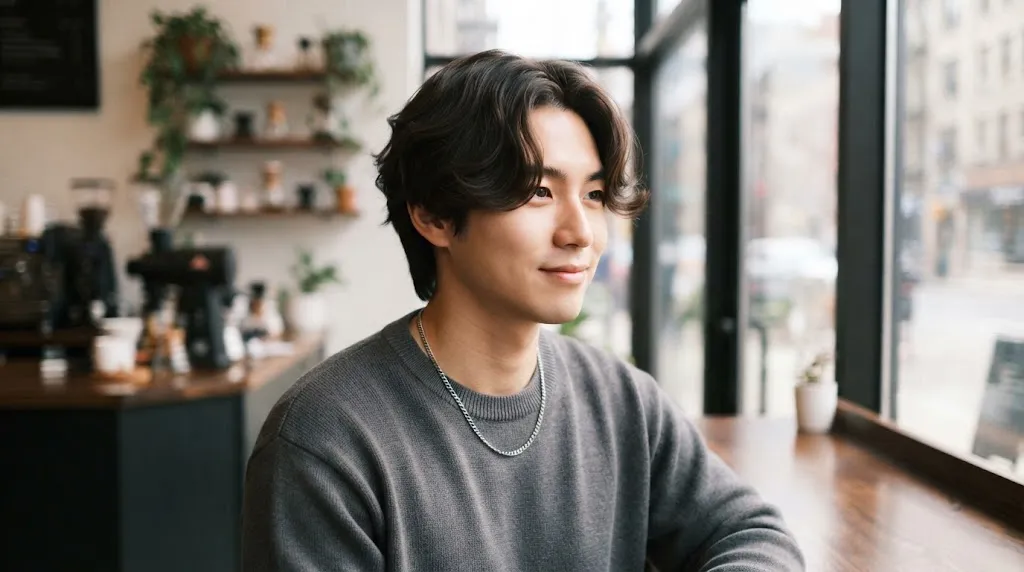
Characterized by soft, wide S-waves created through a digital perm or natural loose wave structure, this style parts down or slightly off-center and curves softly around the eyes toward the ears.
Best for: Straight hair seeking wave/volume; oval, heart, and diamond face shapes.
4. Modern Broccoli Cut
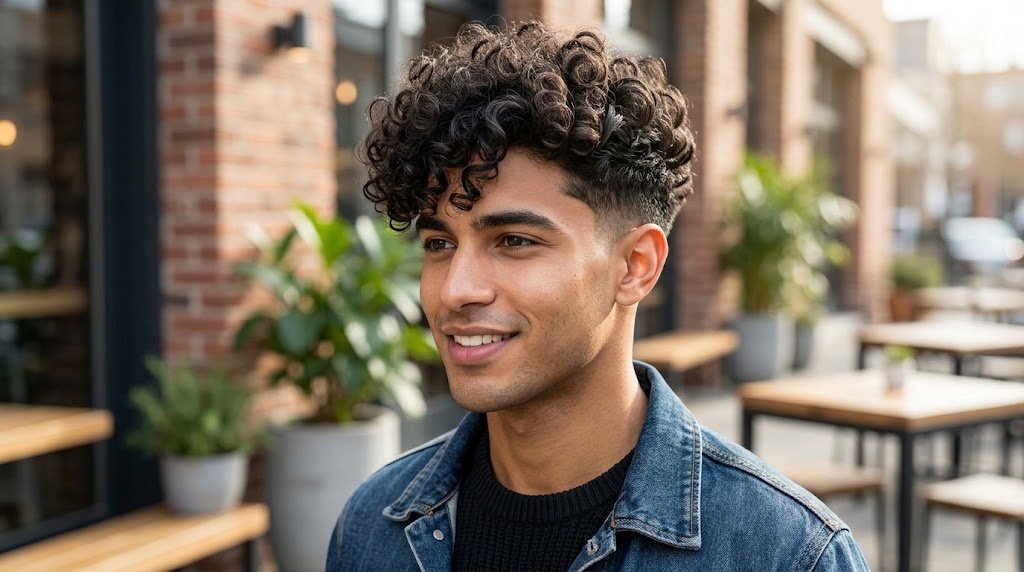

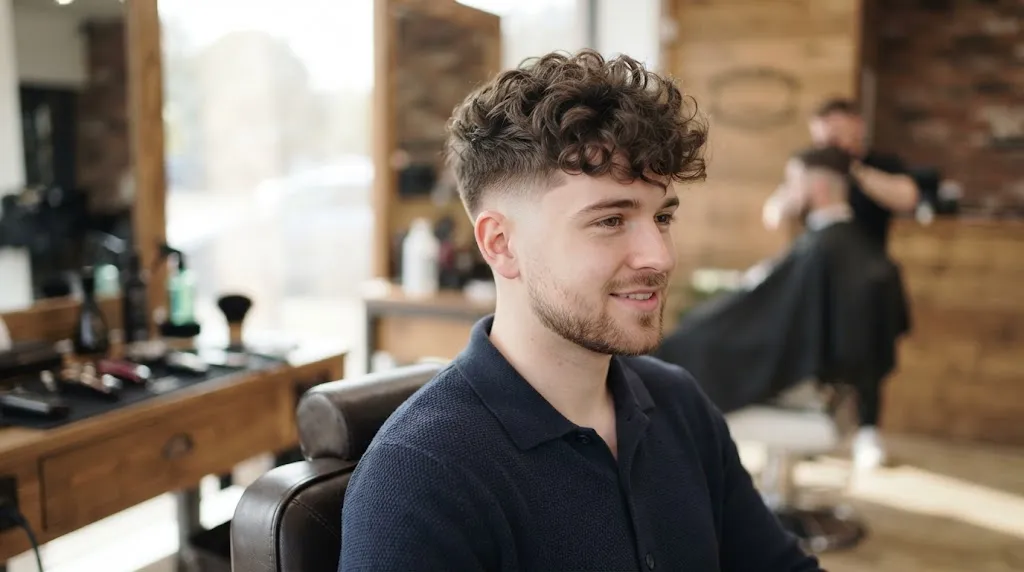
Populated by defined volume on top with short, clean sides, this look concentrates medium curls into a rounded, textured canopy over the forehead and crown while keeping the lower perimeter tight.
Best for: Tight waves and curls; oval and angular face shapes.
5. Comma Hair
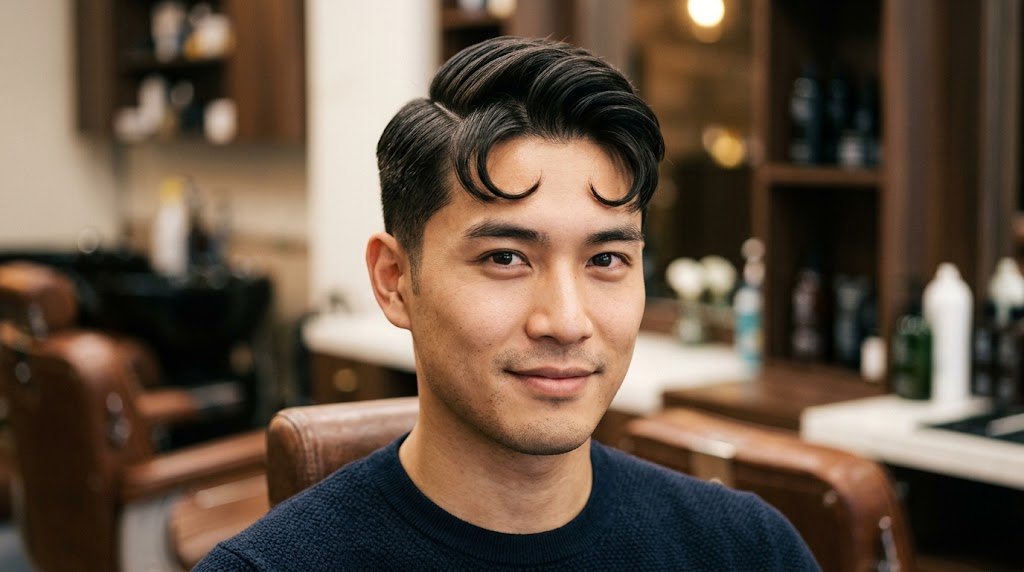

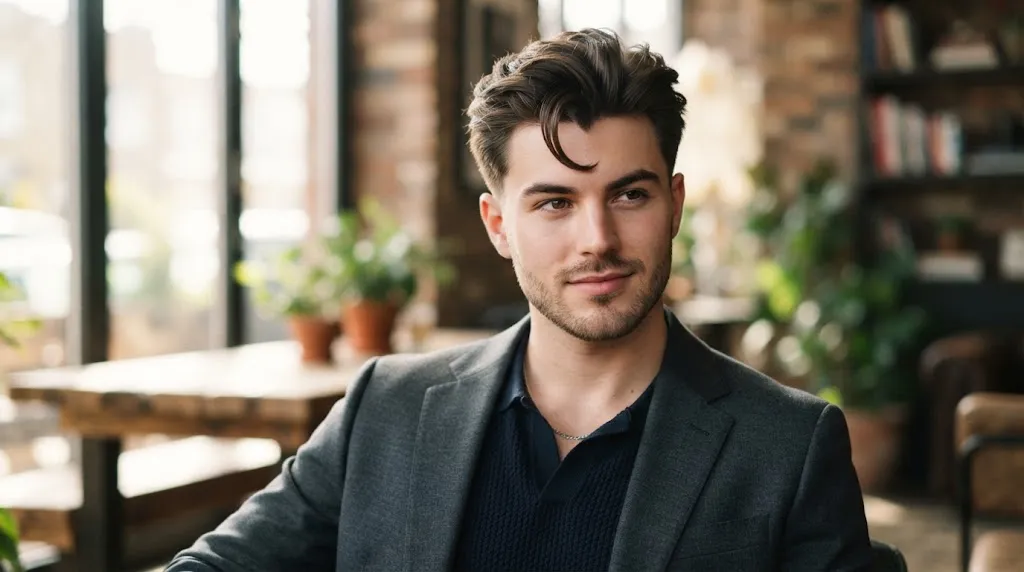
A staple in East Asian styling, this cut features fringe sectioned so one side curves inward toward the center of the forehead like a punctuation mark (“,”), while the other side flows back.
Best for: Medium long hair men with straight or soft wavy hair; heart and oval faces.
Long/Flowy Medium Styles
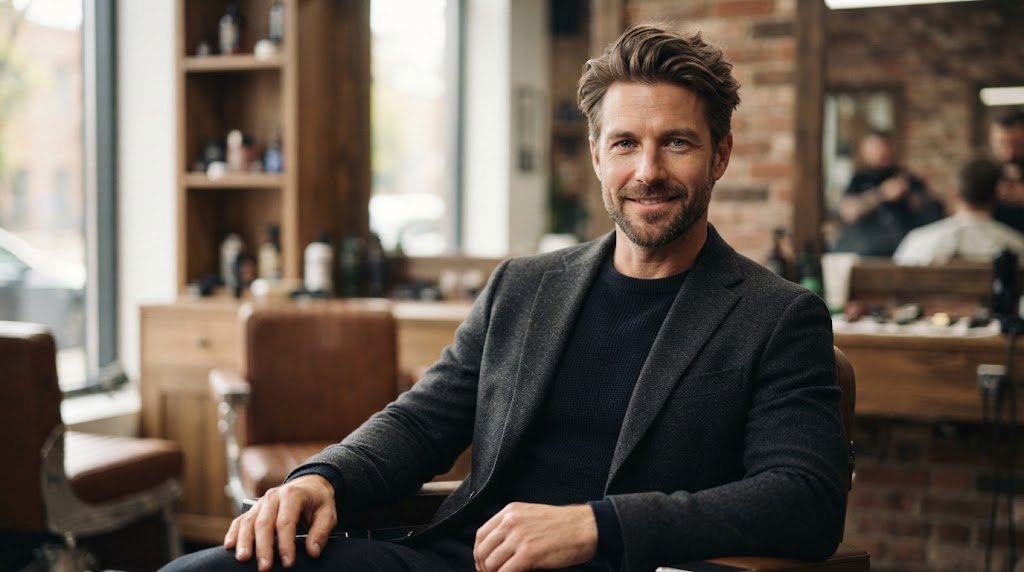
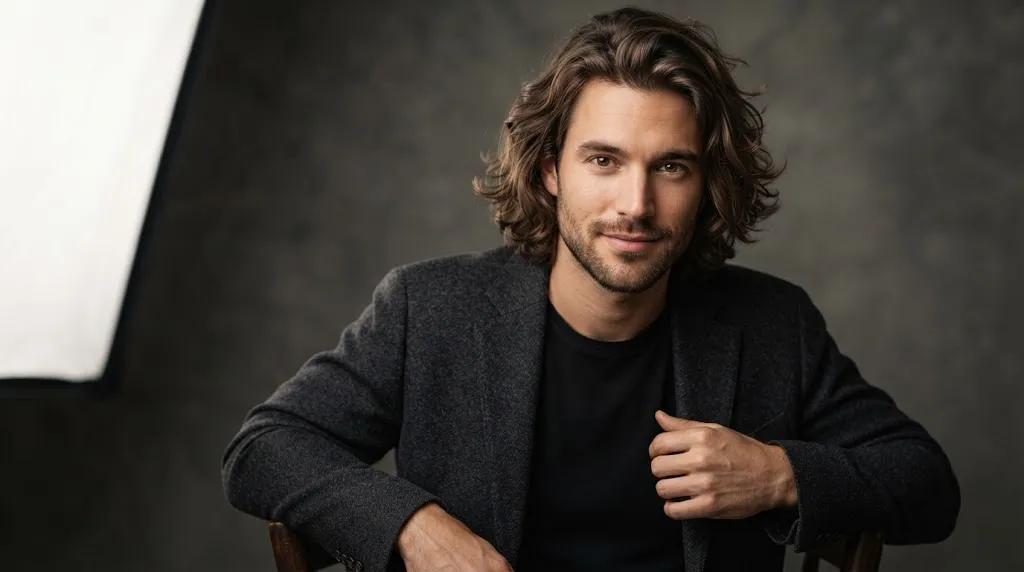
1. Classic Curtain Haircut



Parted down the middle or slightly off-center (4 to 6 inches of length), the hair cascades down both sides of the face, framing the cheekbones. It relies on subtle face-framing layers to prevent hair from falling flat against the cheeks.
Best for: Straight and loose wavy hair; oval, square, and heart-shaped faces.
2. The Bro Flow



A relaxed, medium-long option where 5 to 7 inches of length is brushed back over the ears and allowed to settle naturally along the nape. It moves with your head and benefits directly from natural scalp oils.
Best for: Low maintenance mens medium hairstyles with thick or wavy hair; square and oval faces.
3. Layered Shag
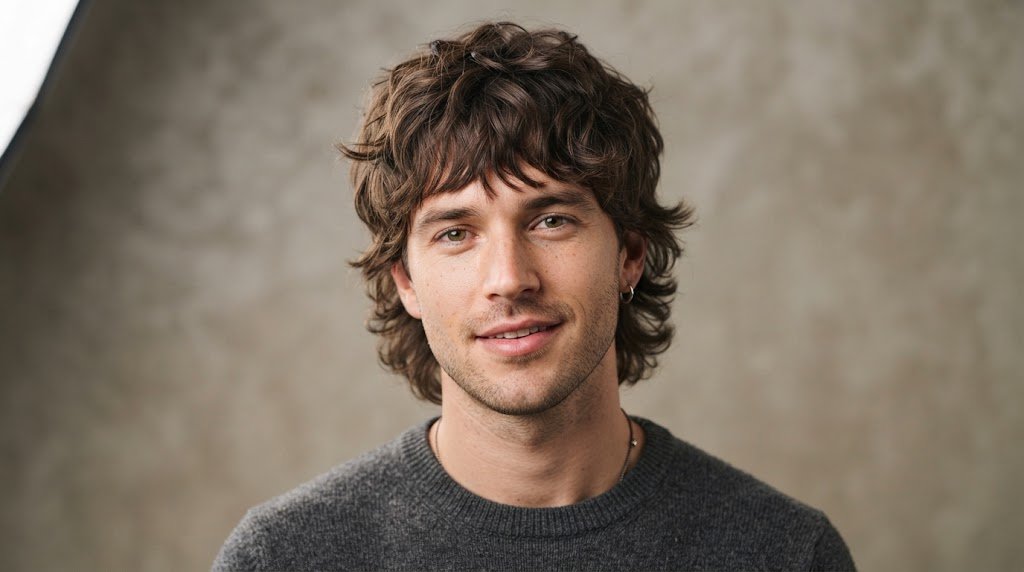
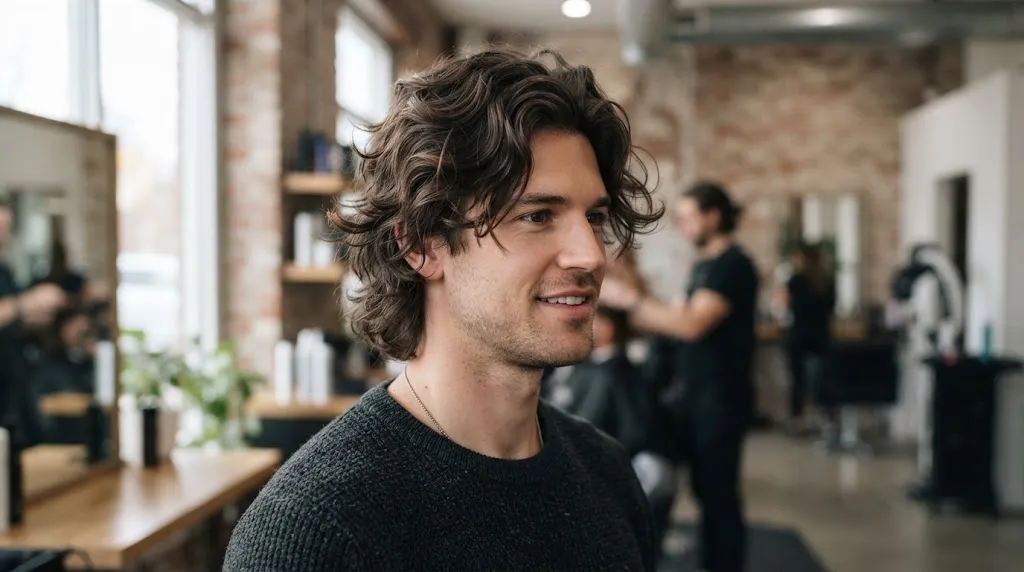
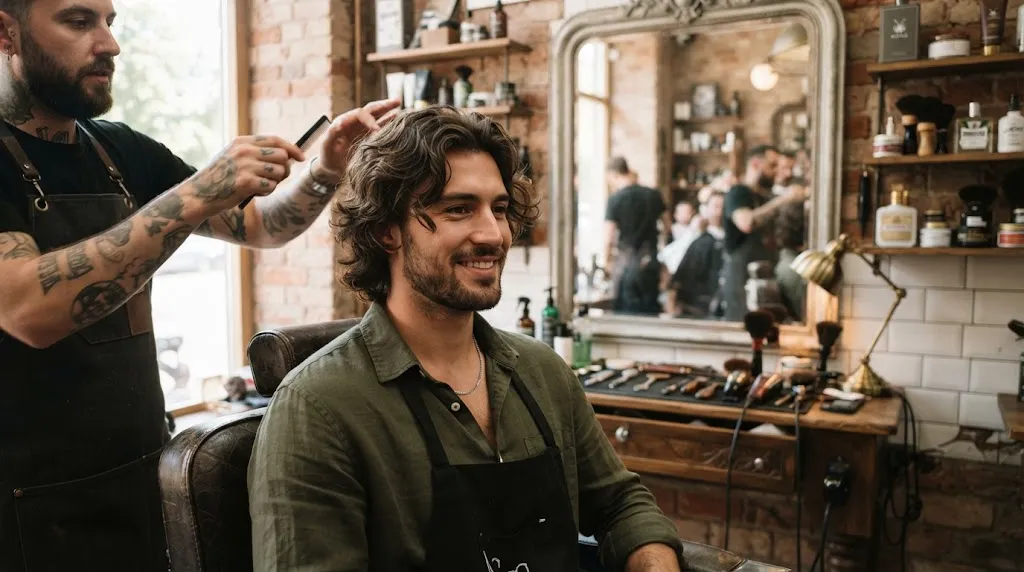
Built on choppy, uneven layers throughout the entire head, the shag maximizes natural wave, texture, and crown volume while keeping perimeter edges soft and unrefined.
Best for: Wavy, curly, or medium-density straight hair; long and oval face shapes.
4. Half-Up Man Bun

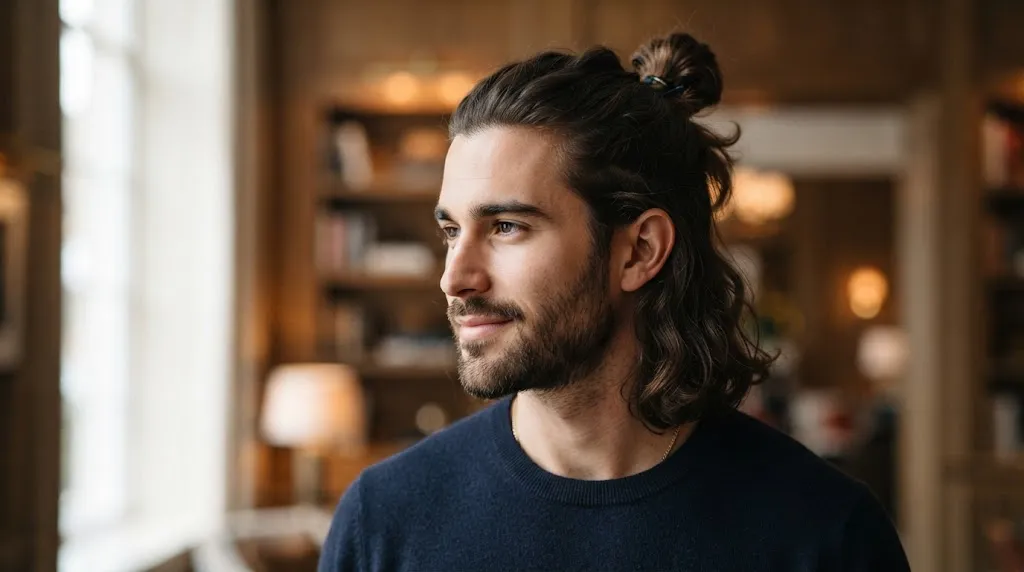

Pulling only the top half of a 6-to-8 inch medium mane into a secure loop at the crown while leaving the lower half hanging free over the nape. It keeps hair out of the eyes while displaying total back length.
Best for: Medium long hair men with straight, wavy, or curly hair; oval and square faces.
5. Casual Low Ponytail


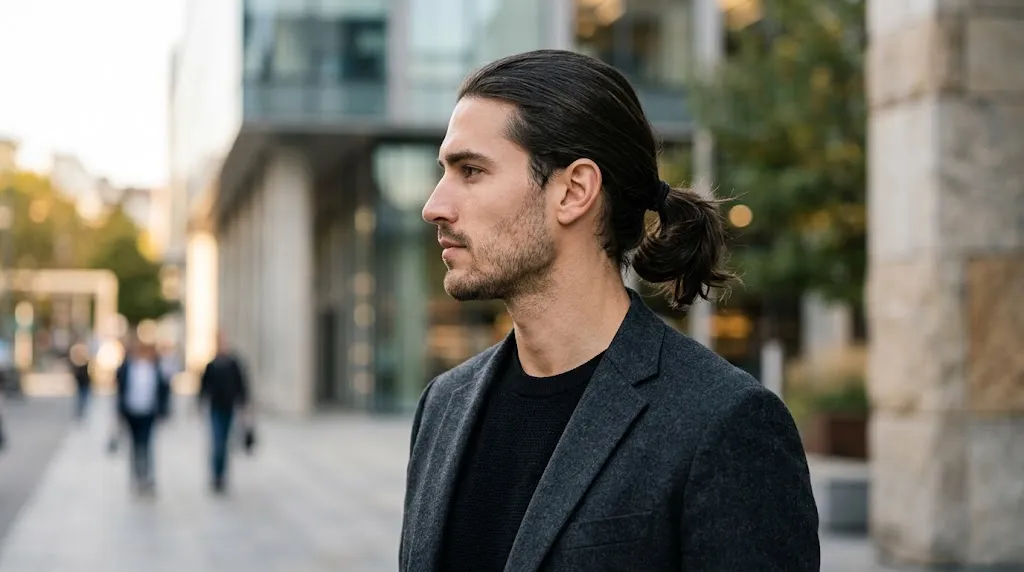
Gathering all hair cleanly behind the head at the lower nape line, secured with an elastic band. It provides an immediate, professional cleanup for medium-long lengths without requiring a haircut.
Best for: Straight and wavy hair exceeding 6 inches; strong jawlines and oval faces.
6. Modern Tapered Mullet
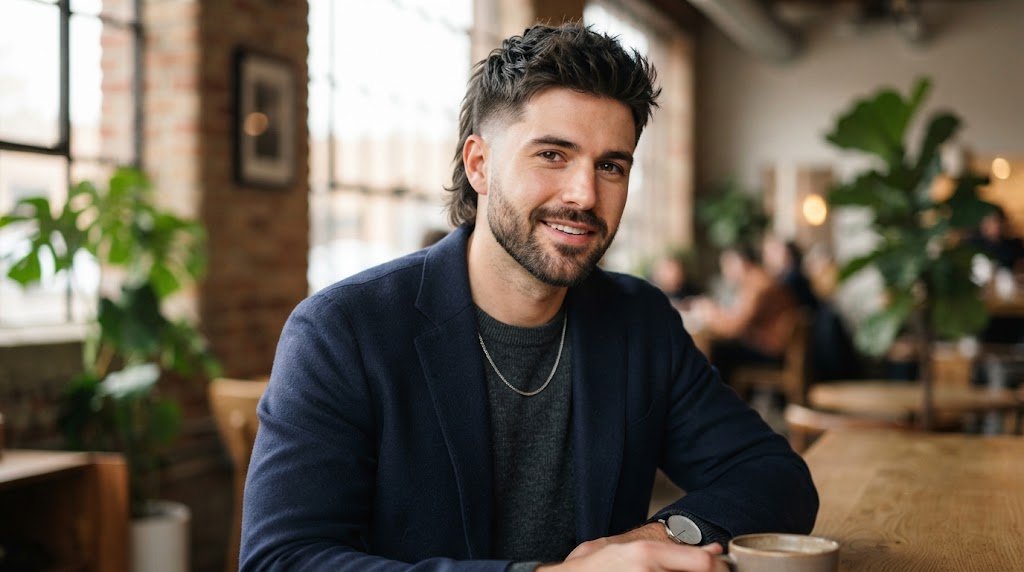
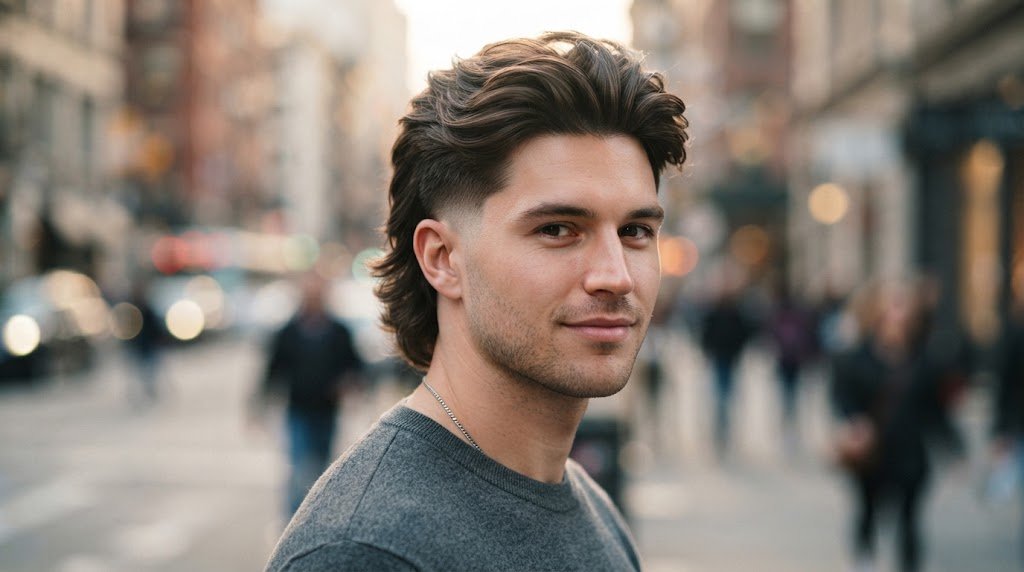
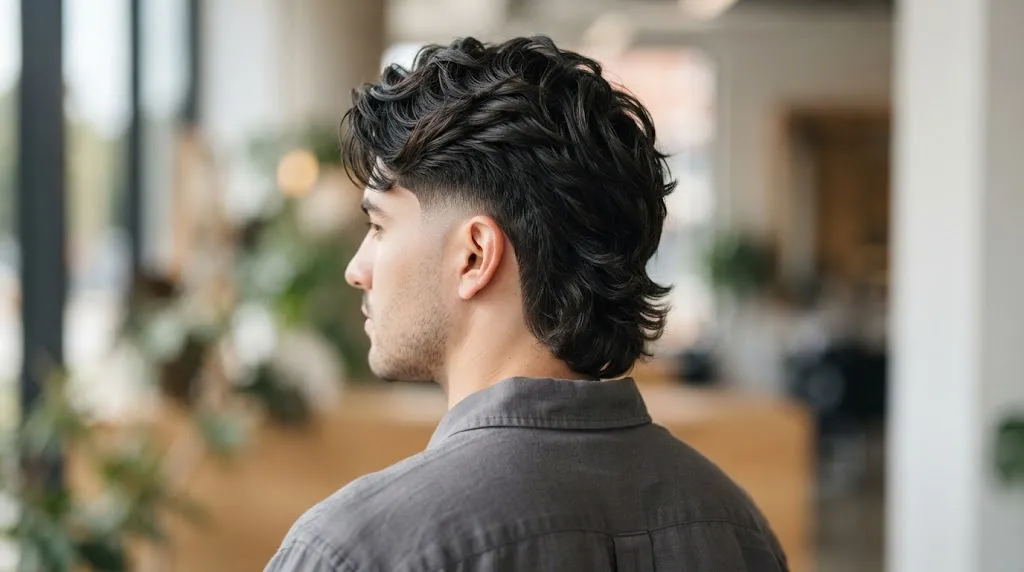
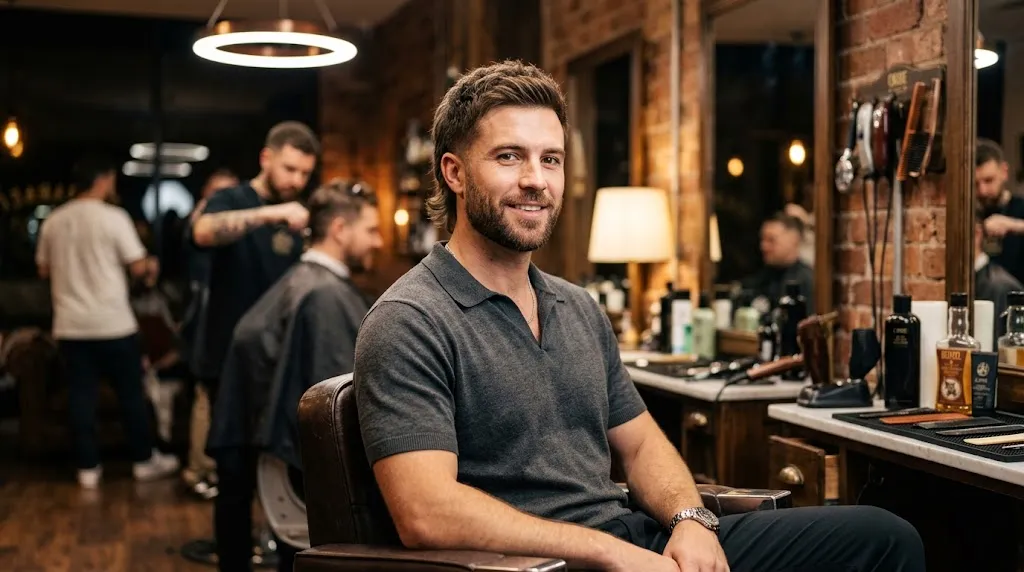
Featuring shorter, controlled lengths around the temples and top, transitioning into a distinct, flowing length over the collar and neck. Modern versions keep the transition smoother rather than harsh.
Best for: Wavy and thick straight hair men; oval, heart, and diamond face shapes.
Low-Maintenance Medium Hairstyles for Men


Low-maintenance doesn’t mean zero effort; it means setting up the cut so the hair’s natural weight and direction do the heavy lifting. The secret lies in weight removal through point-cutting rather than blunt chopping, allowing the hair to fall into place naturally after air-drying.
The Textured Slicked-Back Taper
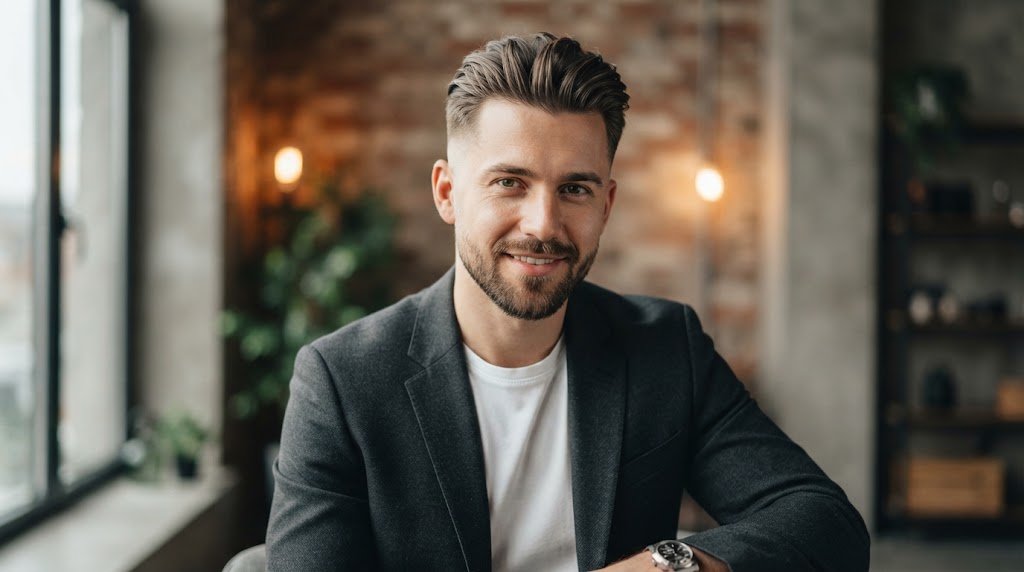

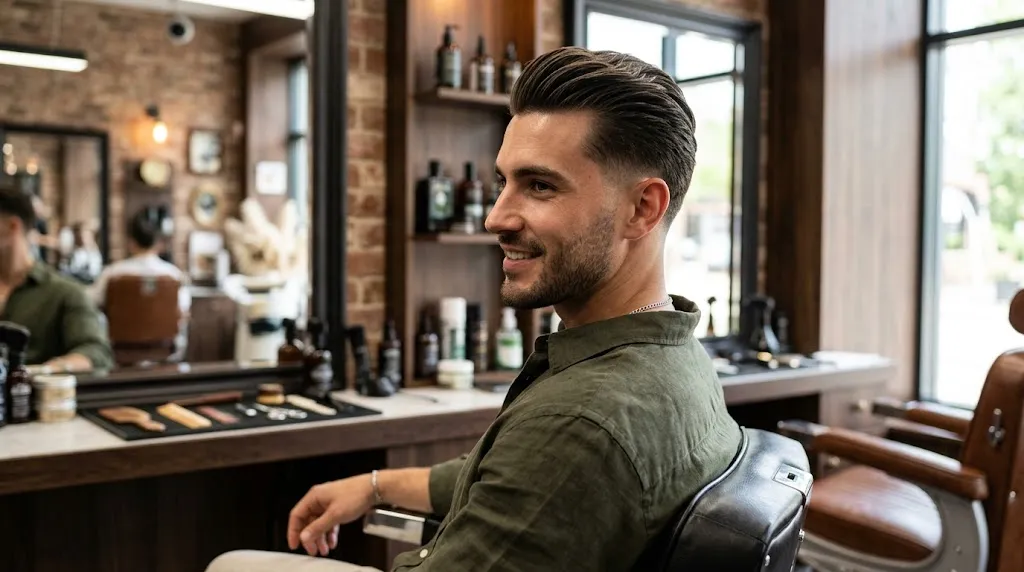
This cut pairs 4 to 5 inches of length on top with a subtle, clean taper on the sides. By point-cutting the top to create varying lengths within the hair mass, the hair naturally leans backward without needing heavy pomade or rigid hold.
It suits straight or slightly wavy hair of medium density, fitting oval and rectangular face shapes exceptionally well.
The Casual Flow Split



Designed to follow the natural growth direction of your crown, this style uses 5 to 6 inches of length across the top, lightly layered around the face. You comb it back while wet, give it a quick shake, and let it air-dry into a clean, off-center partition.
It works best for men with thick, straight to slightly wavy hair who want to avoid heat styling entirely. It complements square and heart-shaped faces.
The Natural Wavy Crop


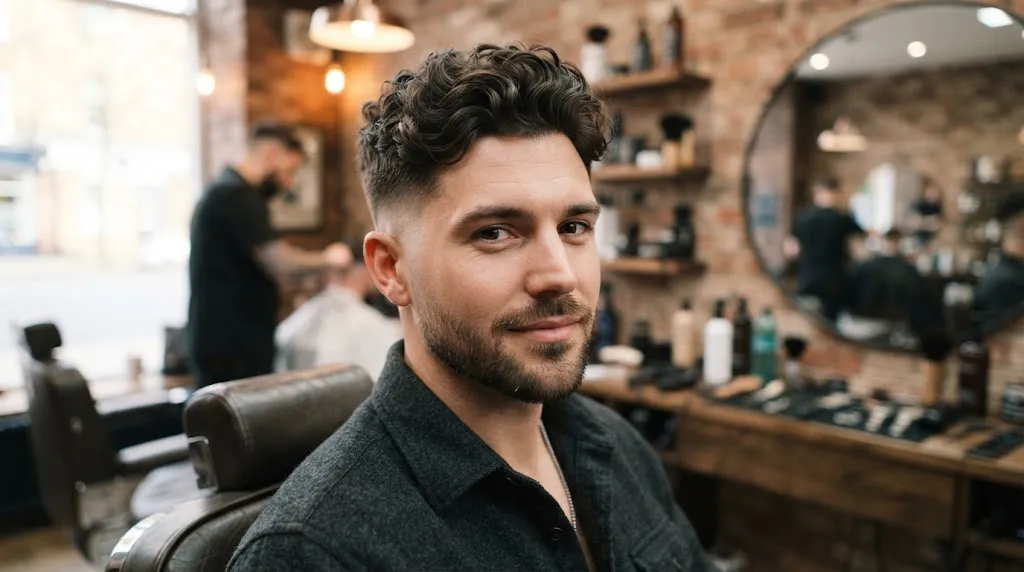
This cut keeps 3 to 4 inches of uniform length on top while keeping the sides slightly shorter with a clean scissor trim around the ears. It relies entirely on the natural pattern of your hair, requiring minimal manipulation once dry.
It is ideal for medium-length wavy hair and naturally dense textures. It rounds out sharp features, making it a strong choice for angular or diamond face shapes.
Medium Length Hairstyles by Lifestyle


Student / Casual



For a flexible, day-to-day routine, focus on styles that handle hats, wind, and minimal morning prep without collapsing.
The Relaxed Mid-Part: Keep 5 to 6 inches on top with light texturizing through the ends. Work a dime-sized amount of lightweight matte sea salt spray into damp hair, scrunch lightly, and leave it alone. If you wear a beanie or baseball cap during the day, simply run dry fingers up and back through your hair after taking it off to restore volume without re-applying product.
Office / Professional



Professional medium-length cuts require clean perimeters around the ears and neck while keeping control over top volume so it doesn’t look unkempt in corporate environments.
The Executive Side Sweep: Maintain 4 inches on top with a neat scissor-over-comb taper on the sides. Apply a small amount of low-shine styling cream to damp hair, use a wide-tooth comb to establish a natural side part, and sweep the top across and back. The cream keeps flyaways down throughout the workday without creating an overly stiff or wet-looking shell.
Gym & Active
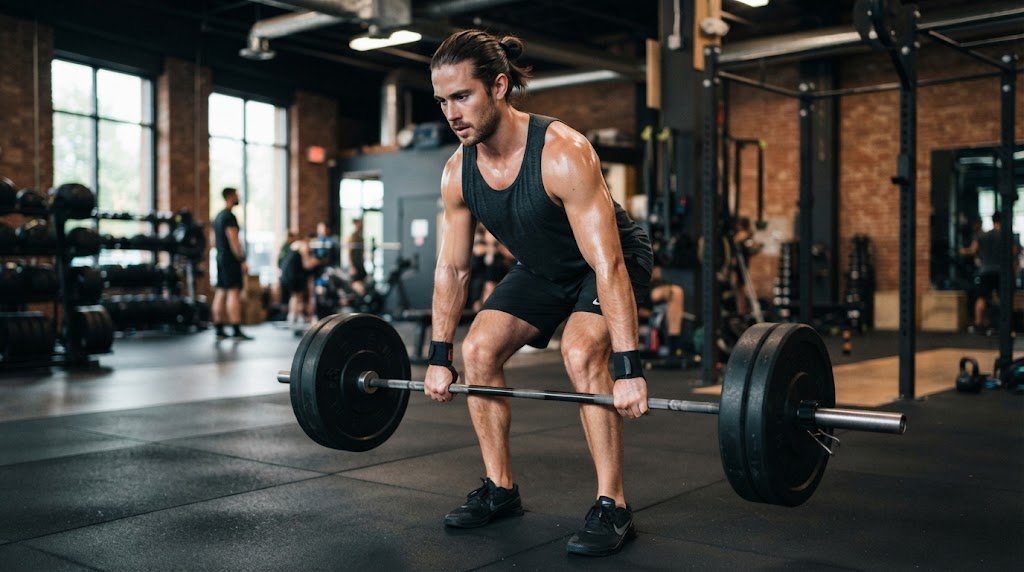
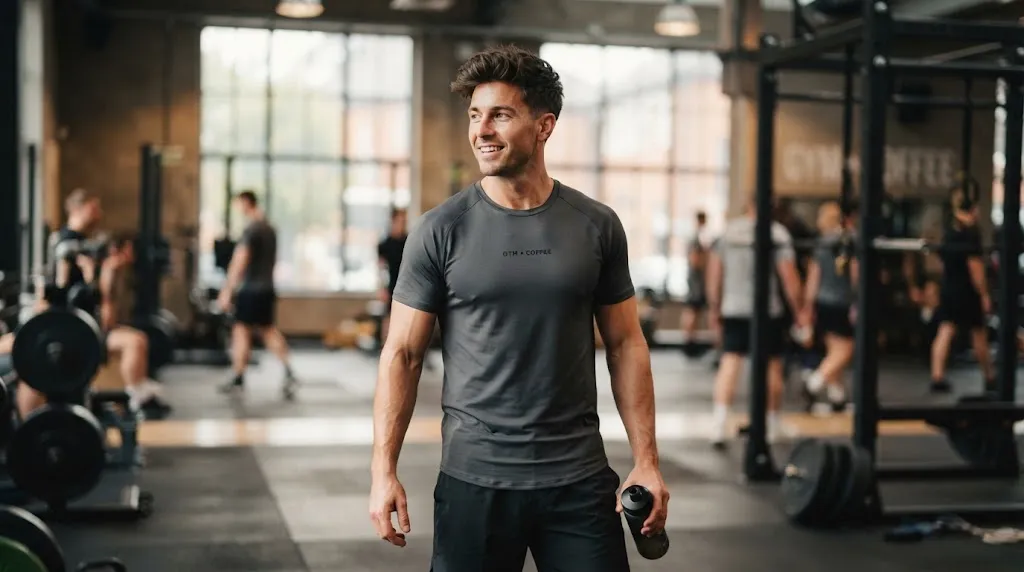

Active lifestyles need styles that stay out of your eyes during workouts and bounce back quickly after a post-gym shower.
The Push-Back Taper: Keep the top around 4 to 5 inches, cut with aggressive texture to reduce weight, and keep the sides tapered short. During workouts, use a thin, non-slip sweatband or simply rake the hair back with a touch of water. Post-shower, apply a quick spritz of lightweight leave-in conditioner to rehydrate the hair shaft, push it back with your hands, and let it air-dry cleanly while you head out.
Real Problems Men Face with Medium Length Hair
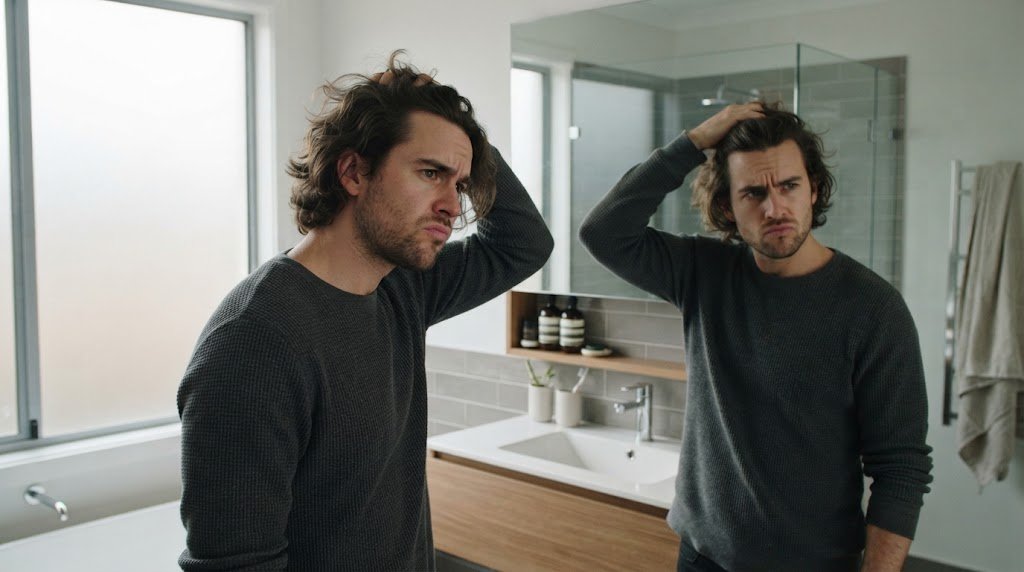
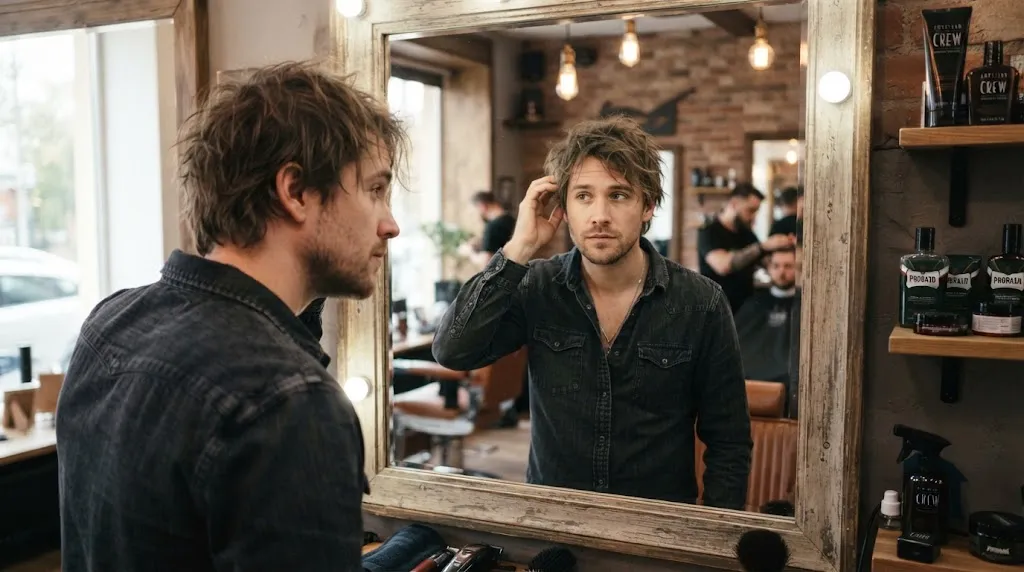
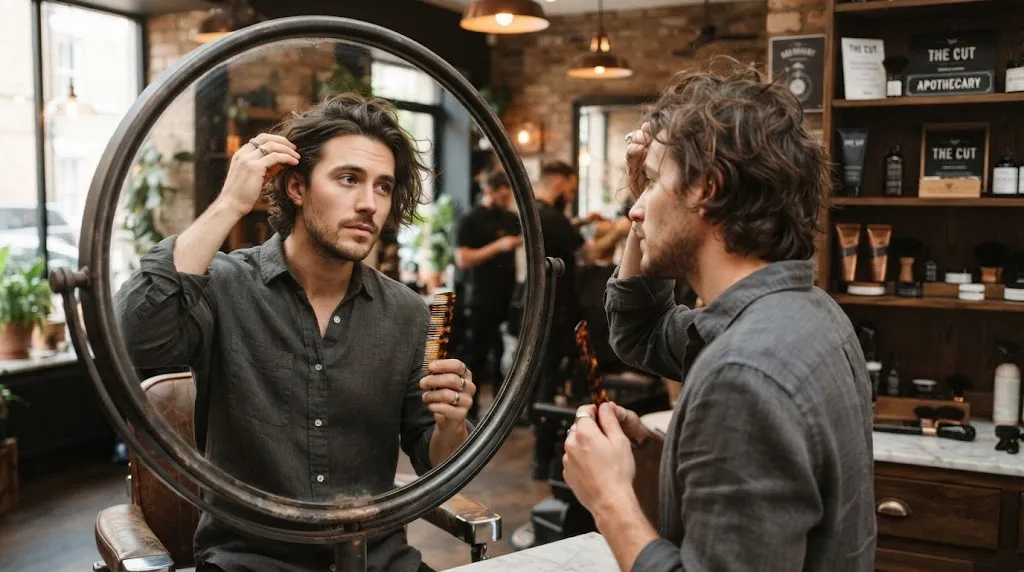
The Awkward Growing-Out Stage: As hair transitions from short to medium (around 2 to 3 inches), it often sticks out sideways rather than laying flat. The fix is asking your barber to thin out the bulk on the sides while letting the top length catch up, or using a light styling cream to control flyaways.
Mid-Day Flatness and Humidity: Medium length hair carries more weight, causing gravity and moisture to flatten volume by afternoon. Instead of layering on heavy products that weigh hair down further, pre-style damp hair with a sea salt spray and blow-dry upside down to lock in root lift.
The Messy-at-Work Appearance: Without clean edges, medium hair can quickly look unkempt in formal environments. Keeping the neckline and perimeter around the ears neatly trimmed every 3 to 4 weeks maintains a professional structure even when the top carries length.
Sweat and Gym Flattening: Post-workout sweat breaks down styling products and leaves hair limp. Rinse hair with cold water post-gym to clear sweat without stripping natural oils, then apply a quick spritz of dry shampoo to absorb excess moisture and restore texture.
Stubborn Cowlicks and Unruly Partings: Growth patterns at the crown become more pronounced as hair gets longer. Rather than forcing hair against its natural direction with strong gel, style in the direction the hair naturally grows, or use a blow dryer with a concentrator nozzle to re-direct the hair shaft while warm.
How to Ask Your Barber for a Medium Length Haircut
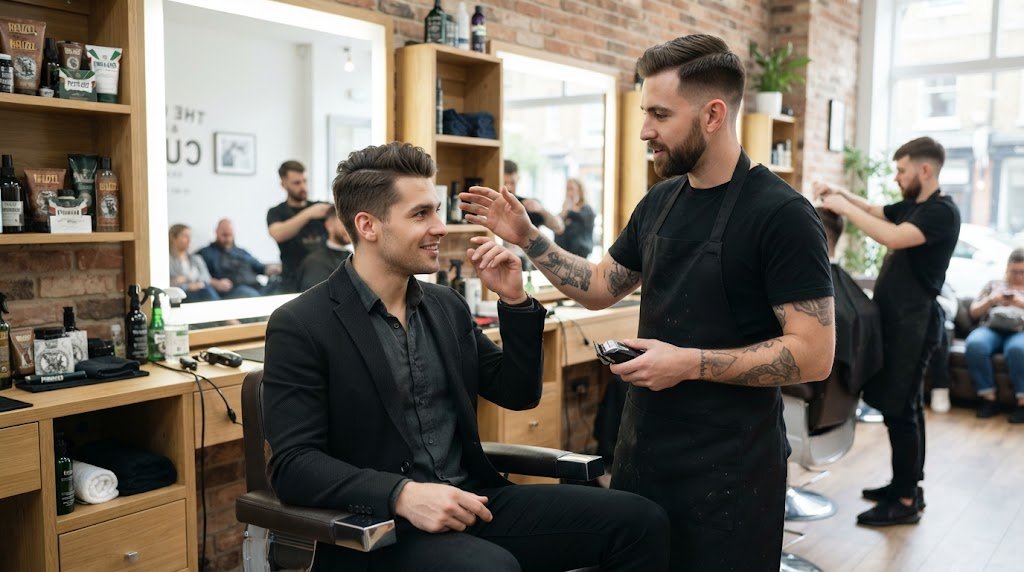
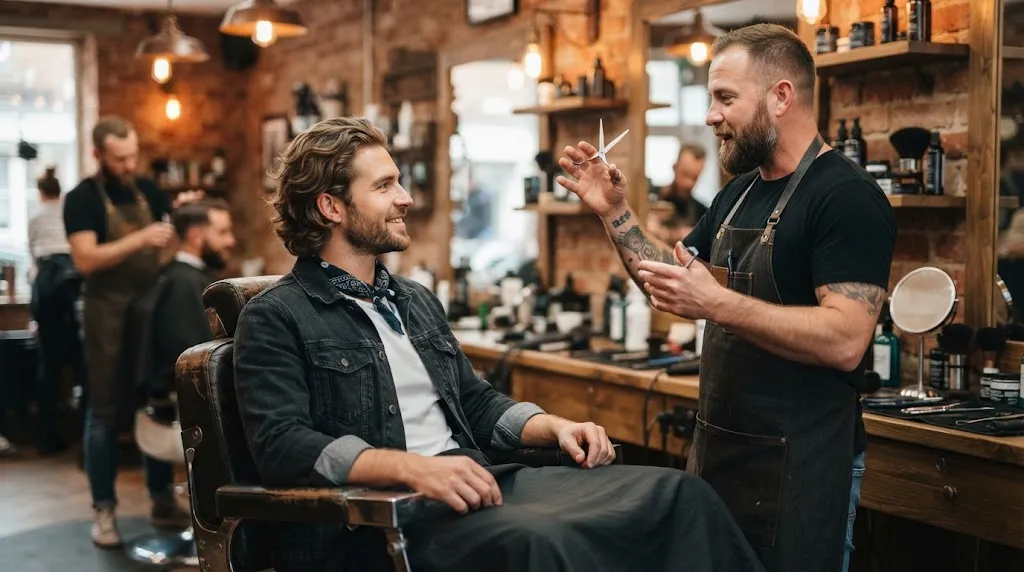
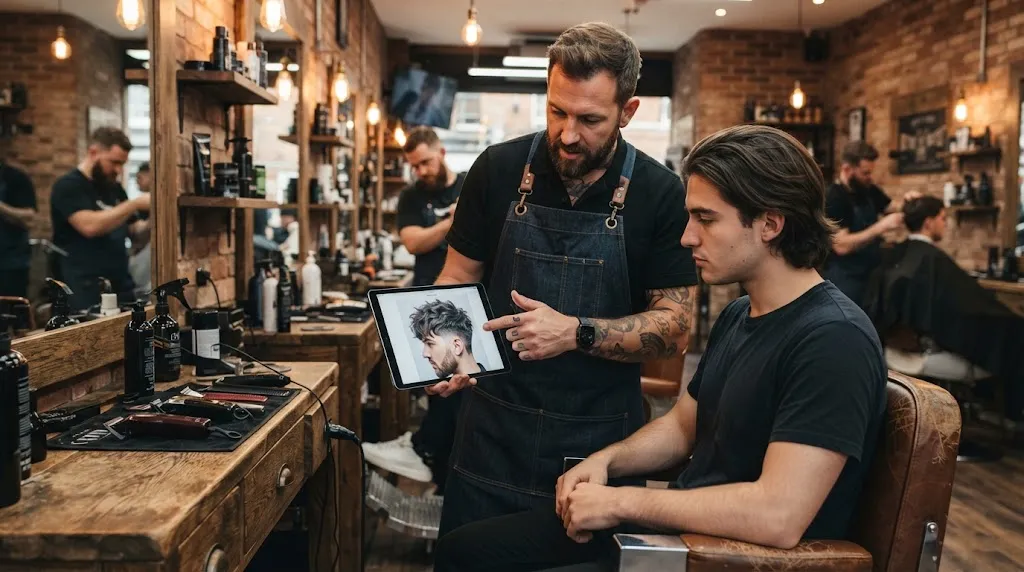
Getting the exact medium length cut you want requires clear communication and specific terminology instead of relying on general terms like “just a trim.”
Bring 2 to 3 Reference Photos: Show your barber pictures of the style from the front, side, and back. Choose photos featuring model hair textures (straight, wavy, thick, or fine) similar to your own so the result is realistic.
Specify Top Length in Inches: State your desired length clearly (e.g., “around 4 to 5 inches on top so I can sweep it back”) rather than using vague terms. Tell them if you want enough length to tuck behind your ears or tie up.
Request Texturizing or Point-Cutting: If you have thick or heavy hair, explicitly ask for point-cutting or weight removal through the interior. This adds movement and reduces bulk without losing overall length.
Define the Sides and Edges: Decide whether you want tapered sides (blended short down to the skin or neckline) or scissor-over-comb layers that leave length on the sides to blend seamlessly into the top.
Explain Your Styling Routine: Tell your barber how much time you want to spend styling each morning and what products you prefer. A good barber will adjust the layering to match your daily effort level.
How Long Does It Take to Grow Medium Length Hair?

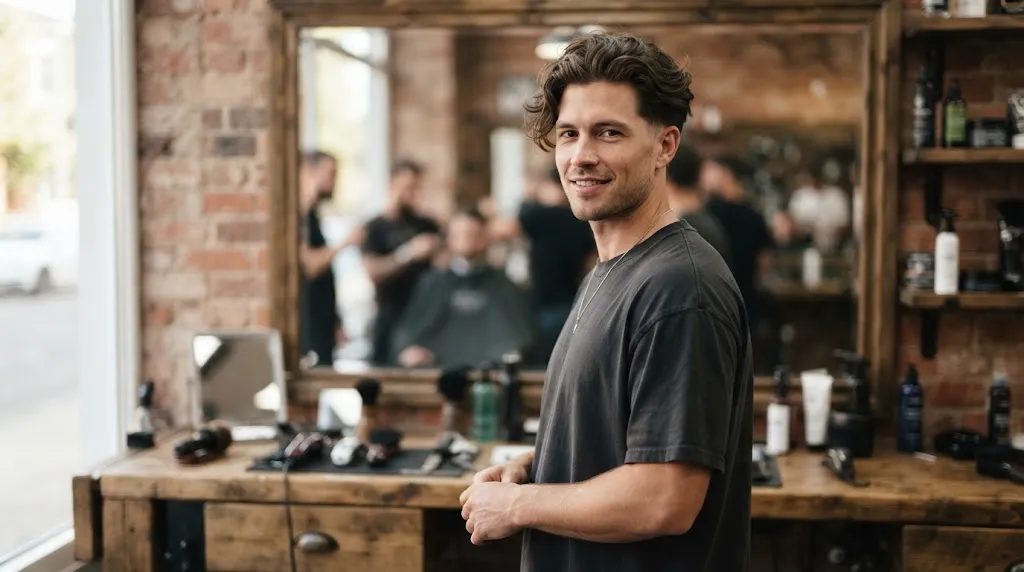
On average, human hair grows about 0.5 inches per month (6 inches per year). Moving from a short buzz cut to a solid 5 to 6-inch medium style typically takes between 8 to 12 months. Growth speed depends on genetics, scalp health, and hair density, but the timeline remains fairly consistent across most hair types.
Week-by-Week Growing-Out Timeline
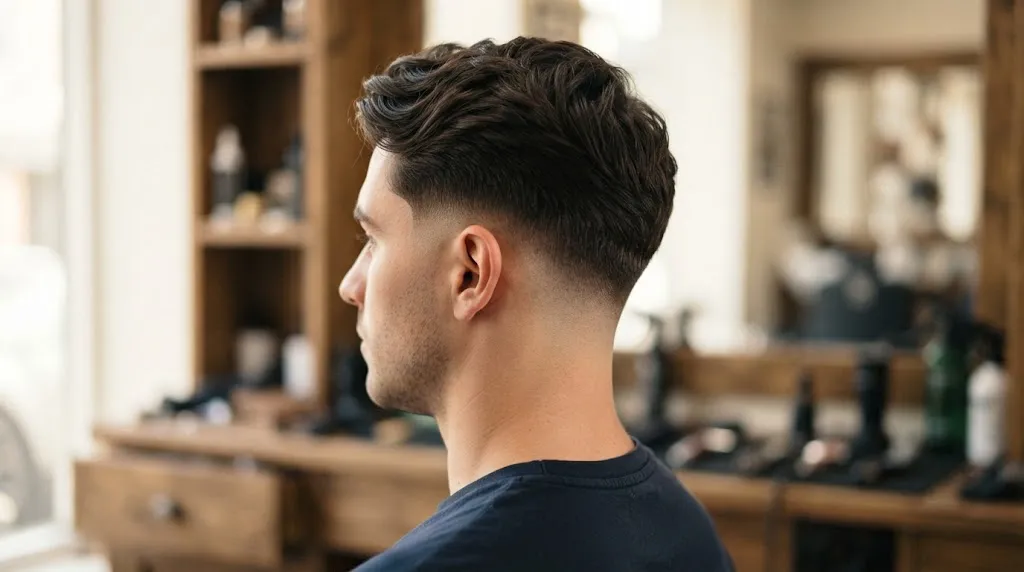
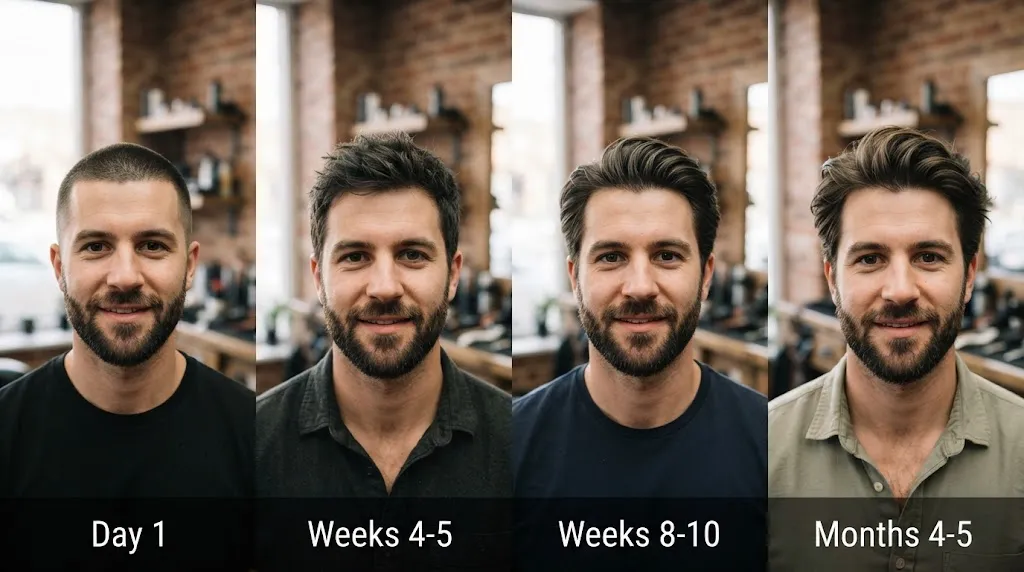
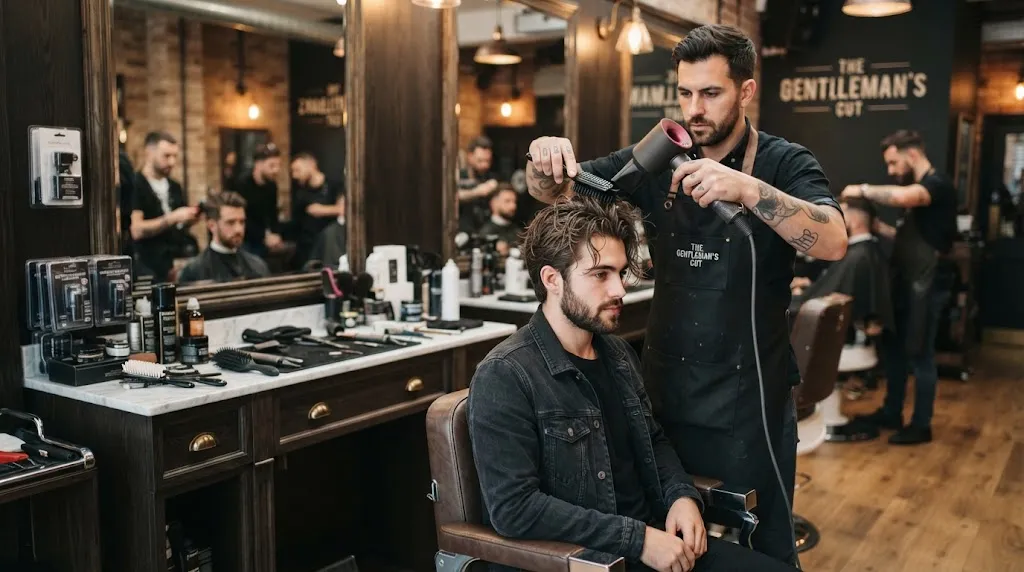
Weeks 1–4 (The Initial Spurt): Hair expands from short sides and top to about 1 to 1.5 inches. Structure remains intact from your initial cut, requiring minimal daily effort beyond basic washing.
Weeks 5–12 (The Awkward Transit): Reaching 1.5 to 2.5 inches, hair starts pushing out sideways, especially above the ears. Transition to lightweight matte pastes or clays to control unruly edges without flattening top volume.
Weeks 13–24 (The Halfway Mark): At 3 to 3.5 inches, hair gains enough weight to lay flatter on the scalp. Ask your barber for a “clean-up trim”—neckline and perimeter only—leaving the top untouched to maintain momentum.
Weeks 25–36 (Full Medium Territory): Crossing 4 to 5 inches, you reach true medium length. Hair can now be combed back, parted naturally, or tucked behind the ears using sea salt sprays and light creams.
How to Style Medium Length Hair at Home
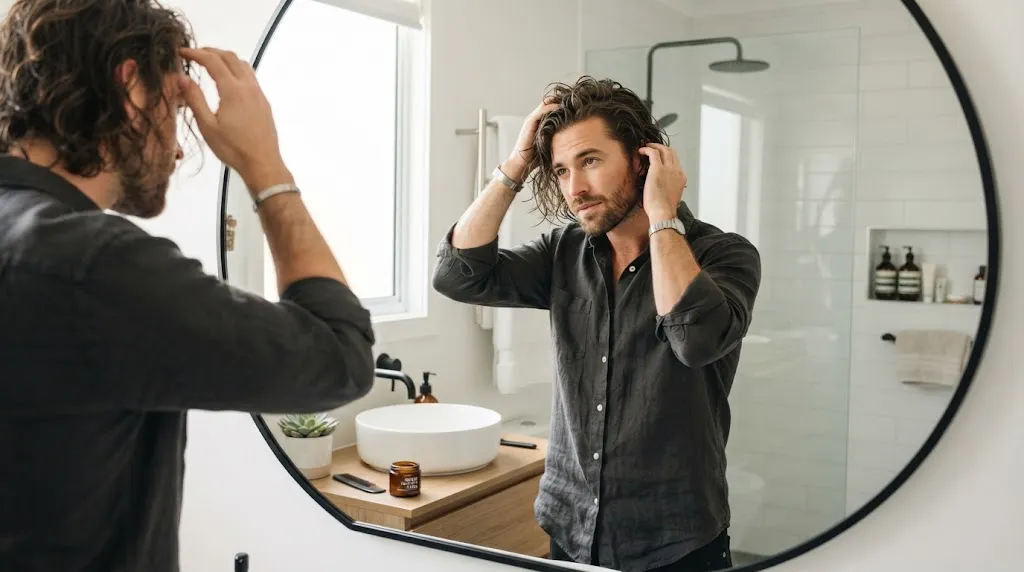
Wash & Prep
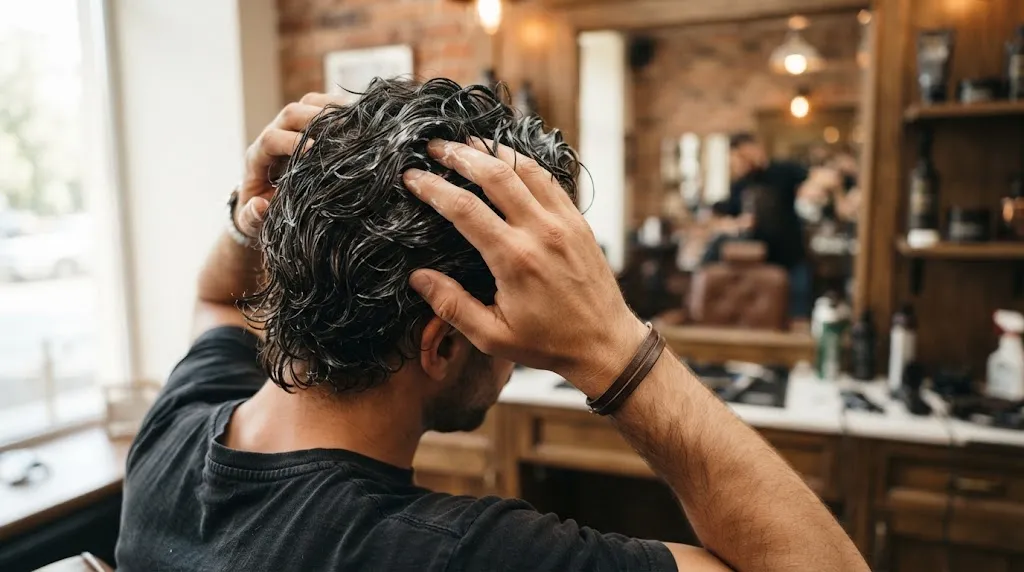
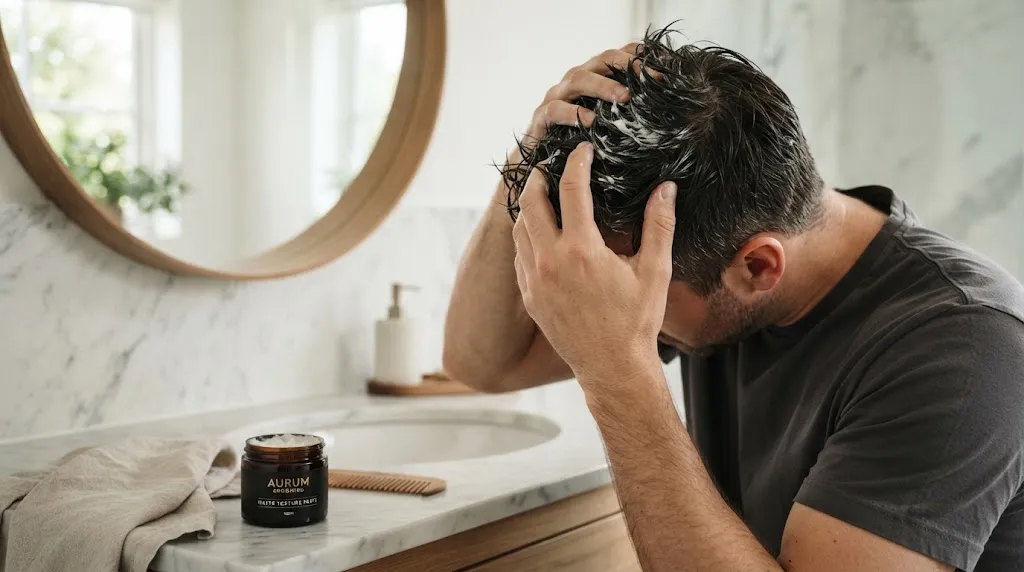

Start with damp, towel-dried hair—not dripping wet, as excess water dilutes product distribution. Apply a leave-in conditioner or pre-styler spray onto your palms, rub them together, and rake evenly from roots to ends. This shields hair cuticles from heat damage while laying down a foundation for grip.
Add Texture/Volume
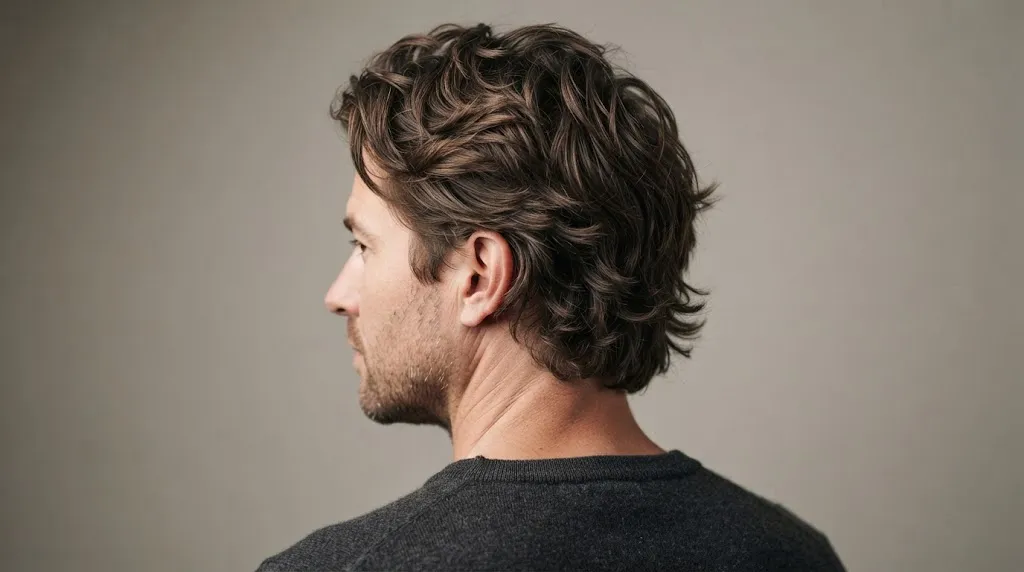
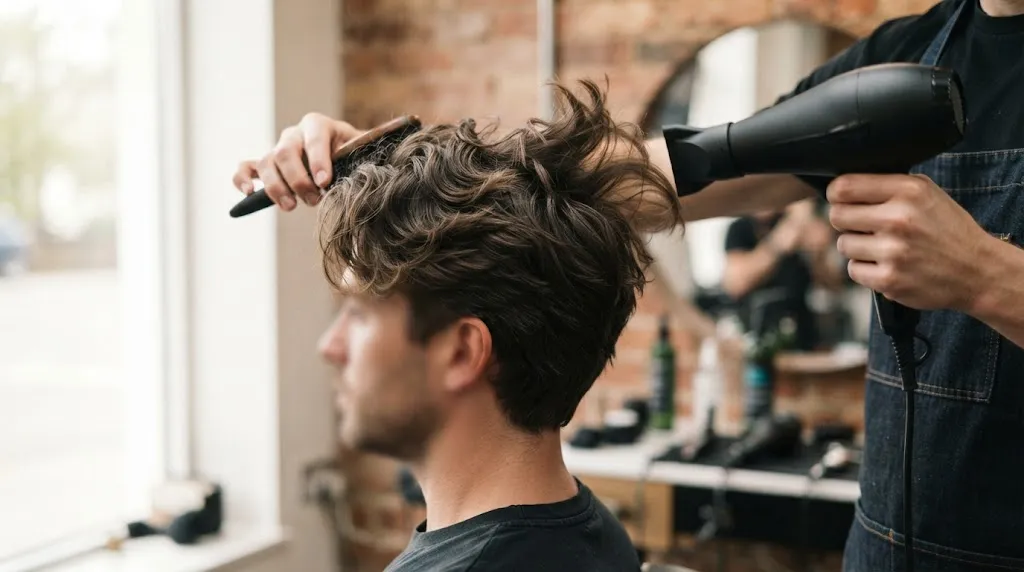
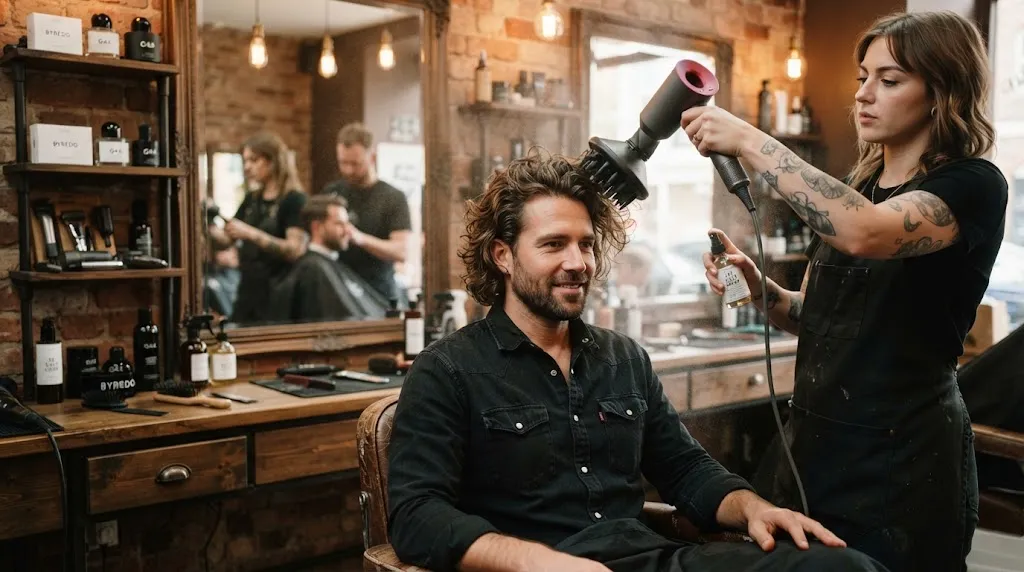
Spritz 4 to 6 pumps of sea salt spray directly onto the mid-lengths and roots. Work it through using your fingers, distributing product from front to back. Sea salt opens up the hair shaft slightly, creating gritty texture and natural lift without adding weight or stiffness.
Blow-Dry for Shape
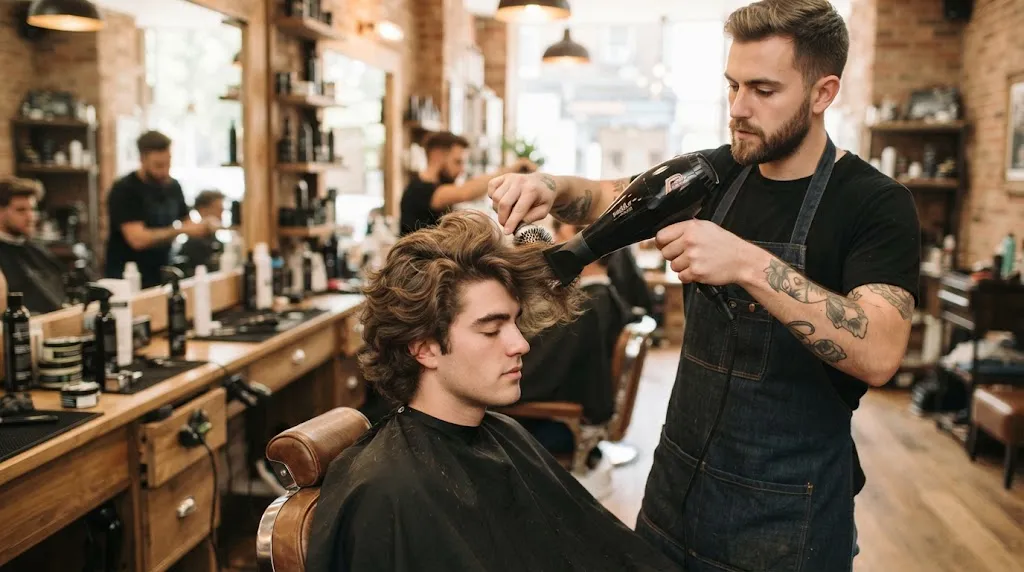
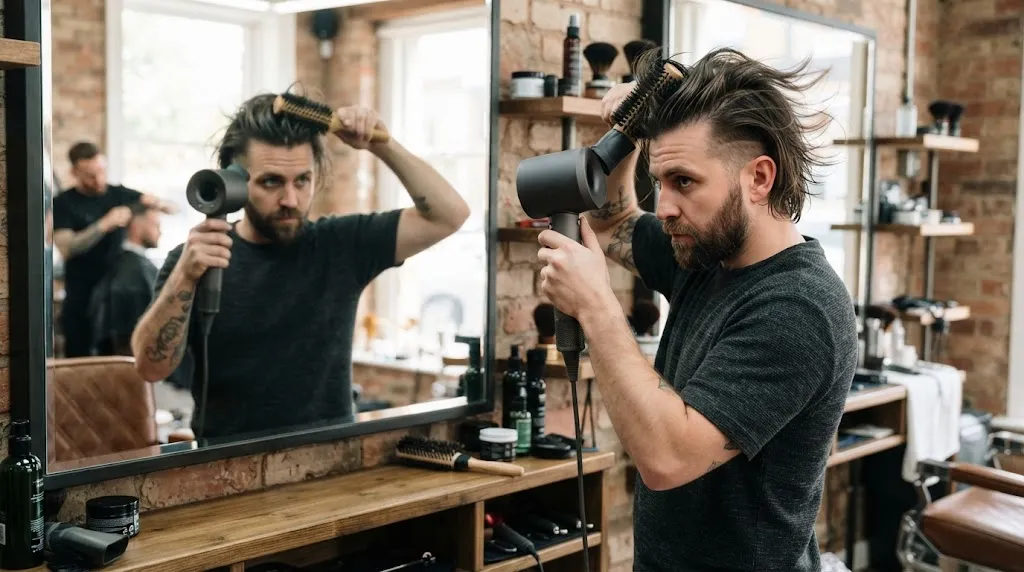
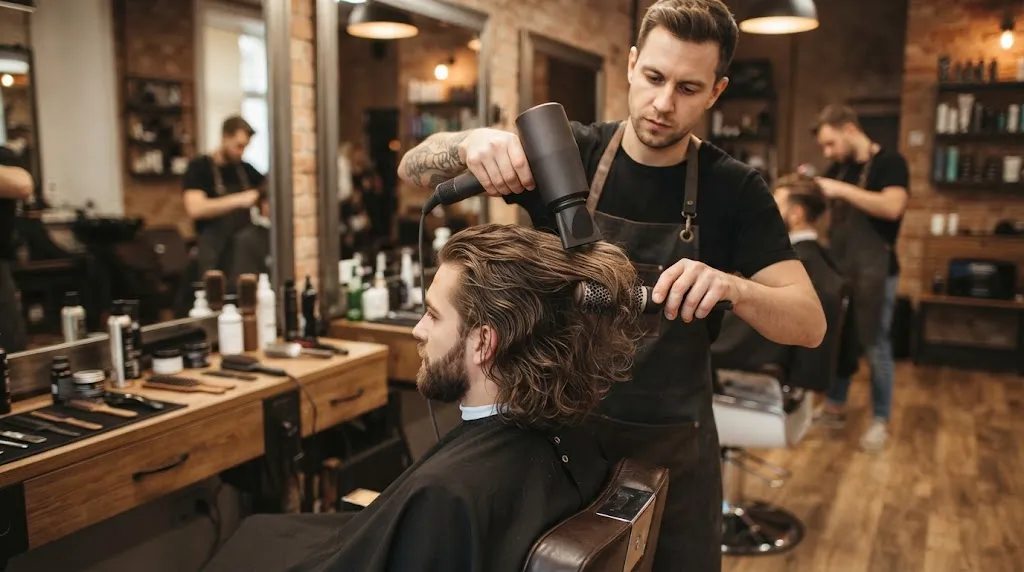
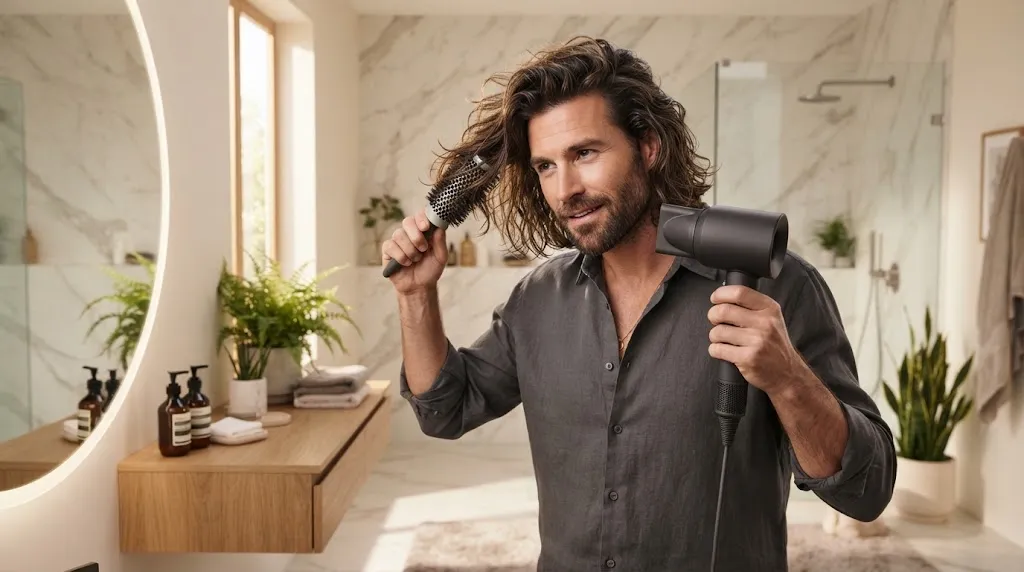
Attach a concentrator nozzle to your blow dryer and set it to medium heat with high airflow. Use a vented brush or your hands to direct hair up and back, pulling away from the scalp to lock in root volume. Once hair reaches 90% dryness, switch to the cold shot button for 15 seconds to set the hair shaft in place and seal the cuticle.
Finish
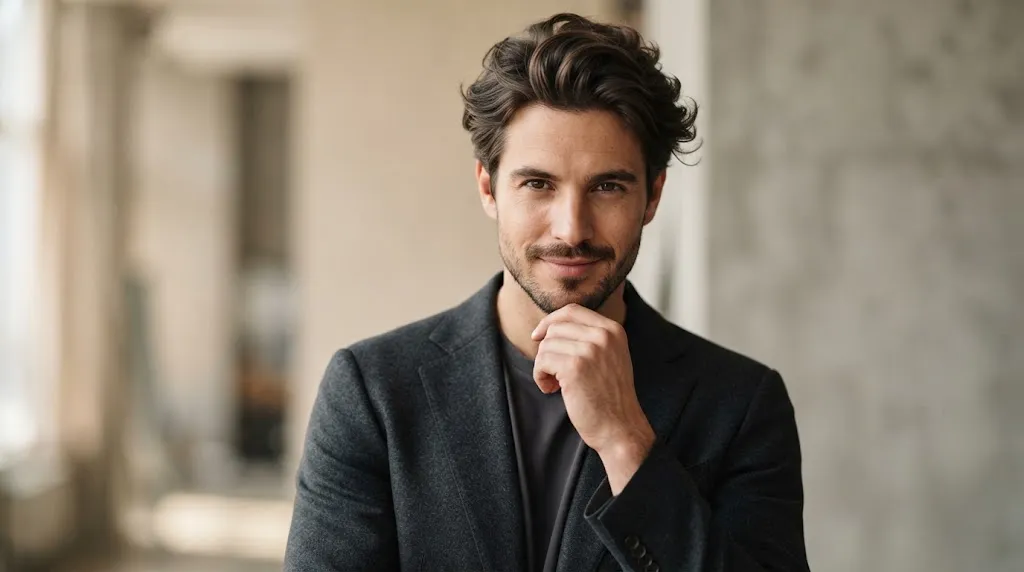


Scoop a dime-sized amount of matte clay or low-shine styling paste into your hands and rub until completely clear on your palms. Warmth activates the waxes. Work the product into the back and crown first, moving toward the front to prevent overloading the forelock, then shape into your desired style using dry fingers.
Product Types That Work for Medium Length Hair


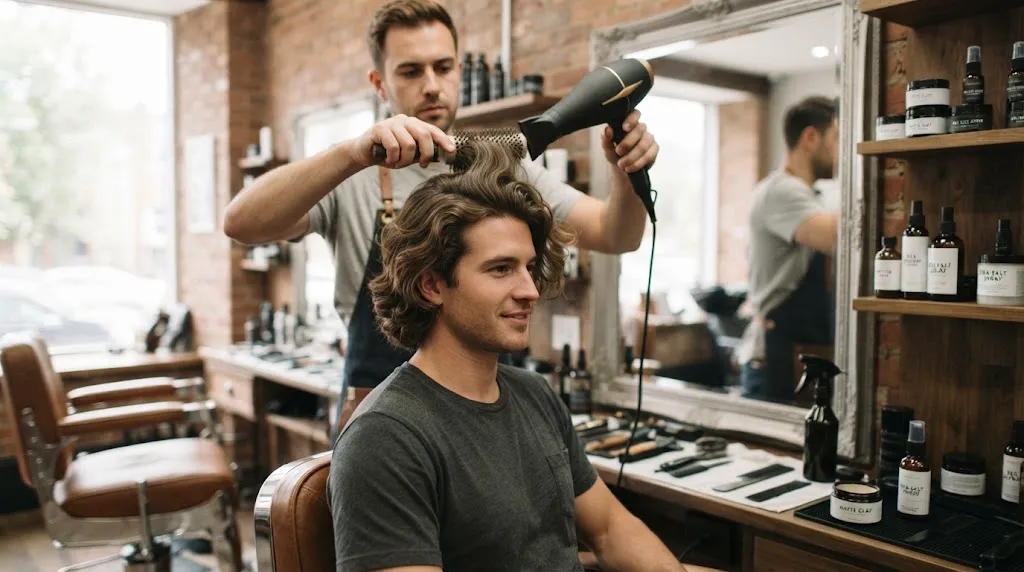
Selecting products for medium-length hair requires balancing control and movement. Heavy gels or high-shine pomades weigh hair down, causing it to collapse under its own weight. Look for lightweight formulations designed to add texture, definition, or soft hold without creating a rigid crust.
Matte Clays & Pastes: Formulated with natural ingredients like bentonite or kaolin clay, these offer a medium, flexible hold with zero shine. They are ideal for adding structure, grip, and piecewise separation to thick or straight hair without making it feel greasy or heavy.
Sea Salt Sprays (Pre-Stylers): Applied to damp hair before blow-drying, sea salt sprays absorb natural oils and swell the hair shaft slightly. This builds volume at the roots and creates a natural, gritty texture that helps styles hold their shape all day.
Styling Creams & Grooming Lotions: Lightweight creams provide low hold with a natural to subtle low shine. They work exceptionally well for wavy or coarse hair, suppressing frizz, taming flyaways, and providing light conditioning without sacrificing movement.
Leave-In Conditioners: Essential for longer medium styles (5 to 6+ inches), leave-in sprays hydrate the drier mid-lengths and ends. They smooth the hair cuticle, reduce static, and protect against mechanical breakage during combing.
Maintenance Tips
Trim Frequency
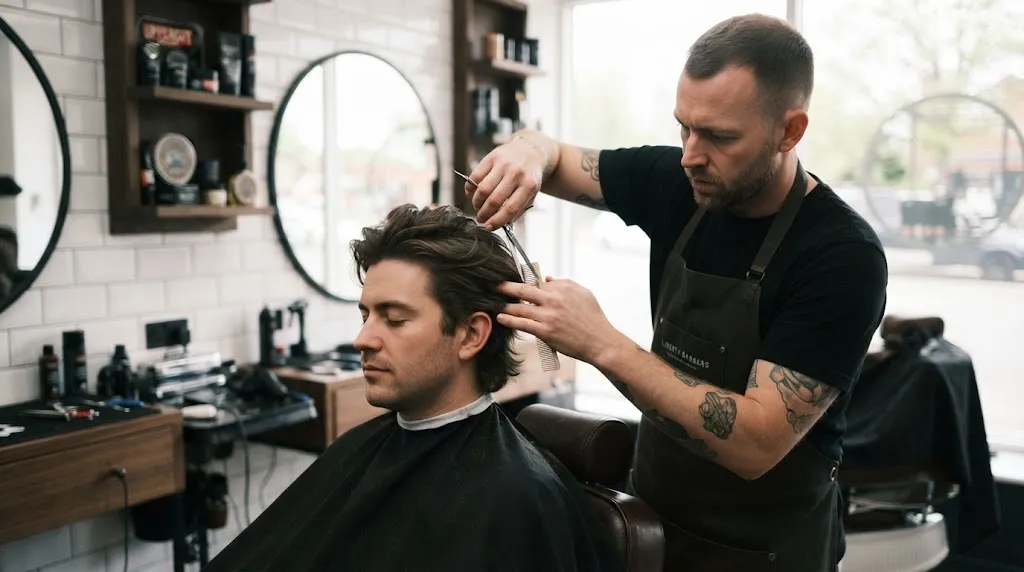
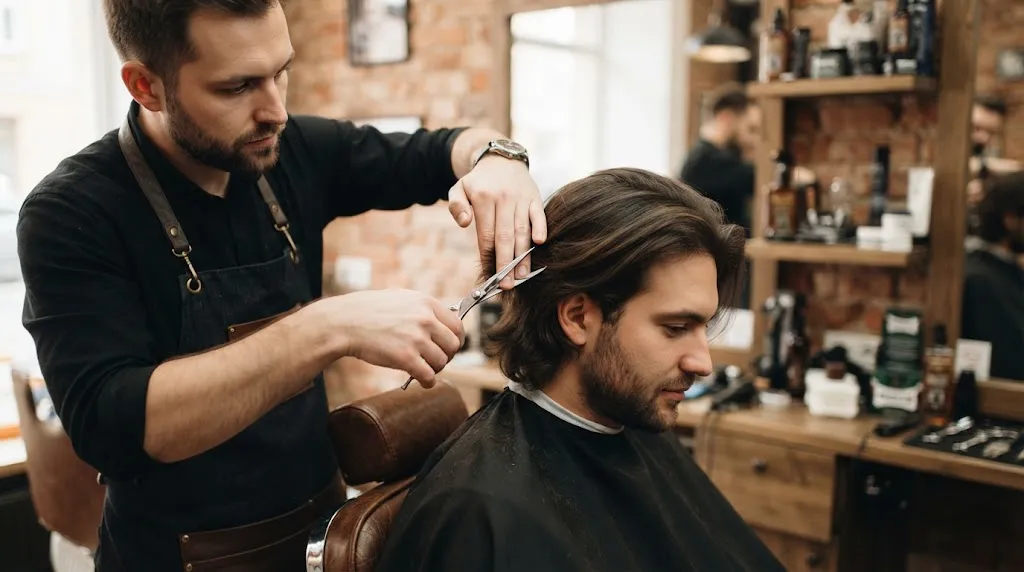
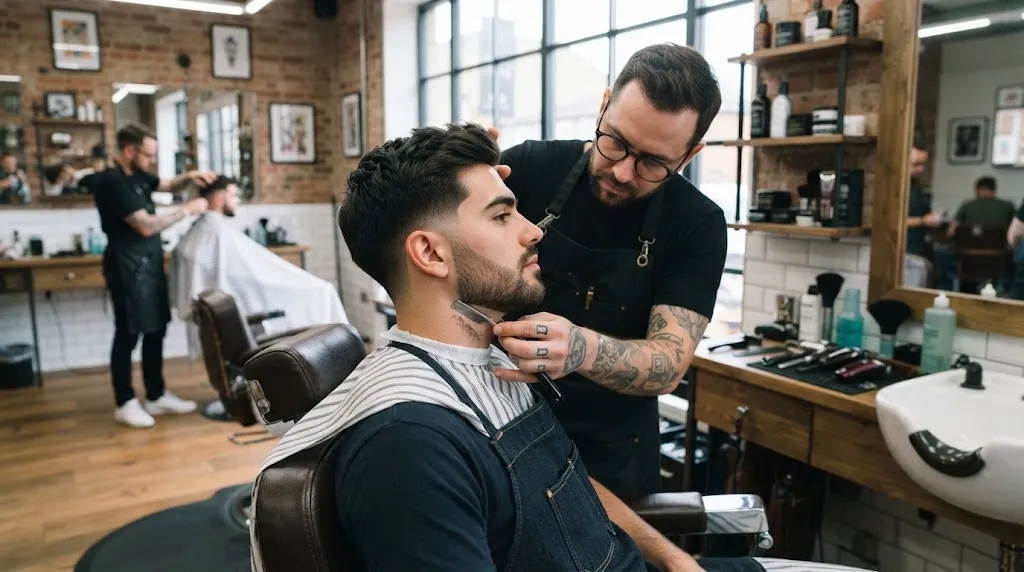
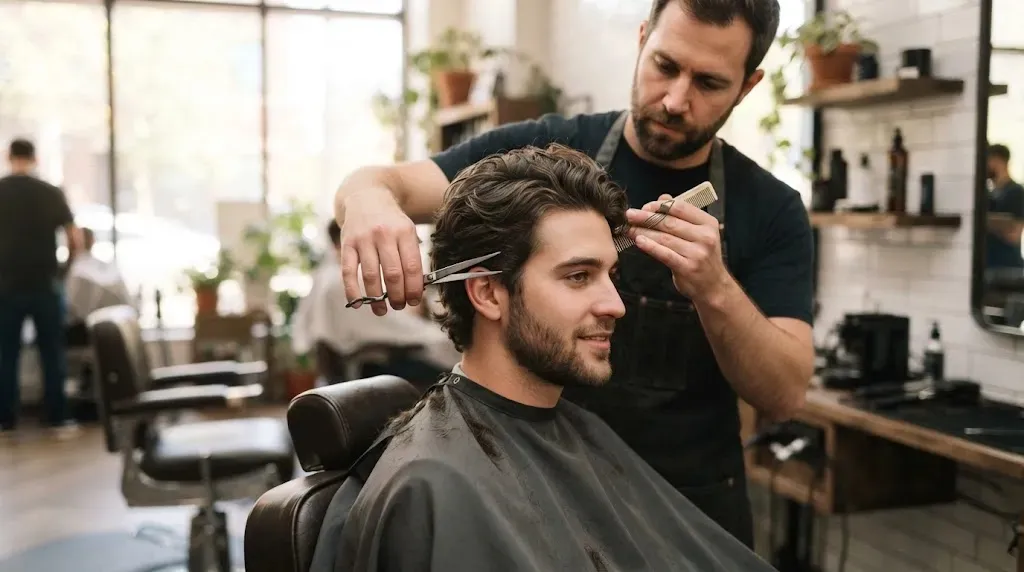
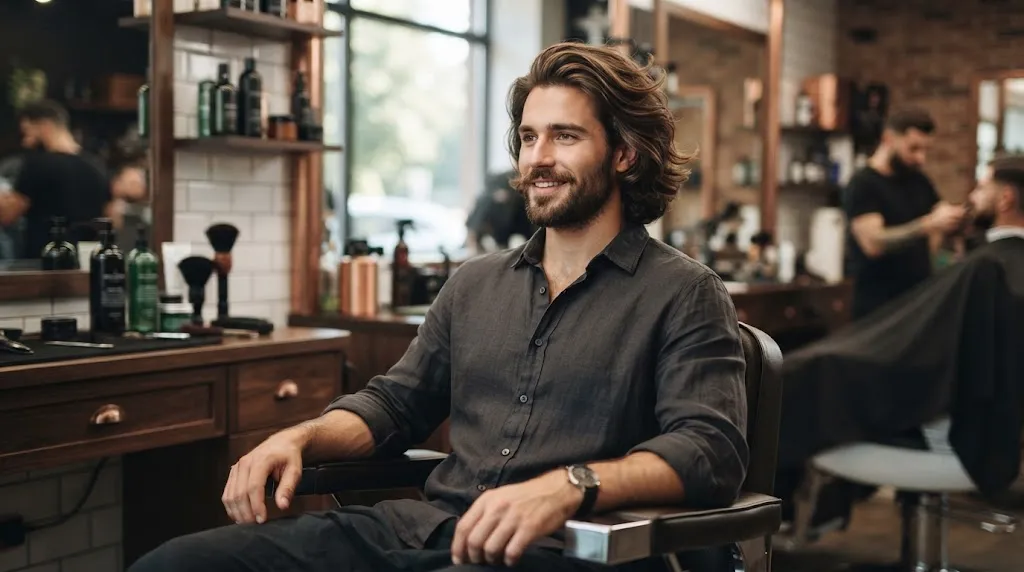
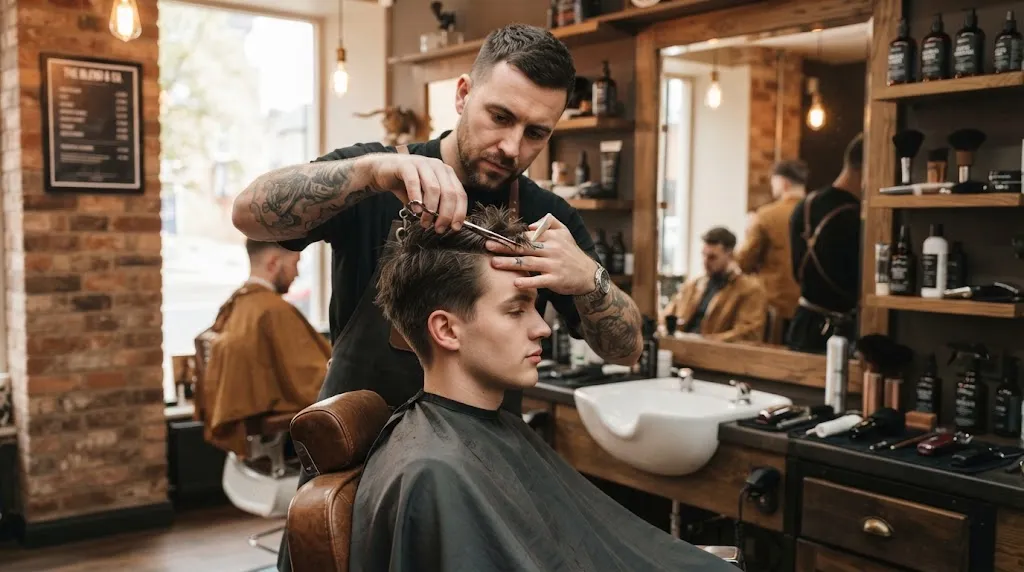
Medium-length hair does not require bi-weekly barber visits, but ignoring maintenance entirely leads to split ends and unbalanced growth. Visit your barber every 4 to 6 weeks for a perimeter clean-up (neckline, sideburns, and around the ears) while leaving the top length intact. Every 8 to 12 weeks, request a light interior point-cut to remove internal weight and refresh split ends without sacrificing overall length.
Daily Hair Routine
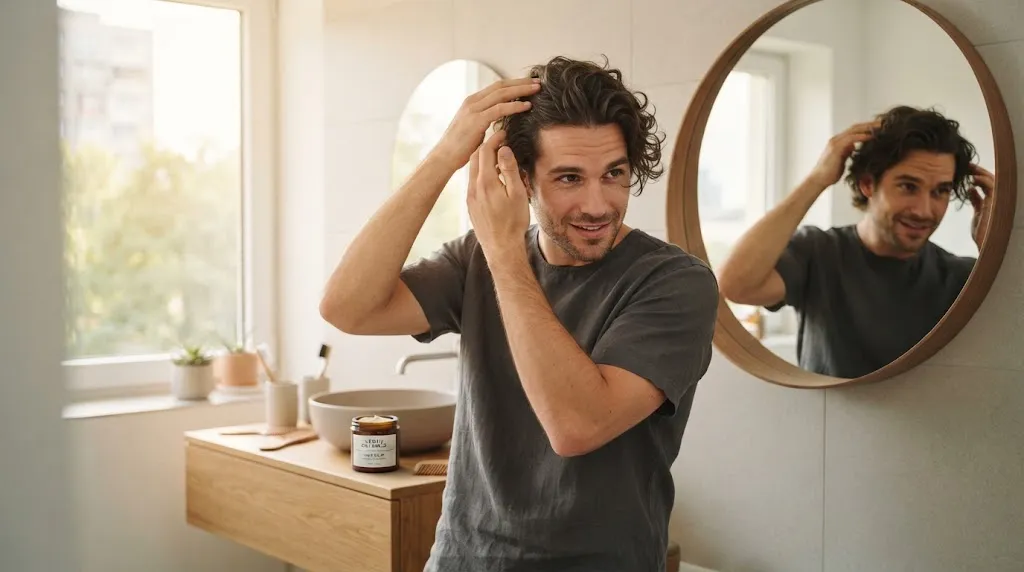
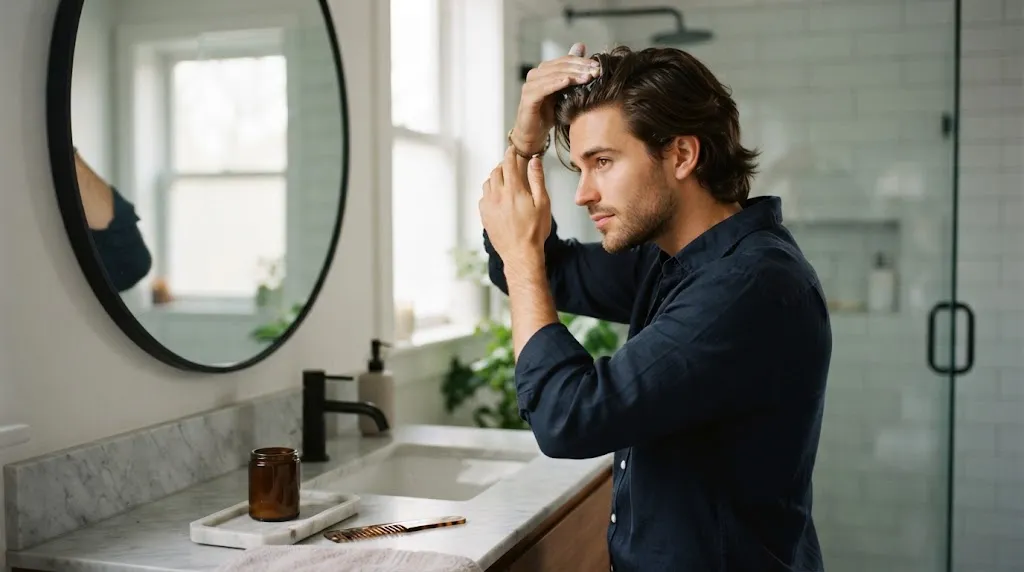
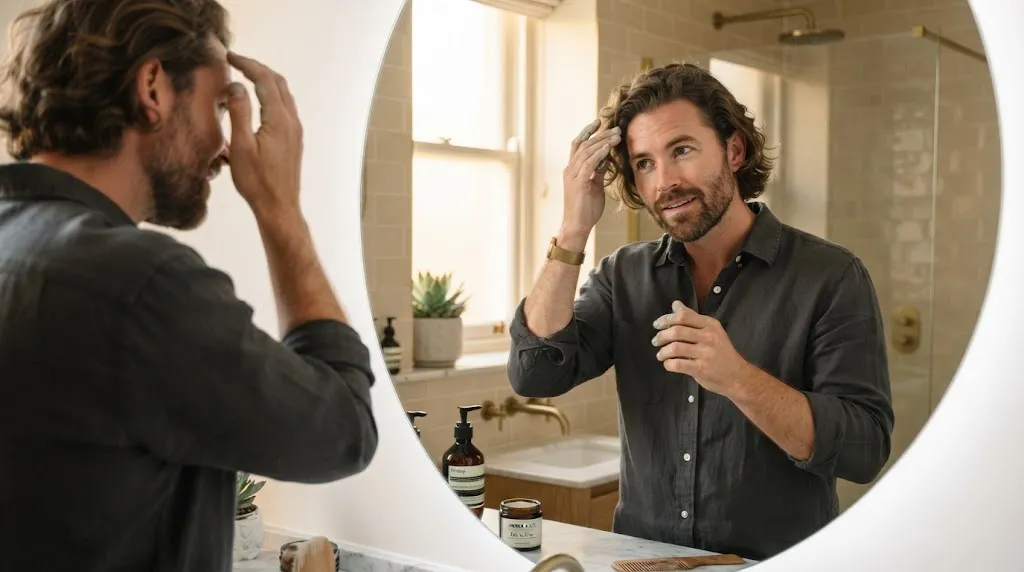
Avoid washing medium hair with shampoo every day, as over-cleansing strips natural sebum, leaving hair dry, frizzy, and prone to static. Limit shampoo usage to 2 or 3 times per week, using a sulfate-free cleanser. On non-shampoo days, rinse thoroughly with warm water and apply a moisturizing conditioner to mid-lengths and ends to maintain hydration and manageability.
Heat Protection
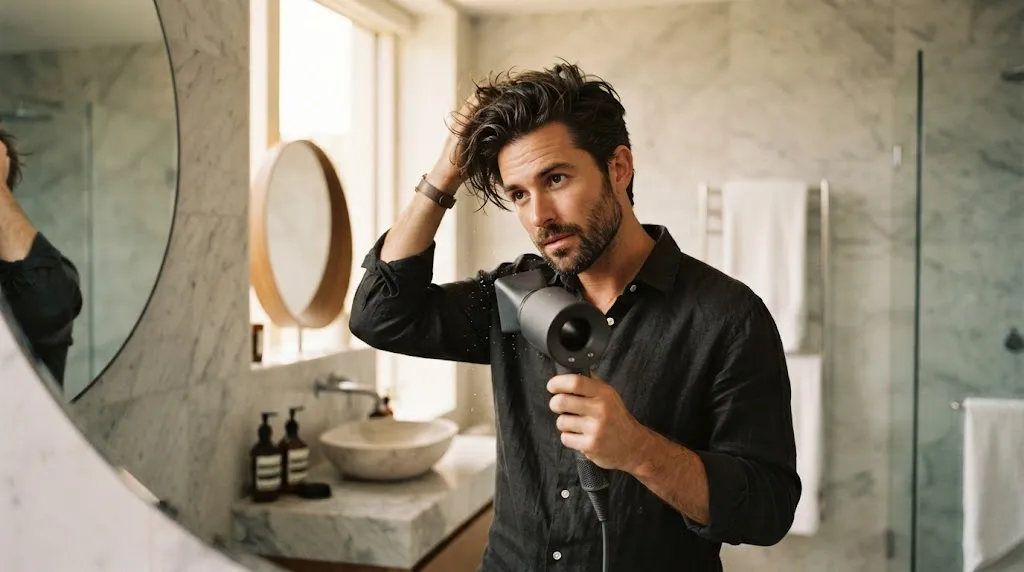
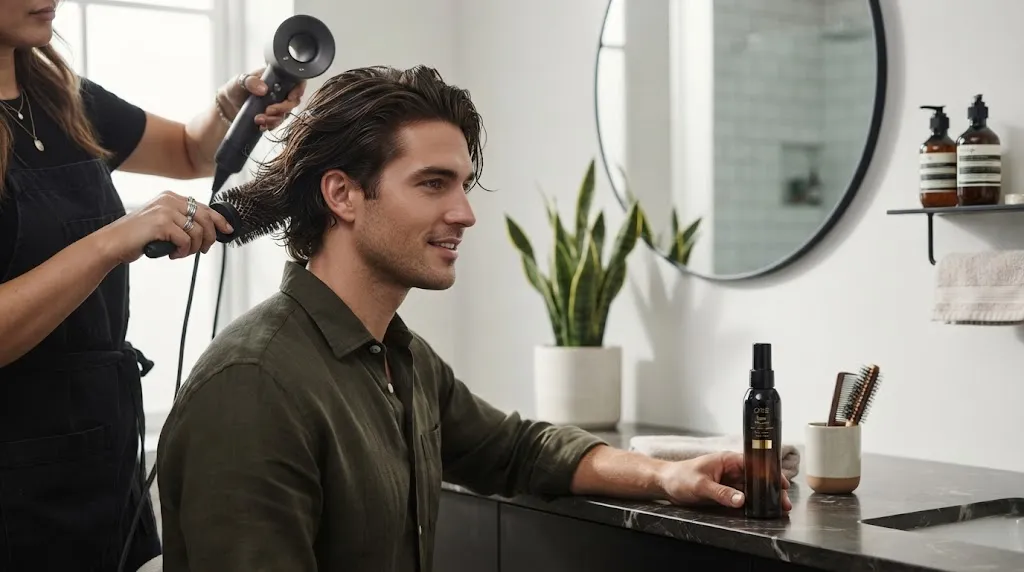
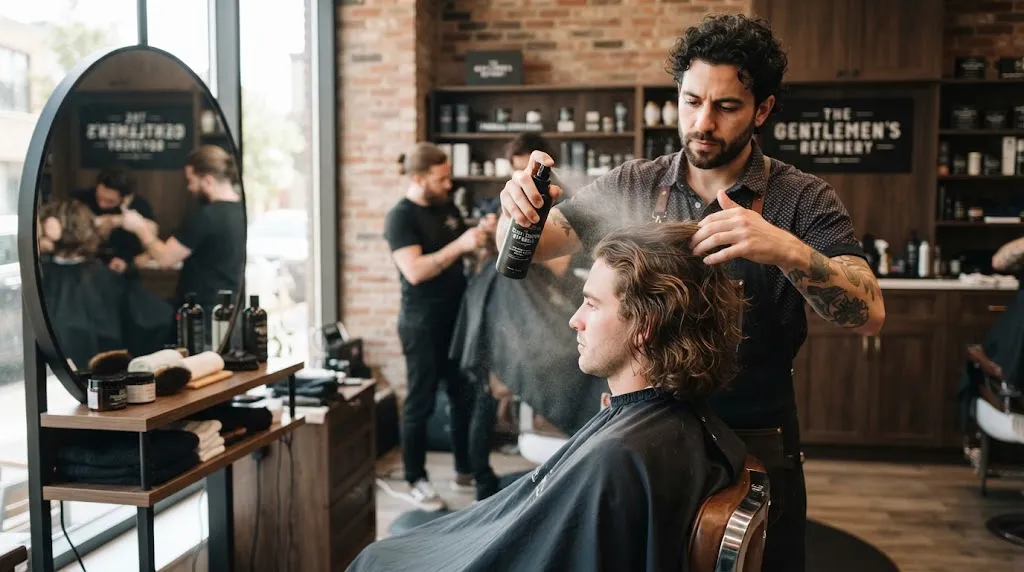
Using a blow dryer daily without protection degrades the hair’s keratin structure, leading to heat damage, brittleness, and dullness. Always apply a dedicated heat protectant spray or a pre-styling cream containing heat-shielding polymers to damp hair before drying. Keep the blow dryer moving continuously at a distance of 6 to 8 inches from the scalp, and avoid using the highest heat setting for extended periods.
Frequently Asked Questions
Can men with thin or fine hair wear medium-length hairstyles?
Yes, but the key is building internal texture rather than keeping heavy perimeter weight. Ask your barber for light layering through the interior to prevent hair from laying completely flat against the scalp, and use lightweight pre-styling sprays like sea salt instead of dense waxes or heavy creams that weigh fine strands down.
Will medium-length hair make my face look rounder?
It depends on how the volume is distributed. Adding height on top while keeping the sides trimmed close to the head elongates the face, which balances rounder features. Conversely, letting bulk build up around the ears widens the appearance of the face.
How do I keep medium-length hair from falling into my face all day?
Product placement and root direction during blow-drying determine hold. Apply pre-styler to damp roots, dry the hair upward and backward away from the face to create directional memory, and finish with a lightweight matte clay worked into the roots at the front hairline rather than just coating the tips.
How often should men with medium hair wash their hair with shampoo?
Shampooing two to three times a week is sufficient for most scalp types. Daily shampooing strips the natural oils required to keep longer hair soft and manageable, leading to excessive dryness and frizz through the mid-lengths and ends. On off days, a thorough rinse with water and light conditioning is enough.
Is medium-length hair harder to maintain than short hair?
It requires less frequent barber visits (every 4–6 weeks compared to every 2 weeks for short fades), but it demands slightly more daily styling time. Expect to spend 3 to 5 minutes each morning blow-drying and shaping compared to the quick wash-and-go nature of a buzz cut or short crop.