
Layer Cut for Frizzy Hair: Which Layers Reduce Frizzy, Which Make It Worse, and How to Ask for the Right Cut
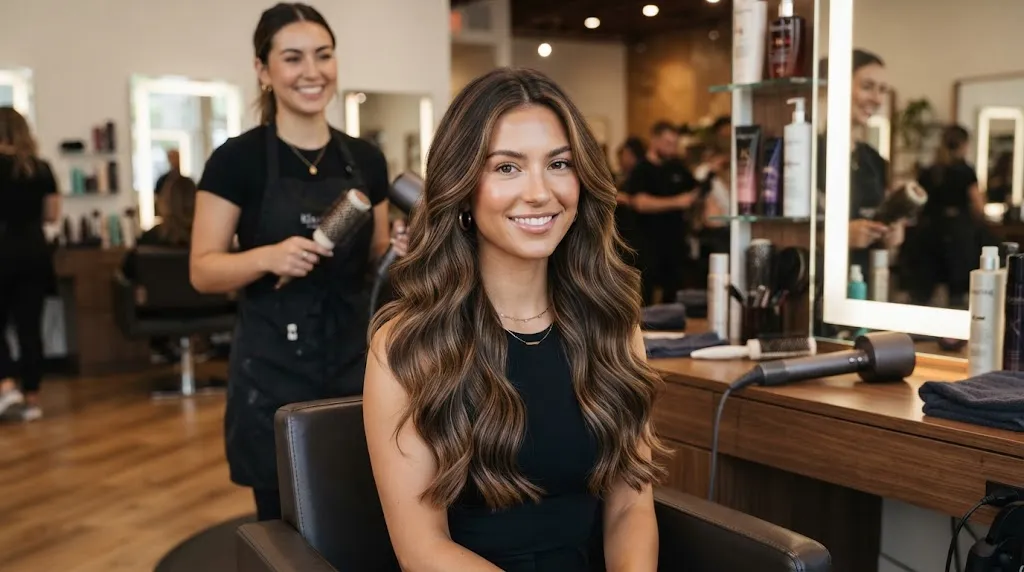
Layers reduce frizz when they remove excess weight and the ends stay blended, and they backfire when they form shelf-like steps or sit on dry, damaged ends. For more cuts by length and texture, browse the women’s haircut guides at Hairstyles USA.
Layers remove heavy bulk so coarse or dense hair can hang naturally instead of expanding outward.
Poorly cut step layers create distinct ledges that puff up and multiply frizz.
The right layer technique depends heavily on your specific hair texture and curl pattern.
Proper daily maintenance and moisture sealing are required to keep layered ends smooth.
Are Layers Good for Frizzy Hair?
Layers are good for frizzy hair when they remove excess weight and blend seamlessly, but they backfire when they create shelf-like steps or sit on dry ends. The outcome depends entirely on your hair texture, the cutting technique used, and your daily styling routine.
When Layers Help Frizzy Hair, and When They Backfire
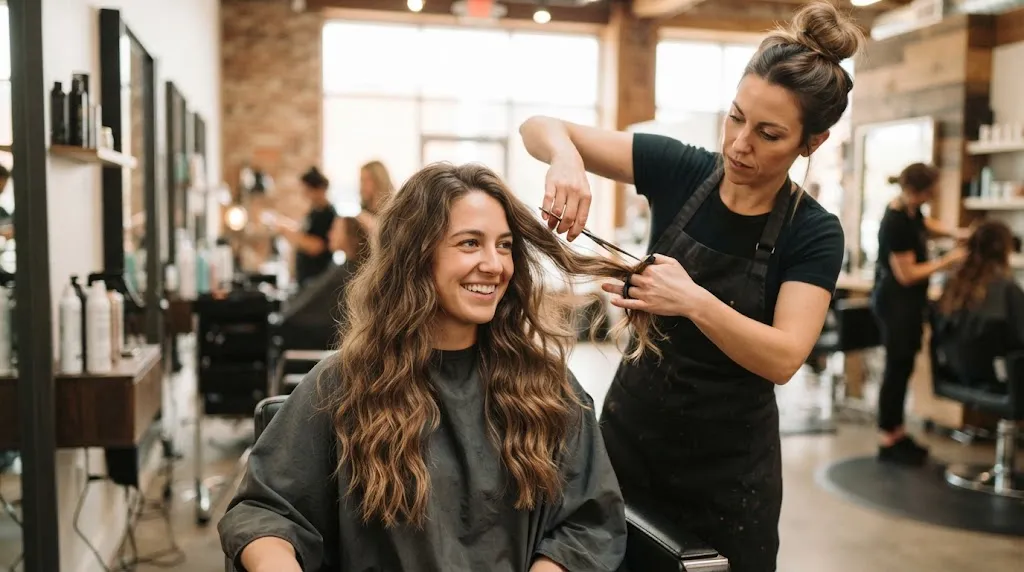
Layers help by removing bulk, breaking up a heavy triangle shape where hair is flat on top and wide at the bottom, and making the strands more responsive to leave-in products. Conversely, layers backfire when they are cut as choppy steps whose ends fail to blend into one another, when they are placed over already dry or split ends, or when the cut is chosen without a maintenance plan. If you are worried about losing your overall length, you can read more about what to expect in the section on how much length you will lose. For details on fixing choppy cutting errors, see the section covering common problems after a layer cut. To explore the best cutting techniques for your specific texture, check the guide on dry cutting for frizzy hair.
Should Wavy Hair Be Layered?
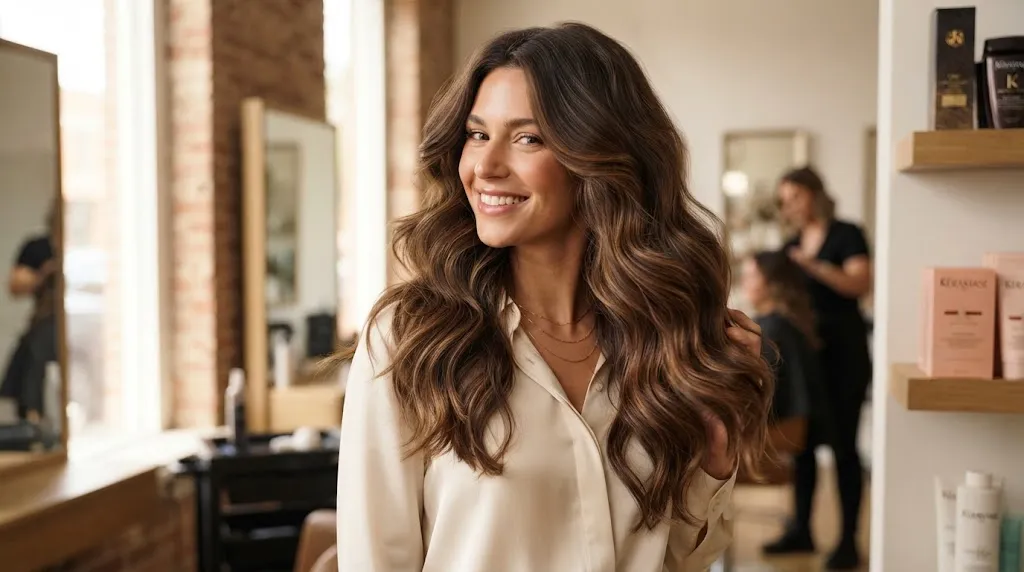
Soft, blended layers suit most wavy frizzy hair, while very fine or damaged strands require a much gentler approach. For specific cuts tailored to your wave pattern rather than a one-size-fits-all shape, look to the wavy frizzy hair section.
Layers vs No Layers: When a Blunt Lob Is the Better Call
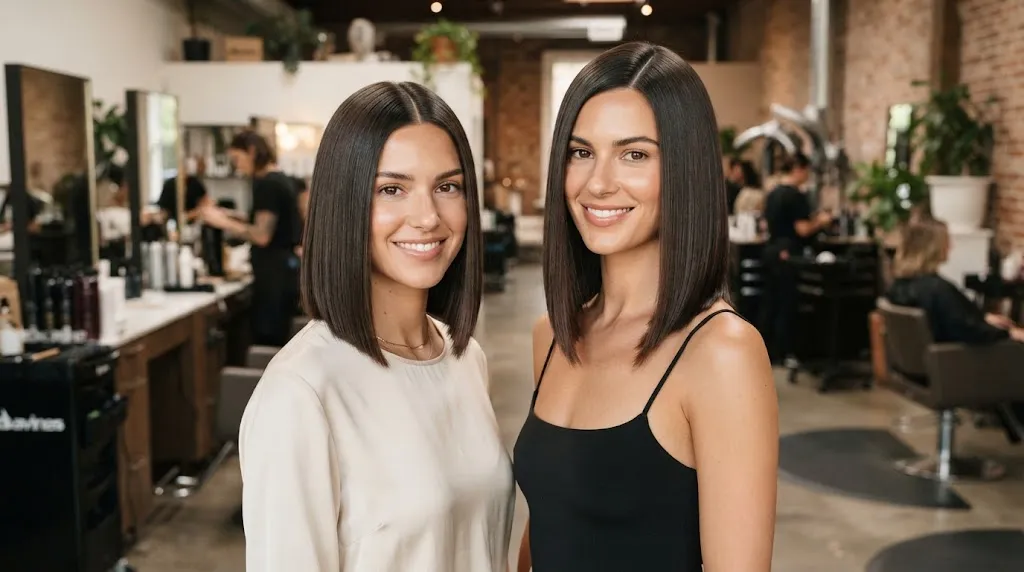
A blunt finish can make fine hair look thicker and healthier, whereas very thick, heavy hair needs more movement than blunt ends can provide. Very thick hair does better with internal weight removal combined with long outer layers. Other low-layer options include the classic chin-length bob for a manageable shape, and the Italian bob for a fuller, polished look. Use this simple decision rule: choose a blunt finish if your hair is fine and needs the illusion of density, and choose layers if your hair is thick and needs bulk reduction to move freely.
Best Haircut for Frizzy Hair (Female): Which Layer Cut Fits Your Hair?
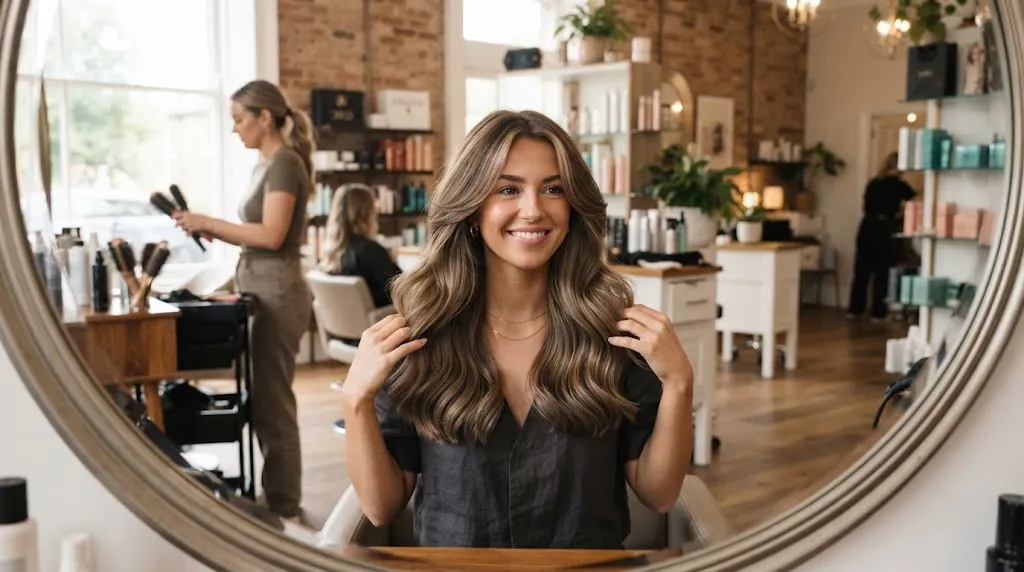
No single haircut suits every frizzy head of hair; your natural texture, overall thickness, and current condition decide which cut will actually calm your hair rather than puff it out.
| Hair Type & Condition | Recommended Cut | Why It Works |
|---|---|---|
| Wavy and frizzy | Long Layers or Soft Shag | Removes bulk while keeping natural wave patterns supported. |
| Curly and frizzy | Layered Lob | Shapes dense coils without creating a triangle silhouette. |
| Thick and frizzy | Face-Framing Layers or U-Cut | De-bulks heavy density so hair hangs smoothly. |
| Fine and frizzy | Curtain Layers with medium layers | Adds shape and movement without sacrificing density. |
Start Here: Identify Your Frizz Pattern
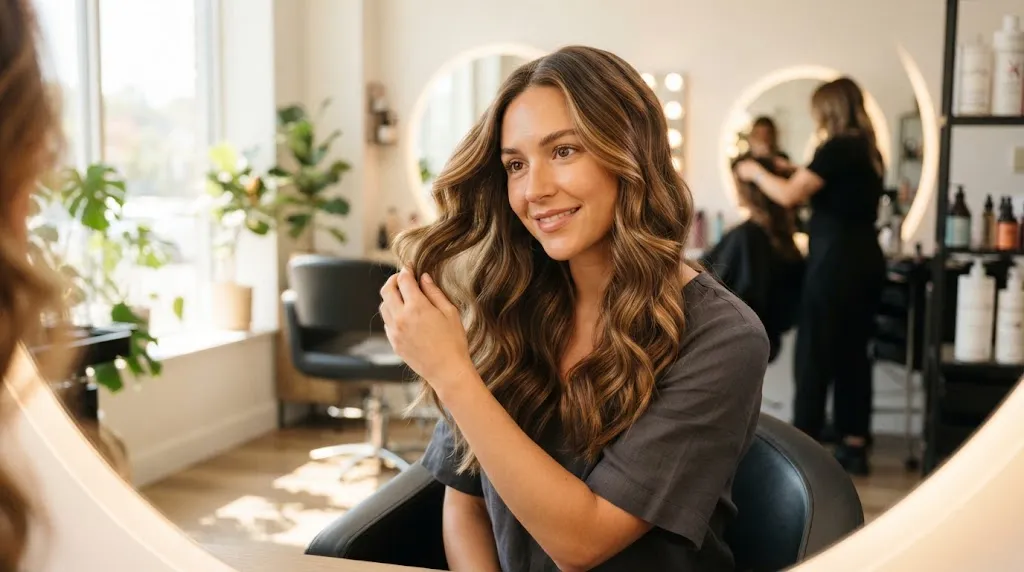
Pinpoint your specific hair profile by checking four distinct traits: texture, thickness, condition, and where the frizz actually appears. First, identify your texture as straight, wavy, or curly, which determines how short your layers can go. Next, check your thickness—fine, medium, or thick—to know whether you need weight removal or volume building. After that, assess your condition for dryness, roughness, damage, or color treatment. Finally, note where the frizz shows up most, whether it concentrates at the ends, sits at the crown, frames your face, or runs from root to tip. Each of these diagnostic answers points directly to the matching texture section below.
Wavy Frizzy Hair

Long layers and layered lobs provide the most reliable foundation for wavy, frizzy hair by distributing volume evenly and preventing a bottom-heavy triangle shape. Loose waves respond well to a Butterfly Cut or a classic U-Cut for controlled movement. Defined waves benefit from a Shoulder-Length Layered Cut or a Feather Cut that honors natural curl grouping. Wavy-curly hybrid textures often find relief in trendy options like the Soft Shag, the daring Wolf Cut, or a structured Feather Cut and Octopus Cut. These choices cover the best haircuts and hairstyles for wavy hair, female, by balancing lift and weight.
Thick Frizzy Hair
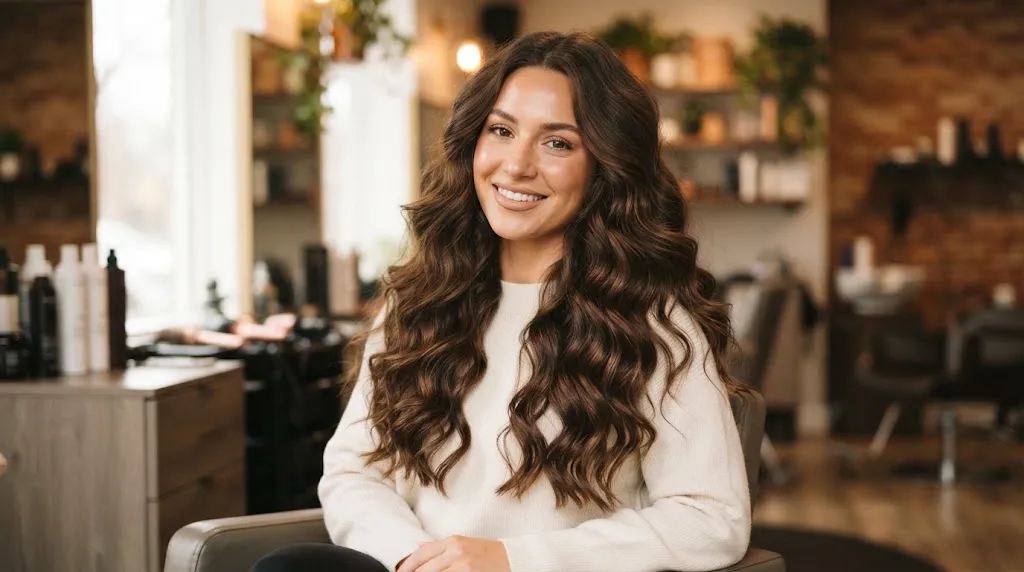
Thick, frizzy hair requires strategic weight-removal cuts that eliminate the dreaded triangle silhouette without exposing choppy ends. A classic Long Layers approach or a structured U-Cut and V-Cut help thin out dense mid-lengths so the hair hangs smoothly down the back. Invisible Layers work exceptionally well hidden beneath the top canopy to reduce bulk on long thick hair without compromising surface sleekness. A Layered Lob also offers a great way to manage heavy density at shoulder length. Avoid heavy, blunt perimeter lines that trap volume right at the jawline.
Thin or Fine Frizzy Hair

Layers can make fine hair look noticeably thinner if cut too aggressively, but the right technique adds airy movement without sacrificing precious density. Invisible Layers or subtle Face-Framing Layers keep the ends looking full while breaking up surface frizz. A Layered Bob or curtain bangs paired with medium layers create flattering softness around the face. According to BeBeautiful, a soft layered bob adds movement without removing much density. If your fine hair is prone to extreme flyaways, a blunt lob often creates a heavier, healthier visual line than extensive layering. These considerations apply directly to anyone seeking effective haircuts for thin wavy hair.
Straight Frizzy Hair

Frizz in straight hair is tied to dryness, heat styling, and rough handling, so layers must stay minimal to keep the ends looking dense and healthy. Haiirology suggests minimal layers for straight-to-wavy hair that frizzes at the front or crown, preventing the ends from looking wispy or frayed. Keeping the perimeter clean ensures that sleek hairstyles for straight hair maintain a polished, uniform finish from root to tip. Focus on surface conditioning and blunt ends rather than heavy step-cutting, which often exaggerates frizz on straight textures.
Dry, Rough or Damaged Frizzy Hair (Including Colored Hair)
Dry and damaged frizzy hair needs a trim first because only cutting removes split ends, as noted by Healthline. Add layers only after the ends are healthy. A sizable cut can revive limp, damaged ends, according to John Frieda stylist Dave Stanwell. Permanent dyes are very drying, so coloring is best done by a professional, notes John Frieda R&D expert Sean Steigerwald. If you are considering chemical smoothing treatments, check the ingredients and talk to a dermatologist.
Curly Frizzy Hair: Curly Shag, Rounded Curly Cut, Curly Bob, Deva Cut, Rezo Cut and Ouidad Cut

Deva Cut cuts each curl individually and at an angle, a method created by Lorraine Massey. Rezo Cut keeps curl volume while balancing the shape. Ouidad Cut is another curl-focused method named alongside the Deva Cut. Curly Shag reduces bulk and defines curls. Rounded Curly Cut provides a balanced shape that enhances curls. Curly Bob shows off natural texture and stays easy to maintain. Dry cutting helps control volume in curly hair. These styles fit well with light curly hairstyles.
Wavy Hair at 65: Best Layered Hairstyle and How to Fix Frizzy, Dry Ends
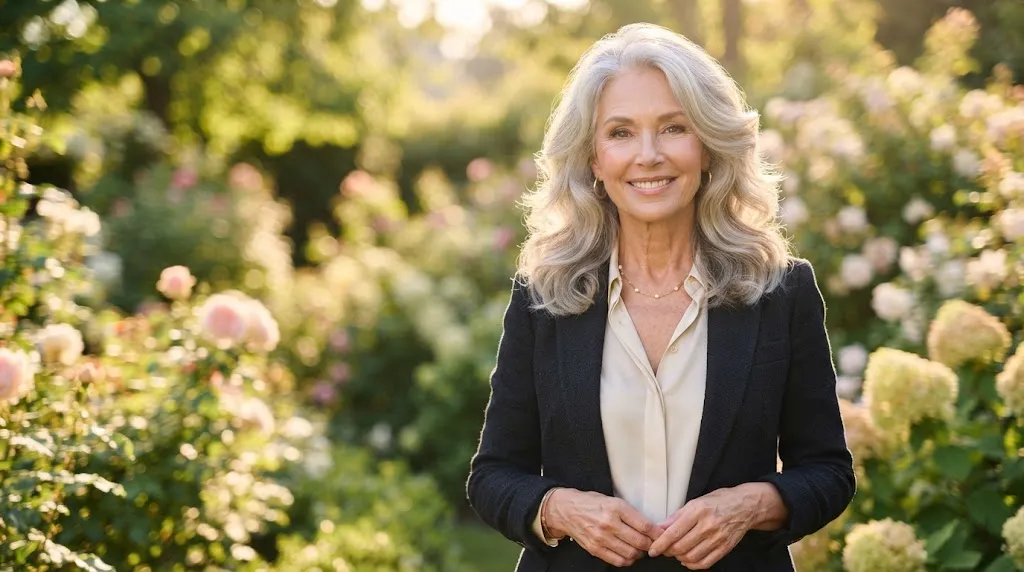
A deconstructed bob with loose layers, shoulder-length layers, and face-framing layers work well for mature hair because they offer easy styling and manage frizz. Fix dry ends with a trim, moisture, leave-in conditioner, and a diffuser or air-drying.
Layer Cut for Wavy Hair (Indian Hair and Humid Climates)
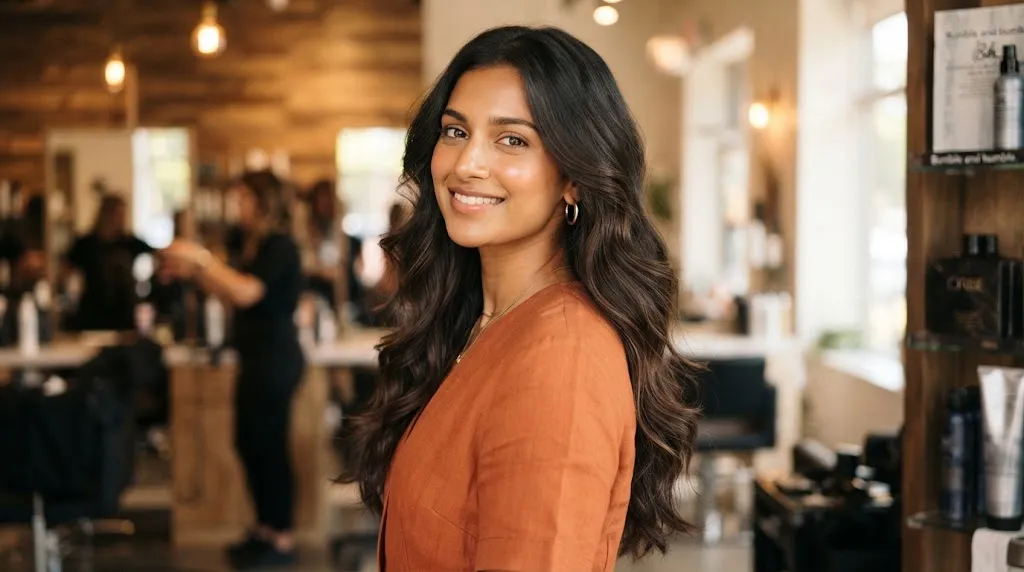
Humidity lets moisture into the hair cuticle, making frizz control essential in humid weather, while a lightweight anti-frizz serum or leave-in forms a barrier. Good shaping options include the U-Cut, V-Cut, and Soft Step Cut. Bring reference photos showing hair as dark as yours to get the best result.
What Most Guides Miss About Layers for Frizzy Hair
Frizzy hair cuts fail when stylists treat the texture like straight strands. This section covers the mechanics of frizz, realistic length expectations, blending techniques, and the precise script needed to communicate with your stylist.
Why Hair Frizzes (and What a Haircut Can't Fix)

A haircut removes split ends and excess bulk, but it cannot fix environmental frizz. Frizz happens when a lifted cuticle lets moisture in from the air (Boston 25), while humidity, dryness, and daily styling habits all contribute to the problem (Healthline). Because a cut alters shape rather than cuticle health, it manages volume and texture weight without eliminating frizz on its own.
How Much Length Will You Lose?
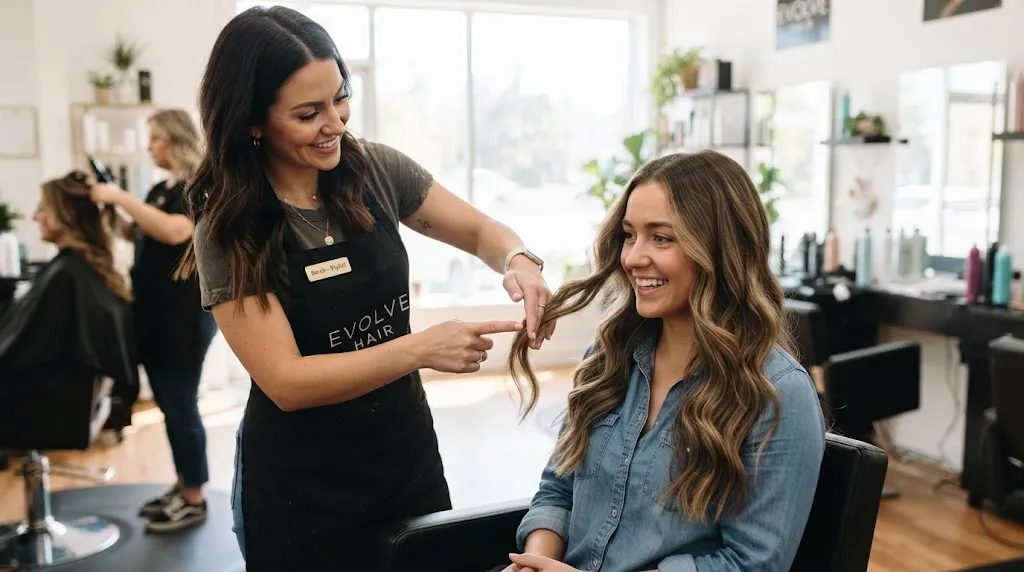
The shortest layer dictates how short the overall cut feels, so always ask your stylist where that top layer will land on dry hair. If you want to keep your length while removing weight, ask for Long Layers, Face-Framing Layers, or a Butterfly Cut, which allow you to keep your baseline length intact while managing bulk. To explore options that maintain overall length, read more about getting a haircut without losing length.
Blended vs Step Layers: How to Check While It's Being Cut
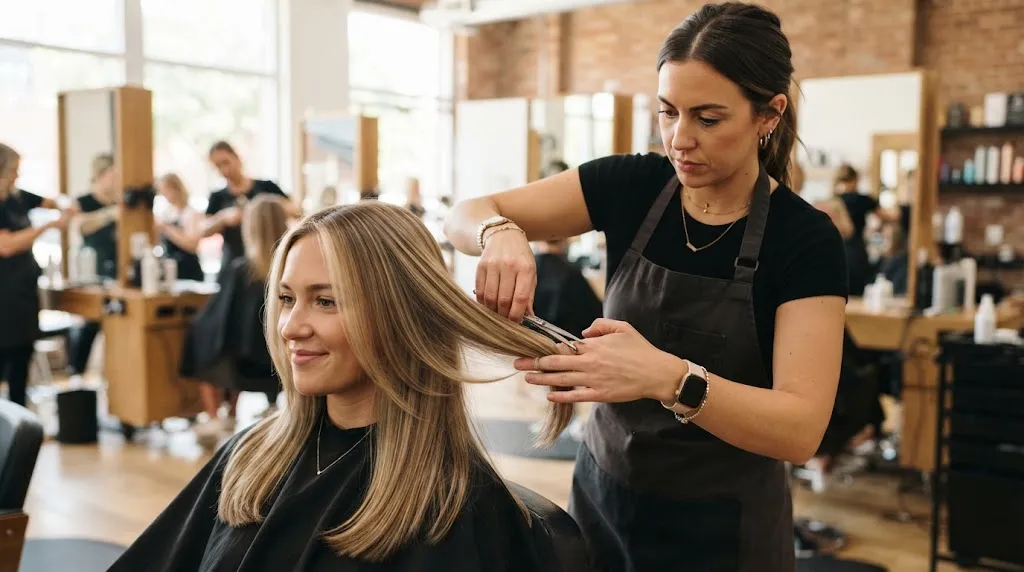
Blended layers melt together seamlessly, whereas step layers create distinct shelf-like ledges whose unconnected ends can make frizz look worse and harder to style (Michael Van Clarke). To check the cut while sitting in the chair, look in the mirror to ensure the layers connect smoothly with no harsh shelf lines visible.
Dry Cutting for Frizzy Hair
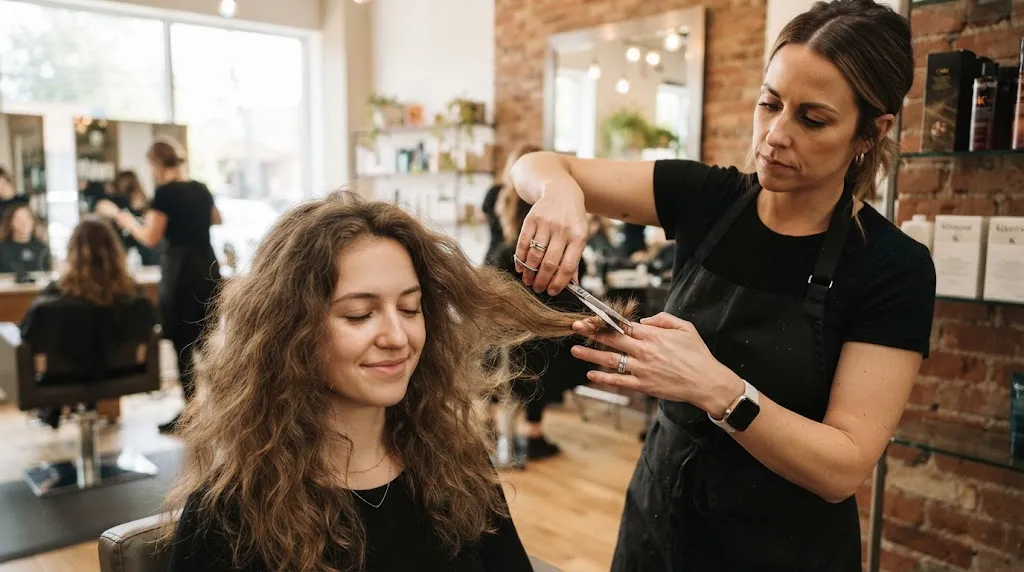
Dry cutting allows the stylist to see exactly how your natural texture and volume sit before finishing the cut. This method is often used to control volume in curly hair (Healthline), and bangs are typically cut dry while left slightly longer to account for how they react to humidity and frizz (Dave Stanwell, John Frieda).
What to Tell Your Stylist: Script and Photo Checklist
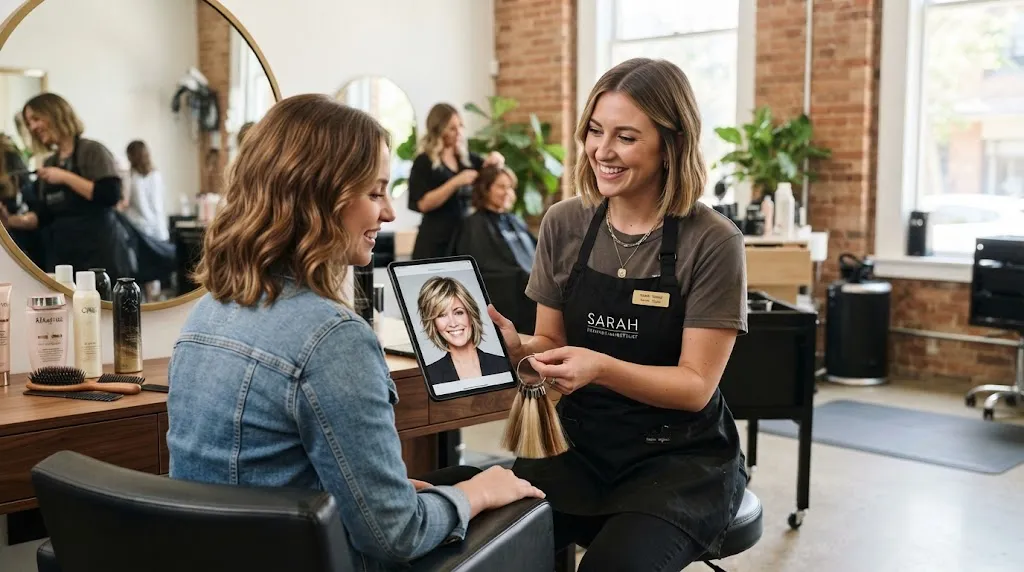
Miscommunication is the primary reason frizzy-hair cuts go wrong (Dave Stanwell, John Frieda). Use this exact script and checklist when you sit in the chair: describe your hair texture, point out where frizz bothers you most, share your daily styling routine, bring a dry-hair reference photo, and explicitly request “blended layers, no shelf lines” while asking them to “show me where the shortest layer lands on dry hair.” Ultimately, layers on frizzy hair are best left to an experienced professional.
Long Layer Cut for Frizzy Hair
Long layers change how hair behaves by shifting weight away from the ends. Where the layers start and how well they blend decide how much weight leaves the hair. Here are the right cuts for long wavy hair, including options for haircuts for girls with long hair.
Long Layers
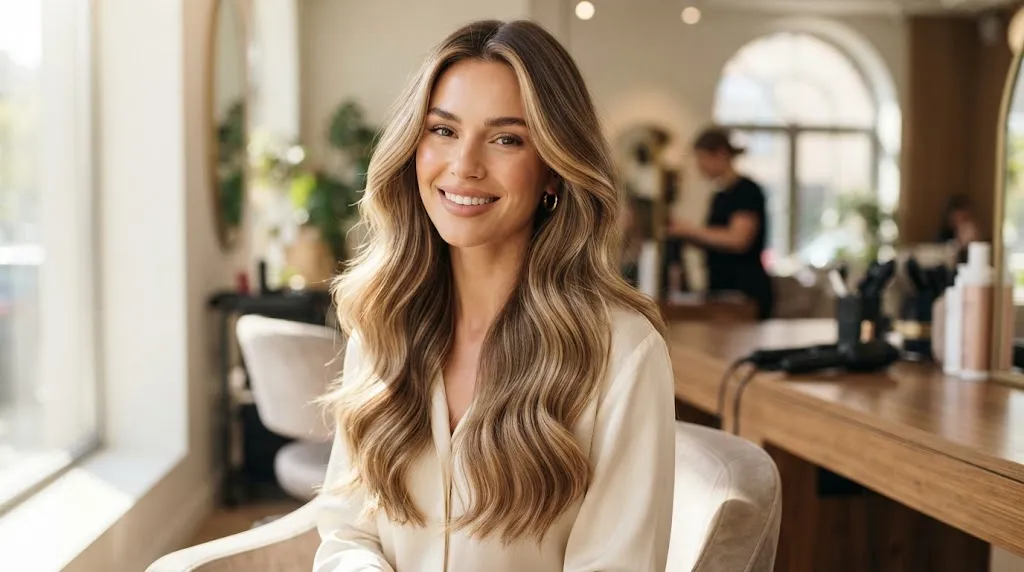
Long layers serve as the baseline cut for frizz because they remove excess weight while keeping overall length intact. Variations include Long and Loose Waves, Beachy Waves with Long Layers, Waist-Length and Tapered, and Long Textured Cuts.
Best for: Wavy or loose-curl hair that frizzes at the ends.
How to get it: Bring a photo of the finished cut on dry hair and ask for blended layers.
Upkeep: Longer cuts hide regrowth, so salon visits can be spaced further apart, with split-end trims generally scheduled every 8 to 12 weeks (BeBeautiful; Dave Stanwell, John Frieda).
Avoid: Layering over damaged ends before trimming them first.
Face-Framing Layers
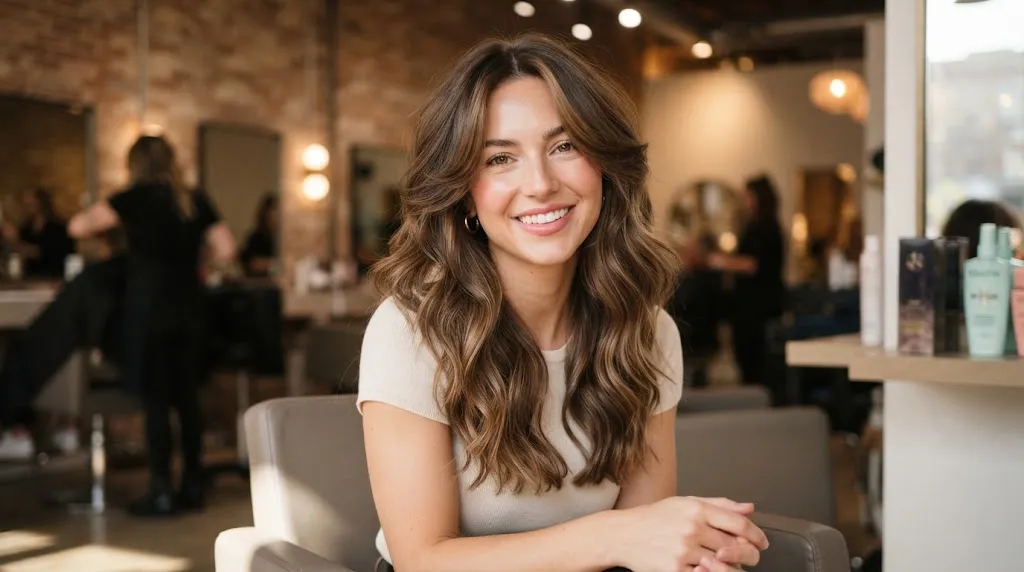
Can you get layers without losing length? Shorter pieces around the face soften the look and blend with natural texture while the length stays intact, offering a low-commitment way to try layers.
Best for: People who want to keep length, as well as thick frizzy hair (Shell Hair).
How to get it: Ask where the front layers start on dry hair, then dry the front using a diffuser or a round brush on low heat.
Upkeep: Standard trims apply.
Avoid: Styling the front with high heat every day (Healthline).
Curtain Layers
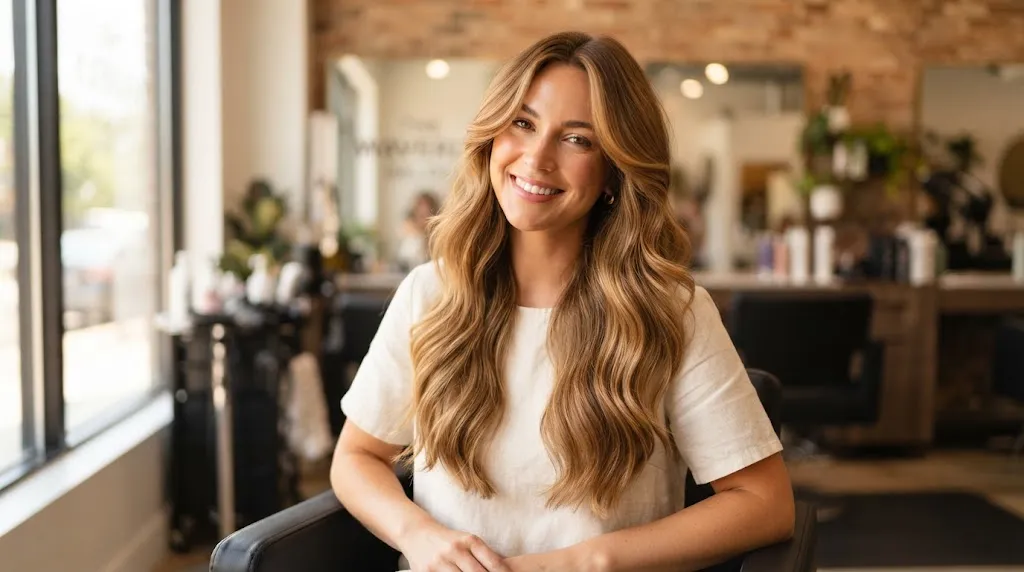
Bangs that puff up by midday need a different cutting approach to stay manageable. Curtain layers frame the face and blend naturally with wavy hair (BeBeautiful), with variations like Long and Piece-y with Curtain Bangs and Side-Swept Bangs.
Best for: Fine frizzy hair paired with medium layers (Shell Hair) and wavy hair.
How to get it: Ask for a dry cut, then trim the pieces shorter later if needed.
Upkeep: Bangs need touch-ups about once a month (Dave Stanwell, John Frieda).
Avoid: Cutting bangs on wet hair.
Butterfly Cut
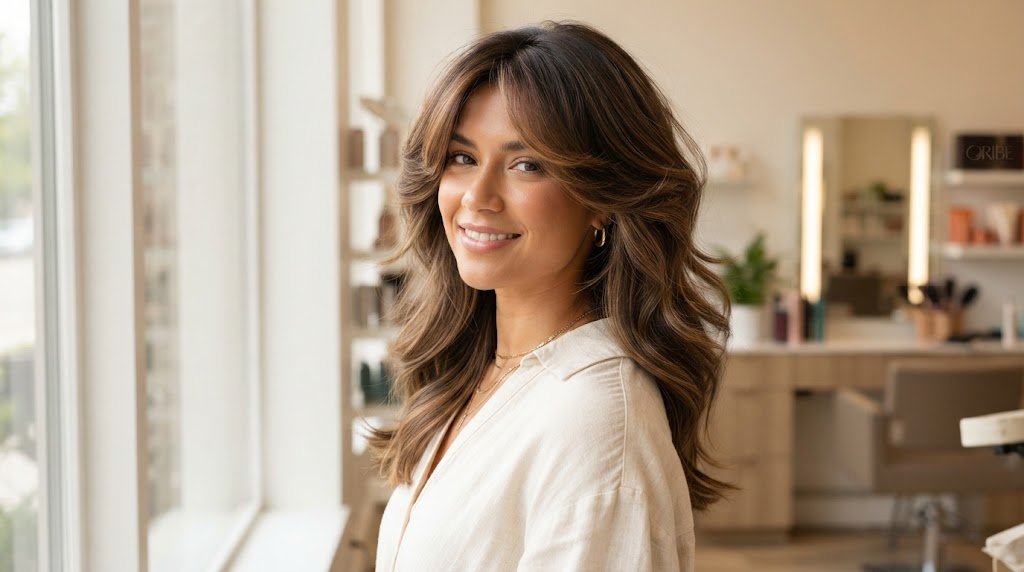
A butterfly cut is a long-layer haircut that keeps your length but adds a shorter, rounded tier of layers through the face and crown, so it behaves like a short layered cut sitting on top of a long one. Picture waist-length wavy hair that lies flat on top and gets heavy toward the ends: the stylist leaves the lower tier long, shortens the upper tier so it lifts at the roots and sweeps back from the face, and you set it with a diffuser on low heat rather than a hot round brush to limit frizz.
What it is: It works on wavy frizzy hair with a textured finish. The signature flip needs styling, so a diffuser route trades some flip for less heat. The technique involves sectioning, cutting face-framing layers, layering while keeping length, and styling for bounce and texture. Related viral cuts include the Octopus Cut, which features crown volume with tapered lengths (BeBeautiful). This style works well as a volume haircut.
Best for: Medium to long hair that is flat on top and heavy at the ends.
How to get it: Ask for the upper and lower tiers separately, on dry hair.
Upkeep: Needs regular styling to hold the shape alongside standard trims.
Avoid: Daily hot blowouts, and too many short layers on very fine hair, where the volume can look sparse.
Sectioning and layering, step by step
A step-by-step tutorial for very long hair: sectioning, face-framing layers, layering while keeping length, and styling for bounce and texture.
Watch on YouTubeU-Cut
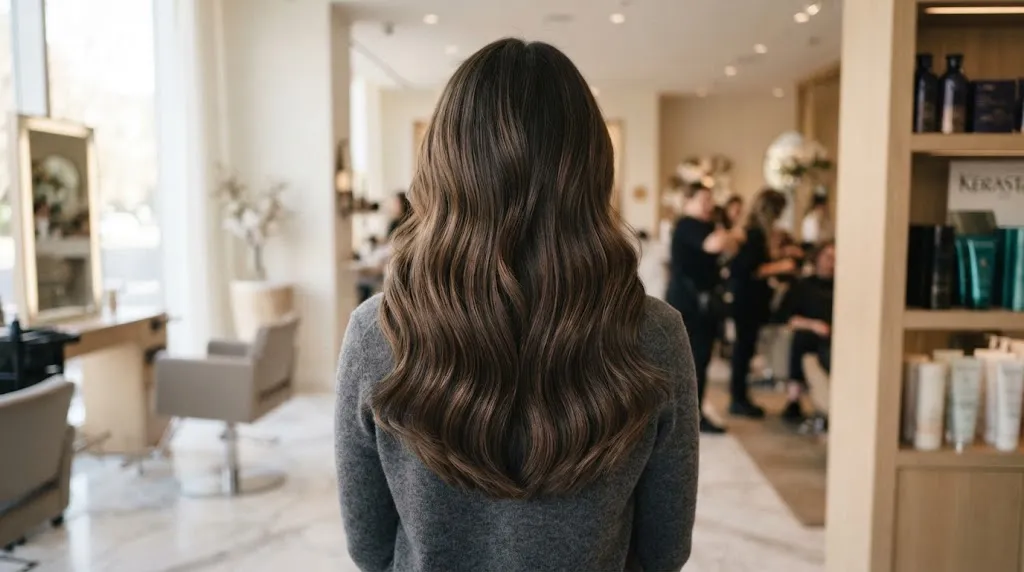
A U-cut provides a rounded back outline that reduces heaviness in thick, wavy hair (John Frieda) and helps long frizzy hair fall evenly (BeBeautiful).
Best for: Thick, long hair.
How to get it: Show a back-view photo and agree on how deep the U goes.
Upkeep: Trim regularly to keep the outline smooth, remembering that only trimming removes split ends (Healthline).
Avoid: A U so deep that the ends look thin.
V-Cut
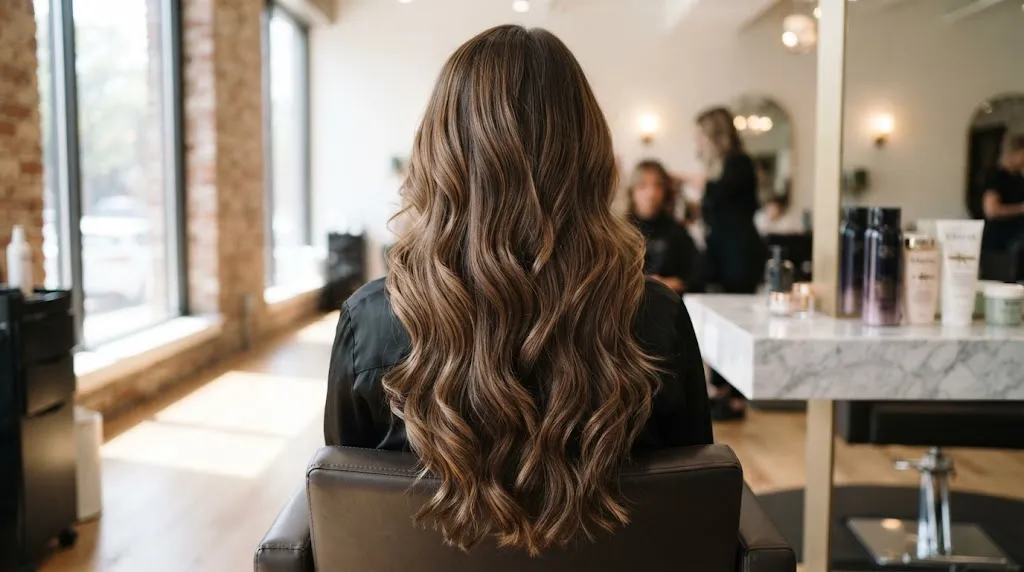
While the U-cut creates a rounded shape, a V-cut forms a subtle V down the back, removing bulk while keeping length, which suits thick, frizzy textures (BeBeautiful).
Best for: Thick, long frizzy hair.
How to get it: Bring a back-view reference photo and agree on the taper depth.
Upkeep: Standard trims.
Avoid: A deep V on fine hair.
Medium Length Layer Cut for Frizzy Hair
Medium length is the most forgiving starting point for layers; the primary decisions are determining how much weight to remove and deciding how visible the layers should be. This length works particularly well when styled as a medium hair cut for girls.
Shoulder-Length Layers
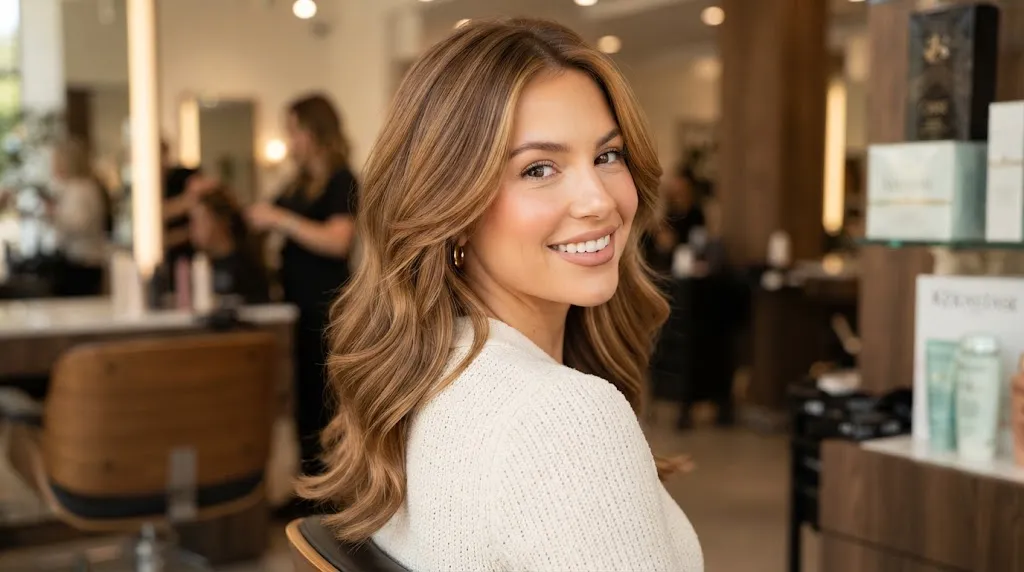
To achieve shoulder-length layers, the stylist first sections the hair, establishes the baseline length at the shoulders, and then works upward to cut soft layers that eliminate bulk while maintaining natural movement. Seeing this cutting sequence helps you recognize proper technique while sitting in the chair.
Best for: Most medium-length frizzy wavy hair.
How to get it: Bring a reference photo and ask your stylist for soft layers.
Upkeep: Standard trims.
Avoid: Cutting layers yourself.
How a stylist cuts layers to reduce volume
A professional demonstration of cutting layers on medium-length frizzy hair to get rid of extra volume.
Watch on YouTubeLayered Lob
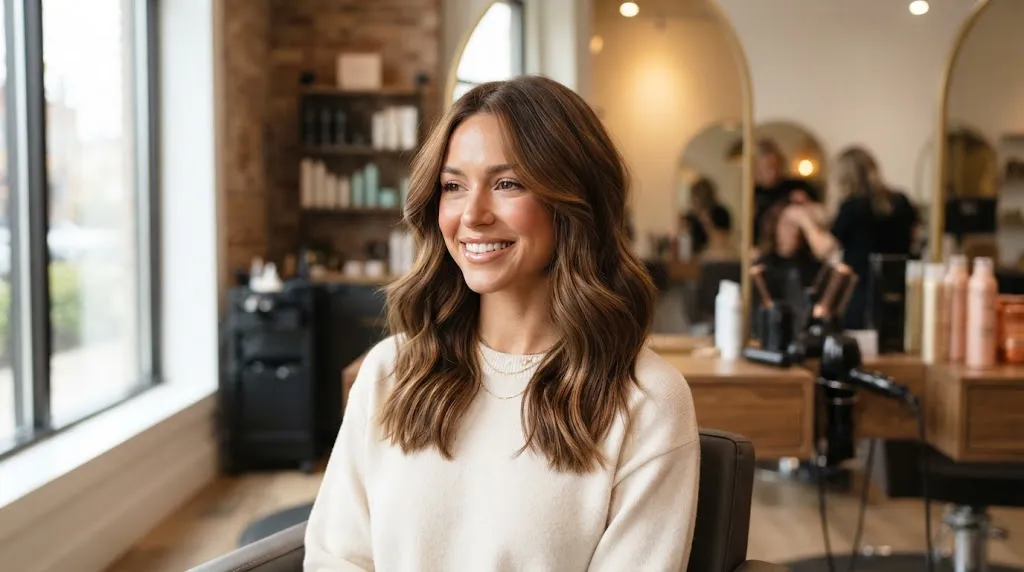
A layered lob is the ideal choice for keeping length manageable while smoothing out unruly texture, since layers reduce bulk without adding flyaways (BeBeautiful). Variations include the Below-the-Shoulder Lob, Wavy Lob for Loose Waves, and the Textured Lob, which features soft texture to prevent the cut from looking overly structured. Be sure to judge the length on dry hair, as the cut should skim the shoulders when dry.
Best for: Thick or coarse frizzy hair.
How to get it: Tell the stylist how you plan to style it day to day.
Upkeep: Trims about every 2 to 3 months (Dave Stanwell, John Frieda).
Avoid: Choosing the final length while the hair is wet.
Soft Shag
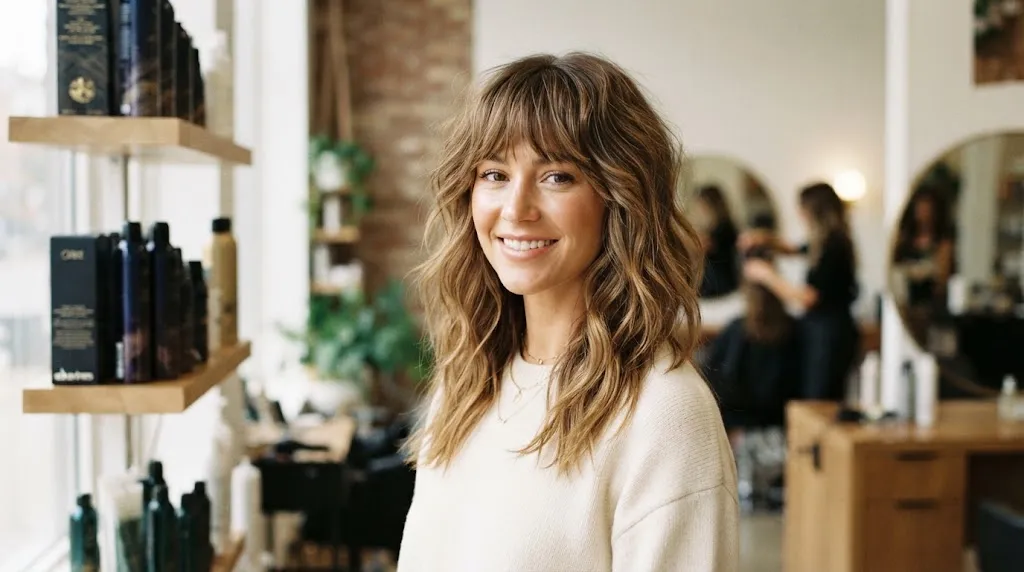
While a modern shag uses sharp texturizing to amp up volume, a soft shag embraces your natural texture and reduces puffiness, whereas the modern version adds more layers and texture to enhance waves and curls (BeBeautiful). Variations include the Messy Waves Shoulder-Length Shag With Long Bangs.
Best for: Wavy to curly frizzy hair that benefits from texture, supported by well-blended layers to control bulk (TONI&GUY).
How to get it: Ask for well-blended layers.
Upkeep: Standard trims.
Avoid: Sharp contrasts between layers that leave the ends unblended.
Wolf Cut
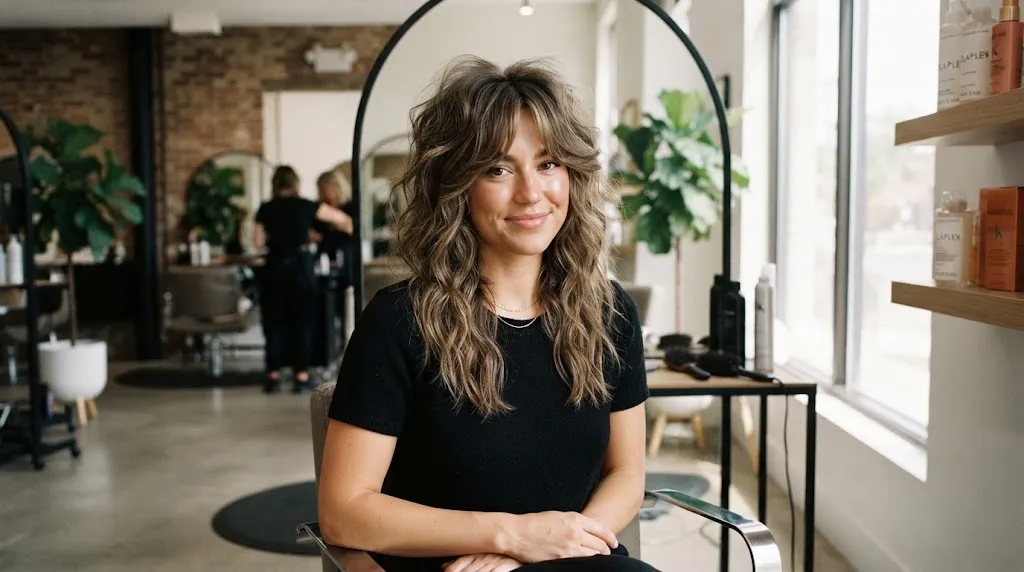
If you arrive at the salon holding a trend photo on your phone, you are likely looking at a wolf cut. This style is a cross between a shag and a mullet featuring curtain bangs, which are best styled using a diffuser (Blissy). Variations include the Shaggy Wavy Mullet With Textured Bangs and the Soft Wavy Mullet With Feathered Layers and Bangs.
Best for: Wavy hair, or straight hair with a slight bend.
How to get it: Ask how the shape will grow out and plan to style it with a diffuser.
Avoid: Asking for a wolf cut on very dense hair without discussing how much weight the layers will remove.
Soft Step Cut
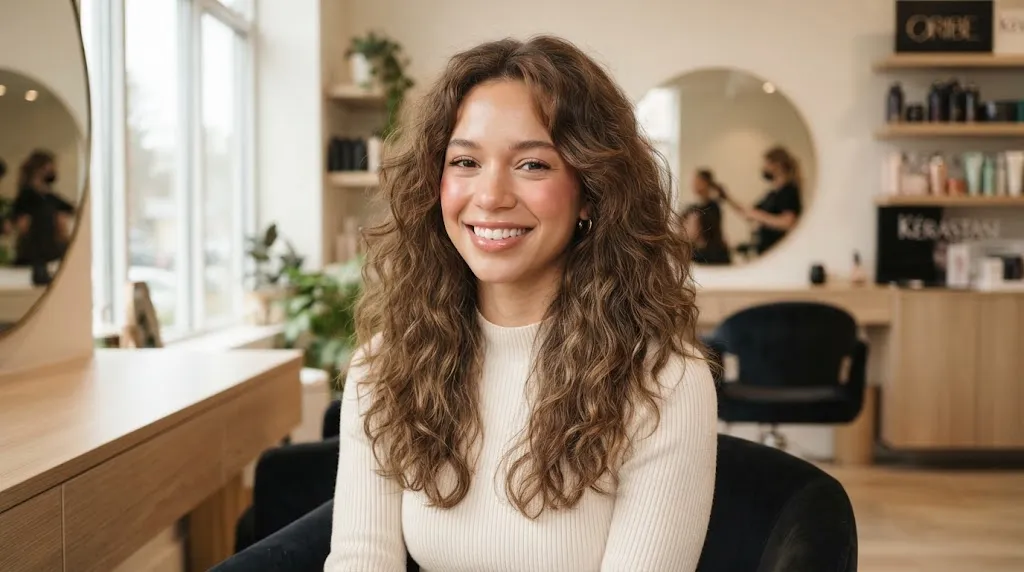
Traditional step layers can worsen frizz, so why is this variation different? A soft step cut uses graduated layers that add volume and movement (BeBeautiful), where “soft” simply means thoroughly blended. For guidance on checking your cut in the mirror, refer to the earlier section on blended versus step layers.
Best for: Medium to long hair that needs gentle shape.
How to get it: Ask the stylist to show you the blend in the mirror.
Upkeep: Standard trims.
Avoid: Shelf-like steps.
Invisible Layers
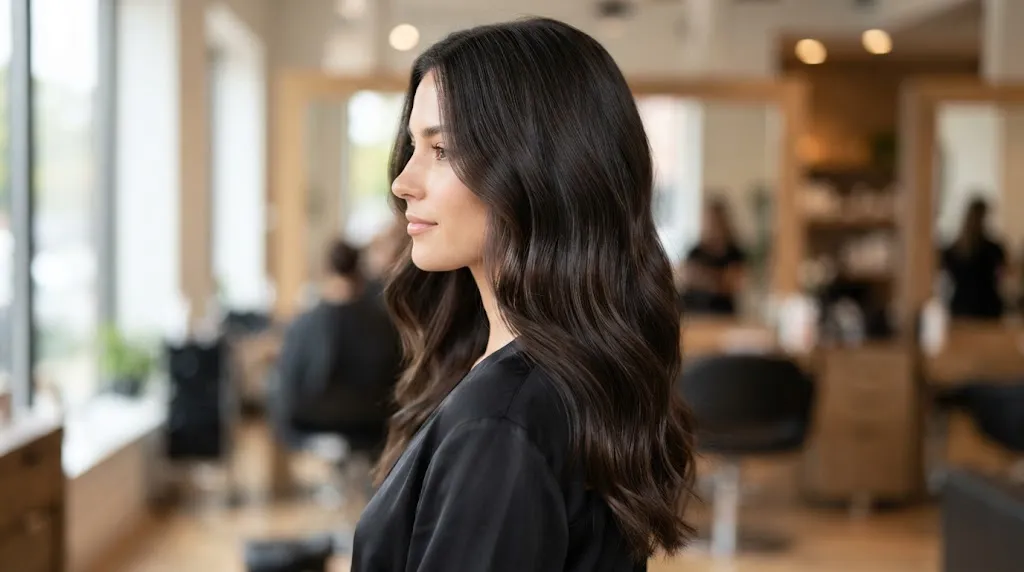
If you want less weight while keeping the exact same silhouette, invisible layers offer the solution. These subtle hidden layers reduce weight without dramatically changing the overall cut (BeBeautiful), utilizing internal layers to break up density in thick hair (Haiirology).
Best for: Thick hair, and anyone cautious about visible layers.
How to get it: Ask for internal weight removal.
Upkeep: Standard trims.
Avoid: Expecting dramatic volume.
Short Layer Cut for Frizzy Hair
Shorter cuts help hide frizz because frizz is most visible on longer hair, while a layered pixie turns frizz into texture and suits hot weather.
Layered Bob
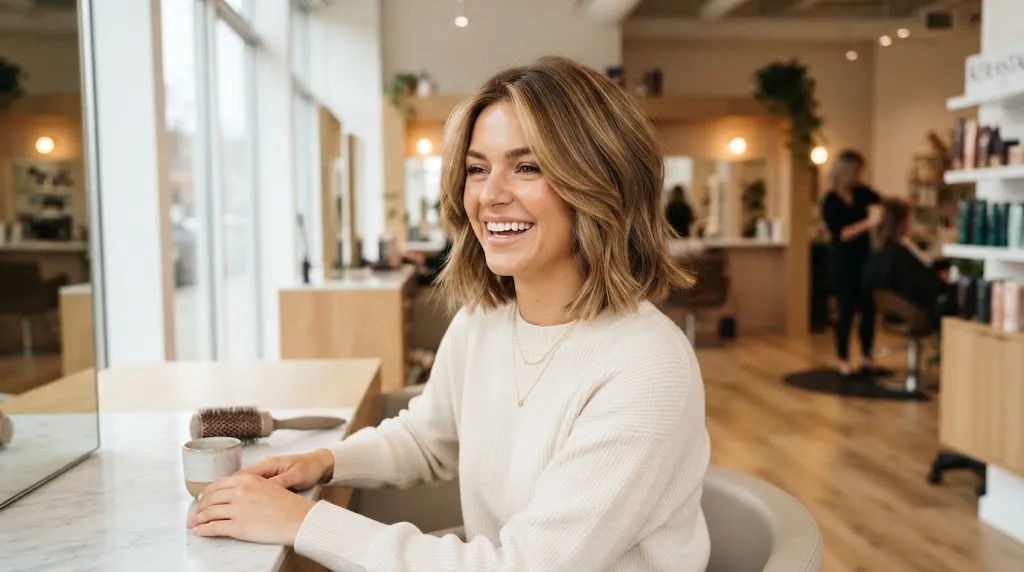
A layered bob reduces heaviness with loose layers and brings dry, damaged long hair back to life. This cut works well for thick wavy hair and severely dry or damaged hair. Ask your stylist for a deconstructed bob with loose layers to keep the ends from puffing out. Maintain this look with trims every 3 to 6 weeks, and avoid skipping these regular shape-ups to keep the ends smooth. Variations include the short layered bob and the wavy side-parted bob for thick hair.
Pixie Cut
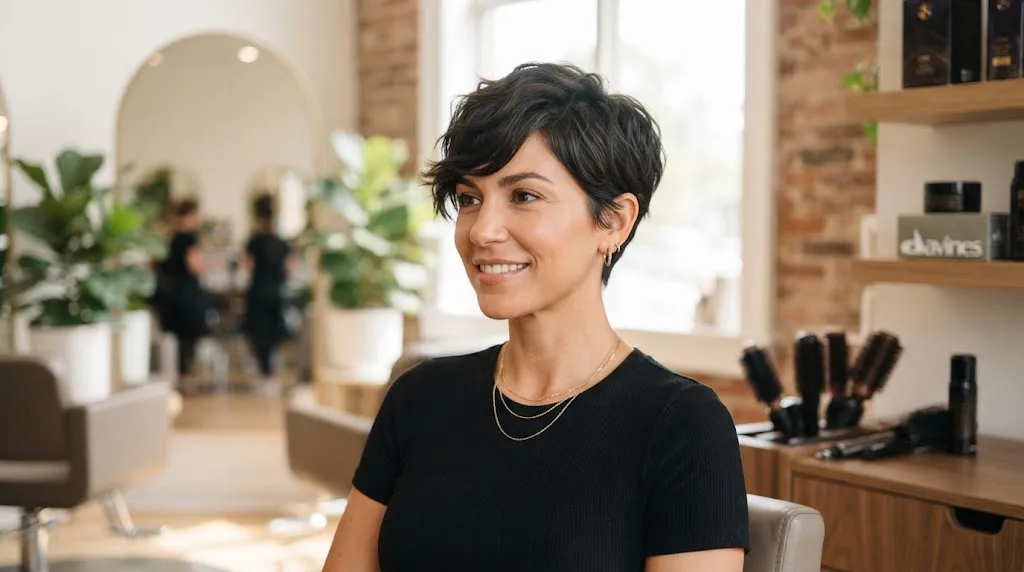
Hot and humid weather calls for a pixie cut where frizz becomes texture and styling takes minimal time. This option fits anyone who wants to spend very little time styling in the morning. Style it using a little mousse, finger styling, and clips for shaping. Shorter shapes need frequent attention, requiring trims every 3 to 6 weeks. Avoid skipping leave-in products on humid days to keep the newly defined texture from expanding. Variations include the tousled pixie cut, grown-out pixie, elf cut, and layered pixie.
Other Short Layered Options
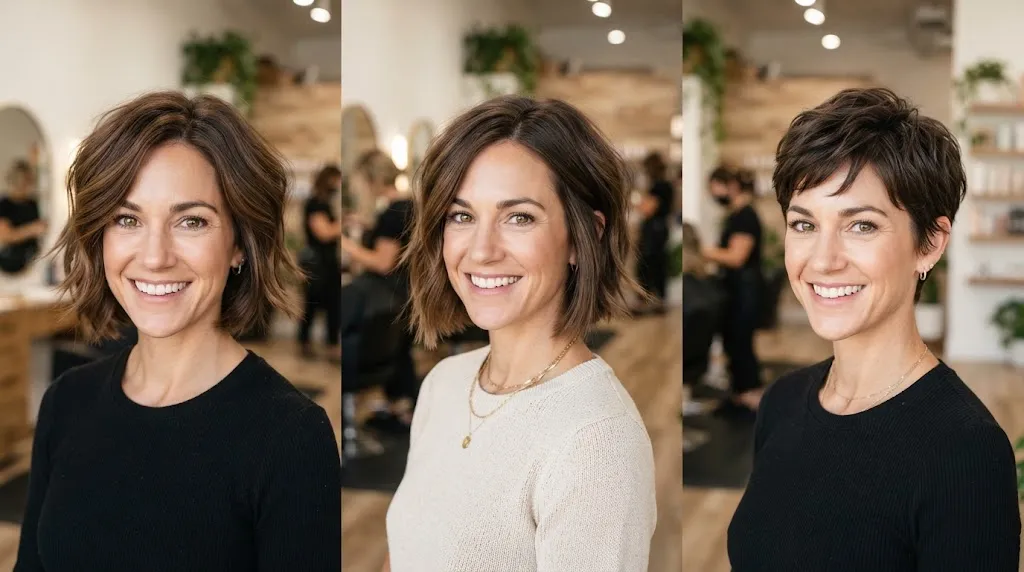
Long Pixie: Offers the ease of a pixie with more styling flexibility; ask your stylist to keep the top slightly longer while tapering the back and sides.
Bixie Cut: A bob-pixie combination that suits textured hair; ask for a shape that sits right between the jawline and ear with subtle internal layering.
French Bob: Sits at jaw-length with soft natural texture; ask for a blunt base paired with subtle face-framing movement.
Short Choppy Layers: Adds texture and volume to thick wavy hair; ask for point-cut ends that remove weight without creating bulk.
Common Problems After a Layer Cut (and How to Fix Them)
My Layers Made My Hair Frizzier
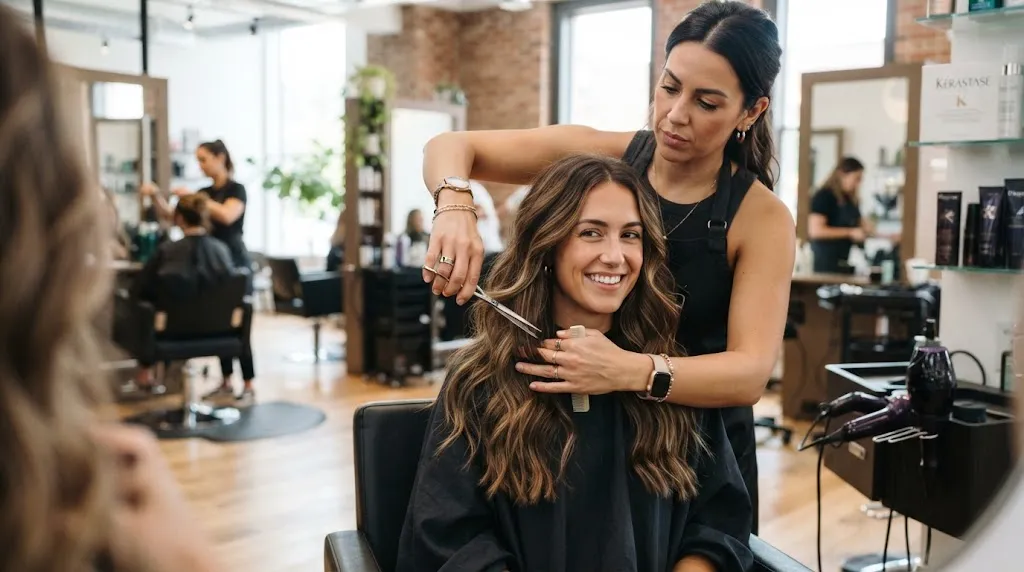
When new layers leave hair looking bulkier or more chaotic than before, the culprit is often unblended step layers, leftover split ends, or heavy daily heat styling. To fix the issue, book a follow-up visit to ask your stylist to blend the tiers properly and clean up any remaining split ends, while actively cutting back on daily hot tool usage.
I Lost More Length Than I Expected
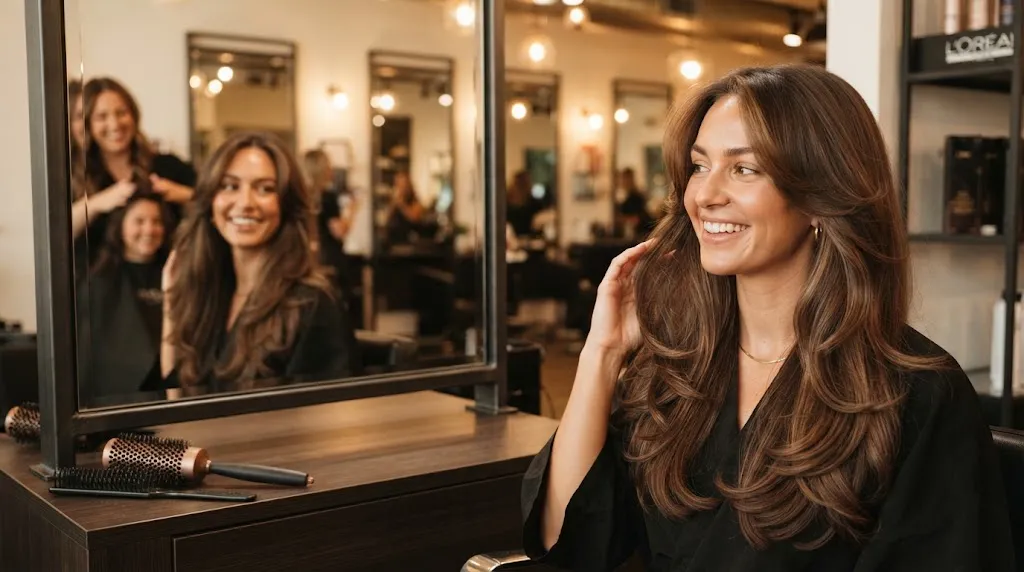
Finding yourself with shorter hair than planned calls for a patient regrow-and-blend strategy using face-framing or long layers to keep the shape flattering while it grows out. For a clearer look at how much hair typically vanishes during shaping, review the details covered earlier in the guide on how much length you will lose.
My Layers Aren't Visible
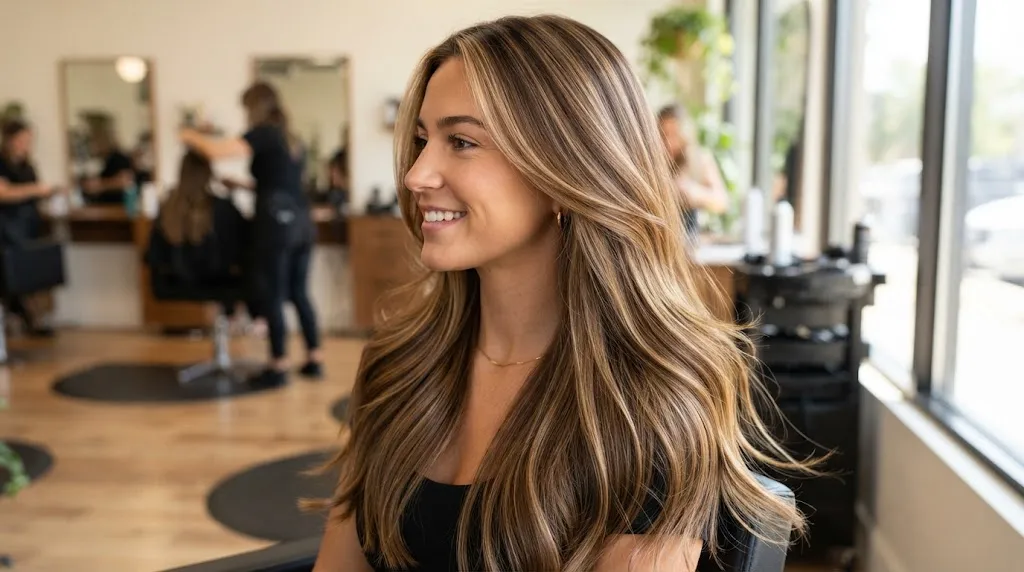
If your haircut looks entirely one-length after asking for dimension, it usually means invisible layers were used, which are intentionally designed to remove weight subtly without showing distinct lines. If you want actual visible movement and separation, ask for face-framing layers or long layers instead.
My Bangs and Face-Framing Pieces Frizz
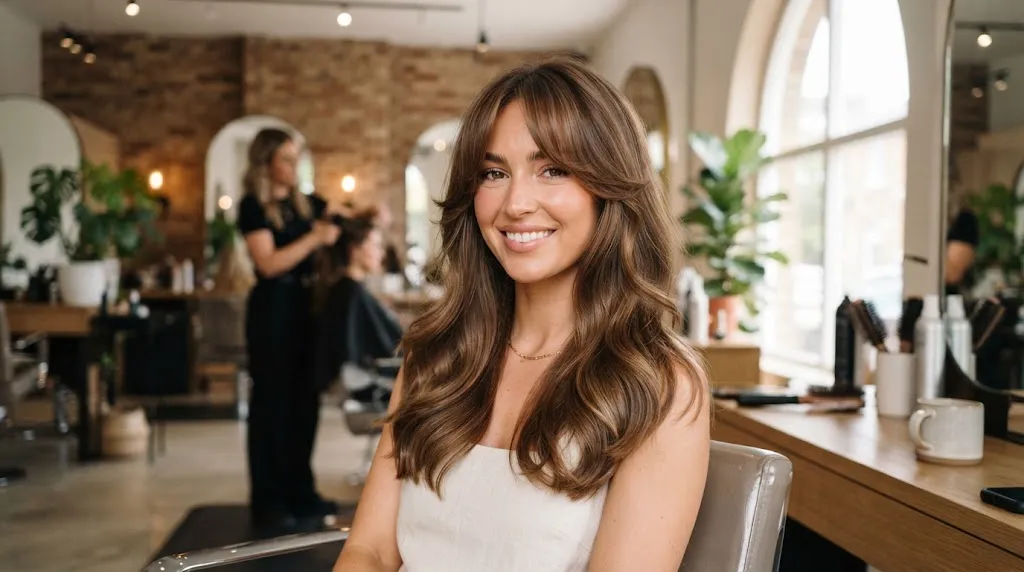
When shorter fringe pieces around the face immediately puff up or lose their shape, leaving the bangs slightly longer combined with a dose of leave-in conditioner and air-drying usually calms them down. For the underlying mechanics of why shaping these pieces dry makes a difference, check the approach detailed in dry cutting for frizzy hair.
My Stylist Didn't Cut What I Asked For

Walking out of the salon with a shape you did not request can be frustrating, but it can be addressed by bringing a clear reference photo and a breakdown of your daily styling routine to a follow-up appointment. To keep this from happening on your next visit, review the preventative communication steps outlined in what to tell your stylist.
My Frizz Hasn't Improved After Changing My Habits

When persistent frizz refuses to budge despite a solid routine and proper cuts, it is time to consult a dermatologist, as Healthline notes that lingering textural changes can sometimes point to underlying issues requiring professional medical evaluation.
Styling and Maintaining a Layer Cut on Frizzy Hair
How to Style Wavy Frizzy Hair: Wash Day to Day 2

Shampoo only the roots to clean the scalp without stripping natural moisture from the ends.
Condition the mid-lengths and ends thoroughly to restore hydration.
Detangle the hair gently with a wide-tooth comb while it is completely wet, and never brush dry hair to prevent breaking the pattern and causing frizz.
Avoid rubbing the hair with a regular towel; instead, scrunch out excess water gently.
Apply a leave-in treatment to damp hair, then use a diffuser on low heat or let it air-dry. Limit daily heat styling whenever possible, and always apply a heat protectant first, as noted by Healthline and WebMD.
For day-two hair, lightly mist sections with water or a lightweight hydrator to reactivate your wave pattern without starting over from scratch.
How Do I Reduce Frizz in My Wavy Hair Between Washes?

High humidity lifts the hair cuticle and lets moisture in, which causes waves to swell and turn frizzy. You can seal the cuticle between washes by smoothing a small amount of a lightweight leave-in conditioner or anti-frizz serum over the mid-lengths and ends, as recommended by BeBeautiful. Keep your styling tools on low heat settings to prevent drying out the hair further.
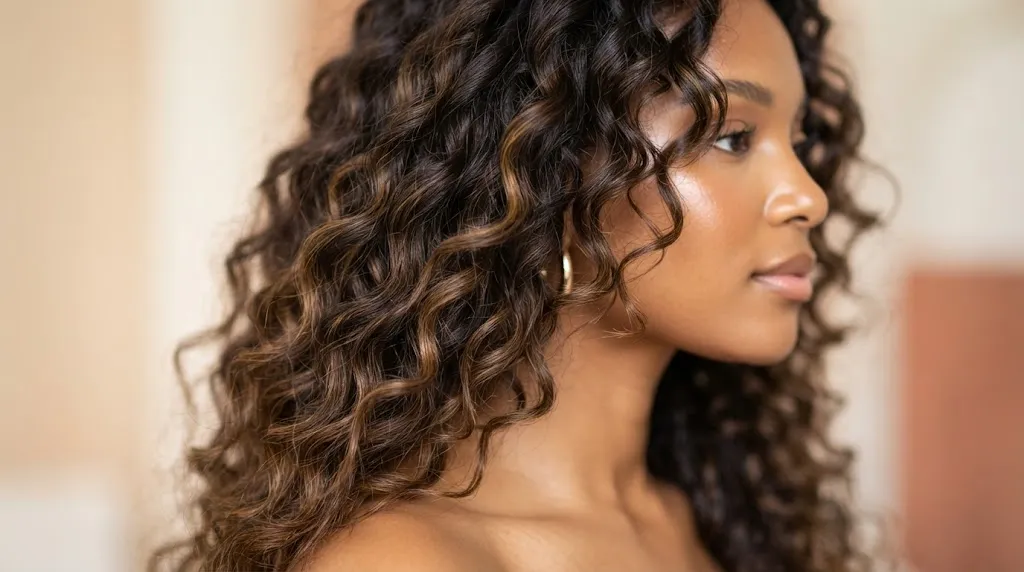
Light Curls vs. Tight Curls vs. Waves — Comparison Table
How Long Do Loose Curls Actually Last?
Can a Haircut Get Rid of Frizz Completely?
Note: No. A cut removes split ends and extra bulk, but it does not stop humidity or moisture loss from lifting the cuticle (Healthline). Pair the cut with a leave-in conditioner and low heat. Two sentences at most, since the full explanation is in “Why Hair Frizzes (and What a Haircut Can’t Fix)”.
Which Haircuts Should I Avoid if I Have Frizzy Hair?
Note: Name the three main ones: step layers with unblended, shelf-like ends (Michael Van Clarke), layers cut over split or dry ends, and bangs cut on wet hair. One closing sentence says the mirror check and the dry-cutting reasoning are covered earlier in this guide.
Is a Bob a Good Haircut for Frizzy Hair?
Note: Yes, in the right version. A layered or textured bob reduces heaviness (BeBeautiful), a deconstructed bob with loose layers suits thick wavy hair (Dave Stanwell, John Frieda), and a blunt lob can make fine hair look thicker (BeBeautiful). Points to the Layered Bob section and the Layers vs No Layers comparison.
What Is the Best Layer Cut for Thick, Wavy, Frizzy Hair?
Note: Lead with Long Layers (they remove weight and keep length) and Layered Lob (reduces bulk without adding flyaways), then mention Invisible Layers for readers who want a subtler change. Points to the “Thick Frizzy Hair” section for the rest of the options.
What Is the Best Haircut for Dry, Frizzy Hair?
Note: Trim split ends first, since only cutting removes them (Healthline), then add soft layers once the ends are healthy: a Layered Bob or Shoulder-Length Layers. Points to the “Dry, Rough or Damaged Frizzy Hair” section.
How Often Should I Trim a Layered Cut on Frizzy Hair?
Note: It depends on the cut and hair type: short cuts need trims more often than long ones, and the sources range from every few weeks to about every 12 weeks (BeBeautiful; Dave Stanwell, John Frieda). Only trimming removes split ends (Healthline). Points to “Trim Schedule and Grow-Out” for the breakdown.
Can I Cut Layers Into Frizzy Hair at Home?
Note: Layers on frizzy hair are best left to a stylist. Unblended step lines and losing more length than planned are hard to fix once the hair is cut. The tutorials linked in this guide are professional demonstrations, meant to show you what to ask for rather than to copy.