
Simple Indian Hair Style: Easy Hairstyles for Everyday, Office, Saree & Weddings

What Is a Tail Hairstyle for Men?
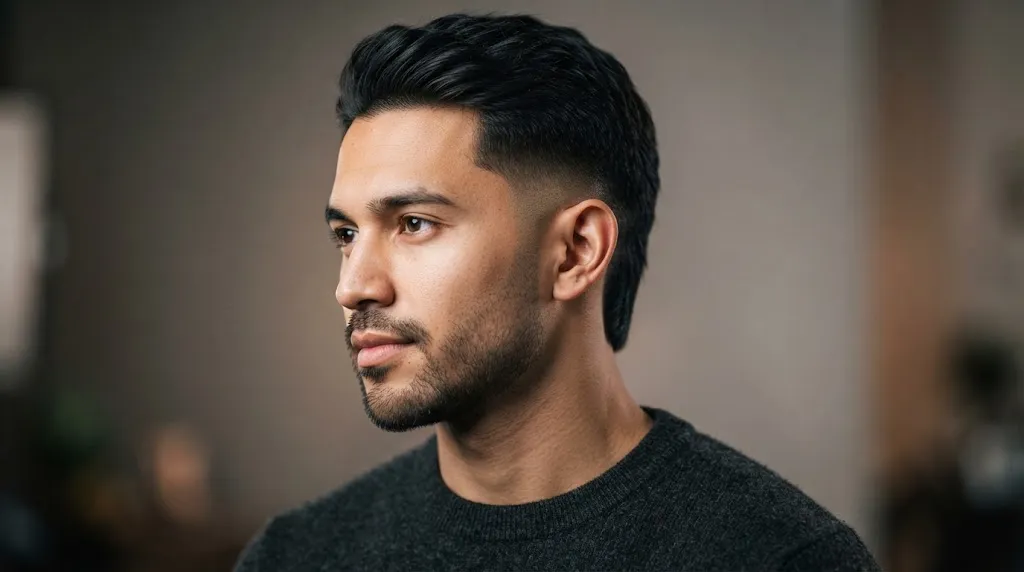
A tail hairstyle for men—often called a back tail, rat tail, or man tail—is a distinct grooming choice where a small, isolated section of hair at the base or crown of the head is grown out and left long while the surrounding hair is kept short, faded, or shaved. To pull off any variation of this look, you generally need a minimum of 4 to 6 inches of length at the nape to form a proper, defined tail.
If you’re looking for the next step in your hairstyle journey, or want to explore more hairstyles, this guide is for you. From the classic drop fade paired with a sleek rat tail to a micro-pigtail sitting just above a clean taper, this cut requires balancing sharp clipper work with precise daily maintenance to keep the loose ends from looking frayed.
Key Takeaways
Hair Length Needed: Minimum of 4 to 6 inches at the nape or crown.
Style Variations: Ranges from subtle micro-tails to bold braided or dreadlocked extensions.
Best Occasions: Creative workplaces, casual streetwear settings, and festival styles.
Maintenance Level: Moderate to high (requires regular trimming of surrounding fades and edge-ups).
Tail Hairstyle vs Ponytail vs Man Bun vs Rat Tail — What's the Difference?
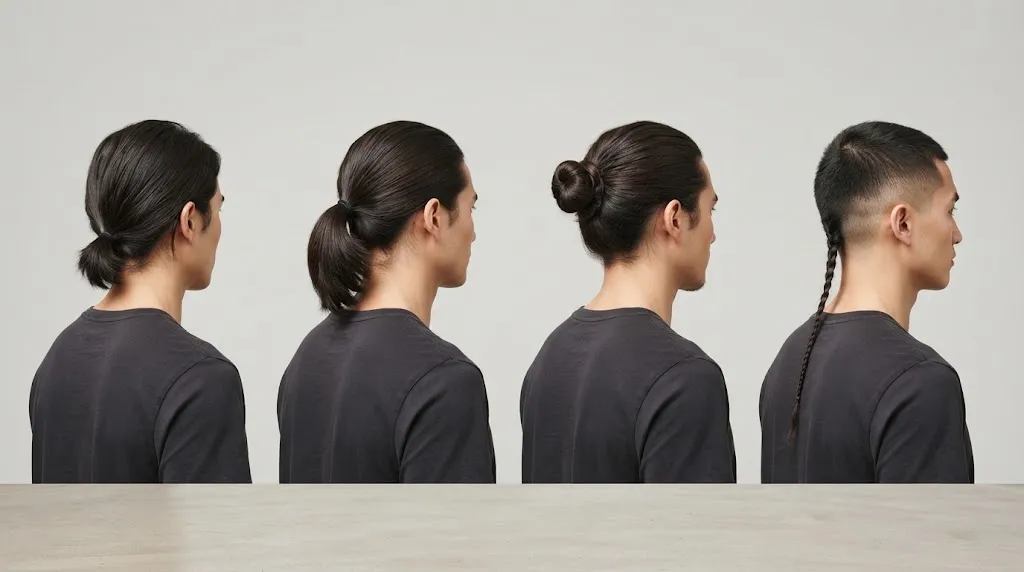
A tail hairstyle for men specifically refers to a small, isolated section of hair gathered at the lower crown or nape, distinct from a full ponytail, top knot, or a rat tail. People often mix these terms up, but they involve entirely different cuts, volumes, and placement on the head.
Here is how these four popular styles stack up against each other so you can pick the right look for your hair type and maintenance routine:
| Style | Hair Position | Best For | Maintenance | Formality Level |
|---|---|---|---|---|
| Tail Hairstyle | Nape or lower crown (using a small section) | Medium-to-long hair with tapered or faded sides | Moderate (requires keeping the small tail section neat) | Casual to Smart-Casual |
| Ponytail | Mid-crown or nape (incorporating all hair) | Straight, wavy, or curly hair of uniform length | Low (quick gathering with a hair tie) | Casual to Athletic |
| Man Bun | Center crown or high up on the head | Thick, straight, or textured hair | Low-to-Moderate (requires twisting and securing) | Casual to Business-Casual |
| Rat Tail | Lower nape (a thin, narrow strip left long) | Short base cuts with a deliberate, retro contrast | High (frequent trimming of the base and sides) | Edgy / Statement |
When you're sitting in the barber's chair, being precise about these names prevents a miscommunication that leaves you with a full man bun when you only wanted a sleek, low tail. If you rock a clean low fade on the sides and back, a standard ponytail will look bulky and awkward because of the missing volume underneath, whereas a tailored nape tail sits neatly right above the fade line without pulling at the short hairs.
Popular Tail Hairstyles for Men
Classic Back Tail Hairstyle
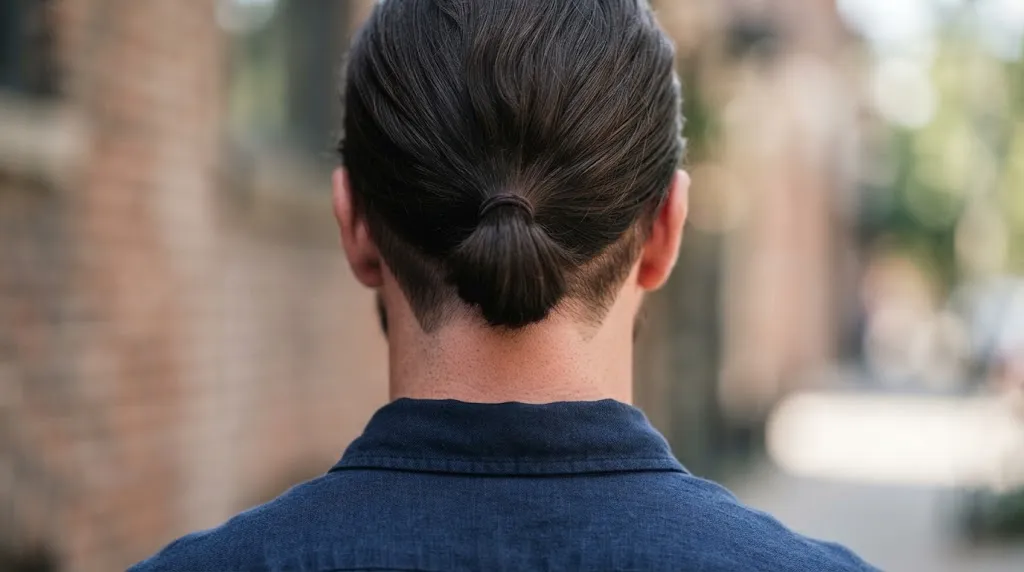
The classic back tail hairstyle features a small, neat section of hair gathered at the lower crown or nape of the neck, leaving the sides and top short or medium-length. This timeless look suits oval and round face shapes best, paired naturally with straight or slightly wavy hair types that hold a simple hair tie without slipping out.
Short Tail Hairstyle for Men
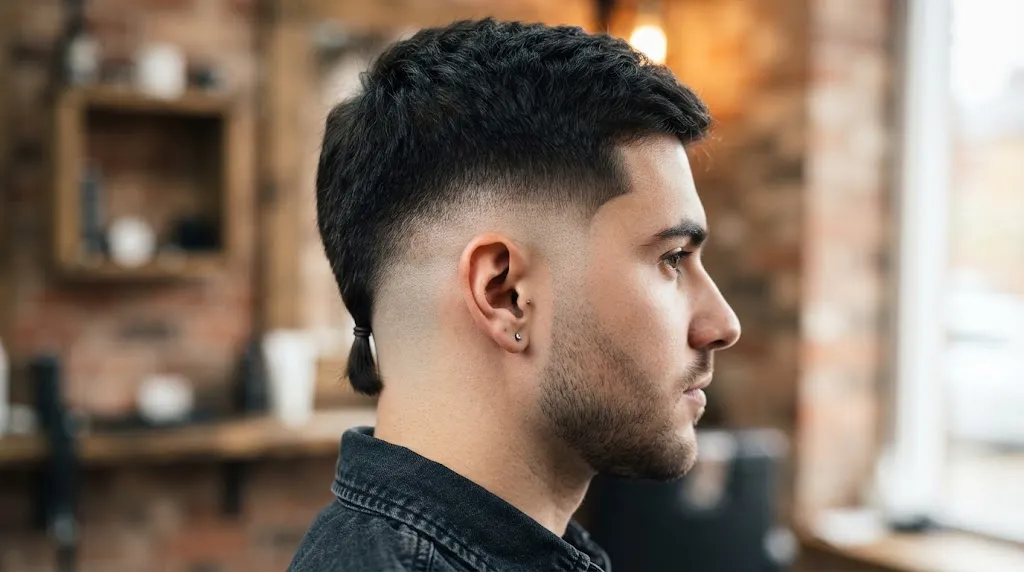
A short tail hairstyle—often called a rat tail or mini pony—keeps the gathered section minimal, utilizing just a small tuft of hair at the absolute base of the neck while the rest of the head is cropped into a fade or crew cut. It works well on square and diamond face shapes, particularly for straight hair textures that measure at least two to three inches in length.
Long Tail Hairstyle for Men
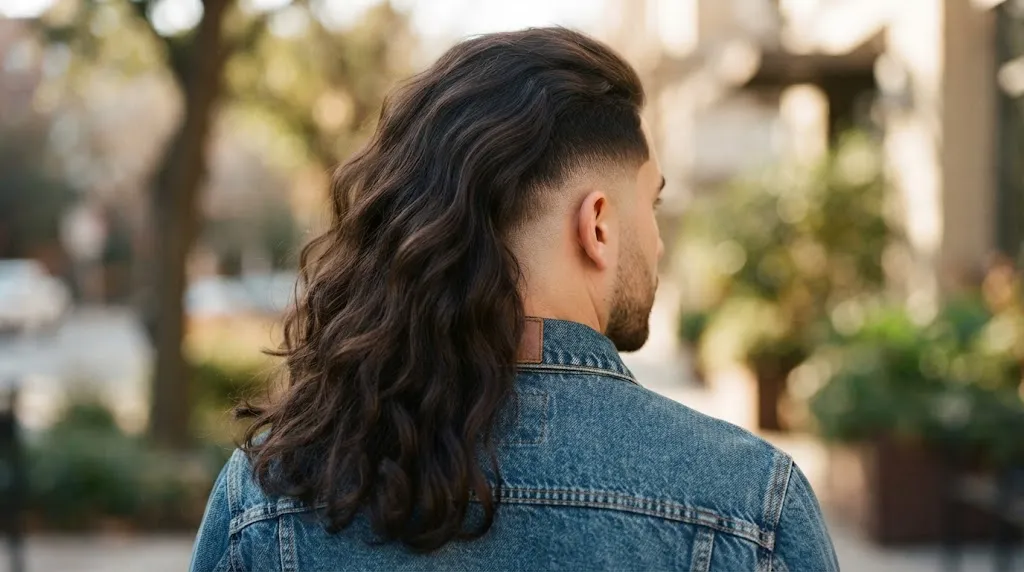
The long tail hairstyle requires growing the back section past the shoulders while keeping the surrounding hair either slicked back or trimmed into an undercut for high contrast. This style complements oblong and oval face shapes and performs best with thick, straight, or looser curly hair textures that maintain length without excessive shrinkage.
Simple Tail Hairstyle

A simple tail hairstyle is a low-maintenance, everyday look where all the hair is swept straight back from the forehead and secured loosely at the mid-back of the head. It flatters heart and oval face shapes, working effortlessly on medium-thick wavy or straight hair without requiring any complex styling products.
Man Bun Tail (Looped Tail)
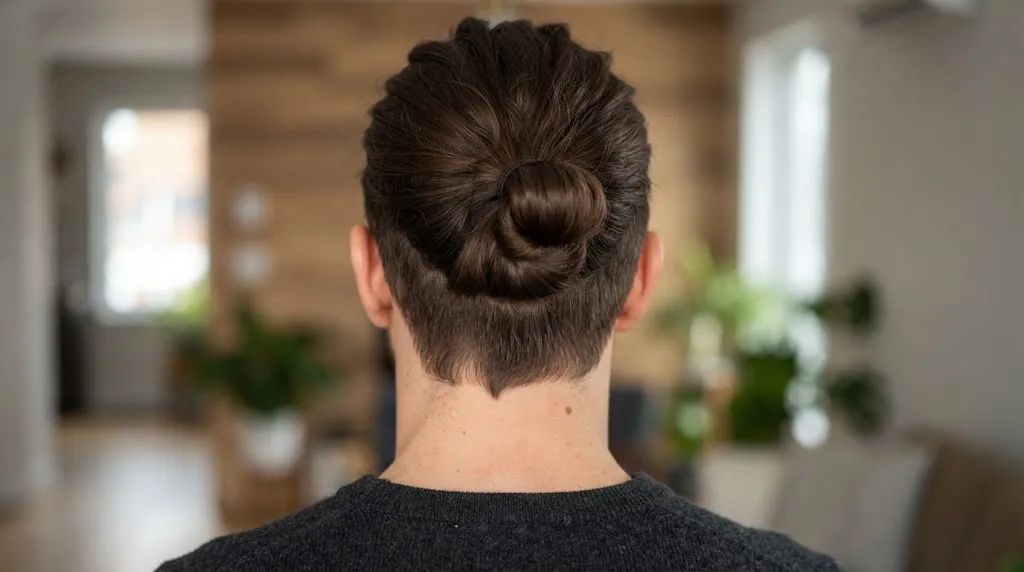
The man bun tail, or looped tail, is created by pulling the hair halfway through a tie on the final wrap to form a neat loop with a short tail end hanging downward. This versatile cut balances round and square face shapes, suiting medium-to-thick straight or wavy hair types that have enough density to hold a compact shape.
Undercut Tail
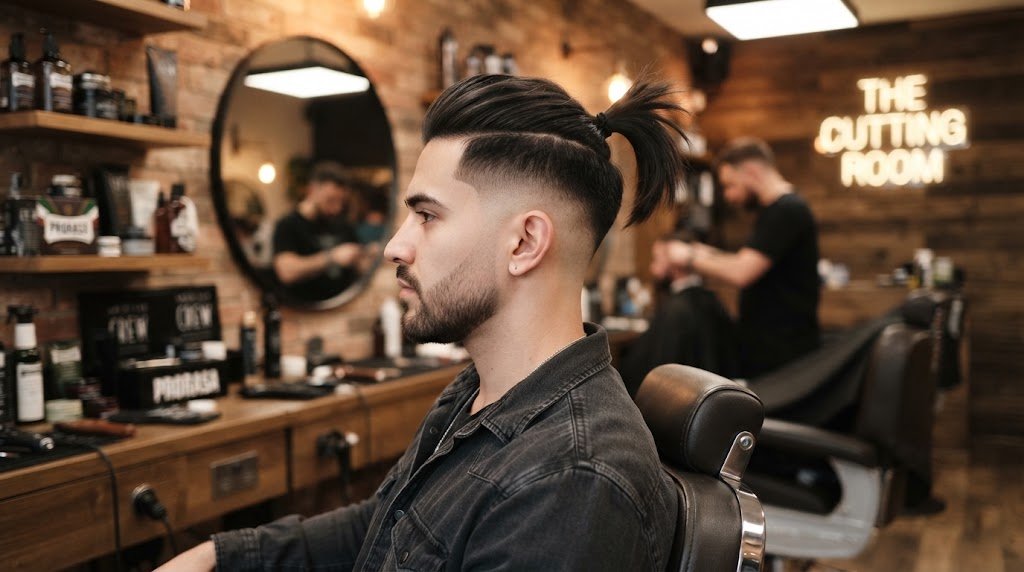
The undercut tail combines aggressively shaved or faded sides and back with a distinctly separated top section pulled back into a sharp, high tail. It accentuates angular, square, and triangle face shapes by adding vertical height, and works exceptionally well on straight or sleek hair textures.
Half-Up Tail
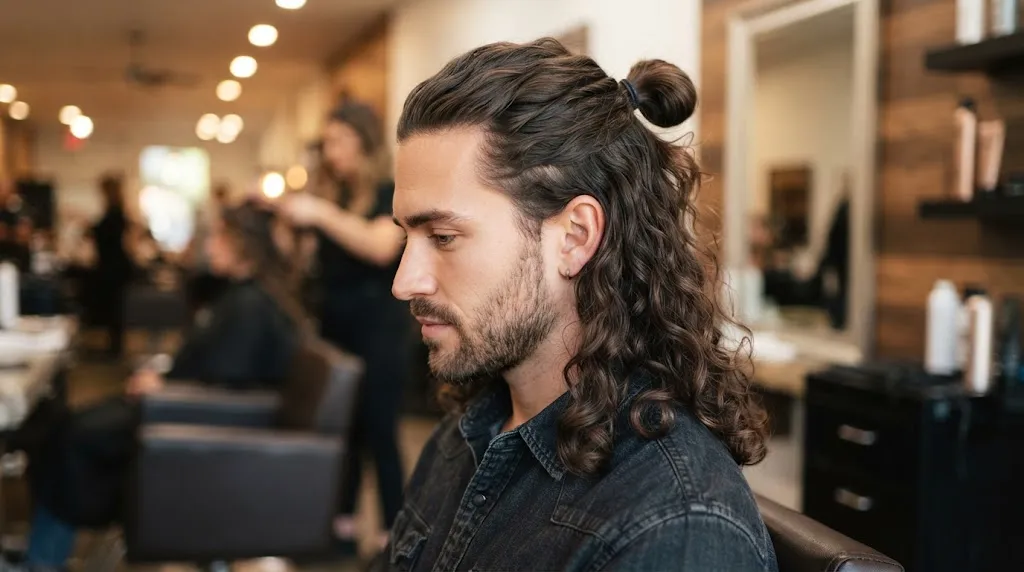
The half-up tail involves gathering only the top half of the hair into a tail while leaving the bottom half hanging loose, offering a balanced mix of loose flow and secured control. This hybrid look suits rectangular and oval face shapes, pairing best with medium-length wavy or curly hair that benefits from keeping hair out of the face.
Braided Tail
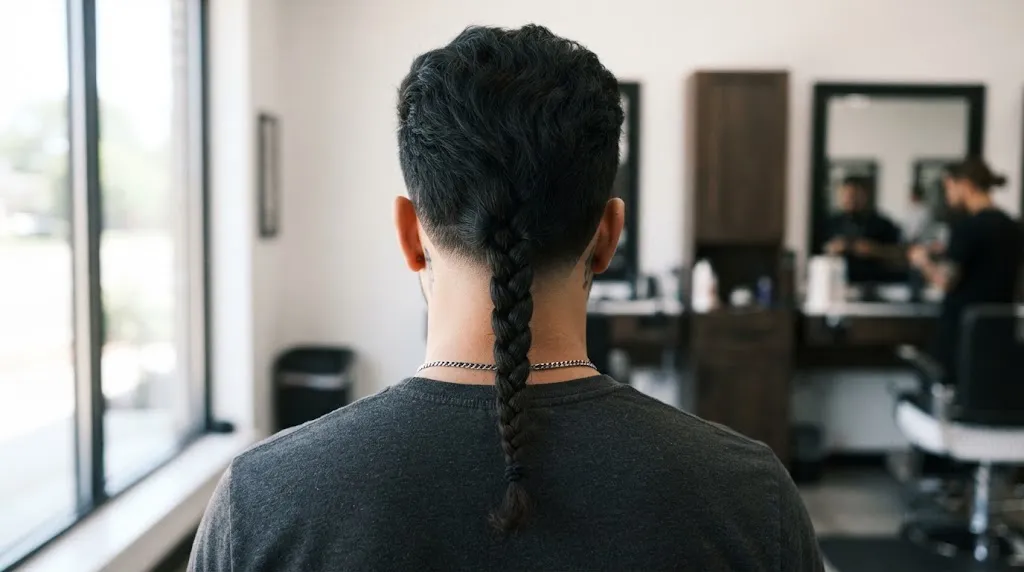
The braided tail elevates a standard back tail by braiding the gathered section tightly from the base of the neck downward for added texture and security. It flatters oval and round face shapes exceptionally well and is the ideal choice for thick, coarse, or tightly coiled hair types that need extra hold to prevent flyaways.
Mullet Tail Haircut
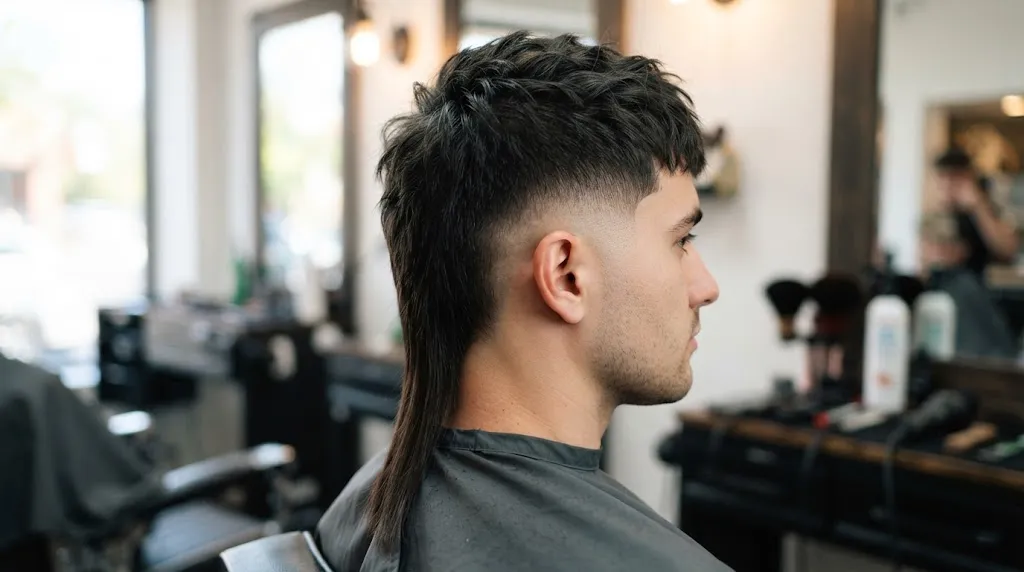
The mullet tail haircut features short, textured hair on the top and sides combined with a distinct, longer section left untouched at the back. This edgy style suits angular and diamond face shapes, working naturally on straight or wavy hair types where the contrast between the front and back creates a bold silhouette.
Tail Hairstyle for Black Men
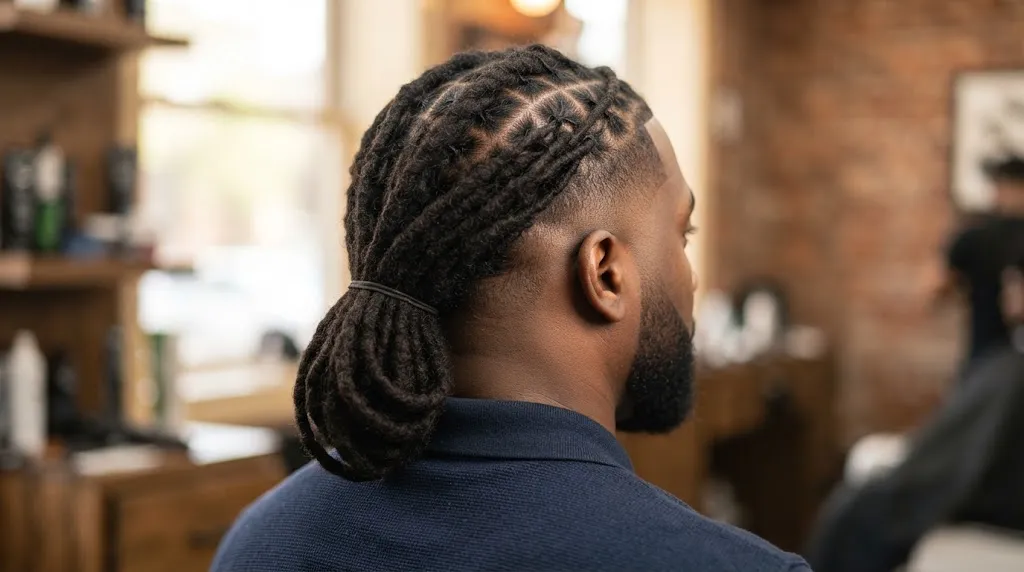
A tail hairstyle for Black men typically incorporates tightly coiled textures, often styled by gathering neat cornrows, locs, or twists into a secure tail at the crown or nape. This protective and striking style suits round and square face shapes, working perfectly with Afro-textured hair that holds tight, defined patterns.
Best Tail Hairstyles by Face Shape & Hair Type
By Face Shape (Round, Oval, Square, Long)
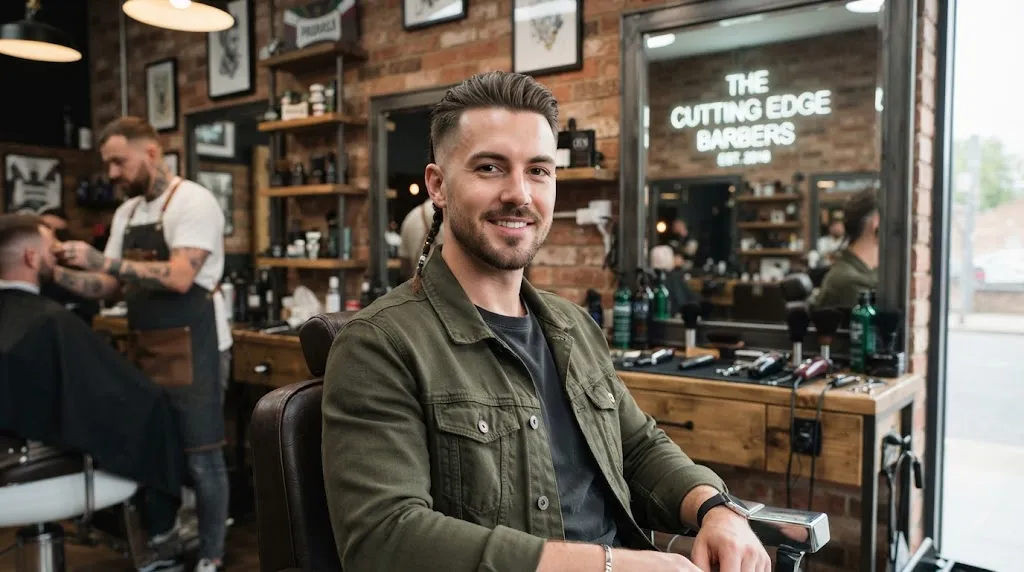
Choosing the right tail hairstyle comes down to balancing your bone structure, as pulling your hair back exposes your natural facial geometry. If you have a Round Face Hairstyles profile, you’ll want to avoid low, loose tails that add width at the sides; instead, pair your tail with a high skin fade on the sides to visually elongate your head. For guys with Haircuts for Square Faces, a mid-level tail paired with some soft texture or loose strands around the temples helps soften a strong, angular jawline.
Oval Faces: The most versatile shape—you can pull off high ponytails, low tails, or a sleek half-up man bun without throwing off your proportions.
Long Faces: Steer clear of high, ultra-tight crown ponytails because they stretch the face further visually; opt for a looser, mid-neck tail instead.
By Hair Type (Straight, Wavy, Curly, Thick, Fine)
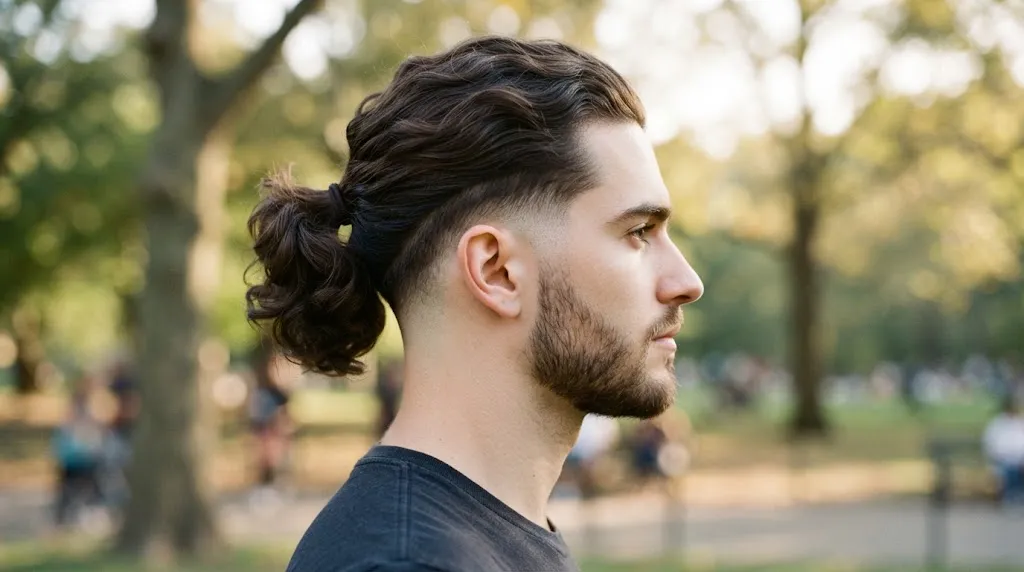
Your natural hair texture dictates how a tail sits, how much grip your hair ties need, and how much product you’ll have to use to keep flyaways in check. If you have Long Wavy Hairstyles for Men, your natural bend provides great built-in volume and grip, making a relaxed low tail look effortless without needing heavy styling products. Straight and fine hair, on the other hand, tends to slip right out of standard elastic bands, so working a lightweight sea salt spray into damp hair before tying gives it the necessary friction to stay put.
Thick Hair: Requires heavy-duty, snag-free bungees rather than standard rubber bands to handle the dense volume without snapping.
Curly Hair: Benefits from a leave-in conditioner applied to the ends before gathering to prevent frizz and keep the tail looking intentional rather than unmanaged.
How to Tie a Tail Hairstyle — Step-by-Step Guide
Tools You'll Need
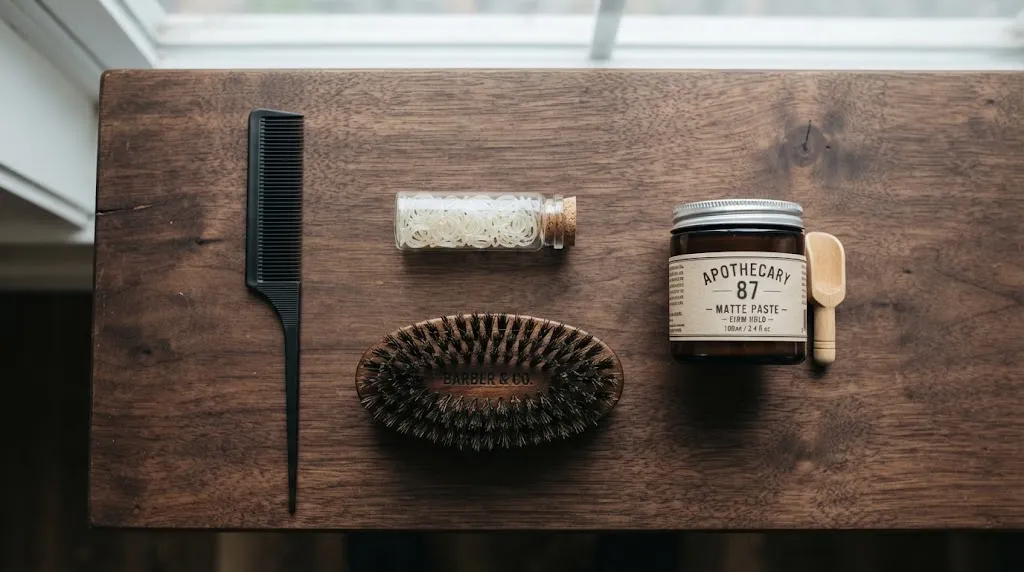
Securing a clean tail hairstyle requires the right equipment to prevent snagging and breakage. You will need a small, clear or color-matched snag-free hair elastic, a boar bristle styling brush to smooth down flyaways, and a fine-tooth tail comb for parting clean sections. Keeping a lightweight styling cream or pomade, such as American Crew Fiber, on hand will help tame stray hairs along the nape and sides.
Step-by-Step Process
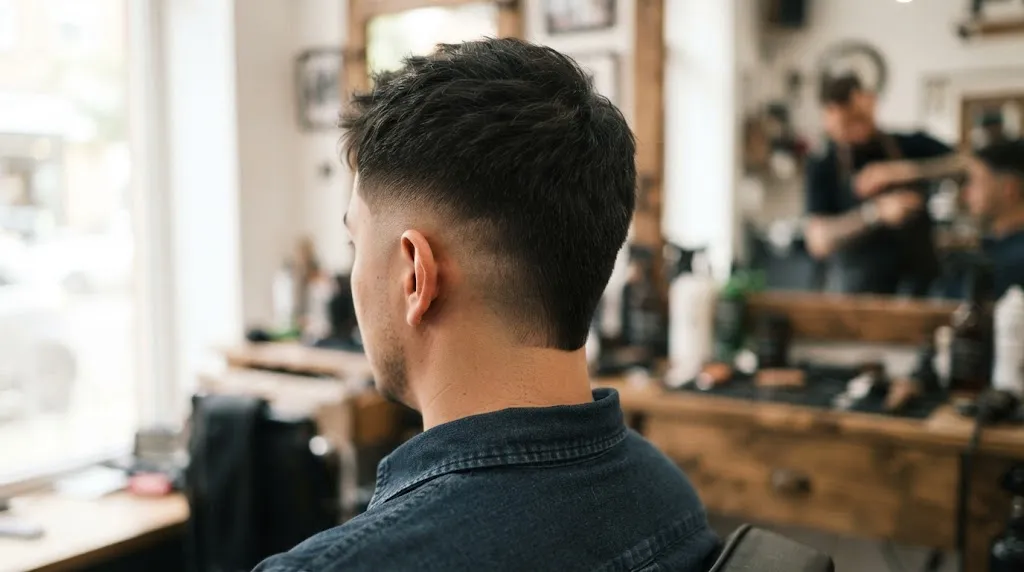
Mastering the tail haircut requires precise sectioning and tension control to keep the look sharp rather than messy. Follow these steps to lock in the style:
Prep the hair: Work a dime-sized amount of lightweight styling cream through damp or dry hair to add grip and control frizz.
Section the tail: Use the tail comb to carve out the exact section of hair at the crown or nape that you want to isolate, depending on whether you are rocking a high crown tail or a low neck-length variation.
Clean up the sides: Run the boar bristle brush upward from the sides and back to smooth any loose strands into the main section.
Secure the band: Wrap your small hair elastic three times around the gathered section, pulling it snug against the scalp without applying painful pulling pressure to your hairline.
Refine the finish: Twist the ends slightly if you want a tapered point, or leave them natural for a relaxed, textured vibe
Common Mistakes to Avoid
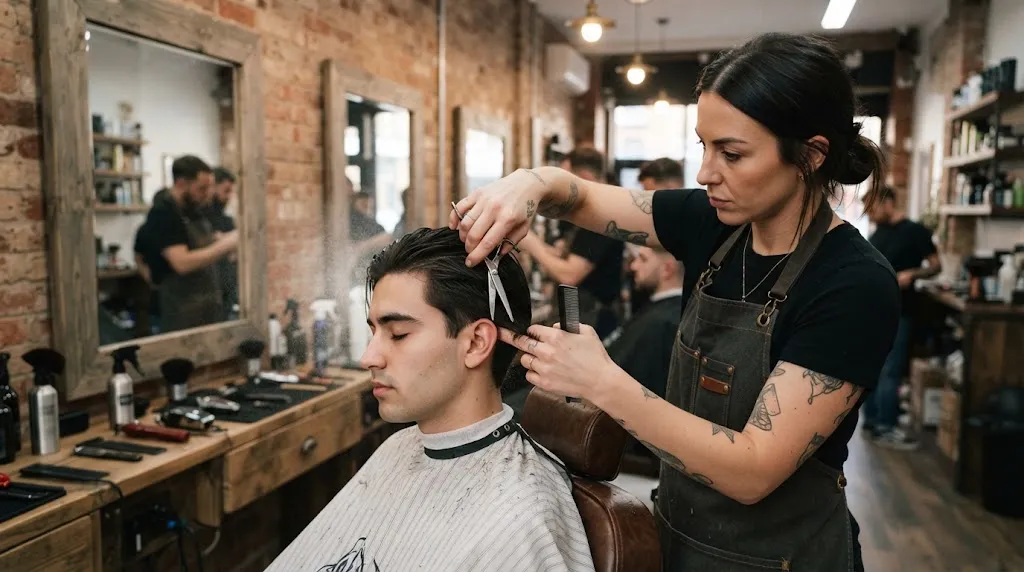
Pulling the hair elastic too tightly is the biggest mistake beginners make, which stresses the follicles and can cause tension breakage around the nape or crown. Avoid skipping the prep product, as clean-cut hair tends to slip out of tight elastics within a few hours of movement. Finally, never try to tie a tail on hair that is shorter than three to four inches at the back, because shorter strands will constantly poke out and ruin the clean geometry of the cut.
Common Problems Men Face With Tail Hairstyles (Real Solutions)
Rocking a tail hairstyle looks sharp, but dealing with daily annoyances like a slipping elastic or scalp tension can test your patience. Here is how to troubleshoot the most common hurdles you will run into while growing and maintaining a back tail haircut.
1. Loose or Slipping Tails
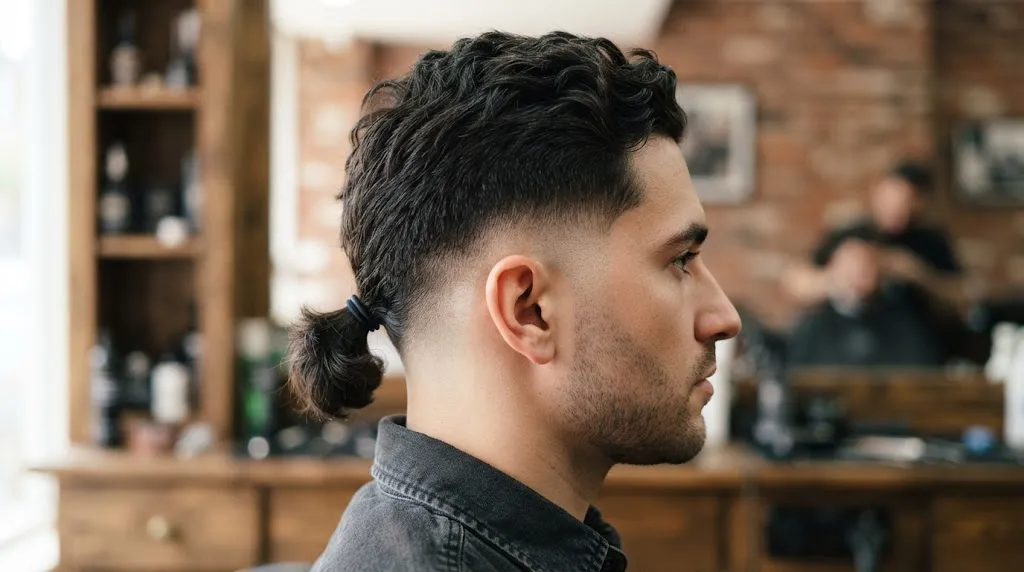
If your tail keeps sliding down or losing its grip halfway through the day, your hair tie is likely too loose or your hair lacks friction. Switch to silicone-coated elastic bands or small bungee ties, which let you lock the tension tightly around the hair shaft without slipping. If your hair is naturally fine or freshly washed, hit it with a small amount of texture powder or matte styling clay before tying to give the strands something to grip onto.
2. Flyaways and Fraying Ends
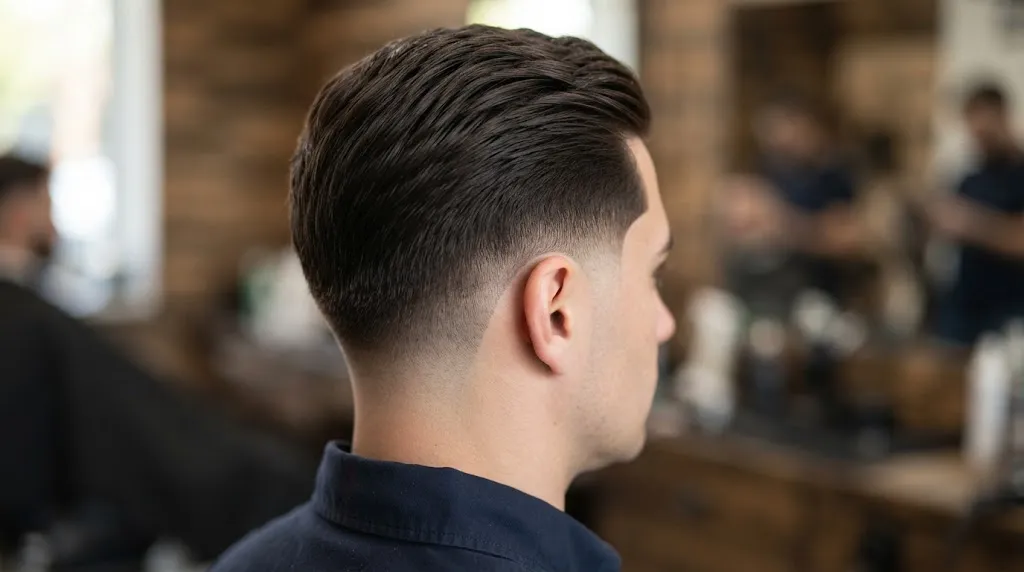
Short or medium layers poking out of the sides of your tail can ruin a clean look. Tame rogue flyaways by rubbing a dime-sized amount of styling pomade or low-shine paste between your palms and smoothing them lightly over the surface of your hair. For stubborn stray hairs around the nape, a light mist of flexible-hold hairspray paired with a boar-bristle brush will lock everything flat without making your hair look crunchy.
3. Tension Headaches and Hairline Strain

Pulling your hair back too tightly strains the follicles around the temples and often triggers dull tension headaches by the afternoon. To fix this, back off on the tightness by one wrap of the band and incorporate a low fade or undercut around the sides and back to eliminate the heavy pulling weight. Never sleep with your tail tied up, as tossing and turning on a tight tie creates excessive friction and breakage at the roots.
4. Beard-and-Tail Asymmetry

Pairing a tail with facial hair can sometimes throw off your overall facial balance, making your head look disproportionately long. If your chin looks heavy or narrow underneath a sleek tail, keep the sides of your beard trimmed tight while leaving a bit more bulk at the chin to visually balance the length at the back of your head.
5. The Awkward Growing-Out Phase

Bridging the gap between a short crop and a proper tail usually results in a messy phase where the hair at the nape is too short to gather cleanly. Resist the urge to trim the back while letting the top grow; instead, use a lightweight styling cream to sweep the awkward sides back and tuck shorter stray hairs behind your ears until they reach the required length.
Advanced Tips — What Other Guides Miss
How Much Does a Tail Haircut Cost?
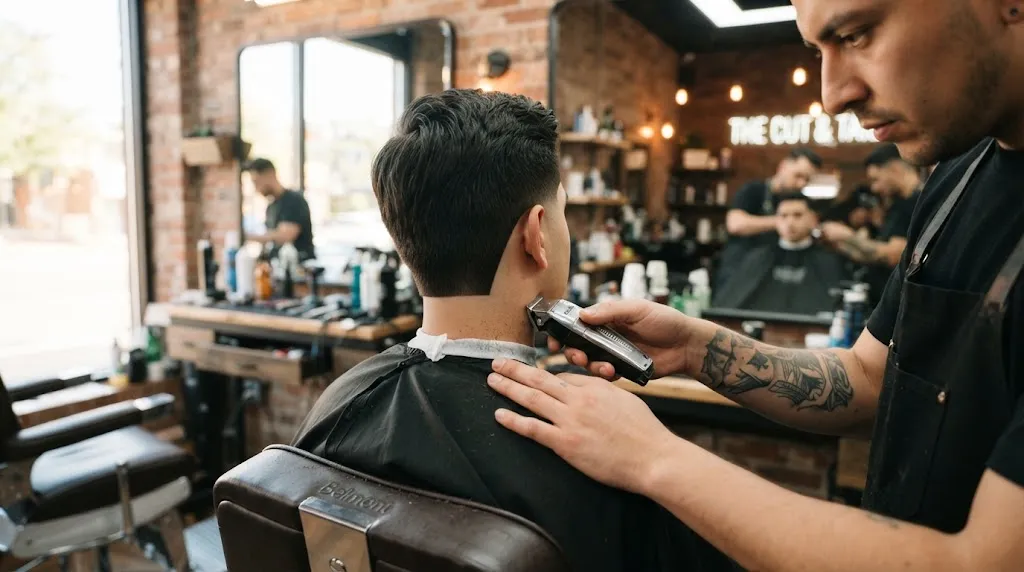
A basic maintenance trim for a tail hairstyle typically costs between $25 and $45, while a full-service cut that combines a skin fade, shape-up, and precise tail texturizing ranges from $50 to $80. Your total bill depends heavily on whether you are just maintaining an existing growth or starting from a fresh, complex cut that requires blending shaved sides or an undercut with the back tail.
Maintenance Trim: $25 – $45 (Best for cleaning up neck lines and trimming split ends on the tail).
Full Restyle / New Cut: $50 – $80+ (Includes precision fading, structural layering, and custom shaping).
Barber Tip: If you only need the back neckline cleaned up between major cuts, many barbershops offer a cheaper “neck cleanup” service for around $10 to $15.
How Long Does It Take to Grow a Tail Haircut?
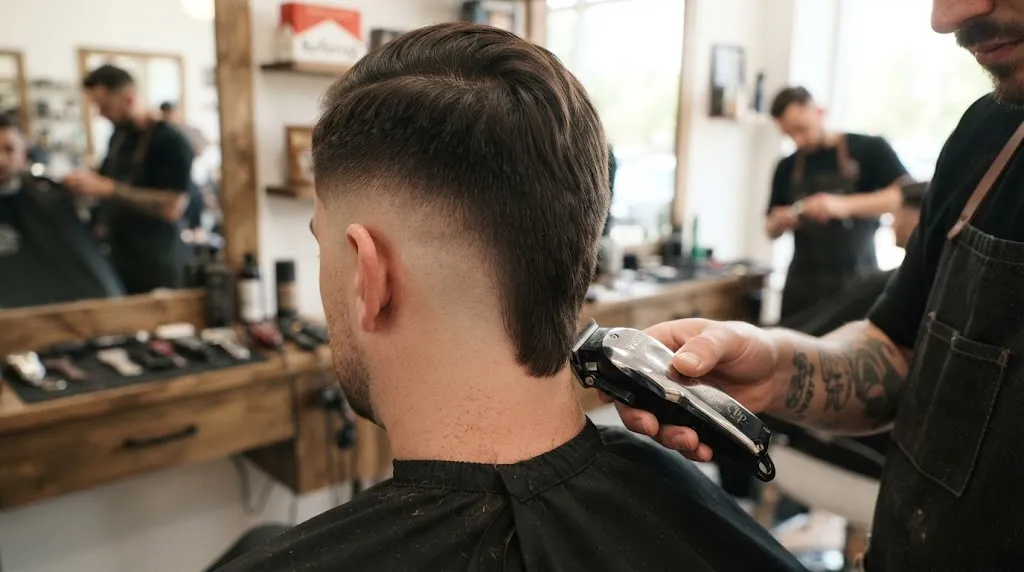
Growing a tail hairstyle from a standard short haircut takes anywhere from 3 to 6 months, assuming you need about 3 to 4 inches of length at the nape to properly form a distinct tail. The exact timeline depends heavily on your natural hair growth rate, which averages about half an inch per month, and how short you keep the surrounding hair on the back and sides.
Initial Transition Phase (Months 1–2): The awkward stage where the back hair starts curling over the collar, requiring regular cleanup on the sides so it doesn’t just look messy.
Minimum Viable Tail (Months 3–4): Reaching roughly 2 to 3 inches of length, enough to gather into a very small, tight mini-tail or rat tail.
Full Man Tail Length (Months 5–6+): Reaching 4 to 6 inches, allowing for a proper small ponytail, braided tail, or a weighted drop tail that sits cleanly against the upper back.
Pro Tip: While growing out the back section, resist the urge to trim the nape yourself. Let your barber keep the perimeter clean while leaving the actual tail length completely untouched.
How Often to Trim & Maintain It

To keep a tail hairstyle looking sharp rather than neglected, you need to visit a barber every 2 to 3 weeks for side maintenance and every 6 to 8 weeks for the actual tail length. Because the hair surrounding the tail—usually styled with a fade or an undercut—grows out quickly, those clean lines lose their definition fast.
Sides and Nape Fades: Touch up every 2 to 3 weeks to keep the contrast crisp.
Tail Length and Split Ends: Trim only every 2 months to prevent frayed ends from making the tail look thin and stringy.
Daily Maintenance Rule: Apply a tiny drop of lightweight argan oil or matte styling paste to the tail daily to lock in moisture and tame stray flyaways at the nape of the neck.
Is a Tail Hairstyle Right for Your Occasion?
A tail hairstyle for men bridges the gap between long-hair maintenance and sharp, intentional styling, but its appropriateness depends heavily on the setting. Whether you are walking into a corporate boardroom, hitting the gym, or heading out for the weekend, adapting how you wear your tail ensures the look always fits the room.
Office / Professional Settings

A tail hairstyle can work in a professional office environment only if it is kept sleek, low, and tightly secured. Traditional corporate spaces lean conservative, so loose or messy tails will instantly clash with dress codes. To pull this off, pair a low nape tail or a clean man bun with a sharp low skin fade on the sides. Use a strong-hold pomade like Layrite Superhold or a dab of American Crew Fiber to slick down any flyaways and baby hairs around the crown.
If you have a strict dress code or formal meetings lined up, you might want to explore alternative polished options like a classic Groom Hairstyle that offers traditional elegance without requiring long locks. When executed with clean edges and zero frizz, a low tail projects modern professionalism rather than a casual weekend vibe.
Casual & Everyday Wear

Off-duty settings offer total freedom to experiment with placement, volume, and texture. For daily errands, casual hangouts, or coffee runs, a mid-height tail or a half-up man tail strikes an effortless balance. You don’t need heavy styling gels here; instead, a lightweight sea salt spray like Oribe Maximista provides natural grit and movement for a relaxed finish.
The biggest mistake beginners make in casual settings is pulling the hair back too tightly, which can look overly severe. Leave a few natural strands loose around the temples or ears to soften your face shape. This unstructured approach lets your natural hair texture—whether wavy, straight, or thick—do the talking without looking unkempt.
Sports & Active Lifestyle

An active lifestyle demands a high tail or a secured runner’s ponytail that keeps hair entirely off your face and neck during intense movement. When you are sweating or running, low tails tend to whip around and slap against your upper back or get tangled in your collar. Gather all your hair securely at the crown using a seamless, snag-free elastic band to prevent breakage and tension headaches.
[IMAGE: Side-profile action shot of an athletic man with a high, secure tail hairstyle during an outdoor run, wearing a subtle fade and a moisture-wicking headband]
For thick or coarse hair types, double-looping your hair tie is essential to keep everything locked in place through high-impact workouts. If you have shorter layers that tend to escape near the nape, keep a few bobby pins handy or opt for a moisture-wicking headband to lock down stray hairs before they cause distractions.
Tail Hairstyle Pros vs Cons
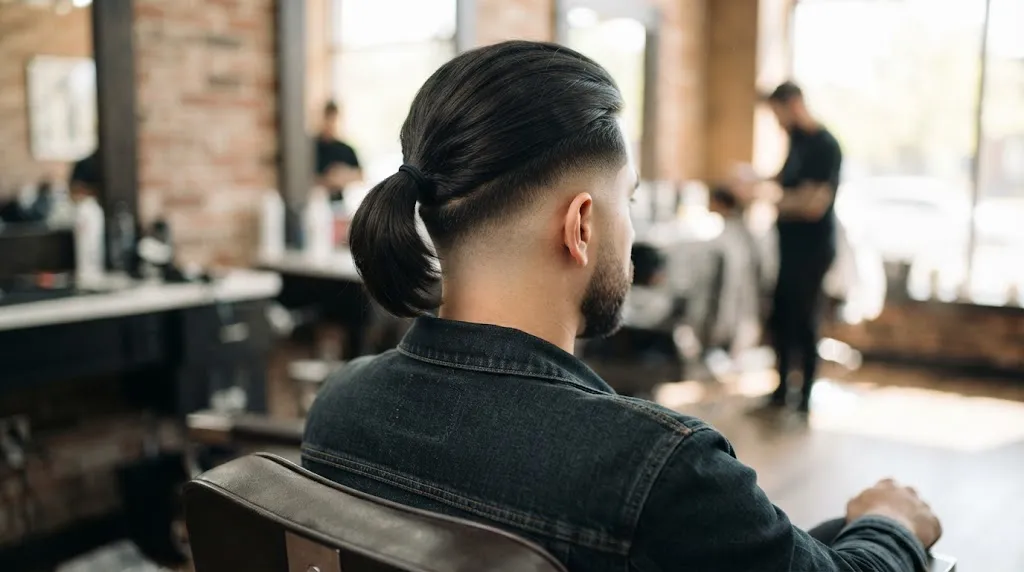
Weighing the pros and cons of a tail hairstyle for men helps determine if the back tail haircut or man tail aligns with your daily grooming routine and hair type.
| Pros | Cons |
| Versatile styling options: Easily transitions from a casual loose drape to a tight, professional pony hairstyle for a clean look. | Maintenance heavy: Requires regular trims to keep the nape neat and prevent split ends on longer strands. |
| Distinct aesthetic: Offers a standout, personalized look that sets you apart from standard fades and crew cuts. | Tension considerations: Pulling the hair too tight into a tail can strain the hairline over time if left secured all day. |
| Great length management: Keeps hair out of your face and neck during warm weather without requiring a full chop. | Awkward grow-out phase: Transitioning from a short fade to a tail creates uneven lengths that are difficult to style. |
Barber Tip: If you notice tension headaches or pulling around the nape, your hair tie is likely wrapped too tight. Switch to a seamless elastic band and leave a little slack to protect your follicles.
Frequently Asked Questions
Explore More Hairstyles
You Might Also Like
If you want to explore styling options that complement or offer an alternative to the tail haircut, checking out other length and texture categories can help you find your next look.