Long Military Haircut — Complete Guide: Styles, Regulations & How to Get One (2026)
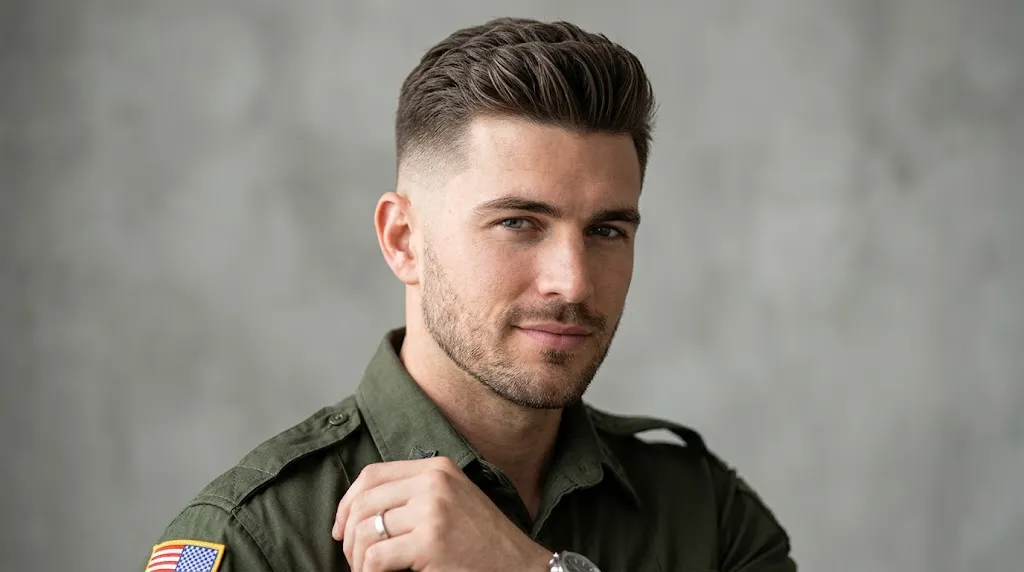
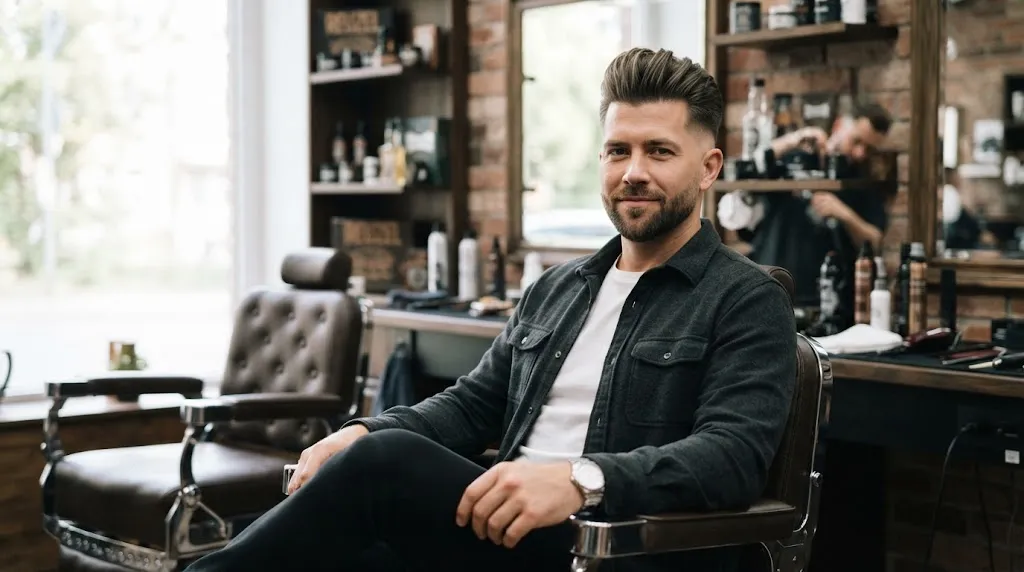
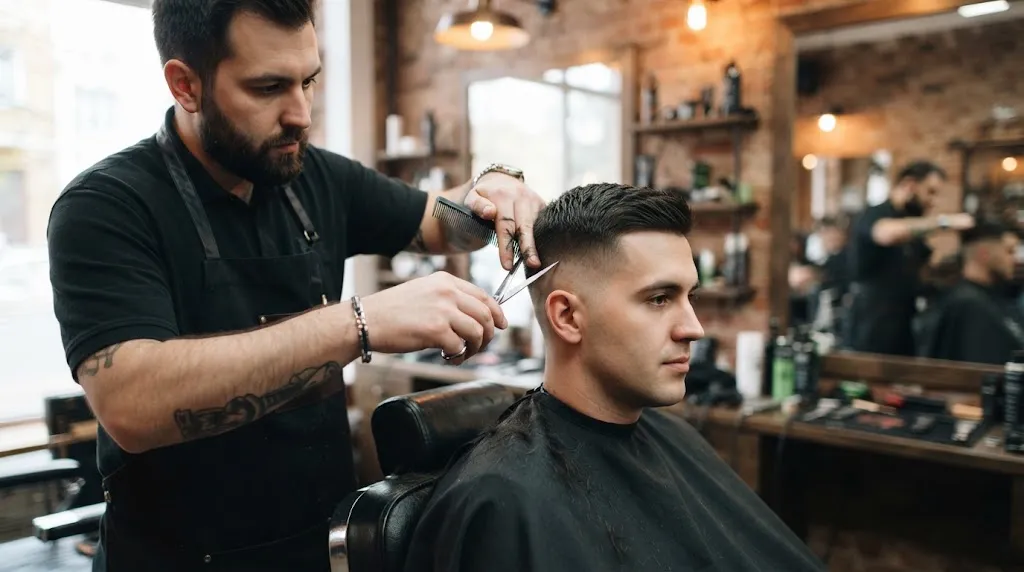
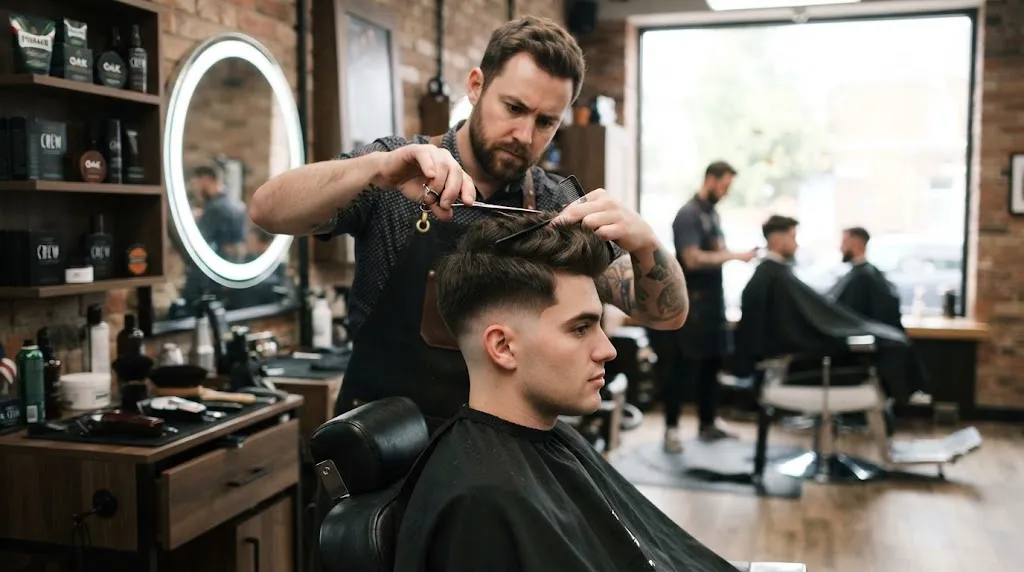
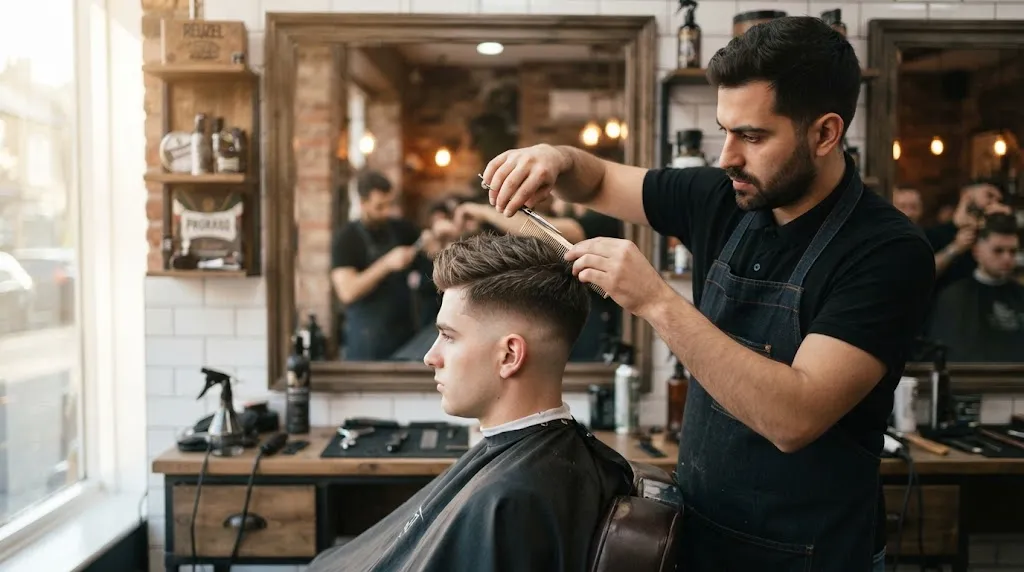
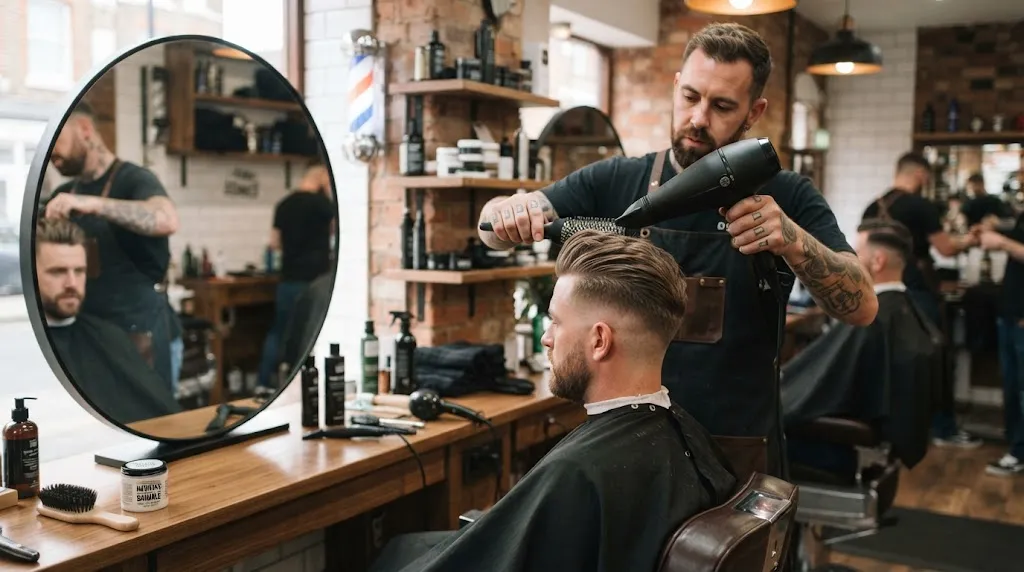
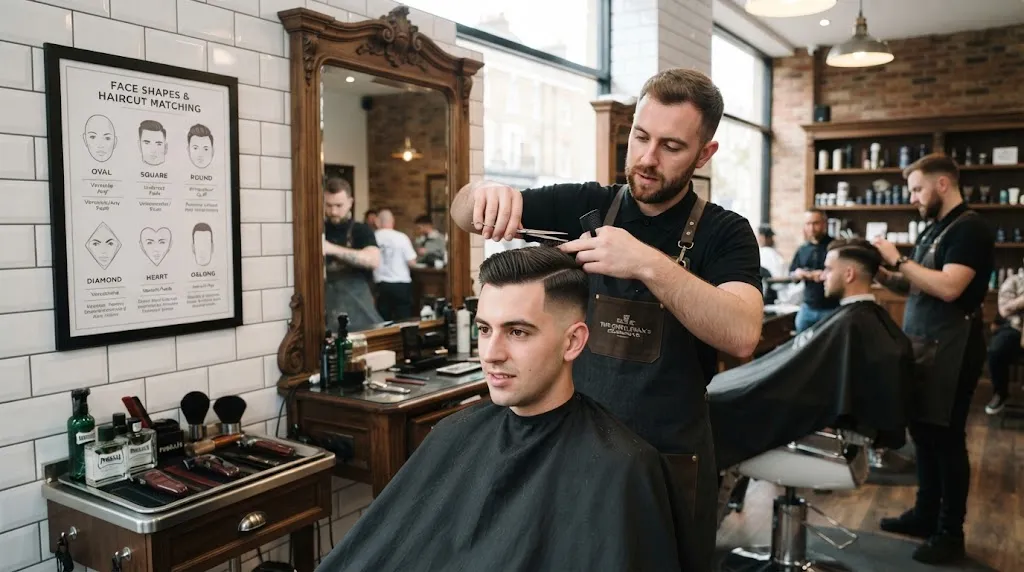
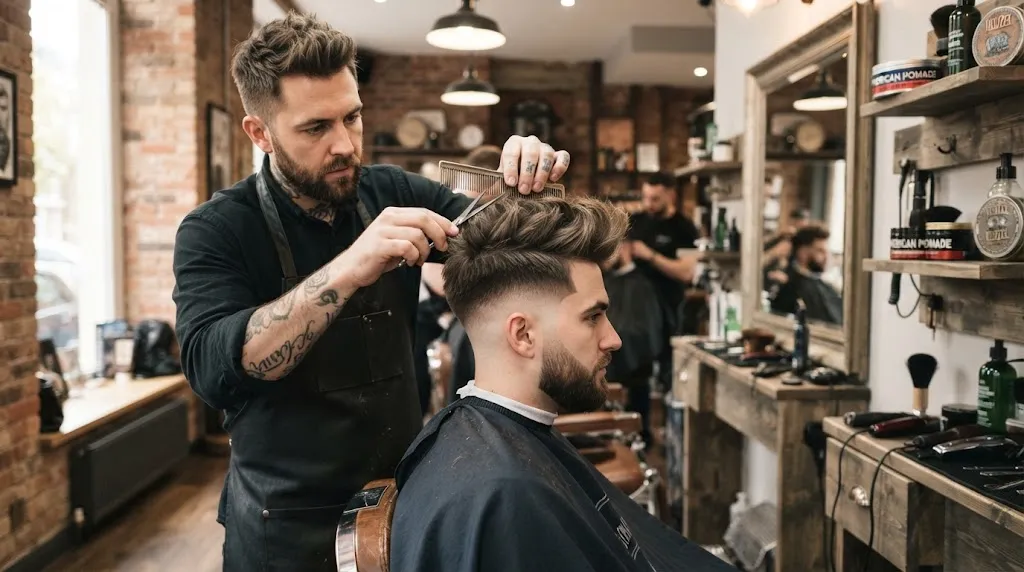
A long military haircut bridges strict service regulations and modern civilian style by keeping the top long enough to style while maintaining clean, tapered sides. When guys sit in my chair asking for an army haircuts male look that stays within bounds, we usually look at scissor-over-comb techniques that preserve some length up top without crossing the line into messy territory.
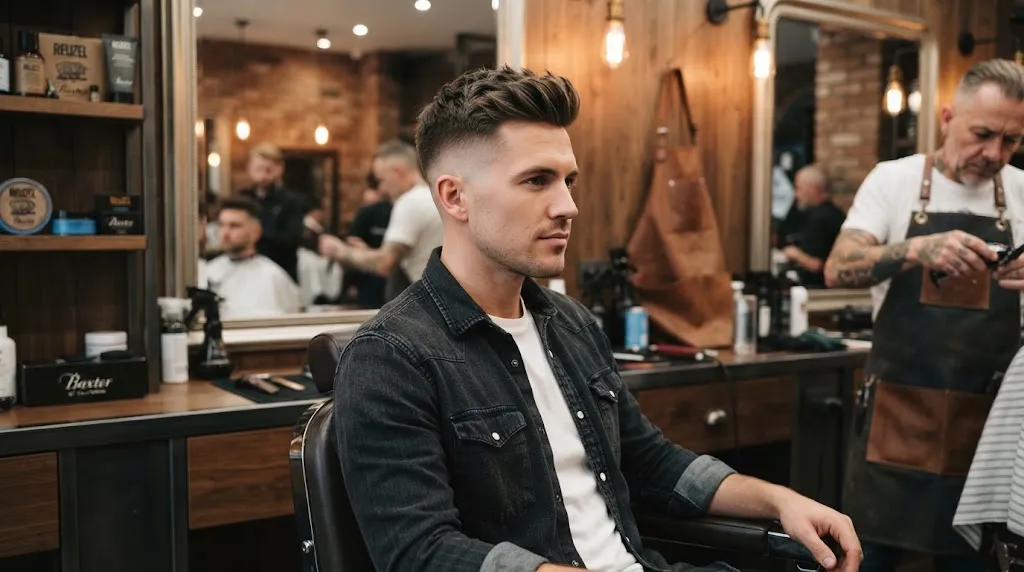
Popular styles include the classic officer’s sweep, the textured quiff, and the longer-flow regulation brush cut.
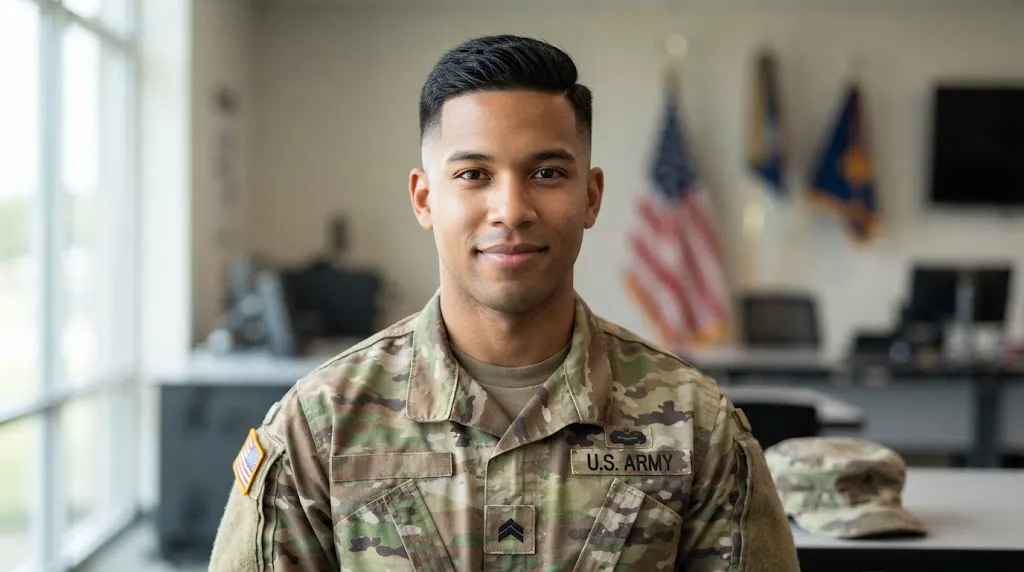
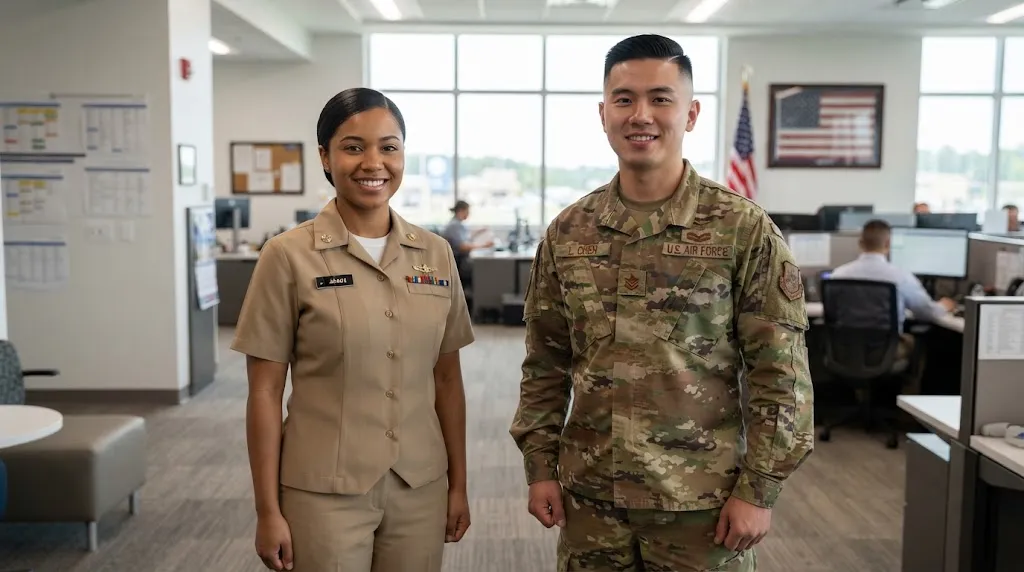
The universal rule across branches is that hair must look neat, professional, and never touch the ears or collar when standing at attention.
Branch flexibility varies, allowing slightly more top length in certain units or during downtime, provided it transitions neatly into clean fades.
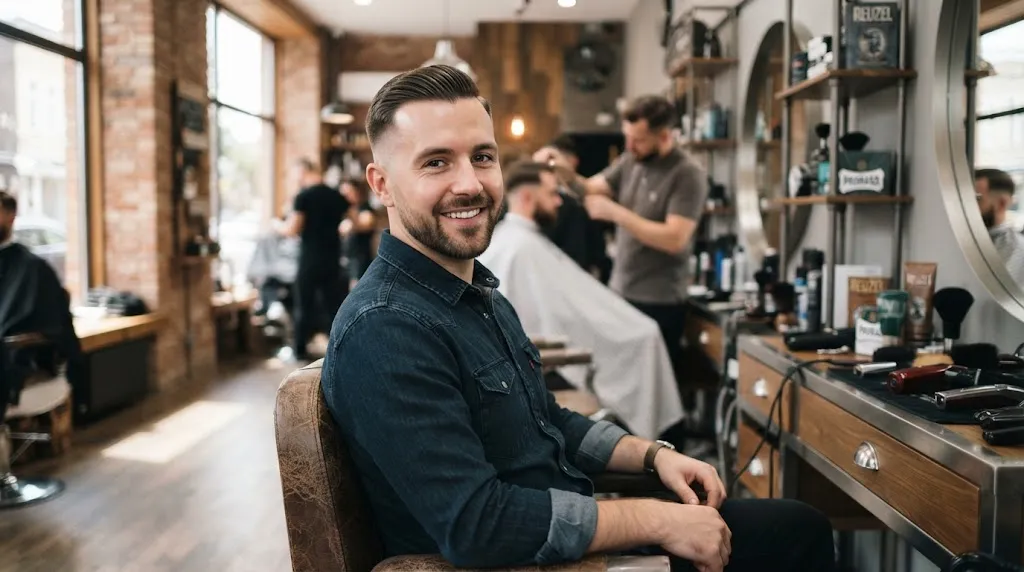
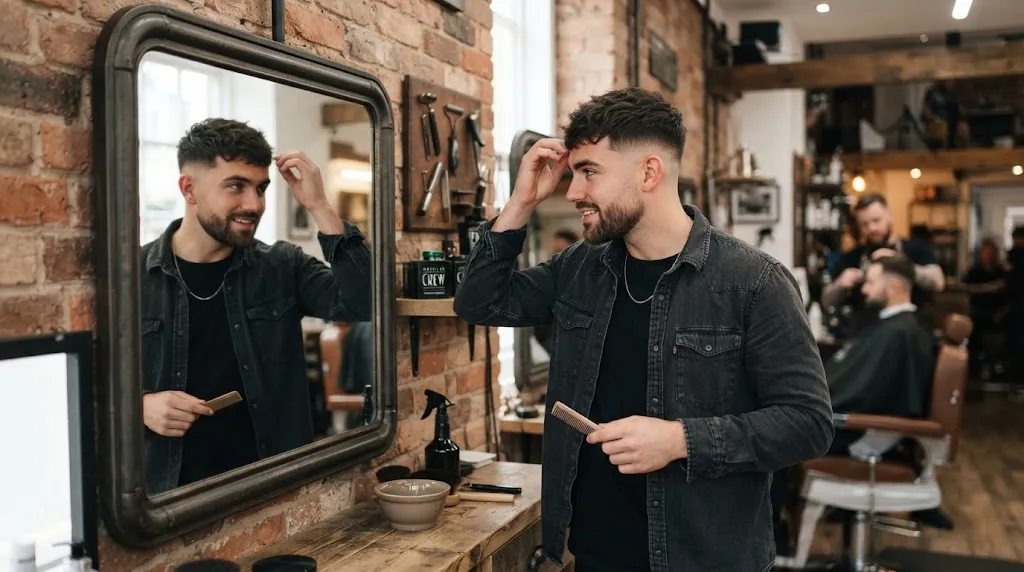
Civilian wearability makes these cuts a top choice for professionals who want a sharp, low-maintenance look that transitions easily from the office to the weekend.
What Is a Long Military Haircut?
What Is a Long Military Haircut?
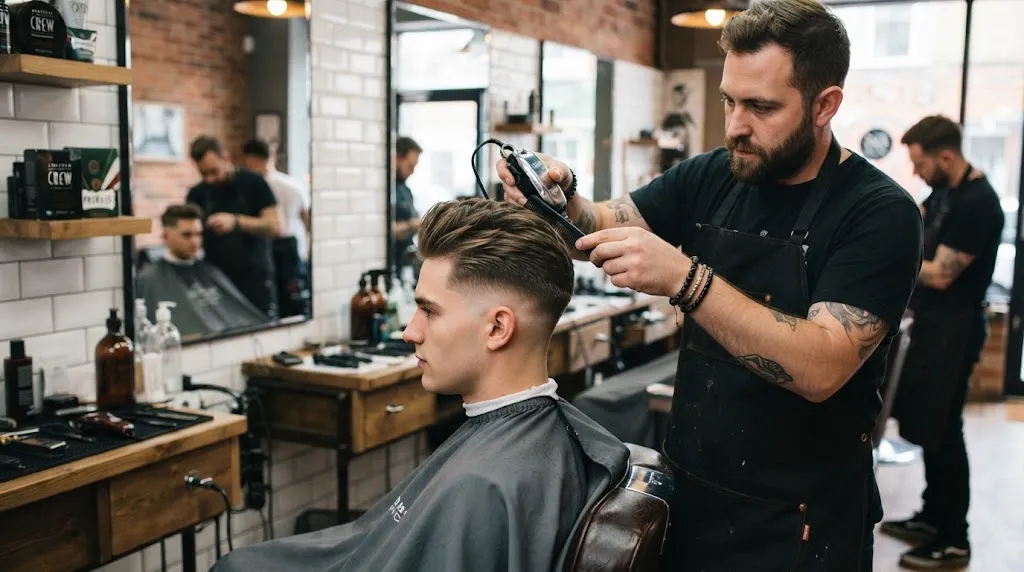
A long military haircut is a regulation-compliant, structured style that leaves slightly more length on top while keeping the back and sides sharply faded or tapered. Unlike ultra-short buzz cuts, this variation lets you work with a few inches of hair overhead for a textured, versatile finish.
Top length: Generally ranges from two to three inches, allowing for a textured crop or a subtle side sweep.
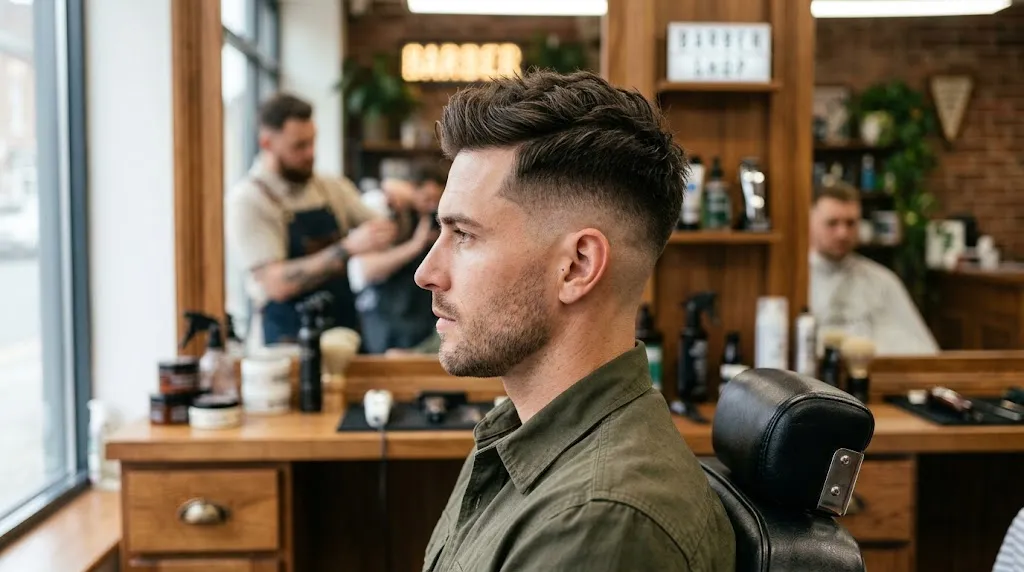
Sides and back: Kept clean and tight, usually with a high-and-tight fade or a clean taper that leaves no skin exposed unless desired.
Maintenance: Requires regular upkeep around the ears and neckline to stay sharp, though the top offers more styling freedom than traditional service cuts.
Back when guys used to slide into my barber chair straight out of basic training wanting to salvage whatever length they could, the long military crop was always the go-to compromise. It bridges the gap between strict service standards and modern civilian styling, giving you a sharp, disciplined look without sacrificing all your hair on top.
Long Military Haircut vs. Short Military Haircut: Key Differences
Understanding where your pattern lands prevents the number-one mistake I see in the salon: treating light curls like tight coils or heavy waves. While loose waves slip straight under heavy moisture and tight curls swallow product without blinking, light curls need a delicate balancing act of lightweight hydration and flexible hold to keep from going limp or frizzy.
Popular Long Military Haircut Styles
A long military haircut bridges the gap between strict service regulations and modern civilian styling, offering a clean structure with extra length on top. Choosing the right variation depends heavily on your facial structure and hair type to maintain that sharp, disciplined look.
Ivy League
The Ivy League is a classic, longer version of the traditional crew cut featuring enough length at the front to part and style to the side. It suits oval and square face shapes best, pairing effortlessly with straight or slightly wavy hair types. Sitting in my barber chair, this is the go-to style for guys who want a polished, low-maintenance look for the office without sacrificing all their top volume.
Regulation Brush-Up
The regulation brush-up keeps the hair on top slightly longer and brushed straight up for a neat, authoritative finish. It flatters round and diamond face shapes by adding vertical height, and works exceptionally well with thick or coarse hair that holds its shape naturally. This cut delivers a sharp profile that stays tidy throughout a long day of work or physical activity.
Long High and Tight (Textured Top)
A long high and tight combines severely faded or shaved sides with a noticeably longer, textured section on top. This style complements angular jawlines and oblong face shapes, while working wonders for thick or curly hair textures that benefit from volume reduction on the sides. It offers a rugged, high-contrast look rooted firmly in traditional service aesthetics.
Slicked-Back Military Cut
The slicked-back military cut features tapered or faded sides paired with length on top that is combed straight back using a light pomade or styling cream. It works ideally for round and heart-shaped faces, giving straight or wavy hair a sleek, vintage-inspired silhouette. This look provides a refined option for formal occasions while keeping the neckline and sides clean.
Long Fade with Pompadour
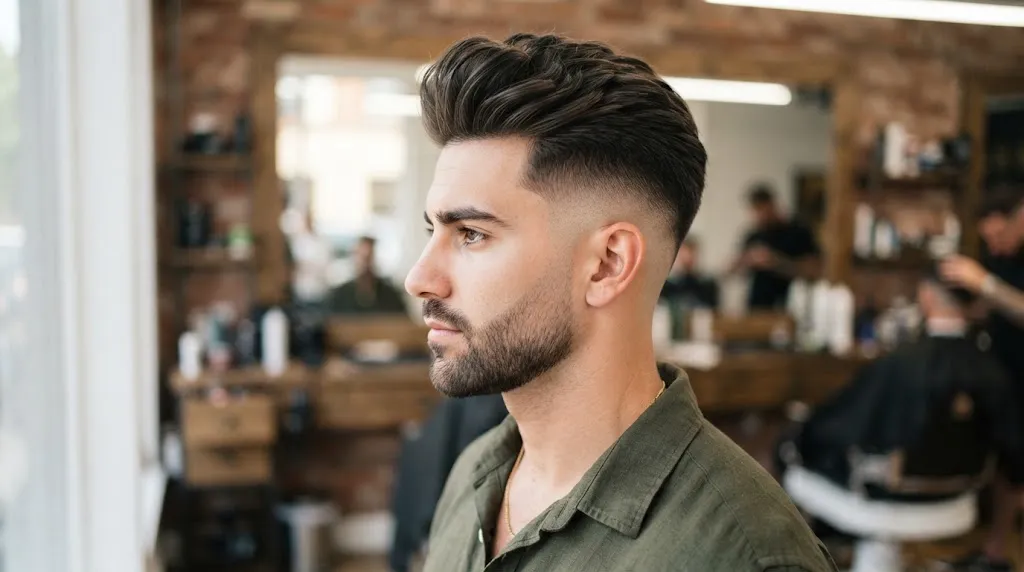
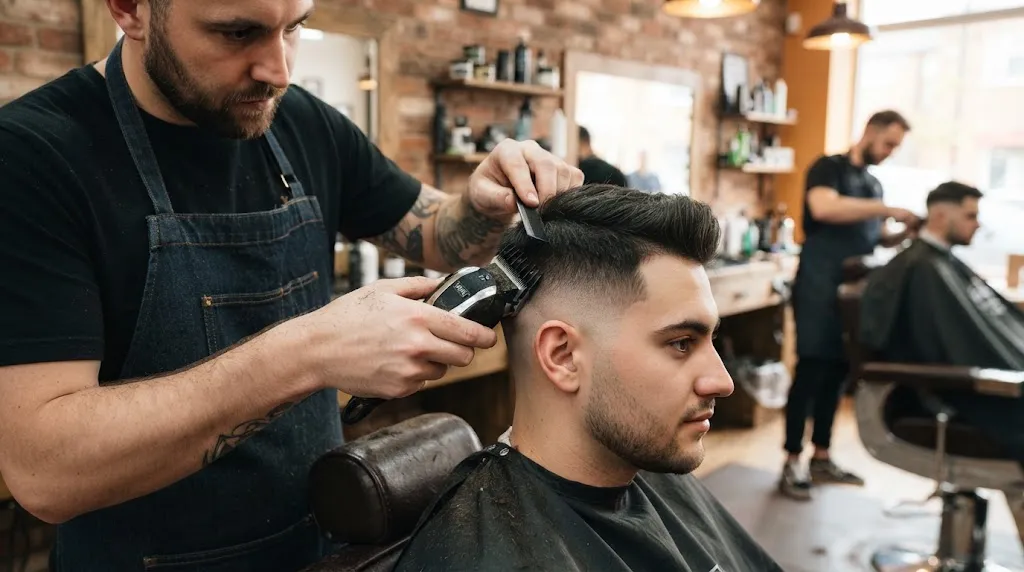
A long fade with a pompadour blends modern high-volume styling with clean military-grade taper fades along the back and sides. It is exceptionally flattering for square and triangular face types, particularly when paired with thick, cooperative hair that can maintain an upward sweep. The contrast between the faded sides and the bold top creates a striking, confident profile.
Long Fade with Quiff
The long fade with a quiff utilizes a graduated fade on the lower half while leaving the front section swept upward and back away from the forehead. This style suits oval and round face shapes by elongating the overall appearance of the head, and it accommodates medium-thick, straight hair types easily. It remains a favorite for anyone wanting a dynamic, textured shape that stays sharp around the edges.
Military Haircut Length Regulations — Branch by Branch
Military haircut regulations balance a clean, professional appearance with specific standards across different service branches, while civilian interpretations adapt these looks for everyday style.
The General Standard (Ears, Eyebrows, Collar Rule)
The foundational rule across almost all military branches requires hair to present a neat, tapered appearance that does not touch the ears or collar, and stays clear of the eyebrows when groomed. In the barber chair, I always remind guys that while this sounds restrictive, it leaves plenty of room on top for a textured, medium-length finish as long as the sides and back stay tight and clean.
Army Regulation (AR 670-1) — Bulk & Taper
Army guidelines state that hair must be neatly groomed, with a maximum bulk limit on top and a clean taper that conforms to the shape of the head. While ultra-short buzz cuts are common, soldiers can wear a slightly longer top provided the hair does not fall over the ears or eyebrows or interfere with headgear.
Navy & Air Force Bulk Limits
Both the Navy and Air Force permit neat, professional hairstyles with specific bulk and length measurements rather than forcing a strict high-and-tight. Hair can have more volume on top—often up to a couple of inches—as long as it transitions smoothly at the back and sides without touching the uniform collar.
Marine Corps Standard
The Marine Corps maintains the strictest grooming codes, focusing heavily on clean transitions and traditional high-and-tight variations. While slight styling on top is acceptable, the fade must be crisp, and the overall silhouette must remain sharp, disciplined, and entirely free of bulk over the ears and neck.
Can Civilians Wear a Long Military Haircut?
Civilians frequently adopt long military haircuts, such as a textured crop, a slicked-back undercut, or a tapered pompadour, to get a sharp, low-maintenance look. These adaptations take the structure of service-inspired cuts and loosen the strict regulations, making them versatile for modern professional and casual settings.
How Long Can Military Hair Actually Be?
A long military haircut typically allows for up to two or three inches of bulk on top, provided it is neatly tapered and styled so it doesn’t touch the ears, eyebrows, or collar. While strict standard-issue regulations generally demand high-and-tights or close buzz cuts, modern modifications and off-duty interpretations give army hairstyles male variants a bit more flexibility with length.
When a client sits in my chair asking for an army haircut male style with some length, we usually look at a few practical boundaries:
Top Bulk: Hair on top can usually measure between 1 to 3 inches, allowing for a neat side part or a slicked-back look.
Tapering: The sides and back must feature a clean taper that blends smoothly into shorter lengths near the skin or lower neckline.
Clearance Zones: The hair must never touch the ears or fall below the eyebrows when unstyled, and it cannot touch the uniform collar.
Bulk and Neatness: The overall profile must look professional, well-groomed, and free of extreme bulk or messy volume.
How to Ask Your Barber for a Long Military Haircut
Getting a long military haircut right in the chair comes down to clear communication and knowing the exact terminology your barber expects. Because standard military regulations usually call for high-and-tight or ultra-short fades, asking for a longer variation means you need to bridge the gap between traditional service standards and modern civilian length.
Clipper Guard Numbers for the Sides
To get the sides right for a long military haircut men prefer, you need to specify a clean, graduated taper while keeping enough length on top. Standard regulations require hair to look neat and tapered without touching the ears or collar, giving you plenty of room to work with guard sizes.
The High Fade Option: Ask for a Number 2 or Number 3 guard on the sides to maintain a sharp, disciplined contrast without exposing the scalp completely.
The Low or Medium Taper Option: Request a Number 4 or Number 5 guard if you want a softer, more conservative gradient that blends smoothly into your ears and neckline.
The Transition: Always tell your barber to use a “skin taper at the very bottom edge” while keeping the bulk of the sides at your chosen higher guard number.
Exact Script + Reference Photo Tip
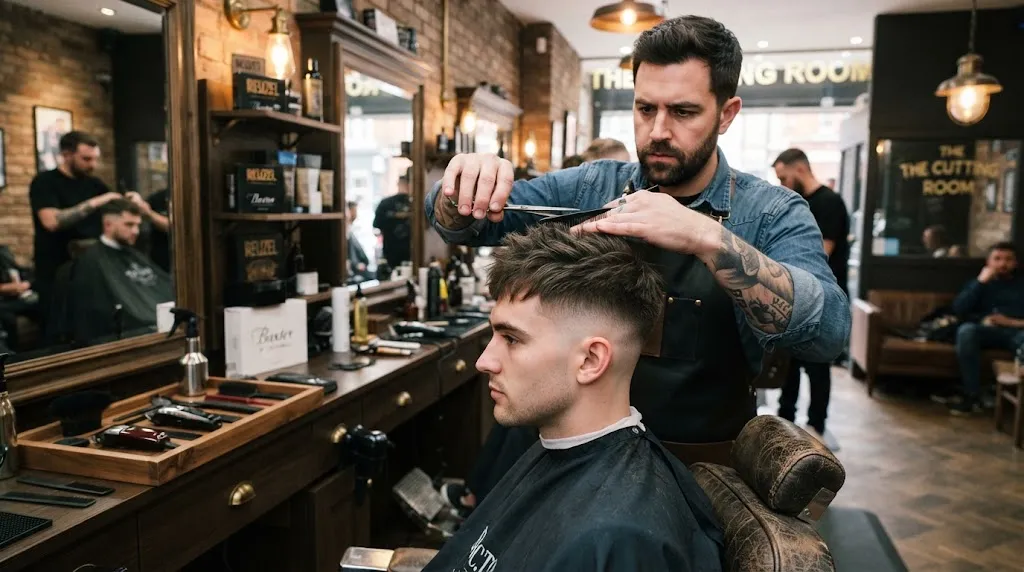
Communication is the easiest way to avoid a botched cut, so use a direct script and bring visual proof to your appointment. In my years behind the chair, a client walking in with a clear photo and a straightforward request saves minutes of guesswork and guarantees everyone is on the same page.
The Exact Script: “I want a long military haircut, specifically an army haircut male style with a Number 3 guard on the sides, tapered cleanly at the neck and ears, and left scissor-cut and textured on top with about two to three inches of length.”
The Reference Photo Tip: Pull up a high-resolution image of the exact cut on your phone, and make sure the photo shows both the side profile and the back neckline so your barber can see the exact taper height you are aiming for.
Growing Out a Military Haircut — Timeline
Growing out a high-and-tight or a strict regulation fade requires patience, as the stark contrast between a shaved scalp and longer top layers creates a notoriously tricky transition. When clients sit in my chair asking how to bridge the gap without looking unkempt, I always tell them to expect a few months of awkward styling before the shape normalizes.
Week-by-Week Growth Stages
Weeks 1 to 4 (The Cleanup Phase): The sides and back start sprouting fuzz over your ears and neckline, while the top gains about half an inch. Keep visiting your barber every two weeks just to taper the lower edges so the cut still looks intentional rather than neglected.
Weeks 5 to 8 (The Density Shift): Your hair starts losing its structured military geometry, especially around the crown and temples. This is when the top begins to weigh down, requiring lighter styling products like a matte paste instead of heavy pomade.
Weeks 9 to 12 (The Blending Stage): The top and sides finally begin to merge into a uniform length. You can now transition the style away from traditional army hairstyles male formats and toward a longer swept-back or textured crop.
Handling the Awkward In-Between Phase
The awkward phase happens around month two when the hair is too long to stay flat like a standard army haircuts male style, but too short to brush back smoothly.
Embrace Texturizing Products: Swap out high-shine gels for dry clays or sea salt sprays to create volume and distract from uneven growth patterns.
Manage the Bulk: Ask your barber to thin out heavy patches around the parietal ridge rather than cutting length off the top.
Use Hats Wisely: A well-fitted cap is your best friend on stubborn mornings when cowlicks rebel against your usual styling routine.
Real Problems Guys Face With Long Military Haircuts and Practical Fixes
Pulling off a long military haircut sounds easy until you are sitting in the chair or trying to pass a Monday morning inspection. Over the years, I have seen the same few styling hurdles trip guys up when they try to keep some length on top while maintaining a clean, regulation-inspired look.
Here is how to handle the most common issues without starting your cut from scratch:
The barber took the top too short: If your stylist accidentally chopped off too much length, stop using heavy gels that flatten everything down. Switch to a lightweight matte clay or styling paste, blow-dry the hair straight up from the roots to fake extra height, and ask for a tight skin fade on the sides to make the top look proportionally intentional.
Thick or curly hair won’t stay put: Military-inspired cuts rely on clean lines, which can turn into a puffy halo if your hair has natural texture. Work a dime-sized amount of styling pomade through damp hair, then use a fine-tooth comb while blasting it with medium heat from a blow-dryer to lock the grain down.
Nailing the inspection-ready finish the night before: Waking up with bedhead right before a uniform check is stressful. Instead of washing and restyling from scratch, sleep in a soft satin wave cap or tie your hair down loosely with a smooth scarf to keep the top laid flat and save yourself twenty minutes of panic.
Surviving the awkward growing-out phase: When transitioning from a high-and-tight to a longer style, the sides and top grow at uneven rates. Keep the sideburns and neckline cleaned up every two weeks at the barbershop to maintain a sharp military silhouette while the top catches up.
Styling a Long Military Haircut — Step-by-Step
Styling a long military haircut comes down to balancing a structured, disciplined shape with just enough length on top to work with various styling products. Whether you are sporting standard army haircuts male styles or transitioning into civilian life with longer army hairstyles male, mastering a simple routine keeps your look sharp all day.
Wash → Prep → Style
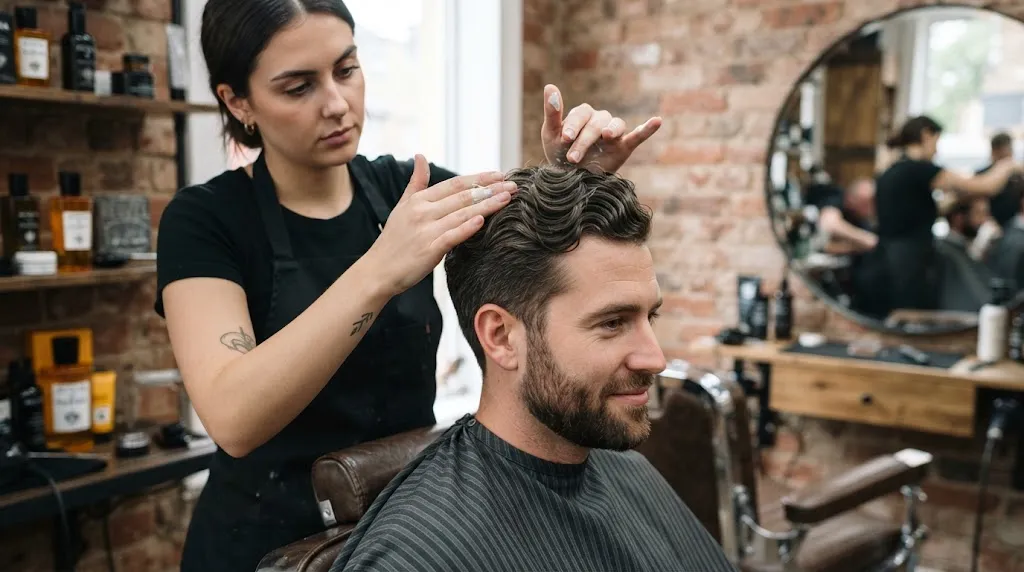
Start with a thorough wash using a daily shampoo to strip away any product buildup or natural grease that can weigh the hair down. Towel-dry until your hair is just damp, then apply a lightweight styling cream or mousse from roots to ends while combing the top back or to the side. Finish by blow-drying on a medium heat setting to lock the shape in place, directing the airflow in the exact direction you want the hair to fall.
Hold Type by Hair Texture
Choosing the right hold depends entirely on whether your hair is fine, thick, straight, or wavy. Fine hair needs lightweight products like sea salt sprays or light pastes to avoid a flat look, while coarse or thick hair requires firm-hold styling products to keep longer top sections from rebelling.
Fine Hair: Use light clays or pastes that add texture without collapsing the volume.
Thick or Wavy Hair: Opt for medium-to-firm pomades or fiber waxes to tame natural curls and maintain a clean silhouette.
If your top section leans shorter, you can also explore pomade hairstyles for short hair to find alternative ways to switch up your daily routine.
Choosing the Right Style for Your Face Shape & Hair Type
Finding the best long military haircut comes down to matching your specific facial structure and hair texture to a cut that balances your features. Whether you are transitioning from a traditional high-and-tight or adapting a regulated look for civilian life, understanding how different variations sit on your head makes all the difference in the barber chair.
Face Shape Guide
Hair Type Guide
Long Military Haircut vs. Other Styles
Long Military Haircut Gallery
A long military haircut gallery showcases real-world visual examples from front, side, and back angles across diverse hair types, ethnicities, and growth stages. Reviewing these multi-angle visuals helps bridge the gap between regulation standards and civilian styling, showing exactly how a slightly grown-out cut sits on different textures.
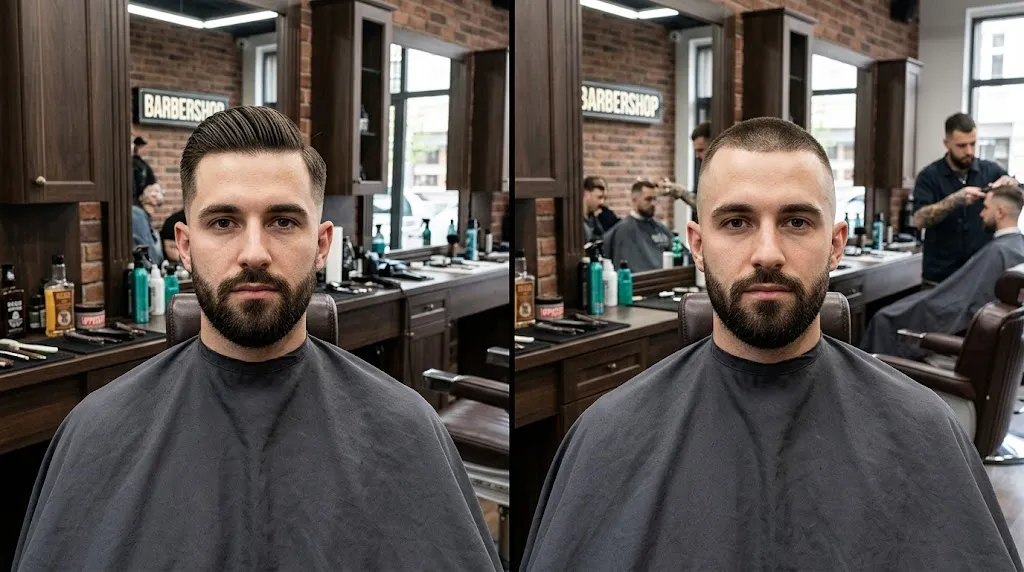
Front View: Demonstrates how longer top sections and fringe can be swept back or parted while keeping the hairline clean and neat.
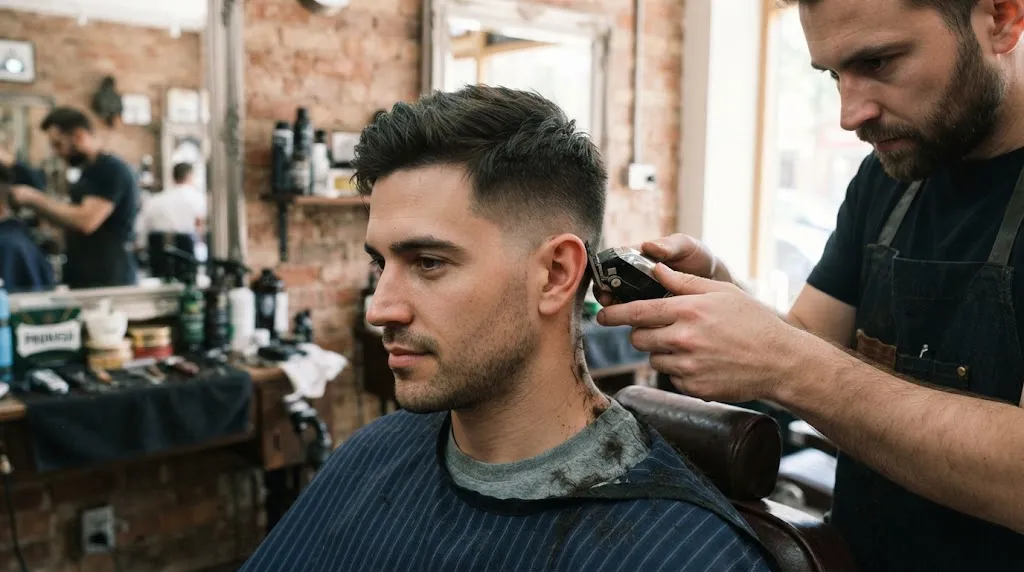
Side Profile: Highlights the precision of the tapered or faded sides transitioning seamlessly into the fuller top volume without touching the ears or collar.
Back View: Illustrates the neat neckline block or taper, ensuring the overall look remains sharp from every angle.
Texture Variations: Compares how straight, wavy, and curly hair types hold shape at varying lengths while maintaining a disciplined silhouette.
Barber’s Note: When clients sit in my chair asking for a longer army hairstyle, I always pull up a reference photo showing all three angles. Seeing how a cut transitions around the crown makes all the difference compared to just looking at a front snapshot.
Common Questions About Military and Long Military Haircuts
Explore More Hairstyles
A long military haircut works even better when the rest of your grooming routine matches the same clean, put-together look. A few related guides on the site can help you round things out.
If you’re keeping some facial hair alongside the cut, pairing it with a well-shaped beard adds definition without breaking the disciplined look — our guide on beard styles to pair with a buzz cut walks through combinations that hold up both in and out of uniform.
Styling the longer top is really where this haircut comes alive day to day, and getting the technique right matters more than the product you use. For a full breakdown of prepping, drying, and setting hair so it holds its shape from morning inspection to end of day, check out our guide to setting hair.
And if you’re still weighing your options beyond the military-inspired cuts covered here, it’s worth browsing the full men’s hairstyles collection — it covers everything from low-maintenance buzz styles to longer, more versatile looks for whenever you’re not bound by regulation length.