
Hairstyle for Silky Hair: Best Haircuts, Styling Steps and Barber Tips
Which Hairstyle Is Good for Silky Hair?
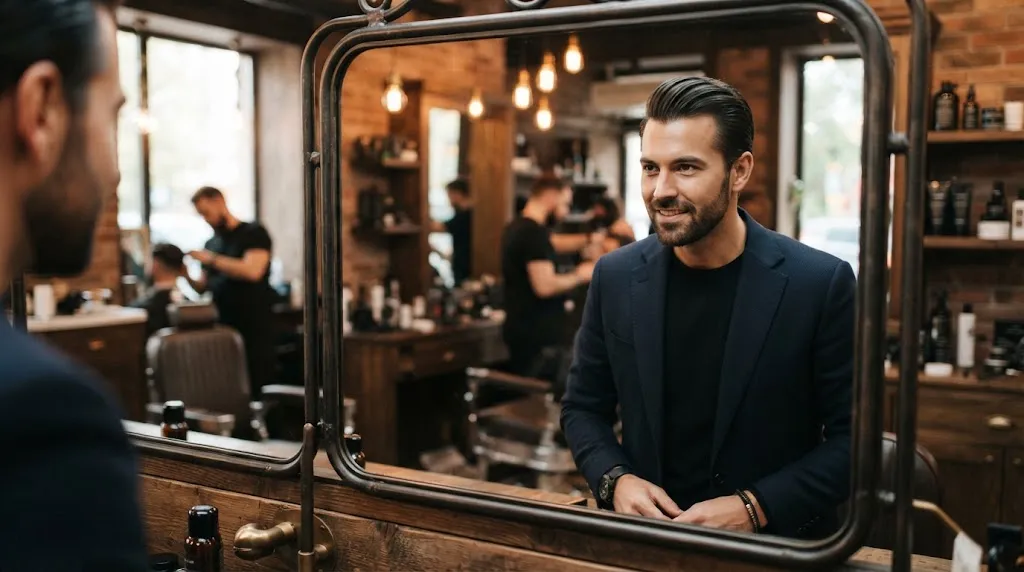
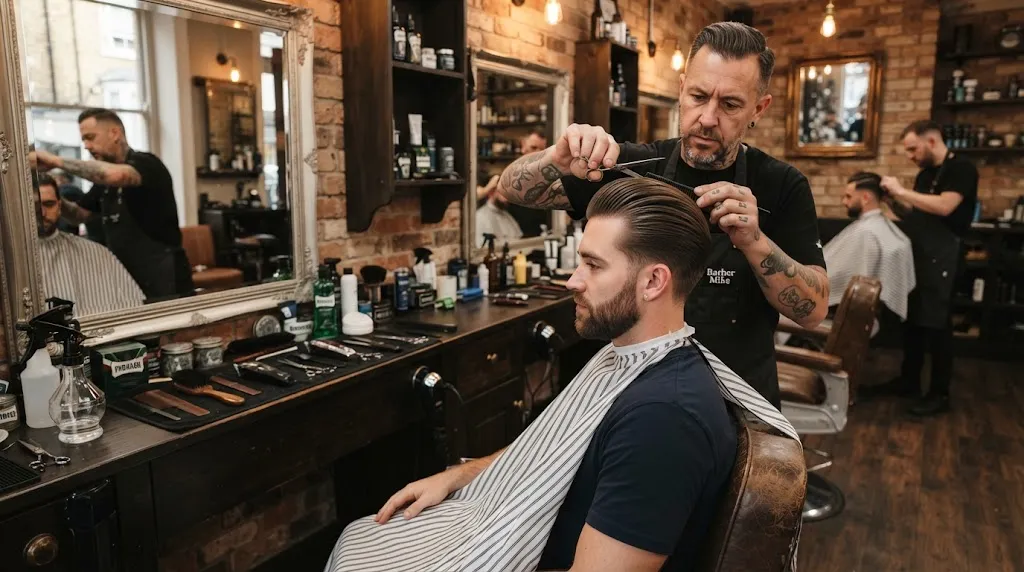
Silky hair holds its smooth, low-friction texture best when given structural support through short-to-medium cuts like the Textured Crop, the Side Part, or the Slicked Back style. A textured crop adds choppy weight removal to prevent flat separation, a classic side part relies on structured tapering to keep fine strands in place, and a slicked-back look uses length on top to weigh down flyaways. This guide is part of the men’s hairstyle library on Hairstyles USA. Always consult your barber to confirm which of these options matches your specific growth patterns and hair density.
Silky Hair Explained: How It Differs from Fine, Thin and Straight Hair
Silky hair is defined by a smooth, uniform cuticle layer that reflects light easily and offers exceptionally low surface friction. This low-friction texture is the primary reason why silk hair hairstyles and smooth haircut options often require specialized styling techniques rather than standard routines. For silky hair men and anyone managing this specific texture, strands tend to slide past one another instead of locking into place, causing volume to collapse and products to slide right off the hair shaft.
How Silky Hair Behaves and Why Styles Slip
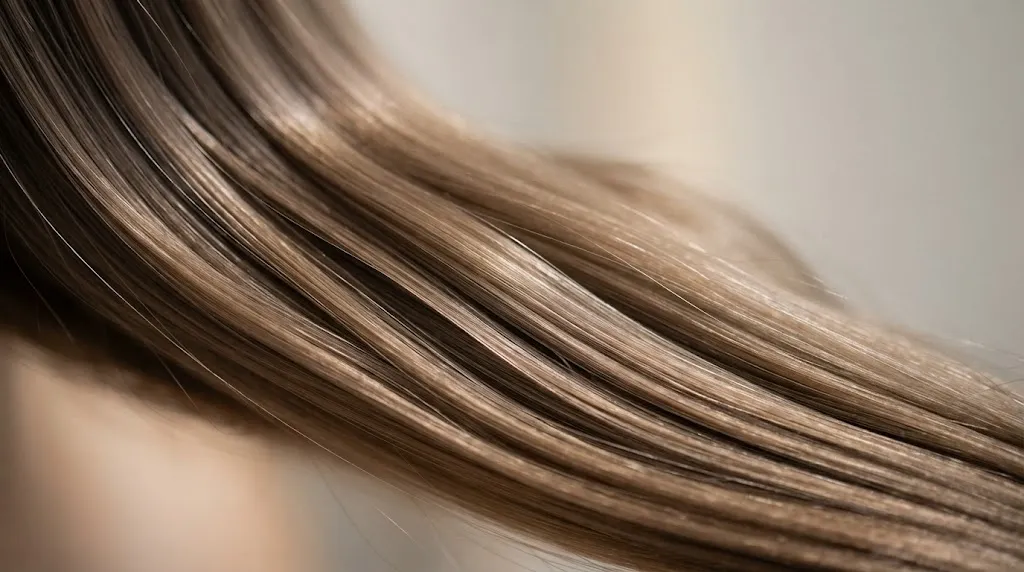
Because the microscopic scales on a silky hair strand lie completely flat, styling products lack the rough surface texture needed to grip properly. When pomades, waxes, or heavy creams are applied, they simply glide over the smooth surface instead of anchoring the hair. This lack of friction causes high-volume styles to flatten out quickly and makes gravity the main enemy of your daily look. Creating a reliable hold means working with texture-building foundations or lightweight pre-stylers that roughen the cuticle temporarily, giving products something physical to hold onto throughout the day.
Silky vs Fine vs Thin vs Straight Hair
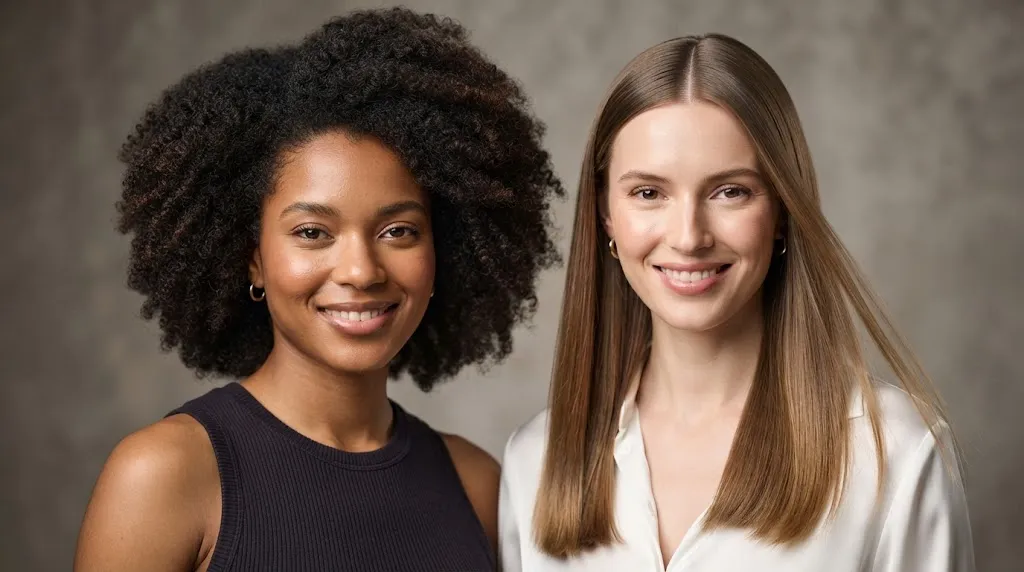
It is common to confuse different hair characteristics, but texture, strand thickness, density, and curl pattern all measure distinct traits.
Texture refers to the smooth or rough feel of the individual strand, such as silky versus coarse.
Strand thickness measures the actual circumference of each individual hair, separating fine hair from thick hair.
Density counts how many hair follicles grow per square inch on the scalp, distinguishing thick-looking density from thin hair.
Curl pattern describes the natural bend or shape of the hair, ranging from coiled to straight hair.
While silky hair often feels soft and smooth, it can vary widely in density and strand thickness. If you are exploring styles tailored specifically for straight textures, check out the guide on straight hair for more targeted ideas. Should you notice sudden or heavy thinning, it is worth checking with a professional to rule out underlying health factors.
Common Silky Hair Problems and How to Fix Them
Silky, low-friction hair naturally resists standard styling due to its smooth cuticle, which makes holding volume and shape a persistent challenge. Real-world feedback from users navigating slippery strands highlights specific frustrations, ranging from constant forehead fallout to frustrating flyaways and weather disruption.
Why Silky Hair Won't Hold a Style and How to Get Hold with Little or No Product
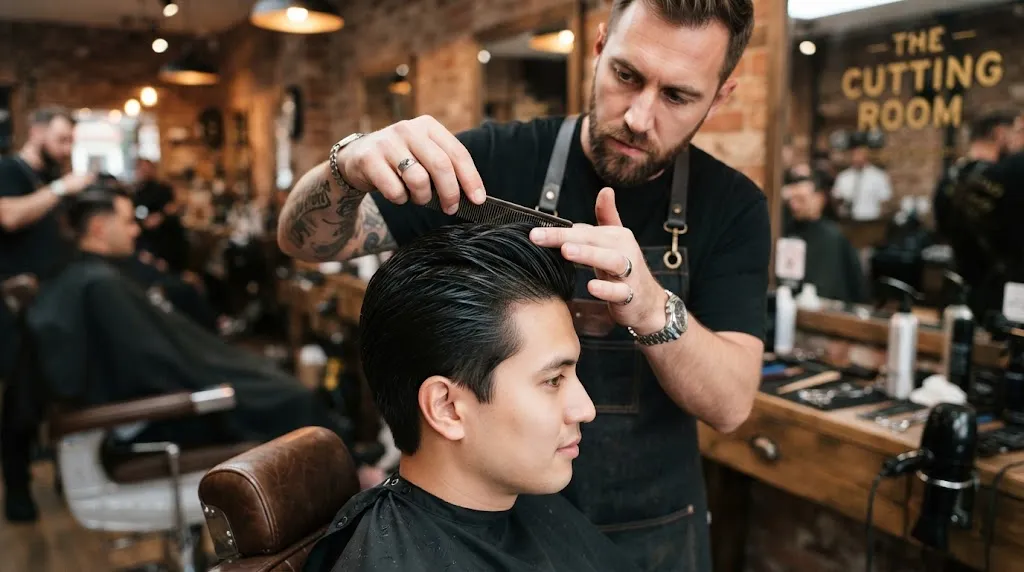
Silky hair often refuses to hold a shape because the individual strands lack the surface friction and natural texture needed to grip one another. For a reliable hold without heavy styling agents, certain cuts naturally lock into place through structural tension—such as blunt, tightly cropped sides paired with a textured top—which typically stays put for hours during a no-product hold test. hold-test result for this style.
To build grip without relying on heavy products or worrying about hair spray damage, the most effective approach involves leveraging mechanical styling:
Blow-dry damp hair using a cool-shot setting directed upward to lock the roots in place.
Use a minimal amount of sea salt spray or matte styling clay worked thoroughly between the palms before applying.
Avoid heavy pomades or oils that weigh smooth strands down and cause the style to collapse.
Hair Falling on the Forehead
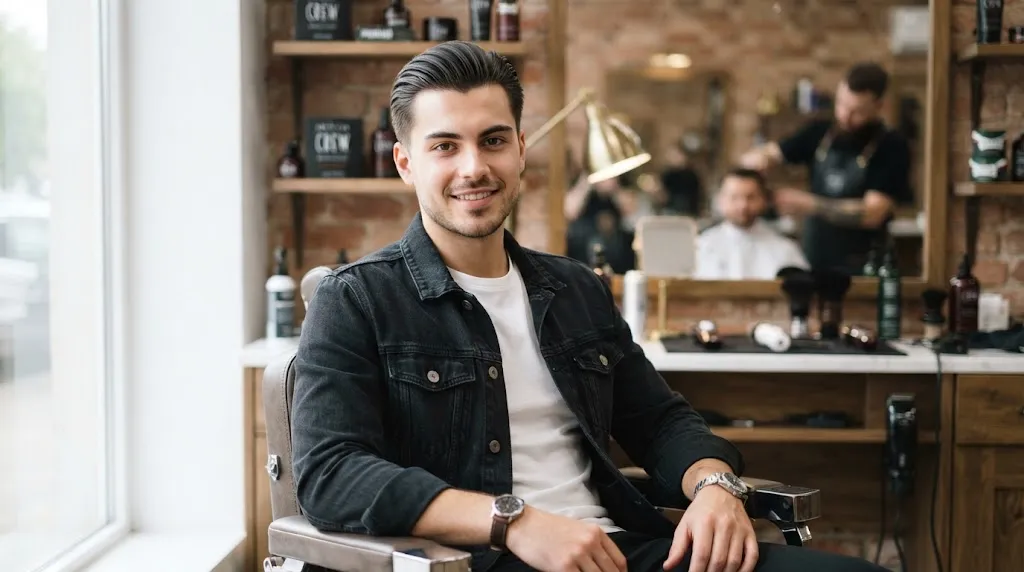
When smooth fringe continually slips downward, the issue usually stems from hair being cut too heavy at the hairline without directional shaping. Cut-based fixes involve asking a barber for a point-cut fringe that introduces subtle variation in length, or shifting to an off-center part that naturally sweeps the hair away from the face. Styling-based fixes require blow-drying the hair completely away from the forehead while it is damp, setting the direction before applying a lightweight styling powder to maintain the lift at the root.
Flyaways, Static and Oily Roots
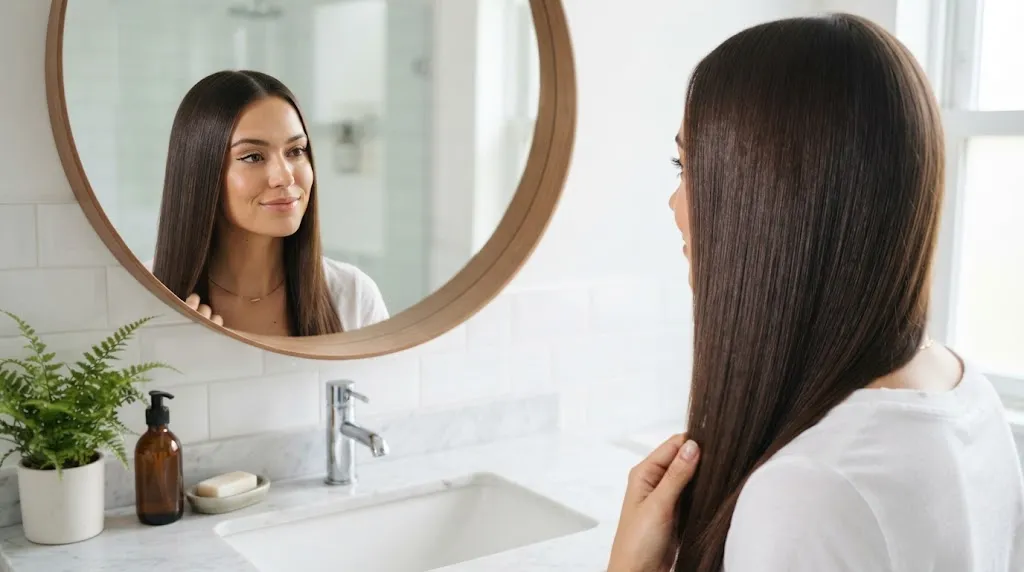
Static electricity and flyaways happen when dry, smooth strands lack enough weight to stay settled, while oily roots often make fine, silky hair look flat near the scalp. To manage static without creating buildup, lightly mist a boar-bristle brush with a tiny amount of water or leave-in conditioner before running it through the mid-lengths. To address oily roots, use a clarifying shampoo periodically to strip away residue, and avoid applying conditioner any closer than a few inches from the scalp.
Wind and Humidity Ruining the Style

Wind and moisture quickly dismantle slippery hairstyles because low-friction strands catch the breeze easily and absorb atmospheric humidity. According to barber-validated practice, shorter cropped cuts like crew cuts or tight fades handle wind and humidity far better than longer, layered styles because shorter hairs have less surface area to catch the air. If keeping length, opting for a layered crop with textured ends helps individual strands support one another against sudden gusts.
Making Silky Hair Stiffer or More Textured Naturally
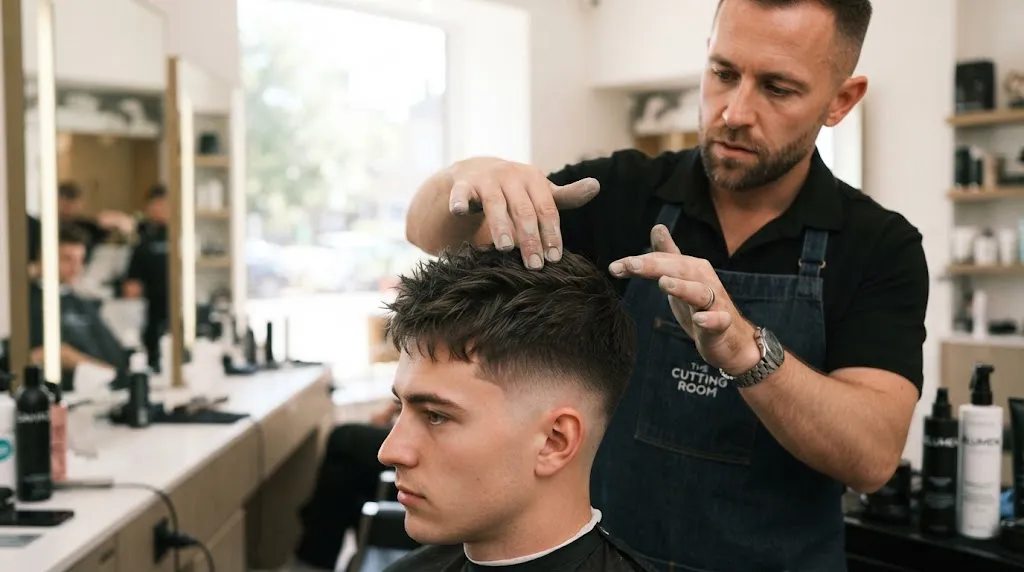
Achieving a rougher, stiffer feel in ultra-smooth hair requires combining specific cuts with the right physical techniques. Blunt cuts and choppy, razor-cut textures create edges that naturally catch against each other, while lightweight texturizing clays add grit.
Avoid damaging methods such as excessive backcombing or daily high-heat flat ironing, which can weaken the hair cuticle and lead to breakage over time. If you notice sudden or heavy thinning accompanied by structural changes in your hair, it is worth checking with a professional.
Skinny Face and Boys' Hairstyles
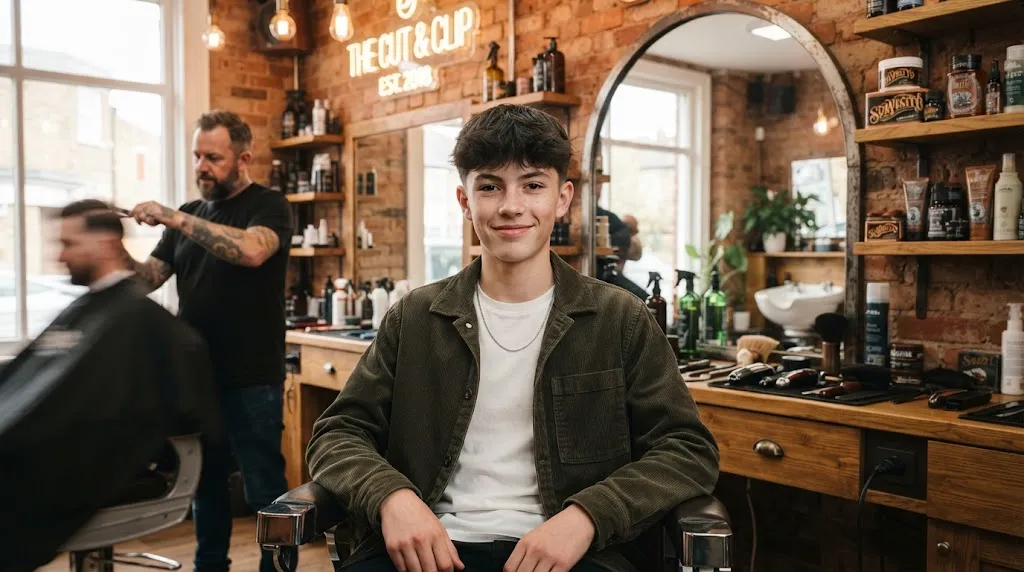
Balancing a narrow facial structure with smooth hair requires cuts that add width at the sides rather than elongating the silhouette further. Barber-validated logic dictates that tightly shaved sides on a skinny face will only emphasize the narrowness, whereas medium-length textured crops or messy fringes that maintain fullness near the temples create a broader, more balanced look. For younger wearers with silky hair, a textured fringe or a loose side-swept cut provides movement and width without requiring complex daily styling routines.
How to Choose a Haircut for Silky Hair
By Face Shape
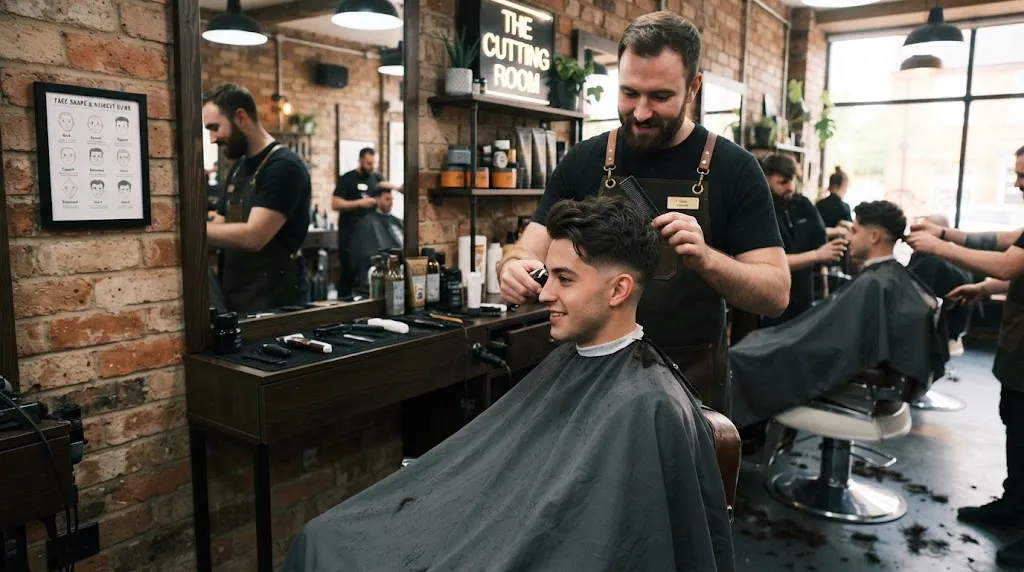
A round face benefits from cuts that add height on top while keeping the sides trimmed close to offset the natural softness and slip of fine, smooth strands; you can find specific options in our guide on round face hairstyles for men. A square face works well with textured crops or softer fringes that break up a strong jawline and prevent the straight texture from looking too rigid, which is detailed further in our haircuts for square faces overview. A long face requires balanced volume on the sides and a heavier fringe or side part to visually shorten proportions, as outlined in our long face hairstyles for male breakdown.
By Hair Length
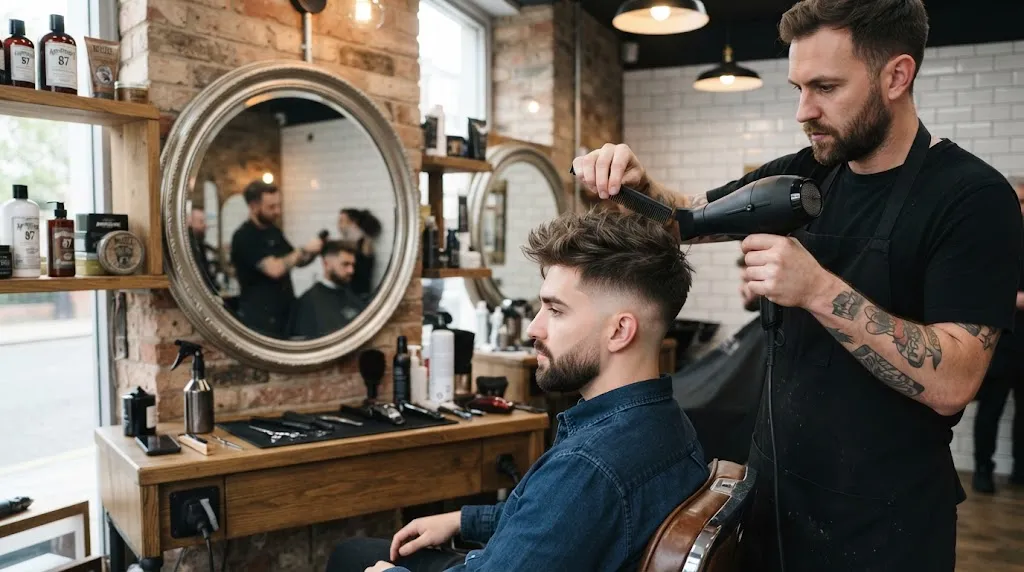
Short silky hair sits completely flat against the scalp and often resists lifting without strong styling product, making textured crops or high fades the easiest to manage for daily wear. Medium-length silky hair tends to curtain around the face or slip entirely out of place, so layering is essential to build natural movement and grip. Long silky hair carries weight that helps pull straight strands downward into a smooth sheet, but it frequently lacks volume at the crown and slips right out of basic hair ties or pins.
With a Beard or Without One
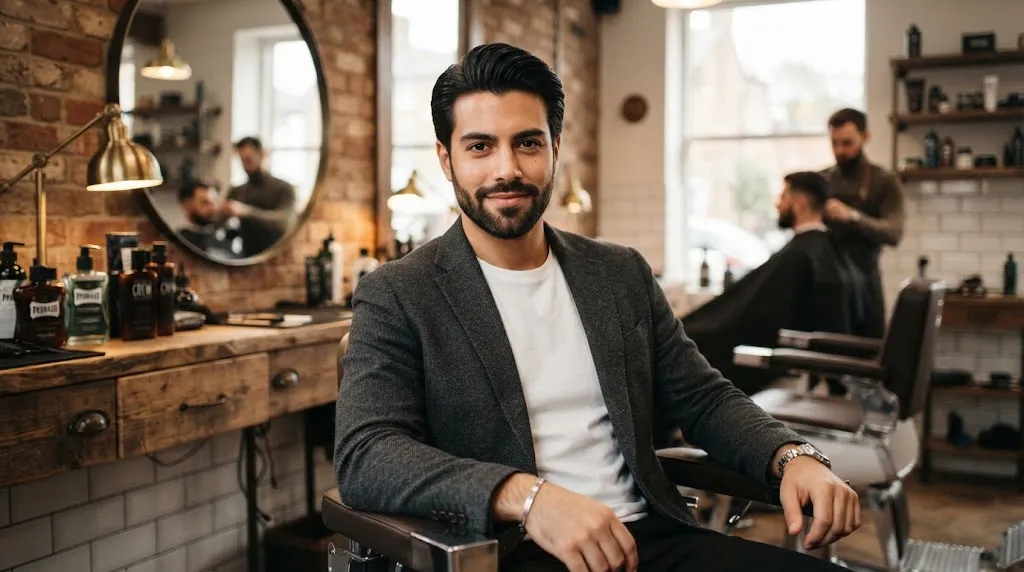
Pairing silky hair with a beard creates a striking contrast between the smooth texture of the head and the coarse texture of facial hair, instantly anchoring a clean cut. For men wearing a clean-shaven look, the hairstyle needs enough structure around the jaw and temples to define the face without relying on facial hair for balance; explore ideas for clean-shaven styling in our guide on best hairstyle for men without beard. When growing facial hair alongside longer locks, balancing the weight of both becomes crucial, as discussed in our long hair and beard styles resource.
By Occasion
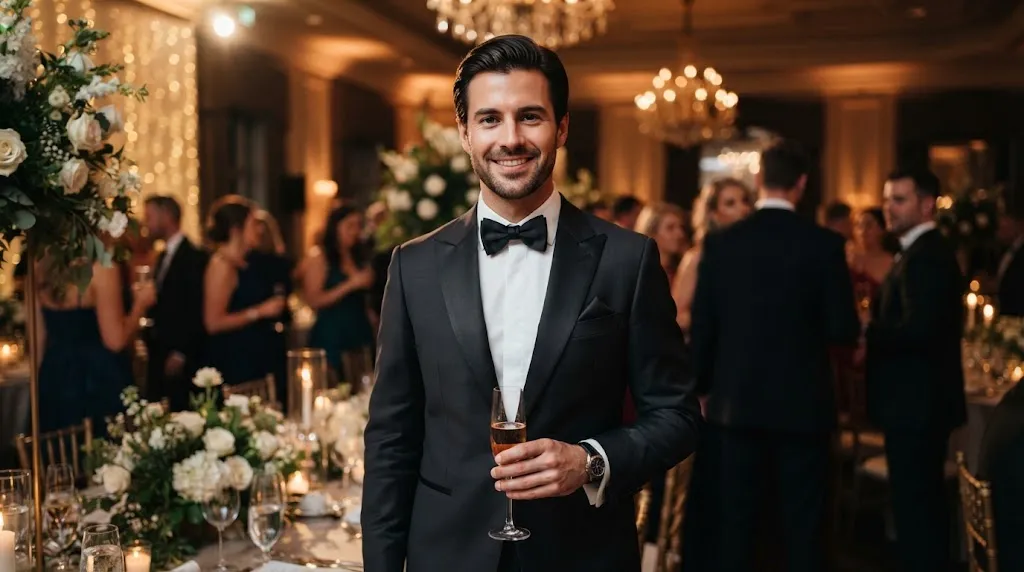
Office settings call for clean, controlled styles like a traditional side part or a low taper that stays neat throughout long work hours. Casual weekends allow for relaxed, low-maintenance cuts such as a textured fringe or a loose flow that embraces the natural slip of smooth strands. Formal events and weddings demand maximum hold and polish, making a slicked-back look or a structured pompadour ideal for staying sharp through hours of photos and celebrations; for wedding-specific planning, consult our dedicated groom hairstyle advice.
Short Haircuts for Silky Hair Men
Silky hair often falls flat or slips out of shape because of its smooth, low-friction texture, meaning short cuts work best when they incorporate structured layers or very close fades to build natural grip.
Textured Crop
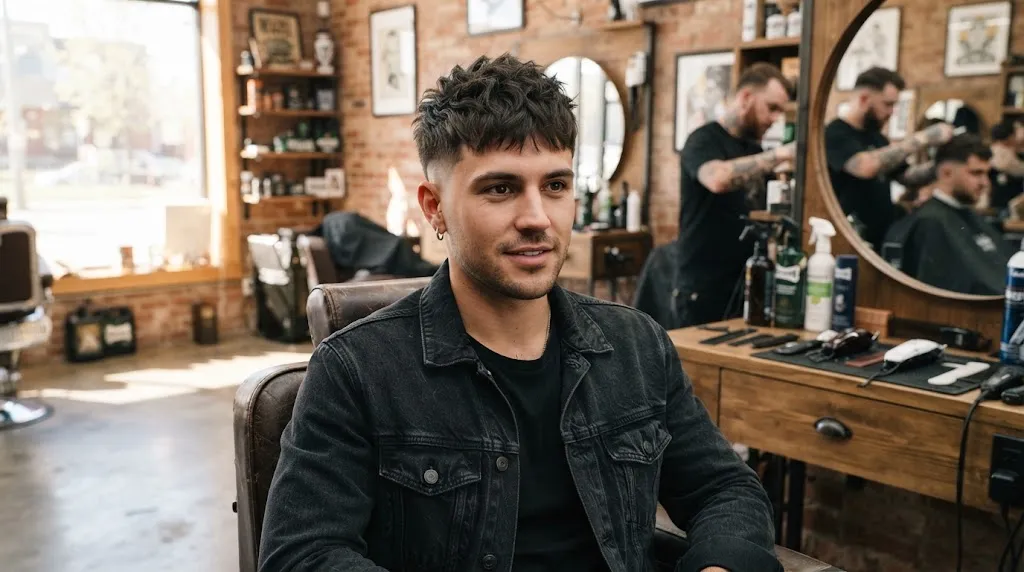
Choppy top layers disrupt the natural tendency of silky hair to lie completely flat against the head, creating built-in dimension without requiring heavy styling. This cut works best for short hair lengths and fine or thin textures that need extra volume.
How to get the look: Ask your barber to point-cut the top for separation, taper the sides clean, and finish by working a light texturizing powder or matte clay into dry hair.
How long it lasts: The shape typically holds its structure until the next regular haircut appointment for regrowth.
What to avoid: Over-using thinning shears, which can make fine, silky hair look wispy rather than textured.
French Crop
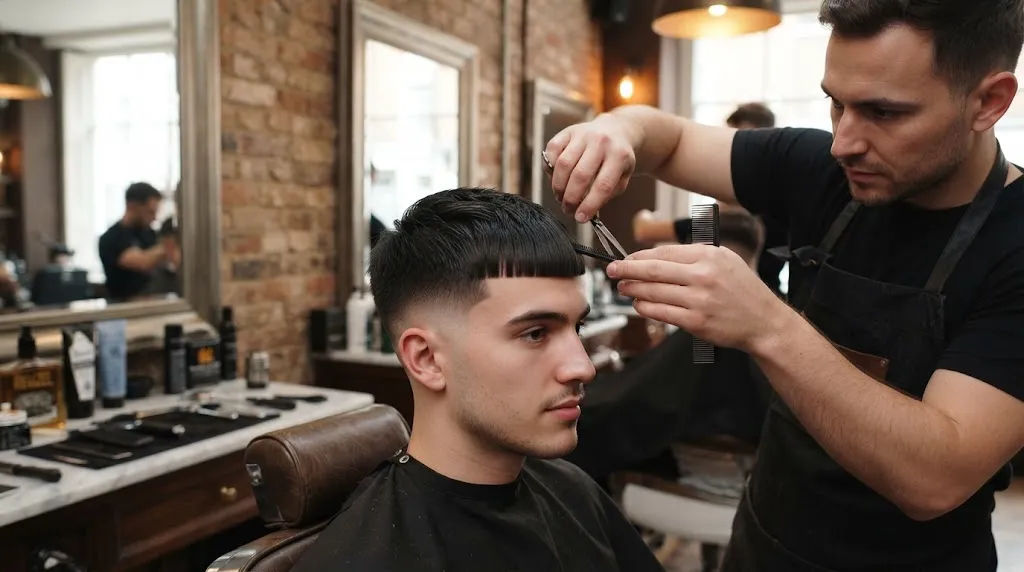
A short blunt fringe creates a clean, intentional horizontal line that stays put instead of parting awkwardly. It is well-suited for anyone looking for a low-effort short haircut that maintains a sharp shape with minimal daily manipulation.
How to get the look: Request a blunt-cut fringe that sits above the eyebrows, keep the sides cropped short, push the top forward while drying, and set it with a small amount of styling cream.
How long it lasts: Retains its clean look for a few weeks before the fringe needs a trim.
What to avoid: Leaving the fringe long enough that it falls directly into the eyes.
Crew Cut
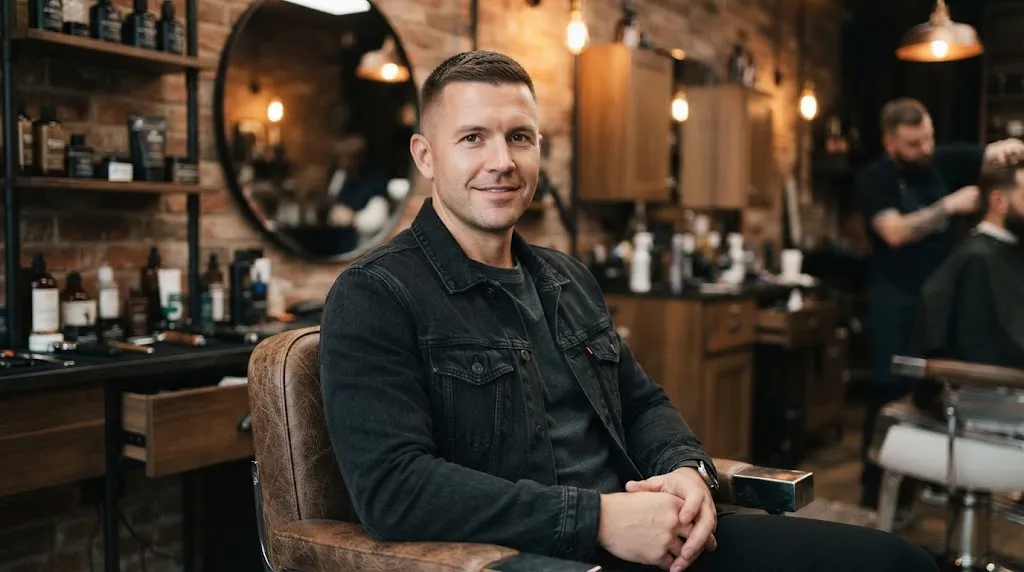
This minimal hairstyle offers an easy, low-maintenance routine because the shorter overall length naturally resists the slip and parting common in smooth hair types. It is best for those with enough hair density on top to support a clean, uniform finish.
How to get the look: Ask for a graduated cut that leaves slightly more length at the front hairline, tapering shorter toward the crown and sides.
How long it lasts: Usually maintains a neat appearance for a few weeks before needing a cleanup around the edges.
What to avoid: Going too short on top if your hair is thin, as this can make the scalp overly visible.
Buzz Cut and Shaved Head
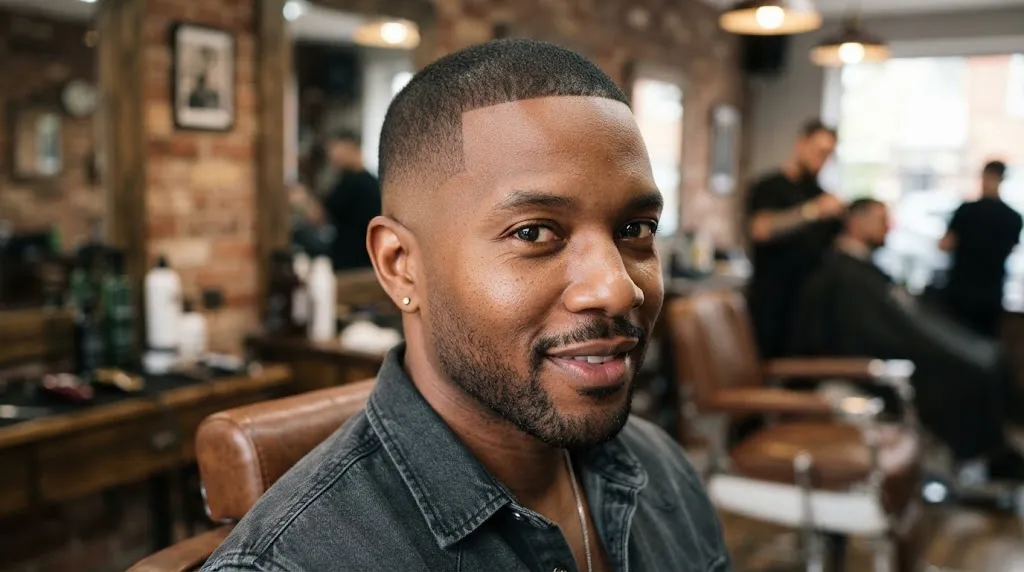
A buzz cut is a straightforward solution for thin hair or a thinning top, as uniform short lengths remove the styling struggle of slippery strands.
How to get the look: Use an even clipper guard all over the head and clean up the neckline and sideburns with a trimmer.
How long it lasts: Requires a trim every couple of weeks to maintain the exact length.
What to avoid: Skipping scalp sun protection once the hair is cut short.
Unique angle: [ADD REAL: which guard hides thinning least from your test]. Note that if you experience sudden or heavy thinning, it is worth checking with a professional. You can also view styling ideas like a buzz cut with beard.
Low Taper Fade
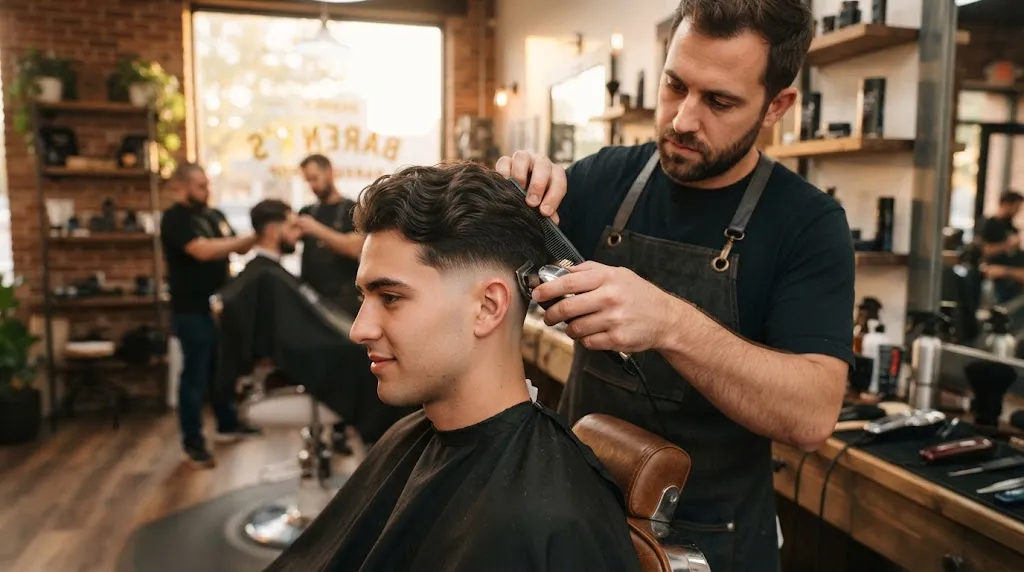
Blending the sides while keeping texture intact on top gives you a versatile look that transitions easily between professional and casual settings. It works particularly well when you want clean edges without sacrificing all your top length.
How to get the look: Ask your barber for a low taper around the ears and neckline while leaving the top long enough to style with texture.
How long it lasts: Looks fresh for about two weeks before the fade starts to blur.
What to avoid: Choosing a very high contrast fade if you have a narrow face, which can elongate the head shape.
Spiky Hair and Spike Cut
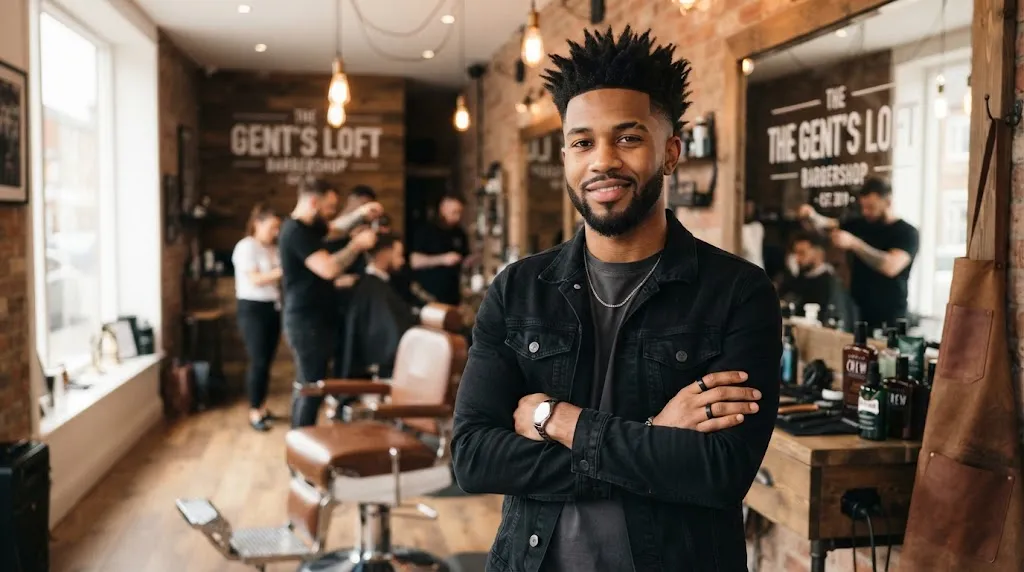
Silky hair naturally slips out of spikes, so achieving this look requires careful product selection to lock the hair upward.
How to get the look: Keep the top short, direct airflow upward while blow-drying, and work a strong-texture product through the hair from roots to tips.
How long it lasts: Depends entirely on the hold strength of the styling product used.
What to avoid: Using heavy, greasy pomades that weigh silky hair down and cause spikes to collapse.
Disconnected Undercut
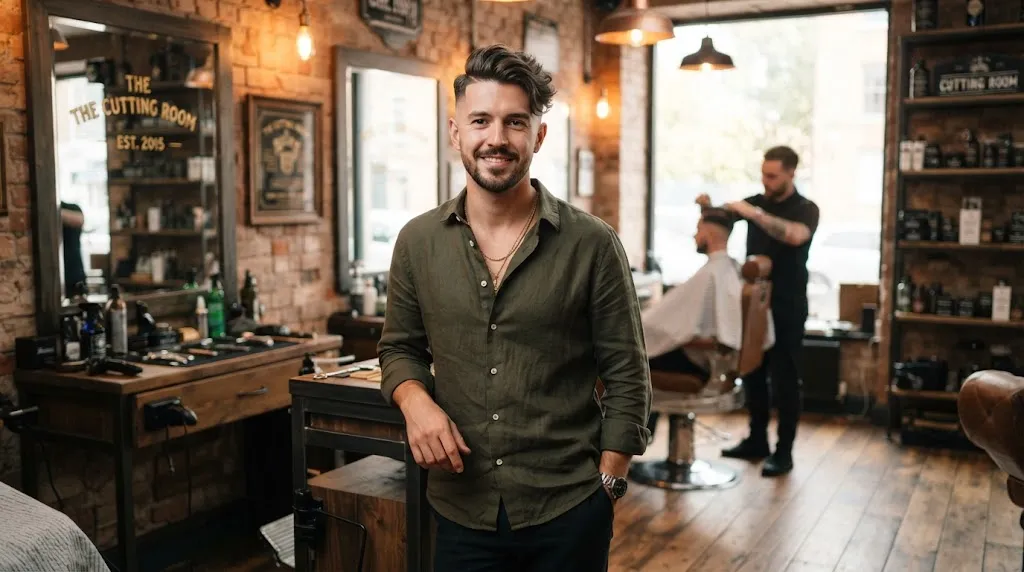
The sharp contrast between shaved or very short sides and a longer top creates a striking profile that highlights smooth hair textures. This style is best for medium-length tops that can be swept back or to the side.
How to get the look: Instruct your barber to create a hard separation line between the tight sides and the longer top without blending them together.
How long it lasts: The sides require frequent maintenance every couple of weeks to keep the disconnection sharp.
What to avoid: Leaving too little length on top, which prevents you from sweeping or styling the hair effectively.
Medium-Length Hairstyles for Silky Hair Men
Medium-length cuts hit the sweet spot for silky hair, providing enough weight to keep smooth strands from sticking straight up while offering enough versatility for movement and shape. For additional length options beyond this range, check the guide on medium-length hairstyles for men.
Side Part (Textured Side Part)
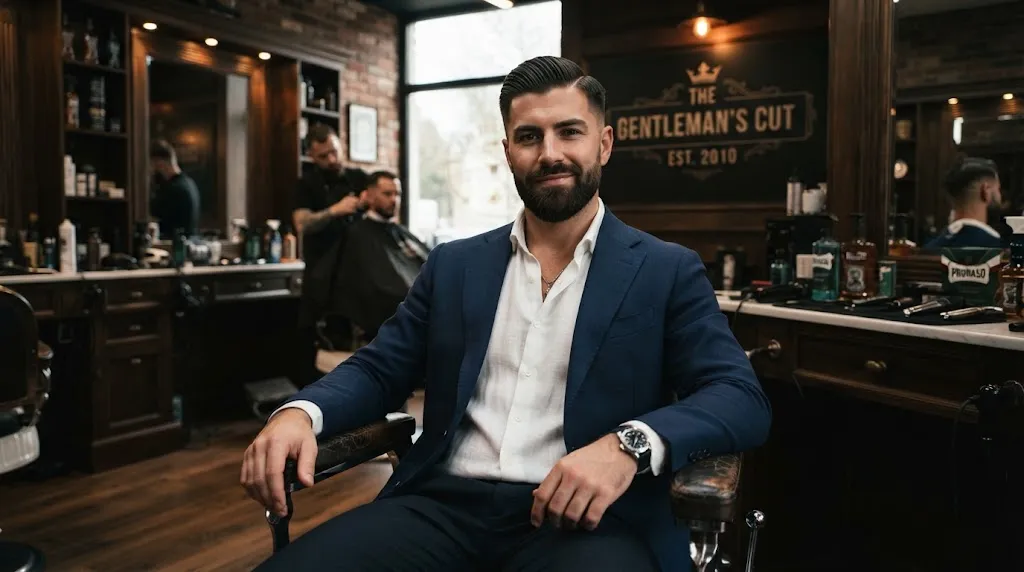
Silky hair naturally holds a crisp part line easily without requiring heavy styling agents. It suits medium-length hair on guys who want a polished yet relaxed everyday look.
Decide between a sharp hard part or a softer, finger-combed part.
Blow-dry damp hair in the direction of the part using a low heat setting.
Apply a light-hold styling product to maintain natural texture.
This style typically holds for hours before needing a quick finger adjustment. Avoid a flat, pasted-down finish that drains life from smooth hair. When comparing styling approaches, a hard part relies on a defined scalp line for contrast, whereas a soft part relies on natural flow.
Comb Over

This cut features tapered short sides with the top brushed smoothly to one side. It works well for professional environments where clean lines matter.
While a Side Part relies heavily on a distinct parting geometry to frame the face, a Comb Over focuses on sweeping the bulk of the top section uniformly across the scalp.
Work a small amount of low-shine styling paste through damp hair.
Comb the top section diagonally across your head.
Neaten the edges with a fine-toothed comb.
The look usually lasts for hold time] with minima touch-ups. Avoid applying too much product, which quickly turns silky strands into a greasy, heavy mess.
Pompadour
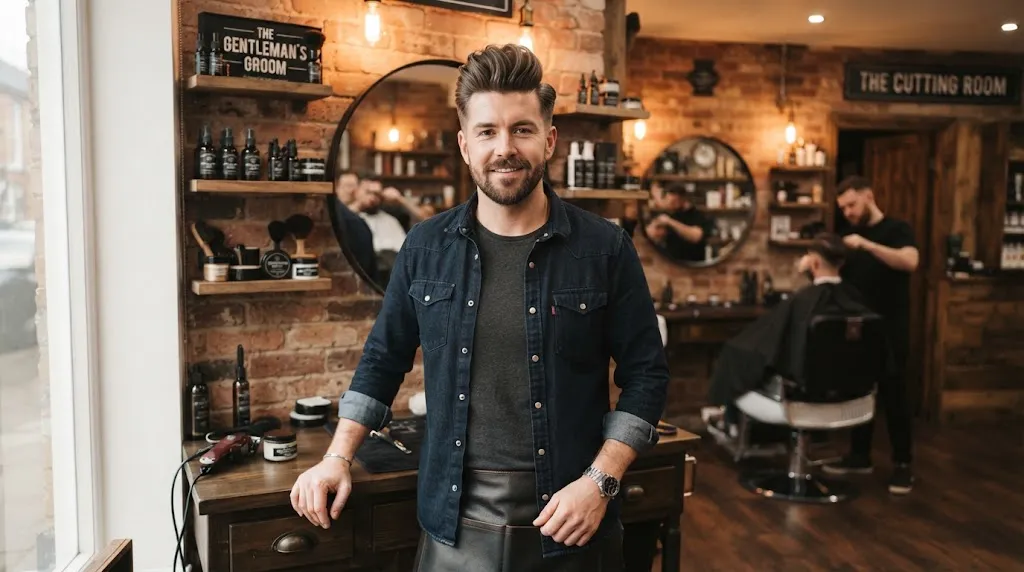
Volume on silky hair requires deliberate root lift because smooth strands tend to lie flat against the scalp. This style is best for medium tops on guys with thick enough hair to support height. For shorter variations of this cut, explore the guide on short pompadour styles.
Height guide: A shorter top length of three inches creates a subtle, compact lift, while a five-inch top demands strong root support for dramatic height.
Blow-dry the front section upward using a round brush.
Work in a matte clay to lock the lift in place.
Expect this style to hold its shape for hold time under normal indoor conditions. Avoid heavy pomades that weigh smooth strands down and cause the volume to collapse.
Quiff

Offering a softer silhouette than a Pompadour, the quiff leans into casual movement while keeping the forehead open. While a Pompadour sweeps straight back into a dramatic wall of hair, a quiff pushes forward and up with a relaxed, textured front.
Direct damp hair forward and upward during blow-drying.
Apply a lightweight texturizing powder at the roots.
Pinch the front sections slightly to create casual separation.
This style lasts for hold time before relaxing. Avoid twisting individual strands too tightly, as silky hair separates too cleanly and can look patchy.
Slicked Back
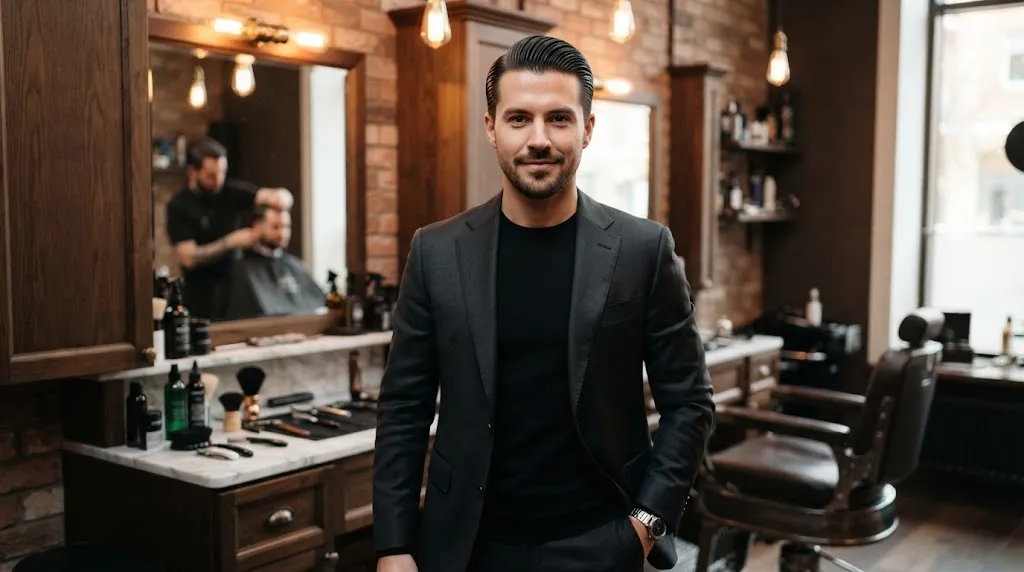
Slicked back hair is a natural fit for silky strands because the low-friction texture allows hair to lie flat and uniform without rebellious frizz. For styling tips addressing receding hairlines or high foreheads, read the advice on back hair styling techniques.
Comb damp hair straight back from the forehead.
Run a flexible-hold cream through the lengths.
Finish with a soft-bristle brush to smooth down any flyaways.
The look holds reliably for Avoid heavy gels that dry crunchy and create an oily, greasy appearance.
Curtain Bangs (Middle Part)

A middle part with a soft fringe gives hair a relaxed aesthetic and naturally helps tame hair that stubbornly falls forward into the eyes. shows that smooth hair maintains the curtain shape well throughout the day.
Part hair evenly down the center while damp.
Blow-dry each side outward away from the face.
Set with a light mist of flexible hairspray.
This look stays balanced for Avoid cutting a center part without first checking your natural cowlicks, as an aggressive growth pattern will force the hair to split unevenly.
Two Block

Popularized by Korean styling trends, this cut pairs closely cropped or shaved sides with a noticeably longer top section. It suits guys who want sharp contrast without maintaining uniform length.
Bring a clear reference photo showing both the side fade and top length to your barber.
Request a blunt cut on the top to preserve weight.
Style the top straight down or loosely swept sideways.
The cut holds its structural contrast for hold time between trims. Avoid very short sides if your top section is thin, as excessive scalp exposure will make the hair look sparse.
Comma Hair

The defining feature of this cut is a fringe that curves inward to resemble a punctuation mark. Because silky hair lacks natural kinks to hold curves on its own, it requires targeted heat and product support.
Wrap the front fringe around a round brush while blow-drying inward.
Apply a small dollop of styling clay to anchor the shape.
Pinch the tip of the curve to sharpen the silhouette.
The curved fringe lasts for before relaxing back to straight. Avoid skipping the blow-dry step, as air-drying will leave the fringe completely flat.
Wispy Fringe (Side-Swept and Long Fringe)

This cut provides a light, face-framing effect that softens strong facial features.
Ask your barber to point-cut the fringe ends to remove blunt weight.
Work a lightweight styling cream into the ends.
Sweep the fringe gently across the forehead.
The style holds for Avoid making the fringe excessively wispy, as sparse ends on silky hair can accidentally read as thinning rather than intentional styling. Note that if you notice sudden or heavy hair thinning, it is worth checking with a professional.
Defined Curls (Wavy Silky Hair)
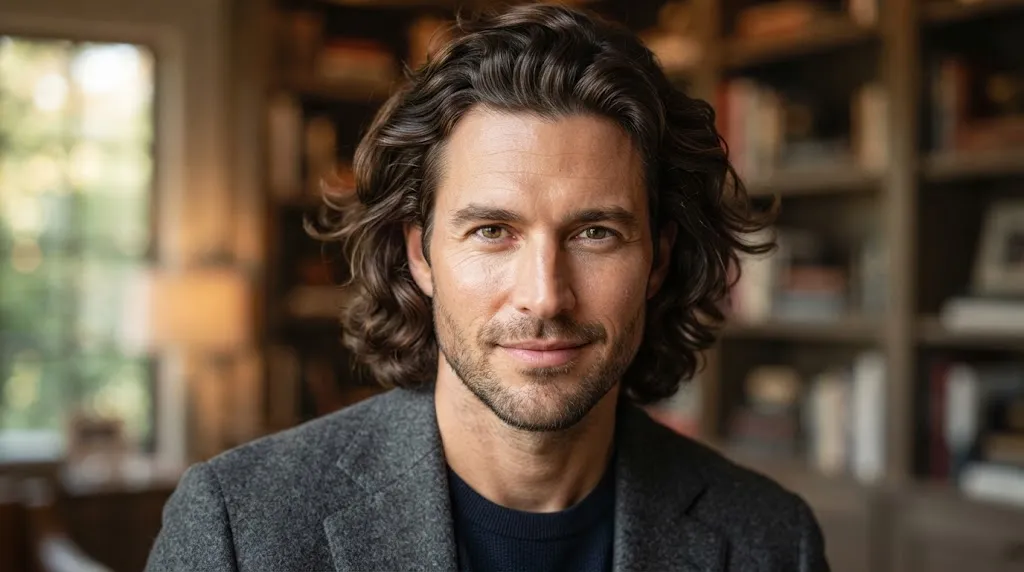
This option is tailored for silky hair that possesses a natural wave pattern rather than being pin-straight. It highlights natural movement while controlling unruly flyaways. For comprehensive advice on cultivating wave patterns, visit the guide on how to get wavy hair for men.
Apply a defining cream to damp hair immediately after washing.
Scrunch the waves gently with your hands to encourage clumping.
Allow hair to air-dry or use a diffuser on low speed.
The definition usually holds for Avoid brushing dry waves, as friction breaks up the curl pattern and turns smooth silky hair into frizz.
Long Hairstyles for Silky Hair Men
Silky hair often falls completely flat or slips right out of place because it lacks natural friction, but longer cuts harness that smoothness for a sleek, flowing look. Readers exploring a loose, flowing aesthetic can also check out long wavy hairstyles for men for alternative length ideas.
Long Layers (Feathered Layers)

Strategic cutting is essential because a heavy blunt line causes silky locks to hang like a rigid curtain. Introducing internal structure breaks up that weight to create natural movement and a softer outline.
Best for: Shoulder-length or longer hair with a straight texture and medium density.
How to get the look: Ask your barber to chip into the ends rather than cutting straight across, keeping the perimeter soft while removing bulk near the crown.
Hold time: hold time for layered long cuts.
What to avoid: Too many short layers that make the ends look stringy and thin.
Bro Flow

Sweeping medium-length strands away from the face creates a relaxed, hands-off shape that stays out of your eyes while highlighting a smooth texture.
Best for: Growth stages sitting right between chin and shoulder length, especially for guys who dislike high-maintenance styling.
How to get the look: Mist damp hair with a light salt spray, then finger-dry while pushing the sides and top backward.
Hold time: Usually stays in place for several hours before needing a quick hand-sweep.
What to avoid: Letting the ends tangle at the nape during the awkward transition months.
Tousled Shag
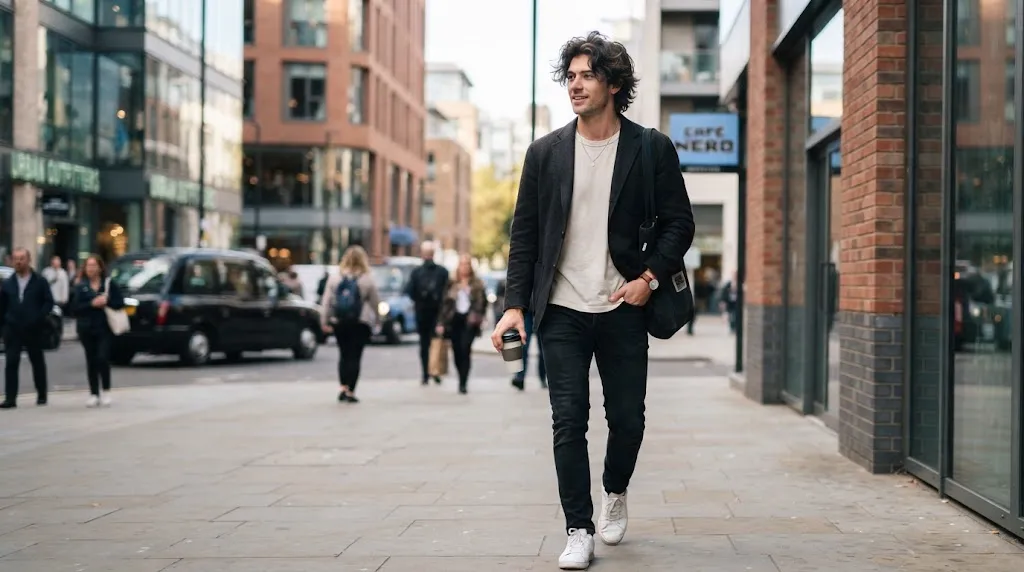
Choppy, uneven sections inject much-needed body and texture into slippery hair that normally refuses to hold any volume.
Best for: Medium to long lengths on guys who want an effortless, rock-inspired edge without daily styling stress.
How to get the look: Request a shag cut with razor-textured ends, apply a texturizing spray to damp hair, and scrunch as it dries.
Hold time: hold time for tousled shag.
What to avoid: Over-product use, which weighs down fine, silky strands and makes them look greasy.
Man Bun and Ponytail

Smooth hair naturally slips out of standard hair ties, requiring a bit of surface grit to stay locked in position all day. For additional styling options for tied-back looks, view the tail hairstyle for men guide.
Best for: Fully grown-out hair reaching past the shoulders when you need a secure, out-of-the-face option for work or sports.
How to get the look: Mist roots with dry shampoo or texture spray for grip, gather the hair smoothly, and secure it with a soft fabric tie.
Hold time: Holds securely for hold time with grip spray. when proper texture products are used.
What to avoid: Pulling the hair back too tightly at the hairline, which can cause tension strain over time.
Silky Hair Hairstyles at a Glance
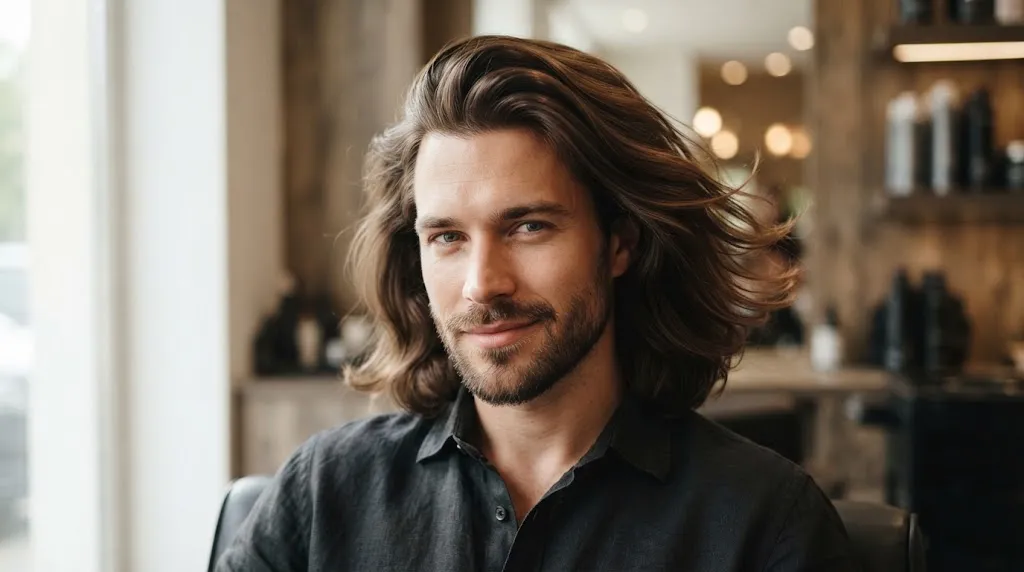
| Style | Length Needed | Maintenance | Hold on Silky Hair | Best Face Shape |
|---|---|---|---|---|
| Long Layers | Shoulder-length | Moderate | [ADD TESTED: hold rating] | Oval, Square |
| Bro Flow | Medium (chin-length) | Low | Moderate | Round, Heart |
| Tousled Shag | Medium to long | Low | [ADD TESTED: hold rating] | Oval, Diamond |
| Man Bun / Ponytail | Past shoulders | Low | High (with texture spray) | All face shapes |
Thin Silky Hair: Haircuts That Make It Look Thicker
For thin silky hair, keeping the ends solid and adding only light layers or texture on top and around the face creates the illusion of density, since too many heavy layers leave the ends looking wispy and sparse. When sitting in the chair, a practical approach is to aim for about on top, then ask your barber for a point-cut top, clean tapered sides, and an untouched back perimeter to maintain maximum weight at the bottom.
If you are experiencing sudden or heavy thinning, it is always worth checking with a professional or dermatologist to rule out underlying causes.
One Length or Layered?
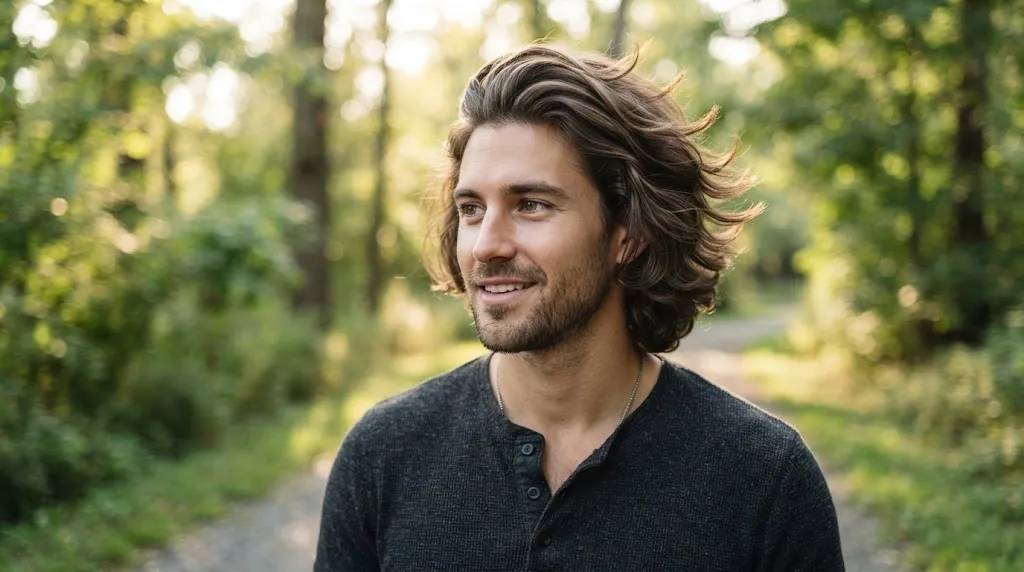
Deciding between a single solid line and structured layers comes down to how your hair responds to weight. A blunt, one-length cut keeps every single strand working together to create a thicker, heavier perimeter at the ends, which is ideal if your silky hair lacks natural volume. On the other hand, strategically placed layers remove bulk and encourage movement, but on fine, slippery hair, over-layering can easily make the ends look stringy. Sticking to a blunt baseline with minimal internal texturizing usually offers the best balance of fullness and manageability.
Best Haircuts for Thin, Fine Silky Hair

Finding the most flattering haircut for thin, fine hair relies entirely on creating a visual illusion of density rather than fighting your hair’s natural low-friction texture. Instead of heavy chopping, cuts that emphasize clean lines and preserved weight—such as blunt bobs, structured lobs, or closely cropped, tapered crops—allow fine strands to sit together solidly. [ADD TESTED: before/after of the same hair across 3 cuts]. By pairing these structural choices with the right weight distribution described above, slippery strands gain a noticeably fuller, more substantial appearance without needing excessive styling product.
Simple and Minimal Hairstyles for Silky Hair
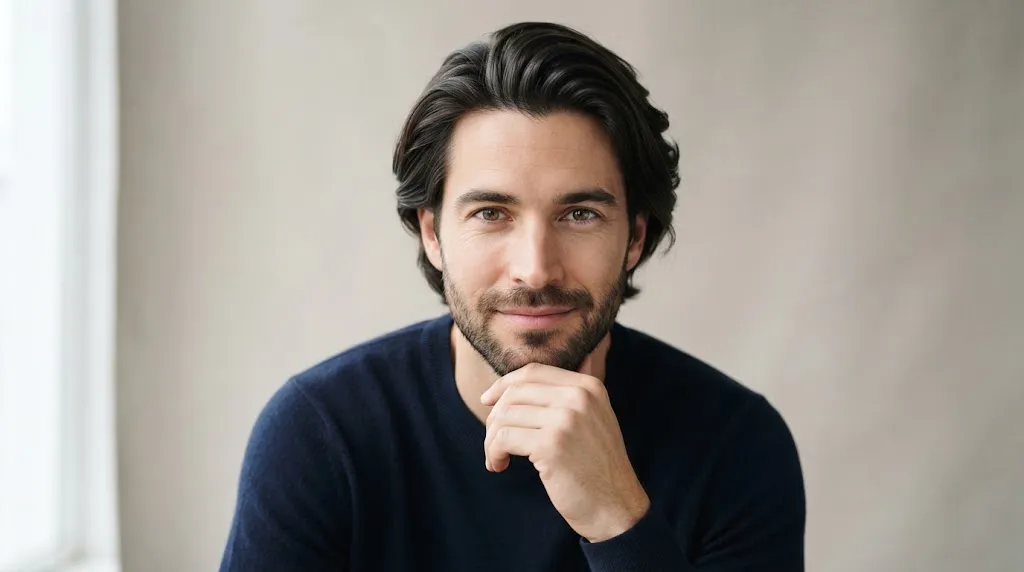
For a straightforward, fuss-free approach to smooth strands, keeping your grooming routine streamlined depends entirely on haircuts that maintain their shape naturally without demanding constant touch-ups throughout the day.
For a look at how these minimal cuts behave in motion, check out this guide on Simple Silky Hairstyle Ideas. Beyond what is shown on screen, remember that low-friction textures often require a bit of directional blow-drying while the hair is damp to prevent cowlicks from splitting, as video formats rarely capture how raw hair responds to natural air-drying. Additionally, pairing a minimal cut with a blunt baseline helps prevent the ends from separating and looking wispy as the day goes on.
How to Style Silky Hair: Method and Product Types
For silky hair, achieving lasting hold requires building structural friction from the roots rather than relying on heavy surface products. To get started with a reliable routine, check out this guide on how to set hair.
Prep and Product Types
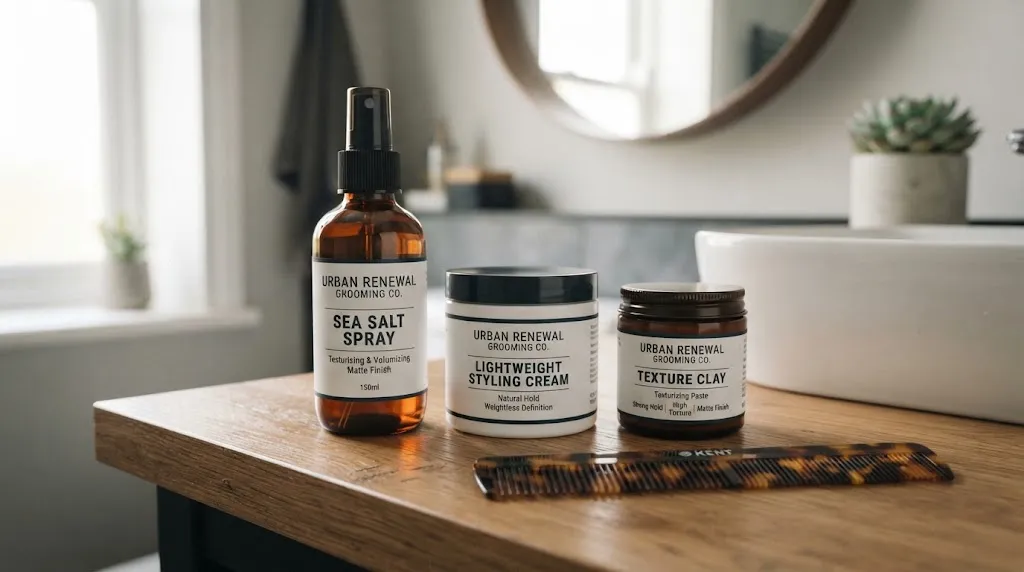
Selecting the right product category makes all the difference when dealing with smooth, low-friction strands that typically let styles slip apart.
Volumizing powders provide instant grit directly at the roots, making them ideal for creating lift that stays put.
Clays offer a matte finish and a firm, pliable hold that helps counteract the natural slipperiness of fine hair.
Salt sprays add temporary texture and lightweight grip when applied to damp strands before drying.
Styling creams work well for softer, natural movement without stiff or crunchy residue.
Wax sticks help tame flyaways and pinpoint specific sections for definition.
Pomades should generally be approached with caution, as high-shine or heavy pomades can easily weigh silky hair down and cause it to look flat.
Blow-Dry for Root Volume
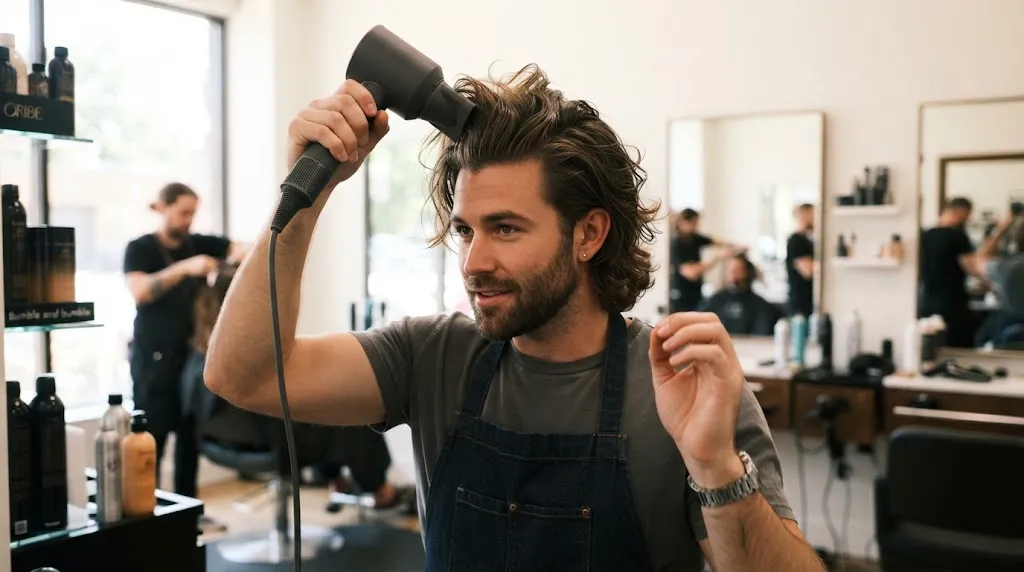
Lifting smooth hair starts with directing airflow precisely where you want structure to form.
Apply a texture-enhancing product to damp hair, focusing mainly on the root area.
Use a round brush to elevate sections straight up from the scalp while directing warm air beneath the roots.
Finish each section with a cool shot from the blow dryer to lock the shape and seal the cuticle in place.
Heat Protection and Damage
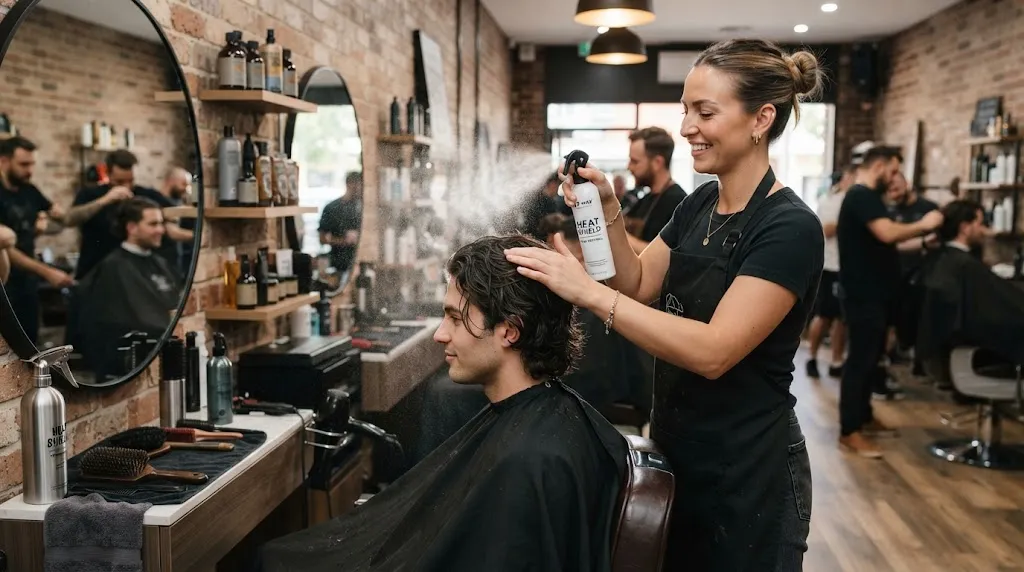
Applying heat to fine or silky hair regularly requires careful attention to safeguard the strand integrity over time. Using a dedicated protectant spray before blow-drying helps shield the hair cuticle from thermal stress. Keeping your tool settings moderate helps prevent unnecessary dryness, preserving the smooth, healthy texture of your hair.
Silky Hair Hairstyles for Indian and Asian Men
Indian Men
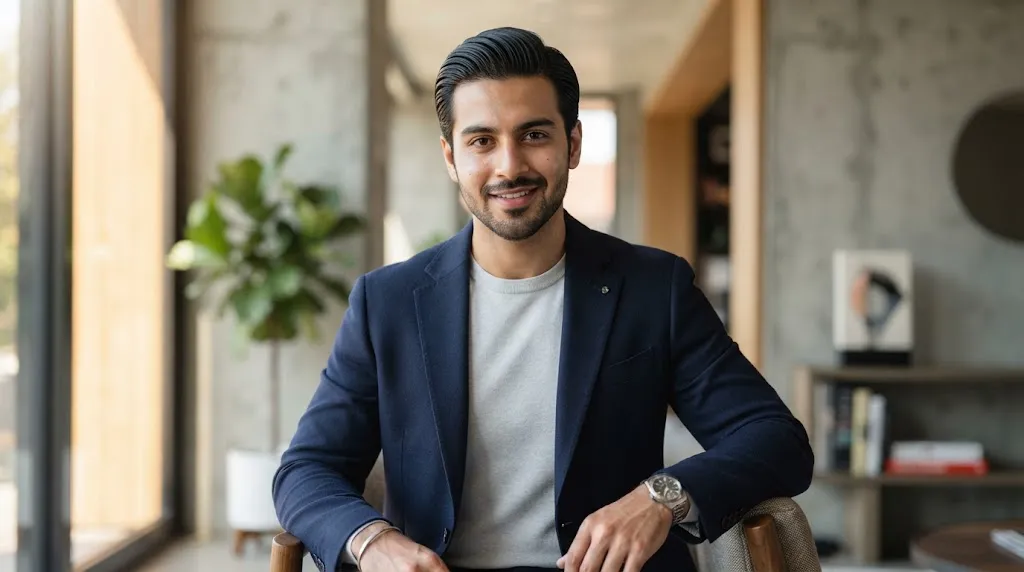
Managing smooth, low-friction texture in warm or humid climates requires cuts that prevent limpness when natural oils and moisture build up. A short, structured crop or a classic low fade with controlled length on top works effectively because it keeps weight off the neck and allows the natural shine of Indian hair to look deliberate rather than greasy. When visiting the barber, ask for a balanced, low-maintenance contour that utilizes scissor work on top to retain slight grip, and keep heavy, oil-based styling products to a minimum to avoid weighing down straight strands.
Chinese and Other Asian Hairstyles
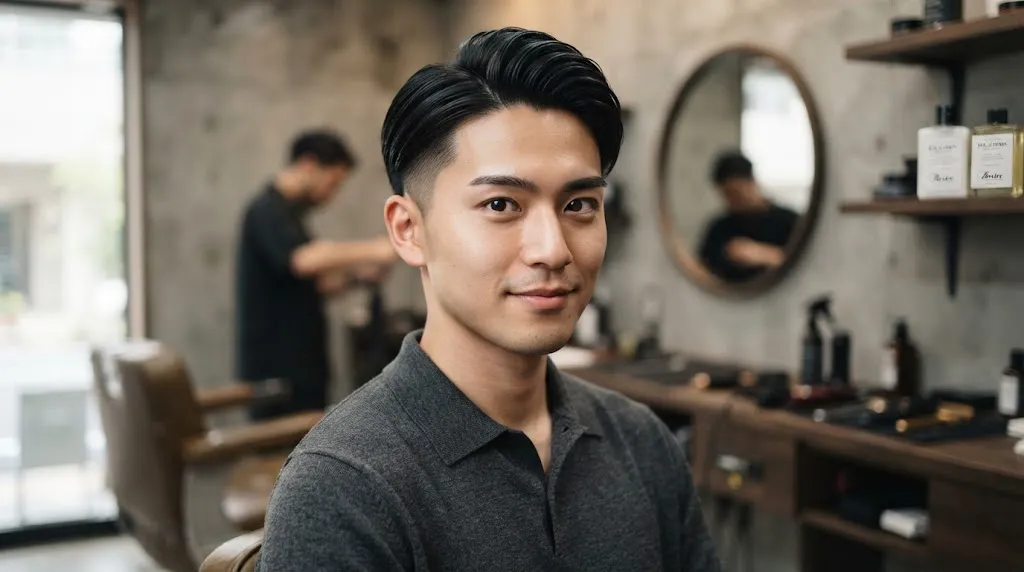
Straight, fine Asian hair often grows flat against the head, making precision cutting essential for building structure and directional flow. Rather than forcing smooth strands into rigid shapes, structured options like the popular two-block cut or a balanced middle part leverage natural fall while managing side bulk. For detailed breakdowns of these specialized shapes, structure your look using techniques found in the guide to Japanese hairstyles for men or explore broader variations across Asian hairstyles for men to find a silhouette that matches your facial structure.
Silky Hair Hairstyles for Women
Blunt Bob or Lob
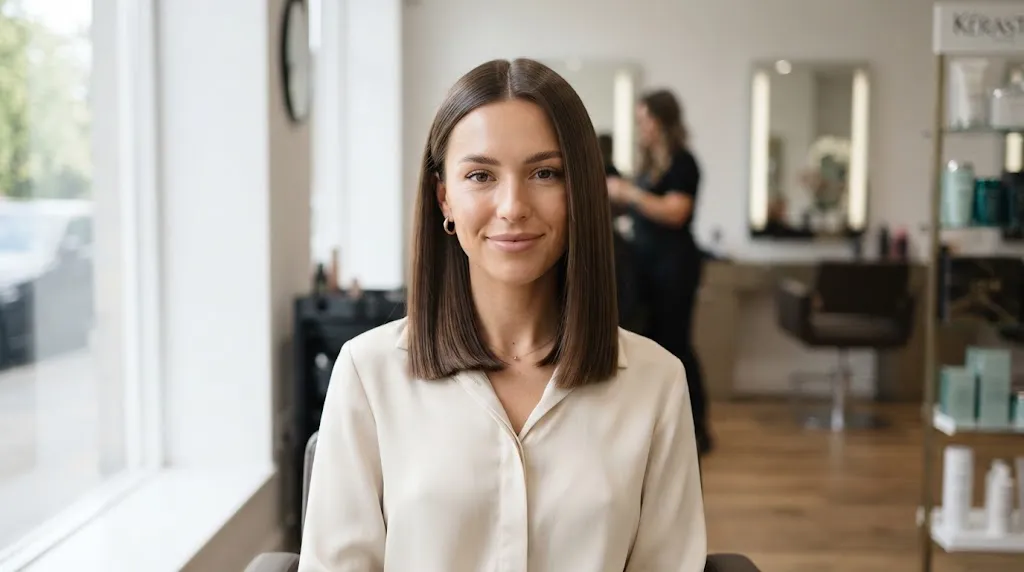
A precise horizontal edge at chin or collarbone length creates an instant impression of thick density because every strand terminates at the exact same line. This shape works well for straight, smooth textures that normally look wispy when scattered.
Best for: Fine to medium thickness, short to medium length, and everyday professional or casual settings.
How to get the look: Ask your stylist for a blunt, one-length cut with no graduation at the back and subtle internal weight-removal if your hair has high density.
Hold time: Usually holds its structural line for .
What to avoid: Over-layering, which destroys the heavy perimeter required to make fine textures look substantial.
Textured Pixie Cut

Strategic texturizing throughout a close crop breaks up the natural slip of fine strands, allowing hair to piece together and hold direction rather than lying completely flat.
Best for: Shorter lengths, fine texture, and low-maintenance styling routines.
How to get the look: Request close-tapered sides and back with point-cut texturizing on top to build built-in grip.
Hold time: Lasts before requiring a cleanup around the ears and neckline.
What to avoid: Leaving too little length to style, which strips away the surface area needed to work texturizing products through the hair.
Face-Framing Layers
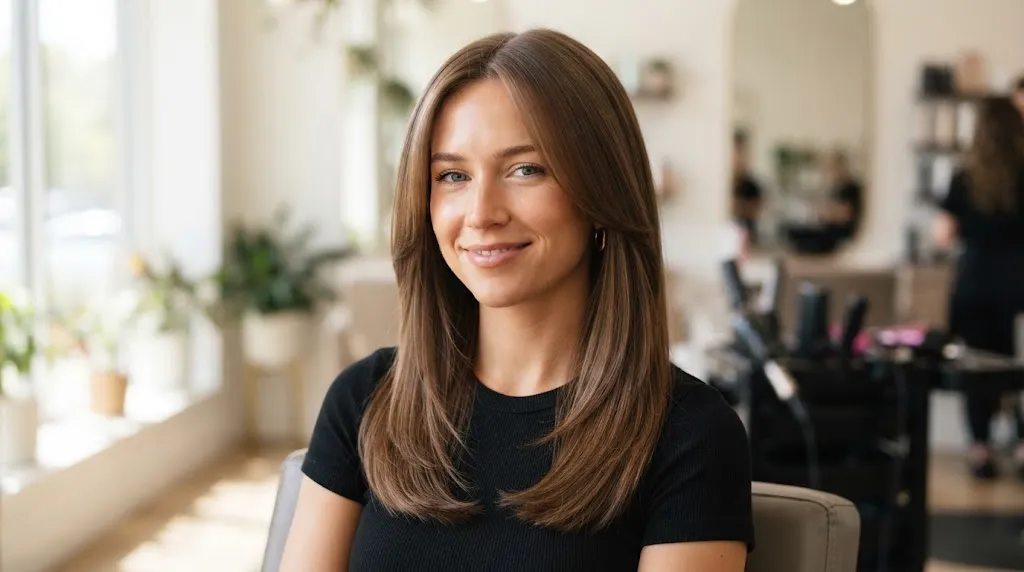
Confining gradient cuts strictly to the front pieces around the face adds soft movement and shape while preserving the full, thick perimeter through the back and ends.
Best for: Medium to long lengths, straight textures, and anyone wanting shape without sacrificing overall thickness.
How to get the look: Instruct your barber or stylist to begin soft graduation no higher than the chin or collarbone while keeping the back completely solid.
Hold time: Maintains its shape for with minimal upkeep.
What to avoid: Layering through the back, which makes long, slippery hair look stringy and sparse.
Fine Hair Cuts for Older Women

Shorter, structured cuts like a textured chin-length bob or a layered pixie work best for mature, fine hair because they remove heavy weight that pulls the crown flat. This approach creates natural lift at the roots and makes strands appear denser.
Best for: Shoulder-length or shorter hair that lacks natural bounce.
How to ask your barber: Request soft point-cutting through the ends and gentle graduation around the nape to build subtle volume without thinning out the perimeter.
Hold and maintenance: Typically holds its shape for several weeks with regular trims.
What to avoid: Heavy blunt cuts that sit completely flat against the scalp.
Silky Hair Hairstyles for Indian Women

Sleek, straight textures common in traditional Indian hair look striking when styled into blunt lobs, polished low ponytails, or layered cuts that highlight natural shine. Because low-friction strands easily lose grip, choosing a cut with clean geometry ensures the hair hangs with intention and weight.
Best for: Medium to long hair lengths looking for a polished, manageable finish.
How to ask your barber: Ask for a clean baseline with minimal face-framing layers to prevent flyaways.
Hold and maintenance: Holds a smooth finish well throughout the day when protected from excess humidity.
What to avoid: Excessive texturizing shears that can make smooth ends look frizzy or split.
What Hair Is Most Attractive to Guys?

Personal tastes vary widely among individuals, so no single texture holds universal appeal. Healthy, well-kept hair that suits an individual’s personal style and face shape consistently stands out as the most attractive choice.
Frequently Asked Questions
Related Reads
Explore our complete library of expert haircut ideas, styling tips, and trends for men.
Discover sophisticated, low-maintenance cuts tailored for mature hair textures.
Learn how to apply pomade effectively for structured, polished short cuts.
Check out clean-cut graduation shapes that provide seamless taper support.
Revisit classic vintage cuts and traditional grooming foundations.
Explore distinct numeric-inspired structural cuts and modern shapes.
Get inspiration from popular high-profile cuts translated into everyday wear.