
Long Hair and Beard Styles for Men: The Complete 2026 Guide

Welcome to the long hair and beard hub, part of our full hairstyle collection at HairstylesUSA. Pairing long hair with a full beard creates a powerful look, but making it work takes the right balance.
Which Long Hair and Beard Style Works Best?
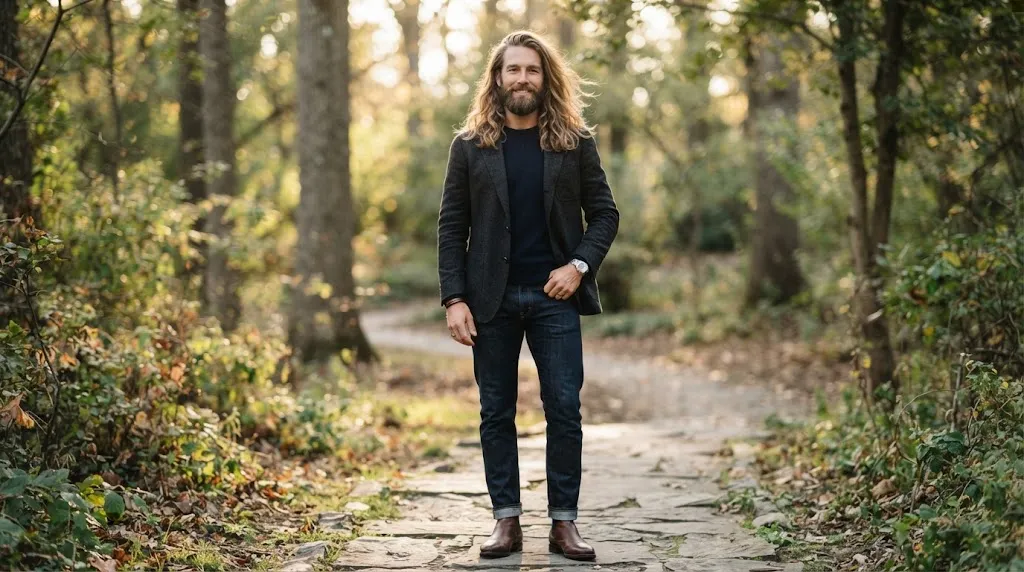
Pairing long hair with a beard works best when you balance visual weight between your head and face, matching your natural hair texture and face shape to avoid looking unkempt. The ideal combination creates clean structure around the jawline while keeping the crown and sides under control.
Contrast principle: Balance heavy, voluminous hair with a shorter, tighter beard fade, or pair a sleek top knot with a rugged, full beard so your face does not get visually lost.
Combined growth timeline: Growing out both hair and a beard requires patience through awkward intermediate phases, usually taking six to twelve months to achieve a truly cohesive, intentional look.
Face-shape dependency: Round faces benefit from longer beard styles paired with height on top to elongate features, while angular jawlines look best with softer, rounded beard trims and flowing locks.
Maintenance-first mindset: Committing to this length means daily detangling, regular neckline maintenance, and conditioning routines that prevent coarse facial hair from clashing with the flow of your head hair.
Does Long Hair and a Beard Actually Work Together?
Pairing long hair with a beard completely changes your visual weight, but pulling it off comes down to balance rather than just letting everything grow wild. When you combine maximum length on your head with maximum length on your face, you risk looking unkempt or swallowing your facial features entirely. Achieving a cohesive look means managing proportions so your hair and beard complement each other instead of competing for attention.
The Contrast Principle (long hair pairs best with shorter/medium beard, and vice versa)

The contrast principle relies on opposing lengths to create a sharp, intentional silhouette rather than an overwhelming mass of hair. When your head hair flows past your shoulders, a tightly faded or medium-length beard grounds your face and keeps your jawline defined. Conversely, rocking a massive, Viking-style yeard looks best when your head hair is kept short on the sides or pulled into a clean top knot.
Shoulder-Length Flow: Pair with a neatly trimmed medium beard or heavy stubble to keep your features visible.
The Full Mane: Pair with a sharp fade on the sides and a trimmed chin strap or short box beard.
The Big Beard Setup: Pair with a slicked-back undercut, a man bun, or very short cropped hair to prevent a top-heavy look
Hair Texture and Beard Texture Compatibility (straight, wavy, curly, coily)
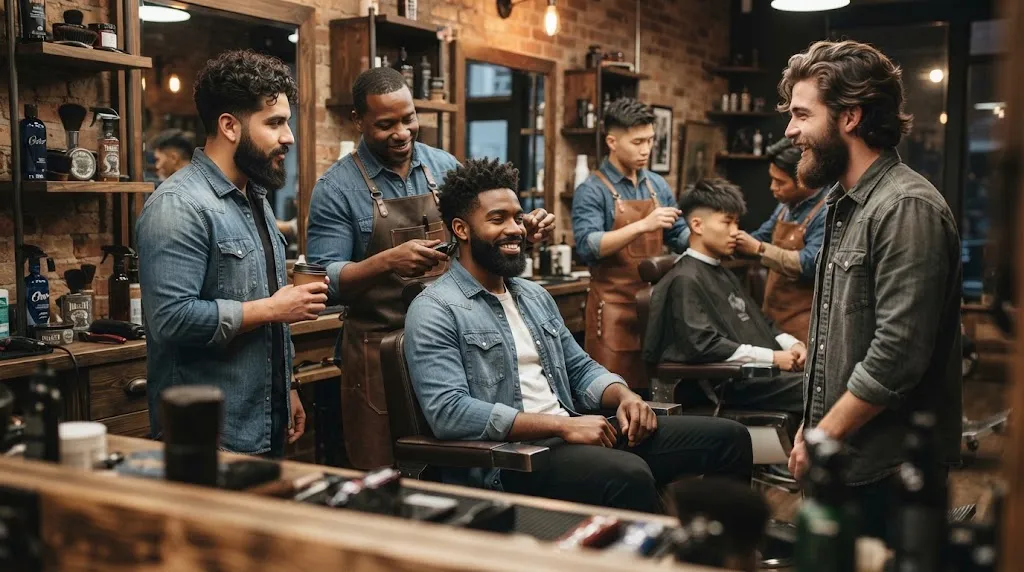
Hair and beard textures rarely match completely, and ignoring that difference leads to a disjointed aesthetic. Straight head hair paired with a wiry, coarse beard creates a harsh texture clash unless you use softening treatments to bridge the gap. Coily or curly hair demands a beard with enough volume to match that natural density, or the face will look disproportionately small compared to the head.
Straight Hair: Matches best with a well-conditioned, neatly combed beard to maintain a polished finish.
Wavy Hair: Extremely versatile; works naturally with medium-length scruff or a rugged full beard.
Curly and Coily Hair: Requires a rounded, dense beard shape to balance the heavy volume and width on top.
Casual vs Professional Look Suitability

Long hair and a beard can easily transition from a weekend grunge vibe to a sharp corporate style with just a few styling adjustments. The secret to passing corporate muster with long hair and facial hair is eliminating stray flyaways and maintaining clean edges around the neck and cheek lines.
Casual Setting: Natural texture, slight wave, air-dried flow, and a fuller beard left to grow with minimal shaping.
Professional Setting: Blow-dried or straightened hair tucked behind the ears, tied back neatly, combined with a sharply lined, shorter beard.
The Transition: Use a lightweight styling cream to tame frizz on your head and a firm balm to lock down stray beard hairs before heading into the office.
Best Long Hair and Beard Styles by Face Shape
Face Shape × Hair Length × Beard Style Matrix

| Face Shape | Recommended Hair Length | Ideal Beard Style | Key Visual Balance Goal |
|---|---|---|---|
| Round | Shoulder-length or layered | Boxed beard or extended goatee | Add vertical length, slim the cheeks |
| Square | Medium-long to long | Rounded or short beard | Soften strong jaw angles |
| Oval | Any length | Versatile (stubble to full) | Maintain natural proportions |
| Rectangle | Medium-long with volume on sides | Full, thick sides with trimmed chin | Broaden narrow face width |
| Diamond | Chin-length with texture | Balanced full beard or heavy stubble | Fill out a narrow chin and jaw |
Round Face

Pairing long hair with a round face requires adding vertical lines to avoid making the head look spherical. Keep hair flowing past the shoulders with subtle layers to draw the eye downward, and avoid heavy volume right at the cheeks. A shaped boxed beard or an extended goatee works best here because it builds length at the chin while keeping the sides tight.
Square Face

A square face features a strong, angular jawline that can look overly harsh when combined with a blunt haircut. Long hair styled with soft waves or tucked behind the ears breaks up those hard corners effectively. Pair this with a rounded beard style that leaves extra growth on the chin while keeping the jawline slightly softer to balance the geometry.
Oval Face

An oval face is the most versatile shape because its natural proportions are already balanced. You can pull off everything from a sleek top knot to a wild, free-flowing mane without throwing off your facial symmetry. Keep the beard proportional by matching a medium-length flow with a well-maintained short beard or heavy stubble.
Rectangle Face
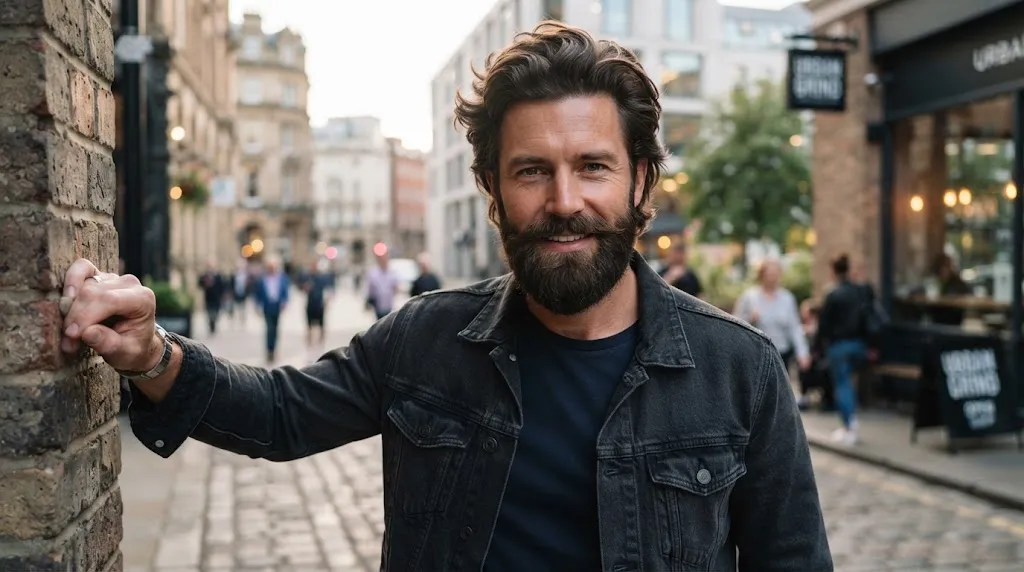
A rectangular face is longer than it is wide, meaning extra length on top will only exaggerate that vertical drop. Combat this by adding width through side-swept waves or layered medium-long cuts that sit around the ears. A full beard with extra fullness on the sides completes the look by filling out the narrow frame.
Diamond Face

Diamond face shapes feature wide cheekbones paired with a narrow forehead and a pointed chin. Long hair helps soften those prominent cheekbones, especially when worn with some texture or face-framing strands. A heavier stubble or a structured full beard adds much-needed weight to the narrow chin and jaw area.
10 Long Hair and Beard Style Combinations
Full Beard + Man Bun

A full beard paired with a man bun creates a sharp contrast between clean vertical elevation and heavy lower-face volume. This combination works structurally because the high pull of the bun lengthens the silhouette, balancing the dense width of a thick beard. It suits angular or oval face shapes best, while round faces might find it accentuates width too much. Maintenance is high, requiring regular scalp tension management and daily beard conditioning to avoid a messy finish.
Viking Beard + Long Loose Hair

The Viking beard and long loose hair combination delivers an untamed, rugged aesthetic with maximum volume on both ends. It visually works by framing the face in heavy textures, drawing the eye inward toward the jawline while softening sharp cheekbones. It suits men with thick, wavy, or curly hair textures who can pull off a heavier natural look without losing shape. Maintenance is demanding, requiring consistent detangling, split-end trimming, and deep hydration for both the hair and the long growth.
Medium Beard + Long Hair

A medium beard paired with long hair is the ultimate versatile middle ground for everyday wear. This pairing works because the controlled length of a medium beard adds maturity without overwhelming the face, keeping the focus balanced with flowing locks. It suits almost every face shape, making it the most forgiving combination for beginners growing out their hair. Maintenance is moderate, relying on weekly neckline cleanups and basic detangling routines.
Short Beard + Long Hair

Short stubble or a closely trimmed beard paired with long hair offers a clean, modern aesthetic with minimal visual weight below the chin. It works structurally by keeping the jawline defined while letting the hair take center stage, preventing the head from looking top or bottom heavy. It suits men with strong, chiseled jawlines who want to showcase their bone structure without hiding behind facial hair. Maintenance is low to moderate, needing frequent trimming to keep the stubble uniform.
Beard Fade + Long Hair

A beard fade paired with long hair bridges the gap between modern barbering and classic length by tapering the sideburns directly into the beard. This style works because the clean gradient on the sides creates a narrowing effect that slims round or square faces instantly. It suits straight to wavy hair types where a clean fade line remains crisp and visible. Maintenance is high, requiring barber visits every two weeks to keep the fade sharp.
Circle Beard + Long Hair

A circle beard combined with long hair features a rounded goatee and mustache isolated from the cheeks, paired with flowing locks. It visually works by drawing focus tightly around the mouth and chin, creating a focal point that breaks up long hair on either side. It suits men with square or rectangular faces who need to soften strong, blocky jawlines. Maintenance is moderate, demanding precise edge shaving around the cheeks and upper lip every few days.
Anchor Beard + Long Hair

An anchor beard paired with long hair consists of a pointed beard tracing the jawline paired with a detached mustache. This combination works structurally because the vertical lines of the anchor elongate a round face, matching the downward flow of long hair. It suits diamond or inverted triangle face shapes by adding visual weight to a narrow chin. Maintenance is high, requiring meticulous daily shaping to keep the pointed edges symmetrical.
Van Dyke Beard + Long Hair

A Van Dyke beard combined with long hair features a separate mustache and pointed chin beard with clean-shaven cheeks. It works visually by creating a striking, artistic focal point that contrasts sharply with unstructured long hair. It suits men with narrow chins or oval face shapes who want a vintage, expressive look. Maintenance is high, as the bare cheeks and sharp lines need constant shaving to prevent stubble bleed.
Short Hair + Full Beard

Short hair paired with a full beard flips the traditional long combination, putting all the heavy texture on the lower half of the head. This pairing works structurally because the tight crop on top contrasts with dense facial volume, keeping the head proportioned and neat. It suits round or triangular face shapes by adding necessary structure to the lower jaw. Maintenance is moderate, requiring weekly head-shaving or cropping alongside standard beard grooming.
Medium-Long Hair + Short Beard

Medium-long hair styled loosely with a short, tight beard creates an effortless, laid-back appearance. It works because the moderate length of the hair softens the face while the short beard keeps the overall profile sharp and intentional. It suits oval and heart-shaped faces with natural wave or texture. Maintenance is low, needing only occasional trims to split ends and basic beard length maintenance.
Shave Styles for Men With Long Hair
Clean Shave Options by Face Shape

Pairing long hair with a clean-shaven face creates a high-contrast look that exposes your jawline and cheek structure entirely. The right clean-shaven approach depends entirely on your bone structure to keep your head from looking disproportionate.
Round Faces: A completely smooth shave works best because any leftover stubble around the cheeks adds unwanted width. Keep the hair on top pulled back tightly in a man bun or high ponytail to elongate the overall silhouette.
Square Faces: A clean shave highlights a strong jaw, but you should avoid harsh geometric sideburns that make the face look boxy. Taper the sideburns smoothly into the ear line to soften the angles against flowing locks.
Oval Faces: This shape handles a clean shave effortlessly with almost any long hairstyle, from loose surfers’ waves to straight shoulder-length strands. You have the freedom to experiment with middle parts or slicked-back looks without throwing off your proportions.
Heart Faces: A bare chin can draw too much attention to a narrower lower jaw when paired with voluminous long hair. Keep your long hair worn slightly behind the ears or textured around the shoulders to balance out a wider forehead.
Design/Pattern Shave Styles
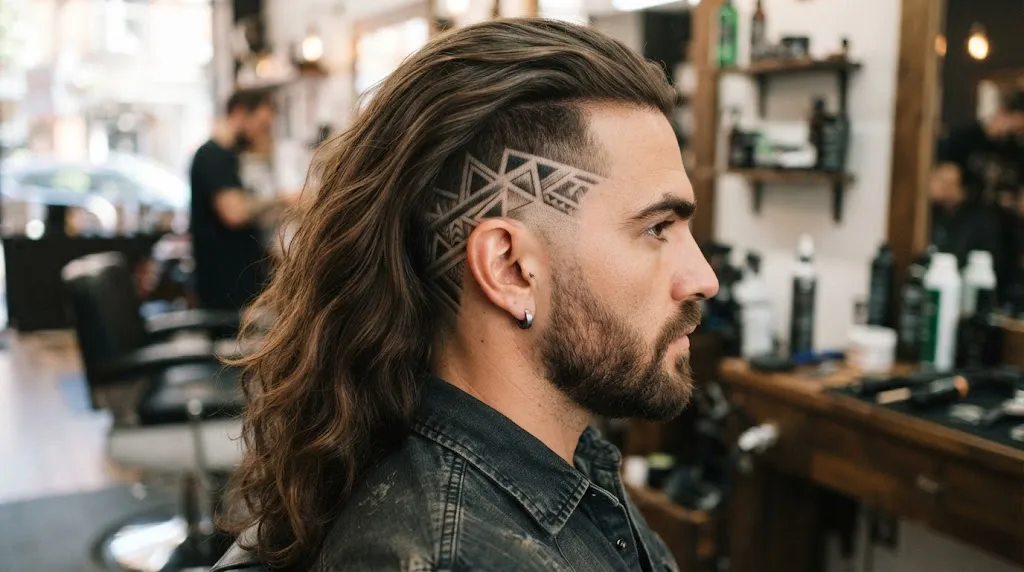
Design and pattern shaves offer a sharp geometric contrast when placed against organic, flowing long hair. These precision cuts usually live underneath a top knot or behind the ear, staying hidden until you pull your hair back.
The Undercut Hard Part: A clean razor line etched directly into the parting zone creates an intentional separation between heavy top hair and a tight fade. This works exceptionally well for straight or wavy hair types that hold a strict part.
Temple Fades with Minimalist Lines: A simple geometric notch or parallel lines carved behind the ear add an edge without looking overly chaotic. This style suits guys who wear their hair down most of the time, letting the pattern peek through subtly.
Nape Undercut Patterns: Etching geometric tribal or chevron patterns into the lower neckline keeps long hair clean and cool during warmer months. It prevents thick hair from bunching up at the collar while giving you a hidden detail to show off when your hair goes up.
When a Shave Works Better Than a Beard

Going completely bare-faced often beats growing a beard when your hair texture, professional environment, or personal features demand a cleaner aesthetic. A clean shave strips away bulk and shifts total focus to your eyes and facial structure.
Fine or Patchy Growth: If your beard refuses to connect or grows in thin, keeping a clean shave prevents the awkward contrast of thick head hair fighting sparse facial hair. Long hair already draws plenty of visual weight, so a smooth face looks much cleaner than patchy stubble.
Professional Dress Codes: Certain corporate environments or formal industries clash heavily with untamed long hair and a massive beard, making you look unpolished. Pairing long hair with a clean shave projects intention and sharpness, proving the length is a deliberate style choice rather than neglect.
Sharp Jawlines: If you naturally possess a chiseled jaw or high cheekbones, covering them up with facial hair hides your best assets. A clean shave lets your bone structure do the heavy lifting while your long hair provides texture and movement.
How Long Does It Take to Grow Long Hair and a Beard Together?
| Growth Milestone | Hair Status | Beard Status |
|---|---|---|
| 1 to 3 Months | Reaches mid-ear to chin; enters the awkward stage | Scruff turning into a short, patchy box |
| 6 Months | Reaches the shoulders; requires regular tying back | Solid medium-length beard with decent density |
| 12 Months | Hits collarbone length; substantial weight develops | Full terminal length for many, requiring shape control |
Coordinating Simultaneous Growth
Growing long hair and a beard simultaneously takes about twelve months to reach a cohesive, substantial look. Hair grows at an average rate of half an inch per month, while facial hair grows at a remarkably similar pace. Coordinating the two means navigating mismatched growth phases where your head hair might curl awkwardly around your neck while your beard remains thin on the cheeks.
Surviving the Awkward Phase
The three month mark is where most men give up because the awkward phase hits full swing. Head hair starts flipping out at the collar and the beard goes through an unruly, wiry transition that refuses to lay flat. Pushing through this phase requires ignoring the urge to trim every time a stray hair pops up. That messy middle period is just a structural necessity you have to suffer through to get the length you actually want.
The Seven Day Rule for Maintenance
The seven day rule for haircut maintenance is the secret to keeping long hair and a beard from looking unkempt while you grow them out. Instead of cutting the length, you trim the perimeter around your ears and clean up the neckline every week. This creates a deliberate, styled contrast that tells the world you are growing your hair on purpose rather than just neglecting it.
Real Problems Men Face With Long Hair and Beard (And How to Fix Them)
"My Hair and Beard Color Make My Face Disappear"
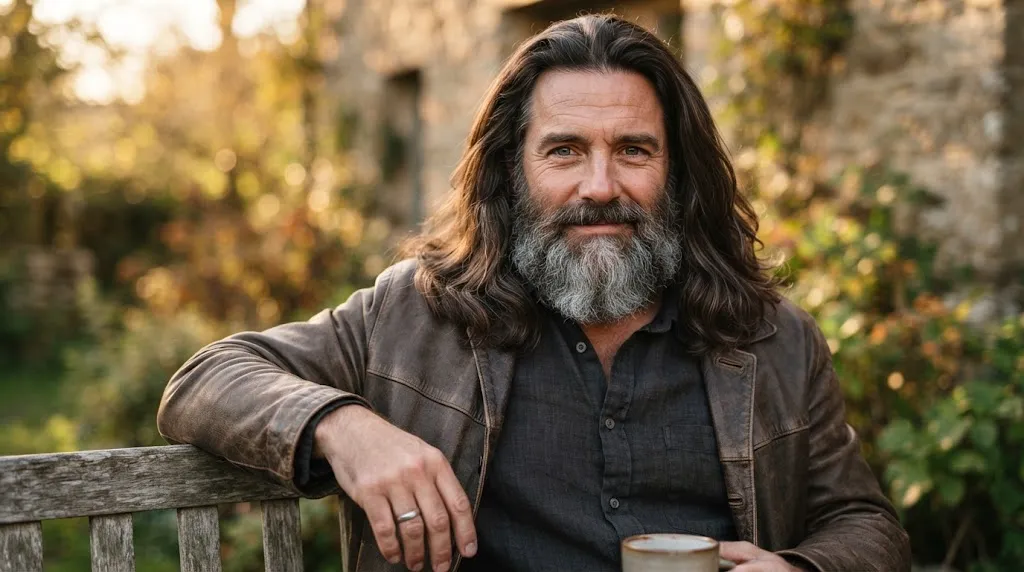
When long head hair and a heavy beard share the exact same dark or monochromatic shade, your facial features can get entirely swallowed up. Break up the heavy visual weight by introducing subtle contrast, whether that means letting natural silver highlights come through in your beard or asking your stylist for very soft, sun-kissed dimension around the face. Trimming the cheek lines lower and keeping the sides of your beard tighter creates immediate separation so your mouth, nose, and eyes stand out again.
"The Combo Looks Unkempt Instead of Stylish"

Crossing the line from rugged to sloppy usually happens when both the head and beard grow outward without any intentional shaping. Pick at least one anchor zone to keep clean and defined, such as sharp necklines and crisp cheek lines, while letting the rest grow wild. Regular blow-drying with a round brush lifts long hair away from the face, instantly swapping a drowned-rat look for a deliberate, groomed silhouette.
"Does This Combo Make Me Look Older or Younger?"

A massive beard paired with long hair can easily add ten years to your appearance if the lines drag your jaw down. Keep the bulk of your beard concentrated right under the chin rather than letting it cascade heavily onto your collarbone to maintain a youthful, athletic jawline. Pairing long hair with a shorter, tightly sculpted stubble fade or a medium boxed beard bridges the gap between youthful edge and mature sophistication.
"My Texture Doesn't Match the Reference Photos"

Trying to force wavy, fine hair to sit like thick, coarse Viking locks in a styling photo will only cause daily frustration. Straight hair needs lightweight styling paste for gritty separation, while tightly coiled or curly textures require deep hydration creams to prevent the beard and hair from expanding into an uncontrolled sphere. Work with your natural growth pattern by using products that enhance your actual hair weight rather than fighting it.
"Is This Look Office-Appropriate?"

Rocking long hair and a beard in a corporate setting comes down to neat control and disciplined maintenance. Tie long hair back into a clean low ponytail or a tight man bun, and use a firm balm to press stray beard hairs flat against your cheeks. When the edges are razor-sharp and every stray hair is locked down, even the most traditional workplace will read the style as sharp and intentional.
Styling and Grooming Routine
Styling and Grooming Routine
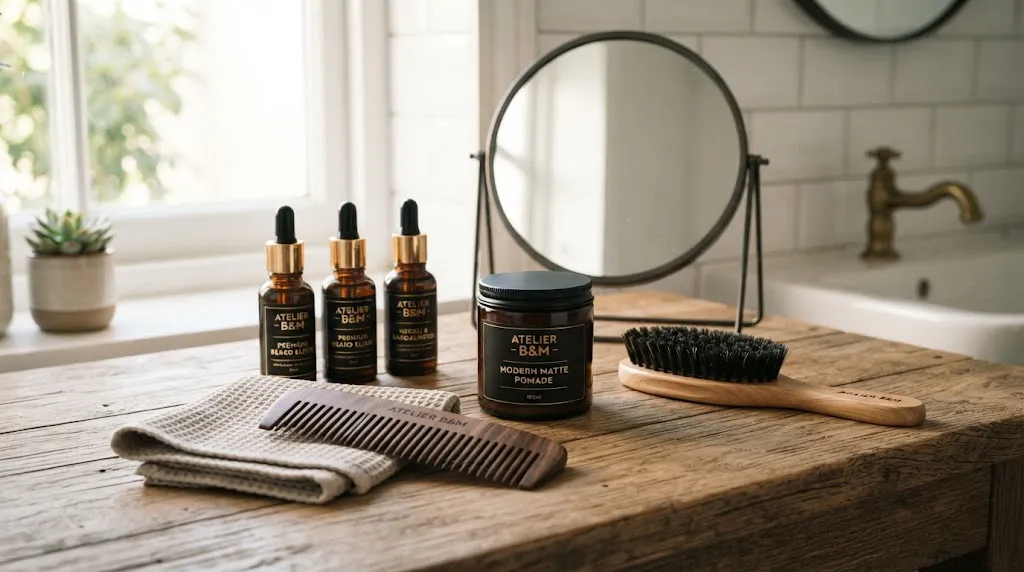
Keeping a combined long hair and beard style looking sharp requires a consistent schedule rather than constant intervention. Breaking maintenance down into daily habits, weekly resets, and monthly maintenance prevents the untamed look that ruins otherwise great combinations.
| Frequency | Routine Tasks | Focus Areas |
|---|---|---|
| Daily | Light conditioning, detangling, and moisture application | Working lightweight oils through the beard and hydrating hair ends to prevent frizz. |
| Weekly | Deep cleansing, targeted treatments, and neckline cleanup | Removing product buildup from heavy hair and defining the lower beard border. |
| Monthly | Professional trims, split end dusting, and shape balancing | Preserving the proportional relationship between hair length and beard volume. |
Common Problems and Fixes
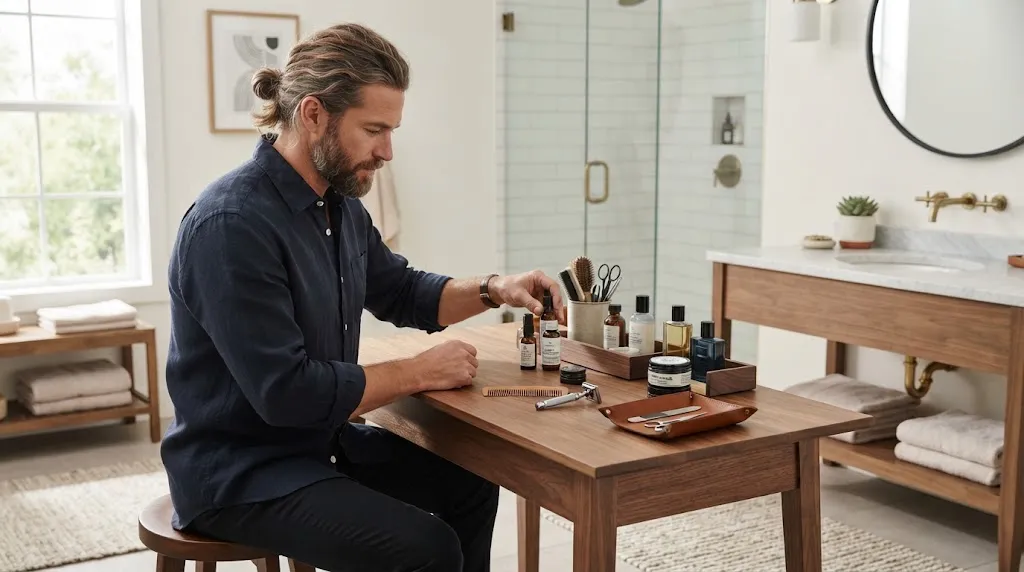
Growing out both head hair and a beard exposes you to a predictable set of maintenance hurdles that require specific adjustments to fix.
Patchiness: If your beard growth lacks density in certain spots, avoid letting the surrounding hair grow wild to compensate. Keep the cheeks and neckline trimmed tighter while letting the chin area carry the extra length to create a deliberate, balanced silhouette.
Dryness: Coarse beard hair and long scalp hair strip natural oils faster than shorter cuts. Swap harsh daily shampoos for gentle washing routines, and always apply hydrators to damp hair rather than bone-dry strands to lock in lasting moisture.
Tangling: Long hair combined with a substantial beard creates friction points around the collar and neck. Switch to a wide-tooth wooden comb for daily detangling, starting gently at the ends and working your way up to avoid unnecessary breakage.
Are Beards In or Out in 2026?
Beards are firmly in, but the era of the untamed, high-maintenance lumberjack look has taken a back seat to intentional texture and deliberate proportion. The modern beard is all about natural flow, smart tailoring, and clean lines that complement your overall haircut rather than competing with it.
Long Hair and Beard vs Short Hair and Beard

Pairing facial hair with long hair creates a striking silhouette, whereas pairing it with short hair keeps the focus sharp and structured. Choosing between the two comes down to daily maintenance, face shape balance, and your professional environment.
| Feature | Long Hair and Beard | Short Hair and Beard |
|---|---|---|
| Visual Weight | Heavy, bold, and expressive; creates a powerful frame for the entire face. | Clean, balanced, and sharp; emphasizes the jawline and skull structure. |
| Maintenance Level | High. Requires detangling, frequent conditioning, and patience through awkward growth phases. | Moderate to low. Regular trips to the barber keep the sides tight and clean. |
| Face Shape Match | Ideal for balancing angular or long faces by adding width and softening sharp features. | Highly versatile; works exceptionally well on round or square faces by adding vertical structure. |
| Environmental Trade-off | Can trap heat in warmer months and requires more active wind and weather management. | Cooler, more breathable, and less prone to tangling during physical activity. |
What Most Guides Get Wrong (Advanced Insight)
Combined hair and beard care when both are long
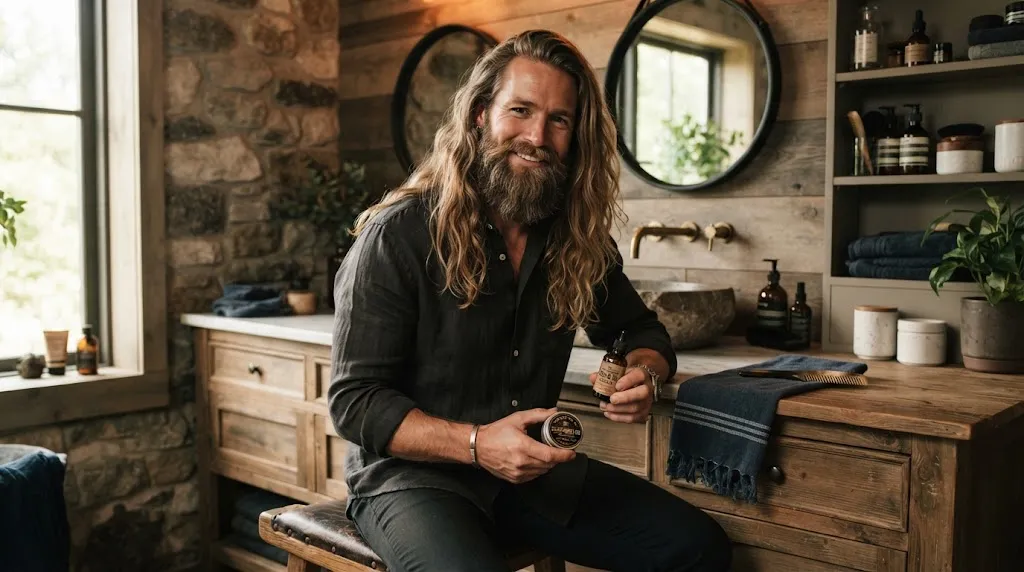
Growing both long hair and a long beard means treating them as two entirely different ecosystems that happen to share the same face. Most generic guides tell you to wash them together with the same shampoo, which is a fast track to destroying your beard. Scalp hair produces sebum that needs regular cleansing, while facial hair is naturally wire-like and prone to drying out instantly. Use a mild cleanser for your scalp and a dedicated softening wash for your beard, followed by lightweight oils to keep the skin underneath from flaking.
Honest DIY vs barber breakdown
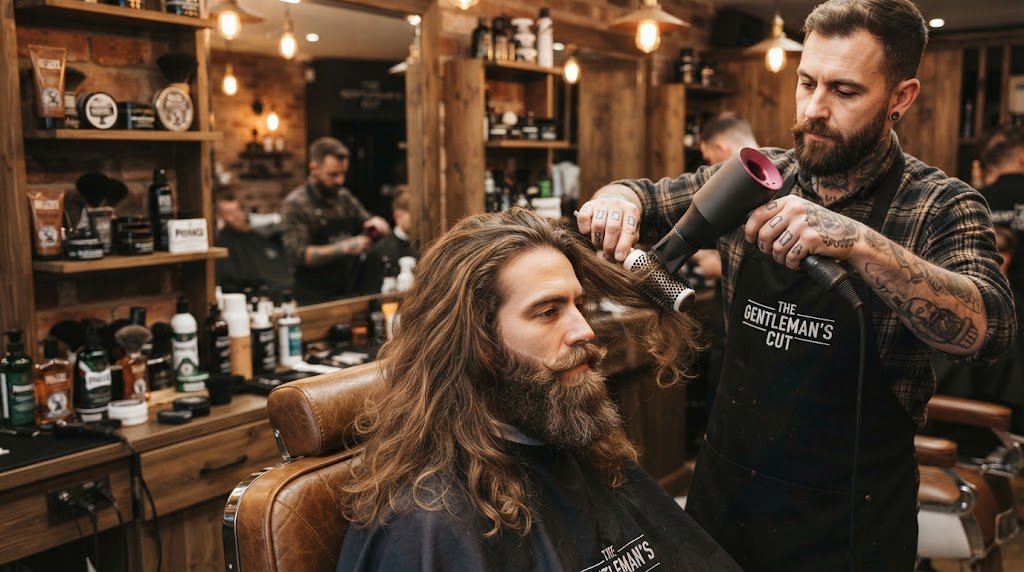
Trimming a long mane and a substantial beard at home is rarely worth the risk once you pass the six-month growth mark. While you can easily maintain your neckline or clean up split ends with proper shears, the structural balance requires professional perspective. A good barber looks at your natural growth patterns and crown cowlicks to prevent your hair from sticking out awkwardly around a heavy beard.
DIY Maintenance: Best for routine edge-ups, cheek lines, and keeping stray hairs under control between major cuts.
Barber Visits: Essential for resetting the overall silhouette, debulking heavy weight, and blending the transition zones near the sideburns.
Real workplace acceptability notes

Rocking long hair alongside a long beard in a professional environment comes down to silhouette control and intentional grooming. The modern workplace cares less about length and more about whether you look like you woke up off a park bench. Keeping the hair tied back neatly in a low knot or ponytail instantly shifts the vibe from chaotic to intentional. Pair that with a neatly shaped beard line on the cheeks and neck, and you pass muster in almost any contemporary office setting.
Frequently Asked Questions
The short boxed beard or a medium corporate beard works best with long hair because clean lines keep the overall look intentional instead of messy. Long hair combined with a massive, unkempt beard often makes people look like they just rolled out of a sleeping bag, unless you deliberately want that raw, rugged mountain man aesthetic. If your hair flows past your shoulders, a tight, sculpted beard creates a sharp visual contrast that frames your jawline.
- Extended Goatee: Pairs well with shoulder length man buns or topknots because it pulls focus to the center of your face.
- Medium Corporate: The safest bet for wavy or curly long hair since it adds professional structure without looking overdone.
- Heavy Stubble: Great for guys with thinner hair who want texture up top and shadow down below without hiding their skin completely.
The 3:2:1 rule is a proportional guideline barbers use to balance clipper guard sizes, typically moving from a 3 guard on the bottom, a 2 guard in the middle, and a 1 guard near the neckline or sideburns to create a smooth fade. While it sounds rigid, it is really just a foolproof formula for stepping down lengths evenly without leaving choppy lines in the fade. If you are mixing long hair on top with short sides, this rule helps transition the weight so the haircut does not look top heavy.
The 3-inch rule states that hair needs to reach at least three inches in length before it starts to bend, wave, or show its natural texture instead of sticking straight out. This is the awkward length every guy deals with when growing out a buzz cut or a short crop, where the hair refuses to lay flat. Knowing this helps you power through the messy middle phase of hair growth without panicking and reaching for the clippers too early.
Long hair can easily make you look younger or significantly older depending entirely on your hairline, grooming habits, and styling choices. Healthy, well maintained long hair often softens facial features and gives off a youthful, relaxed vibe. However, if your hair is thinning at the crown or temples, growing it long actually draws more attention to the recession and can age you instantly.
A standard, respectful tip for a premium haircut in the $100 to $200 range is 20 percent, which translates to $20 to $40 depending on the final bill. During a high end styling session that involves washing, scalp treatments, scissor work, and beard detailing, your barber is investing an hour or more of specialized labor and physical focus into your look. Tipping well builds a rock solid relationship with your stylist, ensuring you always get priority booking and honest advice when you want to try a risky new cut.
Explore More Hairstyles
If you want to try a different look or fine-tune your current routine, check out our core resource hubs.