
English Hairstyles: Complete Guide to Classic, Modern & Historical British Cuts (2026)
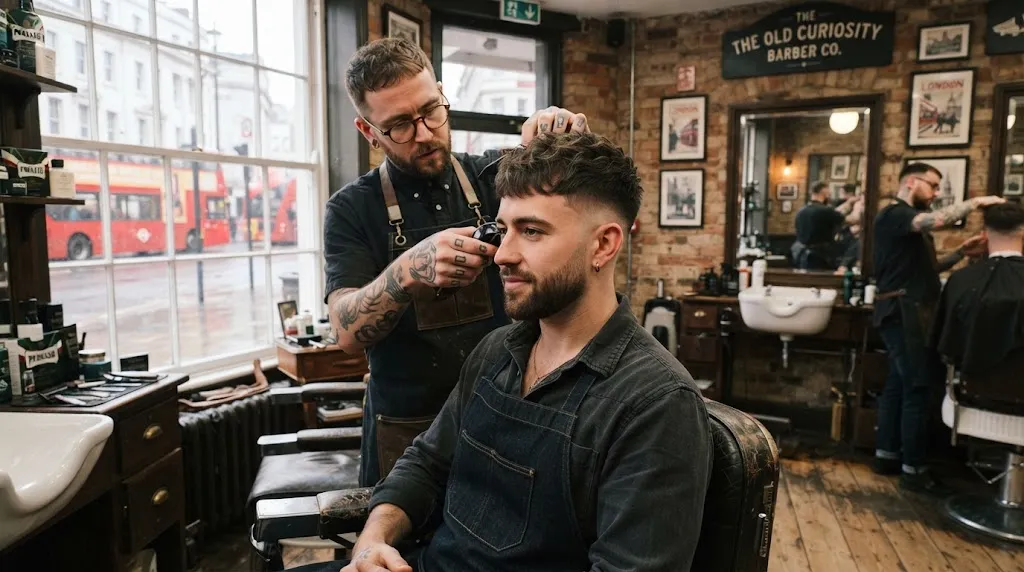
What Is an English Hairstyle?
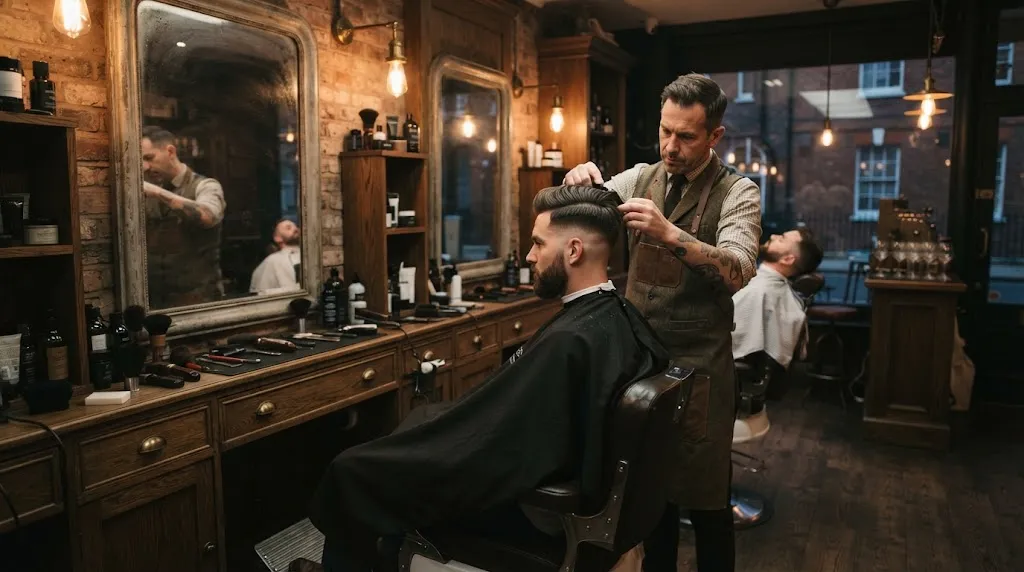
An English hairstyle typically refers to tailored, structured cuts that blend classic British tailoring with effortless movement, such as the sharply faded gentleman’s crop for men or the softly layered, lived-in blowout for women. When you sit down in a London barbershop or salon, your stylist will usually focus on clean perimeter lines combined with textured weight on top rather than flat, heavy layers.
Key Takeaways
Modern vs. Historical Roots: Contemporary English hairstyles balance traditional heritage cuts—like the sharp mid-century quiff or classic chin-length bobs—with modern, undone texturizing techniques.
Inclusive Categories: The British aesthetic spans both sharp, structured cuts for men and effortless, voluminous styles tailored for women.
Face-Shape Dependency: Choosing the right variation depends heavily on bone structure; square jaws pair well with softer feathered layers, while rounder faces benefit from height and tight temple fades.
Maintenance Variation: Upkeep ranges from low-effort air-dried styling with sea salt spray to high-precision monthly barber visits for clean, skin-fade lines.
If you want to explore more options based on your hair type, the complete hairstyles hub on HairStylesUSA has every category available—for men, women, and boys.
English Hairstyles for Men
An English hairstyle for men relies on structural contrast, clean perimeter work, and textured movement that handles damp British weather without collapsing.
Popular English Cuts & How to Ask Your Barber
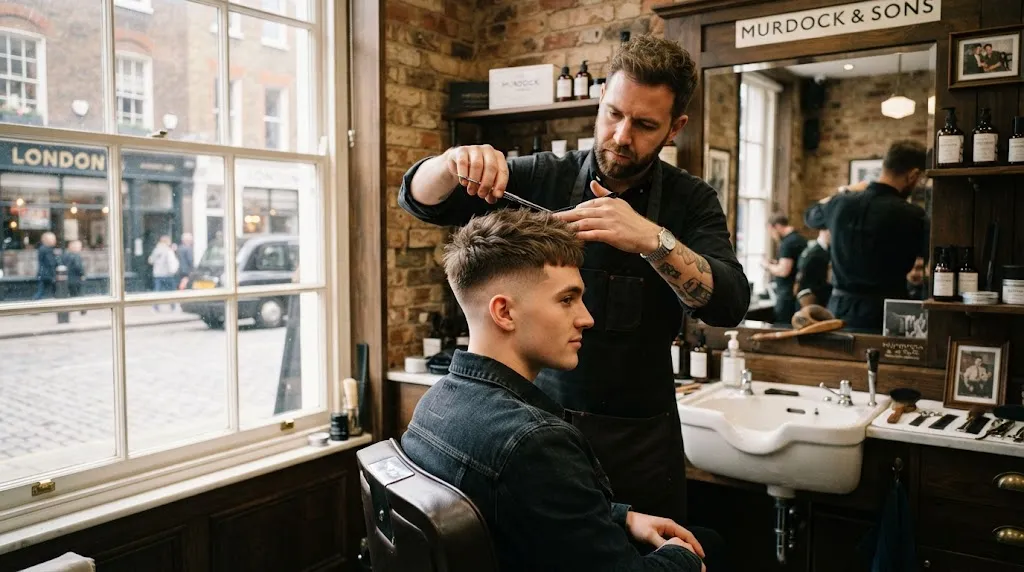
The British Crop features a heavy, forward-swept fringe with tightly faded or cropped sides, offering a sharp silhouette that requires minimal daily maintenance.
Mod Cut: Rooted in the 1960s subculture, this style sits medium-length with a full, blunt fringe resting just above the brow line.
Curtains / Middle Part: A looser, nineties-inspired style featuring longer layers parted down the middle, framing the face with natural wave.
British Crew Cut: A refined version of the classic military cut, keeping the top slightly longer and textured while maintaining a sharp taper at the nape and ears.
English Haircut for Black Men: Adapts traditional British structure—such as sharp temporal fades or tailored crops—to work seamlessly with tighter curl patterns and natural textures.
Barber Script: “Keep the weight through the front fringe, drop the sides down to a skin fade starting low near the temple, and point-cut the top for a textured, choppy finish.”
Face Shape & Hair Type Matching (Real Examples)
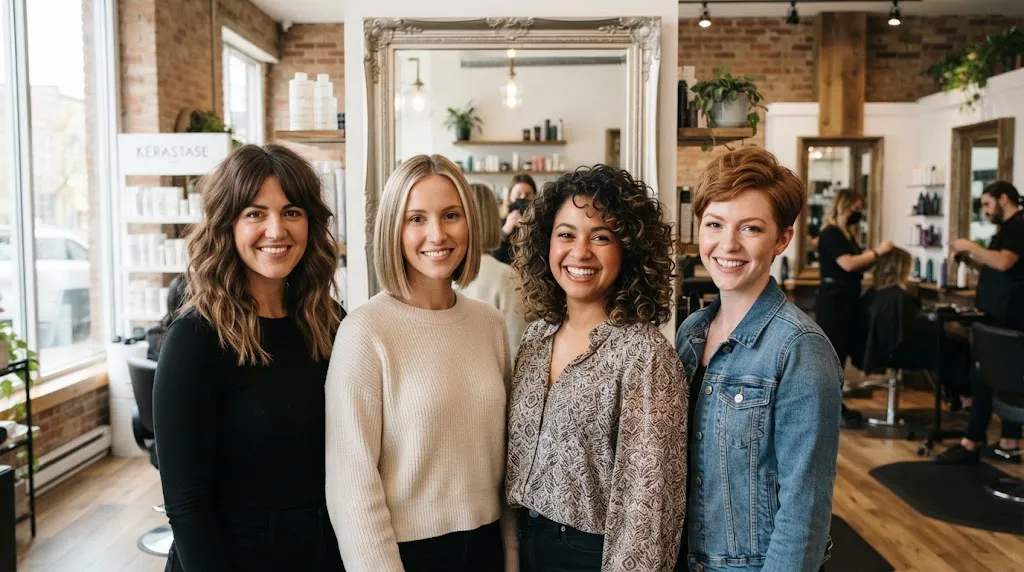
Choosing the right cut depends entirely on balancing your bone structure, as a style that flatters a sharp jawline can easily overwhelm softer features. If your face is square-shaped, our square face haircuts guide makes this decision easier, while round-face options help elongate proportions. For instance, pairing a heavy Mod cut with a round face often accentuates width, whereas a structured British crop with tight sides adds height and sharp angles to balance the jaw.
Men with fine hair benefit immensely from the choppy layering of a British crop, which builds optical density without needing heavy styling waxes. Coarser hair types manage the middle-part curtains exceptionally well, provided the barber thins out bulk around the crown to prevent the hair from puffing outward.
When styling mature hair or dressing for formal environments—similar to approaches used in hairstyles for older men—keep the finish matte rather than slick to maintain a modern, natural aesthetic. Once you lock in the cut at the barbershop, applying the right technique from our how to set hair guide ensures the style holds its shape from morning commute to evening out.
English Hairstyles for Women
Popular Cuts & Clear Definitions
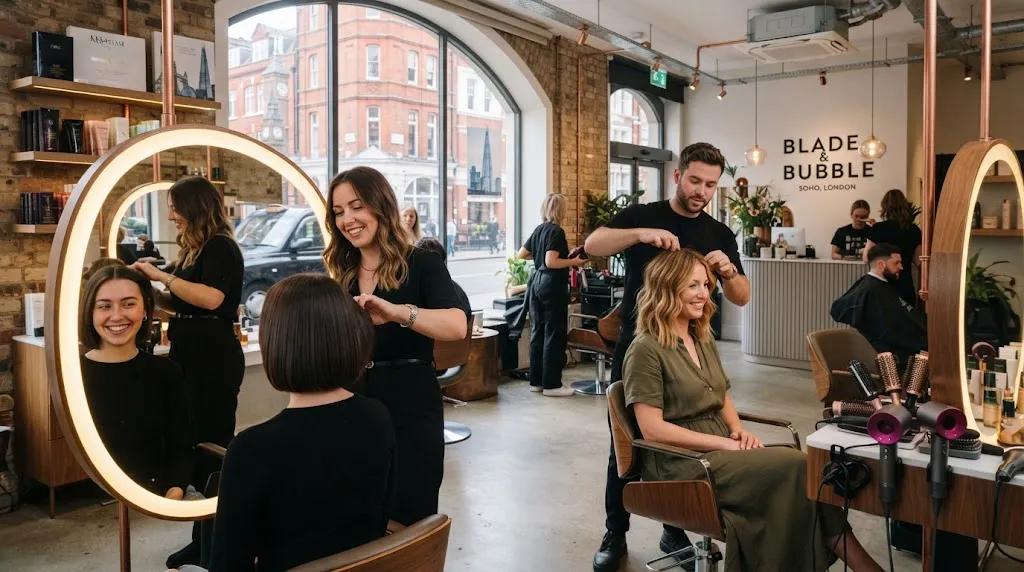
The British bob is a sharp, chin-grazing crop defined by a blunt perimeter and zero graduation at the nape, giving it a heavy, graphic edge.
British Bob
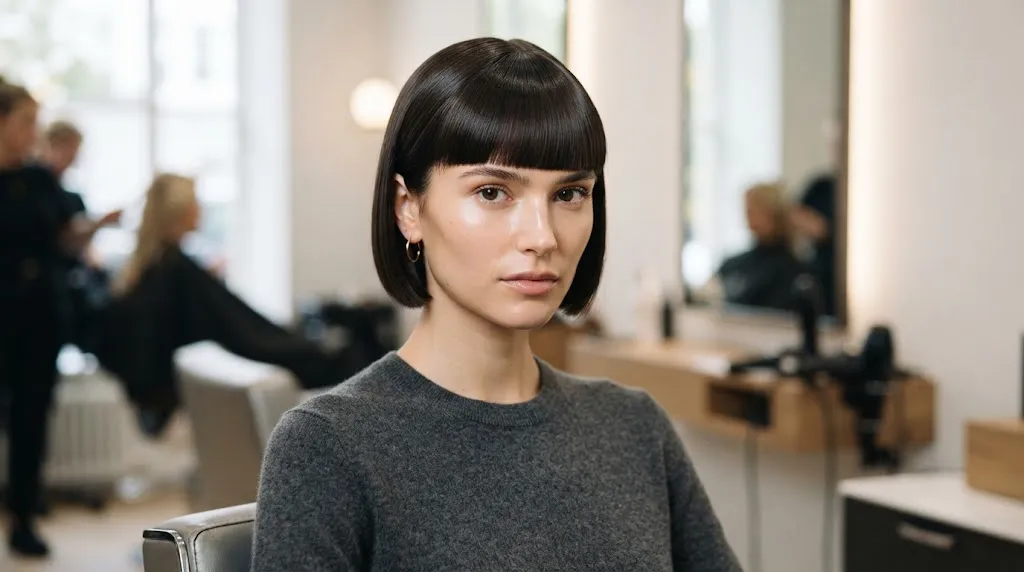
A uniform, one-length cut falling right at the jawline, often paired with a heavy fringe.
Styling tip: Blow-dry flat using a paddle brush to maintain the blunt edge, then finish with a drop of lightweight smoothing serum on the ends.
The Lob

A relaxed, collarbone-grazing variant of the classic bob that moves away from geometric precision.
Styling tip: Bend the mid-lengths around a medium-barrel curling tong, leaving the ends straight for an undone finish.
Square Bob
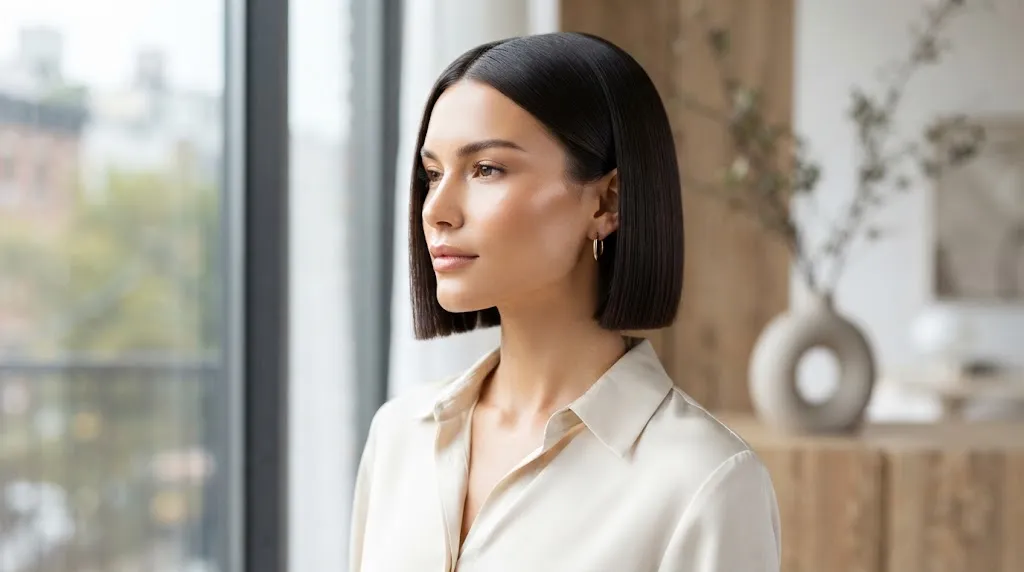
Characterized by sharp, boxy lines that emphasize horizontal weight around the jaw and cheekbones.
Styling tip: Apply a texturizing sea salt spray to damp hair and diffuse on low speed to enhance the angular shape.
Pixie/Bixie
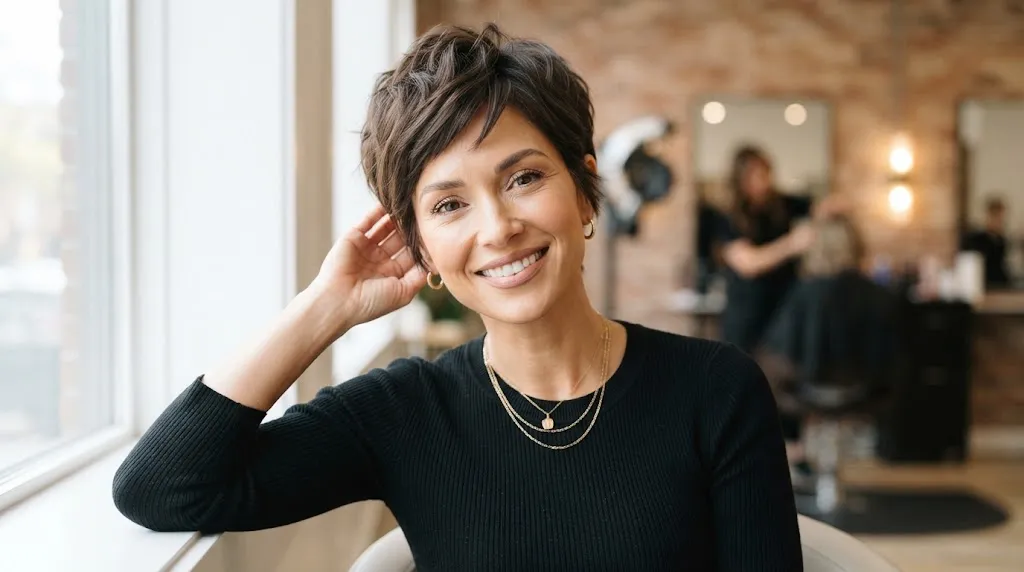
A fusion of a tight, cropped pixie and a grown-out bob, featuring longer, piece-y layers around the ears and crown.
Styling tip: Work a pea-sized amount of matte styling clay through dry hair to piece out the fringe and side burns.
Frazzled English Woman" Aesthetic

A deliberately lived-in, effortless look featuring air-dried texture, loose strands, and an unforced, romantic disarray.
Styling tip: Scrunch a lightweight styling cream into damp hair and let it air-dry completely untouched for authentic texture.
Who Should & Shouldn't Get Each Cut
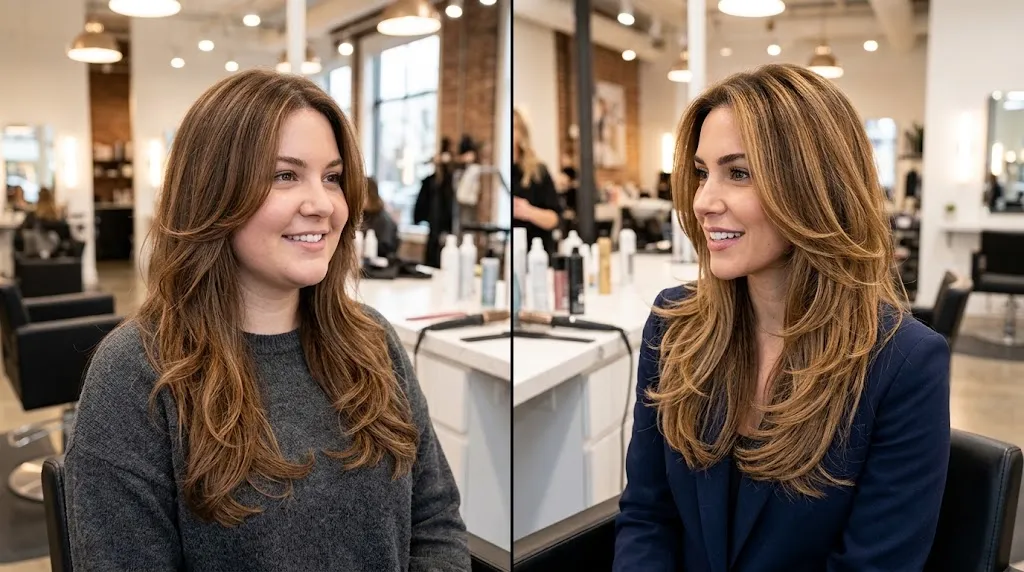
The British bob requires dense, straight hair texture to hold its sharp geometry; if your hair lacks natural density, you may find yourself constantly fighting flyaways. Those exploring options for hairstyles for straight hair will find that a classic blunt cut sits effortlessly without requiring daily flat-ironing.
Avoid the sharp square bob if you have a very angular or square jawline, as the horizontal weight will only accentuate hard angles. Instead, rounder or softer jawlines benefit immensely from a structured cut that frames the features. Readers looking for a round shape haircut can opt for a slightly longer lob that elongates the face, while those searching for a slim face haircut can safely pull off the chin-grazing precision of a traditional British bob.
The relaxed “Frazzled” look thrives on natural movement and works wonderfully with light curly hairstyles, whereas bone-straight hair will struggle to maintain that lived-in, chaotic charm without heavy styling intervention.
When advising mature clients on bob length, stylists generally recommend avoiding cuts that sit right at the crease of the chin, as this can draw unwanted attention downward. Opting for an inch below the chin or a collarbone-length lob opens up the neck and creates a much more flattering frame for older women.
Historical & Traditional English Hairstyles
English Braids & Regency Updo — Step-by-Step
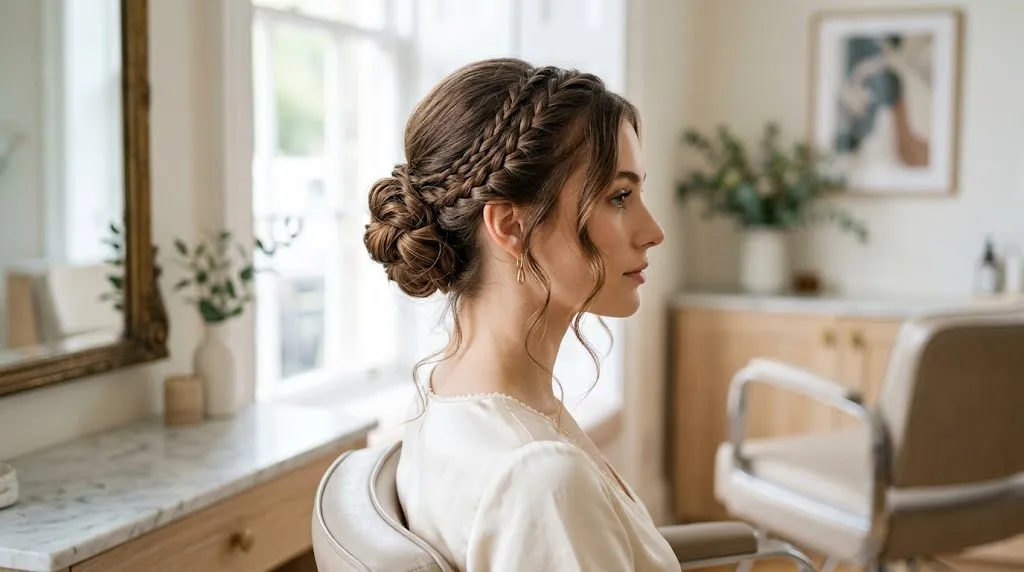
The classic English braid relies on a straightforward three-strand technique that has served as a foundational plait for centuries, anchoring both practical work-wear and elaborate historic styling. To execute it properly, divide clean, detangled hair into three equal sections—left, middle, and right. Cross the right strand over the middle, then the left strand over the new middle, maintaining consistent tension at the root so the plait sits flat against the scalp rather than twisting.
Transitioning from a simple braid into a Regency-era updo requires a distinct shift in volume and structure, moving away from sleekness toward soft, structured romanticism.
Parting: Start with a clean, straight center part running from the forehead back to the crown.
The Poof: Create height at the crown by gently teasing the hair just behind the hairline, then smoothing the top layer back to form the signature Regency “poof” without flattening the lift.
Pinning: Gather the remaining length at the nape into a soft, rolled chignon or looped curls, securing it loosely with bobby pins while allowing tendrils to frame the temples.
Victorian Styles — Then vs Now
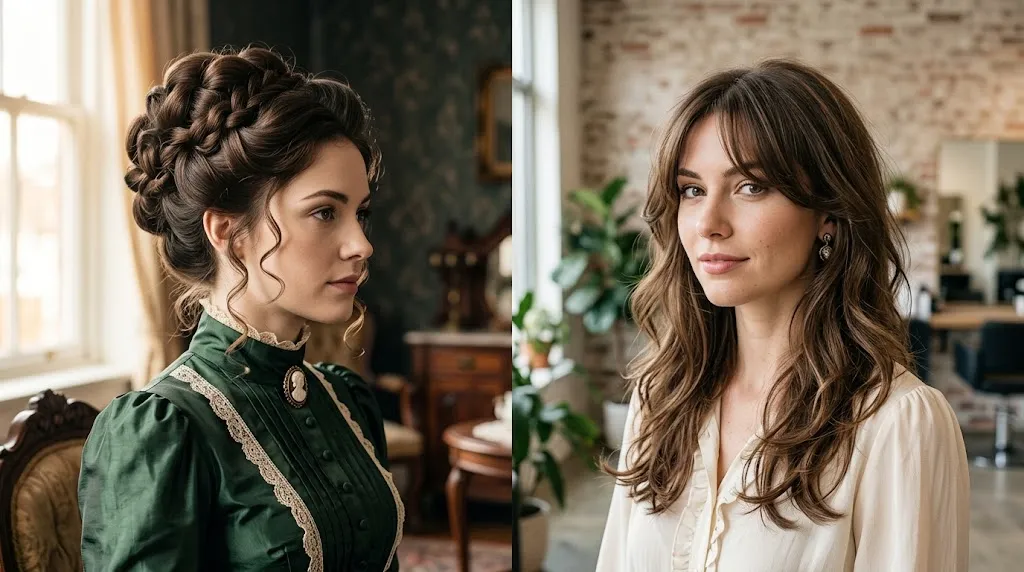
Victorian hair customs demanded immense labor, strict social signaling, and heavy reliance on ratting pads and hairnets to achieve monumental, gravity-defying shapes like the Gibson Girl pompadour or elaborate chignons. In the 19th century, women grew their hair to extreme lengths and brushed it daily with natural bristles to distribute oils, often incorporating fallen hair saved from brushes into “rat” padding to bulk up massive evening styles.
Recreating these silhouettes today involves a much lighter touch and modern styling aids that skip the hygienic hazards of historical hair-rats. While a Victorian lady spent hours anchoring her hair with whalebone and heavy iron pins, a modern recreation achieves the same towering volume using lightweight root-lifting mousse, dry shampoo for grip, and foam inserts hidden beneath a smooth outer shell.
Iconic British Hairstyle Names Explained
British haircut terminology carries a distinct history, blending traditional barbershop technique with sharp pop-culture references that instantly signal a specific silhouette. Understanding these names prevents mismatched expectations in the chair and ensures you and your stylist speak the exact same language.
The Peaky Blinders Haircut (The Undercut Crop)
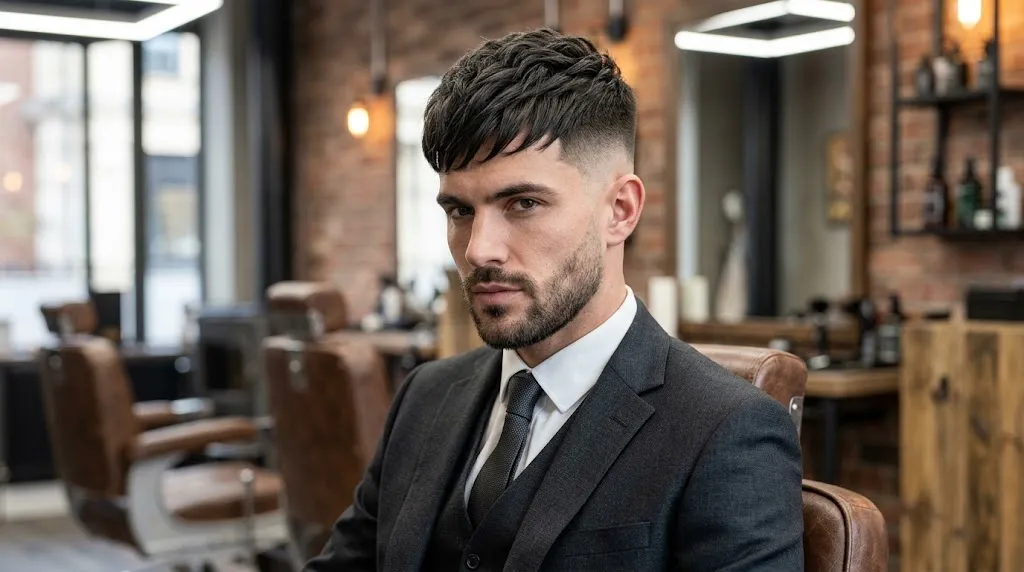
The Peaky Blinders haircut—historically rooted in the 1920s working-class Birmingham style—features heavily textured, forward-falling length on top contrasted with shaved or severely disconnected sides and back.
Barber Instruction: Ask for a zero or skin fade high up on the temporal ridge, leaving at least two to three inches of weight on top for heavy texturizing.
Styling Reality: This cut relies entirely on matte styling clay rather than grease or high-shine pomades to keep the fringe looking piece-y and authentic to the period.
The British Crop (Vs. The Generic Crop)
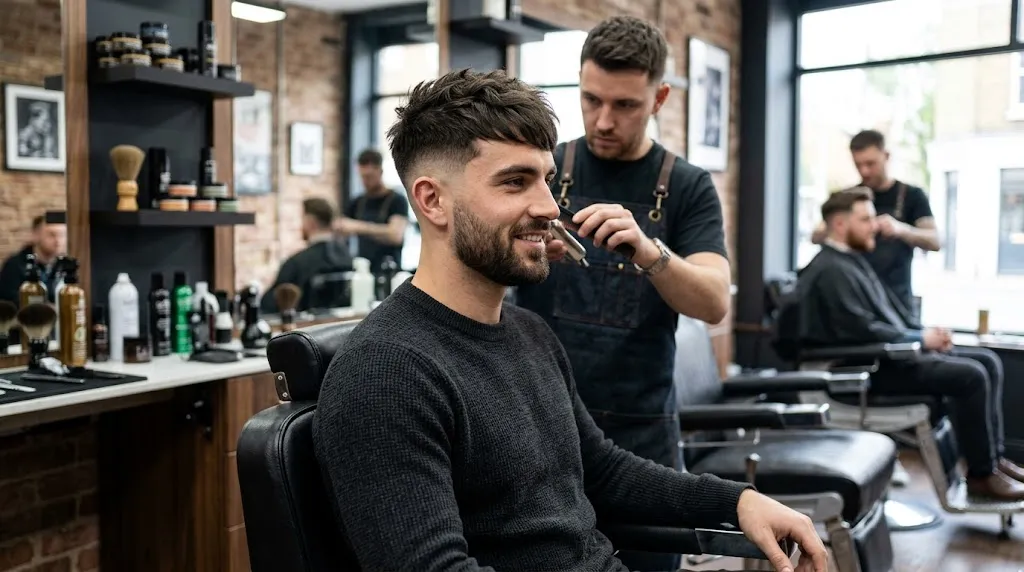
The British crop differs from standard continental or American crops through its tighter, more controlled structure and heavier fringe placement resting right at the brow line.
The Distinction: While a generic crop often features messy, random texturizing throughout, the British iteration maintains a cleaner, more deliberate horizontal line across the forehead while keeping the crown flat and compressed.
Maintenance: Because the fringe length dictates the entire geometry of the cut, expect a quick shape-up around the temples and brows every three weeks to keep it sharp.
The Karen Haircut
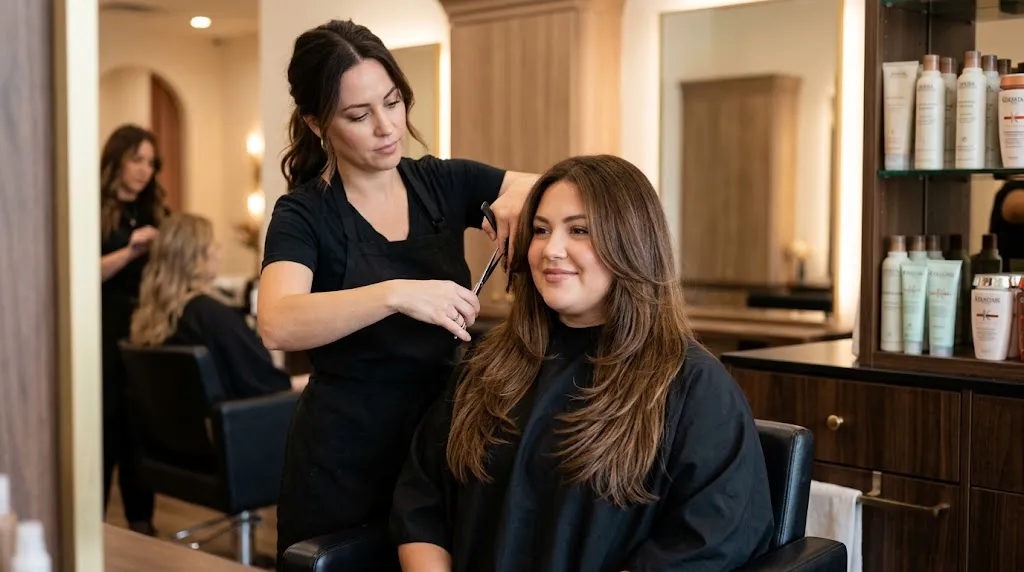
The Karen haircut is an asymmetrical, inverted bob characterized by stacked, tightly clipped layers in the back that angle downward into sharply elongated pieces framing the face.
Styling Observation: Stylists often correct a common pitfall here—avoiding excessive round-brush blowouts that create an overly stiff, helmet-like dome shape.
Modern Adaptation: Contemporary updates rely on softer texturizing shears through the baseline to remove weight, preventing the wedge shape from looking dated.
What specific British haircut length or variation are you thinking about trying out next?
Common Problems People Face With English Hairstyles (Real Solutions)
Curly/Frizzy Hair with an English Crop
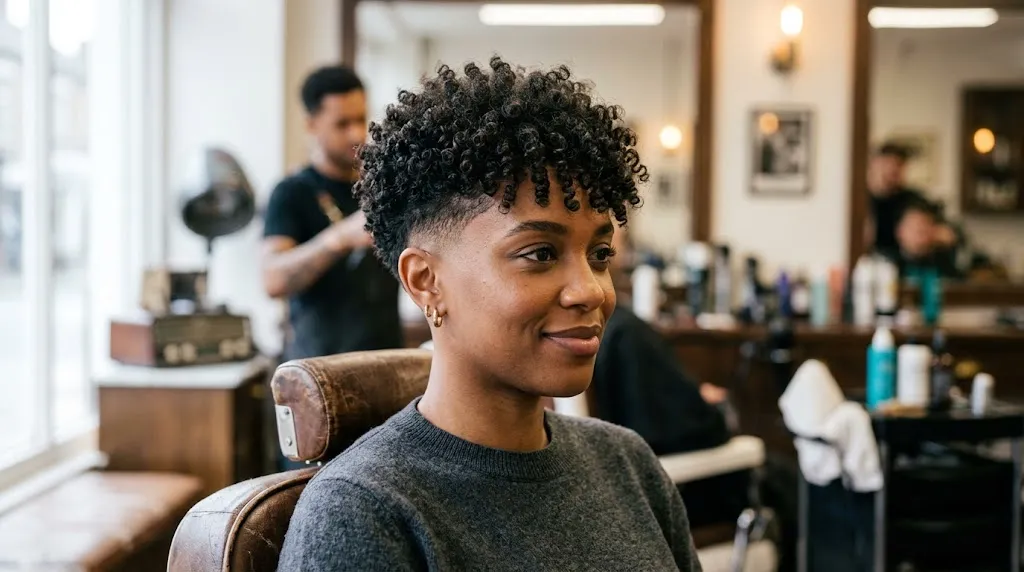
The structured, razor-sharp lines of a traditional English crop can easily puff out into an unwanted helmet shape if you have naturally curly or coarse hair. Barbers often cut texture into the top without accounting for spring-back, meaning your fringe shrinks up shorter than intended.
The fix: Ask your barber to point-cut deep into the weight rather than thinning it out with texturizing shears, which only creates frizz.
Daily routine: Work a matte clay through damp hair, then use a diffuser on low heat to direct the fringe straight down before it air-dries.
Handling the Awkward Growing-Out Phase
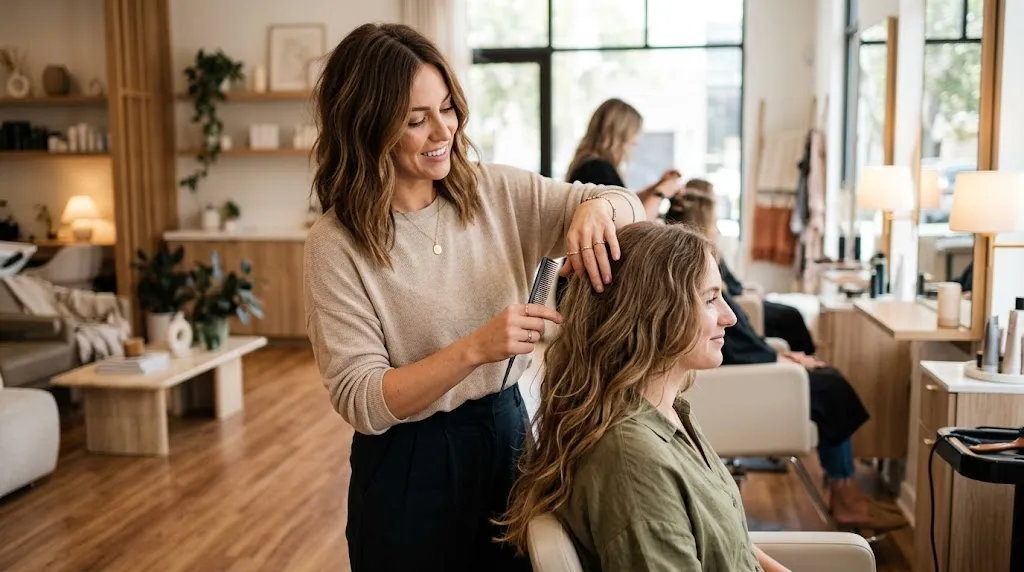
Transitioning from a tight British gentleman’s cut or skin-fade crop into a medium-length British hairstyle creates an awkward bulk right around the ears and nape. This is the exact moment most people give up and buzz it all off.
The fix: Book a shape-up rather than a full haircut every three weeks. Have the barber clean up the sideburns and neckline while leaving the top and crown untouched to drop weight naturally.
Styling trick: Switch from high-shine pomades to a lightweight styling cream to keep the heavier layers from clumping together.
When Your Barber Misunderstands the Style
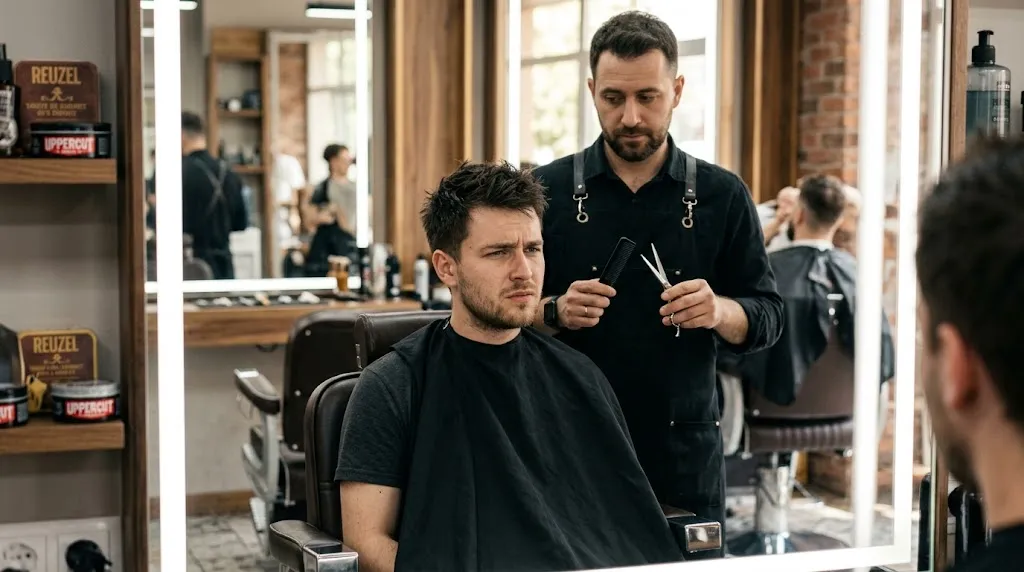
Walking into a standard shop and asking for an English haircut often results in a generic high-and-tight fade because many stylists outside the UK confuse British styling with standard American military cuts.
The fix: Bring visual reference photos that highlight the distinct square silhouette and heavy, blunt-cut textured fringe rather than relying on verbal descriptions.
Communication: Tell your barber to keep the weight on the parietal ridge low and avoid skin-fading too high up the temple.
Maintaining British Styles in Humid Climates

Classic British cuts rely on crisp, controlled textures that react poorly to heavy moisture in the air, causing sleek finishes to collapse into limp waves within an hour.
The fix: Swap out water-based styling products for a strong-hold styling paste containing beeswax or kaolin clay to lock out ambient moisture.
Application: Apply the product to completely dry hair instead of damp hair, ensuring the cuticle is sealed before you step outside.
Adding Volume to Thin Hair (Bob/Crop Specific)
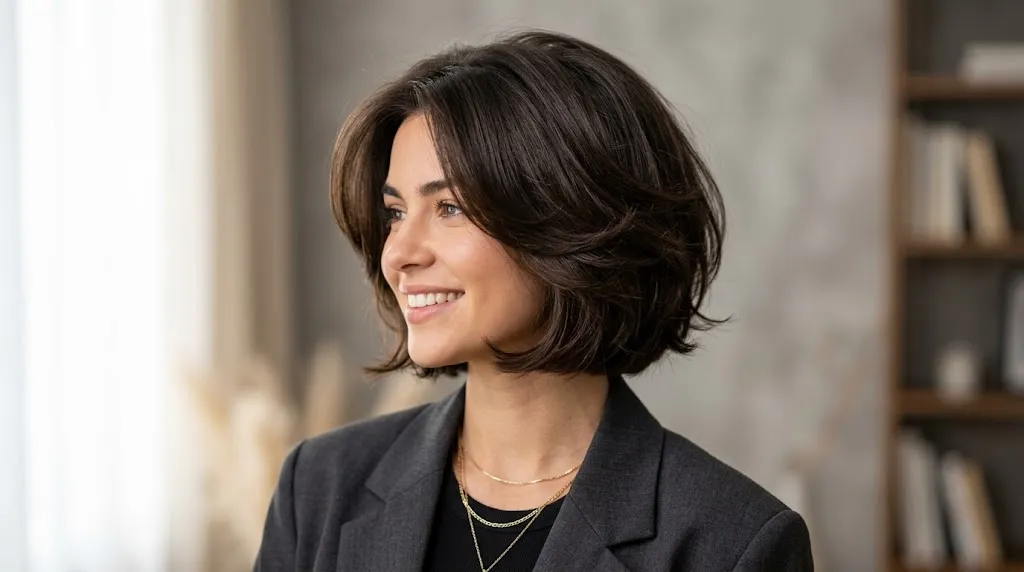
Fine or thinning hair makes classic English bobs and crops look flat, exposing the scalp and losing the signature dense, piecey texture the style is known for.
The fix: Apply a sea salt spray directly to the roots while damp, then blow-dry using a skeleton brush with upward tension.
Finishing touch: Avoid heavy waxes or oils completely; finish with a dusting of volumizing powder worked directly into the crown for instant lift.
What specific hair texture are you working with for your current cut?
What Other Guides Miss
The English crop isn’t a one-size-fits-all cut, and traditional guides constantly overlook how the style adapts to afro-textured hair, long lengths, and modern regional shifts across the UK.
The Black Hair-Specific English Crop Adaptation
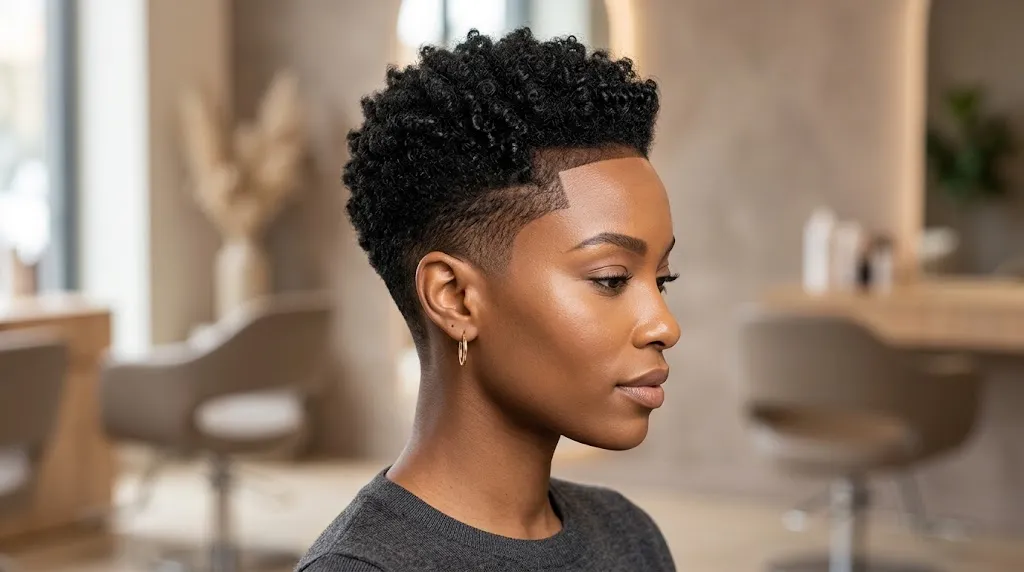
Adapting the English crop for Black hair requires a completely different approach to the fringe and sides. Instead of heavy texturizing shears that can compromise tight curl patterns, a skilled barber uses precision foil-shavers for a drop fade and sculpts the front fringe into a sharp, structured line using a straight razor on dampened hair.
Crop vs. Buzz Cut Confusion Resolved
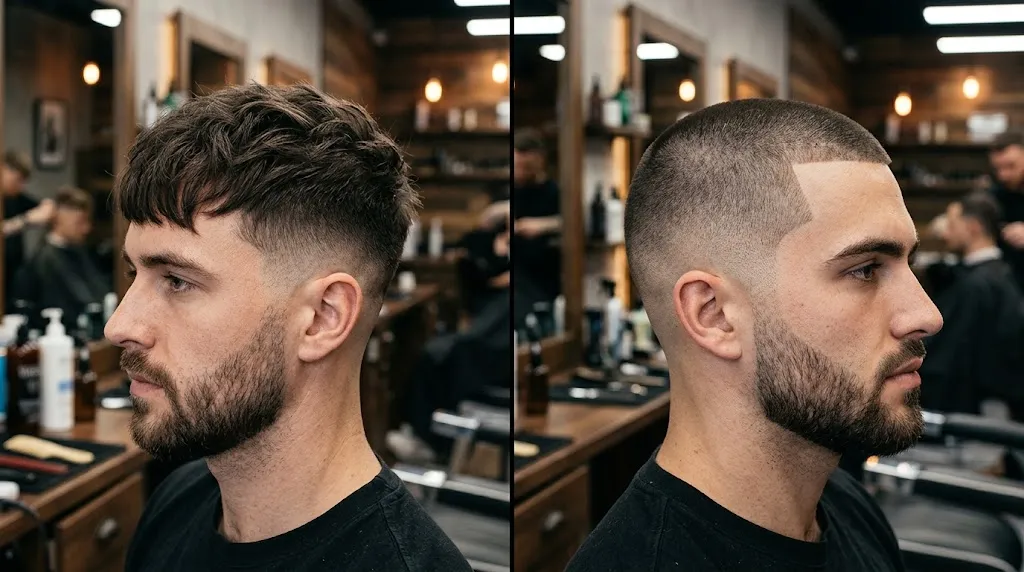
People often confuse a textured crop with a standard buzz cut, but the geometry is entirely different. A buzz cut maintains a single, uniform length all over the head using clipper guards, whereas an English crop leaves length on top—roughly two to three inches—allowing for forward movement and a blunt or choppy fringe that sits above the brow.
Updated 2026 UK Regional Trends
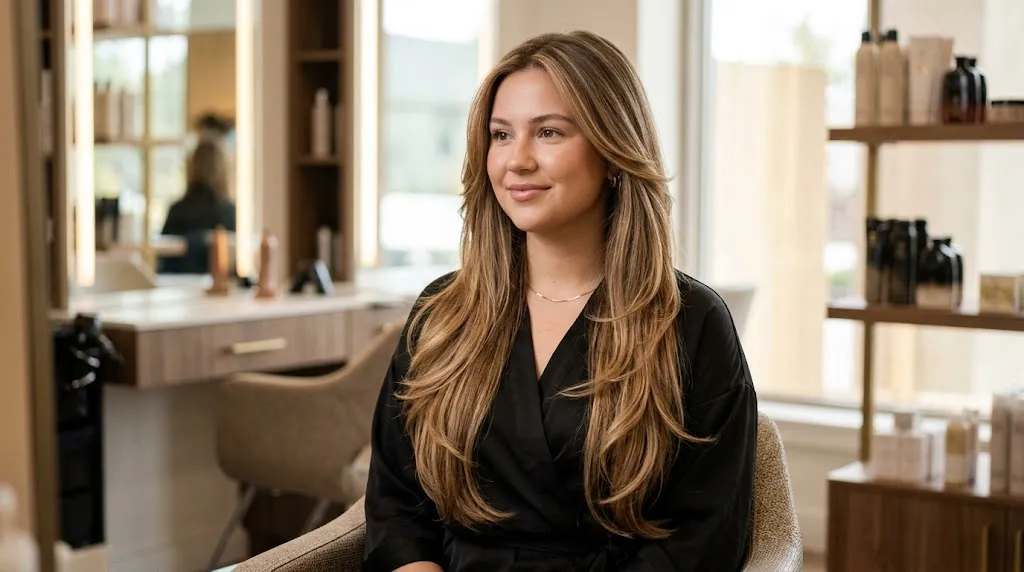
Outdated styling guides still point to generic high-and-tighter looks, but current 2026 UK regional trends favor a softer, grown-out silhouette. In cities like Manchester and London, barbers are leaning into lower, diffused fades paired with natural, matte textures on top rather than the rigid, high-shine finishes of previous years.
Long Hair British Variations
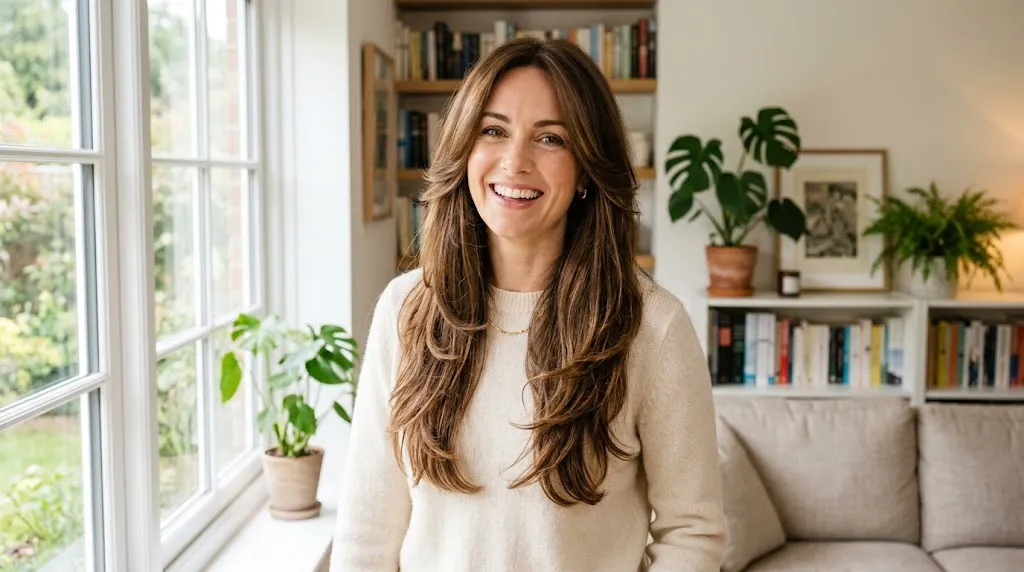
For those searching for British haircut long hair variations, the focus shifts toward effortless, mid-to-long layered styles inspired by classic indie and mod subcultures.
The Mod-Era Shag: Features heavy face-framing layers and curtain bangs that brush past the cheekbones.
The British Flow: Characterized by collar-length, sweep-back layers that rely on natural wave rather than stiff styling products.
What is the biggest challenge you usually face when trying to communicate the exact haircut you want to a new barber or stylist?
Classic British Hairstyles & Modern Twists
| Style Name | Gender / Era | Best For | Modern Twist |
|---|---|---|---|
| The Mod Crop | Unisex 1960s London | Straight to wavy hair types requiring minimal daily fuss | Textured, choppy ends with a lighter fade on the sides |
| The Traditional Gent's Cut | Men Mid-20th Century | Fine to medium straight hair with natural growth direction | Low skin fade paired with a matte paste instead of heavy pomade |
| The Regency Soft Updo | Women 19th Century British | Medium-to-long hair with natural curl or pre-set waves | Loose face-framing tendrils paired with a textured, undone bun |
| The British Heritage Layer | Women 1970s London Rock | Thick hair that needs weight removed without losing length | Long, sweeping curtain bangs and soft, air-dried movement |
| The Heritage Taper | Men Classic Tailoring | Structured, professional looks that transition easily to casual | Natural finger-length top blended into a clean, scissor-cut neckline |
Stylist Note: When referencing these cuts in a modern British barbershop or salon, specify the desired finish—such as asking for a "scissor-over-comb finish" rather than a strict clipper fade—to achieve that distinct, authentic British salon finish.
Add Your Heading Text Here
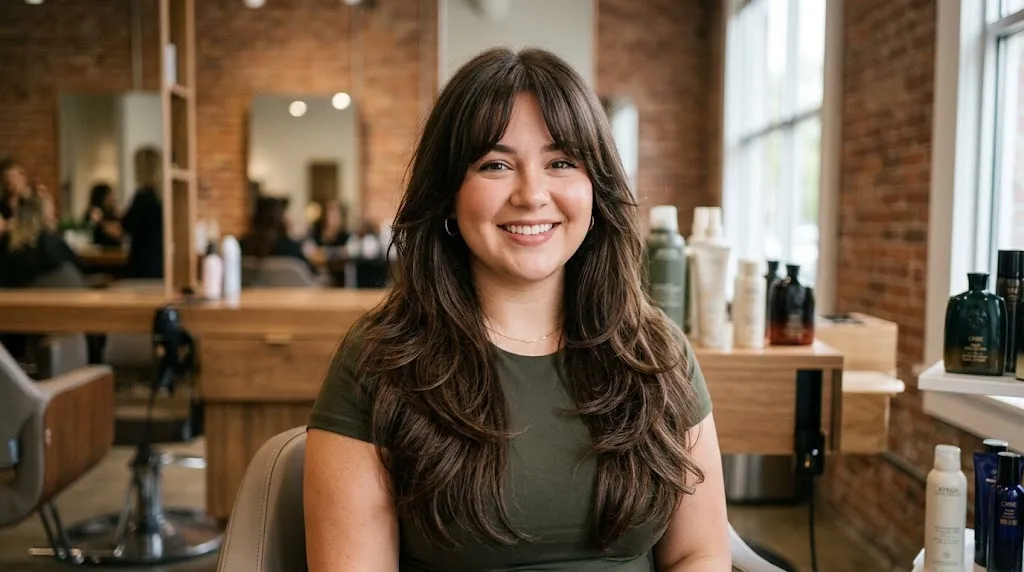
Walking into a boardroom with a head of hyper-structured pageant ringlets sends the wrong message, but flat, lifeless hair lacks polish. Office-appropriate soft curls need to look intentional yet understated—think bends and movement rather than defined spirals. Start by concentrating your iron work strictly from the eyes down, leaving the top third of your hair smooth to maintain a clean, professional silhouette.
Switching your curling technique to an alternating direction method prevents the waves from clumping together into one giant helmet of hair. Alternate curling one section toward your face and the next away, which breaks up the pattern and creates a softer, touchable cascade that sits flat against the shoulders. A drop of lightweight argan oil rubbed between your palms and smoothed over the mid-lengths kills static and tames flyaways under harsh fluorescent office lighting. When you are transitioning this exact daytime shape into an evening look after hours, a quick refresh with dry shampoo at the roots paired with a bold lip pairs effortlessly with our favorite party styling reference for a seamless day-to-night pivot.
English Hair Styles & FAQ Guide
What are some traditional English hairstyles?
Traditional English hairstyles include the structured mod crop from the 1960s, the classic tapered side-part favored in British barbershops for generations, and the timeless Victorian updo for women. These looks emphasize clean lines, disciplined structure, and understated elegance over heavy styling products.
What are some popular English haircut styles?
Popular modern English haircut styles range from the textured British crop with a blunt fringe to the classic gentleman's cut featuring a clean side part and low fade. Barbers typically use scissors for the top to keep movement natural rather than relying entirely on clippers.
What are some popular hairstyles in the UK?
Current popular hairstyles across the UK include the effortless messy quiff, the low-maintenance textured crop, and shaggy layered lobs for women. Street style in London heavily influences these trends, balancing polished roots with undone, lived-in ends.
What is a British bob haircut?
A British bob is a sharp, precision-cut chin-length style characterized by a blunt, straight baseline and minimal layering. Stylists usually cut this dry to ensure the heavy perimeter falls cleanly around the jawline without flipping outward.
What is the Karen haircut called?
The cut widely known online as the "Karen" is formally an asymmetrical stacked bob or an inverted bob. It features significantly shorter, stacked layers at the nape of the neck that angle down into longer pieces framing the face.
What is the most flattering bob length for an older woman?
A collarbone-grazing lob or a chin-length bob with soft texturized ends is generally the most flattering length as we age. This range adds fullness around the jawline while visually lifting the face, avoiding the harshness of a severe blunt cut.
What is a Peaky Blinders haircut?
A Peaky Blinders haircut is a stark variation of the undercut, featuring aggressively shaved sides and back paired with a longer, textured top swept forward or to the side. Barbers historically kept the transition between the skin and the top completely disconnected for that signature 1920s gang look.
Who should not get a bob cut?
People with very tight, coiled curl patterns or extreme cowlicks near the nape often find traditional bobs difficult to manage without constant heat styling. A blunt perimeter can cause coily hair to expand outward into an unwanted triangular shape rather than hanging smoothly.
Specialized Hair Guides & Styles
If you want to look beyond the classic British crop or the modern gentleman's cut, several specialized guides break down specific lengths, cuts, and upkeep routines.
For Men
Men's Hairstyles Hub: Browse a complete collection of contemporary and traditional cuts suited for every hair type.
Groom Hairstyles: Explore sharp, polished looks tailored for formal events and sharp everyday presentation.
Medium Length Hairstyles for Men: Find practical inspiration for growing your hair out while maintaining clean lines and manageable weight.
More Men's Styles: Pomade short hair, Normal slope, Long wavy, Long face male, Japanese style, How to set hair, Older men, Square faces, Buzz cut beard, Back hair style, Round face.
Also explore Boys' Hairstyles including the Korean boy hairstyle and box cut hairstyle.
For Women
Women's Hairstyles Hub: Discover versatile everyday cuts, seasonal updates, and timeless silhouettes.
Layer Cut Ideas: See how subtle or heavy layering adds movement, volume, and natural texture to fine or thick hair.
Cute Open Hairstyles: Explore effortless, down-flowing styles that keep daily maintenance simple.
More Women's Styles: Volume haircut, Simple Indian style, Medium hair styles, Medium cut for girls, Straight hair, Long hair cuts, Style pics, Party look, Round shape, Slim face cut, Function style, Curly styles, U-cut, Frock style, Korean front cut, Chubby face layered cuts.
Styling Basics: Learn fundamental techniques through our Hair Cutting & Styling Guides and the photo style overview.
What specific hair length or styling technique are you most curious about trying next?
Built on Expertise & Trust
Our content is built on firsthand salon experience, traditional British barbering techniques, and rigorous editorial standards. Every guide undergoes review by professional stylists to ensure accuracy and real-world usefulness.
Who We Are
About Us: Learn more about our mission to provide honest, practical hair guides without the fluff.
Meet Our Experts: Get to know the licensed stylists and veteran barbers who vet and test every cut and style we publish.
Why Trust Us: Discover what makes our platform a reliable source for modern and classic grooming advice.
Explore our complete directory via the All Hairstyles Hub.
Editorial & Legal Policies
Editorial Policy: Read about how we maintain strict independence, fact-check our techniques, and avoid sponsored product bias.
Medical Health Disclaimer: Important safety and scalp care notices.
Legal & Support: Privacy Policy, Terms of Service, DMCA Notice, Contact Us.
Committed to transparency and editorial integrity across all published guides.
Have questions or want to get in touch with our editorial team? Visit our Contact Us page.