
Twisties Hair Guys: 21 Male Twist Hairstyles, Size Guide, Cost & Care (2026)

Twisties are protective and styling techniques created by sectioning textured hair and twisting two or more strands together around each other from root to tip. The main styles range from classic two-strand twists and flat twists (barrel twists) to comb coils and starter locs, which typically last anywhere from two to six weeks depending on your hair texture, maintenance routine, and washing frequency.
At [Hairstyles USA], we help you navigate these looks so you can find the right fit before sitting in the chair. Whether you are browsing our [hairstyles hub] or looking for inspiration on the homepage, understanding the basics helps you get the most out of your natural hair.
What they are: Sections of textured hair twisted together to define curls, lock in moisture, and protect ends from daily friction and environmental wear.
Most popular styles: Two-strand twists paired with mid or high fades, flat twists running straight back, and mini twists on longer hair.
Lifespan: Usually two to six weeks, heavily influenced by how often you wash your hair and how tightly your natural texture holds a curl pattern.
Basic care: Tying your hair down every night with a satin bonnet or scarf and moisturizing the scalp lightly to prevent dryness and breakage.
For practical scenarios, a guy with short 4C hair who wants a low-maintenance routine often chooses mini two-strand twists combined with a sharp mid skin fade, keeping the sides clean while giving the top enough length to hang or bounce naturally.
What Are Twisties (Male Twists)?
Male twists, often called twisties, are a textured hairstyle created by dividing the hair into sections and wrapping strands around each other to form rope-like or cylindrical formations. This technique locks natural texture into place, reduces daily friction, and protects the ends of the hair from split ends and breakage.
Types of Male Twists (by technique): two-strand, flat/barrel, comb coils, starter locs, twist-out. One or two lines each. No looks here.
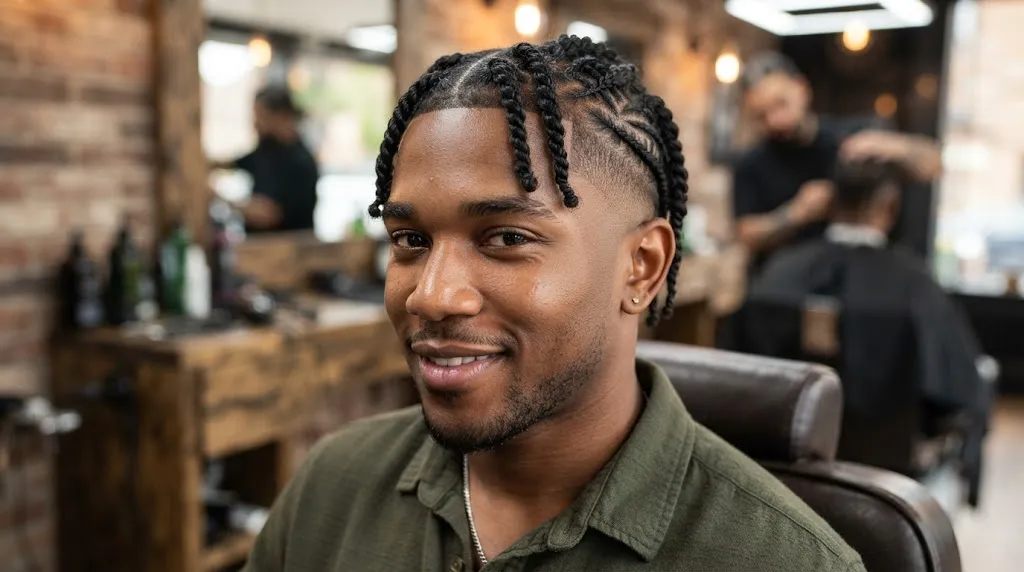
Two-strand twists: Built by splitting any parted section into two equal halves and wrapping them over one another from root to tip.
Flat or barrel twists: Created by continuously feeding new hair into a two-strand twist as you work tightly along the scalp, similar to a cornrow pattern.
Comb coils: Formed by placing a small-toothed comb against the scalp and rotating it with gel or cream to curl individual hair sections into cylindrical tubes.
Starter locs: Formed by letting twists or comb coils mature over months without unraveling, allowing the hair strands to mat and lock permanently together.
Twist-out: Achieved by installing two-strand twists, leaving them in for a few days, and then unraveling them to reveal defined, crimped waves.
Best Twisties Hairstyles for Guys
Short Hair Twists
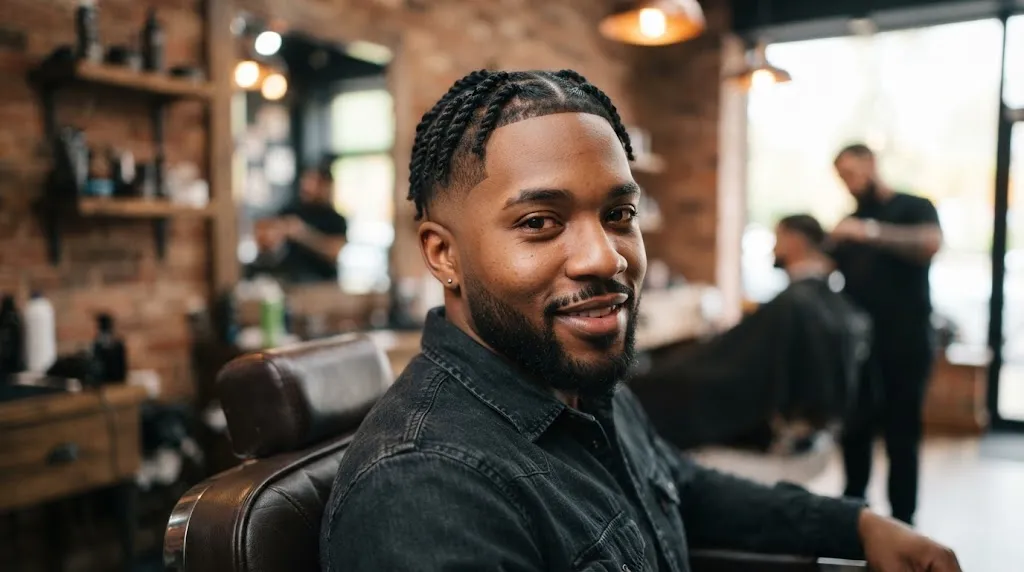
Mini Twists
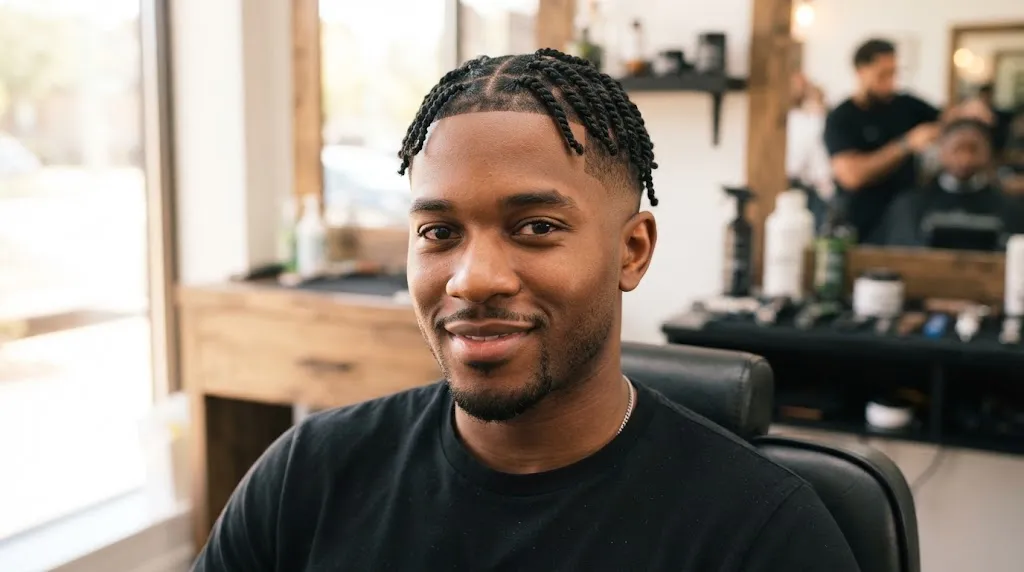
Look: Dozens of tiny, uniform two-strand twists created using small parting sections across the scalp.
Best for: Short to medium textured hair, especially 4C coils.
Time and lifespan: Takes 3 to 5 hours to install and lasts up to 4 weeks with careful maintenance.
One pro tip: Use a fine-tooth rattail comb to achieve clean, sharp parts so the small sections do not tangle together.
Two-Strand Twists on Short Hair

Look: Simple two sections of hair wrapped around each other from root to tip, sitting close to the scalp.
Best for: 2 to 4 inches of natural afro-textured or tightly coiled hair.
Time and lifespan: Requires 1.5 to 3 hours to install and holds well for 2 to 3 weeks.
One pro tip: Apply a light hold curling gel on damp hair before twisting to keep the ends from fraying as they dry.
Comb Coils
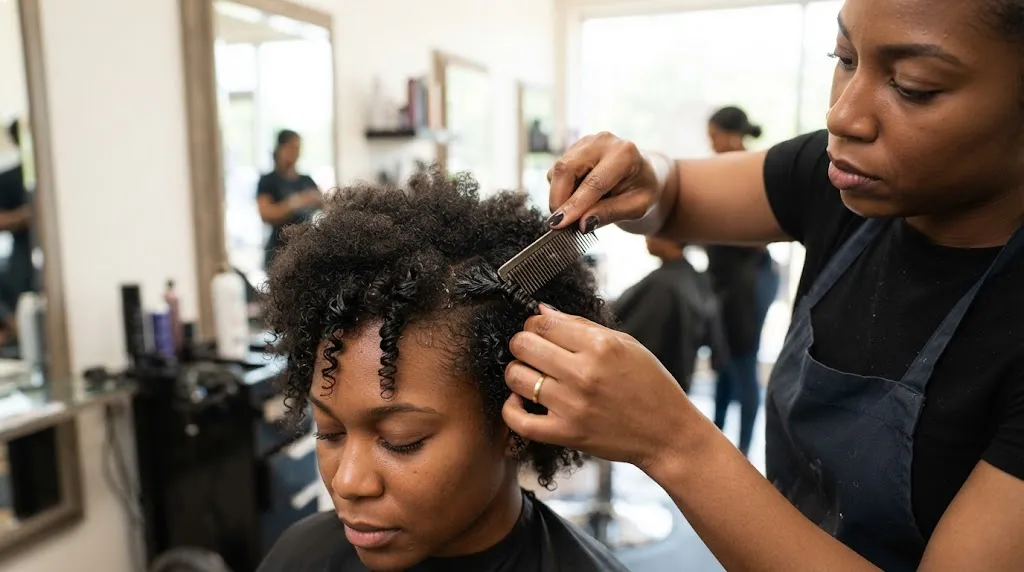
Look: Single-strand cylindrical curls formed by spinning small hair sections around the teeth of a styling comb.
Best for: Very short hair (1 to 2 inches) looking to start the locking process.
Time and lifespan: Takes 1 to 2 hours to install and lasts about 1 to 2 weeks before needing a wash or retwist.
One pro tip: Keep the hair saturated with water and a slippery styling lotion during the coil process to prevent friction breakage.
Medium Two-Strand Twists
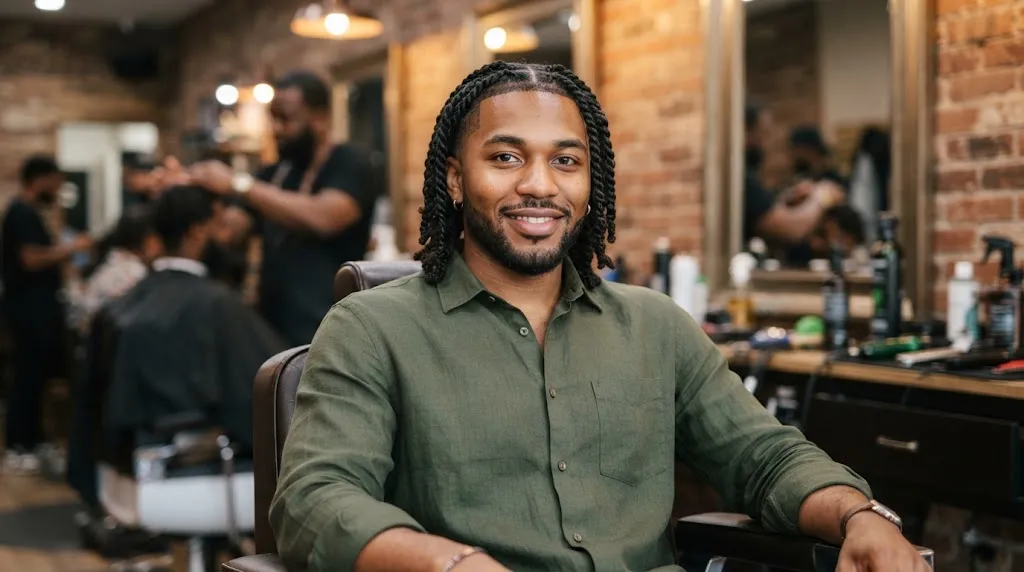
Look: Balanced, finger-length twists that move freely and show off natural curl definition.
Best for: 4 to 6 inches of coily, curly, or wavy hair types.
Time and lifespan: Takes 2 to 4 hours to install and lasts 3 to 5 weeks depending on washing frequency.
One pro tip: Tie hair down nightly with a satin scarf to flatten the roots and prevent mid-length frizz from building up.
Stretched Twists

Look: Elongated, straight-hanging twists that look longer because the hair was blown out before twisting.
Best for: Shrinkage-prone hair that tangles easily when installed wet.
Time and lifespan: Takes 2.5 to 4 hours to install and lasts 3 to 4 weeks.
One pro tip: Use a low-heat blow dryer with a comb attachment to stretch the hair fully before you start twisting to maximize length.
Mid-Length Twists with Elastics
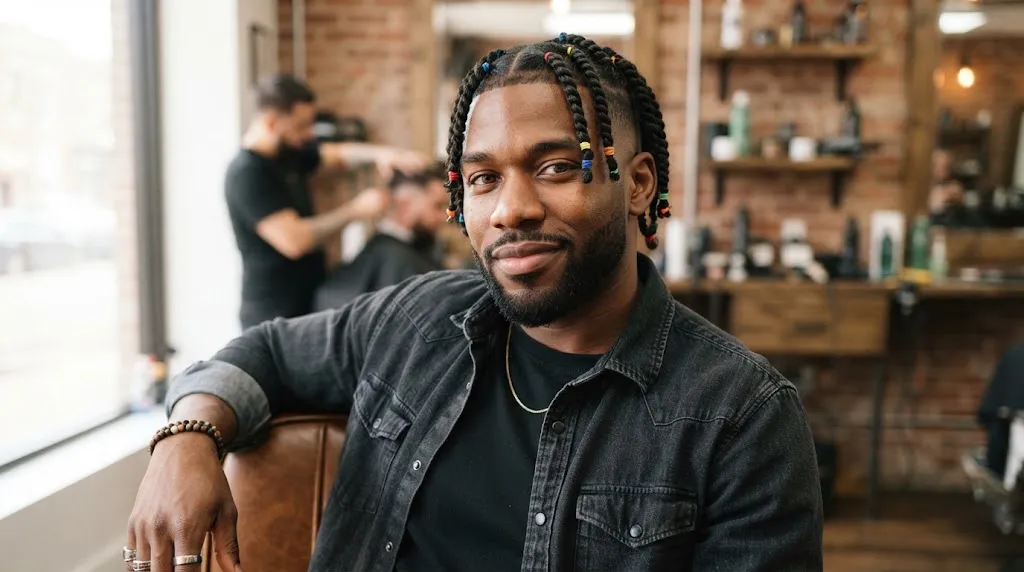
Look: Twists featuring secure base patterns tied back or sectioned with small rubber bands for added hold.
Best for: Medium length hairstyles for men wanting a structured, off-the-face look.
Time and lifespan: Takes 2 to 3 hours to install and lasts 2 to 3 weeks before bands need replacing.
One pro tip: Never pull rubber bands too tight against the scalp to avoid traction irritation and hair breakage.
Long Loose Twists

Look: Heavy, flowing twists that hang past the shoulders with natural movement.
Best for: 8 inches or more of natural length or added hair extensions.
Time and lifespan: Takes 4 to 6 hours to install and lasts 4 to 8 weeks with proper root maintenance.
One pro tip: Apply a lightweight moisturizing spray to the shafts twice a week to keep long hair from drying out.
Half-Up / Man Bun Twists

Look: Long twists split horizontally, with the upper portion tied into a high bun and the rest hanging loose, pairing well with long hair and beard styles or a clean tail hairstyle for men. Best for: Long textured hair that requires versatility between a professional look and casual wear. Time and lifespan: Takes 3 to 5 hours to install as a base style and lasts up to 6 weeks. One pro tip: Alternate the height of your bun daily to prevent constant tension on the exact same spot along the hairline.
Box Twists on Short Hair
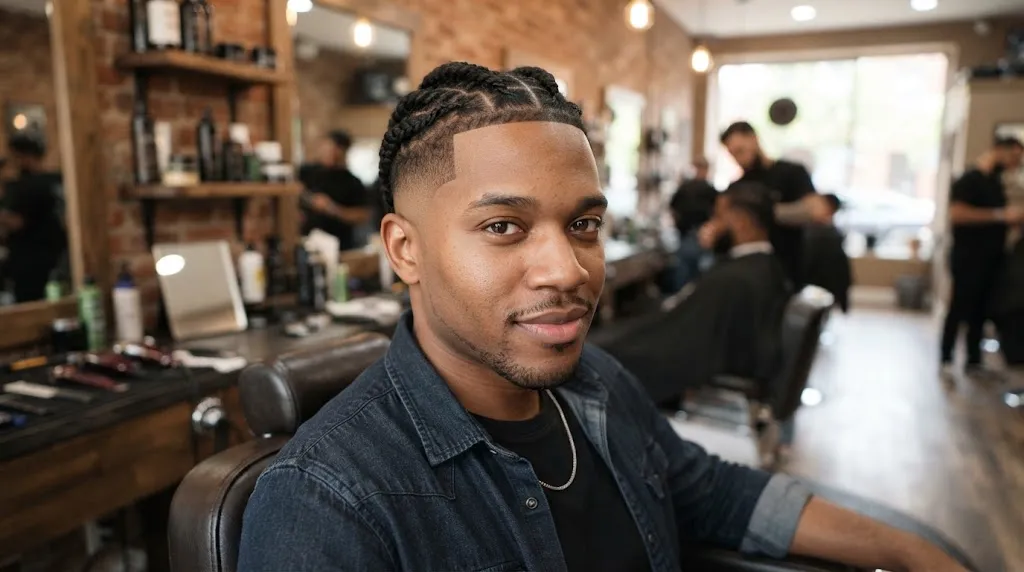
Look: Clean square part lines dividing each individual two-strand twist across the crown. Best for: Short hair types looking for a neat geometric finish. Time and lifespan: Takes 2.5 to 4 hours to install and lasts 3 to 5 weeks. One pro tip: Use the tail of a metal parting comb to map out precise square grids before starting each twist.
Chunky Box Twists
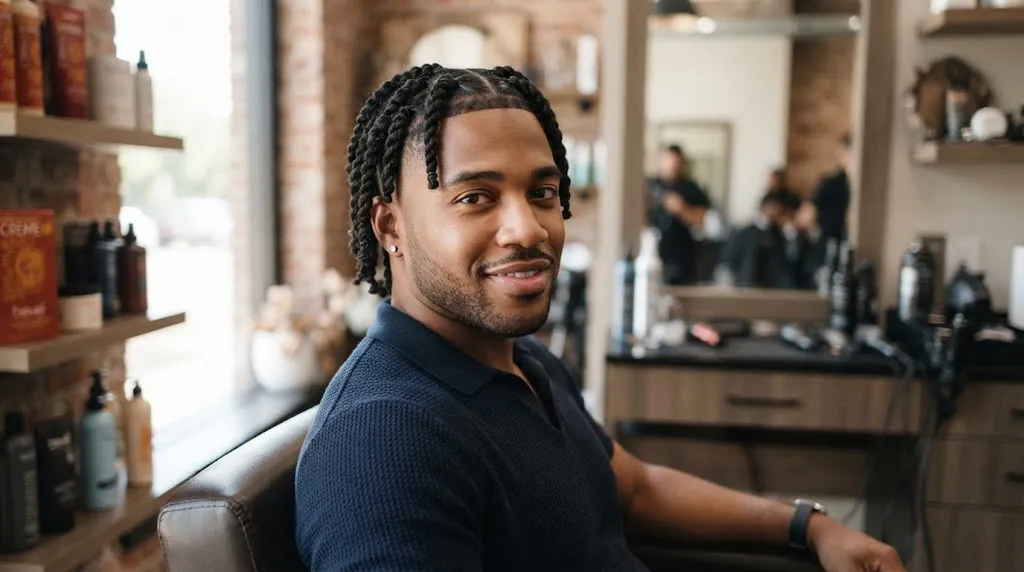
Look: Large, high-volume twists created by dividing the hair into wide, prominent square sections.
Best for: Thick, dense hair that holds heavy sections well without sagging.
Time and lifespan: Takes 1.5 to 3 hours to install and lasts 2 to 4 weeks.
One pro tip: Twist the large sections firmly from the root to stop the thick hair from slipping apart.
Elevated Box Twists
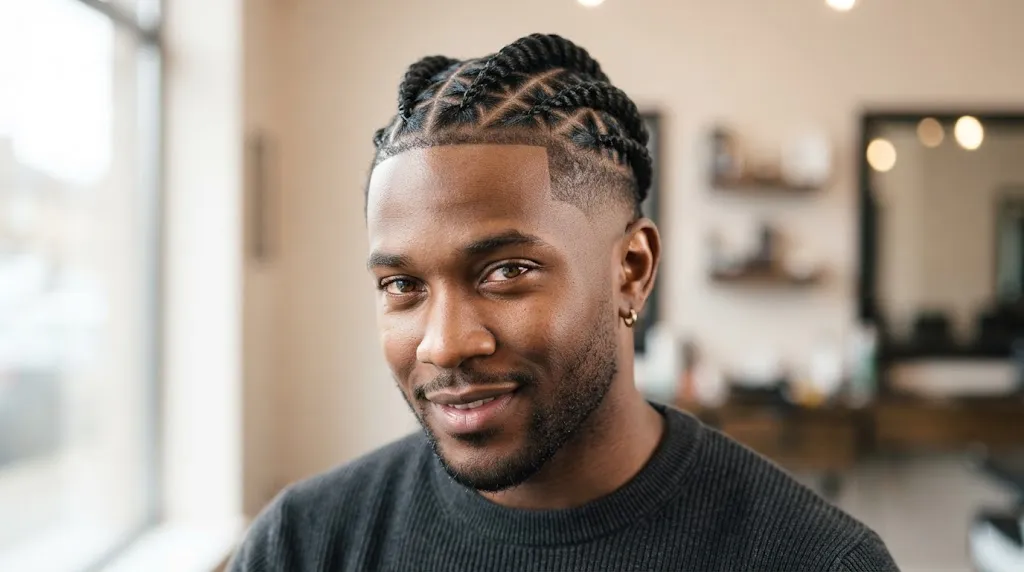
Look: Box twists combined with diagonal or diamond-shaped parting configurations for an advanced visual layout. Best for: Medium to long hair types ready for a detailed statement style. Time and lifespan: Takes 3 to 6 hours to install and lasts 4 to 6 weeks. One pro tip: Sketch out your parting grid on paper first if you are planning complex diagonal angles before touching the comb to your hair.
High-Top Twists
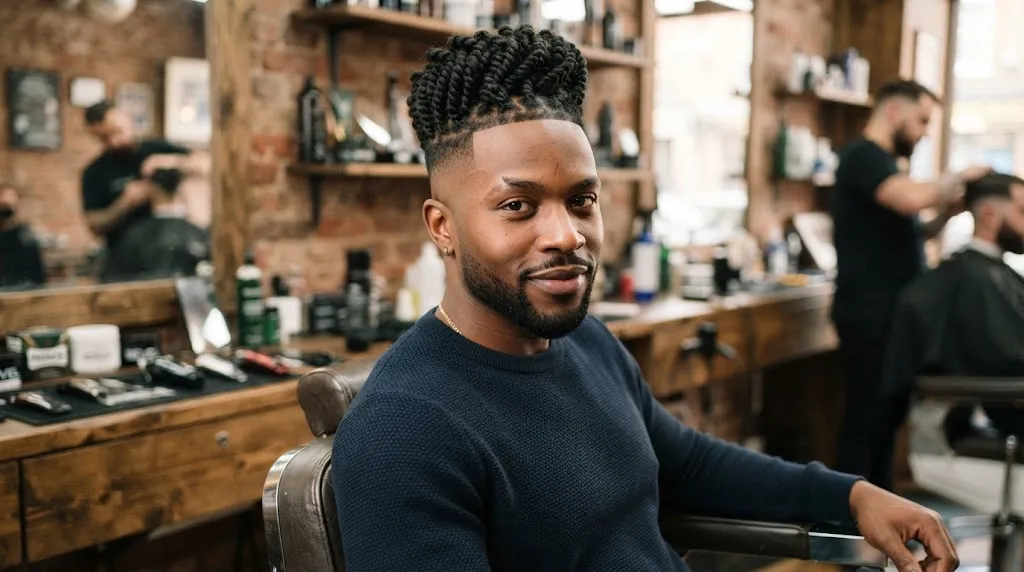
Look: A dense cluster of medium to long twists confined to the top crown area, contrasted by closely shaved sides. Best for: Curly or coily hair with shaved sides and back maintenance routines. Time and lifespan: Takes 2 to 3 hours to install and lasts 3 to 5 weeks between touch-ups. One pro tip: Visit your barber every two weeks to keep the high-top fade sharp and clean around the edges.
Twists with a Mid Fade
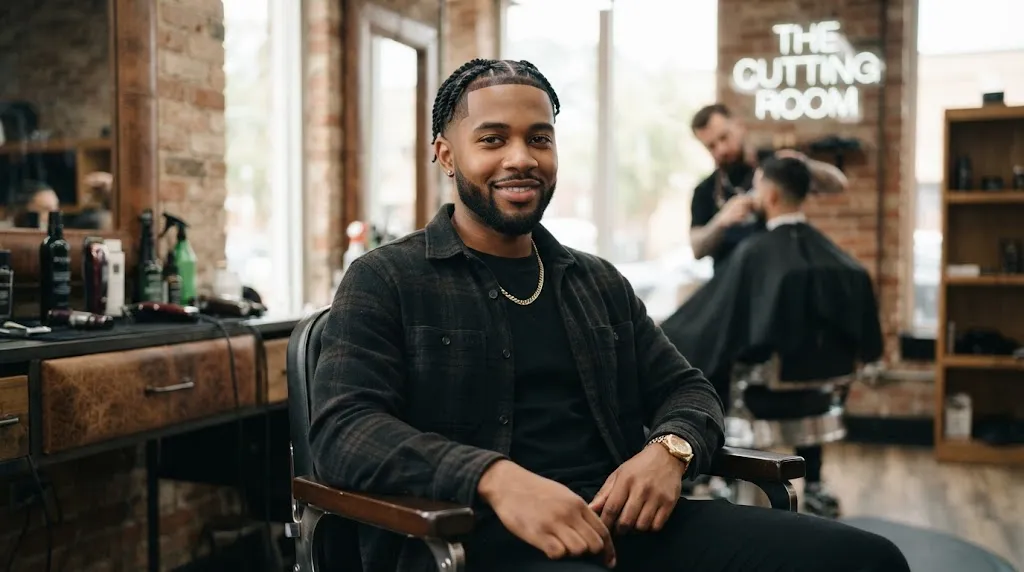
Look: Twists flowing over the top and upper sides, dropping into a smooth mid-level fade above the ears.
Best for: Most face shapes and hair lengths from 2 to 6 inches.
Time and lifespan: Takes 2 to 4 hours to install and lasts 3 to 4 weeks.
One pro tip: Clean up the fade line weekly to ensure the contrast between the twists and skin remains sharp.
Twists with a Skin/Bald Fade
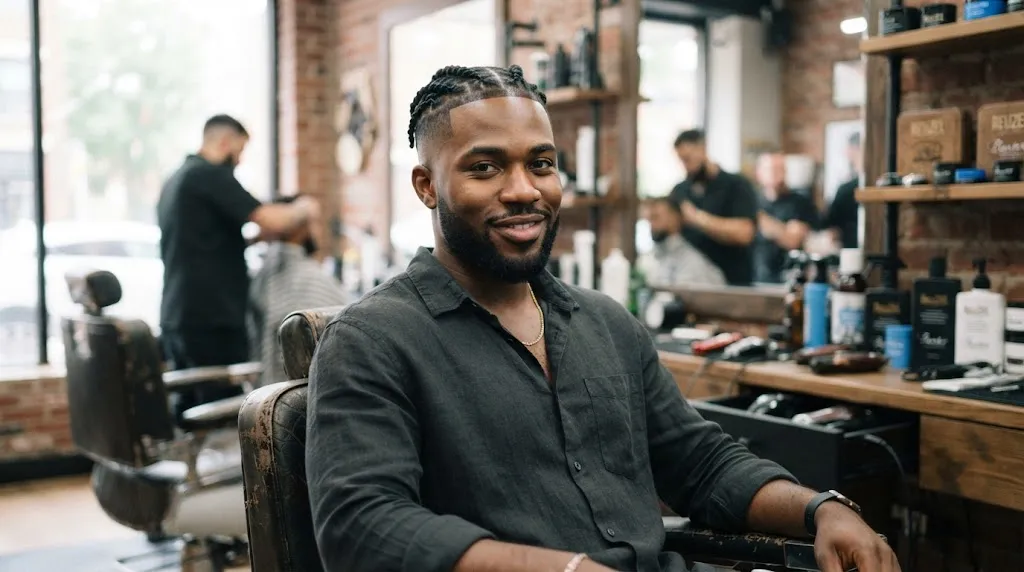
Look: High-contrast pairing where twists sit atop a zero-fade that tapers down to bare skin at the neckline and temples.
Best for: Guys who prefer a sharp, low-maintenance sides-and-back routine.
Time and lifespan: Takes 2 to 3 hours to install and lasts 2 to 4 weeks.
One pro tip: Moisturize the exposed scalp regularly to prevent dryness and flaking near the fade line.
Twists with a Designed Undercut
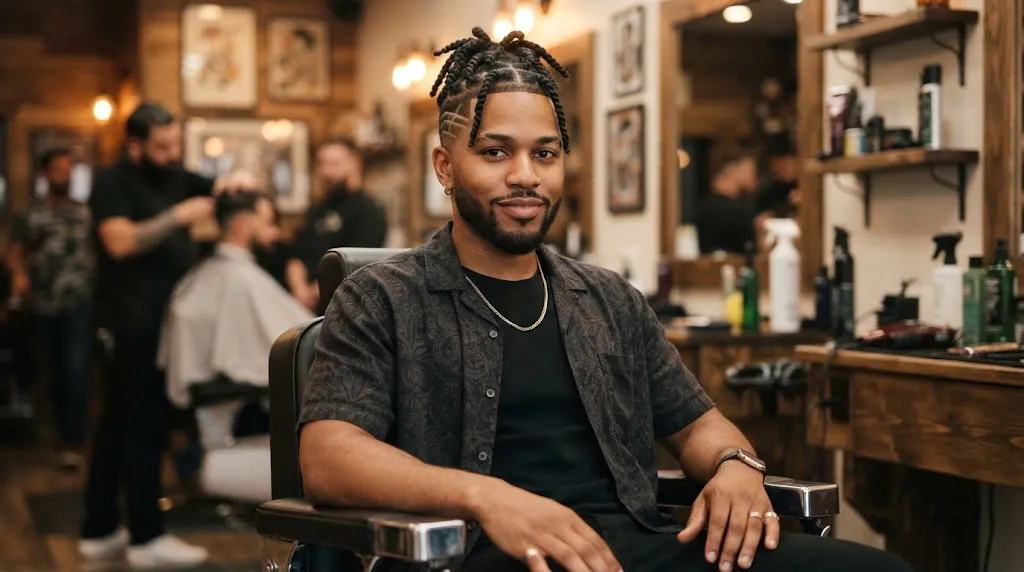
Look: Top twists combined with shaved lines, zig-zags, or geometric patterns carved into the undercut section. Best for: Medium length hair paired with artistic barbering details. Time and lifespan: Takes 2.5 to 4.5 hours to install and lasts 3 to 4 weeks. One pro tip: Ask your barber to etch the hard lines into the undercut before you start installing the top twists.
Twists with Cornrows
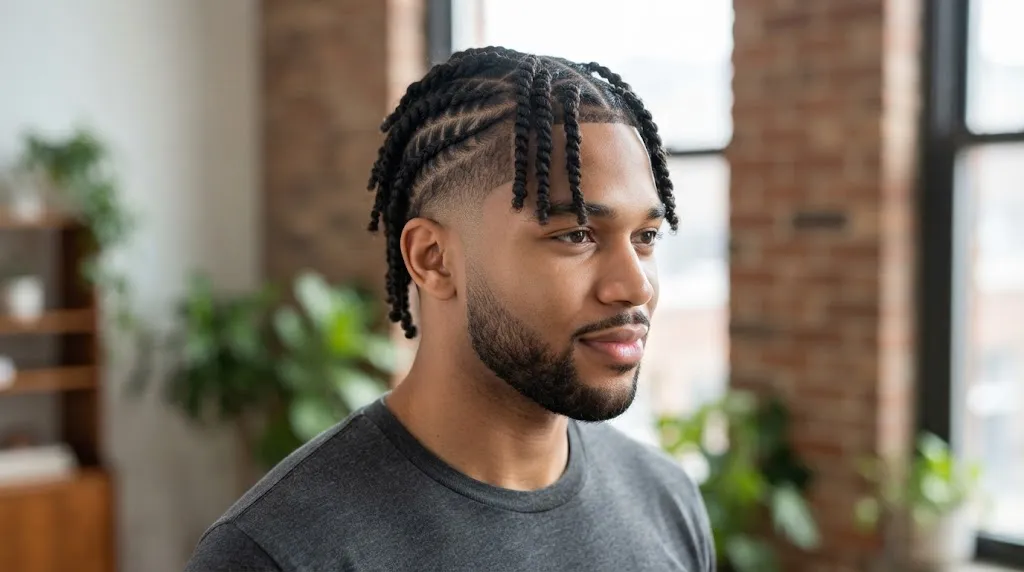
Look: Flat-braided cornrows along the sides or back that transition smoothly into hanging two-strand twists. Best for: Medium to long hair that needs secure anchoring around the edges. Time and lifespan: Takes 3 to 5 hours to install and lasts 4 to 6 weeks. One pro tip: Keep the cornrow tension moderate around the temples to avoid pulling on fragile hairline strands.
Flat/Barrel Twists
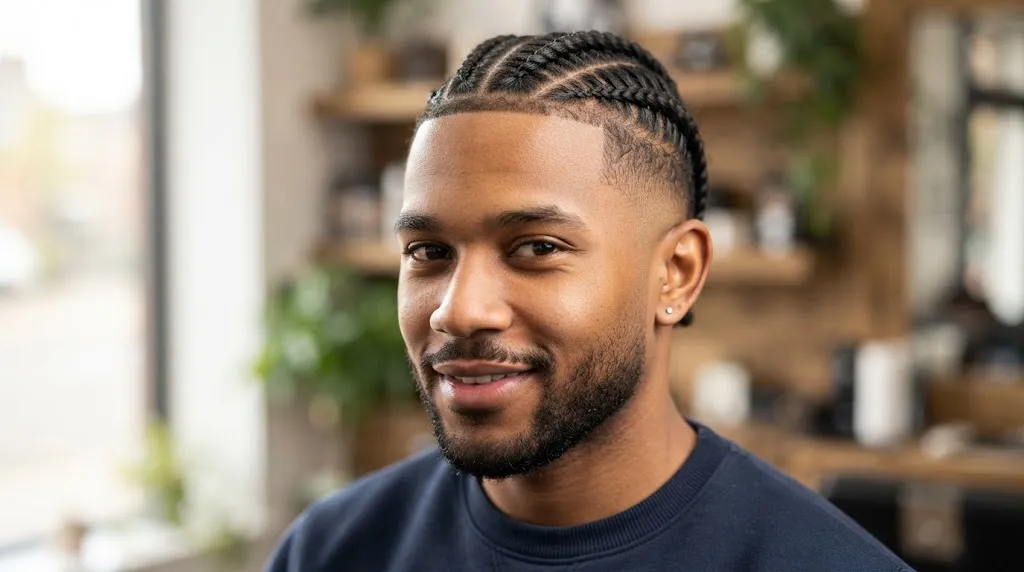
Look: Two-strand twists rolled continuously against the scalp like inverted cornrows, creating a raised, rope-like pattern.
Best for: Short to medium hair looking for a protective style with a distinct texture.
Time and lifespan: Takes 2 to 4 hours to install and lasts 2 to 4 weeks.
One pro tip: Feed hair smoothly into the twist at each crossing point to keep the barrel flat and uniform.
Twists with Dyed Ends
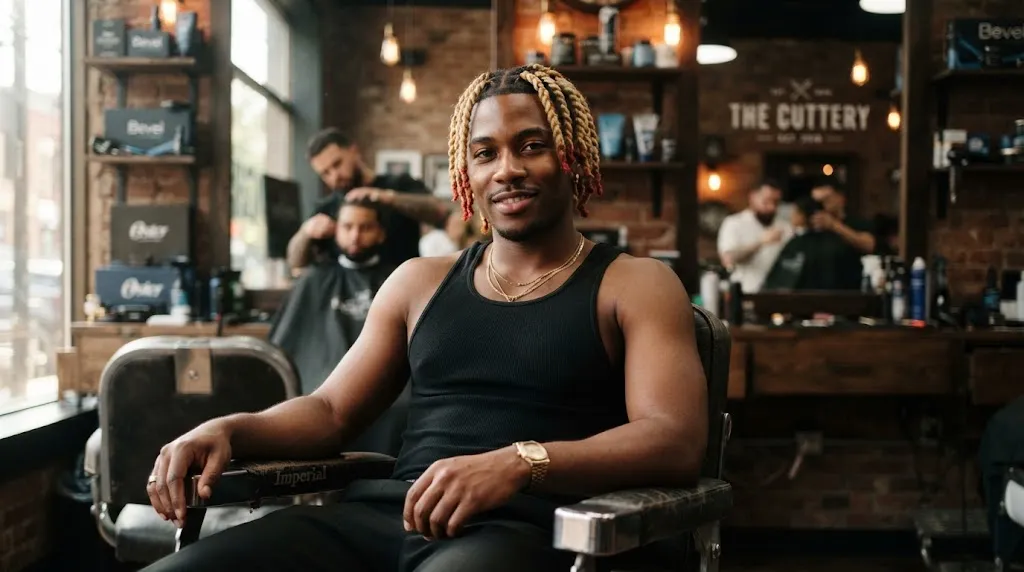
Look: Dark roots transitioning into bright blonde, red, or metallic dyed tips at the ends of each twist.
Best for: Healthy, chemically treated or virgin hair capable of handling color lifting.
Time and lifespan: Takes 3 to 5 hours to install (plus coloring time) and lasts 4 to 6 weeks.
One pro tip: Deep condition your hair weekly after bleaching the ends to prevent splitting and brittle texture.
Twists with Elastics or Beads
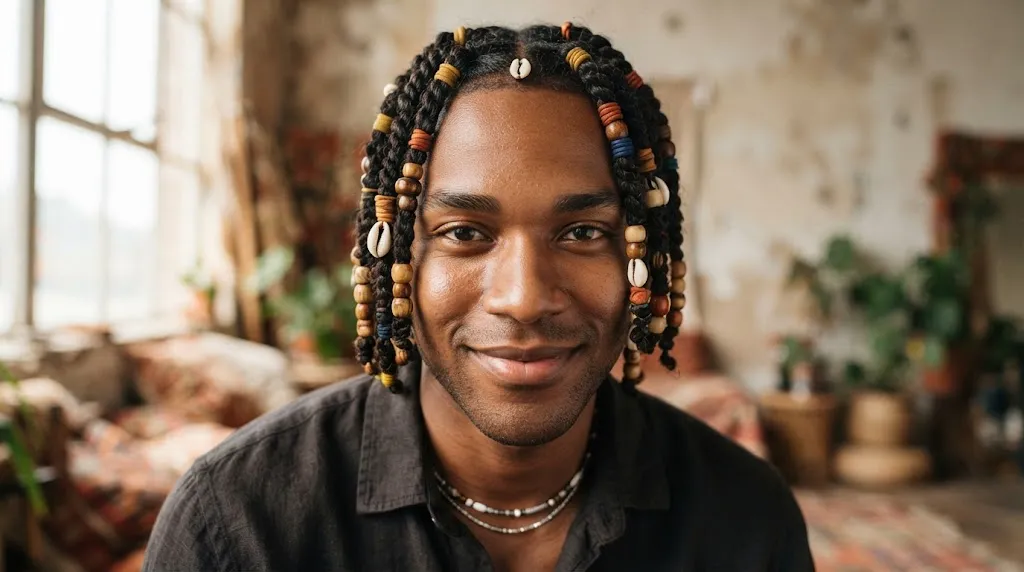
Look: Standard twists accented with metal cuffs, wooden beads, or colored rubber bands spaced along the length.
Best for: Medium to long twists that need personality and custom styling detail.
Time and lifespan: Takes 2 to 3 hours to install and lasts 3 to 5 weeks.
One pro tip: Clamp metal cuffs securely with fingers or light pliers so they do not slide off during physical activity.
Two-Strand Loc Twists
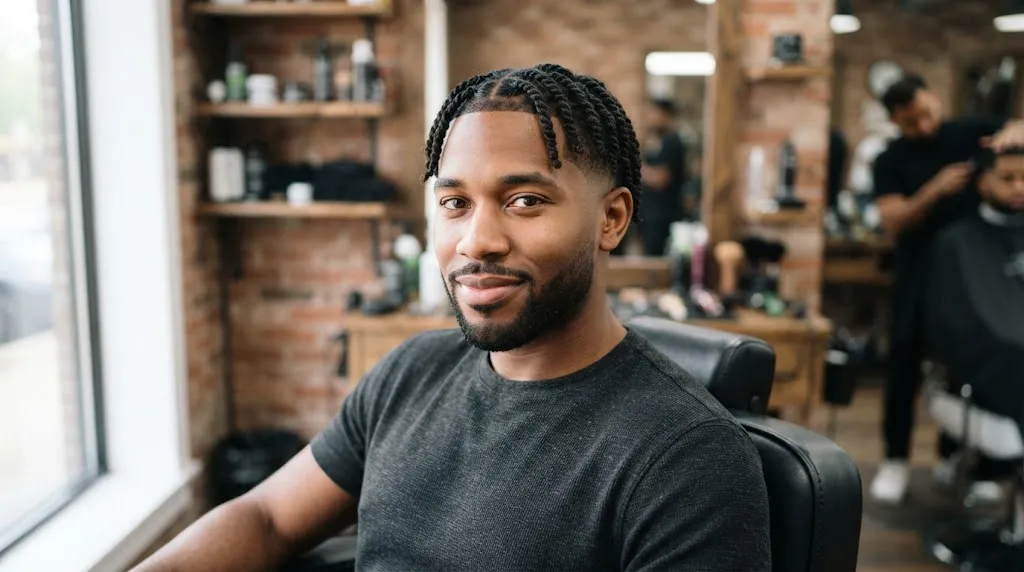
Look: Mature or semi-matured twists where the individual strands have started marrying and fusing together. Best for: Guys transitioning from temporary twists into permanent locs. Time and lifespan: Takes 2 to 4 hours to maintain and lasts indefinitely as hair locks. One pro tip: Avoid heavy, waxy styling products during the locking phase to prevent buildup inside the core of the locs.
Starter Locs
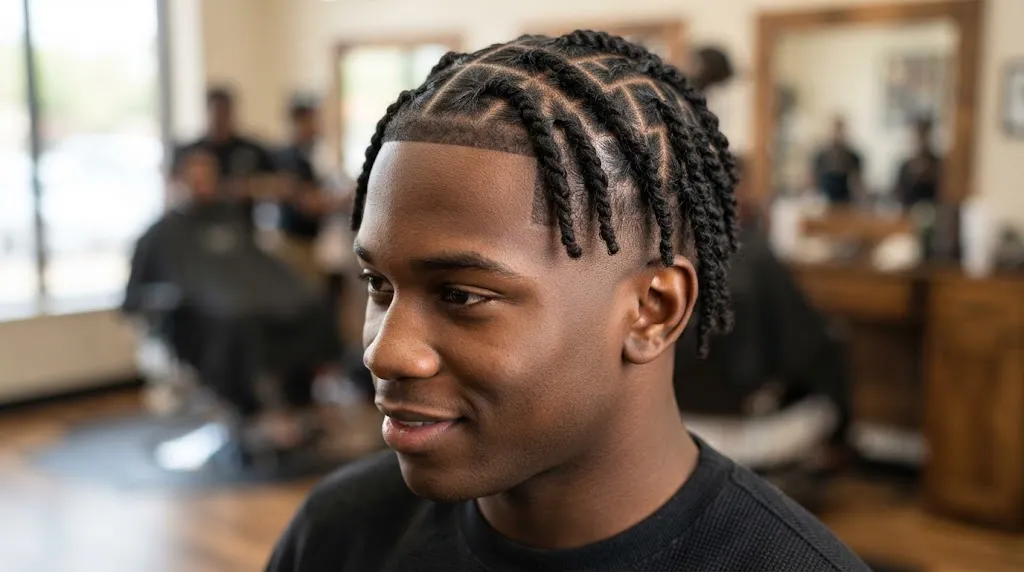
Look: Short, uniform coil formations designed to knot and lock over months of growth and washing. Best for: 2 to 4 inches of coily hair starting a permanent loc journey. Time and lifespan: Takes 2 to 3 hours to install and lasts 4 to 6 weeks before the first interlocking or palm-rolling session. One pro tip: Sleep in a tight satin cap every night to prevent friction from fuzzing up your starter coils before they lock.
Twist Size & Parting Guide
Choosing the right twist size and part pattern determines how your finished style looks, how long it takes to install, and how easily you can maintain it day to day.
Small vs Medium vs Chunky Twists
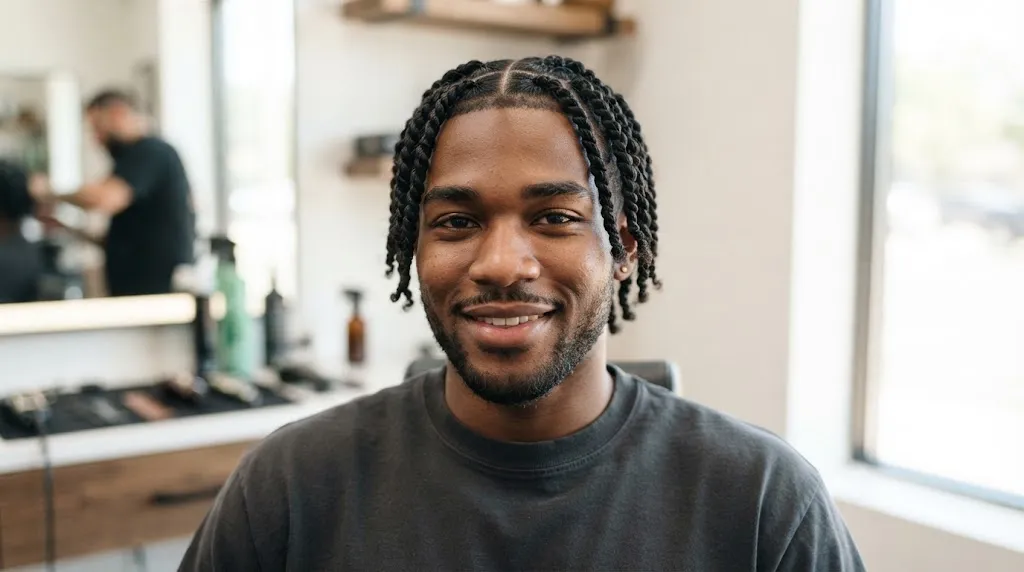
The table below breaks down the differences between small, medium, and chunky twists so you can match the style to your schedule, hair density, and desired look.
| Twist Size | Look | Install Time | Lifespan | Best For |
|---|---|---|---|---|
| Small | Dense, defined, rope-like texture | 3 to 6 hours | 4 to 8 weeks | Thicker hair, longer install patience, maximum versatility |
| Medium | Balanced, versatile, classic definition | 2 to 4 hours | 3 to 6 weeks | Most hair types and medium-to-short lengths |
| Chunky | Bold, statement-making, thick volume | 1 to 2 hours | 2 to 4 weeks | Thicker hair strands, shorter lengths, quick styling |
Part Patterns
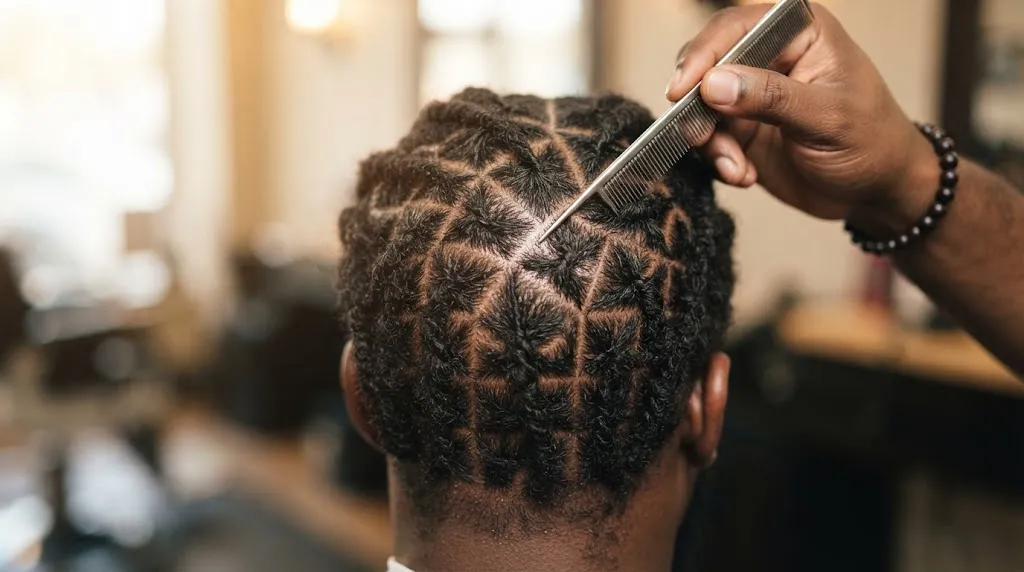
Your part pattern shapes the grid visible at your scalp and changes the overall geometry of your twist hairstyle.
Box parts: Clean, square grids that give a classic, structured look and make styling straightforward.
Triangle parts: Angular sections that reduce the appearance of scalp lines and give a sharper, modern edge.
Zigzag parts: Staggered lines that hide the scalp completely and add an intricate, decorative touch.
Heart parts: Custom curved sections placed near the hairline or crown for a distinct stylistic accent.
Puzzle parts: Interlocking irregular shapes that create a dense, unique mosaic across the head.
Best Twist Style by Face Shape
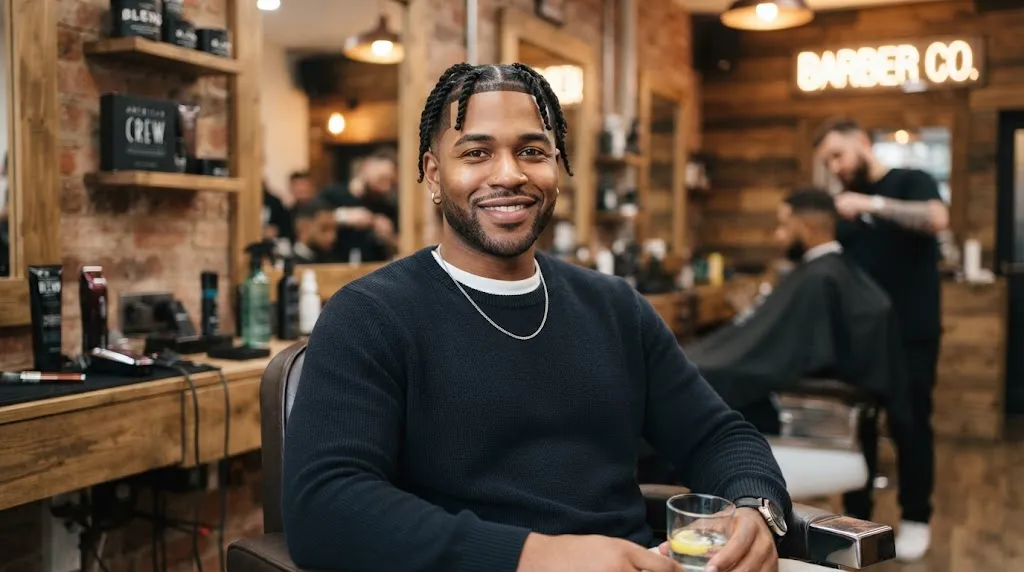
Matching your twist size and volume to your facial structure keeps your proportions balanced. If you have full cheeks and soft jawlines, check out round face hairstyles men to see how tighter fades on the sides and medium twists on top add height and elongate your face. For a narrower structure, look at long face hairstyles for men to learn how wearing twists slightly fuller on the sides builds width and balances your features. If you have sharp, angular features, explore haircuts for square faces for tips on using softer or rounded parting lines to complement a strong jawline.
Twists for Black Men's Natural Hair
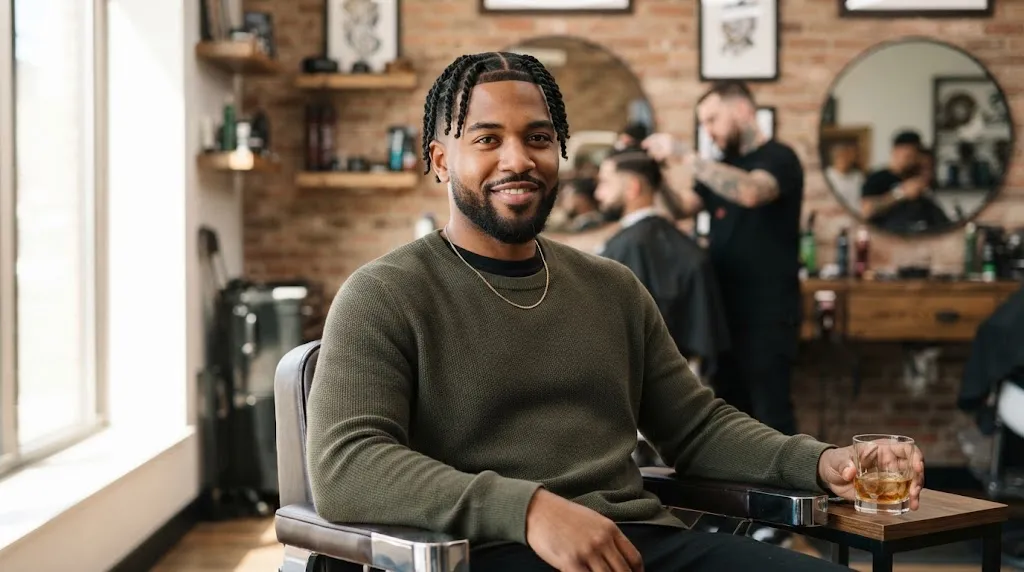
Textured hair naturally holds twists well due to its coil pattern, but length and density dictate what you can achieve. Short hair with tightly coiled patterns needs at least two to three inches of stretched length to wrap cleanly without instantly unraveling at the roots. If your hair is on the shorter side, smaller sections with a light twisting cream help secure the hold. High-density hair can support smaller or medium twists comfortably, while lower-density hair benefits from chunky twists to create the illusion of fuller volume without exposing too much scalp.
How to Do Male Twists at Home (Step-by-Step)
Doing your own twists at home saves you money and gives you full control over your look, provided you take your time with your parts and tension. Clean sections and consistent twisting direction make the difference between a crisp finish and a messy, frizzy mop.
What You Need: rattail comb, twisting gel/cream, water spray, clips, elastics. No brand names.
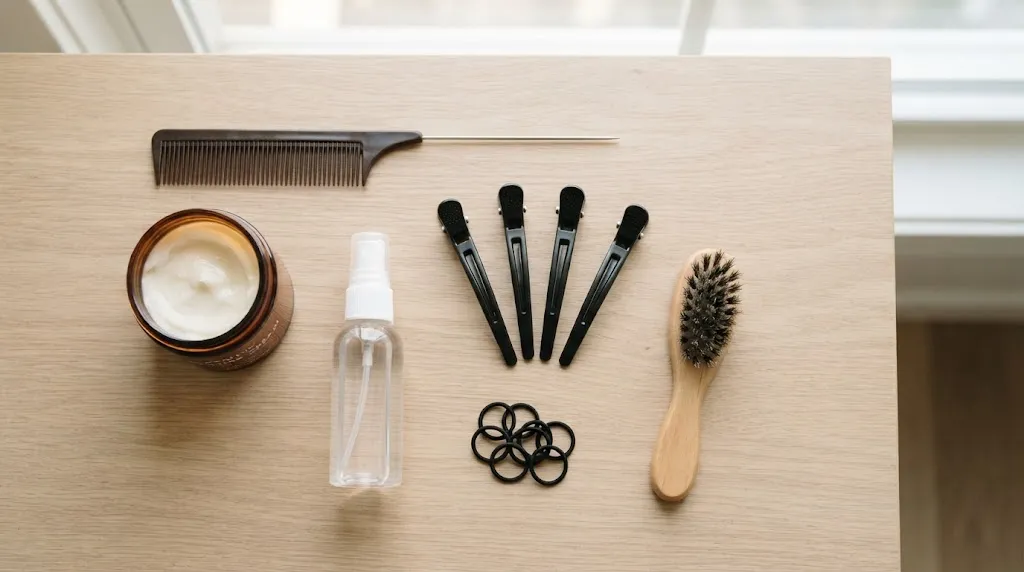
To get clean, long-lasting twists, you need a standard set of tools that keep your hair sectioned and manageable. A fine-toothed rattail comb is essential for creating sharp, straight parts that define your style. A water spray bottle helps you control moisture levels, while a lightweight, water-based twisting gel or cream provides the light hold needed to lock the coils in place without flaking. Sectioning clips keep loose hair out of your way while you work, and small rubber elastics or rubber bands are optional if you need to secure the very ends from unravelling.
Prep: wash, detangle, stretch.
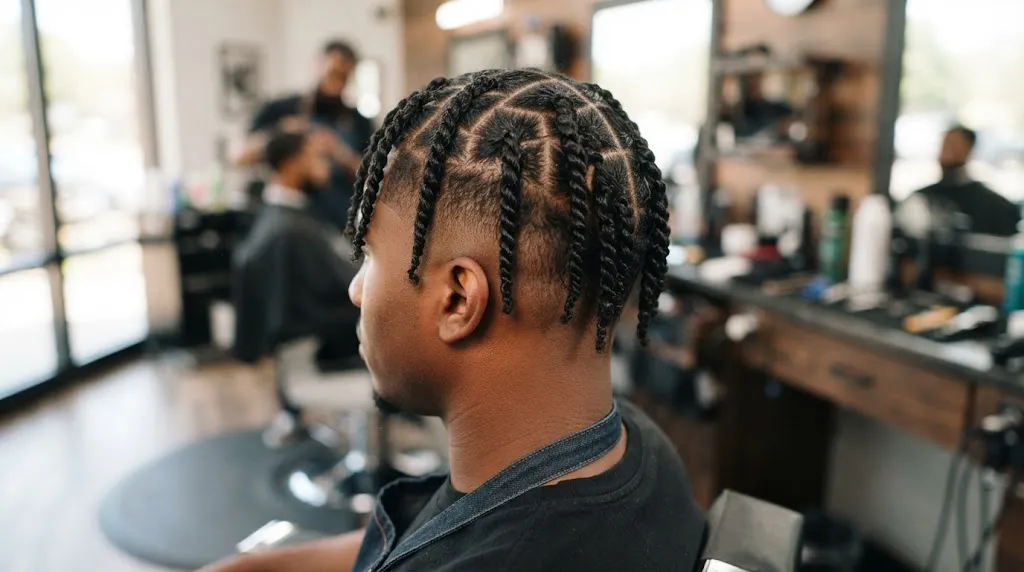
Twists always turn out cleaner and last longer when installed on clean, fully stretched hair. Start by washing your hair with a clarifying shampoo to remove buildup, followed by a light conditioner to soften the strands. Detangle your hair thoroughly from ends to roots using a wide-tooth comb while it is still damp to prevent breakage. Finally, stretch your hair by blow-drying it on a low heat setting with a comb attachment or by braiding it loosely while damp and letting it dry completely. Stretching minimizes shrinkage and keeps your twists from locking up incorrectly or tangling at the base.
Parting
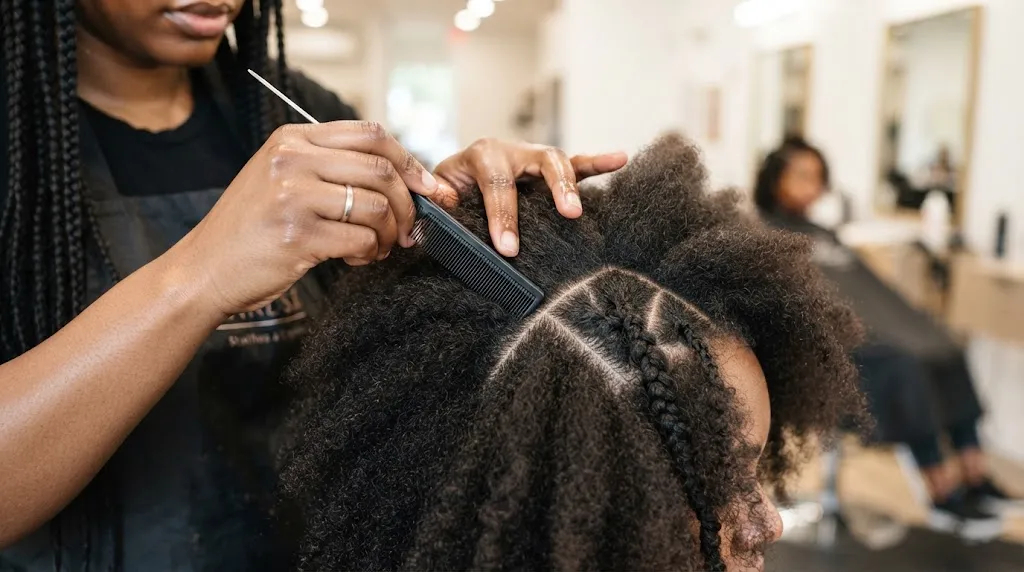
Crisp, clean parts lay the foundation for a professional-looking twist set. Use the tail end of your rattail comb to carve out square, diamond, or rectangular sections, depending on how large you want your twists to be. Work section by section from the nape of your neck upward to the crown, securing the unworked hair with large clips. Keeping your parts uniform ensures that the tension distributes evenly across your scalp and prevents odd gaps from forming in your finished style.
Two-Strand Twisting Technique: step by step, plus wet vs damp vs dry hair in your own words.
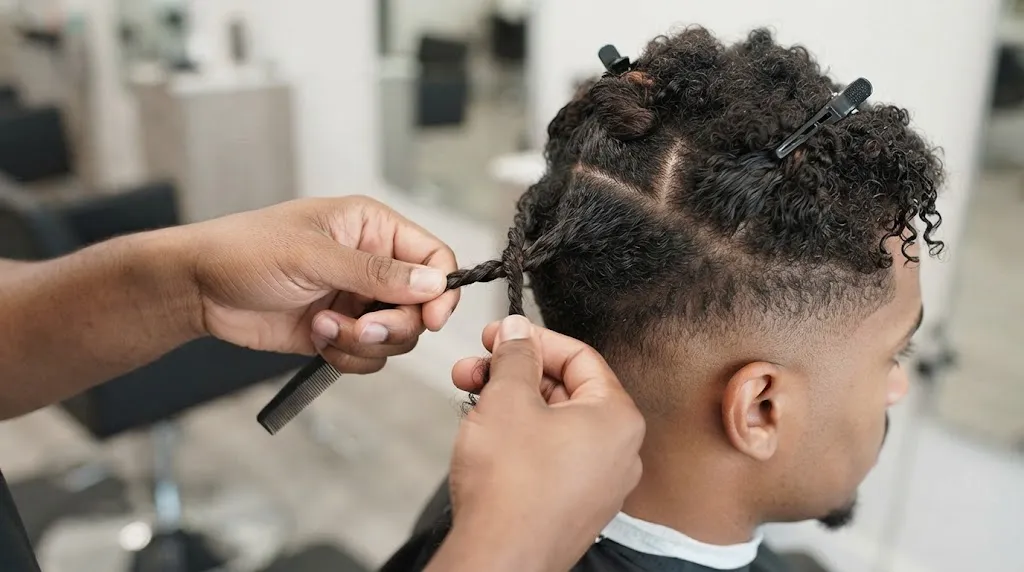
Take a single section of hair, apply a small dime-sized amount of twisting cream from root to tip, and split that section into two equal strands. Cross the right strand over the left strand, then cross the new right strand over the left strand again, repeating this exact overlapping motion all the way down to the ends. Keep a firm, steady tension at the root so the twist doesn’t sag, but avoid pulling so tight that it pinches your scalp.
Moisture level changes how your hair behaves during this process. Twisting completely wet hair makes it stretchy and easy to comb, but it shrinks significantly as it dries, which can loosen the twist pattern and cause frizz. Twisting dry hair creates immediate length and less shrinkage, but it increases friction and breakage because textured hair lacks slip when dry. Damp hair—about 70 percent dry after a wash or a thorough misting—hits the sweet spot, giving you enough flexibility to shape clean coils while holding a tight, smooth form as it finishes drying.
Sealing the Ends
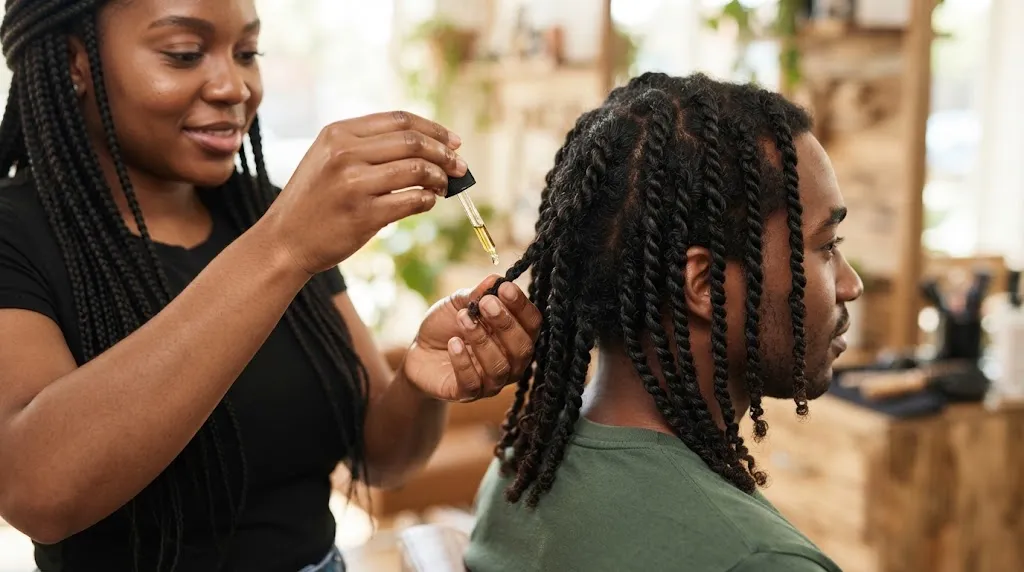
Once you reach the very bottom of a section, wrap the final tip tightly around your fingertip for a second to encourage it to curl inward and lock. Dab a tiny drop of lightweight natural oil—such as argan or jojoba oil—onto your fingertips and press it into the ends to seal in moisture and stop them from fraying or unraveling. If your hair texture is very silky and tends to pop open, secure the final millimeter with a tiny rubber band, though keeping them natural by finger-coiling the tips is always better for long-term hair health.
Twists at the Salon: Cost, Time & Extensions
How Much Do Men's Twists Cost: factors (size, length, location, stylist)
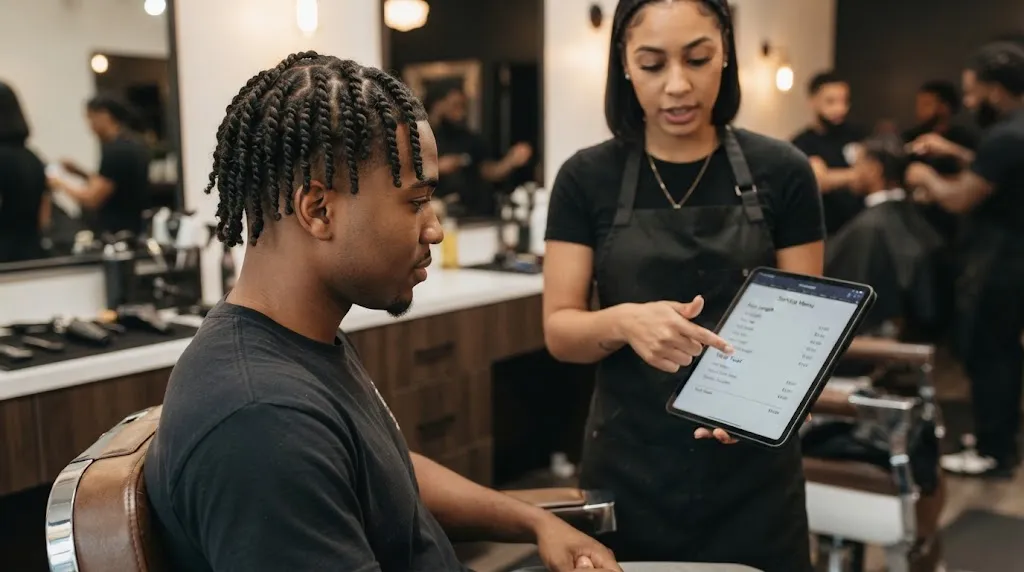
Men’s twists typically range from $60 to over $250, depending heavily on the complexity of the service and local market rates. Micro-twists or styles requiring individual parting take much longer and command a higher price than thick, chunky two-strand twists. Hair length also changes the math; longer hair requires more product and time to section cleanly. Urban salons and master braiders charge significantly more than independent home-based stylists or standard barbershops. Always ask for a breakdown of whether a shampoo and blow-dry are included in the base quote before you book.
How Long Does It Take: by size and length
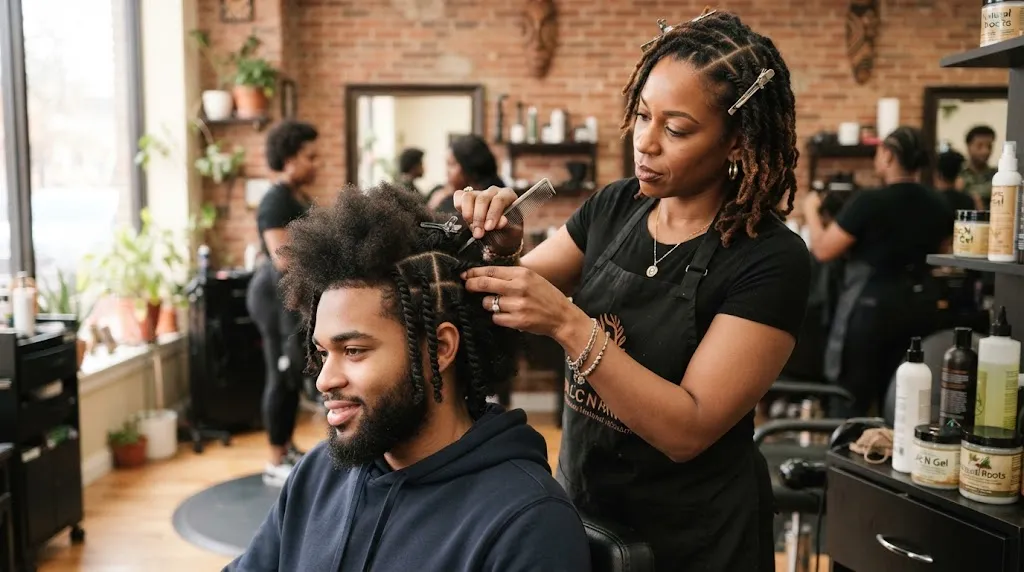
Getting twists installed usually takes between 2 and 5 hours from start to finish. Large chunky twists on short hair can be finished in about 1.5 to 2 hours, whereas standard-sized medium twists take around 3 hours. If you opt for smaller twists or need hair added for length, expect to sit in the chair for 4 to 6 hours. The density of your natural hair and how tightly coiled it is also dictate the speed, as tighter coils require more careful detangling and parting before the twisting even begins.
Extension Hair: How Many Packs & Cuban Twist Hair Cost: when extensions are needed, when not, and the hair types (Cuban, Marley, spring, passion)
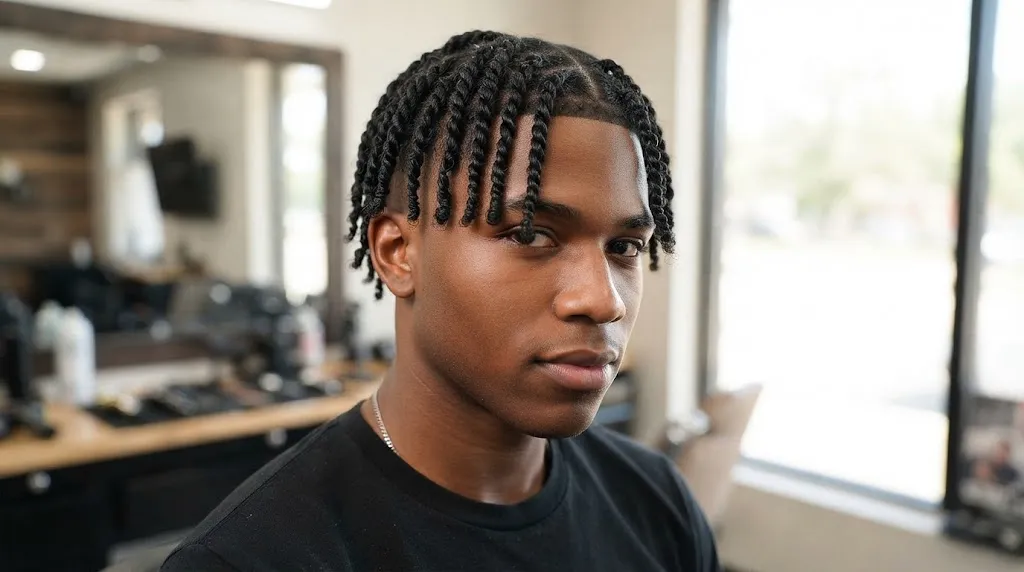
You only need extension hair if your natural hair is shorter than three inches and you want length, or if you want extra thickness that your natural density cannot provide. For most men, 2 to 4 packs of synthetic braiding hair are enough for a full head. Cuban twist hair and Marley hair are the top picks for men because their rough, textured surface grips natural hair tightly and prevents the twists from slipping out. Spring twist hair and passion twist hair offer a softer, bouncier finish if you prefer a lighter, more flexible look. Synthetic extension packs generally cost between $5 and $10 each at local supply stores.
Is Getting Twists Painful?: what tension is normal and when to speak up
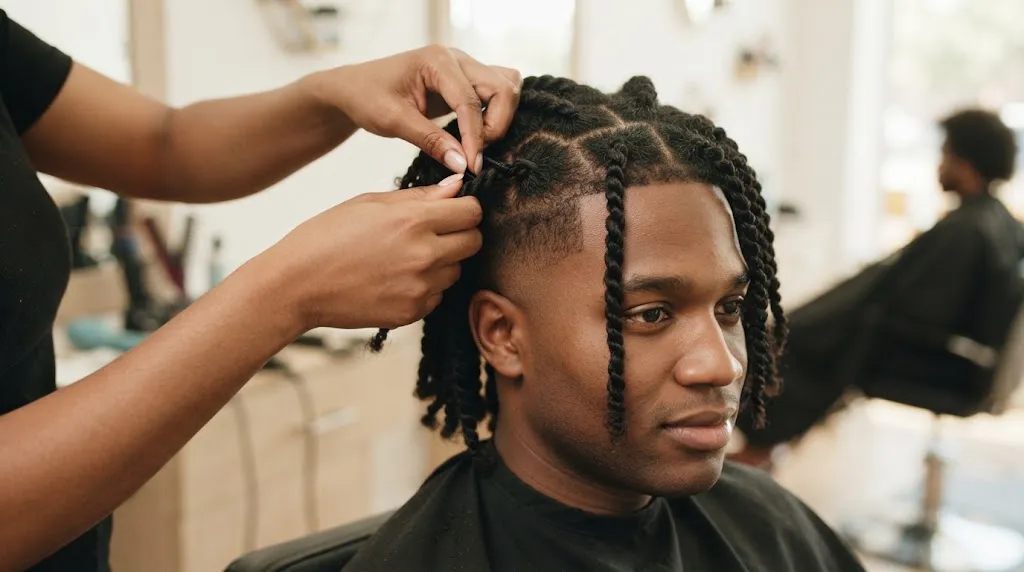
Getting your hair twisted should feel like a firm tugging or pulling, but it should never cause sharp pain, throbbing, or crying. A mild, all-over tightness is normal for the first 24 to 48 hours as the roots settle into place, but severe tension causes traction alopecia and pulls the hair follicles out of the scalp. If your stylist is braiding or twisting too tightly, speak up immediately and ask them to ease up. Real professional care prioritizes scalp health over an ultra-tight hold that guarantees edges will thin out.
What to Tell Your Stylist: reference photo, twist size, fade type, and a ready-to-use script

Clear communication prevents miscommunications that leave you with a style you did not ask for. Bring a clear, high-resolution reference photo showing the exact parting pattern, twist size, and taper fade you want. Specify whether you are using your natural length or adding hair extensions.
Use this ready-to-use script when sitting down in the chair:
“I want standard two-strand twists starting from about three inches of natural length. I want medium-sized parts with clean, defined lines, and I’d like to keep my mid skin fade on the sides untouched. I am not using extensions today, so let’s work entirely with my natural hair and use a lightweight twisting cream for a clean hold.”
How Long Do Male Twists Last?

Male twists typically last anywhere from two to six weeks, depending heavily on your hair texture, curl tightness, and how carefully you maintain them. While braids usually stay neat a bit longer due to the tighter three-strand locking structure, twists can unravel slightly faster as individual strands flex and loosen.
Several key factors shift that lifespan:
Hair texture and length: Coarser, tightly coiled hair holds a twist much tighter than looser, softer curl patterns.
Moisture and sweat: Regular workouts, heavy sweating, or frequent washing cause twists to swell, frizz, and lose definition much faster.
Product buildup: Over-applying heavy oils or creams weighs down the hair and attracts lint, forcing an earlier take-down.
Night protection: Skipping your satin bonnet or pillowcase ruins the clean lines within days.
Weekly Care Routine: wash, moisturize, scalp
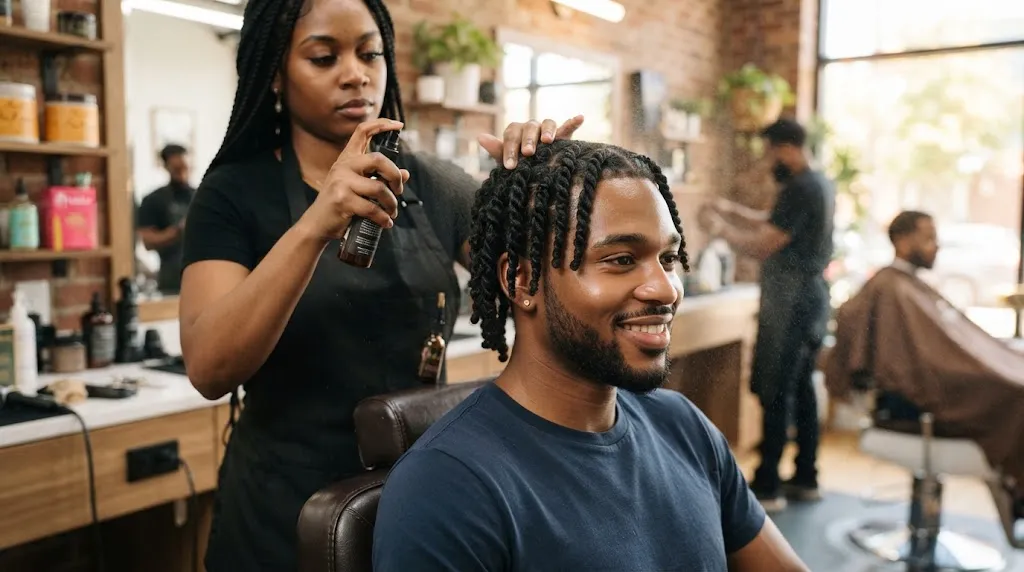
Keep your scalp clean and your hair hydrated without letting the twists slip out. Wash your hair every one to two weeks using a sulfate-free cleansing shampoo applied gently to the scalp, letting the suds run down the length of the twists without scrubbing the actual strands. Follow up with a lightweight spray conditioner or a water-based moisturizing mist to restore hydration. Apply a minimal amount of light sealing oil—such as jojoba or argan oil—directly to the strands to lock in moisture, keeping buildup away from the roots.
Sleeping with Twists

Friction from cotton pillowcases causes frizz, breakage, and rapid unraveling while you sleep. Always tie down your hair with a satin or silk durag, or slip on a roomy satin bonnet before bed. If your twists are very long or bulky, pull them back into a loose, low ponytail using a soft, snag-free band before covering them up to prevent the ends from bending or tangling overnight.
When to Retwist
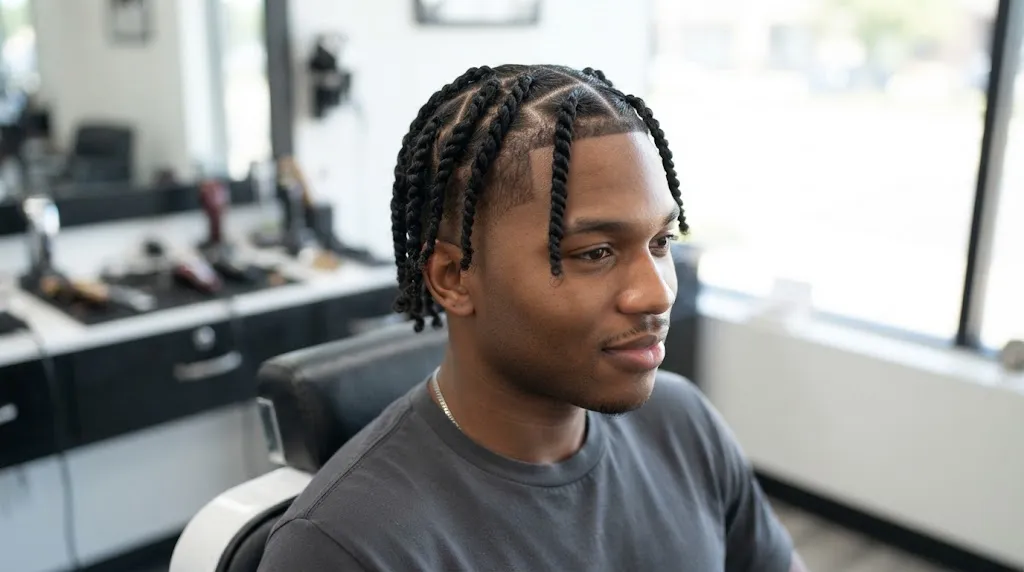
Plan on getting a partial or full retwist every three to four weeks to keep your style looking fresh and intentional. As new hair grows in at the roots, the base of the twist loosens and starts to look fuzzy or overgrown. If your hair grows exceptionally fast, you might need a touch-up around the three-week mark, while slower-growing hair can easily stretch to four or five weeks before needing attention.
How to Take Down Twists Safely

Never rip or pull twists apart when you are ready to remove them, as this creates severe breakage and knots. Saturate your hair lightly with a detangling spray or a slip-providing conditioner, then gently pinch the base of the twist near the scalp and unwind it in the reverse direction of the twist. Once all twists are uncoiled, use your fingers to carefully finger-comb out any shed hair accumulated at the roots before washing.
Common Twist Problems Guys Face (and Fixes)
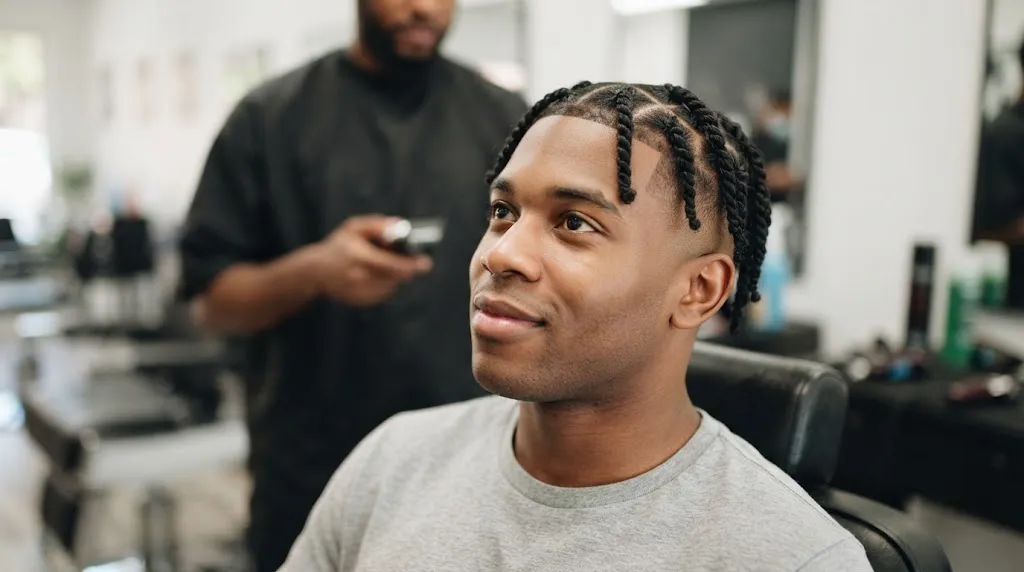
Itchy Scalp
Why it happens: Sweat, dead skin cells, and product residue get trapped under the twists, combined with a lack of regular washing or failing to dry your hair completely after a wash.
The fix: Wash your hair every one to two weeks using a clarifying or anti-dandruff shampoo applied directly to the scalp between the parts. Rinse thoroughly and use a lightweight, soothing scalp oil containing tea tree or peppermint to calm irritation without clogging pores.
Frizz
Why it happens: Friction from cotton pillowcases, touching your hair too often, or hair strands slipping out of the twist pattern as the hair cuticle expands.
The fix: Smooth down stray hairs by applying a small amount of setting mousse or lightweight gel, then palm-rolling the individual twists. Always sleep with a satin or silk bonnet to cut down on friction overnight.
Unraveling Twists
Why it happens: Hair that is too short, sections that were twisted too loosely, or using heavy products that weigh the hair down and prevent the curl pattern from holding.
The fix: Secure the ends with small rubber bands or coil them tightly around your finger with a strong-hold twisting gel. If a twist comes completely undone, re-twist it from the root using a fine-tooth comb for clean parting.
Product Build-Up and Lint
Why it happens: Using heavy waxes, thick butters, or styling creams that do not wash out easily, which then catch clothing fibers, dust, and lint throughout the day.
The fix: Switch to water-based creams and lightweight liquids that absorb fully into the hair shaft instead of sitting on top. Strip existing build-up by washing with a chelating shampoo, and avoid wearing rough hoodies or wool beanies that shed lint onto your twists.
Thinning Edges from Tension
Why it happens: Pulling the hair too tight at the hairline during the initial install, or twisting sections right above the ears too aggressively. Medical professionals and professional stylists warn that constant traction on the hairline can lead to traction alopecia, a form of hair loss caused by prolonged pulling.
The fix: Take down the tight twists immediately if you feel a persistent, throbbing ache or see small bumps forming along your hairline. Ask your stylist for looser roots, larger parts around the perimeter, and give your edges a break between install sessions.
Twists vs Braids vs Locs vs Cornrows

Choosing a protective style comes down to understanding how each option is built, how it sits on your head, and how much time you want to spend in the chair or maintaining it.
The comparison table below breaks down the technical differences between twists, braids, locs, and cornrows.
| Style | Technique | Look | Tension | Install Time | Maintenance | Best For |
|---|---|---|---|---|---|---|
| Twists | Two sections of hair wrapped around each other from root to tip | Textured, rope-like strands with a softer, voluminous finish | Low to moderate | 1 to 3 hours | Weekly oiling, wrapping at night, touch-ups every 2 weeks | Natural hair growth, versatility, and easy take-down |
| Braids | Three or more strands interlaced in an underhand or overhand pattern | Flat, structured, geometric patterns lying close to the scalp | Moderate to high | 2 to 5 hours | Scalp cleansing, mousse for frizz, tying down tightly | Long-lasting hold and clean, sharp parting |
| Locs | Hair allowed to tangle and lock naturally or formed via interlocking, twisting, or crochet | Permanent, rope-like columns of matted hair that thicken over time | Low once set; high at the root during initial tightening | 2 to 6+ hours (initial install varies wildly by method) | Monthly re-rooting or palm-rolling, regular washing | Permanent style commitment and low daily styling effort |
| Cornrows | Braided flat against the scalp in straight, curved, or intricate geometric lines | Sleek, scalp-hugging rows with exposed parting lines | High (requires firm grip for tension) | 1 to 3 hours | Daily scalp moisturizing, sleeping in a durag or satin cap | Athletic wear, short-to-medium hair lengths, and secure hold |
Most Attractive Twist Styles & 2026 Trends
How to Pick the Twist That Suits You

Finding the most attractive twist style comes down to balancing your face shape, fade contrast, desired neatness, and current hair health. A tight, high-contrast drop fade paired with clean, small-to-medium two-strand twists sharpens round or soft jawlines by adding vertical structure. If you have a longer face shape, keeping some volume on the sides with a low taper or no fade at all prevents your face from looking stretched out. Neatness is another key factor; freshly retwisted styles with crisp parts project a polished, sharp look, while slightly fuzzy, mature freeform twists lean into a rugged, textured aesthetic. Always factor in your hair health before committing to a dense, heavy layout—if your scalp is sensitive or your strands are fine, opt for larger, looser sections or a lighter technique to avoid unnecessary traction.
Twist Trends in 2026

Modern styling leans heavily toward personalized detail, making subtle color additions, clean geometric separation, and blended cuts the dominant choices. Dyed tips or subtle honey-blonde highlights on dark hair add depth and catch the light, especially on medium-length styles. Small black elastic bands or gold cuffs near the ends offer a controlled finish that keeps the tips from unraveling while introducing a clean accessory element. Stretched twists that maximize hang time are increasingly popular for guys transitioning toward longer lengths or locs. Mid and low fades remain the standard baseline, offering a sharp contrast against the texture on top, while occasional accent braids woven near the temples bring a modern twist to classic layouts.
FAQ
How long do male twists last?
Male twists generally last anywhere from two to six weeks depending on your hair texture, curl pattern, and how well you maintain them at night. Washing your hair, high humidity, and heavy friction during sleep can cause them to frizz out faster, requiring a fresh touch-up sooner.
What's the most attractive male hairstyle?
Attractiveness depends heavily on your head shape, facial structure, and personal style, but structured styles like clean two-strand twists paired with a sharp fade rank among the most popular choices. The best look is one that balances your natural hairline and complements your daily maintenance routine.
What are some twists for men?
Common twist variations include classic two-strand twists, chunky box twists, flat twists, and rope twists often paired with mid or high fades. You can wear them loose, tie them back into a ponytail, or combine them with an undercut for a cleaner profile.
How much do men's twists typically cost?
Salon prices for men's twists generally range from $50 to $150 or more, depending on your hair length, density, and whether you are using your natural hair or adding extensions. Choosing an independent loctician versus a high-end salon also shifts the final total.
How long do braids last for guys?
Men's braids typically last between two and six weeks before new growth causes them to look fuzzy and loose. Leaving them in longer than six weeks increases the risk of matting and severe tension at the scalp.
How many packs of hair do I need for twists?
Most standard twist styles using synthetic braiding or Cuban twist hair require between two to four packs. The exact amount depends on your head size, desired thickness, and whether you want short individual twists or long extensions.
How long does it take for a man to get his hair braided?
A standard braided style for men takes anywhere from one to three hours in the chair. Intricate patterns, small cornrows, or individual box braids can extend that time up to four or five hours.
How much is Cuban twist hair?
Packs of Cuban twist hair typically cost between $5 and $10 per pack at local beauty supply stores or online retailers. Total material costs usually stay under $30 for a standard full head installation.
How much does a natural hair twist cost?
Natural hair twists done in a professional salon usually cost between $45 and $120, depending heavily on your hair's length and thickness. Shorter hair with fewer sections sits on the lower end, while dense or longer hair requires more time and increases the price.
Is it painful to get your hair braided?
Getting your hair braided should feel firm and secure, but sharp pain, throbbing, or immediate headaches indicate excessive tension. Communicating discomfort to your braider right away prevents traction alopecia and skin irritation.
More Men's Hairstyles to Explore
If you're still deciding on a look, these guides from our men's collection cover related styles, textures and styling basics.
Browse every men's hairstyle guide on Hairstyles USA in one place, from short cuts to long styles.
Explore all men's styles →Pomade hairstyles for short hair
Polished, well-held looks for guys who keep their sides and top short.
Read the guide →Ideas for growing and styling longer hair with natural movement.
Read the guide →A practical walkthrough for setting your hair so your style holds through the day.
Read the guide →Styles that suit straight hair, useful if you're comparing textures before choosing a cut.
Read the guide →A classic volume-on-top cut that pairs well with clean, short sides.
Read the guide →Swept-back and slicked-back looks for guys who wear their hair with some length.
Read the guide →