
Layer Step Cut for Long Hair
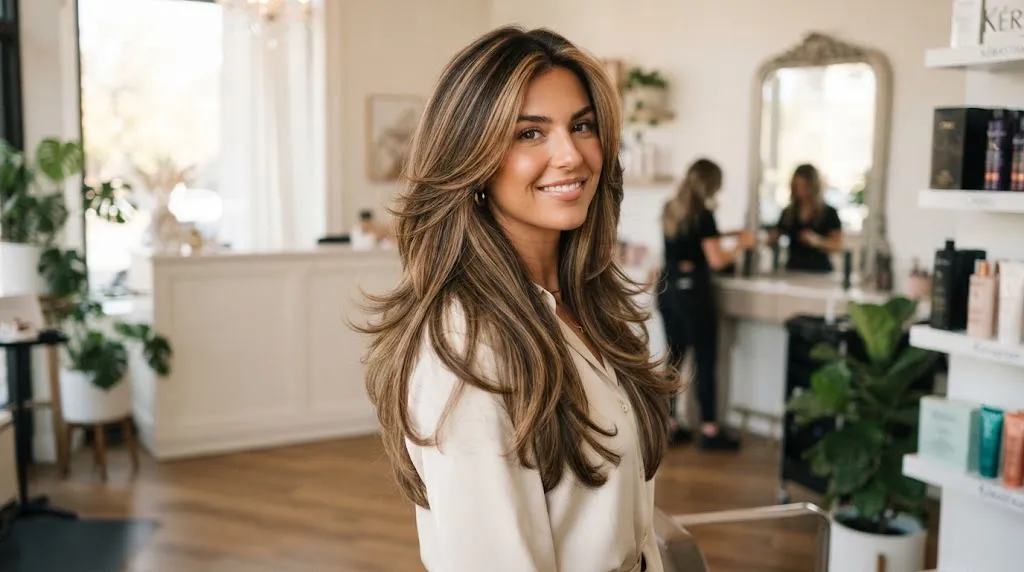
A layer step cut for long hair is a precision cutting technique where distinct, graduated tiers are carved into the lengths to remove heavy weight while creating high-impact dimension. Unlike a standard, blended long layer cut hairstyle where the ends melt seamlessly into one another, a step cut leaves visible, intentional ledges of hair that jump out as they cascade down the back and shoulders.
Picture a client sitting in my chair with thick, heavy hair past her shoulder blades who feels like she is wearing a solid blanket of weight. When I give her a multi cut hairstyle like this, the individual tiers create immediate bounce and swing, meaning her hair physically springs up and moves dynamically the second she turns her head.
We see this technique requested constantly by clients looking through our galleries at hairstylesusa.com who want maximum movement without sacrificing their overall length. By keeping the perimeter intact while stacking shorter tiers near the crown and mid-lengths, you get the dramatic shape of a half layer cut for long hair combined with the edgy texture of a multilayer haircut for long hair.
What Is a Layer Step Cut?
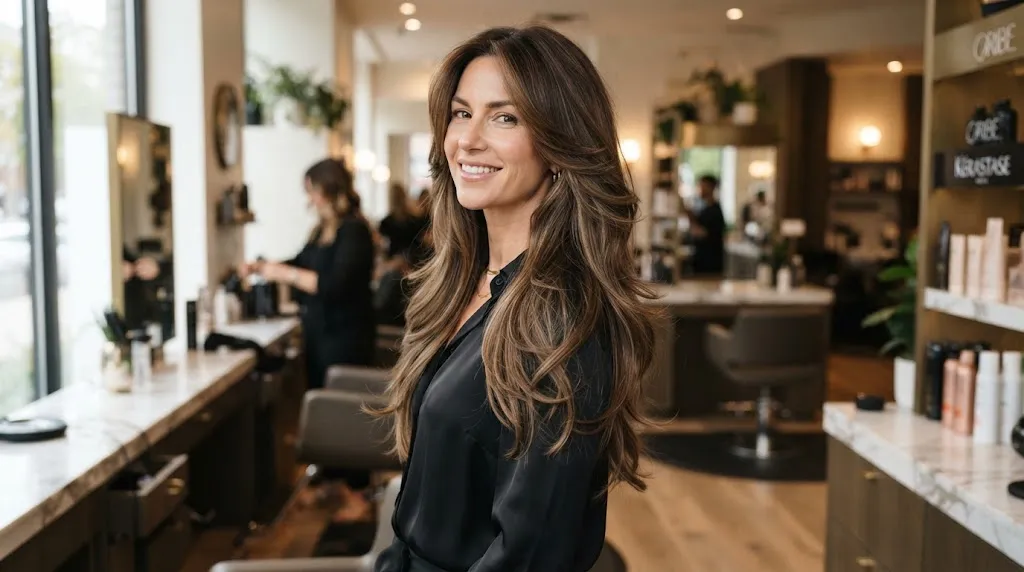
A layer step cut features distinct, pronounced tiers that create clear horizontal lines of demarcation down the length of the hair, contrasting sharply with the seamless, gradual gradient of a traditional long layer cut hairstyle. Think of it less like a rolling hill and more like a cascading staircase where each section drops off with a defined edge, giving hair maximum movement and a retro 90s blowout bounce.
To picture how this actually behaves in a real salon chair, imagine cutting three distinct lengths: one hitting right at the collarbone, the next at the mid-back, and the last at the terminal length. When a client with a multi cut hairstyle walks out into the wind, those individual ledges catch the air independently rather than melting into one uniform sheet, making it a favorite for anyone wanting a bold, textured finish.
How It's Different from a Regular Layer Cut
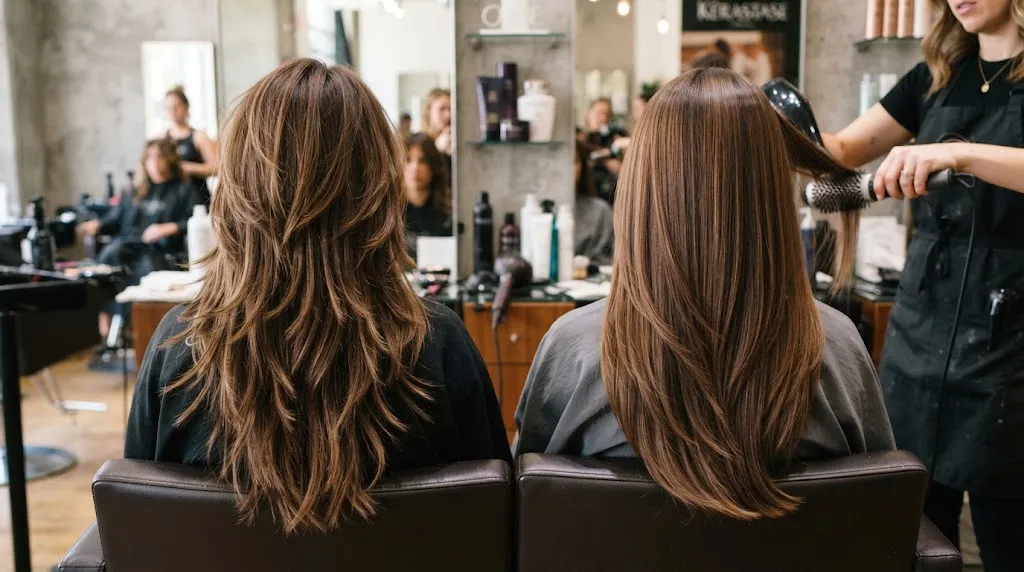
While a standard multilayer haircut for long hair relies on subtle, feather-light blending to remove weight invisibly, a half layer cut for long hair or a deep layer cut built on a step technique does the exact opposite by celebrating visible separation. In a regular cut, your stylist uses vertical elevation and slide-cutting shears to blur the transition points so you cannot tell where one layer ends and the next begins.
A step variation keeps those weight lines intentionally pronounced, creating sharp geometric ledges that look striking when straightened or dramatically feathered out with a round brush. If you run your fingers down a standard layered mane, it feels like a smooth slope; running your fingers down a true multilayer hair cut with defined steps feels like distinct ledges of fabric falling over one another.
Step Cut vs. Layer Cut — Which Is Better?
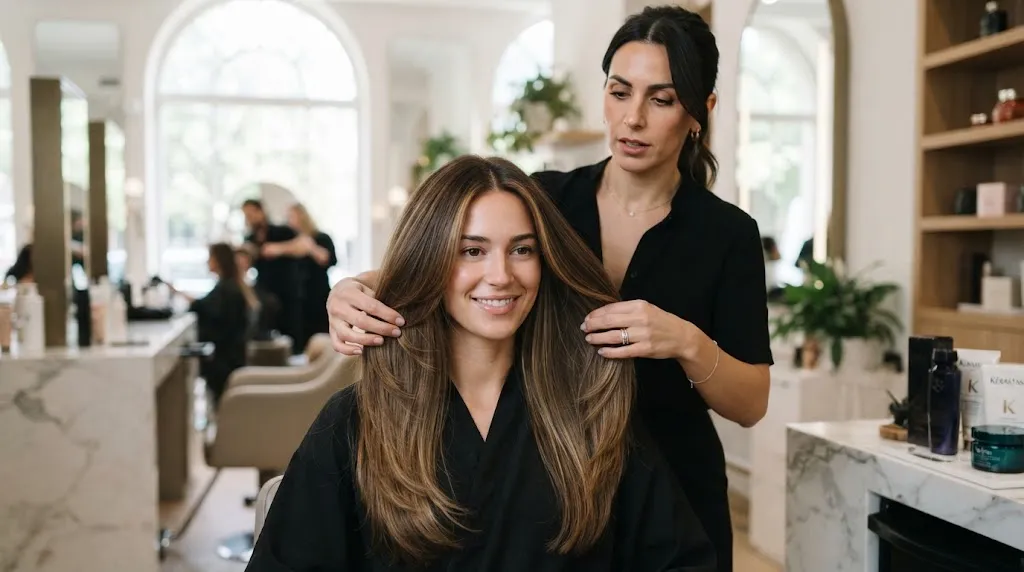
Neither option is universally better than the other, as the right choice depends entirely on how you want your hair to move and how much texture you naturally have. A traditional layer cut uses seamless, graduated transitions to build soft movement and remove bulk, whereas a step cut features distinct, pronounced levels of length that create a bold, cascading effect. When a client sits in the chair asking for a shape overhaul, the decision usually comes down to whether they want an effortless, blended flow or a structured, high-definition silhouette. For those who prefer a clean, curved baseline with minimal structural disruption at the ends, exploring a U-cut for long hair offers yet another way to shape the bottom edge without committing to heavy internal stacking.
Hair Cut Style Comparison
| Feature | Step Cut | Layer Cut |
|---|---|---|
| Transition Style | Distinct, clearly separated levels or tiers | Soft, seamless, and thoroughly blended graduation |
| Visual Impact | Bold, dramatic, and structured with prominent lines | Subtle, natural, and fluid with continuous flow |
| Best Hair Texture | Thick, wavy, or heavy hair that needs distinct weight removal | Fine, straight, or medium hair looking for subtle fullness |
When to Choose a Step Cut
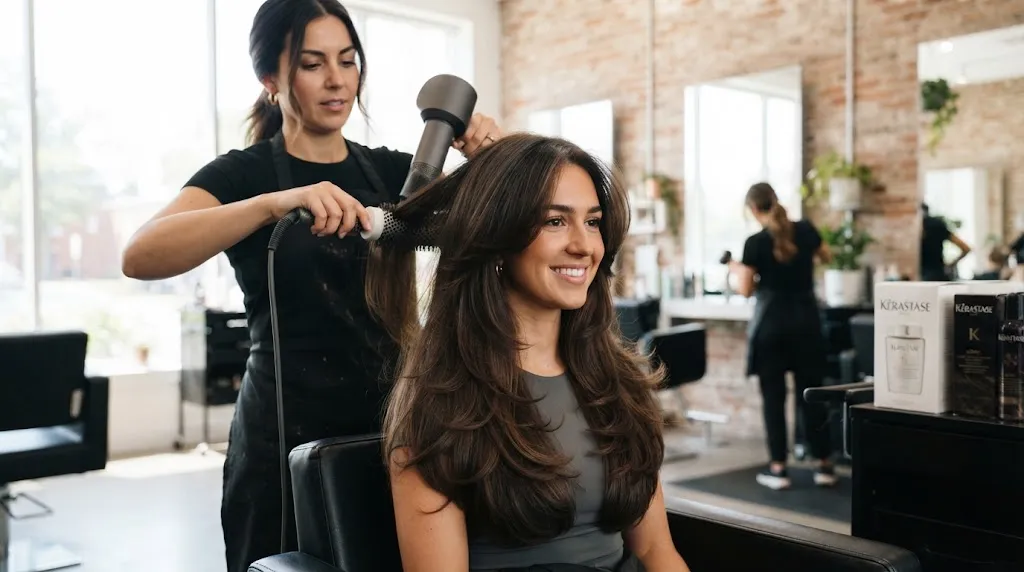
You have very thick, dense hair and want to eliminate heavy bulk by letting individual tiers stand out.
You love a retro, high-volume look with visible lines that bounce when you walk.
Your hair has natural wave or curl that can support distinct geometric sections without looking harsh.
When to Choose a Layer Cut
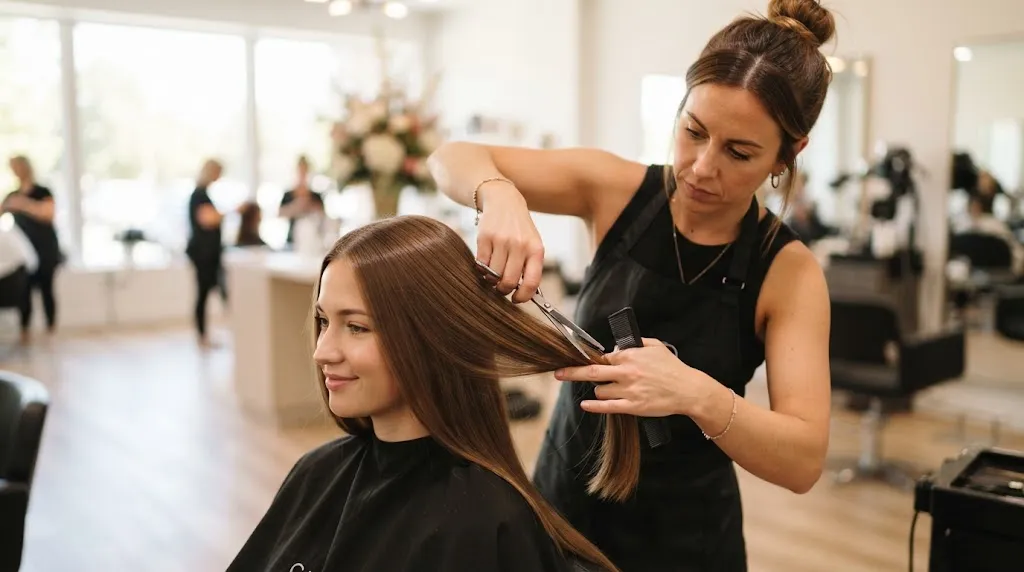
You want continuous, touchable movement that blends invisibly from top to bottom.
You have fine or straight hair and want to create the illusion of fullness without choppy separation.
You prefer a low-maintenance grow-out phase that does not require precise alignment at every single tier.
Best Face Shapes and Hair Types for This Cut
A layer step cut for long hair works wonders when matched with the right facial structure, creating instant balance and movement where you need it most.
Face Shapes
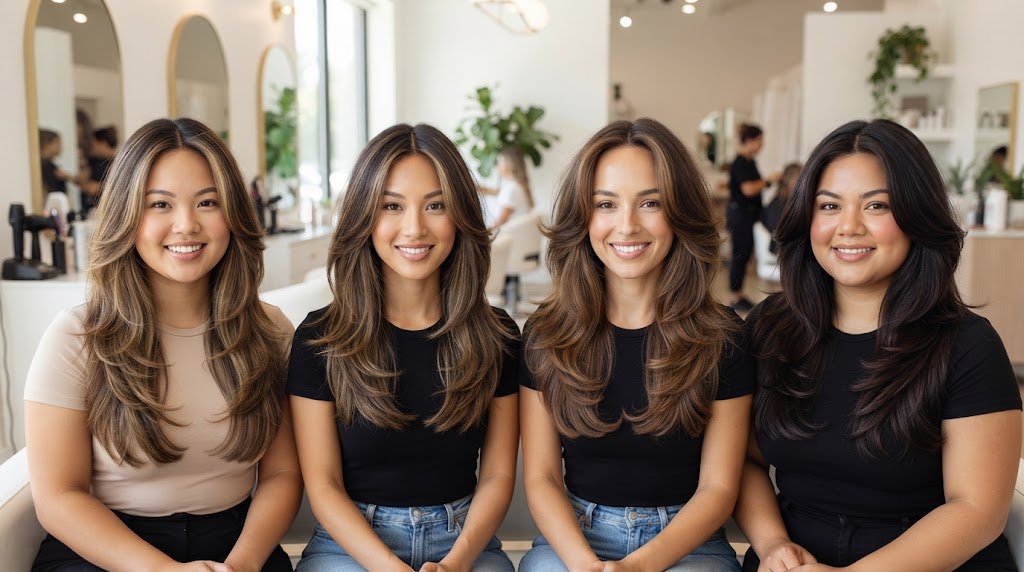
Round: If you want to elongate your features, a classic round-shape-haircut approach with cascading layers falling past the chin draws the eyes downward and slims the cheeks.
Slim/oval: Almost any variation fits naturally here, though a tailored slim-face-haircut with softer framing prevents the lower lengths from looking too heavy or dragged down.
Wide forehead: Balancing proportions is key, which is why a strategic hairstyle-for-wide-forehead incorporates face-framing pieces starting higher up to softly disguise the temples.
Chubby/round face with long layers: Choosing a specialized chubby-face-long-layered-haircuts design removes bulk from the sides of the face while keeping the vertical lines intact for a sculpted effect.
Hair Types
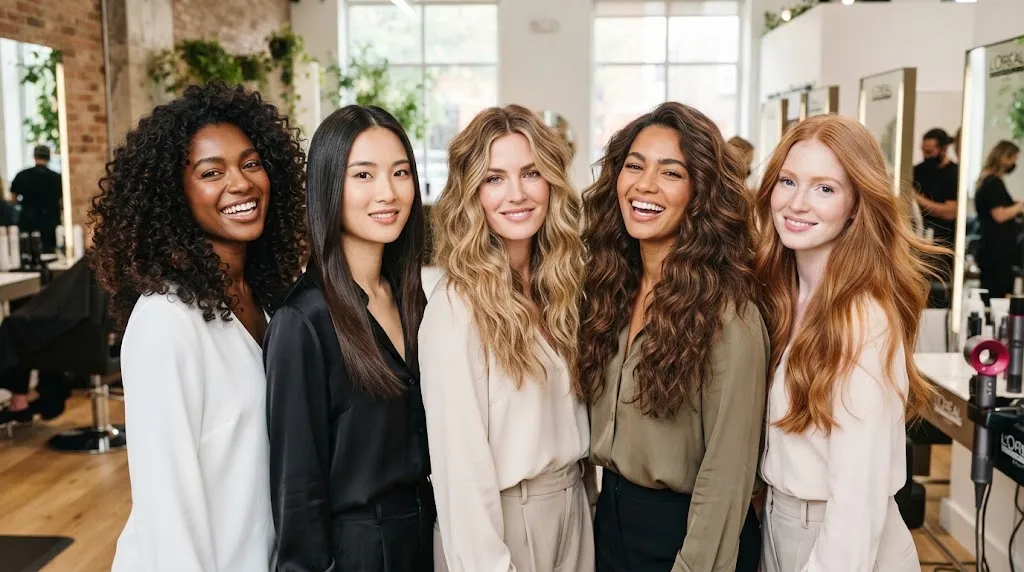
Thick: Heavy manes thrive under a deep layer cut because removing weight lets the hair bounce back and move freely without feeling like a heavy helmet.
Thin: Fine strands benefit from a half layer cut for long hair, which adds airy dimension without sacrificing density at the ends.
Straight: Sleek textures look ultra-polished with a long layer cut hairstyle, especially when the ends are point-cut to prevent blunt, shelf-like lines (explore more ideas in our hairstyles for straight hair guide).
Wavy: A multi cut hairstyle brings out natural bends and bends the hair in all the right places for an effortless, beachy feel.
Curly: A multilayer hair cut breaks up uniform volume so coils stack nicely instead of expanding into a wide triangle shape.
Variations of the Layer Step Cut
Variations of the Layer Step Cut

A deep layer cut takes graduation much higher up the head, carving out substantial weight to create high-contrast movement and serious volume at the crown. When I do this in the salon for someone with thick, heavy hair, the immediate difference is how much lighter their shoulders feel. The shorter top sections bounce right back, while the remaining bottom length stays intact for a striking, textured silhouette.
Half Layer Cut for Long Hair
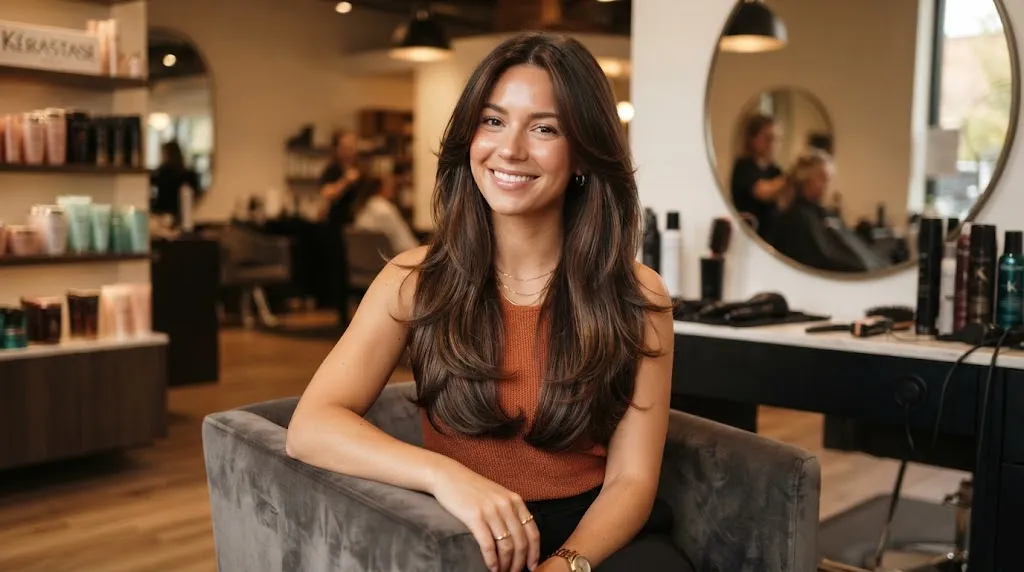
A half layer cut focuses all the graduation strictly through the lower half or bottom third of the length, keeping the top sections completely smooth and solid. This approach is ideal if you want a subtle shape shift without sacrificing your heavy ends. It naturally connects to preserving length, making it a favorite for clients who refuse to let go of their hard-earned inches.
Multilayer Haircut for Long Hair
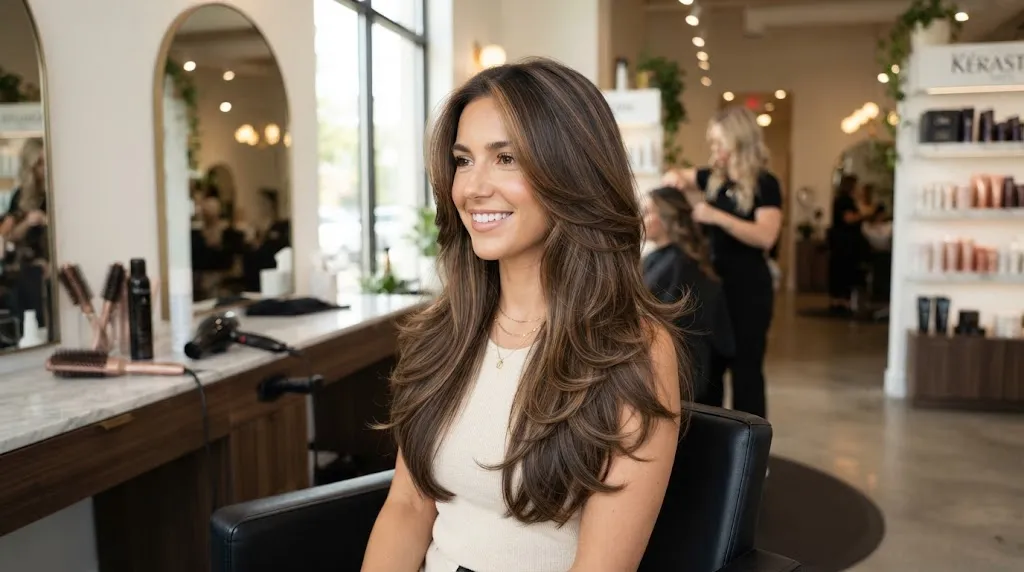
A multilayer haircut introduces graduation at multiple distinct intervals from crown to tip, resulting in a stacked, cascading waterfall effect. In real life, this style creates incredible separation, meaning every time you turn your head, the hair shifts and catches the light differently. It is especially effective for dense or coarse hair types that need continuous weight removal to prevent a blocky look.
Medium Layer Step Cut
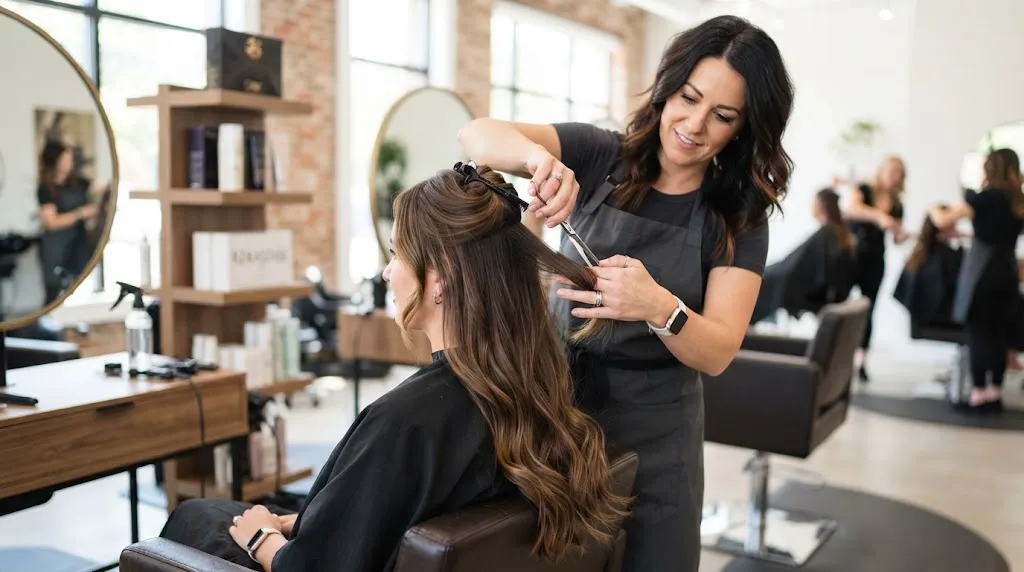
A medium layer step cut bridges the gap by landing the shortest transition pieces right around the collarbone before stepping down to the terminal length. This variation works wonders for refreshing a grow-out phase, instantly framing the face and bringing life back to heavy ends. If you are exploring options across different lengths, checking out medium hair styles for women can help you visualize how these mid-range steps translate to shorter territory.
Layer Step Cut for Straight Hair
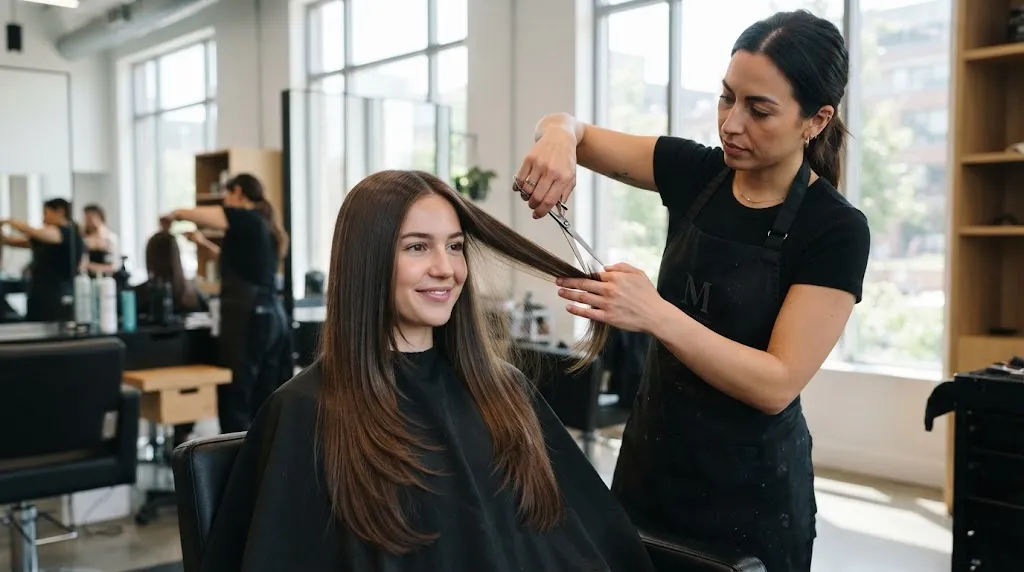
A layer step cut for straight hair relies on precision cutting angles because bone-straight strands show every single line and graduation point. When executed with precision shears, it gives pin-straight hair a piece-y, polished edge rather than looking flat or limp. As it air-dries or gets smoothed out with a paddle brush, the distinct tiers stack neatly to create effortless modern movement.
How This Haircut Is Done (Step-by-Step)
Creating a classic layer step cut for long hair starts with a clean, precise baseline and a strategic game plan for elevation. When a client sits in my chair wanting that fluid, cascading movement, I never just start snipping random chunks. Instead, I break the process down into deliberate phases to ensure the length stays intact while the interior gets the weightless bounce it needs.
Sectioning
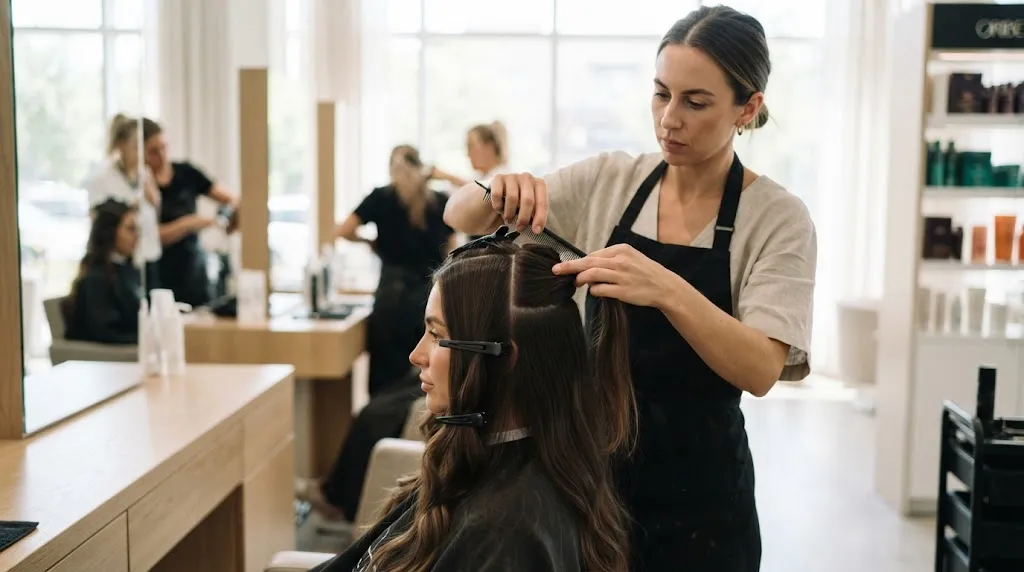
The foundation of any great long layer cut hairstyle relies entirely on how you clip the hair before touching the shears. I always start with freshly washed, damp hair, parting it cleanly down the center from the forehead to the nape of the neck, and then splitting it from ear to ear. This divides the head into four distinct quadrants. Securing each section with sturdy clips keeps the working areas clean and ensures that the left and right sides match symmetrically when you pull down the guide pieces.
Tiered/Graduated Cutting
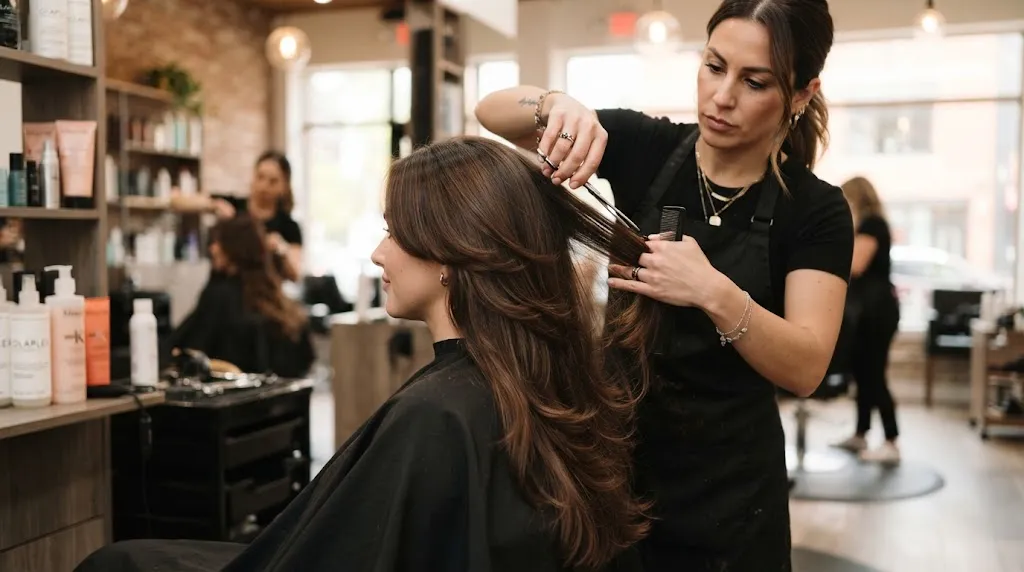
Once the sections are mapped out, the real transformation begins through structured, tiered cutting.
The Crown and Top: I pull the top crown section straight up at a high elevation (usually 90 to 180 degrees depending on how dramatic they want the multilayer hair cut to look) and establish a stationary guide length.
The Sides and Length: Working downward through the deep layer cut technique on the side sections, I elevate the hair toward the previously cut guide, which creates that beautiful stepped drop-off effect.
The Perimeter Check: Leaving the bottom-most perimeter untouched or just lightly trimmed preserves the overall length so the ends still look thick rather than wispy and sparse.
Point-Cutting and Texturizing
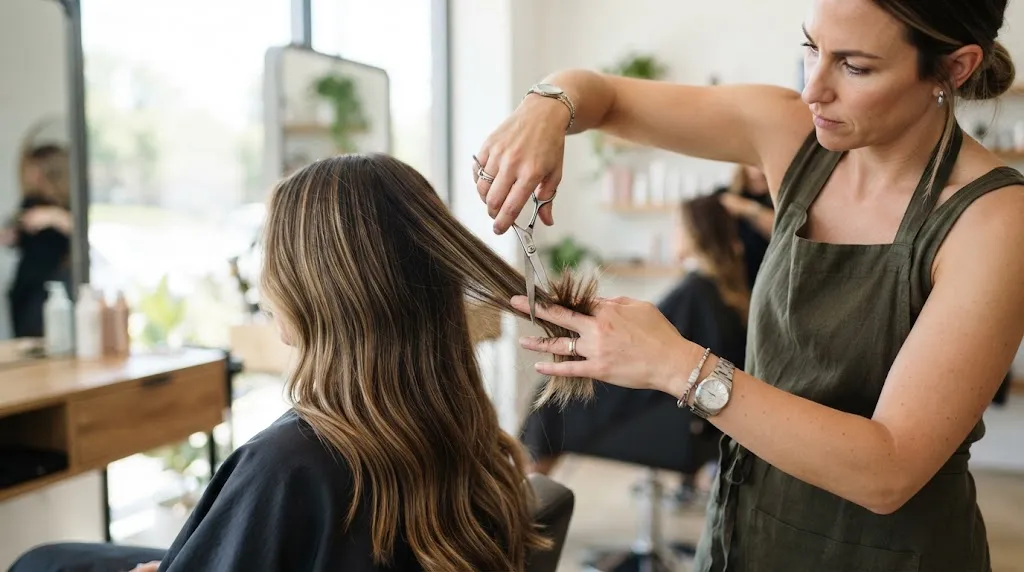
Blunt, harsh lines are the enemy of a fluid half layer cut for long hair, which is why the finishing touches matter just as much as the initial chop. I switch to texturizing shears or use the point-cutting technique—holding the scissors vertically and snipping shallowly into the ends—to soften every single transition line.
One practical detail most generic guides miss is what I call the “shoulder test” right before the final blow-dry: I take a fine-tooth comb and rake it rapidly through the damp mid-lengths. If the teeth catch anywhere, it means there is a hidden shelf or a blunt weight line trapped inside the multilayer haircut for long hair, signaling that I need to go back in with a subtle vertical slide-cut to melt the layers together seamlessly.
The 3:2:1 Haircut Rule and the 7-Day Haircut Rule
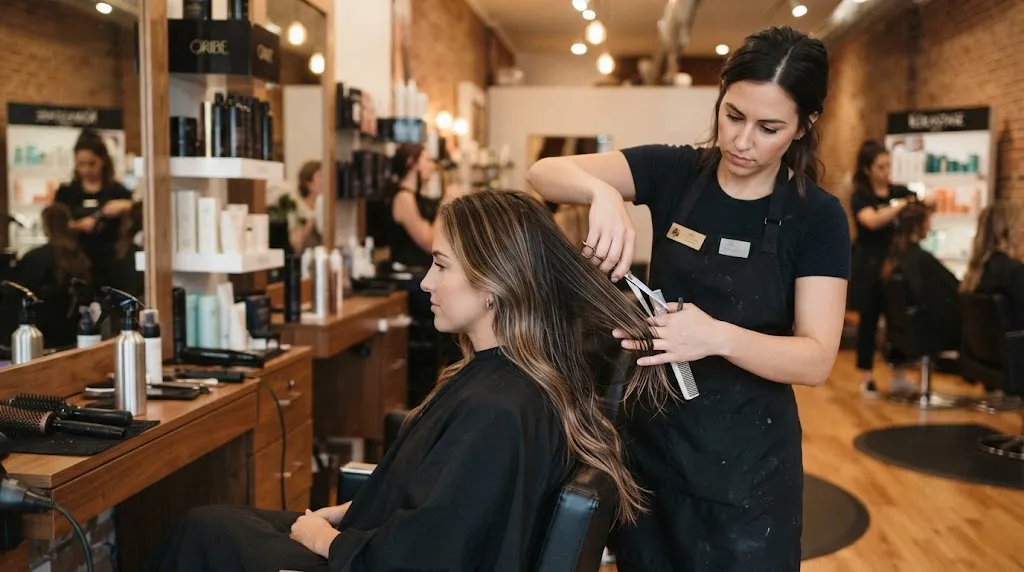
The 3:2:1 haircut rule is a professional cutting framework used to establish precise graduation and balanced weight distribution in a multi cut hairstyle, while the 7-day hair rule refers to the essential settling-in period required for newly cut layers to relax, soften, and mold to your natural growth patterns. When sitting in my chair for a long layer cut hairstyle, clients often ask how these two concepts dictate both the technical execution and the realistic timeline of their new look.
The 3:2:1 technique guides how a stylist distributes weight and length across different zones of the head by measuring proportions in descending order. This method prevents the dreaded stair-step effect often seen in a half layer cut for long hair, ensuring a seamless transition from the crown down to the ends.
Zone 3 (The Crown): Shortest layers are established here to build volume, movement, and lift at the root.
Zone 2 (The Mid-Lengths): A bridging section that connects the upper volume to the length, preventing bulk from accumulating around the shoulders.
Zone 1 (The Perimeter): The foundational length left intact at the bottom to maintain density and prevent the ends from looking wispy or frayed.
Meanwhile, the 7-day rule addresses the physical reality of hair texture. No matter how precise a multilayer hair cut is, freshly cut ends are hyper-responsive and often hold static, curl tighter, or lay stiffer for the first few days due to the removal of weight. During the first week, the cuticle settles, natural oils redistribute themselves through the new gradient, and the layers begin to move fluidly with your daily routine. If you are planning a deep layer cut for a major event, always schedule the appointment at least a week in advance so the style can drop into its most natural, effortless state.
How to Ask Your Stylist for This Cut
Walking into the salon with the right vocabulary and a clear visual reference is the single best way to ensure you and your stylist are entirely on the same page before any hair hits the floor.
How to Ask Your Stylist for This Cut

To get the exact look you want, ask your stylist specifically for a layer step cut for long hair, making sure to clarify whether you prefer a half layer cut for long hair to keep weight at the bottom or a deep layer cut for maximum movement.
Bring 2 to 3 reference photos: Point out what you specifically love about each image—such as where the shortest layer starts around the cheekbones versus where the graduation ends.
Specify your graduation preference: Tell your stylist if you want a seamless long layer cut hairstyle that blends softly or a distinct multi cut hairstyle with visible, defined steps.
Discuss your maintenance routine: Let your stylist know how you actually style your hair daily so they can adjust the weight and density of your multilayer hair cut to match your natural texture.
Stylist Tip: Avoid using generic terms like “just a trim with layers.” Be explicit about wanting a multilayer haircut for long hair so your stylist blocks out enough time for precision point-cutting.
Styling Tips
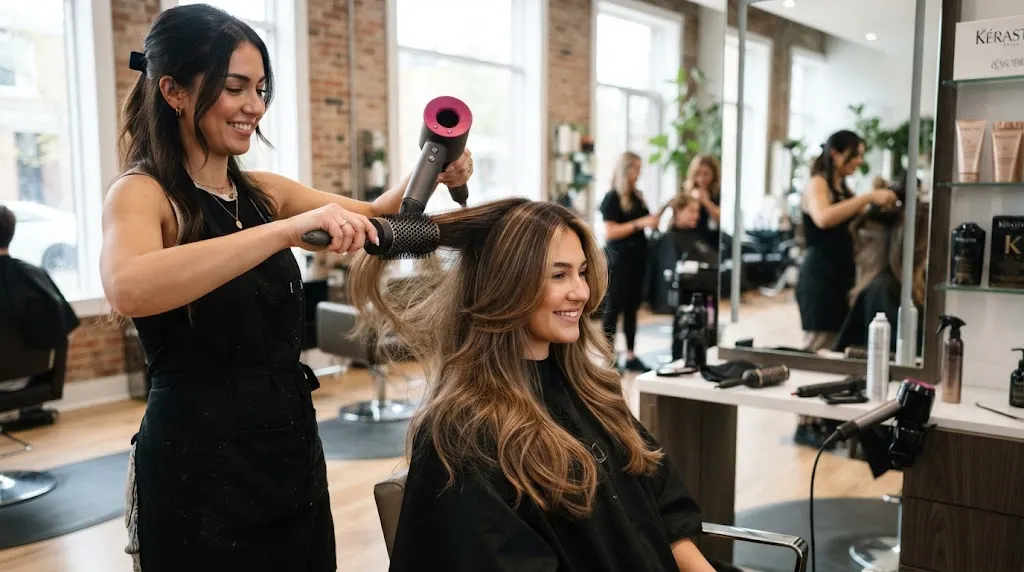
Styling a multi cut hairstyle relies entirely on highlighting the graduation between lengths so the shape does not look heavy or disconnected. Without proper styling, distinct length tiers can sometimes appear rigid rather than fluid.
Mastering the Round Brush Blowout
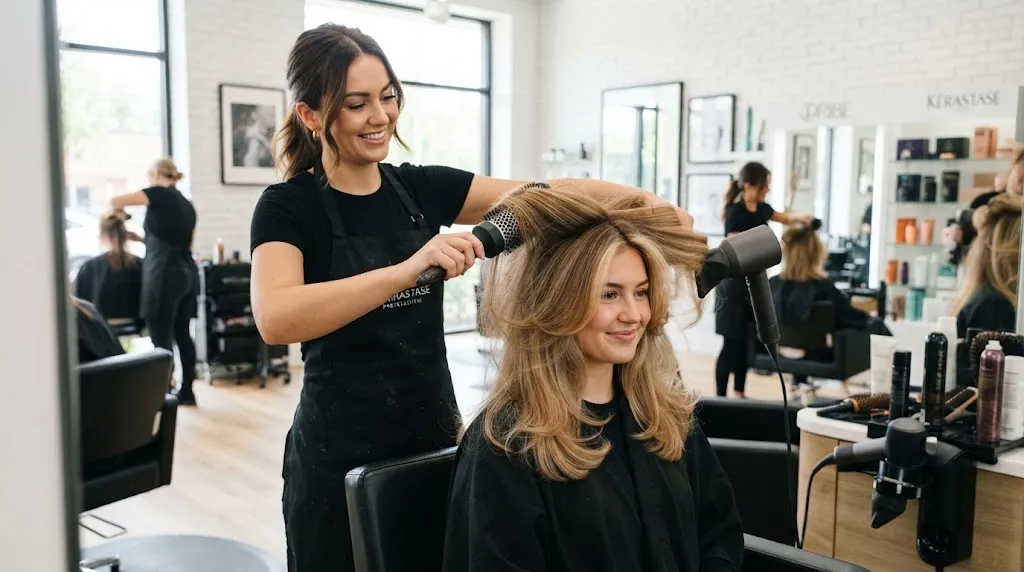
A bouncy blowout transforms a standard long layer cut hairstyle by blending the graduation seamlessly while adding high-gloss movement.
Prep damp hair: Work a lightweight volumizing mousse from roots to mid-lengths, ensuring the shorter tiers near the crown receive adequate lift before drying.
Control the tension: Use a large ceramic round brush, pulling each section upward and outward away from the scalp to maximize root elevation.
Shape the ends: As the brush nears the ends, roll it inward or slightly backward to encourage the distinct tiers to curve together into a cohesive, polished silhouette.
Cool shot setting: Finish every subsection with the cool air button on your dryer to lock the shape in place and seal the cuticle for a frizz-free shine.
High-Definition Curling Techniques
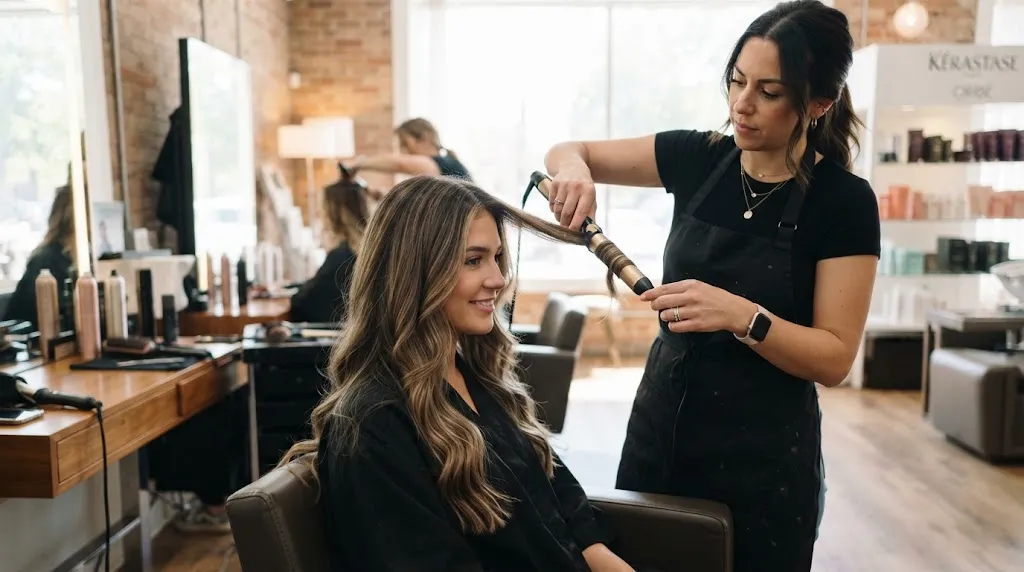
Curling a multilayer haircut for long hair requires a method that highlights individual dimensions rather than flattening them into a uniform wave.
Barrel selection: Choose a 1.25-inch or 1.5-inch curling iron or wand. Larger barrels prevent shorter top tiers from springing up into tight, unwanted ringlets.
Alternating directions: Wind alternating sections away from and toward your face. This keeps adjacent layers from clumping together and creates natural, airy separation.
Leave the ends out: Feed hair through the clamp while leaving the final inch or two straight. This modern technique keeps the perimeter looking effortless and long.
Break up the pattern: Once the hair cools completely, run your fingers or a wide-tooth comb gently through the waves to fuse the tiers into a soft, flowing cascade.
Real Problems People Face With This Haircut (and How to Fix Them)
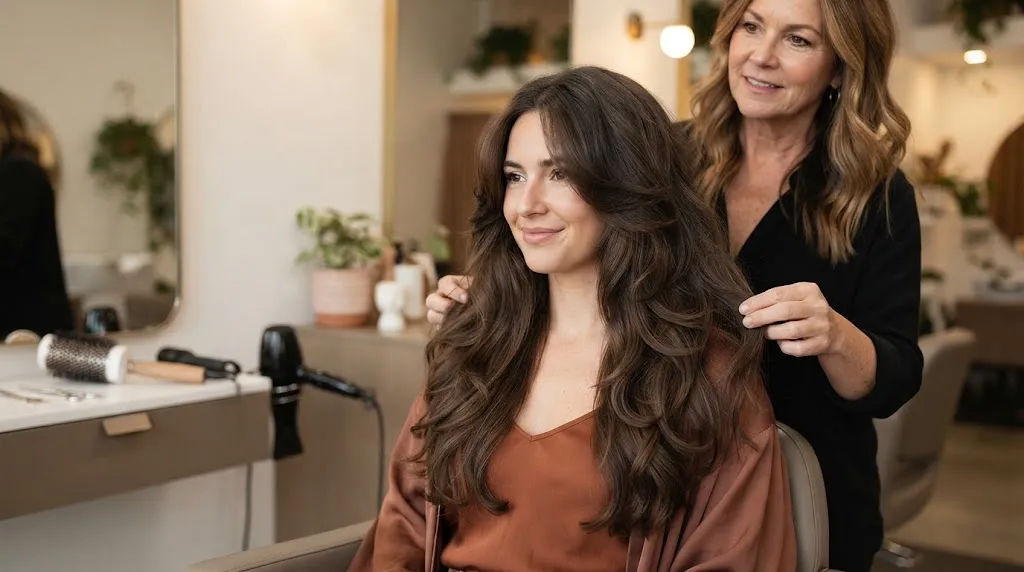
Even the best cuts can occasionally go sideways, but almost every common hurdle with a layer step cut for long hair has a practical workaround. Whether you are dealing with a technical mishap in the chair or adjusting to the texture shifts during the awkward grow-out phase, knowing how to troubleshoot saves you months of frustration.
Here is how to fix the top real-world problems people face with this style:
Uneven layers after cutting: If one side sits noticeably higher or heavier, head back to your stylist for a structural balance check rather than trying to snip it at home. A professional can blend the disconnect by point-cutting into the weight lines without taking away your overall length.
Awkward grow-out phase: As a long layer cut hairstyle matures, the graduation points can start looking blunt or disconnected. To bridge the gap gracefully, ask your stylist for soft face-framing pieces or texturizing that blurs the harsh lines while your ends catch up.
Stylist cut more than expected: When a session results in a much shorter multilayer haircut for long hair than you wanted, recovery is all about moisture and gentle styling. Lean into lightweight hydration oils to keep ends plump, and avoid high-heat styling tools daily to prevent further stress on freshly cut strands.
Visible or patchy steps on thin hair: If a deep layer cut leaves your ends looking stringy or sparse, the steps are likely too severe for your hair density. The best fix is to blunt-cut the very bottom perimeter slightly to restore thickness, then use a half layer cut for long hair approach to keep the upper sections softer.
Steps falling flat in humidity: A multi cut hairstyle loses its shape when moisture weighs down the individual tiers. Switch to a lightweight, anti-humidity styling foam applied from mid-lengths to ends, and use a round brush with a blow-dryer to lock lift into the roots.
Pros and Cons
Pros
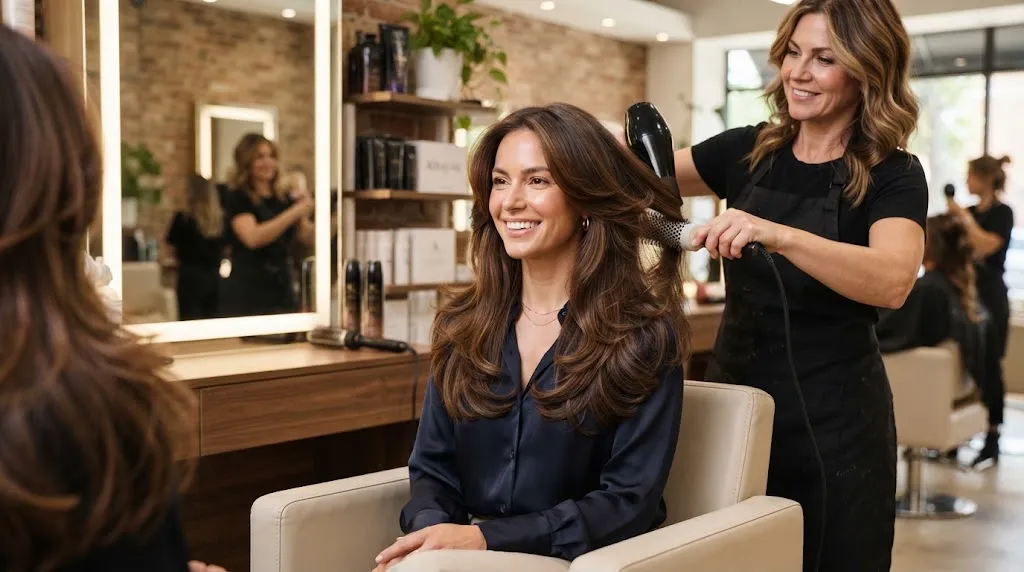
A layer step cut for long hair instantly redistributes heavy weight, giving flat strands serious volume and effortless bounce that regular blunt cuts just cannot match. When I’m behind the chair, clients with thick, heavy locks almost always gasp at how light their shoulders feel the second those internal weight lines are taken out. This specific approach also creates a stunning long layer cut hairstyle effect, allowing natural movement and texture to shine whether you wear it sleek or wavy. For readers looking to explore more ways to boost fullness, checking out our guide on volume haircuts can help you find even more inspiration for boosting body.
Cons
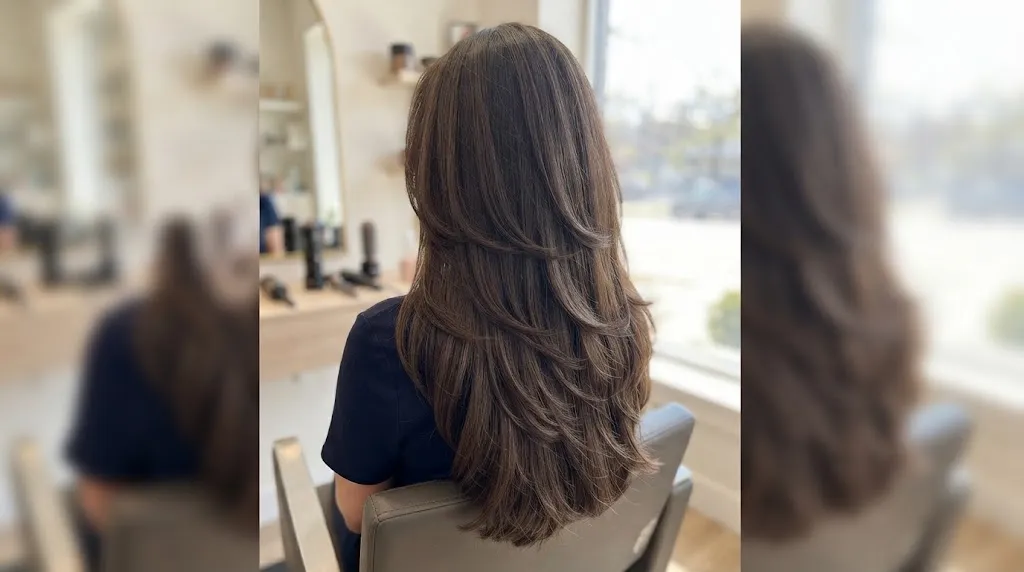
That same freedom and lightness come with a few trade-offs, starting with the fact that a deep layer cut or half layer cut for long hair demands regular trims every six to eight weeks to keep the ends from looking frayed or split. If your hair is naturally very fine or sparse, a multilayer haircut for long hair can sometimes backfire by making the bottom lengths look wispy or sparse instead of full. Finally, this multi cut hairstyle requires real precision from the stylist, meaning you want to steer clear of DIY cuts or inexperienced hands if you want the graduation to blend smoothly rather than look choppy.
Maintenance Tips
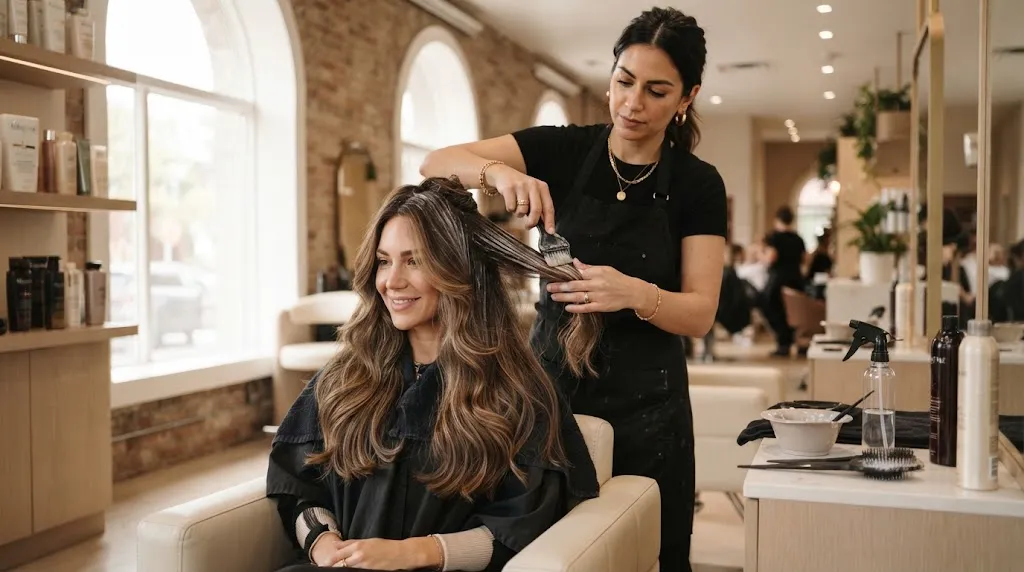
Keeping your long layer cut hairstyle looking intentional and fresh requires booking a precision trim every eight to ten weeks. Because a multi cut hairstyle relies heavily on distinct graduating tiers, letting your hair grow unchecked past three months causes the internal weight to shift awkwardly. When those shorter interior pieces drop too low, the signature cascading effect flattens out, losing the bounce that made you love the cut in the first place.
Upkeep goes beyond just calendar dates in the salon chair. Daily habits dictate how well your layers behave between visits.
Targeted hydration: Focus lightweight conditioners and masks exclusively from the mid-lengths to the ends, keeping heavy products away from your scalp to maintain root volume.
Heat defense: Always layer in a thermal protectant spray before using hot tools, since feathered ends are prone to showing split ends much faster than a blunt baseline.
wikiHowNighttime protection: Sleep with your hair loosely braided or gathered in a silk scrunchie to prevent the individual tiers from tangling and snapping against your pillowcase.