
Slim Face Haircut: The 2026 Guide to Face-Slimming Cuts (For Every Face Shape & Length)

If you are trying to balance out the proportions of a round, full face or soften the angular sharpness of a long, thin structure, the right haircut acts as instant architectural correction. Finding the ideal silhouette means working with geometry—adding vertical lift to lengthen round features or introducing width and side-swept movement to break up elongated lines. To find the exact look that complements your specific bone structure, explore our full hairstyle library or browse our comprehensive hub of trending styles.
Best Haircuts to Slim Your Face
Strategic cuts with intentional angles and vertical lines instantly balance proportions and create the illusion of a slimmer, more defined facial structure. The right silhouette draws the eye downward or adds height at the crown, preventing width from sitting where you least want it.
The Long Bob (Lob)

Falling right between the collarbone and chin with textured ends, this cut creates strong vertical lines that elongate a round jawline.
Face-Framing Layers
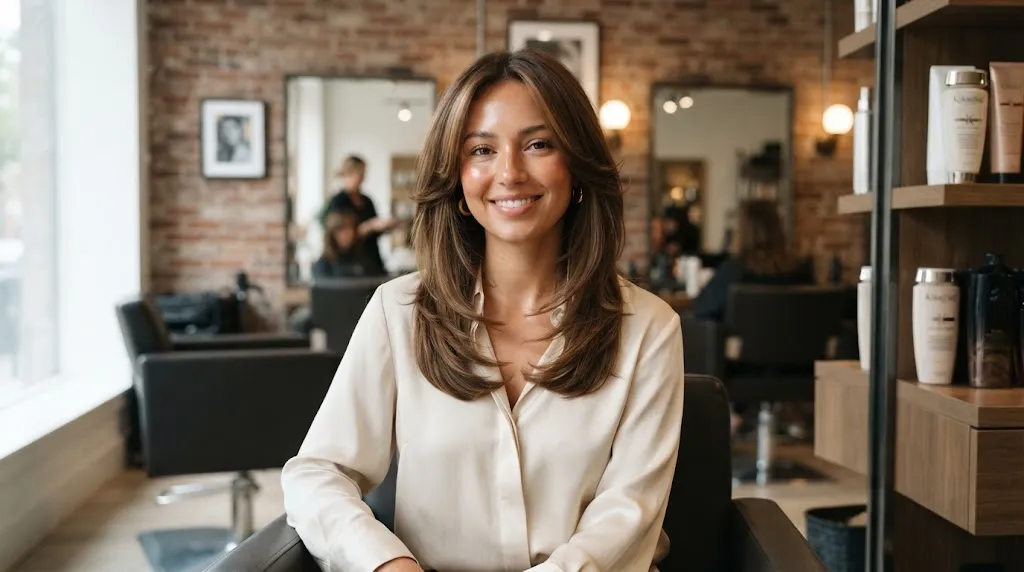
Strategically placed pieces starting below the chin break up width and soften the cheeks without adding unwanted bulk at the sides.
Curtain Bangs
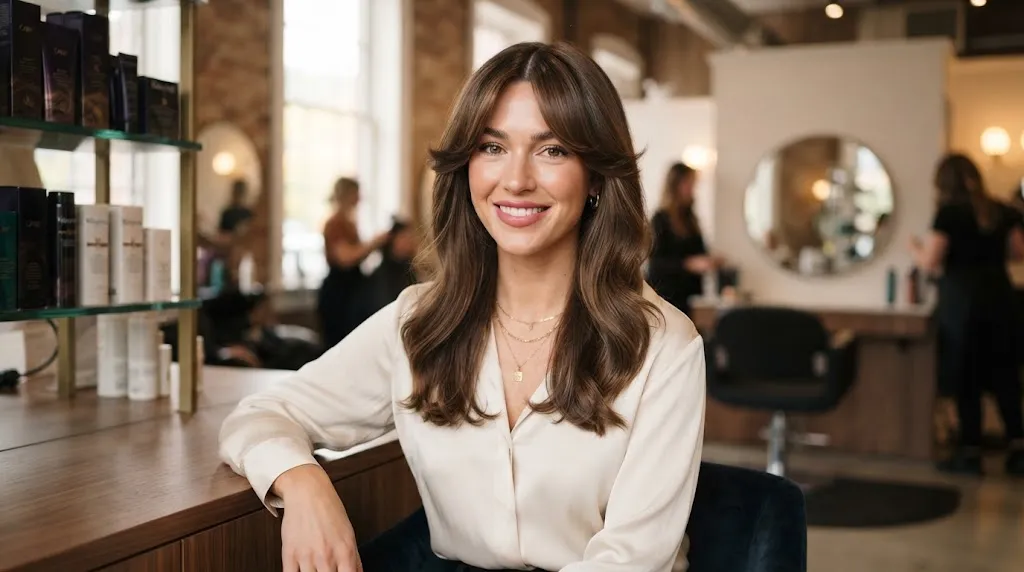
Parted down the middle and swept outward toward the cheekbones, these soft fringes narrow a broad forehead and contour the upper face.
Asymmetrical Bob

A side-parted style featuring one side slightly longer than the other disrupts symmetry, drawing attention diagonally across the face for a slenderizing effect.
Which One Are You?
Round/Full Face Wanting a Slimmer Look

Creating the optical illusion of a slimmer face is all about building vertical lines and drawing the eye downward rather than outward. When working with a full or round face, the primary goal is to avoid horizontal width at the cheeks and instead introduce angles, height at the crown, and length that falls past the chin.
Add height at the crown: Teasing or blow-drying hair straight up from the roots elongates the face shape instantly.
Keep sides close: Flat or sleek sides prevent width from being added right at the cheekbones.
Incorporate asymmetry: Deep side parts disrupt symmetry, breaking up roundness and drawing attention diagonally.
As a stylist, I always tell clients with round faces that the magic happens below the jawline. Cutting hair right at the chin acts like a horizontal shelf that widens the face, whereas falling an inch or two past the collarbone immediately stretches the silhouette.
Naturally Long or Thin Face Wanting Balance

[IMAGE: A textured, collarbone-length layered cut with voluminous side-swept fringe on a model with a narrow, oblong face shape]
Balancing a naturally long or thin face requires the exact opposite geometric strategy: you need to build horizontal width and soften vertical lines. If you have an oblong or narrow face, straight, ultra-long hair hanging flat will only make the face appear more elongated.
Introduce width at the sides: Soft waves, curls, or horizontal layering starting around the cheekbones fill out the sides of the face.
Opt for full fringe: Straight-across or heavily textured curtain bangs shorten the forehead and visually break up a long vertical line.
Choose chin-length cuts: Styles like a textured chin-length bob add necessary fullness right where a narrow face needs it most.
Breaking up the length with movement and volume ensures the face looks proportioned and grounded rather than pulled downward.
Top Face-Slimming Haircuts
Strategic cutting techniques manipulate visual proportions to either soften fullness or add width where needed, creating an instantly balanced silhouette.
The Long Bob (Lob)

Hitting anywhere between the collarbone and shoulders, the long bob elongates a round face by drawing the eye strictly downward past the jawline. As a stylist, I always tell clients with fuller cheeks that keeping the baseline completely blunt or very subtly textured at the front prevents any unwanted bulk from sitting right at the widest part of the face.
Cutting technique: Maintain zero to minimal graduation in the back so the perimeter creates a strong, vertical drop.
Daily styling: Blow-dry using a paddle brush to keep the ends straight, finishing with a flat iron to smooth any natural bend near the jaw.
Face-Framing Layers

Strategic interior layering removes heavy weight that pushes outward, instead creating a cascading fall that hugs the cheekbones and collar. Cutting the shortest interior piece to land right at the jawline or collarbone draws diagonal lines inward, visually narrowing a wide jaw or adding structure to a soft cheek area.
Cutting technique: Elevate hair at a 45-degree angle forward toward the face during the slide-cutting process to create soft, tapered ends rather than blunt steps.
Daily styling: Set damp hair on medium-velcro rollers rolled backward away from the face to build memory in the interior layers.
Curtain Bangs

Parted down the middle and swept gracefully outward toward the temples, curtain bangs shorten a long forehead while simultaneously widening the upper third of a narrow face. This style acts as a literal curtain, hiding the outer corners of the forehead and shifting the visual focal point directly to the center of the eyes and cheekbones.
Cutting technique: Cut the interior apex at the bridge of the nose and blend the outer edges down to meet the cheekbones in a sweeping crescent shape.
Daily styling: Wrap the bangs around a round brush, pulling them forward and up before rolling them backward to create a signature sweeping arc.
Asymmetrical Bob
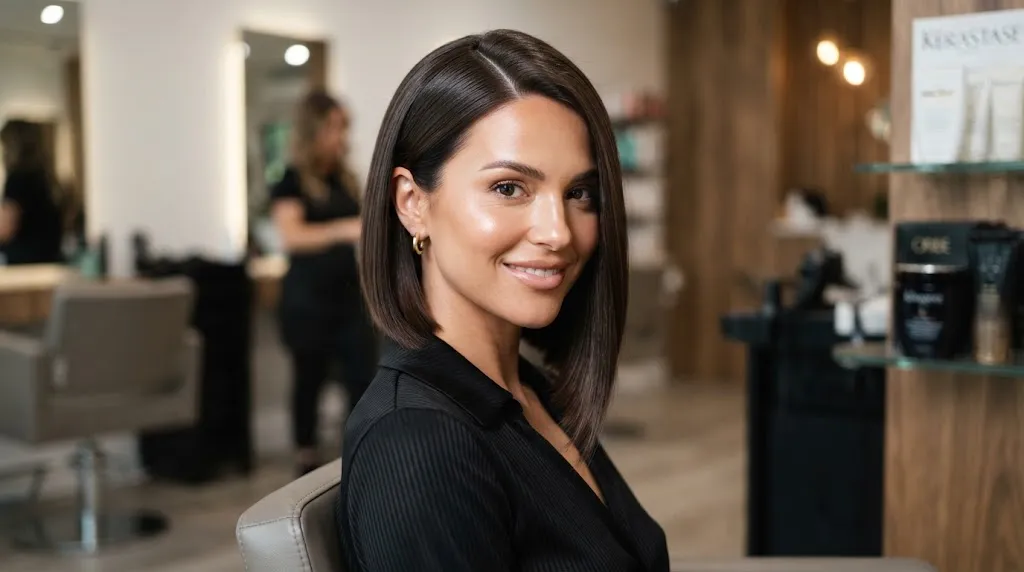
A deep side part combined with a graduated cut—where one side sits noticeably shorter than the other—disrupts symmetry to camouflage roundness or soften angular sharpness. The longer diagonal line tricks the eye into seeing a narrower, more oval profile by creating an intentional diagonal focal point across the neck and chin.
Cutting technique: Cut on a sharp diagonal angle with the client’s head tilted slightly away from the side being shortened.
Daily styling: Apply a lightweight smoothing cream and blow-dry using a round brush to bevel the shorter side inward toward the nape.
Styling Tricks — Crown Height & Deep Side Part
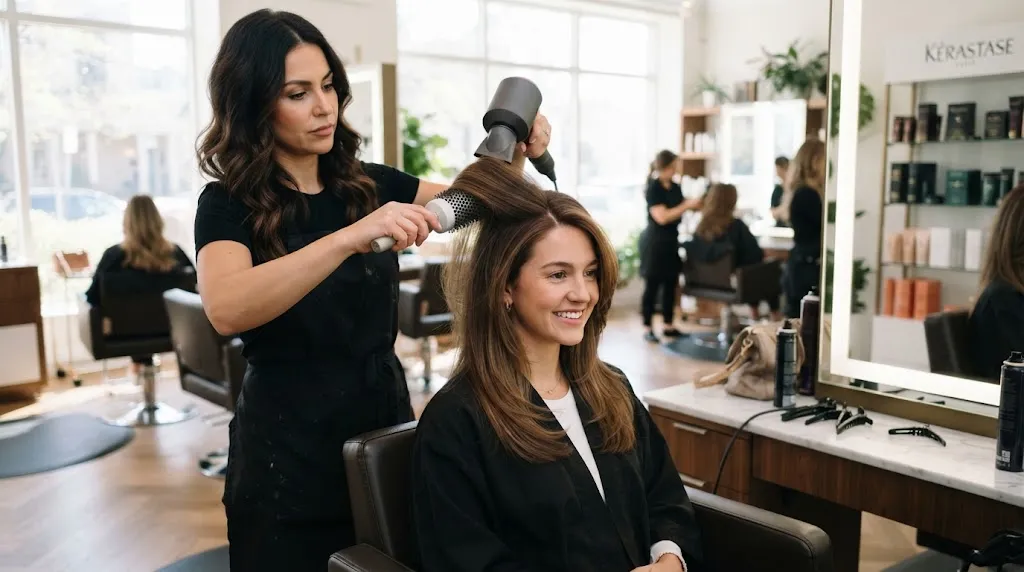
Lifting the hair directly at the crown adds vertical height that stretches out a round face, while a deep side part breaks up heavy symmetry to balance proportions. Creating a high-volume root structure forces the eye upward rather than outward, instantly slimming the appearance of cheek width.
Crown teasing technique: Spray the root area underneath the top section with a dry texture spray, then gently backcomb two inches away from the scalp using a fine-toothed tail comb.
Parting technique: Shift your parting line from the center to directly above the arch of your eyebrow, sweeping the heavier side across the forehead to create diagonal asymmetry.
What to Avoid
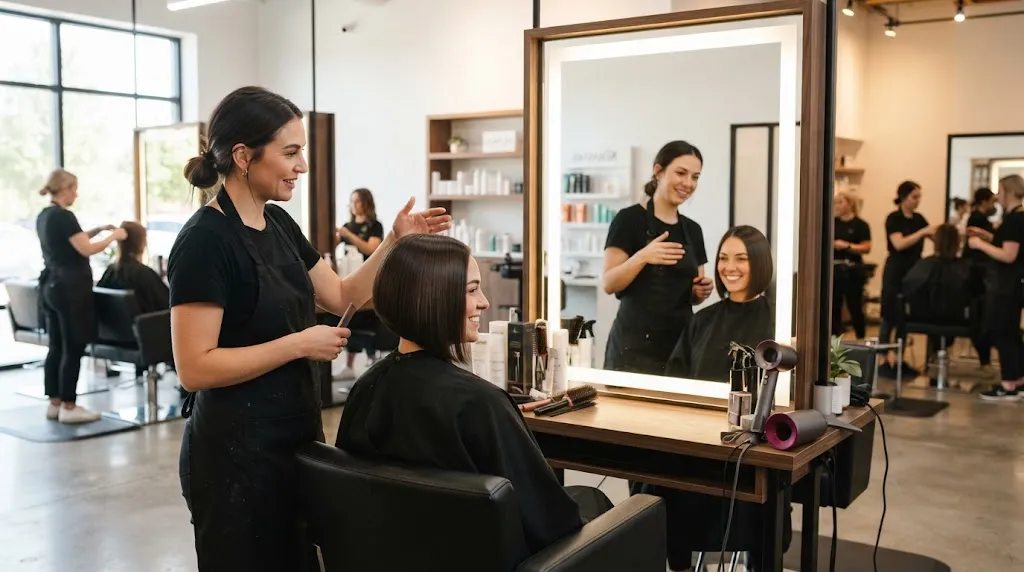
Certain cuts actively work against facial balancing by adding horizontal width or emphasizing vertical length in unflattering ways. Heavy, blunt micro-bangs cut straight across shorten the face too drastically, while chin-length blunt bobs with zero graduation puff out right at the cheeks to make a round face look wider.
[IMAGE: A reference graphic demonstrating a blunt, ear-length bob that widens a round face shape, contrasted with an X mark.]
Cuts to skip: A one-length chin bob, heavy horizontal blunt bangs, and tightly bound curls concentrated strictly around the cheekbones.
Best Slim-Face Haircuts by Hair Type & Length
Tailoring a slimming cut to your specific texture and length transforms how your bone structure is framed, balancing proportions without losing your personal aesthetic.
For Long Hair

Long lengths easily drag a face down if cut bluntly, so adding cascading, face-framing layers starting right below the chin creates vertical movement that draws the eye downward while narrowing wide cheekbones. [IMAGE: A side-profile shot of long, dark hair featuring soft, cascading face-framing layers that curve inward toward the collarbones to slim a full face] Incorporating dynamic layer cut pics breaks up heavy weight lines on the sides, preventing the hair from pushing outward and widening your silhouette. For anyone exploring haircuts for girls with long hair, keeping the ends texturized rather than heavy ensures the overall style remains airy and elongated.
For Curly Hair
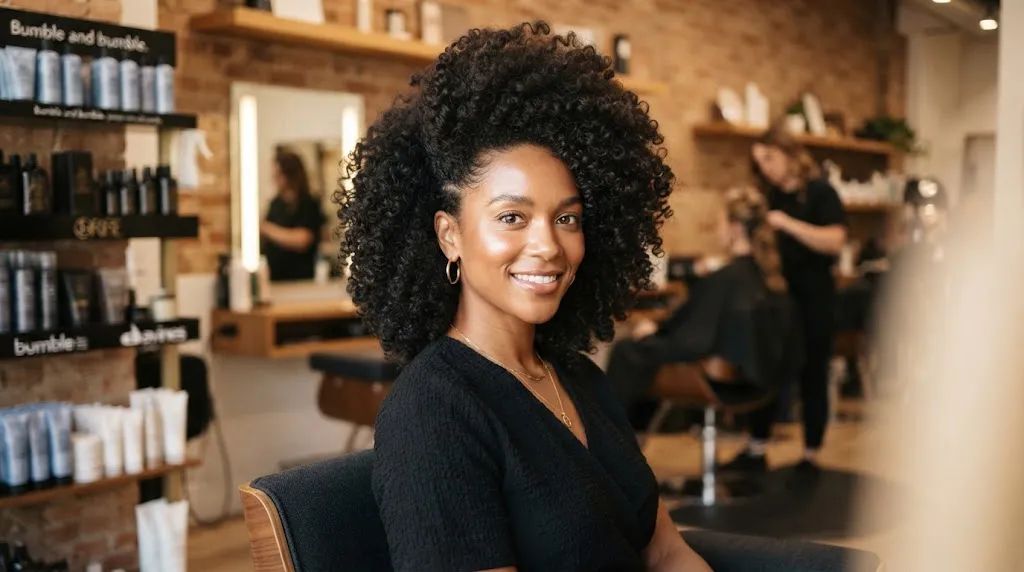
Curls naturally expand outward, so cutting them with a triangular or overly rounded silhouette will widen the face rather than slim it. Shaping curls into a vertical oval—keeping the sides closer to the head while adding height at the crown—lengthens round or full facial features. As a stylist, I always tell clients with curls to ask for interior thinning and vertical layering so the coils drop downward instead of puffing out horizontally at cheek level.
For Straight Hair
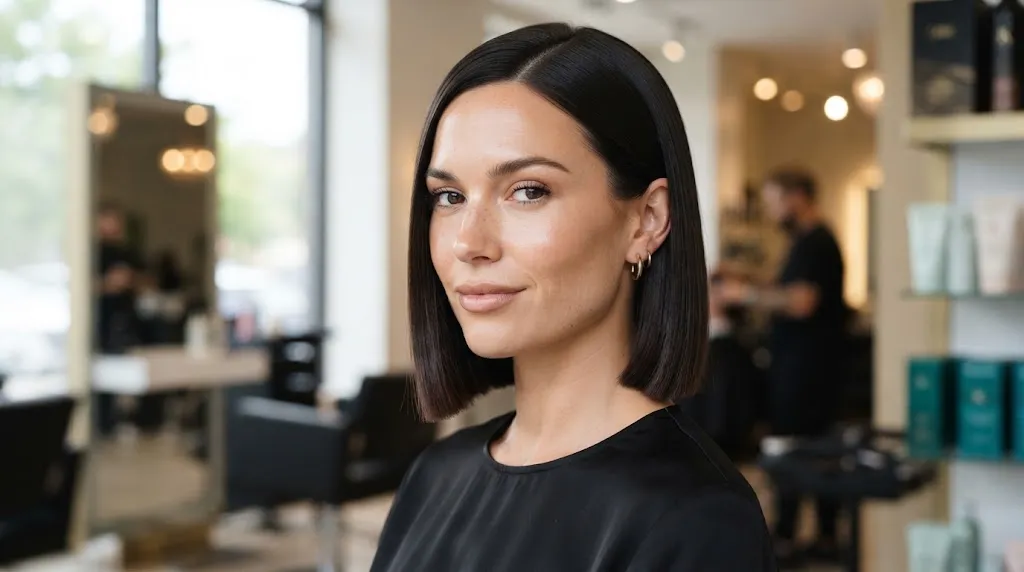
Straight hair acts like a frame, meaning blunt edges will highlight width, whereas soft, angular cuts build the illusion of an oval contour. Strategic hairstyles for straight hair rely on precision cutting around the jawline to mask fullness and create clean, sharp vertical lines. Blow-drying the front sections slightly inward toward the chin creates a polished shadow that narrows the lower half of the face instantly.
Short Haircuts That Still Slim the Face

Cropped cuts can successfully slim your features if they build height at the crown while maintaining tapered, skin-skimming pieces around the ears and neck. [IMAGE: A textured pixie cut with lifted volume at the crown and soft, piece-y sideburns that break up the width of a round face] To master volume haircut principles on short lengths, keep the sides flat and texturized so they hug the temples instead of flaring out.
Cropped cuts can successfully slim your features if they build height at the crown while maintaining tapered, skin-skimming pieces around the ears and neck. To master volume haircut principles on short lengths, keep the sides flat and texturized so they hug the temples instead of flaring out.
Visual Reference
A textured pixie cut with lifted volume at the crown and soft, piece-y sideburns that break up the width of a round face.
Curated Video Tutorials
Slim Face Haircut: Long, Curly, Straight & Short Volume
Blunt Cut, Round Shape, Cascading Layers & Front Framing Pieces
Curly Hair Easy Straight Cut & Shorts Feed Highlights
Adding Volume & Layers to Short Hair: 90s Hairstyle Tutorial
Best Short Haircuts for Your Face Shape & Aesthetic Glow-Up
DIY Curly Cut Routine & Home Haircare Tips
Slim Face Haircut for Men
Choosing the right cut for a narrow or elongated facial structure comes down to adding width at the sides while keeping the top proportioned to avoid stretching the face further. As a stylist, I always tell clients with long or slim face shapes that avoiding extreme height on top is the single most important rule for achieving balance.
Best Cut: The Textured Crop with a Full Fringe
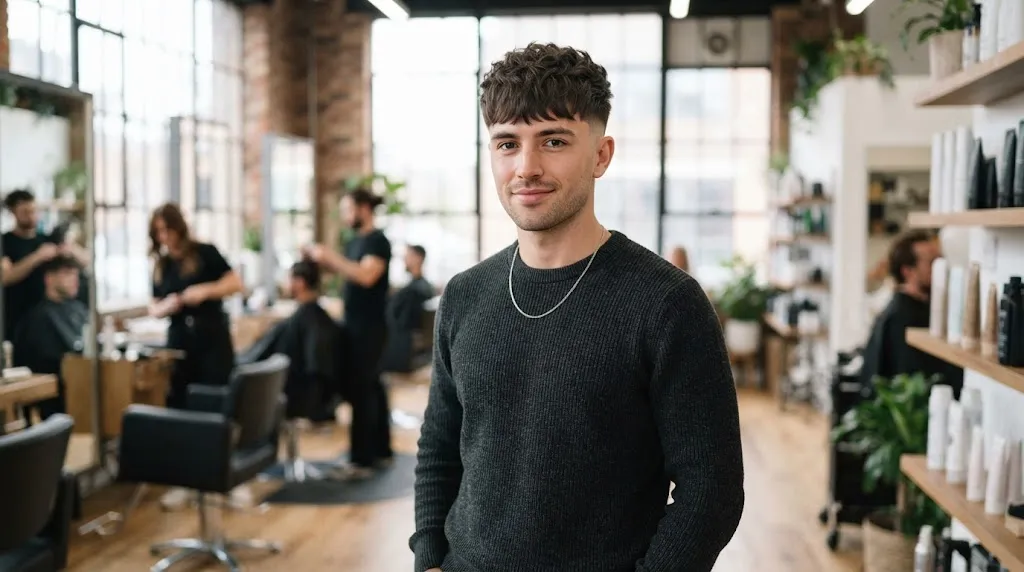
A textured crop works exceptionally well because a forward-falling fringe physically breaks up vertical length by shortening the forehead.
Sides: Request a low or mid fade rather than a high skin fade, keeping weight on the parietal ridge to widen the appearance of the temples.
Top: Keep the length at two to three inches, heavily point-cut to create choppy, horizontal movement rather than upward lift.
Styling: Work a matte styling paste through damp hair, pushing the top forward and slightly tousled rather than spiked straight up.
Styles to Avoid
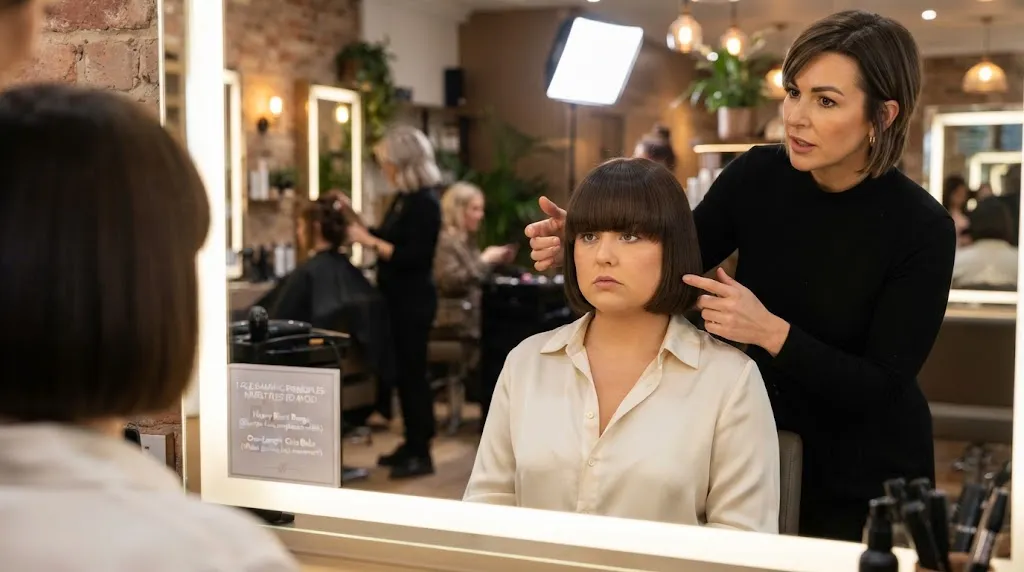
Certain classic men's cuts will actively work against a slim facial structure by exaggerating its length.
| Cut Style | Why It Flattens a Slim Face | Better Alternative |
|---|---|---|
| High Pompadour | Adds vertical inches to the crown, making the face look disproportionately narrow. | A low-profile side part with a combed-over sweep. |
| Extreme Skin Fade | Removes all width from the sides of the head, drawing the eye entirely to the center line. | A tapered scissor cut that leaves weight around the ears. |
| Sleek Slick-Back | Flattening the sides straight back exposes the full length of the temples and jawline. | A looser, textured flow cut that sits wider against the face. |
For men balancing wider features, exploring options like haircuts for square faces can help soften sharp jawlines, whereas traditional round-face hairstyles men focus entirely on elongation. If your face leans in the opposite direction toward an elongated structure, checking out dedicated long-face hairstyles male strategies will give you more precision on managing side proportions.
Hairstyles for a Naturally Long or Thin Face
Adding Width & Softness
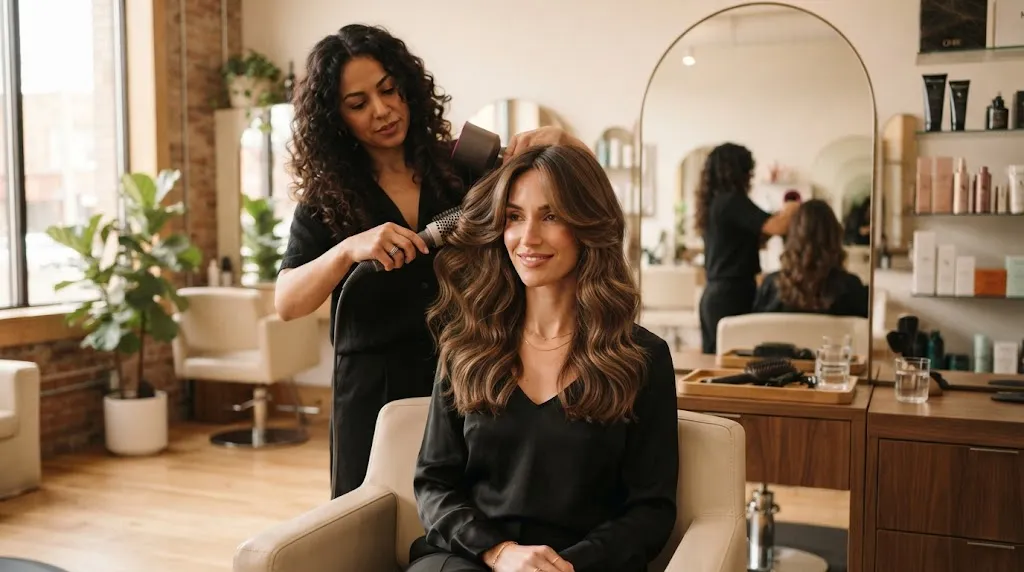
If your face naturally leans long or thin, the main goal is to build horizontal volume on the sides while keeping the top relatively flat to avoid elongation. As a stylist, I always tell clients with this face shape that we want to trick the eye by widening the cheek and jawline areas. Incorporating chin-length bobs, textured lobs, or voluminous waves that start right around the cheekbones creates the illusion of broader proportions.
The Textured Chin-Length Bob

This cut hits precisely at the jaw to add instant width where a long face needs it most.
A stylish chin-length blonde bob with soft, tousled waves curving outward around the jawline on a woman with an elongated face shape.
Curtain Bangs
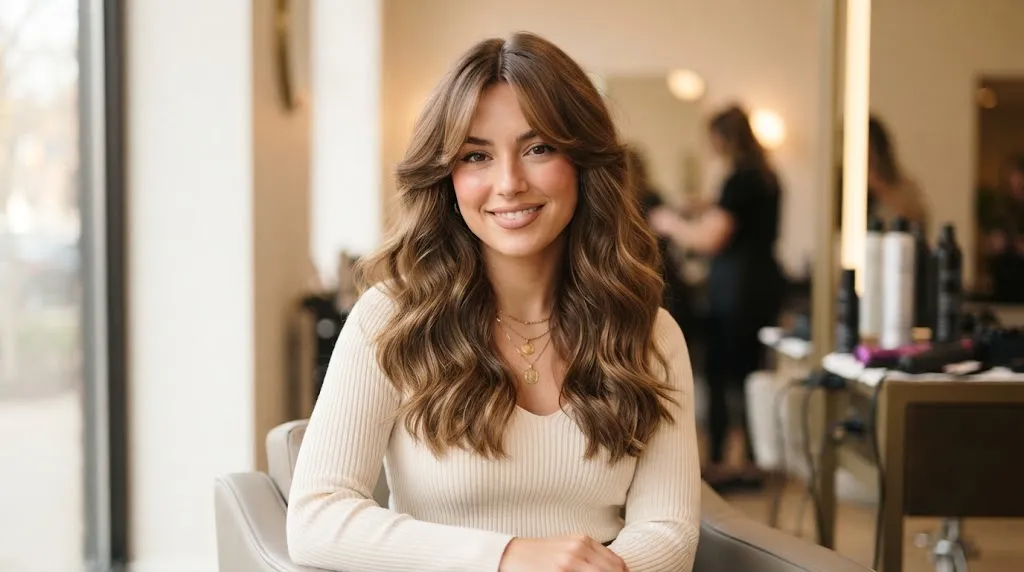
Parted down the middle and swept toward the temples, these fringe styles widen the upper third of the face and break up a high forehead.
Close-up of face-framing curtain bangs styled with soft volume, sweeping outward to broaden the cheekbones.
Voluminous Layered Waves
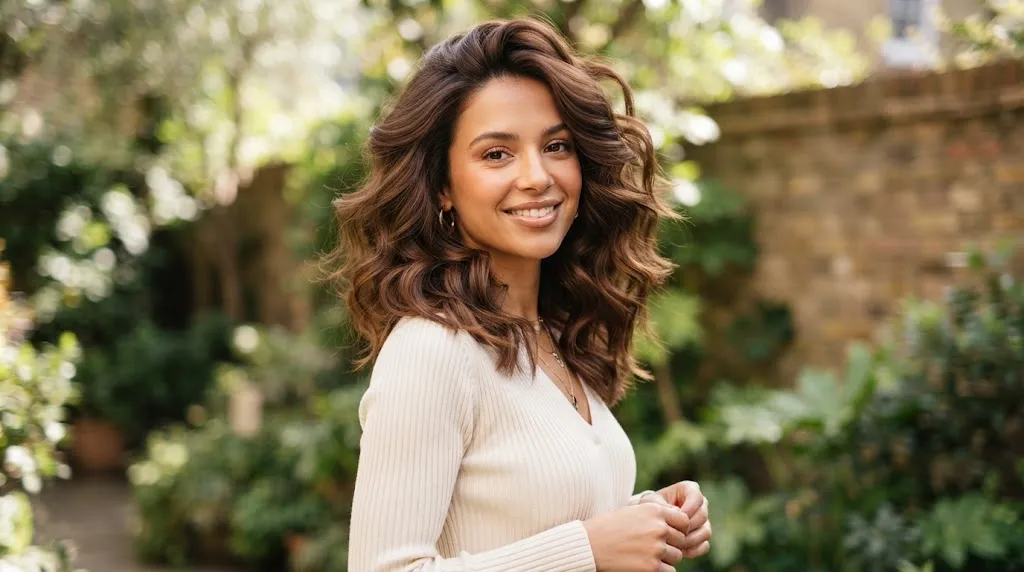
Adding body through the mid-lengths using a barrel curling iron pushes the silhouette outward rather than pulling it down. A brunette hairstyle featuring bouncy, shoulder-length waves that add maximum width around the ears and cheeks.
When styling, flip your part slightly deeper than center to build asymmetry, and apply a lightweight volumizing mousse to damp roots near the temples before blow-drying outward with a round brush. For male clients looking for similar balance, exploring tailored long-face-hairstyles-male options that keep hair fuller on the sides rather than buzzed tight makes a dramatic difference. In contrast, if you are pivoting from a wider silhouette, checking out a classic round-shape-haircut highlights how distinct the geometric approach needs to be.
Styles to Avoid If Your Face Is Already Long
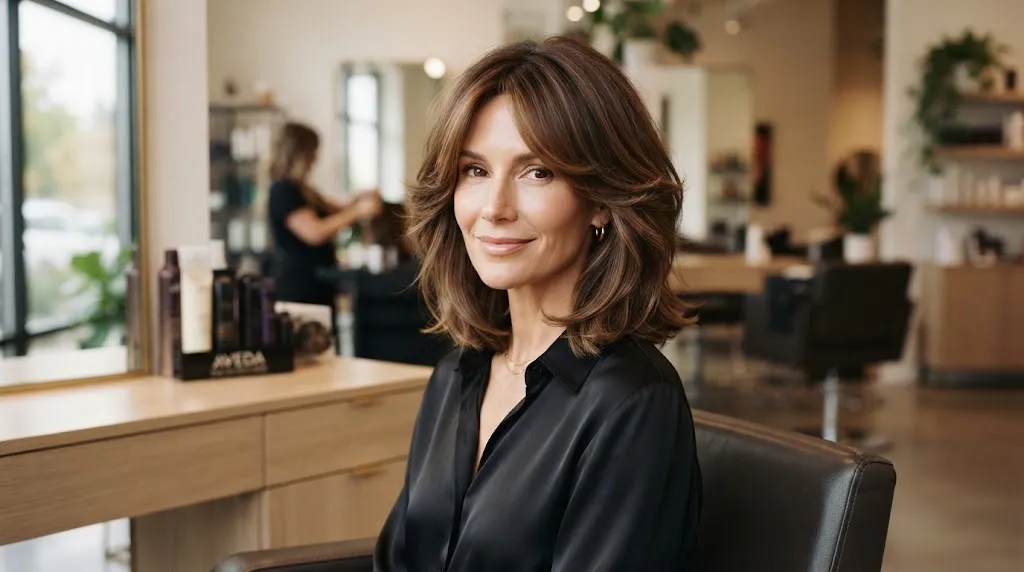
Certain cuts will immediately exacerbate the vertical lines of a long face by drawing the eye strictly downward. Avoid super-long, stick-straight hair without layers, as the heavy vertical weight drags the face down and makes it appear even thinner. Sleek, ultra-high ponytails and severe center parts with zero side volume should also be skipped, as they emphasize height rather than width. Additionally, short cropped cuts that leave zero hair on the sides while building height on top will only stretch your proportions further.
Slim Face Hairstyle for Wedding
Achieving a balanced wedding hairstyle for a slim or elongated face requires building width at the sides while avoiding excessive height at the crown. As a stylist, I always tell clients that wedding hair needs to complement your gown’s neckline while visually shortening and broadening facial proportions for photographs.
Textured Side-Swept Waves
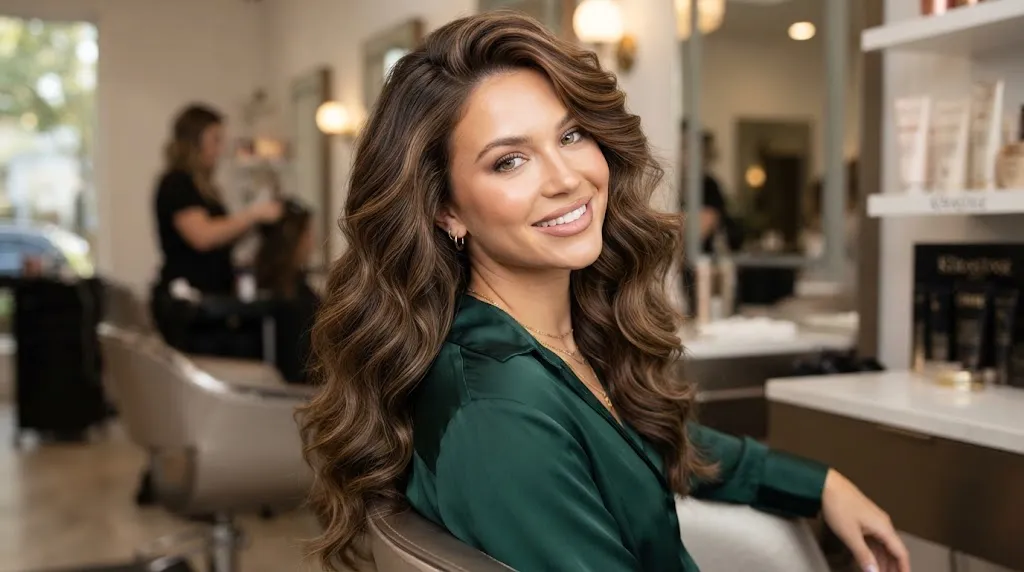
Soft, voluminous waves cascading over one shoulder break up vertical lines and introduce horizontal movement. A glamorous bride with cascading side-swept Hollywood waves that add width around the jawline and cheekbones
Low Chignon with Face-Framing Tendrils
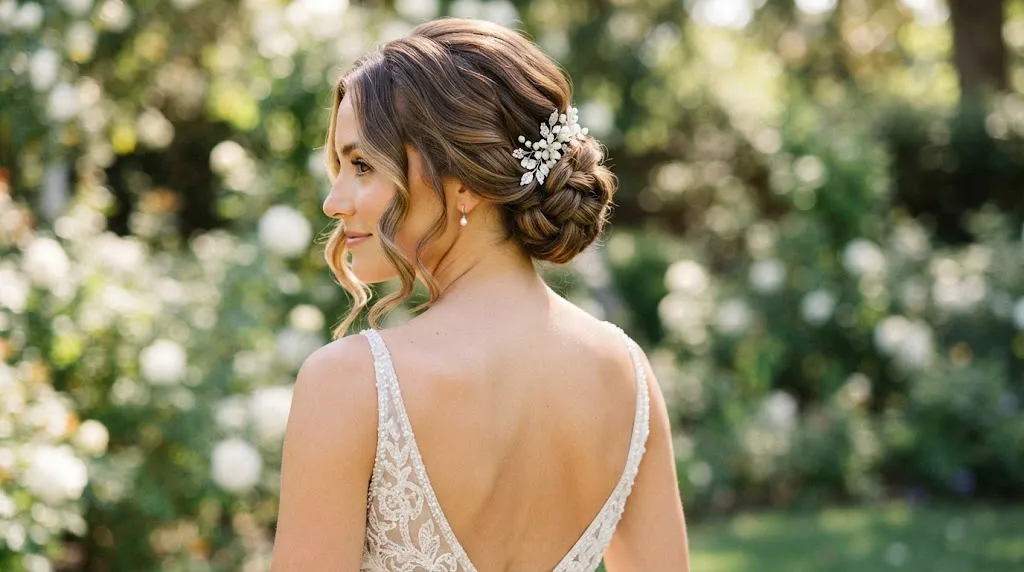
A nape-hugging chignon keeps the neck clean, while loose, curling tendrils left out near the temples soften a narrow jawline.
A detailed close-up of an elegant low bridal chignon featuring loose, face-framing pieces curled away from the eyes
Half-Up Crown with Side Volume
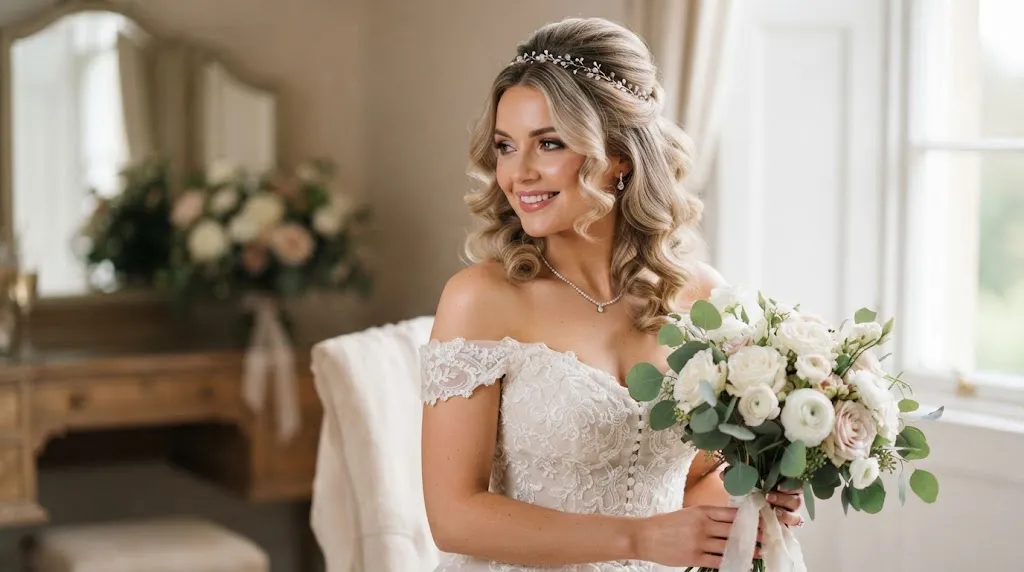
Pulling the top back loosely while using a curling iron to push the side sections outward creates the illusion of fuller cheeks. A bride wearing a half-up wedding hairstyle with pinned-back crown sections and voluminous side curls framing the face
When coordinating with your partner or bridal party, matching the formality of the look matters just as much as face shape. For instance, pairing a structured bridal updo with a polished groom-hairstyle ensures your couple portraits look cohesive and intentional. If you are attending as a guest rather than walking down the aisle, a versatile hair-style-woman-party option like a voluminous textured ponytail can achieve the same face-widening effect. For traditional ceremonies or fusion celebrations requiring minimal fuss, a simple-indian-hair-style featuring soft floral adornments adds side interest without overwhelming delicate facial features.
Advanced Tips Most Guides Miss
The 3-Inch Hair Rule, Explained
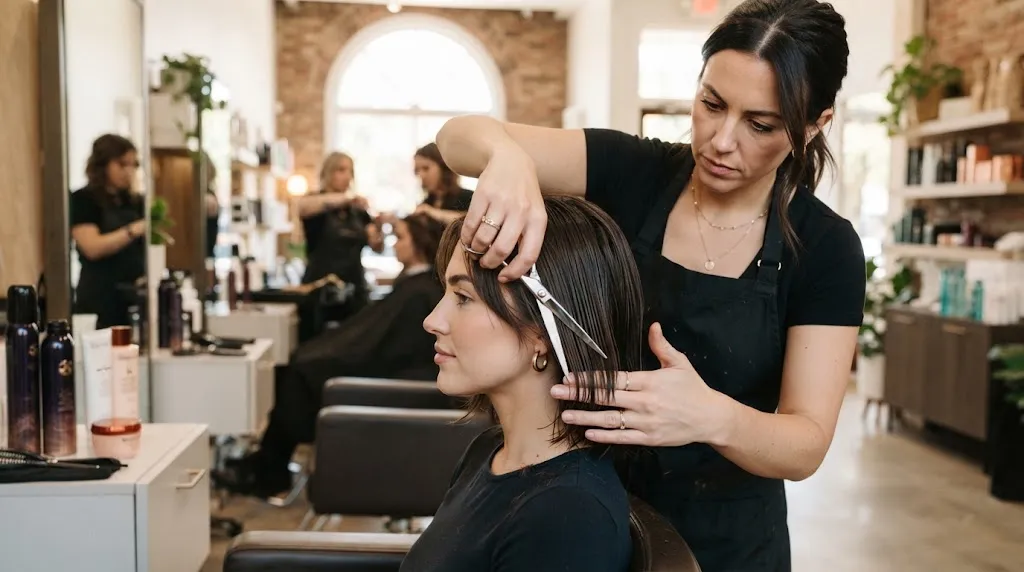
The three-inch hair rule dictates that any layer falling within three inches of the jawline will visually widen the lower face by pushing outward against the cheekbones or jaw. When shaping hair for a narrow or long face structure, cutting the shortest interior layers above this three-inch threshold prevents unwanted lateral volume near the cheeks, keeping the silhouette elongated and proportional. As a stylist, I always tell clients sitting in my chair that precision cutting is about controlling where the eye travels, and keeping fullness strictly above the temples or below the collarbones avoids widening the mid-face.
Color & Highlighting Tricks for a Slimming Effect
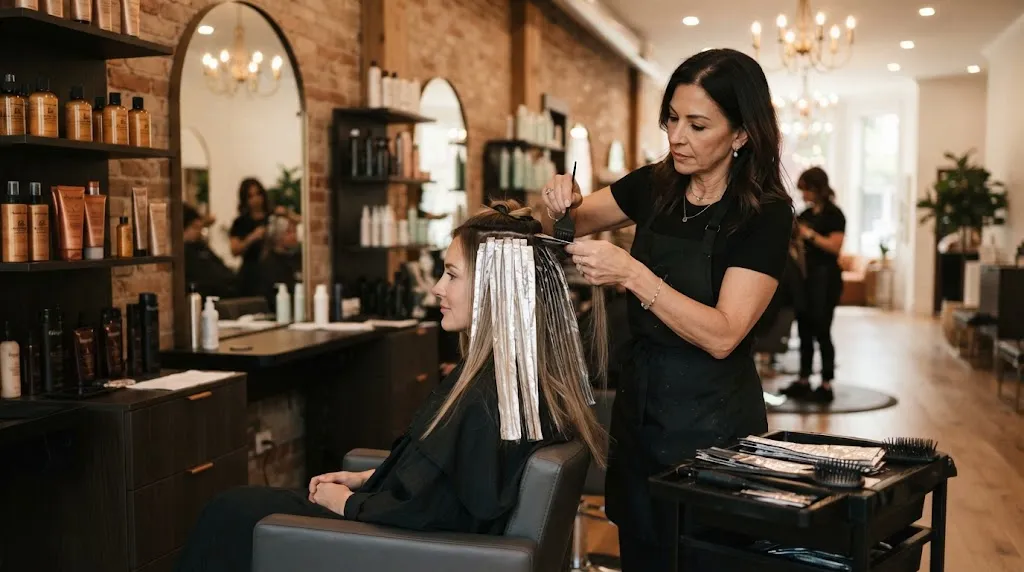
Strategic color placement creates vertical optical illusions that instantly counteract width or softness in facial structure. By applying vertical micro-foils—fine, dense highlights woven from the crown down through the ends—the eye tracks straight up and down, making a round face appear narrower. Conversely, framing the face with brighter perimeter ribbons while keeping the root area deeper pushes the background back, casting natural shadows that sculpt the jawline without requiring heavy layering.
Real User Problems
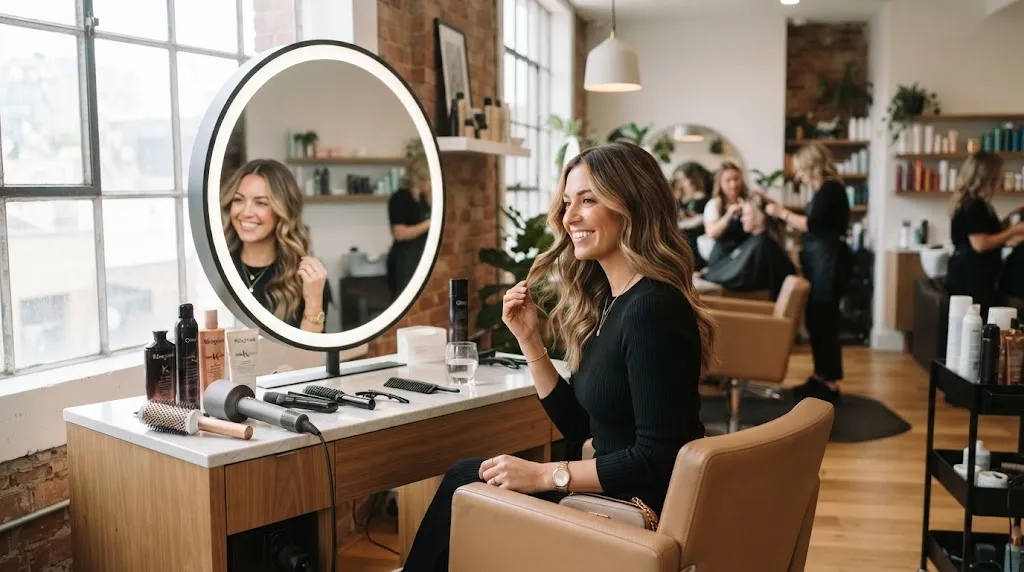
A frequent frustration in the salon chair is the stylist who defaults to heavy, blunt bangs that compress a long face horizontally, making it look boxy rather than balanced. Another common point of confusion is attempting to fix a lack of facial definition using long tape-in or keratin extensions, which often add bulky width right at the cheek level instead of elongating the silhouette. Solving these missteps requires shifting away from one-size-fits-all cutting techniques and instead mapping weight distribution to complement the client’s specific bone structure.
Face Goal & Hair Type Cut Matrix
| Face Goal | Hair Type | Recommended Cut |
|---|---|---|
| Slimming a full/round face | Fine & Straight | Long layered cut with face-framing curtain bangs parted slightly off-center |
| Slimming a full/round face | Thick & Wavy | Textured long bob (lob) angled slightly forward with long, sweeping side layers |
| Balancing a long/thin face | Fine & Straight | Chin-length blunt bob with soft interior texture and horizontal brow-skimming fringe |
| Balancing a long/thin face | Thick & Curly | Medium-length cut with rounded volume concentrated around the cheekbones and jaw |
Slim Face Haircut & Styling FAQs
What haircut makes a slim face look fuller?
How do I know if my face is considered slim?
Are bangs good for a long, thin face?
Do short haircuts suit slim faces?
Can layers make a slim face look worse?
What parting is best for a slim face?
How can I add volume to the sides of my hair?
Are curls and waves flattering for thin faces?
Should people with slim faces avoid high ponytails?
How do I style my hair to avoid elongating my face?
Explore More Hairstyles
References
This guide is grounded in facial-proportion research and established styling principles — not guesswork.
Face shapes naturally vary far more than most style guides admit — population data from the Multiracial Facial Golden Ratio and Evaluation of Facial Appearance study shows how differently natural face proportions are distributed, and how the golden-ratio framework is used to describe facial balance. Clinical measurements in the Assessment of Facial Analysis Measurements by Golden Proportion study further compare long, short, and normal face morphologies using length-to-width ratios, which is exactly the logic behind the 3-inch rule explained earlier in this guide. Separate research on the prediction of facial attractiveness from facial proportions shows how variations in these ratios affect perceived balance and visual harmony. And for anyone confused about the difference between “golden ratio” symmetry and the facial width-to-height ratio (fWHR) often mentioned online, this fWHR explainer breaks down the distinction and confirms that hairstyle framing is one of the most practical, non-permanent ways to visually adjust facial proportions.