
Box Cut Hairstyle: Styles for Women, Men & Boys With Photos
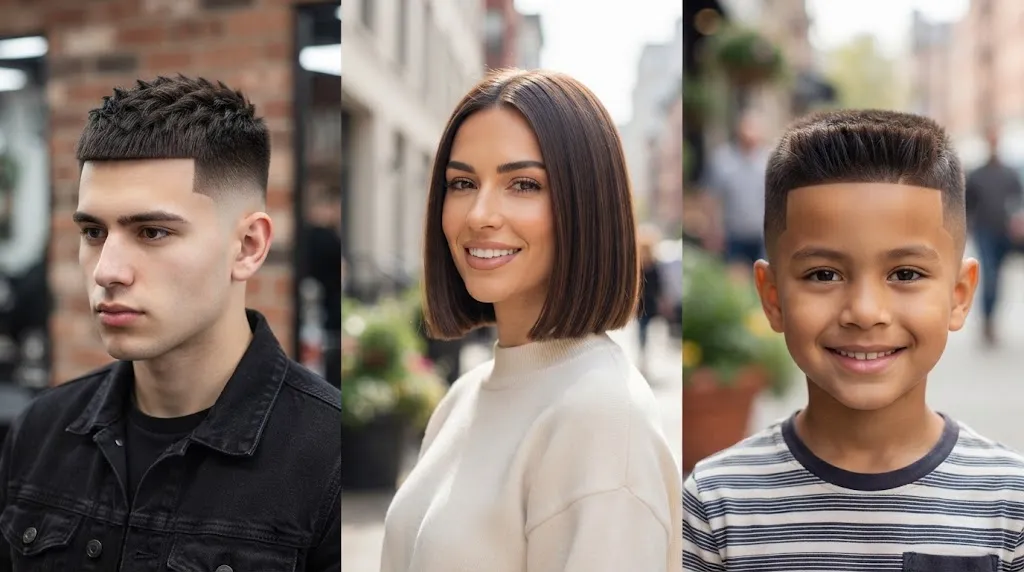
A box cut hairstyle can describe two different looks depending on who is wearing it. For women, it usually refers to a structured box bob with a defined perimeter and squared silhouette around the face. For men and boys, the term commonly describes a box-shaped haircut or box fade with a structured top and shorter, tapered or faded sides.
This guide shows box cut styles for women, men, and boys with names and photos so you can identify the right version quickly. You’ll also find guidance for different hair textures, densities, and face shapes, along with what to ask your stylist or barber, how to style and maintain the cut, and how to fix common box cut problems. For more haircut ideas and visual inspiration beyond the box cut, you can also explore HairStylesUSA.
Box Cut Hairstyle at a Glance
A box cut hairstyle is defined by a clean, structured shape with a noticeable outline and controlled length. For women, it usually means a box bob, while men’s and boys’ versions typically use a squared top with shorter, tapered, or faded sides.
Explore Box Cut Styles
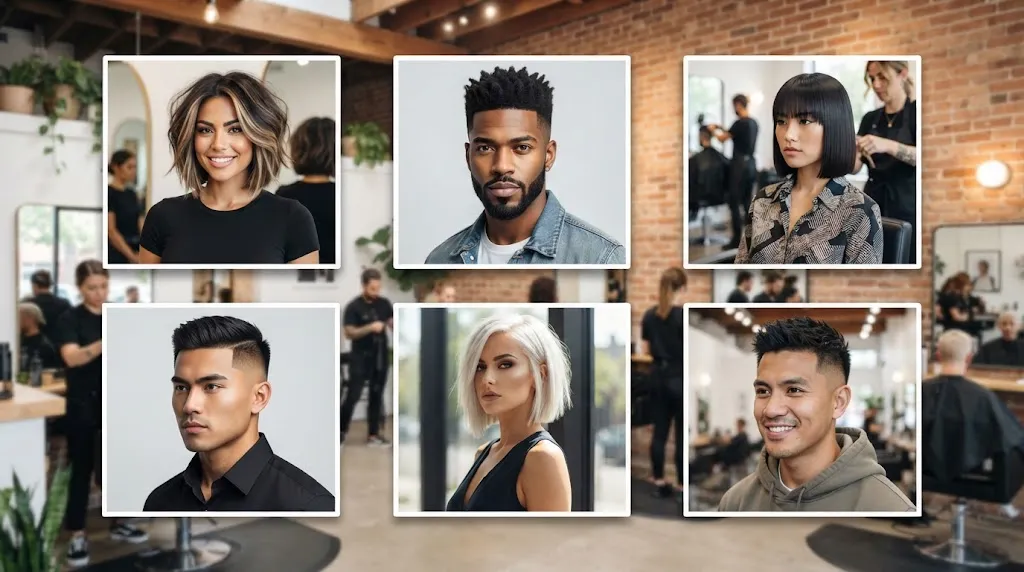
- Women’s Box Cut
- Men’s Box Cut
- Boys’ Box Cut
- Box Fade
- Short Box Cut
- Curly or Textured Box Cut
How to Identify a Box Cut
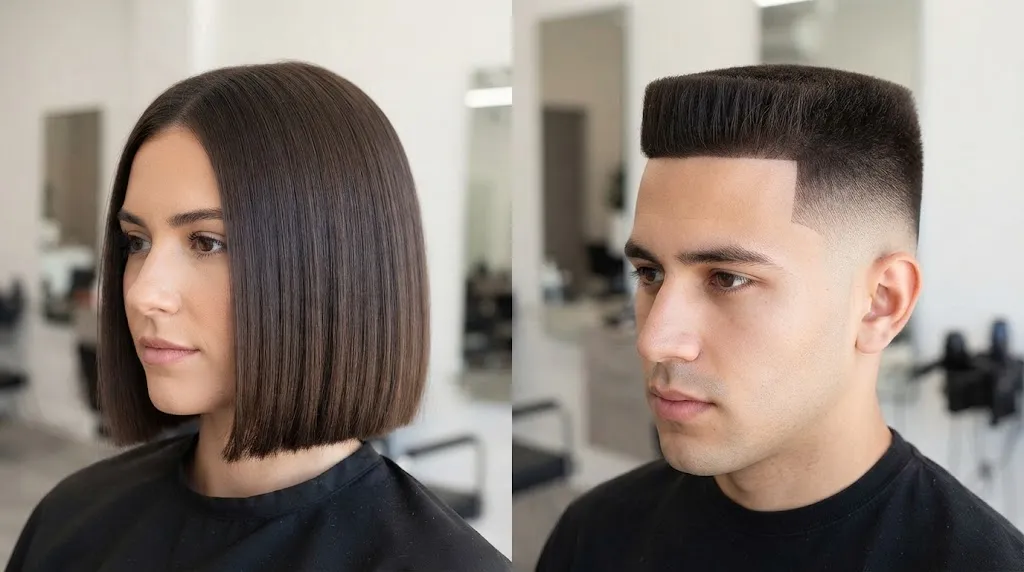
Look for these common characteristics:
- A clearly defined overall shape
- A strong outline or perimeter
- Controlled length rather than an uneven silhouette
- Visible structure through the top, sides, or ends
- A squared or box-inspired appearance
Women’s box cut: Usually refers to a structured box bob with a blunt or clearly defined perimeter around the chin or jaw area.
Men’s and boys’ box cut: Usually features a squared or structured top combined with shorter sides, a taper, or a fade
What Is a Box Cut Haircut?

A box cut haircut is a structured style built around a clear, box-inspired silhouette rather than a soft or heavily blended shape. The exact look changes by version: women’s box cuts usually sit around the chin or jaw as a box bob, while men’s versions use a defined top with shorter, tapered, or faded sides.
The “box” effect comes from the haircut’s controlled outline. On a box bob, a strong perimeter keeps visual weight around the ends and creates a more geometric shape around the face. On men’s and boys’ cuts, the top is kept visibly structured while the sides are shortened in a way that preserves the defined upper shape.
Length also affects the result. A women’s box bob is commonly positioned around the chin or jaw, while a men’s box cut can vary in top length depending on how sharp, flat, or textured the finished shape should appear.
The cut itself creates the structure, while styling changes the finish. A sleek blowout can make a box bob look sharper, waves can soften its outline, and texture on a men’s box cut can make the top appear less rigid without changing the basic haircut.
Hair texture and density also change how the same cut behaves. Fine or lower-density hair often needs more weight preserved in the outline, while dense hair may need careful internal weight removal. Wavy, curly, and coily hair require enough room for natural bend, volume, and shrinkage so the intended shape remains balanced.
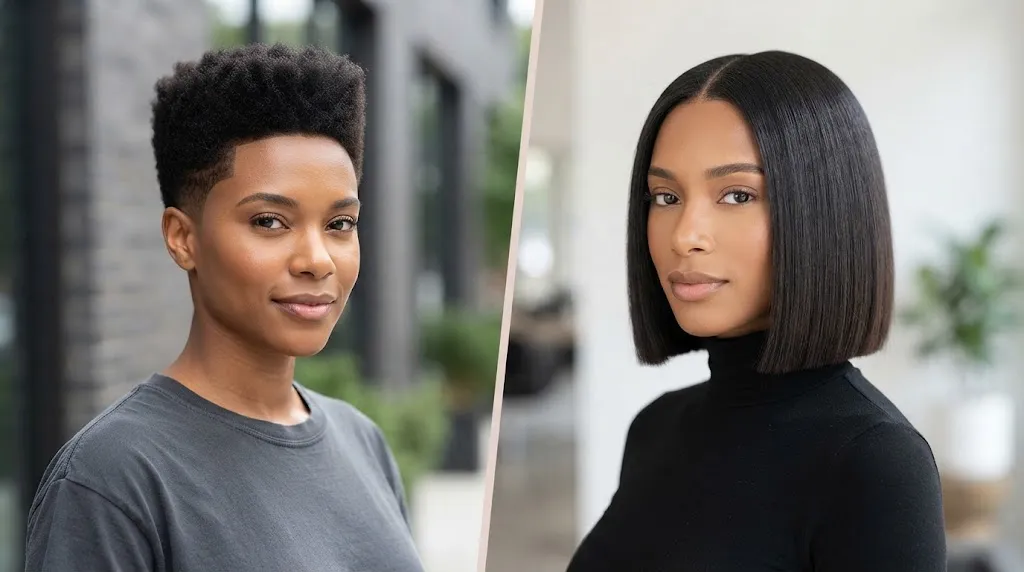
Box Cut vs Box Bob — Are They the Same?
| Term | Usually Refers To | Main Shape | Typical Audience |
|---|---|---|---|
| Box Bob | Chin-focused structured bob | Square or blunt perimeter | Women |
| Box Cut | Context-dependent structured haircut | Box-inspired, defined shape | Women or men |
| Box Fade | Defined top with progressively faded sides | Squared top with stronger contrast | Men and boys |
Box Cut Hairstyles for Women With Names and Photos
Women’s box cuts range from sharp, polished bobs to softer textured versions. The main difference between each style comes from the perimeter, parting, fringe, natural texture, and how much internal movement is added.
Classic Box Bob

A classic box bob sits around the chin or jaw with a clean, structured perimeter that creates the signature square shape.
Best for: Anyone wanting a defined, balanced short haircut
Hair texture: Straight to slightly wavy
Hair density: Fine to medium
Face shape: Oval, heart, square
Maintenance: Medium
Creates: A fuller-looking lower edge with a clean, geometric silhouette
Ask your stylist: Keep the length around the chin with a solid perimeter and minimal visible layering.
Sleek Blunt Box Bob
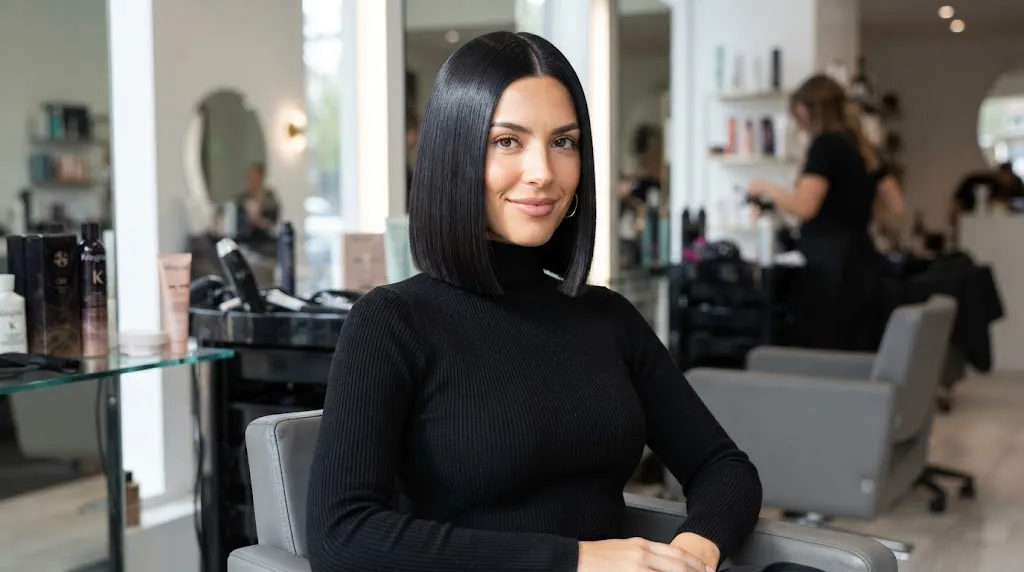
This version emphasizes a very sharp baseline and smooth finish, making the outline look especially precise and polished.
Best for: Sleek, minimal styling and strong definition
Hair texture: Straight or easily straightened
Hair density: Fine to medium
Face shape: Oval, heart, long
Maintenance: Medium to high
Creates: A glossy, sharp-edged finish with strong visual weight at the ends
Ask your stylist: Cut a clean blunt perimeter with little visible graduation and keep the ends compact rather than rounded.
Soft Textured Box Bob

A soft textured box bob keeps the outer box shape but adds subtle internal movement so the haircut feels less rigid.
Best for: Anyone who wants structure without a severe finish
Hair texture: Straight, wavy
Hair density: Medium to thick
Face shape: Oval, round, square, heart
Maintenance: Medium
Creates: A softer version of the box shape with movement through the lengths
Ask your stylist: Preserve the strong outer perimeter while adding light internal texture to reduce heaviness without breaking the shape.
Box Bob With Curtain Bangs

Curtain bangs soften the front of a box bob by adding movement around the forehead and cheekbones while the lower perimeter stays structured.
Best for: Softening a strong jawline or square outline
Hair texture: Straight to wavy
Hair density: Fine to thick
Face shape: Round, square, heart, oval
Maintenance: Medium
Creates: A softer face frame while keeping the haircut’s defined lower shape
Ask your stylist: Keep the box-bob perimeter intact and add cheekbone-length curtain bangs that blend lightly into the front.
Box Bob With Micro Bangs

Micro bangs make the box bob look more graphic by exposing more of the forehead and drawing attention to the eyes, brows, and cheekbones.
Best for: A bold, high-definition short haircut
Hair texture: Straight to slightly wavy
Hair density: Fine to medium
Face shape: Oval, heart, long
Maintenance: High
Creates: A sharper, more fashion-forward silhouette
Ask your stylist: Pair the blunt box perimeter with a short micro fringe that stays clearly separate from the main length.
Side-Part Box Bob

Moving the part to one side changes the balance of the cut, adding more height and movement through one side of the crown.
Best for: Adding visual volume or reducing a perfectly symmetrical appearance
Hair texture: Straight, wavy
Hair density: Fine to medium
Face shape: Round, square, oval, heart
Maintenance: Low to medium
Creates: More crown lift and a softer, asymmetrical visual balance
Ask your stylist: Keep the structured perimeter but shape the front so it falls naturally from a deeper side part.
Wavy Box Bob

A wavy box bob keeps the overall structured outline while natural bends soften the straight geometry of the haircut.
Best for: Natural movement with a defined short shape
Hair texture: Wavy
Hair density: Medium to thick
Face shape: Oval, square, heart, long
Maintenance: Low to medium
Creates: A relaxed box silhouette with softer edges and visible movement
Ask your stylist: Cut for your natural wave pattern and keep enough weight at the perimeter so the box shape remains visible after drying.
Curly Box Bob
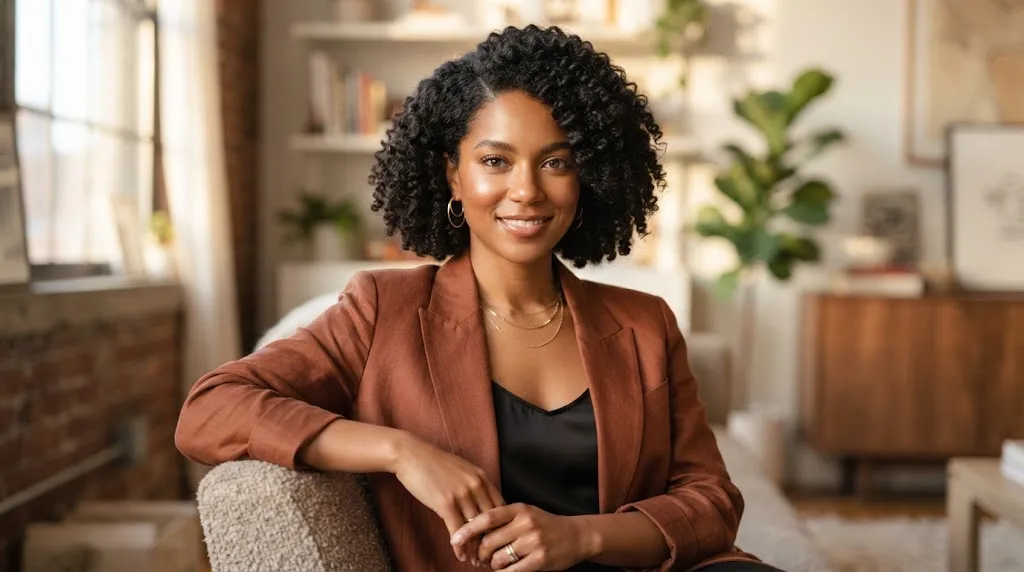
A curly box bob adapts the structured shape to natural curl volume, with careful weight control to prevent the lower section from becoming overly wide or triangular.
Best for: Defined curls with a strong short silhouette
Hair texture: Curly to coily
Hair density: Medium to high
Face shape: Oval, heart, long, square with customized width
Maintenance: Medium
Creates: A rounded-to-boxy curly shape with controlled width and fuller definition
Ask your stylist: Account for shrinkage before setting the final length and remove internal bulk carefully without thinning out the outer perimeter.
Box Cut Hairstyles for Men With Names and Photos
Men’s box cuts combine a defined top shape with controlled sides, ranging from subtle tapers to high-contrast fades. The right version depends on your natural texture, preferred top length, face proportions, and how sharp or relaxed you want the finished outline to look.
Classic Box Cut
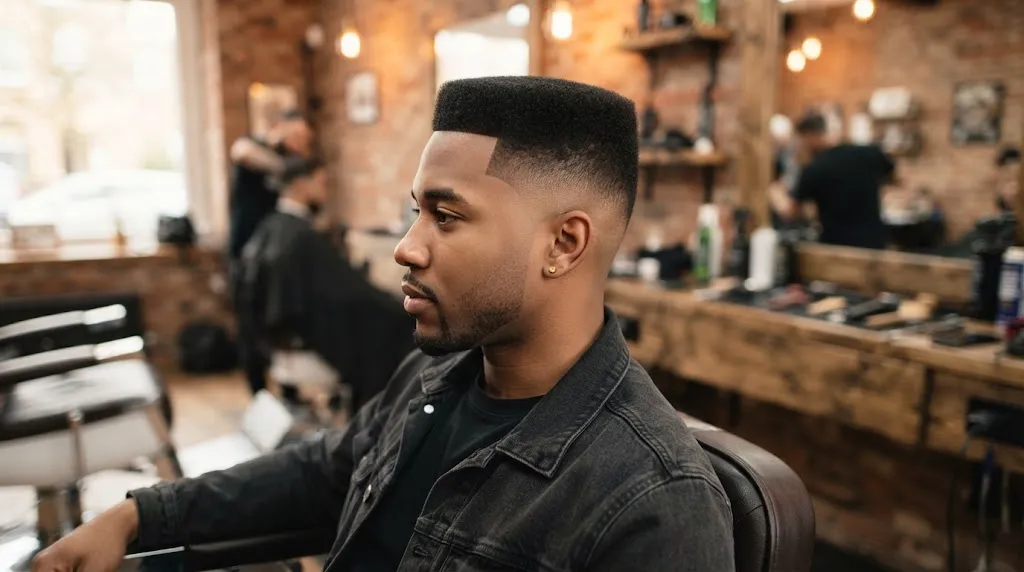
The classic box cut keeps the top visibly structured while the sides are shortened and blended without removing the strong upper shape.
Hair type: Straight, wavy, curly, or coily
Face shape: Oval, round, square, oblong
Top/sides: Defined medium-length top with controlled short or tapered sides
Maintenance: Medium
Styling: Keep the top shaped and controlled with light hold; avoid flattening the natural volume
Ask your barber: Keep a clearly defined box-inspired top and blend the sides shorter without rounding off the upper corners.
Short Box Cut
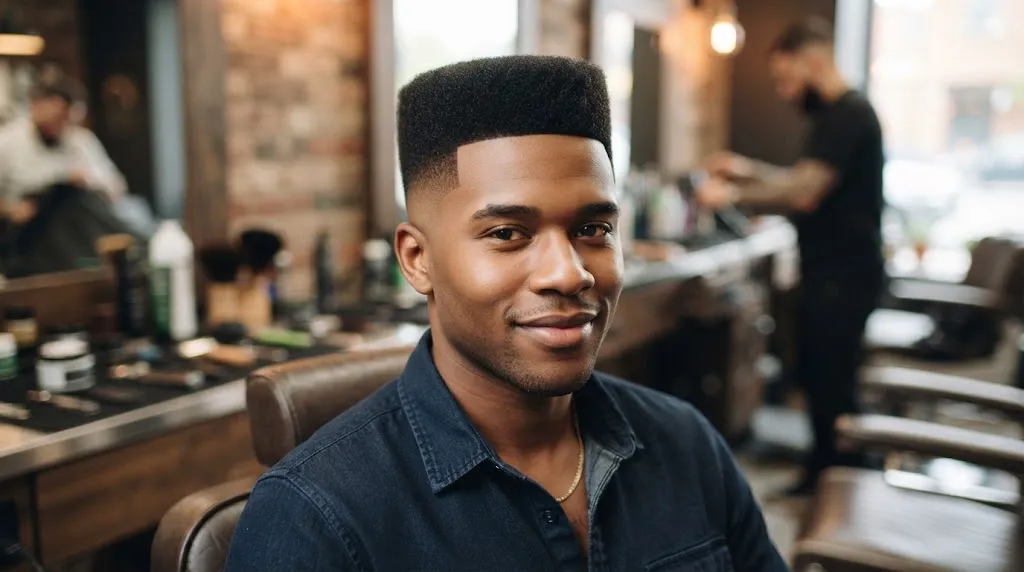
A short box cut reduces the overall length while keeping enough structure on top to maintain the recognizable squared silhouette.
Hair type: Straight, wavy, curly, or coily
Face shape: Oval, round, square
Top/sides: Short structured top with closely tapered or clipped sides
Maintenance: Low to medium
Styling: Minimal daily styling; keep the top neat and lightly defined
Ask your barber: Keep the top short but visibly squared, with clean shorter sides that blend into the shape rather than making the top completely round.
Low Box Fade
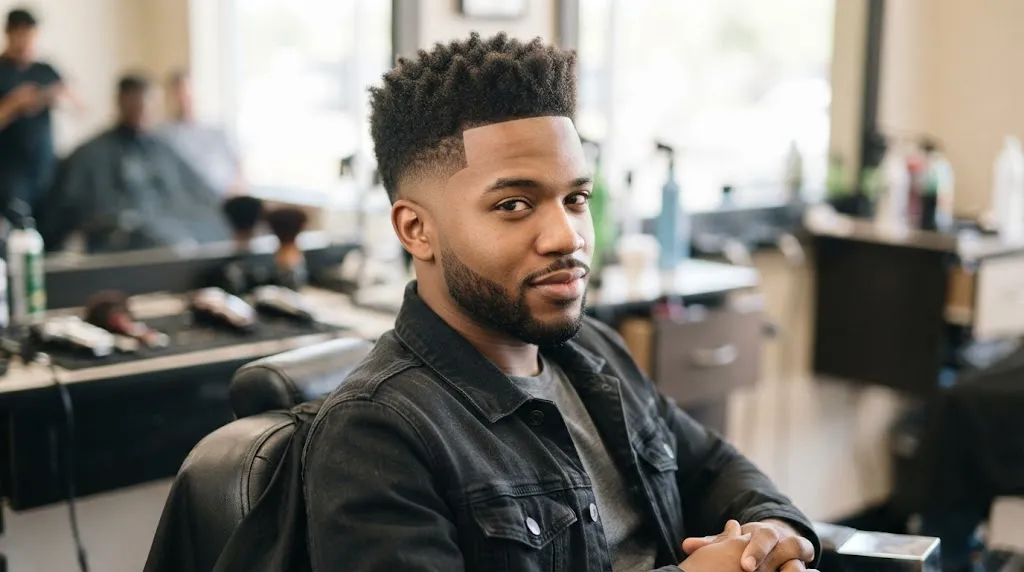
A low box fade begins the fade close to the ears and neckline, preserving more weight on the sides and creating a softer transition beneath the structured top.
Hair type: Straight, wavy, curly, coily
Face shape: Oval, square, oblong, heart
Top/sides: Structured top with a low fade concentrated around the lower sides and nape
Maintenance: Medium
Styling: Define the top while keeping the fade clean and understated
Ask your barber: Maintain the box shape on top and start the fade low around the ears and neckline for a gradual transition.
Mid Box Fade
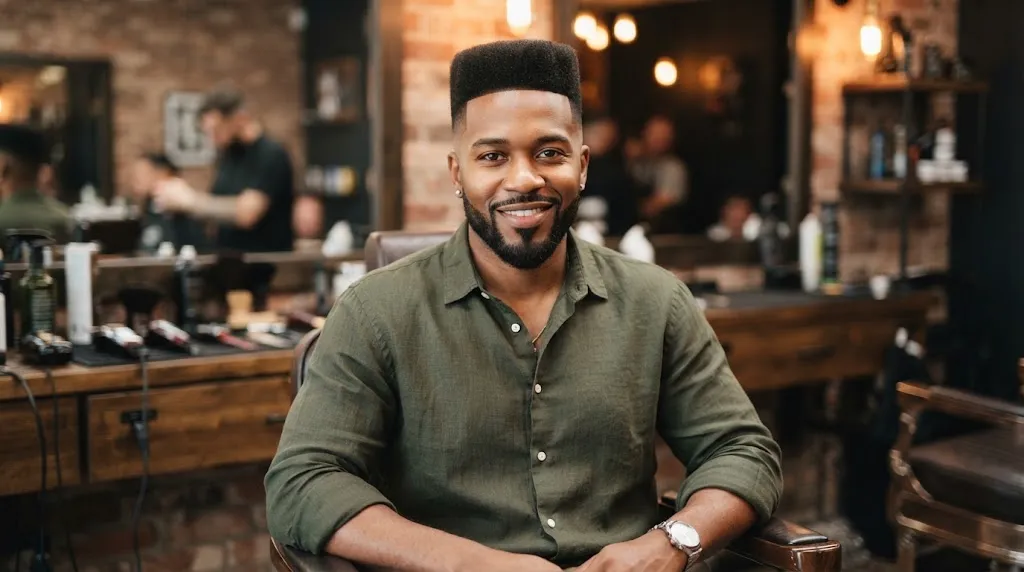
The mid box fade starts around the middle of the sides, creating more contrast than a low fade without exposing as much scalp as a high fade.
Hair type: Straight, wavy, curly, coily
Face shape: Oval, round, square
Top/sides: Defined top with a fade beginning around the mid-sides
Maintenance: Medium to high
Styling: Keep height and definition through the top so the box shape stays visible
Ask your barber: Keep the upper shape squared and blend a mid fade smoothly through the sides and back without taking the transition too high.
High Box Fade
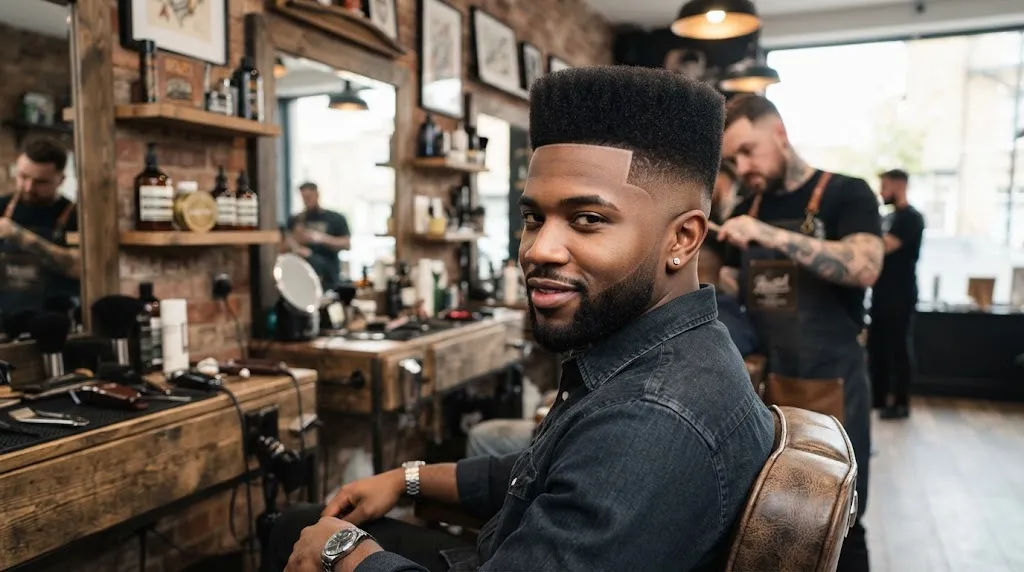
A high box fade removes more weight from the upper sides, producing stronger contrast and making the structured top stand out more clearly.
Hair type: Curly, coily, straight, or dense textured hair
Face shape: Round, oval, square
Top/sides: Defined or elevated top with a high fade starting near the temples
Maintenance: High
Styling: Maintain visible height or structure on top to balance the closely faded sides
Ask your barber: Preserve the box-shaped top and take the fade higher on the sides for a sharper contrast while keeping the upper outline clearly defined.
One-Side Box Haircut
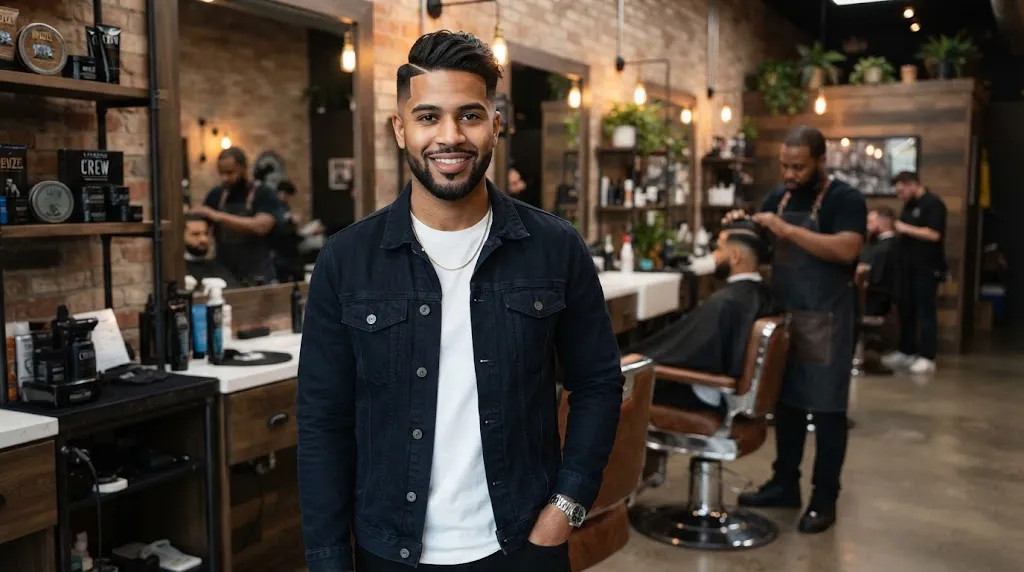
A one-side box haircut uses an off-center part, directional styling, or intentionally uneven visual weight to create a more side-focused version of the structured cut.
Hair type: Straight to wavy
Face shape: Oval, round, square, oblong
Top/sides: Longer or more directional top with shorter sides and an emphasized side part
Maintenance: Medium
Styling: Direct the top toward one side and keep the part or side separation clearly visible
Ask your barber: Maintain the box-inspired structure but leave enough top length to create a defined side direction or off-center shape.
Textured Box Cut
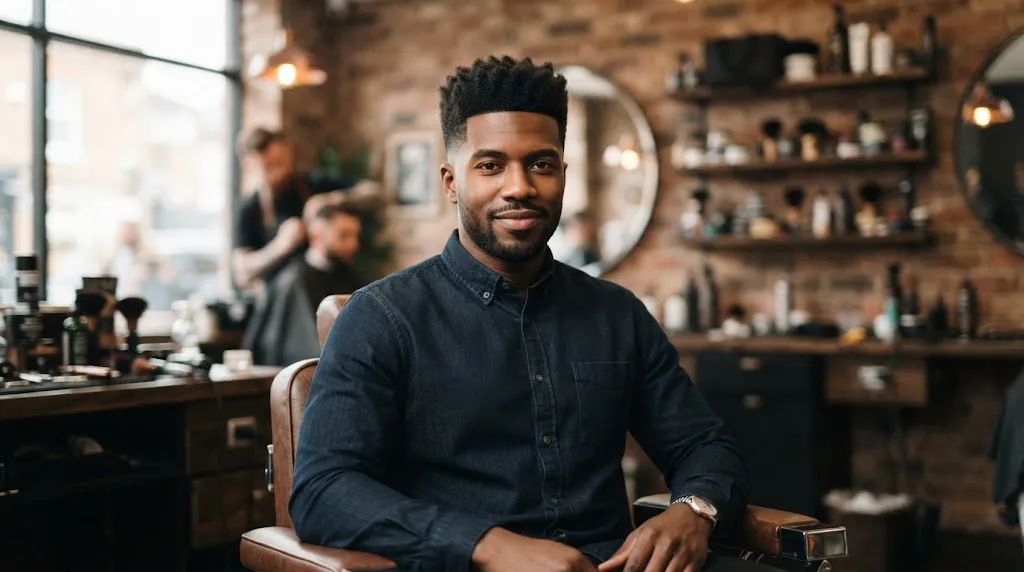
A textured box cut keeps the basic structured outline while breaking up the top surface with separation and movement for a less rigid finish.
Hair type: Straight, wavy, or loosely curly
Face shape: Oval, round, square, oblong
Top/sides: Medium-short textured top with tapered or faded sides
Maintenance: Medium
Styling: Use light separation through the top rather than forcing every strand into a perfectly flat shape
Ask your barber: Preserve the overall box silhouette while adding controlled texture through the top so it has movement without losing its defined outline.
Curly Box Cut

A curly box cut uses natural curl volume to create height and shape on top while shorter sides control width and make the upper outline more noticeable.
Hair type: Curly to coily
Face shape: Oval, round, square, oblong
Top/sides: Natural curls retained on top with tapered or faded sides
Maintenance: Medium to high
Styling: Define the natural curl pattern while controlling excess width instead of flattening the texture
Ask your barber: Shape the top around my natural curl pattern, account for shrinkage, and shorten the sides while keeping enough upper volume to preserve the box silhouette.
Box Cut Hairstyles for Boys With Photos
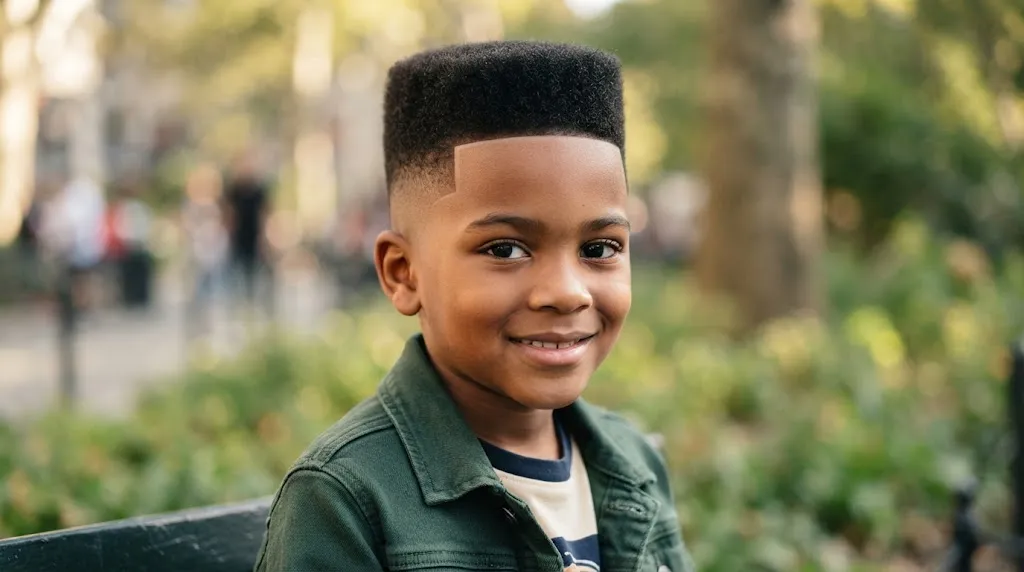
Box cuts for boys use the same structured shape found in men’s versions, but shorter lengths and simpler styling usually make them easier for everyday wear. The best option depends on hair texture, school or grooming preferences, and how much maintenance is practical.
Short Box Cut for Boys
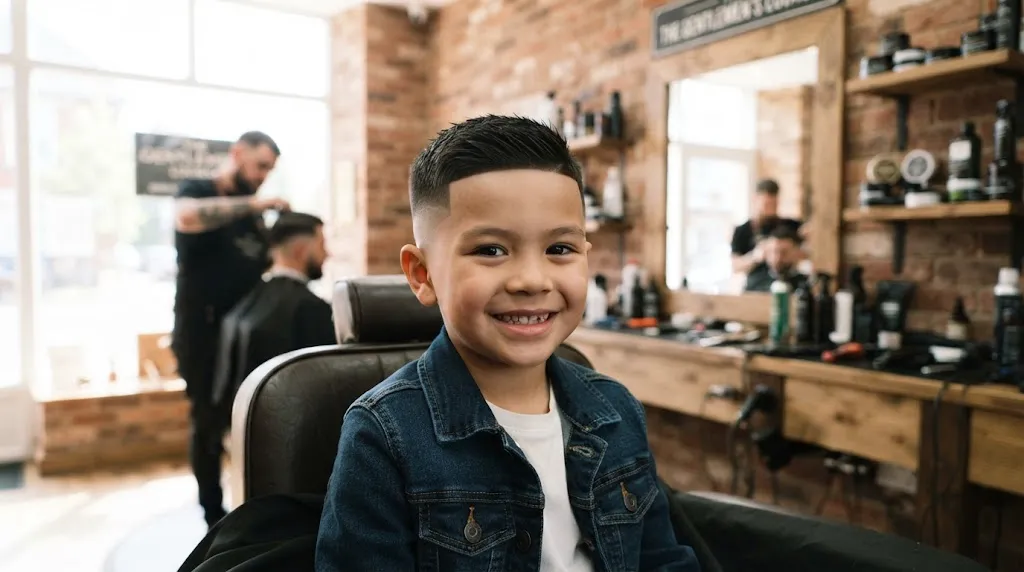
A short box cut keeps the top neat and structured with closely controlled sides, making it a practical option for boys who prefer a clean, low-fuss haircut.
Best for: Everyday wear and shorter styling routines
Hair type: Straight, wavy, curly, or coily
Maintenance: Low to medium
Ask your barber: Keep the top short but visibly structured, with neat tapered sides that preserve the box-inspired shape.
Box Fade for Boys
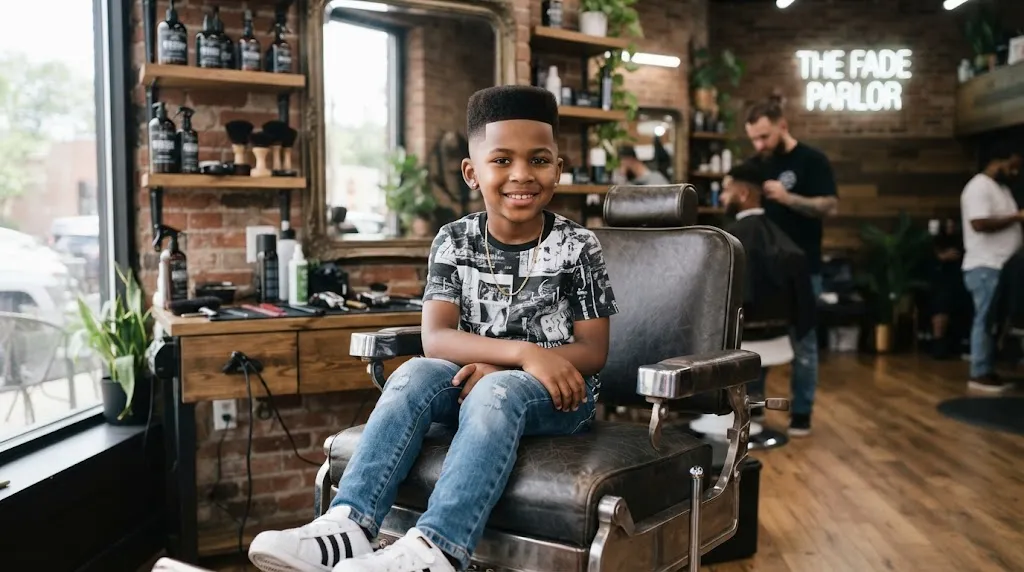
A box fade combines a defined upper shape with gradually faded sides for a cleaner and more noticeable contrast.
Best for: Boys who want a sharper, more defined finish
Hair type: Straight, wavy, curly, or coily
Maintenance: Medium to high
Ask your barber: Keep the top clearly shaped and blend the sides into a low or mid fade for a balanced result.
Textured Box Cut for Boys

This variation keeps the box outline but adds movement through the top, so the haircut looks softer and less rigid during everyday styling.
Best for: A relaxed, easy-to-style finish
Hair type: Straight to wavy, loosely curly
Maintenance: Medium
Ask your barber: Keep the overall structure defined while adding light texture through the top for natural separation.
Curly Box Cut for Boys

A curly box cut keeps natural curl volume on top while shorter sides control width and make the overall shape easier to see.
Best for: Boys with naturally curly or coily hair
Hair type: Curly to coily
Maintenance: Medium
Ask your barber: Shape the top around the natural curl pattern, allow for shrinkage, and shorten the sides without flattening the curls.
See a Box Cut From the Front, Side and Back
A box cut can look noticeably different from each angle, so checking the front, side, and back helps you understand the full shape before choosing a reference photo. These views reveal how the haircut frames the face, where the length sits, and how the perimeter, taper, or fade connects around the head.
Front View

From the front, focus on how the cut frames the face and how wide or narrow the overall silhouette appears. On a women’s box bob, the front view shows the relationship between the chin-length perimeter, fringe, and parting. On men’s and boys’ versions, it makes the top shape, hairline, and balance between both sides easier to judge.
Look for:
- How the haircut frames the face
- Overall width and top height
- Middle, side, or off-center parting
- Fringe or bangs placement
- Symmetry of the finished shape
Side View
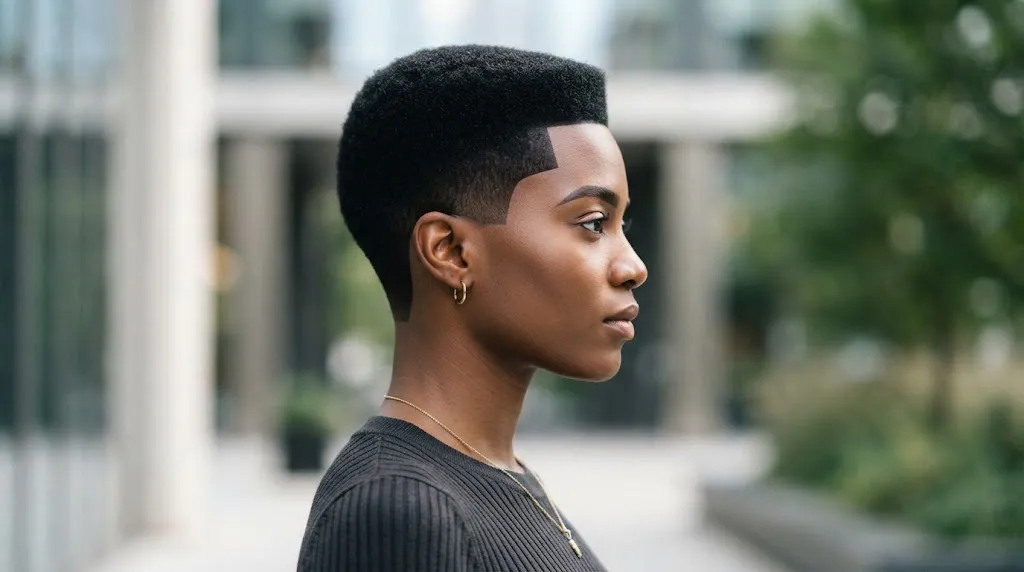
The side view shows exactly where the haircut length sits and how the top or perimeter transitions toward the back. It is especially useful for checking whether a women’s box bob stays blunt through the ends or whether a men’s box cut uses a taper or fade beneath the structured top.
Look for:
- Chin, jaw, or top-length placement
- Strength of the outer perimeter
- Fade or taper transition
- Volume around the crown
- Overall profile shape
Back View
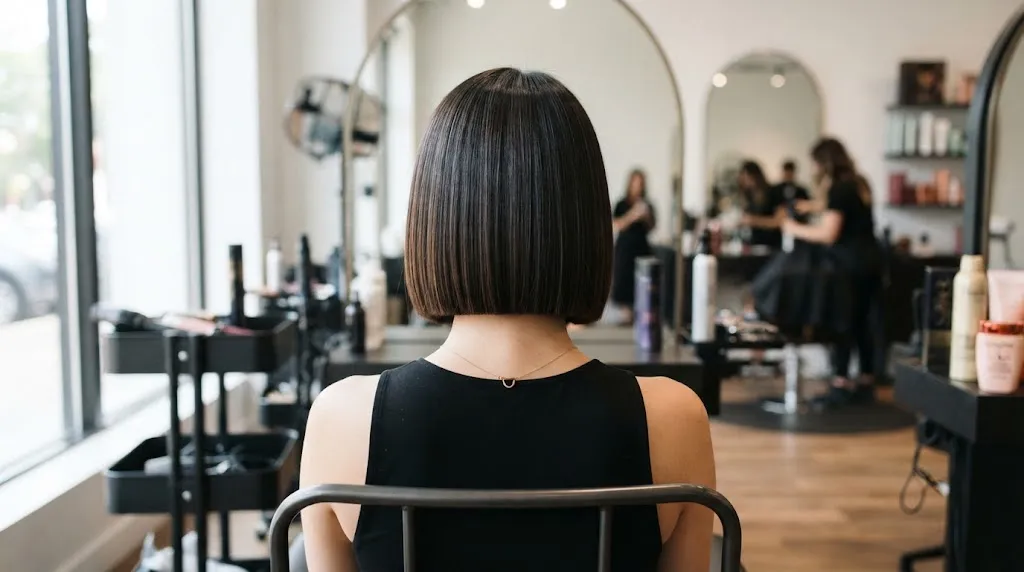
The back view reveals the baseline and how much graduation or blending has been used. A box bob usually keeps a clean, controlled lower edge, while men’s versions may show a taper, fade, or shorter neckline beneath the structured upper shape.
Look for:
- Straight or softly shaped baseline
- Visible graduation or lack of graduation
- Weight through the lower section
- Taper or fade placement on men’s cuts
- Balance of the rear silhouette
If the neckline and rear shape are especially important to your haircut choice, browse the Back Hair Style guide for more examples of how different cuts look from behind.
Which Box Cut Works With Your Hair Type?
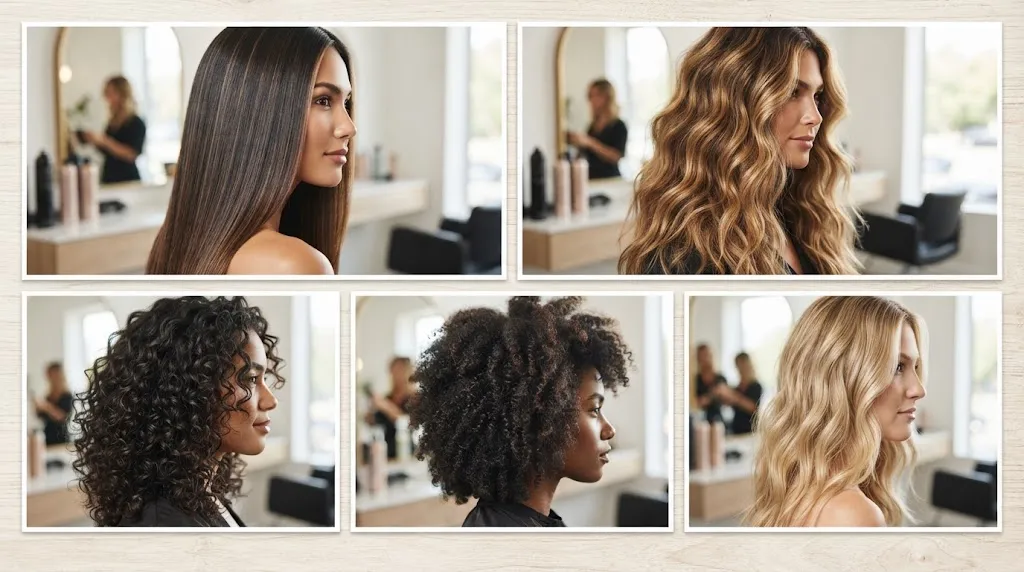
| Hair Type | Best Box-Cut Approach | What to Avoid | Styling Effort |
|---|---|---|---|
| Fine/low-density | Preserve visible weight through the outline | Excess thinning or heavy layering | Low–Medium |
| Straight | Keep a clean, defined perimeter | Over-rounding the ends | Low |
| Thick/dense | Remove excess internal weight carefully | Heavy, triangular buildup at the bottom | Medium |
| Wavy | Work with the natural bend | Forcing a perfectly ruler-straight shape | Medium |
| Curly/coily | Allow for shrinkage, spring, and expansion | Setting final length only while hair is wet | Medium–High |
Box Cut for Fine or Thin Hair
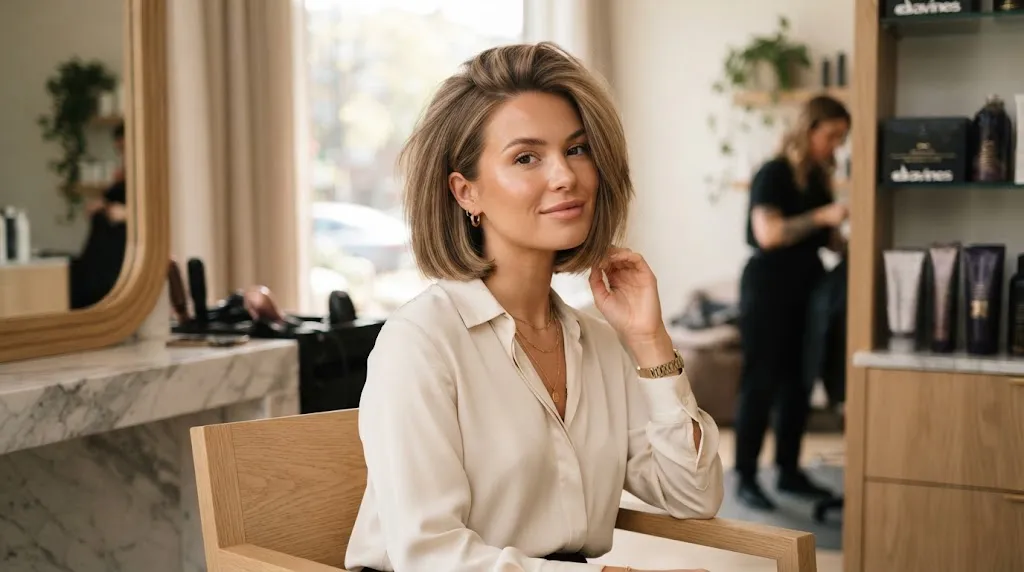
Fine or lower-density hair usually benefits from a solid outer shape because keeping more weight at the perimeter makes the ends appear fuller. Too much layering or aggressive thinning can weaken the box outline and make the haircut look less substantial.
For a women’s box bob, a cleaner baseline with minimal visible layering usually preserves fullness best. On men’s cuts, keeping enough length and density through the structured top prevents the shape from looking flat
Box Cut for Thick Hair
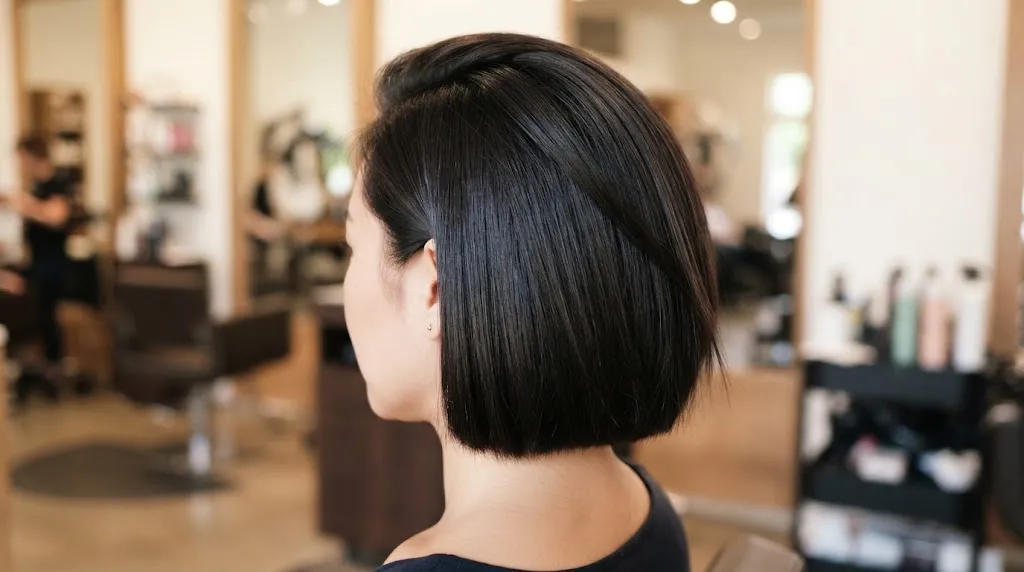
Thick or high-density hair often needs internal weight control rather than a thinner outer edge. Removing some bulk from inside the haircut helps the shape sit closer to the head while keeping the visible perimeter strong.
If too much weight remains near the bottom, a box bob can widen into a triangular shape. Excessive thinning creates the opposite problem by weakening the clean outline, so the goal is controlled internal removal rather than removing structure.
Box Cut for Straight Hair
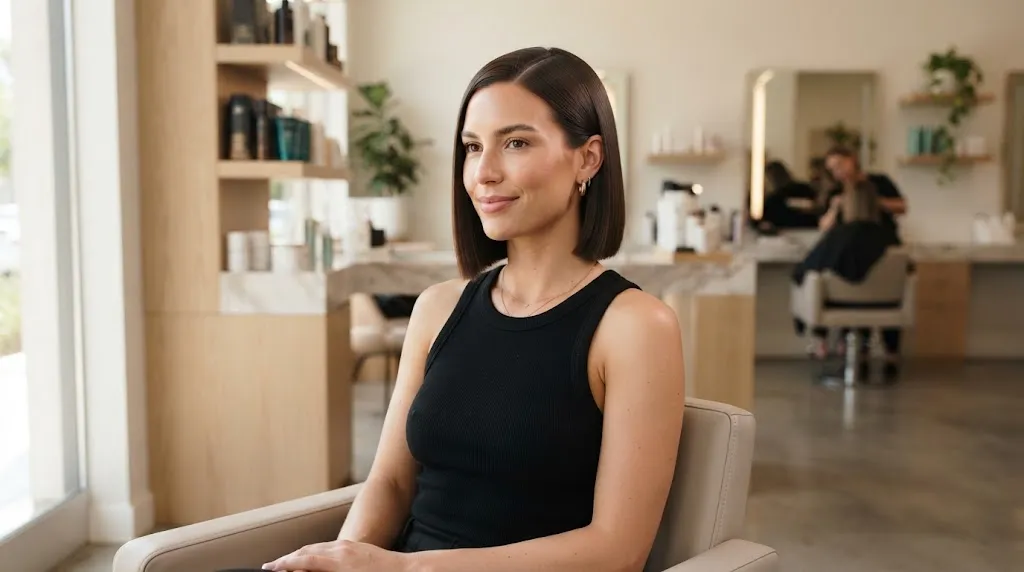
Straight hair naturally shows the clean lines and geometry of a box cut, making it easier to maintain a defined perimeter or structured top. A women’s box bob can display a particularly crisp baseline, while a men’s version can hold a clearly shaped top with minimal daily styling.
Avoid over-rounding the ends if you want the haircut to retain its box-inspired character. For more cuts suited to this texture, explore our Hairstyles for Straight Hair guide.
Box Cut for Wavy Hair
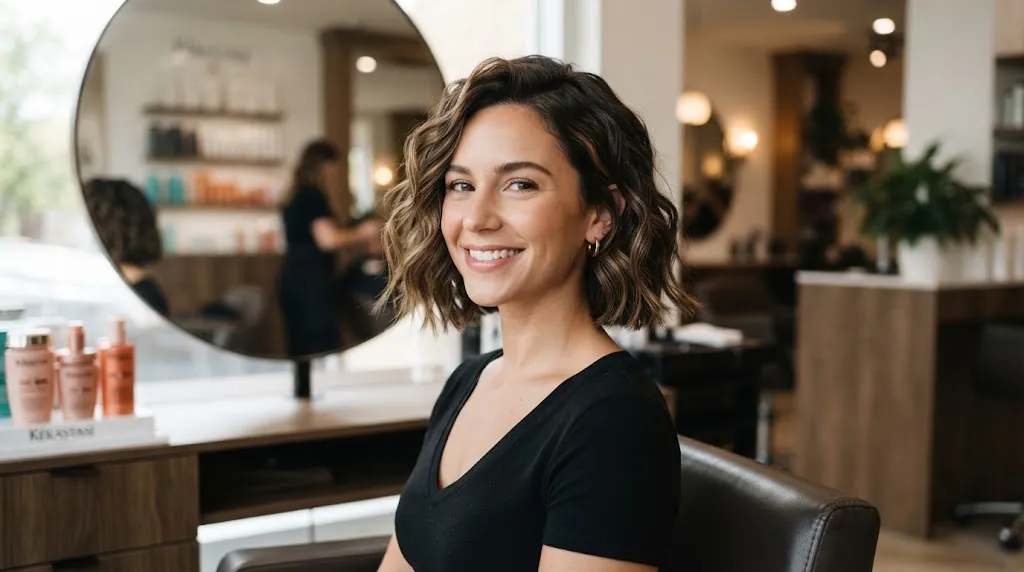
Wavy hair gives a box cut more movement and softens its geometric appearance. Instead of trying to make every section perfectly straight, the cut should allow the natural bends to sit inside a controlled overall outline.
For women, keeping sufficient weight around the perimeter prevents the waves from making the ends appear uneven. On men’s styles, a slightly textured top works well because the natural bend creates separation without removing the defined shape.
Box Cut for Curly or Coily Hair
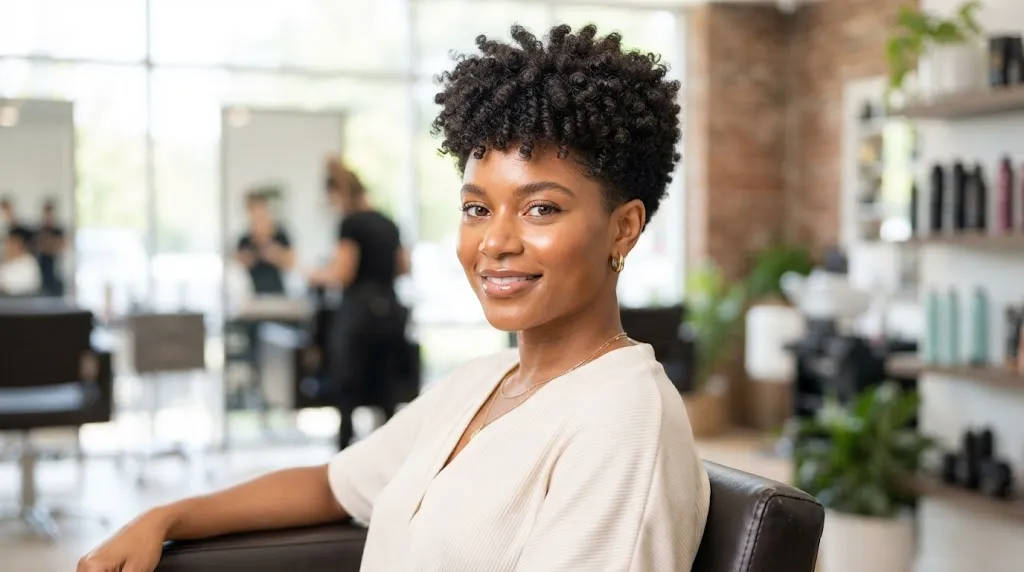
Curly and coily hair needs extra attention to shrinkage, spring, volume, and width. The finished dry length can be noticeably shorter than the wet length, so the haircut should be planned around how the natural curl pattern actually settles.
On a curly box bob, controlled internal weight removal can prevent too much width near the ends while preserving the outer silhouette. For men and boys, shorter sides help control horizontal volume while enough curl length is retained on top to keep the box shape visible. The goal is to shape the natural texture rather than flatten or fight it.
Who Does a Box Cut Look Good On?
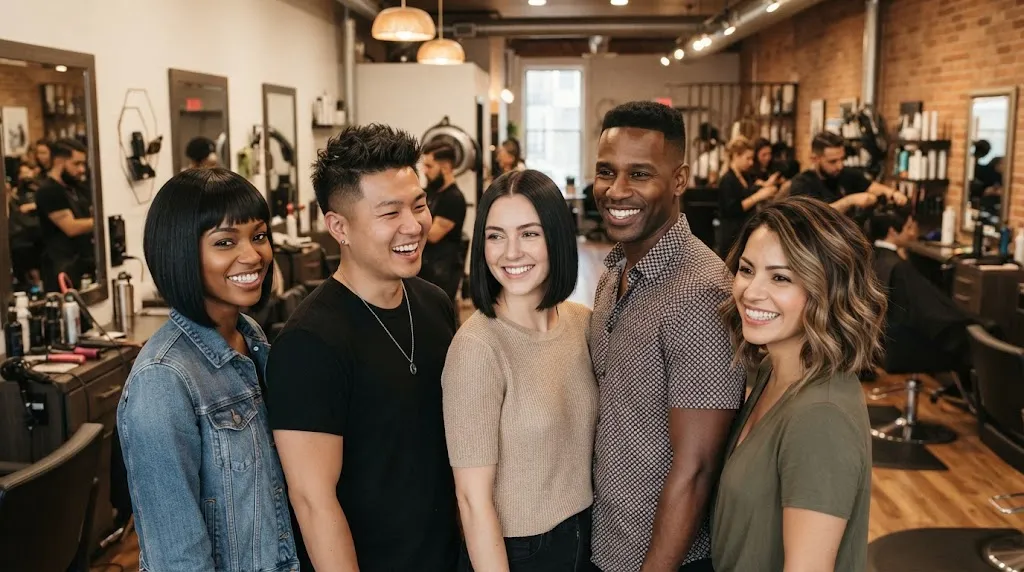
| Face Shape | Box-Cut Adjustment | Main Goal |
|---|---|---|
| Oval | Most variations work well | Maintain natural balance |
| Round | Control side width and add moderate height where needed | Create more visual length |
| Square | Adjust bluntness and length depending on the desired effect | Soften or emphasize the jaw |
| Heart | Use controlled lower width or fringe | Balance the forehead and chin |
| Diamond | Manage width around the cheekbones | Keep proportions balanced |
| Long/Oblong | Avoid excessive top height and very narrow sides | Add visual width and reduce extra length |
Box Cut for Round Faces
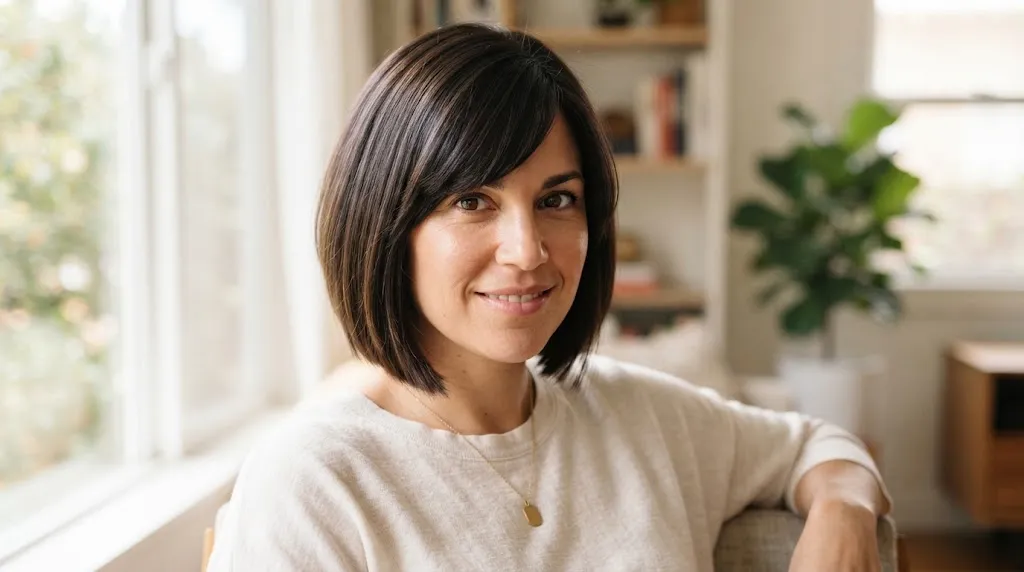
Round faces usually benefit from a box cut that avoids adding too much width at the sides. A slightly longer women’s box bob, an off-center part, or controlled height on a men’s cut can help create a more elongated appearance.
For men, very wide sides can make the face look broader, so a cleaner taper or fade with controlled top height often gives better balance.
Box Cut for Square Faces
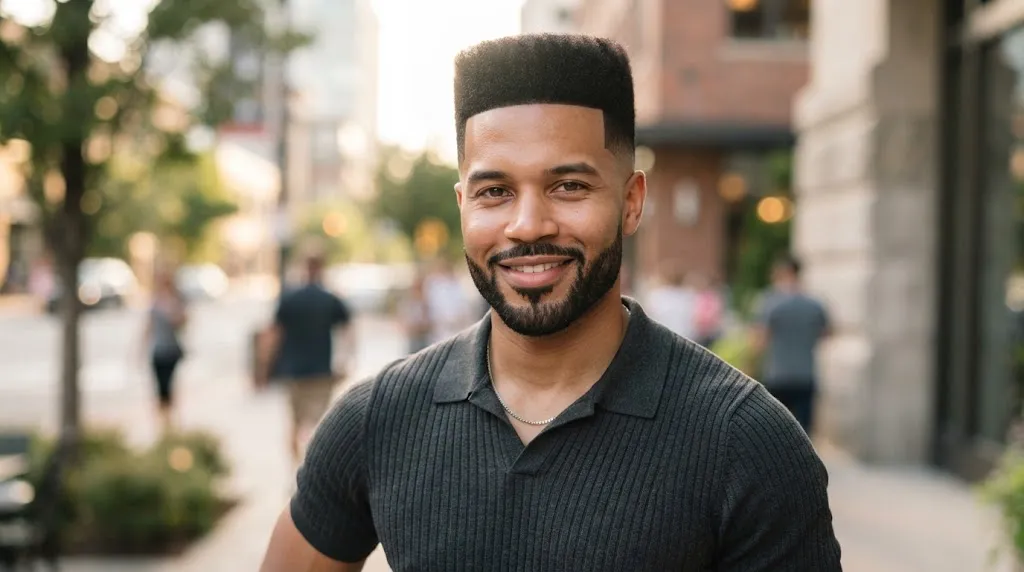
A square face can either emphasize or soften its strong jawline depending on how the box cut is shaped. A sharp blunt bob makes the jaw appear more defined, while slightly softer texture, movement, or a longer perimeter can reduce the severity of the angles.
For men, keeping the top structured while avoiding excessive width through the sides helps maintain definition without making the overall shape look too blocky.
If you want to compare other cuts designed around this face shape, see our Haircuts for Square Faces guide.
Box Cut for Long or Oblong Faces

Long or oblong faces usually look more balanced when the haircut does not add unnecessary vertical height. Women can use a chin-level box bob, side part, or soft fringe to introduce more horizontal balance, while men can keep the top moderately structured rather than unusually tall.
Avoid combining very short sides with excessive height on top if your goal is to make the face appear less elongated.
Box Cut for Heart or Diamond Faces

Heart-shaped faces often benefit from a box cut that adds some visual weight around the lower face while avoiding excessive volume near the forehead. Curtain bangs, a side part, or a slightly fuller lower perimeter can help create balance.
Diamond-shaped faces usually benefit from controlled volume around the cheekbones. A box bob with softer movement or a men’s cut with moderate side width can keep the haircut defined without making the widest part of the face appear broader.
Box Cut vs Similar Haircuts — Know What to Ask For
Several haircuts can look similar at first glance, but the difference usually comes from the perimeter, length, layering, fade placement, and overall silhouette. Comparing them before your appointment helps you choose a reference photo that matches the result you actually want.
Women's Box Cut vs Other Bob Haircuts

| Cut | Typical Length | Edge | Layers | Main Shape |
|---|---|---|---|---|
| Box Bob | Around the chin | Strong, defined | Minimal or internal | Squared and structured |
| Blunt Bob | Varies | Very blunt | Minimal | Straight, solid perimeter |
| French Bob | Usually shorter | Defined | Varies | Compact and face-framing |
| Classic Bob | Varies | Softer | Varies | Balanced, often more rounded |
| Micro Bob | Very short | Defined | Varies | Cropped and compact |
Men's Box Cut vs Box Fade vs Normal Slope Haircut
| Cut | Transition | Side Length | Top Shape | Overall Effect |
|---|---|---|---|---|
| Classic Box Cut | Controlled | Short | Structured or squared | Defined |
| Box Fade | Tight fade blend | Very short at the lower sides, longer above | Box-shaped | Sharper and higher contrast |
| Normal Slope Haircut | Gradual taper | More weight remains on the sides | Natural or lightly structured | Softer and more blended |
If you prefer that more gradual side transition, compare the full shape and blending method in our Normal Slope Haircut guide before deciding what to ask your barber for.
How to Ask Your Stylist or Barber for a Box Cut
The clearest way to get the box cut you want is to describe the shape, length, side treatment, texture, and maintenance level instead of asking only for a “box cut.” Take a reference photo that resembles your own hair as closely as possible, then explain which details you want to keep.
What to Ask for a Women's Box Bob
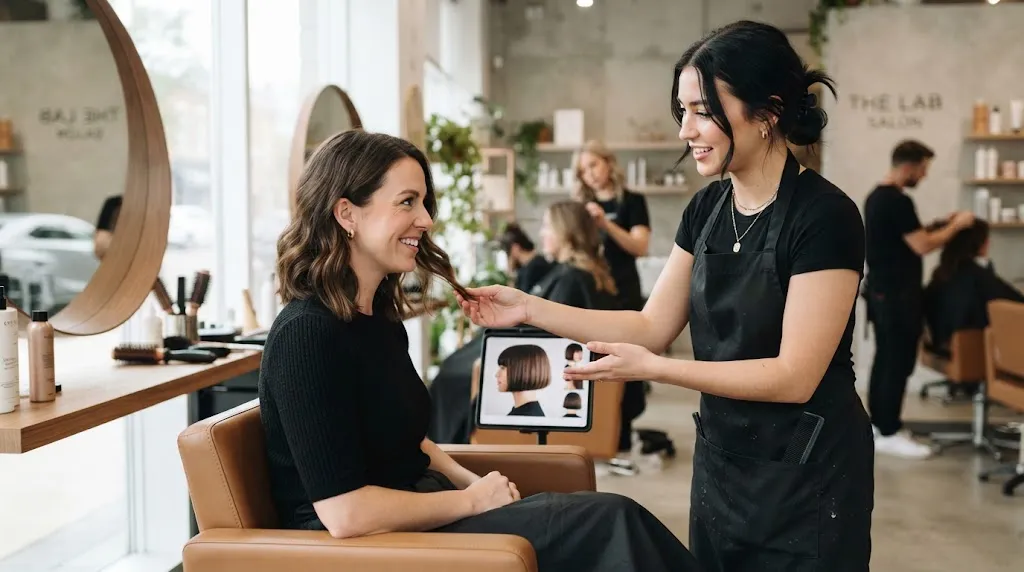
Save This for Your Stylist
Before the cut starts, confirm these details:
- Dry length: Where should the finished hair sit once dry?
- Chin or jaw placement: At the chin, slightly above it, or below the jaw?
- Perimeter: Sharp and blunt or slightly softened?
- Internal weight: Does dense hair need bulk removed from inside?
- Layers: No visible layers, subtle internal movement, or light texture?
- Parting: Middle, side, or flexible?
- Bangs/fringe: None, curtain bangs, micro bangs, or another fringe?
- Natural texture: Will you normally wear the hair straight, wavy, or curly?
- Finished shape: Very graphic and squared or slightly softer?
- Styling routine: How much daily blow-drying or heat styling are you willing to do?
Sample request:
“I’d like a chin-length box bob with a strong, blunt perimeter and a squared shape. Keep visible layering minimal, remove internal weight only where needed, and shape it so it works with my natural texture and usual part.”
What to Ask for a Men's Box Cut
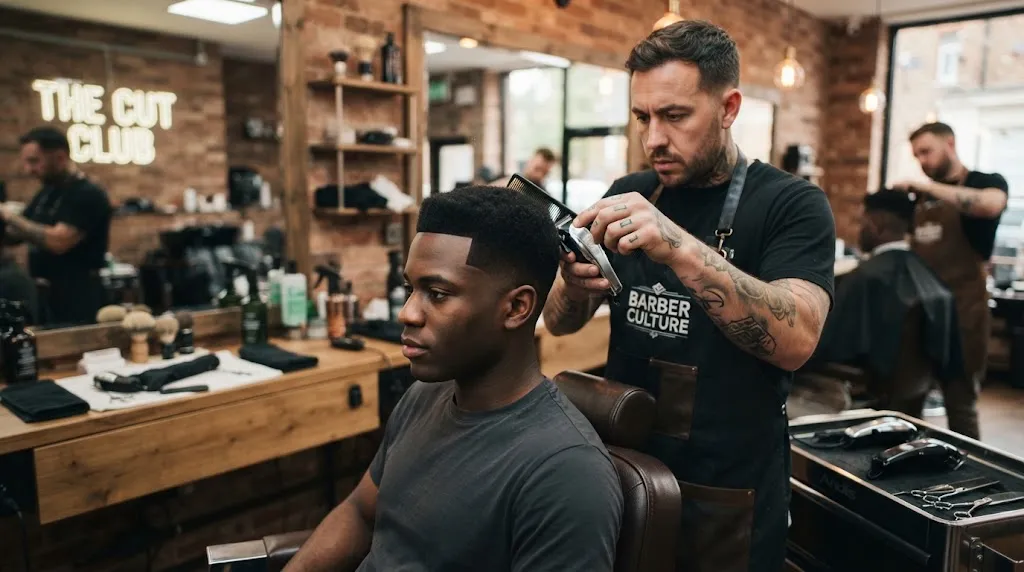
Tell your barber exactly how you want the top and sides to connect rather than relying on the haircut name alone.
Barber Checklist
- Top length: Short, medium, or enough length for visible height and texture
- Top shape: Clearly squared, lightly structured, or softer and textured
- Transition height: Low, mid, or high
- Sides: Fade or taper
- Side length: How close should the lower sides be cut?
- Hairline: Natural edge or sharper line-up
- Natural texture: Straight, wavy, curly, or coily
- Back and neckline: Tapered, faded, or kept more natural
Sample request:
“Keep enough length on top for a clearly structured box shape, taper the sides shorter without rounding the top, and use a low-to-mid transition. Keep the neckline clean and work with my natural texture.”
What Photo Should You Show Your Stylist?

Choose a reference photo because the haircut itself matches your needs, not simply because you like how it looks on the model. A haircut photographed on very thick straight hair can behave differently on fine, curly, or low-density hair even when the same cutting technique is used.
Try to match these five details when selecting your reference:
- Hair texture: Straight, wavy, curly, or coily
- Hair density: Lower, medium, or high
- Face proportions: Similar width, length, and jaw placement
- Desired length: Especially the chin position on a box bob or top length on a men’s cut
- Styling effort: Choose a look you can realistically recreate between appointments
If possible, save more than one angle of the same or a very similar haircut. A front photo shows the face frame, while side and back views give your stylist or barber much clearer information about length, perimeter, taper, fade, and overall shape.
How to Style a Box Cut at Home
A box cut looks best when styling supports its intended shape instead of covering it with too much volume, curl, or heavy product. Women’s box bobs usually need control through the perimeter, while men’s box cuts depend more on top direction, texture, and keeping the sides visually clean.
Sleek and Polished Box Bob
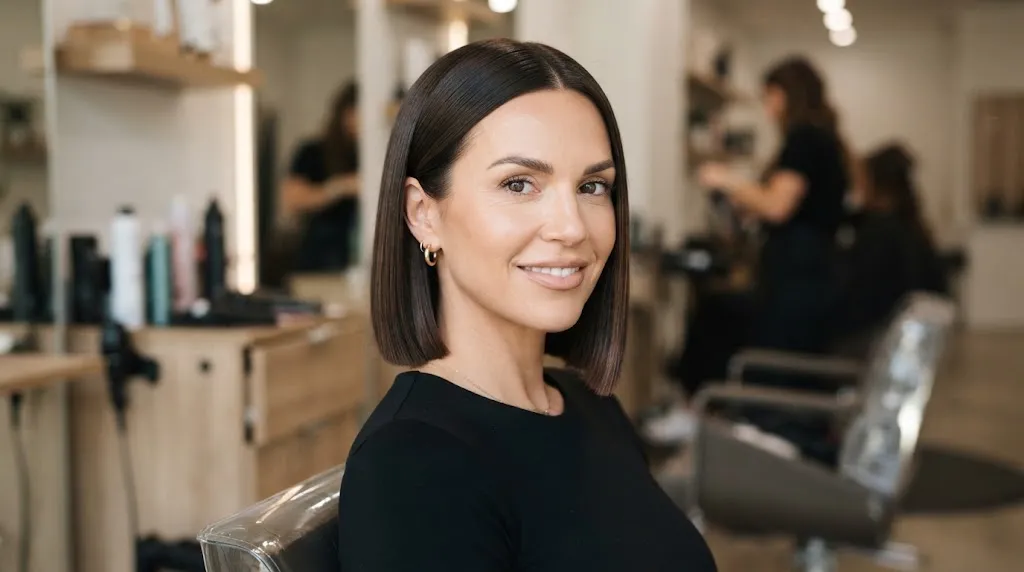
For a smooth box bob, start with damp hair and apply heat protection before using a blow-dryer or hot tool. Direct the airflow downward from roots to ends to reduce frizz and keep the surface smooth.
Use a paddle brush for a straighter finish or a small round brush when you want a little more body. Keep the ends controlled rather than curling them deeply underneath; too much rounding can hide the strong perimeter that defines the box shape.
Finish with a small amount of lightweight smoothing serum or oil through the mid-lengths and ends. Avoid loading the roots with heavy product because the cut should still have natural movement.
Watch the Styling Reference
Use this visual reference alongside the styling steps above to compare the finished shape and movement of the cut.
Soft or Tousled Box Bob

A softer box bob does not need to look perfectly straight. Let some of the natural texture remain and use your fingers to separate the lengths rather than brushing every section into the same direction.
A small amount of lightweight texturizing product can add separation without making the haircut stiff. Concentrate movement through the mid-lengths and ends while keeping enough definition around the perimeter for the box shape to remain visible.
The goal is controlled movement, not messy volume that hides the structure of the haircut.
Curly or Wavy Box Bob
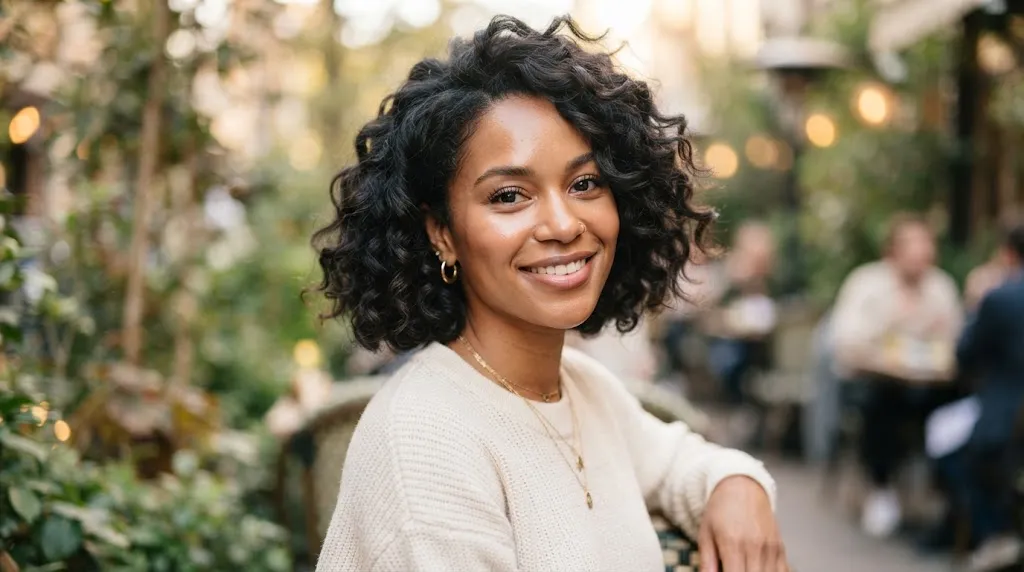
Curly and wavy box bobs usually look more natural when the styling works with the existing pattern instead of trying to force the hair into a perfectly straight silhouette.
Apply products suited to your curl or wave pattern while the hair is damp, then air-dry or diffuse when appropriate. Keep handling to a minimum as the hair dries so the natural groups of waves or curls stay defined.
Pay attention to the finished dry shape rather than trying to make every individual strand follow the same line. On curly hair especially, the overall balance of height, width, and perimeter matters more than ruler-straight geometry.
Styling a Men's Box Cut
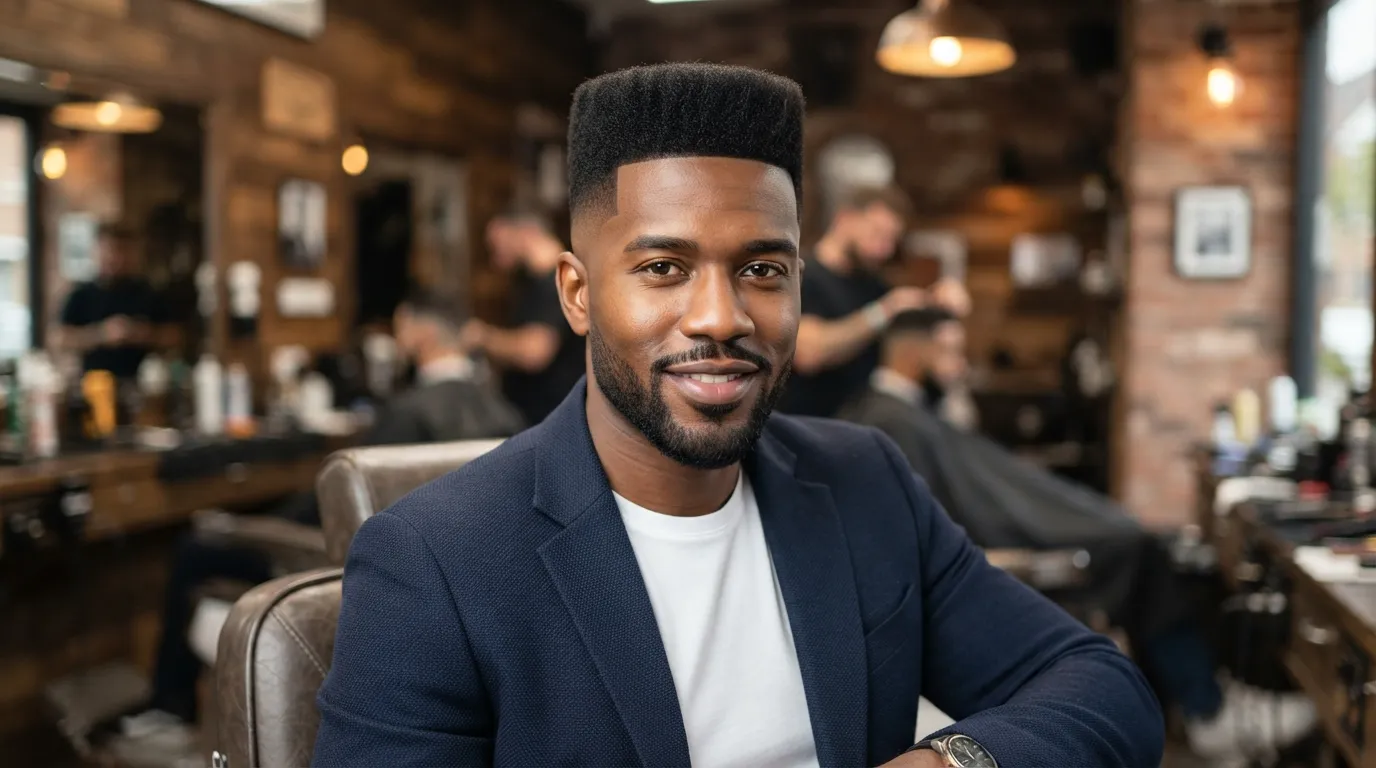
A men’s box cut can be styled with a natural, textured, or more sharply defined finish depending on the top length and hair type.
For a natural finish, direct the hair into its intended shape with your fingers and use minimal hold so the natural texture remains visible.
For a textured finish, create separation through the top without pulling the hair completely flat. A small amount of lightweight styling product can help individual sections hold their direction.
For a defined finish, work the top into a cleaner squared outline and control any sections that disrupt the shape. Focus on direction and moderate hold rather than coating the hair heavily.
Curly or coily versions should preserve natural height and curl definition on top instead of forcing the hair straight. The sides should remain visually controlled so the upper shape stays noticeable.
For more practical techniques for controlling direction, hold, and everyday styling, see our How to Set Hair guide.
Watch the Box Cut Demonstration
This longer visual reference can be viewed alongside the styling and barber guidance to better understand how the overall box-cut shape is created and maintained.
Real Box Cut Problems and How to Fix Them
Even a well-cut box style can behave differently once it meets your natural texture, density, growth pattern, and everyday styling routine. The fixes below focus on preserving the intended shape rather than forcing every box cut to look identical.
My Box Bob Looks Too Wide or Triangular
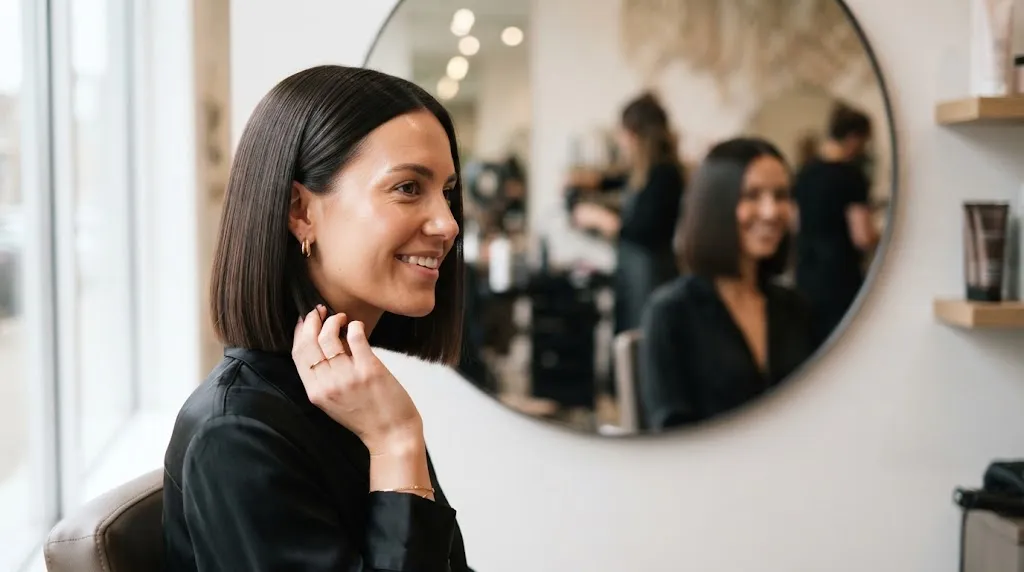
This usually happens when too much weight collects around the lower part of thick, dense, curly, or wavy hair. The top sits flatter while the ends expand outward, creating a triangular shape instead of a balanced box silhouette.
The solution is controlled internal weight removal while preserving the visible outer perimeter. Removing bulk from inside the haircut allows the lower section to sit better without destroying the strong baseline.
Avoid excessive thinning at the ends. Taking away too much perimeter weight can make the haircut look wispy and remove the solid shape that gives a box bob its definition.
My Box Cut Looks Flat Instead of Full
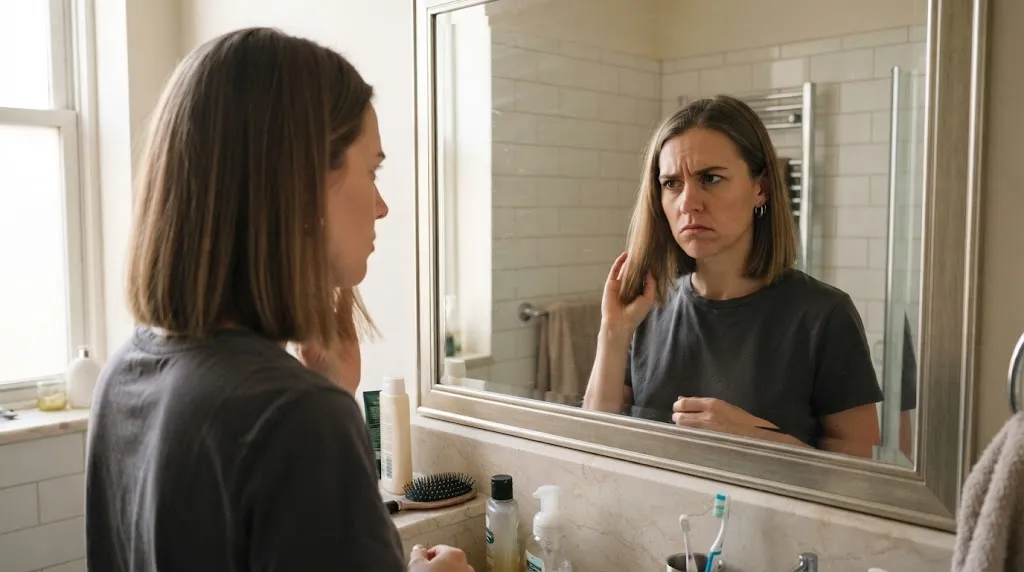
Fine or lower-density hair can lose its box shape when too much weight has been removed through layers or thinning. Heavy styling products can also pull down the roots and make the haircut appear flatter.
Keep more visual weight through the perimeter and avoid unnecessary layering. When styling, direct the roots away from the scalp before smoothing the lengths so the haircut has some lift without becoming overly rounded.
Use lightweight products and concentrate them away from the roots. The goal is fullness through the outline with enough root movement to keep the shape from looking collapsed.
My Box Bob Ends Keep Flipping Out
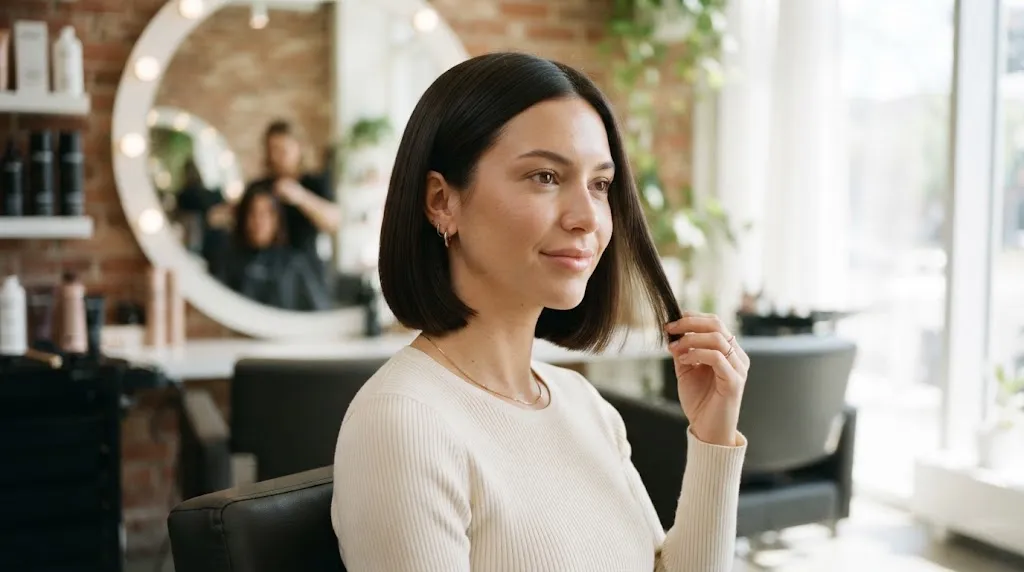
Ends often flip when the haircut sits at a point where it meets the jaw, neck, or shoulders, or when the natural growth pattern pushes the hair outward.
First check the length placement. A small change in where the perimeter sits can alter how the ends fall. Natural waves, cowlicks, and growth direction can also make one side turn outward more than the other.
When blow-drying, direct the airflow down the hair shaft while guiding the ends into their intended position with a paddle or round brush. Avoid over-curling them inward, because that replaces the box shape with a rounded bob finish.
My Box Cut Does Not Look Like My Reference Photo
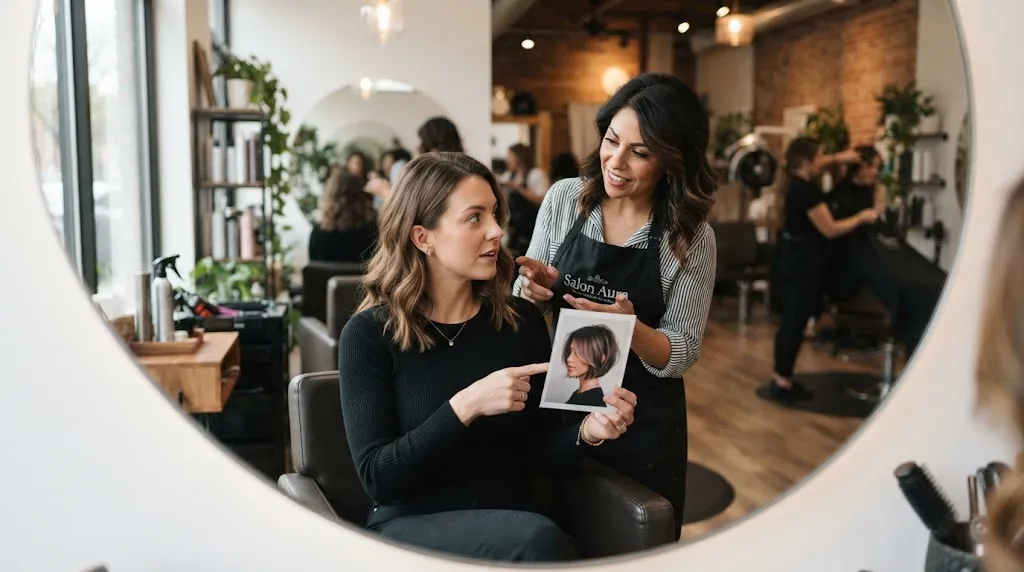
Two people can receive a similar haircut and still get noticeably different results. The reference image may show hair with a different texture, density, strand thickness, face shape, or natural growth pattern.
Common differences include:
- Texture: Straight hair displays sharper lines than naturally wavy or curly hair.
- Density: Dense hair creates more volume and width than low-density hair.
- Strand thickness: Coarse strands behave differently from very fine strands.
- Face proportions: The same length can sit differently around different jaws and cheekbones.
- Growth pattern: Cowlicks, hairline direction, and natural parting change how the cut falls.
- Professional styling: Reference photos are often carefully blow-dried, shaped, or finished before being photographed.
Use reference photos to communicate the shape and details you want, not as a guarantee that your hair will reproduce another person’s result exactly.
My Curly Box Cut Became Too Short After Drying
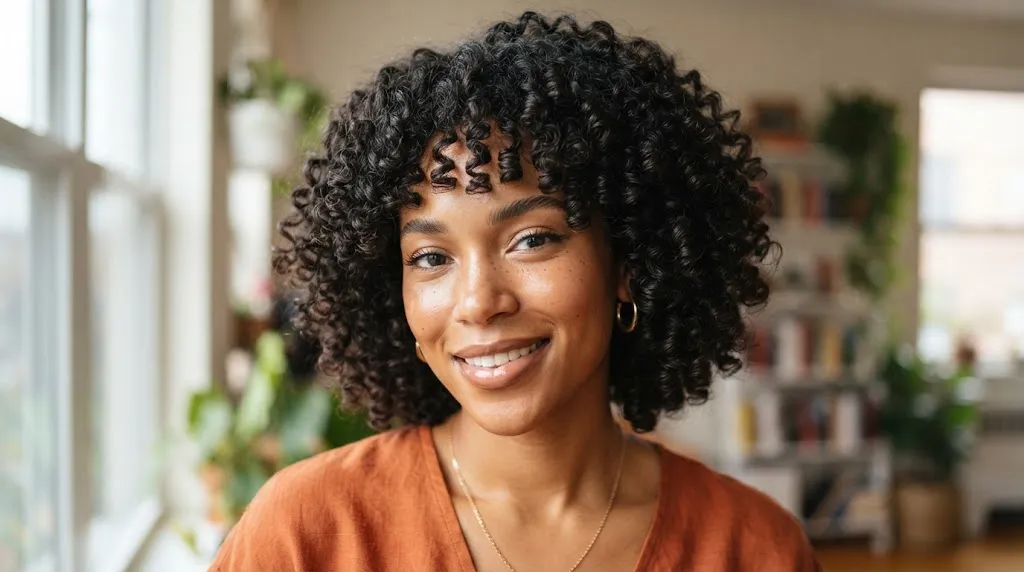
Curly and coily hair contracts as it dries, so a length that looks correct while wet can sit considerably higher once the natural curl pattern returns. This is known as shrinkage.
The haircut should therefore be planned around the finished dry behavior of the curls rather than wet length alone. Curl pattern, spring, and shrinkage vary from person to person, so the stylist needs to leave enough length for the desired dry result.
If maintaining a specific jaw or chin position is important, show your stylist where you want the curls to sit when fully dry.
My Box Cut Lost Its Shape Quickly
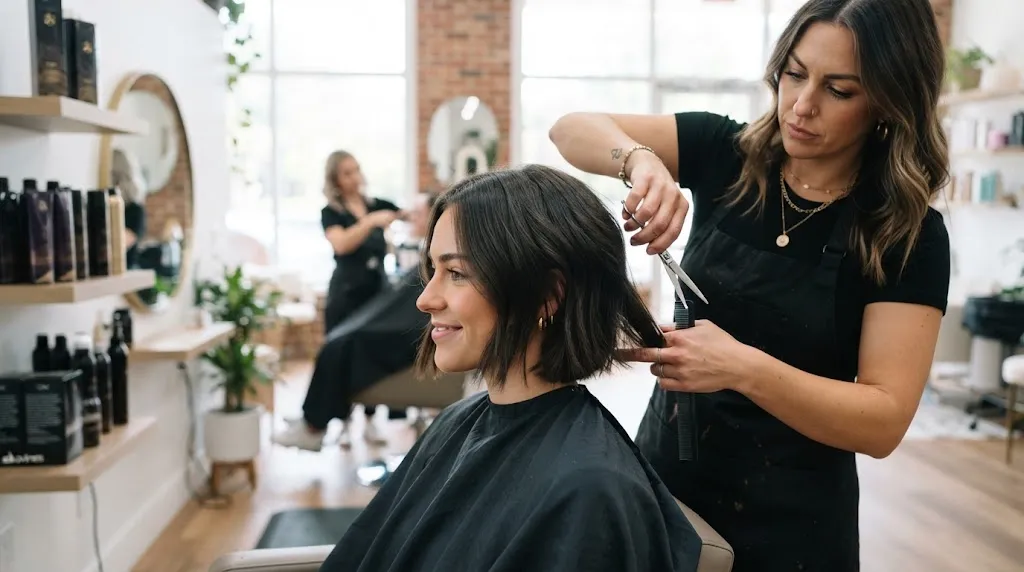
Box cuts depend on clearly defined lines, so even normal hair growth can soften the silhouette faster than it would on a looser or heavily layered haircut.
On a box bob, the sharp perimeter gradually becomes less precise as the ends grow. On men’s cuts, side growth can reduce the contrast between the structured top and taper or fade.
This does not necessarily mean the original cut was poor. It means a precise shape requires regular maintenance if you want it to remain visibly sharp. How often it needs refreshing depends on your growth rate and how defined you prefer the haircut to look.
My Box Cut Makes My Face Look Wider

A box cut can visually increase width when its fullest point sits around the widest part of the face or when excessive side volume creates a strong horizontal line.
Adjustments depend on the version:
- Length: Moving the perimeter slightly above or below the widest facial area can change the balance.
- Height: Moderate top height can create more vertical emphasis.
- Side volume: Reducing unnecessary width keeps the silhouette from expanding outward.
- Parting: A side or off-center part can break up strong symmetry.
- Fringe: Curtain or side-swept fringe can alter how width is distributed around the face.
The goal is not to hide your face shape, but to adjust the haircut’s proportions to create the visual balance you prefer.
Avoid These Box Cut Mistakes
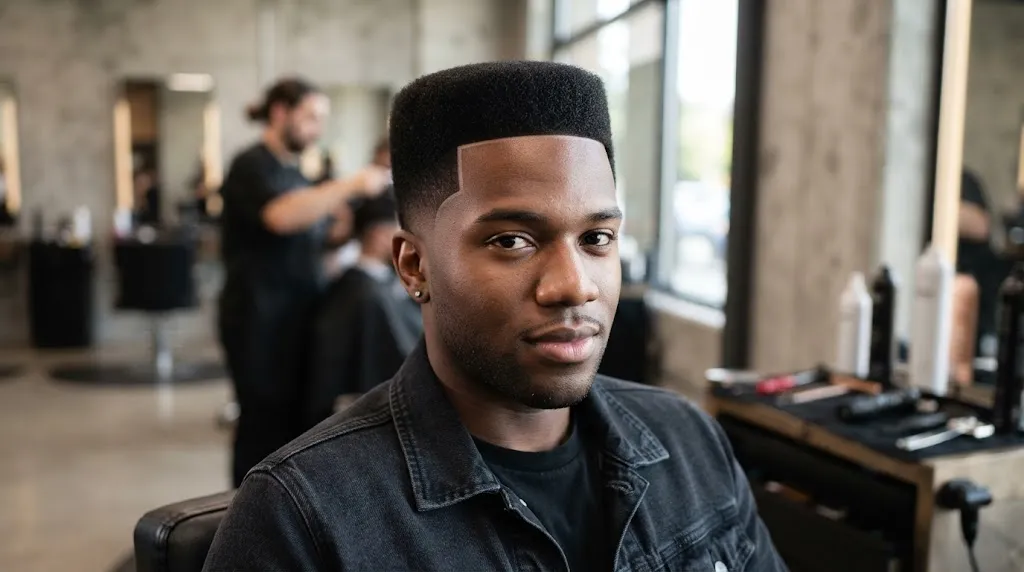
- Excessive thinning: Weakens the solid perimeter and can make the ends look sparse.
- Too much graduation: Can turn a structured box shape into a more rounded or stacked haircut.
- Wrong length placement: Changes how the cut interacts with the jaw, neck, or shoulders.
- Ignoring curl shrinkage: Can leave curly or coily versions much shorter than expected.
- Over-rounding the ends: Hides the clean outline that defines a box bob.
- Heavy product buildup: Flattens roots and reduces natural movement.
- Choosing the wrong reference photo: A haircut shown on very different texture, density, or face proportions may behave differently on your hair.
Box Cut Maintenance and Grow-Out
A box cut can be fairly simple to style each day, but maintaining the cut itself takes more attention because its defined perimeter, squared top, taper, or fade gradually softens as the hair grows. How often you need a refresh depends on your growth rate and how sharp you want the shape to remain.
How Often Should a Box Cut Be Trimmed?
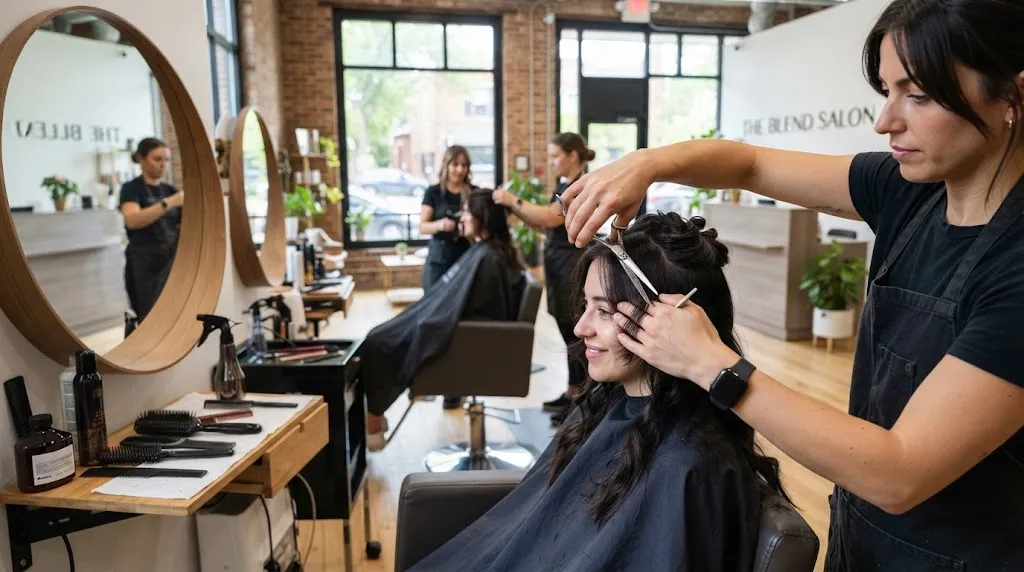
There is no single trim schedule that works for everyone. A sharper box shape usually needs refreshing sooner than a softer, more relaxed version.
- Box bob: The perimeter may need regular trimming once the chin or jaw line starts losing its clean shape.
- Box fade: Short faded sides usually show new growth sooner and may need more frequent cleanup.
- Classic men’s box cut: Can generally grow longer before the overall structure becomes noticeably softer.
- Curly or textured versions: May tolerate some growth better because natural texture makes small changes in the outline less obvious.
Your hair-growth rate also matters. Use the shape you see in the mirror—not an arbitrary number of weeks—as the main signal that it is time for a trim.
How a Box Cut Grows Out
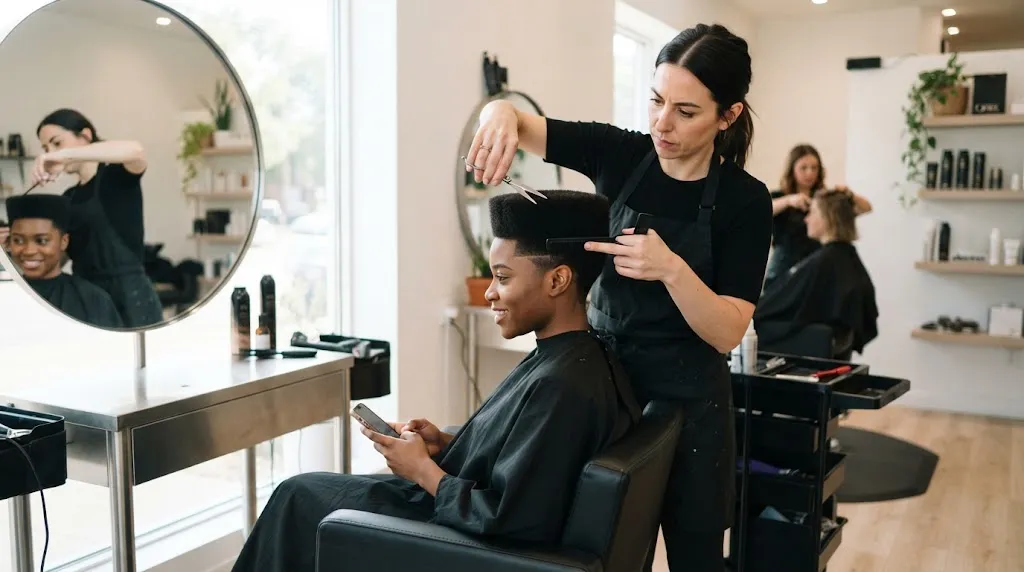
A box cut does not suddenly lose its shape; the transition happens gradually.
Fresh defined shape → softer perimeter or side transition → longer transitional cut → next haircut shape
For women, a box bob gradually develops a softer lower edge and can transition into a longer bob or lob. For men and boys, the fade or taper becomes fuller first, followed by a less defined upper outline as the top grows.
If you plan to grow the haircut longer, tell your stylist or barber rather than repeatedly cutting it back into the original box shape.
Between-Appointment Maintenance
Keep the haircut manageable between visits without trying to recreate professional structural cutting at home.
- Brush or detangle gently to protect the ends and overall shape.
- Use heat protection whenever you style with hot tools.
- Avoid heavy product buildup that can flatten the roots or hide texture.
- Keep the hairline, parting, curls, or top direction neat through normal styling.
- Avoid aggressive DIY thinning, layering, or reshaping.
- Leave major perimeter, fade, or structural corrections to your stylist or barber.
Quick Answers About Box Cut Hairstyles
Final Box Cut Choice
Choose a women’s box bob by looking at the perimeter, hair texture, density, and where the finished length sits around the chin or jaw. For men and boys, focus on the top shape, side transition, fade or taper level, and how much maintenance you want between cuts. Save a reference photo that closely matches your own hair characteristics and show it to your stylist or barber before the cut begins. If you want to compare the box cut with other haircut shapes, browse our Hairstyles & Haircuts Directory for more visual haircut guides.