
Pomade Hairstyles for Short Hair — Complete 2026 Style Guide
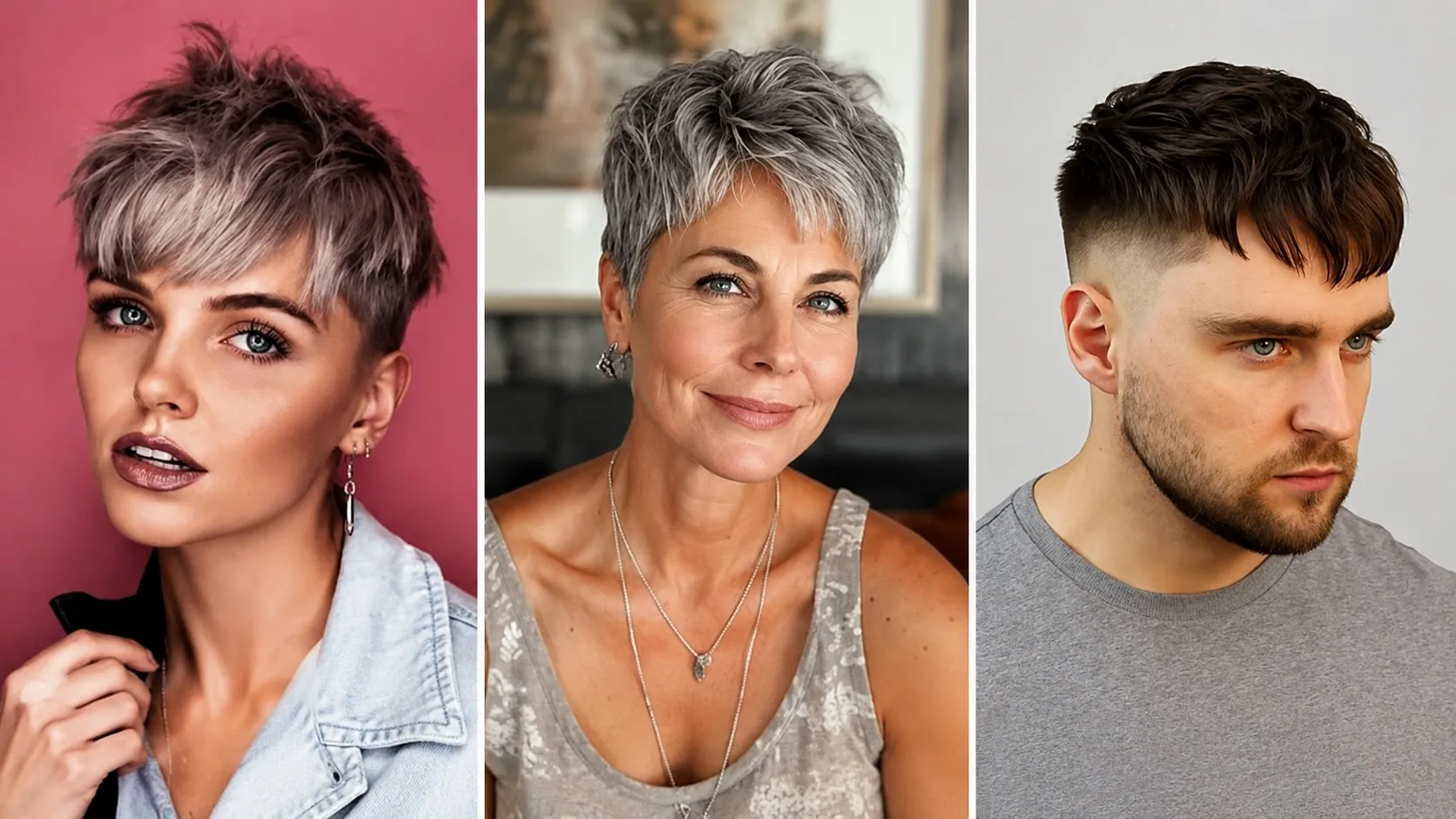
Is Pomade Good for Short Hair?
Yes, pomade is one of the most effective styling products for short hair, provided you choose the right formula for your specific hair density and desired finish. Short hair relies heavily on structural support and direction, and pomade delivers precise control without the harsh, flake-inducing stiffness of alcohol-based gels or the overly light hold of traditional creams.
Whether pomade works for your short style comes down to the balance between product weight and hair density.
Fine or Thin Short Hair: High-shine, oil-based pomades are generally too heavy and will weigh the hair down, exposing the scalp. Water-based matte pomades or clay-based hybrids work best here, adding texture and perceived thickness without a greasy residue.
Thick, Coarse, or Unruly Short Hair: Traditional medium-to-high shine or firm-hold water-based pomades excel at flattening stubborn sides, controlling cowlicks, and keeping tight side-parts clean throughout the day.
One common mistake I see in the chair is applying heavy pomade to wet short hair. Water traps the weight of the product at the root, collapsing the volume before the hair even dries. For short cuts, applying pomade to completely dry or slightly damp hair gives you full control over height and direction.
To explore styling options across different hair lengths and textures, check out our complete hairstyles & haircuts directory.
Best Pomade Hairstyles for Short Hair
Textured Crop
The textured crop is built on blunt fringe work and heavily texturized tops, making it ideal for low-maintenance control. I've found that matte or clay-based pomades work best here because they separate individual strands without adding high shine. Work a dime-sized amount through dry hair from crown to front, pinching small sections to bring out the piecey texture along the fringe.
Classic Slick Back
If your hair is at least two to three inches long on top, the classic slick back offers a clean, timeless look. High-shine, medium-to-heavy hold water-based pomades give you the smooth structure needed to pull the hair back without stiffness. Towel-dry your hair until slightly damp, comb a generous layer from front to back, and run a fine-tooth comb through to lock down any flyaways.
Modern Pompadour
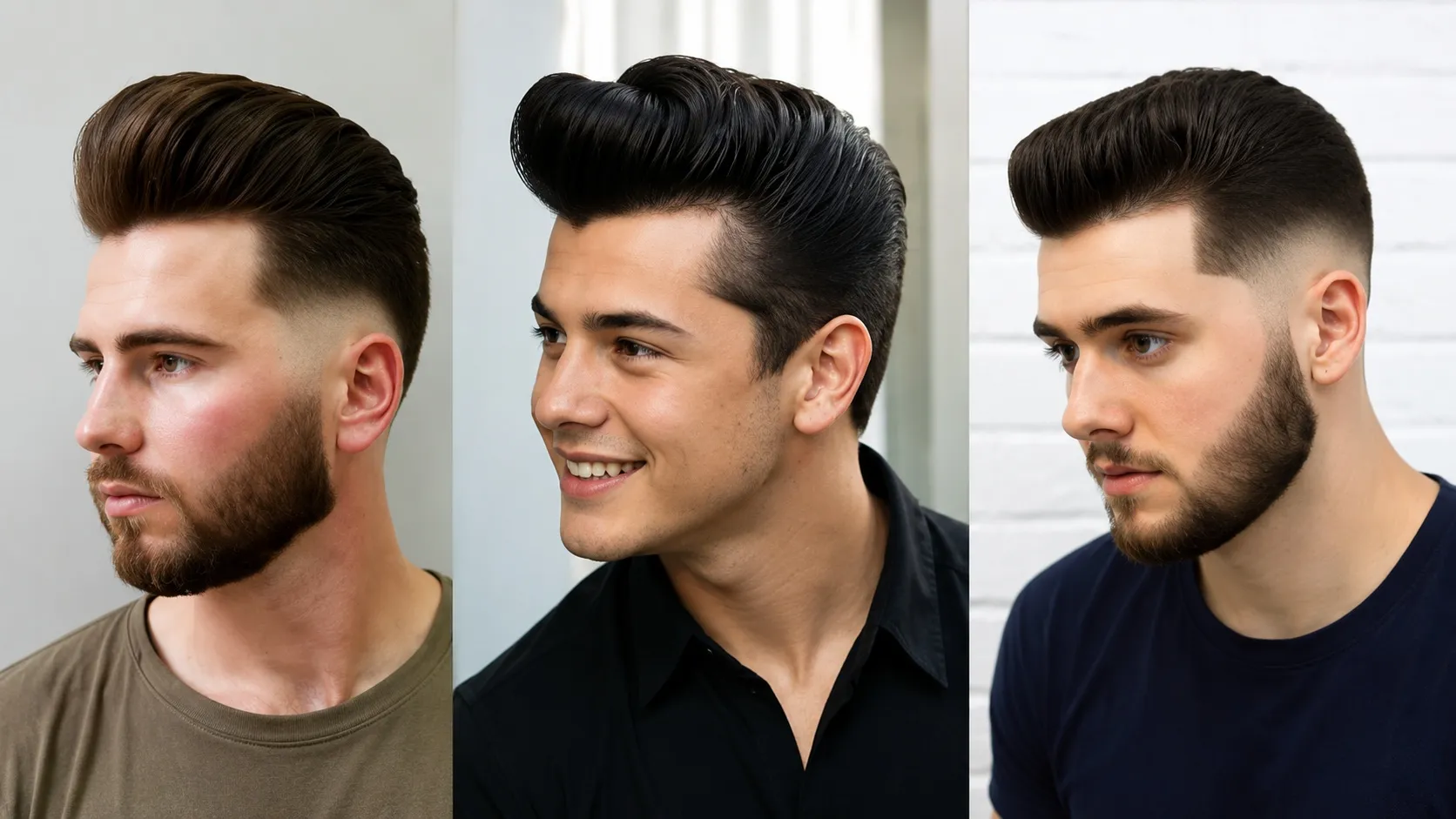
Unlike the ultra-tall vintage pomp, the modern short pompadour focuses on clean height at the front with tapered sides. Firm-hold pomades are non-negotiable here to hold the front section up against gravity. Blow-dry the front hair upward and backward first using a round brush to build initial volume, then warm the pomade in your palms and coat from roots to ends before shaping the pomp.
Sharp Side Part
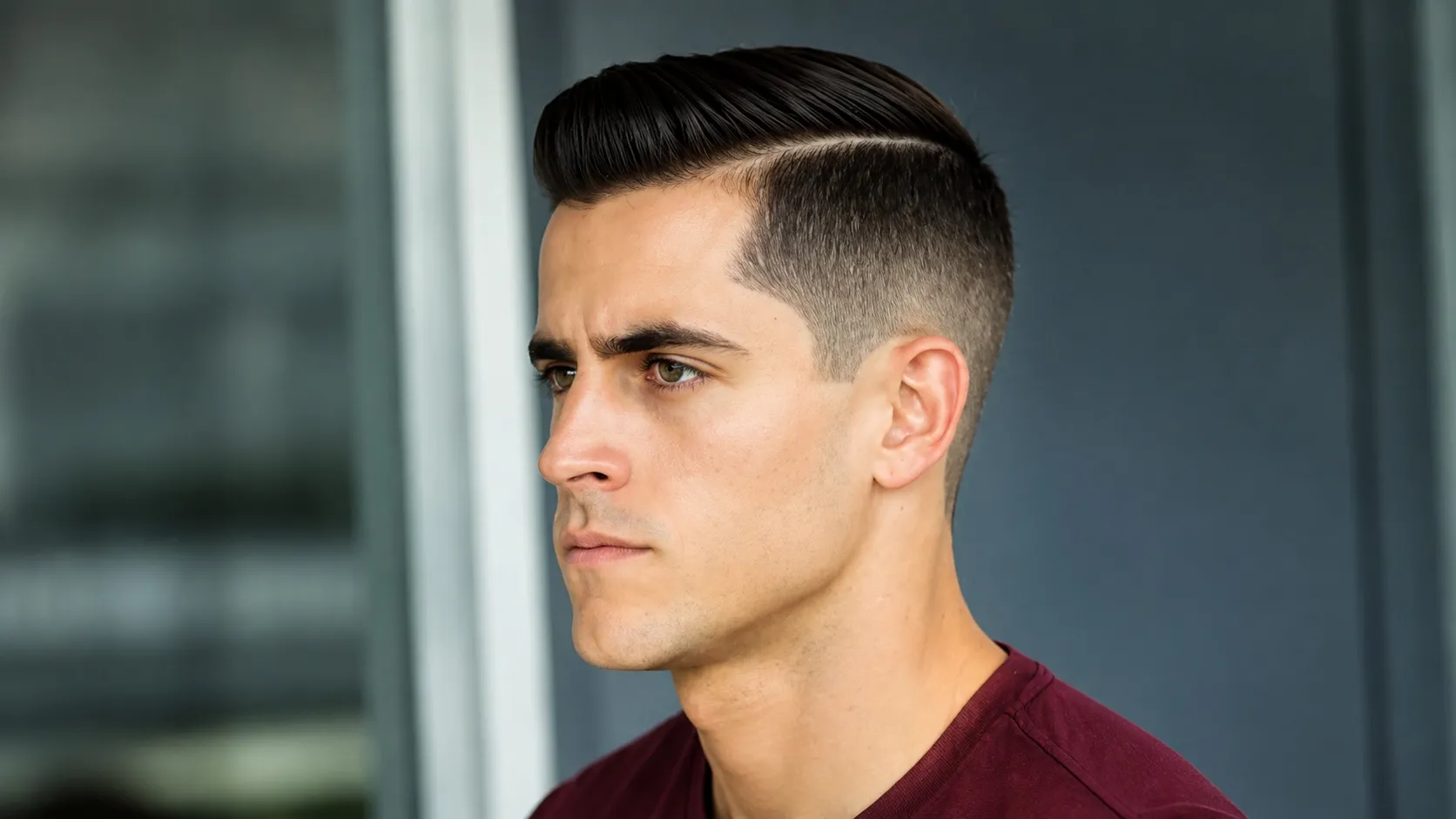
A staple for professional environment styling, the sharp side part relies on clean lines and defined direction. A high-shine or semi-shine water-based pomade keeps the hair lying flat along the part line while providing all-day hold. Find your natural part using the arch of your eyebrow as a guide, comb the hair in opposing directions, and set it with pomade using a fine-tooth comb.
Messy Textured Quiff
The messy quiff combines vertical volume in the front with an intentional, lived-in feel across the crown. Matte pomades shine here because they provide pliable hold that can be restyled with your fingers throughout the day. Apply product to dry hair, pushing the front section up and slightly to one side while keeping the rest of the top tousled rather than combed flat.
Curly Crop
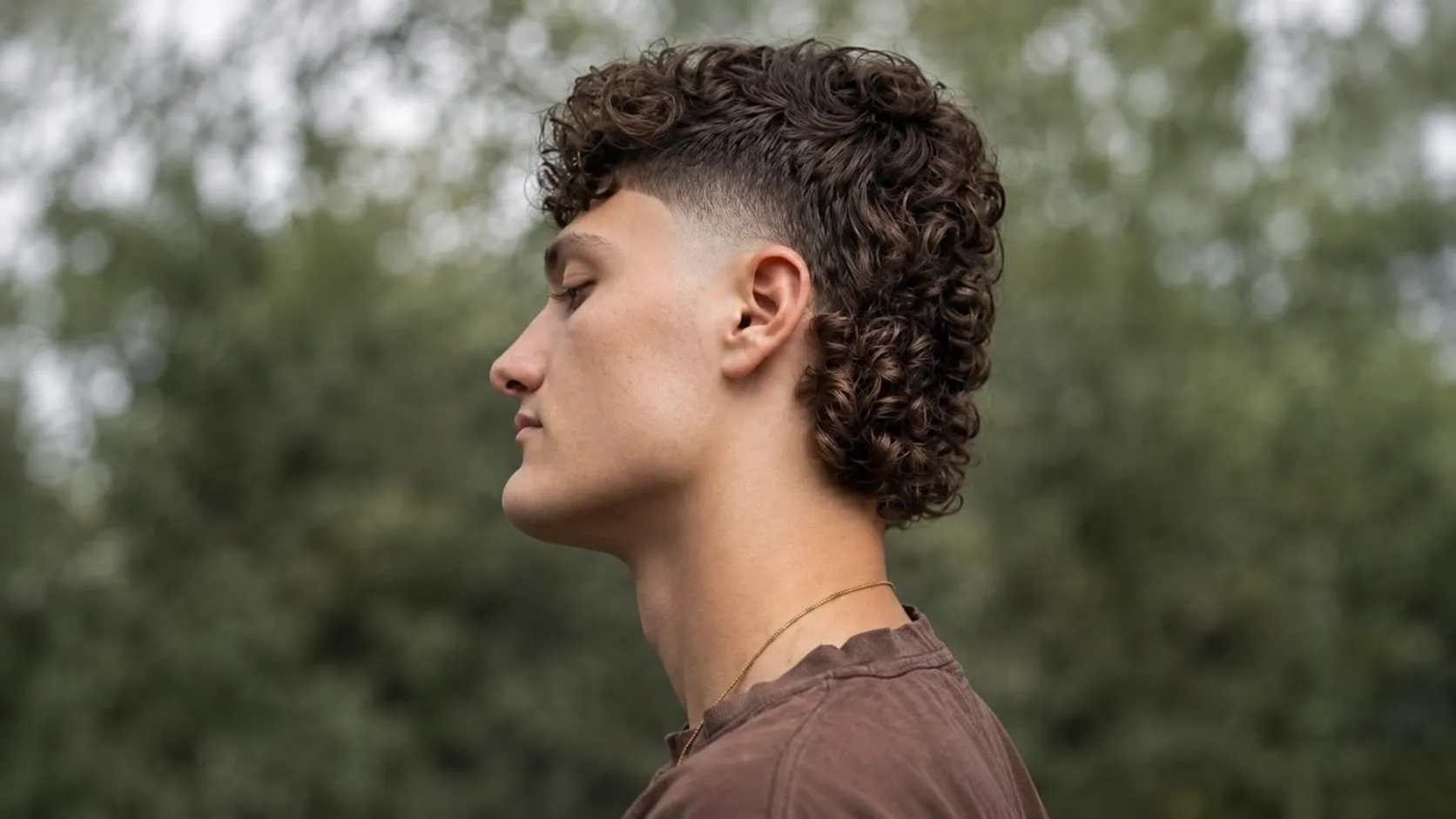
Short natural curls often struggle with frizz and lack of definition, which is where a lightweight, moisturizing pomade steps in. A low-shine or medium-shine water-based pomade seals moisture into the curl pattern while preventing fluffiness. Instead of combing, rake the pomade through damp curls using your fingers, then damp-dry or let it air-dry to keep the curl shape distinct.
French Crop Fade
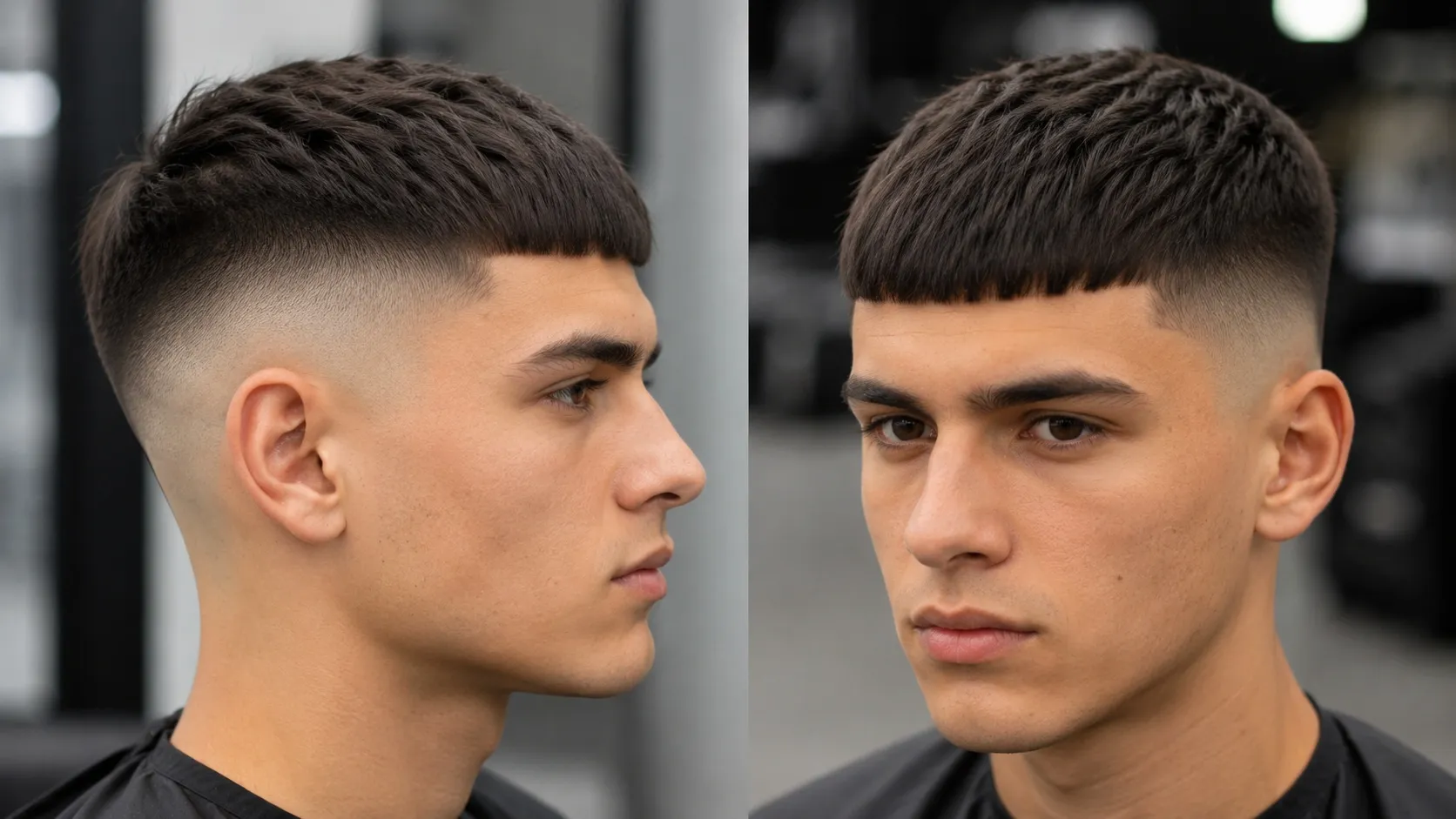
Combining a tight skin fade on the sides with a dense, straight-cut fringe on top, the French crop fade relies on contrast. A light-to-medium hold matte pomade keeps the top flat and structured without making it look greasy or plastered down. Apply product lightly across the top, pushing the hair directly forward toward the forehead for a clean forward flow.
Short Wavy Look
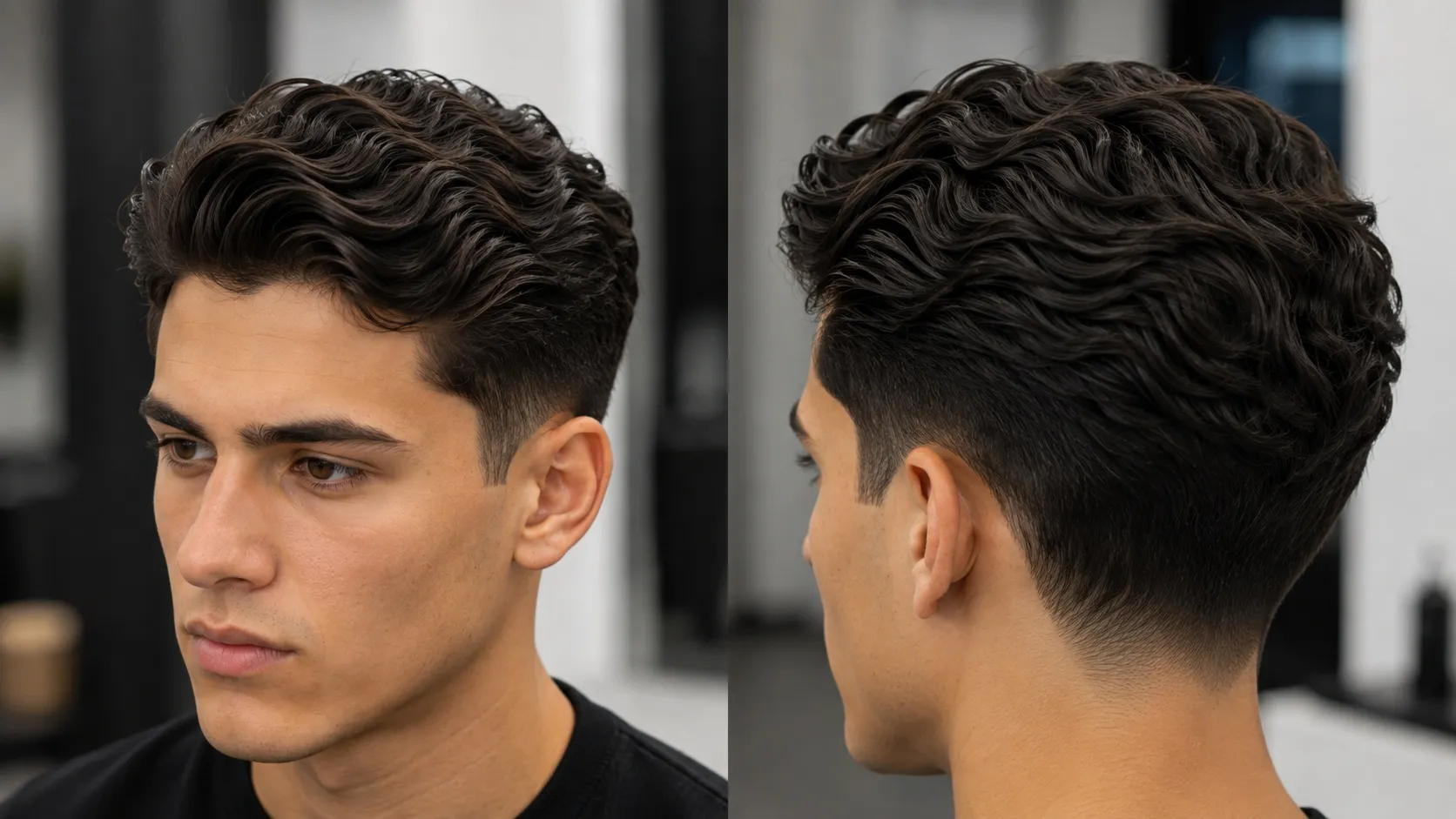
Wavy hair can easily look unruly when cut short, but the right pomade brings out its natural movement while taming stray hairs. A medium-hold, low-shine pomade provides enough weight to prevent frizz without flattening your natural S-wave pattern. Work product into slightly damp hair, scrunching slightly to encourage wave formation while guiding the hair off your face.
Pomade Hairstyles for Women with Short Hair
Sleek Pixie
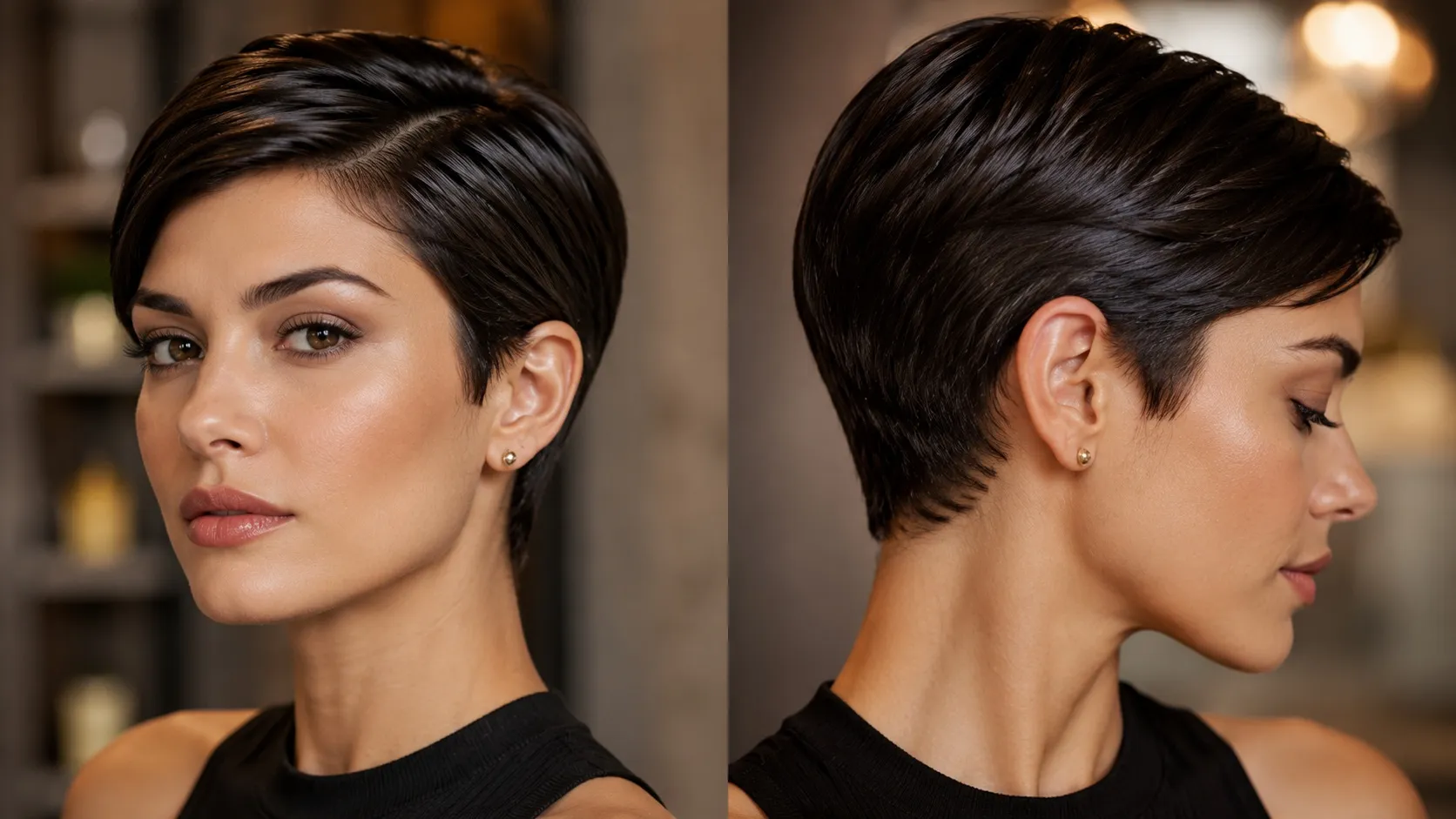
The sleek pixie depends on crisp lines and smooth control to highlight face shape and jaw structure. I’ve found that lightweight water-based pomades with a high-shine finish work best here because they keep fine hair flat without turning stringy. Apply a pea-sized amount through towel-dried hair, using a fine-tooth comb to lay the sides flat and sweep the top to your preferred side.
Textured Bob
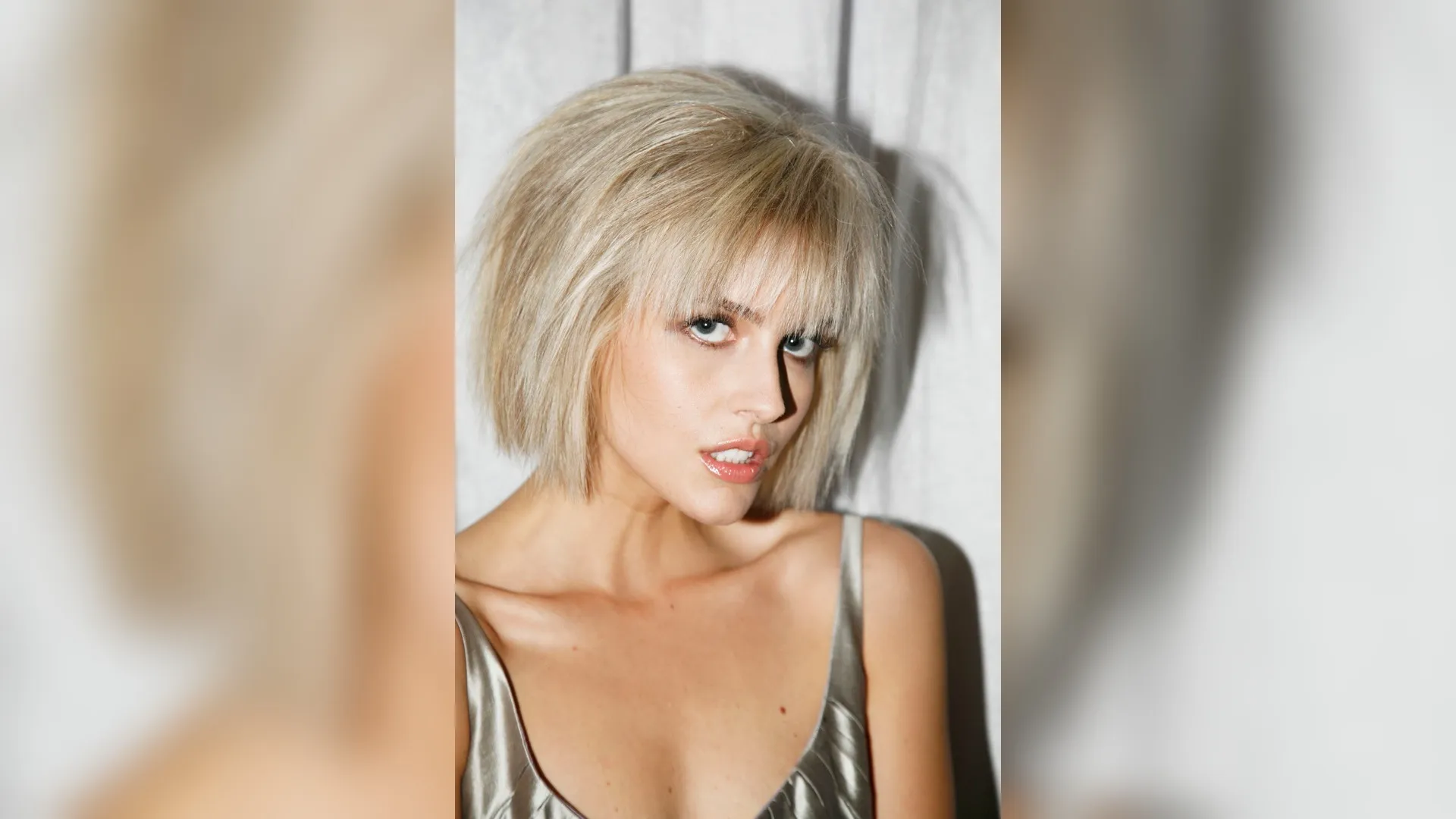
Short bobs often need grit and separation to avoid looking like a rigid helmet. A matte pomade or clay hybrid gives a bob defined piecey texture through the ends while maintaining natural sway. Work the product into your palms, focus application strictly on the mid-lengths and ends, and twist small sections between your fingers to create lived-in dimension.
Undone Wavy Pixie

For women with natural wave or loose curl patterns, an undone pixie provides effortless movement and soft structure. A medium-hold pomade with a satin finish seals out humidity and tames frizz without flattening your volume. Scrunch a dime-sized amount into slightly damp hair, pushing the top upward and back, then allow it to air-dry for natural separation.
How to Apply Pomade on Short Hair (Step-by-Step)
Correct Amount to Use
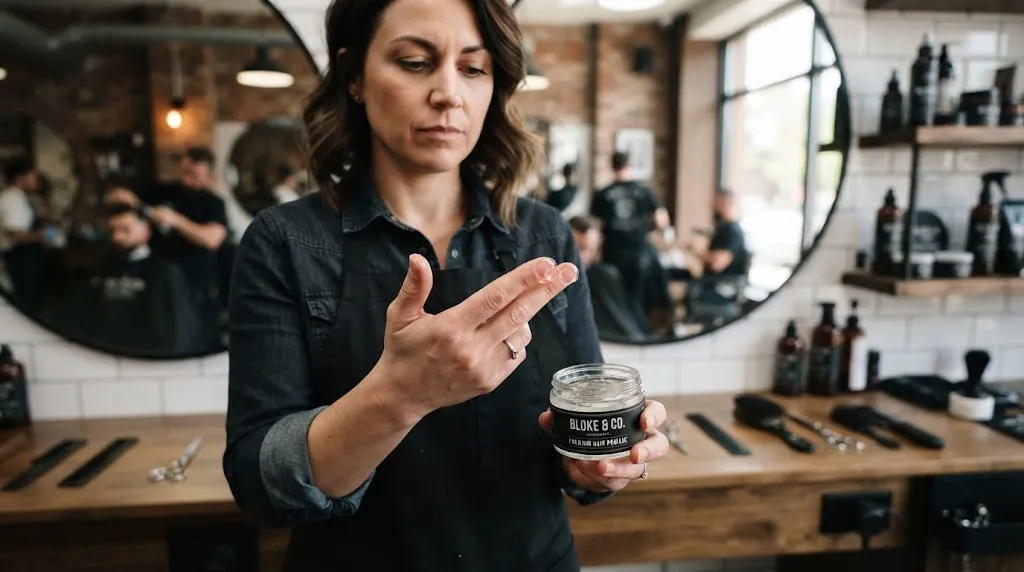
One of the most common mistakes people make with pomade is using too much too soon. For short hair, start with a dime-sized amount—about the size of a nickel for thicker hair. You can always add a bit more if needed, but removing excess product once it’s in your hair usually requires washing it out and starting over.
Wet Hair vs Dry Hair Method
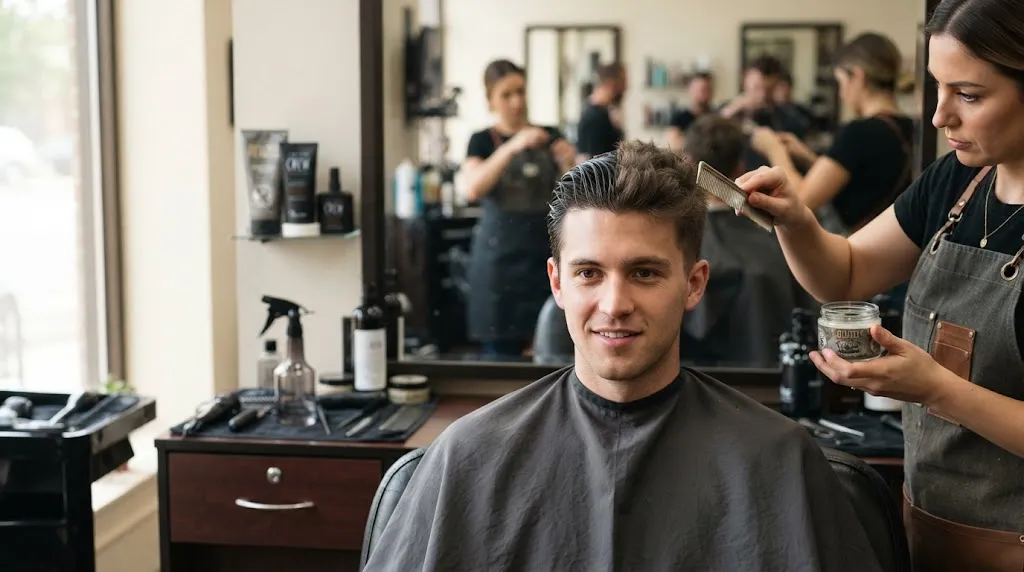
The moisture level of your hair dramatically changes how pomade performs and looks.
Damp Hair Application: Applying pomade to slightly damp (towel-dried) hair allows the product to spread more smoothly and gives a slicker, higher-shine finish. It works particularly well for classic side parts and slick backs.
Dry Hair Application: Applying pomade to completely dry hair provides stronger hold, maximum volume, and a lower-shine or matte finish. This method is best for textured crops, quiffs, and styles where you want natural movement.
Application Technique for Long-Lasting Hold
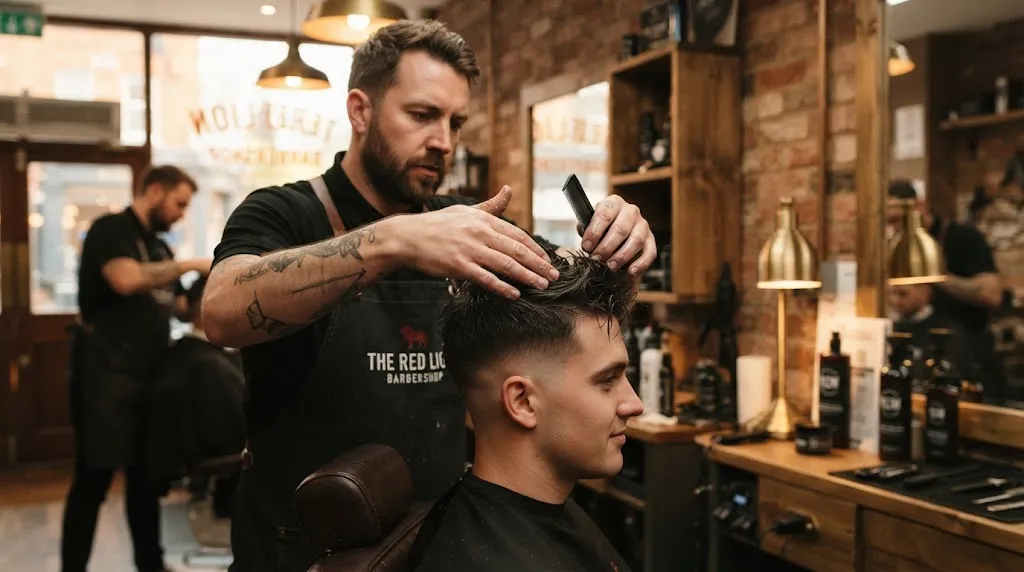
To get an all-day hold without clumping, emulsify the pomade thoroughly between your palms until it warms up and feels completely smooth. Start applying at the roots near the back and crown, moving forward toward the front of your head. This distributes the weight evenly rather than dumping all the product onto your front hairline. Once the hair is evenly coated from root to tip, use your fingers or a comb to shape your final style.
Choosing the Right Pomade for Short Hair
Water-Based vs Oil-Based vs Clay/Matte
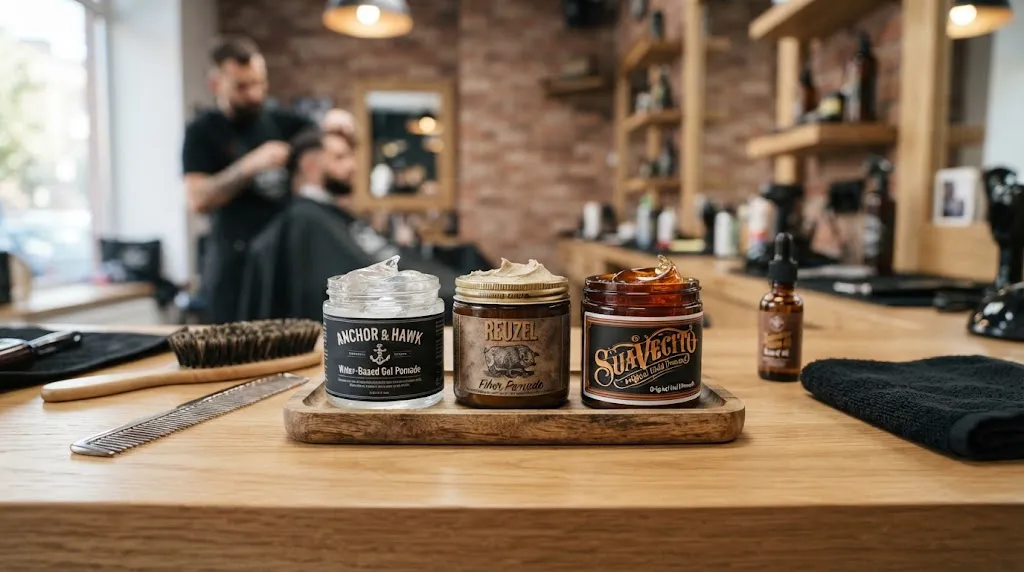
The base of your pomade dictates how easy it is to wash out, how much shine it gives, and how flexible the hair remains throughout the day.
Water-Based Pomades: These rinse out effortlessly with just water and set firm as they dry. They give a clean, controlled finish ranging from medium to high shine without making hair feel greasy.
Oil-Based Pomades: Made with petrolatum or beeswax, these offer a smooth, pliable shine that never dries out, allowing you to restyle all day. However, they require deep-cleansing or clarifying shampoo to wash out completely.
Clay and Matte Pomades: Formulated with natural clays like bentonite or kaolin, these provide a low-shine or completely flat finish. They absorb excess oils and give short hair grit, structure, and lightweight volume.
Best Type by Hair Texture (Fine, Thick, Curly, Straight)
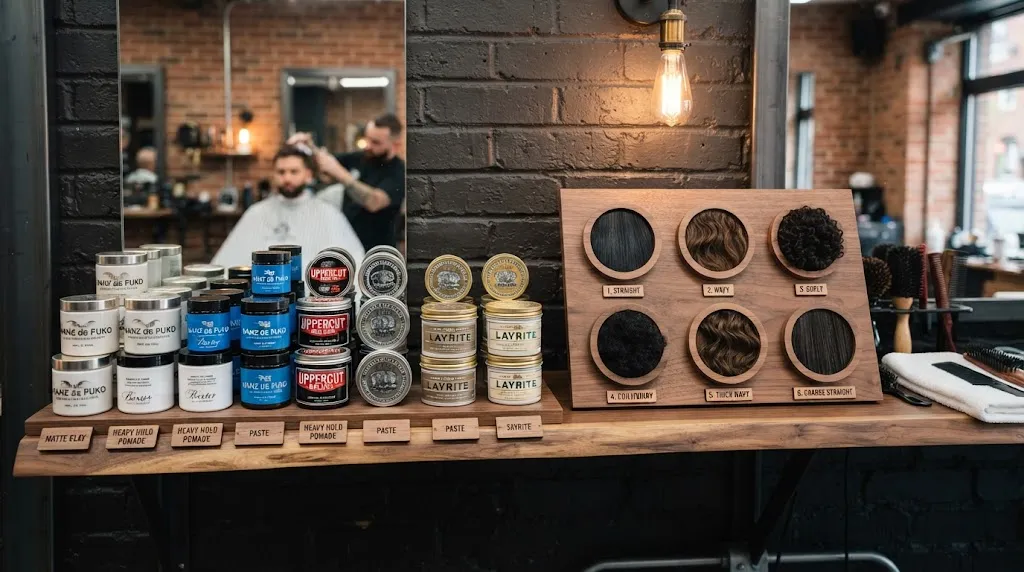
Hair density and strand thickness determine which formula will hold your style without collapsing it.
Fine or Thin Hair: Opt for matte or clay pomades. Heavy oil-based products will weigh fine strands down and make the scalp visible.
Thick or Coarse Hair: High-hold water-based or oil-based pomades work best to tame stubborn hair and flatten bulk along the sides.
Curly Hair: Water-based pomades with moisturizing ingredients provide curl definition and control frizz without stripping moisture.
Straight Hair: Medium-hold pomades or lightweight clays add needed texture and prevent straight strands from lying completely flat.
Light vs Medium vs Strong Hold — Which One to Pick
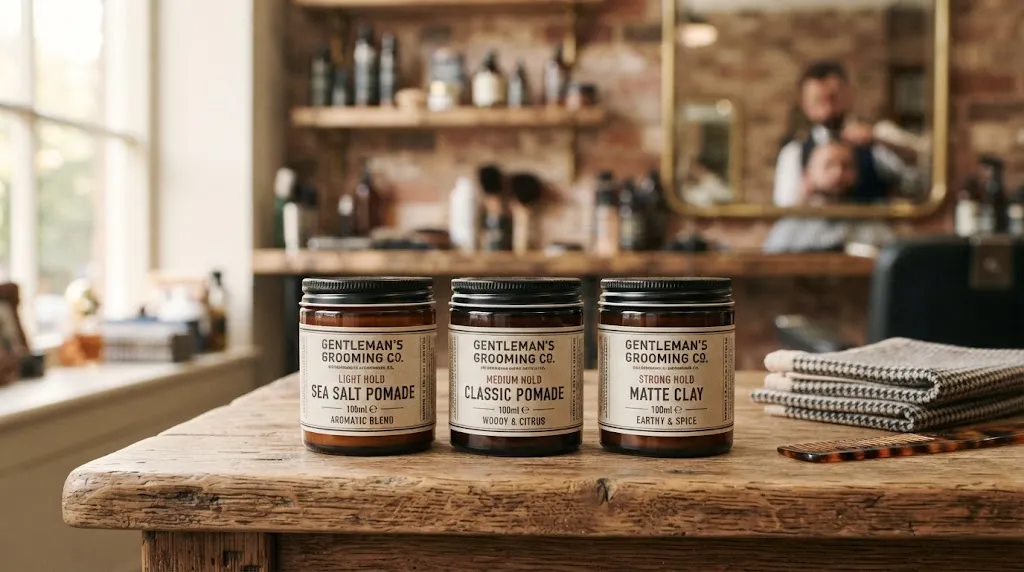
Pick your hold level based on the style structure you need and how unruly your hair naturally is.
Light Hold: Best for loose, natural styles like messy crops or longer pixies where you want subtle control and motion.
Medium Hold: The most versatile option, ideal for everyday side parts, short waves, and soft quiffs that need shape without feeling stiff.
Strong Hold: Essential for high-structure styles like pompadours, tight slick backs, or controlling thick, stubborn hair through long days.
Real Problems People Face with Pomade on Short Hair
Hair Looking Too Greasy or Shiny
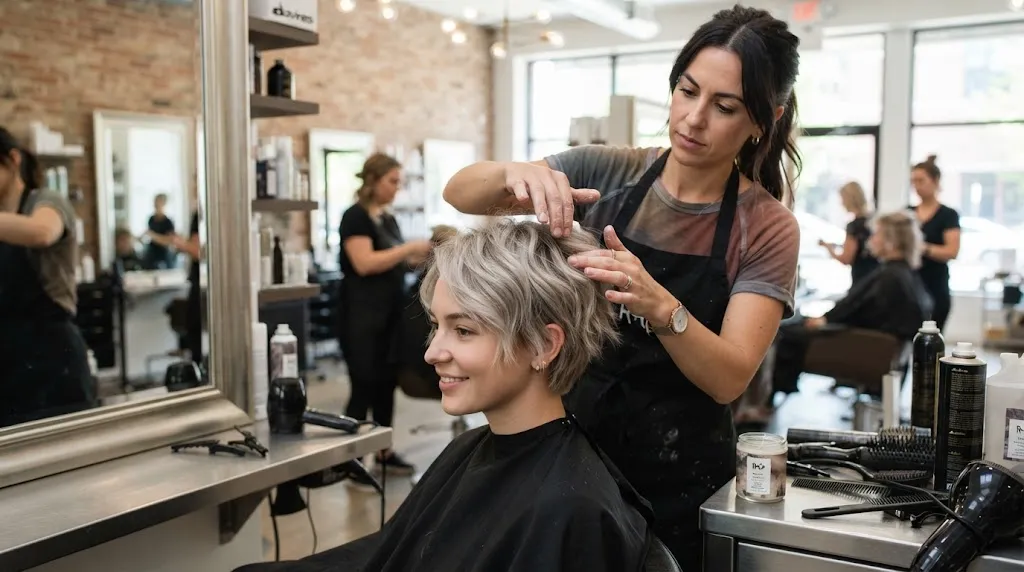
Over-application or choosing the wrong formula often leaves short hair looking slick and oily rather than clean and structured. Short hair shows product build-up much faster than long hair because there is less surface area to distribute the product across. To fix this, switch to a matte or low-shine water-based pomade, and always start with a small pea-sized amount, adding more only if necessary.
Pomade Not Washing Out Easily
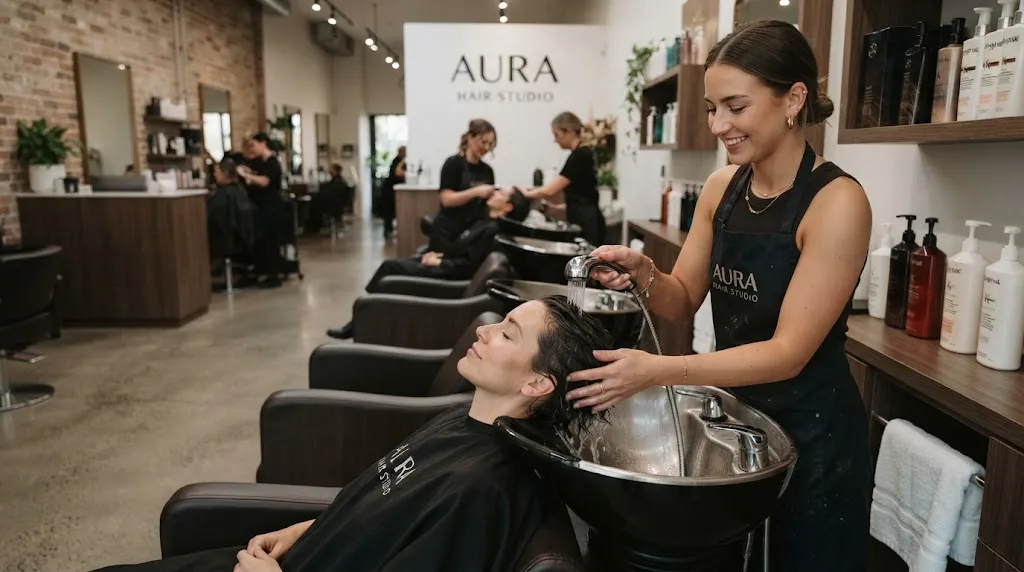
Traditional oil-based pomades contain petrolatum and waxes that resist water, making them tough to rinse out with regular shampoo. In my experience, trying to wash them out with hot water alone just spreads the grease further down the hair shaft. To break down oil-based pomade effectively, apply a generous amount of regular conditioner or a specialized clarifying shampoo directly to dry hair before wetting it in the shower, then rinse thoroughly.
Does Pomade Cause Hair Fall? — Fact Check
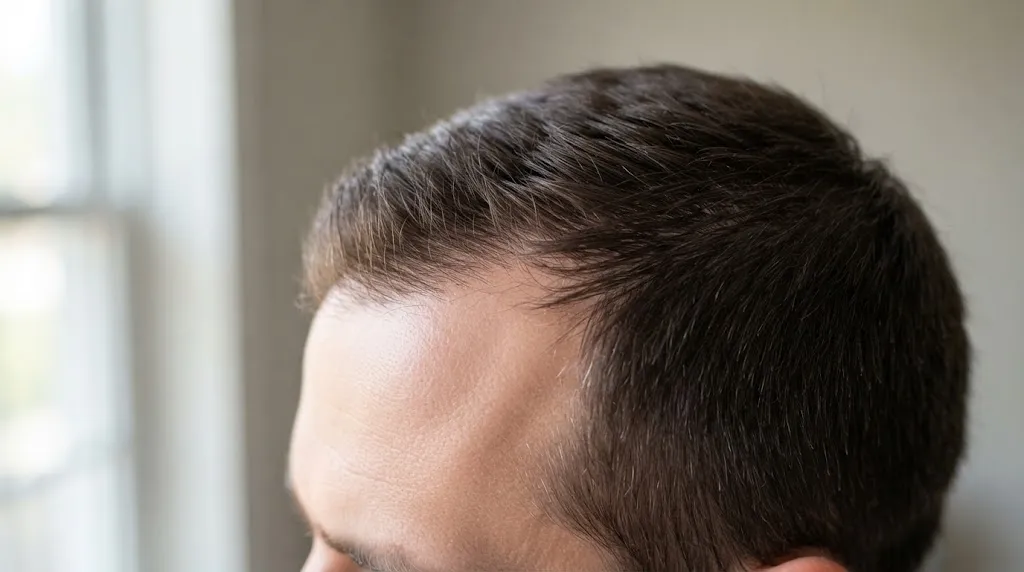
Pomade itself does not cause direct hair loss or damage hair follicles when used properly. However, pulling or tugging aggressively when applying heavy-hold pomades to dry hair can cause traction breakage. Additionally, failing to wash out heavy product build-up can clog hair follicles on the scalp, potentially leading to scalp irritation or inflammation over time.
Pomade Touching Skin / Breakouts
When pomade comes into contact with the forehead or temples—especially during workouts or hot weather—it can clog pores and trigger breakouts along the hairline (a condition often referred to as acne cosmetica). To prevent hairline acne, keep product focused on the mid-lengths and ends rather than directly on the roots near your forehead, and wash your face after styling your hair.
Pomade Short Hairstyle Trends for 2026
Short hair is making a massive comeback, but the way we style it with pomade has fundamentally shifted away from the hyper-structured, high-shine looks of the late 2010s. The overarching theme for 2026 is “intelligent texture”—styles that look intentionally shaped yet touchable, soft, and completely natural.
The Low Taper Fade with Matte Separation: While heavy skin fades dominated previous years, softer low tapers around the temples and neck are leading current trends. Paired with a matte pomade on top, this style emphasizes soft transitions while keeping the top piecey rather than comb-slicked.
HairBeautyHub+ 1The Micro-Textured Crop: Short French crops remain a dominant staple in barbershops, but current cutting techniques rely on point-cutting to build micro-texture. Using a dry, low-hold matte pomade allows the fringe to sit straight across the forehead without looking plastered down.
Men x StyleRelaxed “Old Money” Side Parts: High-shine, rockabilly-style pompadours have evolved into lower-profile, voluminous side parts. Instead of soaking hair in heavy gloss, clients are using small amounts of water-based, satin-finish pomades applied to dry hair to maintain height and soft direction throughout the work day.
The Short Sculpted Bixie and Micro Bob: On the women’s side, short statement cuts like precision micro bobs and bixies are dominating chairs. A dab of lightweight water-based pomade warming through the palms gives these sharp perimeter cuts touchable definition without making the ends look greasy or crunchy.
In short, pomade isn’t going anywhere—it’s just being formulated and applied lighter to support low-maintenance, authentic textures over stiff, helmet-like hold.
How to Look Classy with Short Hair Using Pomade

Looking classy with short hair isn’t about slapping on heavy product to force every strand into submission—it’s about subtle polish, intentional direction, and knowing when less is more. The boundary between a refined haircut and a greasy helmet often comes down to a few key styling habits.
Opt for Satin or Low-Shine Finishes: High-gloss shine can easily lean costume-like or overly slick under modern lighting. A low-shine, water-based pomade or satin-finish paste gives the hair a clean, healthy luster without looking oily.
Keep the Neckline and Sides Immaculate: A classy style on top loses its impact if the perimeter looks unkempt. Keep your neck shaved clean and your sides tapered or neatly groomed so the pomade-styled top acts as the central focus.
Style with Your Hands First, Comb Second: Running a comb straight through product-laden hair can create harsh, rigid lines. Work the pomade through with your fingers to build the baseline shape, then use a wide-tooth comb only to direct the primary parting or sweep.
Prioritize Clean Hairlines: Keep product away from the root edge along your forehead. Leaving a few millimeters of natural, product-free root right at the front edge prevents the pomade from clumping against your skin and looking heavy.
Short Hair Styling Rules Explained
The 3 Rule for Short Hair
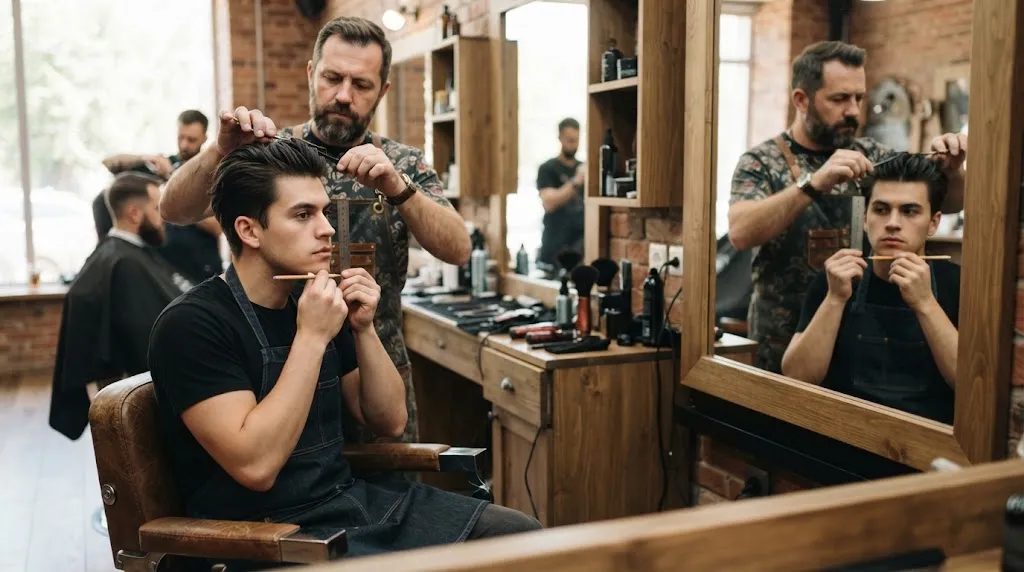
The 3-inch rule (frequently referenced in Asian hairstyling frameworks) is a proportion guide used to determine whether a short haircut will complement your face length and structure. To test it, hold a pencil horizontally under your chin and align a ruler vertically beneath your earlobe. If the distance from your earlobe to the point where the ruler intersects the pencil is under 3 inches (or under 2.25 inches for tighter jawlines), your facial proportions naturally suit shorter haircuts like bobs, pixies, and textured crops. If it measures greater than 3 inches, longer styles or lobs generally provide a more balanced frame.
The 2.5 Rule for Short Hair
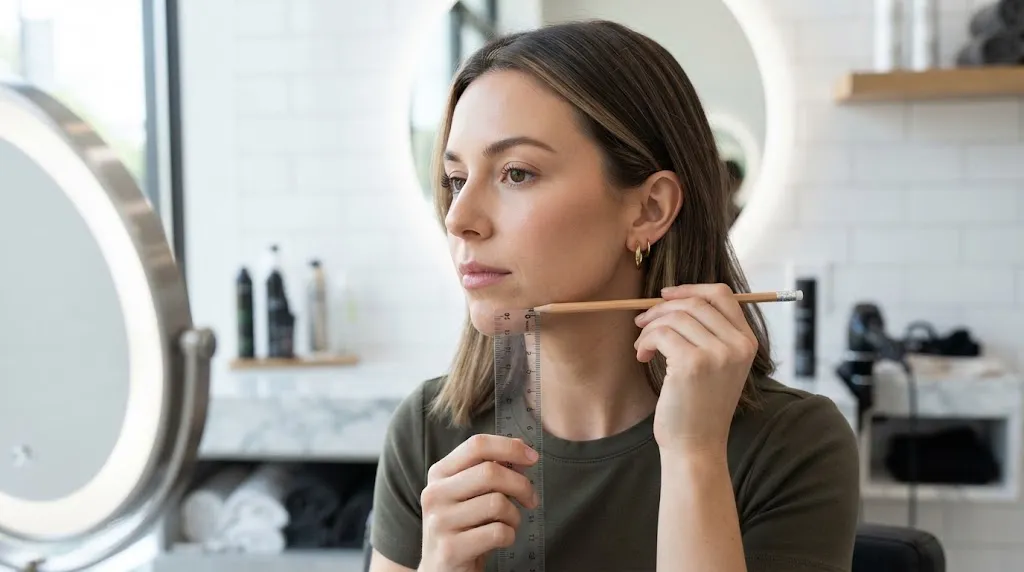
Often referred to interchangeably with the famous 2.25-inch rule pioneered by legendary stylist John Frieda, this technique measures the angle and length of your jawbone to predict how well a short cut will suit you.
How to measure: Hold a pencil horizontally flat against the bottom of your chin, and place a ruler vertically right below your earlobe to form a sharp ‘L’ shape.
Below 2.25 to 2.5 inches: Your jawline angle favors shorter styles (such as pixie cuts, French crops, or short pompadours), as your facial structure easily supports the exposure of your neck and jaw.
Above 2.5 inches: Longer haircuts or shoulder-length styles will naturally balance your features by softening a longer lower face.
Frequently Asked Questions
What is the most popular short haircut right now?
The micro bob and the textured crop are currently dominating salon requests. For men and unisex short styles, forward-pushed textured crops with soft taper fades lead the pack because they offer structural hold with minimal daily styling effort. For women, precision micro bobs that hit right at the jawline give a sharp, intentional silhouette that pairs exceptionally well with lightweight satin pomades.
What is the cutest hairstyle for short hair?
The Bixie (a hybrid between a pixie and a short bob) consistently ranks as the most flattering, versatile short cut. It leaves soft, face-framing layers around the cheeks while maintaining a clean crop in the back. Styling a Bixie with a pea-sized amount of low-shine pomade gives it soft, touchable separation rather than a stiff shape.
What are the main pixie cut trends for 2026?
Pixie cuts have shifted away from spiky, heavy-product looks toward soft, sculptural shapes. The top trend is the "Pixie 2.0," which focuses on internal layering, wispy curtain fringes, and gentle side-swept movement. Rather than plastering down the hair, current trends use matte pomade just through the tips to keep the crown airy and moving naturally.
Can I use pomade on short hair every day?
Yes, provided you choose a water-based formula and practice proper scalp hygiene. Water-soluble pomades rinse out easily without harsh scrubbing. If you prefer oil-based pomades daily, ensure you use a clarifying shampoo or conditioner-first wash strategy to prevent build-up along the scalp and hairline.
How do I restyle short hair with pomade midday without adding more product?
Water-based pomades can be reactivated with a small splash of water. Wet your palms slightly, lightly run them through your hair to loosen the dried product, and finger-comb or use a pocket comb to reset your style. For matte or clay pomades, simply reactivate the flexible hold by warming your scalp with your fingertips and massaging the roots.