
Volume Haircut: The Complete Guide to Fuller, Bouncier Hair Every Length, Type & Face Shape
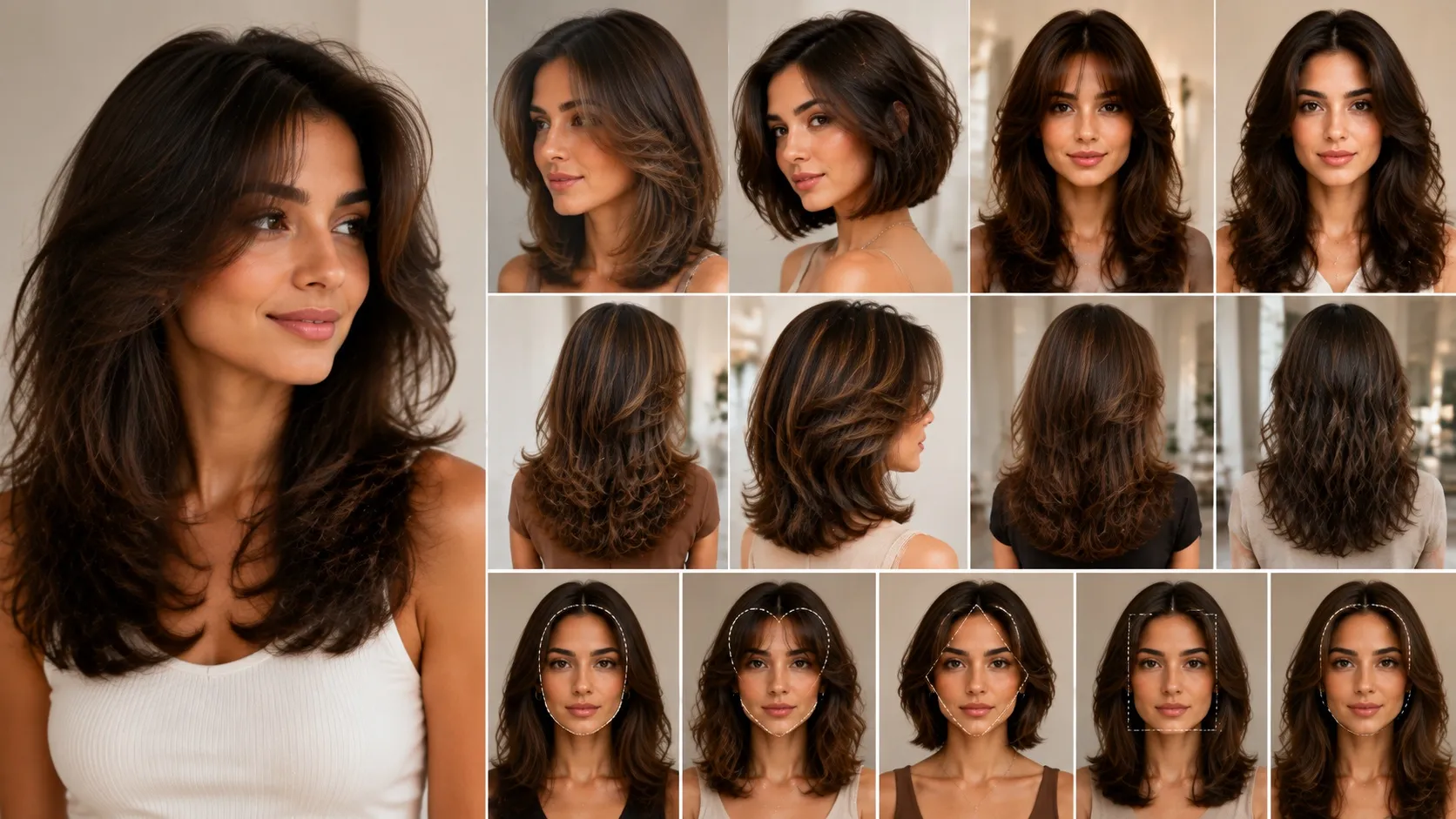
What Is a Volume Haircut?
A volume haircut is a targeted cutting method engineered to lift hair away from the scalp, build natural bounce, and create the illusion of overall density. Instead of relying solely on heavy styling products or daily heat tools, this cut uses specific spatial geometry to manipulate how hair falls, swings, and supports itself from root to end. If you want to see how these volume-building principles compare across different lengths and textures, explore our main hairstyles directory for a complete breakdown of every style category.
How a Haircut Physically Creates Volume (Layers, Weight Removal, Root Lift)
Hair collapse happens primarily because of gravity and accumulated weight. A true volume haircut counters this physics through three core mechanics:
Strategic Internal Layering: Cutting shorter, supportive lengths underneath longer top sections creates an internal “shelf.” As these shorter pieces try to push upward, they prop up the longer top layers, generating consistent lift without visible, harsh choppy steps.
Point-Cutting and Slide-Cutting for Weight Removal: Using the tips of the shears at an angle—rather than cutting a flat, blunt line—removes bulk from the interior mid-lengths. Removing this hidden weight allows the hair strand to spring up naturally rather than pulling straight down against the crown.
Over-Direction for Root Lift: By pulling sections of hair above their natural fall line while cutting, a stylist alters the elevation angle. This creates built-in root direction, forcing the hair shaft to rise perpendicular to the scalp before cascading down.
Volume Haircut vs. Regular Haircut — What's Different
| Feature | Regular Haircut | Volume Haircut |
|---|---|---|
| Primary Goal | Maintains uniform length, perimeter shape, or simple split-end removal. | Restructures internal weight to maximize lift, bounce, and movement. |
| Technique | Blunt baseline cuts, horizontal sectioning, and uniform perimeter lines. | Diagonal sectioning, over-direction, point-cutting, and targeted texturizing. |
| Weight Distribution | Concentrated at the bottom perimeter, often pulling the roots flat. | Shifted upward toward the mid-lengths and crown to free up the roots. |
| Styling Requirement | Requires heavy blow-drying and root-lifting sprays to achieve body. | Air-dries with natural body; requires minimal styling effort for full volume. |
Unlike a standard trim that simply cleans up line work, a volume layer hair cut acts as a permanent structural foundation. It ensures fine, flat hair looks naturally thicker, and heavy hair feels lightweight and full.
Best Volume Haircuts for Short Hair
Textured Pixie with Choppy Top Layers
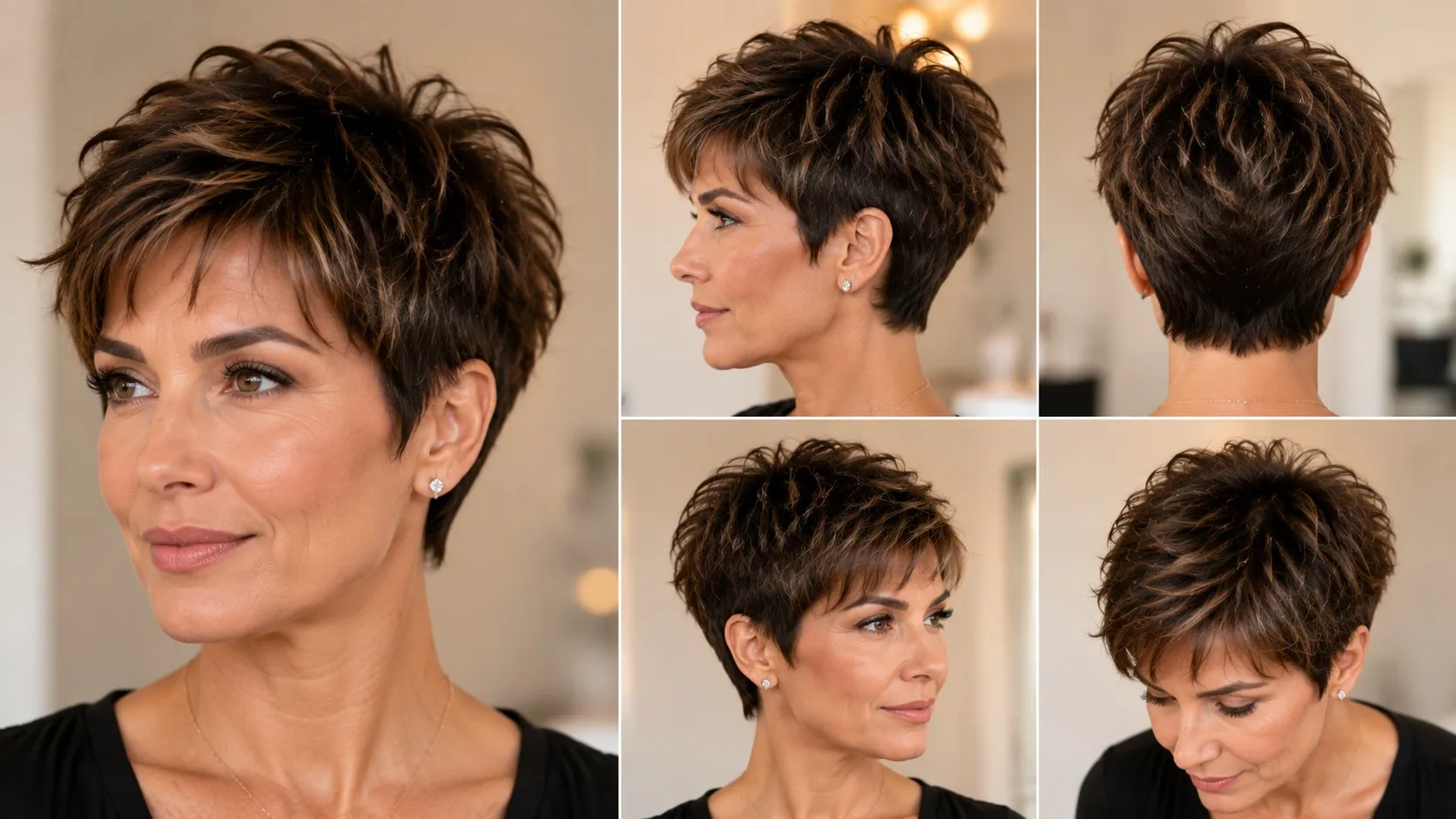
Short hair gets a massive bump in height when you remove weight from the crown while keeping strategic length on top. A textured pixie uses point-cutting—snipping into the hair ends at an angle—to create micro-lengths that support each other. This prevents fine, short strands from falling flat against the scalp. Ask your stylist for choppy, disconnected top layers and tapered sides. To style it at home, work a nickel-sized dab of matte texturizing clay into your roots, lifting the top sections straight up for instant, all-day hold.
Stacked Bob with Hidden Internal Layers
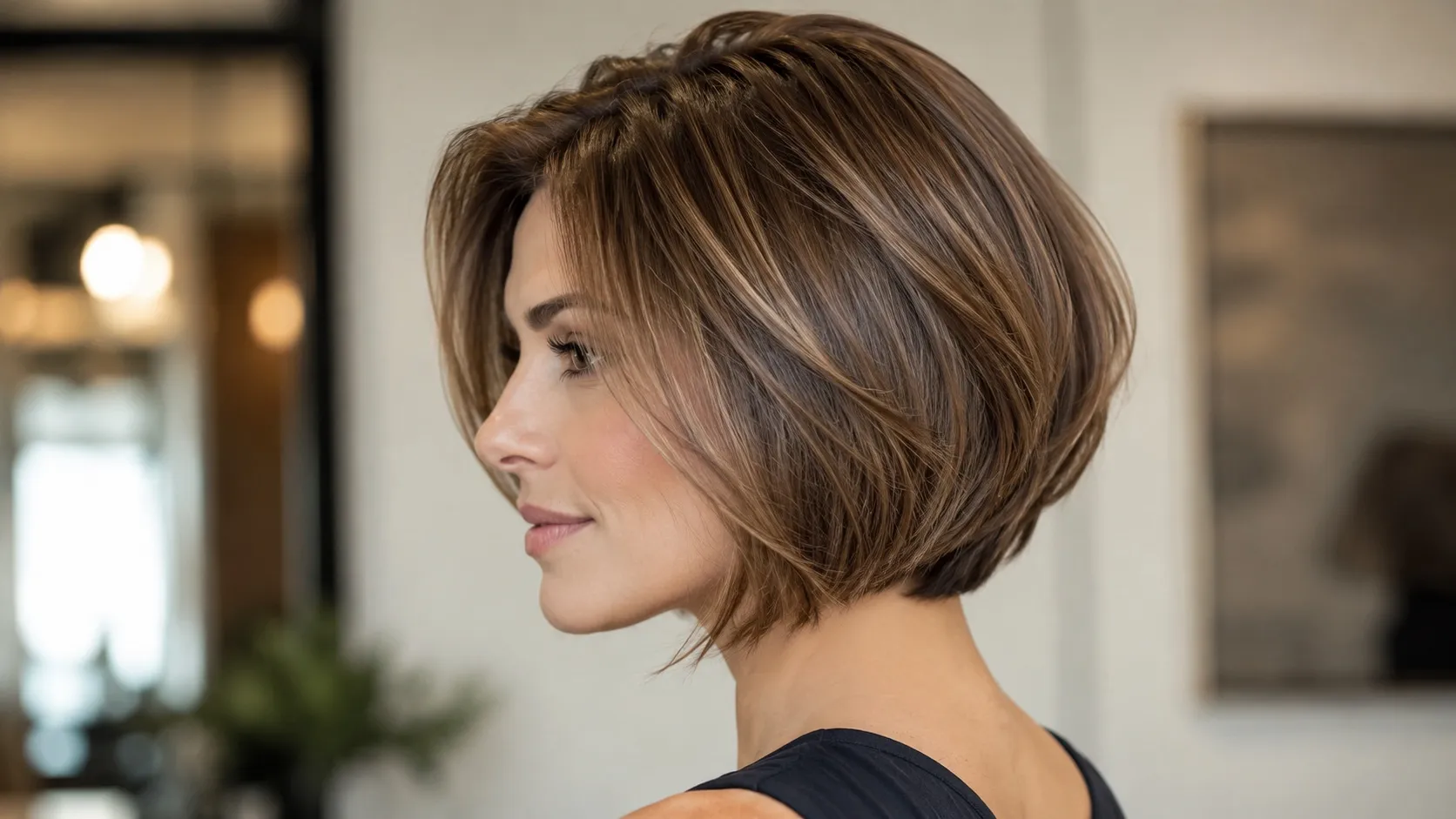
The classic stacked bob creates automatic lift through a steep back angle and graduated layering at the nape. By cutting shorter layers beneath longer perimeter strands, the hair at the back acts as a natural shelf, pushing the top sections up and outward. It is one of the most reliable volume hairstyles for fine or limp textures because the weight concentration stays at the jawline. Pair this cut with a dry volume spray aimed directly at the roots before blow-drying with a small round brush.
Asymmetrical Lob with a Deep Side Part
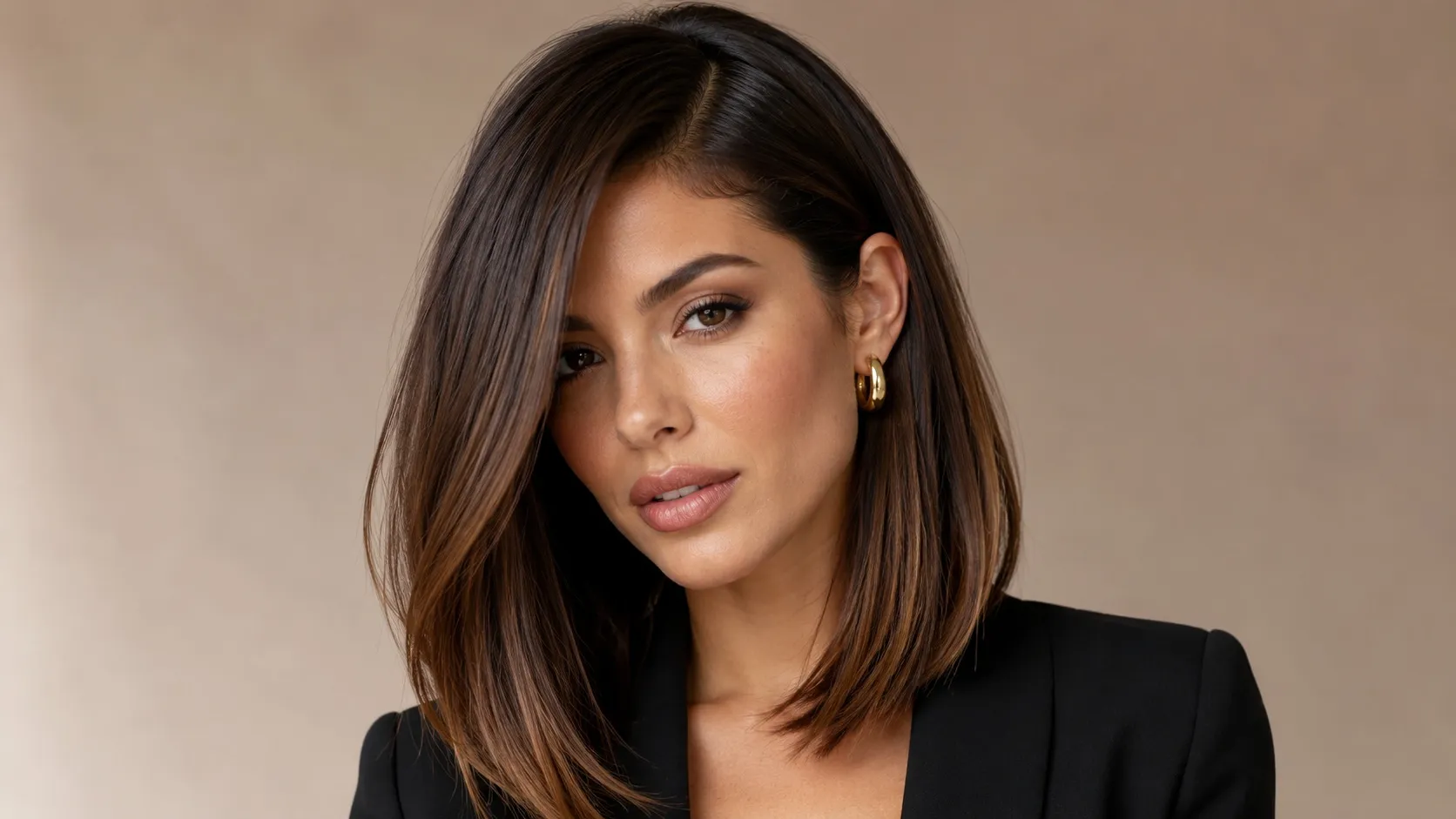
An asymmetrical long bob creates the illusion of density by shifting the bulk of your hair to one side. Shifting your part two inches past your natural center line forces hair follicles to stand upright against their growth direction, yielding immediate height without backcombing. The longer side adds movement around the face, while the slightly shorter side keeps the neck clean and uncluttered. For maximum bounce, apply a lightweight volumizing mousse to damp hair from mid-lengths to ends before rough-drying.
Best Volume Haircuts for Medium Hair
Shoulder-Length Shag with Curtain Bangs
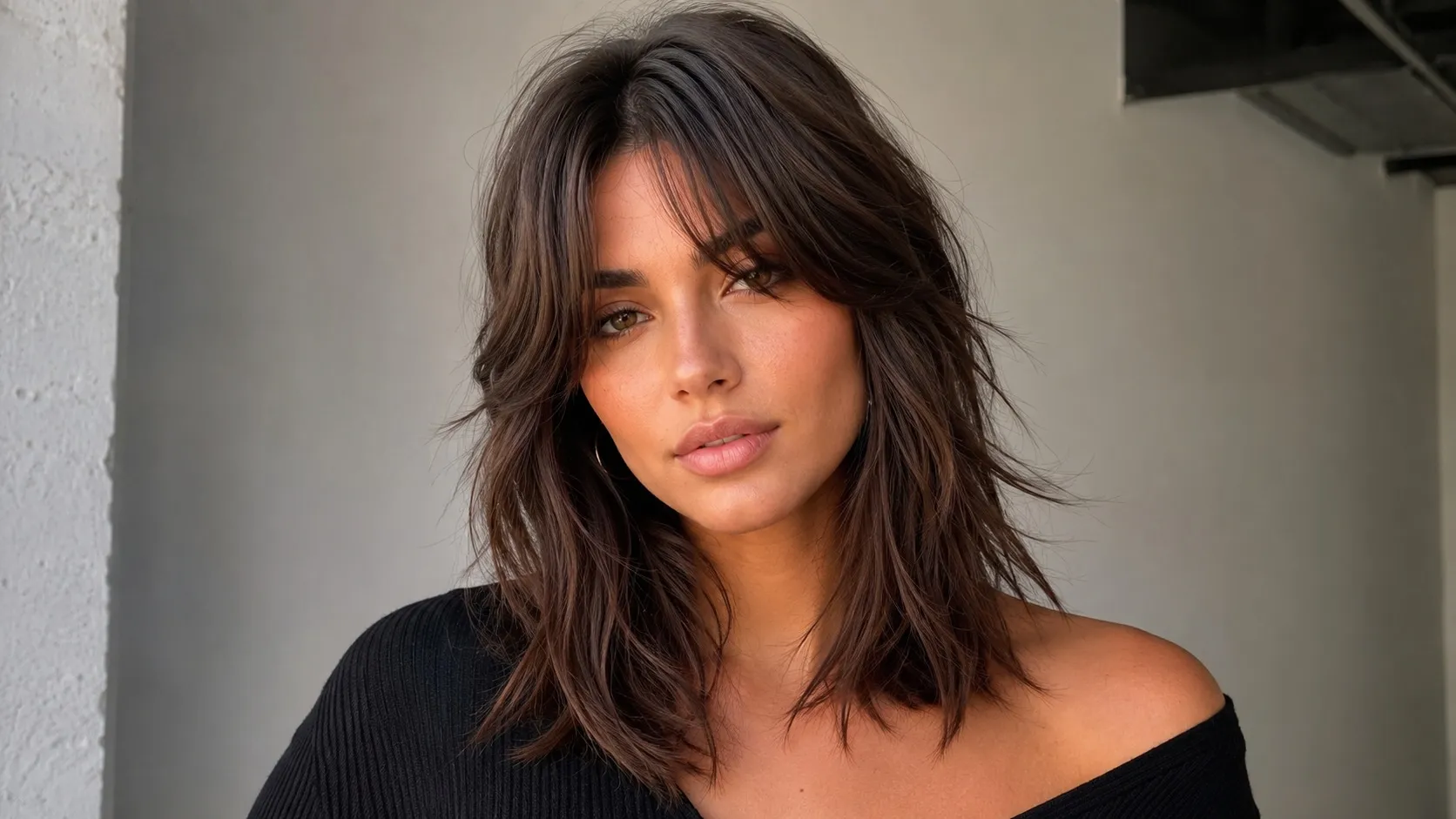
A shoulder-length shag is the ultimate volume haircut for medium hair because it relies on heavy interior layering and piecey ends. Your stylist will use slide-cutting to carve out weight around the cheekbones and crown, allowing the hair to spring up rather than drag down. Soft, face-framing curtain bangs sweep outward, drawing focus to the eyes while adding lateral width to the style. Blast your roots upward with a diffuser attachment to encourage your natural texture and amplify movement.
Mega Volume Layer Hair Cut
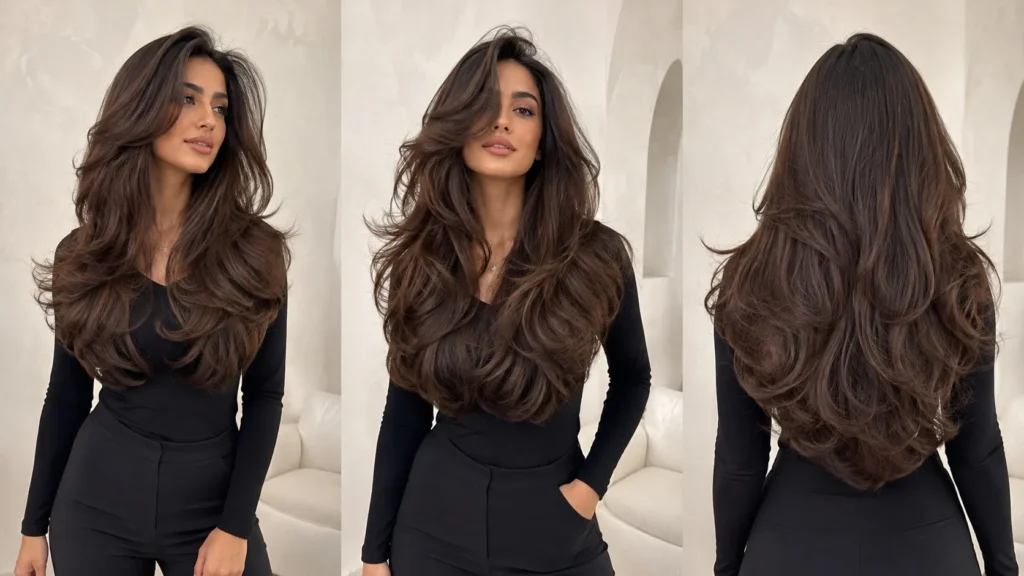
If you want dramatic height and sweeping motion, a dedicated volume layer hair cut delivers maximum payoff for mid-length hair. This technique uses steep, seamless cascading layers starting right at the chin and blending down through the perimeter. Because the layers are carved in fluid, continuous sweeps rather than harsh steps, the hair maintains a thick baseline while gaining huge root elevation. Roll warm sections onto large Velcro rollers immediately after blow-drying, let them set for ten minutes, and rake through with your fingers for a high-impact, bombshell blowout.
Best Volume Haircuts for Long Hair
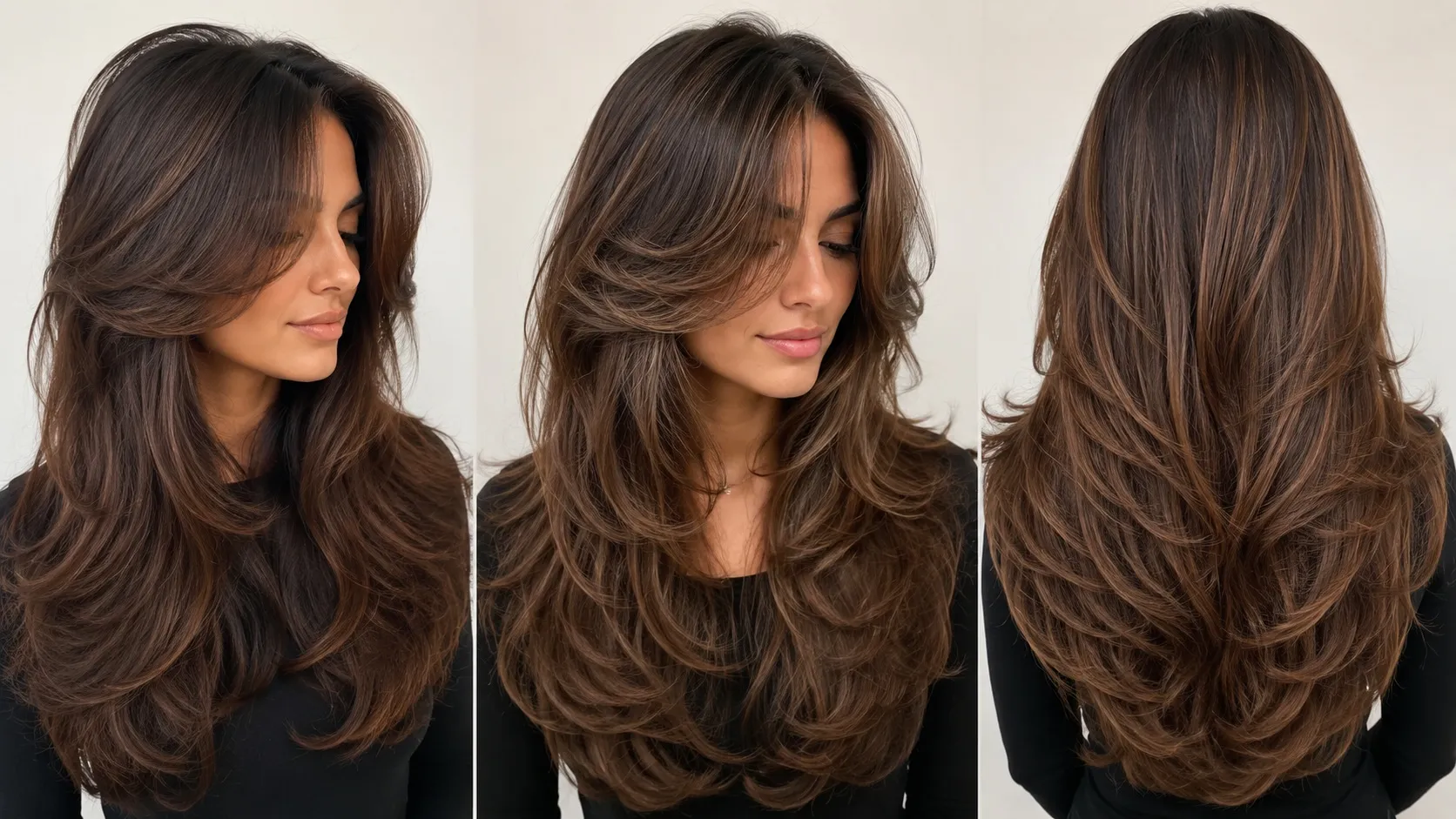
Long hair is notoriously prone to looking flat because the sheer weight of length pulls everything down toward the scalp. To create a true volume haircut on longer lengths, a stylist must strategically remove interior bulk without making the ends look sparse or stringy.
Long Seamless Layers with Face-Framing: This classic volume layer hair cut uses over-direction—pulling sections forward toward the face while cutting—to build gradual weight release through the back while carving out movement around the cheekbones and collarbone.
Curtain Bangs Layered Cut: Blending longer curtain bangs into the side lengths creates an instant anchor point for lift at the crown. Blow-drying the fringe forward with a medium round brush creates that signature sweeping root lift that makes long voluminous hairstyles look effortless.
V-Cut Layers: By cutting the perimeter into a tapered “V” shape, your stylist removes heavy blockiness from the back corners. This allows the shorter interior layers to rebound and pop, giving long hair a buoyant, bouncy cascade.
Volume Haircuts by Hair Type
For Thin/Fine Hair
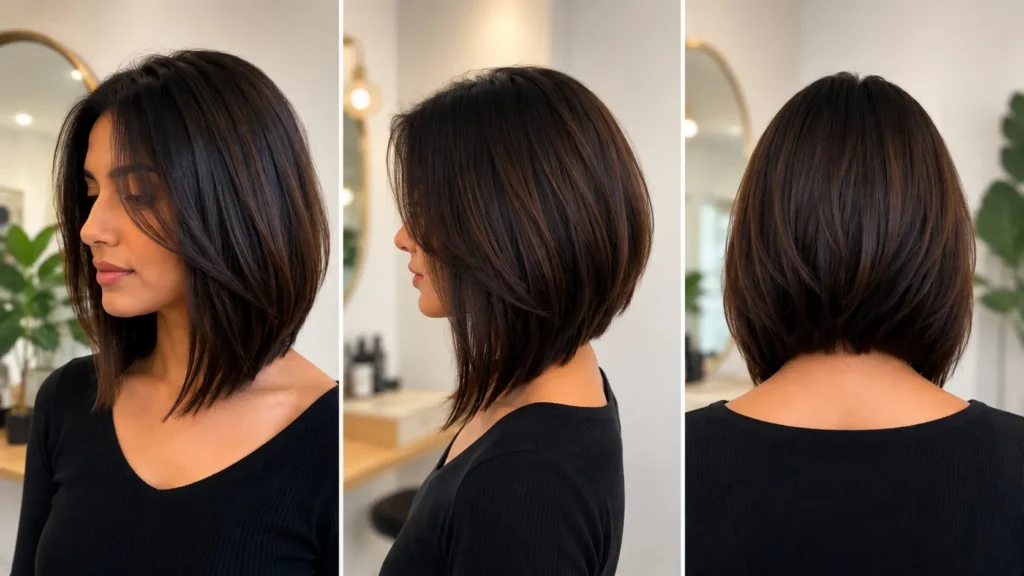
The biggest mistake stylists make with fine hair is over-layering, which strips away the baseline and makes the perimeter see-through. To execute a volume haircut for thin hair to look thicker, the key is maintaining a strong, blunt perimeter while carving out subtle internal support.
Blunt LOB with Internal Invisible Layers: A blunt perimeter gives the visual illusion of maximum density at the bottom, while hidden point-cutting on the interior sections shortens selective strands near the crown to act as “kickers” that push the top hair upward.
Blunt French Bob: Sitting right at the jawline, this cut eliminates all drag from weight. The sharp, square perimeter forces the fine strands to stack directly on top of each other, building natural width at the sides of the face.
For Thick Hair
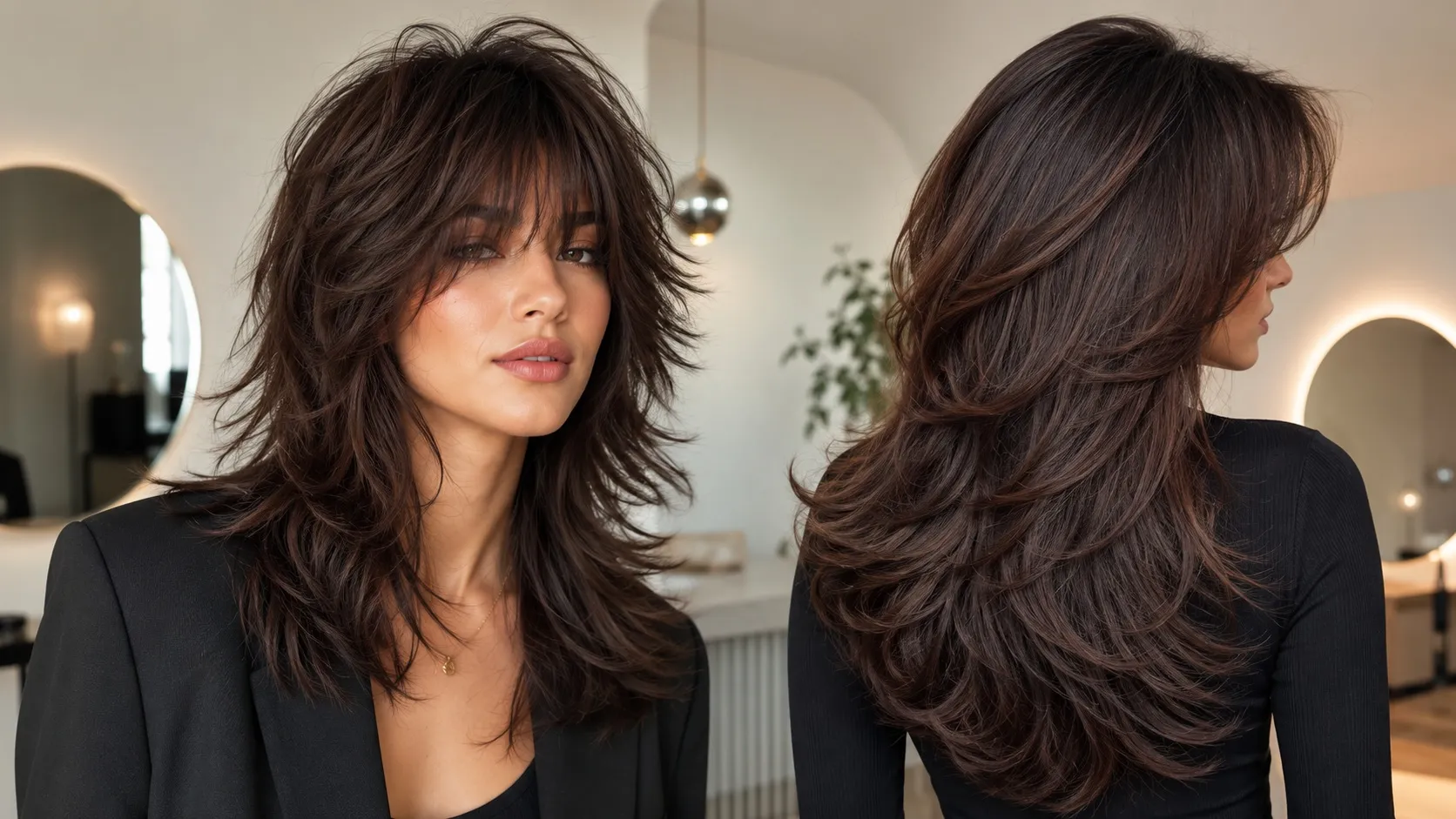
Thick hair already has density, but its weight often collapses the root flat against the head. Executing effective haircuts for voluminous hair means relieving interior bulk so the natural texture can breathe and lift.
Texturized Shag with Deep Point Cutting: Using a slide-cutting or deep point-cutting technique with shears—rather than thinning shears which create frizz—removes heavy pockets of weight through the mid-lengths to reveal airy, piecey shape.
Long Shattered Layers: Long, deeply carved interior layers shatter the heavy exterior wall of hair, allowing the top sections to bounce freely without resting on a dense foundation.
For Straight Hair
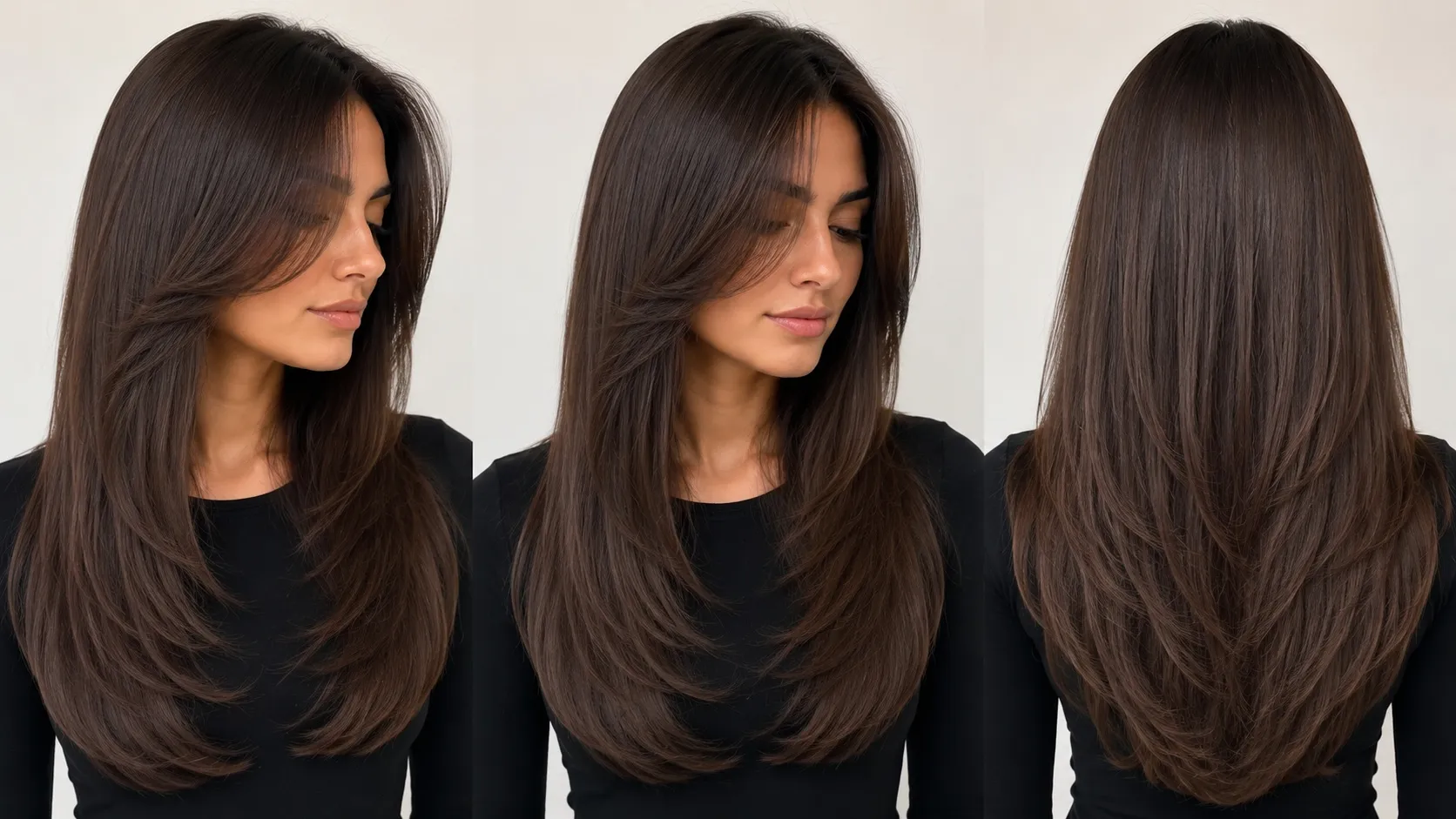
Straight hair lacks natural bend, which means volume must be engineered strictly through angle geometry and beveling during the cut.
Beveled Long Bob (Lob): By angling the shears slightly inward along the perimeter, the ends naturally curve under, creating a self-holding rounded silhouette that elevates flat, pin-straight strands.
Graduated A-Line Cut: A slight slope from shorter in the back to longer in the front creates structural tension. The shorter back sections support the weight of the crown, building automatic voluminous haircut structure without relying heavy on hot tools.
For Curly Hair
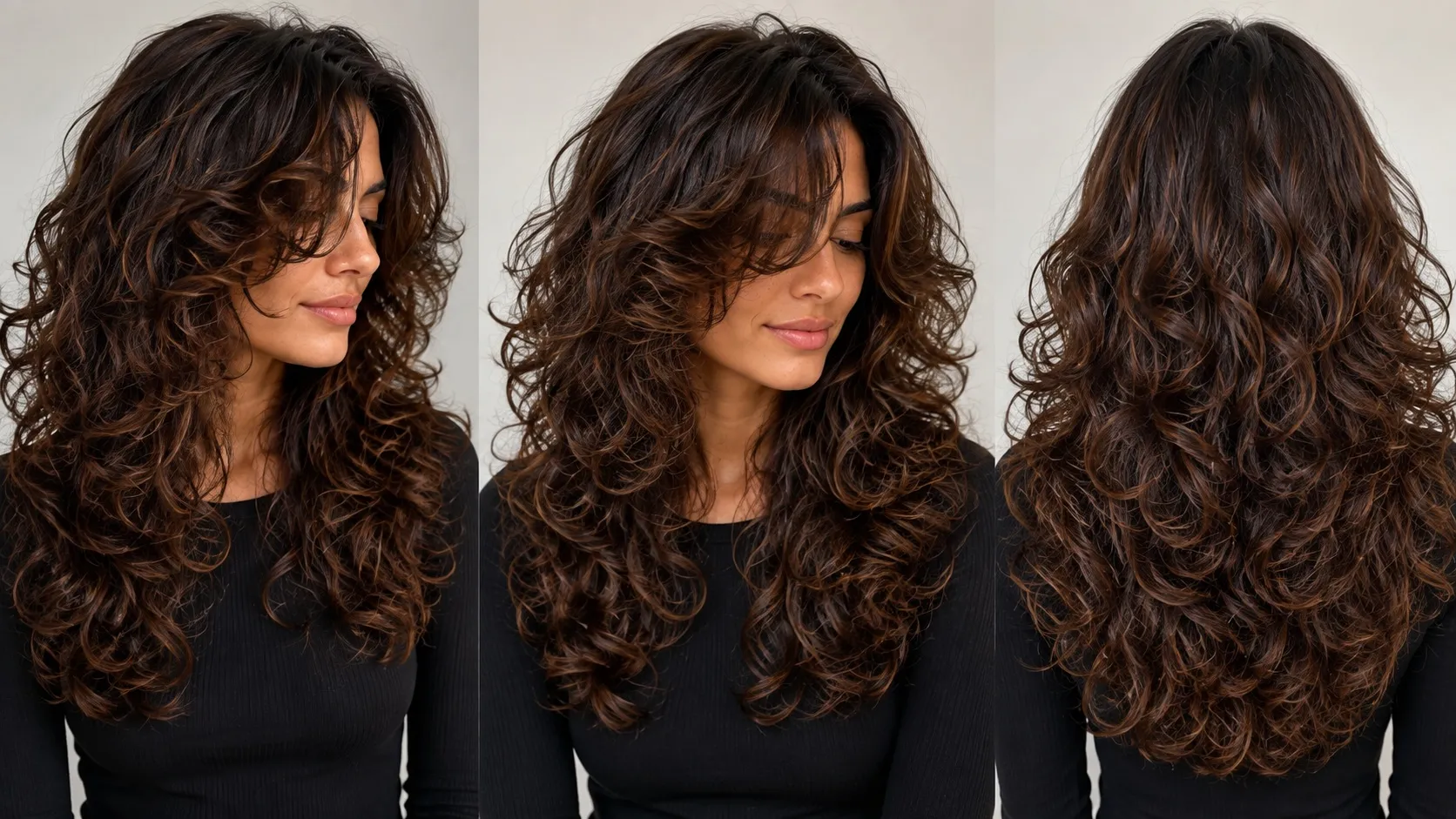
Curly textures require a dry-cutting approach because curl patterns shrink unevenly when wet. The goal for curly volume hairstyles is a balanced, rounded crown that avoids the dreaded triangular “A-frame” shape.
The Round Layered Curl Cut: Cutting individual curl units in a spherical perimeter distributes volume evenly around the head rather than letting weight settle purely at the bottom.
Curly Shag with Short Crown Layers: Shorter layers at the top of the head free the upper coils from the pull of gravity, yielding immediate spring, root volume, and defined crown height.
Volume Haircuts for Men vs. Women
Volume Haircuts for Women
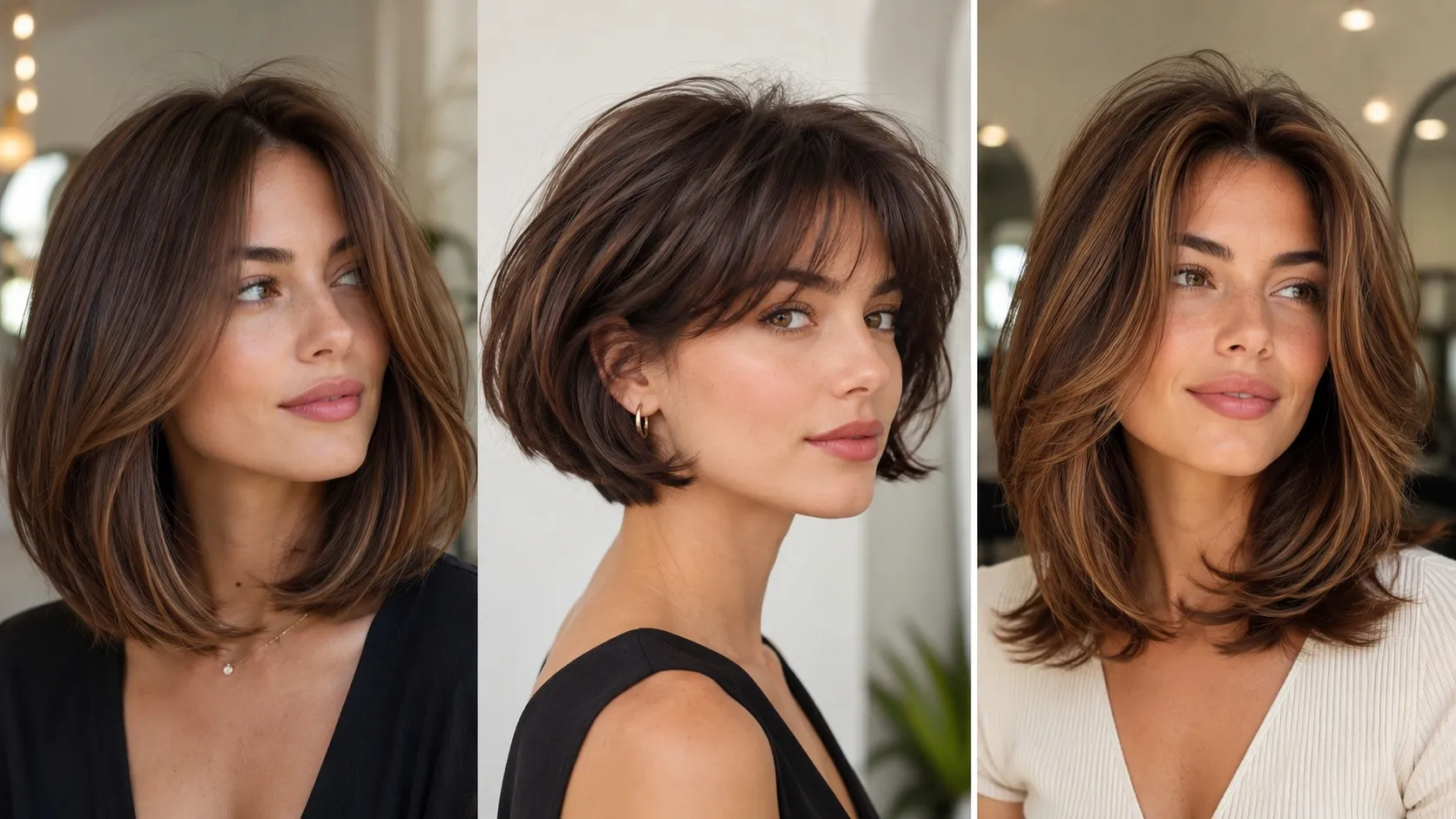
Women’s volume haircuts generally rely on internal movement, weight distribution, and perimeter shaping to counteract length drag and density flat spots.
Long Seamless Layers with Face-Framing: This volume layer hair cut uses over-direction—pulling sections forward past the face while cutting—to keep perimeter weight dense while carving out airy motion through the cheekbones and crown.
The Voluminous Layered Lob: A classic volume haircut for medium hair, this shoulder-grazing cut uses soft internal layering to prevent the heavy “blocky” ends that pull medium lengths flat against the scalp.
Volume Haircuts for Men
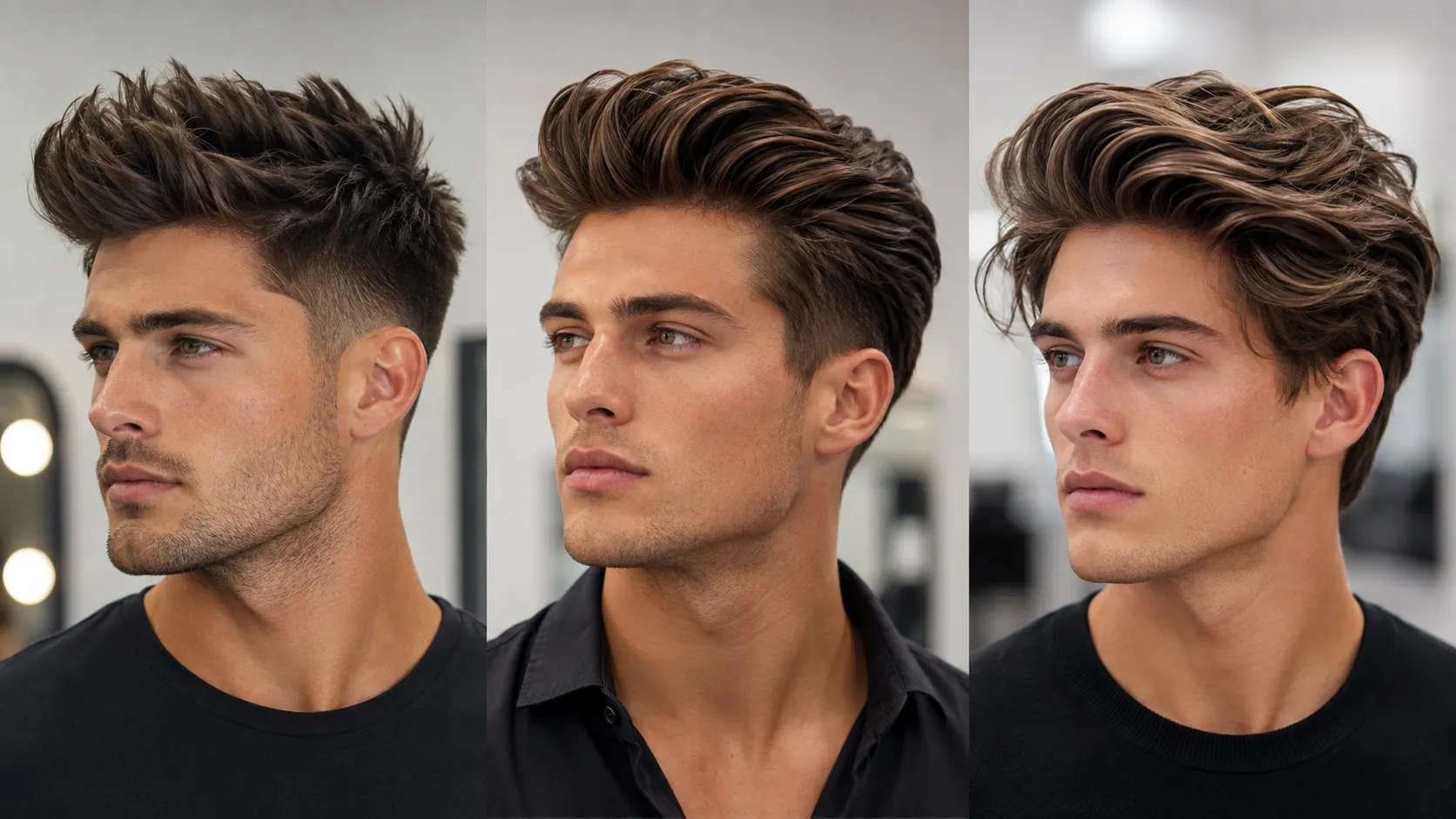
Men’s volume hairstyles lean heavily on structural graduation, scalp-level support, and high-contrast perimeter lengths to build vertical height without widening the silhouette.
Textured Modern Pompadour Fade: The sides are faded tight to the scalp, while the top length is cut with progressive graduation from short in the crown to long in the front, forcing hair naturally upward and back.
Voluminous Textured Crop with Taper: Short, heavily point-cut sections on top create forward movement and messy, stacked density that stays lifted even on straighter, finer male hair textures.
The Cutting Techniques Behind Volume
Layering
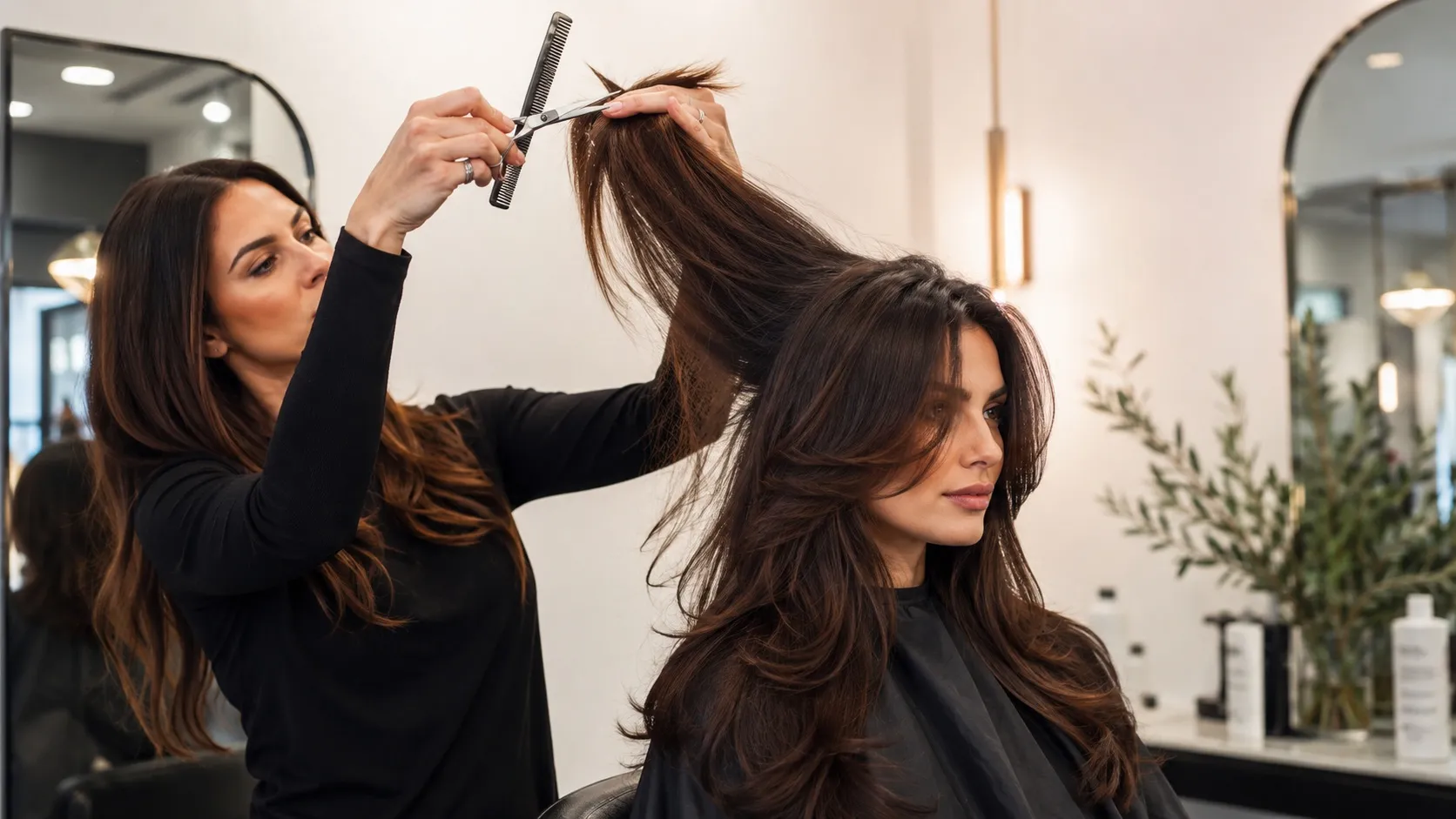
Layering creates height by removing weight from the top sections so strands can rebound rather than lie flat under their own mass. In a technical volume haircut, a stylist alters the elevation angle—pulling hair up at 90 or 180 degrees from the scalp—to create shorter top lengths that rest over longer base lengths. These shorter strands act as physical kickers, propping up the surrounding hair.
Point-Cutting & Texturizing
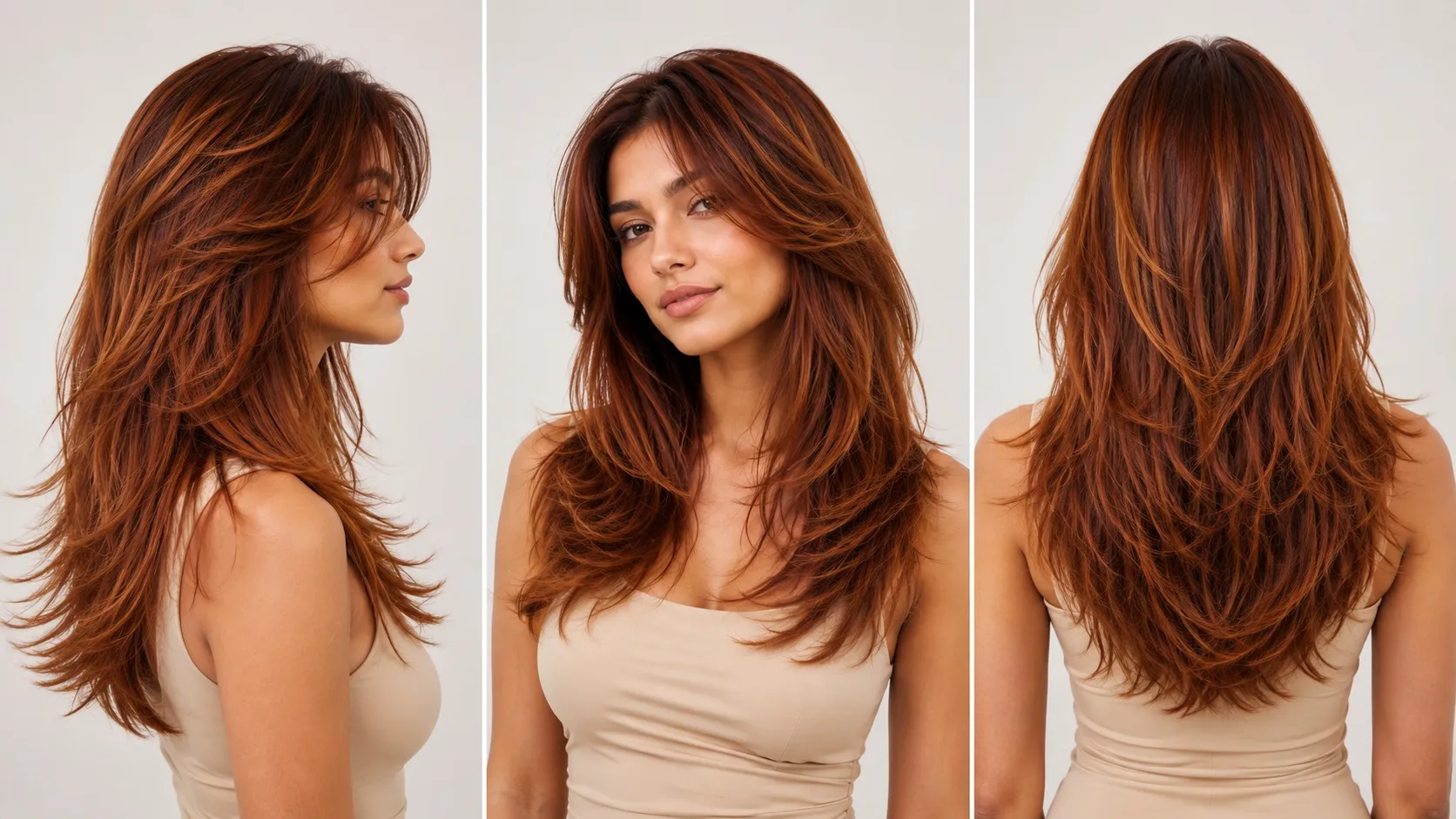
Texturizing isn’t just “thinning hair out”—when done incorrectly with thinning shears, it causes frizzy, hollow ends. True structural volume uses point-cutting, where the stylist cuts into the hair section at an angle with straight shears. This creates alternating long and short micro-strands within a single section. The shorter micro-strands support the longer ones, building airy, touchable bounce throughout voluminous hairstyles.
Root-Lift Cutting
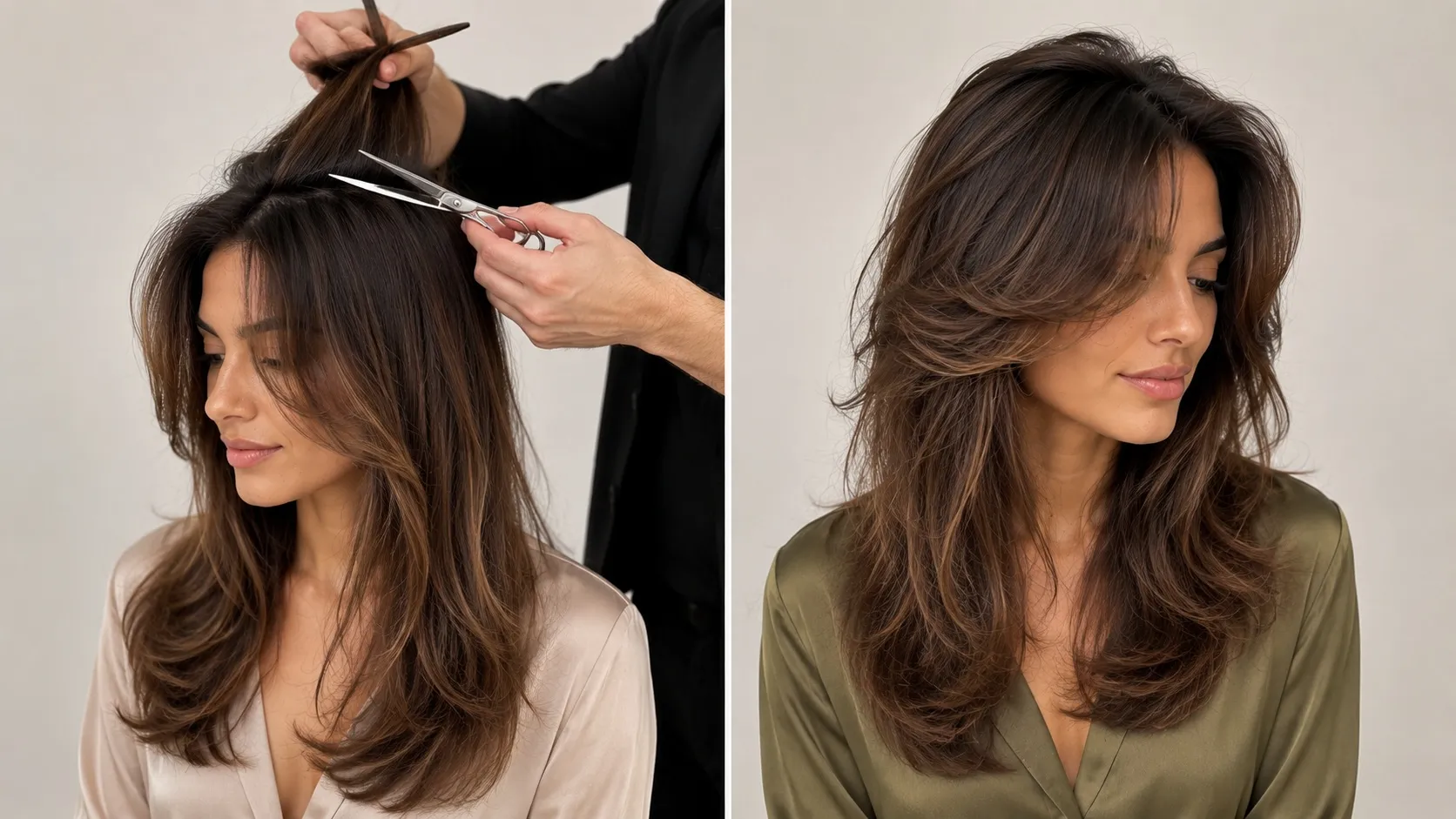
Also known as channel cutting or interior carving, root-lift cutting targets the first two inches above the scalp. A stylist uses precise shear taps near the base of dense sections, removing tiny pockets of bulk. This gives the surrounding root strands physical room to stand upright instead of lying flat against neighboring hair, making it an essential technique in any volume haircut for thin hair to look thicker.
What to Say to Your Stylist for a Volume Cut (Exact Terminology)
To get an actual voluminous haircut rather than just a basic trim, use these exact salon phrases during your consultation:
“I want internal layering rather than short surface layers so my ends don’t look sparse.”
“Please use point-cutting with straight shears to remove weight instead of thinning shears.”
“Keep my perimeter baseline thick and blunt, but add crown movement for natural root lift.”
“Can we over-direct the front sections to give me sweeping face-framing pieces?”
Styling Techniques That Maximize Volume
Round Brush Blow-Dry Method
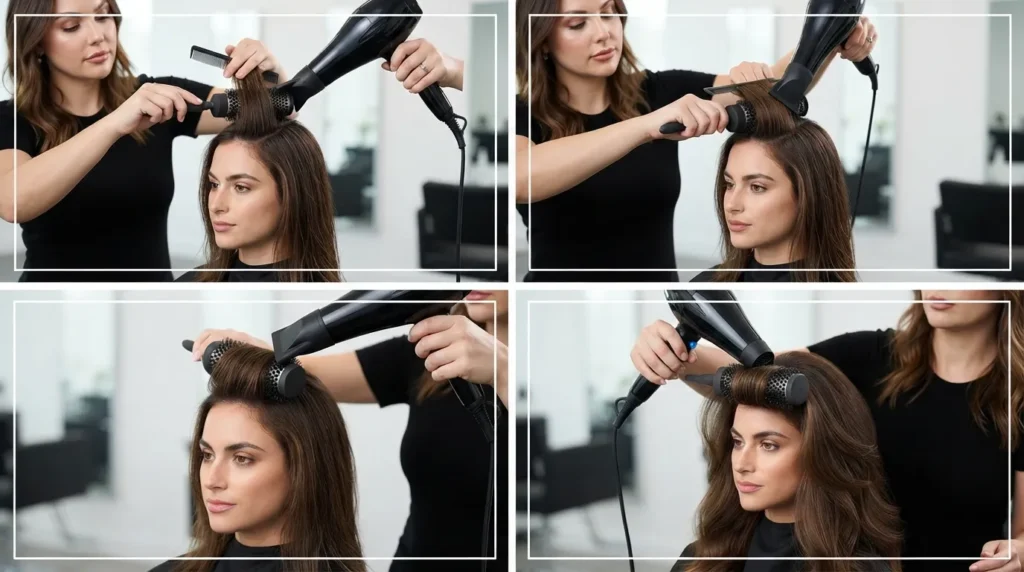
Achieving maximum root lift requires more than just pointing a blow-dryer at your head; it is all about elevation and thermal control. Start by rough-drying your hair to about 80% dry with your head flipped upside down to push roots away from the scalp. Then, working in horizontal subsections, place a ceramic thermal round brush directly beneath the root, pull the hair upward at a 90-degree angle, and follow the brush with the nozzle pointing downward to smooth the cuticle while setting the lift. Finish each section with a blast of the cool shot button to lock the bond of the hair shaft in its upright position.
Best Volumizing Products

The secret to holding a voluminous haircut all day lies in layering the right lightweight formulas without creating crunch or buildup. Use a root-lifting mousse on damp hair right at the crown, as alcohol-based mousses expand when heated to create structural memory. Follow with a lightweight salt spray or texturizing mist through the mid-lengths to add grit, and finish your dry style with a non-sticky root powder dusted directly into the parting for instant friction and lift.
Styling Mistakes That Kill Volume
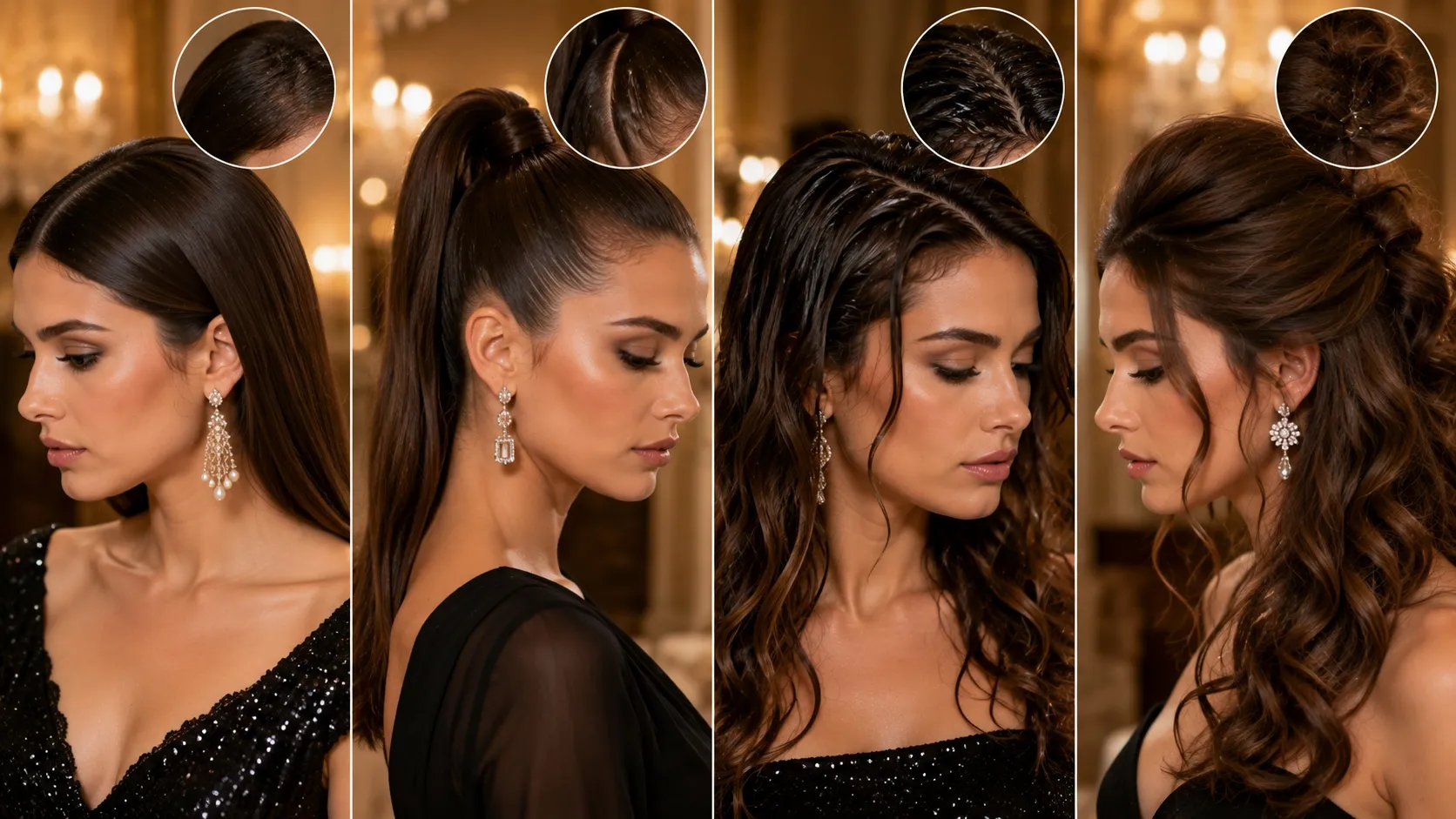
Even the best volume hairstyles will fall flat if improper daily habits weigh down the roots. Applying heavy silicone-based serums or oils too close to the scalp creates an instant weight anchor that flattens even the bounciest layers. Another common pitfall is over-conditioning the roots during washing or failing to completely rinse out styling products, which leaves a heavy residue that chokes out natural volume.
Choosing a Volume Haircut for Your Face Shape
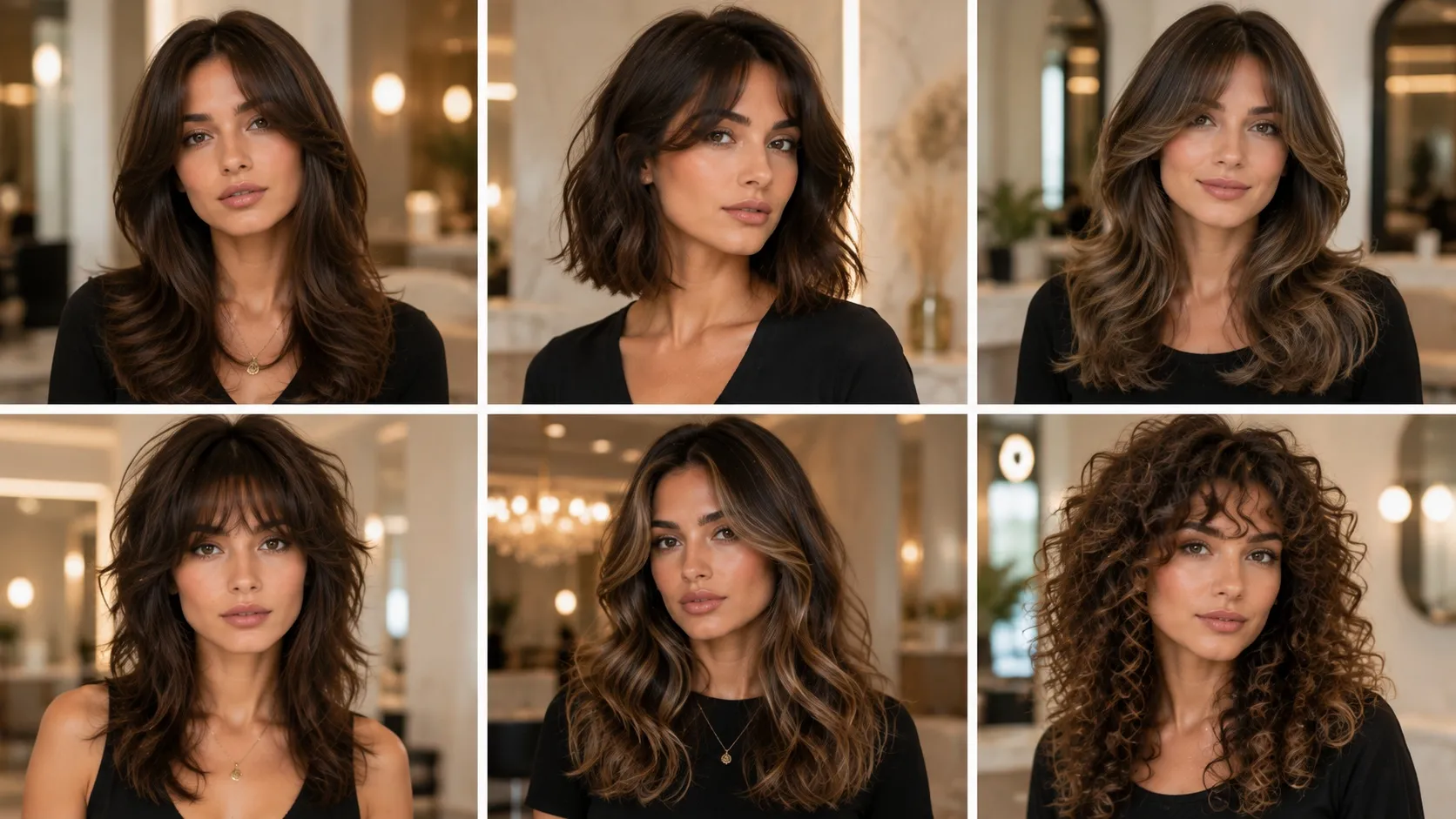
Balancing your bone structure with the right volumetric silhouette ensures your style enhances your natural features rather than working against them.
Round Face Shape: Opt for height at the crown combined with elongating sides, such as an asymmetrical lob or long vertical layers that draw the eye downward to prevent the face from looking wider.
Square Face Shape: Soften strong jawlines with airy, sweeping layers around the cheekbones and gentle movement through the mid-lengths, avoiding blunt, heavy perimeter lines that emphasize sharp angles.
Heart Face Shape: Focus fullness around the jawline and chin area while keeping the crown relatively sleek, utilizing chin-length bobs or textured lobs to fill out the narrower lower half of the face.
Oval Face Shape: Since oval proportions are naturally balanced, you can experiment freely with almost any volume haircut, from high-volume shags to bouncy medium layers, tailoring the lift purely to your personal style preference.
Volume Haircut Maintenance
Ideal Trim Schedule for Keeping Volume

A volume haircut relies on precise weight distribution and mechanical elevation. As your hair grows roughly half an inch per month, that structural balance shifts downward, causing the crown layers to weigh down the exact areas meant to bounce.
To maintain maximum lift without losing your desired length, plan your salon visits around your specific style architecture:
Short to Medium Volume Cuts (Bobs, Lobs, Shags): Schedule a trim every 6 to 8 weeks. Shorter layers lose their internal support structure quickly, causing the silhouette to flatten near the roots and flare out at the bottom.
Long Voluminous Layers: Book every 8 to 10 weeks. Long layers can stretch a bit further, but once the ends split, they snag on adjacent strands, creating friction that destroys natural movement.
Bangs and Face-Framing Accents: Pop in for a quick fringe maintenance every 3 to 4 weeks. Curtain bangs and crown-framing pieces need to hit specific focal points (like the cheekbones) to direct visual volume upward.
During your maintenance appointment, ask your stylist for a “weight-refresh” rather than a full length take-off. A skilled cutter will slide-cut or point-cut existing interior layers to clear out heavy pockets while leaving your baseline perimeter intact.
What Happens to Volume If You Don't Cut Your Hair for Years
When you go years without a trim, gravity takes complete control of your hairstyle. As hair grows, the sheer cumulative weight drags the hair shaft downward, collapsing the natural lift at your roots and flattening the crown.
Beyond simple weight drag, split ends travel up the hair shaft, causing strands to fray and tangle together. This structural damage turns what could be smooth, airy movement into dense, matted bulk at the ends, leaving the top of your head looking thin and plastered down. Without targeted layering to remove interior density, your hair inevitably defaults to a lifeless, bottom-heavy triangular shape.
Volume Haircut vs. Reducing Excess Volume — Quick Clarification
If you have extremely thick, coarse, or unruly hair, a volume haircut focuses on creating shape and lift at the roots by strategically removing heavy internal bulk, whereas de-bulking or thinning cuts focus purely on flattening and shrinking overall head size. A true voluminous cut lightens dense sections using precise point-cutting so your natural texture springs upward, rather than stripping away density so drastically that your hair collapses flat against your scalp.
Watch: Volume Haircuts in Action
See these techniques in action — real stylists showing exactly how volume is created through cutting and styling, so you know what to expect (and what to ask for) at the salon.
How stylists cut layers to create natural volume at the root.
A quick styling trick for instant volume between salon visits.
Step-by-step blow-drying method for lasting root lift.
A real before-and-after transformation using a volume-focused cut.
Frequently Asked Questions
What is a volume haircut?
A volume haircut is a customized cutting technique that strategically removes internal weight and creates structural support within the hair. By using calculated elevation, point cutting, and face-framing angles, a stylist frees strands from gravity so the hair naturally lifts at the root and expands through the mid-lengths.
What haircut is best for volume?
The best cut depends on your density, but generally, a volume layer hair cut—like a texturized Italian bob for short lengths, a collarbone-grazing lob for volume haircut for medium hair, or seamless long layers—delivers the most consistent lift. These cuts remove dragging bulk while maintaining a solid baseline perimeter.
What is the 3 hair rule?
In professional styling, the "3 hair rule" refers to the rule of thirds in face-framing proportion. It dictates that your shortest interior layer or fringe should align with one of the three horizontal facial landmarks: the brow line, the cheekbone, or the jawline. Cutting layers to hit these specific anchor points creates the optical illusion of wider, more voluminous haircut structure.
Can a haircut increase volume?
Yes, absolutely. Haircuts cannot change the number of hair follicles on your scalp, but they directly alter how weight is distributed. Removing heavy interior bulk allows shorter strands to spring up, while creating blunt edges makes the bottom perimeter look immediately denser and fuller.
What haircut adds volume to thin hair?
A blunt bob or a long bob (lob) with hidden interior point-cutting is the absolute best volume haircut for thin hair to look thicker. Keeping the bottom edge sharp and solid builds the illusion of maximum perimeter density, while subtle internal "kickers" near the crown nudge top layers upward.
What happens if you don't cut your hair for 2 years?
Skipping trims for two years leads to severe split ends that travel up the hair shaft, causing breakage, frizz, and thinning ends. Additionally, as hair grows unchecked, the cumulative downward weight flattens the crown completely, turning what could be vibrant voluminous hairstyles into limp, shape-lacking strands.
How do I add volume to a haircut?
Start with a targeted cut that incorporates internal layering or texturizing. For daily styling, prep damp roots with a lightweight volumizing mousse, blow-dry sections upside down or elevated 90 degrees from the scalp using a ceramic round brush, and set the style with a dry texturizing spray instead of heavy oils.
What is the Gen Z haircut called?
The signature Gen Z haircut is widely known as the Butterfly Cut (or the modern Wolf Cut shag). It combines dramatic, sweeping curtain bangs with heavily layered top sections that mimic the wings of a butterfly, creating high-contrast texture and effortless volume.
Which haircut gives volume to long hair?
Long layers combined with face-framing curtain bangs or a tapered V-cut perimeter work best. This combination strips away the heavy "curtain" of back weight while giving you short, airy front sections that roll back effortlessly into high-volume shapes.
What gives hair the most volume?
A combination of structural weight removal from a precise haircut and proper root elevation during styling. Removing dense interior weight allows the roots to stand up, while styling products like alcohol-free root lifters and dry texturizers hold that physical space open all day.