
How to Become a Hair Model: Complete Guide, Pay & Real Styles (2026)
What Is a Hair Model?
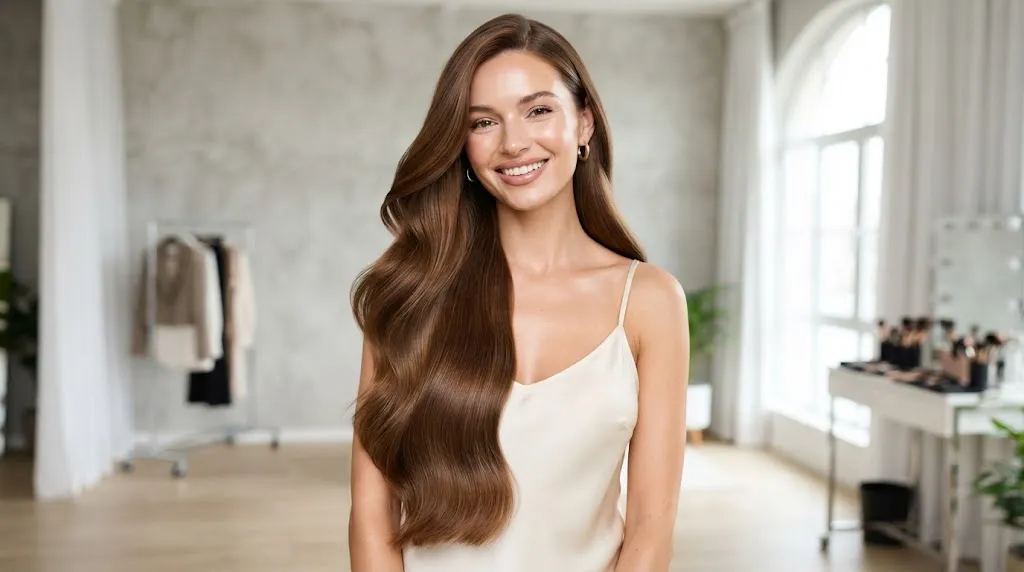
A hair model is a specialized fashion or commercial model hired specifically to showcase hair products, cuts, colors, and styling techniques for brands, salons, and beauty campaigns. Unlike traditional fashion modeling where height and overall body proportions are the primary criteria, hair modeling hinges entirely on the health, texture, length, and versatility of the hair itself.
Core Definition: A professional who represents hair care brands, dye manufacturers, and styling tool companies through print, video, and live runway presentations.
Pay Range: Typically earns anywhere from $50 to $200 per hour for local salon and promotional work, while major global shampoo campaigns can pay upwards of $5,000 to $15,000 per shoot.
How to Start: Build a targeted portfolio featuring clean close-up shots of your hair from all angles, get precise digital measurements, and submit your profile directly to boutique modeling agencies or specialized hair divisions.
Where Opportunities Arise: Major markets like New York, Los Angeles, London, and Tokyo host frequent castings for trade shows, commercial advertisements, e-commerce lookbooks, and educational brand seminars.
What Does Being a Hair Model Actually Mean?
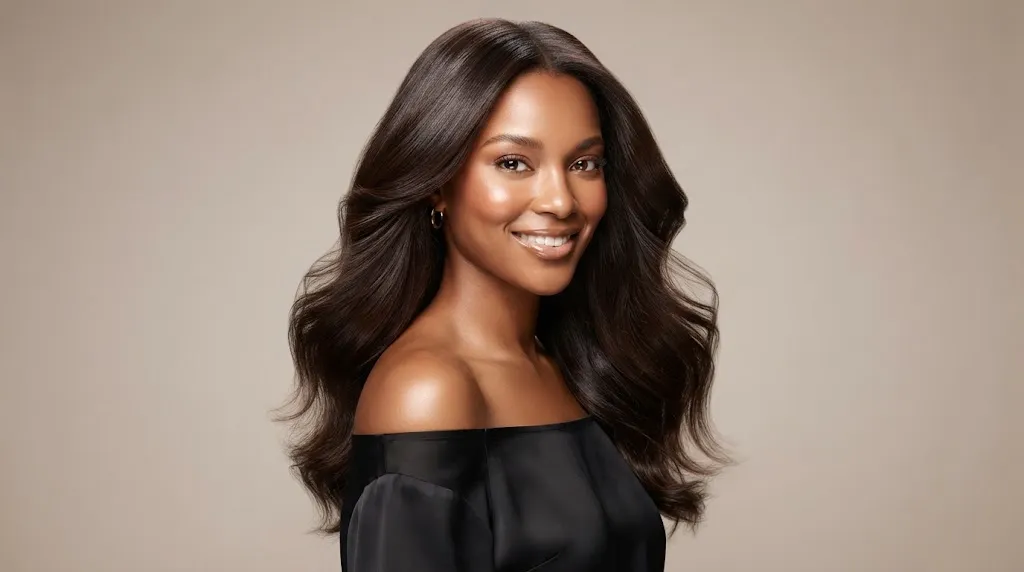
Being a hair model means your hair is the primary product being sold, showcased, or tested, rather than clothing or general apparel. This specialized niche requires strict adherence to strict maintenance routines, as clients book talent based on specific texture, length, density, and health standards.
Types of Hair Modeling Work
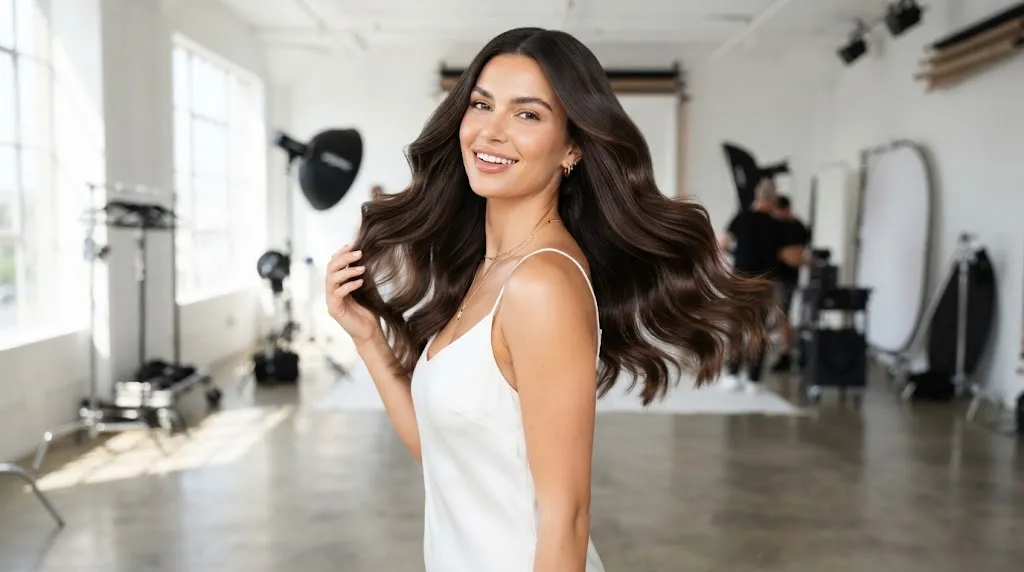
Commercial Brand Campaigns: Global shampoo, dye, and tool manufacturers hire talent for print ads, digital commercials, and packaging. These gigs demand immaculate, uniform hair texture and require you to hold specific poses for hours while lighting technicians track stray flyaways.
Salon Training and Educational Workshops: Top-tier colorists and stylists need human canvases to demonstrate advanced techniques to junior stylists or brand educators. While these pay less than commercial campaigns, they build your book fast and often lead to repeat salon bookings.
Runway and Live Floor Shows: Hair shows involve live styling on stage, where brands showcase cutting-edge trends or avant-garde collections. You must be comfortable with intensive, rapid restyling and sometimes temporary, dramatic alterations.
Film and Television Production: Period dramas, commercials, and feature films require hair doubles or featured hair talent whose strands match a main actor’s exact color and wave pattern for continuity shots.
Editorial and E-Commerce Shoots: Brands shoot high-resolution lookbooks for online stores, focusing heavily on how hair catches motion or falls naturally across shoulders during clothing catalog shoots.
Hair Model vs. Fashion Model — Key Difference
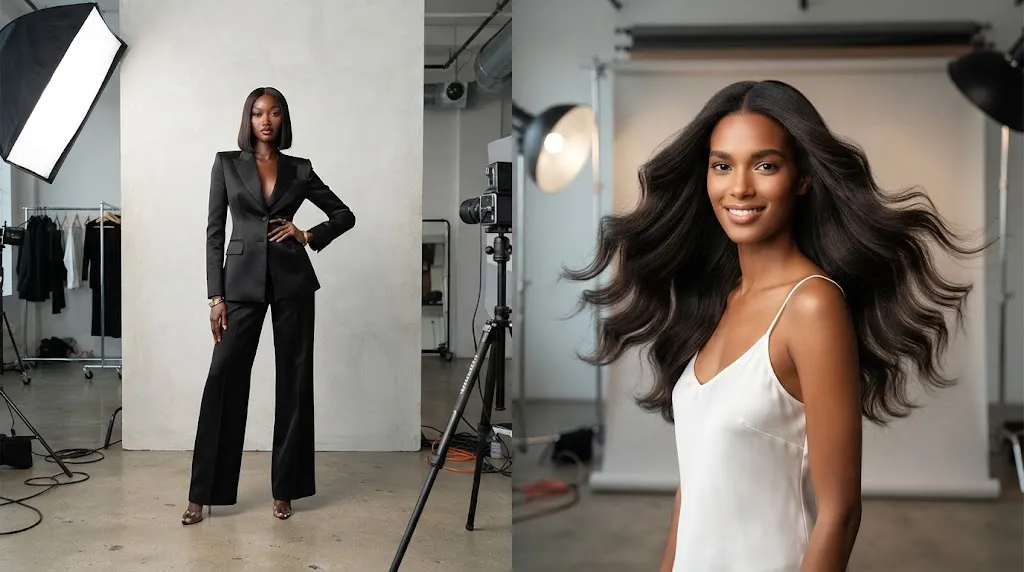
The most critical distinction lies in physical requirements and focus. Traditional fashion modeling strictly enforces minimum height thresholds (usually 5 feet 9 inches and above for women) and lean, standardized body measurements.
Hair modeling, by contrast, prioritizes the condition, versatility, and unique characteristics of your strands over your height or body type. While face shape and skin clarity still matter for headshots, a five-foot-four editorial model with pristine, resilient hair can easily book high-paying shampoo campaigns that standard runway models never touch.
Types of Hair Modeling Paths
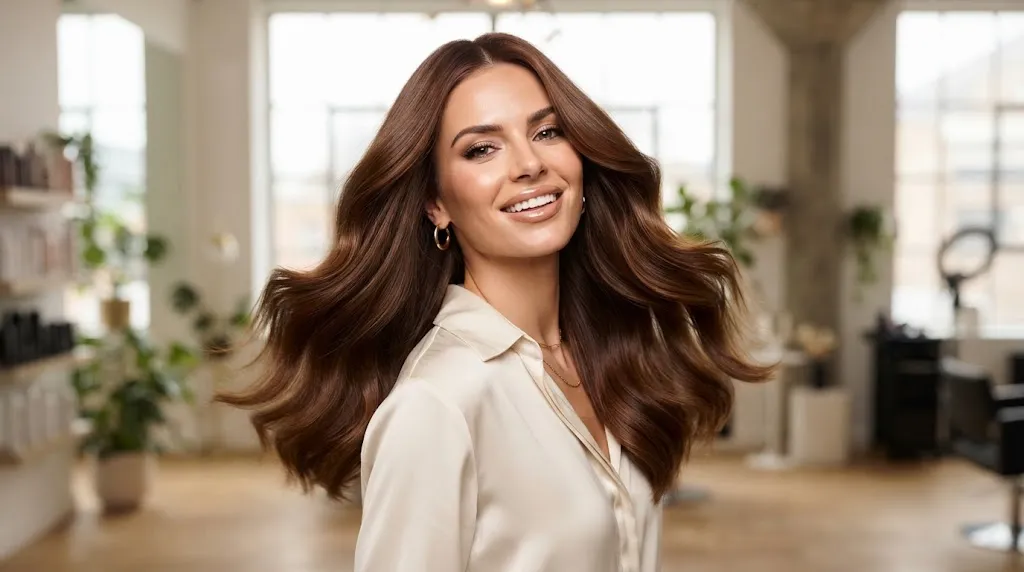
Choosing the right avenue for hair modeling directly dictates your earning potential, how much say you have over your physical appearance, and the frequency of your bookings. Every path carries distinct trade-offs between financial return and creative control.
| Modeling Path | Pay Type | Commitment | Control Over Your Style | Best Suited For |
|---|---|---|---|---|
| Salon/Academy Model Call | Usually unpaid or low stipend ($50–$150 product vouchers) | 1 to 2 days per gig | Low; educators and stylists dictate the final cut and color | Beginners, beauty students, and those wanting free professional salon transformations |
| Brand Casting | Flat fee per project ($300–$1,500 per day) | Project-by-project basis (4 to 8 hours) | Moderate; depends on the brand's exact campaign requirements | Experienced models with versatile hair textures and commercial appeal |
| Paid Agency | Hourly ($75–$250/hr) or day rates ($500–$2,500/day) | Exclusive or non-exclusive contracts; ongoing availability required | Low to Moderate; agency bookers negotiate terms and styling on your behalf | Full-time professional models with precise measurements and resilient hair |
| Freelance Casting-Site Gigs | Varies widely ($100–$1,000 per job) | Flexible, self-managed booking schedule | High; you accept or decline specific styling requests before booking | Independent creators, teens starting out, and those seeking flexible part-time work |
Evaluating these options carefully prevents unexpected surprises, such as walking into a salon model call expecting a simple trim only to leave with a drastic bleach-blonde pixie cut. Match your personal comfort level regarding hair changes with the financial reality of each path before committing to a casting.
How Much Do Hair Models Get Paid?
Hair model earnings vary wildly, ranging from zero pay for educational salon work to thousands of dollars for major commercial campaigns. Understanding the financial reality of the industry helps aspiring models spot legitimate opportunities and avoid exploitative gigs.
Real Pay Range Breakdown
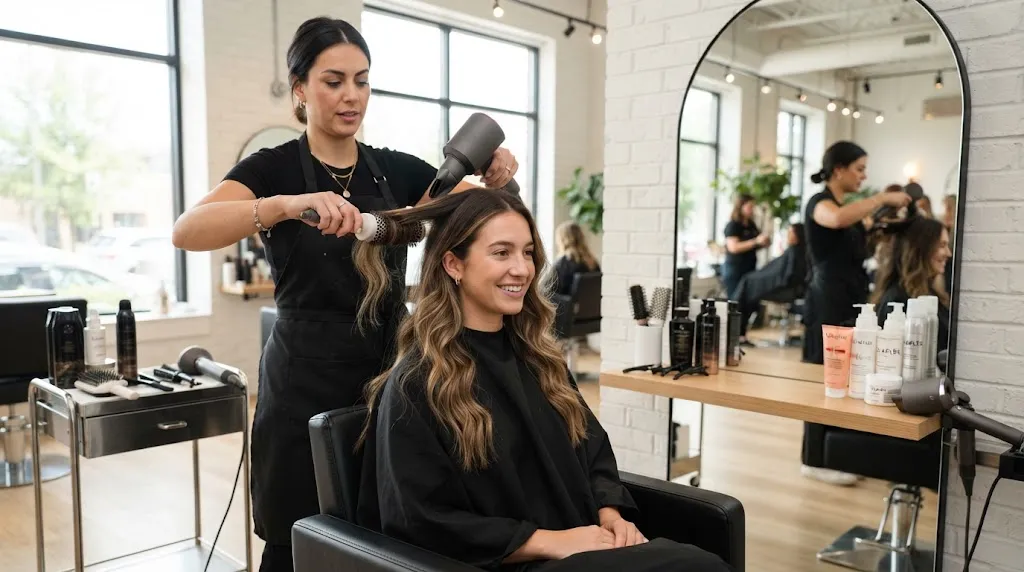
Earnings depend heavily on the type of booking, client budget, and market location.
Free Service / Trade-for-Art (TFP): Models receive no cash compensation. Instead, they get a free cut, color, or styling session worth anywhere from $100 to $400 performed by a master stylist or platform artist.
$20 Discount / Salon Training: Common at academies like Vidal Sassoon or Toni & Guy. Models pay a heavily discounted rate (often $20 to $50) to cover product costs while student stylists practice under strict supervision.
Local Paid Gigs: Independent salon shows, regional trade shows, or localized social media content typically pay a flat rate between $150 and $500 for a half-day or full-day commitment.
Brand Shoot Fees: High-end commercial campaigns, shampoo packaging, and national hair care advertisements pay day rates ranging from $1,000 to $5,000+, plus potential usage fees if the images run globally or digitally.
Are Hair Models Always Paid in Cash?
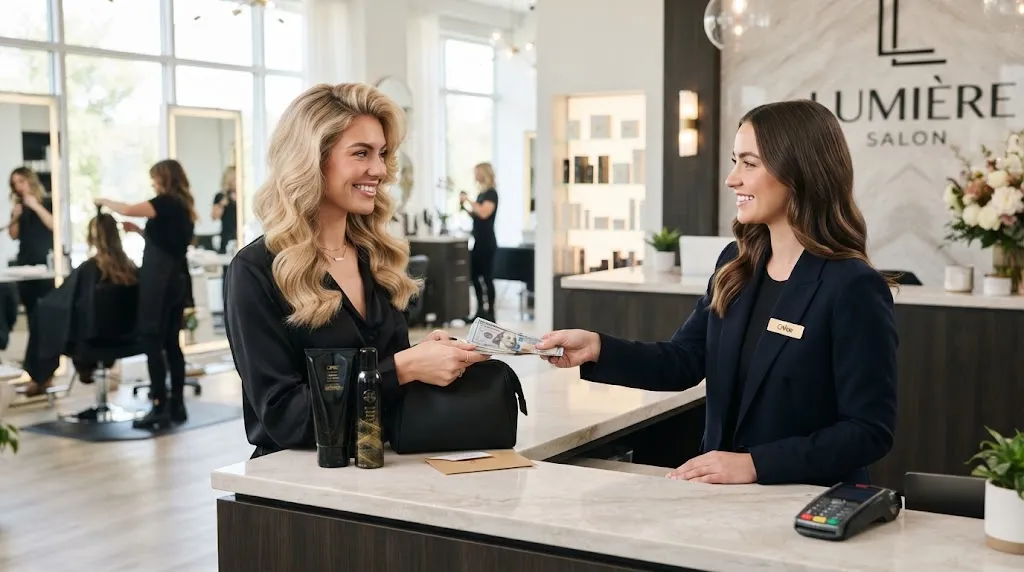
Cash or direct bank transfer is standard for commercial and editorial bookings, but alternative compensation is extremely common in the hairstyling sector. Salons and independent educators frequently compensate models through free luxury hair care products, gift cards, or professional portfolio images rather than currency.
While trade arrangements work well for building an initial portfolio, experienced professionals advise against accepting non-monetary compensation once a gig requires full-day availability, professional usage rights, or commercial licensing. Always clarify the compensation structure in writing before sitting in the stylist’s chair.
How to Become a Hair Model (Step-by-Step)
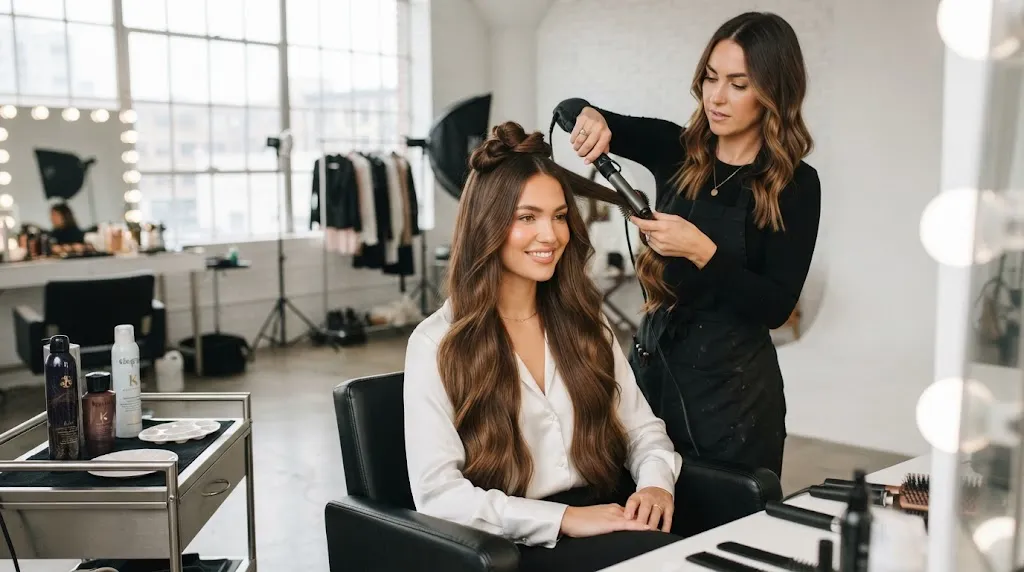
Breaking into the hair modeling industry requires more than just standard commercial looks; it demands rigorous hair health, precise maintenance routines, and targeted portfolio building. Unlike fashion modeling where height and body measurements dominate, hair modeling places 90% of the focus on the texture, length, density, and condition of your hair.
Steps 1–7
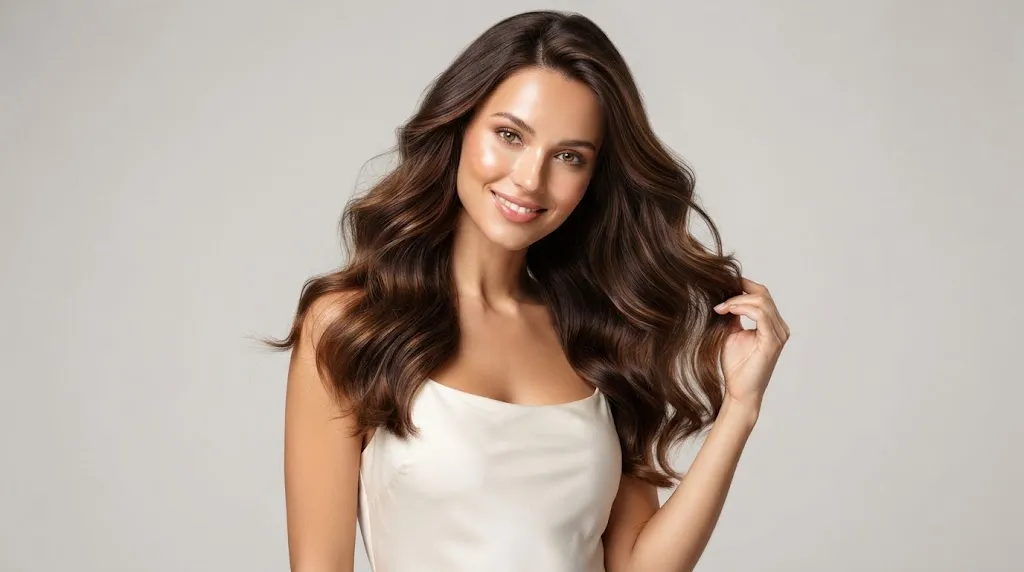
Step 1: Assess and elevate your hair condition. Agencies look for virgin, chemically untreated hair that has high elasticity, natural shine, and minimal split ends. If you regularly bleach, heat-style, or dye your hair, expect to spend 6 to 12 months growing out and nursing your strands back to a raw, resilient state before applying.
Step 2: Commit to professional maintenance. Adopt a strict salon schedule featuring trims every 6 to 8 weeks, deep conditioning treatments, and scalp care. Avoid harsh sulfates and excessive heat tools, treating your hair with the same care a fine art restorer gives a canvas.
Step 3: Build a targeted portfolio. Hire a professional photographer who understands beauty and close-up lighting. Your initial portfolio needs clean, high-resolution shots showing your hair from all angles: front, profile, back, tied up, worn down, and pulled back to reveal your hairline and ears.
Step 4: Practice specialized posing. Hair modeling requires physical control that feels unnatural at first. Practice holding your head at precise 15-degree angles, keeping your shoulders completely still while shifting your hair, and learning how to flip, fan, or drape your strands smoothly without tangling them.
Step 5: Research and apply to reputable agencies. Seek out boutique agencies or specialized divisions within major modeling houses that handle body-part or beauty models. Submit clean, makeup-free digital polaroids taken in natural daylight with zero filters or editing.
Step 6: Master the live audition and casting process. When called in, expect clients to run their fingers through your hair to test texture and density, check your scalp for dryness, and test how your hair reacts to product layering. Arrive with clean, dry hair free of heavy styling products unless specifically instructed otherwise.
Step 7: Leverage modern casting platforms and social media. Create profiles on professional booking platforms dedicated to beauty talent and maintain an active Instagram or TikTok showcasing close-up hair textures, movement videos, and behind-the-scenes styling clips to attract direct bookings from brands.
Portfolio & Photo Tips That Actually Get You Noticed
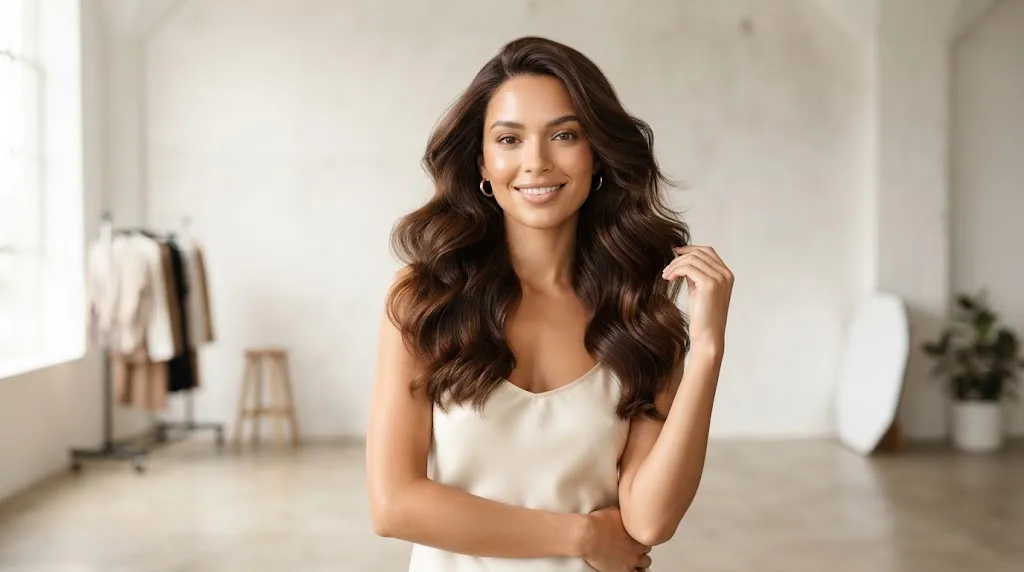
Booking directors do not care about artistic filters, dramatic shadows, or moody lifestyle shots when evaluating a candidate’s hair. They need diagnostic clarity to determine if your hair matches a brand’s specific technical brief for shampoo, dye, or styling tools.
Shoot on a clean white or neutral gray backdrop: Eliminate background distractions so the eye travels directly to the silhouette and texture of your hair.
Capture the “raw” texture: Include at least one unstyled shot that displays your natural wave, curl pattern, or straight fall immediately after air-drying.
Include a macro detail shot: Add a tight close-up of individual strands or your crown area to prove density, thickness, and a healthy scalp devoid of flakes or irritation.
Show movement: Static photos hide frizz and stiffness. Include short video clips demonstrating how your hair swings, catches the light, and returns to its natural shape after being touched.
What It's Really Like — Honest Pros & Cons
The Benefits
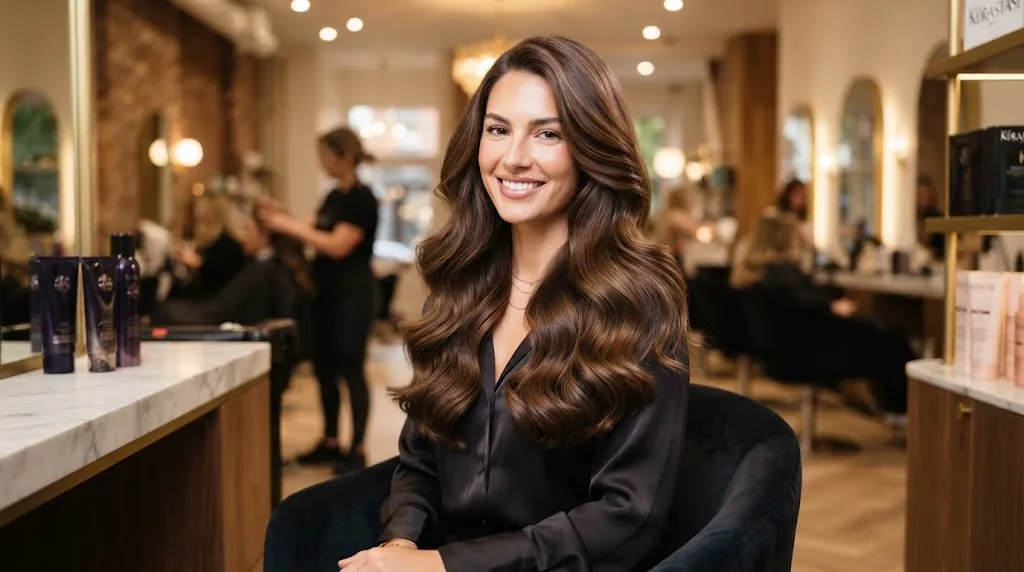
Landing a spot as a hair model brings tangible perks that go far beyond a standard paycheck, starting with professional styling sessions at zero cost. You get direct access to top-tier colorists and stylists who use salon-grade products, meaning your hair often looks its absolute best after a shoot.
Professional Portfolios: High-resolution digital shots and Polaroids from these sessions instantly elevate your modeling portfolio without the typical out-of-pocket studio fees.
Flexible Income: It works well as a side hustle, with day rates ranging from $150 for local student academies up to $1,000+ for commercial brand campaigns.
Industry Exposure: Working closely with creative directors and beauty brands opens doors to broader commercial modeling, print advertising, and backstage fashion week gigs.
Real Risks to Know Before You Sign Up
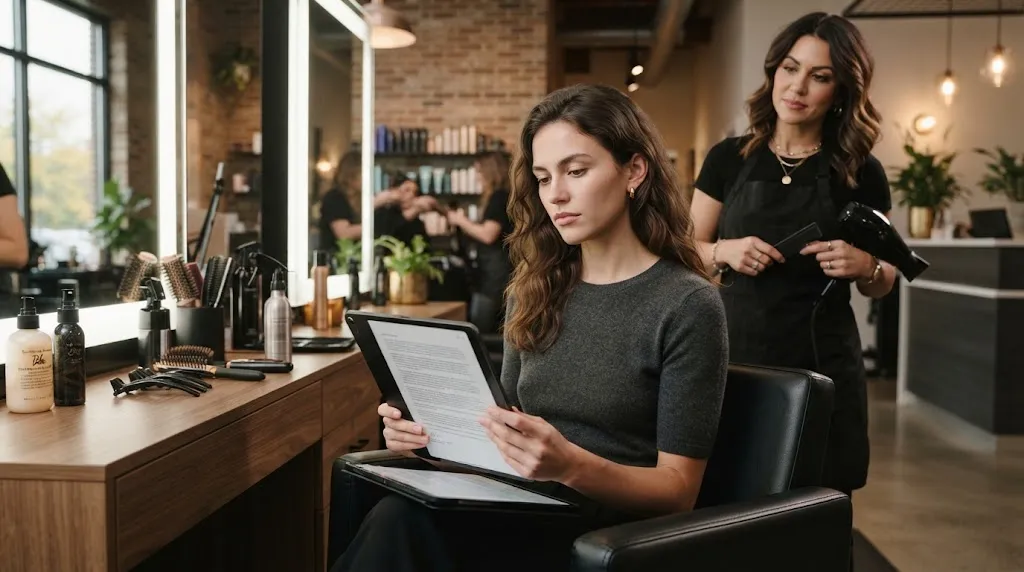
The glamorous social media posts hide a demanding reality where you surrender almost all creative control over your look. If a lead stylist decides a blunt copper bob or a dramatic platinum bleach suits the brief, you have to wear it—even if it damages your hair or doesn’t match your personal style.
Unpaid or Low-Paying Gigs: Many trade-shows and hair academy demonstrations rely heavily on “free” labor, offering only exposure or a goodie bag instead of a fair daily rate.
Unwanted Outcomes: Breakage, chemical burns from overlapping bleach, and uneven cuts happen more frequently in fast-paced educational environments where junior stylists are learning under pressure.
Usage Rights Traps: Some contracts sign away your image rights globally and indefinitely, meaning your face and hair could promote products on billboards or packaging for years without extra compensation.
Hair Model Styles by Category
Men's Hair Model Styles
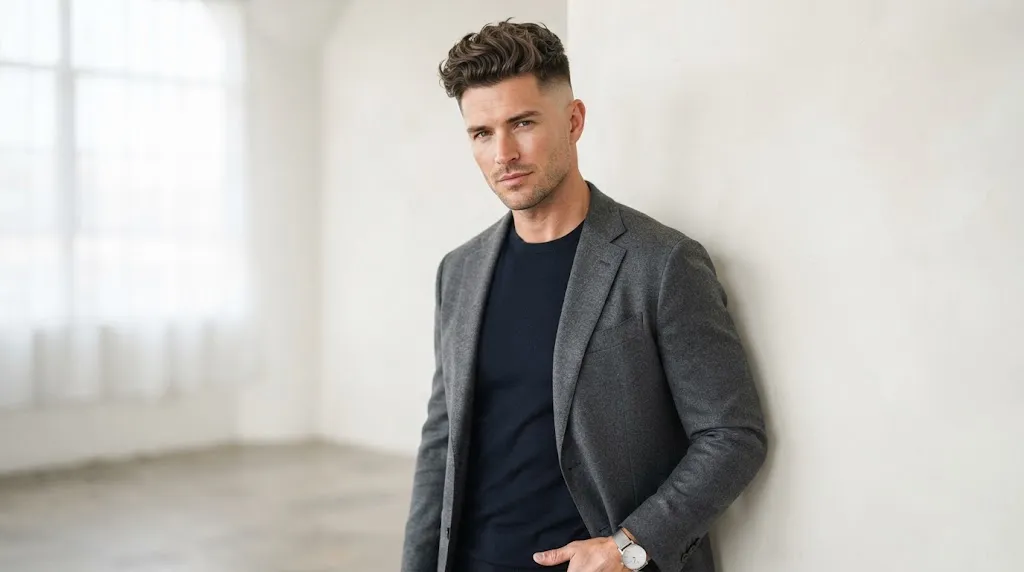
Commercial male hair modeling focuses on versatile cuts that hold texture under studio lighting without looking over-styled. If you need broader ideas, you can browse our full men’s hairstyles collection for more inspiration before choosing a specific test shoot look.
Pomade Hairstyles for Short Hair
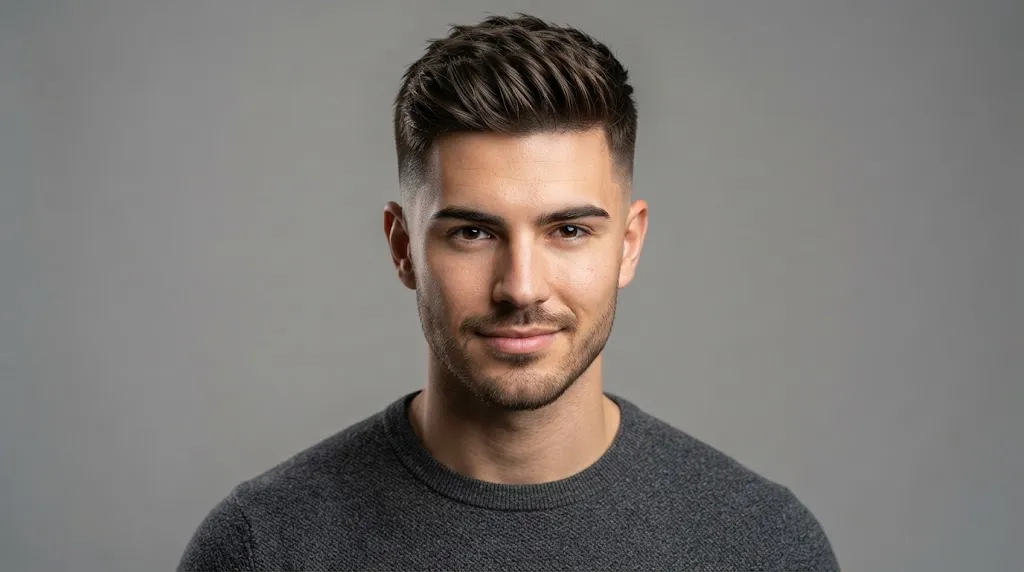
Clean-cut fades paired with a high-shine pomade finish remain a staple for corporate and grooming campaigns.
Image: A high-resolution, well-lit studio portrait of a male hair model with a short fade and textured top against a neutral grey background, showcasing clean-cut grooming lines and natural shine. Alt text: “Professional male hair model showcasing clean pomade hairstyle for short hair.”
Medium-Length Hairstyles for Men
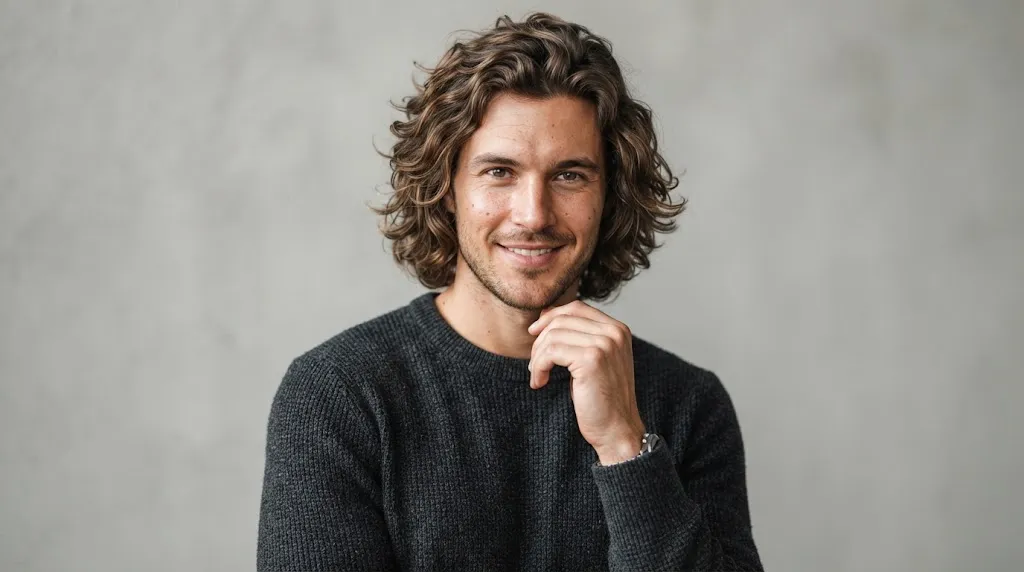
Flowing layers brushed back with a matte paste offer the natural movement required for lifestyle and outdoor apparel brands.
Image: A high-resolution portrait of a male model with medium-length layered hair and a neutral background, capturing natural wave movement and matte texture. Alt text: “Male hair model displaying medium-length hairstyle for men with natural texture.”
Long Wavy Hairstyles for Men
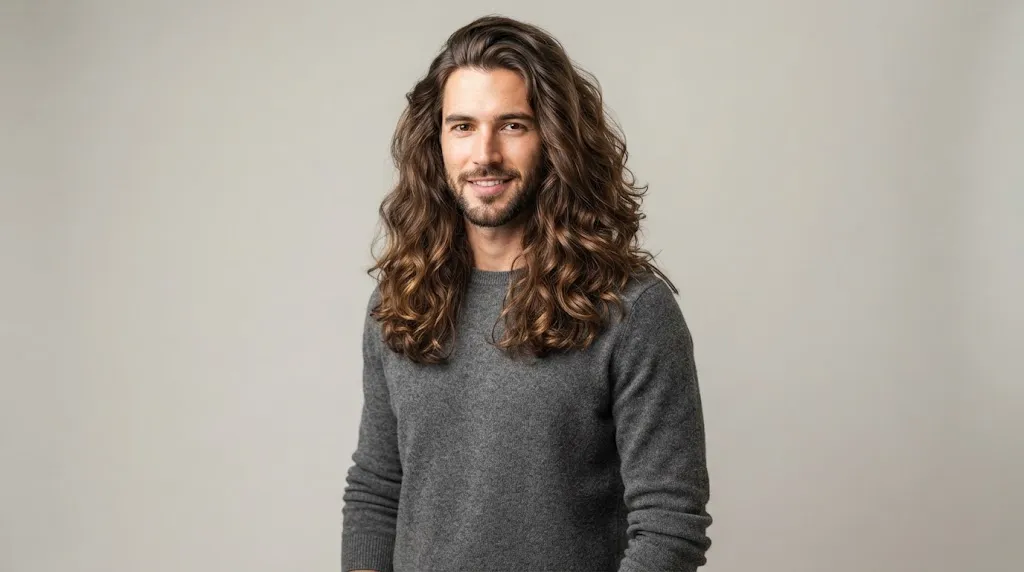
Shoulder-length natural waves with minimal product are heavily booked for hair care product advertisements and shampoo commercials.
Image: A crisp, brightly lit studio shot of a male hair model with long, healthy wavy hair against a seamless white background. Alt text: “Male hair model with long wavy hairstyles for men in a professional studio setting.”
Women's Hair Model Styles
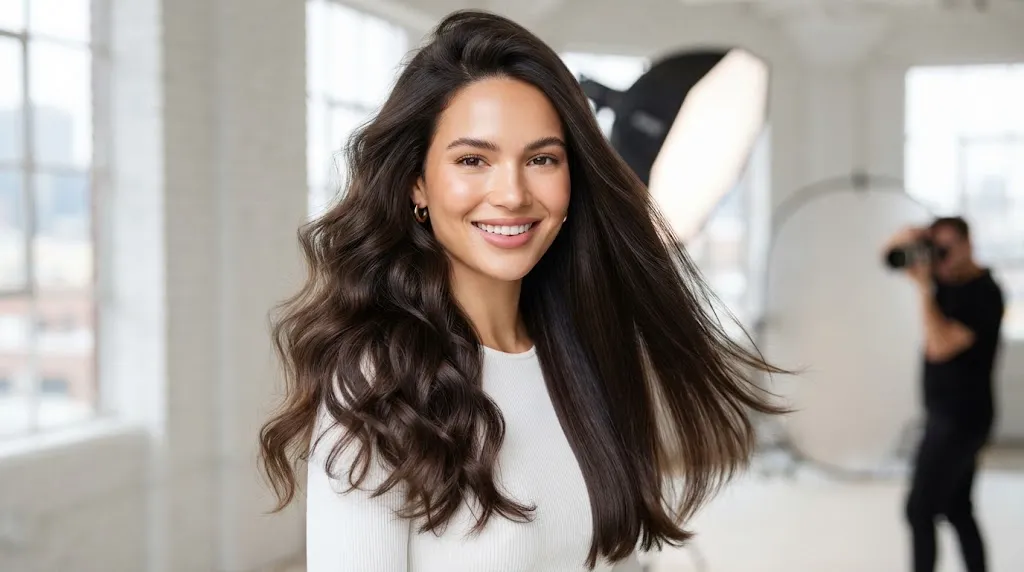
Female hair modeling demands high strand integrity, consistent color reflection, and cuts that transition smoothly from sleek straight looks to voluminous waves. To see upcoming runway trends, you can explore our women’s hairstyles category for the latest looks.
Layer Cut Pics
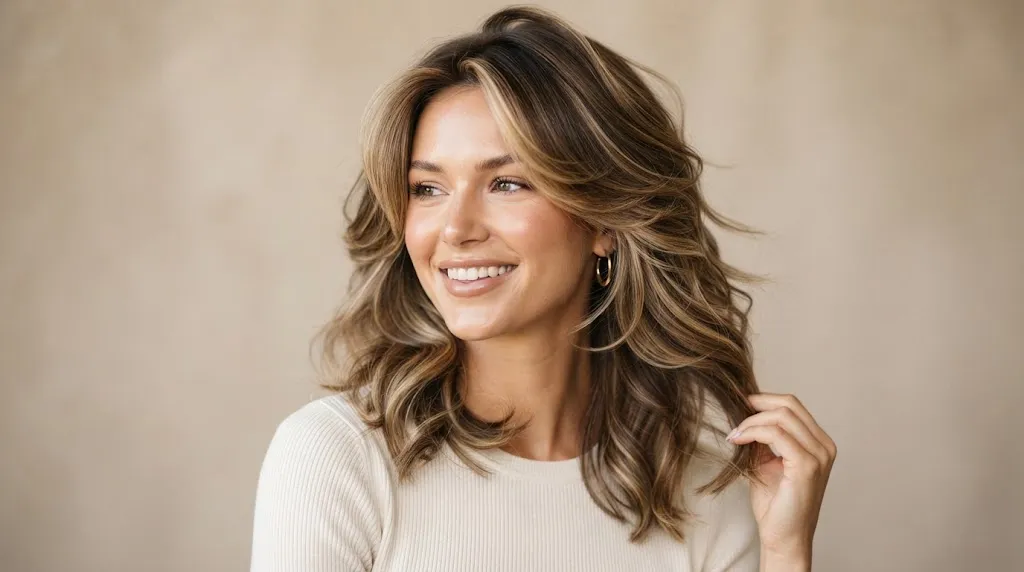
Face-framing layers that add dimension and bounce are consistently requested for salon promotional campaigns and color flat-lays.
Image: A high-resolution studio photo of a female hair model featuring dynamic face-framing layers against a neutral beige background. Alt text: “Female hair model showcasing layer cut pics with dimensional highlights.
Haistyles for Straight Hair
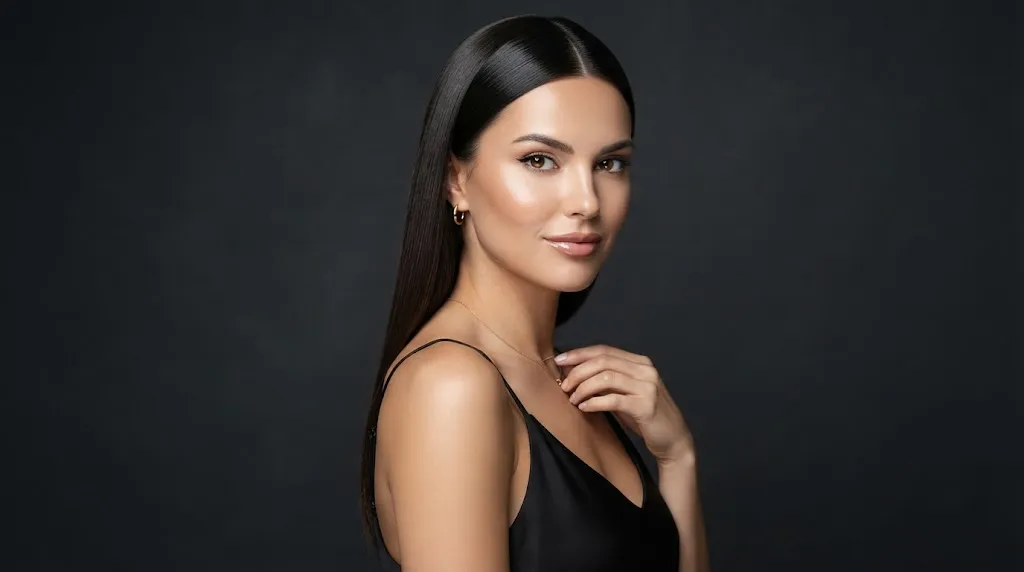
Bone-straight, high-gloss locks with a razor-sharp center part test a model’s ability to maintain flawless alignment under hot lights.
Image: A sharp, well-lit portrait of a female hair model with ultra-straight, glossy hair against a minimalist dark grey backdrop. Alt text: “Female hair model displaying sleek hairstyles for straight hair with high gloss.”
Medium Hair Styles for Women
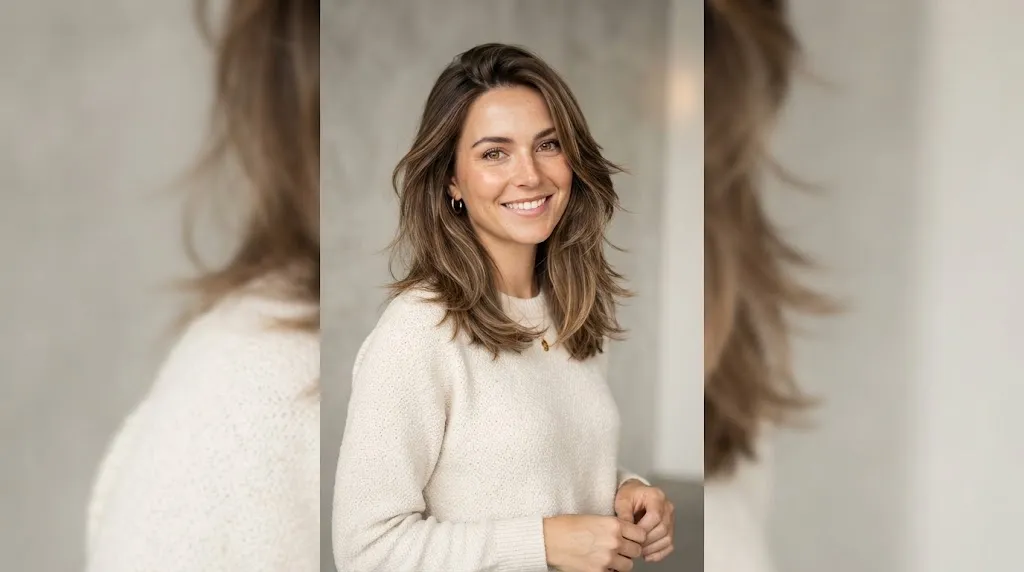
Shoulder-grazing lobs with subtle textured ends offer maximum versatility for commercial catalog bookings.
Image: A high-resolution, studio-lit image of a female model wearing a modern lob haircut against a soft neutral background. Alt text: “Female hair model with medium hair styles for women featuring textured ends.”
Boys & Teen Hair Models
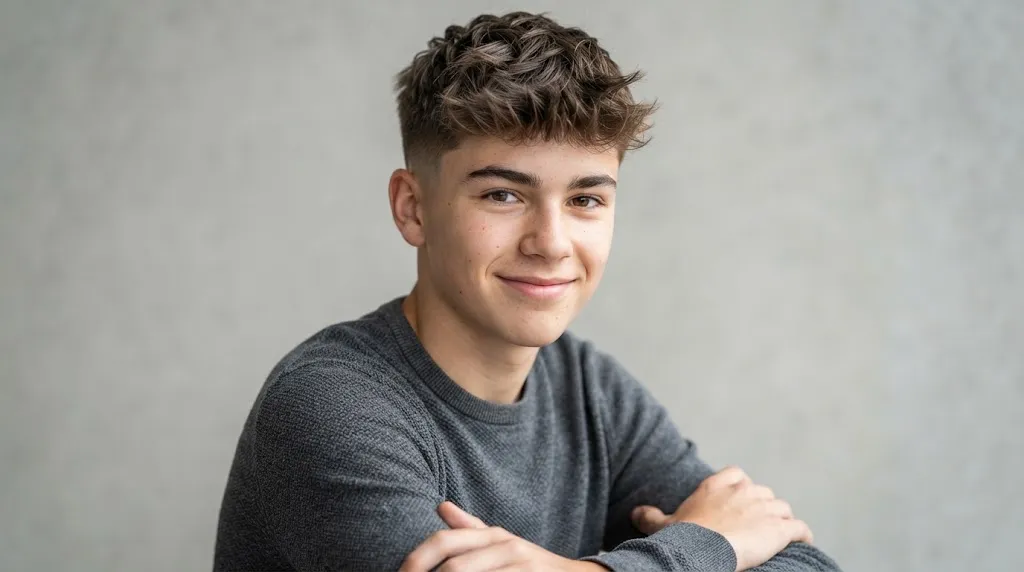
Teen and youth hair modeling requires low-maintenance yet trendy cuts that appeal directly to younger demographics and streetwear brands. For younger age brackets, you can see more boys’ hairstyles.
Korean Boy Hairstyle
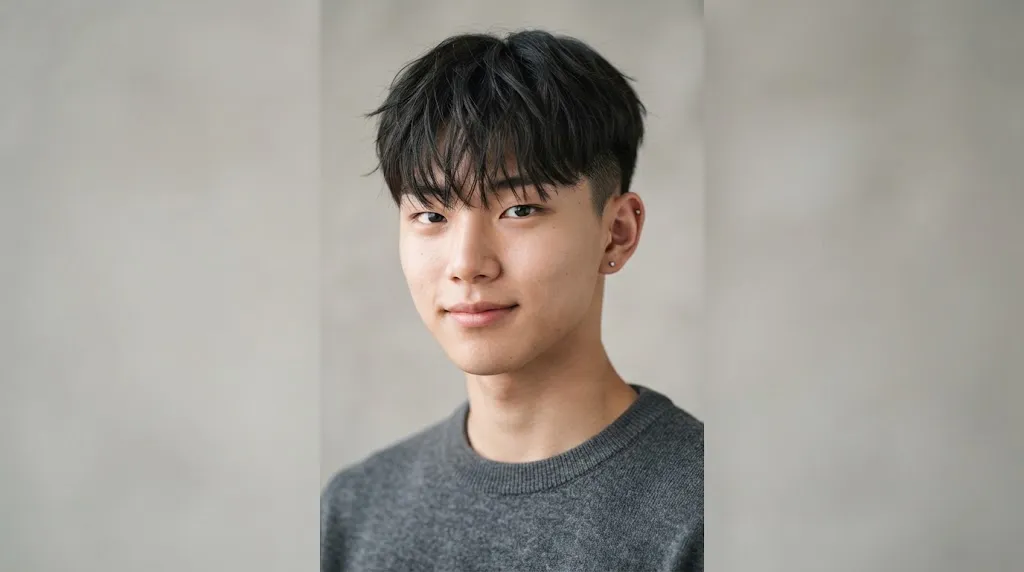
Textured fringe styles with soft undercuts dominate teen commercial print work and youth fashion lookbooks.
Image: A high-resolution studio portrait of a teen male hair model with a textured Korean-style fringe and clean sides against a neutral backdrop. Alt text: “Teen hair model showcasing a trendy Korean boy hairstyle.”
Box Cut Hairstyle
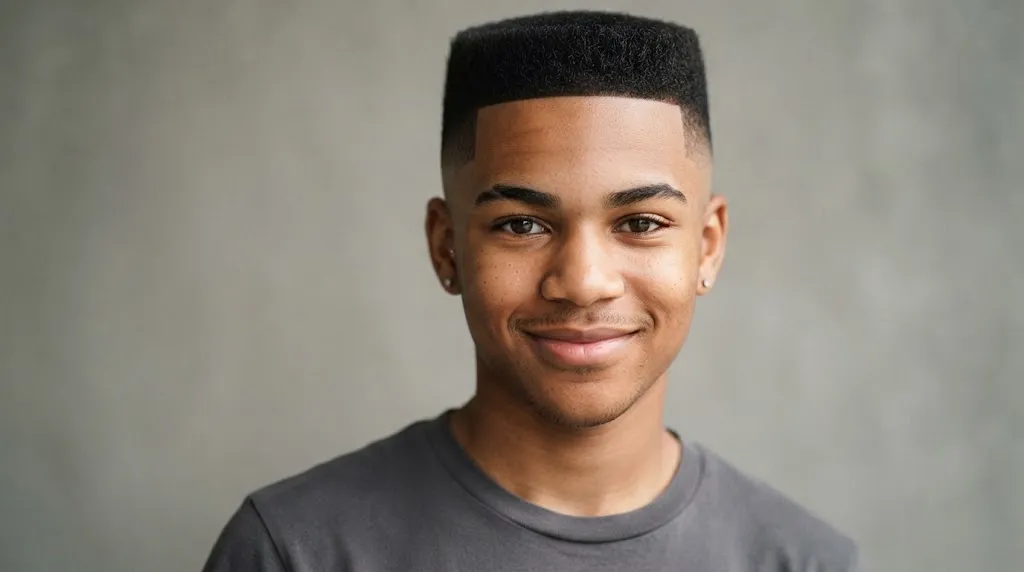
A sharp, geometric top paired with a precise skin fade offers a bold, structured look frequently used in modern youth styling portfolios.
Image: A clear, high-resolution close-up of a teen boy model with a sharp box cut and clean fade against a neutral studio wall. Alt text: “Teen hair model with a sharp box cut hairstyle and clean fade.”
Where to Find Hair Modeling Opportunities
Landing your first gig as a hair model requires looking in the right places, as major commercial agencies rarely represent models for hair alone unless they are already signed for high fashion. Most hair modeling work happens through direct booking, localized brand campaigns, and educational academies looking for fresh faces.
Local Salons & Academies
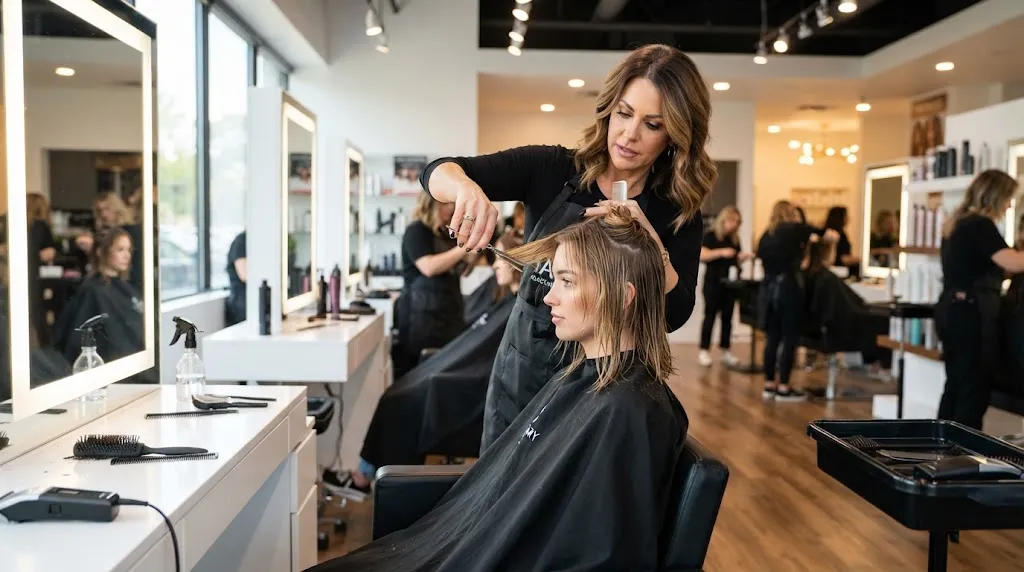
High-end hair salons and styling academies like Toni & Guy, Vidal Sassoon, or local award-winning stylists constantly need live models for staff training, advanced cutting classes, and seasonal trend collections. These gigs rarely require prior experience, making them the most practical entry point for newcomers or teenagers breaking into hair modeling for teens.
How to apply: Visit salon websites directly, check their Instagram pages for model call announcements, or drop off a clean portfolio containing unedited close-ups of your hair from the front, back, and sides.
Compensation: Varies widely; some salons offer free luxury cuts, color treatments, and a small stipend ($50 to $150), while others pay standard day rates for live stage shows.
Brand Model Calls
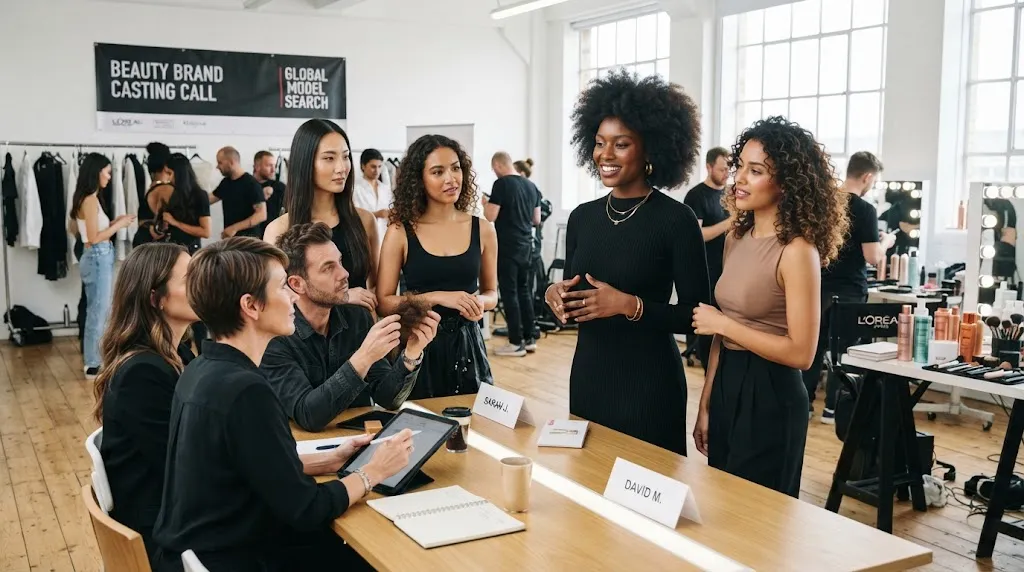
Professional hair care brands—such as L’Oréal, Redken, Matrix, and Wella—host open casting calls throughout the year for hair model pics used in product packaging, trade show demonstrations, and digital advertising. These brands look for specific hair textures, lengths, and densities that match upcoming product launches.
What to expect: You will likely need to submit unstyled, air-dried hair photos with no filters or products applied.
The catch: Brands often require strict exclusivity or temporary control over your hair length and color. Read the contract terms carefully before agreeing to a major chemical treatment or dramatic chop.
Talent Agencies

Securing representation with a specialized division of a modeling agency—or a boutique agency focusing strictly on parts, hair, and beauty—is the most sustainable way to secure steady work as a male hair model or female hair model. Major agencies handle the contract negotiations, usage rights, and safety standards on set.
Submission tips: Keep your digital polaroids simple. Shoot in natural indirect light wearing a solid black tank top, pull your hair back cleanly for one shot, and wear it completely natural for the second.
Drawbacks: Agencies take a standard 20% commission from your earnings and rarely invest heavy marketing efforts into models whose hair specifications do not match current market demands.
Casting Platforms & Job Boards
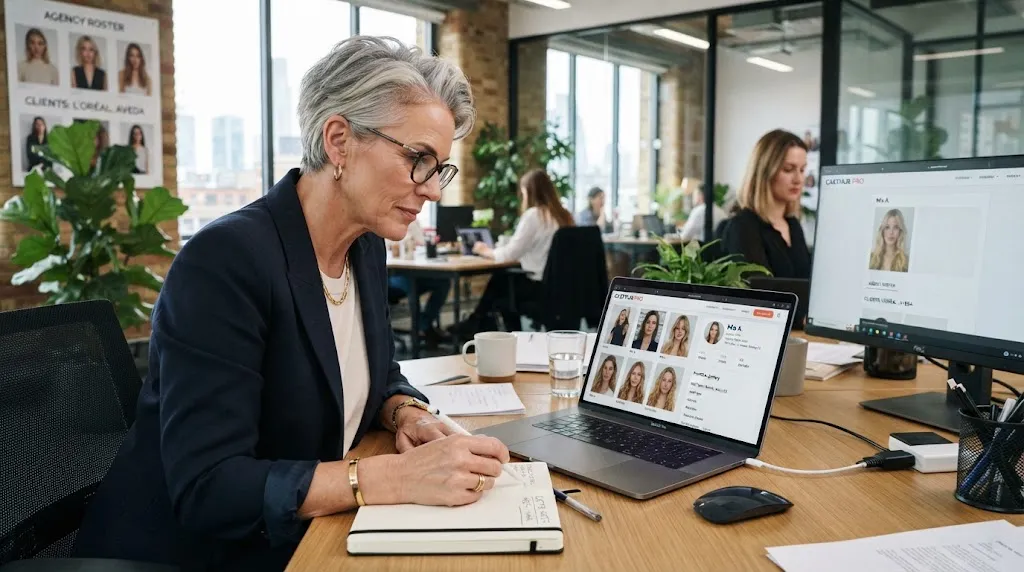
Digital casting databases and freelance platforms allow you to pitch yourself directly to photographers, independent stylists, and regional commercial producers. Websites like Backstage, Model Mayhem, and targeted regional Facebook groups post active castings daily.
| Platform Type | Best For | Typical Pay Structure | Key Risk |
|---|---|---|---|
| Casting Databases | Commercial print & e-commerce | Flat day rate ($250 - $800+) | High competition; unverified clients |
| Social Media Groups | Local salon promos & test shoots | Low-to-moderate stipends or TFP (Time for Print) | Variable safety standards and lack of contracts |
| Freelance Boards | Direct brand collaborations | Negotiable hourly or project fees | Requires self-management of taxes and usage rights |
Safety warning: Always review client profiles thoroughly, check for verified industry references, and bring a trusted companion to private casting locations or unfamiliar studio spaces.
Things to Know Before You Sign Up (Legal & Consent)
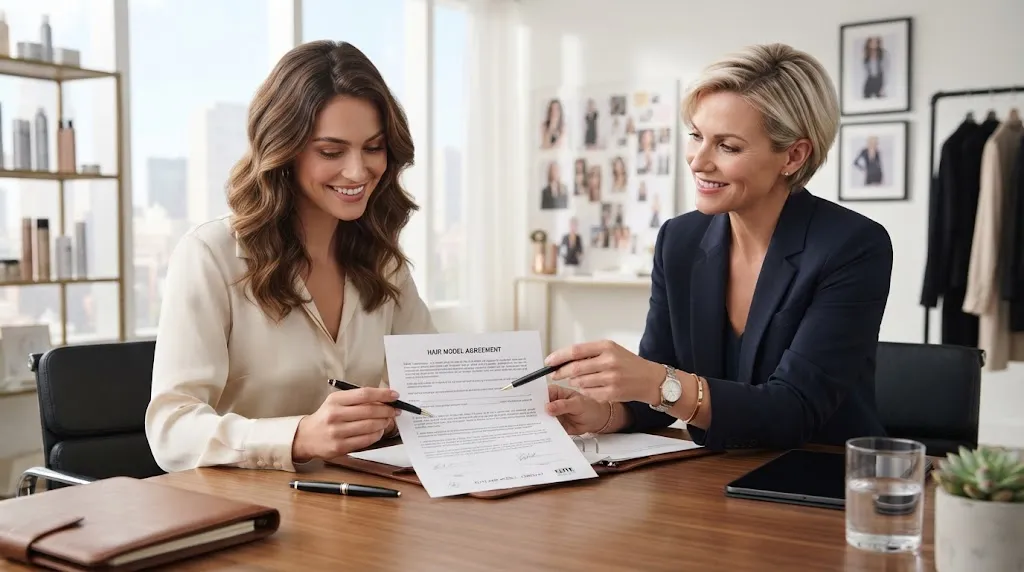
Commercial hair modeling contracts permanently alter how your image, likeness, and hair can be used across global media. Before booking your first test shoot or walking into a salon for a live show, you need to understand the legal binding power of consent forms, image usage rights, and restrictions surrounding minors.
Image Usage Rights (Buyouts): Brands typically purchase usage rights for a specific timeframe (e.g., one year) and media channel, such as digital-only ads, global packaging, or television commercials. If a brand wants to extend your contract or use a local campaign image for an international billboard, you must be compensated additionally through usage fees.
Release Forms and Likeness Clauses: Standard contracts often include a perpetual release clause, meaning the brand can archive and reuse your promotional hair model pics for portfolio purposes indefinitely. Always check if the contract restricts competitor work; signing an exclusivity clause usually prevents you from modeling for rival shampoo or dye brands for 6 to 12 months.
Parental Consent and Co-Signatures: If you are under 18 entering hair modeling for teens, a parent or legal guardian must legally co-sign every contract, model release, and work permit. Minors cannot legally bind themselves to a commercial contract, and reputable agencies will refuse to book talent without verified parental presence on set and documented guardianship approval.
Expert Warning: Never sign a blank model release or a blanket agreement that grants “all-media, worldwide, perpetual” rights without negotiating a higher day rate. Protect your image by demanding clear usage boundaries written directly into the contract rider.
Hair Modeling FAQs
You start by building a digital portfolio featuring clean, high-resolution close-ups of your hair from multiple angles—front, back, both profiles, and close-ups of the scalp and ends under natural lighting. Submit these unedited digitals directly to boutique or major modeling agencies with specialized commercial or beauty divisions rather than general fashion boards.
Hair models typically earn between $150 and $500 per hour for commercial print and salon campaigns, while major national shampoo or dye brand contracts can pay anywhere from $2,000 to $10,000+ per day. Your exact rate depends heavily on usage rights, market size, and whether the gig requires live hair cutting or chemical treatments on stage.
Being a hair model means your hair is the primary focus of commercial photography, video spots, and live educational hair shows for brands like L'Oréal, Redken, or Dyson. You spend hours sitting still while colorists, stylists, and directors manipulate, color, heat-style, or occasionally cut your hair to showcase products or techniques.
Yes, legitimate hair models are always paid financial compensation for their time, usage rights, and likeness. Beware of "time for print" or unpaid test shoots unless you are building initial portfolio cards with an established photographer or agency.
No, 25 is not too old to start hair modeling because beauty and commercial campaigns frequently cast models in their late twenties, thirties, and beyond to represent mature hair care, gray blending, and anti-aging treatments. Unlike high-fashion editorial sectors that heavily favor teenage teens, commercial hair brands prioritize healthy, well-maintained hair texture across all adult age brackets.
Yes, you can easily work as a hair model at 5'2" because height is completely irrelevant when a client is only photographing or filming your shoulders, neck, and hair. Brands like Ouai or specialized hair care lines care exclusively about hair density, strand health, scalp condition, and facial framing, not your overall stature.
A 5'7" model cannot typically work traditional high-fashion runway, which standardly requires a minimum height of 5'8" to 5'11", but she can successfully book hair-specific runway shows and live trade-show presentations. Hair-centric industry shows focus on styling mobility and audience visibility rather than standard garment fit, opening doors for petite or average-height talent.
Hair models rarely receive free clothes because wardrobe is usually provided on loan by the stylist for the shoot and returned immediately afterward. You might occasionally keep promotional t-shirts or small swag bags from beauty brands, but apparel is not a standard perk of the job.
You can live off modeling only if you secure recurring commercial contracts, beauty campaigns, or sign with a major agency in a primary market like New York, Los Angeles, or London. Most hair models supplement their income with other freelance work or commercial acting during slower seasons, as bookings can fluctuate unpredictably month-to-month.
Explore More Hairstyle Guides
At HairstylesUSA, we cover everything you need to know about finding your next look. For more style ideas, browse our full hairstyles collection.