
Haircuts for Girls with Long Hair: 25+ Best Long Layered Styles for 2026
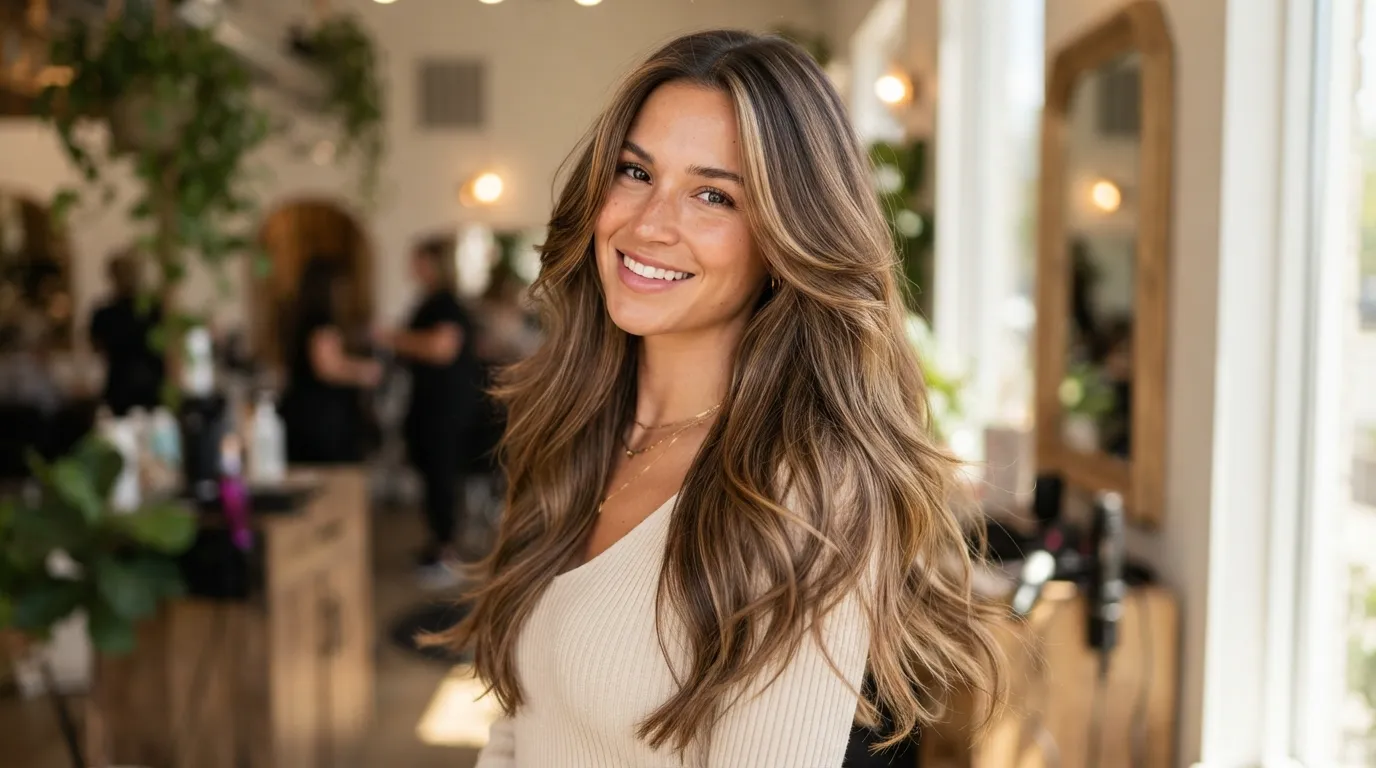
If you want to transform long hair without sacrificing your hard-earned length, long layered haircuts are the ultimate solution. The defining trend for 2026 centers around movement, touchable texture, and seamless weight removal. Top trending styles right now include the viral Butterfly Cut, C-Shaped “Curve” Layers, Soft Waterfall Layers, 90s Bouncy Volume Cuts, and customized Alphabet Cuts (U-Shape vs. V-Cut).
Whether you have fine hair that needs natural lift, thick locks that feel unmanageable, or tight curls requiring shape without bulk, finding the right cut comes down to strategic internal weight removal and face-framing precision. If you are also curious about how length and volume compare across different hair shapes, feel free to explore our main hairstyles directory for a complete breakdown of styles tailored to every texture.
In this complete guide, you will discover:
The Top Long Layered Haircuts: Detailed breakdowns of every major style, including who it flatters most and how it moves.
Face Shape & Hair Type Matching: Exactly how to tailor layers for round, oval, square, and heart-shaped faces, as well as straight, wavy, and curly textures.
Salon Communication: The exact terminology and reference prompts to give your stylist so you leave with the exact cut you envisioned.
Home Styling & Upkeep: Step-by-step styling routines, essential weightless products, and realistic maintenance schedules to keep your ends healthy.
How Many Types of Haircuts Are There for Long Hair?
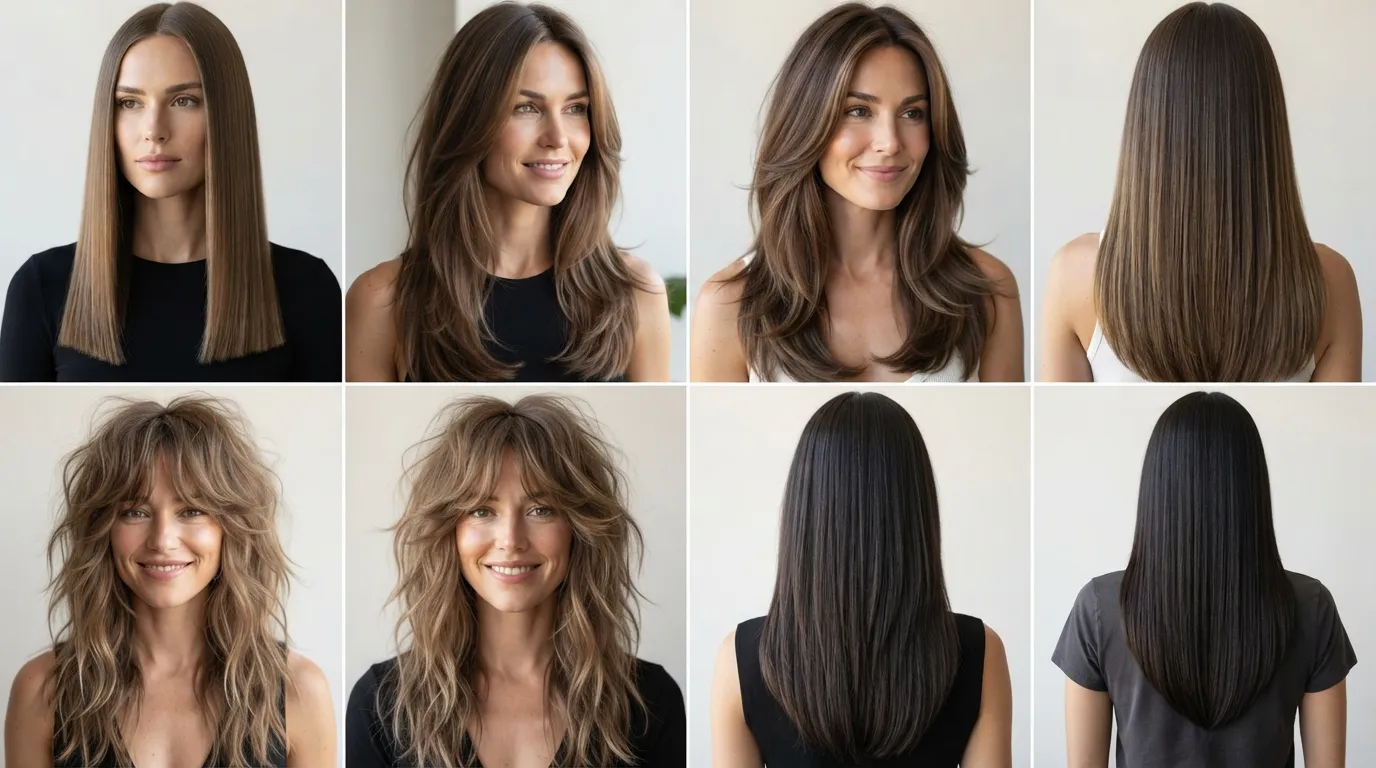
When you strip away the endless trend names filling up your social feeds, every long hairstyle actually falls into six fundamental haircut categories. Think of these core silhouettes as the foundation of long hair design:
Layered Cut: The ultimate chameleon for long hair. By removing weight from the internal length, layers add movement, volume, and texture without sacrificing overall length. They range from subtle long layers to heavy, dramatic face-framing.
Blunt Cut: Cut straight across with zero elevation, this style leaves maximum density at the perimeter. It makes fine or thin long hair instantly appear thicker, fuller, and healthier.
U-Cut: A gentle curve where the sides are slightly shorter than the back, creating a soft, rounded shape across the baseline. It offers a fluid, natural look that falls beautifully over the shoulders.
V-Cut: A dramatic, sharply angled cut where the hair comes to a distinct point at the center of the back. It drastically removes bulk from the bottom, creating a striking silhouette that tapers downward.
Bangs-Based Cut: Any long haircut where the primary focal point is designed around fringe—whether that means cheek-sweeping curtain bangs, full blunt fringe, or soft wispy tendrils that frame the face.
Textured / Shag Cut: Heavy on piecey layers, razored ends, and short interior carving, this category focuses on effortless, lived-in texture and natural body, perfect for wave and curl definition.
Understanding these six base styles makes communicating with your stylist infinitely easier, as nearly every trending long haircut is simply a variation or custom blend of these core structural cuts.
Which Haircut Suits Long Hair Best? (By Face Shape & Hair Type)
By Face Shape
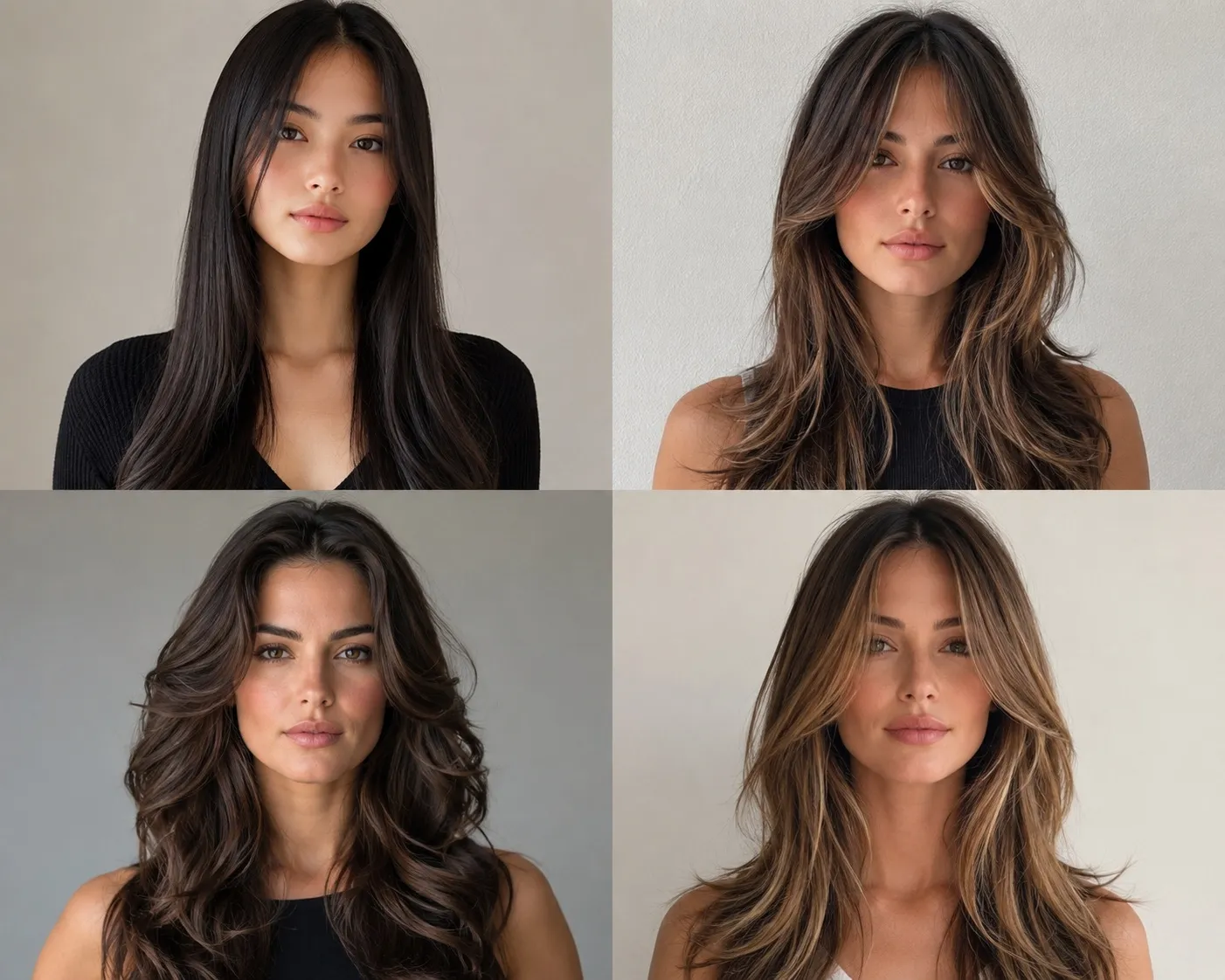
Round: Long, seamless layers starting at or below the collarbone pull the eye downward to elongate the face. Pair these with curtain bangs or a side-swept fringe that hits right at the cheekbones to cut the visual width of the mid-face. Avoid chin-length, blunt horizontal layers that make the face look wider.
Oval: Oval faces can carry almost any cut, but long face-framing layers with a soft, texturized baseline prevent the length from dragging down your features. A full, piecey fringe or eyebrow-grazing curtain bangs highlight the eyes and cheekbones without interrupting natural balance.
Heart: Balance a wider forehead and a narrower chin using long layers that begin around the jawline. Soft, cascading layers add volume lower down, filling out the space around the narrowest part of the face. Pair this with a wispy, arched fringe or cheek-grazing curtain bangs to soften the upper third.
Square: Soften a strong, angular jawline by choosing long, cascading layers that start slightly above the jaw, finished with soft, feather-trimmed ends. Subtle, sweeping curtain bangs help diffuse sharp angles, while stark, blunt cuts should generally be avoided to keep from boxiness.
By Hair Type
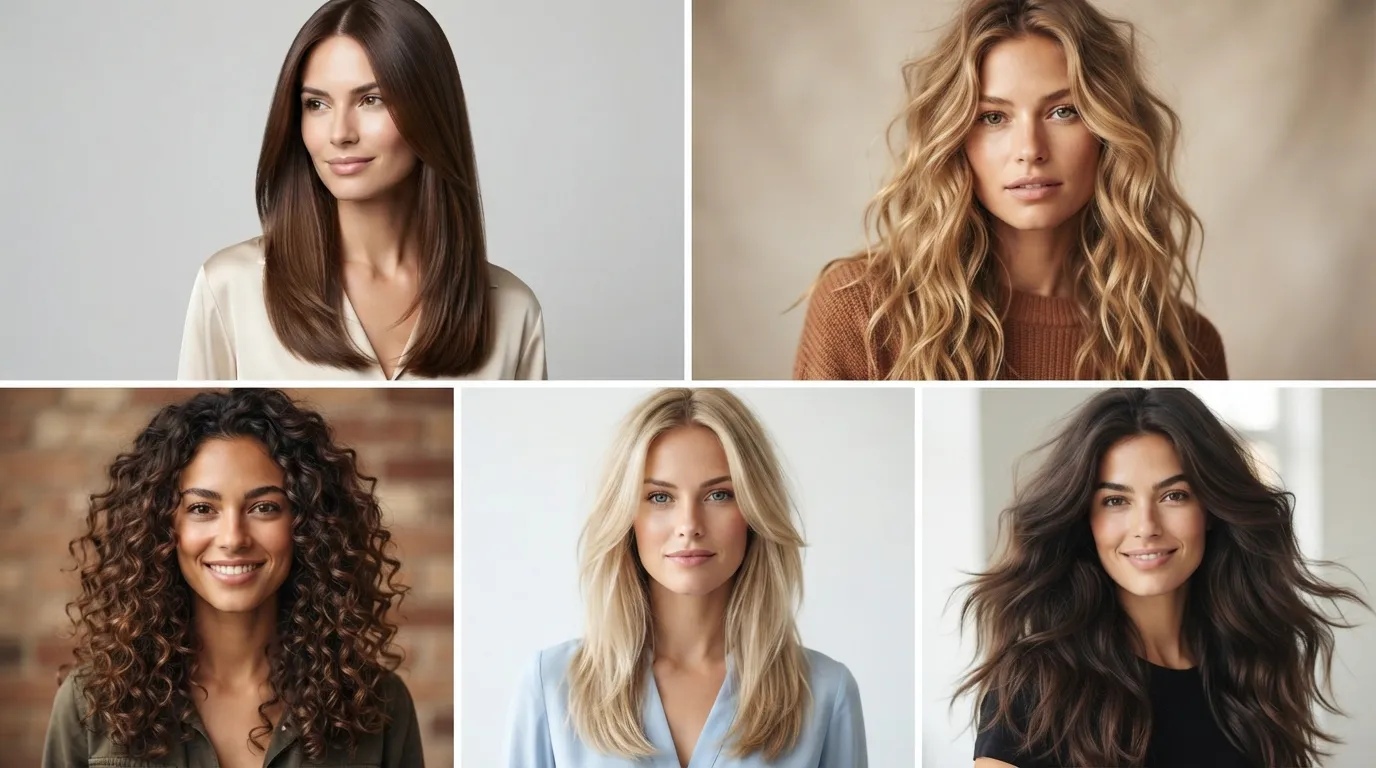
Straight: Precision long layers prevent straight hair from looking flat or curtain-like. Ask for soft interior texturizing—not overly thinned ends—to create subtle movement and natural weight distribution when air-dried or blow-dried straight.
Wavy: Long, fluid layers allow natural wave patterns to bounce without clumping or stacking into a triangular shape. Long “V” or “U” shaped perimeter cuts give wavy hair continuous movement while removing excessive weight at the bottom.
Curly: Internal layer cutting (often done dry) relieves heavy weight pockets so curls can spring up without expanding sideways into a pyramid shape. Keep perimeter layers slightly longer to maintain density while adding cascading face-framing layers to define the curl structure.
Thin/Fine: Stick to a blunt baseline at the bottom to build structural density, then add subtle long layers around the crown and face. Over-layering fine long hair makes the ends look thin and see-through, so keep interior weight intact for maximum volume.
Thick: Heavy long hair needs weight removal. Long interior slide-cutting and point-cut layers remove interior bulk while preserving overall length, allowing thick hair to swing freely without feeling weighed down.
By Styling Effort & Maintenance Level
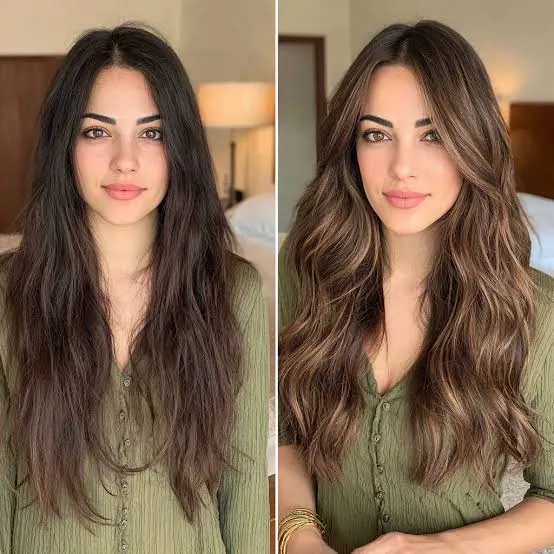
Low Maintenance (Every 12–16 Weeks): Long, soft “U-shape” or “V-shape” cuts with long, blended interior layers require minimal upkeep. Because the perimeter grows out evenly without losing shape, you only need routine dustings to clear out split ends.
Medium Maintenance (Every 8–10 Weeks): Long layered cuts featuring curtain bangs or soft face-framing sections require moderate upkeep. While the back length grows gracefully, the front framing needs occasional trims to stay at optimal cheekbone or jawline height.
High Maintenance (Every 6–8 Weeks): Long styles paired with full, blunt bangs, heavy face-framing layers, or highly sculpted internal texturizing require regular upkeep to keep fringe out of the eyes and maintain the precise silhouette.
Best Haircuts for Girls with Long Hair (2026 Edition)
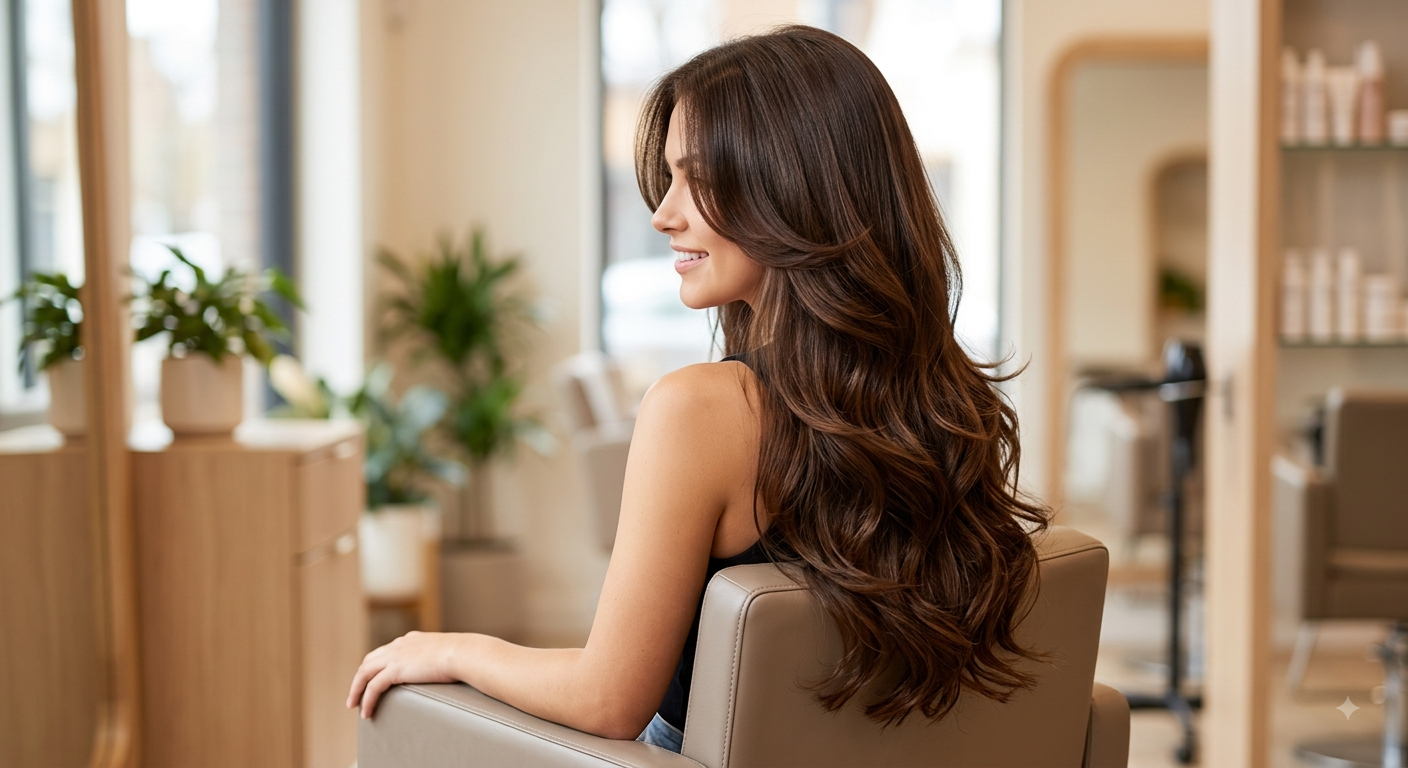
Finding the right long haircut comes down to balancing length with movement. Long hair can easily weigh itself down, resulting in flat roots and lifeless ends if it isn’t shaped with intent. The top trending long hairstyles focus on strategic layering, weight removal, and face-framing techniques that add dimension while keeping your length intact.
Long Layered Cut with Face-Framing Layers

This classic cut features long, blended layers throughout the back to remove bulk, paired with soft, cascading layers that start around the chin or collarbone to outline the face. The result is fluid movement that breaks up heavy, uniform lengths without sacrificing overall fullness.
What to ask your stylist: “I’d like long, blended internal layers starting around my mid-back, with slide-cut face-framing layers starting just below my chin.”
Best for: Oval, heart, and round face shapes; works exceptionally well on medium to high-density straight or wavy hair.
Styling & Maintenance Tip: Blow-dry the front section forward using a 2-inch ceramic round brush to turn the face-framing pieces inward toward the jawline. Trim every 8–10 weeks to keep the front pieces crisp and split-end free.
Long Wavy Shag with Layers

A modern spin on the vintage shag, this style uses heavy, choppy layers and point-cutting techniques throughout the crown and mid-lengths to build natural volume and texture, tapering off into piecey, effortless ends.
What to ask your stylist: “I want a long shag with heavy razor-cut or point-cut layers starting around the cheekbones, lots of crown volume, and textured ends.”
Best for: Square and long/oblong face shapes; ideal for naturally wavy (2A–2C) hair looking to enhance built-in movement.
Styling & Maintenance Tip: Apply a lightweight sea salt or wave spray to damp hair, scrunch upwards, and dry with a diffuser attachment on medium heat. Keep layering fresh with touch-ups every 6–8 weeks.
Curtain Bangs with Long Layers

Curtain bangs feature a center-parted fringe cut at an angle—shorter in the middle near the brows and sweeping longer toward the cheekbones—which seamlessly blends into long, flowing layers down the back.
What to ask your stylist: “I’d like center-parted curtain bangs angled from brow-level down to the cheekbones, seamlessly blended into long, soft layers.”
Best for: Round, square, and heart-shaped faces; flatters almost all hair textures from straight to loose curls.
Styling & Maintenance Tip: Style curtain bangs using a large round brush, rolling them away from the face while directing the airflow down the hair shaft. Curtain bangs grow out gracefully, requiring trims roughly every 6 weeks.
U-Cut with Layers
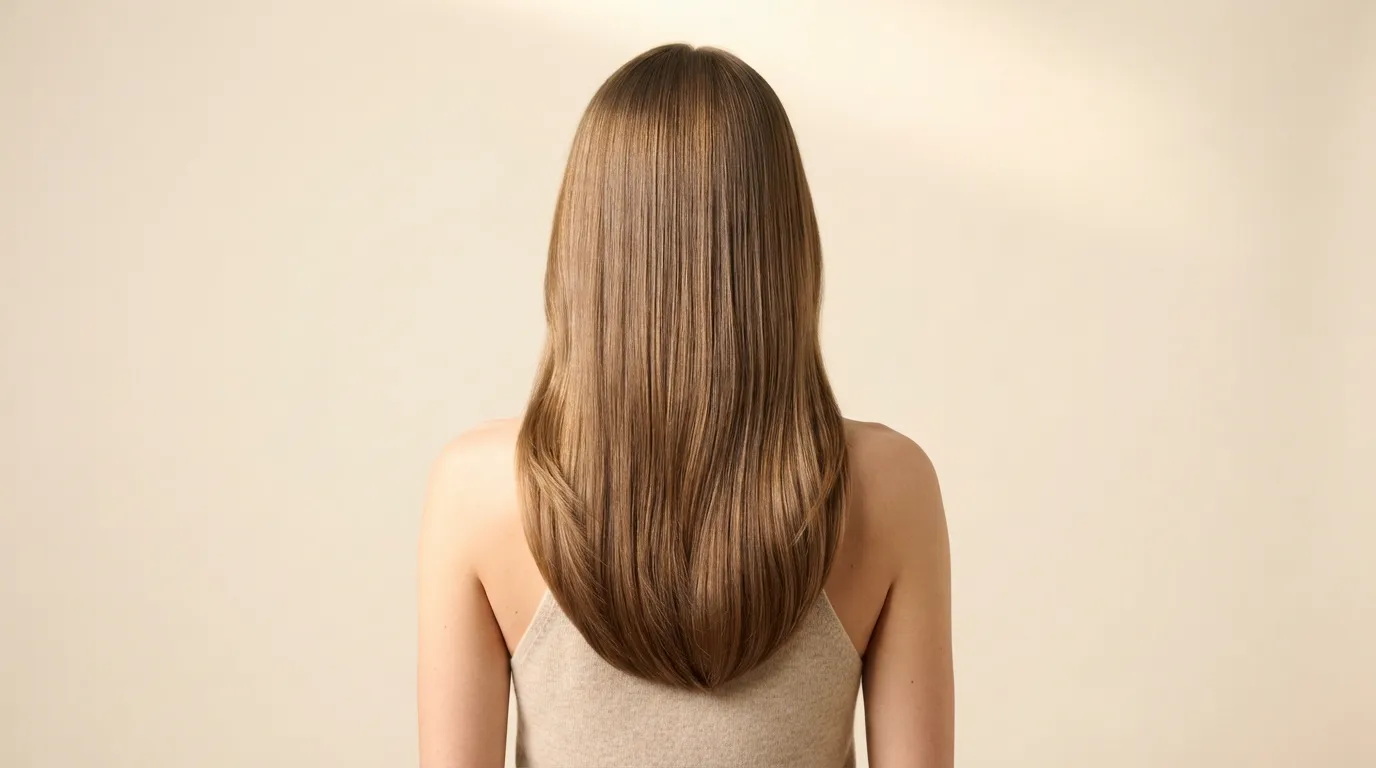
The U-cut creates a curved baseline across the back that is soft and slightly shorter on the sides, gradually lengthening toward the center spine. Blended layers are cut into the interior to keep the hemline looking thick rather than wispy.
What to ask your stylist: “I want a deep U-shaped perimeter along the bottom with soft, subtle internal layers to prevent a blocky look.”
Best for: Oval and rectangular face shapes; ideal for thick or coarse long hair that needs weight redistributed.
Styling & Maintenance Tip: Use a flat iron on low-to-medium heat to gently curve the bottom ends inward, highlighting the smooth arch of the U-shape. Maintenance is low-key, requiring trims every 10–12 weeks.
V-Cut Layered Hair
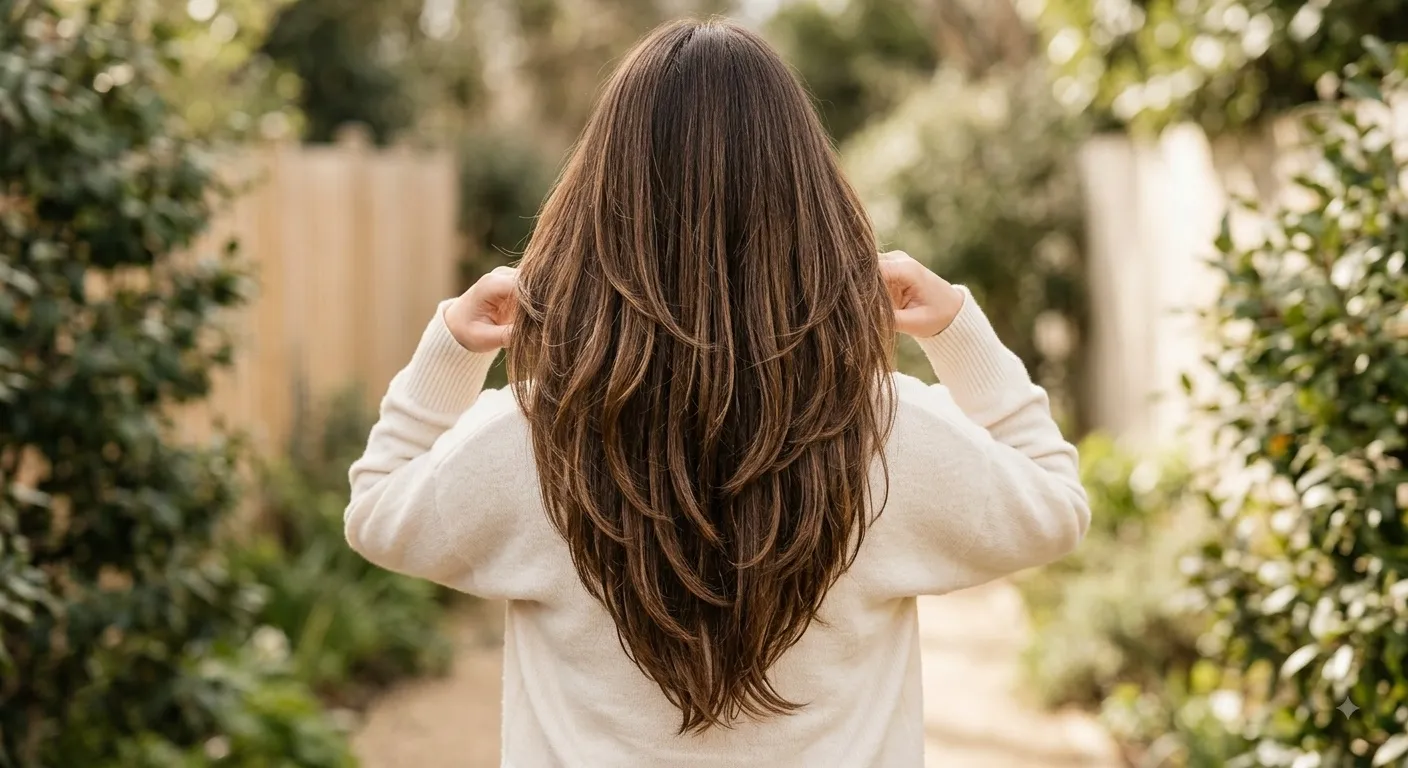
A dramatic option where the hair tapers down into a sharp point at the center of the back. Heavy, cascading layers are cut at steep angles, giving the front a shorter appearance while preserving maximum length at the center back.
What to ask your stylist: “I’d like a sharp V-cut perimeter with dramatic, steep layers angled down toward the center point in the back.”
Best for: Oval and heart face shapes; works best on thick, straight, or blown-out wavy hair.
Styling & Maintenance Tip: Style with a large-barrel curling iron (1.5-inch), wrapping sections outward from the face to emphasize the sharp, diagonal flow of the layers. Plan on a trim every 8 weeks to maintain the clean V point.
Butterfly Haircut for Long Hair
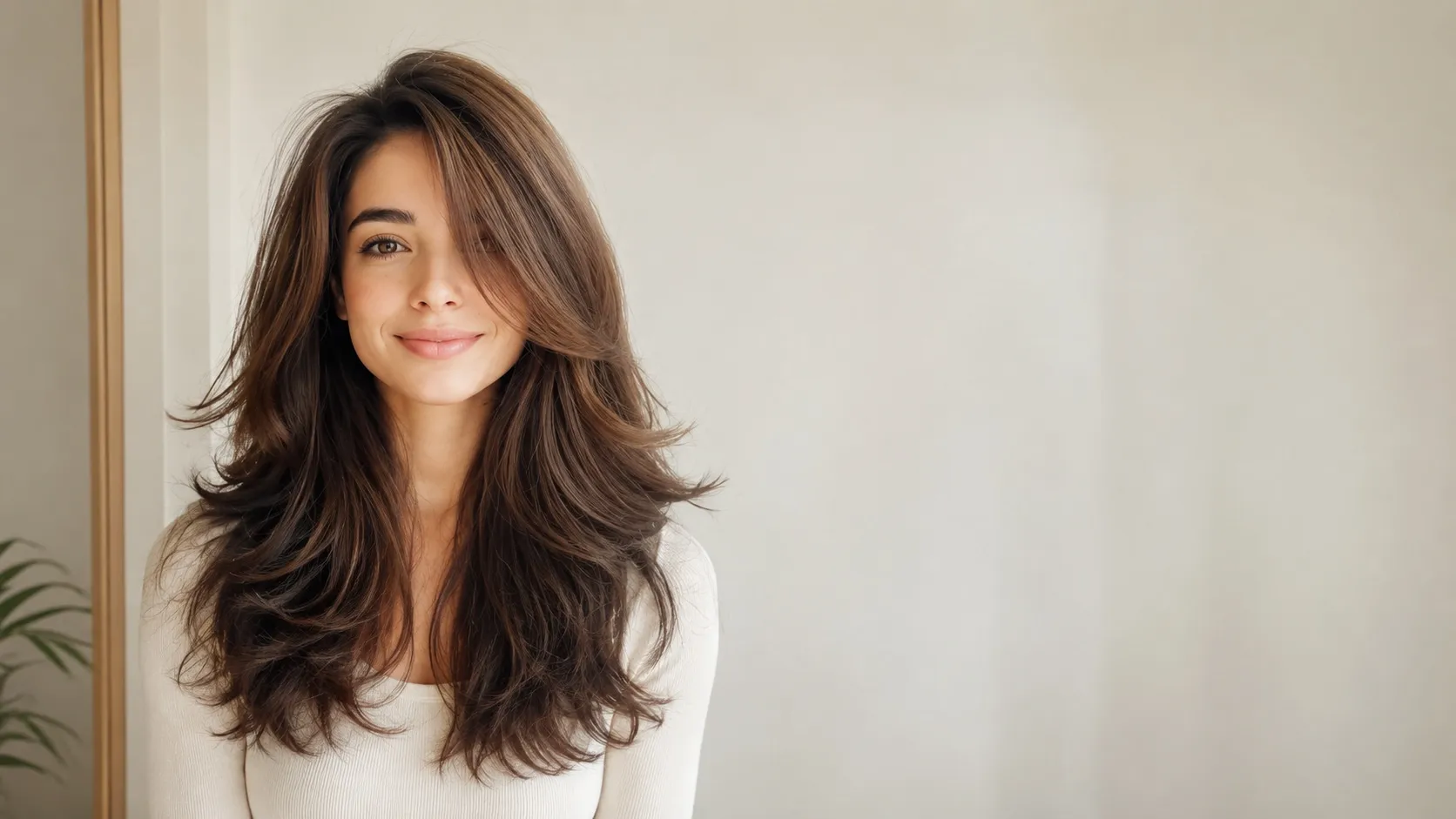
This viral, high-volume cut combines two distinct layer lengths: shorter, face-framing layers around the chin and shoulders that mimic a short style, alongside long, flowing bottom layers. It creates the illusion of a voluminous blowout without losing overall length.
What to ask your stylist: “I want a butterfly cut with short, bouncy layers around the chin and collarbone, and longer, fluid layers throughout the back.”
Best for: Round, oval, and diamond face shapes; best suited for medium to thick hair densities.
Styling & Maintenance Tip: Set sections in jumbo velcro rollers away from the face after blow-drying. Let them set for 10 minutes, unroll, and mist with a flexible-hold hairspray. Schedule trims every 8 weeks to retain short-layer bounce.
Side-Swept Long Layers

This style relies on an off-center or deep side part paired with long, angled layers that sweep across the forehead and flow down one side of the face, creating asymmetry and immediate root lift.
What to ask your stylist: “I want a deep side part with long, angled layers that sweep across the face, blended into seamless layers down the length.”
Best for: Heart, square, and round face shapes; excellent for flat or fine hair seeking instant volume.
Styling & Maintenance Tip: Blow-dry hair in the opposite direction of your intended part to create maximum root elevation, then flip it over and set with a light volumizing powder at the crown. Trim every 8–10 weeks.
Straight-Across Bangs with Long Hair
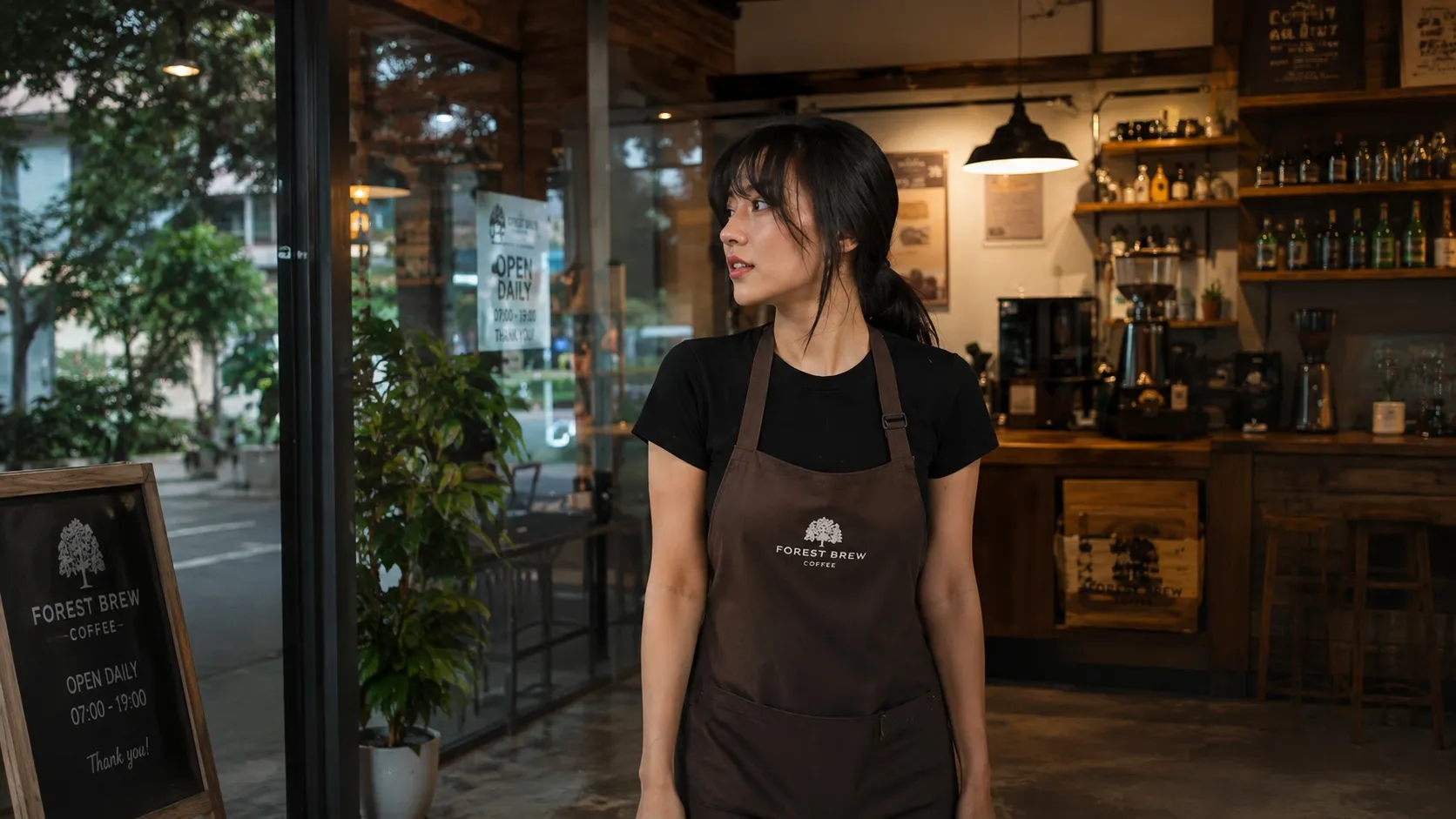
A classic contrast look featuring full, blunt, or slightly piecey straight-across bangs resting right at the eyebrows, paired with long, sleek lengths down the back.
What to ask your stylist: “I’d like full, eyebrow-skimming blunt bangs (or lightly textured at the ends) with crisp, long lengths behind.”
Best for: High foreheads, long/oblong face shapes, and oval face shapes; best on fine-to-medium straight hair.
Styling & Maintenance Tip: Blow-dry bangs straight down using a fine-tooth comb moving side-to-side to eliminate cowlicks before styling the rest of your hair. Bangs require quick maintenance trims every 3–4 weeks.
Long Layers for Curly Hair
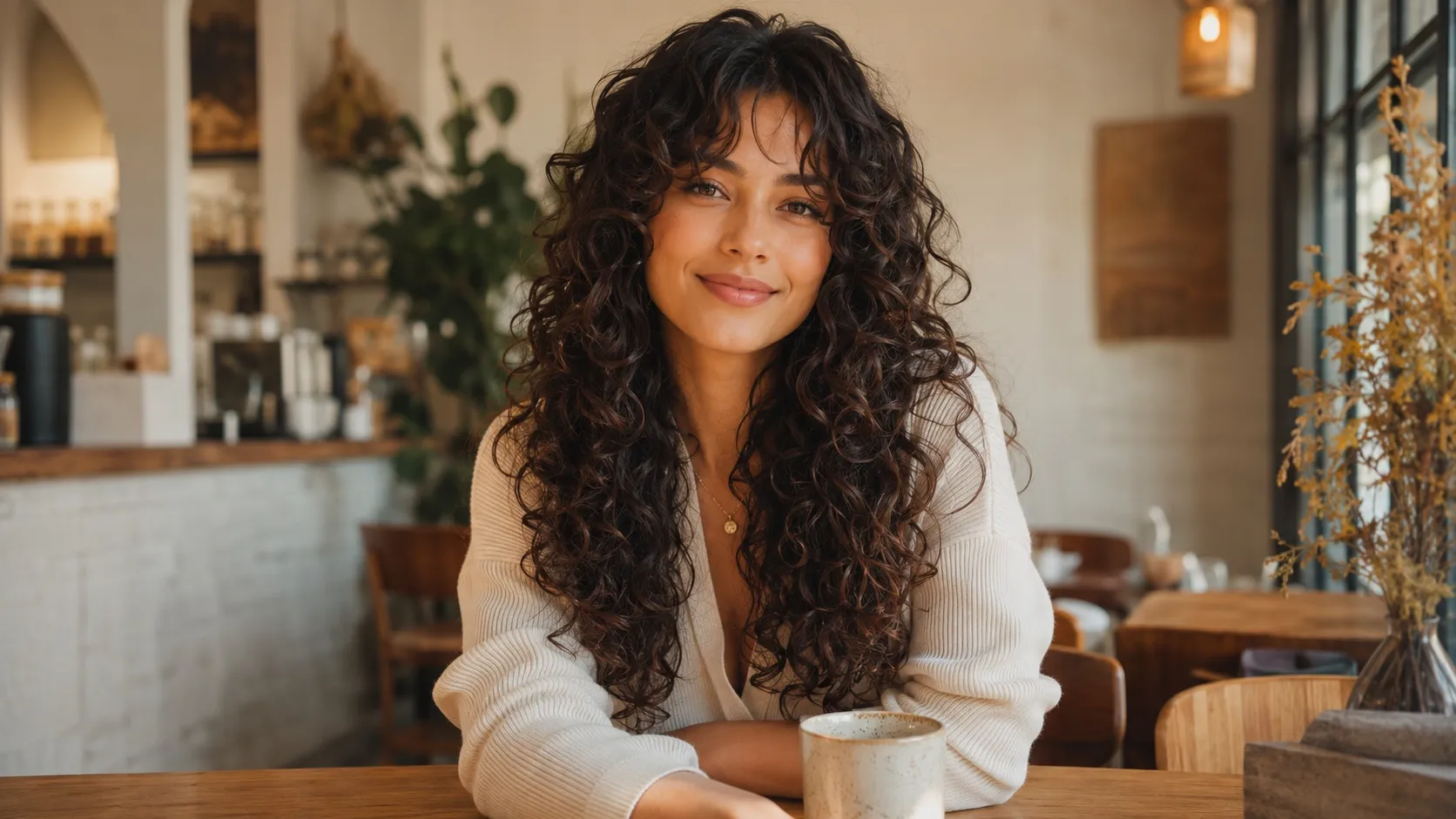
Specifically tailored for natural textures, this cut utilizes dry-cutting techniques to place individual layers strategic to the natural curl pattern, avoiding the dreaded “pyramid shape” and allowing curls to spring up weightlessly.
What to ask your stylist: “I want a dry, curl-by-curl layered cut that removes bulk from the sides, builds height at the crown, and protects my length.”
Best for: All face shapes; designed specifically for Type 3A to 4C natural curl patterns.
Styling & Maintenance Tip: Apply a leave-in conditioner and curl-defining cream using the “praying hands” method on soaking wet hair, then air-dry or diffuse on low heat without touching the curls. Trim every 10–12 weeks.
Long Layers for Thin/Fine Hair
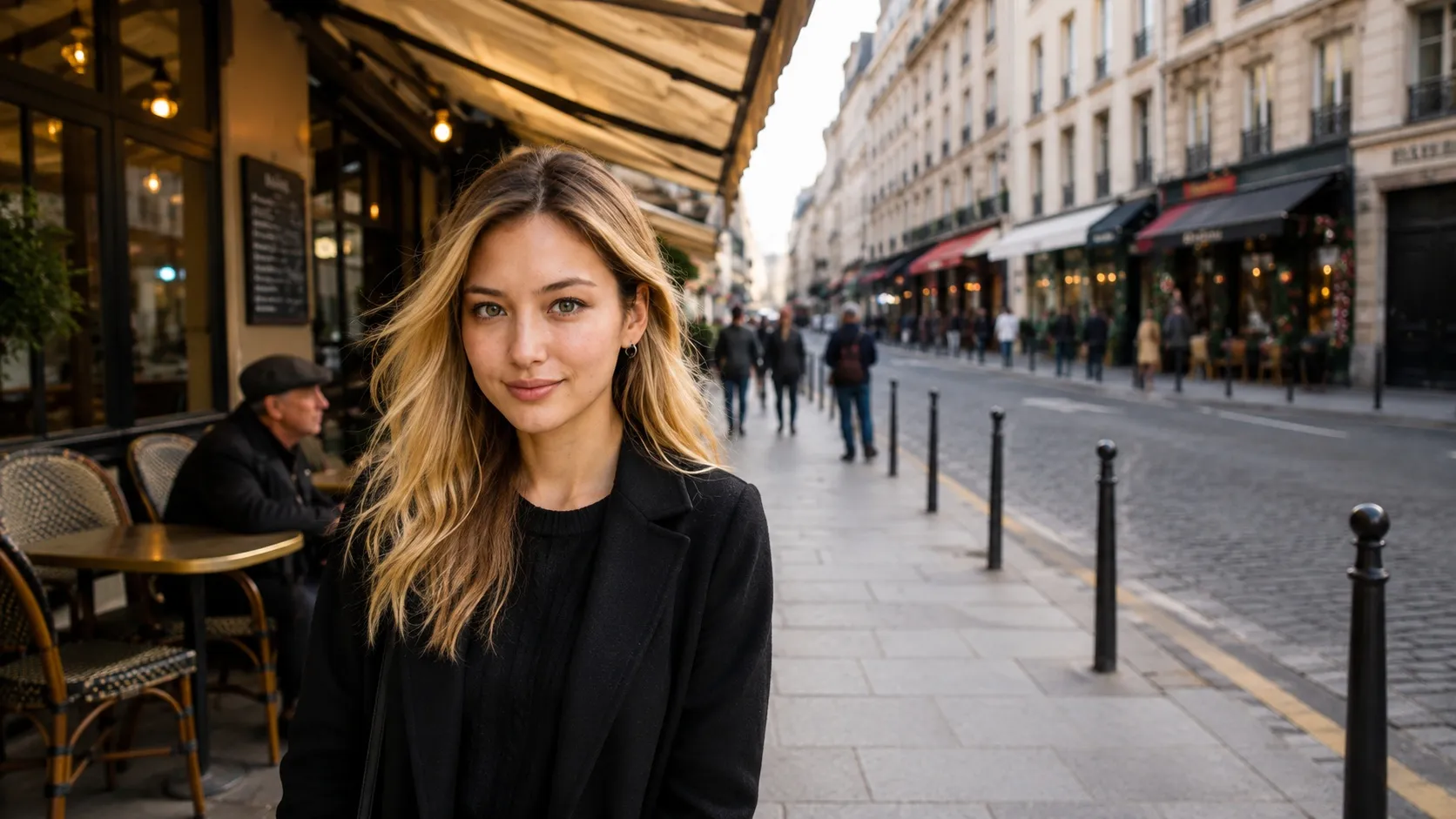
Designed to create volume without thinning out the ends, this technique uses long, light surface layers focused around the crown and mid-lengths, keeping the main hemline square and full.
What to ask your stylist: “I need subtle, minimal internal layers for movement, but keep the bottom hemline blunt and thick to preserve density.”
Best for: Fine, low-density hair across oval, heart, and round face shapes.
Styling & Maintenance Tip: Apply a lightweight volumizing mousse to wet roots and blow-dry upside down until 80% dry. Avoid heavy oils or thick silicones that weigh down fine strands. Trim every 6–8 weeks to keep ends looking dense.
Halo/Round Layered Cut
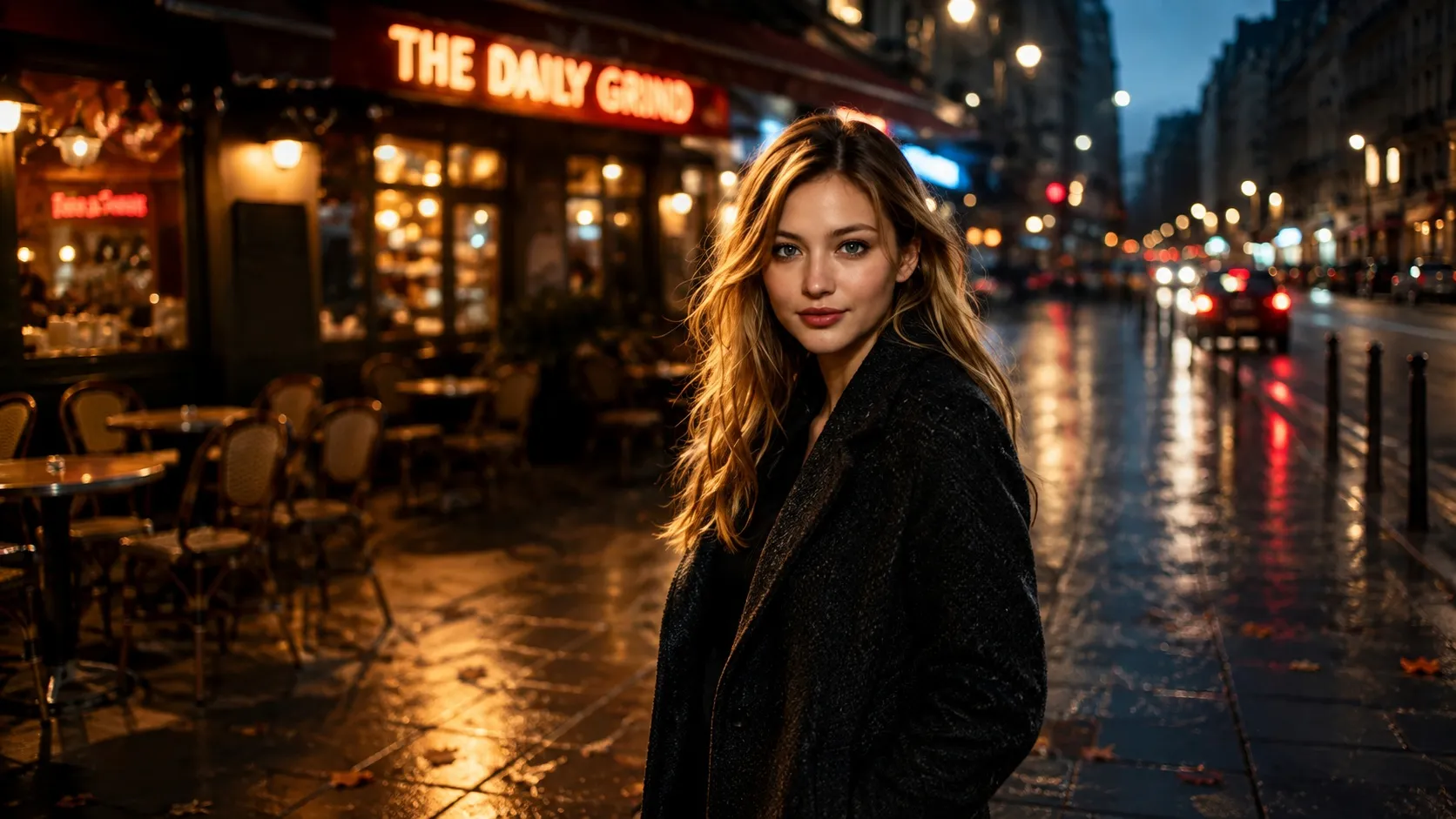
The halo or rounded cut features soft, circular layering around the head that creates a spherical silhouette. The layers curve inward toward the face and jawline, producing a soft, framed profile.
What to ask your stylist: “I’d like rounded, continuous layers cut in a circular shape around my head to build soft height and body around the cheeks.”
Best for: Square, diamond, and heart face shapes; works beautifully on wavy or soft curly textures.
Styling & Maintenance Tip: Work a texturizing foam into damp hair and use a medium round brush to turn the ends inward all around the head. Schedule maintenance every 8 weeks.
Box Braids / Braided Long Styles
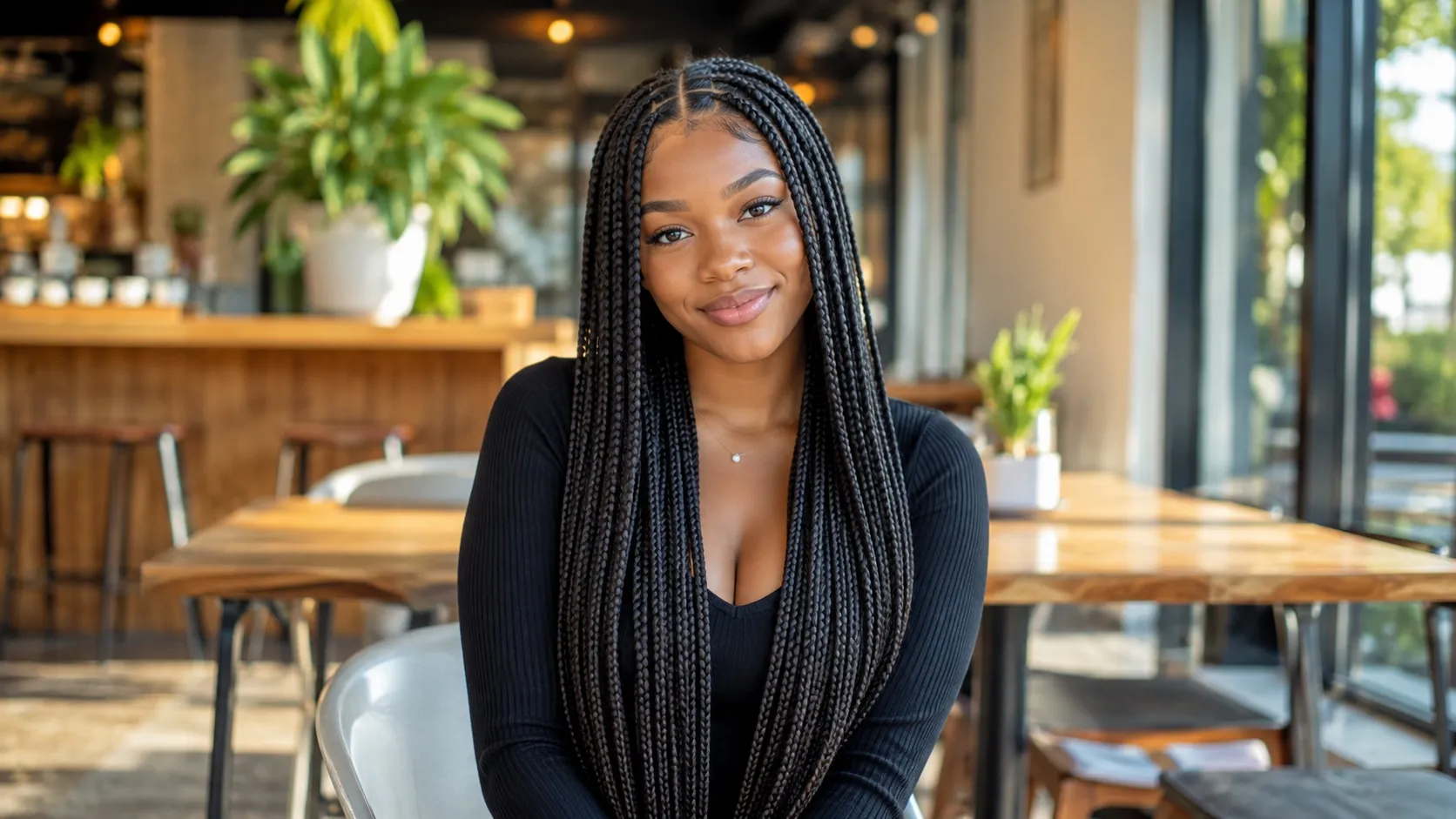
Long protective braided styles—such as knotless box braids, fulani braids, or goddess braids—protect natural hair while providing versatility in length, color, and styling options without daily heat manipulation.
What to ask your stylist: “I’d like long, waist-length knotless box braids with clean, square (or triangle) partings and sealed, light ends.”
Best for: Medium to coarse natural textures (Type 3C–4C); flatters all face shapes depending on part placement and braid size.
Styling & Maintenance Tip: Oil your scalp 1–2 times weekly with a light jojoba or tea tree oil blend, and sleep in a silk or satin bonnet nightly to prevent frizz. Keep the style installed for no longer than 6–8 weeks to protect scalp health.
Long Layered Haircuts for Girls by Age
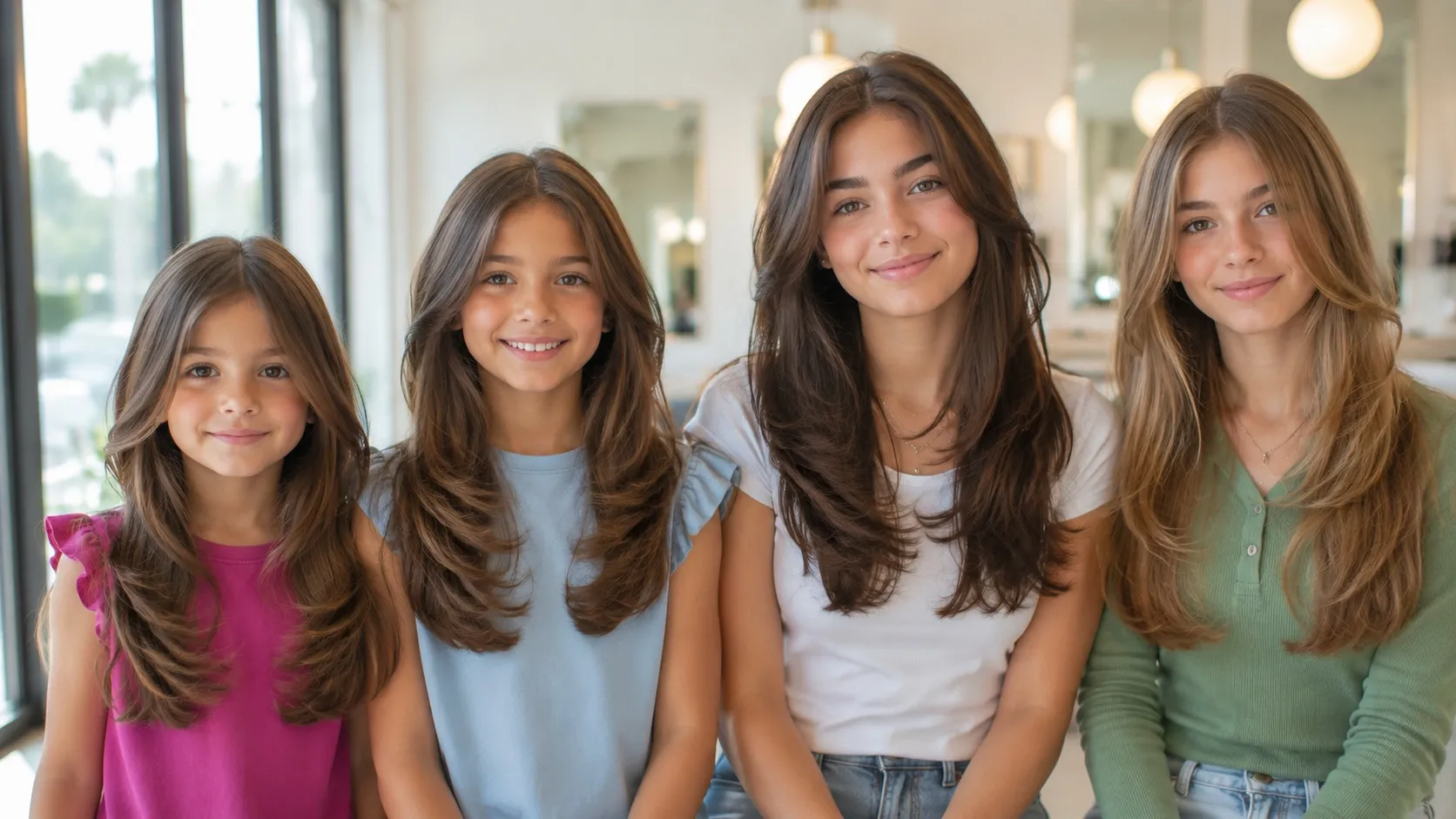
As hair matures, its density, texture, and daily wear-and-tear change dramatically. A long layered cut that works beautifully on a high school senior will likely frustrate an elementary schooler who just wants her hair out of her face during recess. Tailoring layers to a girl’s specific age group ensures the style looks intentional while staying manageable for her daily routine.
8–10 Year Old Girls
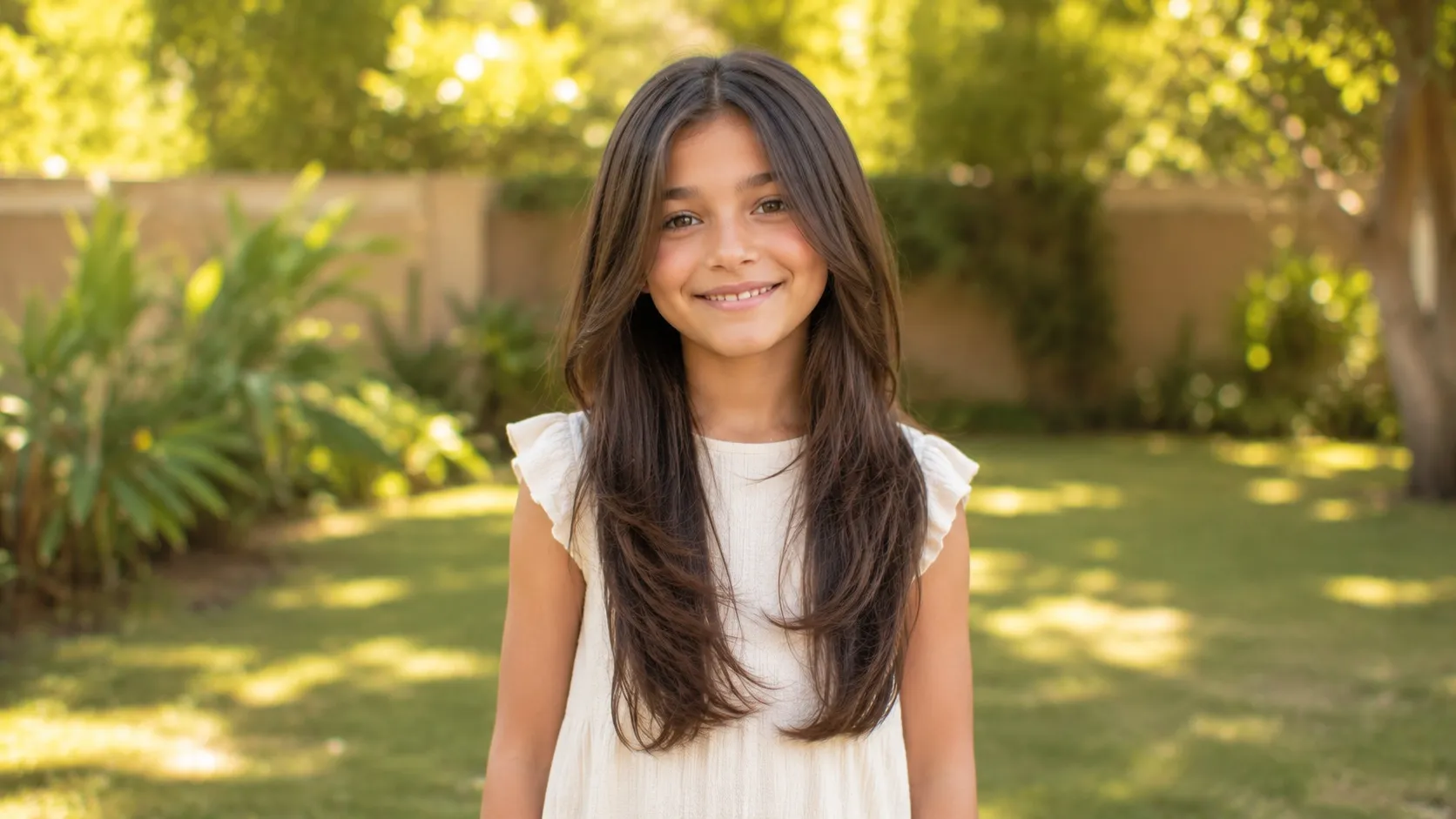
At this stage, long hair needs to withstand playground activity, sports, and frequent morning brushing sessions without turning into a tangled nightmare. Fine or medium hair textures are common in this age bracket, meaning heavy layering can thin out the bottom edges too much.
The Cut: Focus on long, subtle perimeter layers starting well below the shoulders. Keep the face-framing pieces long enough to easily pull back into a high ponytail without requiring a dozen Bobby pins.
Why It Works: Minimal internal layering keeps the hair dense and strong, preventing the stringy look that happens when finer hair is over-cut. It provides movement without sacrificing overall weight.
Styling & Maintenance: Keep it ultra-low maintenance. A leave-in conditioner spray paired with a wide-tooth wet brush or flexible detangling brush is all that’s required after washing. Avoid heat styling entirely; let the natural wave or straight texture shine.
12 Year Old Girls
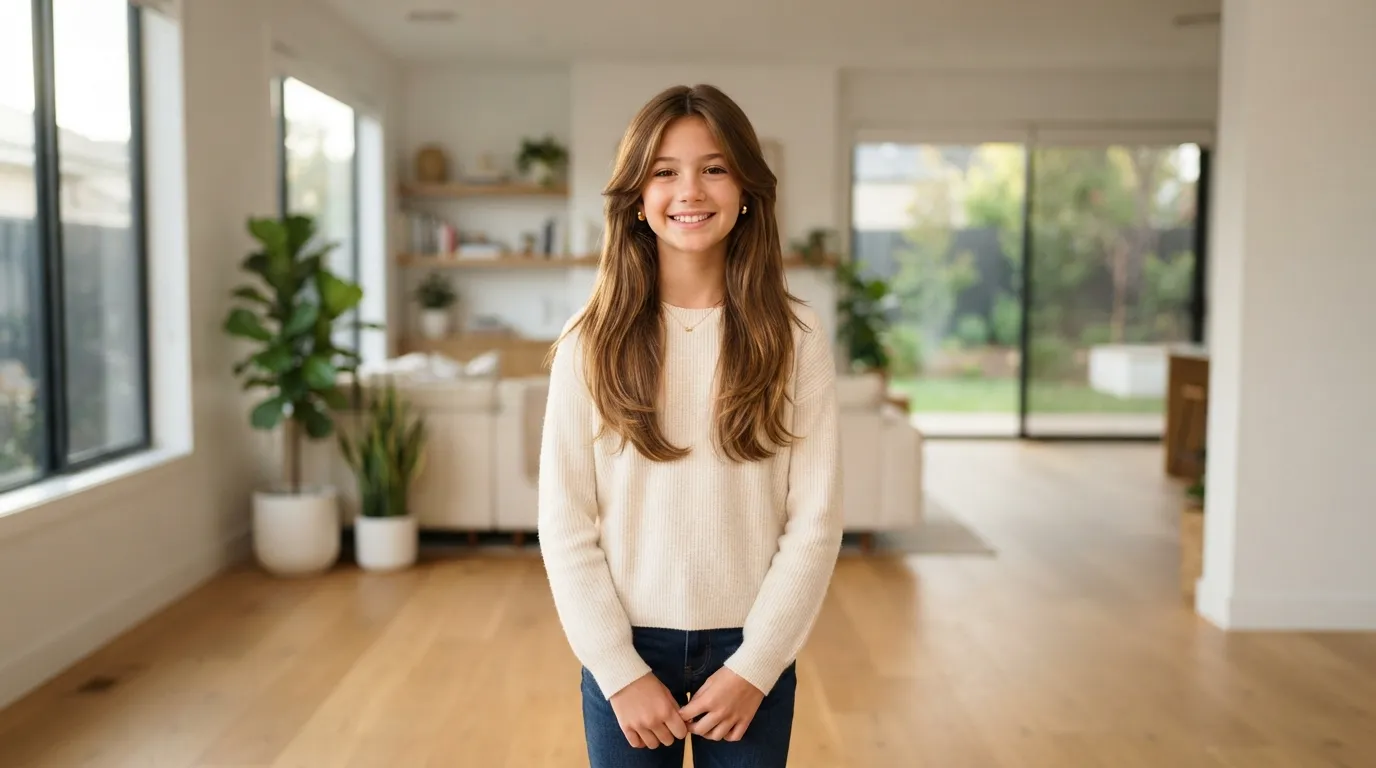
Middle school is often when girls start expressing personal style and taking full ownership of their washing and styling routines. Hair is generally thicker than in earlier years, making it a great candidate for more noticeable shape and texture.
The Cut: Soft, blended face-framing layers starting near the chin, combined with mid-length back layers. Soft curtain bangs or a sweeping side bang work well here to add a trendy element without committing to high-maintenance front fringe.
Why It Works: Framing around the chin highlights growing facial structure while taking out weight from the sides, making thick hair far easier to blow-dry or air-dry neatly.
Styling & Maintenance: Introduce basic thermal protection if she is experimenting with a blow-dryer or flat iron. A light hair oil or smooth-down cream applied to the ends prevents heat damage and controls fluffiness without weighing down the style.
Teens
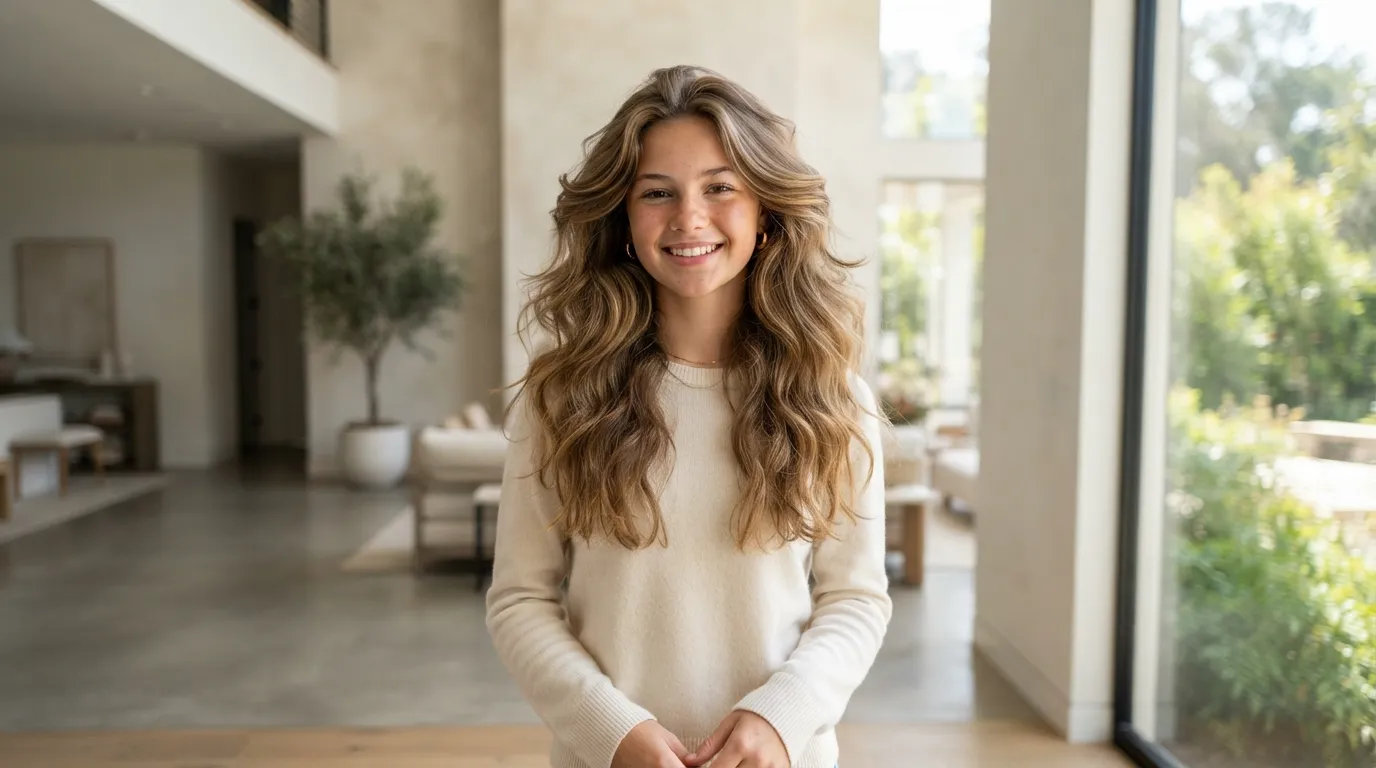
Teenagers generally want current, trend-conscious cuts inspired by what they see on social media—such as 90s-inspired blowout layers, modern shags, or heavy butterfly cuts. At this age, hair can handle complex internal layering and regular heat styling.
The Cut: Multi-tiered long layers with cascading face-framing pieces that sweep past the cheekbones down to the collarbone. Point-cutting the ends adds seamless blending and airy movement throughout the lengths.
Why It Works: Dynamic layering creates built-in volume and flexibility. Whether worn down in bouncy waves, thrown up in a claw clip, or straightened, the layers maintain shape and movement.
Styling & Maintenance: A large round brush blow-dryer attachment or a ceramic curling wand works best to showcase these layers. Recommend a lightweight volumizing mousse applied at the roots before drying, followed by a light texturizing spray through the mid-lengths to hold shape throughout the day. Remind teens to schedule a trim every 8 to 10 weeks to keep the face-framing angles crisp and free of split ends.
U-Cut vs V-Cut vs Layered Cut — Which One Should You Choose?
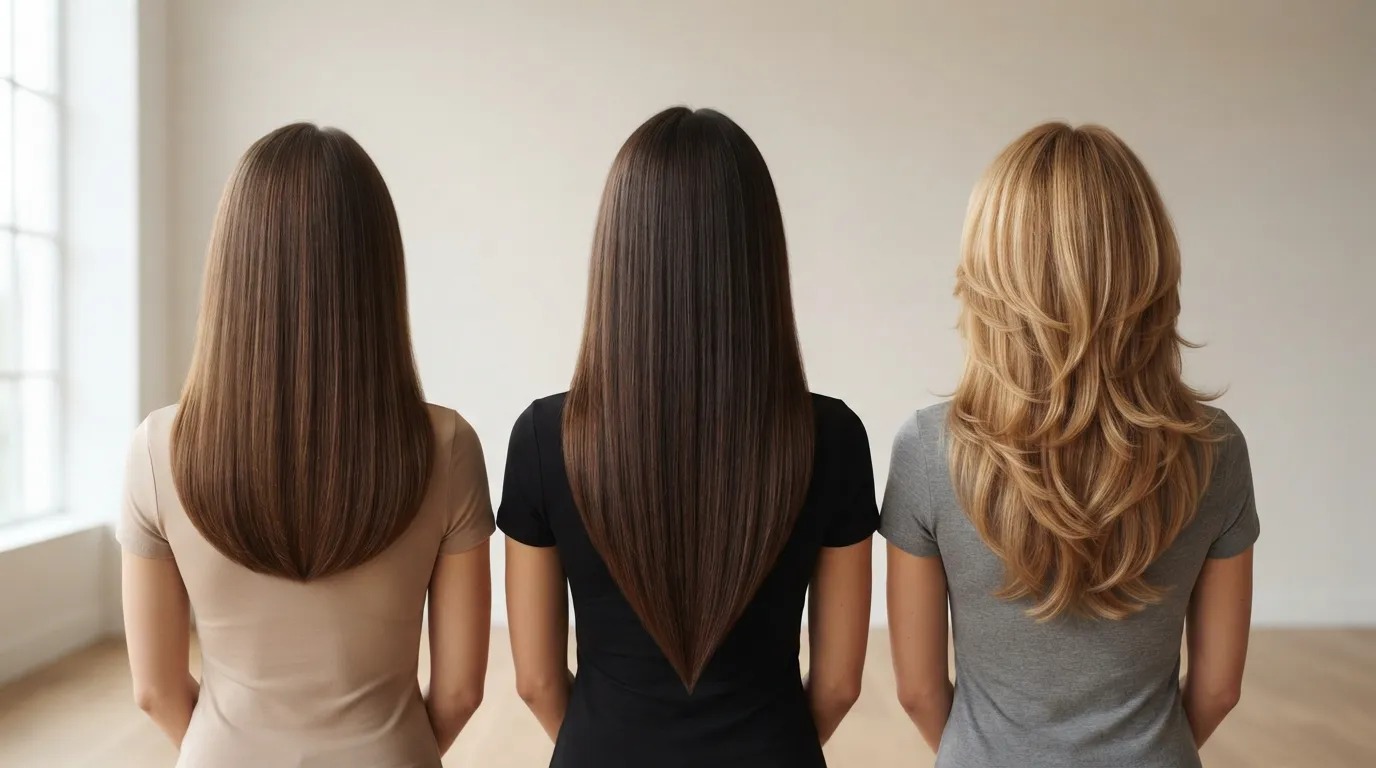
Choosing between a U-cut, V-cut, and classic layered haircut isn’t just about the outline—it dictates how your length behaves, how often you’ll need a trim, and how much time you’ll spend styling every morning. While all three work brilliantly on long hair, they distribute weight and shape very differently across your back and shoulders.
Here is a side-by-side comparison to help you match your natural hair texture, density, and routine to the right cut:
| Feature | U-Shape Cut | V-Shape Cut | Classic Layered Cut |
|---|---|---|---|
| Back Profile | Soft, rounded curve flowing seamlessly from side to back. | Dramatic, sharp point converging at the center of the spine. | Varied; usually soft curved hemline with cascading internal movement. |
| Best Hair Type & Density | Fine to medium hair; ideal for making thin ends look fuller. | Thick, coarse, or dense hair that needs heavy weight removal at the bottom. | Straight, wavy, or curly hair of any density seeking volume and texture. |
| Front Profile Effect | Soft, face-framing curves that blending smoothly into the length. | Longer, angled front pieces that taper downward toward the center back. | Highly customizable face-framing layers (curtain bangs, cheekbone-skimming, etc.). |
| Styling Requirement | Low; looks clean and polished straight, air-dried, or blown out. | Moderate to High; looks best curled or flat-ironed to emphasize the deep point. | Moderate; benefits from a round brush blowout, hot rollers, or sea salt spray to highlight layers. |
| Maintenance & Trims | Every 8–12 weeks; holds shape exceptionally well as it grows out. | Every 6–8 weeks; the focal point can lose its sharp angle quickly as hair grows. | Every 8–10 weeks; regular maintenance prevents split ends from climbing up internal layers. |
How to Pick Your Best Match Behind the Chair
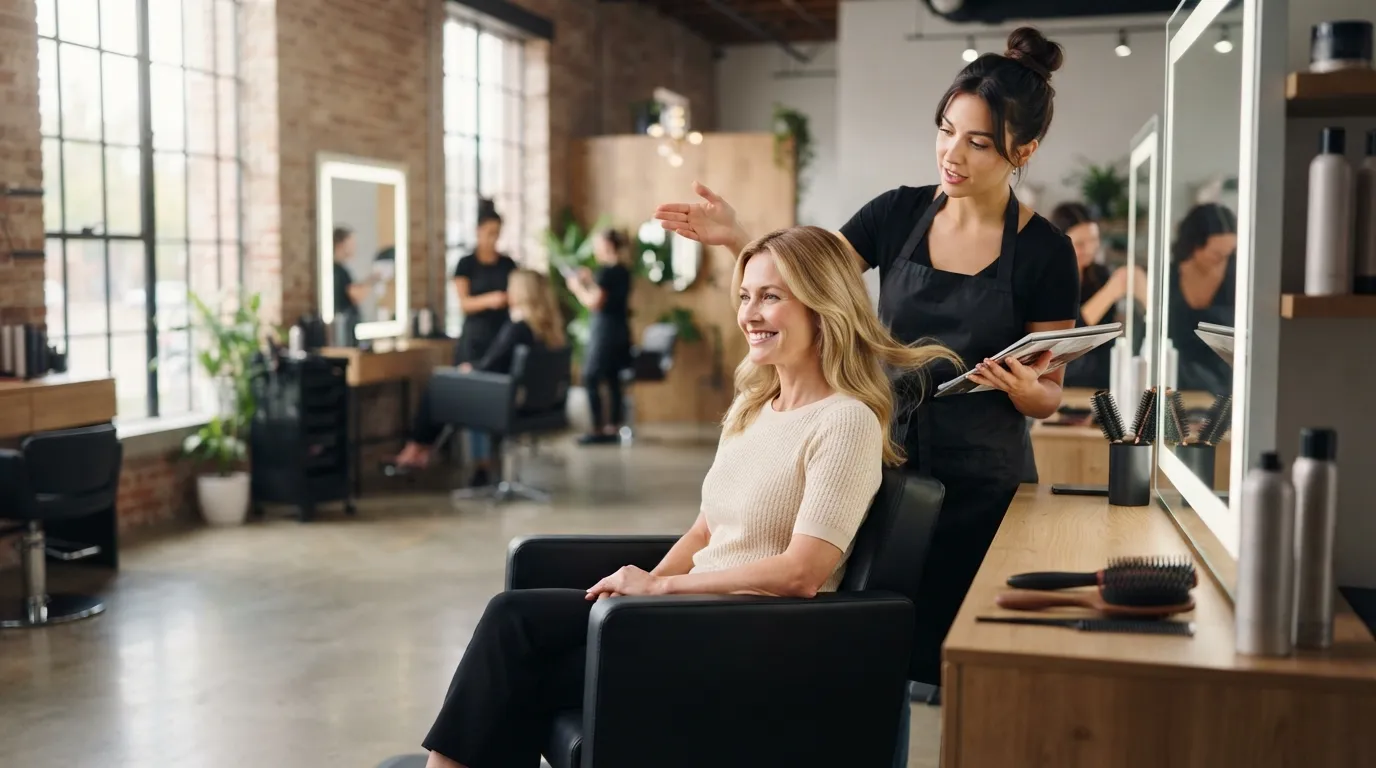
To simplify your decision before you talk to your stylist, break it down by your primary hair goal:
Choose a U-Cut if: You want to maintain the maximum appearance of thickness at your ends. If your hair is fine, prone to looking “stringy,” or if you prefer sleek, polished blowouts with minimal daily fuss, the gentle curve of a U-cut creates a solid baseline without sacrificing your overall length.
Choose a V-Cut if: You have heavy, dense hair and want to shed bulk without cutting off your overall length. The sharp tapering pulls weight away from the sides, creating a striking focal point at the back. It is particularly stunning if you wear loose beach waves or soft barrel curls daily, as the cascading lengths accent the angular focal point.
Choose a Layered Cut if: Movement, bounce, and crown volume are your top priorities. A standard perimeter cut (like a straight edge or soft U) keeps length at the bottom, but internal layers remove weight from the middle canopy. This allows natural wave patterns to spring up and gives fine, flat long hair necessary lift at the root.
Stylist Insight: If you love the weight removal of a V-cut but hate the sharp point, ask your stylist for a “Soft V” with long interior layering. This gives you the body and movement of a layered cut while retaining the slims-down effect of a angled perimeter.
How to Style Long Layered Hair at Home
Everyday Styling Tips
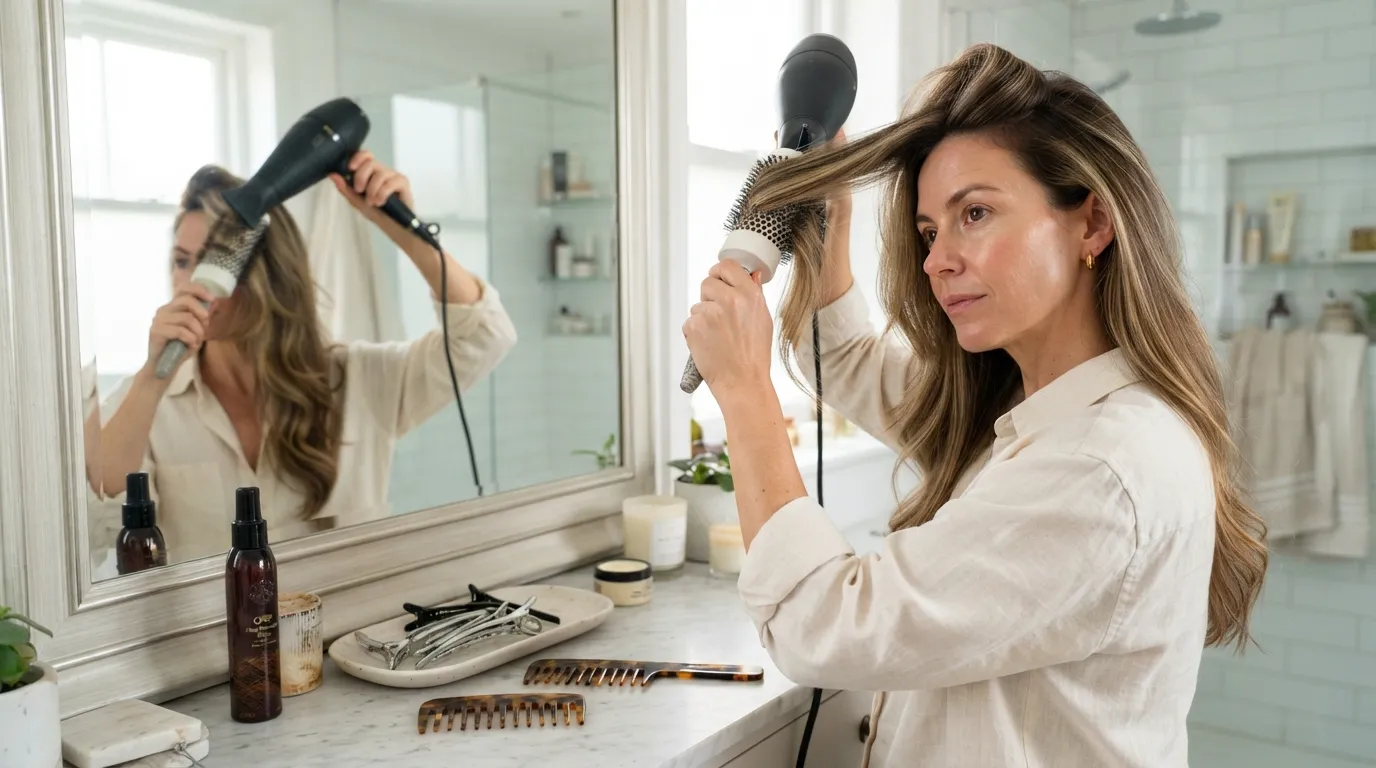
The secret to making long layers look like you just walked out of a salon comes down to air direction and product placement. Because layered cuts remove weight while adding movement, heavy styling creams or applying products directly to your roots will collapse the shape instantly.
Prep on Damp Hair: Spray a lightweight leave-in conditioner or a heat protectant spray from mid-lengths to ends. If you have fine hair, opt for a volumizing mousse at the roots; for thick or coarse textures, a light smoothing lotion works best to control frizz without weighing down the ends.
Rough-Dry First: Flip your head upside down and blow-dry until your hair is about 80% dry. This lifts the roots naturally and creates base volume before you start shaping the layers.
Master the Round Brush Direction: Use a medium-to-large ceramic round brush. Pull sections upward and away from your face, wrapping the ends around the brush. Angle the nozzle of your blow dryer downward to seal the hair cuticle, which adds incredible shine and keeps the layers crisp.
Set with Cool Air: Once a section is dry around the brush, hit it with your blow dryer’s cool shot button for 5 to 10 seconds before releasing. This sets the bend in the layers so your blowout lasts all day.
Enhance Texture: Once dry, rake a tiny, pea-sized drop of hair oil or a texturizing finishing spray through the ends. This separates the individual layers, making the dimension and movement visually pop.
Everyday Blowout for Long Layered Hair
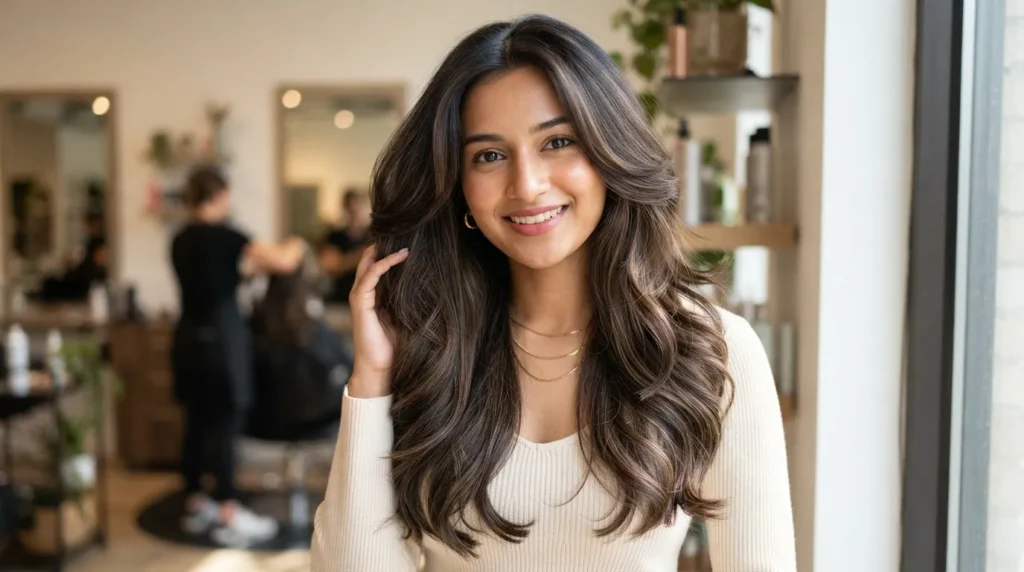
The secret to making long layers look like you just walked out of a salon comes down to air direction and product placement. Because layered cuts remove weight while adding movement, heavy styling creams or applying products directly to your roots will collapse the shape instantly.
- Prep on Damp Hair: Spray a lightweight leave-in conditioner or a heat protectant spray from mid-lengths to ends. If you have fine hair, opt for a volumizing mousse at the roots; for thick or coarse textures, a light smoothing lotion works best to control frizz without weighing down the ends.
- Rough-Dry First: Flip your head upside down and blow-dry until your hair is about 80% dry. This lifts the roots naturally and creates base volume before you start shaping the layers.
- Master the Round Brush Direction: Use a medium-to-large ceramic round brush. Pull sections upward and away from your face, wrapping the ends around the brush. Angle the nozzle of your blow dryer downward to seal the hair cuticle, which adds incredible shine and keeps the layers crisp.
- Set with Cool Air: Once a section is dry around the brush, hit it with your blow dryer’s cool shot button for 5 to 10 seconds before releasing. This sets the bend in the layers so your blowout lasts all day.
- Enhance Texture: Once dry, rake a tiny, pea-sized drop of hair oil or a texturizing finishing spray through the ends. This separates the individual layers, making the dimension and movement visually pop.
Everyday Blowout for Long Layered Hair
How Often Should You Trim Long Layered Hair?
Long, layered cuts require a precise maintenance routine to preserve their shape and movement. While basic long hair can often go up to twelve weeks without a trim, layered styles need attention every 6 to 8 weeks. Because layers rely on distinct length variations to create depth and texture, split ends at the shorter, internal layers will degrade the overall structure much faster than at the perimeter.
When you delay a trim, frayed ends travel up the hair shaft, causing the layers to lose their defined drop and end up looking stringy rather than blended. Here is a quick guide based on hair texture and thermal styling habits:
Fine or Color-Treated Hair: Schedule a trim every 6 weeks. Fine strands are more prone to mechanical damage from brushing and thermal tools, which quickly softens the sharp silhouette of your face-framing pieces.
Thick, Coarse, or Natural Waves: A window of 8 to 10 weeks is usually sufficient. Thick hair holds structural shape longer, but you should request a light “dusting” on the interior layers during salon visits to remove bulk without sacrificing length.
Heavy Heat Stylers: If you use a blow-dry brush, flat iron, or curling wand more than three times a week, stick strictly to 6 weeks. High heat weakens the internal layers first, leading to flyaways along the crown.
Frequently Asked Questions
The ideal haircut depends on natural hair density and daily styling commitment. For most girls, a long, soft-layered cut featuring face-framing curtain bangs offers the highest versatility.
- For Fine Hair: Long, long-angled layers that start near the collarbone add subtle shape without stripping away density from the baseline.
- For Thick Hair: A classic interior layer cut (often called sliding or channeling) removes weight, enhances natural wave patterns, and prevents the hair from forming an unwanted "A-line" pyramid shape.
The prevailing aesthetic centers on high-shine, touchable volume with effortless movement. Key trending styles include:
- 90s Butterfly Layers: Short, face-framing cascading layers paired with longer back layers to deliver maximum lift at the crown when blow-dried out with a round brush.
- Sleek Luxe with Soft Perimeter: Ultra-long, healthy hair with sharp, clean ends and minimal interior texture, often finished with a mirror-shine gloss treatment.
- Blunt Cut with Internal Texturizing: A crisp baseline that looks thick and heavy, combined with hidden internal weight reduction so the hair moves fluidly.
A functional, stylish haircut should transition easily from down and styled to low-maintenance up-dos.
- Long V-Cut or U-Cut: Cuts shaped in a "V" or "U" pattern along the back baseline pull hair forward beautifully over the shoulders while keeping bulk out of the middle back.
- Curtain-Banged Long Shag: Excellent for adding texture and lived-in volume, especially for natural waves or curls.
- Long Bob Alternative (The "Lob-to-Chest"): Hits right at the bustline, offering the sleek aesthetic of a shorter style with all the flexibility of long hair.
The 3:2:1 rule is a proportional layering guideline used by stylists to balance length, movement, and volume without thinning out the perimeter. It breaks down the haircut into three sections:
- 3 Parts Overall Length: The primary baseline that determines your actual length.
- 2 Parts Mid-Length Layers: The interior layers cut at roughly two-thirds of the total length to build mid-shaft bounce.
- 1 Part Face-Framing/Fringe: The shortest section (often cheekbone or chin level) designed to highlight facial features.
The standout favorite remains the textured long layer cut styled with bouncy, outward-curled ends (the modern "salon blowout"). It hits the ideal balance between casual and elevated, allowing long hair to showcase multidimensional color, bounce, and high visual health.
Cute, youth-friendly long cuts focus on playfulness and softness:
- Face-Framing Tendrils: Long hair with soft, chin-length framing pieces that look deliberate even when the rest of the hair is pulled into a messy claw clip or scrunchie.
- Wispy "Korean-Style" Air Bangs paired with Long Layers: Lightweight bangs that allow the forehead to show through slightly, softening features without requiring high-maintenance daily styling.
Final Thoughts — Choosing Your Perfect Long Haircut
Finding the right cut for long hair isn’t about following every trend on your feed—it’s about matching a style to your natural texture, daily styling bandwidth, and personal vibe.
If you’re still on the fence, here is how to narrow down your top options before you book:
For maximum movement and weight removal: Opt for long internal layers or a classic shag/butterfly cut. These remove bulk from thick hair and create built-in shape without sacrificing your overall length.
For fine or thin hair: Stick to blunt perimeter ends with subtle face-framing pieces (like curtain bangs) to preserve density at the bottom while adding softness around the face.
For low-maintenance, wash-and-go routines: Request long, seamless layers starting below the chin. This allows your natural wave or curl to pop without demanding daily hot-tool styling.
When you sit in the salon chair, bring two or three reference photos that show hair with a similar texture and density to yours—not just the style you like. Be clear with your stylist about how much time you actually spend styling your hair each morning, how often you wear it up, and how many inches you are comfortable losing.
A great long haircut should do the heavy lifting for you, giving your hair shape, swing, and life long after you step out of the salon.