
Master the Curl: The Ultimate Guide to Every Twist, Wave, and Coil
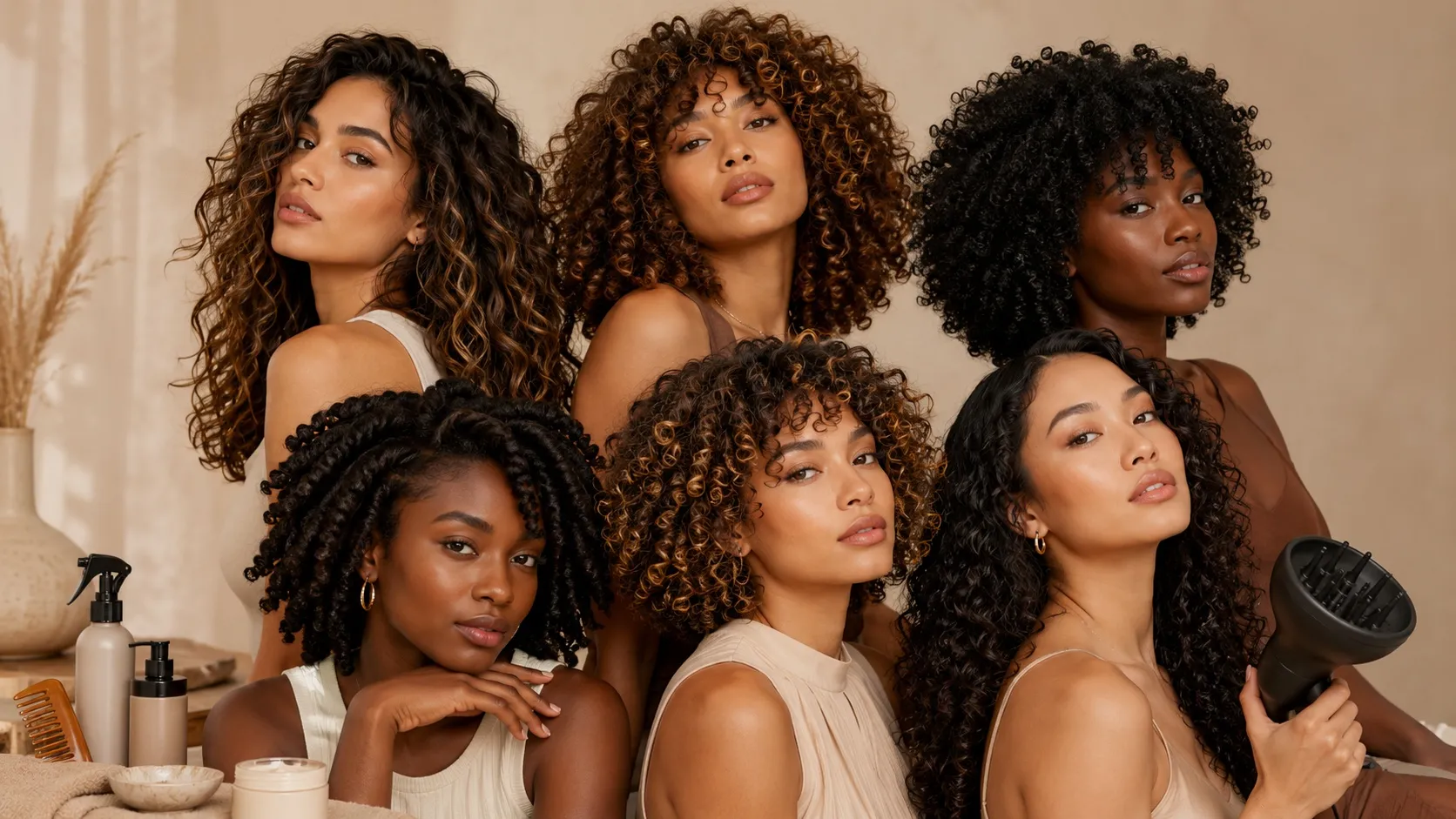
Let’s be honest: cutting and styling curly hair like it’s just “bent straight hair” is exactly why so many salon visits end in disaster. Curly hair is an entirely different science, requiring distinct techniques, products, and understanding.
Whether you are trying to decode your natural pattern, looking for age-specific care, or styling for a major event, this guide is your definitive blueprint. No generic fluff, no outdated advice—just proven, actionable solutions for every single curl type and real-world hair challenge.
Know Your Curl Type First (2A–4C)
Your curl type dictates your haircut and maintenance routine, not just your face shape. Selecting a style without understanding your pattern can lead to completely unpredictable results. Curls are divided into three main categories, each with its own unique characteristics and requirements:
Wavy Hair (2A, 2B, 2C)
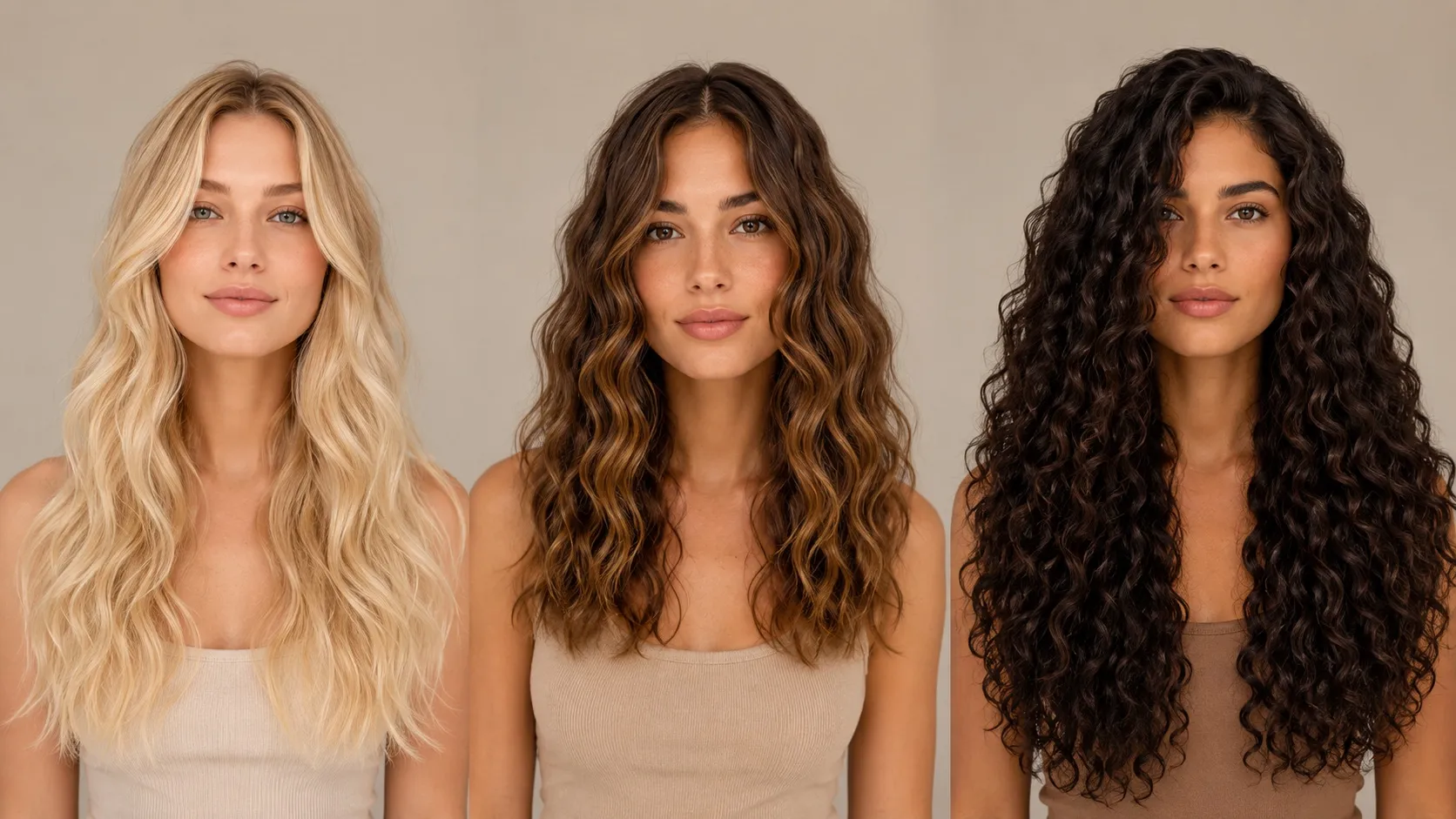
2A: These are very light, loose waves that require added volume. Heavy products easily weigh them down, so weightless stylers are essential.
2B: These are distinct, S-shaped waves that are more defined. They thrive when styled with lightweight, frizz-controlling mousses.
2C: These consist of thick, deep waves that closely border true curls. They experience noticeable shrinkage, meaning they require length to maintain their appearance.
Curly Hair (3A, 3B, 3C)
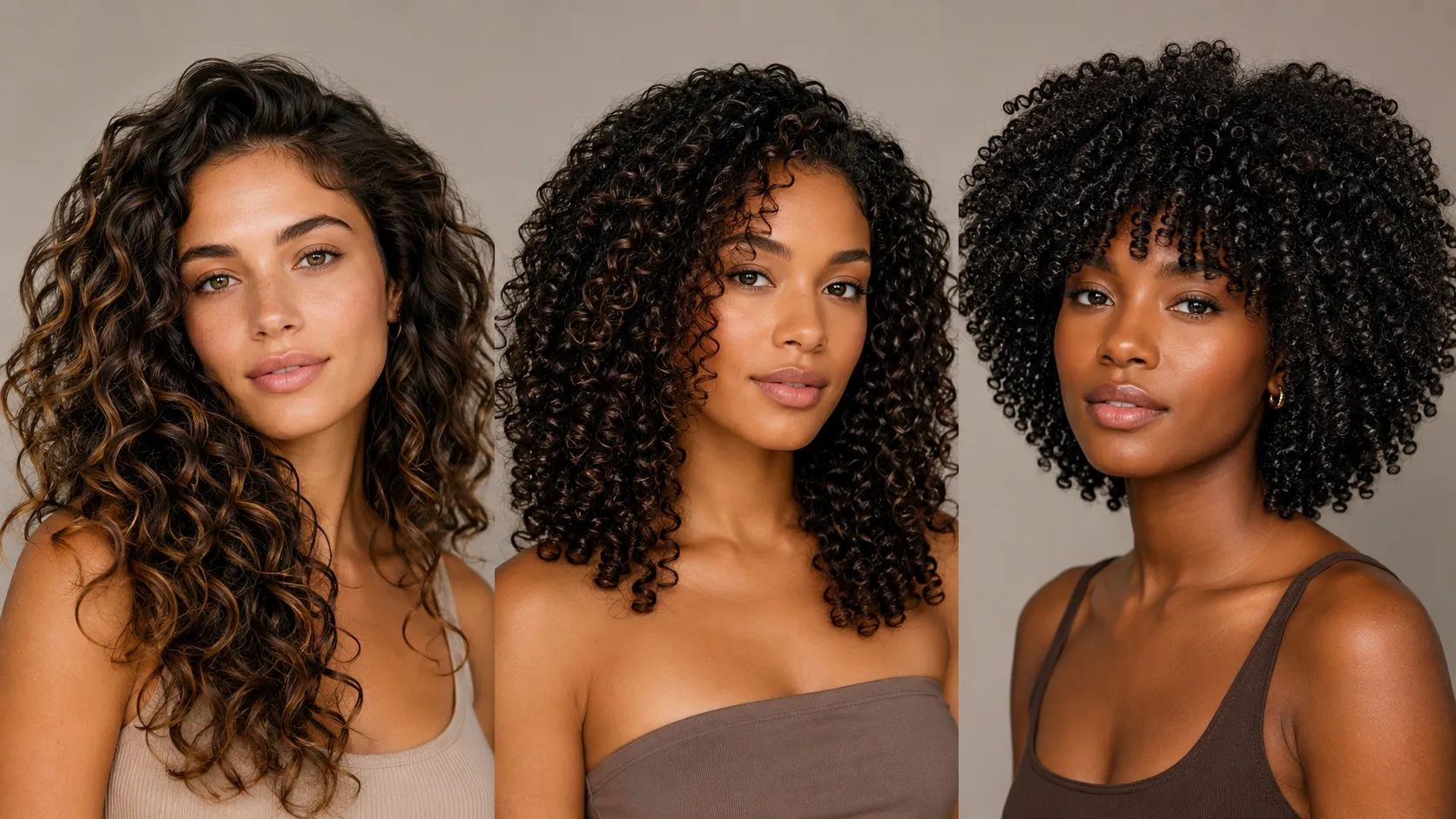
3A: These are large, loose loops (roughly the diameter of sidewalk chalk) that require lightweight styling gels to maintain their bounce.
3B: These are springy, tight ringlets (roughly the size of a permanent marker) that require constant hydration, making leave-in conditioners a necessity.
3C: These are dense, corkscrew curls (roughly the size of a pencil) that shrink rapidly and require heavy, moisture-rich styling creams.
Coily / Kinky Hair (4A, 4B, 4C)
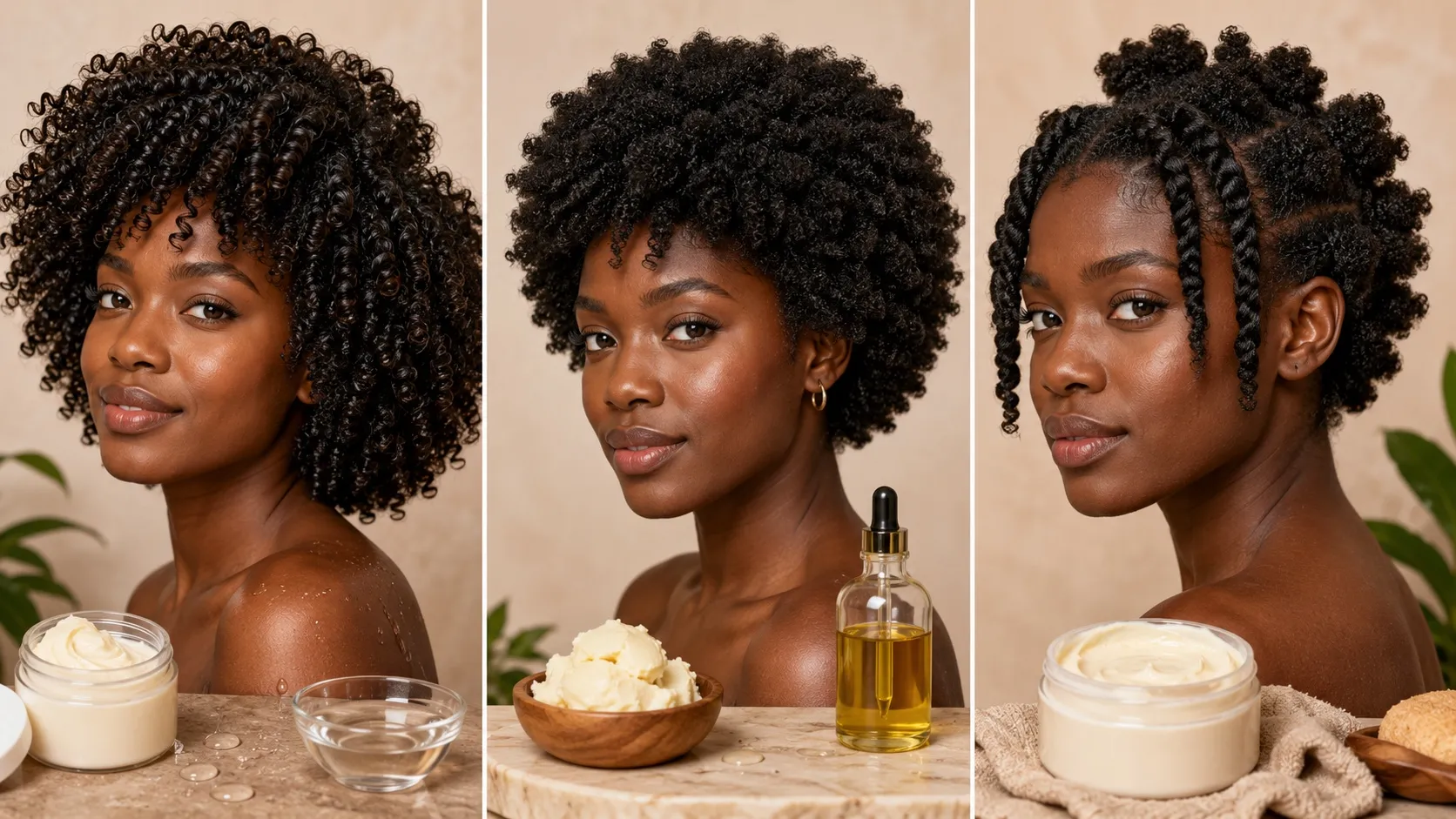
4A: These are tightly packed, S-shaped coils that require thick, water-based leave-in conditioners to retain maximum moisture.
4B: These feature sharp, Z-shaped angles that prioritize shrinkage over clear definition. They require heavy oils and natural butters to maintain elasticity.
4C: This is the most fragile, tightly coiled pattern with the highest rate of shrinkage. It requires deep conditioning and protective styling to prevent damage.
Best Curly Hairstyles for Women
Finding the right haircut for curls isn’t about forcing your hair into a trend—it’s about choosing a structure that allows your specific curl pattern to stack and bounce naturally without creating an unbalanced, bottom-heavy shape.
Here are four highly wearable everyday styles, along with their compatibility and styling requirements:
The Curly Bob
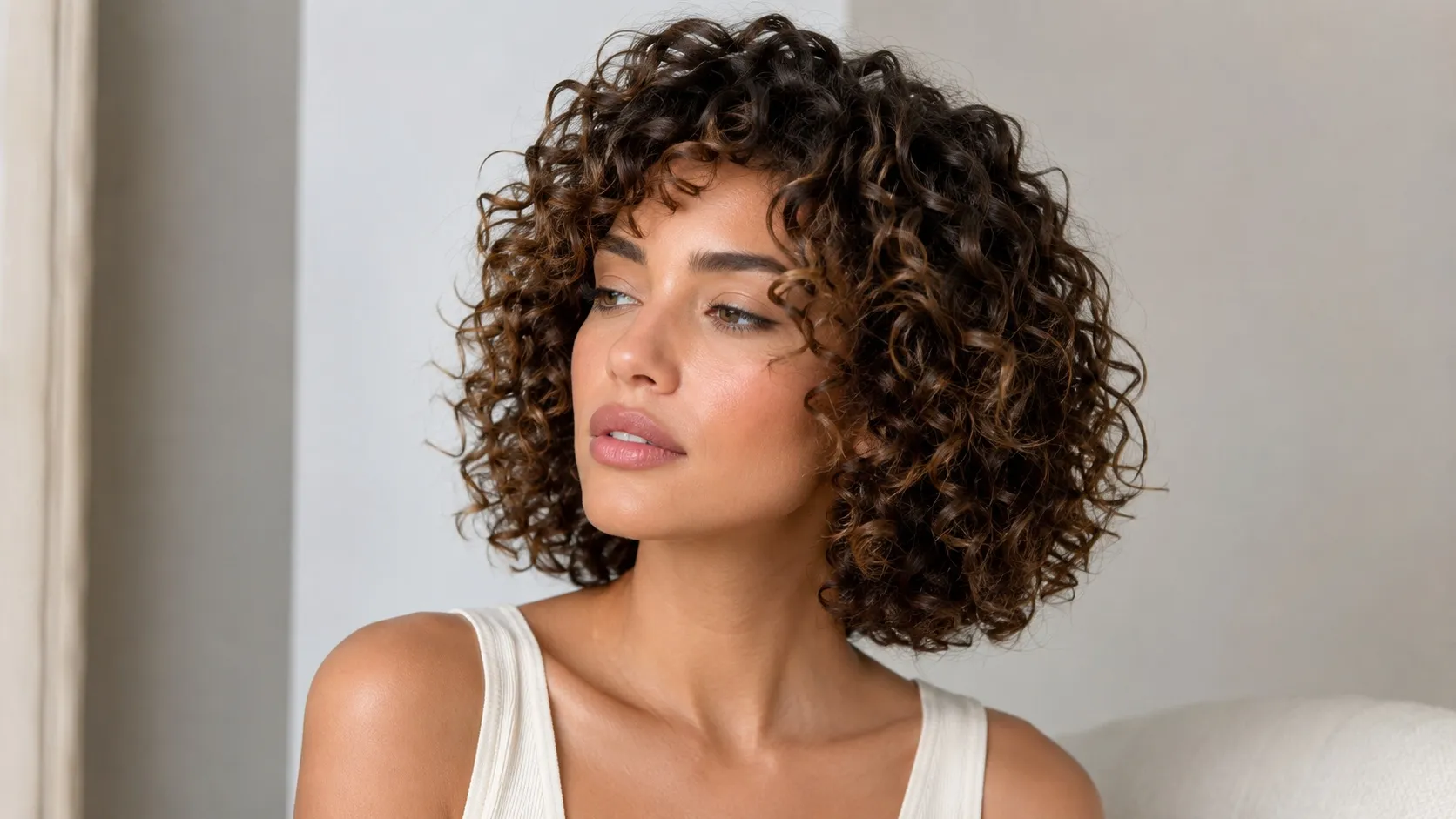
Who It Suits: Best for Type 3A to 3C curls with chin-to-shoulder length hair. It works beautifully for fine-to-medium density because the shorter length removes weight, instantly boosting volume at the roots.
The Technique/Product: Apply a lightweight volumizing foam to wet roots, then use the root-clipping technique (placing double-prong metal clips at the root line while drying) to ensure maximum crown lift.
The Curly Shag
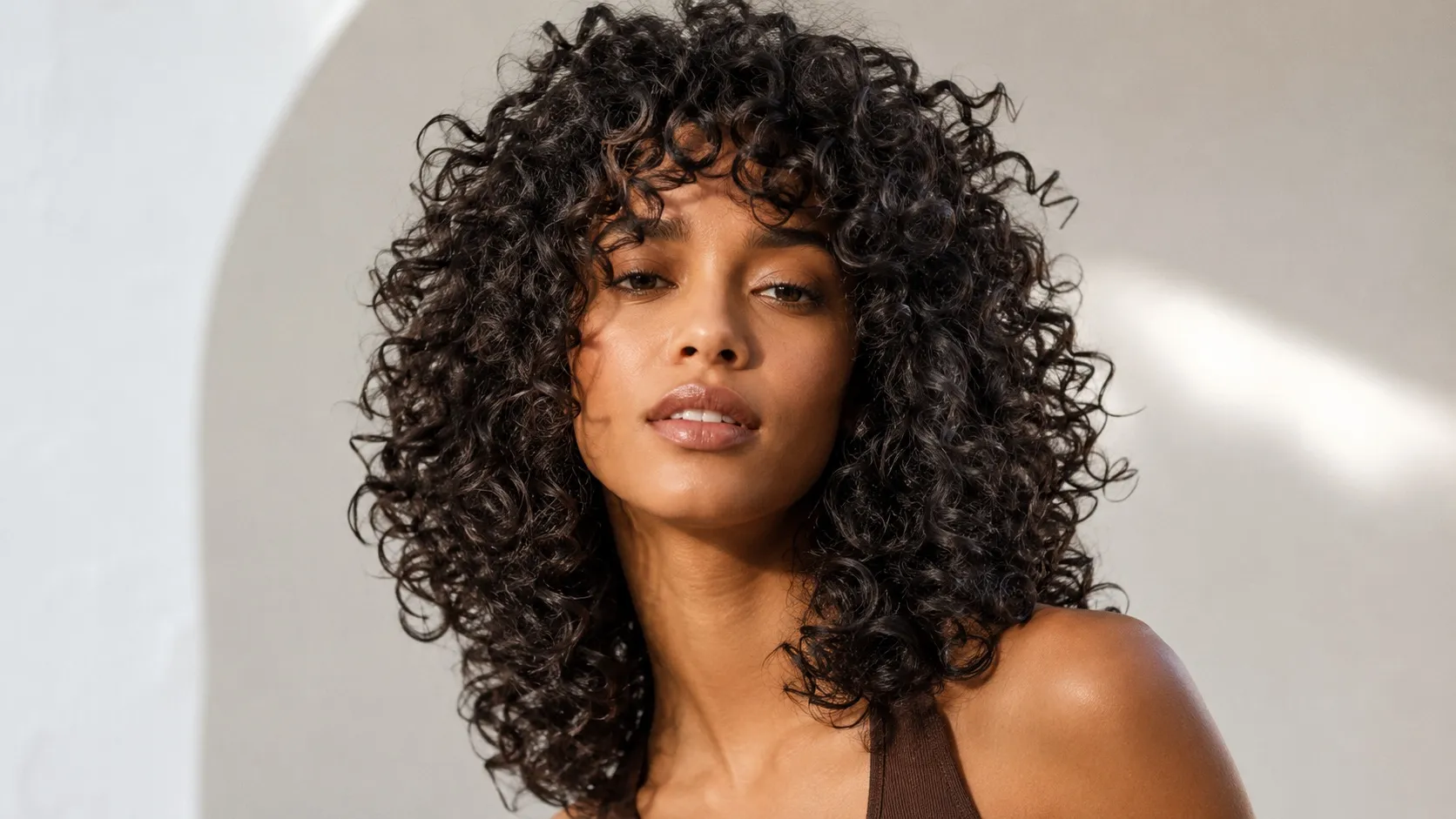
Who It Suits: Ideal for Type 3B to 4A curls with medium-to-long hair. The heavy interior layering removes bulk from the sides, making it perfect for high-density, thick hair that needs movement.
The Technique/Product: Mix a quarter-sized amount of leave-in conditioner with a small drop of high-hold gel in your palms to get definition without a crunchy texture.
Curtain Bangs with Curls
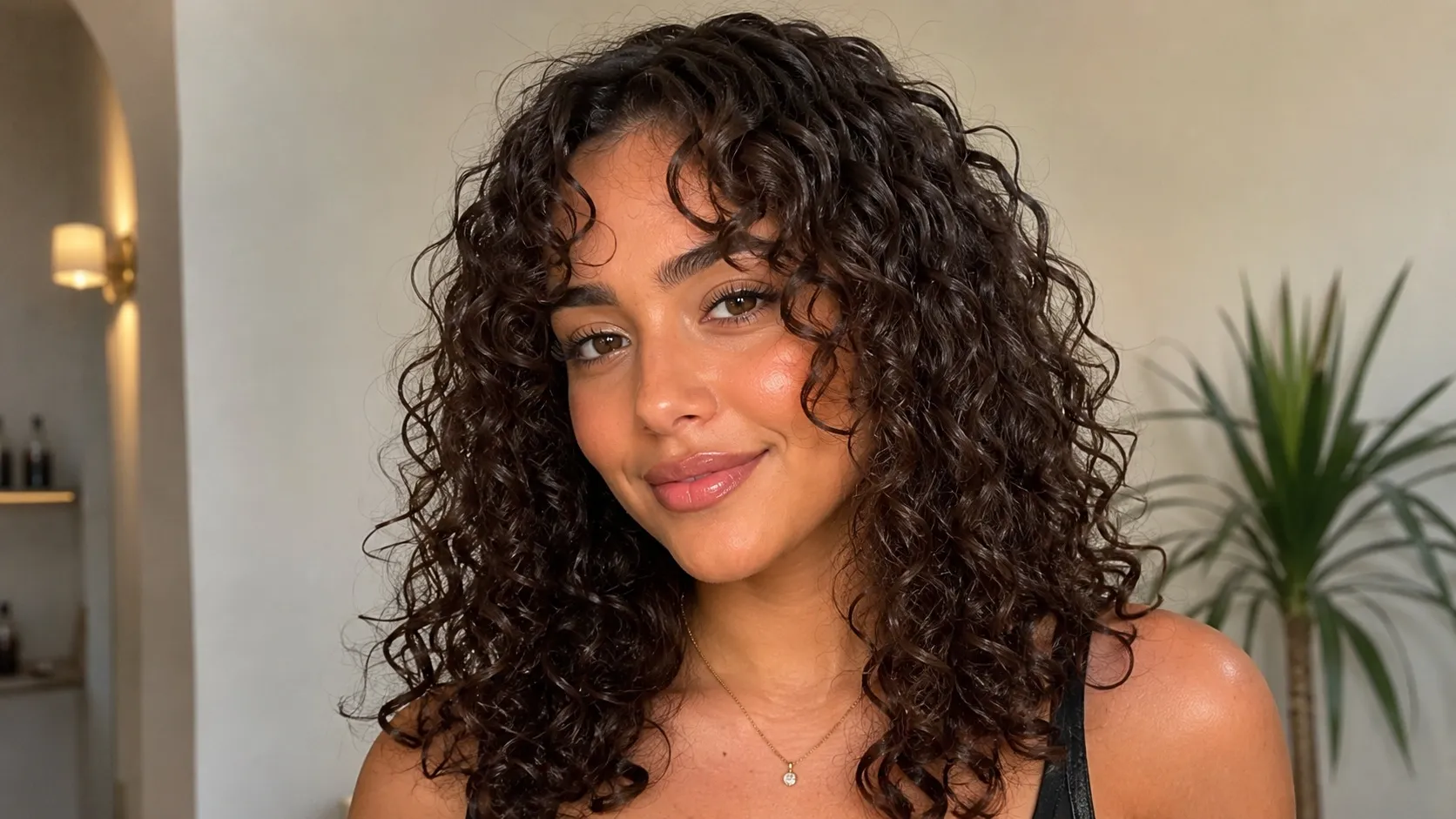
Who It Suits: Suits Type 2C to 3B curl patterns of any length. This style is excellent for balancing long or oval face shapes by framing the eyes and cheekbones perfectly.
The Technique/Product: Style the bangs separately using a defining brush, pulling the damp curls forward and twisting away from the face before air-drying or diffusing on low heat.
The Half-Up Curly Style
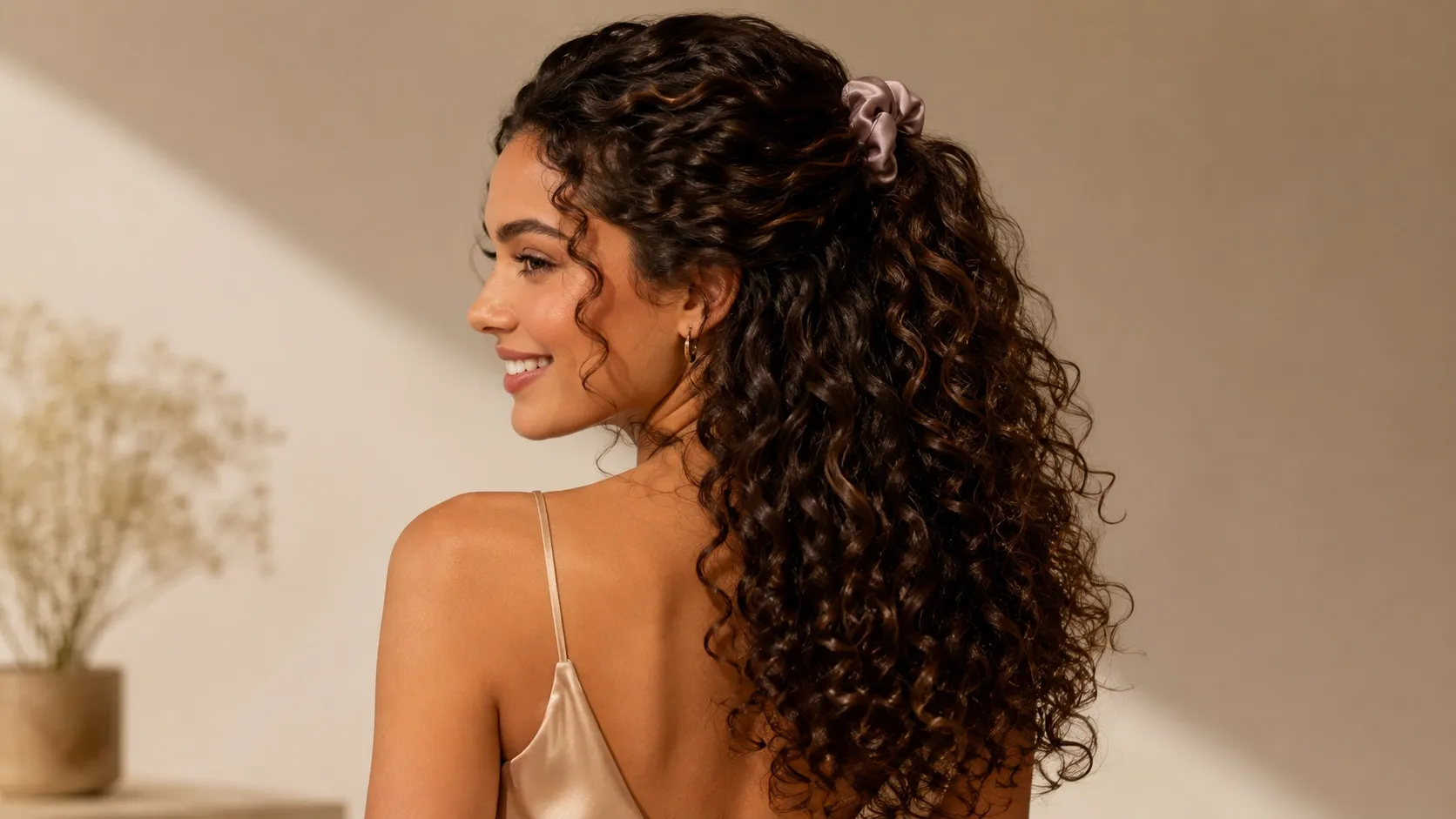
Who It Suits: Universal for all curl types (Type 2A to 4C) and works best on medium-to-long hair length. It keeps curls out of the face while showcasing length and volume at the back.
The Technique/Product: Secure the top section with a silk scrunchie to prevent breakage, then mist a lightweight hair oil or refreshing spray onto the loose bottom curls to revive their bounce.
Short Curly Hairstyles
Short cuts with curls require strategic shaping. Tighter curl patterns naturally hold the structural integrity of short cuts, whereas looser waves tend to lose definition or create unwanted bulk at the sides if not properly layered.
The Curly Pixie
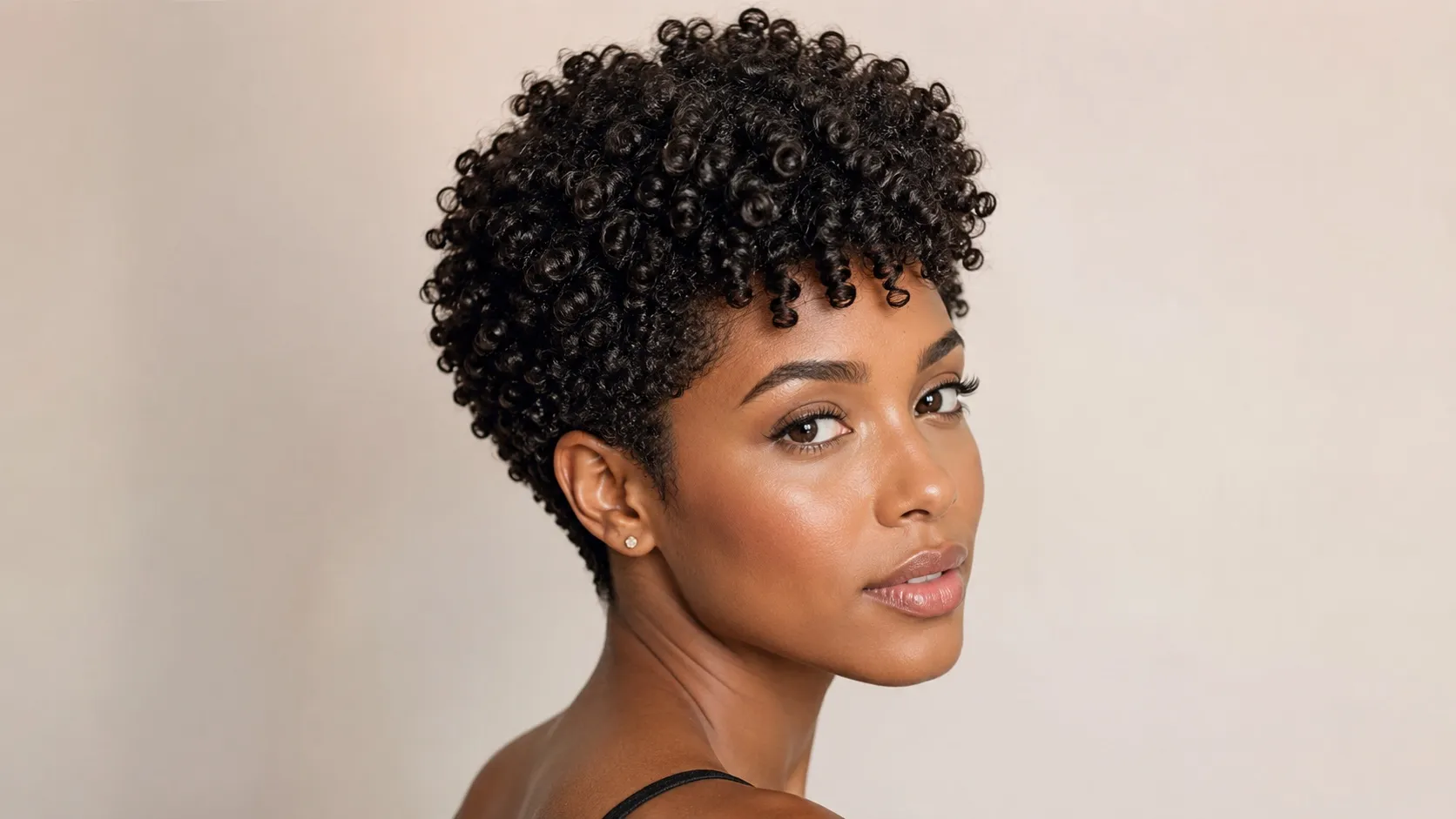
Best For: Type 3C to 4C curls (tight, dense coils). The natural spring-back of these curl types maintains the top volume without requiring heavy styling products.
Maintenance Note: Requires a perimeter trim every 4 weeks to prevent the back and sides from losing their clean, tapered shape.
The Short Curly Bob
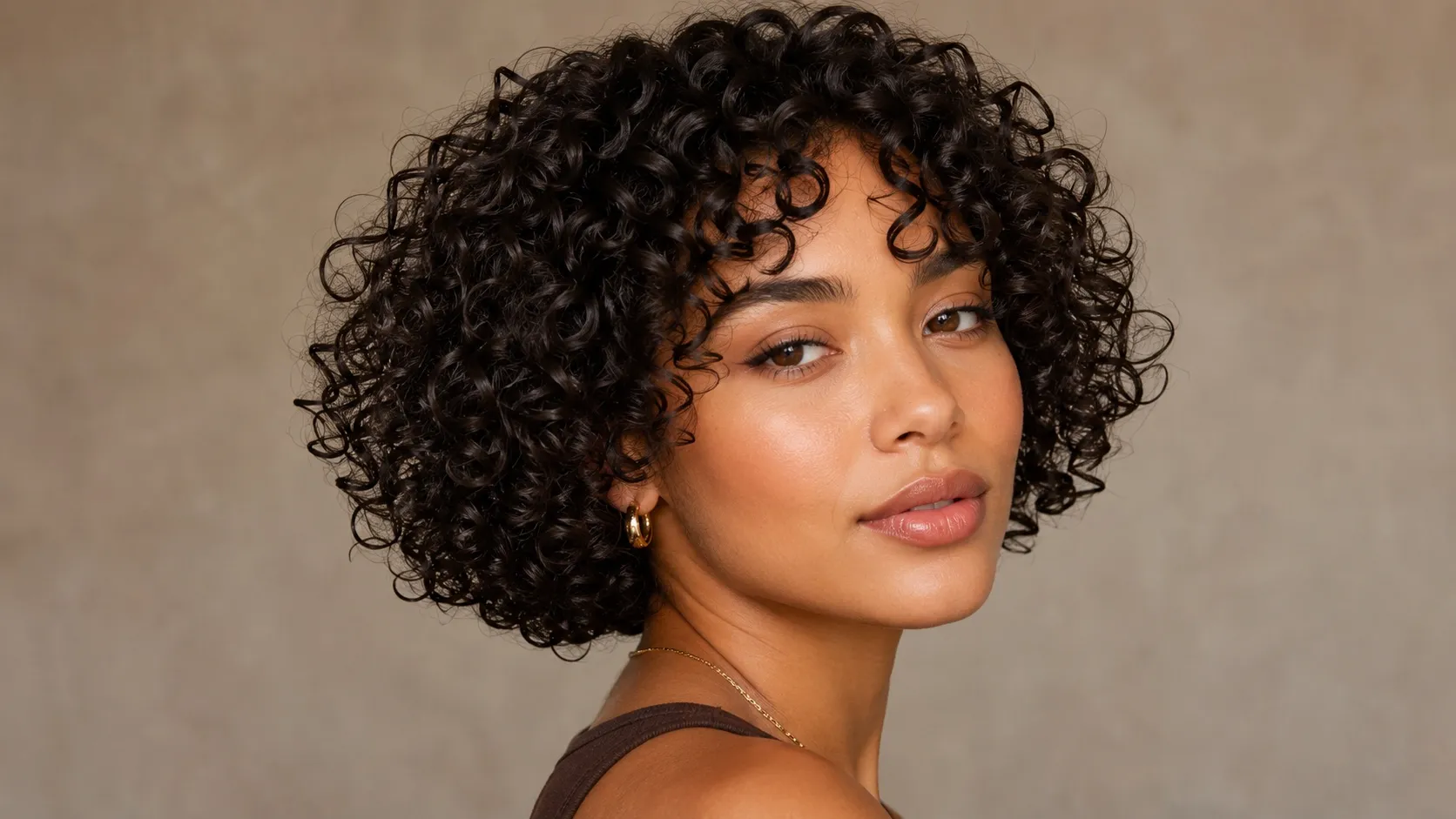
Best For: Type 3A to 3C curls. This length allows corkscrew curls to stack beautifully, creating an intentional, rounded silhouette.
Maintenance Note: Must be styled from soaking wet using a definition gel to prevent frizz as it air-dries.
The Tapered Curly Cut
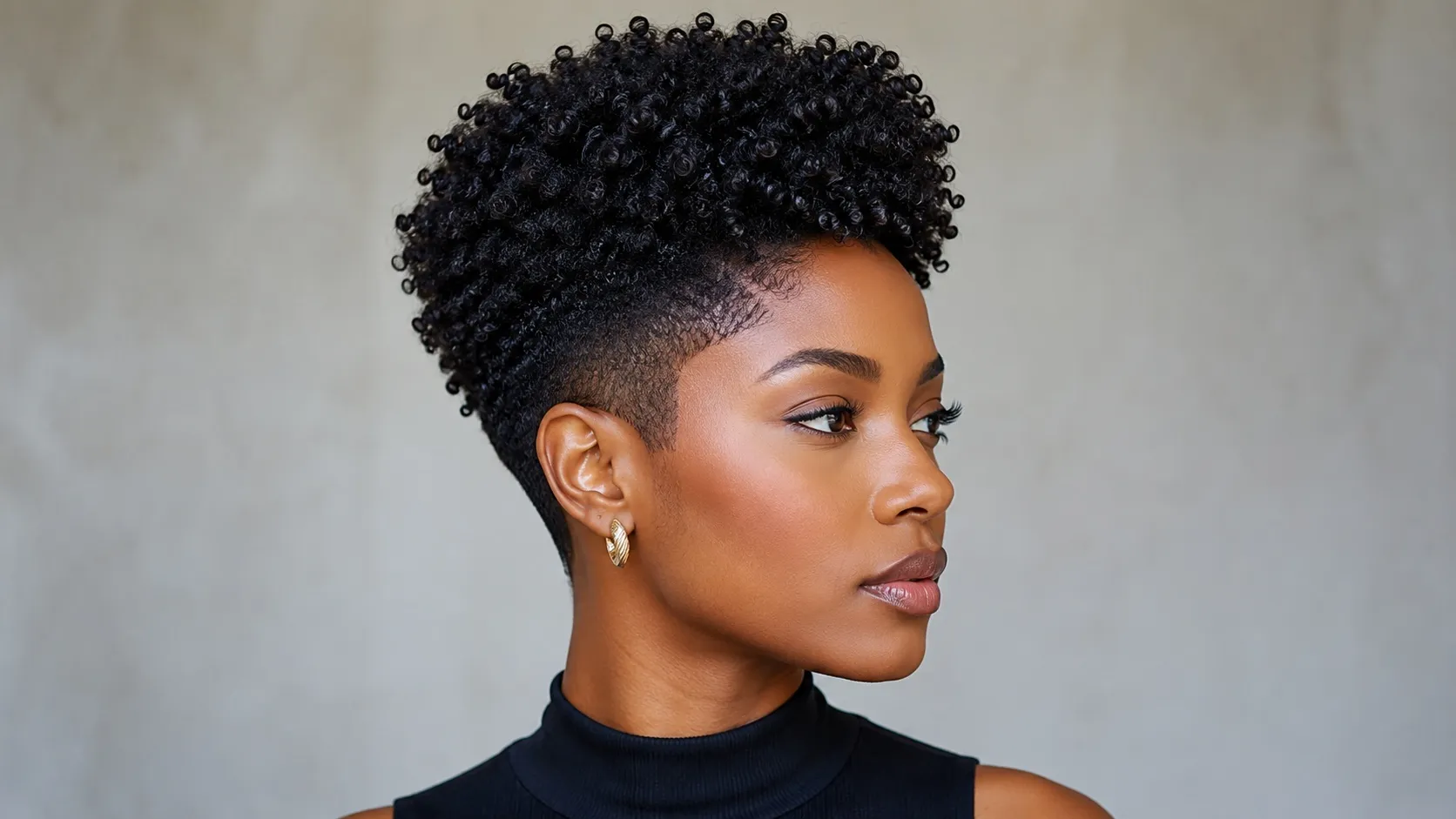
Best For: Type 4A to 4C coils. Keeping the sides closely cropped eliminates the bulk that typically weighs down coily hair, allowing the top definition to stand out.
Maintenance Note: Nightly protection is mandatory; use a satin bonnet or silk pillowcase to avoid flattening the shape overnight.
Long & Layered Curly Hairstyles
Managing long curly hair is an art form. The biggest challenge is preventing the weight from pulling the hair flat at the top while creating an unmanageable bulk at the bottom.
Why Layering Matters Differently for Curls vs. Straight Hair
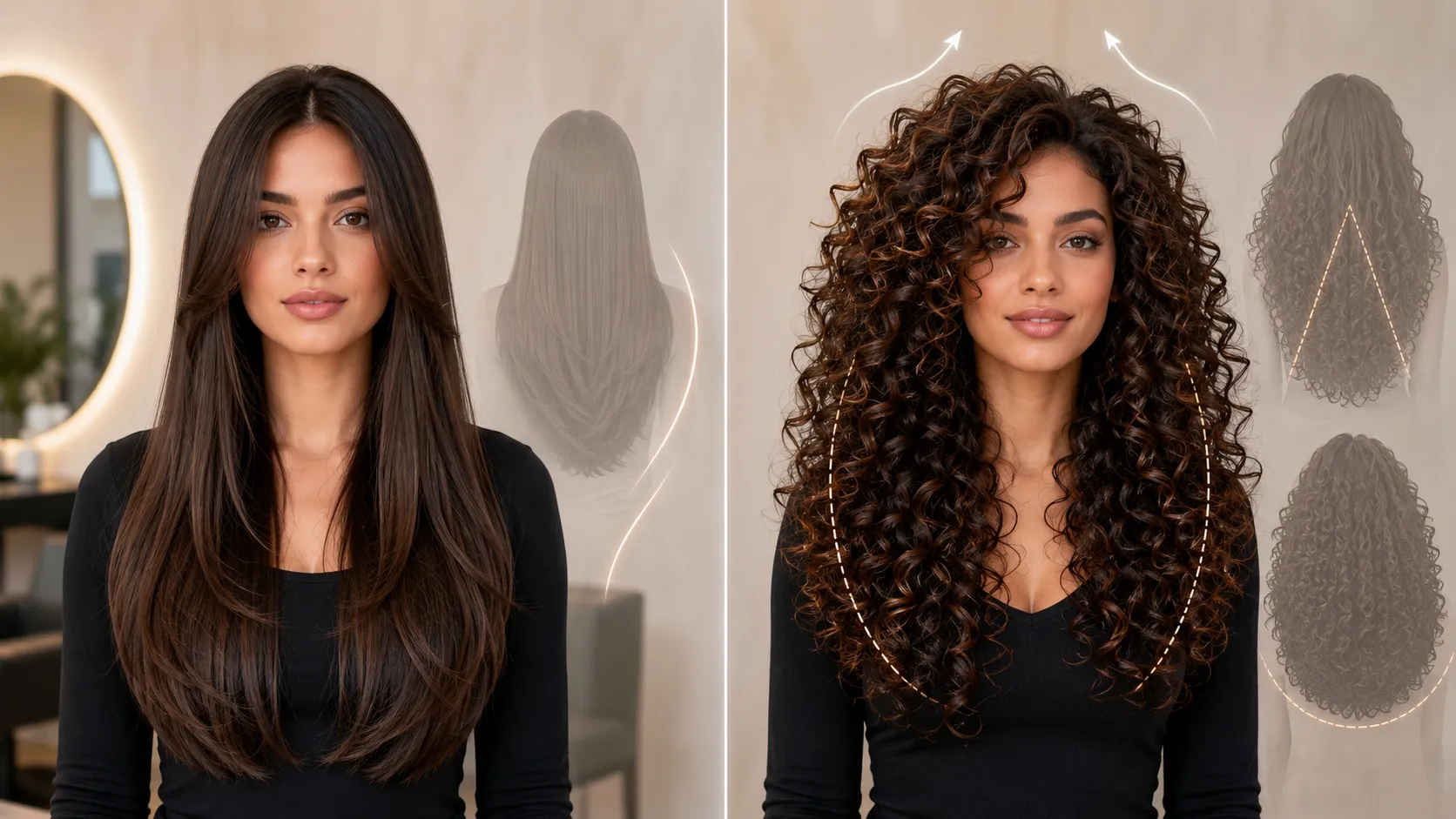
While straight hair is layered primarily for movement and style, curly hair requires layering for strategic weight distribution. Cutting straight hair involves tension and precise angles, whereas curly hair must be analyzed in its natural, dry state.
Without intentional layers, the sheer weight of long curls pulls the pattern downward. This flattens the roots and creates an awkward, triangular shape at the ends. Long layers give each curl ringlet an independent weight drop, reducing vertical drag, restoring bounce to the roots, and creating a balanced silhouette.
Key Styles to Cover
Classic Long Layers
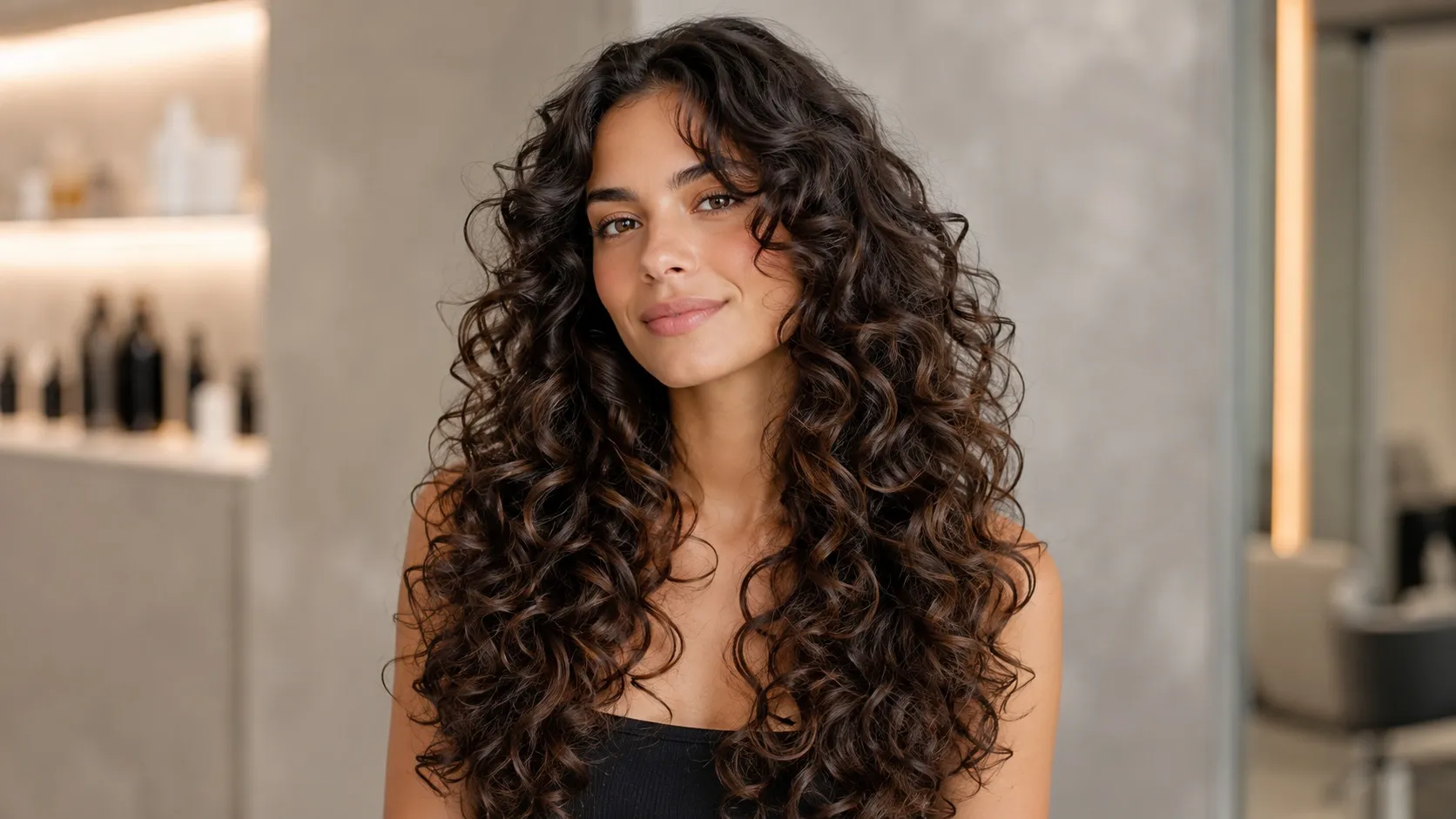
Ideal for those who want to preserve their length while shedding heavy weight. Internal layering allows the curls to blend seamlessly and prevents bulk.
Curly Shag with Layers
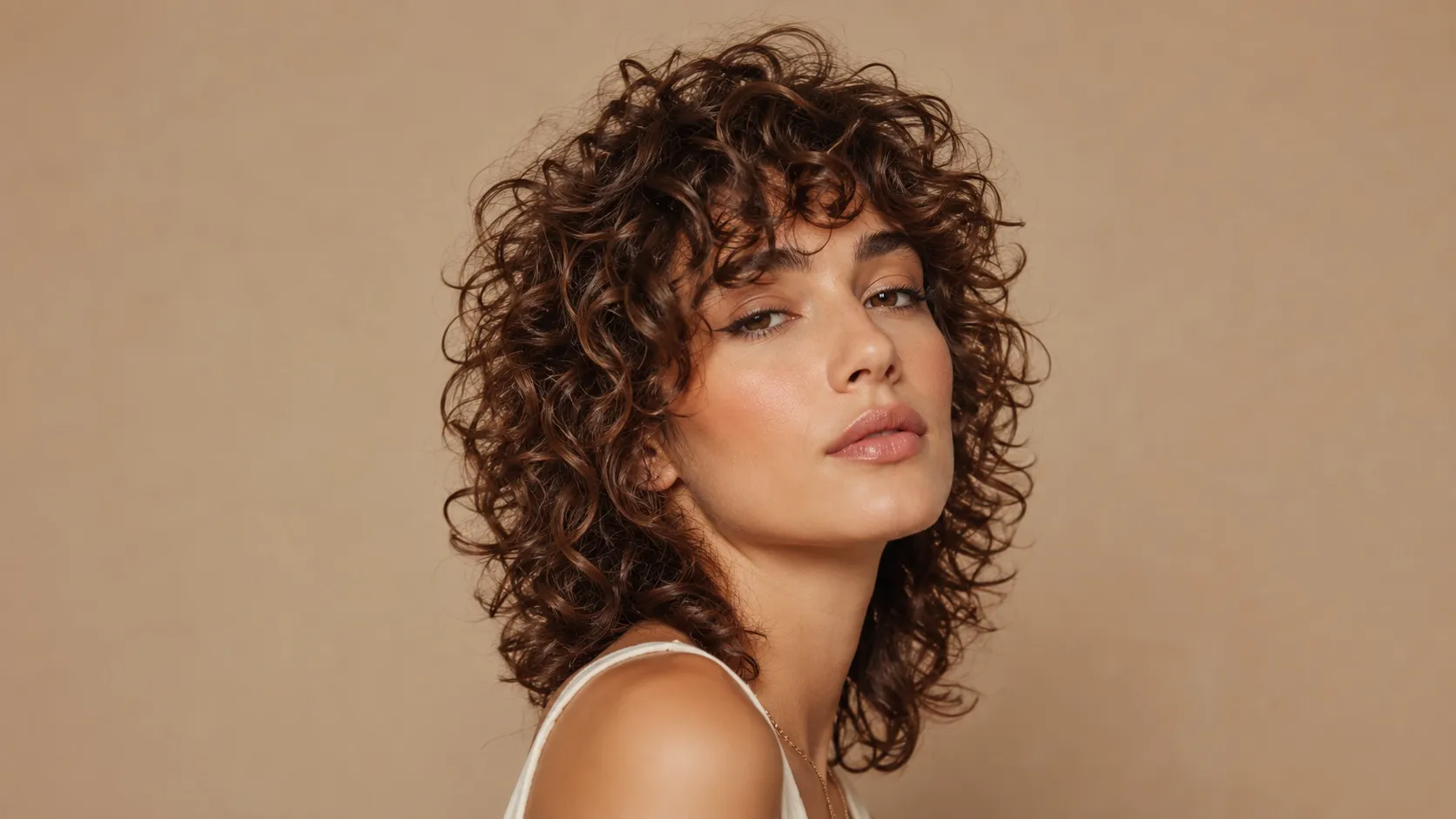
This style features short, choppy layers at the crown. It is perfect for fine curls that need maximum volume, texture, and a modern, retro-inspired look.
Face-Framing Long Curls
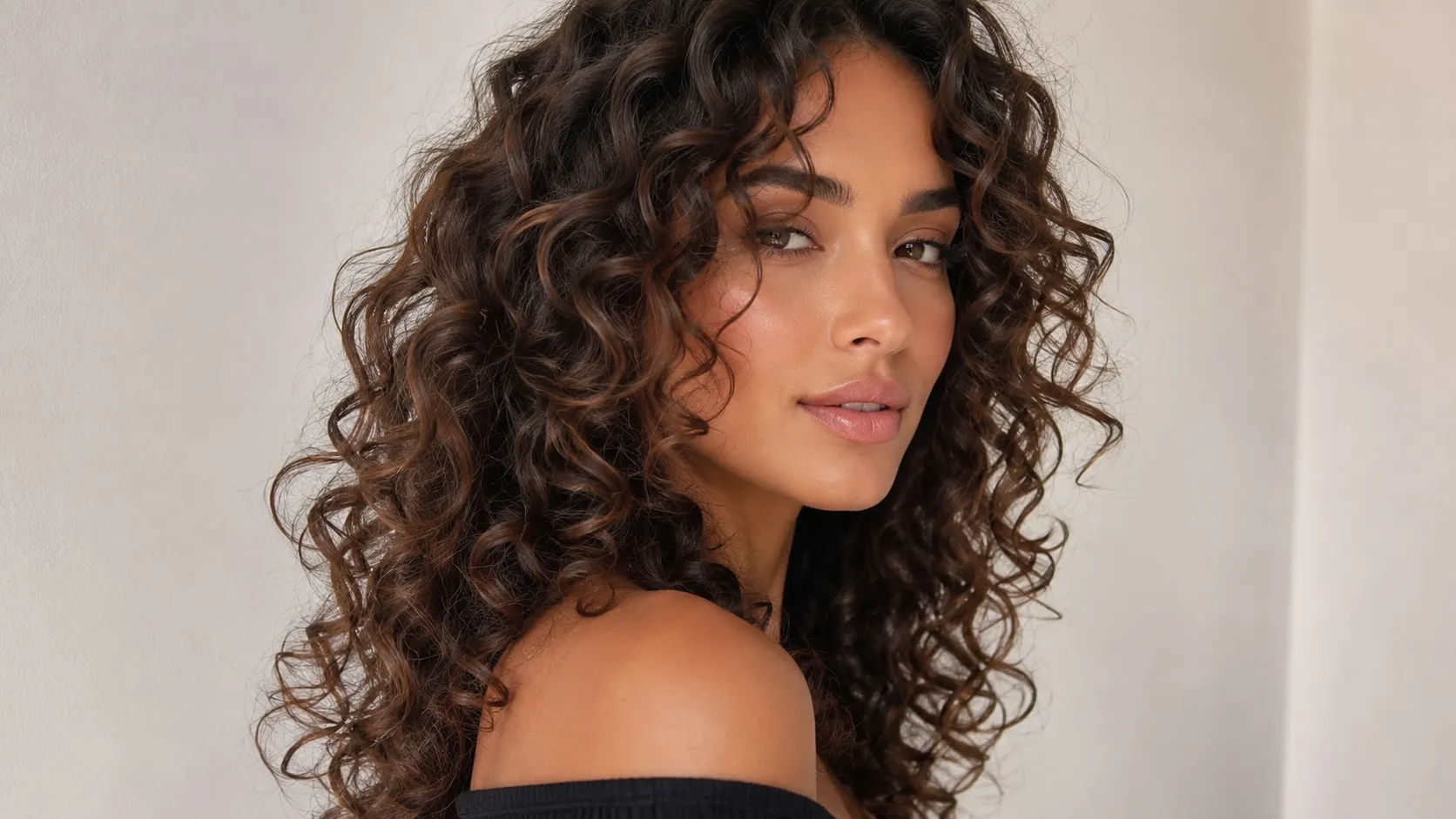
Curls should never be left at a single, uniform length around the face. Face-framing layers starting near the jawline or cheekbones highlight your features beautifully, even when the hair is tied up.
Professional Tip: Never use a razor on curly hair. Razors shred the hair cuticles, causing immediate and severe frizz. Always use sharp, professional shears and techniques like slide cutting or channeling to preserve the natural curl shape.
Curly Hairstyles for Men
Curly hair provides natural volume and texture, but the key is choosing a cut that complements your specific wave or coil pattern. Ignoring your texture can result in excessive frizz or an unkempt shape.
The Curly Crop
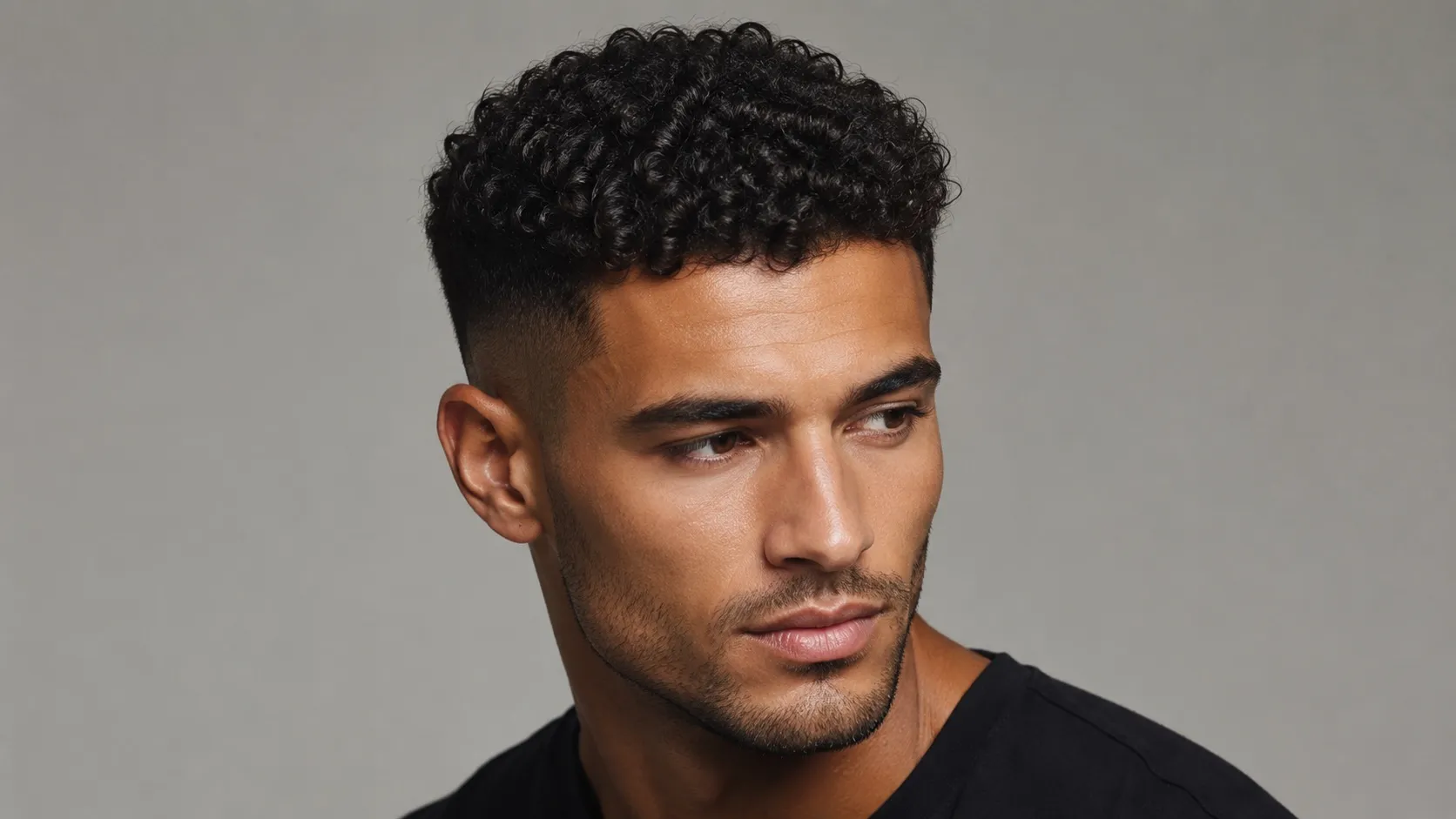
This cut features short sides and controlled texture on top, making it ideal for tight curls and coils.
Texture Consideration: If your hair is coarse or dense, a short crop fade helps manage the overall volume without letting the hair look overly puffy.
Grooming Tip: Apply a matte clay or lightweight pomade that offers hold without drying out the hair. Allow it to air-dry, or blow-dry on low heat using a diffuser attachment to protect the pattern.
The Curly Fringe
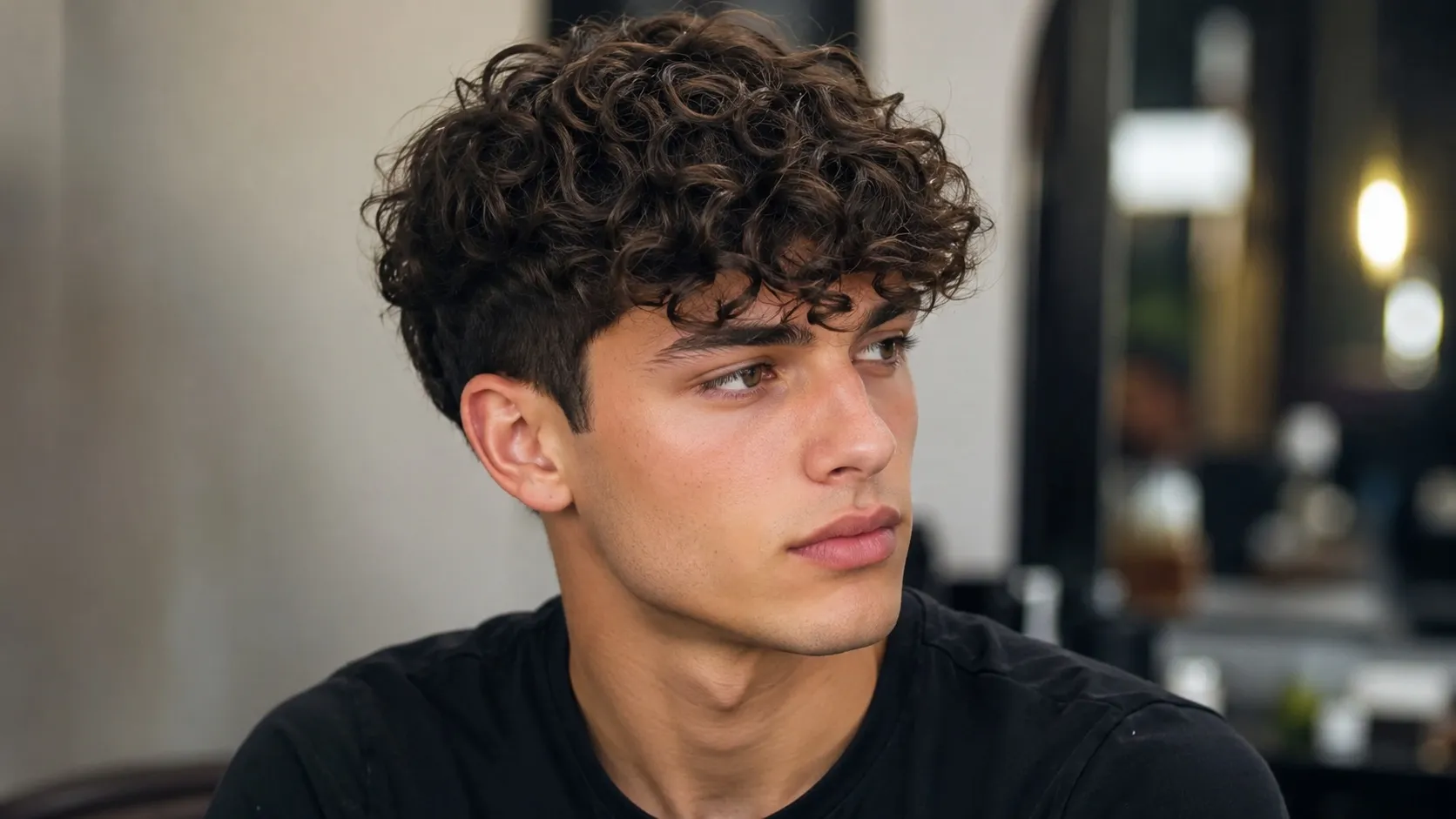
In this style, curls fall forward naturally across the forehead. It is highly suited for wavy and medium-curly hair.
Texture Consideration: Excellent for fine curly hair, as the forward placement makes the hair appear significantly denser and thicker.
Grooming Tip: Apply a small amount of leave-in conditioner or curl cream to damp hair to keep it soft and frizz-free. Instead of rubbing with a rough towel, gently scrunch the hair with a microfiber towel and let it air-dry.
Curls with Mid Fade / Taper
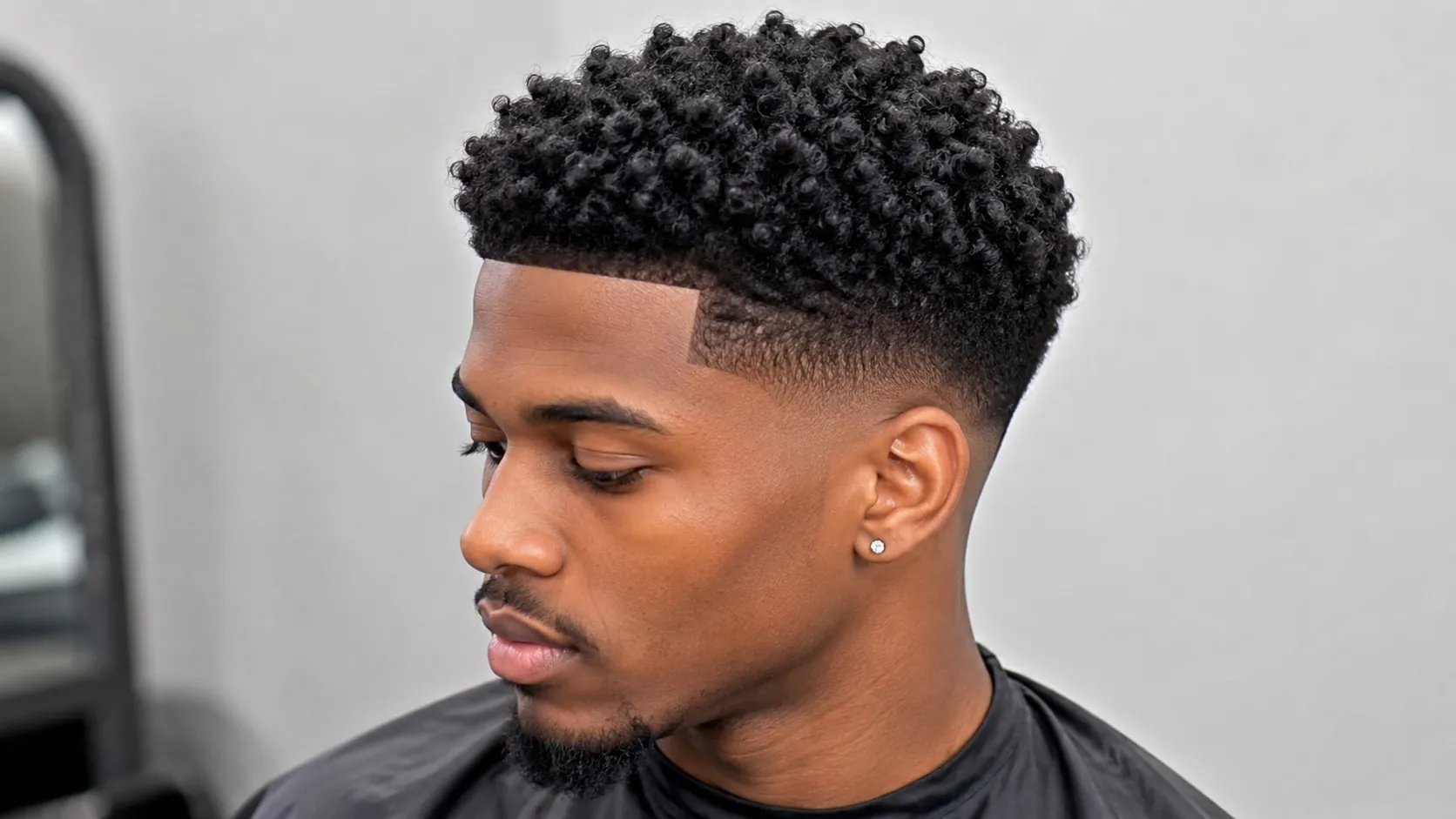
A sharp fade or taper on the sides combined with clean, well-defined curls on top offers a modern, sharp aesthetic.
Texture Consideration: Highly recommended for Type 4 coils to keep the edges clean and ensure a low-maintenance daily routine.
Grooming Tip: Use an alcohol-free, lightweight styling gel that provides definitions without a stiff or crunchy residue. Apply to damp hair, finger-coil individual sections, and let it air-dry.
The Curly Mullet
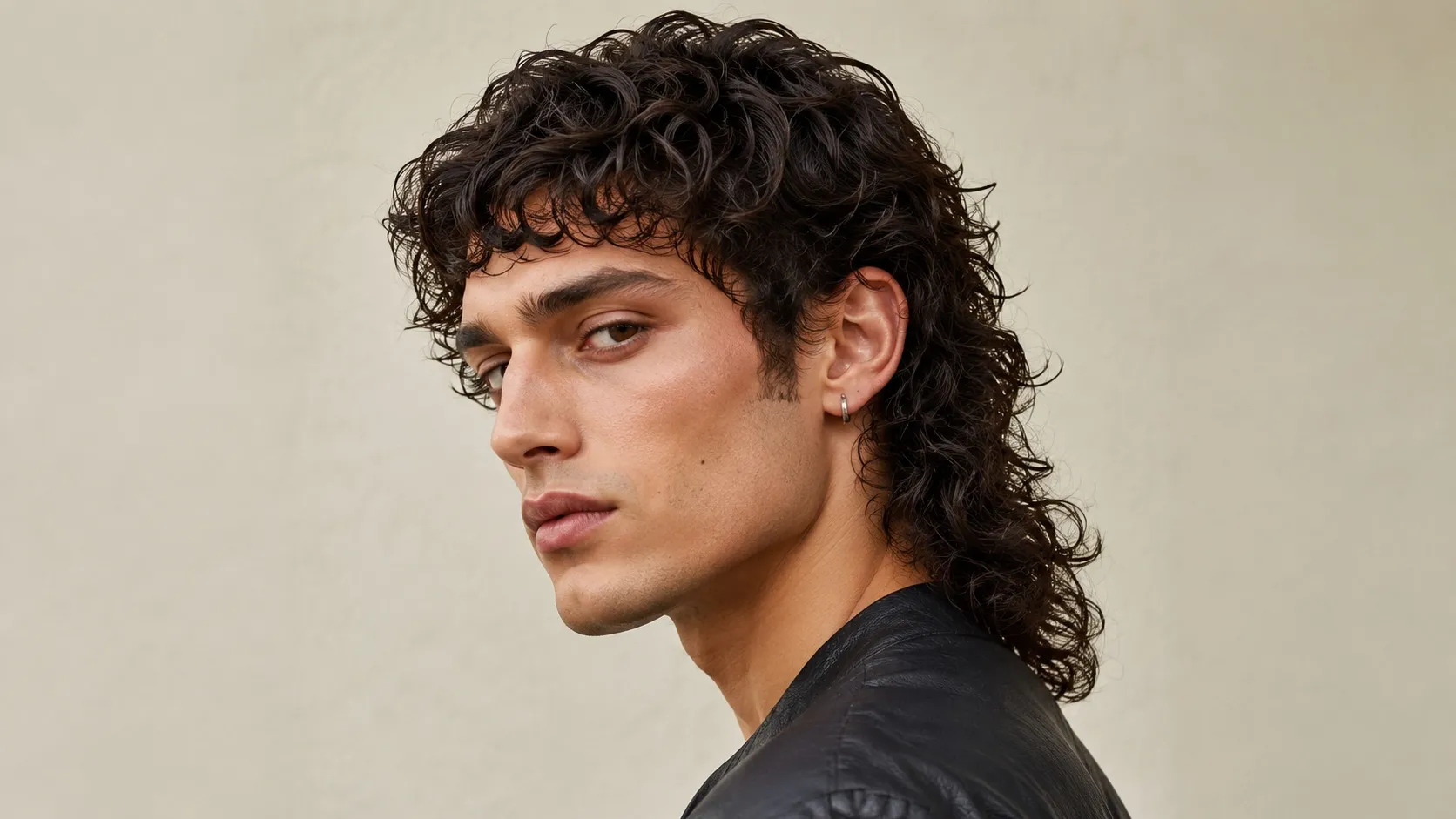
A bold statement style where the front and sides are kept short while the back is left long, curly, and highly textured.
Texture Consideration: This look appears most natural and effortless on loose curls and waves. Tighter coils will require more regular shaping to maintain the silhouette.
Grooming Tip: Apply a sea salt spray to damp hair to provide hold and texture without adding weight. Using a blow dryer with a diffuser on low heat, dry the back section from the bottom upward to maximize volume.
Maintenance Note: Never brush curly hair when it is completely dry. Brushing breaks the natural pattern apart, causing immediate frizz. Always use a wide-tooth comb on wet, conditioned hair.
Curly Hairstyles for Boys
Age-Appropriate, Low-Maintenance Curly Cuts
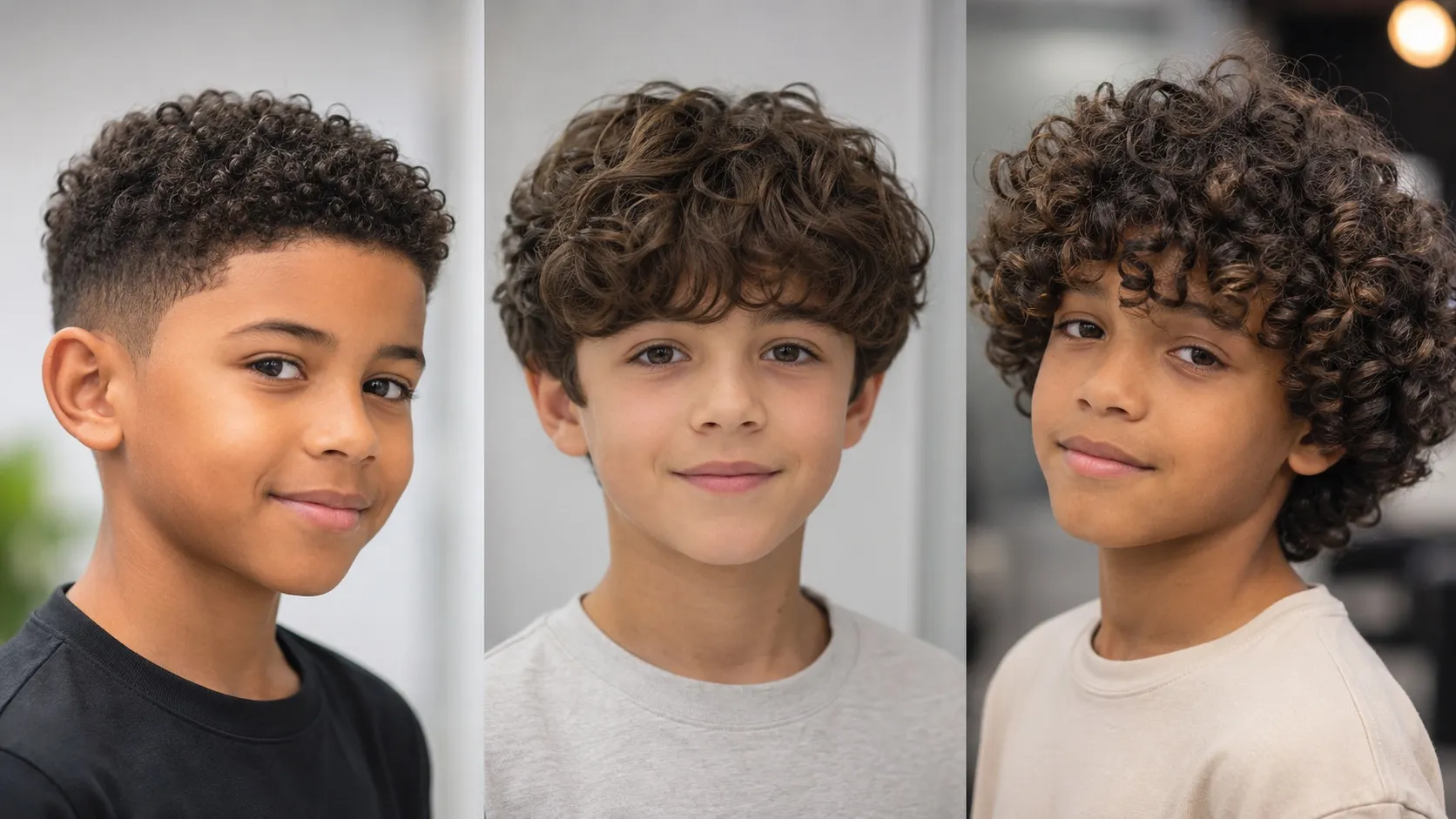
Managing natural curls in young boys does not have to mean a constant battle with tangles. The goal is to balance volume with a shape that stays neat throughout a busy day of school and play.
The Curly Crop: The ultimate low-maintenance option. The sides and back are tapered or faded short, while one to two inches of natural curls are left on top. This keeps hair entirely out of the eyes and off the neck, reducing sweat-induced frizz.
The Curly Fringe Cut: Perfect for looser curls or waves. The hair is cut uniformly around the head but left slightly longer in the front to frame the forehead, embracing natural texture without needing styling products.
Natural Curl with Trim: For preserving longer curls, a strategic shaping trim is key. The stylist removes internal weight from the bulk of the hair rather than shortening the length, preventing a chaotic, mushroom-like shape.
Parent-Focused Practical Note: Kids' Curl Maintenance
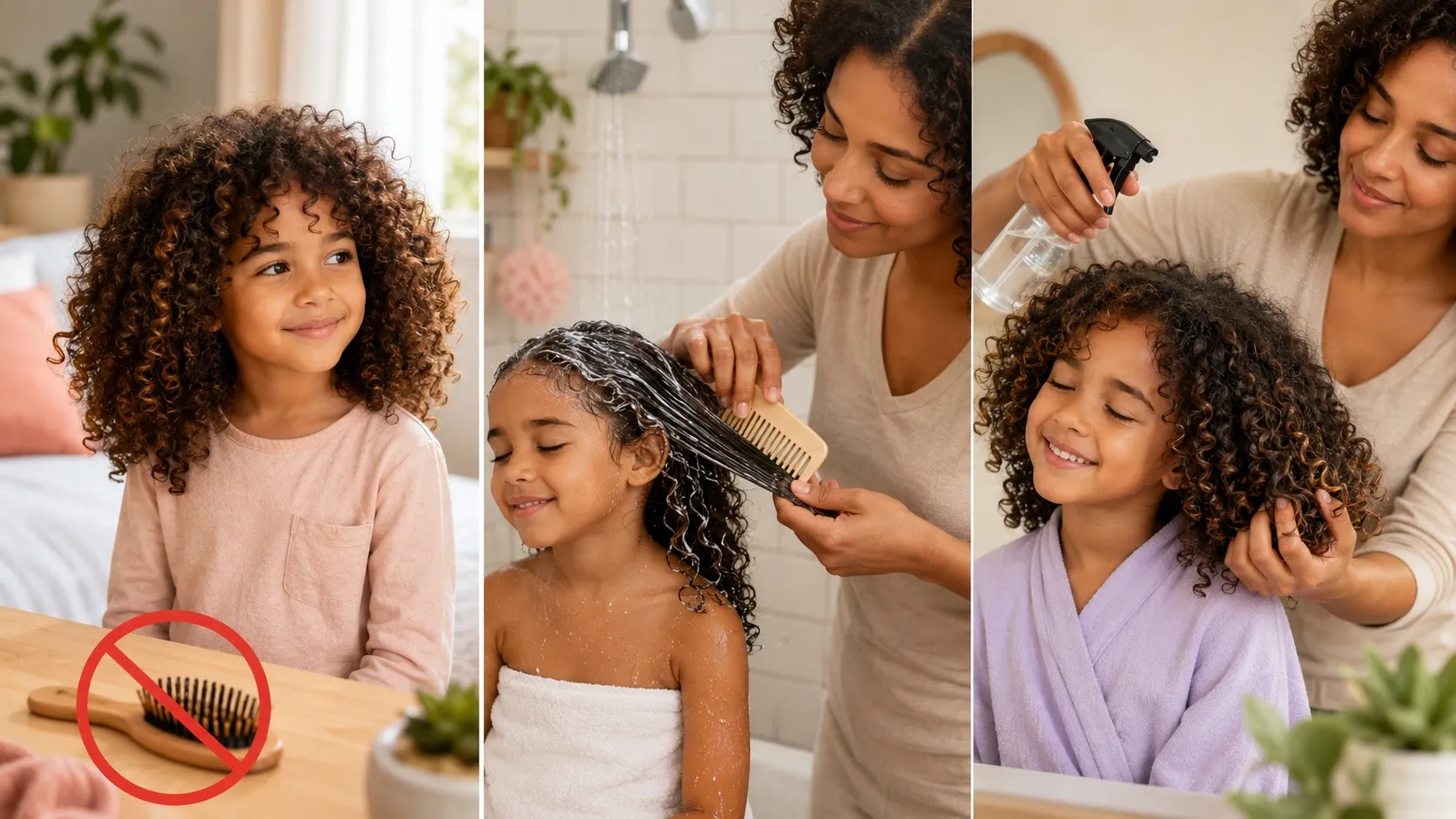
Kids need a quick, simple routine that takes less than two minutes in the morning.
The No-Brush Rule: Never brush a child’s curls when they are dry. This disrupts the pattern and creates immediate frizz.
Detangle in the Shower Only: Run a wide-tooth comb through the hair only while conditioner is actively in the hair during bath time.
The Morning Refresh: Instead of re-washing, fill a spray bottle with water and a single drop of leave-in conditioner. Lightly mist the hair in the morning and gently scrunch with your hands to reactivate the curls instantly.
Curly Hairstyles for Girls & Kids
When styling curly hair for children, it is crucial to balance an adorable look with proper hair protection. A child’s scalp is sensitive, and their curl patterns are still developing, making gentle care essential for long-term hair health.
School-Friendly Braided Curly Styles
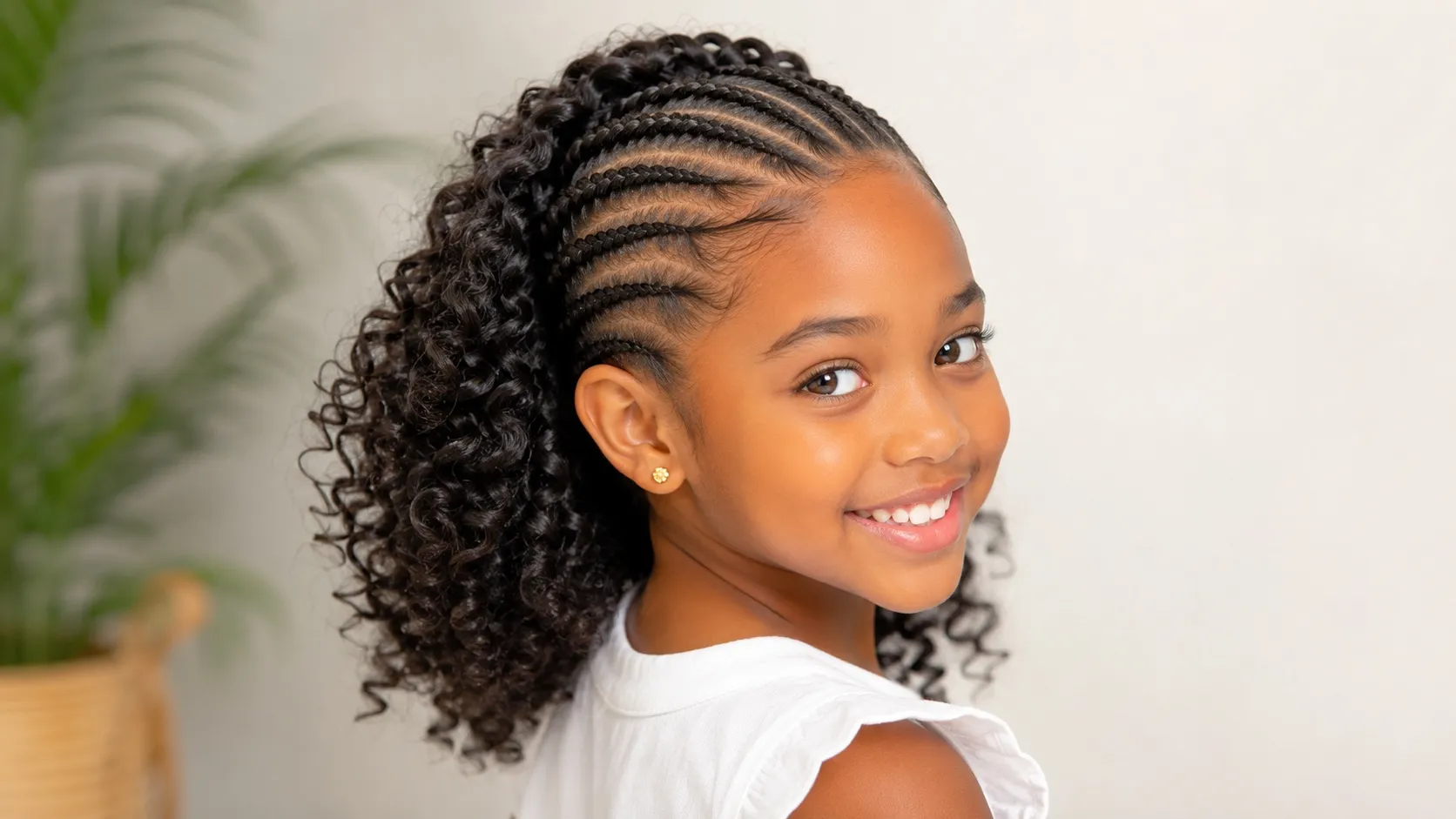
Flat twists or loose cornrows on the scalp that transition into free-flowing curls at the back or sides. This keeps hair securely out of the face during playtime and drastically reduces daily tangling.
The Classic Curly Puff (High or Low)
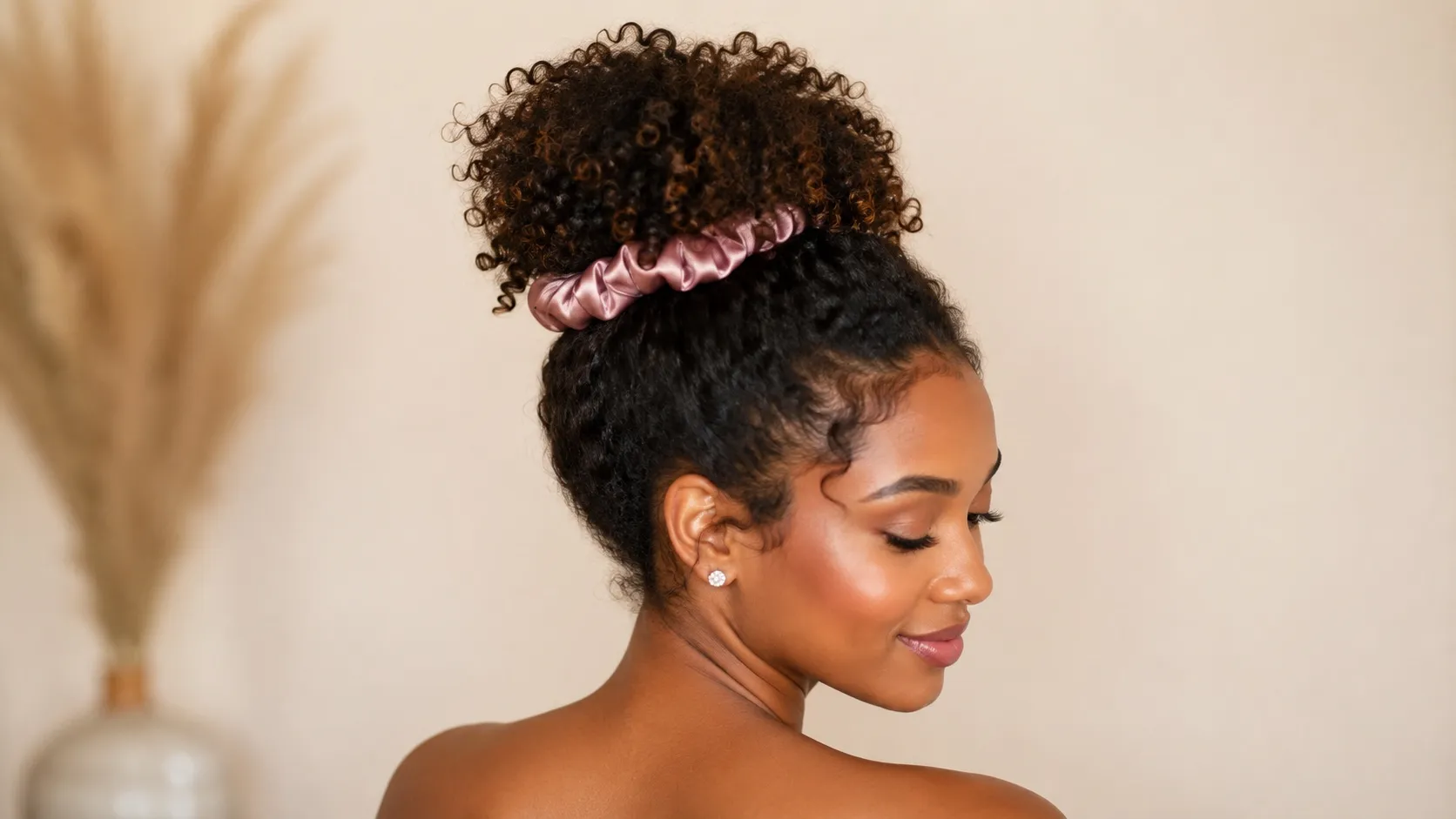
Gathering the curls gently into a soft, voluminous puff at the crown or the nape of the neck. This style celebrates natural texture without over-manipulating it. Always use a soft satin scrunchie instead of a harsh rubber band.
Half-Up Bow Styles
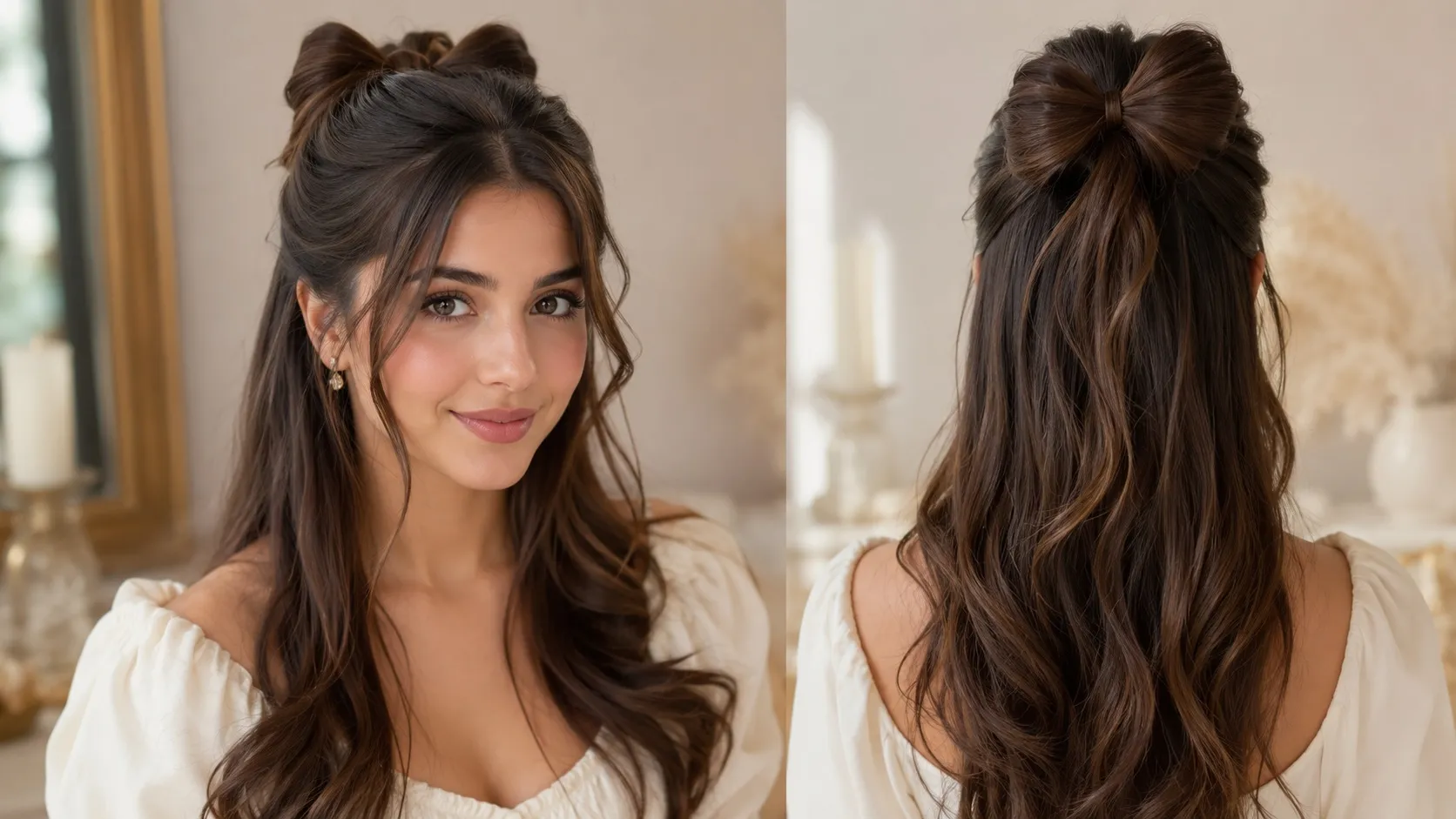
Sectioning the top half of the hair into a neat bun or accentuating it with a bow, while leaving the bottom half free to bounce. This offers the perfect combination of neatness at the front and natural movement at the back.
The Definitive Guide to Curly & Coily Hairstyles for Black Women (Type 4 Natural Hair)
To truly understand Type 4 hair, we must look at the specific biology of 4A, 4B, and 4C textures. Type 4 hair features fewer cuticle layers than straight or wavy hair, making it highly susceptible to moisture loss. Because the tight pattern prevents the scalp’s natural oils from traveling down the hair shaft, deep hydration is a structural requirement for curl definition.
The Moisture-First Framework: The Foundation of Every Style
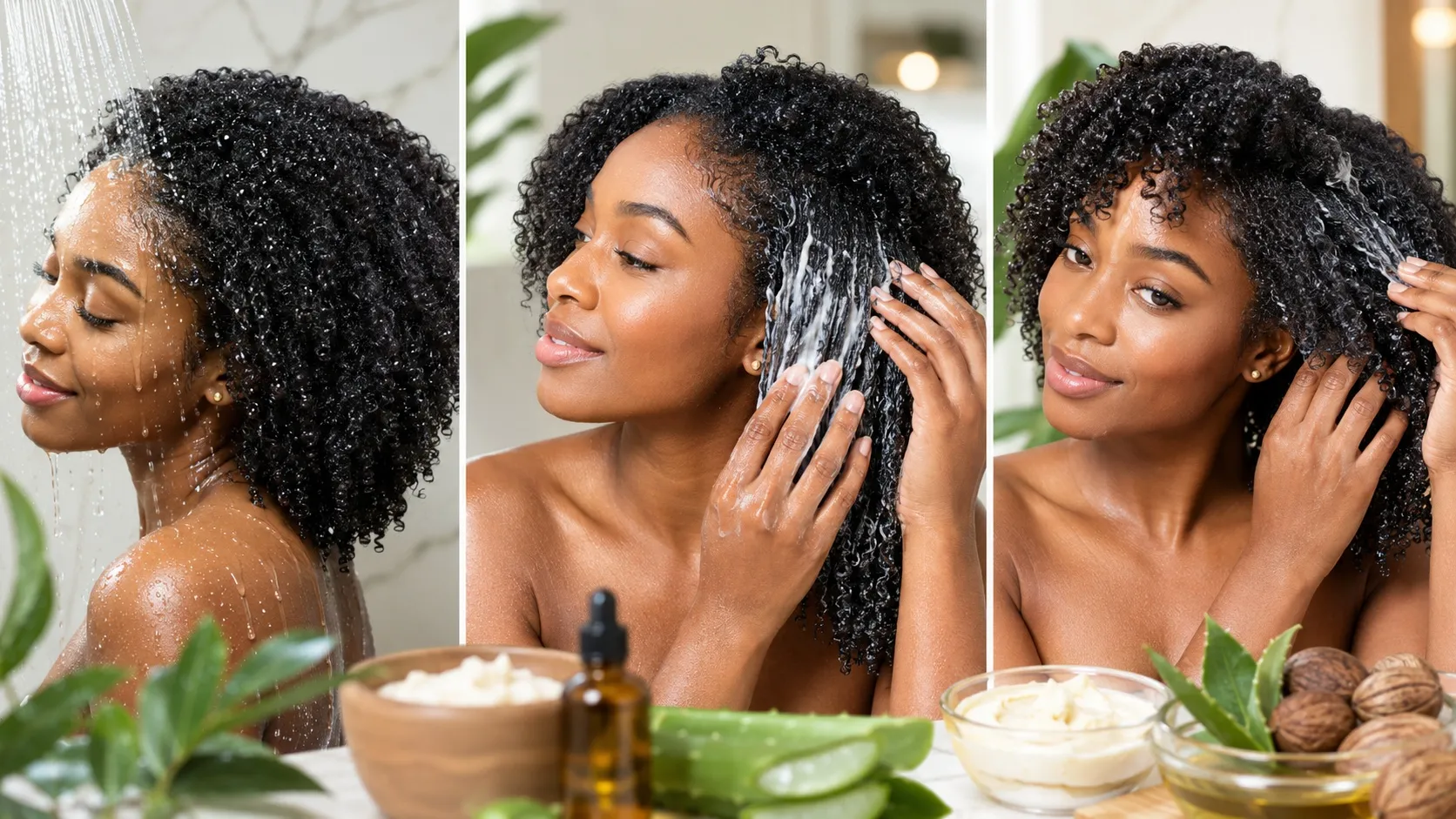
Before executing any styling technique, the hair must undergo a precise hydration sequence. Without this, products will simply sit on top of the hair, leading to buildup, flaking, and a loss of definition.
The Hydration Phase (Water as the Solvent): Type 4 hair must be soaking wet during product application. Water opens the hydrogen bonds in the hair cortex, allowing it to stretch and take shape safely.
The Penetration Phase (Leave-In Conditioning): Apply a water-based leave-in conditioner containing humectants (like glycerin or aloe vera) to bind water molecules directly to the hair fiber.
The Anti-Humectant Phase (The Sealer): Apply a botanical gel or heavy cream containing natural oils (such as shea butter or jojoba oil) to create a barrier. This locks moisture inside and prevents atmospheric humidity from causing immediate frizz.
Core Styling Techniques & Technical Execution
The Definitive Wash-and-Go (Maximum Definition)
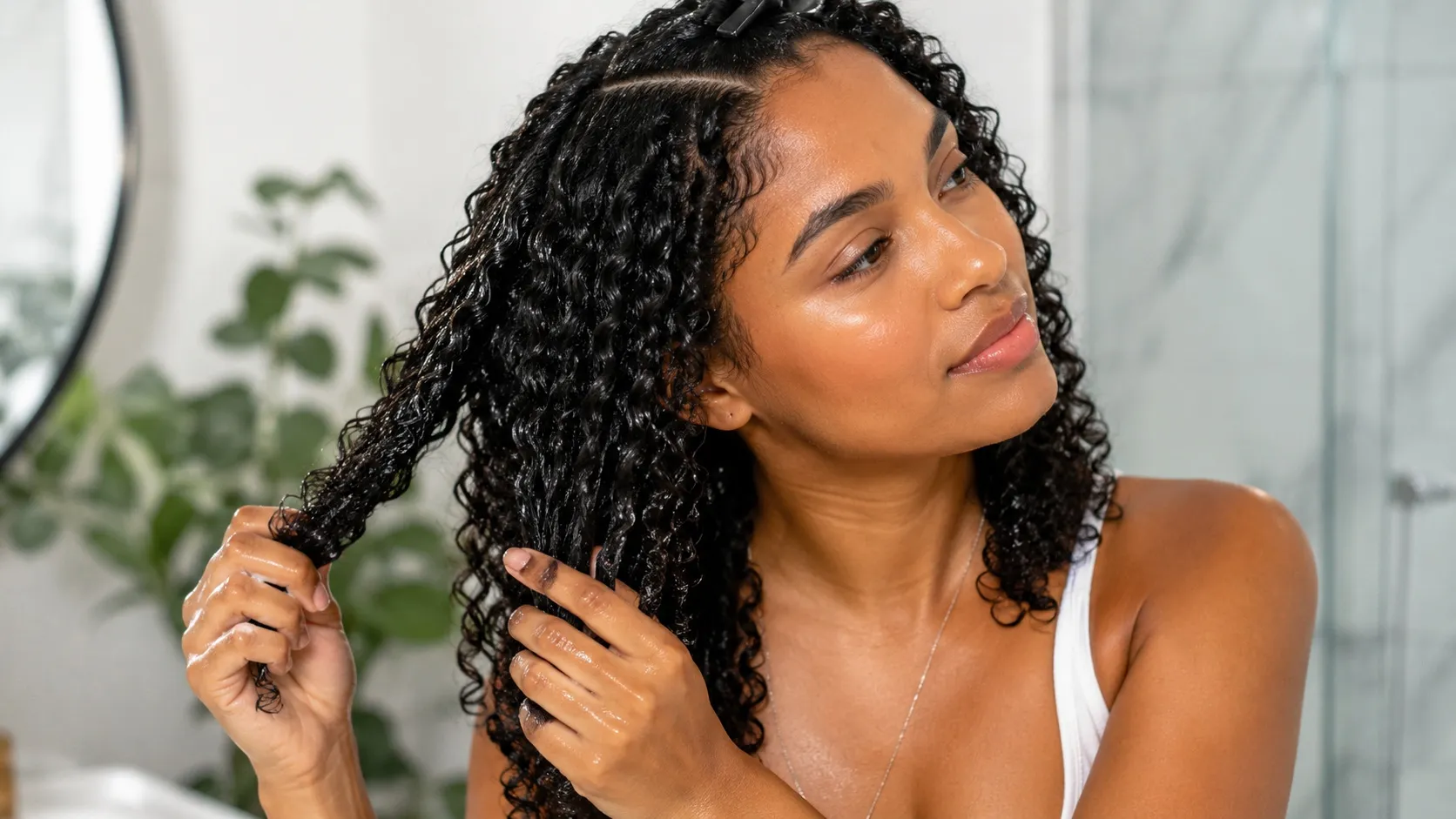
This technique brings out your natural curl pattern at its highest definition. Apply your leave-in conditioner and sealer gel in small, thoroughly saturated sections from root to tip, smoothing each section using the shingling method (using your fingers to separate and define individual clumps). Let it air-dry or use a diffuser without touching the hair.
Twist-Outs and Braid-Outs (Precision Set Styles)
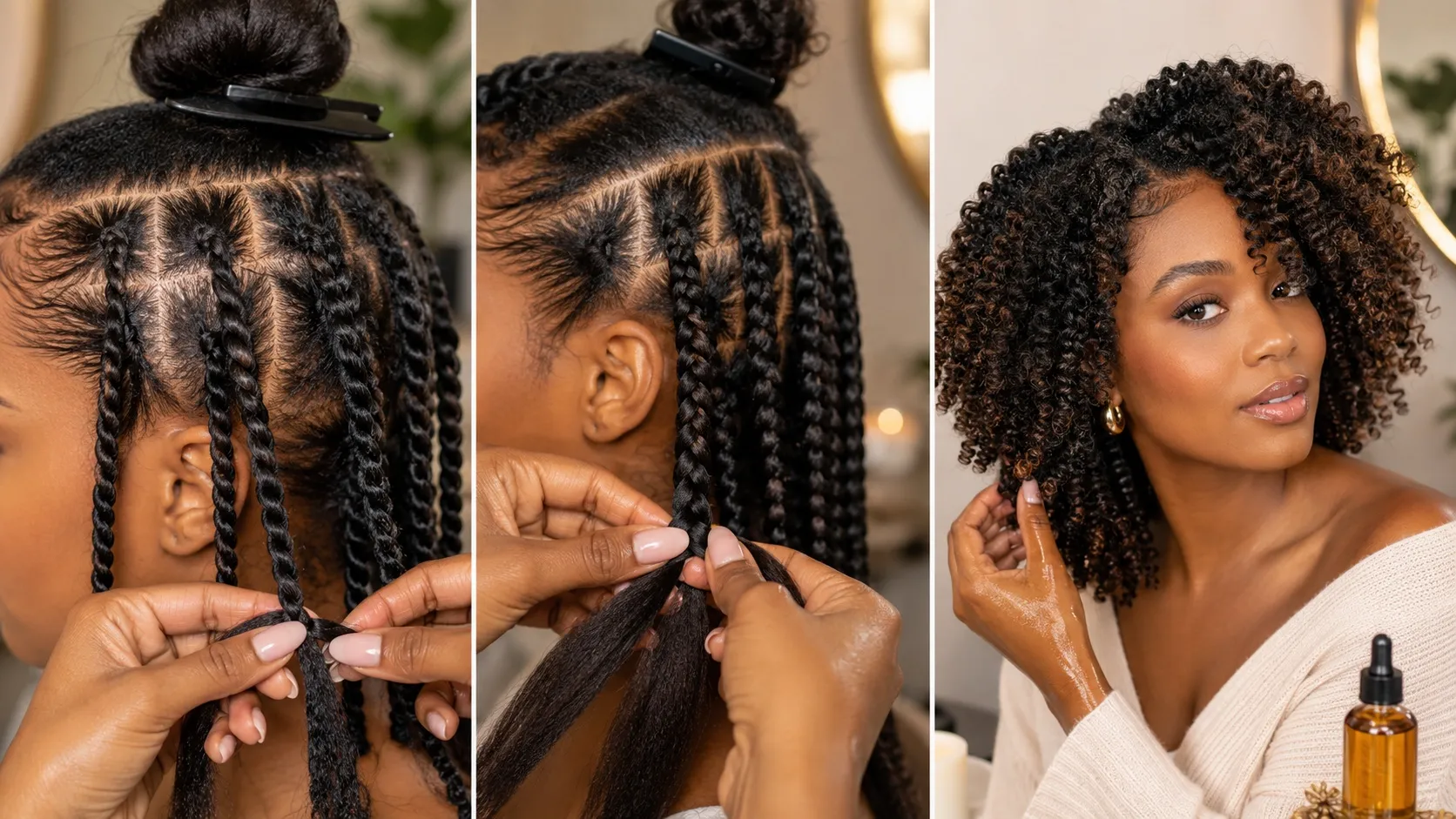
Twist-outs (two-strand twists) and braid-outs (three-strand braids) offer excellent structural longevity and controlled volume.
The Technique: The key to an elite twist-out is uniform tension. Take a section of hair, split it into two perfectly equal halves, and stretch the hair as you cross the strands over each other. Never pull hair from one strand to the other, as this creates tangles during take-down.
The Take-Down Strategy: Wait until the hair is 100% dry. Coat your hands in a lightweight oil (like argan or jojoba) to minimize friction, carefully untwist the strands, and use a wide-toothed pick strictly at the roots to lift and create volume without disturbing the defined ends.
Natural Curly Afro Shapes
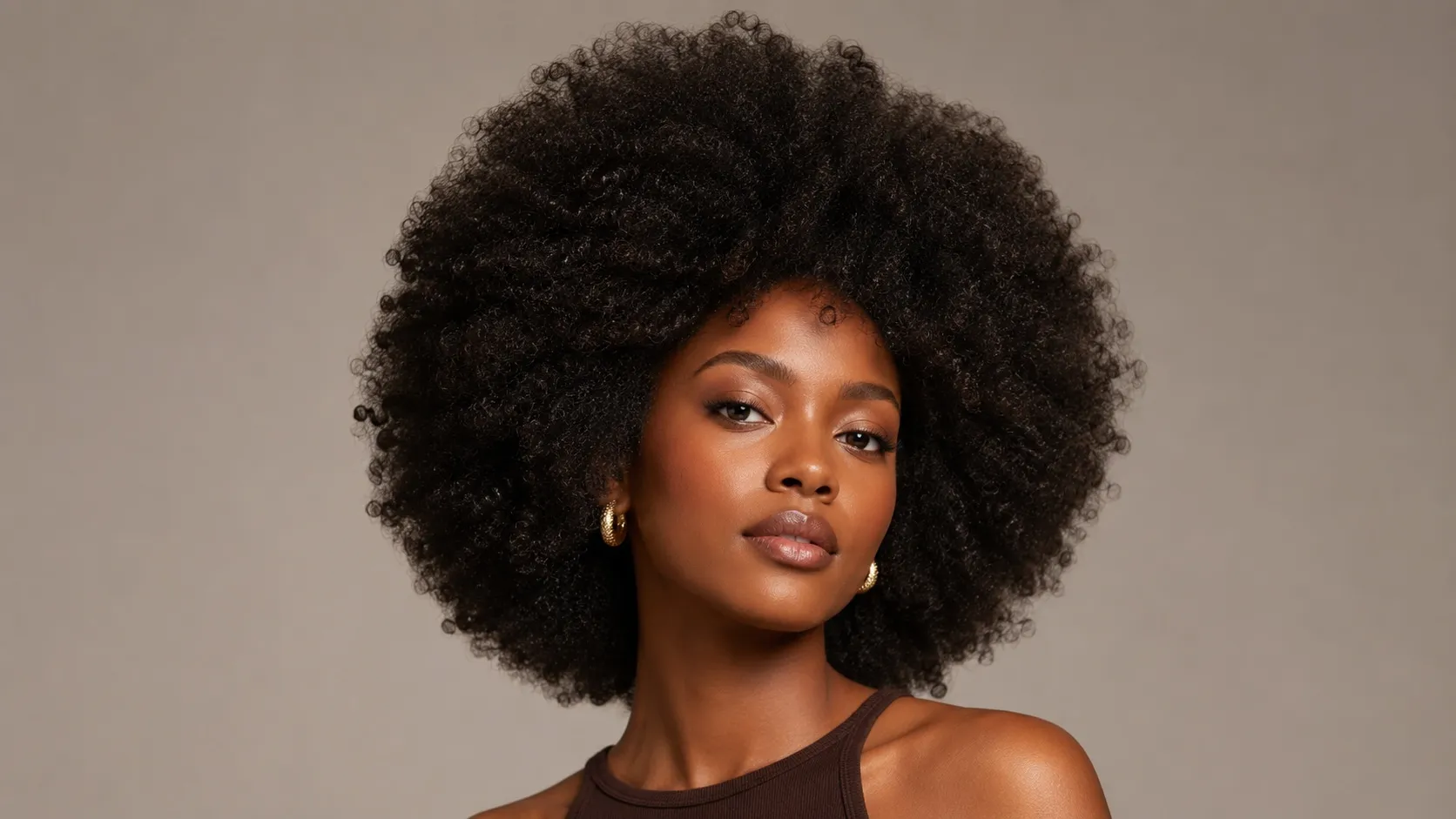
The iconic afro relies on a perfect balance between length retention and structural volume.
The Technique: To achieve a rounded, cohesive silhouette, style the hair in a blown-out state or a highly fluffed twist-out. Use a hair dryer with a diffuser attachment on a cool-to-warm setting, lifting the hair at the roots while keeping the ends intact.
Precision Cutting Note: True afro symmetry is best achieved via a dry cut, where the stylist shapes the hair coil-by-coil in its natural state, accounting for the varying shrinkage percentages across different areas of the head.
Structural Differences: 4A vs. 4B vs. 4C Hair
If you are looking for long-term hair health that won't break the bank, the upfront cost of a protective style must balance with how long it actually lasts. According to community insights on cost-effectiveness, these are the smartest protective options:
To demonstrate true authority, we must explicitly break down why definition behaves differently across these sub-categories:
| Attribute | 4A Texture | 4B Texture | 4C Texture |
|---|---|---|---|
| Pattern Shape | Distinct "S" shaped coils, roughly the diameter of a crochet needle. | Sharp "Z" shaped angles; less defined curl pattern. | Tightly packed zig-zag or micro-coils; often has no visible pattern without product. |
| Shrinkage Rate | Est. 50% to 60% structural reduction when dry. | Est. 60% to 75% structural reduction when dry. | Est. up to 75% or 80%+ structural reduction. |
| Product Weight Need | Medium-weight botanical gels and milk-based leave-ins. | Rich styling creams and medium-heavy setting gels. | Heavy raw butters (Shea, Mango), thick creams, and strong-hold film-forming gels. |
Expert Maintenance Tip: The secret to making cheap protective styles last longer without salon touch-ups is nightly friction protection. Never sleep without a high-quality satin bonnet or a silk pillowcase. Additionally, focus moisture directly on your real roots using a lightweight, targeted scalp oil rather than heavy creams that cause product buildup.
The Protective Styling Context
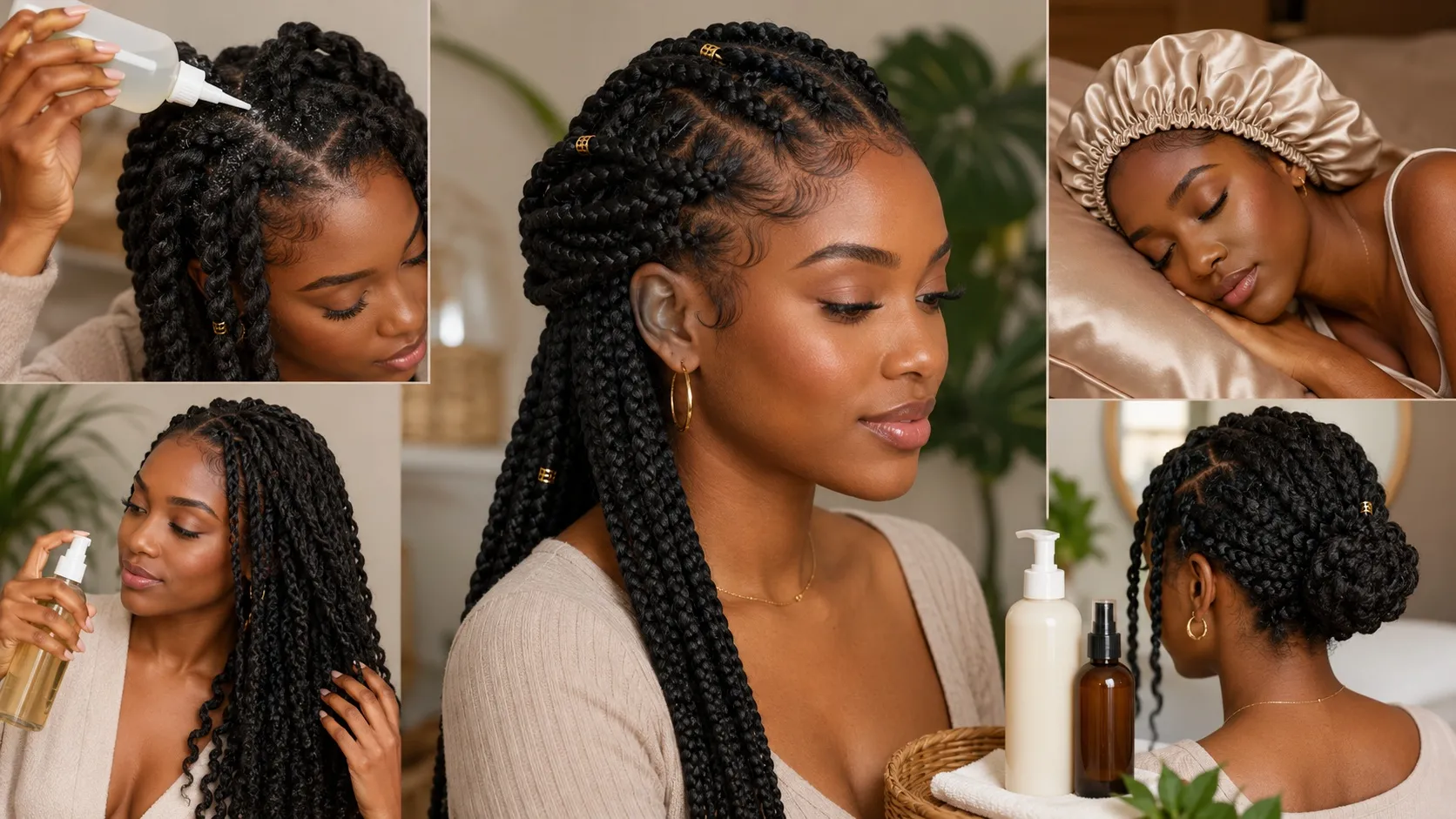
While wash-and-goes and twist-outs showcase natural texture, Type 4 hair thrives when given breaks via protective styles like box braids, twists, or flat twists.
The Golden Rule: A style is only protective if it preserves the health of the hair follicle. Avoid excessive tension on the hairline (edges), which can lead to traction hair loss.
Maintenance: While wearing a protective style, cleanse the scalp weekly using a diluted, sulfate-free shampoo applied with an applicator bottle. Follow with a liquid leave-in conditioner spray to maintain internal hair elasticity. To maximize longevity, always sleep with a high-quality satin bonnet or on a silk pillowcase.
Curly Hairstyles for Weddings & Special Occasions
Special occasions require styling techniques that specifically guard against frizz and loss of definition over long hours.
Half-Up Curly Updo
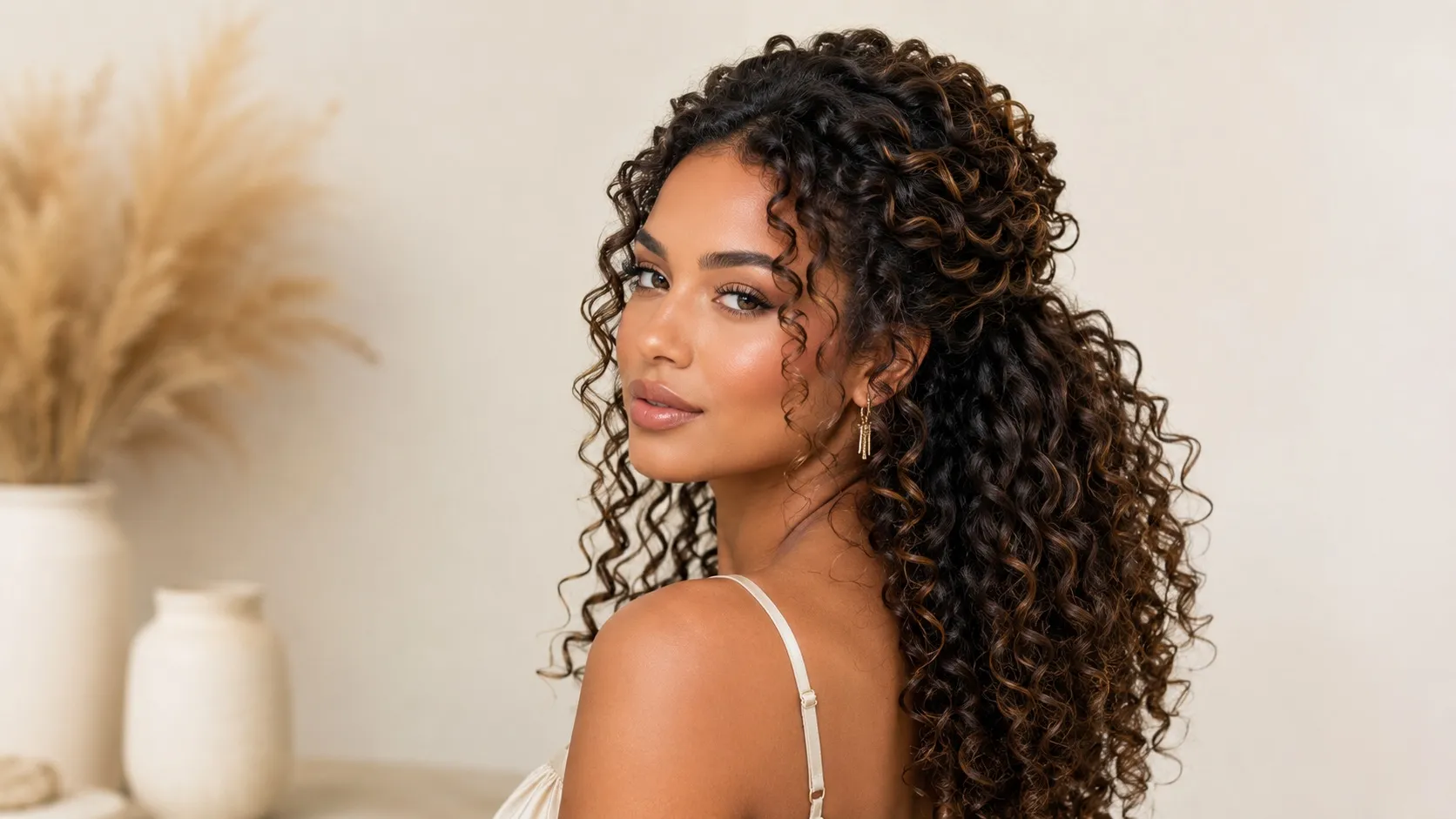
Perfect for showcasing your hair’s natural length while keeping it elegant and away from your face.
The Look: Hair from the crown area is gently volumized and secured at the back, while the remaining curls cascade beautifully over the shoulders.
Styling Tip: Avoid heavy butters or oils before styling this look, as they can cause the crown area to fall flat. Opt for a lightweight styling mousse instead.
Curly Low Bun with Face-Framing Tendrils
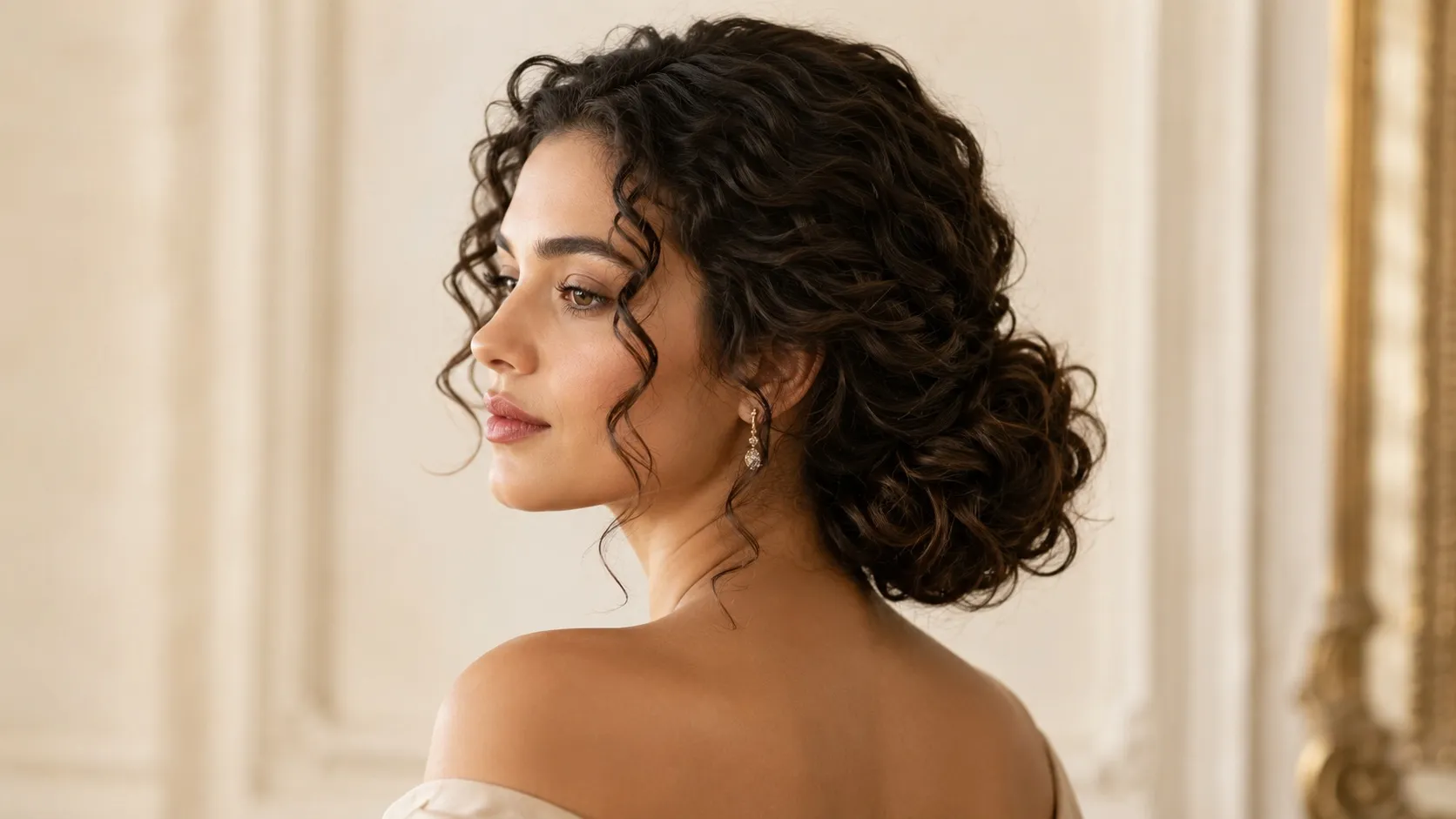
A classic, highly elegant updo that remains a timeless choice for formal events.
The Look: Curls are gathered at the nape of the neck into a loose, textured bun. A few select curls are intentionally left free around the face to create a soft, romantic frame.
Execution Secret: When securing the bun with bobby pins, avoid pulling the hair too tight. The natural texture and pattern of the curls should remain visible within the updo itself.
Curls with Braided Crown
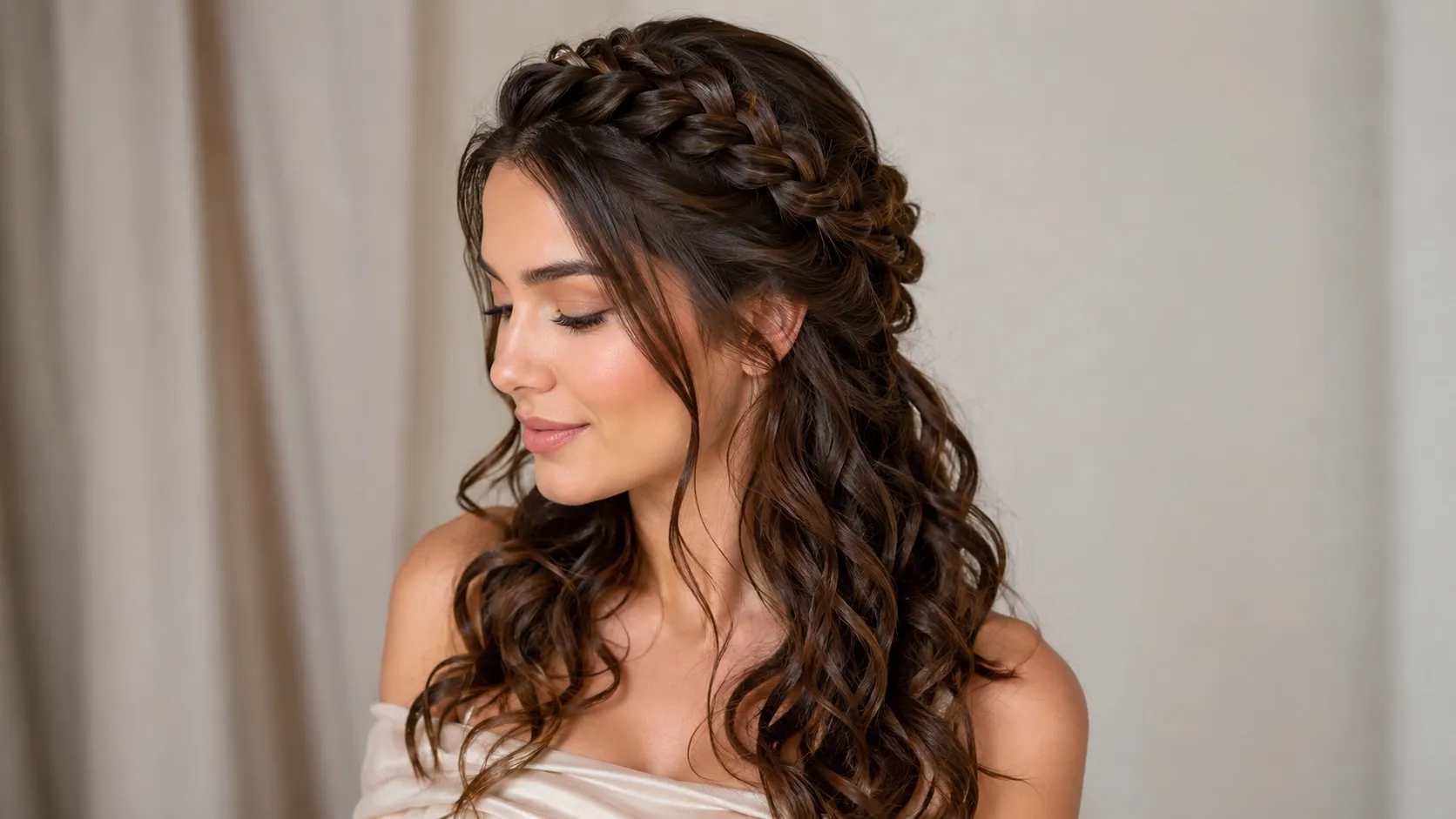
An excellent choice for a modern, bohemian-inspired formal look.
The Look: A French or fishtail braid is woven along one or both sides of the head, meeting at the back to form a crown, while the remaining hair flows into defined curls.
Styling Tip: Complete the braided section first, then style and define the remaining loose hair to ensure the braiding process doesn’t disrupt your curl clumps.
The Longevity Secret: To ensure your curls last all night, do not let them drop immediately after heat styling. While they are still warm, clip them into a coiled shape against your scalp and allow them to cool down completely. Lock the final style in place with an alcohol-free, anti-humidity setting spray.
How to Style & Care for Curly Hair (The Real Technique)
To achieve defined, bouncy curls that last for days, you need a technique rooted in hair science rather than standard hair care habits.
The Bottom-Up Detangling Rule
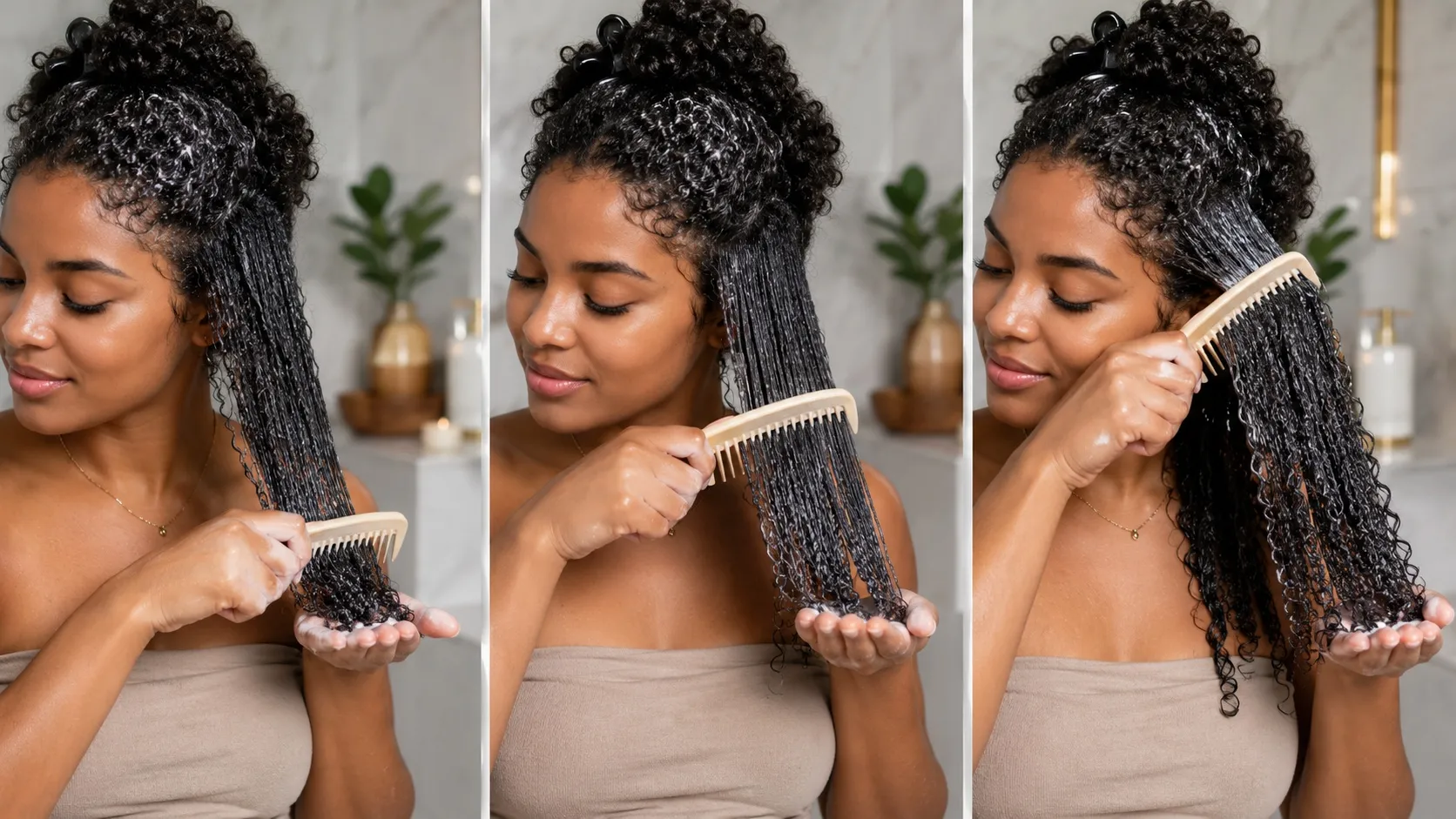
Never run a comb straight from your roots downward. This pushes knots into a bottleneck, causing unnecessary breakage and split ends.
The Technique: Only detangle your hair while it is soaking wet and thoroughly coated with a slippery conditioner or leave-in product.
The Direction: Start using a wide-tooth comb or a dedicated detangling brush at the very ends of your hair. Clear the tangles from the bottom two inches first, then move up to the mid-lengths, and finally comb all the way through from the roots. This preserves your natural curl clumps before styling.
Product Cocktailing: The Science of Layering
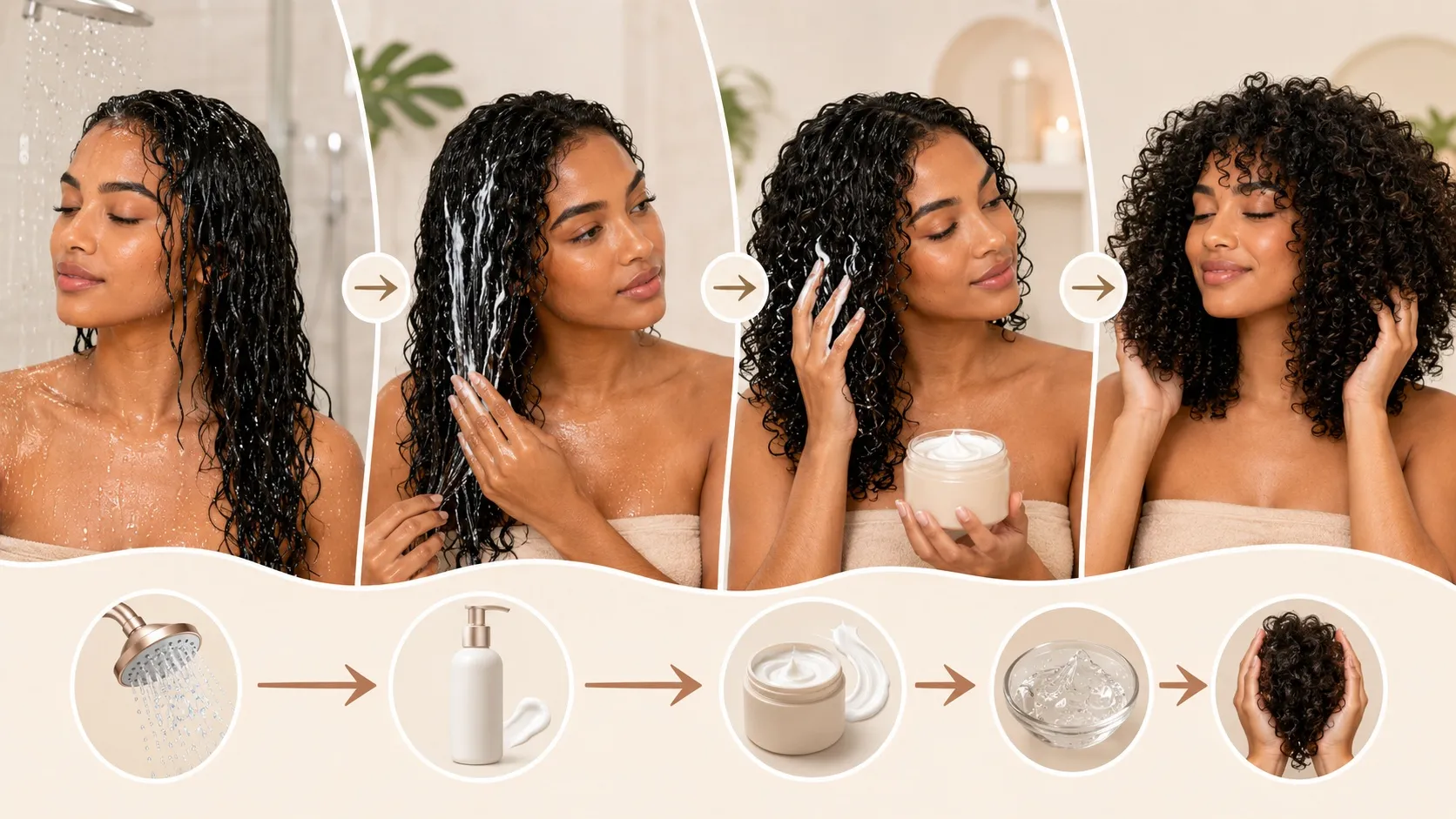
Applying the right products in the wrong order can leave your curls feeling either crunchy or greasy. For optimal definition and moisture retention, follow the sequential L.C.G. Method (Leave-in, Cream, Gel) on wet hair:
[Soaking Wet Hair] ➔ 1. Leave-In Conditioner ➔ 2. Curl Cream ➔ 3. Styling Gel
Step 1: Leave-In Conditioner (Moisture Base): This penetrates the hair shaft to provide essential underlying hydration. Apply this immediately after washing while your hair is dripping wet.
Step 2: Curl Cream (Softness & Shape): Curl creams contain natural oils and butters that smooth the cuticle layer, minimize frizz, and help the hair retain the hydration from your leave-in.
Step 3: Styling Gel (Hold & Cast): Gel does not provide moisture; it seals it. It creates a temporary protective shell (a “cast”) around the curl clumps as they dry, locking the shape in place and blocking out environmental humidity. Once your hair is 100% dry, gently scrunch the hair with your hands to break the crunchy cast, revealing soft, bouncy curls.
Drying Mechanics: Plopping vs. Diffusing vs. Air-Drying
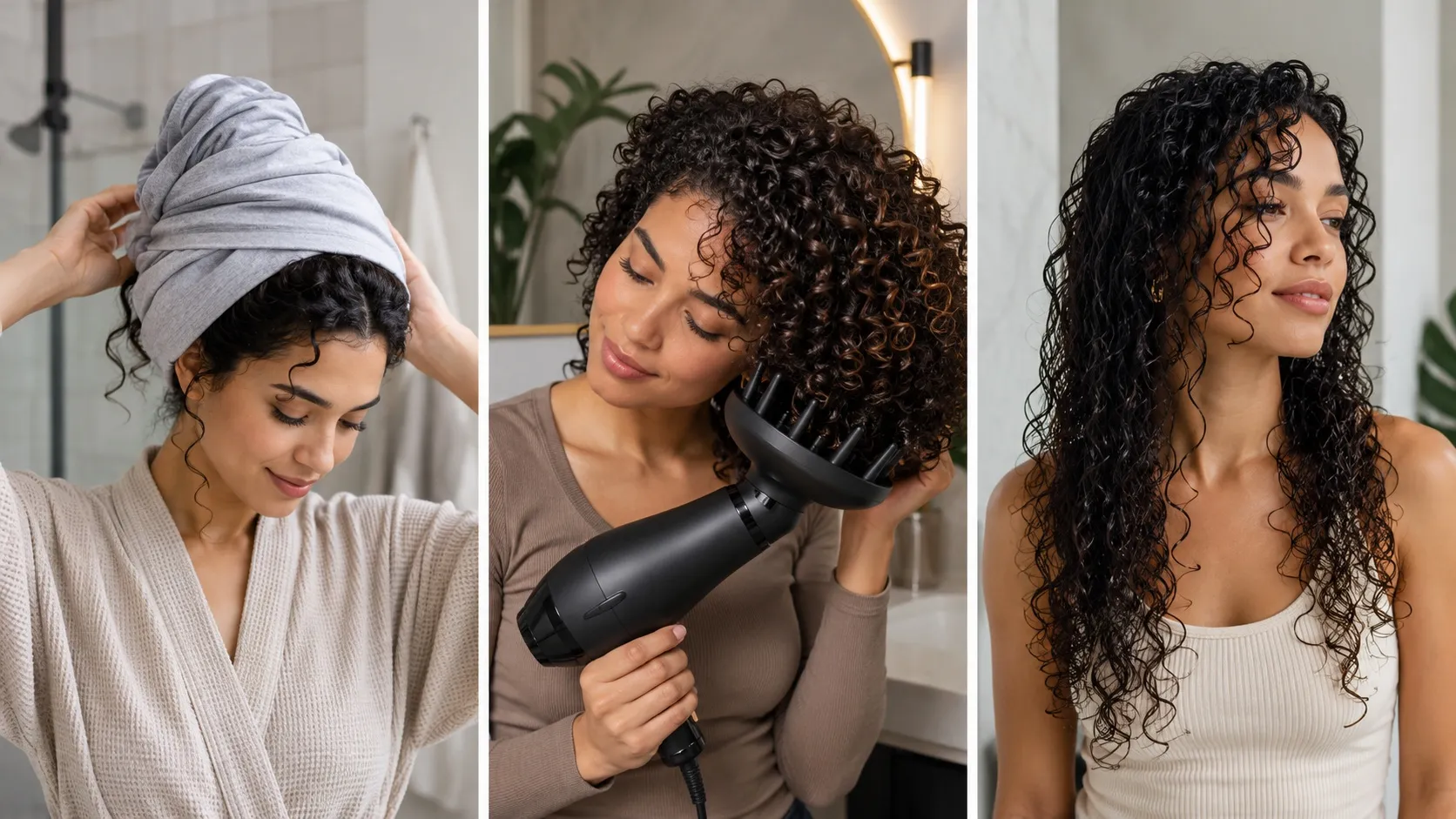
Standard terrycloth towels create instant friction and frizz. Use one of these three real techniques instead:
Plopping (Best for Root Volume): Lay a clean microfiber towel or a soft cotton T-shirt flat on a surface. Flip your wet, product-loaded hair forward, gently layering your curls into the center of the fabric. Tie the ends securely around your head. This compresses the curls against your scalp, removing excess water without pulling the roots flat. Leave it on for 15–20 minutes before finishing with air-drying or diffusing.
Diffusing (Best for Speed & Bounce): Attach a diffuser nozzle to your blow dryer and set it to low heat and low airflow. Tilt your head and gently cup sections of your curls into the diffuser bowl, moving it upward toward the scalp. Do not touch the hair with your hands while diffusing, as manual friction creates frizz.
Air-Drying (Best for Low-Maintenance Control): Apply your products to soaking wet hair, shake your curls out into their natural position, and avoid touching them entirely until they are completely dry. Moving your hands through damp curls breaks the product cast prematurely.
Preserving the Shape: The Non-Negotiable Trim
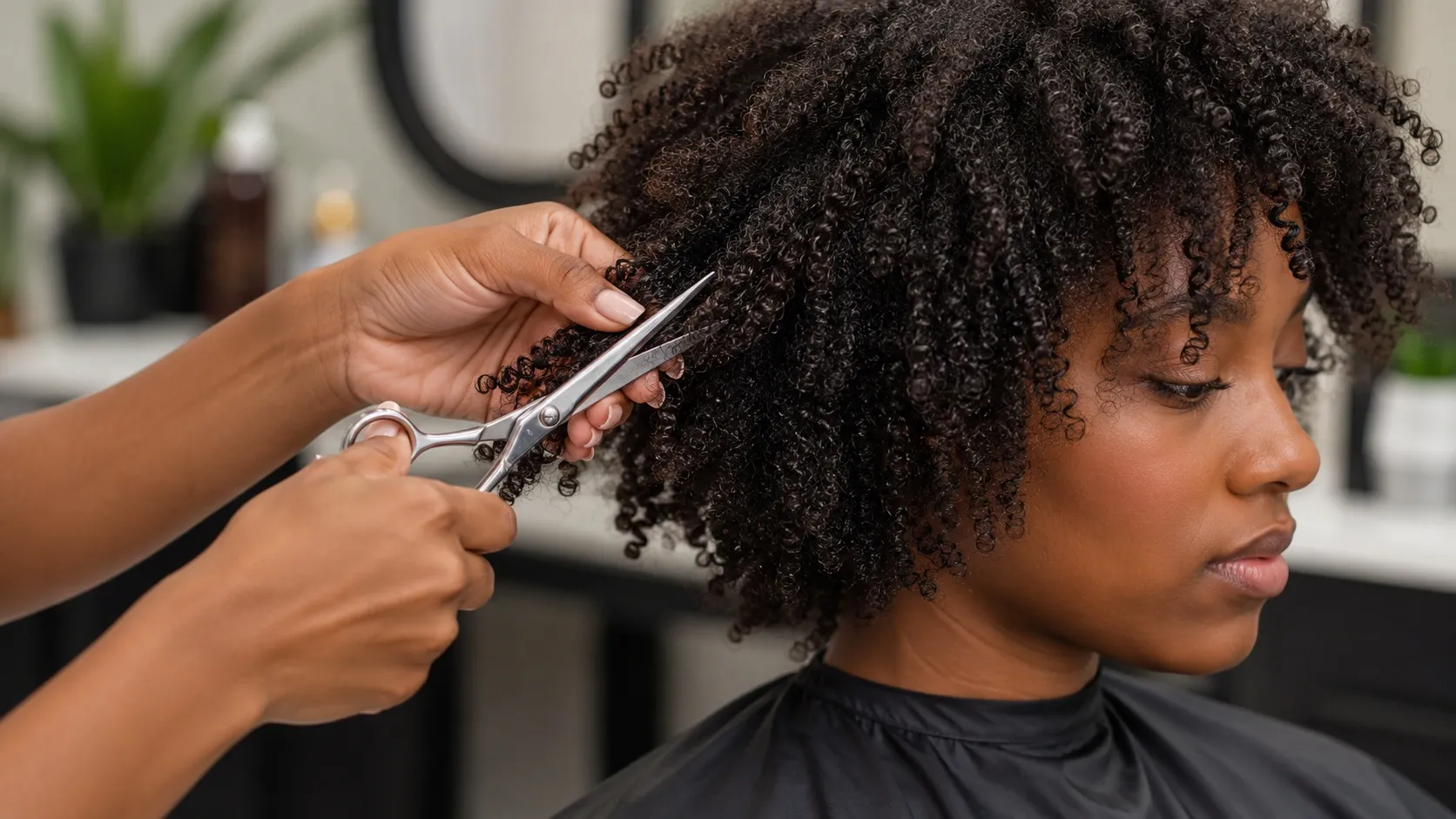
Because curly hair naturally bends and twists, it is highly susceptible to split ends. When ends split, they travel up the hair shaft, unraveling your natural curl pattern and making the hair look frizzy regardless of the styling products used. To maintain structural bounce, schedule a micro-trim every 8 to 12 weeks to remove dead weight so your curls can spring up naturally.
Common Curly Hair Problems (Real Fixes)
Curly hair texturure jitni khoobsurat hoti hai, utni hi unpredictable bhi. Agar aap sirf generic tips follow karogi to frizz aur dryness kabhi khatam nahi hogi. Yahan hum Reddit aur curly hair communities ke real struggles aur unke practical, tested solutions share kar rahe hain.
The Frizz Monster (Control Over Chaos)
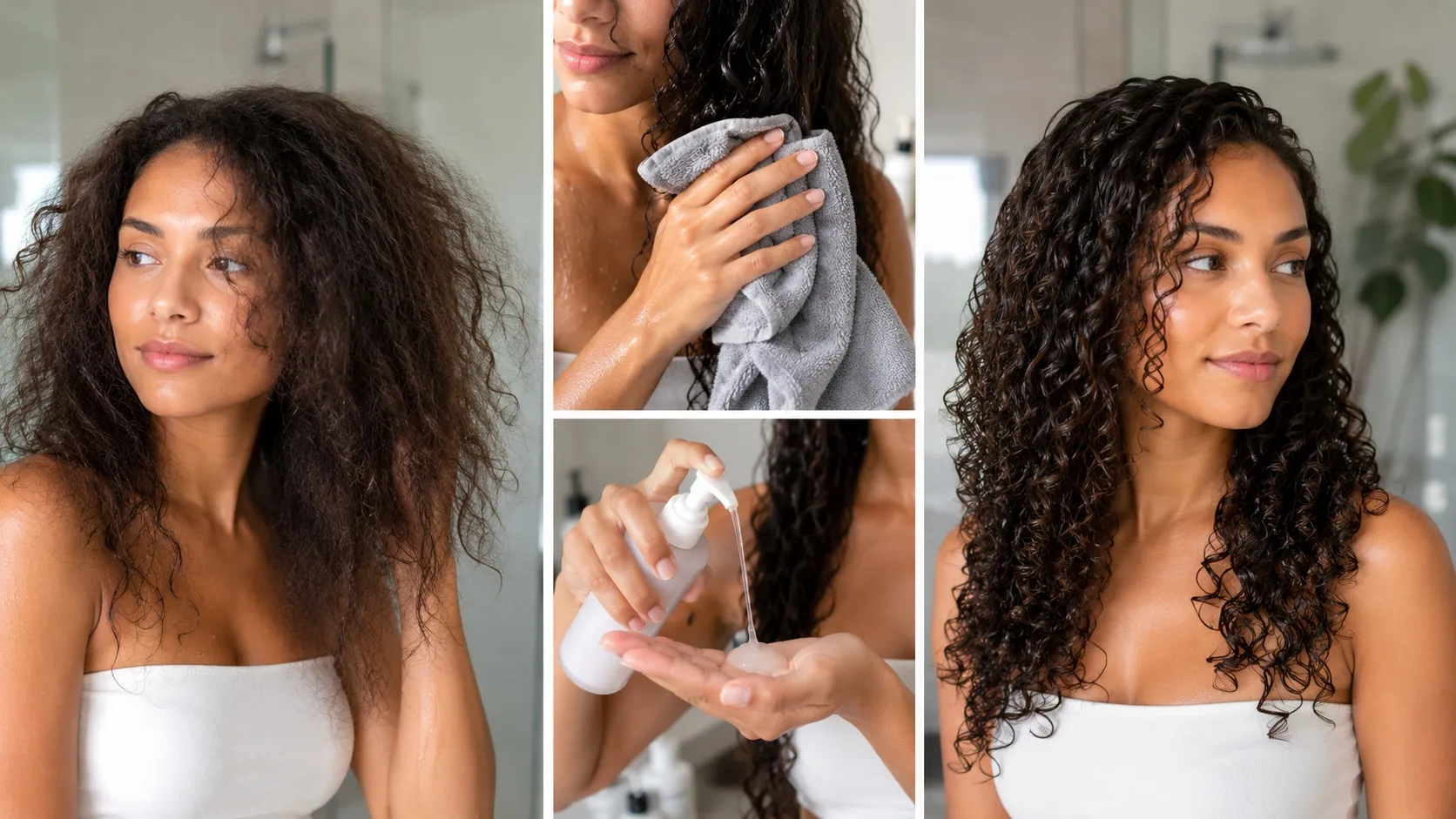
The Real Problem: Curls quickly become puffy and lose their distinct shape shortly after washing.
The Real Fix: Replace standard terrycloth towels immediately with a microfiber towel or a soft cotton T-shirt. Do not rub the hair; instead, gently squeeze out the excess water. For optimal results, apply your leave-in conditioner or styling gel while the hair is completely wet to lock in moisture before frizz can form.
Curl Clumping Issues (Stringy Curls)
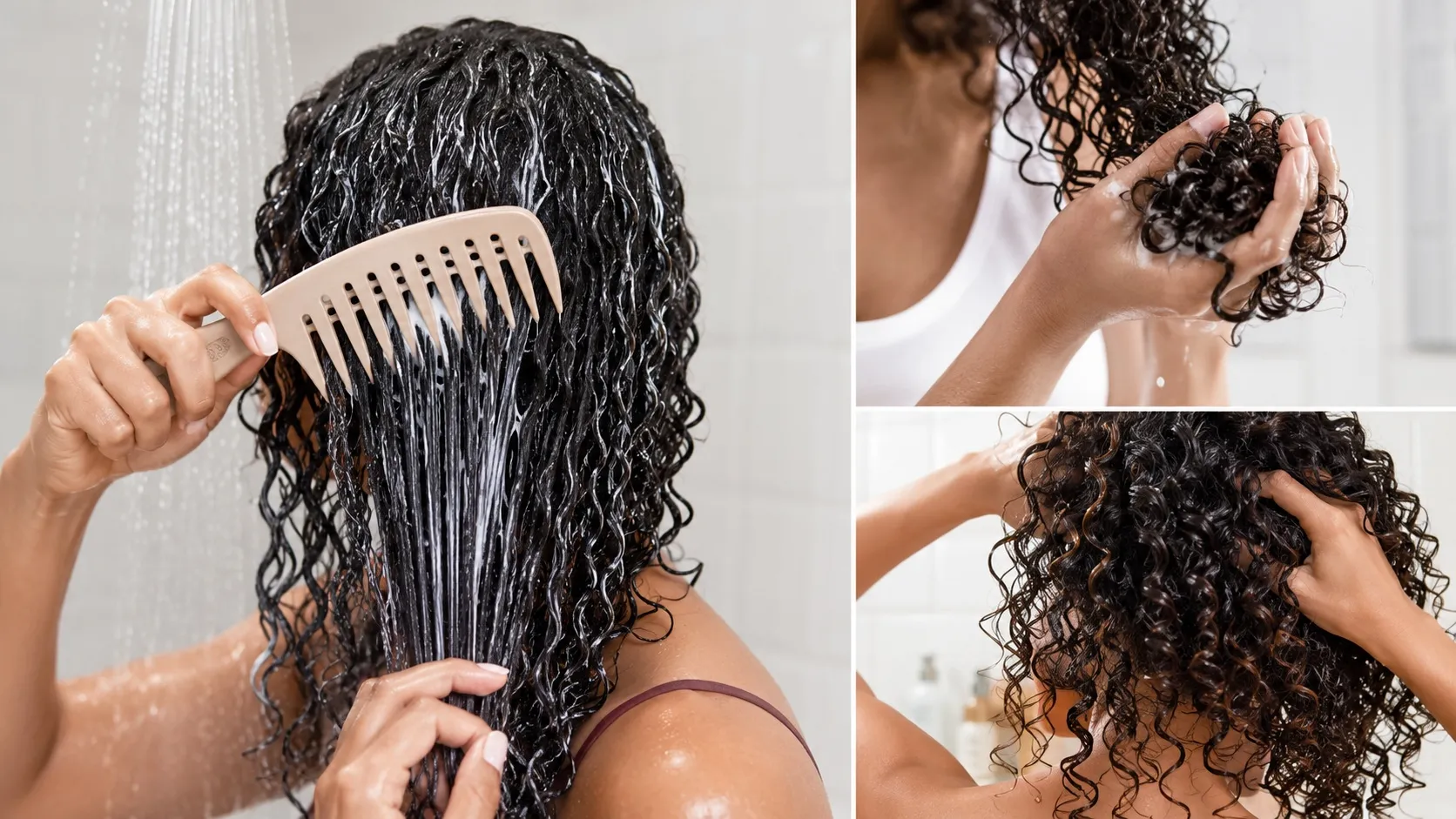
The Real Problem: Curls appear thin, separated, and stringy rather than forming soft, cohesive groups.
The Real Fix: Never comb your hair after it has dried. The best time to clump curls is in the shower while the hair is wet and coated in conditioner. Use a defining brush or wide-tooth comb to detangle, then scrunch the hair from the ends upward toward the scalp to encourage the curls to group together naturally.
Product Buildup (Weighed Down Curls)
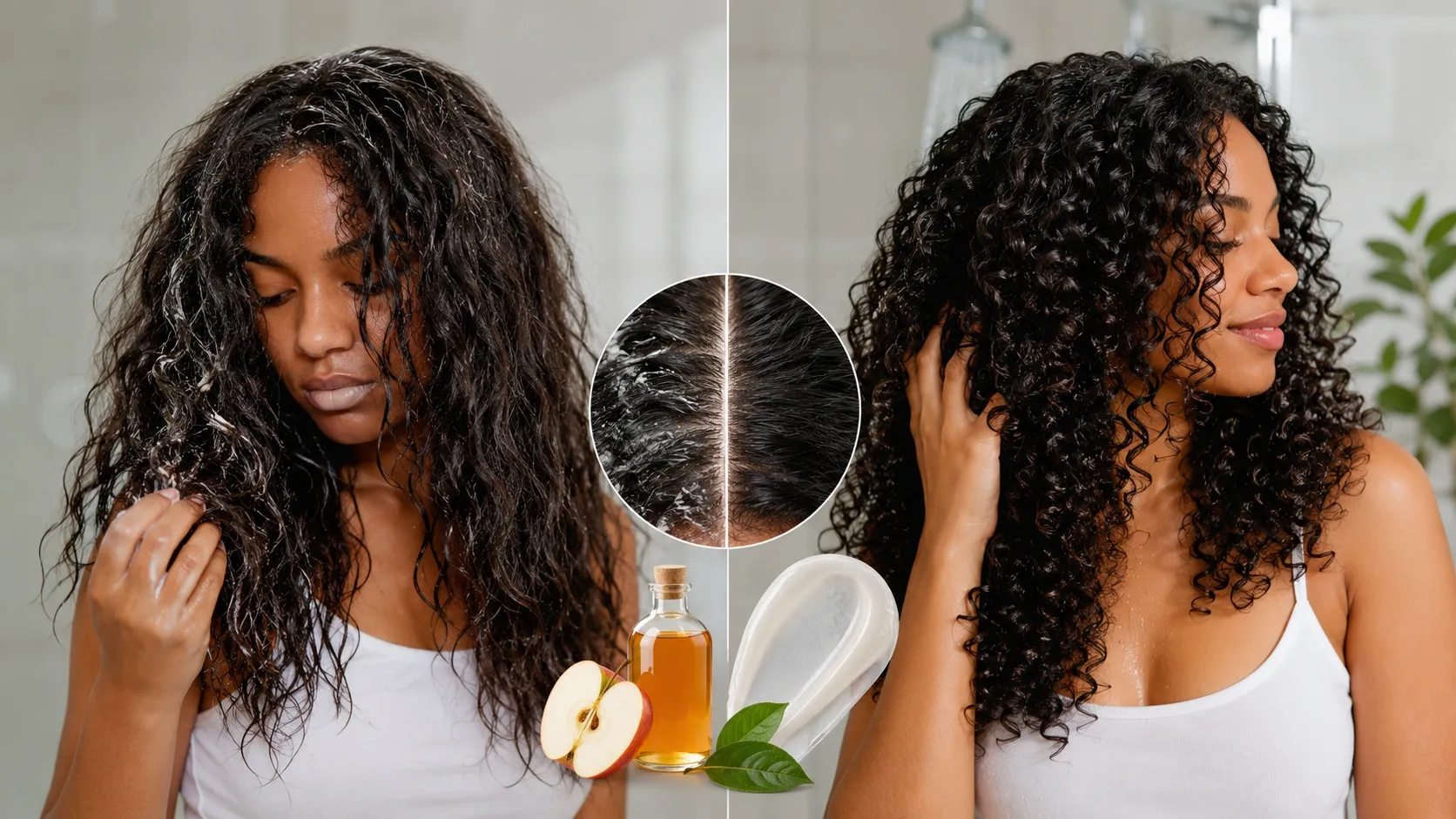
The Real Problem: Continuous use of rich creams and styling gels leaves a layer of residue on the scalp and hair, causing curls to look flat, weighed down, and lifeless.
The Real Fix: Incorporate a clarifying shampoo (ideally one containing apple cider vinegar) into your routine once every one to two weeks. This safely removes heavy silicones and product buildup without stripping away the hair’s essential internal moisture.
Frequently Asked Questions
A layered cut is ideal for curly hair because it distributes volume evenly and prevents a heavy, triangular shape at the bottom. For tighter coils, customized dry cuts like a DevaCut or a layered shag work best as they are tailored to your unique, natural curl pattern.
Apply a leave-in conditioner or curl cream to soaking wet hair, followed by a styling gel to lock in the pattern. Gently scrunch the hair upward to define the curls, and allow it to air-dry or use a diffuser attachment on low heat. Avoid touching the curls until they are completely dry to prevent frizz.
Yes, curly hair is highly versatile and complements any style aesthetic, from casual streetwear to formal evening wear. The key is adapting the hair's volume—such as using a sleek high puff for professional attire or letting loose, defined curls add rich texture to minimalist outfits.
Coily and highly textured Type 4 hair thrives in protective and structural styles like pineapple updos, defined wash-and-goes, two-strand twists, and Bantu knots. For effortless everyday management, a half-up, half-down style reduces bulk while beautifully showcasing the hair's natural volume.