
Short Hair Styles: 50+ Ideas for Men, Women & Kids (2026 Guide)
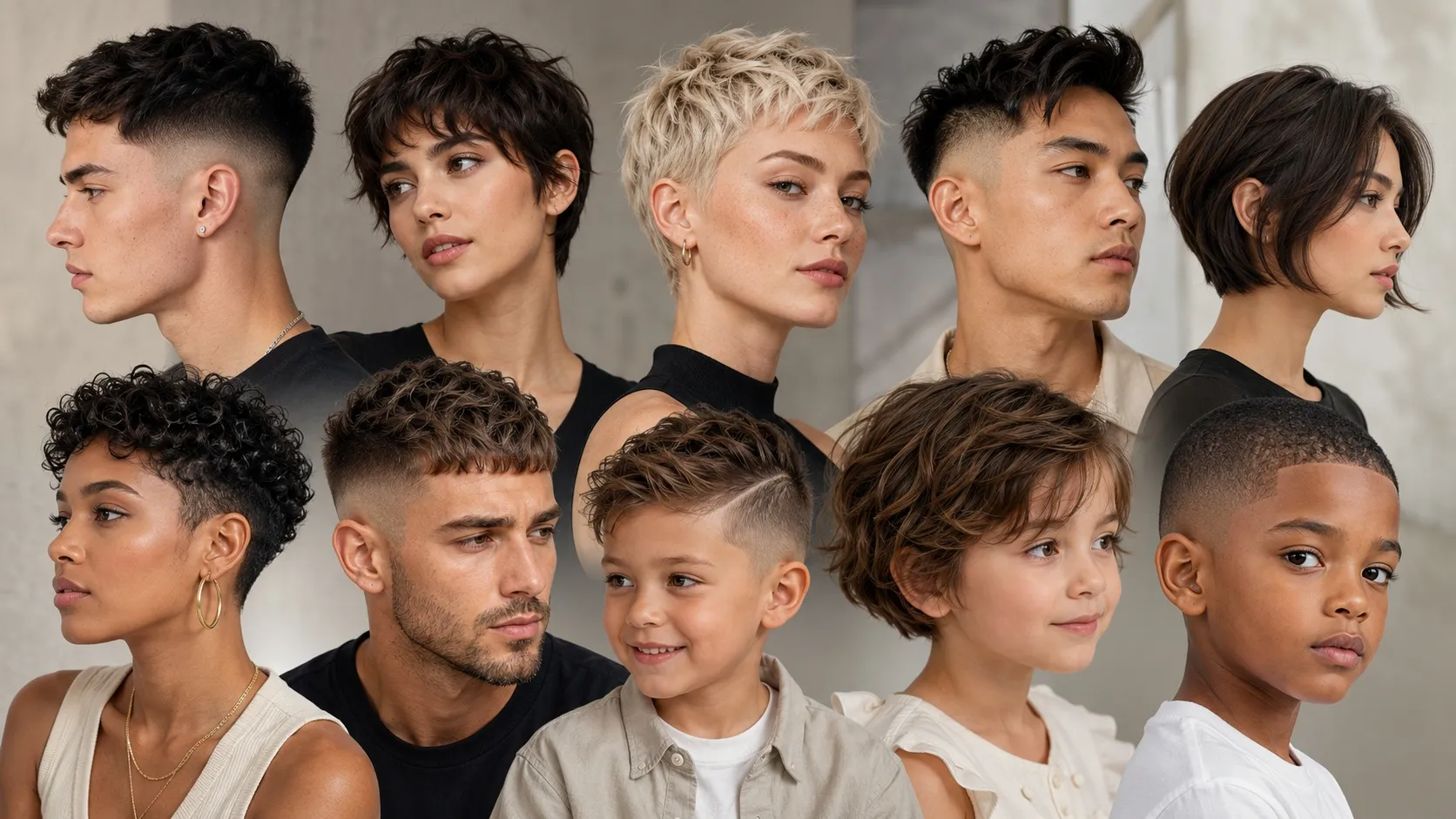
Finding the perfect short hair styles isn’t just about saving time; it’s about matching the right structural cut to your specific face shape, hair density, and daily routine. This comprehensive guide delivers practical, stylist-approved inspiration and exact breakdown metrics tailored for men, women, and kids. From high-contrast fades to texturized bobs, here is everything you need to choose and style your next look with absolute confidence.
Short Hairstyles for Women
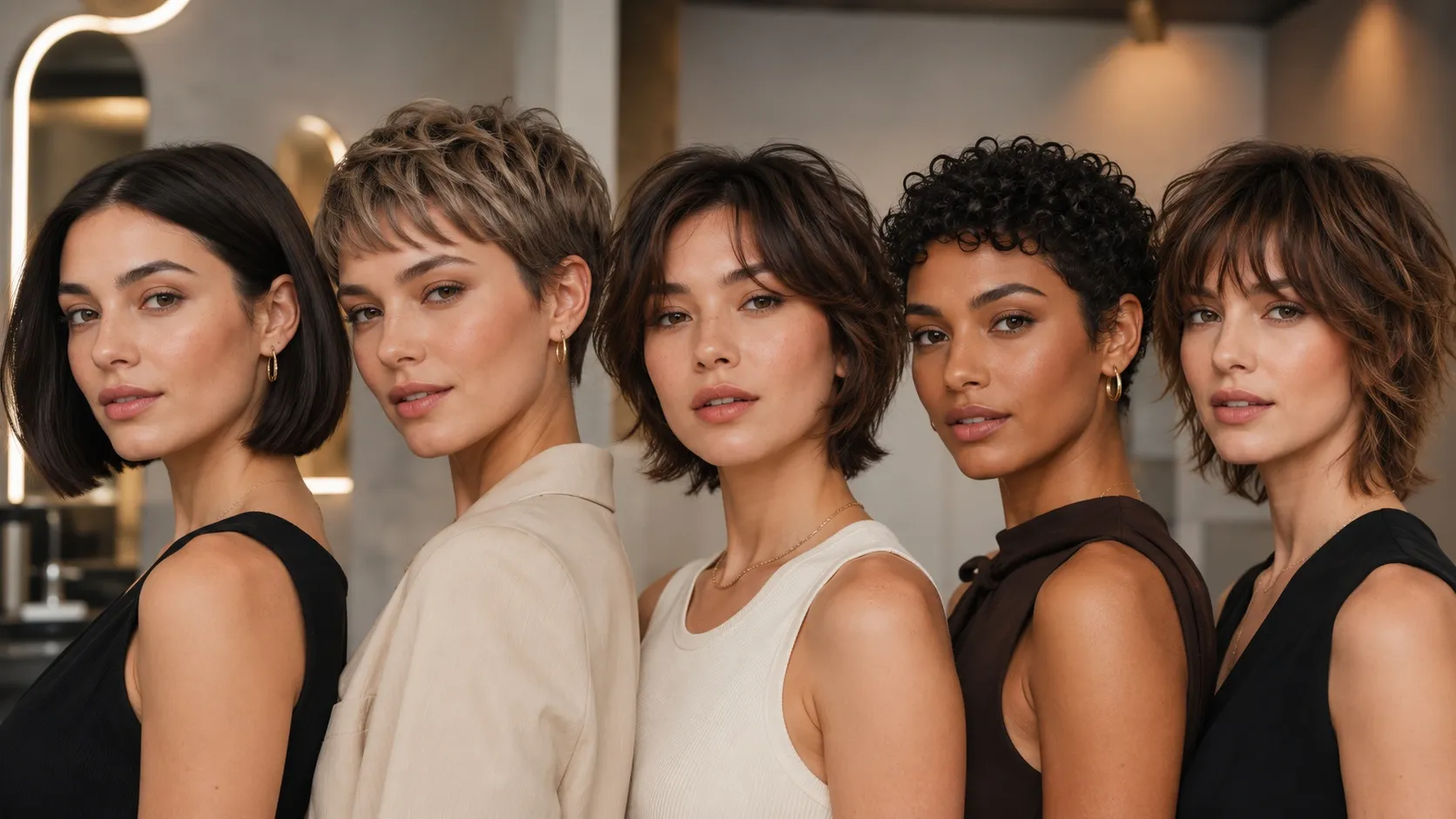
Behind the chair, the secret to executing flawless short hair styles for women comes down to managing weight distribution and structural balance. Short hair removes weight, which can either give instant life to limp strands or cause thick hair to expand horizontally if not texturized properly. Below are the definitive short shapes dominating salons this year, engineered to suit distinct textures and lifestyles.
The Textured Pixie Cut
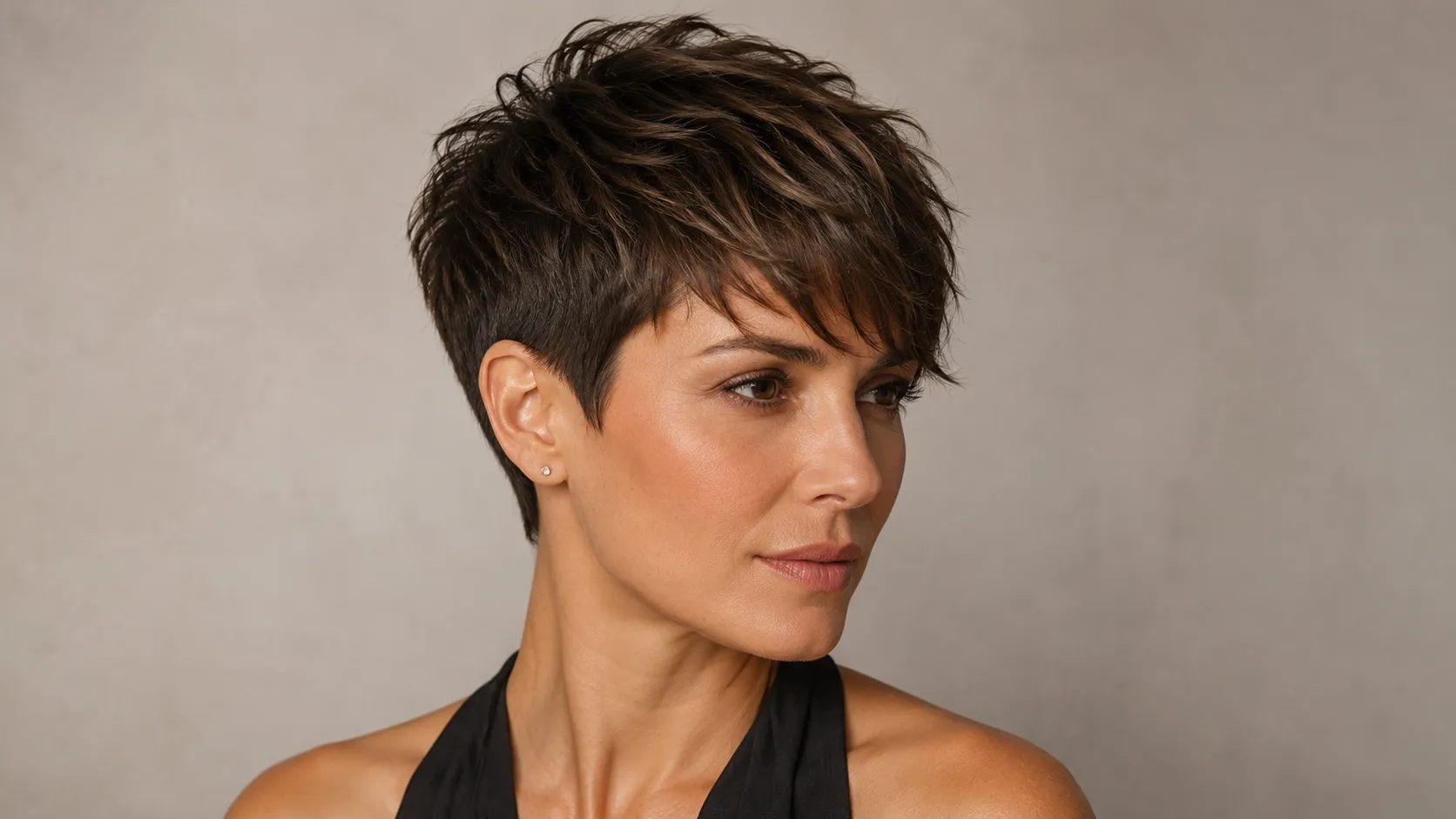
The modern pixie relies on a clean, tight taper around the ears and nape, leaving targeted, piece-y length on top. For fine or thinning hair, request internal slide-cutting rather than traditional thinning shears, which can leave the hair looking frizzy. Internal texturizing creates hidden pockets of volume that naturally push the top hair upward. If you have a strong cowlick at the frontline, leave the fringe slightly longer to weigh it down naturally.
Best Face Shapes: Oval, Heart, and Angular Square shapes.
Maintenance Level: High (Requires a professional trim every 4 weeks to keep the perimeter from looking unkempt).
Styling Tip: Emulsify a dime-sized amount of matte clay between your fingers and piece out the crown ends while the hair is 100% dry.
The Classic Jaw-Length Blunt Bob
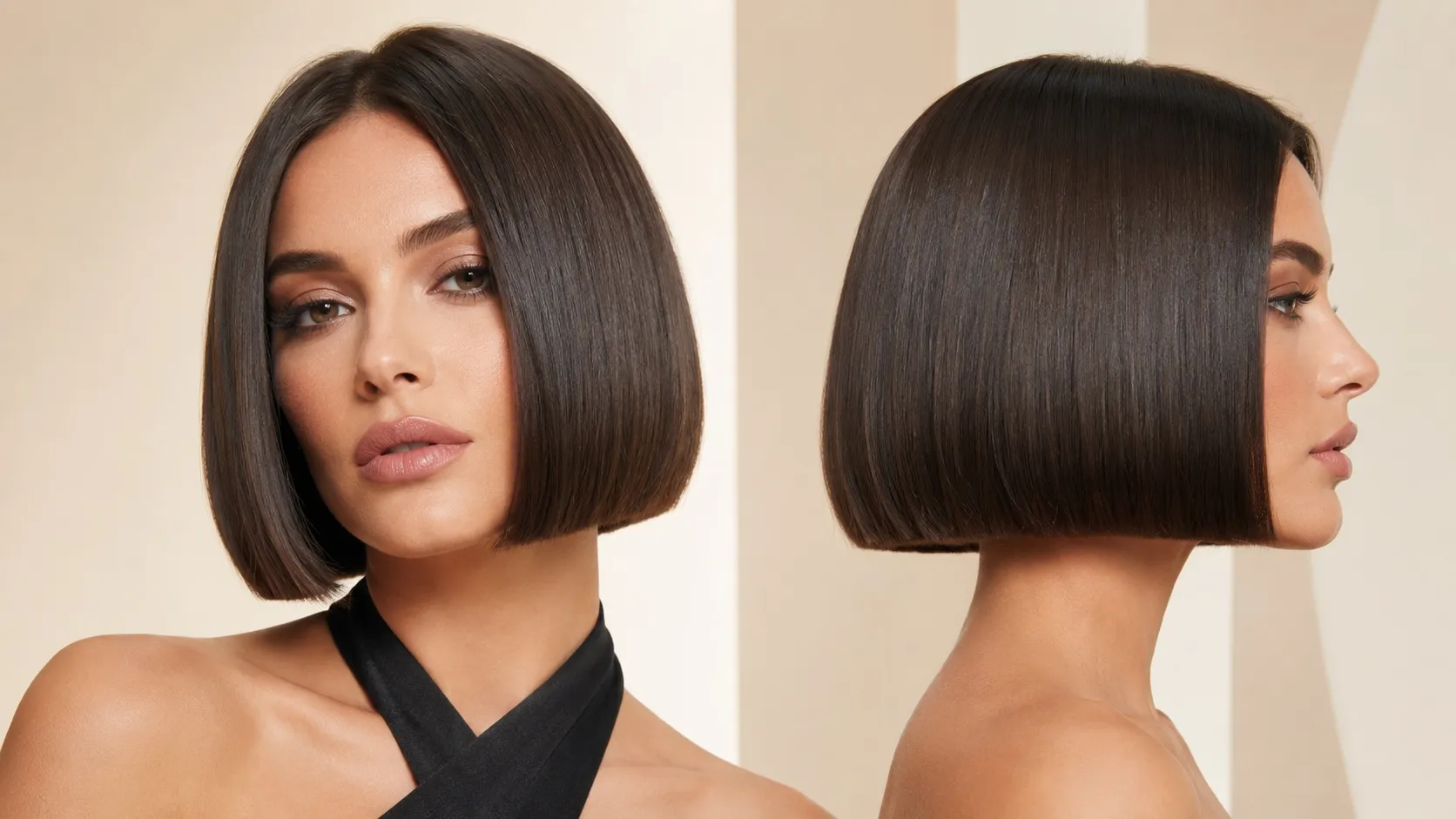
The blunt bob remains a timeless power move, cutting completely straight across the jawline or mid-neck. A precise 0-degree elevation cut builds maximum weight at the perimeter, making it an exceptional choice for straight, fine hair textures that need to look instantly thicker and healthier.
Best Face Shapes: Oval, Diamond, and Heart face shapes.
Maintenance Level: Medium (Easy daily styling, but needs a geometric trim every 6 weeks to keep lines crisp).
Styling Tip: Apply a lightweight heat protectant spray and use a flat iron in a slight inward C-motion to lock in the glass-like finish.
The Choppy Cropped Shag (The Short Shag)
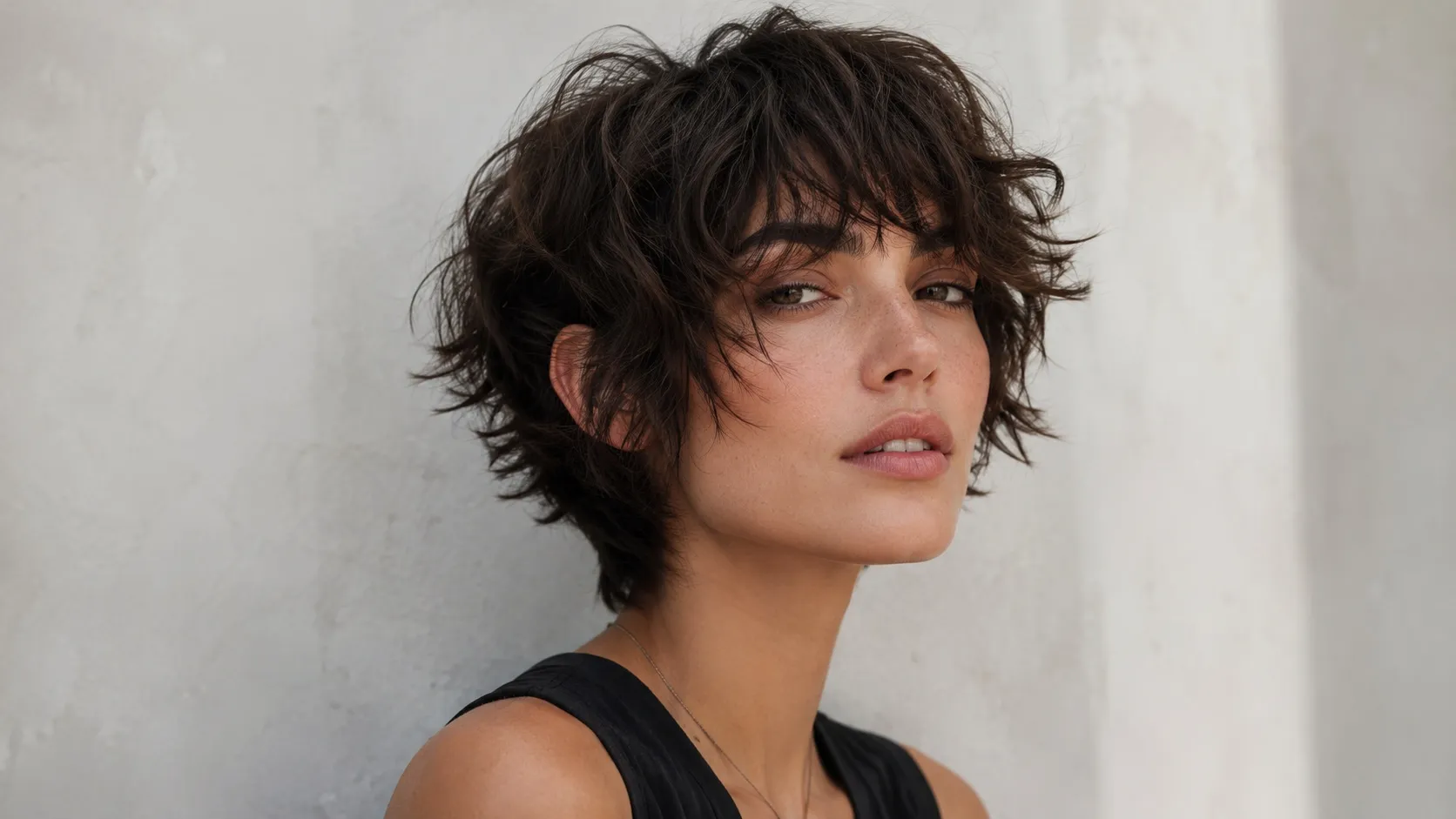
The short shag utilizes extreme, razor-cut layers, a heavily texturized crown, and a choppy fringe to frame the eyes and cheekbones. This style is an exceptional option for wavy and curly textures because it carves out bulk from the sides, working directly with the hair’s natural bend rather than fighting against it.
Best Face Shapes: Round, Square, and Long Oval face shapes.
Maintenance Level: Low (Designed to be air-dried with a simple salt spray or curl-defining cream).
Styling Tip: Mist damp hair with sea salt spray, scrunch with your hands, and let it air dry or use a diffuser attachment on low heat.
The Uniform Layered Crop
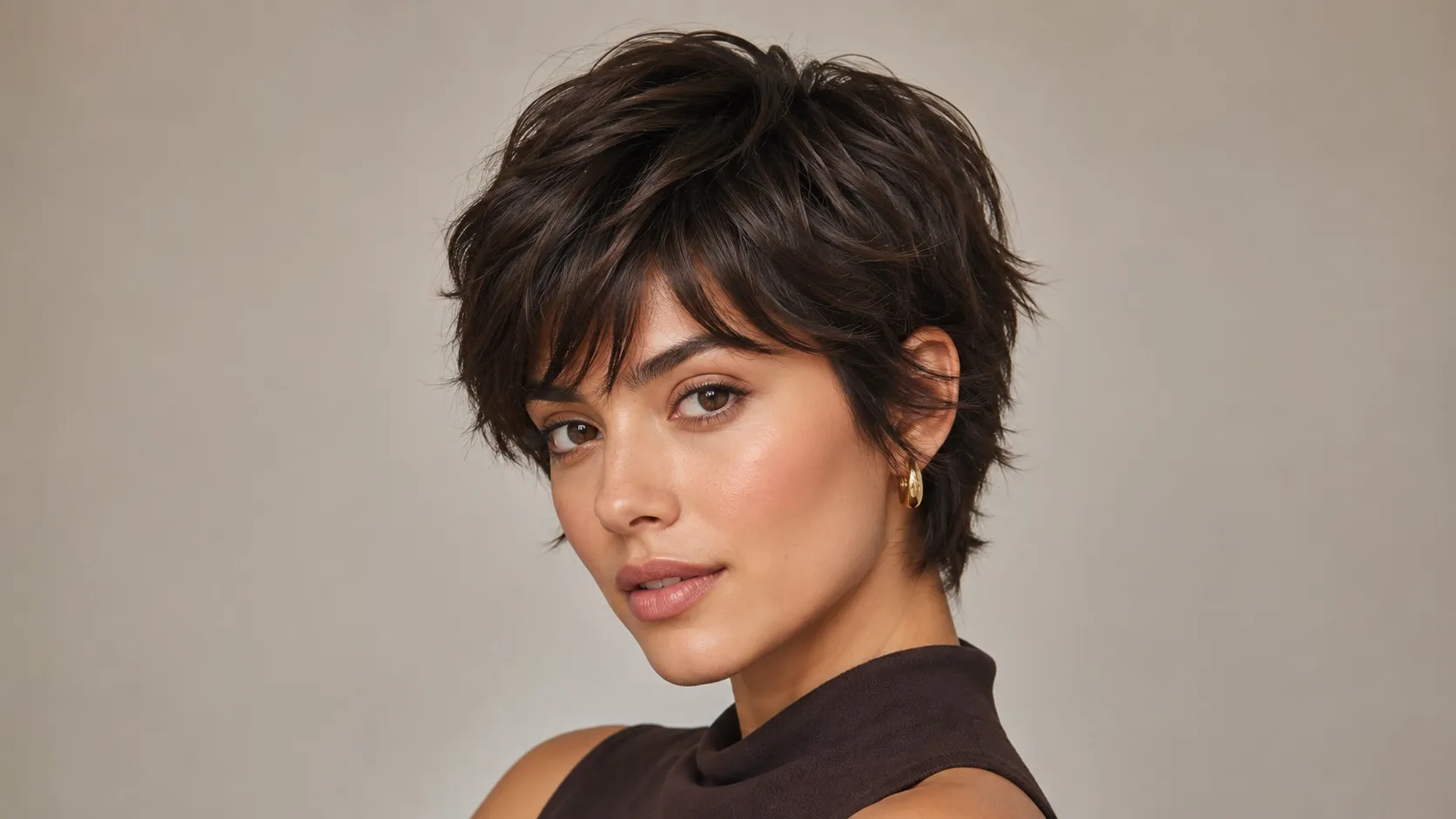
Unlike the sharp, architectural lines of a classic blunt bob, the uniform layered crop relies on soft graduation throughout the head. It removes excessive bulk from dense, thick hair types while allowing the top layers to maintain movement, softness, and touchable texture.
Best Face Shapes: Oval, Round, and Diamond face shapes.
Maintenance Level: Medium (Requires a quick daily texturizing product application but grows out smoothly).
Styling Tip: Work a lightweight styling paste through the mid-lengths and ends to create a piece-y, lived-in aesthetic.
The French Bob with Micro Bangs
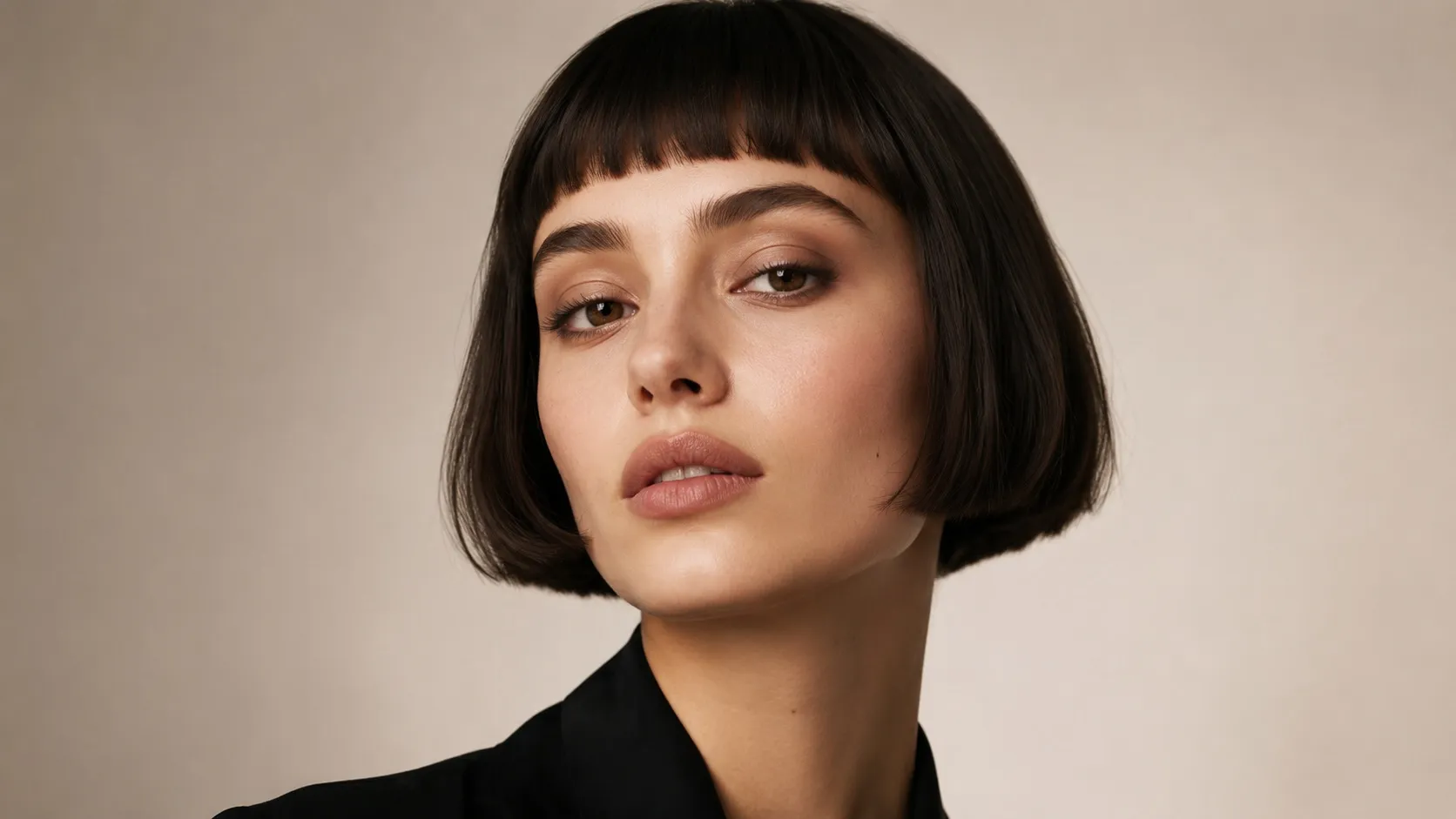
A vintage classic adapted for 2026, the French bob is cut slightly shorter than jaw-length—right at the cheekbones—and paired with a blunt micro-fringe. This style creates a stark, beautiful frame for the eyes and instantly lifts the jawline.
Best Face Shapes: Oval, Long, and Heart face shapes.
Maintenance Level: High (The micro bangs require a trim every 2 to 3 weeks to maintain their position above the brow).
Styling Tip: Wrap-dry the bangs flat against your forehead using a paddle brush and a blow dryer to prevent them from bubbling up.
The Asymmetrical Pixie-Bob (Bixie)
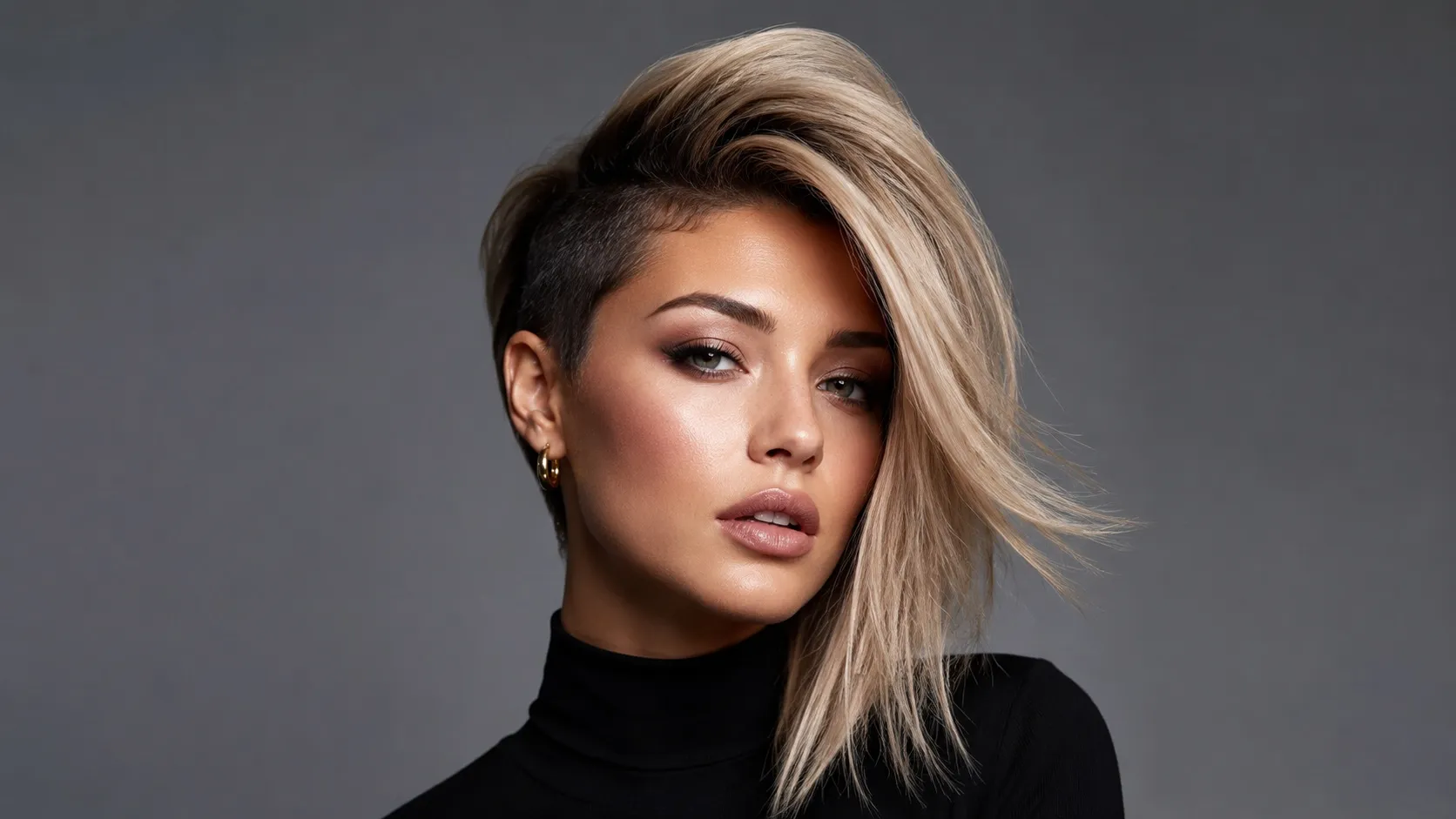
For those transitioning from a longer length or who want a dramatic look, the asymmetrical bixie offers one side cut close to the scalp while the other side cascades down past the lip line. This stark contrast cuts through the roundness of the face, creating dynamic, sharp angles.
Best Face Shapes: Round, Square, and Pear face shapes.
Maintenance Level: High (The short side needs frequent clean-ups, while the long side requires precise blending).
Styling Tip: Use a small round brush to blow dry the longer side forward and away from the face for a high-volume dramatic sweep.
Redefining Style: Short Hairstyles for Women Over 50
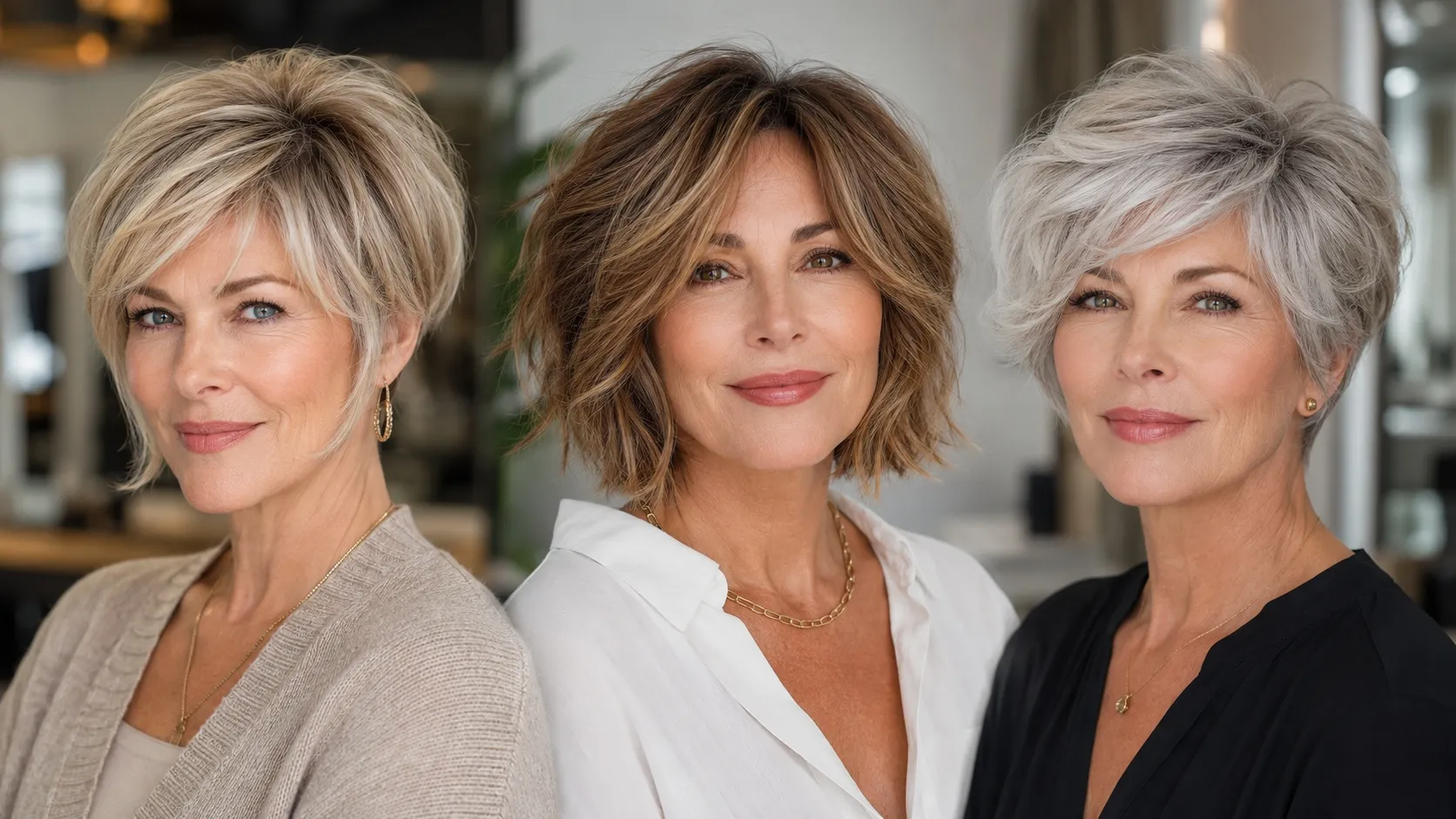
Many generic beauty publications suggest that women over 50 must adopt flat, highly structural, or stiffly sprayed crops simply because of their age. True salon expertise dictates otherwise. As hair ages, it naturally loses diameter, moisture, and pigment, which changes its overall texture, elasticity, and behavioral patterns.
The goal for short hairstyles for women over 50 is not to hide features or conform to rules, but to strategically build visual density, restore bounce, and soften facial angles using clever geometry:
The Soft-Graduated Bixie: A true hybrid between a bob and a pixie. It keeps the volume-building, shorter layers of a pixie at the crown to combat thinning crowns and flat roots, but retains the longer, face-framing softness of a bob around the jawline to flatter the neck.
The Wispy Layered Lob: For those who want coverage around the neck without looking weighed down. Soft, slide-cut layers around the cheekbones lift the face visually without creating the harsh, dated lines of traditional stiff hairsprayed roller sets.
The Density Rule: Avoid heavy, greasy waxes or oil-laden pomades that cause fine strands to clump together and expose the scalp. Instead, swap them for dry texture sprays, liquid volume mists, or root-lifting powders that add airy, youthful volume to finer hair structures.
Short Hairstyles for Men
Mastering short hair styles men appreciate requires a deep focus on the blend. A great men’s haircut relies heavily on the transition from the perimeter skin lines up into the weight ring of the crown. According to real barbers and structural discussions across grooming forums, the biggest mistake men make when choosing a short cut is failing to understand how their crown’s growth pattern dictates the top length.
Below are the high-intent, modern short cuts that deliver maximum impact with zero wasted styling time.
The True Crew Cut
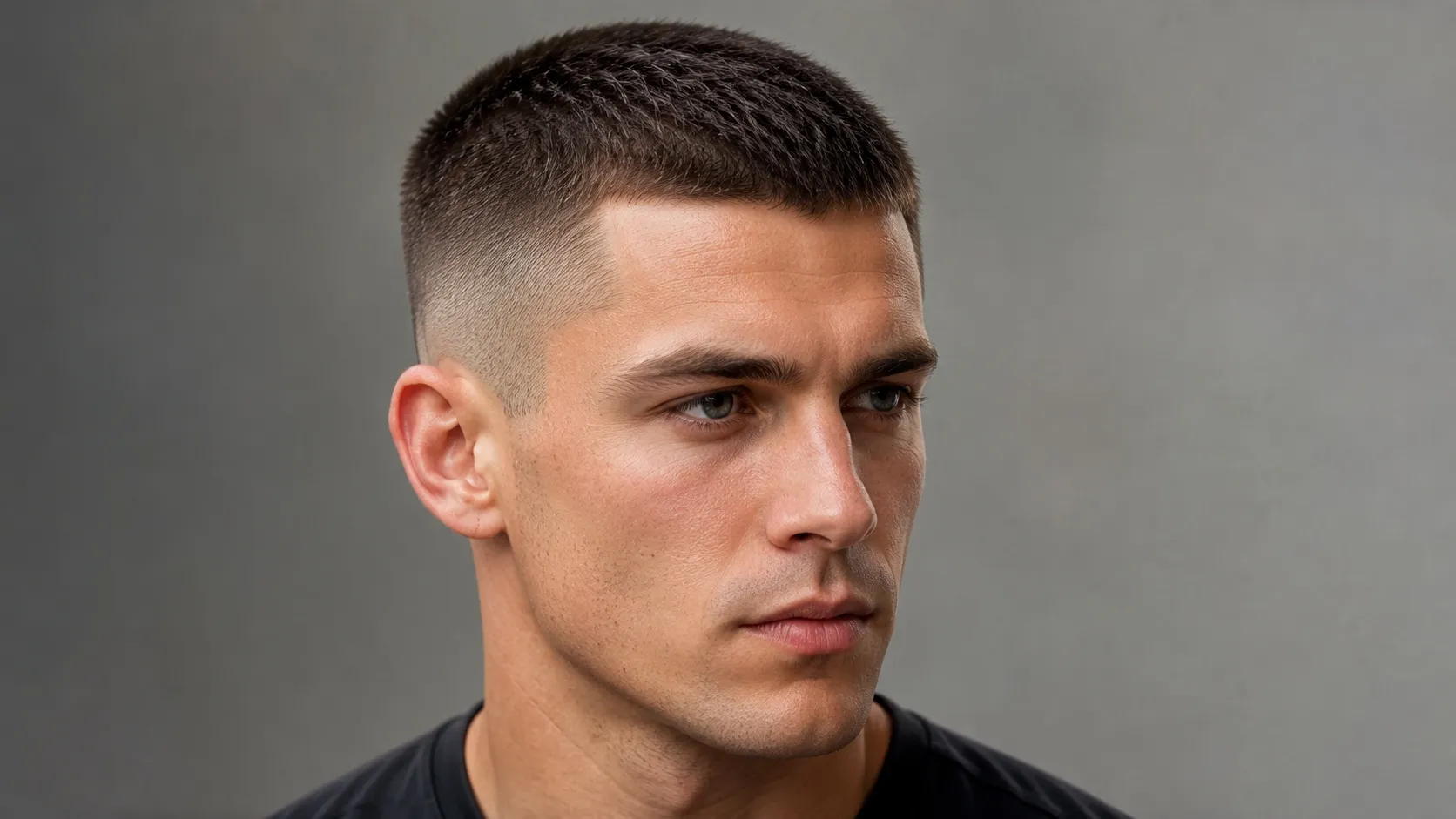
The classic crew cut features short sides—typically tapered with a clean low to mid fade—while the hair on top is left slightly longer, tapering down in length from the front hairline back to the crown. It is a highly athletic, structural cut designed to follow the natural curve of the skull.
Best For: Round, Oval, and Square face shapes.
Maintenance Level: Low (Zero daily styling, but needs a hair clipper touch-up every 2–3 weeks).
The Precision Buzz Cut
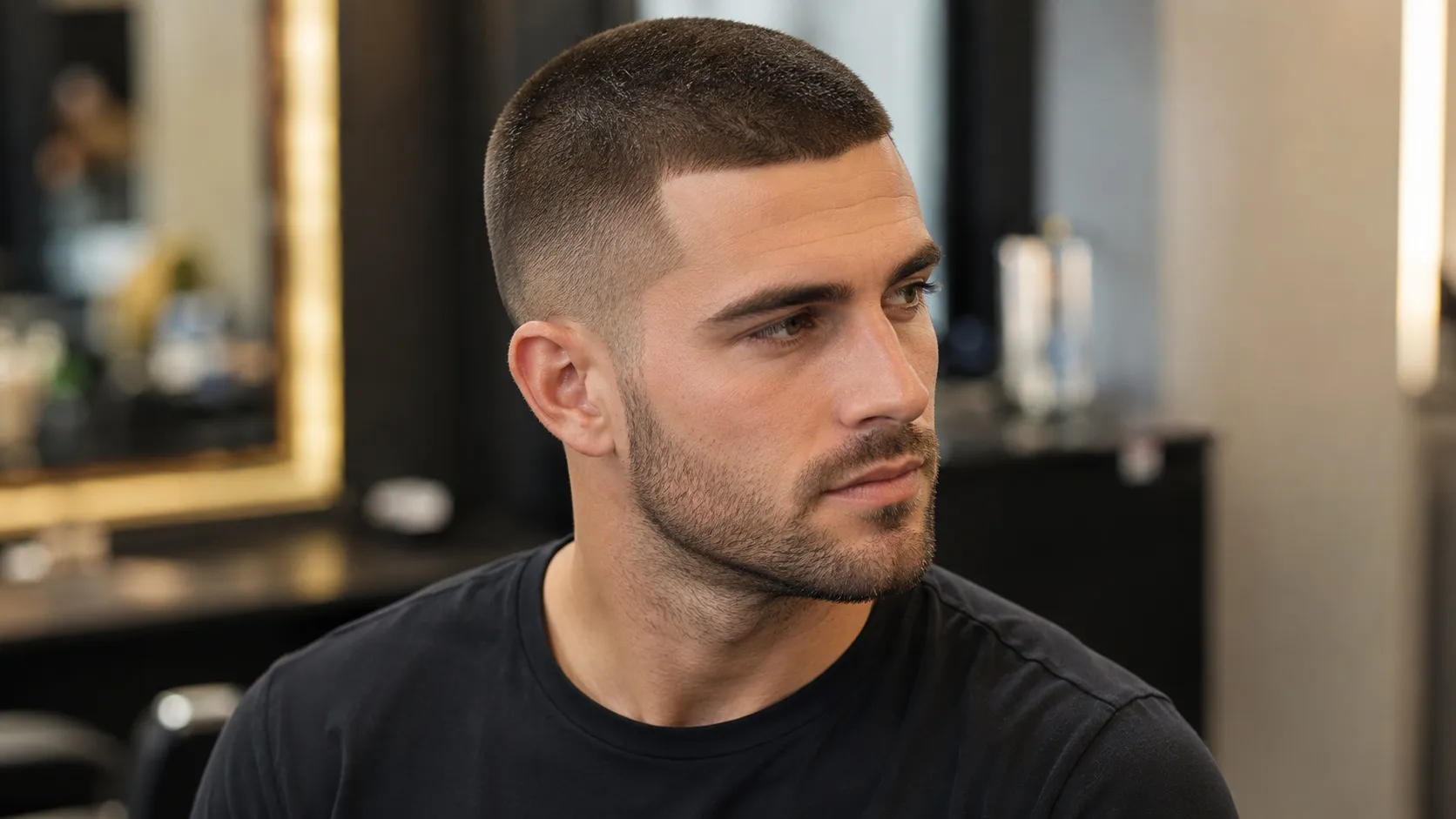
The ultimate low-maintenance look. A uniform clipper guard (typically a #2 or #3) is run across the entire scalp. To prevent a buzz cut from looking generic or “home-made,” ask your barber for a crisp lineup along the forehead corners and a soft taper at the neck.
Best For: Oval and Square face shapes with symmetrical hairlines.
Maintenance Level: Very Low (No styling product required).
The Clean Taper Fade
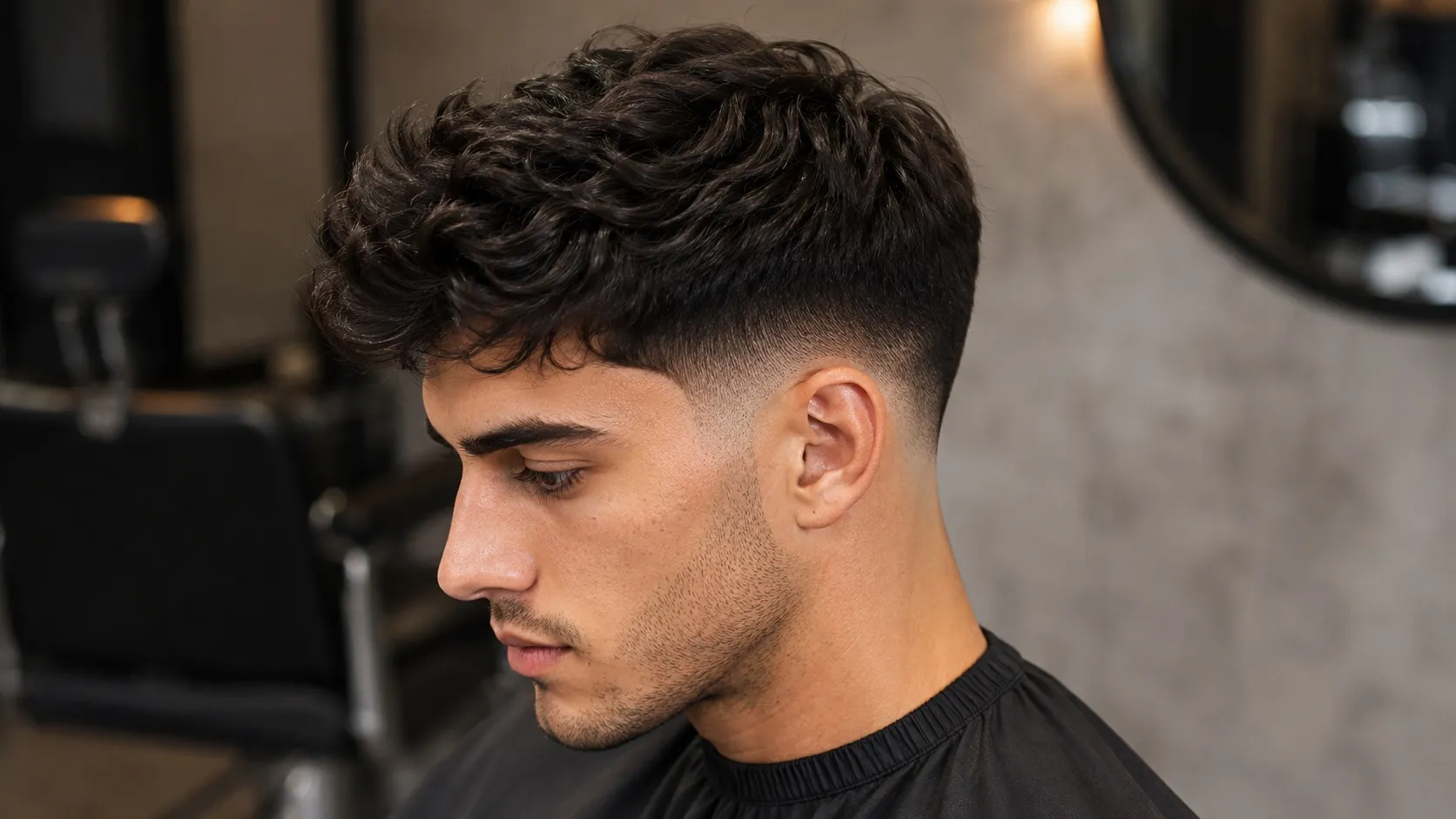
The taper fade blends the hair down to the skin exclusively at two points: the sideburns and the lowest edge of the nape. This keeps the rest of the perimeter clean and sharp while allowing you to maintain substantial length, weight, and natural texture through the top canopy.
Best For: All face shapes, especially great for balancing wide jaws.
Maintenance Level: Medium (Requires a quality matte styling paste to direct the top length).
The Tailored Ivy League
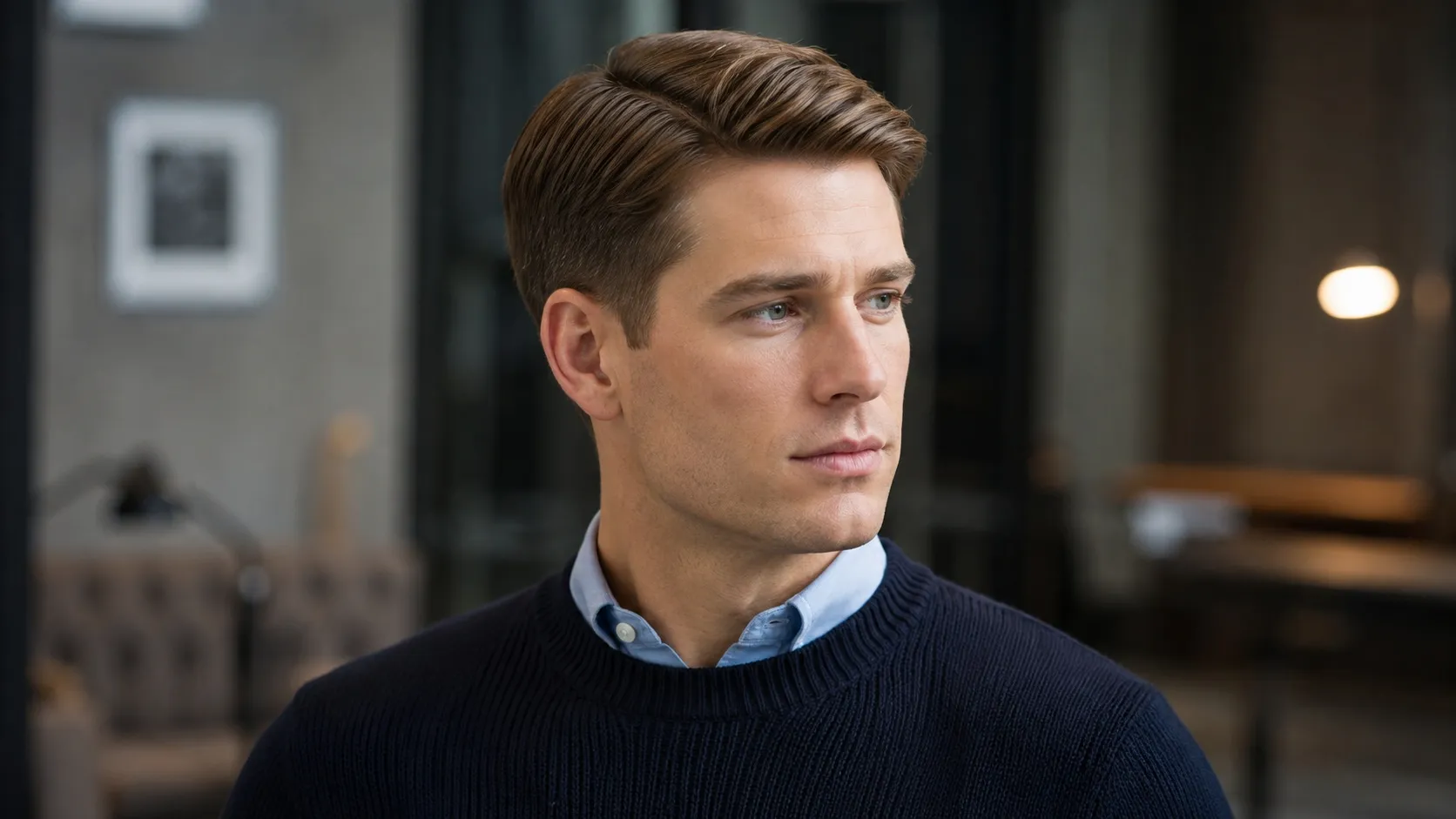
The Ivy League (often called a Princeton cut) is the sophisticated older brother of the crew cut. It leaves enough length on top to allow the hair to be parted cleanly and swept to the side. It provides a polished, corporate aesthetic that can still be dressed down on the weekends.
Best For: Oval, Square, and Diamond face shapes.
Maintenance Level: Medium (Requires daily combing and a light-hold pomade).
The Textured Forward Brush
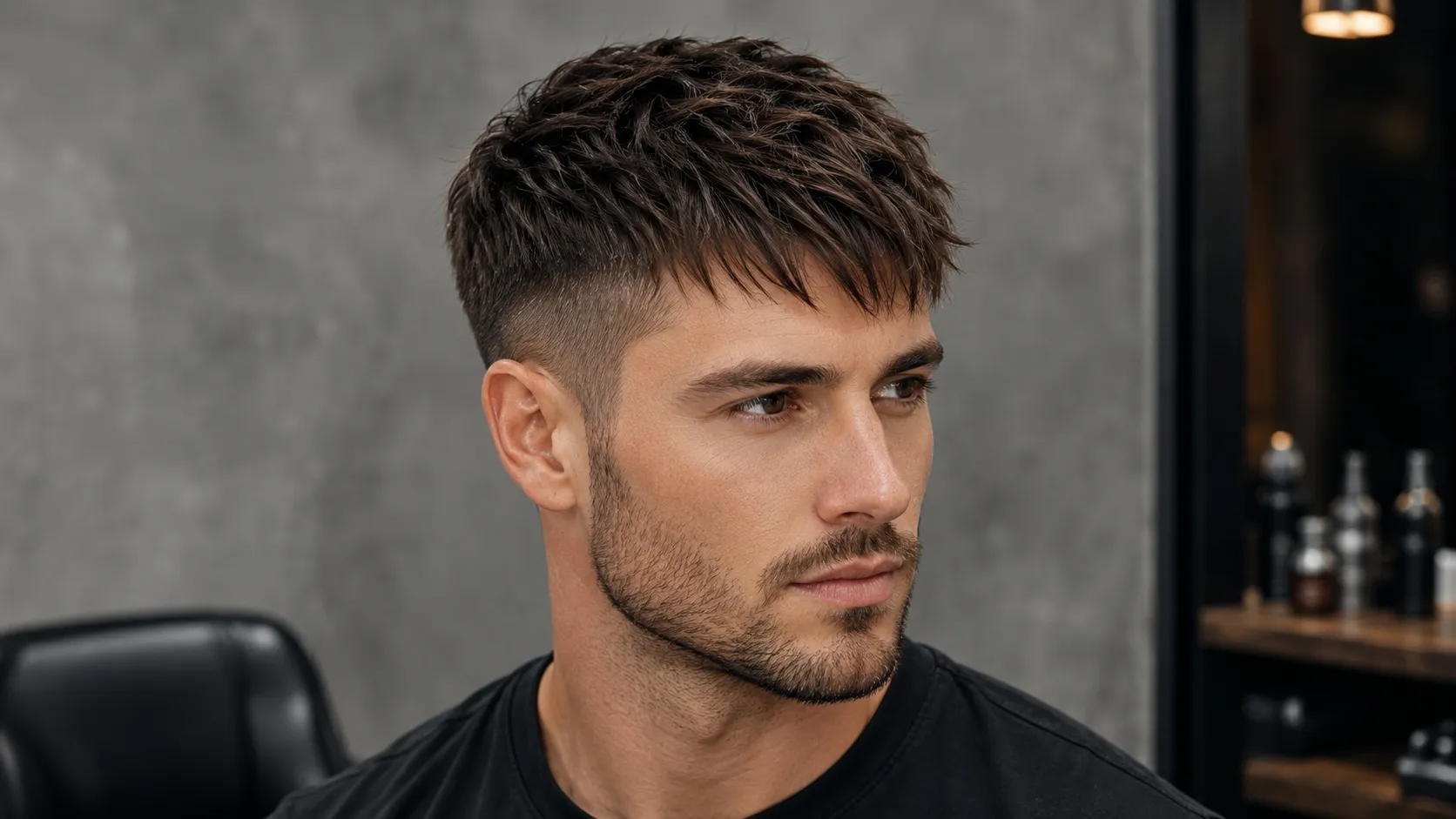
Perfect for men dealing with an asymmetrical hairline, cowlicks at the front, or early thinning. The hair is cropped short on the sides, and the top length is point-cut with scissors and directed forward to create a textured fringe that naturally masks recession points.
Best For: High foreheads, Oval, and Diamond face shapes.
Maintenance Level: Low to Medium (Needs a shake of styling powder or matte clay to keep the texture piece-y).
The Barber's Secret: Crew Cut vs. Ivy League Confusion Cleared
If you browse through online grooming communities and subreddits, you will find hundreds of guys confused about the exact difference between a crew cut and an Ivy League. Most generic competitor blogs use these terms interchangeably, but they are entirely different cuts behind the chair. Here is the exact distinction that will save you from an awkward salon experience:
| Feature | Crew Cut | Ivy League |
|---|---|---|
| Top Length | Very Short (0.5 to 1 inch) | Longer (1.5 to 2+ inches) |
| Styling Flex | Cannot be combed or parted | Can be neatly side-parted |
| Front Fringe | Tapered short to the scalp | Longer (long enough to sweep up/back) |
| Best Tool | High-grade clippers | Scissor-over-comb finish |
The Rule of Thumb: If the hair on top of your head is too short to grab between your index and middle fingers, you have a Crew Cut. If you can pull the front fringe down and it almost reaches your eyebrows, you have enough length for an Ivy League.
How to order: If you want a zero-effort style that you can wake up and forget about, ask for a crew cut. If you want a professional look that you can actually style with a comb, ask for an Ivy League.
Short Haircuts for Boys & Kids
When executing short hair styles boys can wear comfortably, the primary design criteria are durability, growth patterns, and morning speed. Kids’ hair frequently features strong growth directions, prominent cowlicks, and finer textures that require strategic weight placement to look balanced without relying heavily on styling products.
Below are the top low-maintenance, school-friendly options that hold their shape from the playground to the classroom.
The Textured Scissor Crop
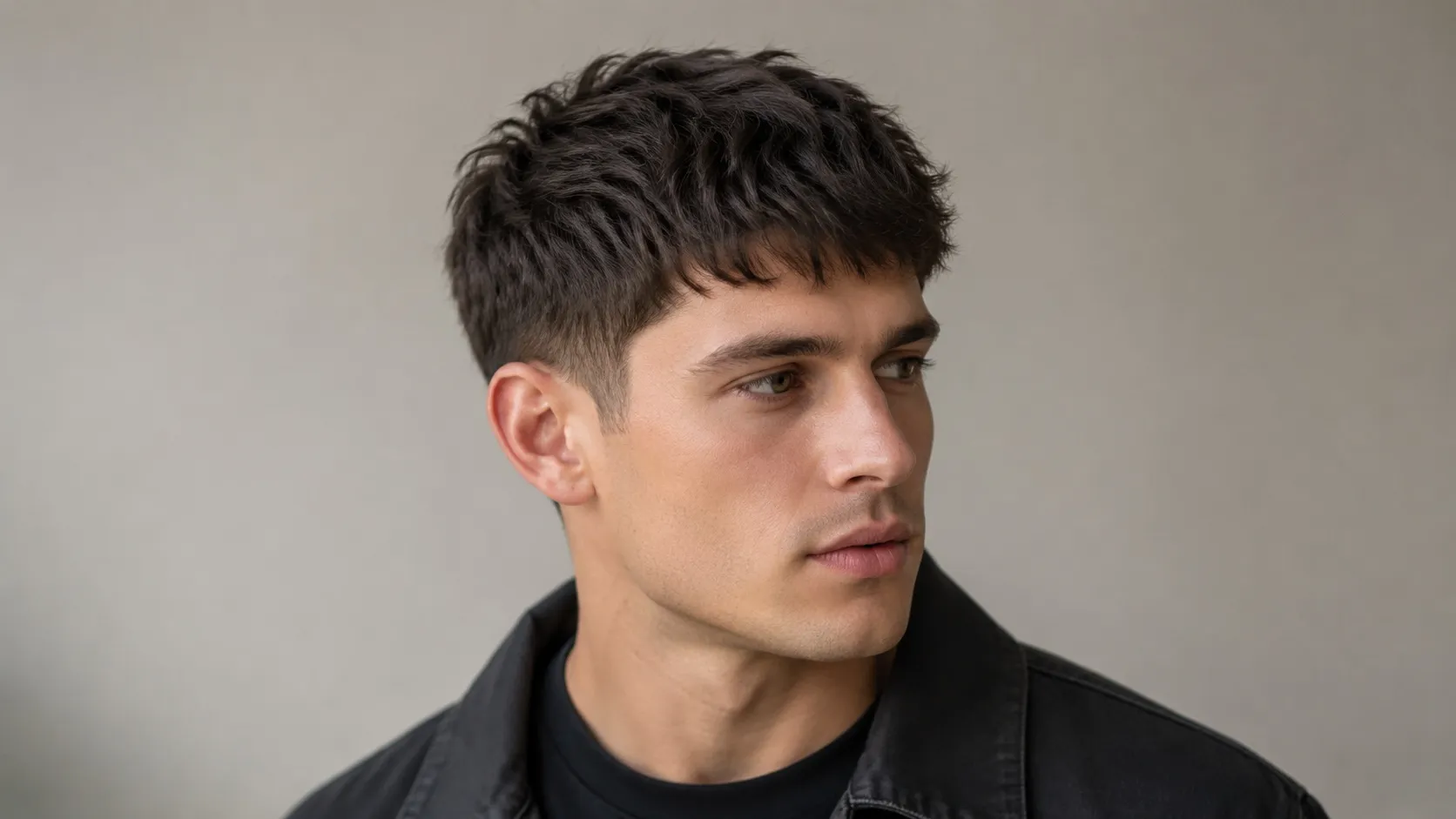
This full scissor-over-comb cut avoids harsh, mechanical clipper lines. By leaving the hair slightly longer and point-cutting internal texture into the top, the hair blends naturally. This technique allows the cut to grow out cleanly over 6 to 8 weeks without looking bulky or mushroom-shaped around the ears.
Best For: Straight, wavy, and fine hair types.
Maintenance Level: Low (Grows out beautifully; requires simple towel-drying).
The Classic Low-Fade Crew
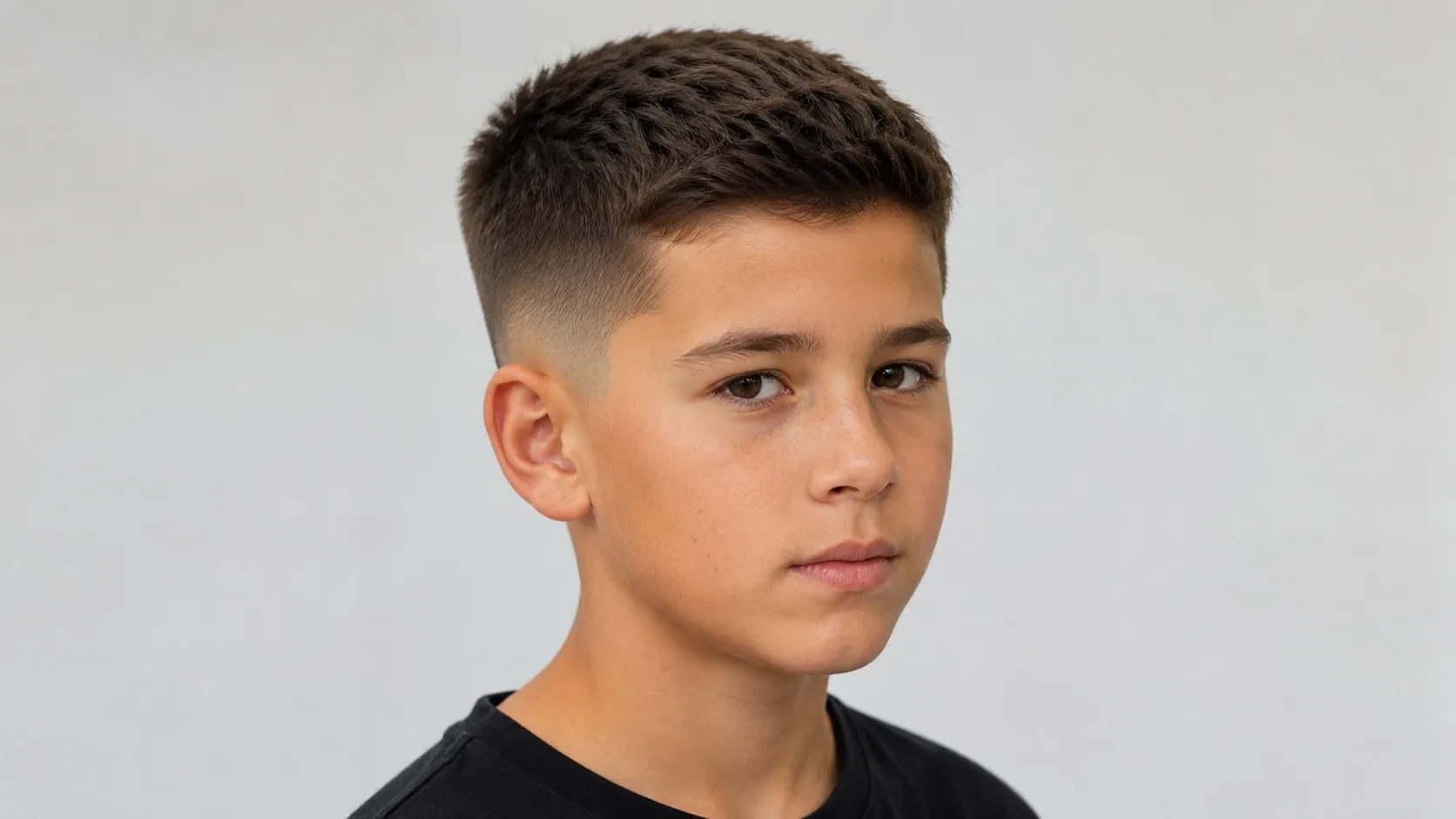
An excellent school-friendly option that keeps the perimeter clean. The sides are clipped short with a #3 or #4 guard, blending softly into a slightly longer, tapered top. It stays completely out of the eyes and requires absolutely zero morning styling intervention.
Best For: Active kids and thick or coarse hair types.
Maintenance Level: Medium (Needs a perimeter clean-up every 4 weeks).
The Playtime Undercut

Keep the sides clipped tight up to the parietal ridge, leaving the top long enough to naturally lay flat or comb over. This architecture keeps fine strands secure and away from the face during high-activity sports, while remaining formal enough for school picture days.
Best For: Straight and slightly wavy hair with strong cowlicks.
Maintenance Level: Low to Medium (A quick mist of water reset styles it instantly).
Short Hairstyles by Hair Type
Your hair blueprint—density, diameter, and curl pattern—dictates how a short haircut will behave once you leave the salon chair. Attempting a cut that fights your natural texture leads to high-maintenance styling battles every morning. Here is how to choose a short style that works with your specific hair blueprint.
Short Hairstyles for Thin Hair
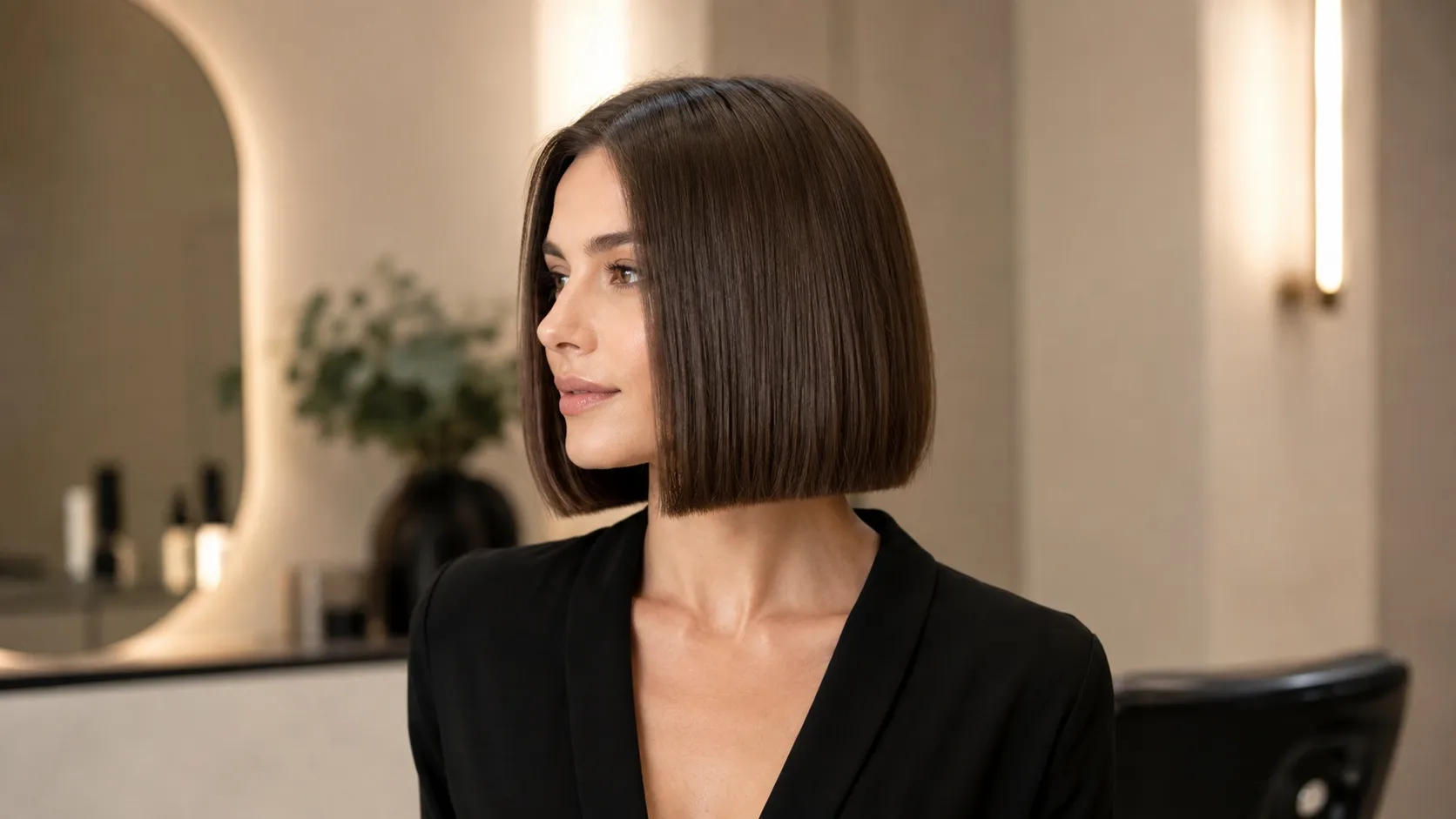
The primary goal when designing a cut for fine, low-density strands is avoiding separation. When short hairstyles for thin hair are cut with excessive interior layers, the perimeter looks sparse and see-through.
Instead, opt for solid, blunt geometries that build weight. A structural box bob or a solid, heavy fringe crop are exceptional choices. Keep texturizing shears completely away from the ends; instead, your stylist should use blunt shears at a 0-degree elevation to create a crisp, thick baseline that gives the illusion of maximum density.
Best Cut Recommendation: The Blunt Box Bob.
Why It Works: Cutting the hair on a single, uniform plane stacks the hair strands directly on top of each other, immediately doubling the perceived thickness of the hair perimeter.
Thick & Curly Textures
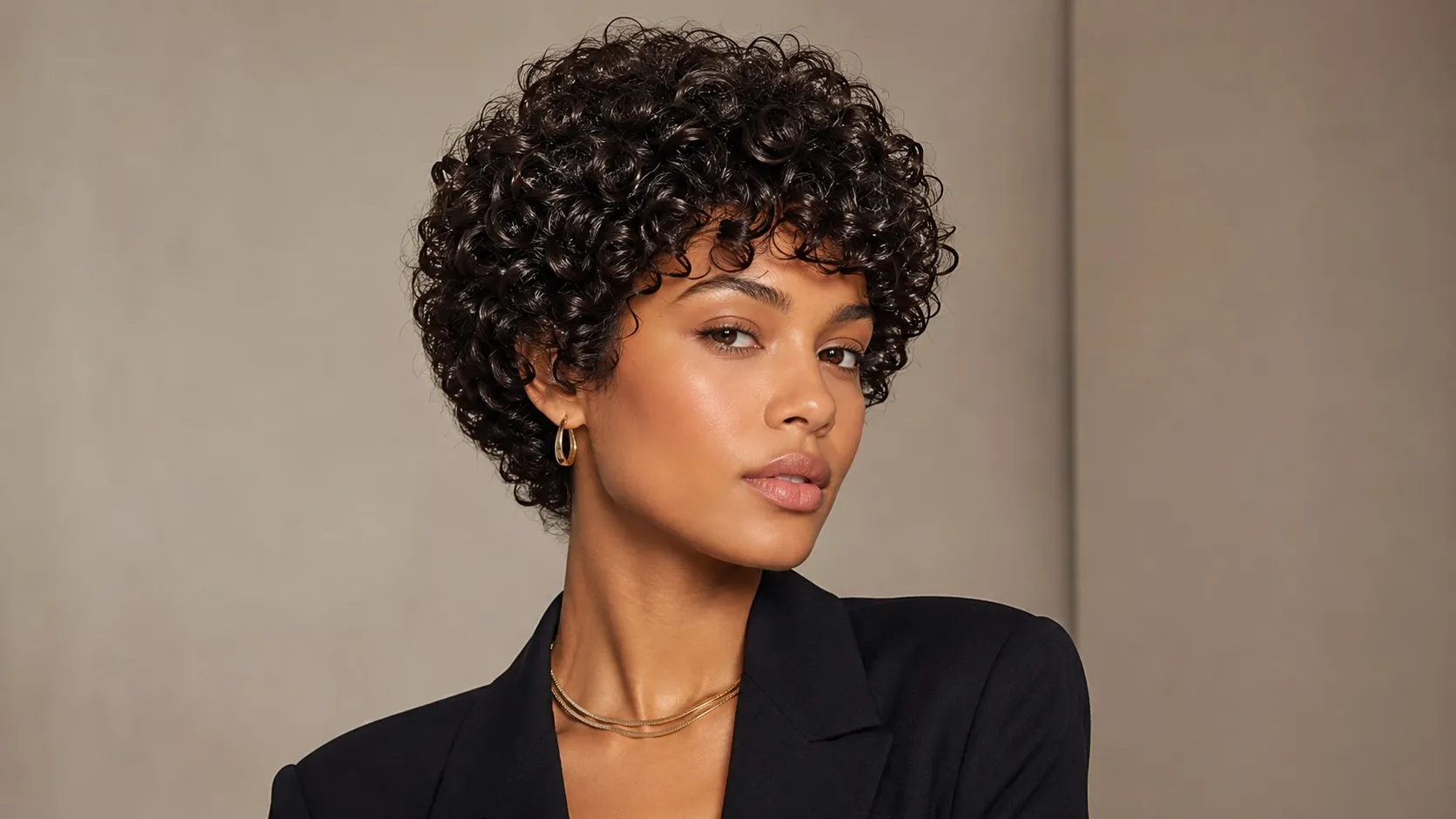
Thick, high-density curly hair requires specialized internal weight removal. If you cut curly hair using traditional straight-hair techniques, it will expand horizontally into an unmanageable triangular shape.
A specialized dry-cutting technique is essential here. Because every curl loop shrinks differently depending on its unique coil pattern, cutting the hair while it is dry allows the stylist to visually carve out individual curls. This ensures they nestle together seamlessly without creating unwanted bulk at the sides.
Best Cut Recommendation: The Sculpted Round Pixie-Bob.
Why It Works: Internal slide-cutting removes hidden bulk from the mid-shafts, allowing curls to stack vertically and form a soft, beautifully balanced silhouette.
The Soft-Textured Korean Short Hairstyle for Girl
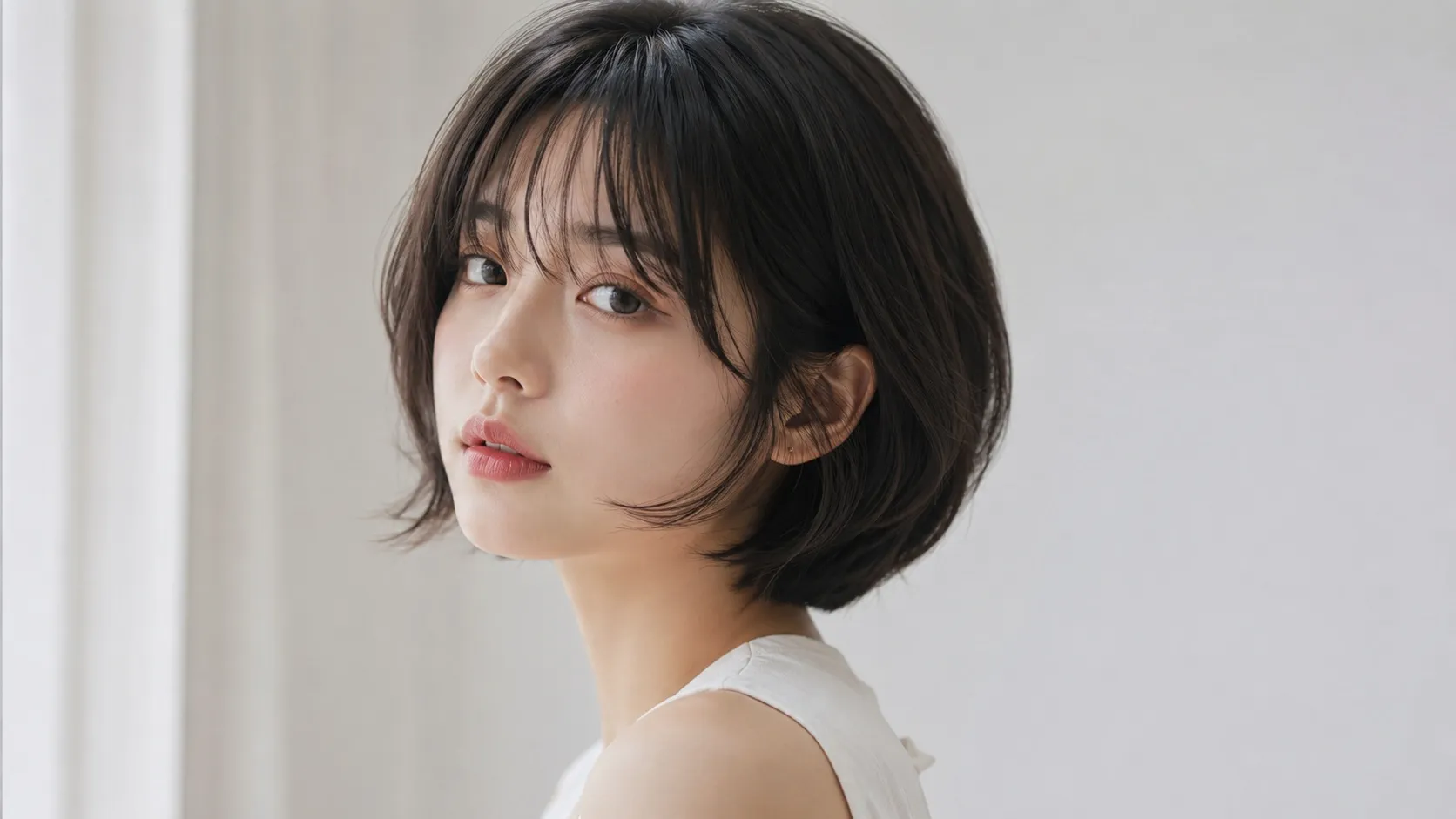
While western styling often focuses on sharp lines or heavy layering, the modern korean short hairstyle for girl trends prioritize airy, weightless, and highly fluid silhouettes. This style is specifically engineered for coarse, straight Asian hair types that tend to stick straight out when cut too short.
Rather than utilizing heavy blunt lines, the perimeters of this style are deeply point-cut with ultra-sharp texturizing razors. This creates an incredibly soft, face-framing look featuring semi-transparent “see-through” bangs. These bangs break up the forehead line and add a youthful, delicate frame around the eyes and jawline.
Best Cut Recommendation: The Texturized Korean Bob with See-Through Bangs.
Why It Works: It tames coarse hair by thinning out the ends precisely, allowing the hair to hug the contours of the face naturally with minimal styling effort.
Short Hairstyles by Face Shape
A successful short cut uses geometry to balance your natural facial proportions. The wrong length can over-emphasize a sharp jaw or make a round face look wider, whereas the right structural crop creates perfect symmetry. Use the professional breakdown below to find the exact cut designed to balance your bone structure.
Face Shape Optimization Matrix
| Face Shape | Primary Design Goal | Best Short Cut Options | What to Avoid |
|---|---|---|---|
| Round | Create vertical height and elongate the facial structure. | Pompadour, High Fade Pixie, Asymmetrical Bob | Ultra-blunt, jaw-length bobs that add horizontal width. |
| Oval | Maintain natural, balanced proportions without distorting symmetry. | Classic Crop, Side-Parted Ivy League, Blunt Bob | Styles with excessive top height that overly elongate the forehead. |
| Square | Soften angular jawlines and sharp, prominent features. | Soft Textured Shag, Layered Pixie, Taper Fade with a Soft Wavy Top | Sharp, blunt-cut geometric fringes that create boxy angles. |
| Diamond | Build fullness at the narrow forehead and chin areas while softening cheekbones. | Long-fringe Pixie, Classic Lob, Textured Quiff with scissor-cut sides | High, harsh skin fades that make the cheekbones look overly wide. |
Designing for the Diamond Face Structure
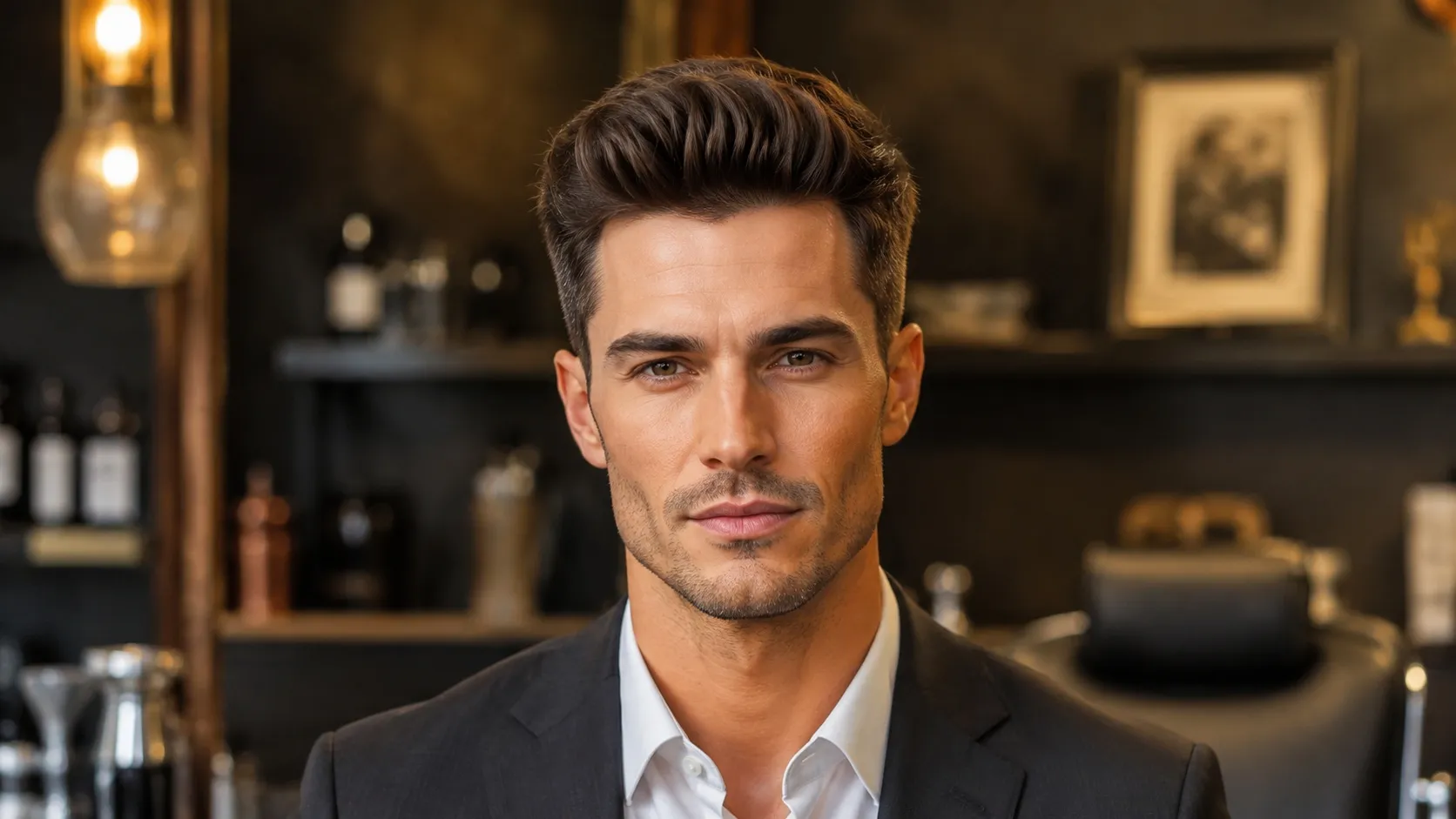
When analyzing bone structure behind the chair, the diamond face shape presents a unique geometric puzzle. Individuals with this structure possess sharp, high cheekbones paired with a distinctly narrow forehead and an equally narrow, pointed jawline.
For men with this specific build, standard generic cuts do not work. If you take the sides too short with a high skin fade, you instantly over-emphasize the width of the cheekbones, making the head look disproportionate.
The absolute best short haircuts for diamond face men rely on preserving weight around the temples to visually widen the forehead. A low taper fade or a clean scissor-over-comb cut allows the sides to retain roughly half an inch of hair, seamlessly blending into a high-volume textured quiff or a forward-brushed crop on top. This architectural balance creates a clean, masculine silhouette that softens sharp angles while maintaining an elite, professional look.
10 Easy Short Hairstyles to Try at Home
When you transition to a shorter crop, many people mistakenly think they are locked into just one look. In reality, working with short lengths allows you to change your entire aesthetic in under five minutes without ever stepping foot into a salon.
Using the right styling vectors—shifting root direction, changing texture density, or altering your parting line—here are 10 easy hairstyles for short hair that you can quickly execute at home.
The Sleek Wet-Look Editorial
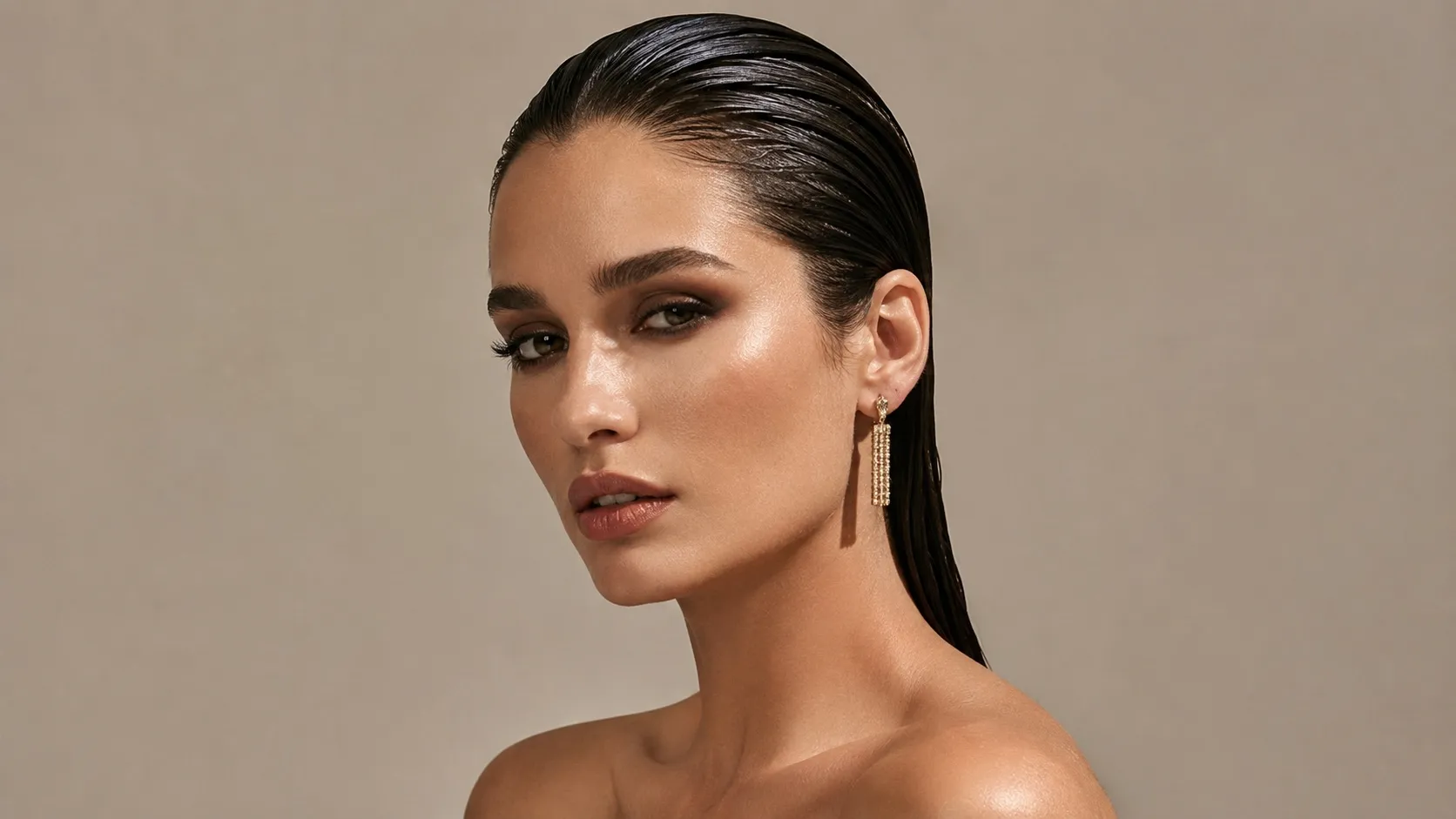
Perfect for an evening out or masking second-day hair oils. This style relies on high shine and maximum control.
Step 1: Start with slightly damp hair (around 20% moisture).
Step 2: Mix a nickel-sized amount of high-shine pomade with two drops of hair oil in your palms.
Step 3: Comb the product straight back from your front hairline to the nape of your neck using a fine-tooth comb. Let the sides hug your scalp flatly.
The Half-Up Top Knot
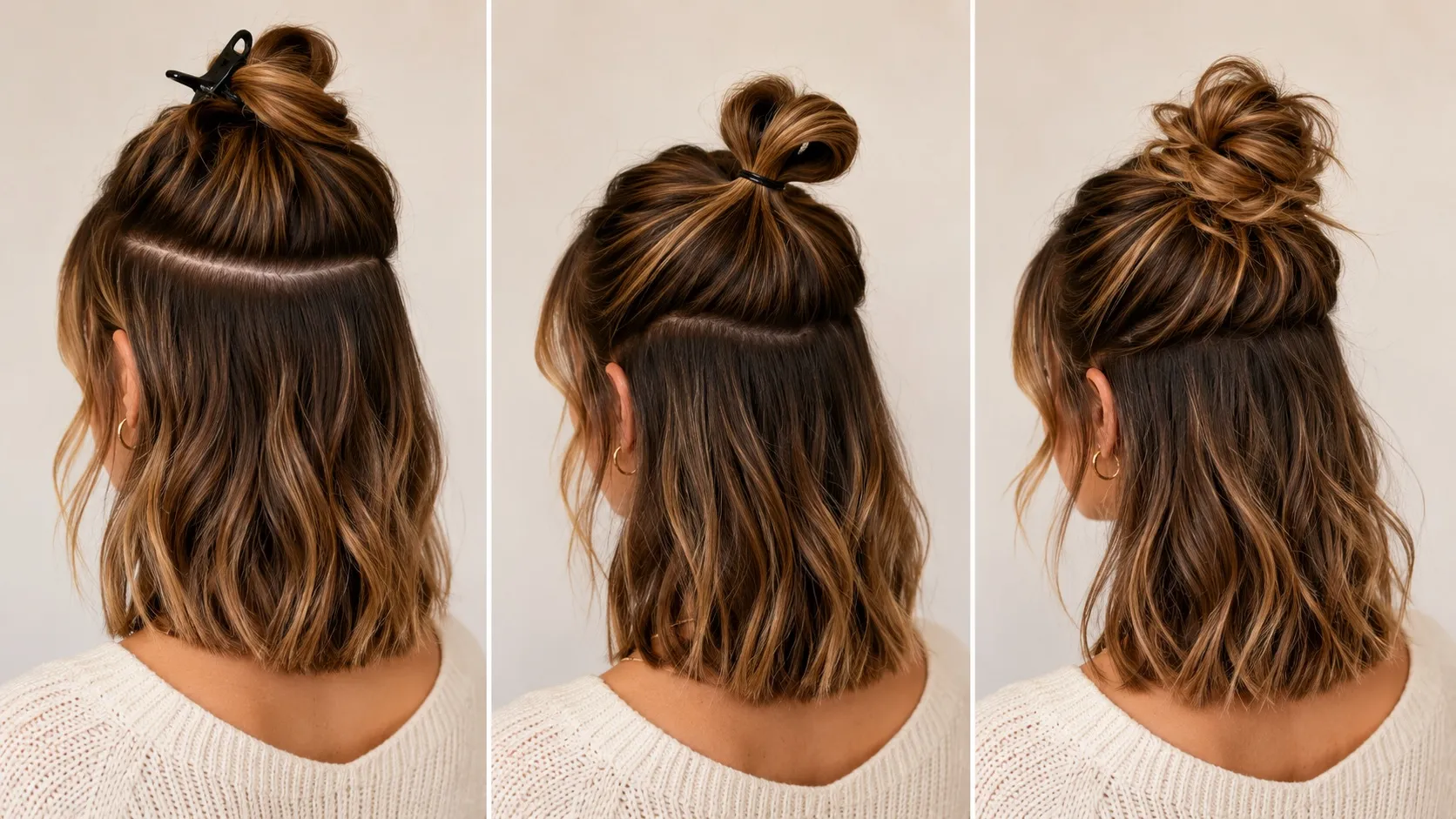
Ideal for lobs, shags, and longer pixie cuts that need hair kept completely out of the eyes.
Step 1: Section your hair horizontally starting from the top of your ears up to your crown.
Step 2: Pull this top section back into a high ponytail, but on the final loop of your elastic band, only pull the hair halfway through to form a micro-loop bun.
Step 3: Gently tug at the edges of the loop to create a messy, textured volume block.
The Textured Bedhead
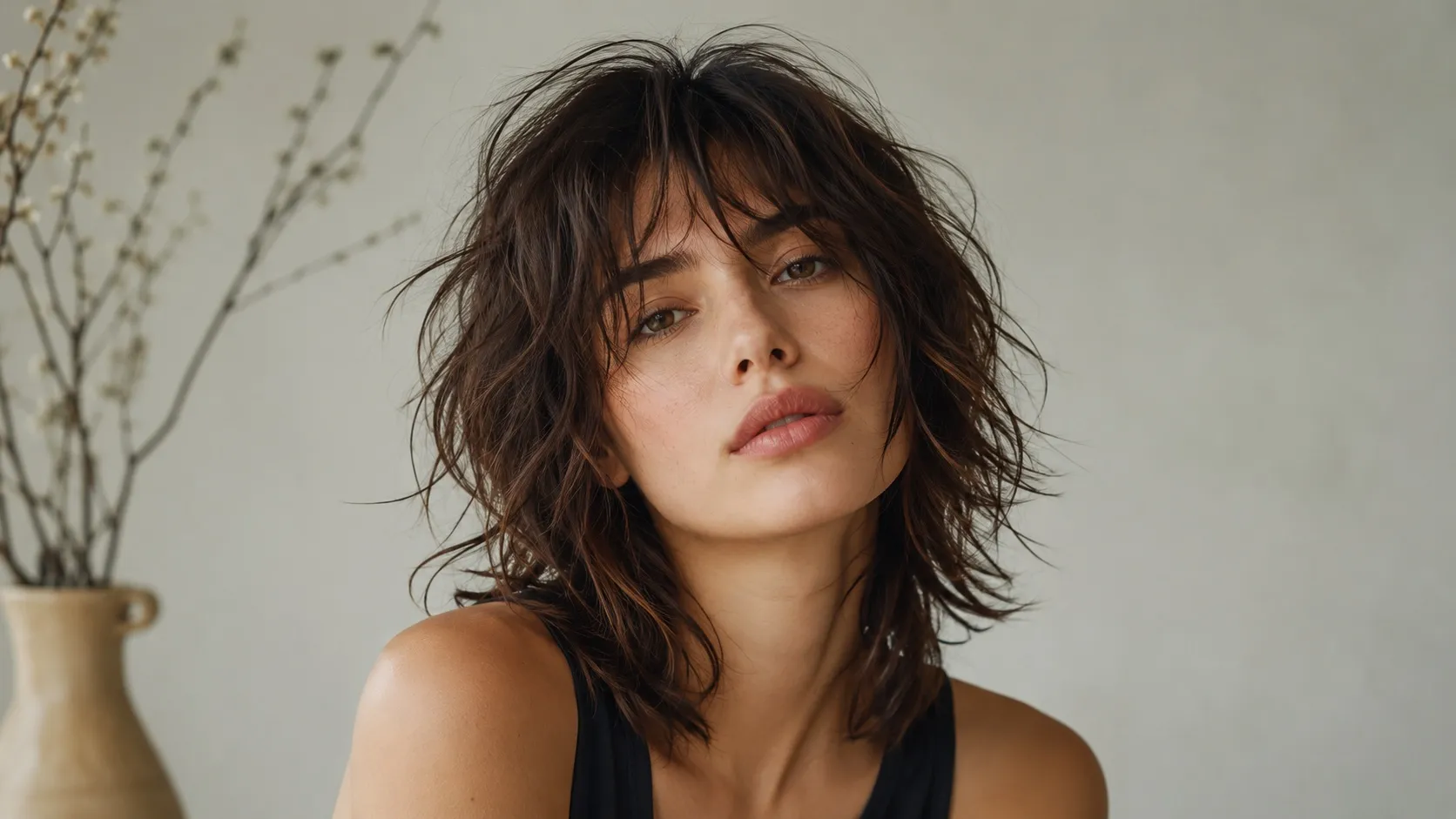
A lived-in style that works directly with your hair’s natural texture or waves.
Step 1: Mist completely dry hair thoroughly with a matte sea salt spray or dry texture mist.
Step 2: Use your palms to scrunch your hair in an upward motion to activate natural texture bends.
Step 3: Take a dime-sized amount of lightweight styling paste on your fingertips and pinch the very ends of random sections to create a piece-y, structured look.
The Deep Geometric Side Part
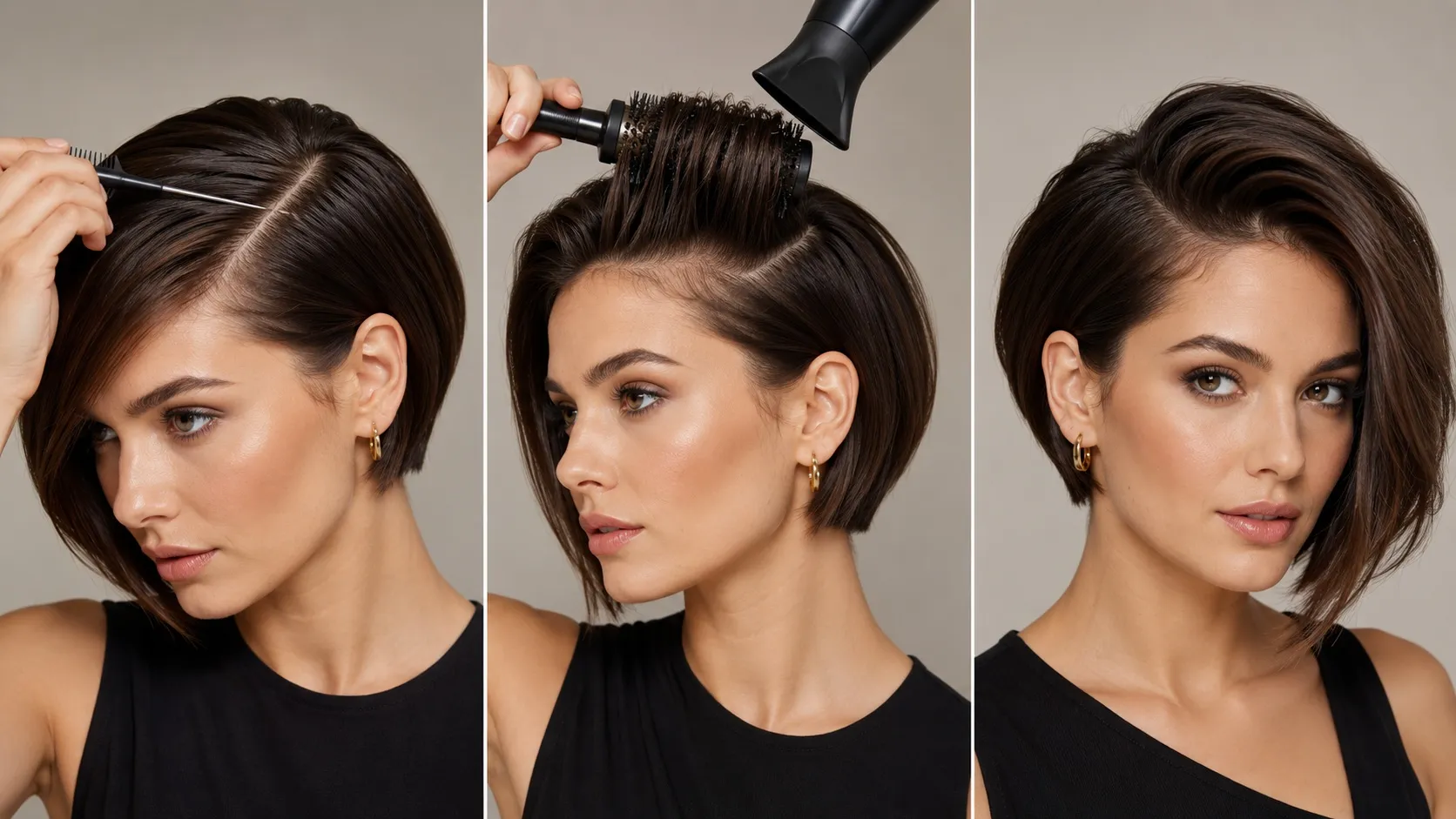
An instant way to add dramatic asymmetry and high root volume to a basic short bob or crop.
Step 1: Use a fine rat-tail comb to draw a crisp, straight line from the outer iris of your eye straight back into your crown.
Step 2: Blow dry the heavier side of the part using a round brush, lifting the roots straight up to lock in vertical volume.
Step 3: Tuck the lighter side of the part neatly behind your ear, applying a touch of hairspray to keep it pinned back.
The Crisscross Pin-Back
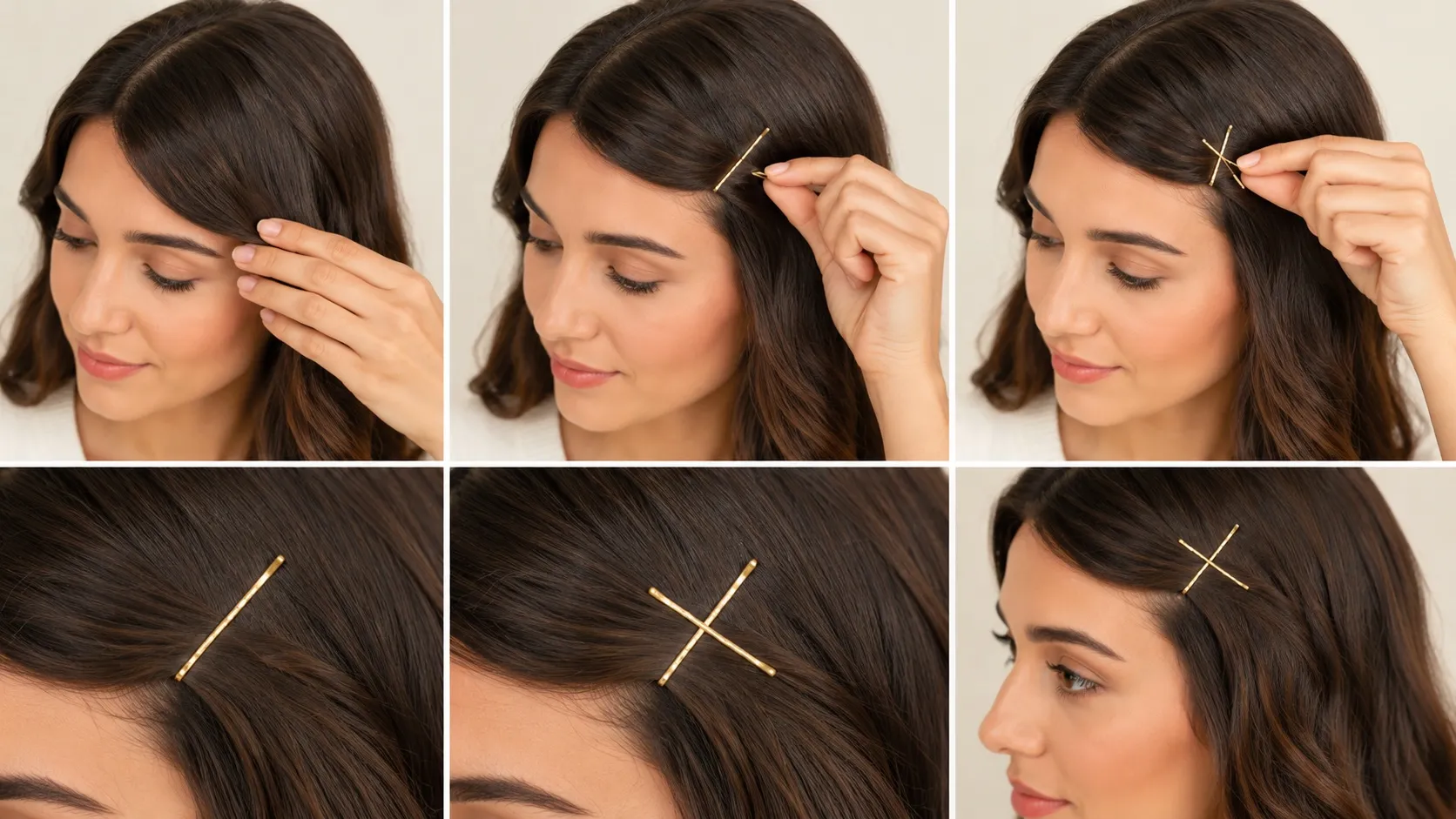
A creative, visual way to secure stubborn front layers or growing-out bangs.
Step 1: Direct your front fringe or bangs over to one side and smooth them down with your fingers.
Step 2: Slide one metallic bobby pin downward across the section at a 45-degree angle.
Step 3: Take a second bobby pin and slide it upward, crossing over the first pin to form a secure, exposed “X” shape.
The Micro-Temple Braid
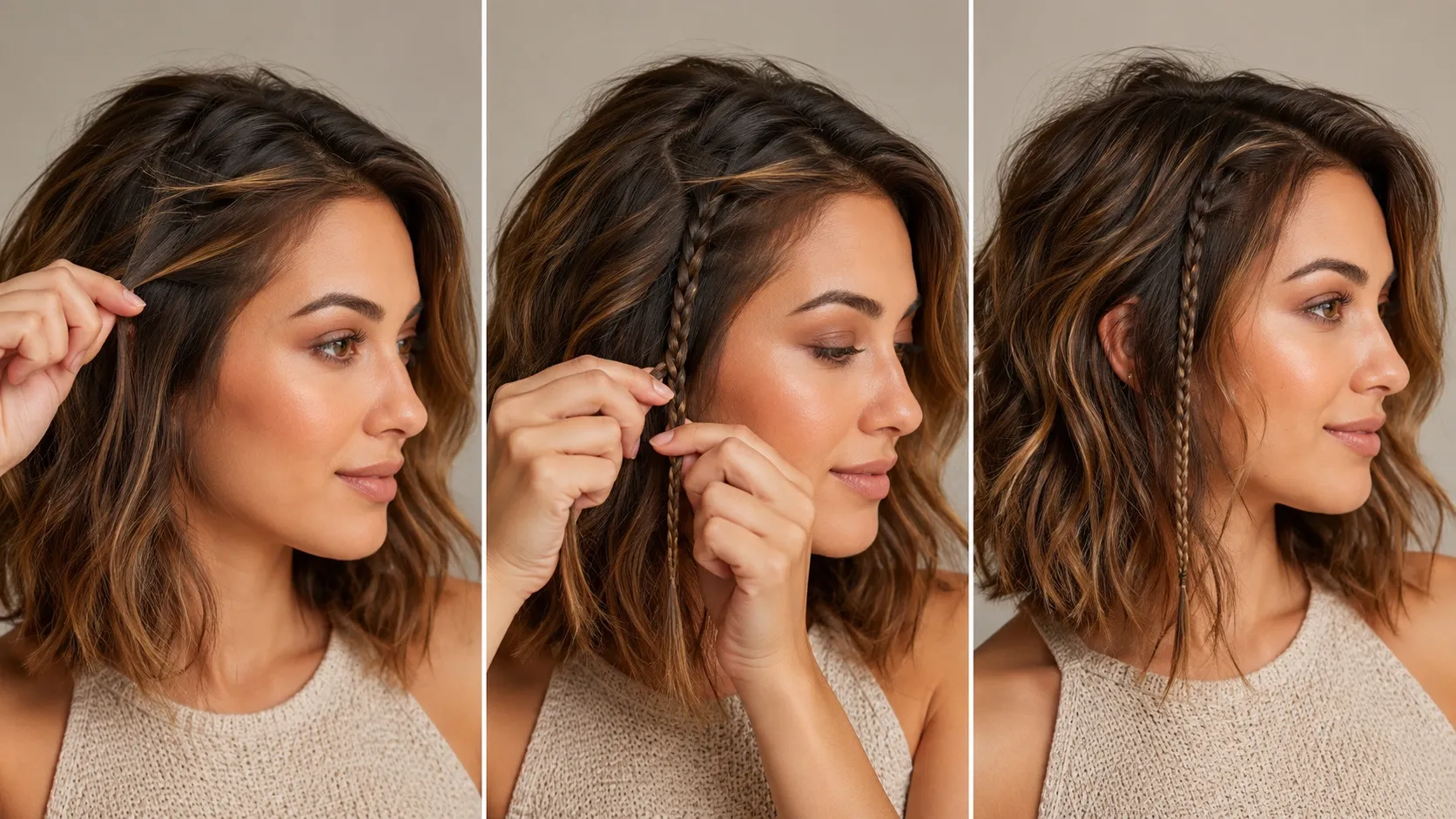
Adds a delicate, bohemian accent detail to texturized crops, crops, or shags.
Step 1: Take a small, half-inch section of hair right at your temple line on your preferred side.
Step 2: Weave a tight, traditional three-strand three-section braid all the way down to the tips.
Step 3: Secure the base with a clear micro-elastic band, allowing the braid to hide slightly beneath your longer top layers.
The Headband Tuck
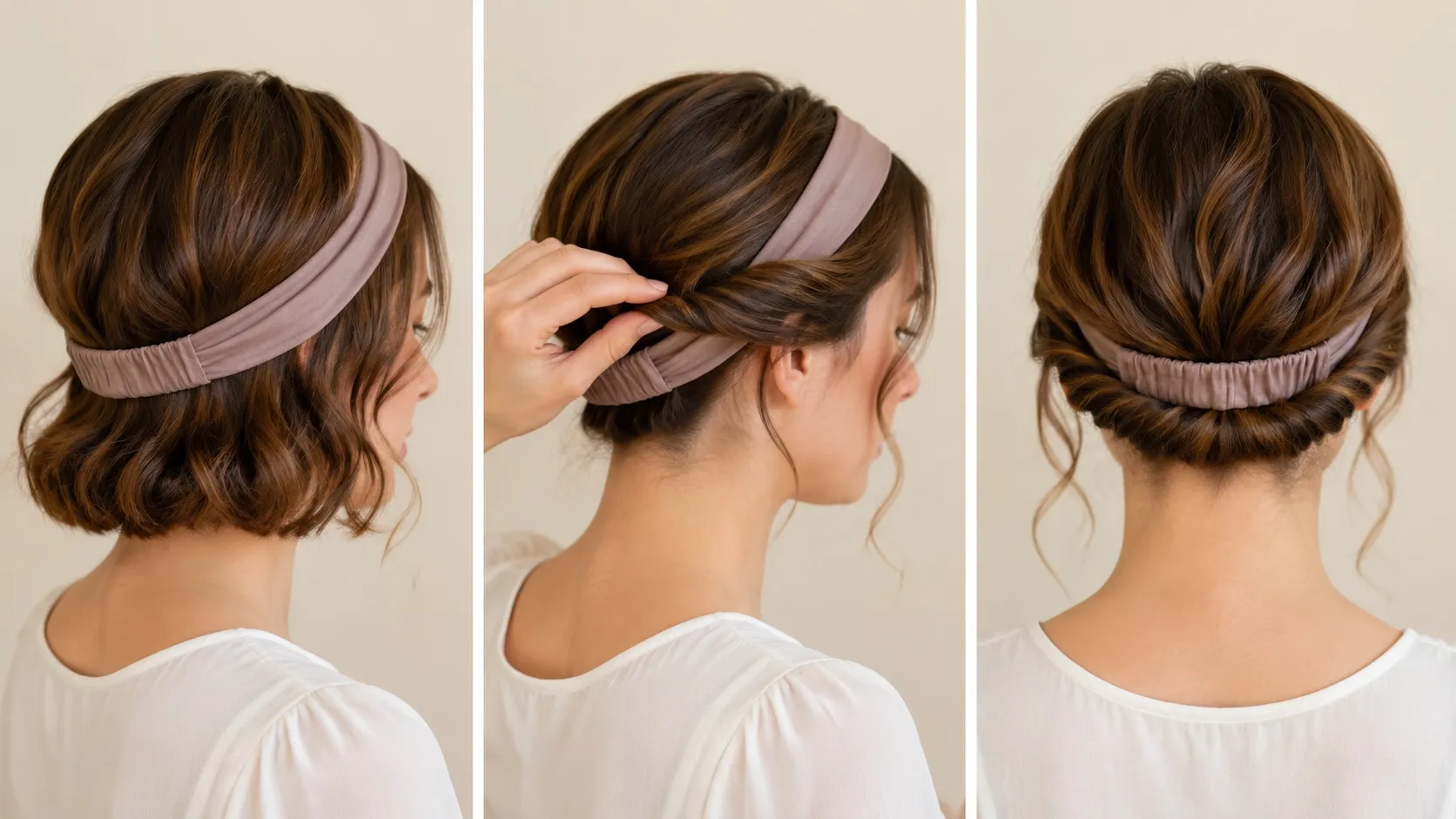
An elegant, vintage-inspired updo workaround for hair that is too short to fit into a traditional ponytail.
Step 1: Place an elasticized wrap-around headband directly over the top of your hair, sitting low around your occipital bone at the back.
Step 2: Starting from the front sides, take small sections of loose hair and loop them over and tuck them down into the elastic band.
Step 3: Work your way completely around to the back until all loose ends are rolled up and tucked away inside the band.
The Piece-y Low Ponytail
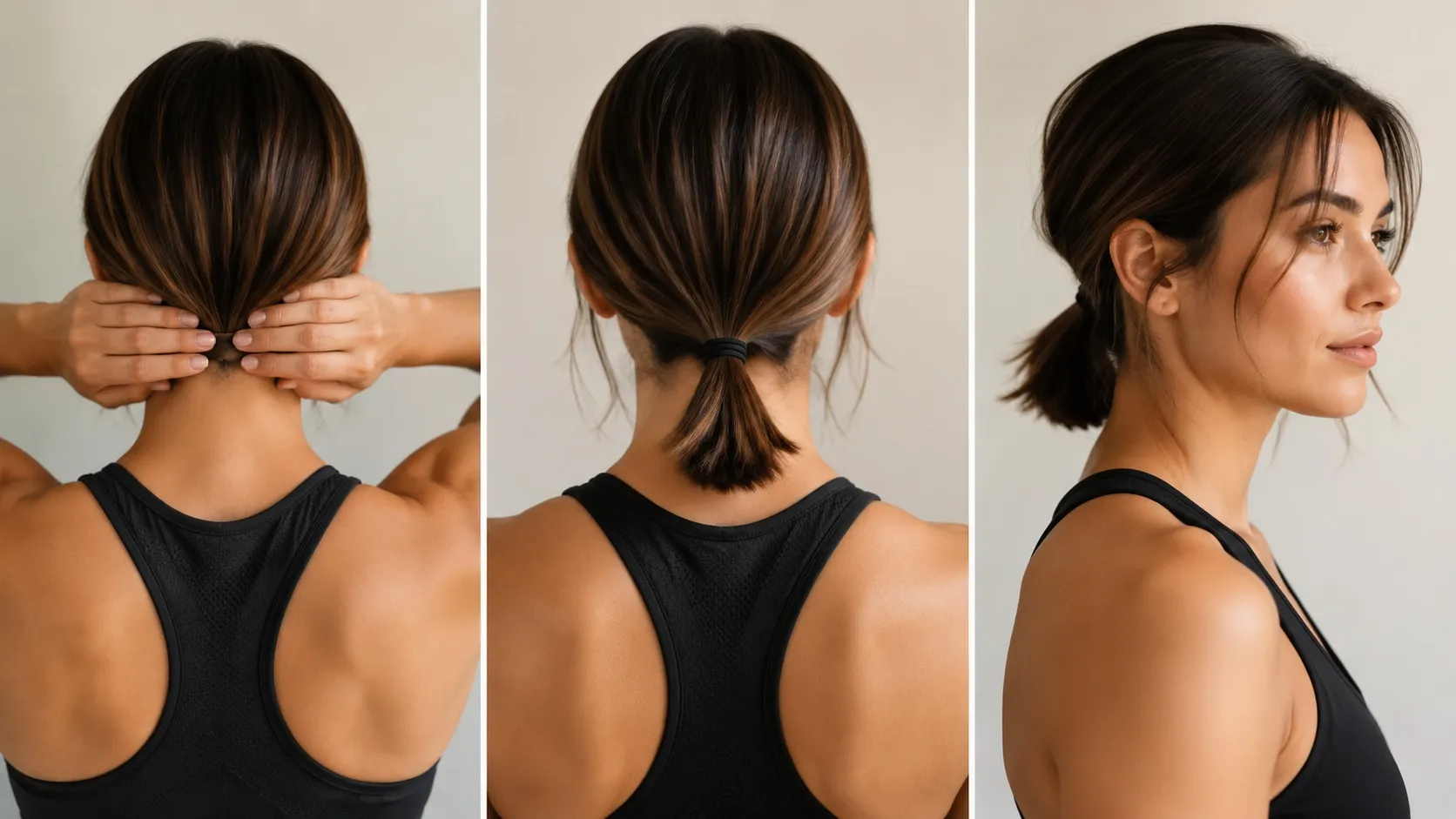
Designed specifically for short bobs to give a clean, low-profile, and highly athletic look.
Step 1: Pull all your hair down to the absolute lowest point of your nape, right against your neck.
Step 2: Secure tightly with a small hair-tie.
Step 3: Intentionally pull out a few wispy, face-framing strands around your ears and temples to soften the look, applying a touch of flexible hairspray.
The Instant Volumized Quiff
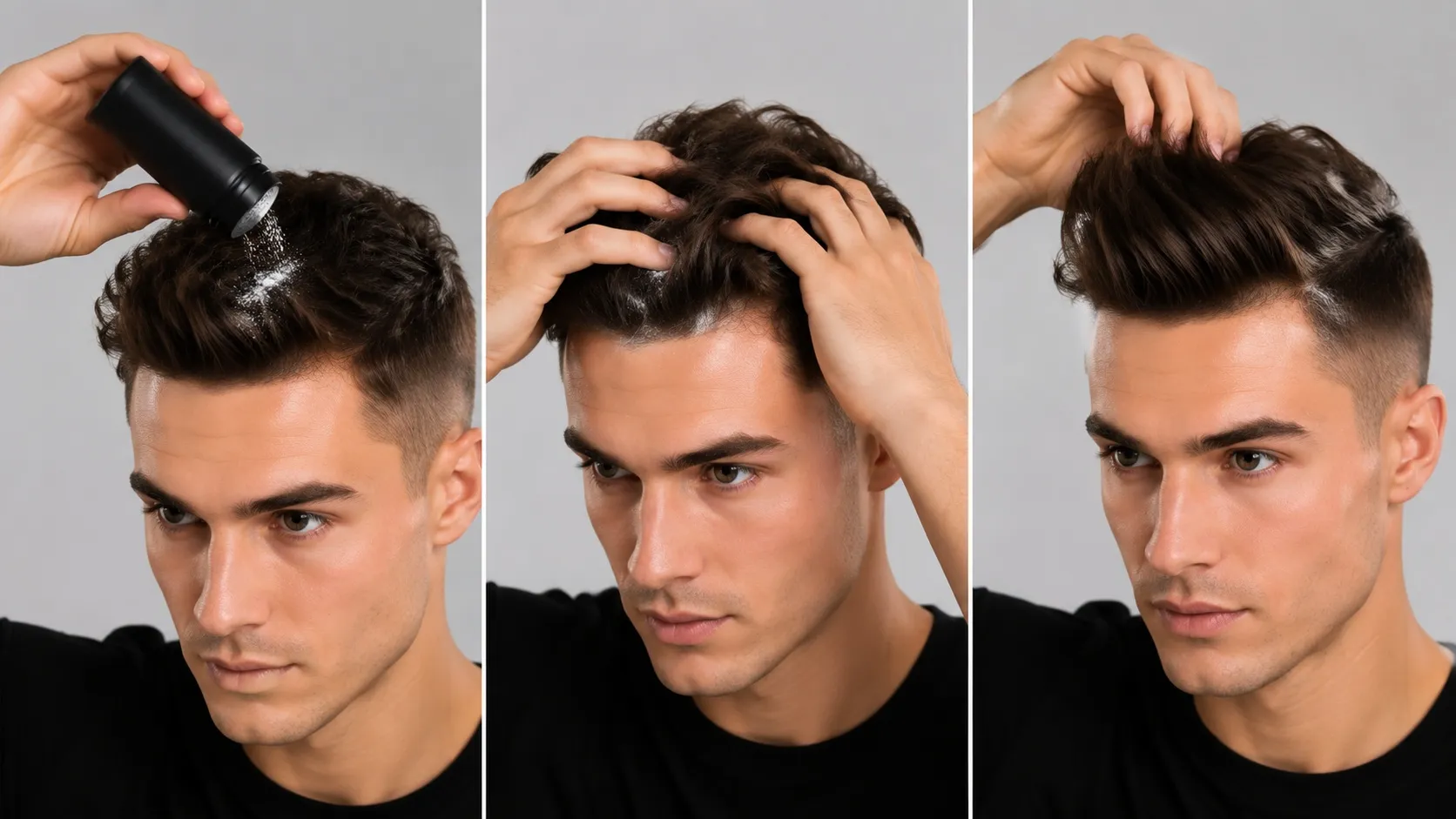
The fastest way to add dramatic height to front fringes, short crops, or mens short styles.
Step 1: Lightly puff a dry volumizing texture powder directly into the roots of your front hairline hair.
Step 2: Rub the scalp briskly with your fingertips to activate the powder grip.
Step 3: Use your fingers to lift and guide the front sections straight up and backward away from your forehead.
The Flat-Iron Flat Twist Wave
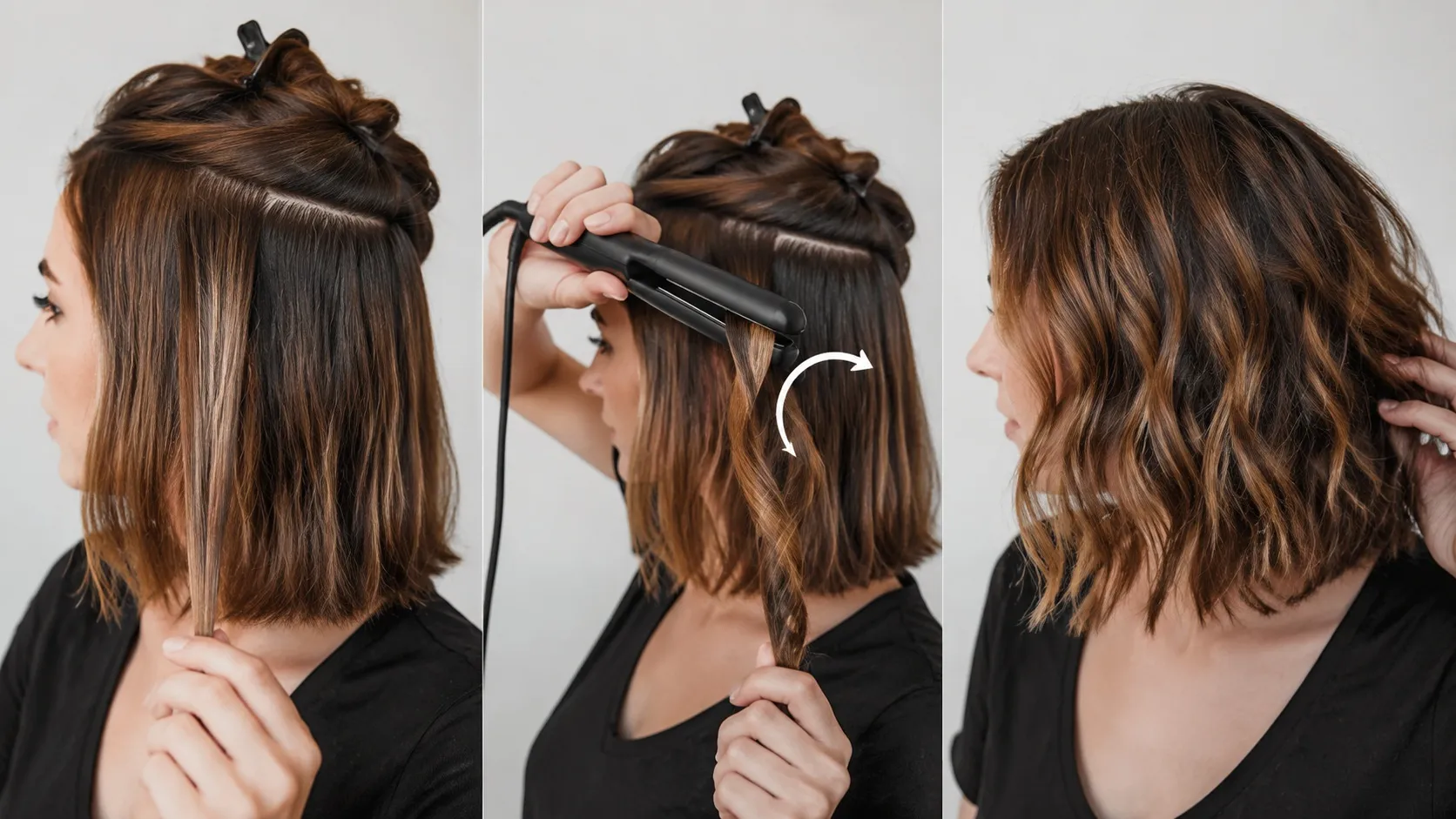
Adds soft, effortless beach movement to short lengths without looking like a tight, dated curl.
Step 1: Take a 1-inch vertical section of hair on a short bob or lob.
Step 2: Clamp a flat iron down near the roots, twist the iron 180 degrees away from your face, and immediately glide it down through the ends without stopping.
Step 3: Once cool, vigorously shake out the hair with your hands to open up the soft, flat-iron wave pattern.
How to Style Short Hair
The shorter the hair, the more it responds directly to root direction. If your roots dry flat, twisted, or in the direction of an aggressive cowlick, the ends of your hair will stick out in unmanageable angles. Styling short hair—whether you are figuring out how do I style men’s hair or looking for ways to maximize a women’s pixie—requires mastering root control rather than forcing the ends into place.
The Three Essential Tools You Actually Need
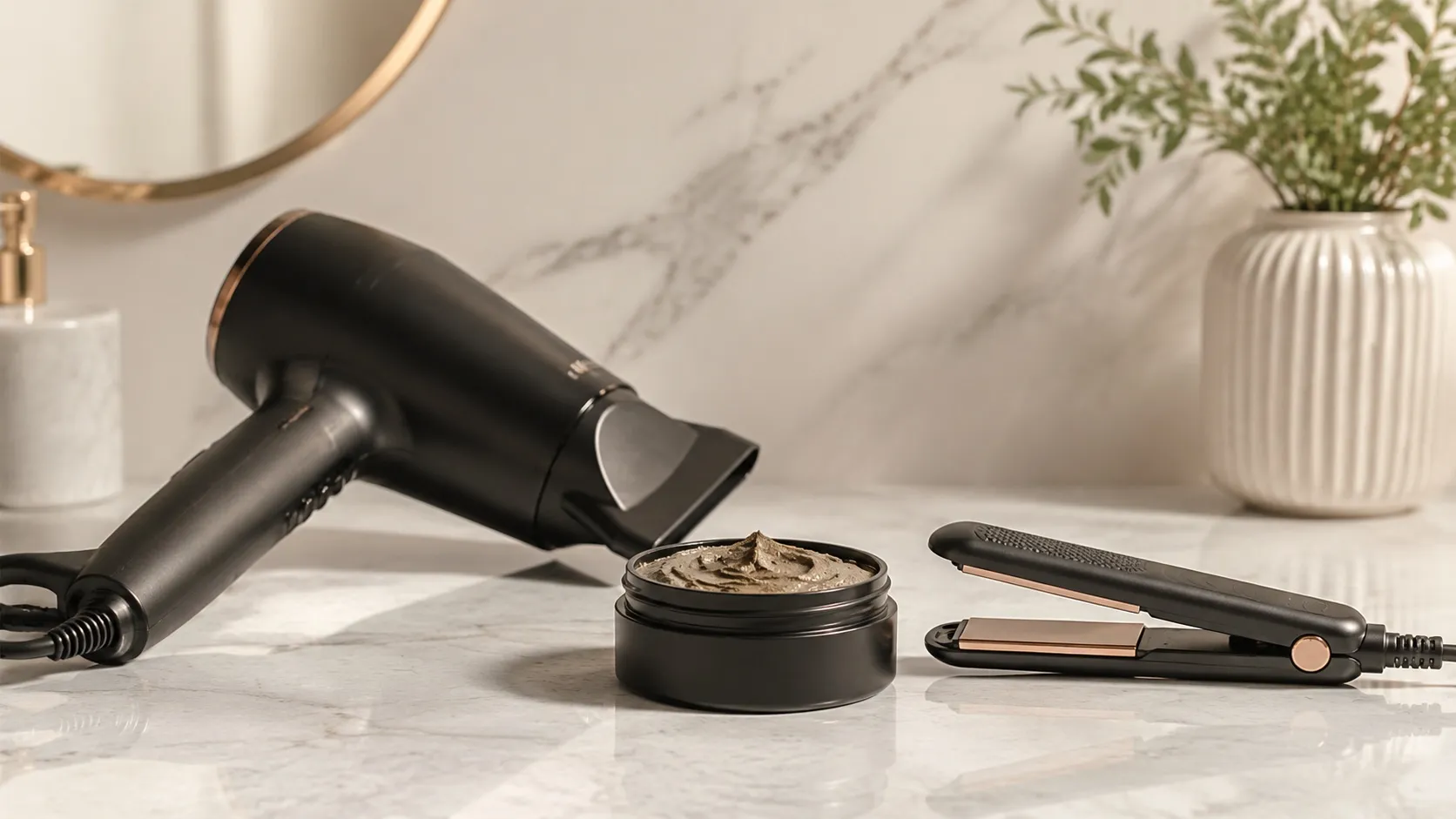
The Blow Dryer with a Concentrator Nozzle: Essential for directing airflow right at the root to override natural growth patterns and cowlicks.
Matte Clay or Gritty Paste: Provides a strong all-day hold without making short hair styles look greasy, wet, or weighed down.
A Mini Flat Iron (0.5-Inch Plates): Vital for gripping short layers, smoothing unruly hairlines, or flipping out piece-y ends on a short bob.
The Step-by-Step Short Hair Styling Process
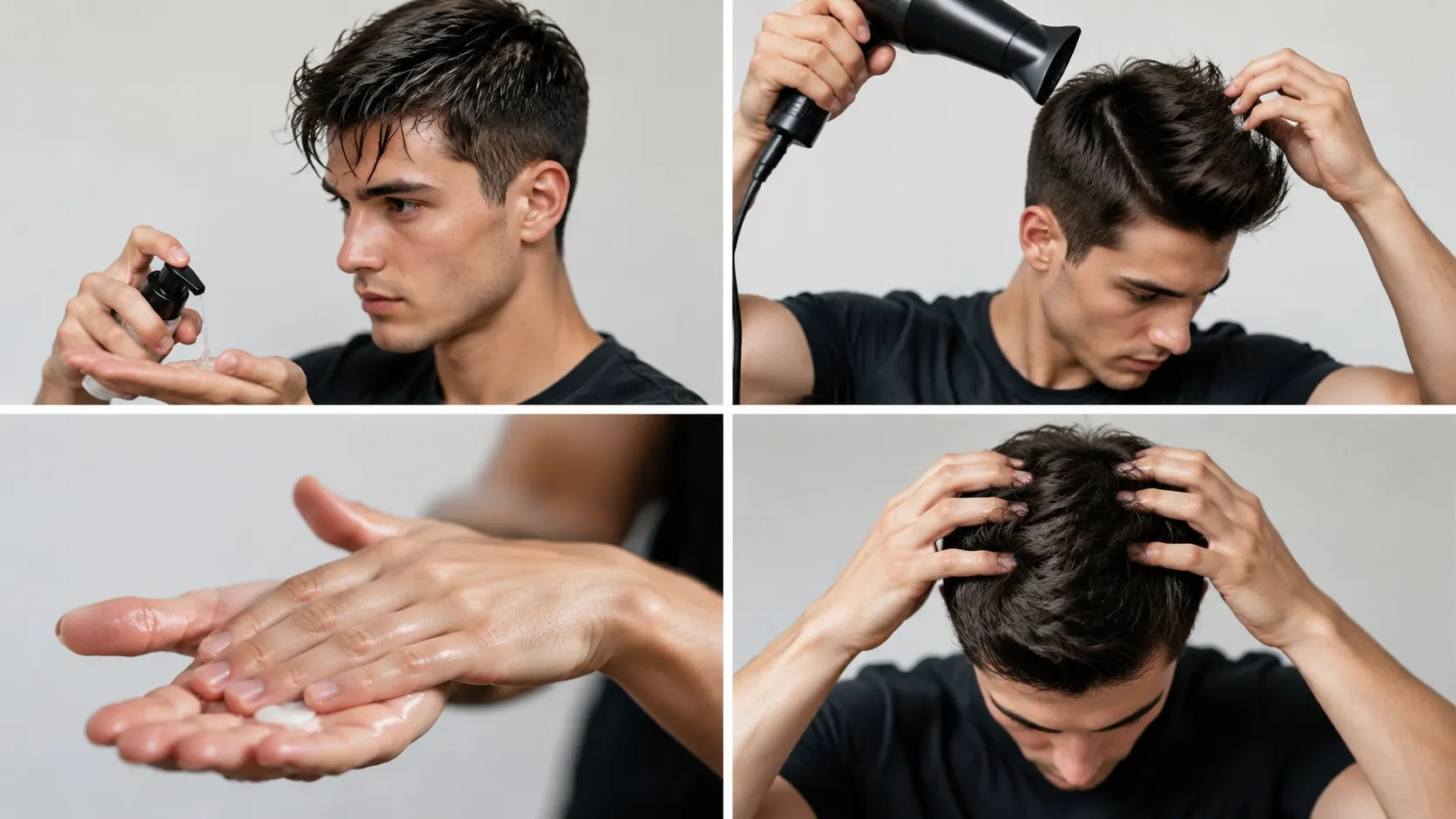
Prep on Damp Hair: Apply a nickel-sized amount of a lightweight styling primer or sea salt spray while your hair is still 50% wet.
Directional Wrap Drying: Use your fingers or a vent brush to wrap the hair around the curve of your head, following the airflow of the dryer. If your hair tends to lie flat, blow-dry it completely in the opposite direction of how you want it to lay, then flip it back for instant, natural volume.
Emulsify the Product Completely: Scoop a dime-sized amount of matte clay or paste. Rub your hands together vigorously until the product disappears and turns completely clear from the friction heat of your palms.
Work from Back to Front: Drive your hands directly down into the roots at the back of your head first, then work forward toward the fringe. This ensures the highest concentration of product is hidden at the back where weight is needed, rather than clumping at the front hairline.
Expert Insights: Mastering Hair Density & Hairlines
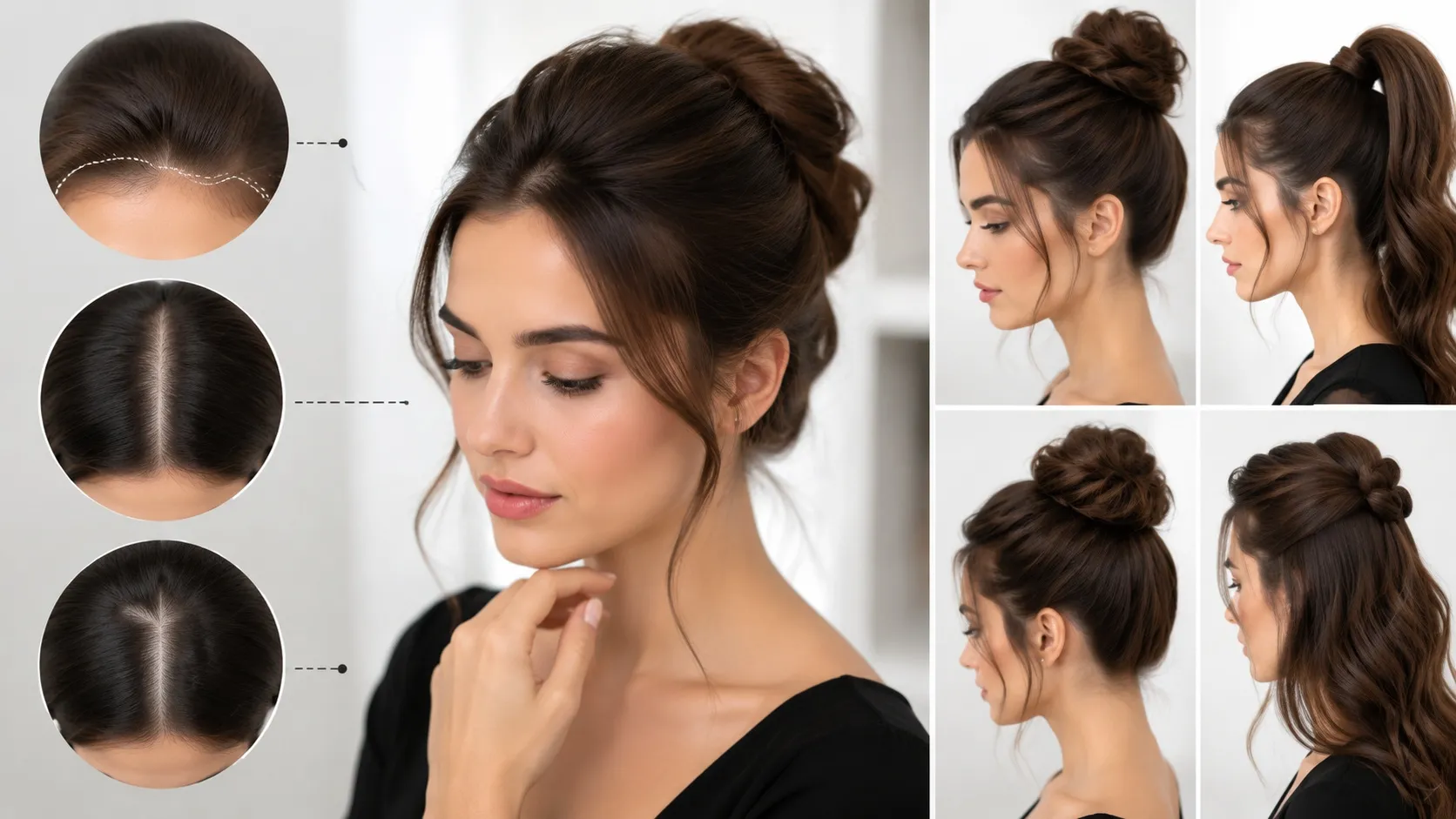
Many people face unexpected challenges when trying to recreate professional salon styles at home. Achieving the perfect look relies heavily on understanding your unique hairline and hair density. By recognizing these common structural factors, you can easily avoid styling mishaps and get salon-quality results every day.
The Receding Hairline & Low Density Solution
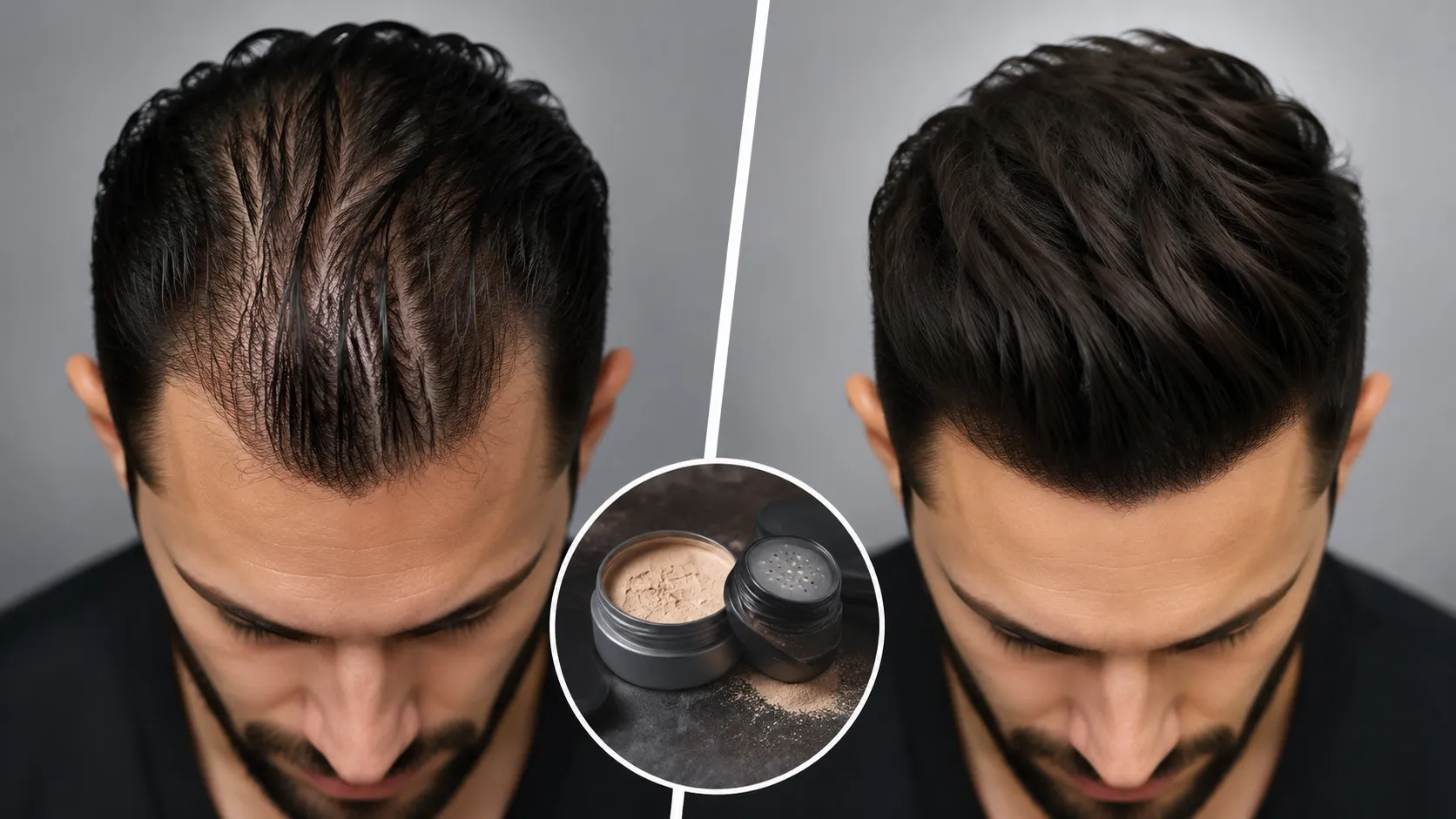
Styling a high-volume quiff or pompadour with heavy, wet pomades can cause thin hair strands to group together, which inadvertently exposes the scalp and highlights recession points. If you have fine hair or a shifting hairline, swap heavy products for dry texture powders or matte clays. These products coat individual strands to create natural friction, making the hair look twice as dense while filling in gaps effortlessly.
Managing the Natural Cowlick
A cowlick is a section of hair that grows in a distinct, circular pattern, and trying to force it to lie flat using heavy hair gel rarely works. Instead, utilize the directional blow-drying method: blow-dry the cowlick for 5 seconds in the direction it naturally grows, then immediately pull it for 5 seconds in the opposite direction while blasting it with the cold-shot button on your dryer. This tempers the root direction, allowing the hair to sit completely flat.
Avoiding Canopy Product Overload
A very common mistake when styling a short crop or pixie is applying styling wax directly onto the top canopy of dry hair. This instantly creates a heavy, oily patch right at the crown that destroys natural volume. Always apply your styling product internally through the mid-shaft and roots first, using only the microscopic residue left on your fingertips to piece out the very ends of your fringe.
Frequently Asked Questions
In modern grooming, preference relies almost entirely on execution and neatness rather than sheer length. A well-maintained, deliberate short crop—like a clean taper fade or a tailored Ivy League—consistently ranks higher in visual appeal than unstyled, overgrown hair that lacks structure. The key is choosing a cut that complements your facial bone structure and keeping it properly groomed.
You can use the classic “2.25-inch rule” developed by industry experts. Hold a pencil horizontally directly under your chin, then place a ruler vertically right under your earlobe. Measure the distance from your earlobe to where the pencil intersects the ruler. If the distance is less than 2.25 inches, your jawline and bone structure are highly optimized for short hair. If it is longer, medium or longer lengths will generally offer better visual balance.
The fundamental difference comes down to top length and styling versatility. A crew cut features hair that is cropped quite short on top and tapers down in length toward the crown, leaving it too short to meaningfully part or comb over. An Ivy League (often called a gentleman’s cut) leaves more substantial length on top—typically 1.5 to 2 inches—which provides enough hair to cleanly split into a side part and style the front fringe away from the forehead.
This depends heavily on the specific cut you choose. While short hair styles drastically cut down your morning washing, drying, and styling time, they significantly increase your salon visitation frequency. To keep tight perimeters like high fades, pixies, or geometric bobs looking crisp and structured, you must commit to a professional maintenance trim every 3 to 5 weeks.
The top-ranking looks this year focus heavily on organic, lived-in texture rather than stiff styling. For women, the wispy Korean short hairstyle for girl aesthetics and texturized “bixie” hybrids are dominating. For men, low taper fades paired with natural forward-brushed texture or highly structured Ivy League cuts are the leading trends. The emphasis across all demographics is on cuts that work with your natural hair density and require minimal heavy products.
Conclusion & Quick Takeaway
Mastering short hair styles comes down to geometry, hair density, and choosing a shape that fits your lifestyle. Whether you select a precision blunt bob, a sharp taper fade, or a texturized crop, the right cut should work with your natural growth patterns—not against them. To protect your investment and maintain the structure of your new crop, ensure you use targeted, professional styling products and stick to your regular maintenance windows.
Professional Stylist Tip
Ready to keep your new short cut looking sharp and healthy at home? Head over to our Ultimate Hair Care & Maintenance Guide best looks for men in 2026 for expert steps on protecting your hair density, managing stubborn cowlicks, and choosing the perfect matte clays or weightless serums for your specific hair texture.